John McRae Books

Literary texts and extracts can provide a stimulating basis for classwork on language appreciation and oral fluency. This book for upper-intermediate and more advanced students contains a wide range of texts with related exercises which aim to make literature more accessible while developing general fluency. It is organized thematically, covering such topics as Family, Environment, Rebellion and Women. There is a minimum of three texts in each unit and the related activities are varied and thought-provoking, to stimulate and sustain discussion. The last part of each unit draws together what the students have read: first, by considering the different treatments of the theme; then by actively involving the students in a stimulation which relates theme to text; and finally, by analysing the literary uses of language illustrated in the texts.
The Penguin guide to literature in English : Britain and Ireland
- 272 pages
- 10 hours of reading
The Penguin Guide to Literature in English: Britain and Ireland provides an illustrated introduction to the work of the most important writers and their historical background from the year 600 to the end of the 20th century. It covers the works of novelists, dramatists, and poets from Chaucer to Shakespeare, Austen to Dickens, James Joyce to Seamus Heaney, right through to modern-day authors such as Jeanette Winterson, Roddy Doyle, and Irvine Welsh. Written specifically for non-native speakers of English, it offers many illustrations and literary extracts as well as glossaries of literary and cultural terms, a writer index, and a table showing the most important historical and literary events.
This is a guide to the main developments in the history of British and Irish literature, charting some of the main features of literary language development and highlighting key language topics.
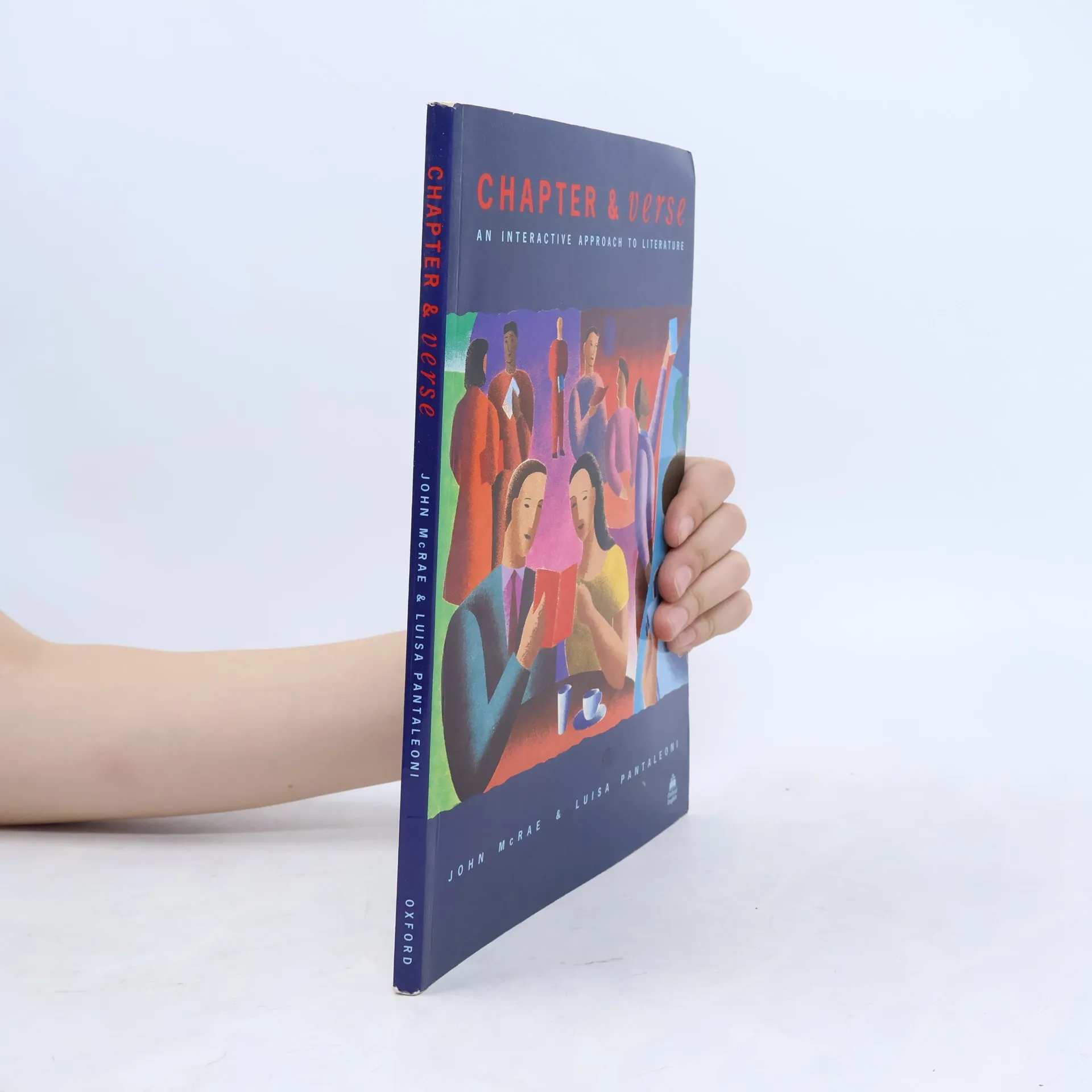
Chapter & verse. An interactive approach to literature
- 144 pages
- 6 hours of reading
This book introduces language students to literary texts to be read for pleasure, discussion and language improvement. The themes include Money, Pleasure, Education, and Identity, with a wide variety of unsimplified texts ranging from Shakespeare to John Steinbeck. Teacher's notes are provided at the back of the book. The cassette contains most of the extracts and poems.
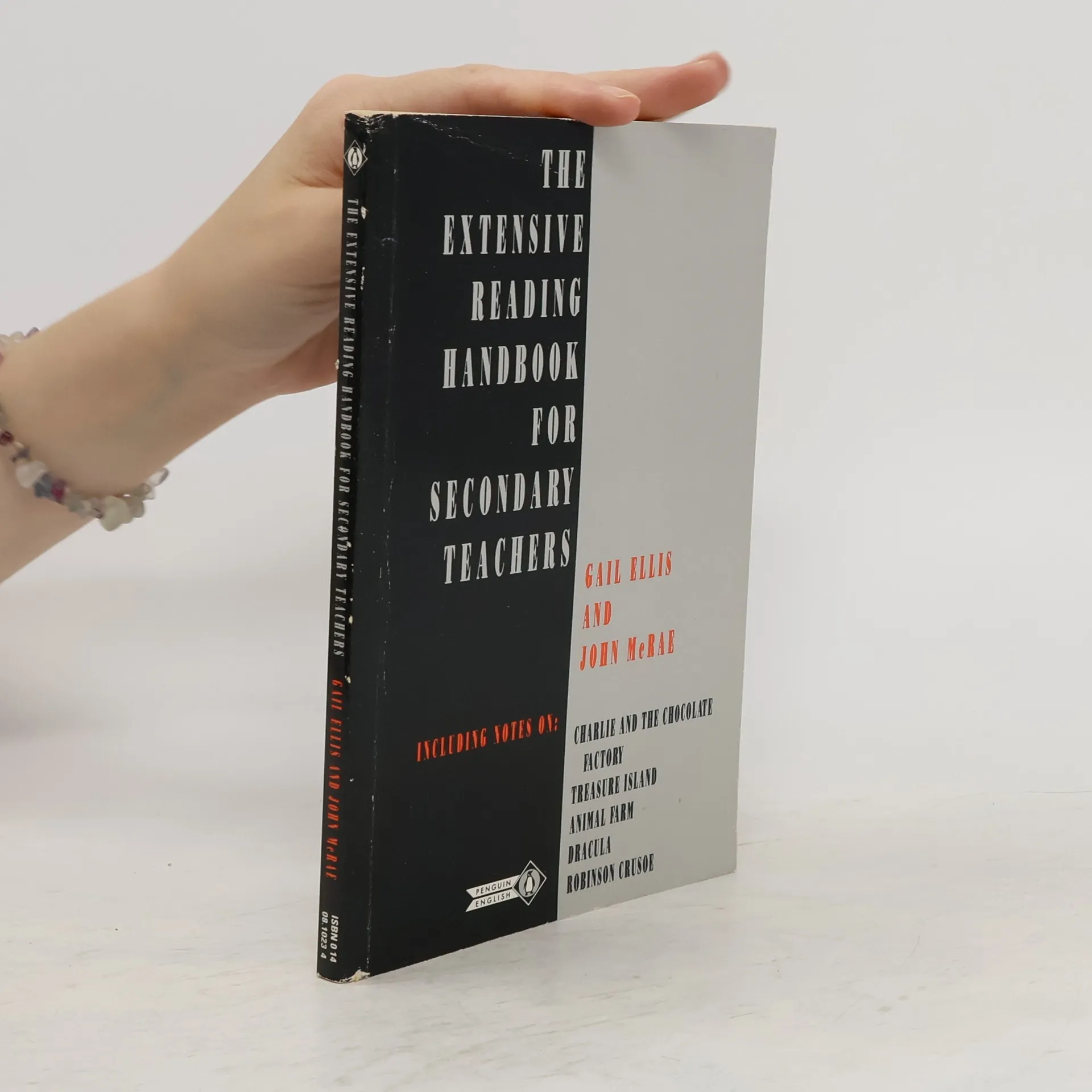
The Extensive Reading Handbook for Secondary Teachers
- 60 pages
- 3 hours of reading
A resource book for secondary teachers providing guidelines for preparing and stimulating students to read on their own for pleasure and to improve their English. It provides detailed notes on 17 books at three levels, primary to lower secondary, lower secondary and lower to upper secondary.
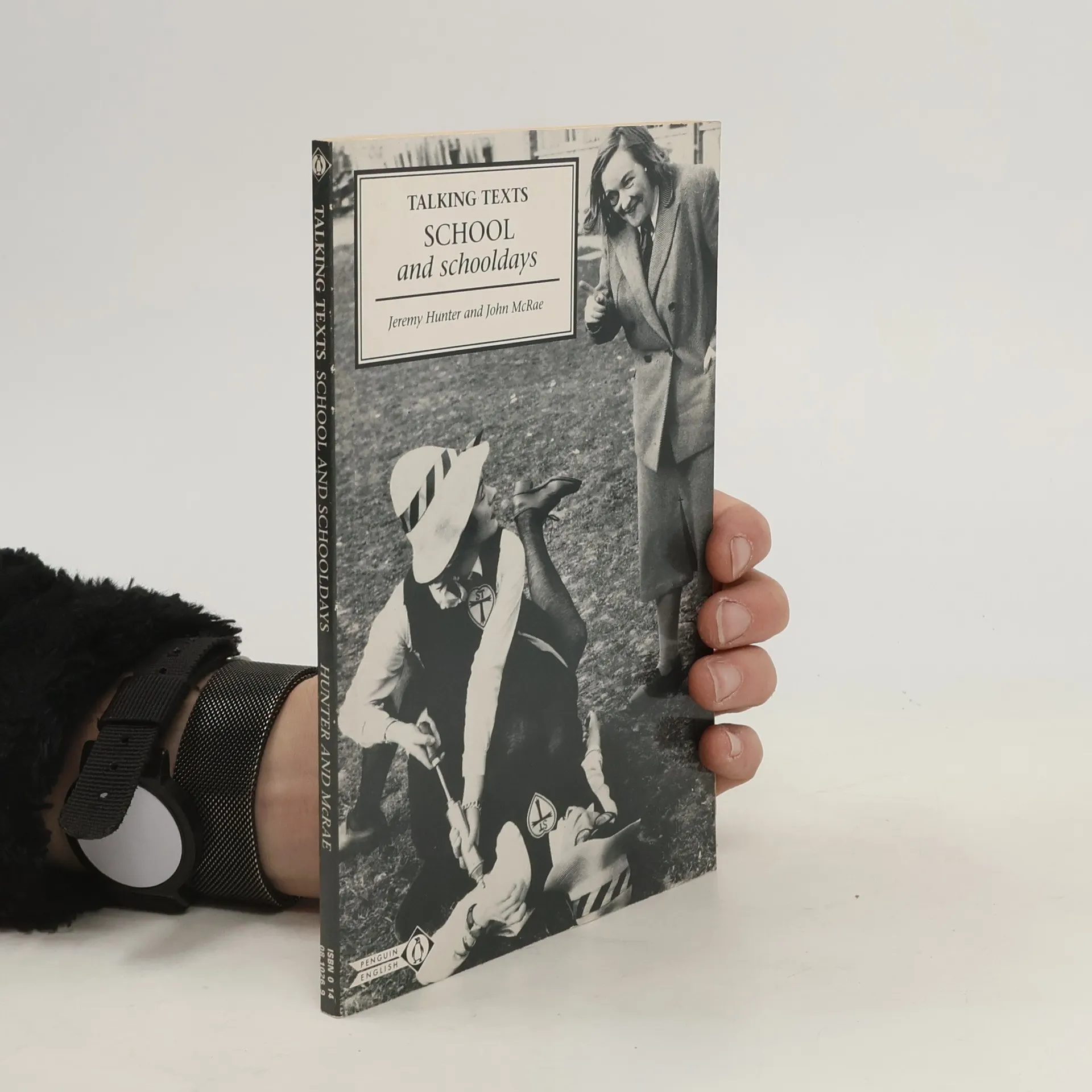
School and Schooldays
- 64 pages
- 3 hours of reading
Aims to introduce students to an appreciation of literature by treating the theme of school in an entertaining and informative way. The extracts are followed by exercises on the following page which cover listening, reading and discussion. The book and accompanying cassette features extracts from writers' accounts of school. Included are The Diary of Adrian Mole and The Prime of Miss Jean Brodie.
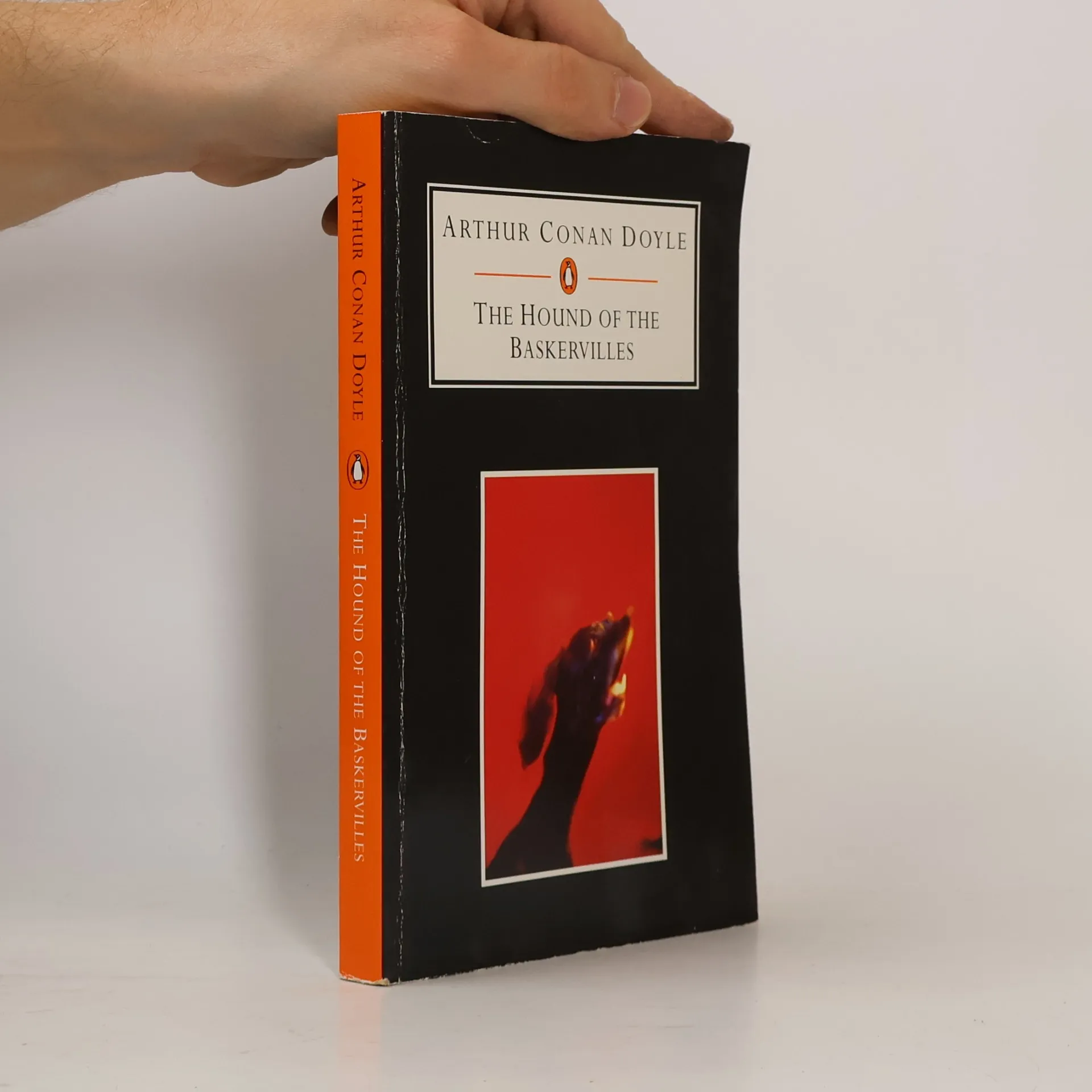
The Hound of the Baskervilles - Penguin Student Editions
- 224 pages
- 8 hours of reading
Kriminalroman. Sherlock Holmes undersøger, om det var en spøgelseshund, der skræmte den velhavende Sir Charles til døde, eller om der var tale om en forbrydelse. Herudover er der noter og opgaver til teksten