

Lee Smolin is a theoretical physicist whose work delves into profound questions about the nature of time and the cosmos. He explores avenues for unifying the fundamental forces of nature, offering fresh perspectives on what a theory of everything might entail. Smolin's writing makes complex scientific concepts accessible to a broader audience, fostering critical thought about the current landscape of theoretical physics. His books often engage with the philosophical implications of scientific discoveries, prompting readers to consider our place within the universe.
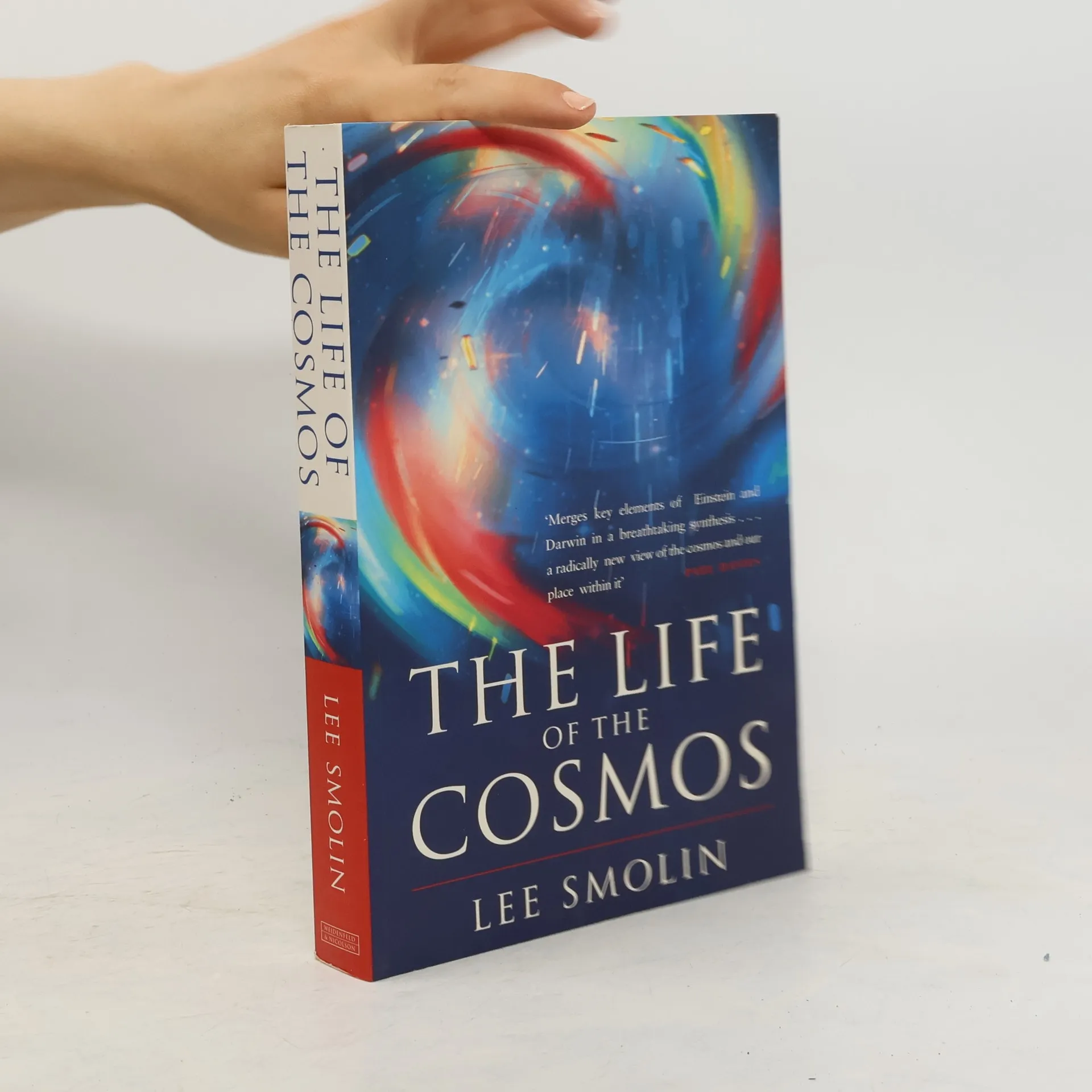
A radically new view of the nature of the universe that suggests that the cosmosas a whole is best understood not as mechanical and clockwork, but as complete and evolving, more akin to a living entity than a machine. Comparable in its acope and ambition to Roger Penrose and Stephen Hawking, and readable than either.
"It would be hard to imagine a better guide to this difficult subject."--Scientific American In Three Roads to Quantum Gravity, Lee Smolin provides an accessible overview of the attempts to build a final "theory of everything." He explains in simple terms what scientists are talking about when they say the world is made from exotic entities such as loops, strings, and black holes and tells the fascinating stories behind these discoveries: the rivalries, epiphanies, and intrigues he witnessed firsthand. "Provocative, original, and unsettling." --New York Review of Books "An excellent writer, a creative thinker."--Nature
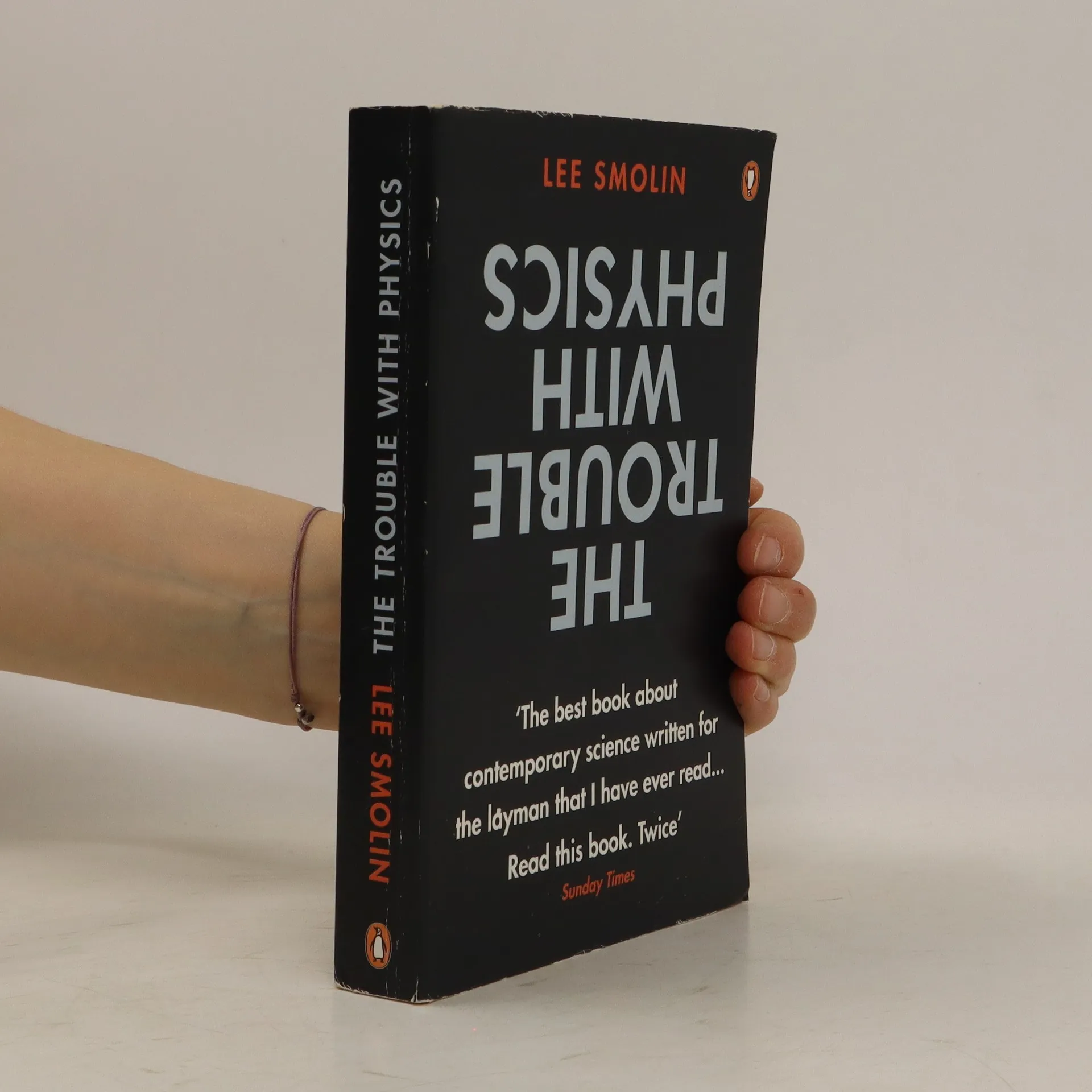
What is string theory? Why does it matter to our understanding of the universe? And what if it is wrong?"The Trouble with Physics" is a groundbreaking account of the state of modern physics: of how we got from Einstein and Relativity through quantum mechanics to the strange and bizarre predictions of string theory, full of unseen dimensions and multiple universes.Lee Smolin not only provides a brilliant layman's overview of current research as we attempt to build a "theory of everything," but also questions many of the assumptions that lie behind string theory. In doing so, he describes some of the daring, outlandish ideas that will propel research in years to come.
Quantum physics is the golden child of modern science. It is the basis of our understanding of atoms, radiation, and so much else, from elementary particles and basic forces to the behavior of materials
With clarity, passion, and authority, renowned theoretical physicist Smolin charts the rise and fall of string theory and takes a fascinating look at what will replace it.
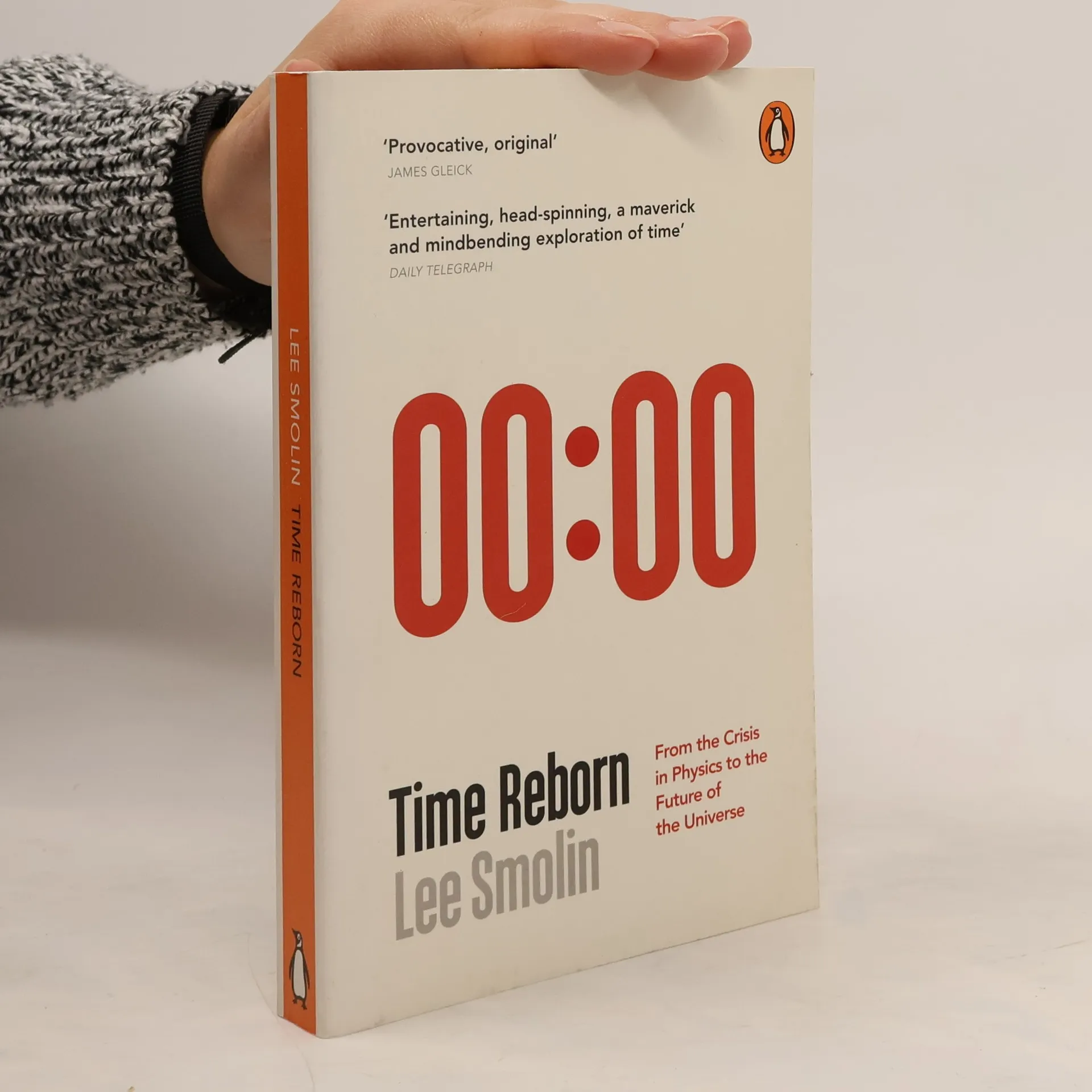
Nothing seems more real than time passing. We experience life as a succession of moments. But just as some of us see God as eternal, so physicists understand the truths of mathematics and the laws of nature as constant, transcending time. These laws dictate how the future will evolve: there is no freedom, no uncertainty about the future at all. Yet, argues Lee Smolin, this denial of time is holding back both physics, and our understanding of the universe. We need a major revolution in scientific thought: one that embraces the reality of time and places it at the centre of our thinking. Time, he concludes, is not an illusion: indeed, it is the best clue that we have to fundamental reality. Time Reborn explains how the true nature of time impacts on us, our world, and our universe.
From a leading thinker and public intellectual comes a radical new perspective on the nature of time and the cosmos. The question of what time is stands as one of the most critical challenges in science today. The mysteries that physicists and cosmologists grapple with—ranging from the Big Bang to the universe's future, and from quantum physics puzzles to the unification of forces and particles—ultimately hinge on our understanding of time. While the reality of time seems self-evident in our daily experiences, many physicists, from Newton to Einstein and contemporary theorists, have proposed that time might be an illusion. This perspective presents a formidable scientific case, suggesting that recognizing time as real could lead to revolutionary consequences. Lee Smolin, known for his provocative work, argues that a constrained view of time is stifling progress in physics. He advocates for a transformative shift in scientific thought, proposing that the laws of physics may not be timeless and could evolve. This fresh approach to cosmology not only embraces the reality of time but also opens up new avenues for exploration. Smolin's engaging prose illustrates how understanding the true nature of time can profoundly affect our world, influencing everything from climate change to economic crises.
Die Zukunft der Quantentheorie von einem der führenden Physiker unserer Zeit Die Quantenphysik ist das Lieblingskind der modernen Wissenschaft. Sie ist das Fundament für unser Verständnis von allem was sich abspielt zwischen den Elementarteilchen bis hin zum Verhalten von Materie aller Art. Die Quantenphysik ist aber auch ein Problemkind: Ihre Erfinder können sich noch nicht einmal auf ihre Grundlagen einigen, sie ist gefangen in seltsamen Paradoxien, und was sie ausmacht, klingt eher erfunden als erforscht. Warum das so ist, zeigt uns Lee Smolin in seinem neuen Buch: Die Probleme der Quantenphysik sind ungelöst und unlösbar aus einem einzigen Grund: Die Quantentheorie ist unvollständig. Er zeigt uns, wie wir zu einem wirklich neuen Verständnis von Natur und Universum kommen können, indem wir die Theorie vervollständigen und zu Ende denken, was mit Einstein begonnen hat. Ausstattung: 14 s/w Abbildungen
Wie wirklich ist Zeit? Zeit ist etwas völlig Selbstverständliches für uns, wir erleben, wie sie vergeht, wenn wir auf die Uhr schauen, Kindern beim Älterwerden zusehen oder Wettrennen beobachten. Und doch haben Physiker von Newton über Einstein bis zu den heutigen Quantenphysikern eine andere Auffassung der Zeit. Für sie ist sie nicht real, sondern eine Illusion. Für sie wird das Universum von Gesetzen beherrscht, die außerhalb der Zeit stehen, zeitlos sind, von Newtons Gravitationsgesetz bis zur Formel e=mc². Lee Smolin hingegen sieht Zeit als die einzige fundamentale Größe des Universums. Alles andere, auch die vermeintlich unabänderlichen Gesetze, unterliegen seiner Auffassung nach der Veränderung in der Zeit. Newtons Gesetze werden vielleicht nicht immer so grundlegend bleiben, wie wir sie heute verstehen. Mit dieser revolutionären Auffassung stellt er die Zeit in den Mittelpunkt unseres Denkens über die Welt und erklärt, welche Auswirkungen das auf uns, auf die Welt, auf das Universum hat.