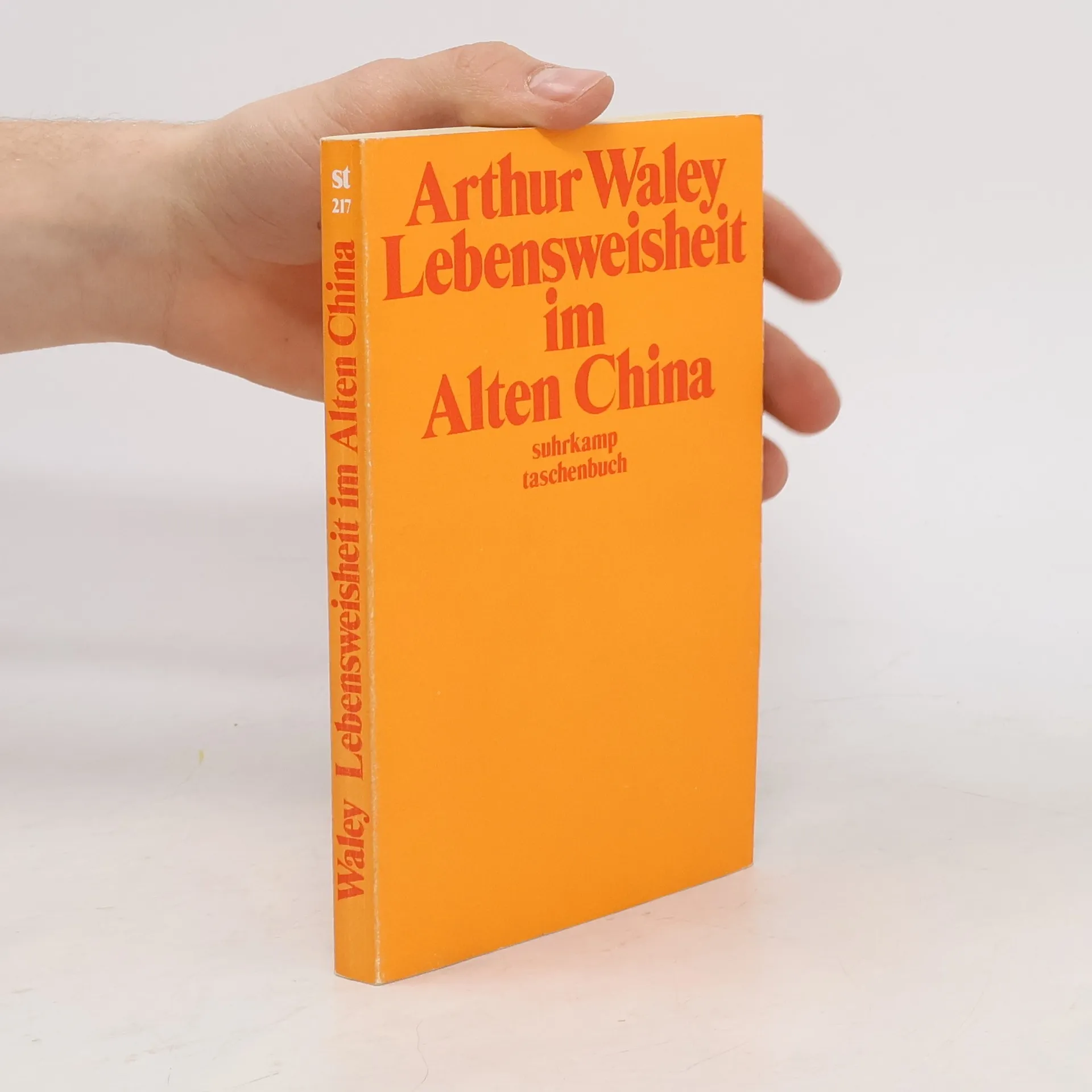
Arthur Waley was a distinguished authority on Chinese language and literature whose works offered profound insights into Eastern culture. Celebrated for his numerous translations from the Chinese, his renderings provided Western readers with access to the richness of East Asian poetic and philosophical traditions. His unique approach captured the spirit and nuance of the original texts, making him a pivotal figure in the cross-cultural literary landscape.
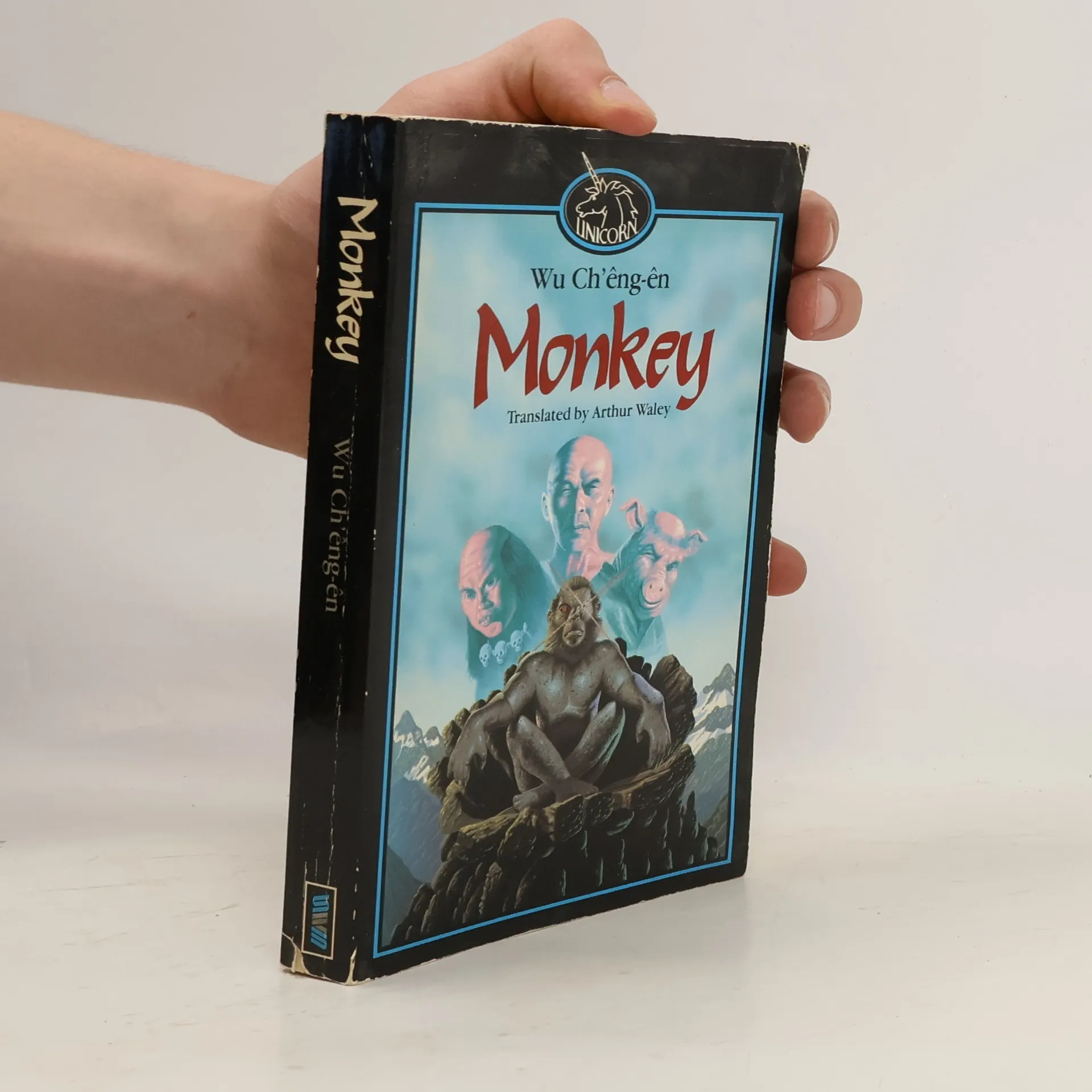
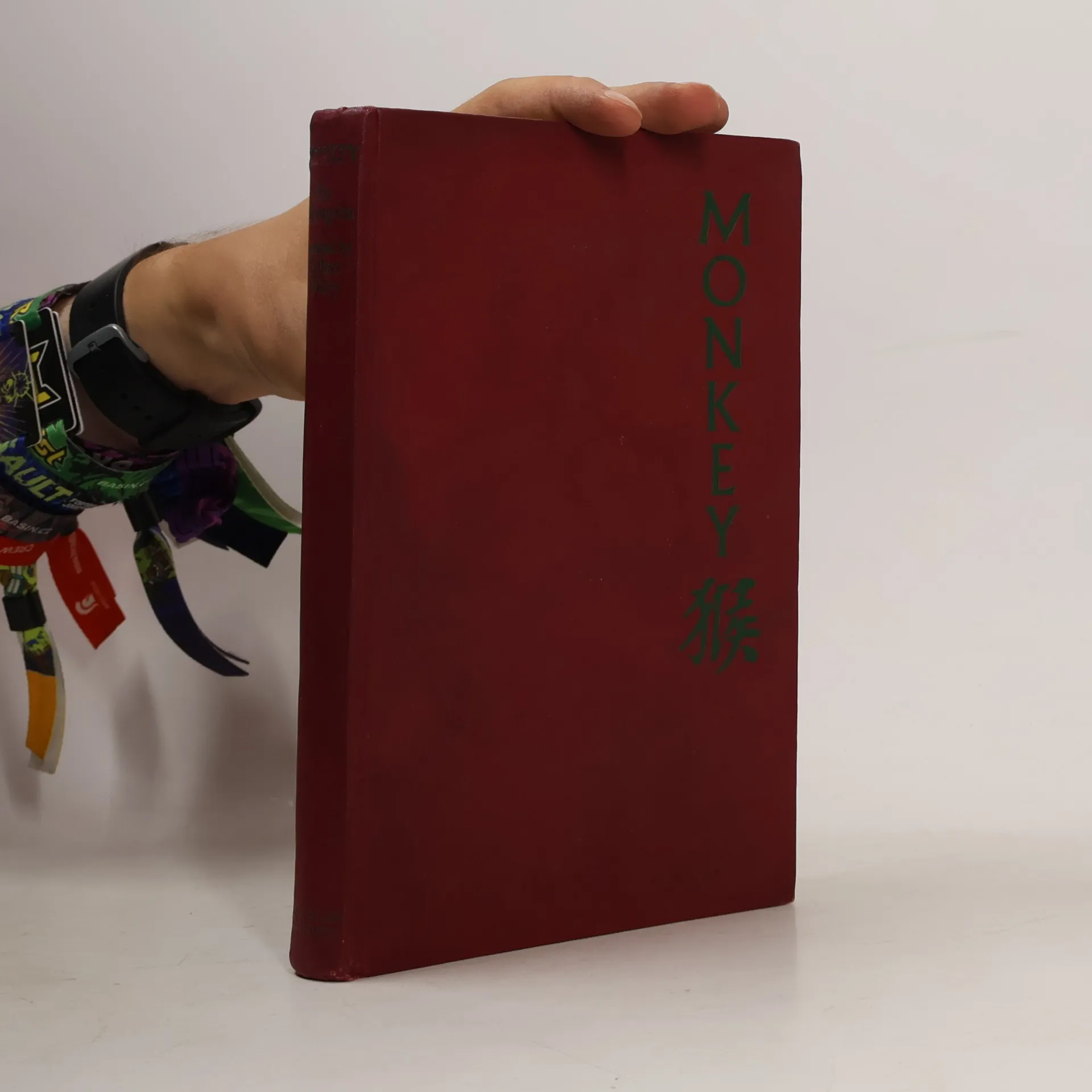
Written in the middle of the 16th century, this Chinese classic tells the story of Tripitaka's journey to India and what happens on the way. Its true theme is man's pilgrimage through life, with Monkey, Pigsy and Sandy symbolizing diverse elements of human nature.
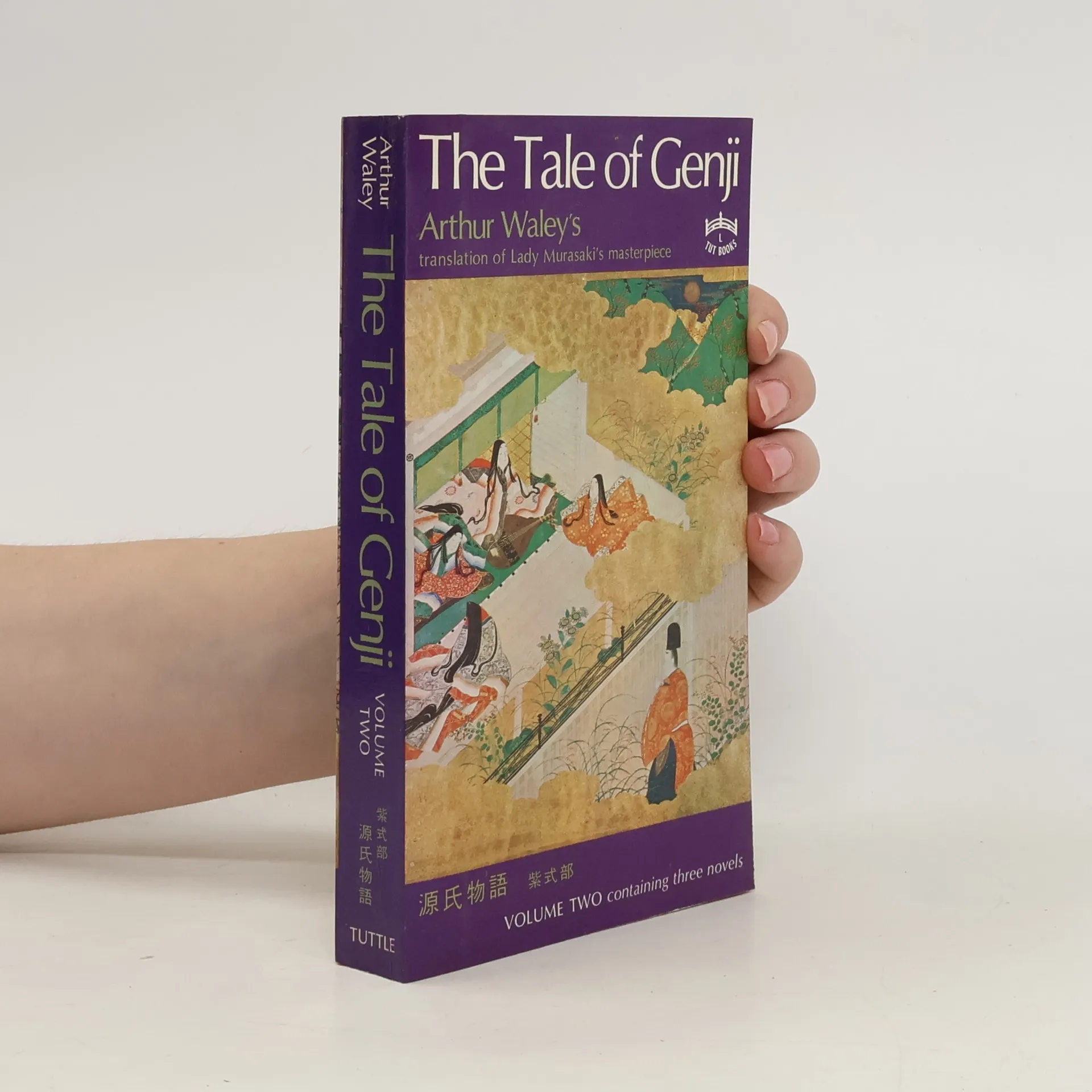
Completed in the early 11th century, The Tale of Genji is considered the supreme masterpiece of Japanese prose literature, and one of the world's earliest novels. A work of great length, it comprises six parts, the first part of which (also called The Tale of Genji) is reprinted here. The exact origins of this remarkable saga of the nobility of Heian Japan remain somewhat obscured by time, although its author, Lady Shikibu Murasaki, presumably derived many of her insights into court life from her years of service with the royal family. The novel centers on the life and loves of the prince known as "the shining Genji." Far more than an exotic romance, however, the tale presents finely drawn characters in realistic situations, set against a richly embroidered tapestry of court life. Moreover, a wistful sense of nostalgia pervades the accounts of courtly intrigues and rivalries, resulting in an exquisitely detailed portrayal of a decaying aristocracy. Vibrant in its poetry and wordplay, subtle in its social and psychological observations, this work ranks in stature and significance with such Western classics as Cervantes' Don Quixote and Proust's Remembrance of Things Past. This inexpensive edition, featuring Arthur Waley's splendid translation of the first of the six-part series, offers readers a memorable taste of one of the world's first and greatest novels.
This volume translates and places in the appropriate historical context a number of private documents, such as diaries, autobiographies and confessions, which explain what the Opium War felt like on the Chinese side.Originally published in 1958 by Allen & Unwin.
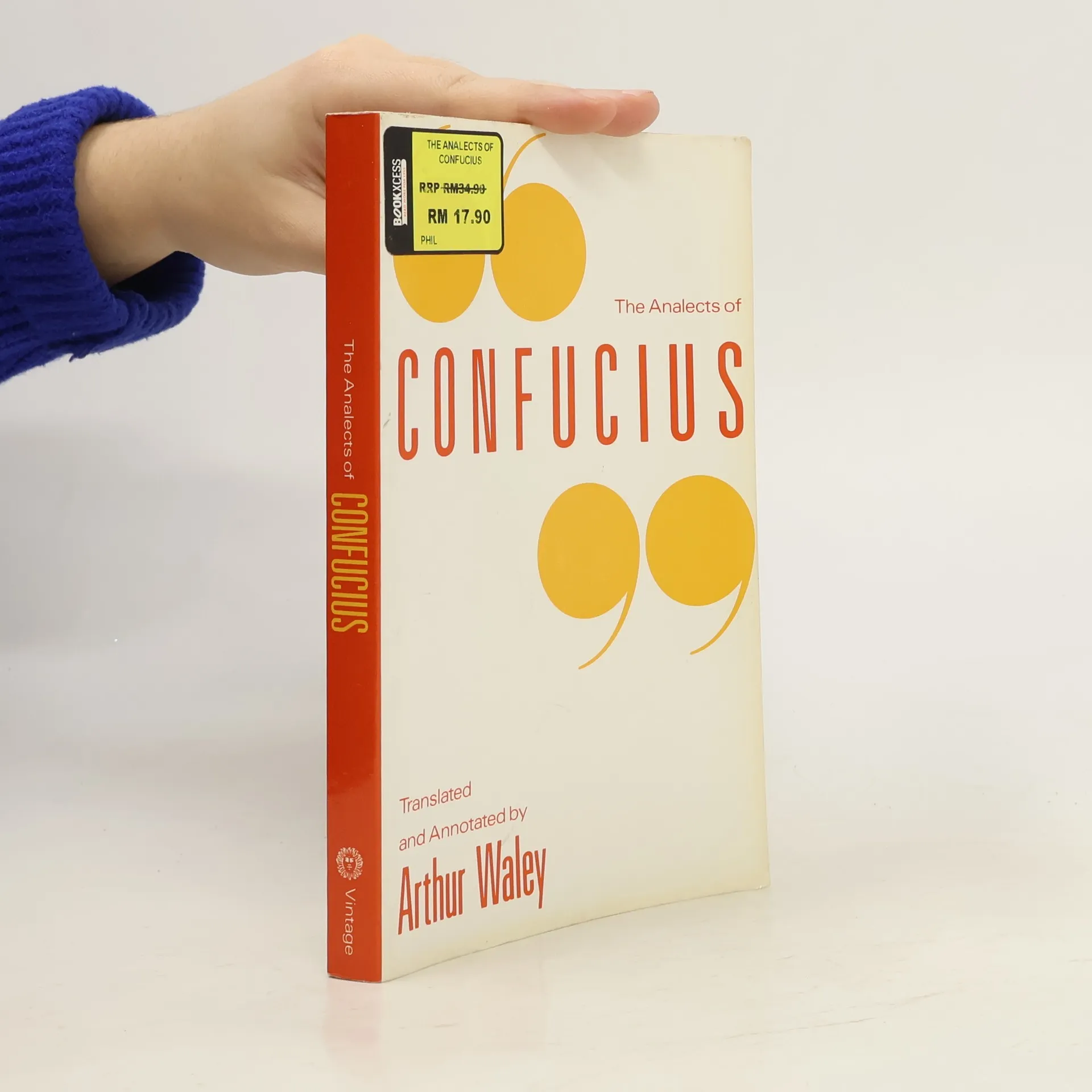
One of the most influential books of all time, The Analects of Confucius collects the sayings and wisdom of the Chinese philosopher and his followers. Still as relevant today as they were over two thousand years ago, these teachings together present a moral code that values virtue above all, and make up the core values of the Confucian tradition. This edition includes a full introduction that gives the social and political background of the ancient work, analyses of key terms in Chinese thought, and a careful study of the history of the book and its interpretations. There are also full notes illuminating the references to contemporary events and clarifying obscure passages. An essential work of literature and philosophy, The Analects of Confucius has shaped generations of readers around the world.
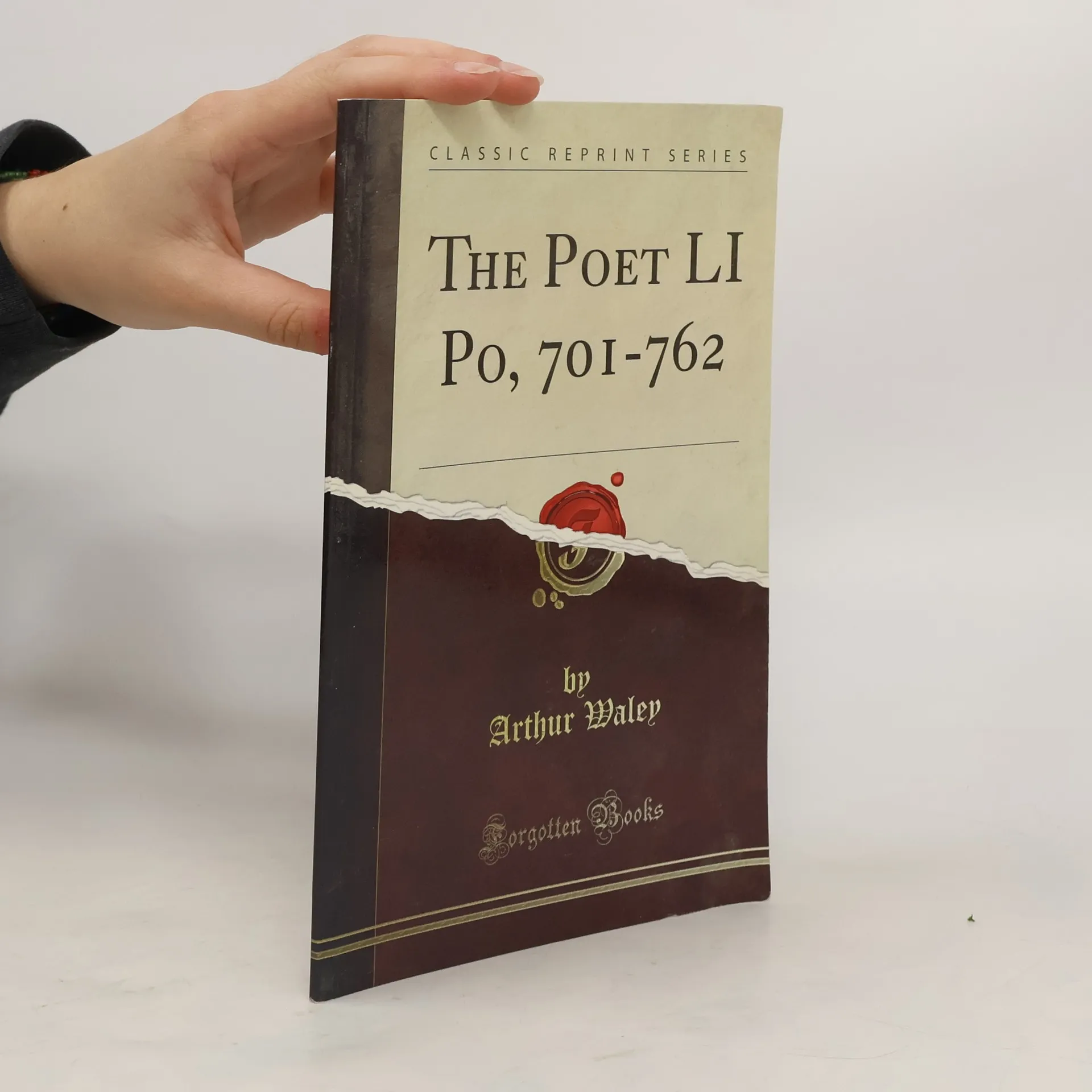
This comprehensive biography, first published in 1950, delves into the life of one of China's most celebrated poets, offering insights that were previously unavailable in any language. It explores the poet's influences, works, and the cultural context of his time, making it a significant contribution to literary scholarship and an essential read for those interested in Chinese poetry and history.
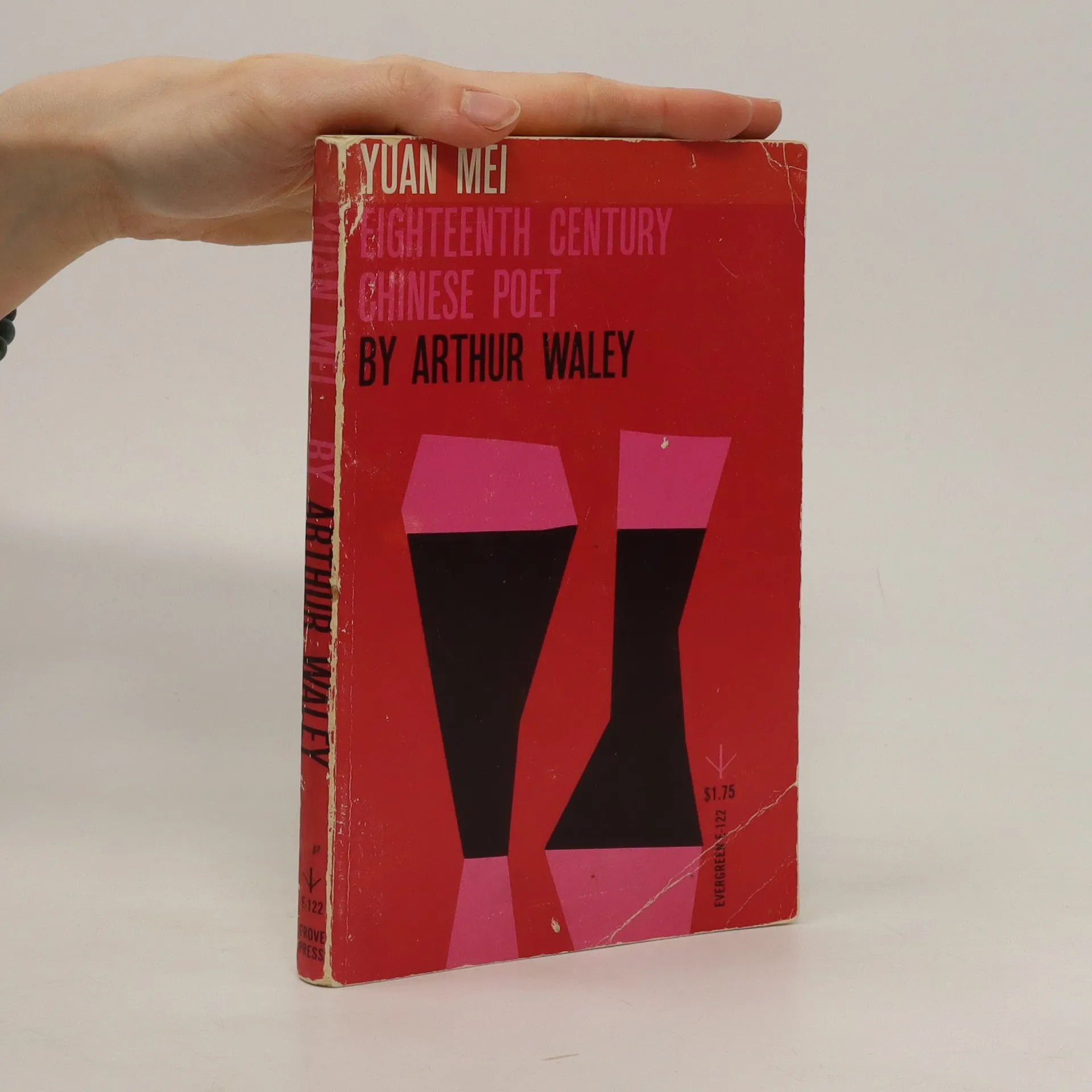
First published in 1956.Arthur Waley here presents an engrossing account of the works and life of Yuan Mei (1716-1797), the best-known poet of his time. Gaiety is the keynote of his works and the poet was a friend of the Manchu official with whom Commodore Anson had dramatic dealings at Canton in 1743. Yuan Mei gives an account (not previously translated) of Anson's interview with the Manchu authorities. The book contains many translations of Yuan Mei's verse and prose.