Explore the latest books of this year!
Bookbot

Robert Sternberg

    December 8, 1949

    Robert J. Sternberg is a psychologist who challenges traditional views of intelligence. His Triarchic Theory of Successful Intelligence posits that true intelligence lies in a balance of analytical, creative, and practical abilities. Sternberg emphasizes that intelligent behavior involves not just analytical thinking, but also the capacity to generate novel ideas and apply knowledge effectively in real-world contexts. Adaptability and leveraging one's strengths within a specific sociocultural environment are central to achieving success, according to his influential work.

    Robert Sternberg
    Applied Intelligence
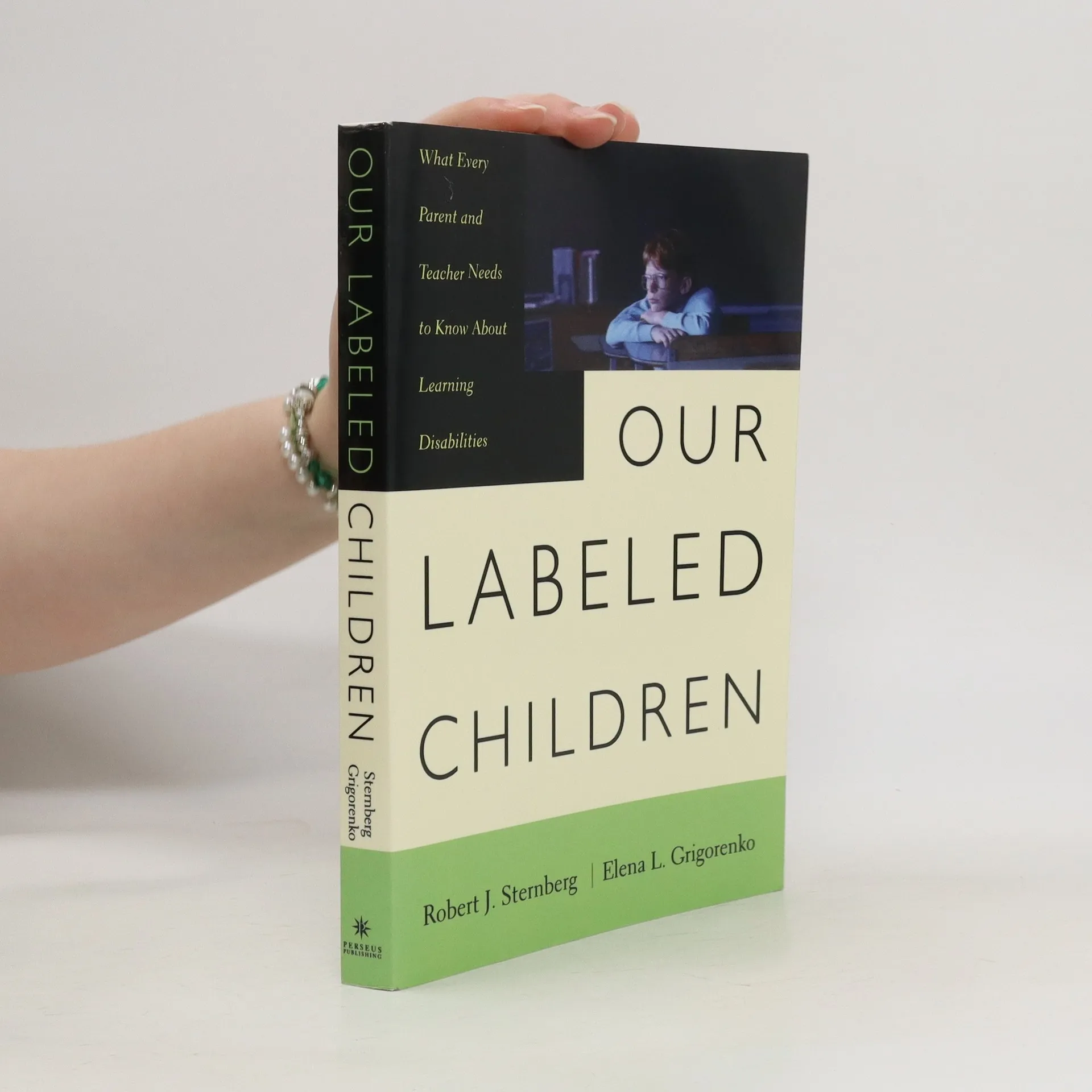
    Our Labeled Children
    The Nature of Intelligence and Its Development in Childhood
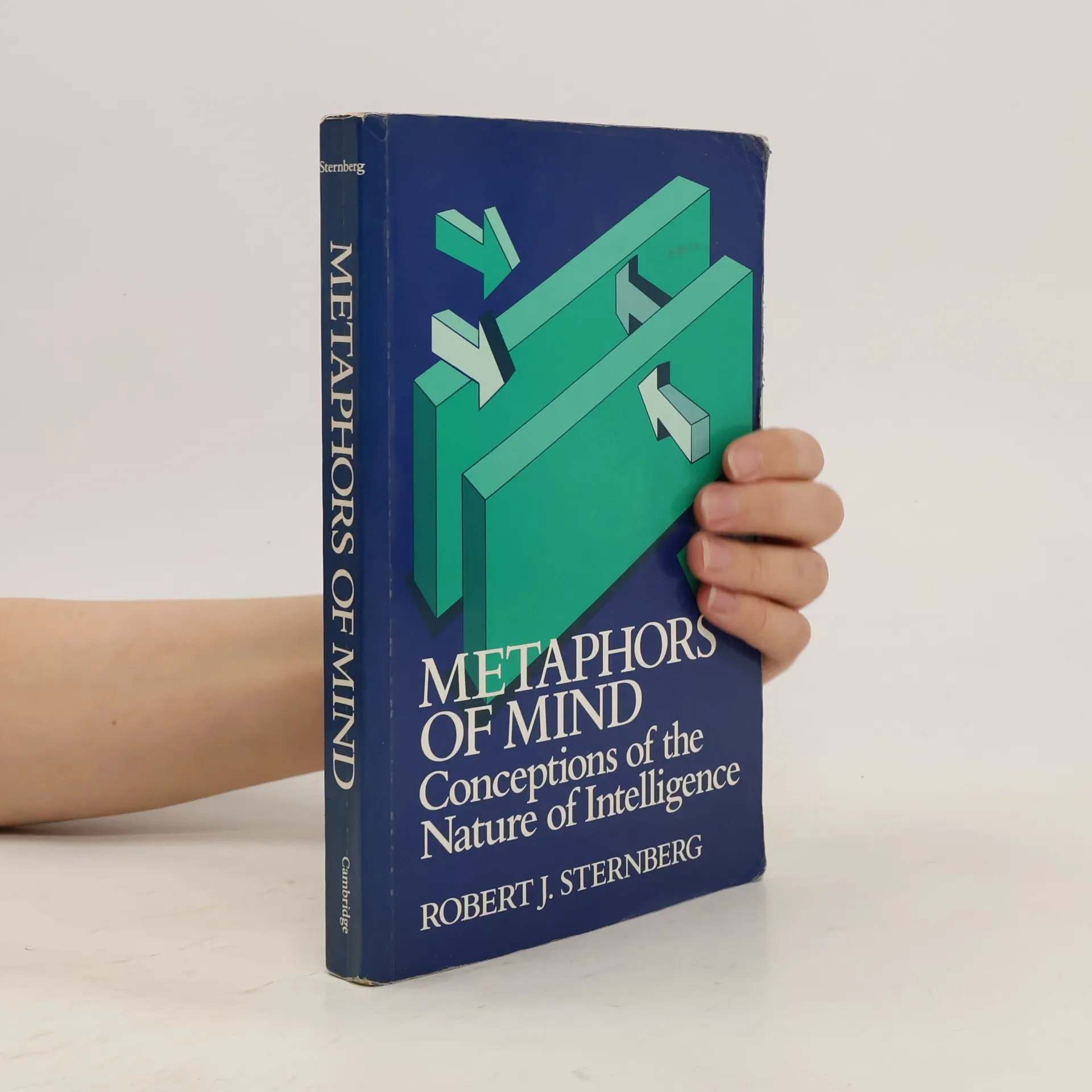
    Metaphors of Mind
    Adaptive Intelligence
    Cognitive Psychology
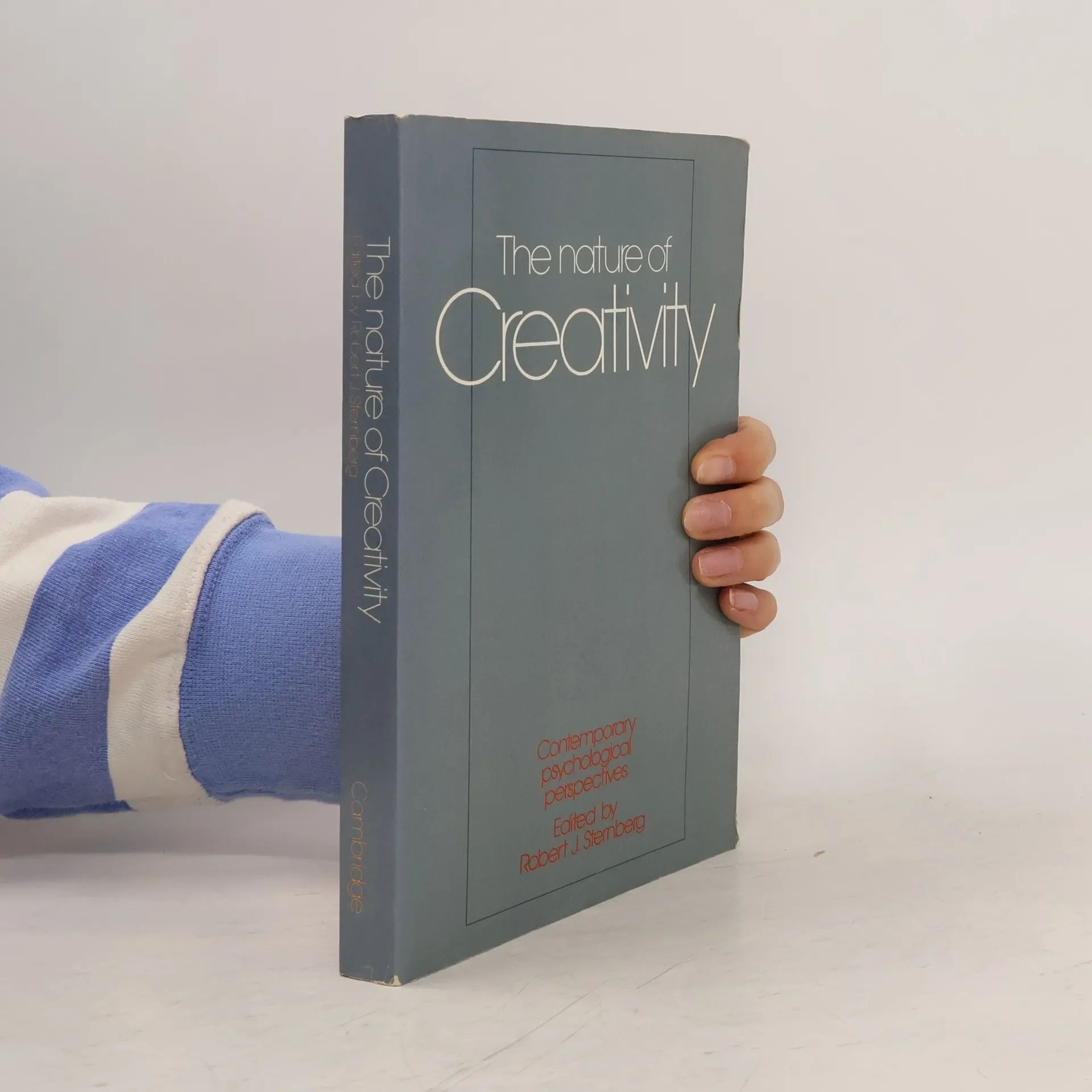
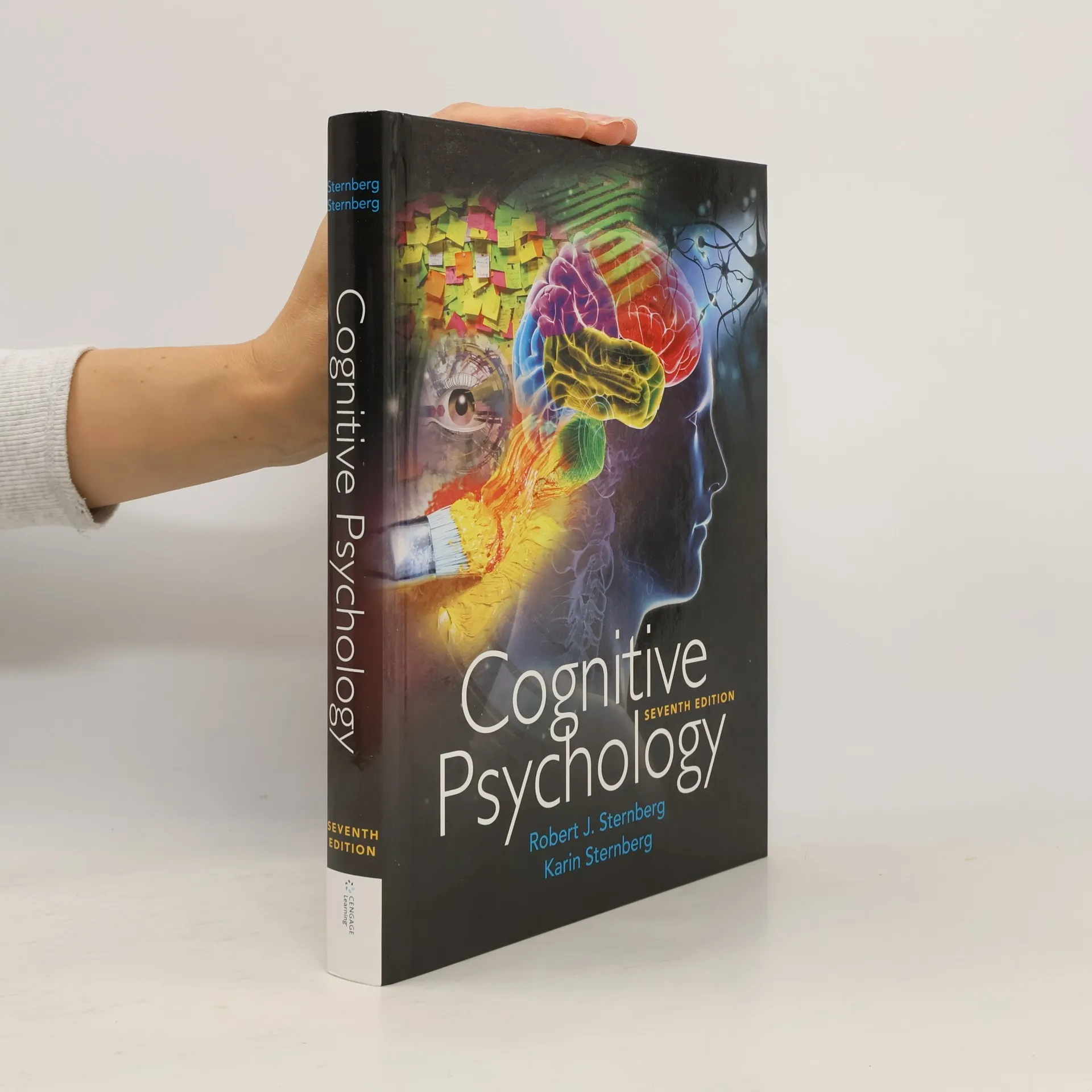
    • Sternberg's text balances accessible writing, practical applications and research scholarship, including biologically oriented information. It explores the basics of cognitive psychology through its coverage of cognitive neuroscience.

      Cognitive Psychology
    • A world-renowned expert on human intelligence argues that societies continue to use a flawed, early twentieth-century conception of human intelligence. Instead of focusing on narrow academic skills, we should adopt the values of 'adaptive intelligence,' defined as the use of talent in service of the common good.

      Adaptive Intelligence
    • Metaphors of Mind

      Conceptions of the Nature of Intelligence

      • 364 pages
      • 13 hours of reading

      Exploring human intelligence through diverse lenses, this book integrates insights from psychology, anthropology, computational science, sociology, and philosophy. It aims to deepen readers' understanding of the complexities of the mind by presenting various metaphors that illustrate different aspects of intelligence.

      Metaphors of Mind
    • In this Element, I first introduce intelligence in terms of historical definitions. I then review the major approaches to understanding intelligence and its development. These approaches, taken together, present a much more complex portrait of intelligence and its development than would be ascertained just from scores on intelligence tests.

      The Nature of Intelligence and Its Development in Childhood
    • Our Labeled Children

      • 304 pages
      • 11 hours of reading
      3.7(11)Add rating

      Twenty percent of all school-aged children in this country have been labeled Learning Disabled. But what is a genuine learning disability? How does it differ from garden-variety poor learning? How can we more accurately assess and then teach to individual learning strengths instead of merely pinpointing learning weaknesses? In this passionately argued yet clear-headed book, internationally acclaimed cognitive psychologist Robert Sternberg and research scientist Elena Grigorenko tackle these controversial issues, urging that we understand the full range of factors that contribute to learning disabilities (and sometimes to their misdiagnosis) in order to improve the American educational and diagnostic systems.From the biological bases of dyslexia and other disabilities, to the tests that do and do not accurately assess learning abilities, to the social and educational pressures that contribute to misdiagnosis, Our Labeled Children clearly outlines the issues that concern both parents and teachers, ultimately pointing to clear strategies for improving our system to help children with all manner of learning problems.

      Our Labeled Children
    • Applied Intelligence

      • 432 pages
      • 16 hours of reading

      Typical texts develop students' knowledge while only minimally developing the general skills they will need for success in school and in life. The goal of our text is to assist students in acquiring the most important skills for facing the diverse challenges life presents. The book contains an overview of theories of intelligence, but itself is based in large part on a theory according to which individuals need creative skills to generate new ideas and a vision for the future, analytical skills to make sure that the vision is a good one, and practical skills to execute the ideas and to persuade other people of their value. The book considers key skills in problem solving, logical reasoning, analysis of arguments, knowledge acquisition, creative and practical thinking, automatizing information processing, and avoiding life traps that derail even the most intelligent among us.

      Applied Intelligence
    • Wisdom is the deployment of intelligence and knowledge to serve a common good, over the long term as well as the short term. We need it now, more than ever, to solve the world's problems. This book explains what it is, how to acquire it, and how to use it.

      Wisdom
    • The Psychology of Stupidity

      • 384 pages
      • 14 hours of reading
      3.3(110)Add rating

      "We need books like this one." --Steven Pinker At last, stupidity explained! And by some of the world's smartest people, among them Daniel Kahneman, Dan Ariely, Alison Gopnik, Howard Gardner, Antonio Damasio, Aaron James, and Ryan Holiday. And so I proclaim, o idiots of every stripe and morons of all kinds, this is your moment of glory: this book speaks only to you. But you will not recognize yourselves... Stupidity is all around us, from the coworker who won't stop hitting "reply all" to the former high school classmate posting conspiracy theories on Facebook. But in order to vanquish it, we must first understand it. In The Psychology of Stupidity, some of the world's leading psychologists and thinkers--including a Nobel Prize winner and bestselling authors--will show you... why smart people sometimes believe in utter nonsense; how our lazy brains cause us to make the wrong decisions; why trying to debate fools is a trap; how media manipulation and Internet overstimulation make us dumber; why the stupidest people don't think they're stupid. The wisdom and wit of these experts are a balm for our aggrieved souls and a beacon of hope in a world of morons.

      The Psychology of Stupidity
    • Tłumaczenie publikacji czołowego badacza inteligencji, twórczości i mądrości, Roberta J. Sternberga z Uniwersytetu Cornella w USA oraz austriackiej badaczki z Uniwersytetu w Klagenfurcie, Judith Glück. Czytelnicy, szukający mądrych odpowiedzi na trudne pytania, znajdą tu pełen zestaw zagadnień związanych z mądrością: od uzasadnienia, dlaczego w dzisiejszych trudnych czasach ta tematyka jest ważna, poprzez przegląd głównych podejść teoretycznych, aż po postulaty jak rozwijać kompetencje mądrościowe, a także jak je rozpoznawać i kultywować u siebie. Lekturą z pewnością zainteresują się nie tylko badacze zdolności poznawczych i mądrości, profesjonalni psychologowie i pedagodzy oraz studenci tych kierunków, filozofowie i edukatorzy, ale także wszyscy, którzy pragną wieść mądre życie. Prezentujemy dzieło, jakiego jeszcze w polskiej psychologii i pedagogice nie było; dzieło, które uzupełnia dotkliwą lukę w badaniach nad tym jednym z najważniejszych i najcenniejszych przymiotów ludzkiego życia, jakim jest mądrość. Prof. dr hab. Krzysztof J. Szmidt Publikacja wpisuje się w dyskusję dotyczącą kształtu i sensu edukacji we współczesnym świecie, kompetencji kluczowych i możliwości przygotowania młodych ludzi na wyzwania jutra. Napisana jest w sposób zachęcający do polemiki i głębokiej refleksji – nie pozostawia czytelnika neutralnym. Dr Tomasz Knopik Ostatnio w serii ukazały się: R.J. Sternberg, L. Jarvin, E.L. Grigorenko, Mądrość, inteligencja i twórczość w nauczaniu A. Pobojewska, Edukacja do samodzielności. Warsztaty z dociekań filozoficznych. Teoria i metodyka I. Czaja-Chudyba, Myślenie krytyczne w edukacji. Metodyka kształcenia w szkole podstawowej K. J. Szmidt, E. Płóciennik, Myślenie pytajne. Teoria i kształcenie M. Lipman, Myślenie w edukacji

      Mądrość Psychologia mądrych myśli, słów i czynów
    • Zum größten Teil beruhen Geschichten, die die Liebe schreibt, auf unterschwelligen Annahmen, von denen wir uns bei der Suche nach der Traumfrau oder dem Märchenprinzen leiten lassen. Jede dieser Geschichten hat ihre Licht- und Schattenseiten, und manche passen einfach nicht zueinander. Erst wenn wir uns der Liebesgeschichte bewusst werden, die wir als Fortsetzungsroman, Krimi oder Anekdotensammlung immer auf neue schreiben, gewinnen wir die Freiheit, erfüllte und dauerhafte Beziehungen einzugehen. Dann nämlich können wir lernen, unser Drehbuch umzuschreiben, oder Partner wählen, deren Geschichte besser mit der unsrigen harmoniert.

      Warum der Gärtner nie auf die Prinzessin hereinfällt