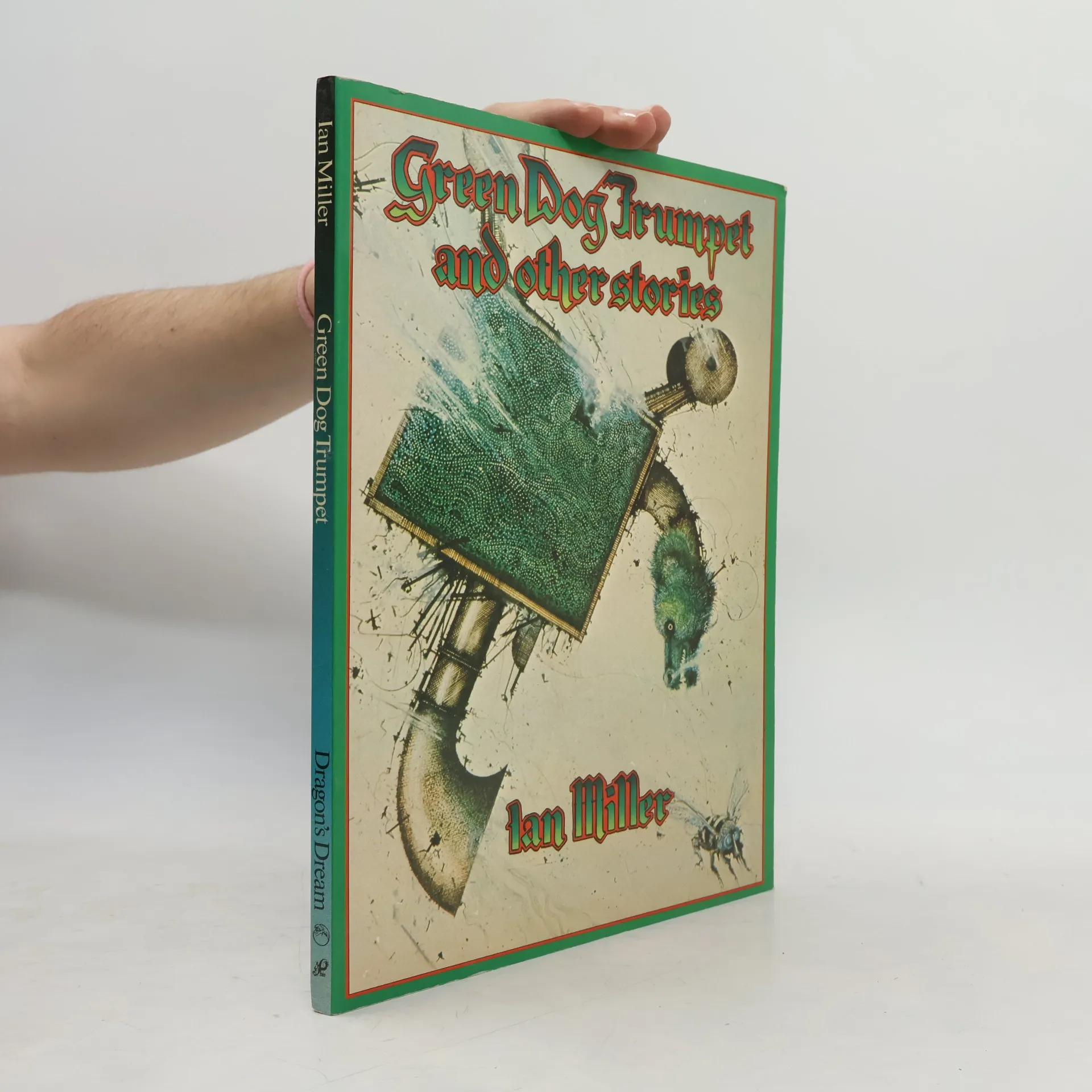
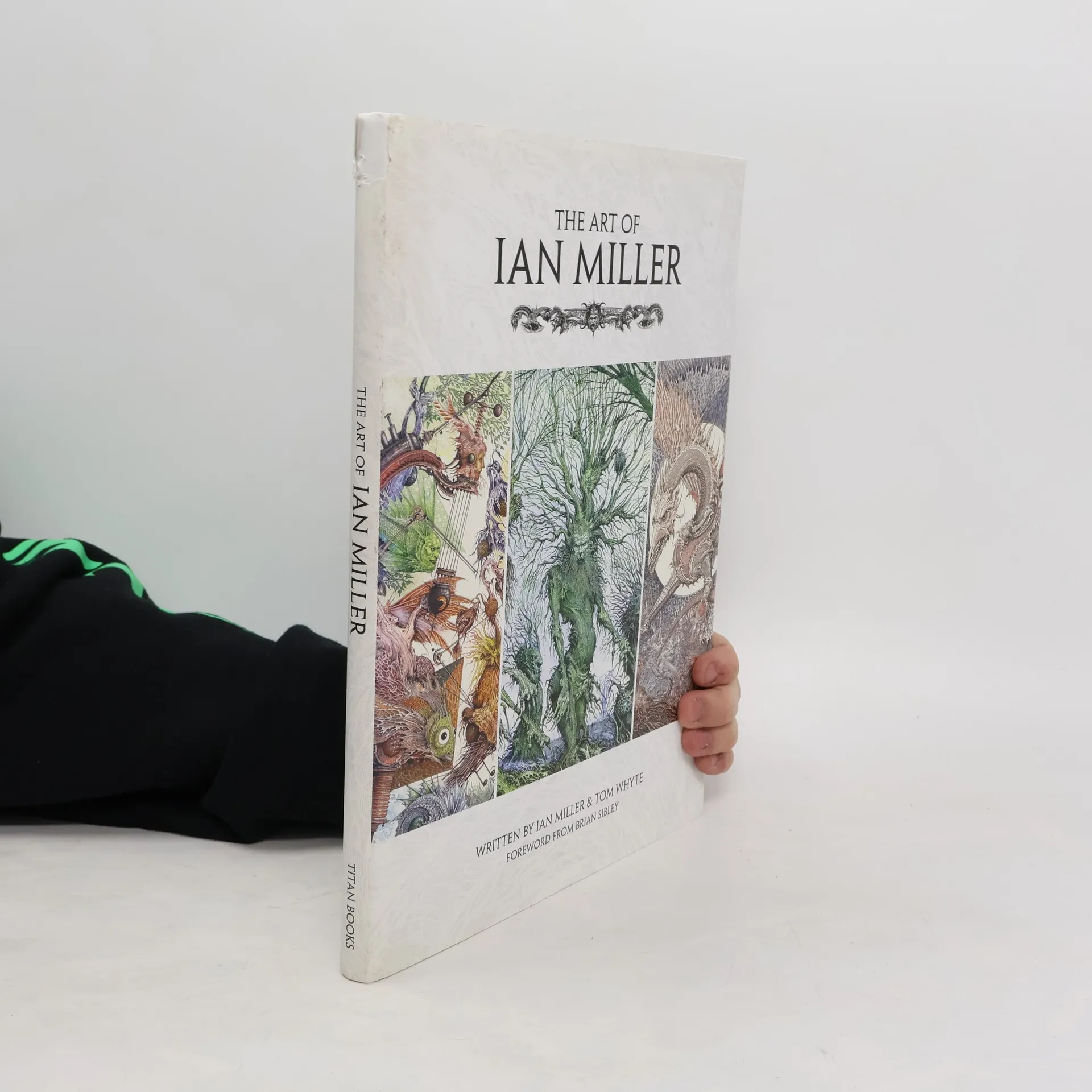
Featuring over 300 pieces of artwork spanning decades of Ian's work, this collection is a treat for all lovers of great fantasy art - from Lovecraft novel covers to Tolkien bestiaries to Warhammer 40,000 concept art, through a veritable trove of gothic humour, fantasy battles, dragons, beasts and a world of nightmarish visions.
Set in a future where Earth's first off-world colony on Zhinu has fallen silent, the story follows Macpherson Yenko, a renowned yet contentious quantum physicist. He embarks on a perilous mission to investigate the ghost town that was once a thriving capital, discovering small remnants of communities. As he delves deeper, Yenko uncovers a chilling truth that poses a grave threat to humanity's survival, blending elements of science fiction with suspenseful exploration and existential stakes.
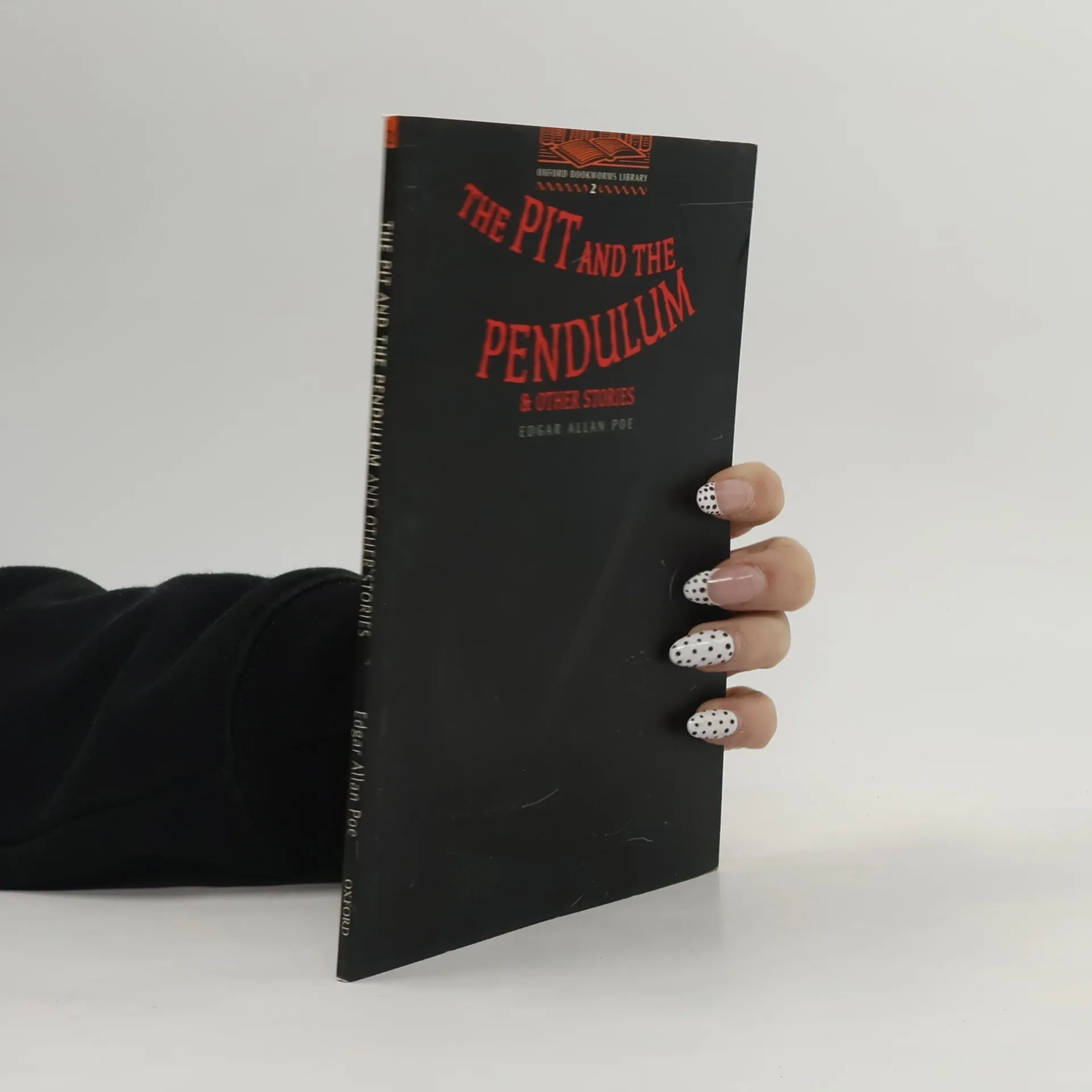
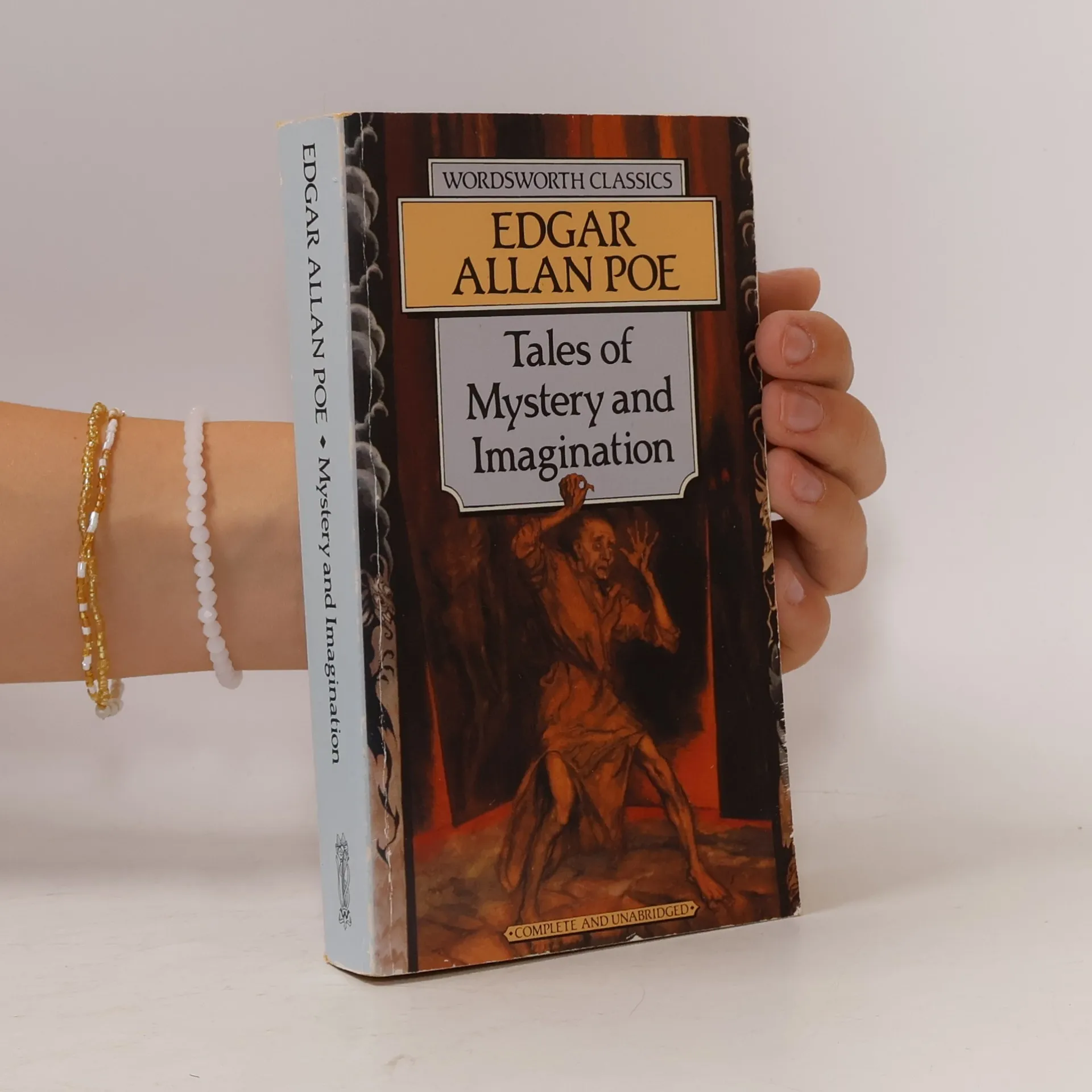
READ BY DAVID SOUL Duration: 2 hours 28 minutes Edgar Allan Poe (1809-49) was an American poet, writer, editor and literary critic. Best known for his tales of mystery and the macabre, Poe’s full-blooded Gothic style influenced generations of writers, filmmakers and musicians, from Sir Arthur Conan Doyle and Charles Baudelaire to Roger Corman and Lou Reed. The five tales collected here range from the famous to the obscure, but each displays Poe's unique sense of the macabre and his love for the baroque. A victim of the Inquisition finds himself in a nightmarish torture chamber, a castle is besieged by plague, a man becomes obsessed by the evil eye of his fellow lodger, a mesmerist suspends a man's life at the point of death and a jester takes his revenge on his cruel employers.
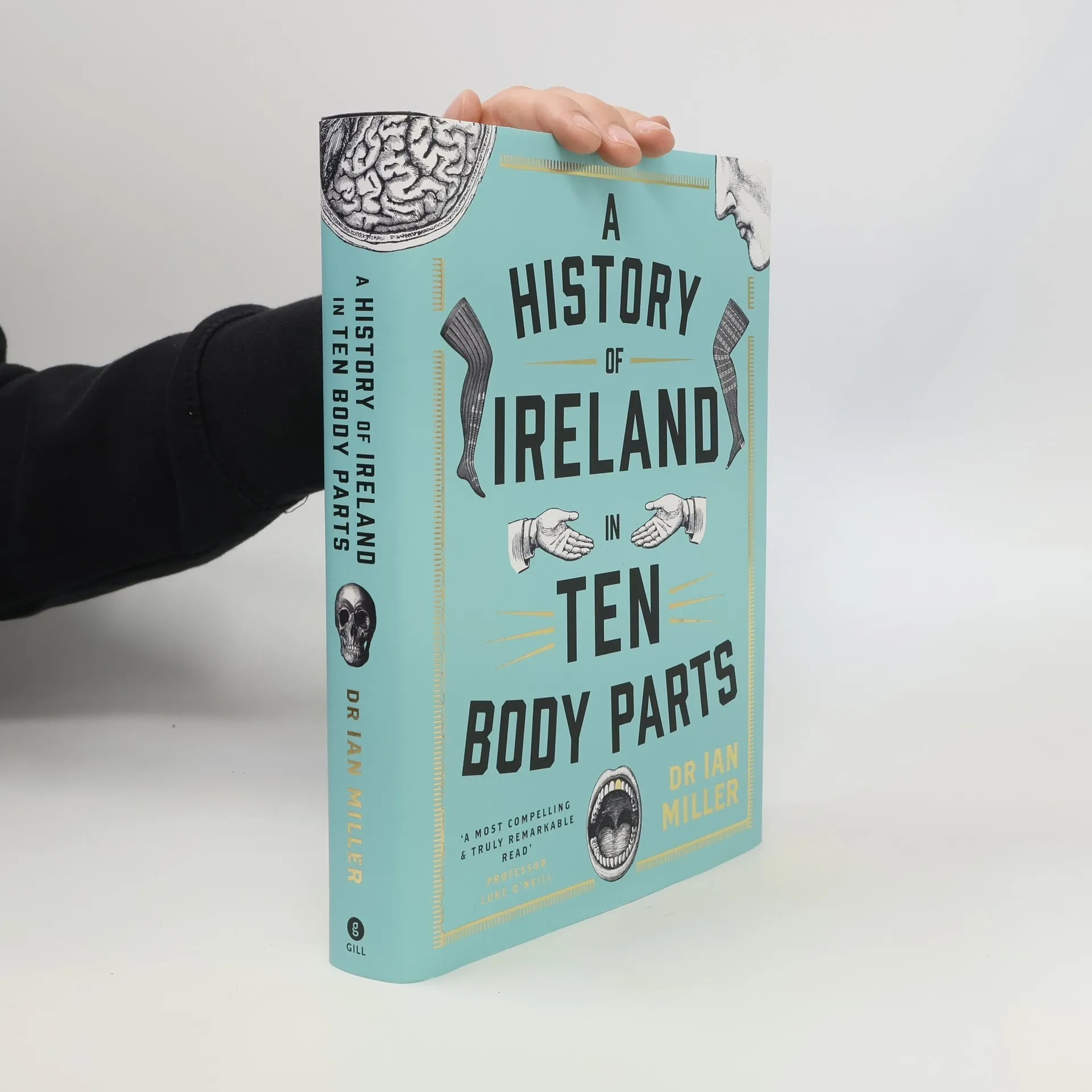
Exploring Irish history through the human body, the narrative delves into intriguing artifacts like the Clonycavan Man, a 2,000-year-old bog body, and ancient skulls thought to belong to giants. Medical historian Dr. Ian Miller presents a captivating examination of how physical remains reveal insights into Ireland's past, intertwining gruesome events with historical significance. This unique approach offers a fresh perspective on the country's rich heritage, blending entertainment with education in an engaging exploration of mortality and identity.
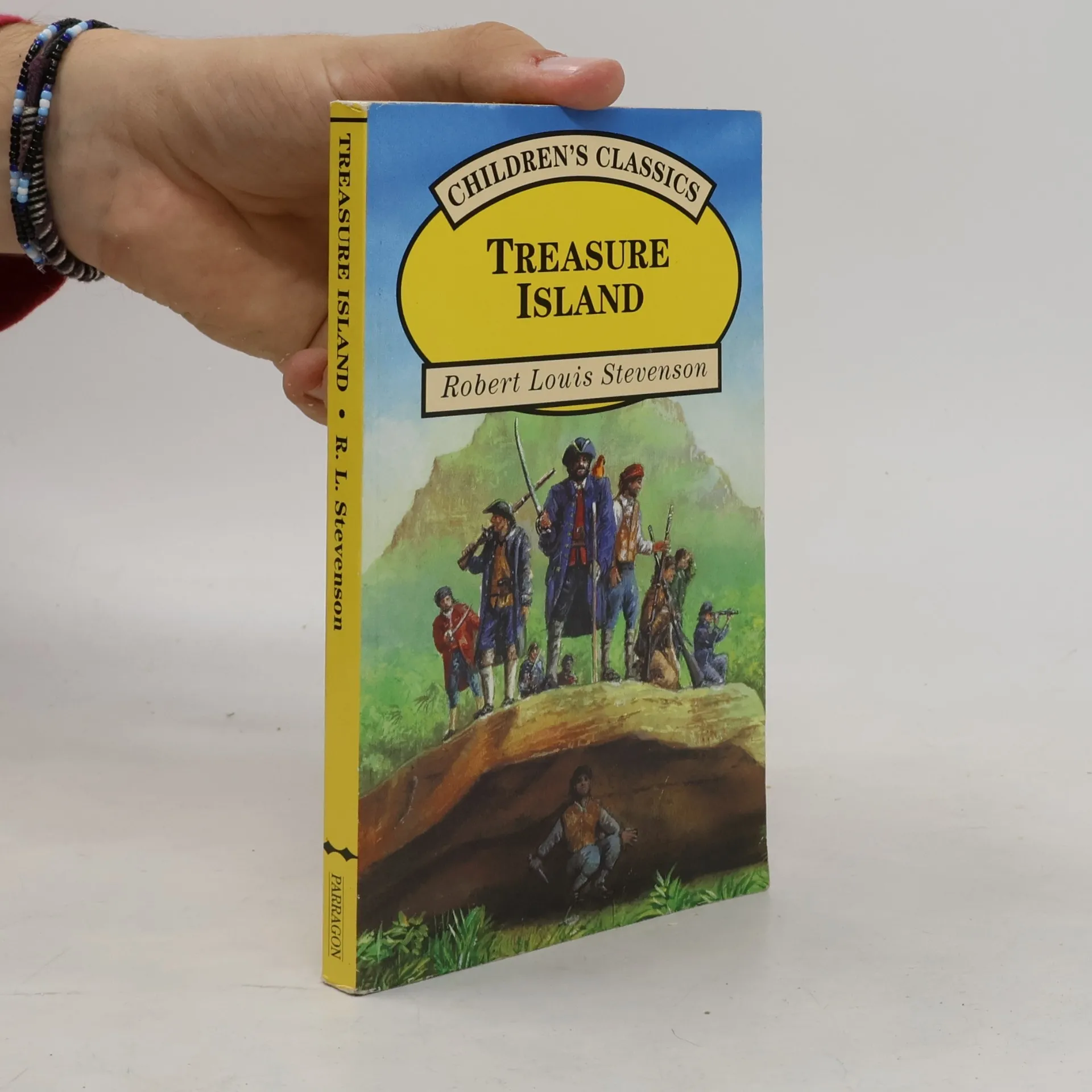
While going through the possessions of a deceased guest who owed them money, the mistress of the inn and her son find a treasure map that leads them to a pirate's fortune.
This collection of Poe's best stories contains all the terrifying and bewildering tales that characterize his work. As well as the Gothic horror of such famous stories as The Pit and the Pendulum, The Fall o/ the House o/ usher, The Premature Burial and TIIC Tell-Tale Heart, all of Poe's Auguste Dupin stories are included. These are the first modern detective stories, and include The Murders in the Rue Morgue, The Mystery of Marie Roget and The Purloined Letter. --back cover
Exploring the complexities of the second coming, Ian Miller delves into biblical prophecies from both the Old and New Testaments regarding Jesus's return. He presents a perspective that emphasizes hope and faith, revealing a message of promise rather than fear. The book aims to transform the reader's understanding of the Scriptures, portraying a present kingdom and a powerful, thriving bride rather than one destined for rapture. Miller's clear explanations make these profound themes accessible and inspiring.
Mit der Sense mähen ist in – dieses Buch zeigt die alten Techniken. Vom Mähen bis zum Heu machen: alle Arbeitsschritte werden mit vielen Zeichnungen genau erläutert. Ein hochwertiges Geschenk für Freunde schön gestalteter Naturbücher. Die Sense ist ein elegantes, effizientes Handwerksgerät, das die Natur schont und keinen Lärm macht. Sie eignet sich ideal für das Mähen von langem Gras in Gärten, Obstwiesen und schwer zugänglichen Bereichen. «Das Sense-Handbuch» vermittelt Gärtnern, Hausbesitzern und Landwirten alles Wissenswerte über diese alte, naturfreundliche Mähmethode: von der Montage der Sense über die richtige Mähtechnik, das Wetzen und Dengeln, das Schmieden des Senseblatts bis zur richtigen Aufbewahrung der Sense. Zwei Kapitel zum Schnittgut Gras und Getreide runden das schön gestaltete Buch ab. Ausführlich wird auf das Heumachen und die verschiedenen Trocknungsmethoden sowie auf den Anbau und die Weiterverarbeitung von Getreide eingegangen.
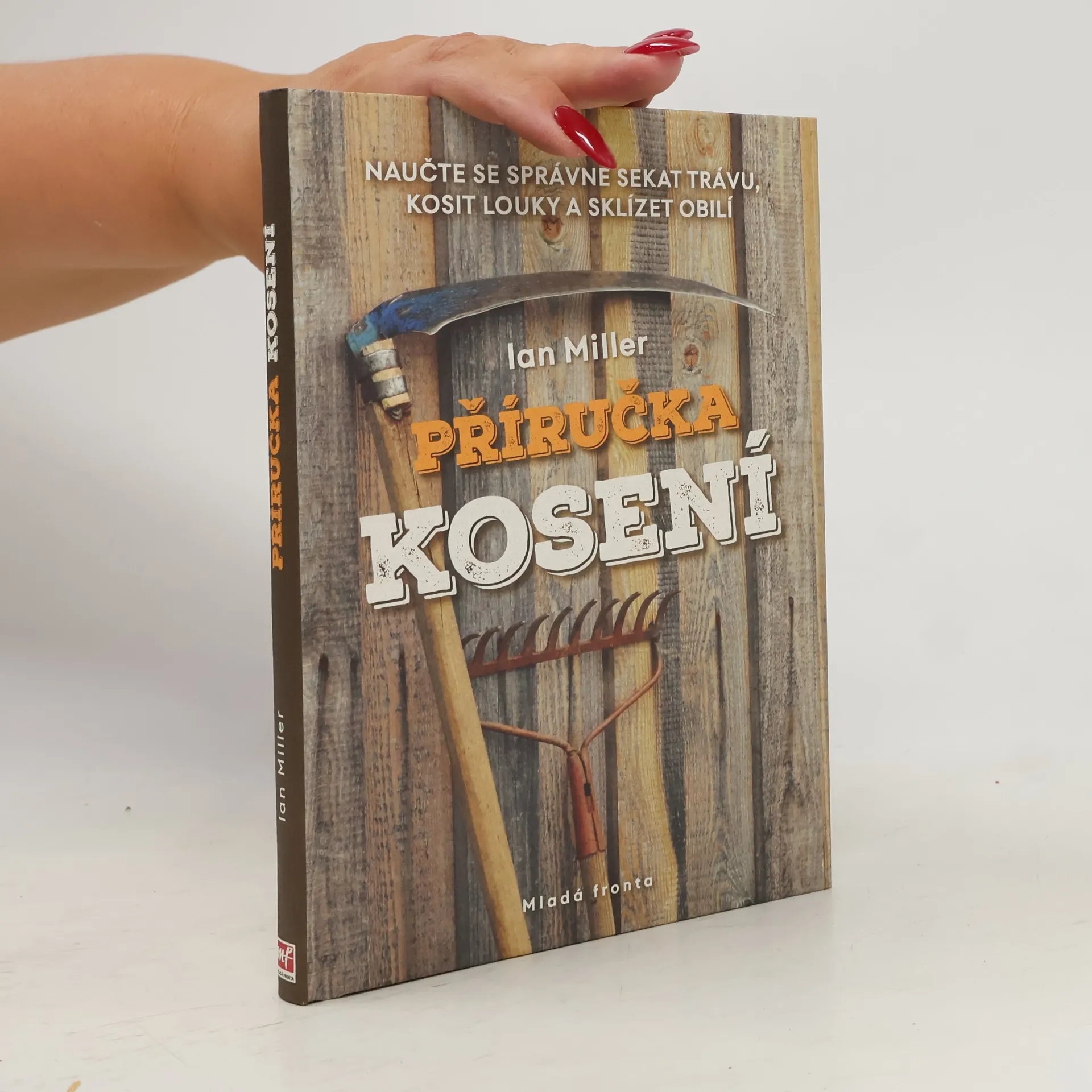
Příručka kosení poskytuje zahradníkům, majitelům rodinných domků a zemědělcům všechny důležité informace o tomto prastarém a nádherném způsobu sečení: od montáže kosy, přes správnou techniku, broušení, naklepávání až po správné ošetřování kosy. Kniha se také zabývá travinami a obilím, podrobně popisuje nejrůznější způsoby sušení a skladování sena.