William Olaf Stapledon was a British philosopher and author of several influential works of science fiction. His writing directly influenced Arthur C. Clarke, Brian Aldiss, Stanisław Lem, C. S. Lewis, and John Maynard Smith, and indirectly impacted many others. Stapledon contributed numerous ideas to the science fiction genre, becoming a significant force within it.
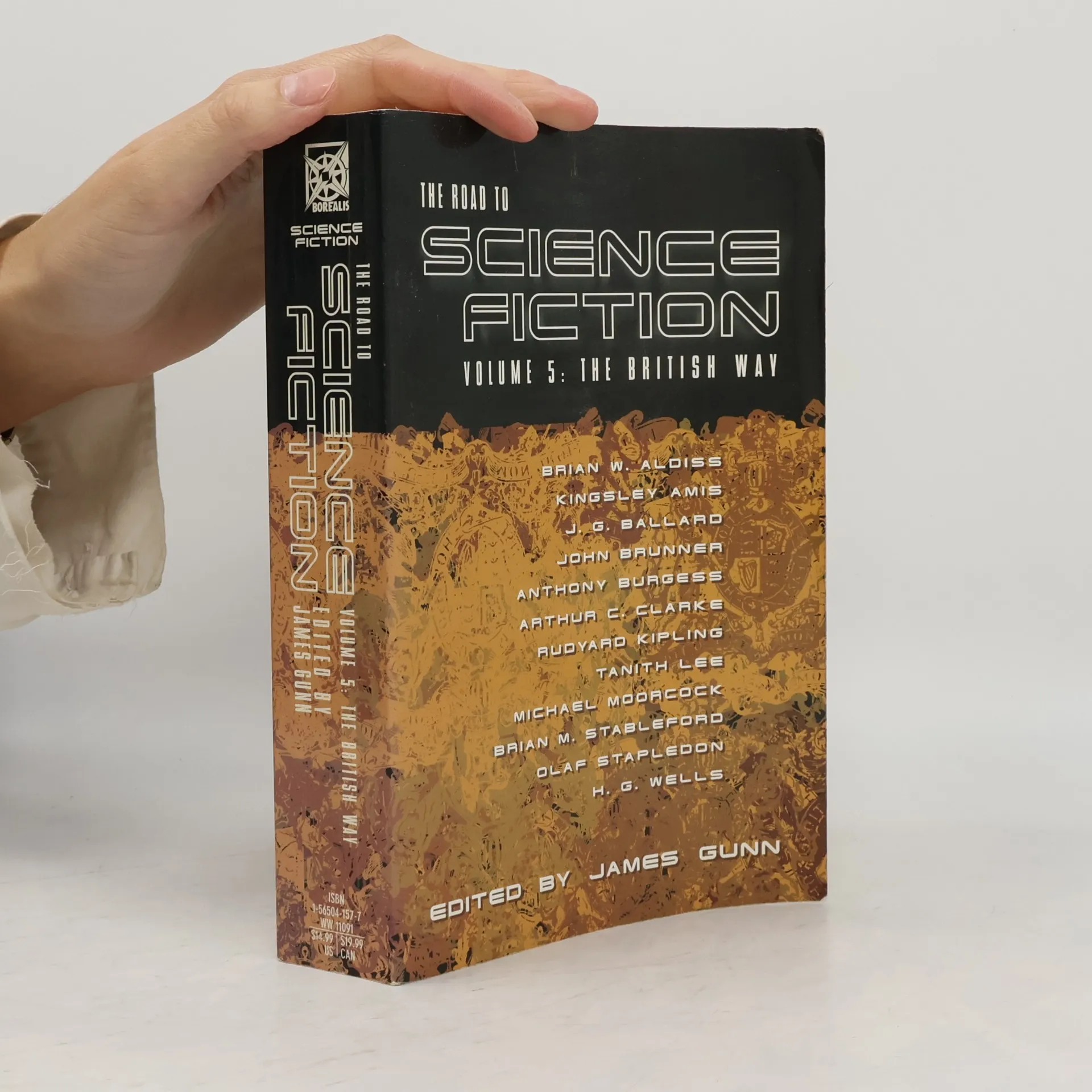
This collection showcases a diverse range of narratives, each exploring the complexities of human experience. The stories delve into themes of love, loss, and identity, often set against richly detailed backdrops that enhance the emotional depth. Readers will encounter a variety of characters, from the everyday to the extraordinary, each facing unique challenges and revelations. The author’s masterful storytelling invites reflection and connection, making this anthology a compelling read for those who appreciate nuanced prose and evocative themes.
Exploring two potential futures for humanity, this work offers a deep and insightful examination of the choices and challenges that lie ahead. It delves into the implications of various societal, technological, and environmental developments, encouraging readers to reflect on the direction of human evolution. With a focus on critical decision-making and the consequences of our actions, the book serves as a thought-provoking guide for navigating the complexities of our future.
The stories we tell are not limited to monsters and harsh otherworlds. Yet the fiction books in the Borealis imprint certainly belong to a world other than our own. This line encompasses our science fiction, fantasy and horror novels and anthologies.
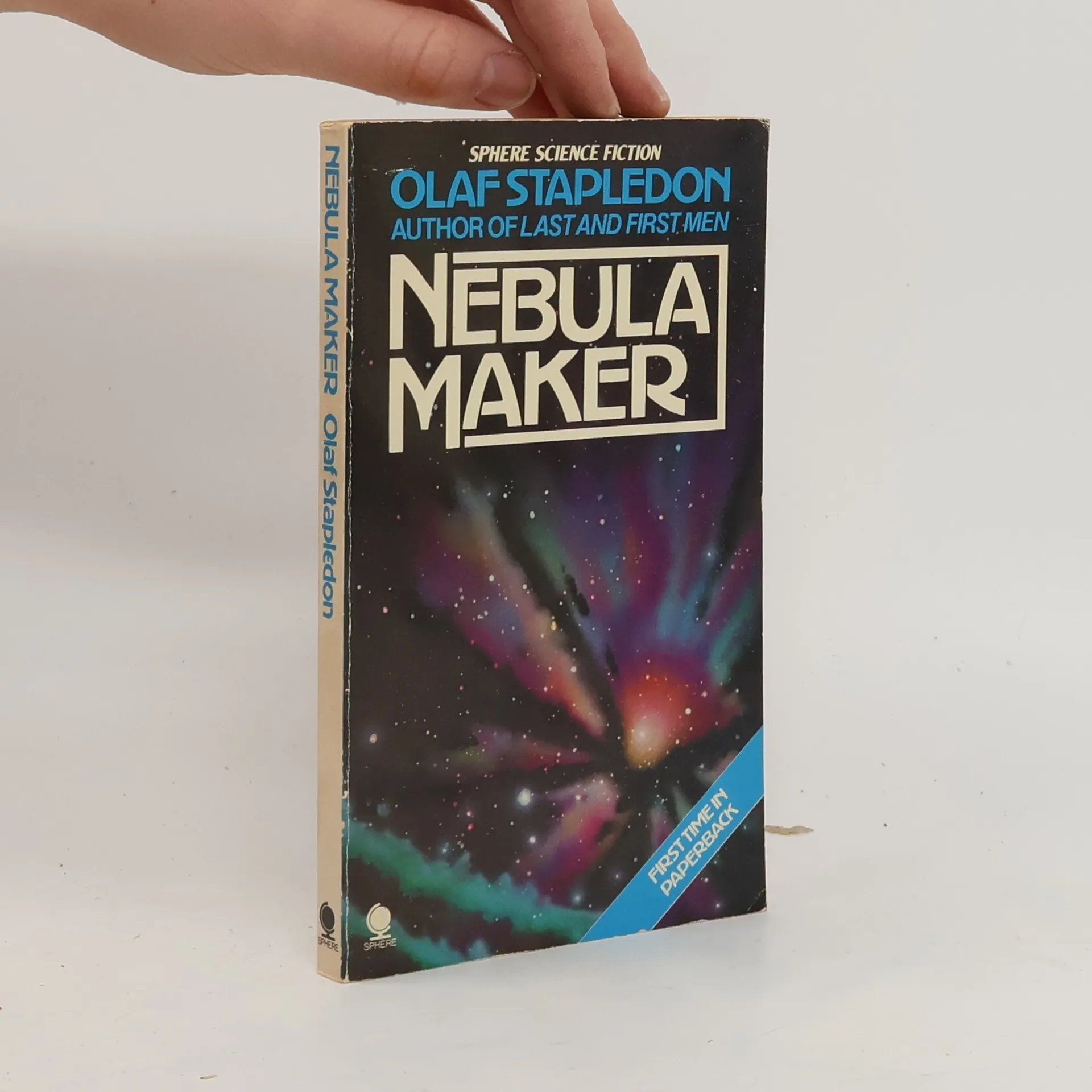
OLAF STAPLEDON: The Ultimate SF Writer - Brian Aldiss It was at the moment of creation that the nebulae first found awareness. And they were to burn with it for countless millennia, changing, struggling, shifting on an axis that had only the Mystery at its centre. The Launching of the Cosmos, the First Cosmical War, the appearance of Bright Heart the saint and of Fire Bolt the revolutionary - all led to that Mystery - the terrifying, eternally fascinating enigma of the Nebula Maker... NEBULA MAKER is a recently discovered novel by Olaf Stapledon, an epic of the universe's evolution that is both separate from and complementary to his acclaimed masterpiece STAR MAKER
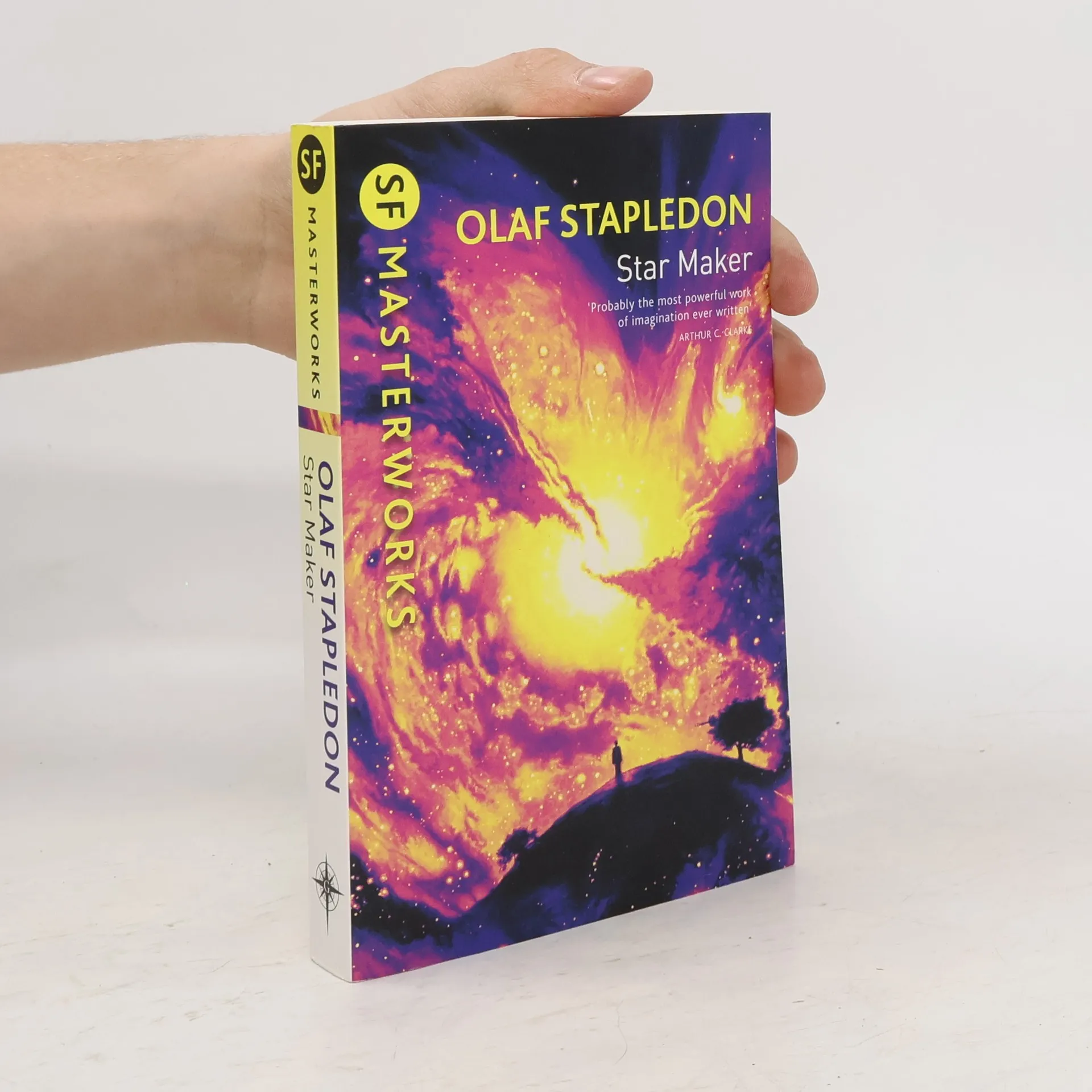
One moment a man sits on a suburban hill, gazing curiously at the stars. The next, he is whirling through the firmament, and perhaps the most remarkable of all science fiction journeys has begun. Even Stapledon's other great work, LAST AND FIRST MEN, pales in ambition next to STAR MAKER, which presents nothing less than an entire imagined history of life in the universe, encompassing billions of years.
Though this is a work of fiction, it does not pretend to be a novel. It has no hero but man. Since its purpose is not the characterization of individual human beings, no effort has been made to endow its few persons with distinctive personalities. There is no plot, except the theme of man's struggle in this awkward age to master himself and to come to terms with the universe.
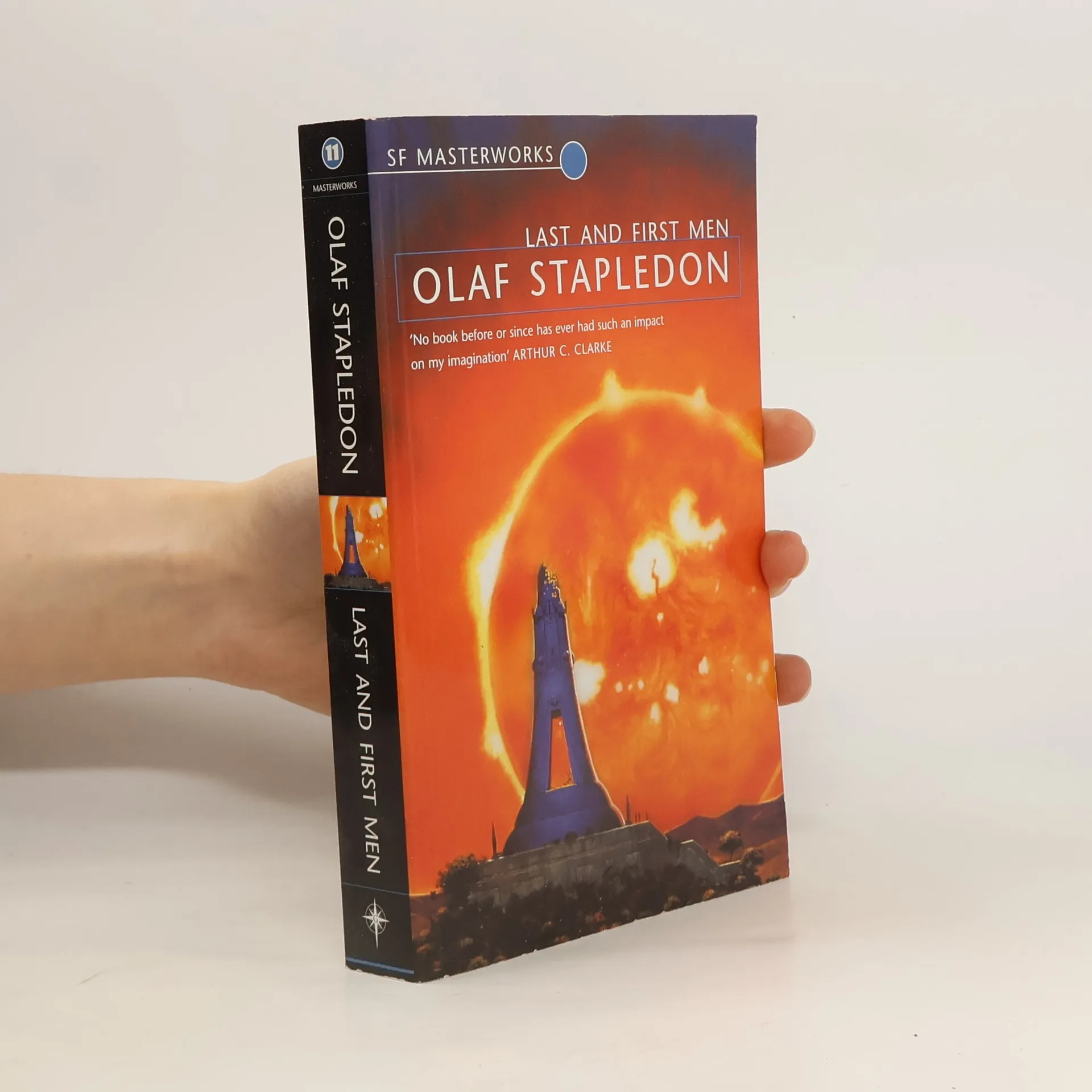
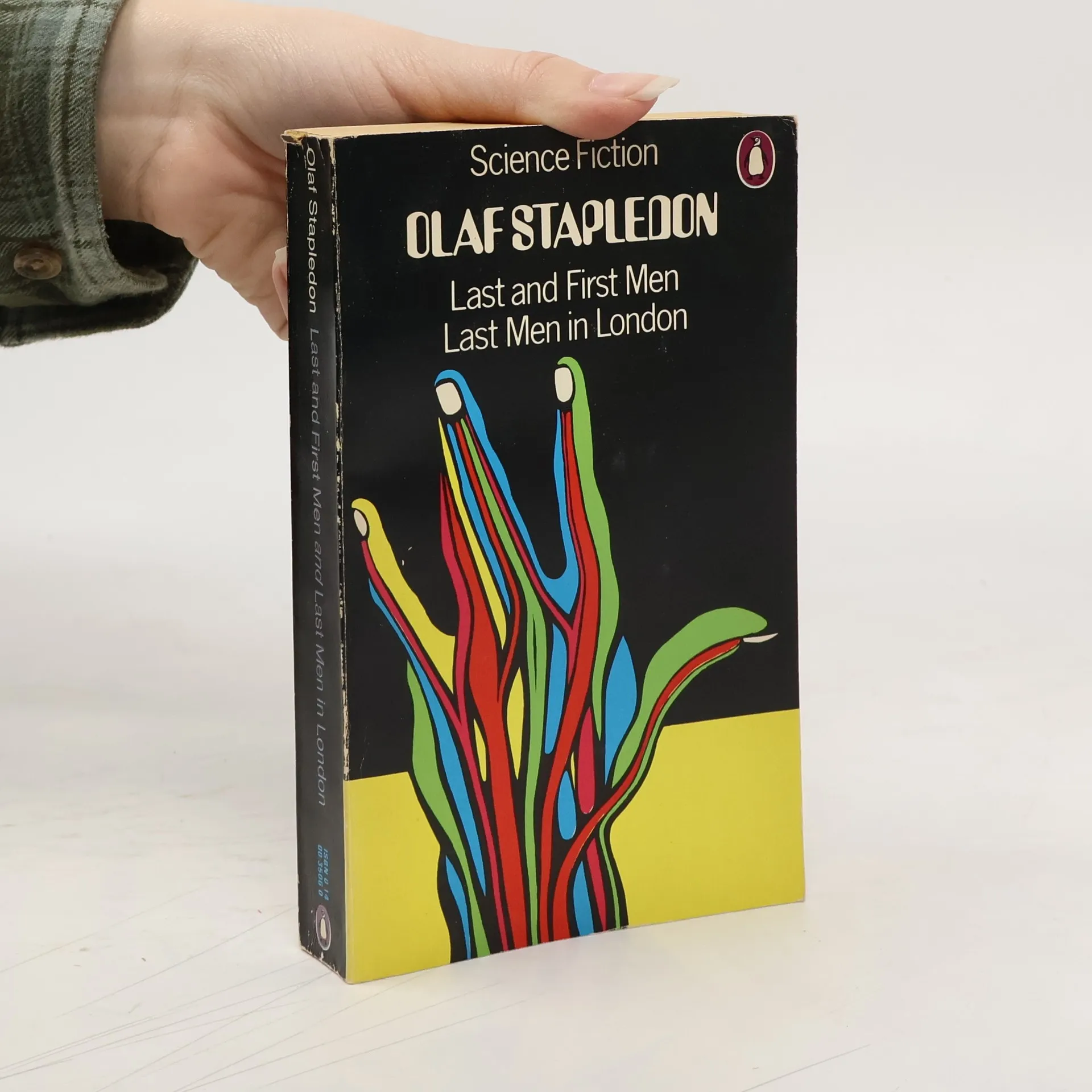
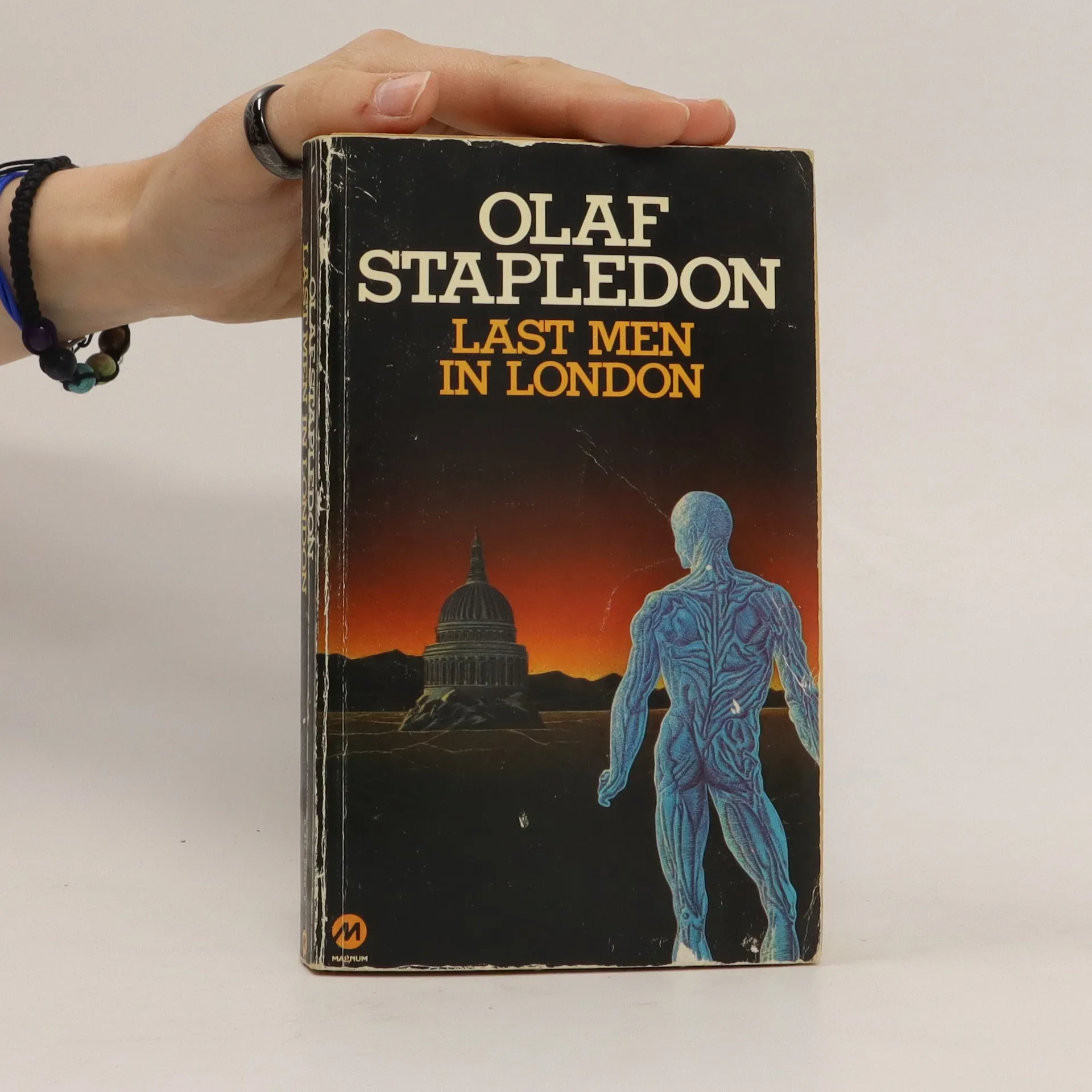
Last & First Men: A Story of the Near & Far Future is a groundbreaking science fiction novel by Olaf Stapledon, written in 1930. It presents a sweeping history spanning two billion years and 18 distinct human species, with our own being the most primitive. The narrative is rooted in Hegelian dialectics, illustrating a cyclical pattern of civilizations rising and falling into savagery over millennia, while also depicting progress as later societies achieve greater heights than their predecessors. The work anticipates genetic engineering and introduces the concept of a supermind—consciousness formed by telepathically linked individuals. In 1932, Stapledon published Last Men in London, featuring the same narrator from the final human species who inspired the first novel. This story explores the consciousness of a contemporary Englishman named Paul, tracing his life from childhood through his experiences as an ambulance crew member in WWI, paralleling Stapledon’s own history. As a schoolteacher, Paul confronts various personal dilemmas and the influence of the advanced being sharing his experiences, allowing Stapledon to delve into philosophical and moral themes. The narrative serves as a semi-autobiographical exploration of character and consciousness.
One of the most extraordinary, imaginative and ambitious novels of the century: a history of the evolution of humankind over the next 2 billion years. Among all science fiction writers Olaf Stapledon stands alone for the sheer scope and ambition of his work. First published in 1930, Last and First Men is full of pioneering speculations about evolution, terraforming, genetic engineering and many other subjects.
Two science fiction novels, written during the nineteen thirties, chronicle the future of civilization, foretelling such events as the worldwide fuel shortage and man's exploration of space
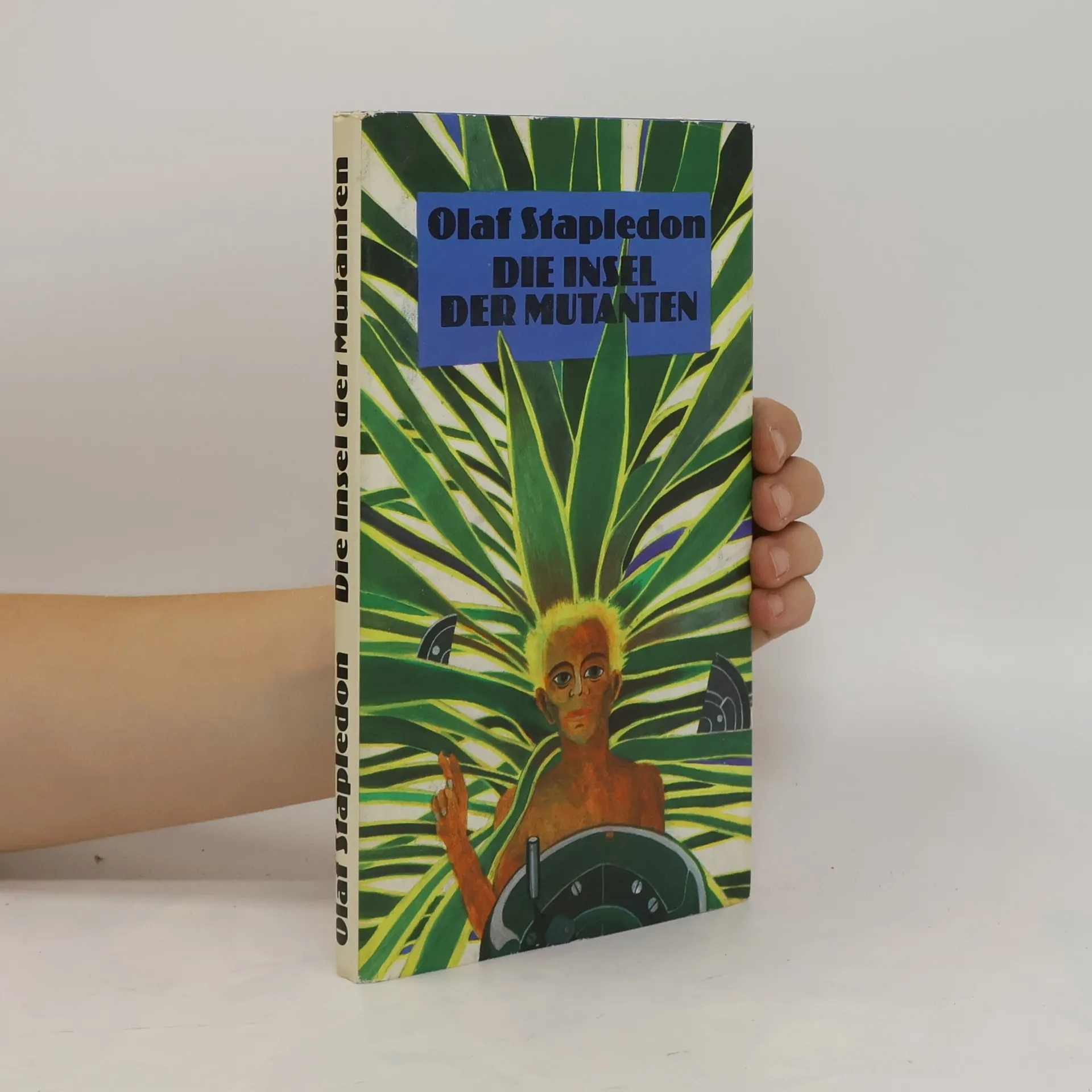
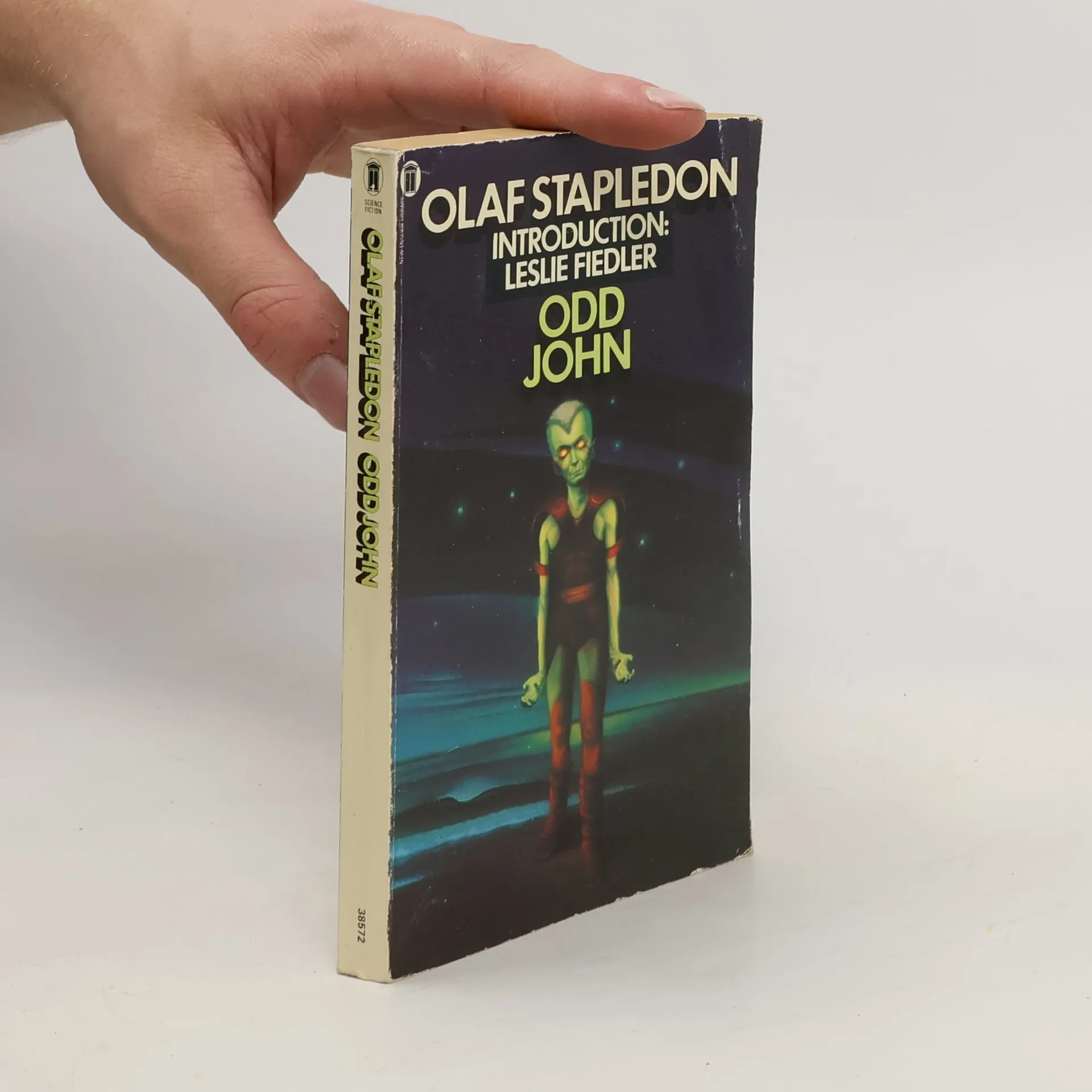
John Wainwright is a freak, a human mutation with an extraordinary intelligence which is both awesome and frightening to behold. Ordinary humans are mere playthings to him. And Odd John has a plan to create a new order on Earth, a new supernormal species. But the world is not ready for such a change ...