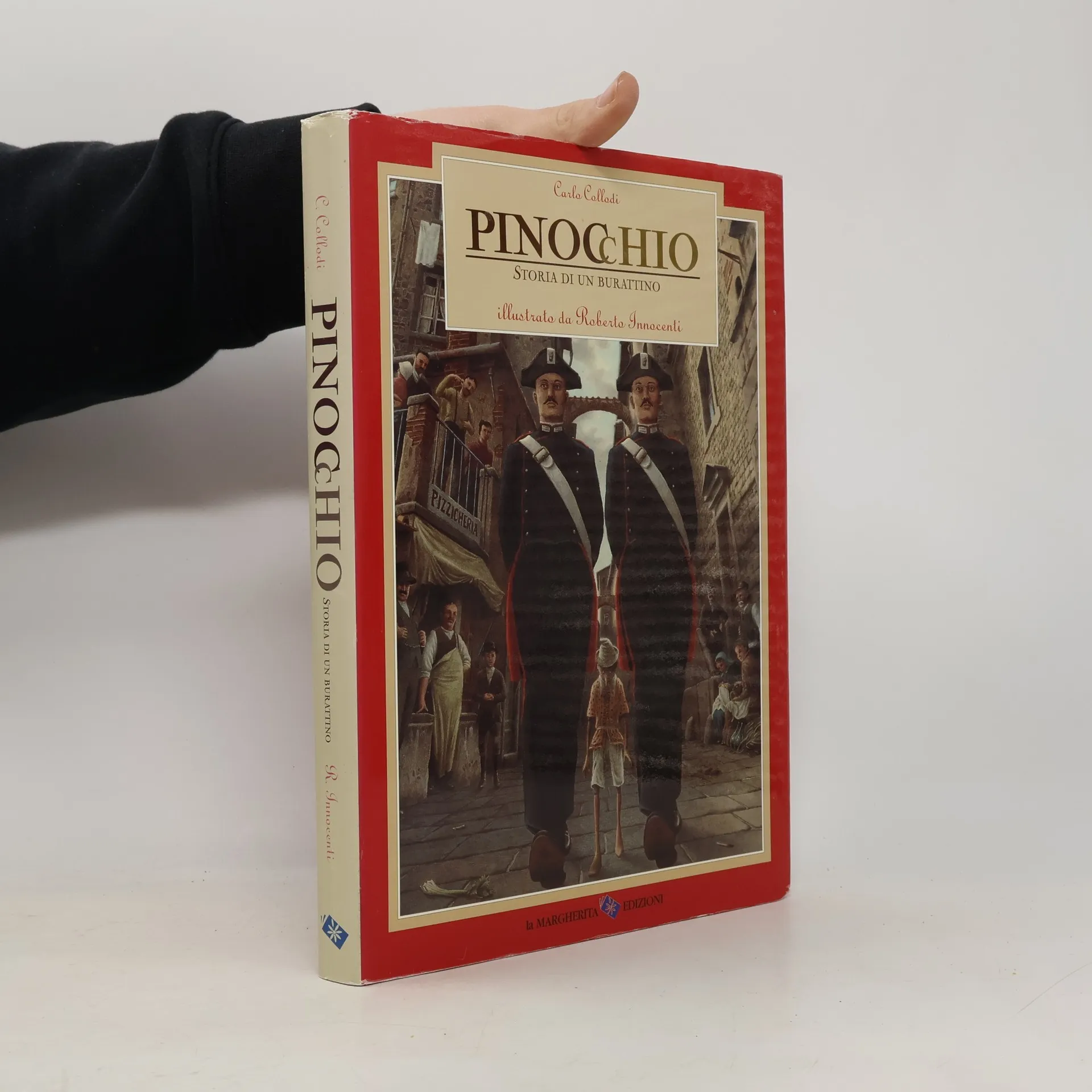
Roberto Innocenti is an Italian illustrator celebrated for his richly detailed, painterly style and commitment to realistic representation. His unmistakable illustrations showcase a delicate palette and refined line, demonstrating a remarkable artistic vision. Despite being entirely self-taught, Innocenti's work, including a prominent original tale about the Holocaust, has achieved widespread acclaim across Europe and beyond.
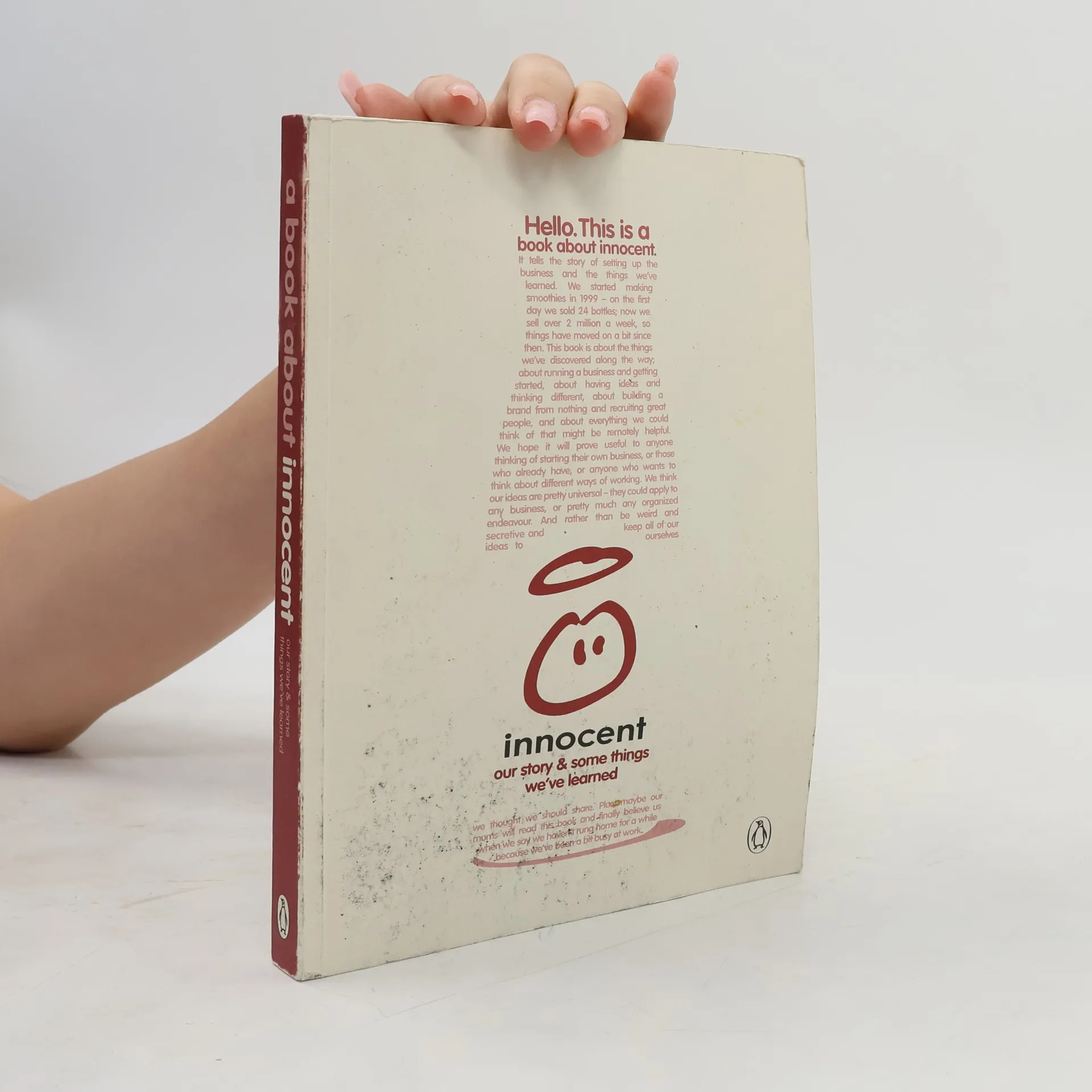
A work about running a business and getting started, about nature and fruit,
about company life and working with friends, about the stuff we've got right
and the stuff we got wrong, and about squirrels and camping and doing the
right thing.
Rose Blanche was the name of a group of young German citizens who, at their peril, protested against the war. Until the tide of the war turns and soldiers in different uniforms stream in from the East, and Rose and the imprisoned children disappear for ever .
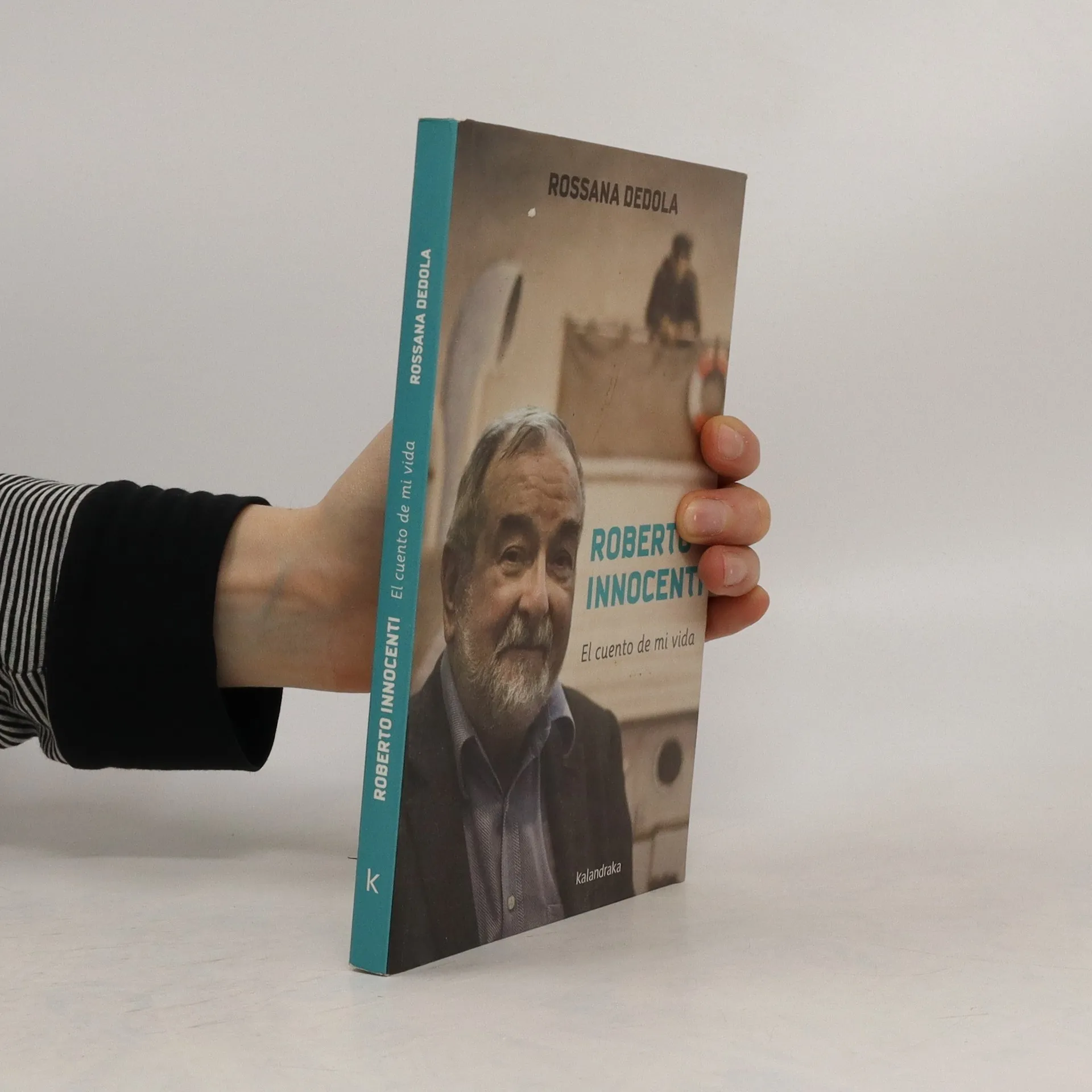
«Doy las gracias a todos aquellos que, al leerme, identifican esa parte de sí mismos, esa parte formada por los sueños, que ha quedado guardada en un cajón, encerrada, de modo que no se puede valorar, ni bien ni mal. Las ideas son flores silvestres que nacen en el baldío, enriquecen la vida desde la indiferencia de las cajas fuertes». Roberto Innocenti El ilustrador Roberto Innocenti nos abre las puertas de su memoria y su intensa experiencia humana en este libro donde repasa los recuerdos de una infancia marcada por la guerra, su descubrimiento de la pintura y sus primeros contactos con el arte, los planteamientos de sus principales obras y su visión más personal de la creación artística.
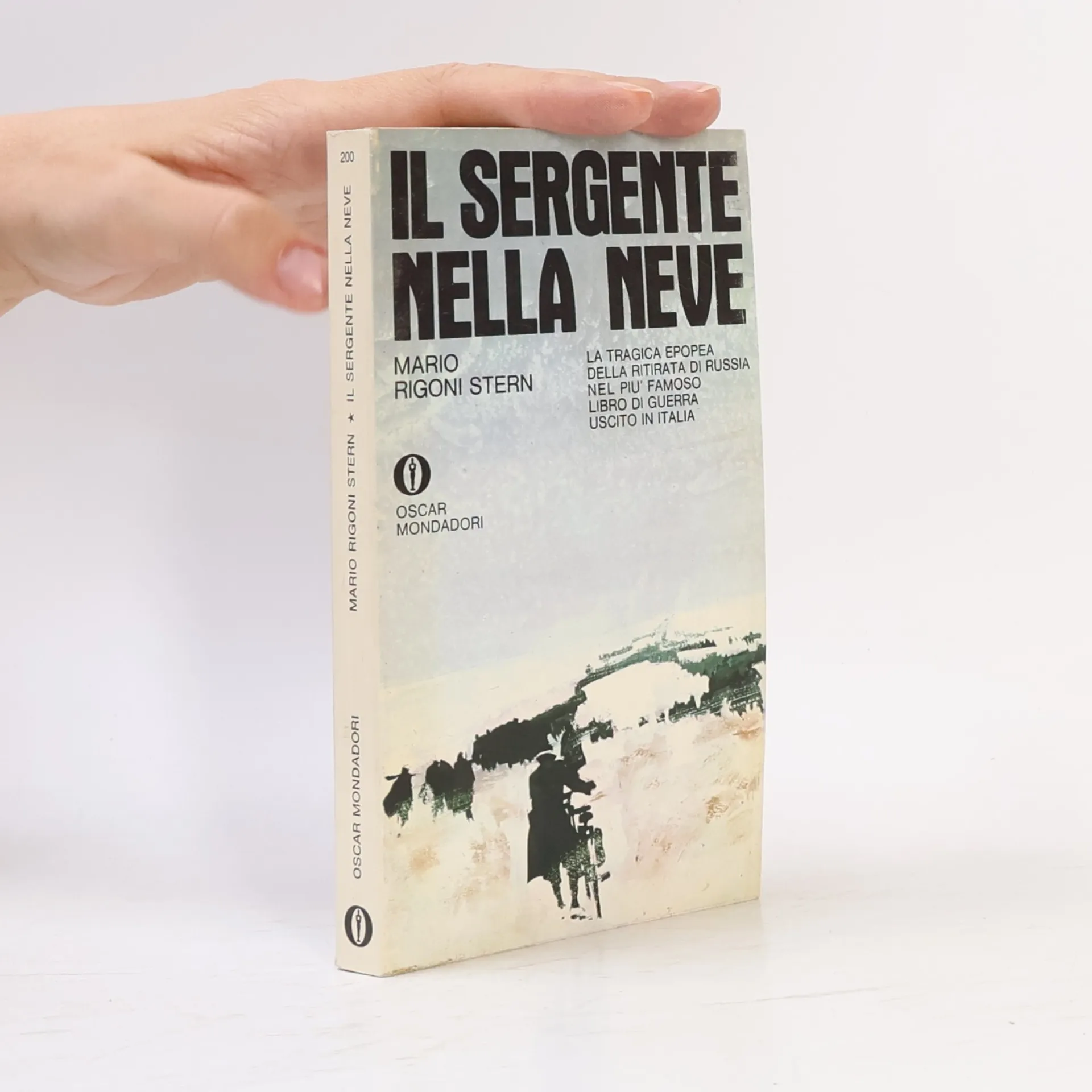
I ricordi della ritirata di Russia scritti in un lager tedesco dall'alpino Rigoni Stern nell'inverno del 1944 vennero pubblicati da Einaudi nel 1953 nei 'Gettoni' diretti da Vittorini sotto il titolo 'Il sergente nella neve'. Apprezzato inizialmente soprattutto per il valore della testimonianza, il romanzo ha mostrato le sue grandi qualità espressive con la progressiva distanza temporale dai drammatici avvenimenti narrati. E ormai è giustamente considerato un classico del Novecento - per la lingua intensa e sempre concretissima, per l'alta moralità di fronte a esperienze estreme, per la totale mancanza di qualsiasi enfasi retorica, per il candore e la forza con cui viene rappresentata la lotta dell'uomo per conservare la propria umanità.
HarperCollins is proud to present its incredible range of best-loved, essential classics. 'She promised her godmother that she would not fail to leave the ball before midnight, and away she went, beside herself with delight ...' Charles Perrault's time-honoured stories have been passed down from the seventeenth century to the present day, giving us the classic fairy tales that people of all ages know and adore: Cinderella, with the glass slipper that will fit her foot alone; the princess who is cursed to sleep for a hundred years until true love's kiss wakes her; Little Red Riding Hood and the wolf, and many, many more. Like the Brothers Grimm after him, Perrault took childhood fears and turned them into inspiriting fantasies. Full of humanity and a surprising wit, the impact these fables has had on imaginations young and old cannot be overstated.
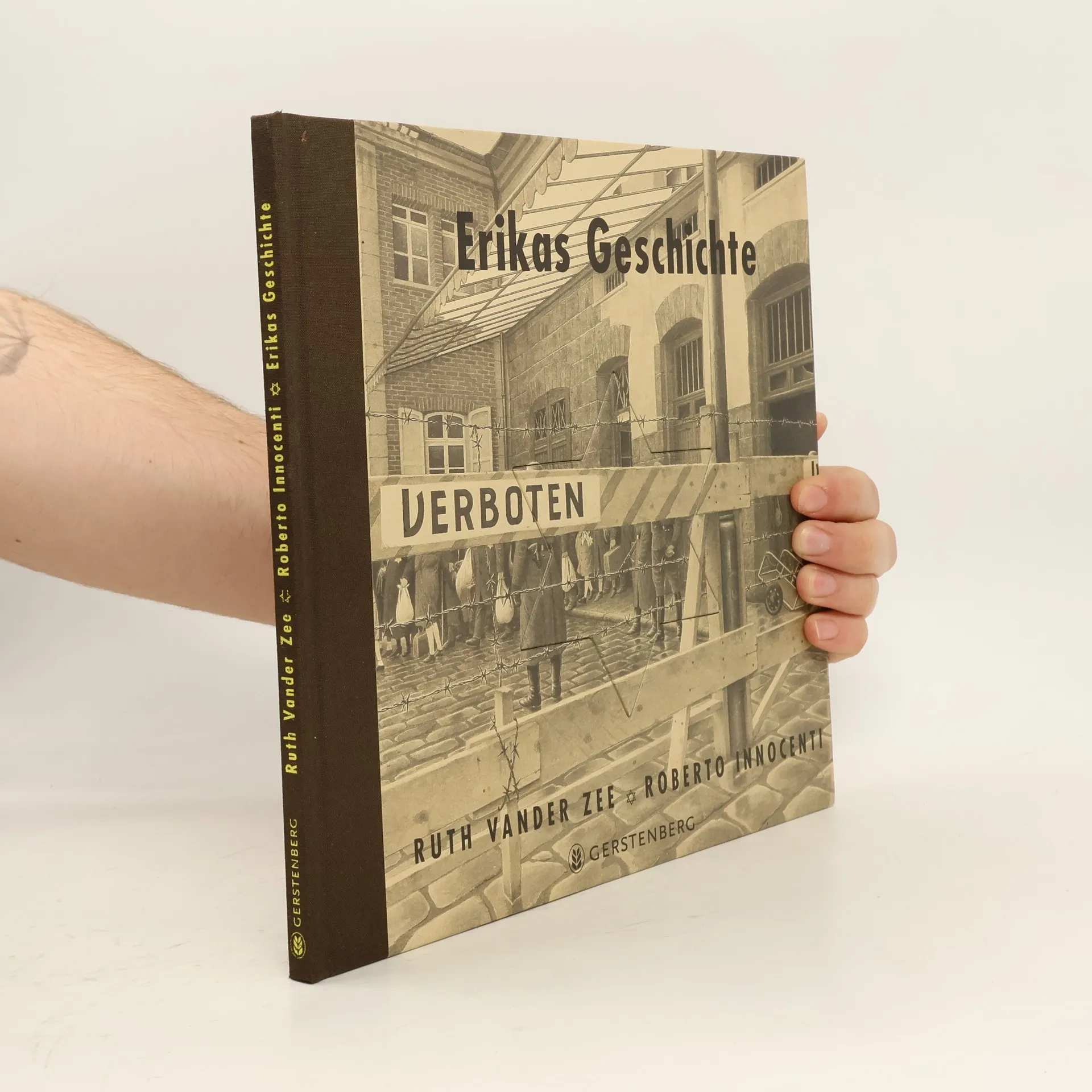
»Ich wurde irgendwann während des Jahres 1944 geboren. Ich kenne mein Geburtsdatum nicht. Ich kenne meinen Geburtsnamen nicht. Ich weiß nicht, in welcher Stadt oder in welchem Land ich geboren wurde. Was ich weiß ist, dass ich nur einige wenige Monate alt war, als ich vor dem Holocaust gerettet wurde.« Erikas Familie lebte vermutlich in einem Getto. Zusammen mit vielen anderen Juden wird sie zum Bahnhof getrieben und in einen Viehwagen gepfercht. Irgendwann während der Fahrt begreift die Mutter, wohin die Reise geht. Als der Zug in einem Dorf sein Tempo verlangsamt, wickelt die Mutter ihr Kind in ein Tuch und wirft den Säugling hinaus. Eine fremde Frau nimmt das Mädchen auf und gibt ihm einen Namen: Erika. Knappe, kraftvolle Worte und eine zurückhaltende, intensive Bildsprache führen die Ungeheuerlichkeit von Erikas Geschichte vor Augen.
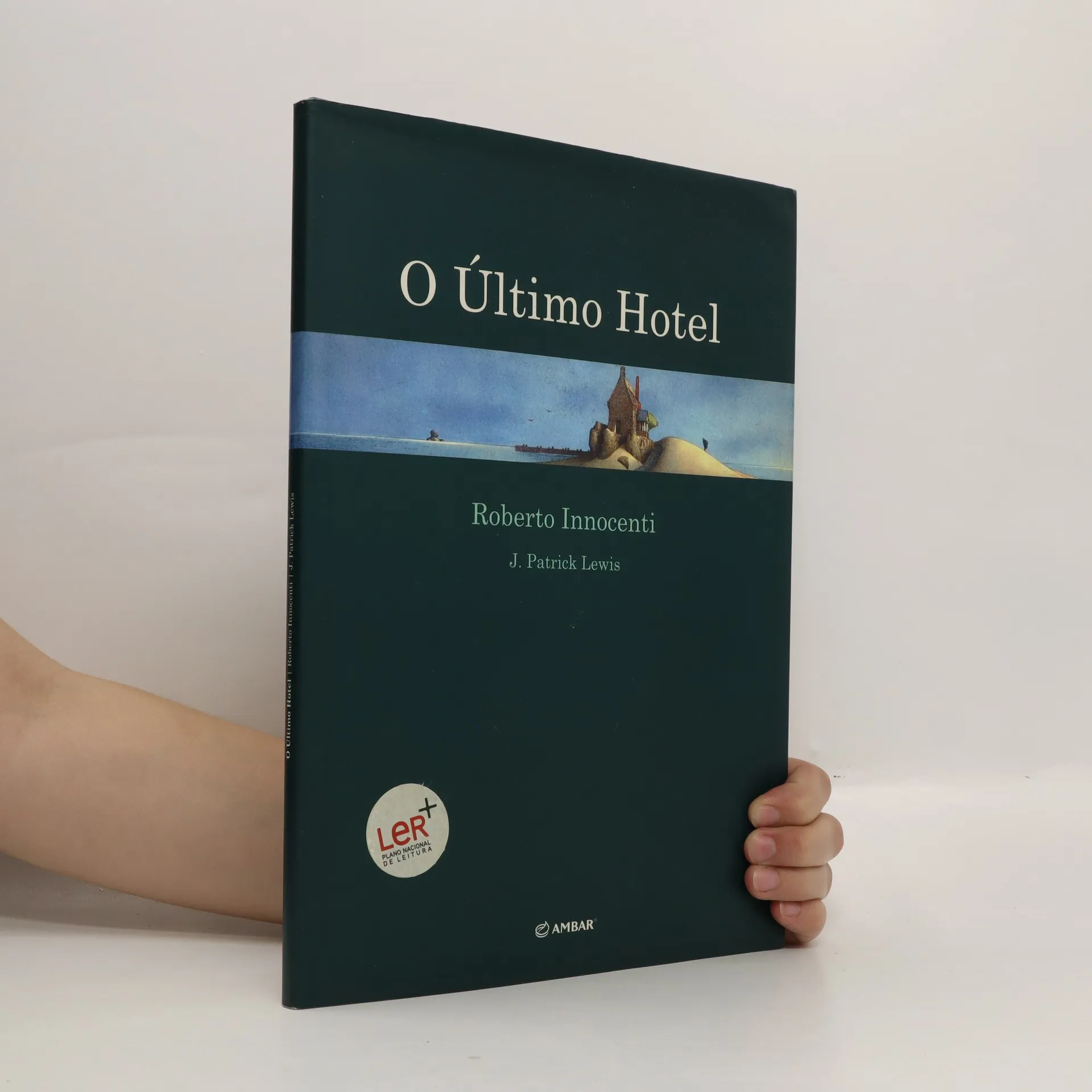
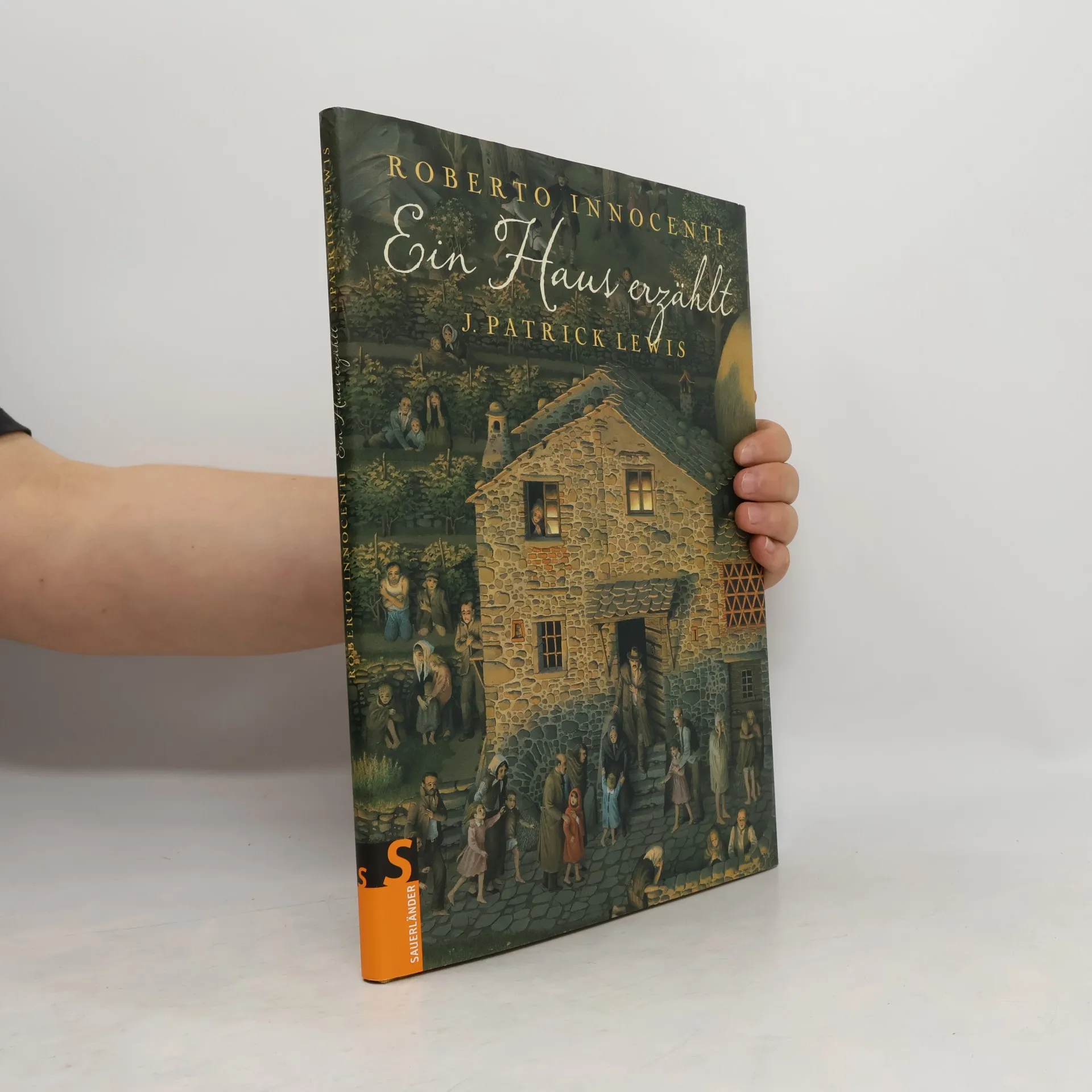
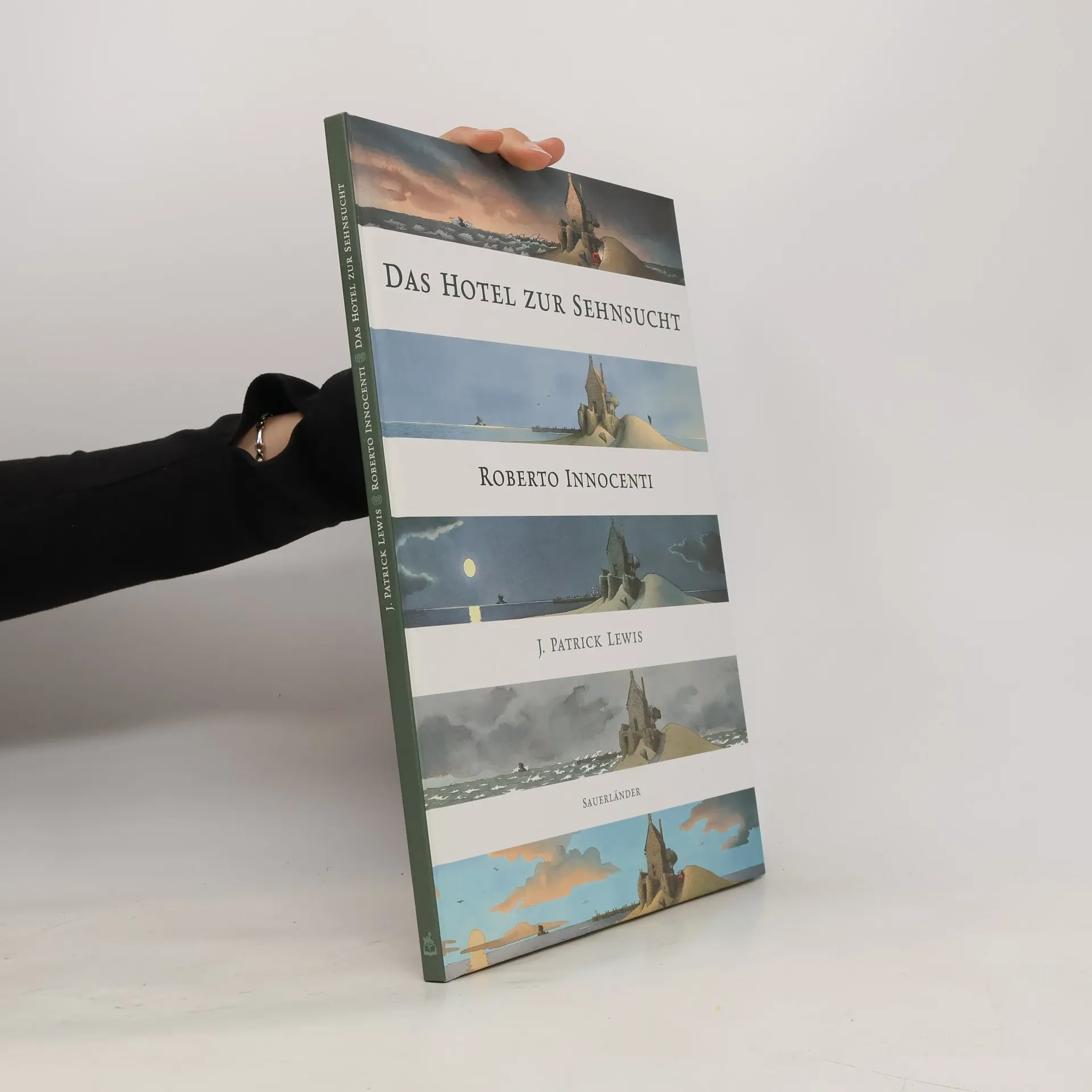
Das neue Meisterwerk des vielfach preisgekrönten Illustrators Roberto Innocenti entführt uns auf eine außergewöhnliche Bilderreise durch die Geschichte. Innocenti hat ein unvergessliches Haus geschaffen, das uns in poetischen Vierzeilern des Dichters J. Patrick Lewis - wunderbar ins Deutsch übertragen von Mirjam Pressler - sein Leben erzählt. 1656 Stein auf Stein auf einem Hügel in der Toskana erbaut, hat es viel erlebt: wie die Pest das Land erschütterte, zahlreiche Generationen Zuflucht suchten, Familienfeste gefeiert wurden, Kriege den Hügel verwüsteten, Steine immer wieder aufgebaut werden mussten, altes Handwerk verschwand, das Haus verlassen wurde - und am Ende zu neuem Leben erwacht.
Gute Geschichten sind magisch. Sie können sich verändern wie die Wolken am Himmel. Sophia will zu ihrer Großmutter. Es geht ihr nicht besonders gut, bestimmt würde sie sich über Besuch freuen. Das Mädchen packt Kekse, Honig und Orangen in ihren Rucksack, knöpft den roten Kapuzenmantel zu, den Großmutter ihr genäht hat, und geht los. Aber der Weg ist weit und überall lauern Gefahren. Ein Unwetter braut sich zusammen; im Großstadtdschungel treiben Schakale und Wölfe ihr Unwesen und laute, grelle Konsumtempel locken mit ihren Versuchungen. In eindrücklichen Bildern interpretiert der große Künstler Roberto Innocenti die jahrhundertealte Geschichte von Rotkäppchen für unsere Zeit.
Ein Künstler begibt sich auf die Suche nach seiner verlorenen Fantasie und übernachtet in einem alten Hotel, wo er vertraute Gesichter aus anderen Zeiten trifft. Sein Suchen wird zu einem Detektivspiel über Inspiration und literarische Figuren. Ausgezeichnet als eines der besten Bücher für junge Leser.
Žena vzpomíná, jak se za války dostala z vlaku, který mířil do nacistického tábora smrti, jak někdo riskoval vlastní život, aby ji zachránil a vychoval, a jak nakonec našla klid a mír ve své vlastní rodině.
Výtvarník, Roberto Innocenti, který knihu doprovodil svými ilustracemi patří v současné době k předním italským malířům a ilustrátorům.
Kniha Příběh Eriky vychází ze skutečné události a byla přeložena do více než třiceti jazyků.
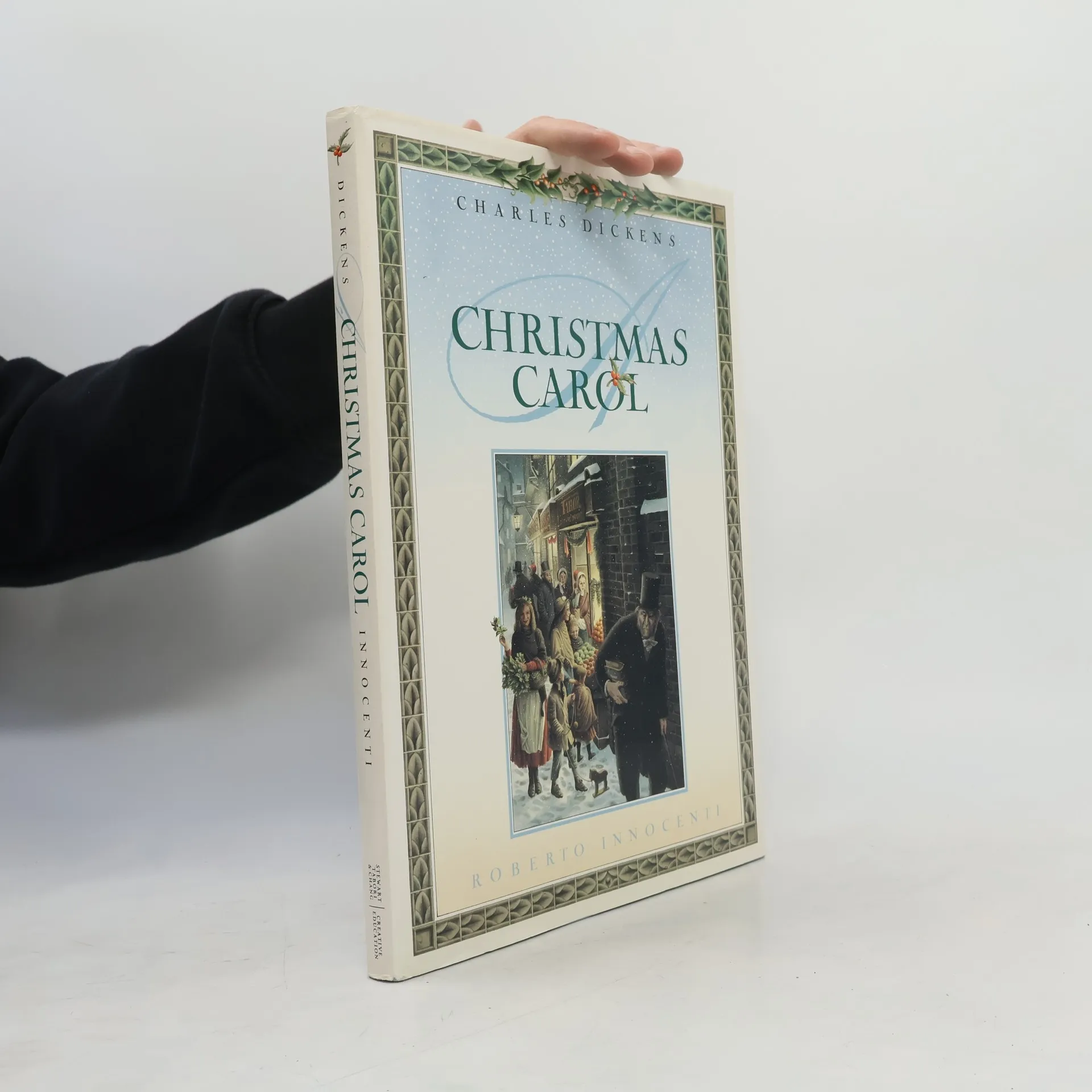
Each of these short stories was written specifically for Christmas. They combine concern for social ills with the myths and memories of childhood and traditional Christmas spirit-lore. The stories include "A Christmas Carol", "The Chimes", "The Battle of Life" and "The Cricket on the Hearth".