Altuğ Taner Akçam is a Turkish historian and sociologist, recognized as a leading international authority on the Armenian Genocide. He stands as one of the first Turkish academics to openly acknowledge and discuss this historical event. His work delves into profound historical traumas and their enduring impact on the present day. Akçam's research is crucial for understanding the complex relationship between Turkey and Armenia.
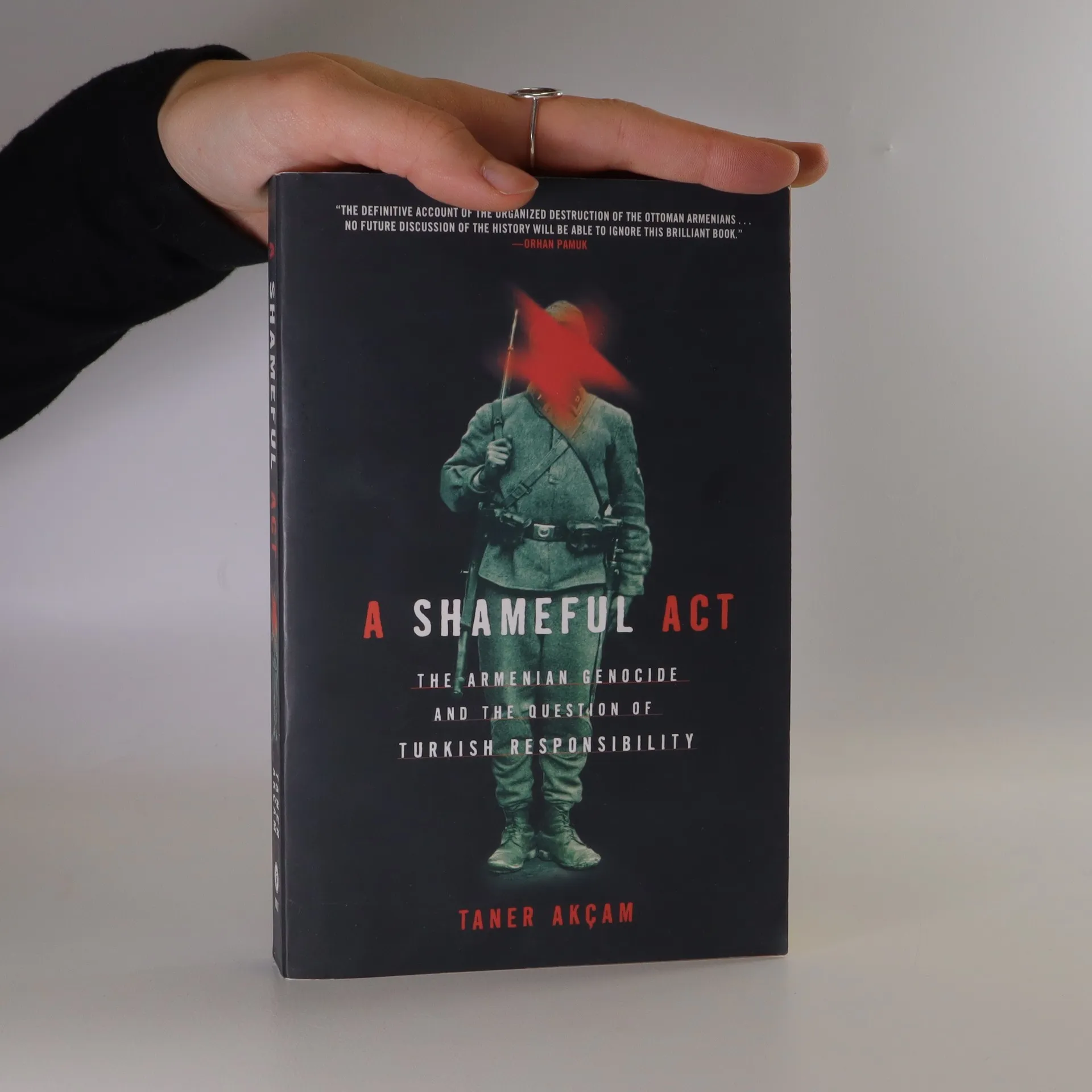
Introducing evidence from more than 600 secret Ottoman documents, this book
demonstrates in unprecedented detail that the Armenian Genocide and the
expulsion of Greeks from the late Ottoman Empire resulted from an official
effort to rid the empire of its Christian subjects. číst celé
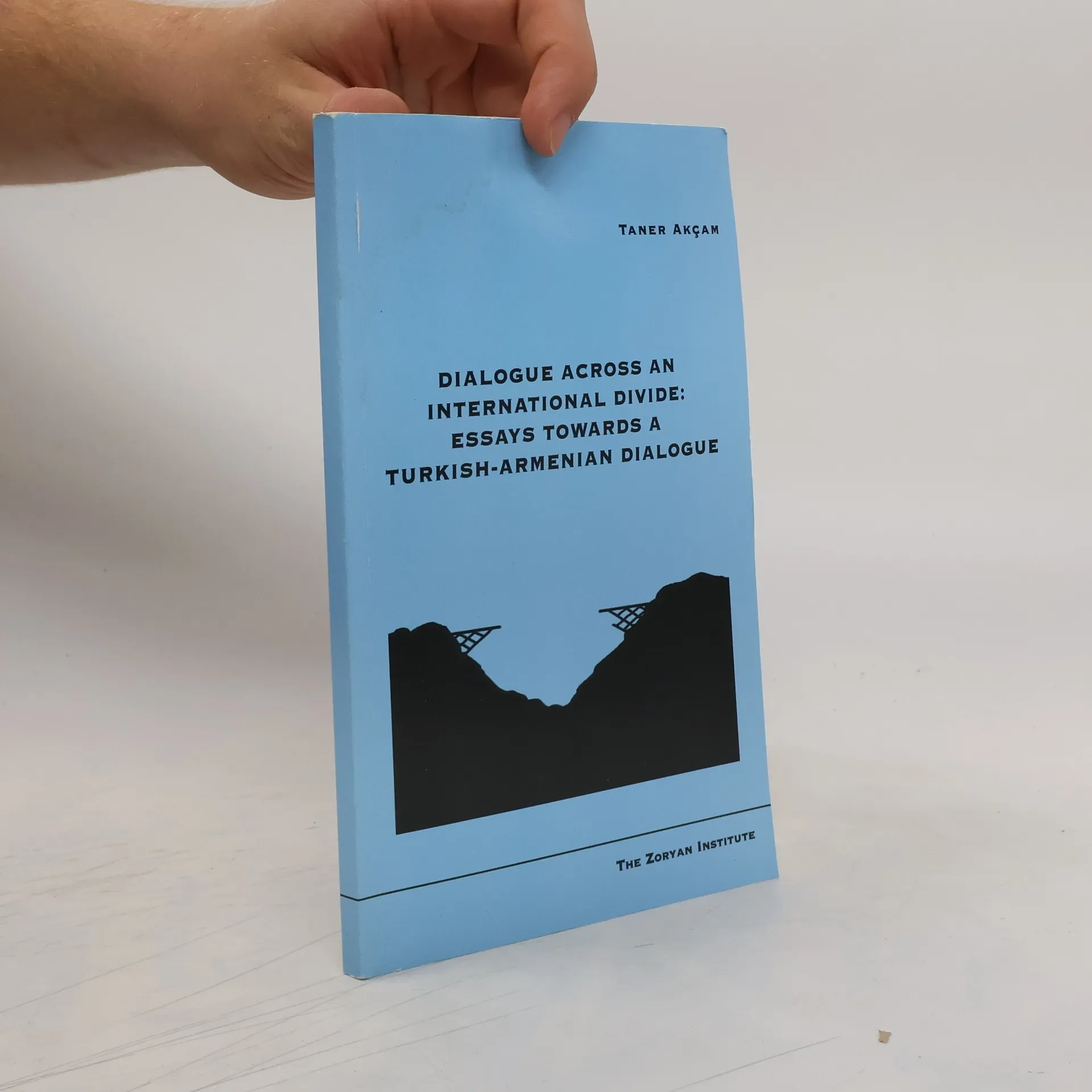
Small Paperback in very good condition; slight shelf scuff to covers; all 101 numbered pages clean, no marks, highlights, bends or tears; as depicted in stock photo - please see additional photos; The Zoryan by Taner Akçam;
A study of the Armenian genocide draws on Ottoman sources, including parliamentary minutes, letters, military and court records, and eyewitness accounts, to lay responsibility for the event on Turkish authorities, revealing a systematic orchestration of the killings by the military, ruling political parties, and the Ottoman state.
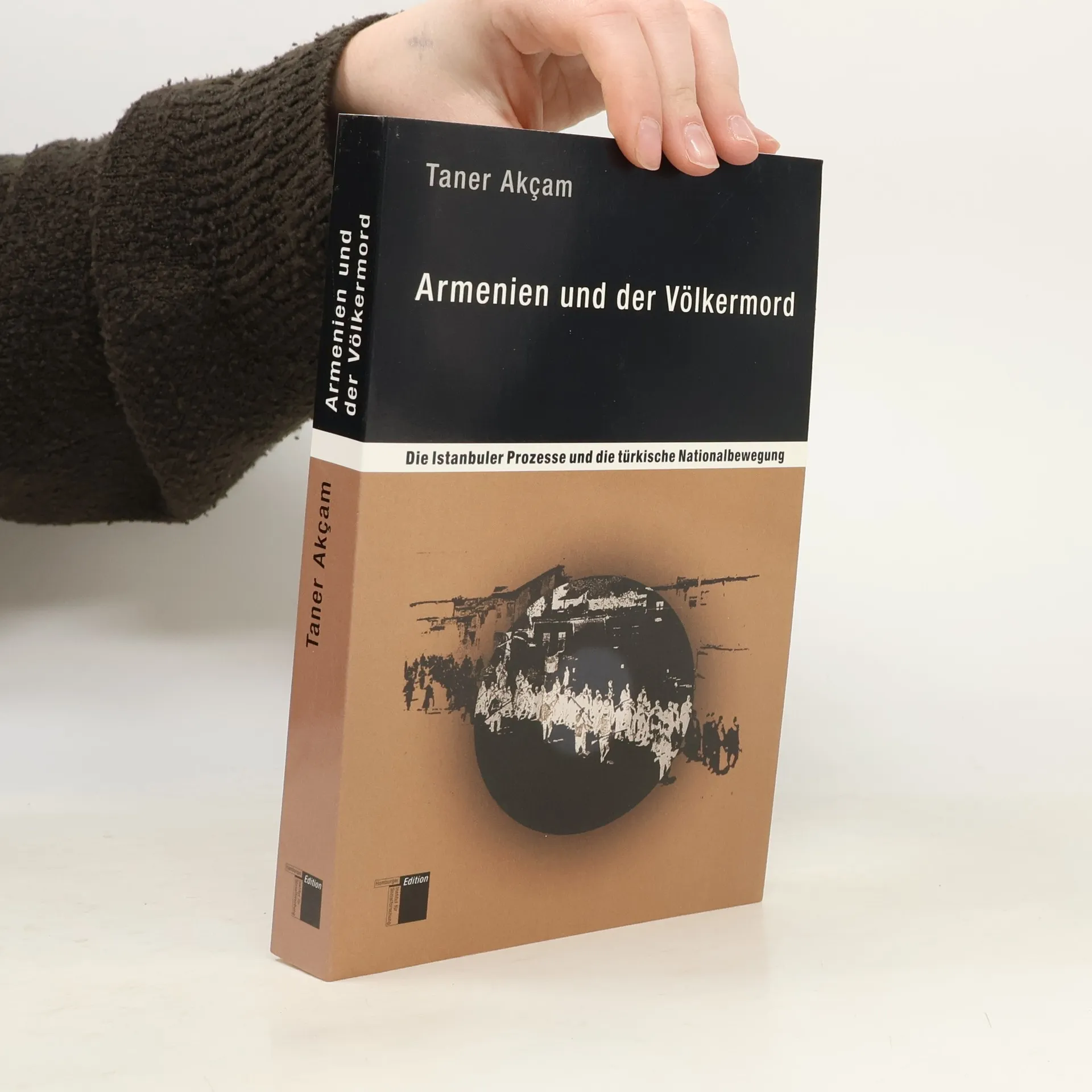
Die Istanbuler Prozesse und die türkische Nationalbewegung
429 pages
16 hours of reading
»Keiner Nation gelingt es, sich selbst anzuklagen« 1919 bis 1921 standen führende türkische Politiker vor dem Kriegsgericht in Istanbul. Die Anklage lautete auf Beteiligung am Völkermord an den Armeniern. Zustande kamen die Prozesse durch den Druck der alliierten Mächte, die damit einen ersten Schritt unternahmen, Menschenrechtsprinzipien mittels einer internationalen Strafgerichtsbarkeit durchzusetzen. Der türkische Wissenschaftler Taner Akçam stellt diese kaum bekannten Prozesse in den Kontext des Untergangs des Osmanischen Reiches und der Erfolge der jungtürkischen Bewegung bei ihrem Bestreben, einen homogenen türkischen Nationalstaat zu gründen. Aber er analysiert zugleich auch die spezifischen historischen und politisch-ideologischen Hintergründe, die zum Genozid an den Armeniern führten. Der Band enthält erstmalig in deutscher Sprache eine kommentierte Auswahl aus den Verhandlungsprotokollen und Urteilsbegründungen der Istanbuler Prozesse. Sie vermitteln neue Erkenntnisse über die Planung und Durchführung des Völkermords und zeigen die Mechanismen eines von Hass und Brutalität geprägten Massakers auf.
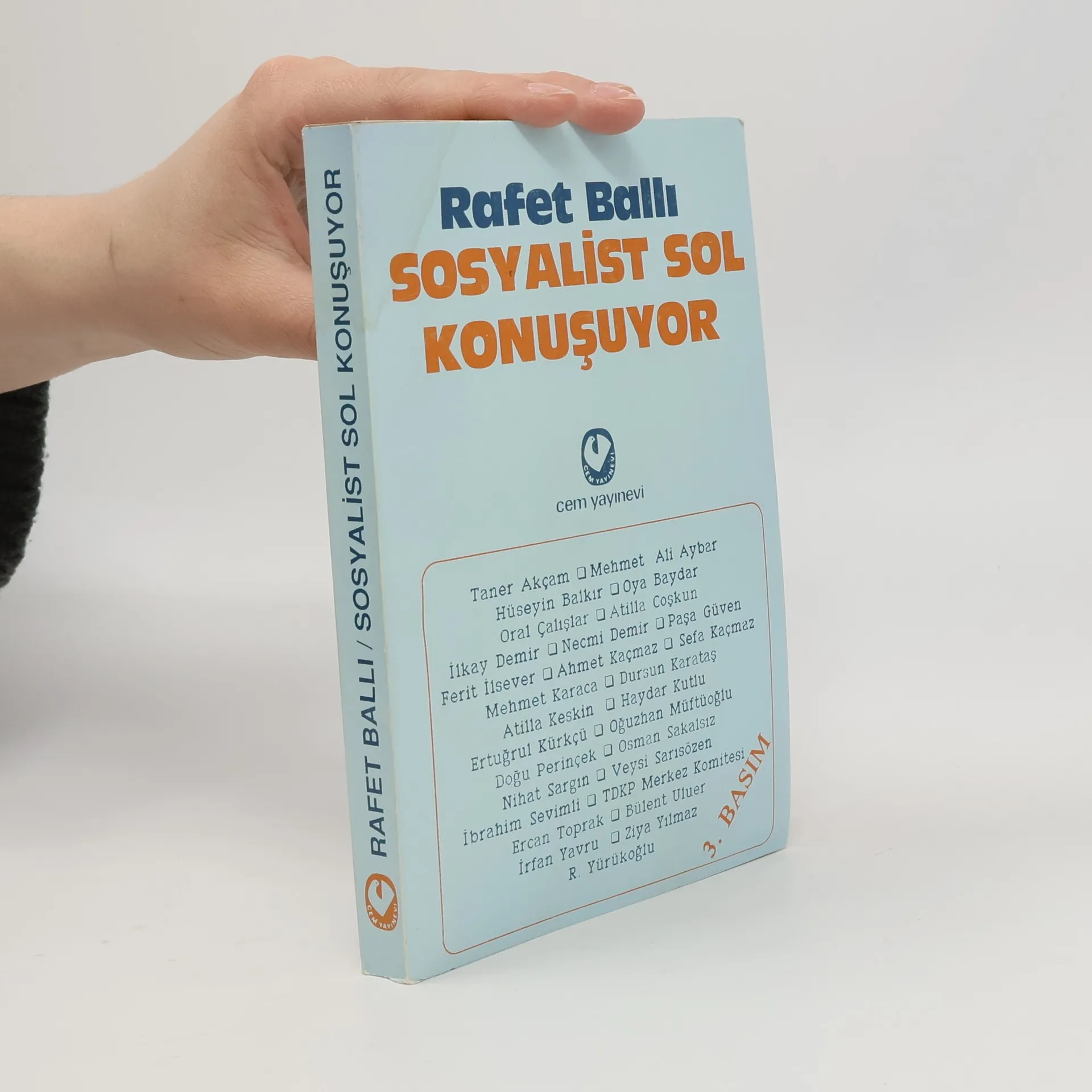
Sosyalist Sol Konuşuyor; içerdiği konularla ülkemiz soluna ışık tutuyor. Gazeteci Rafet Ballı, sosyalistlerin temel sorunlarıyla ilgili can alıcı sorulara aldığı yanıtlardan ve bu sorunlarla ilgili tartışmalardan oluşan yapıtını; sosyalist solun bugünkü fotoğrafını çekmek için gerçekleştirdiğini söylüyor. Sosyalist Sol Konuşuyor'da, sosyalist solun dünü, bugünü, geleceği değerlendiriliyor. Yapıtta, sekiz yıllık suskunluk döneminden sonra geçirilen değişimler, gruplararası ilişkiler, grupların ortak ve farklı yanları, yasal parti, sosyalist demokrasi, ulusal sorun ve ağırlıklı olarak "solun birliği" konusu tartışılıyor. Sosyalist Sol Konuşuyor'da, solun Türkiye'nin güncel sorunlarına bakışı, geçmiş muhasebesi, gelecekle ilgili tespit ve önerileri yer alıyor.