Israel: What Went Wrong?: Orwell Prize for Political Writing Finalist 2026
- 256 pages
- 9 hours of reading




Through the lens of an unnamed historian, the novel reconstructs the lost narratives of Holocaust victims using fragments of memories, testimonies, diaries, and letters. It aims to illuminate the lives of those who were murdered and forgotten, offering a poignant exploration of their stories and the historical context surrounding their erasure from memory.
First-Person History in Times of Crisis
The book explores critical debates surrounding the Holocaust, emphasizing the interplay between Holocaust and genocide studies. Omer Bartov highlights the significance of local histories and personal testimonies in understanding mass murder. He critiques how legal discourse can both reveal and obscure complicity. Additionally, the author connects first-person narratives to illuminate complex historical events and reflects on his personal experiences to draw parallels between the experiences of Jews during World War II and Palestinians post-establishment of Israel.
The story of the diverse communities of Eastern Europe's borderlands in the centuries prior to World War II
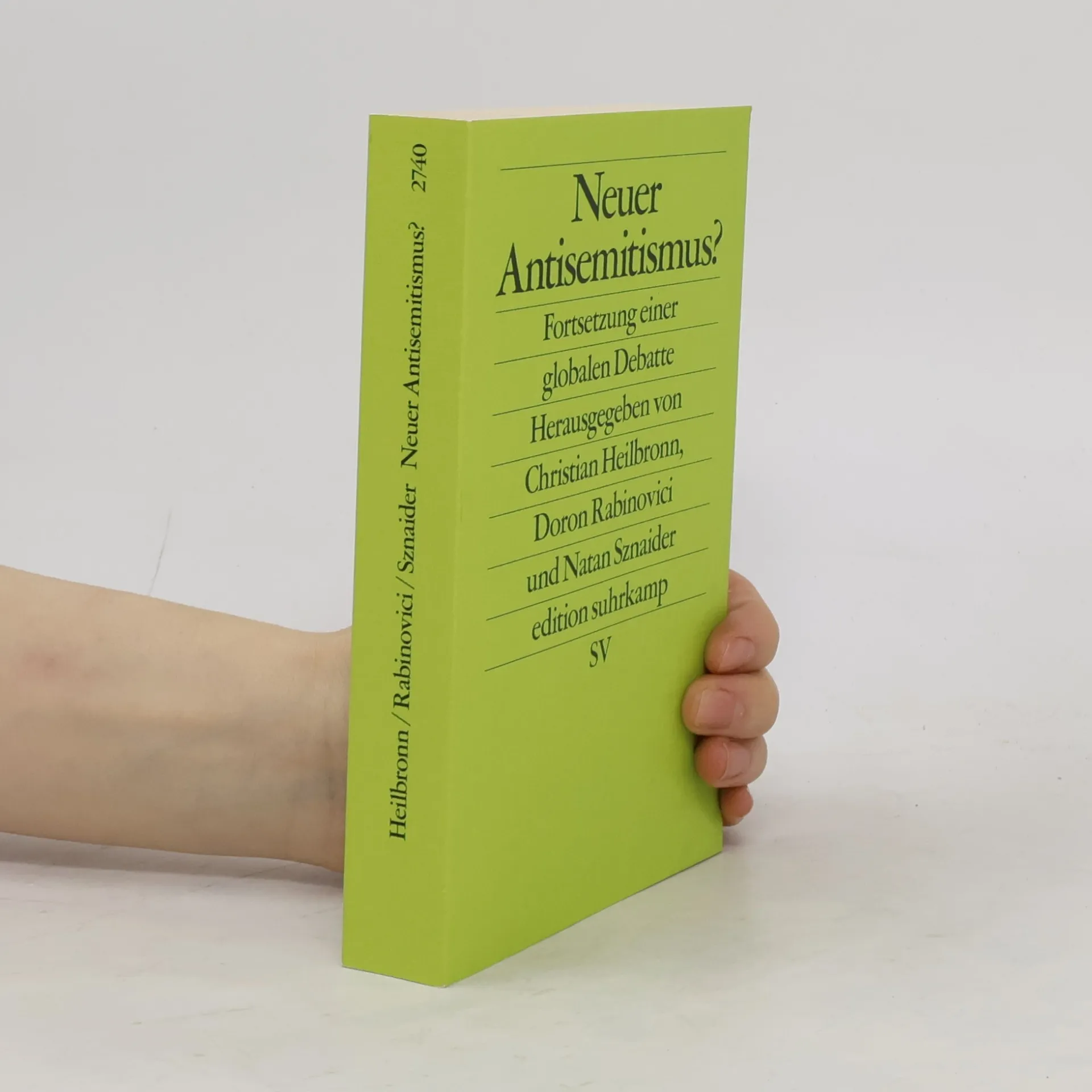
Worauf lassen wir uns ein, wenn wir Antisemitismus begreifen wollen? Meinen wir ein Gefühl, ein Ressentiment, eine Haltung, ein Gerücht oder gar nur ein Vorurteil über eine bestimmte soziale und kulturelle Gruppe, die Juden genannt wird? Ressentiments gegen Juden kommen von Rechten, Linken, der Mitte, von Muslimen, sogar von anderen Juden. Vor diesem Hintergrund ist es Zeit, Bilanz zu ziehen, und eine erweiterte Fassung des mittlerweile zum Standardwerk avancierten Sammelbandes zur Frage des »neuen Antisemitismus« vorzulegen. Die bisherigen Beiträge werden ergänzt um neue Texte, unter anderem zur aktuellen Situation in Großbritannien, Frankreich und Polen sowie um Erörterungen zur Agitation im Netz und um eine Untersuchung zu antisemitischen Einstellungen unter Flüchtlingen. Die älteren Texte sind jeweils zudem durch ein Postskriptum der Autoren angereichert. So ist das Buch nun mehr als ein Diskussionsband, es ist eine Dokumentation und eine Fortsetzung der globalen Debatte über den »neuen Antisemitismus« zugleich. Mit Texten von Omer Bartov, Tony Judt, Judith Butler, Gerd Koenen, Sina Arnold, Michel Wieviorka, Matthias Küntzel, Katajun Amirpur, Ian Buruma, András Kovács, Rafał Pankowski, Jan T. Gross, Brian Klug, Anshel Pfeffer, Monika Schwarz-Friesel, Ingrid Brodnig, Moshe Zimmermann und Dan Diner.
Chapter 1: The gathering storm -- Chapter 2: Enemies at their pleasure -- Chapter 3: Together and apart -- Chapter 4: Soviet power -- Chapter 5: German order --Chapter 6: The daily life of genocide -- Chapter 7: Neighbors
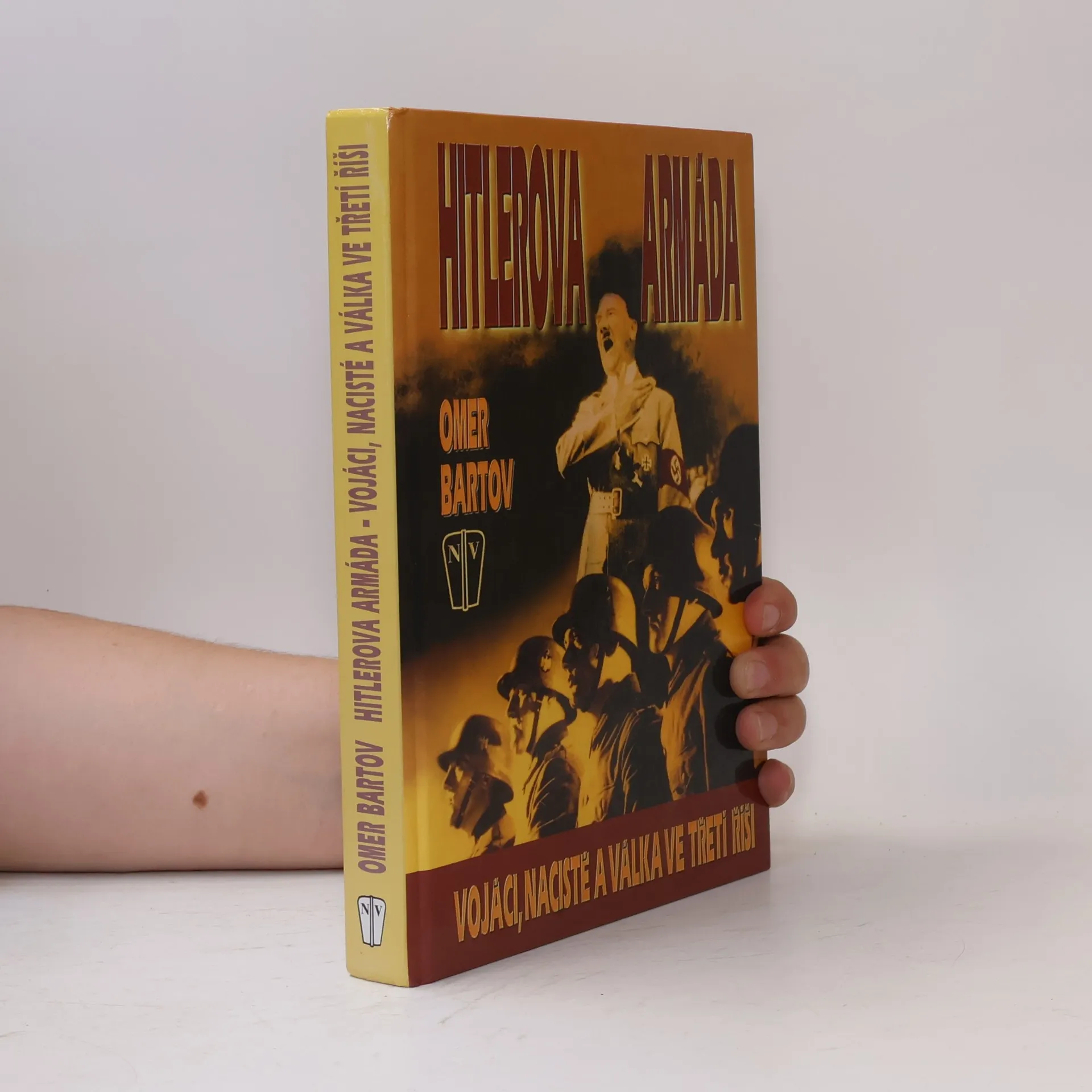
V knize Hitlerova armáda Omer Bartov úspěšně zpochybňuje převládající názor, že německá armáda byla za 2. světové války apolitickou a profesionální bojovou silou, jež měla s nacistickou stranou jen málo co do činění. Bartov se zaměřuje na titánský zápas mezi Německem a Sovětským svazem, kde bojovala obrovská většina německých vojsk, aby ukázal, jak krutě vedená válka přetvářela armádu podle Hitlerových představ. Bylo třeba, aby takoví vojáci, brutálně týraní a brutálně se chovající, nahlíželi na své nepřátelské oběti ve světle šlechetného patriotismu, a ospravedlňovali své vlastní, na nich páchané ukrutnosti tím, že je považovali za podlidi. Autor zkoumá zkušenosti průměrného vojáka čelícího vládní propagandě a indoktrinaci, hrůzným povětrnostním podmínkám, nedostatku potravy a přísnému systému vojenské justice, jež vykonávala dozor nad popravou 15 000 německých vojáků. Bartov vytrvale zkoumá dopisy, diáře, vojenská hlášení a ostatní zdroje, jež ukazují, že Hitlerova branná moc (Wehrmacht) si osvojila ideu, že válka je obranou civilizace proti židobolševickému barbarství, válkou rasového přežití, kterou je třeba vést za každou cenu.
Wartime atrocities are explored through original contributions from notable historians, revealing shocking evidence of violence committed by the United States, Germany, and Japan throughout the twentieth century. Key incidents include the massacre of unarmed Koreans by American troops at No Gun Ri, Nazi atrocities on the Russian front, and Japanese brutality in China during World War II. The book highlights a troubling pattern of denial that often precedes the acknowledgment of these historical truths, emphasizing the need for confronting uncomfortable realities of war.
The author uses archival material, such as letters, reports, and orders, to support his theory that the German army was just as guilty as the Nazis for the atrocities of World War II