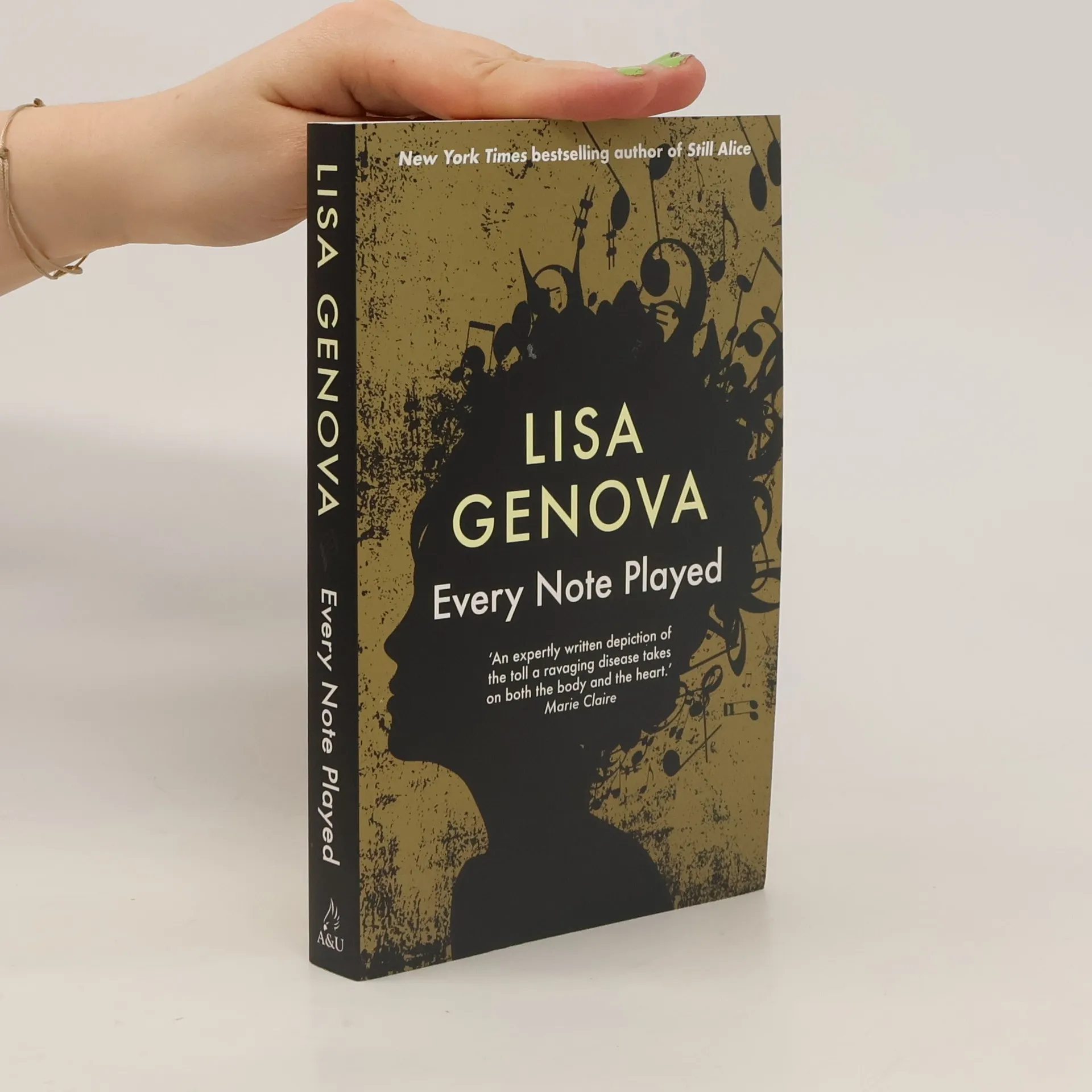

Lisa Genova crafts narratives deeply rooted in neuroscience yet profoundly human. She masterfully explores the complexities of the brain and spirit, offering readers intimate glimpses into the lives of those navigating challenging neurological conditions. Known for her ability to translate intricate scientific concepts into compelling storytelling, Genova illuminates the resilience of the human condition. Her work stands as a testament to the power of empathy and understanding in confronting life's most profound challenges.
Alice Howland, happily married with three grown children and a house on the Cape, is a celebrated Harvard professor at the height of her career when she notices a forgetfulness creeping into her life. As confusion starts to cloud her thinking and her memory begins to fail her, she receives a devastating diagnosis: early onset Alzheimer's disease
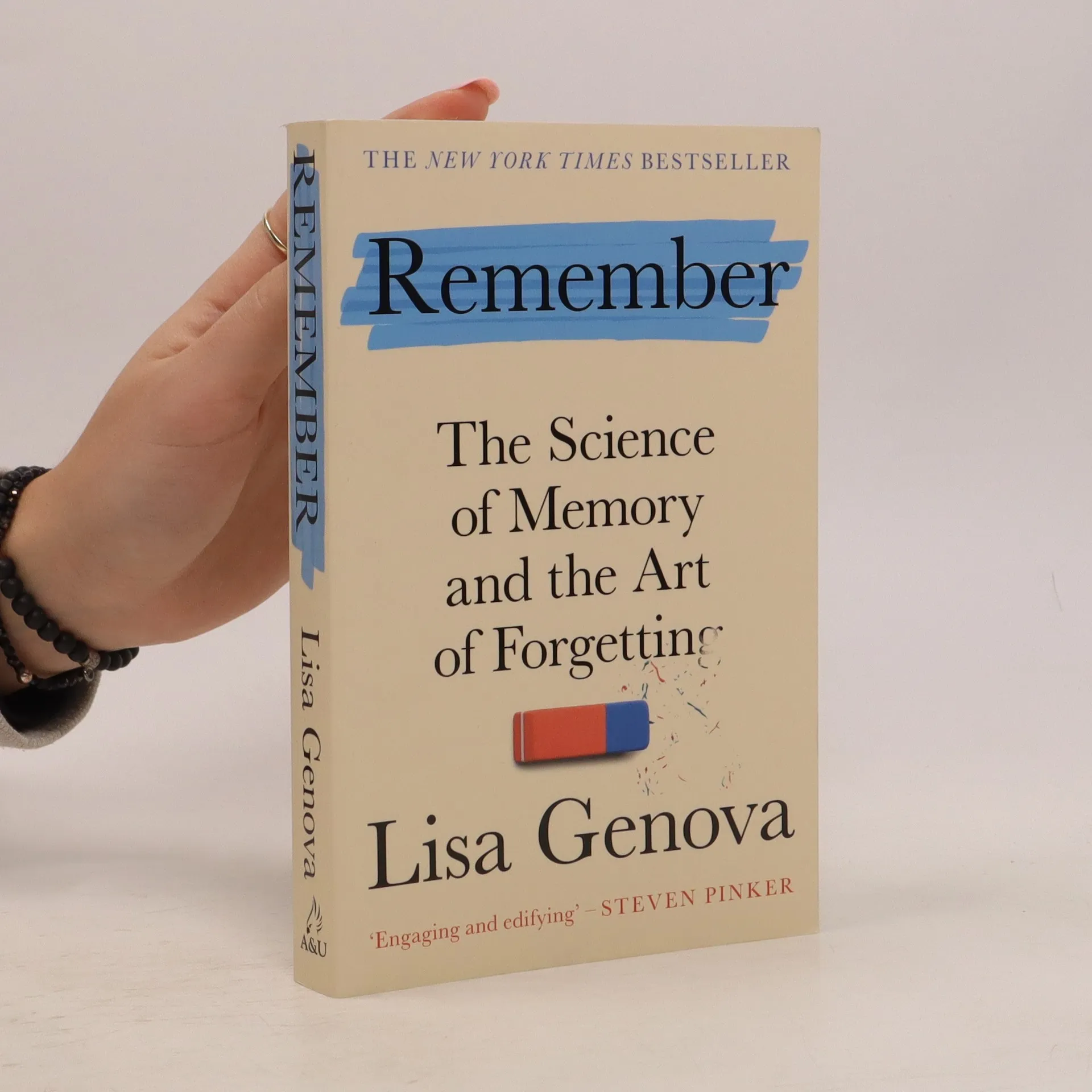
Have you ever felt a crushing wave of panic when you can't for the life of you remember the name of that actor in the movie you saw last week, or you walk into a room only to forget why you went there in the first place? If you're over forty, you're probably not laughing. You might even be worried that these lapses in memory could be an early sign of Alzheimer's or dementia. In reality, for the vast majority of us, these examples of forgetting are completely normal. Why? Because while memory is amazing, it is far from perfect. Our brains aren't designed to remember every name we hear, plan we make or day we experience. Just because your memory sometimes fails doesn't mean it's broken or succumbing to disease. Forgetting is actually part of being human. In Remember, neuroscientist and acclaimed novelist Lisa Genova delves into how memories are made and how we retrieve them. In explaining whether forgotten memories are temporarily inaccessible or erased forever and why some memories are built to exist for only a few seconds while others can last a lifetime, we're shown the clear distinction between normal forgetting (where you parked your car) and forgetting due to Alzheimer's (that you own a car). Remember shows us how to create a better relationship with our memory - so we no longer have to fear it any more, which can be life-changing
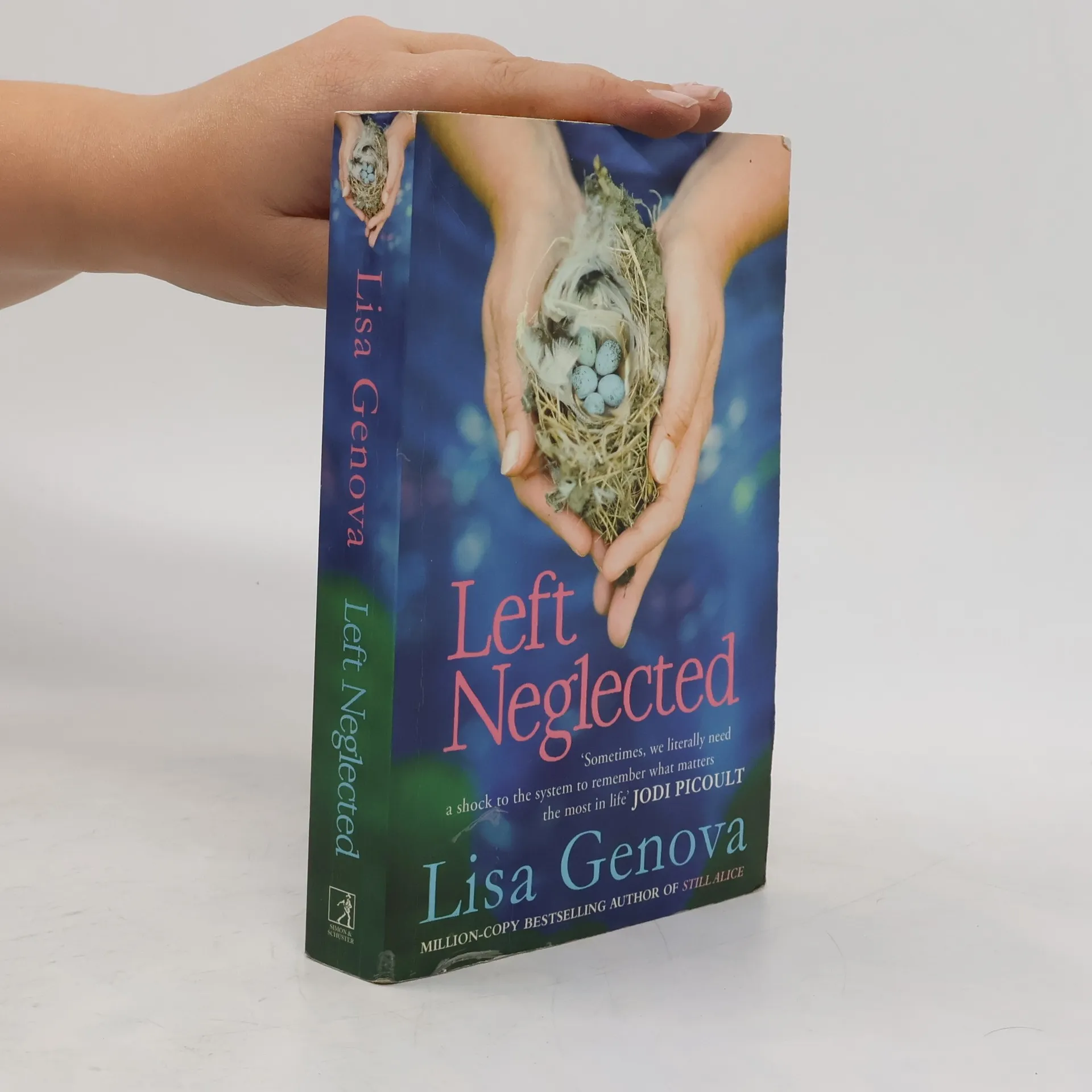
An accomplished concert pianist, Richard received standing ovations from audiences all over the world in awe of his rare combination of emotional resonance and flawless technique. Every finger of his hands was a finely calibrated instrument, dancing across the keys and striking every note with exacting precision. That was eight months ago.Richard now has ALS, and his entire right arm is paralyzed. His fingers are impotent, still, devoid of possibility. The loss of his hand feels like a death, a loss of true love, a divorce—his divorce.He knows his left arm will go next.Three years ago, Karina removed their framed wedding picture from the living room wall and hung a mirror there instead. But she still hasn’t moved on. Paralyzed in a different way, Karina is trapped within a prison of excuses and fear, stuck in an unfulfilling life as an after-school piano teacher, afraid to pursue the path she abandoned as a young woman, blaming Richard and their failed marriage for all of it.When Richard becomes increasingly paralyzed and is no longer able to live on his own, Karina becomes his reluctant caretaker. As Richard’s muscles, voice, and breath fade, the two struggle to reconcile their past before it’s too late.
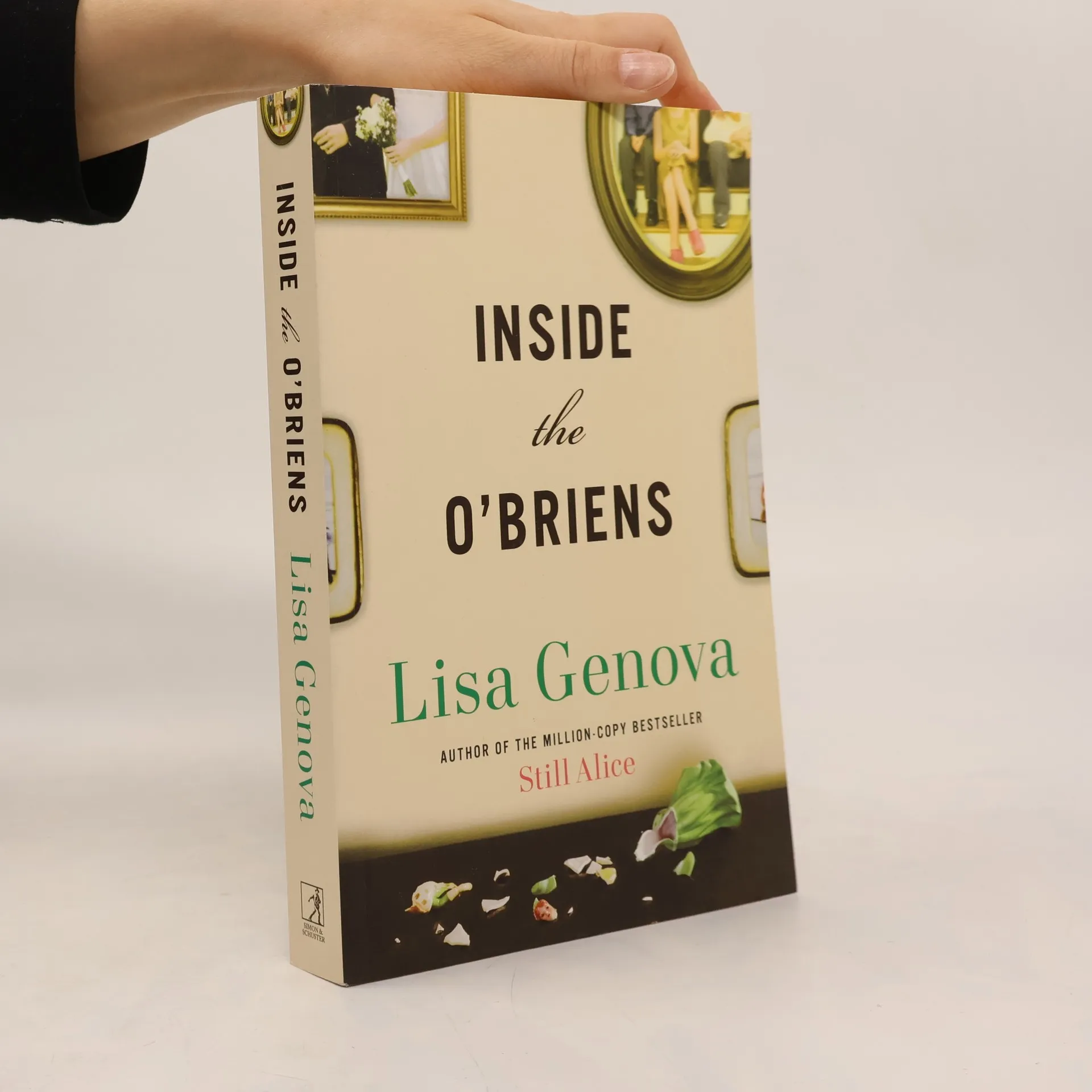
From the bestselling author of Still Alice, adapted into an Oscar-winning film starring Julianne Moore, comes another profound and heart-wrenching story.Joe O’Brien is a Boston cop with a disciplined mind and robust physical stamina, skills that have carried him through decades of police work and raising a family with his wife, Rosie. When he begins making out-of-character mistakes—misplacing his police weapon, struggling to write reports, and experiencing slurred speech—he dismisses them as stress-induced lapses. Finally persuaded to see a doctor, Joe receives a shocking diagnosis: Huntington’s disease.Joe’s life is irrevocably changed, and each of his four grown children faces the devastating fifty-fifty chance of inheriting this genetic disease. His daughter Katie, a yoga teacher, observes her father’s decline with both dread and empathy, wrestling with the uncertain future it foreshadows. She’s determined to make the most of the present and find ways to care for her dad, who, despite everything, is still the Joe O’Brien she knows and loves.Inside the O’Briens is a powerful, heartfelt tribute to resilience and the strength of the human spirit, capturing the courage it takes to face an uncharted future.
Wie unser Gedächtnis funktioniert | Von der Autorin des Bestsellers Still Alice
Erschrecken Sie, wenn Ihnen der Name eines bekannten Menschen nicht einfällt? Wenn Sie nicht wissen, warum Sie in einen bestimmten Raum gegangen sind? Sind das simple Gedächtnislücken oder bedenkliche Anzeichen? Lisa Genova beruhigt: Unser Gehirn kann sich nicht alles merken, Vergessen gehört zu seinen Grundfunktionen. Was unser Gedächtnis leistet, grenzt an ein Wunder. Aber perfekt ist es nicht. Vergesslichkeit ist etwas ganz Natürliches. Lisa Genova erklärt, wie Erinnerungen entstehen und wie wir sie abrufen können, und zeigt, wie es uns gelingt, Erinnerung zu gestalten und zu sichern und wie wir durch das Vermeiden toxischer Verhaltensweisen unser Erinnerungsvermögen steigern und das Risiko von Alzheimer und Demenz minimieren.
Czy kiedykolwiek poczułeś falę paniki, nie mogąc przypomnieć sobie nazwiska
aktora z filmu, który widziałeś w zeszłym tygodniu? Czy zdarzyło ci się wejść
do pokoju i zapomnieć dlaczego tam poszedłeś? Pewnie martwisz się, że te
zaniki pamięci mogą być wczesnym objawem choroby Alzheimera. W rzeczywistości
dla zdecydowanej większości z nas te przykłady zapominania są całkowicie
normalne. Dlaczego? Ponieważ chociaż pamięć jest niesamowita, daleko jej do
doskonałości. To, że twoja pamięć czasami zawodzi, nie oznacza, że jest
zepsuta lub chora. Zapominanie jest w rzeczywistości częścią bycia
człowiekiem. Czy utracone wspomnienia są tylko chwilowo niedostępne czy też
wymazane na zawsze? Jaka jest różnica między zwykłym zapominaniem, a
zapominaniem z powodu choroby? Jak głęboki wpływ na pamięć mają emocje, sen i
stres?
FASCYNUJĄCA ANALIZA TEGO, JAK PAMIĘTAMY I DLACZEGO ZAPOMINAMY. Czy
kiedykolwiek poczułeś falę paniki, nie mogąc przypomnieć sobie nazwiska aktora
z filmu, który widziałeś w zeszłym tygodniu? Czy zdarzyło ci się wejść do
pokoju i zapomnieć dlaczego tam poszedłeś? Pewnie martwisz się, że te zaniki
pamięci mogą być wczesnym objawem choroby Alzheimera. W rzeczywistości dla
zdecydowanej większości z nas te przykłady zapominania są całkowicie normalne.
Dlaczego? Ponieważ chociaż pamięć jest niesamowita, daleko jej do
doskonałości. To, że twoja pamięć czasami zawodzi, nie oznacza, że jest
zepsuta lub chora. Zapominanie jest w rzeczywistości częścią bycia
człowiekiem. Czy utracone wspomnienia są tylko chwilowo niedostępne czy też
wymazane na zawsze? Jaka jest różnica między zwykłym zapominaniem, a
zapominaniem z powodu choroby? Jak głęboki wpływ na pamięć mają emocje, sen i
stres?