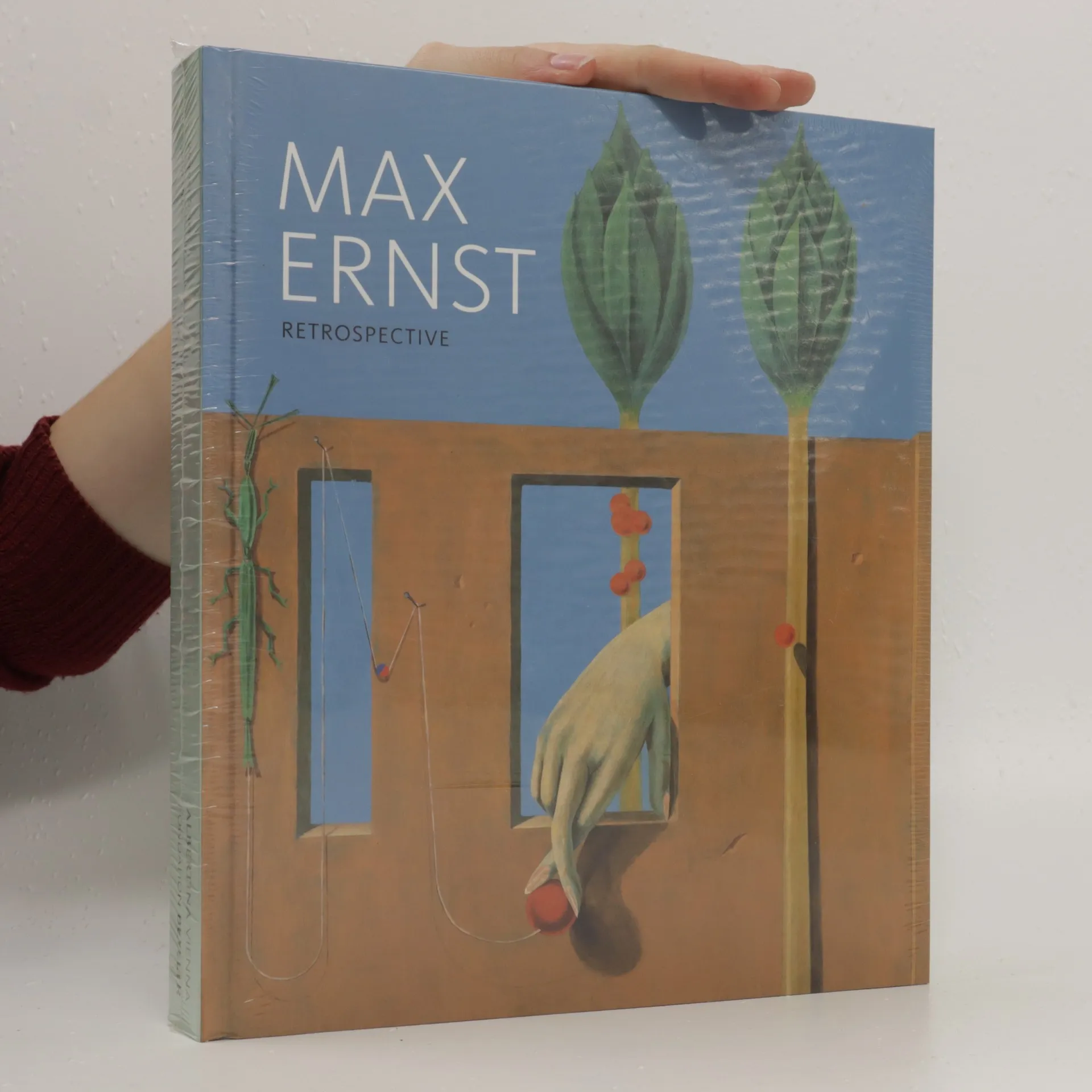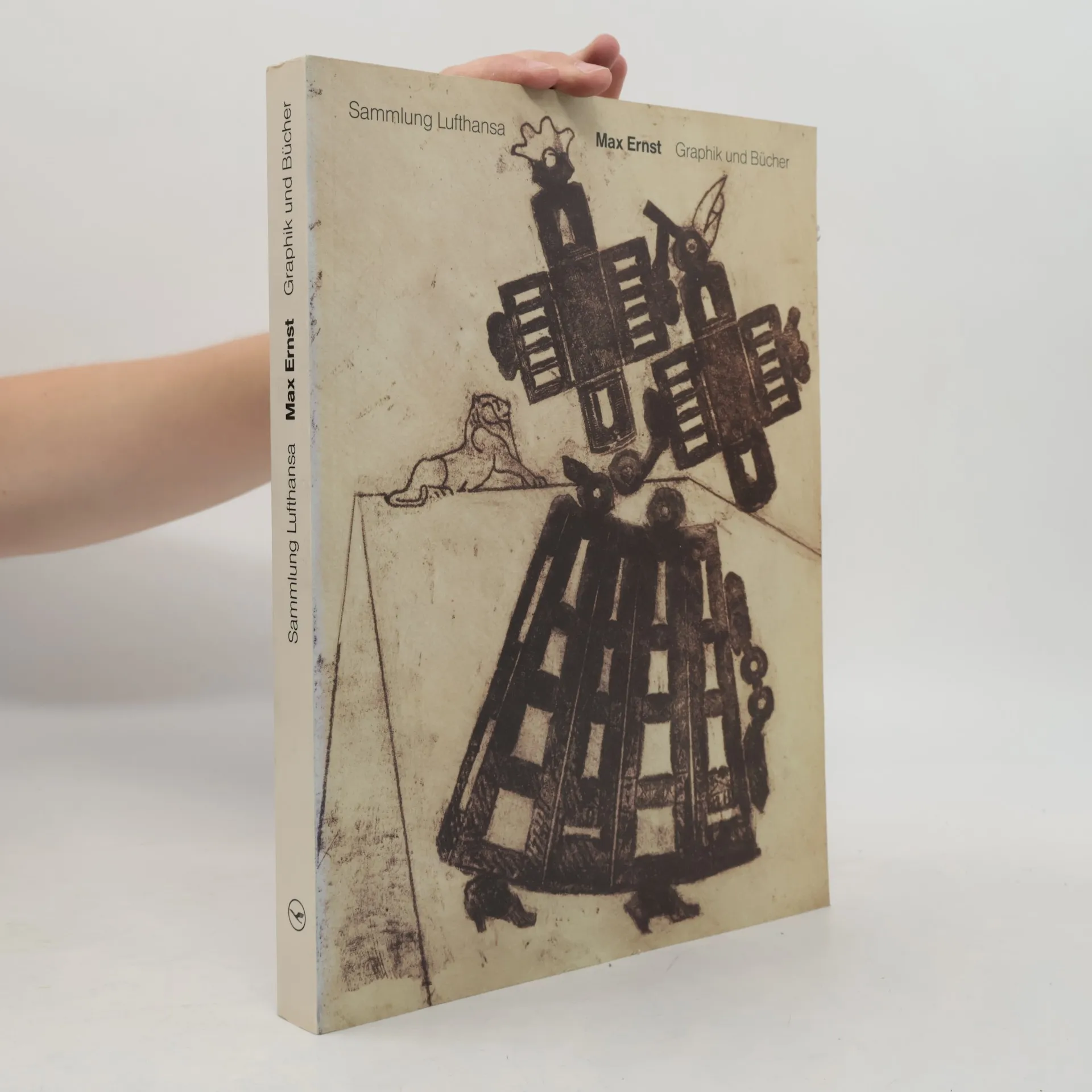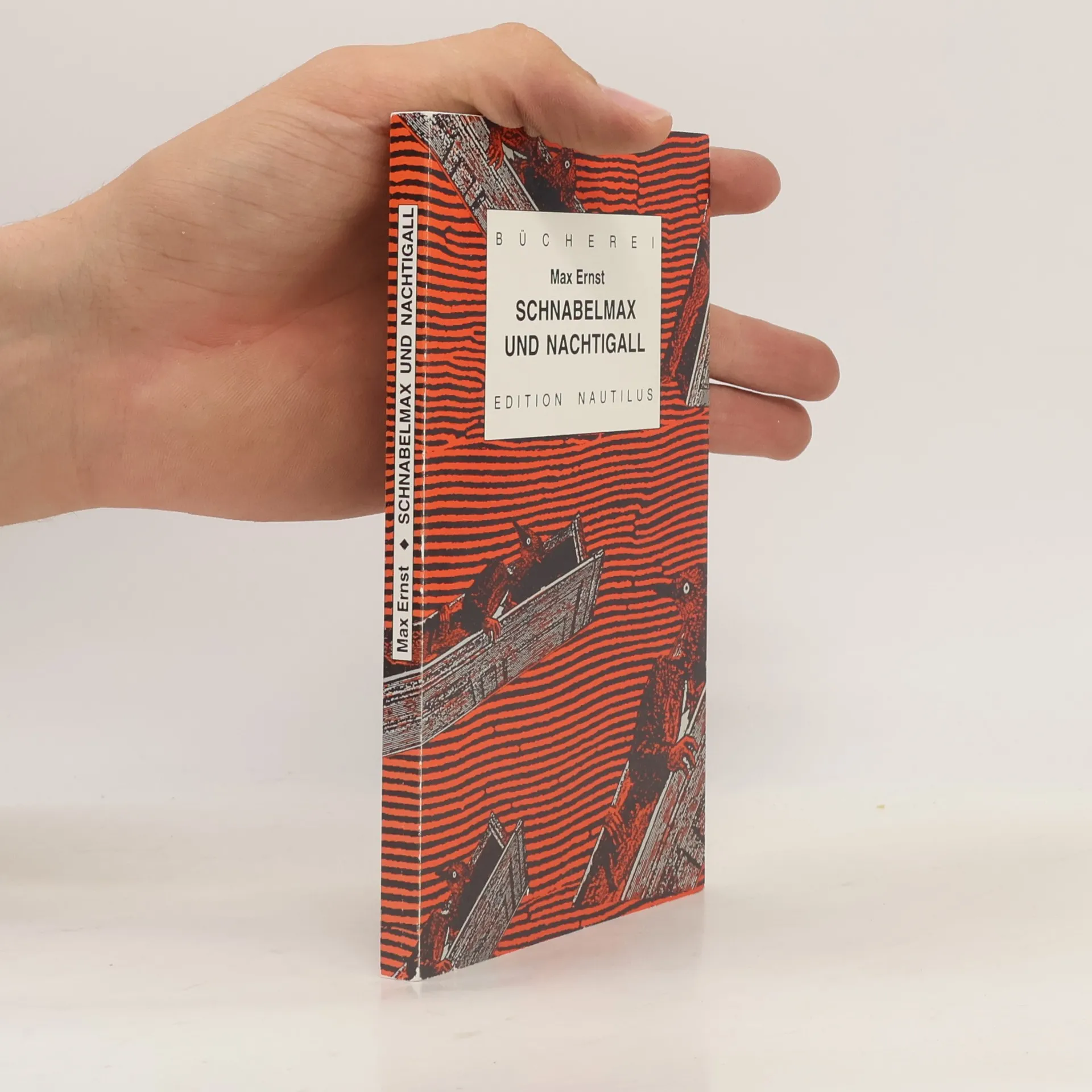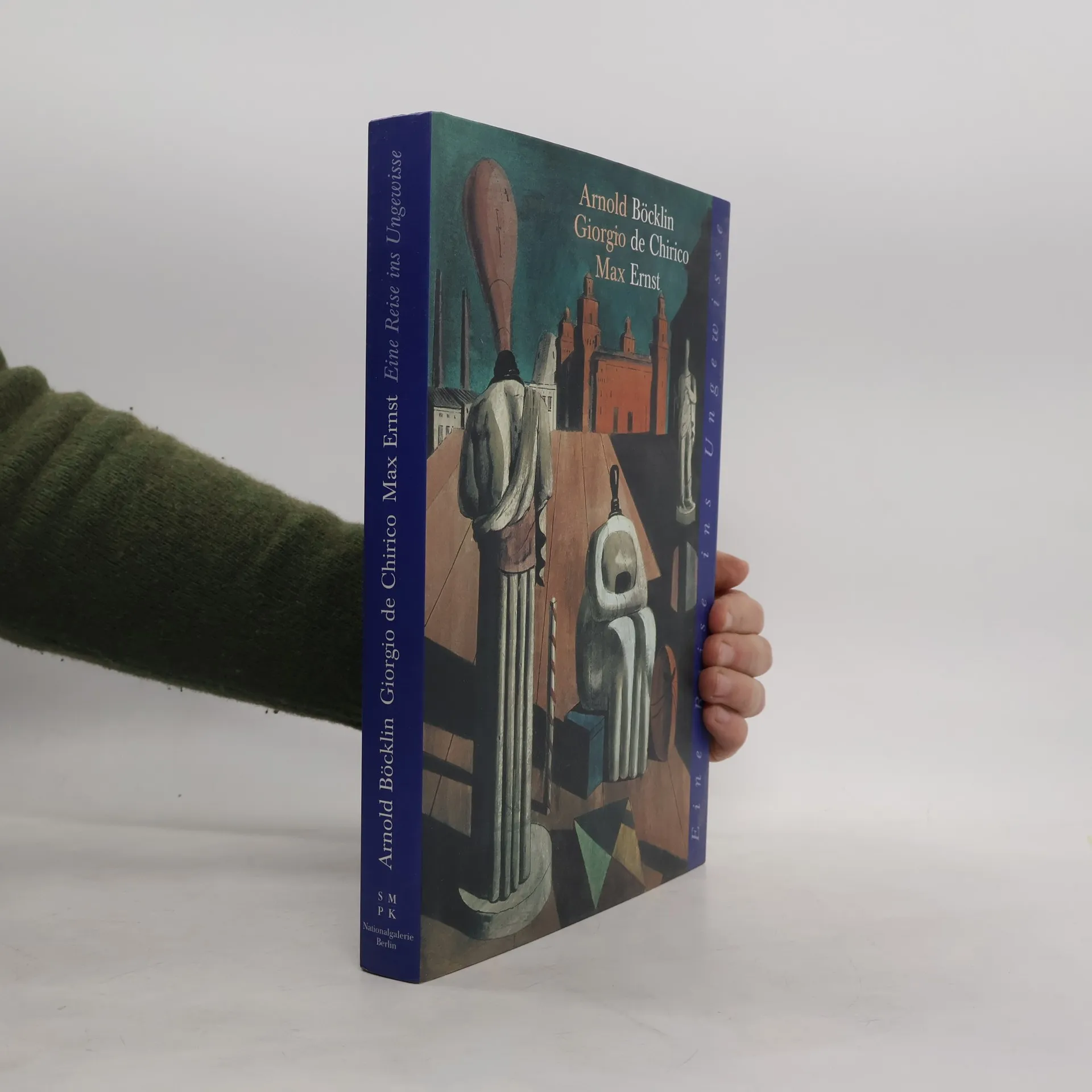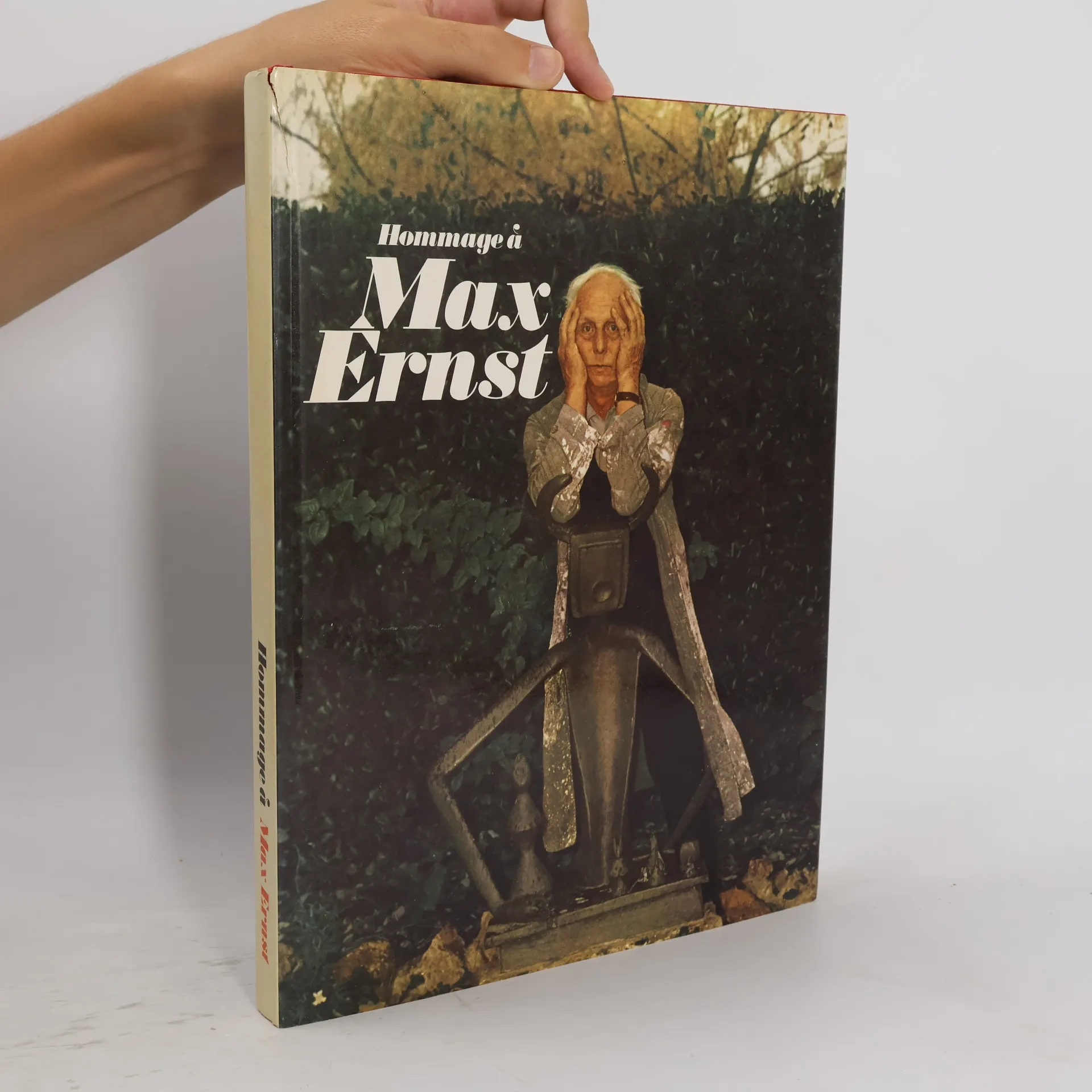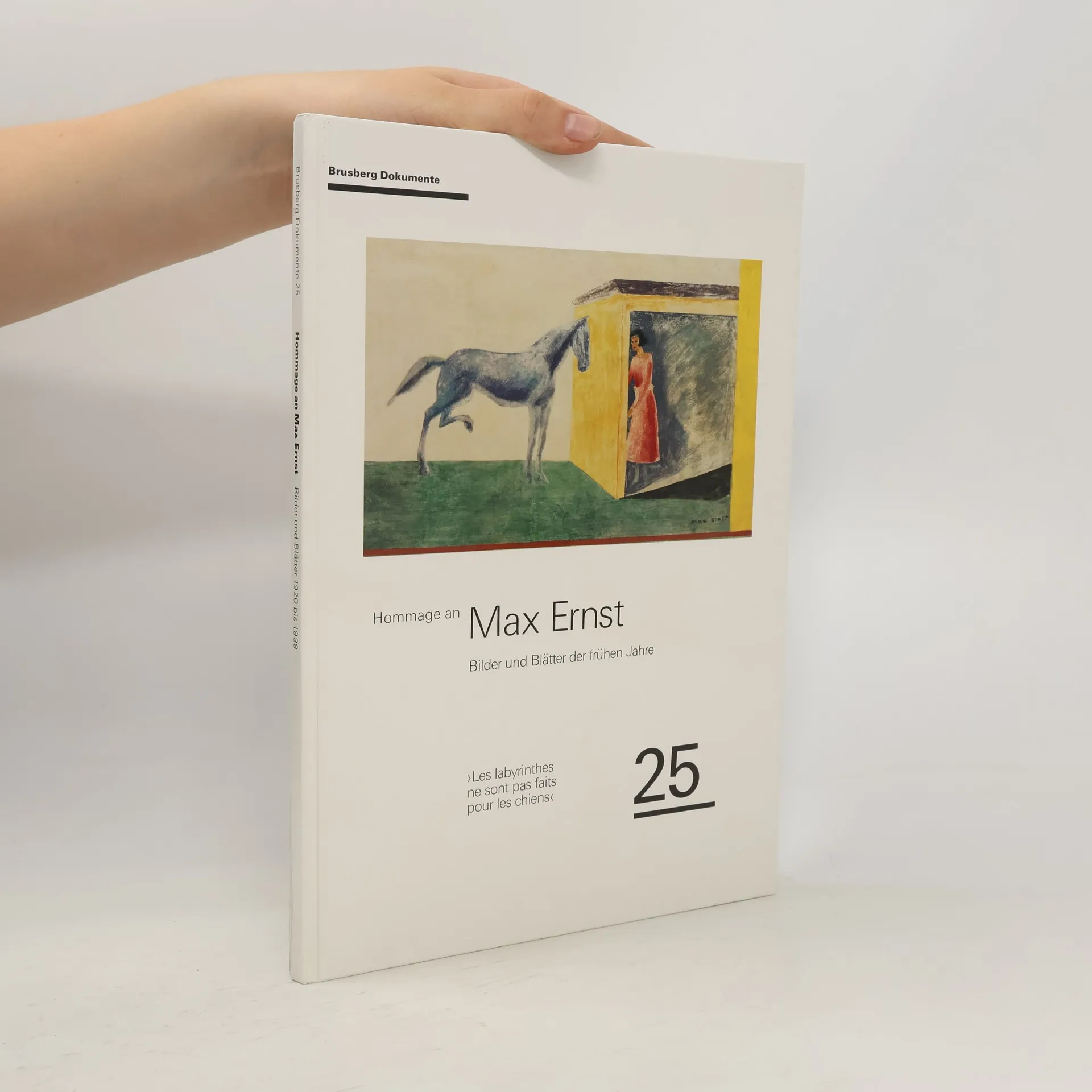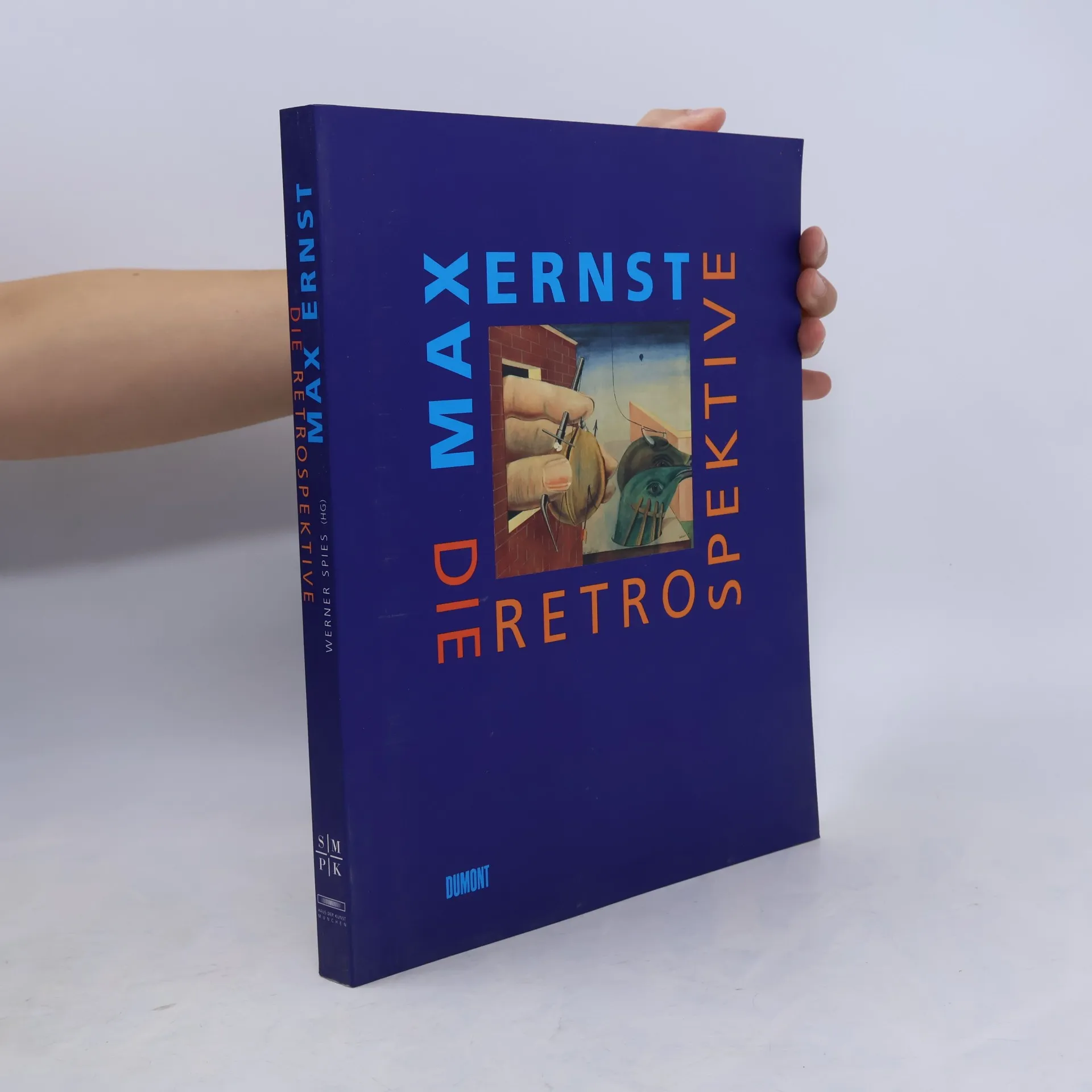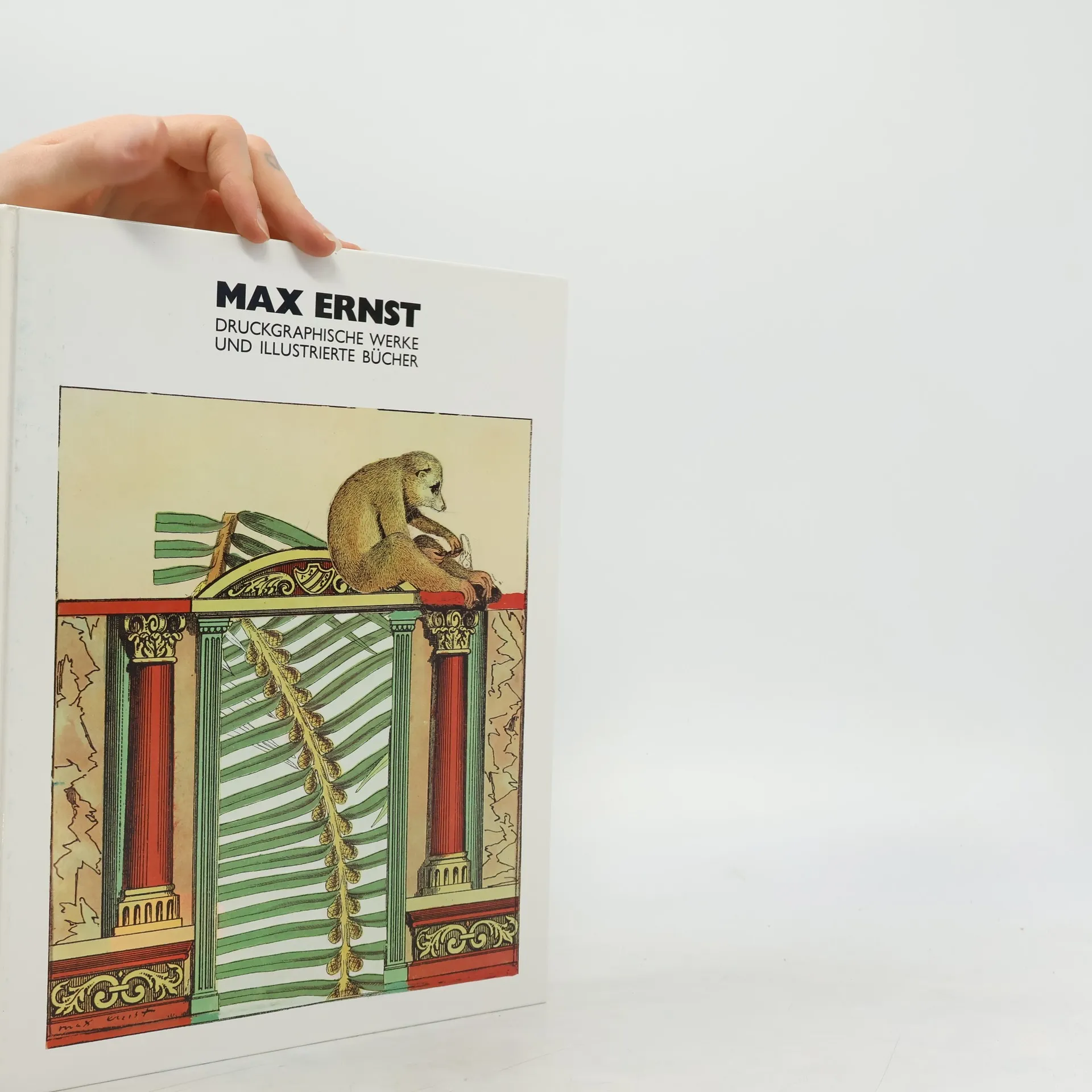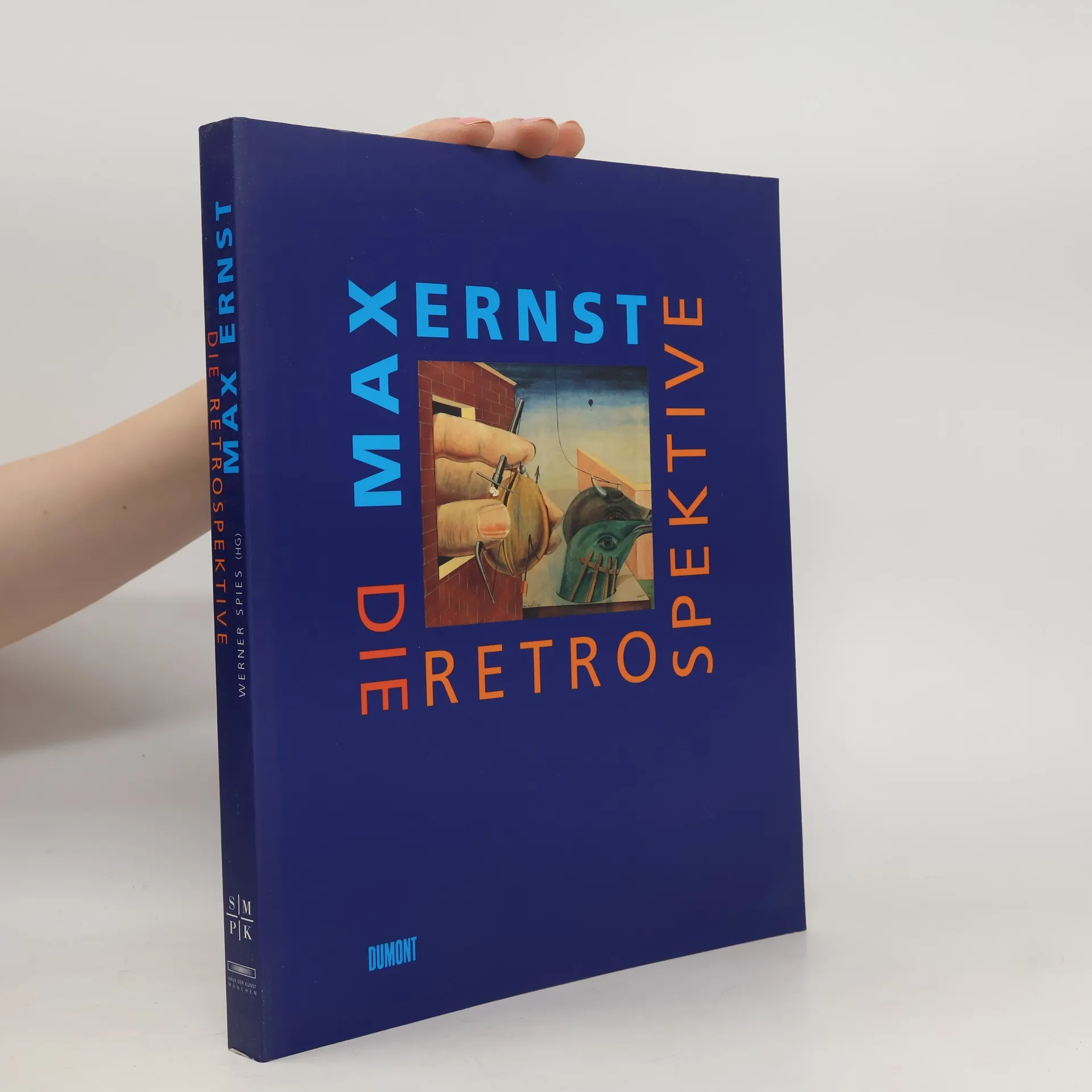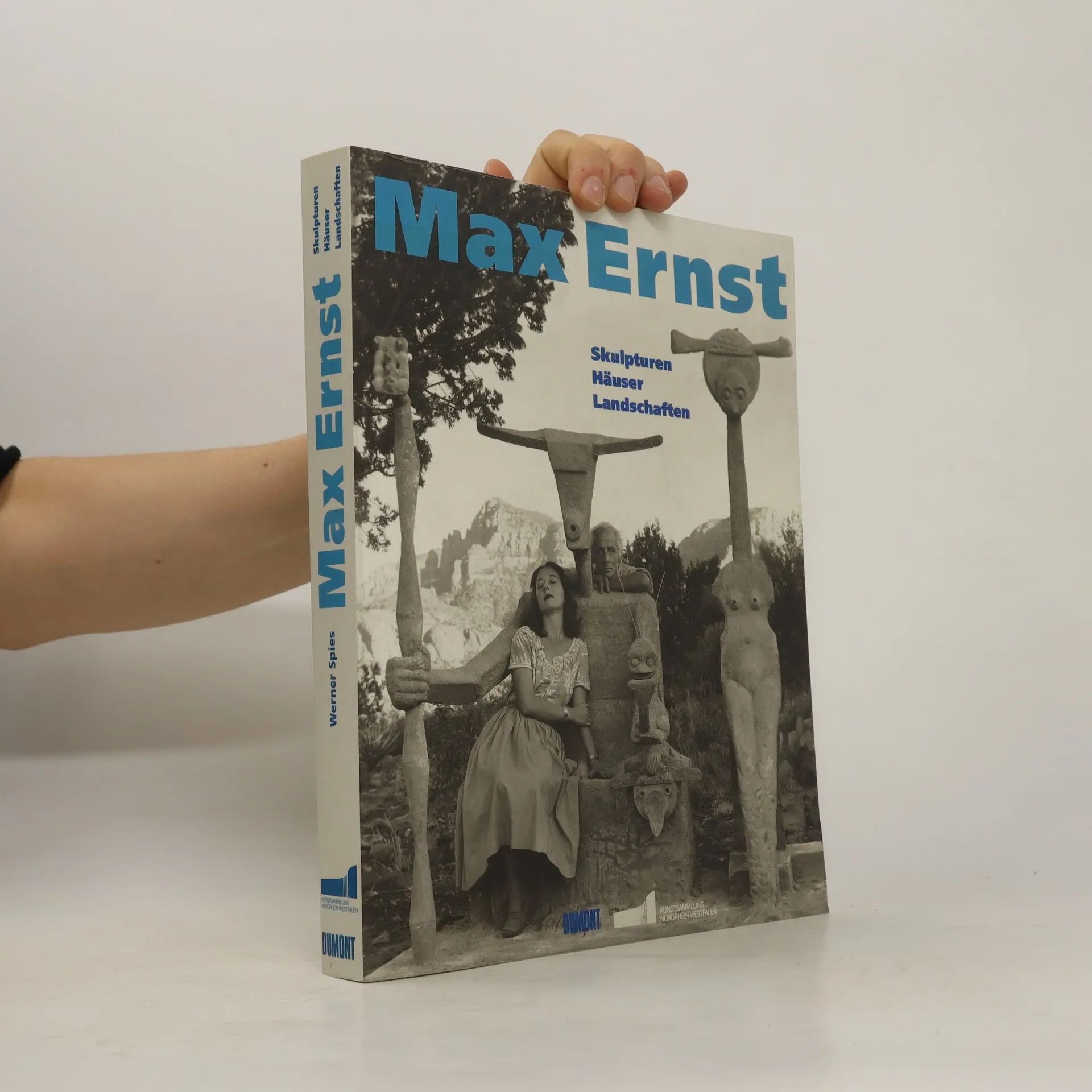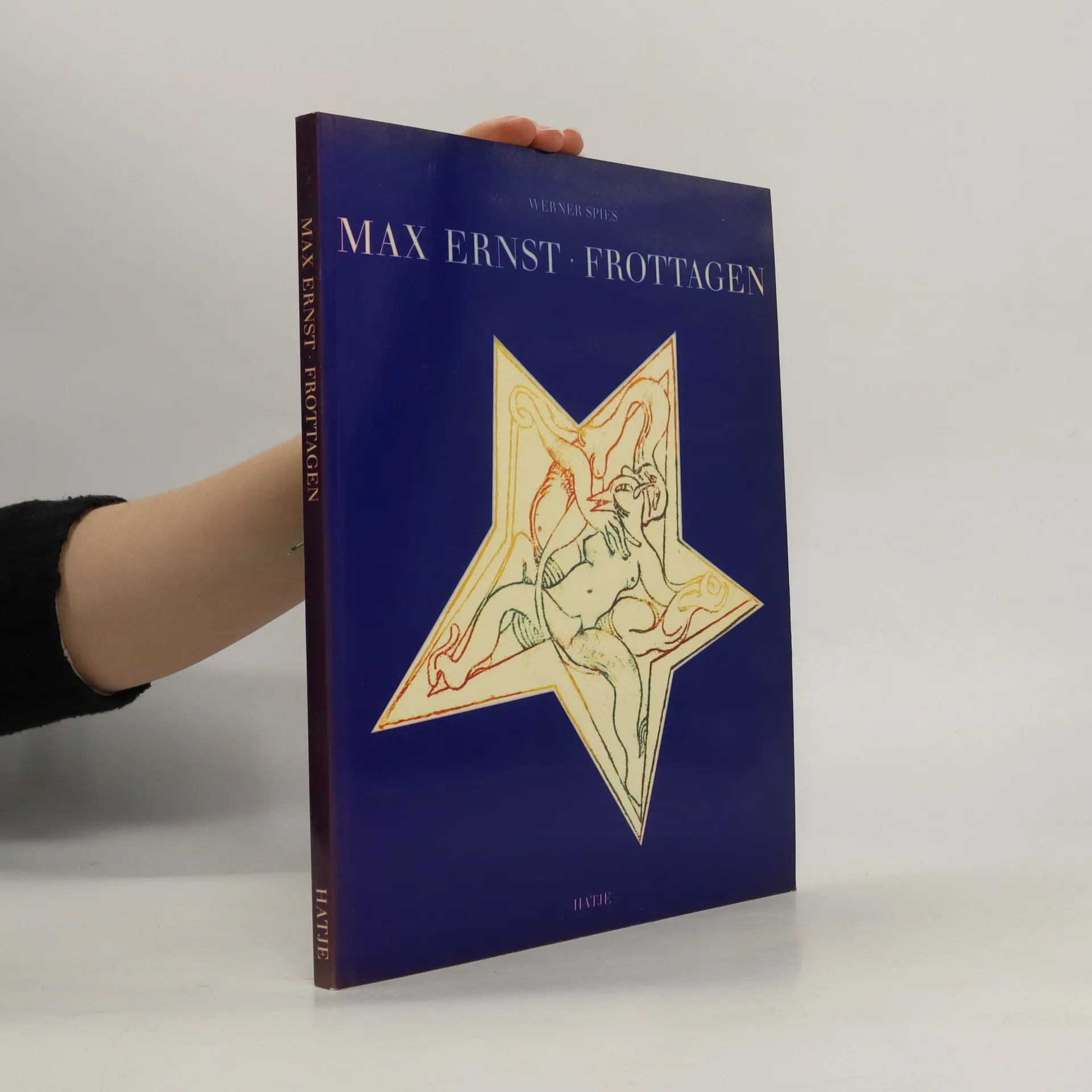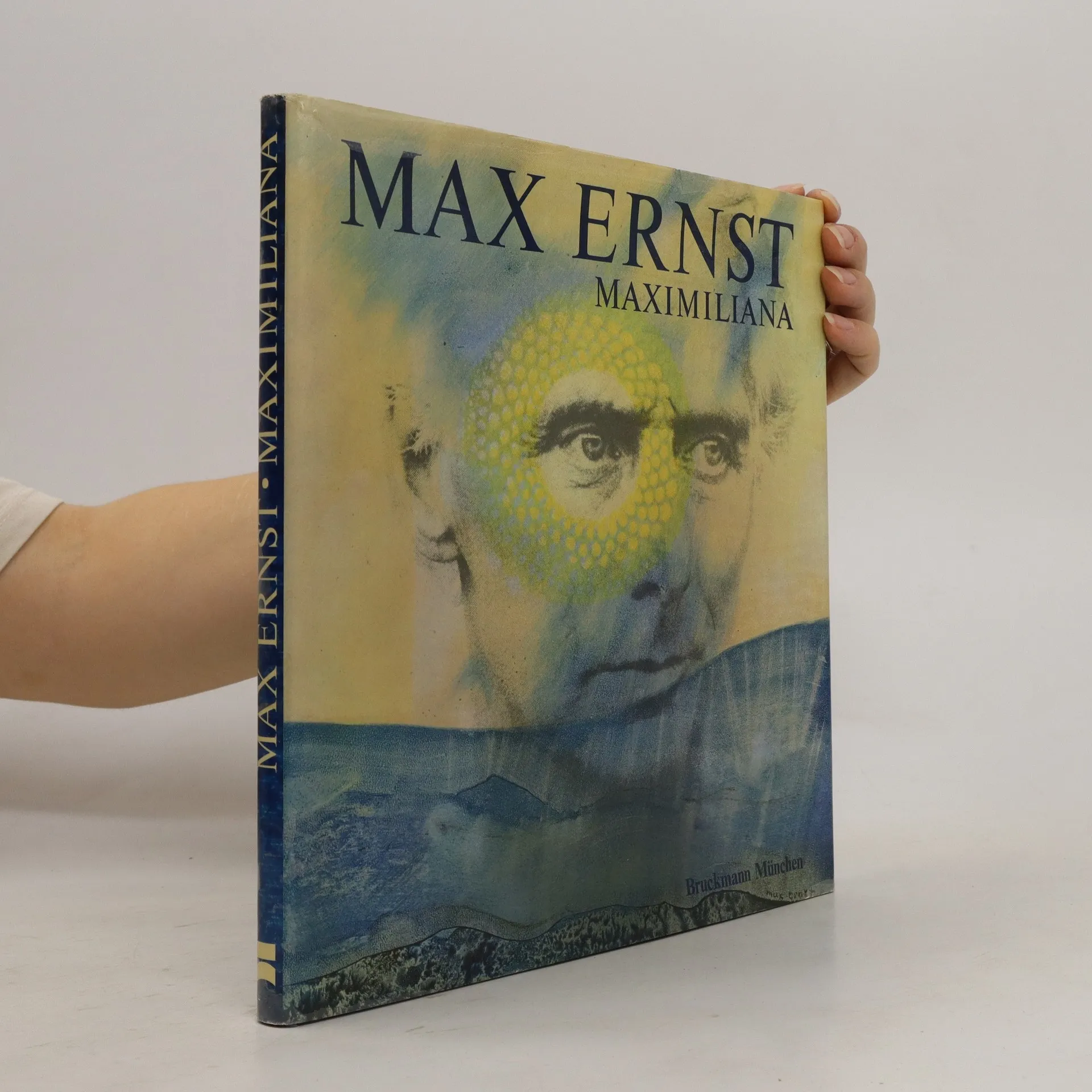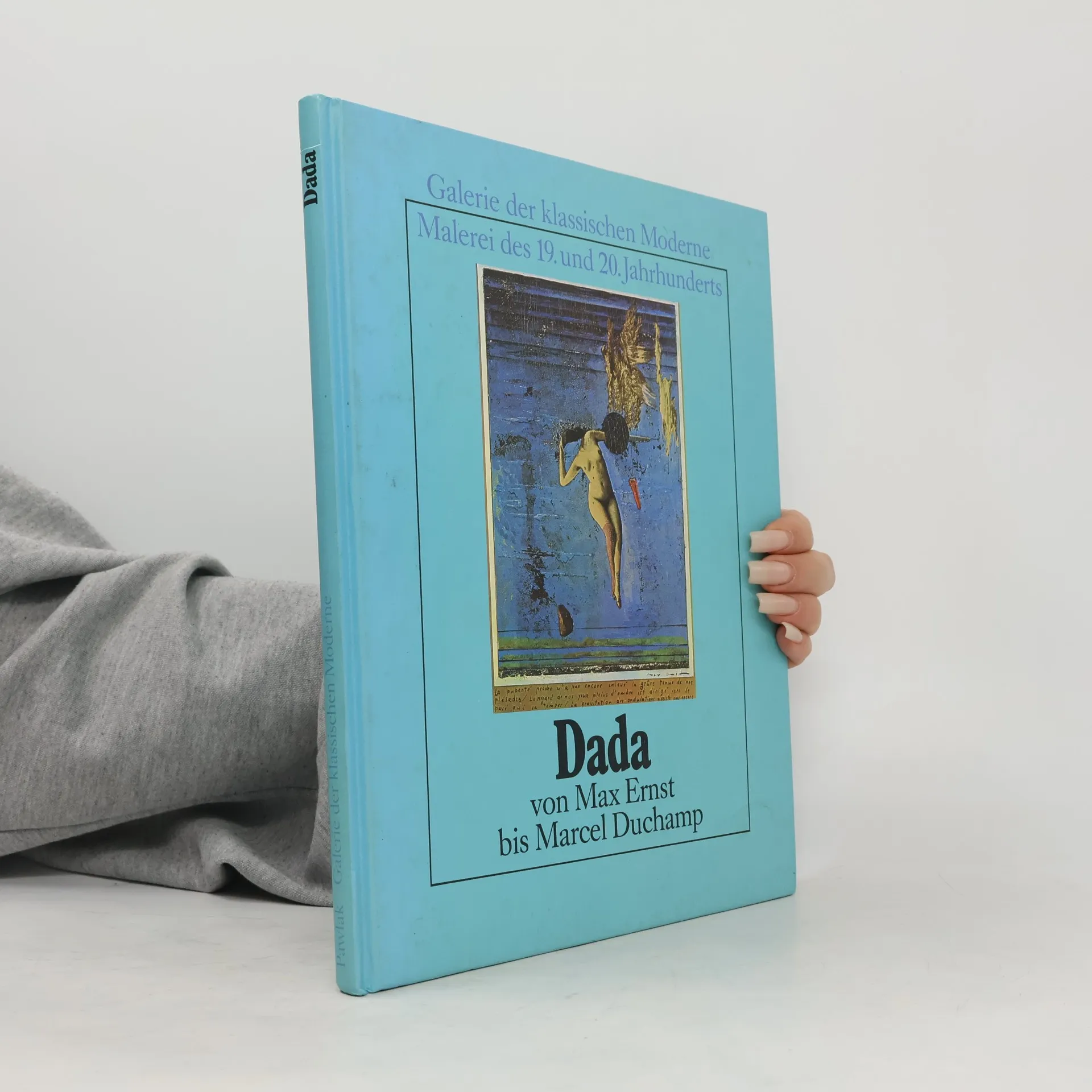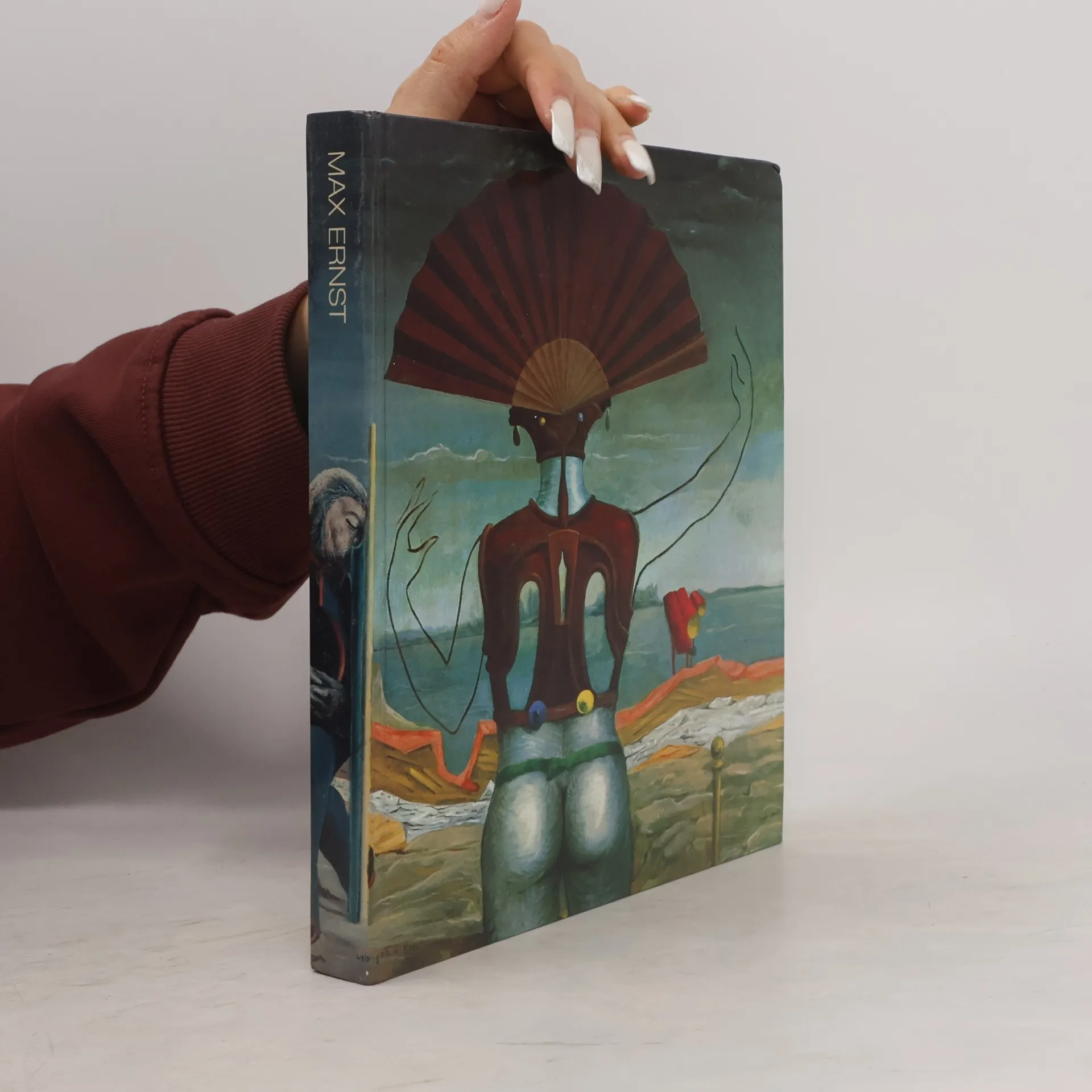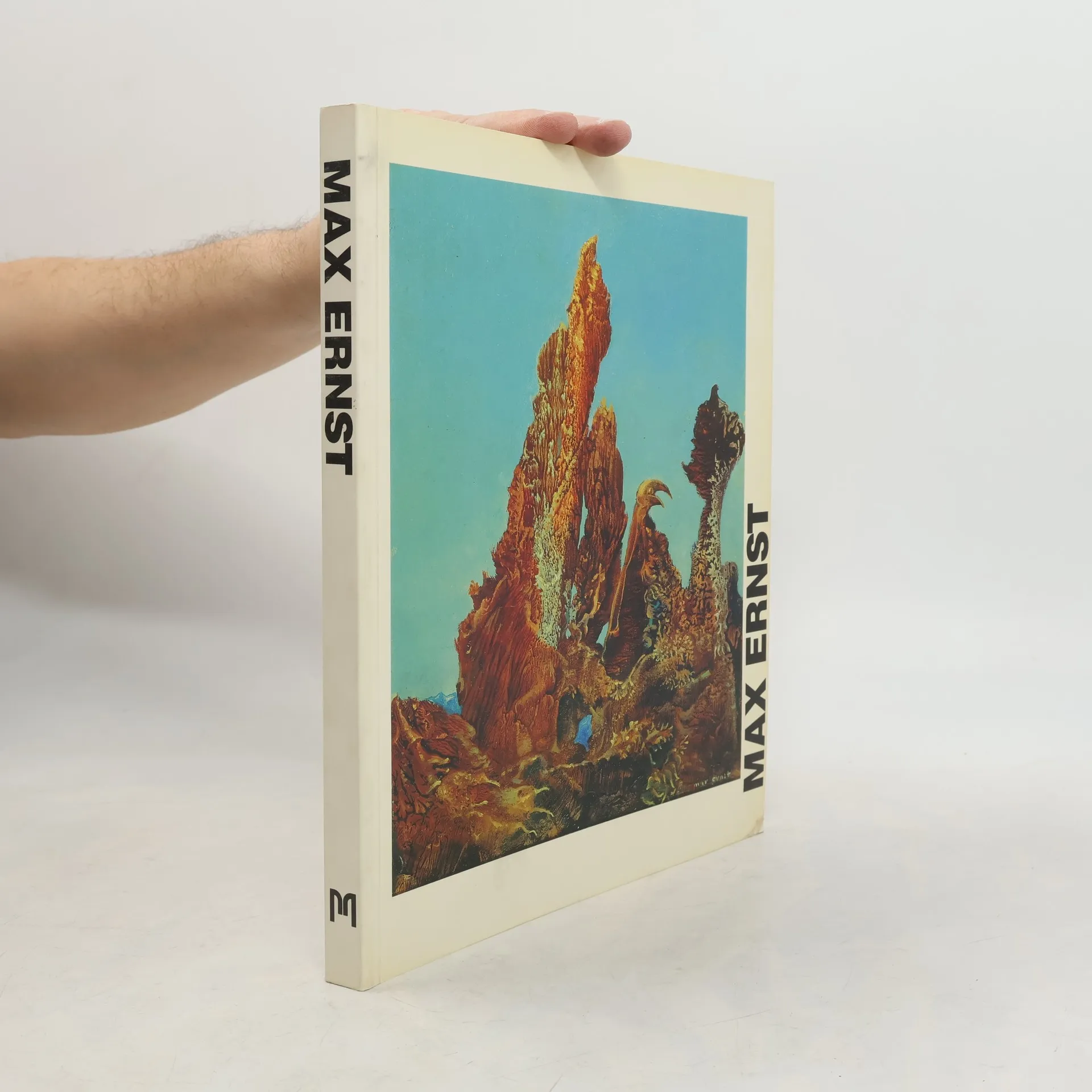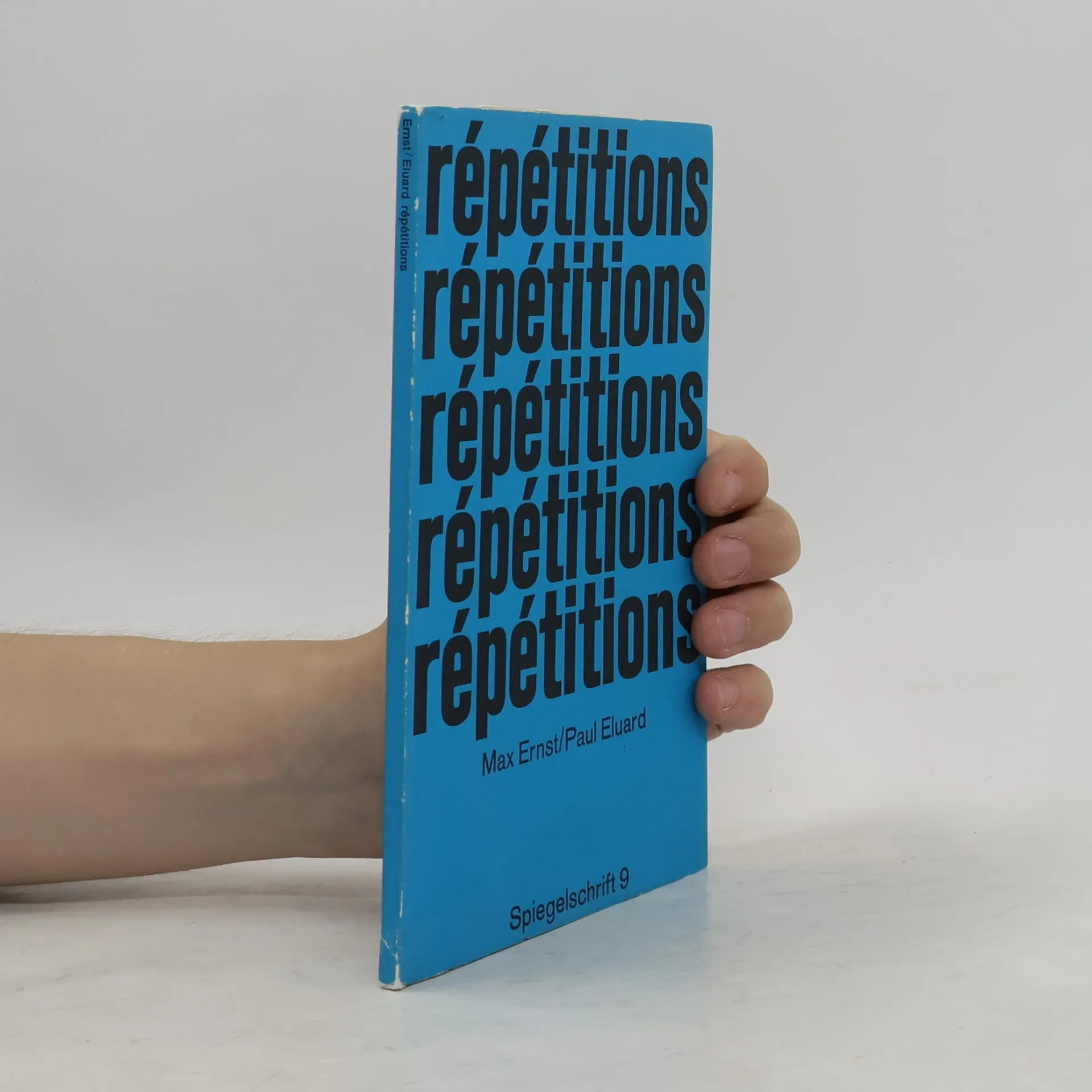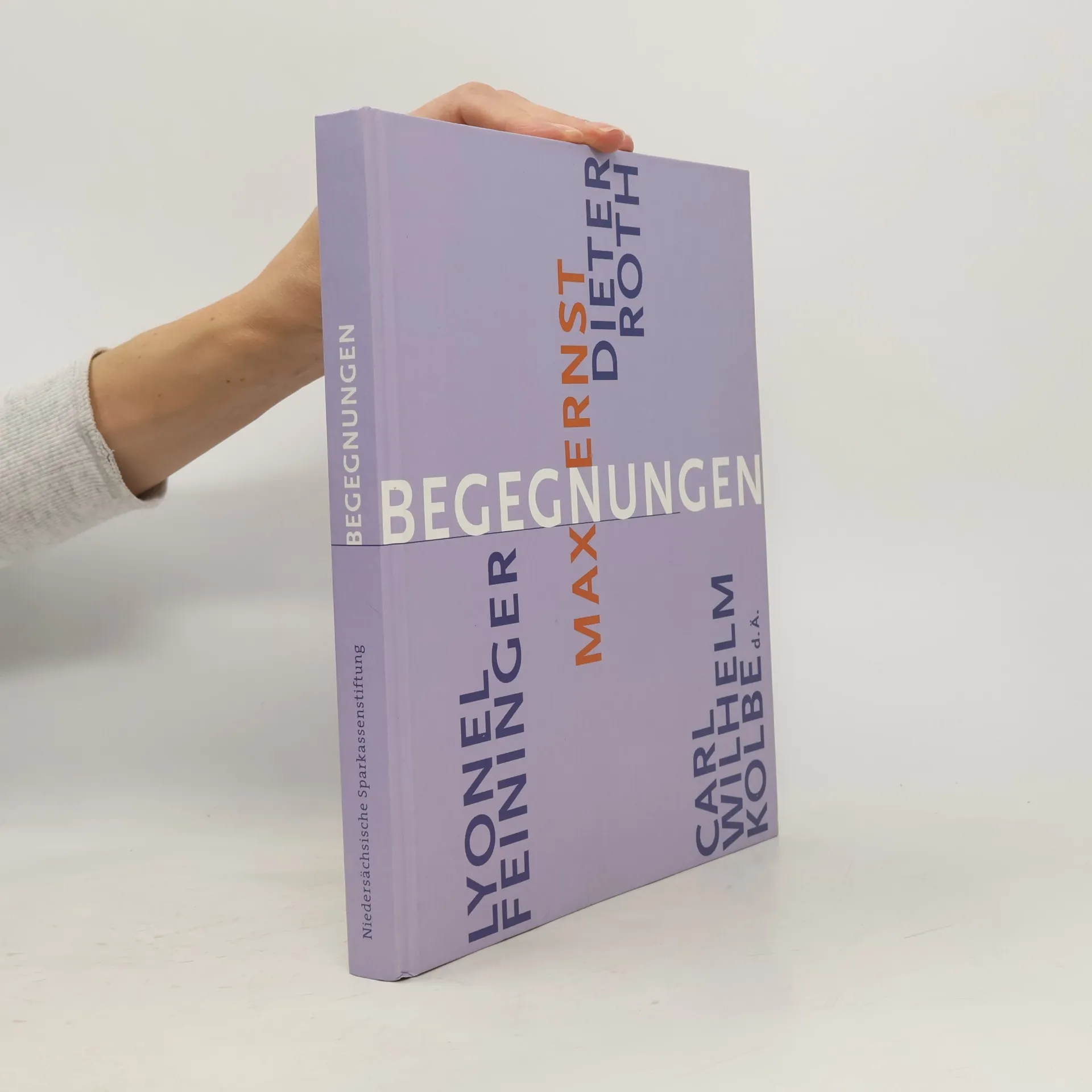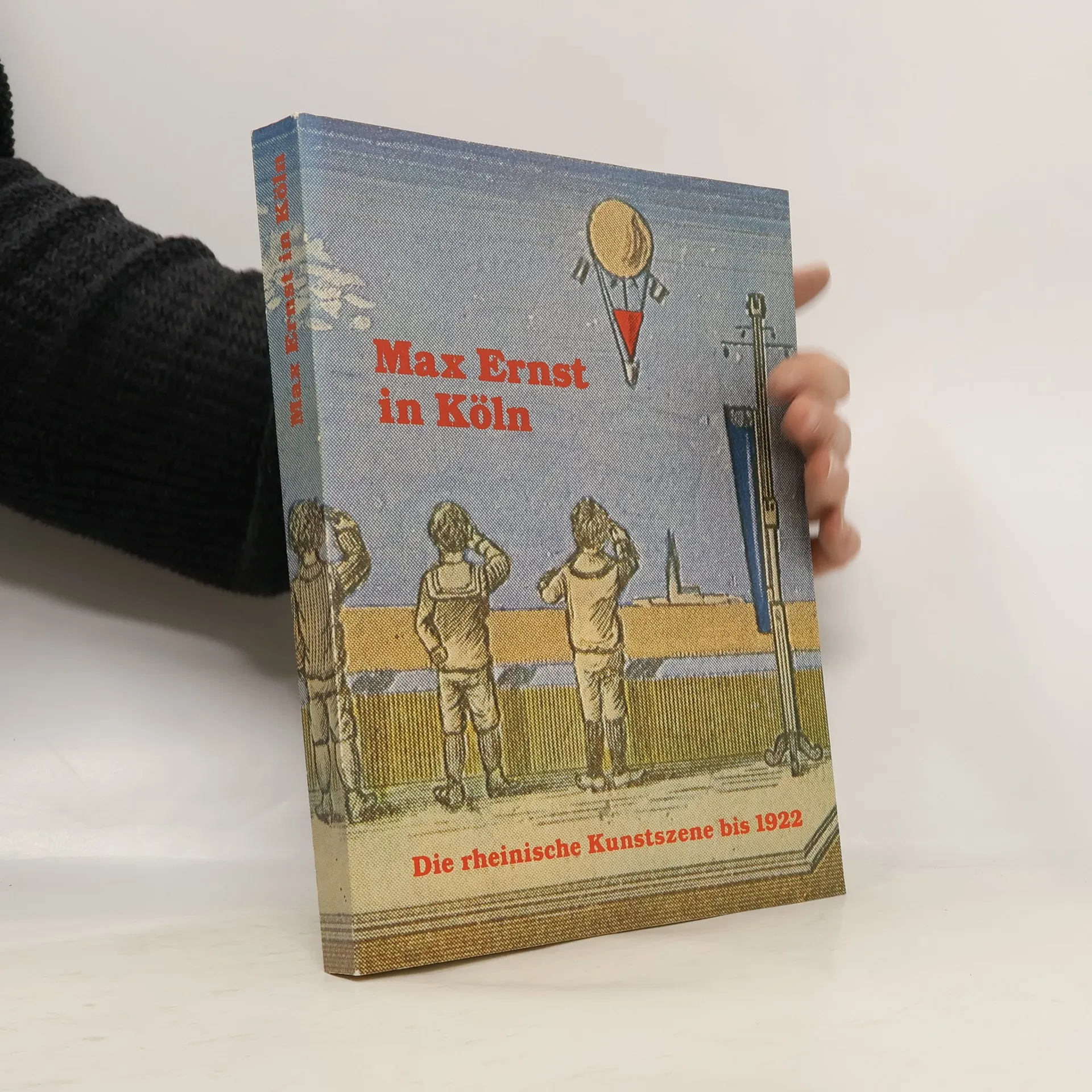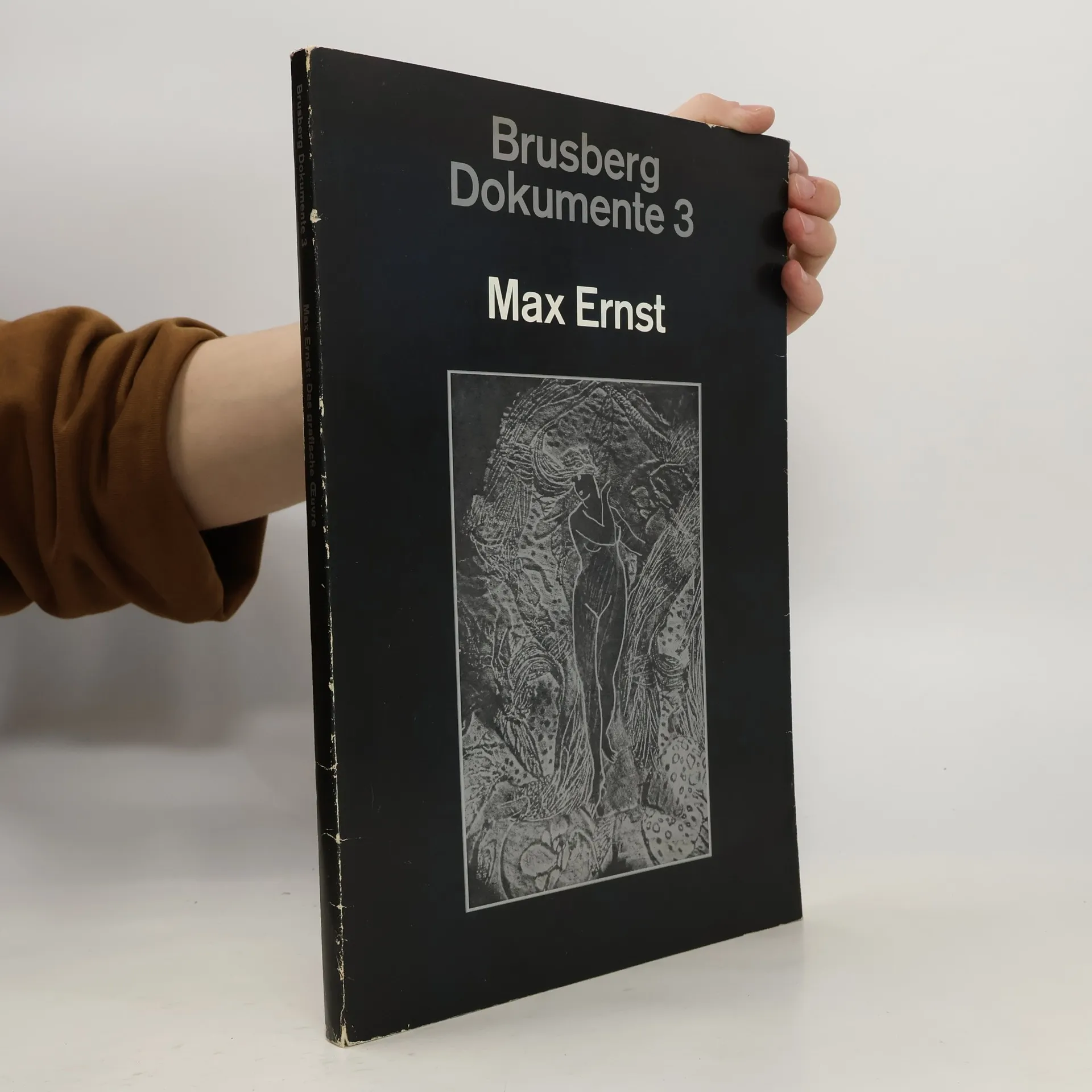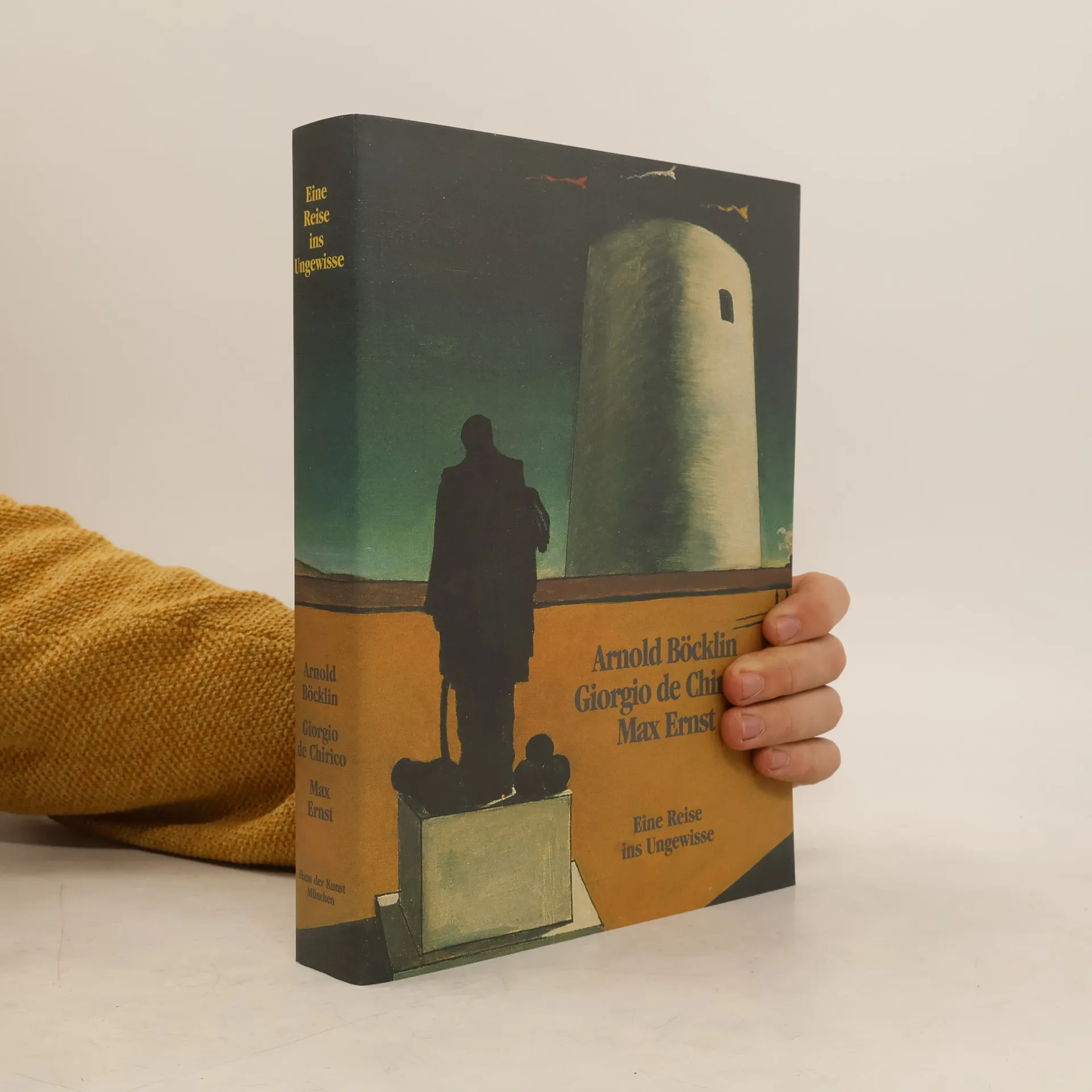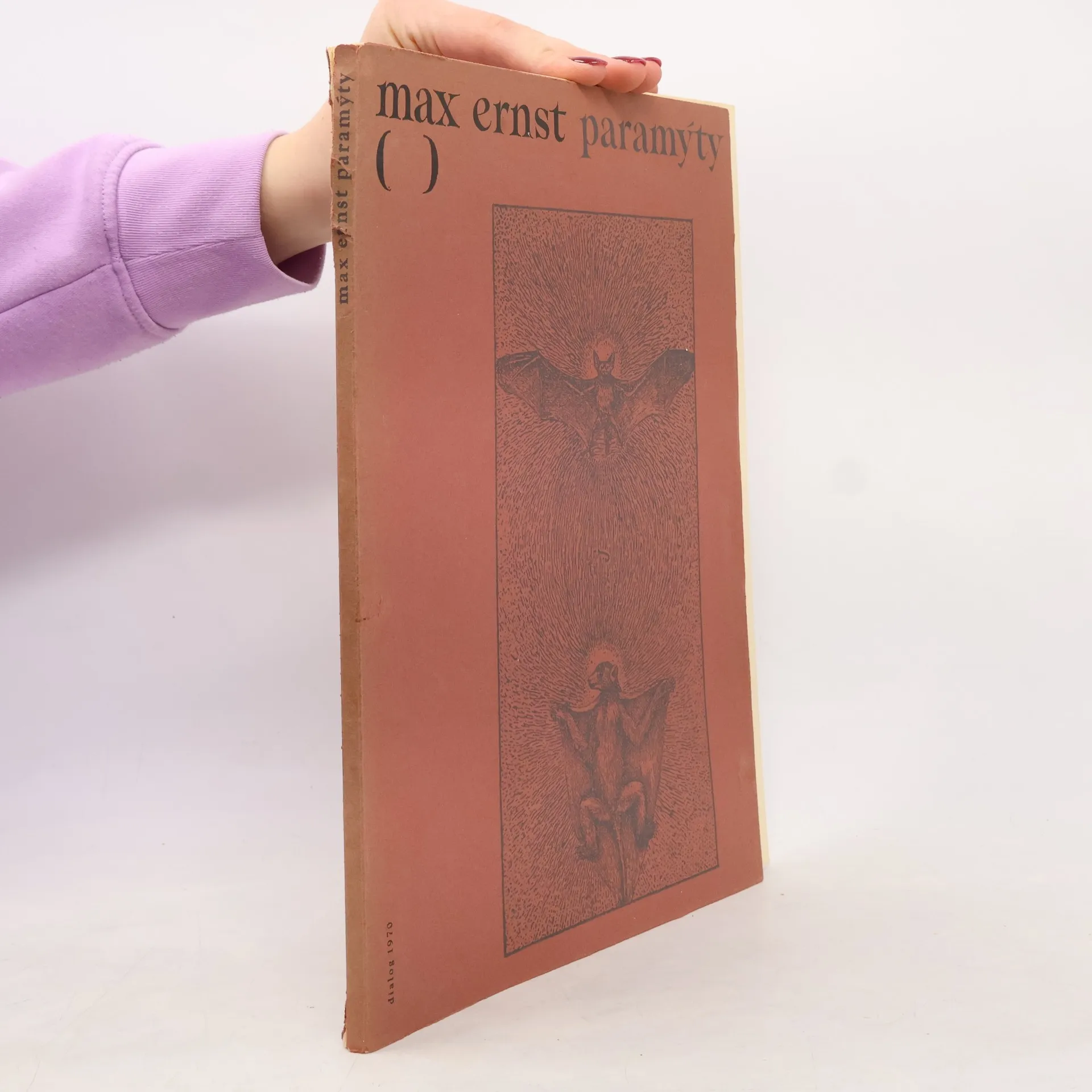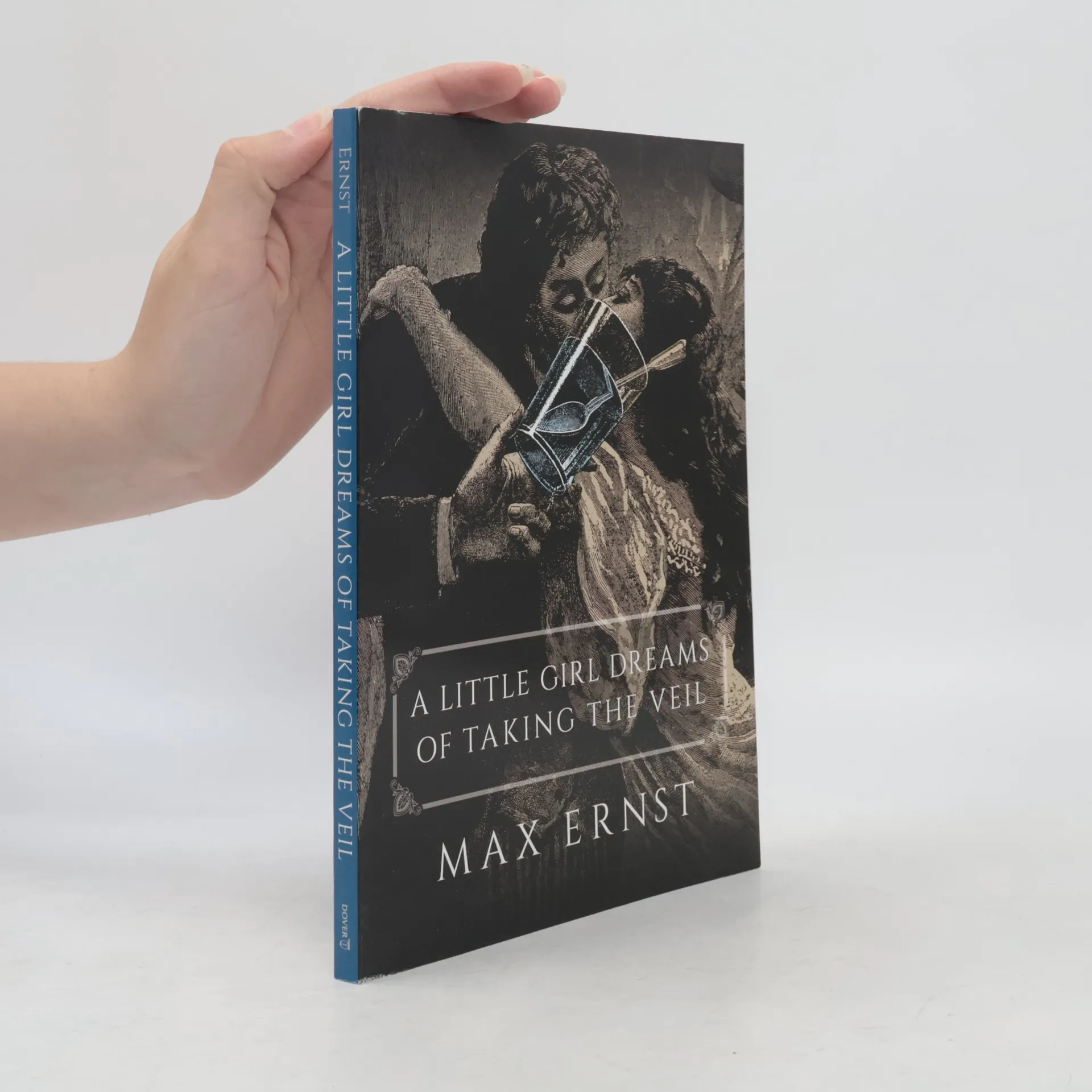

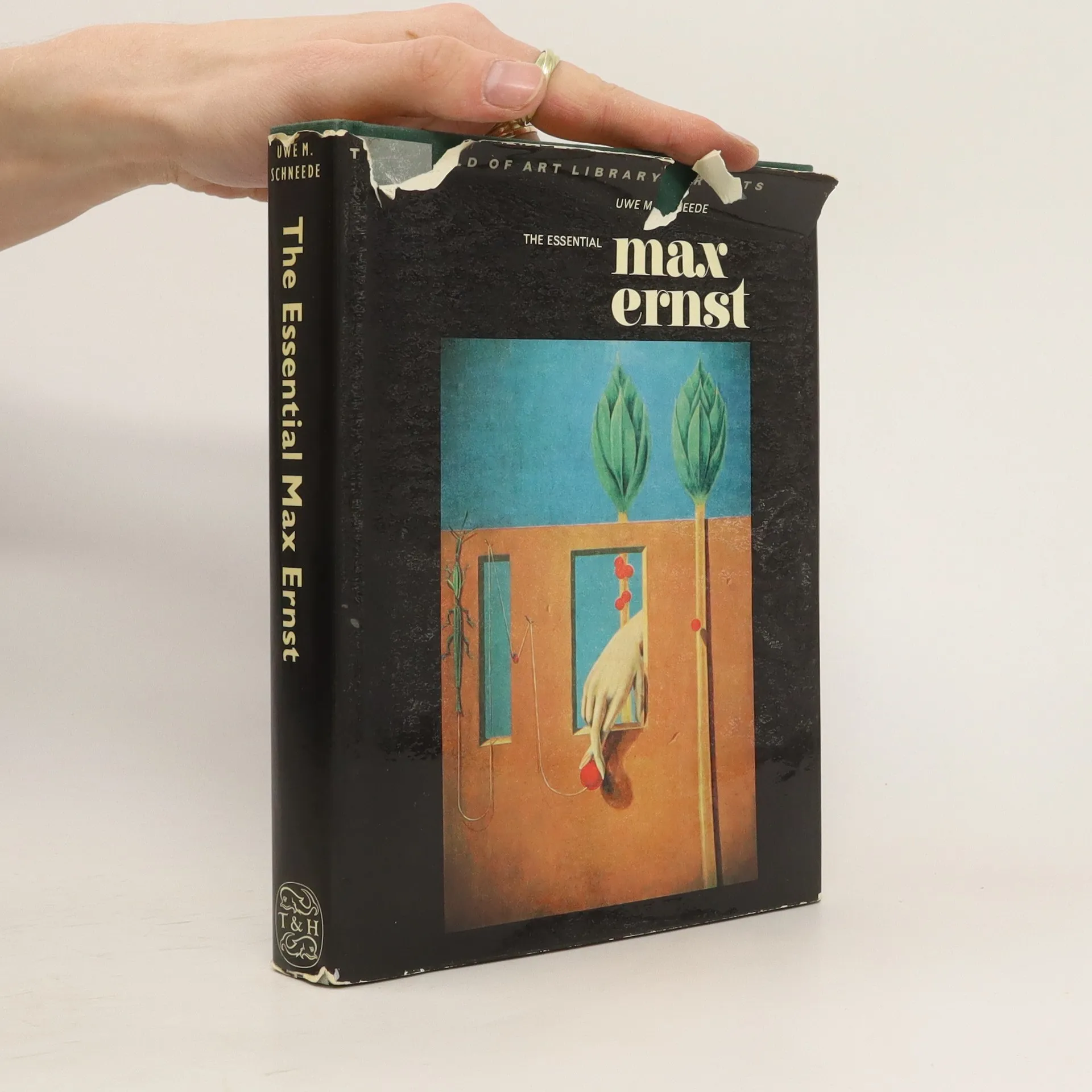
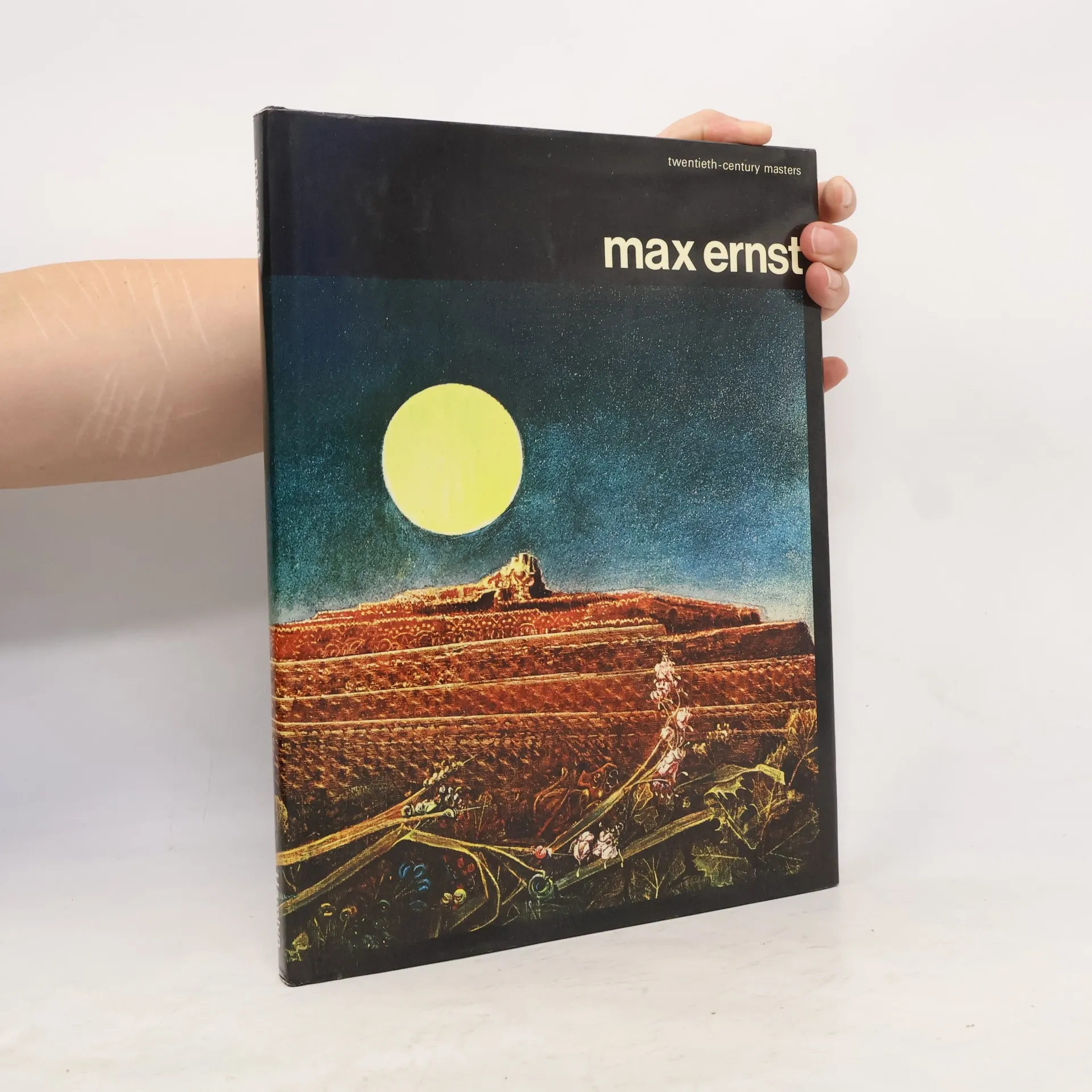
Max Ernst was a pivotal figure in the Dada and Surrealist movements, renowned as a painter, sculptor, graphic artist, and poet. His work is celebrated for its innovative techniques and profound exploration of the subconscious, solidifying his status as a leading representative of these influential artistic currents.
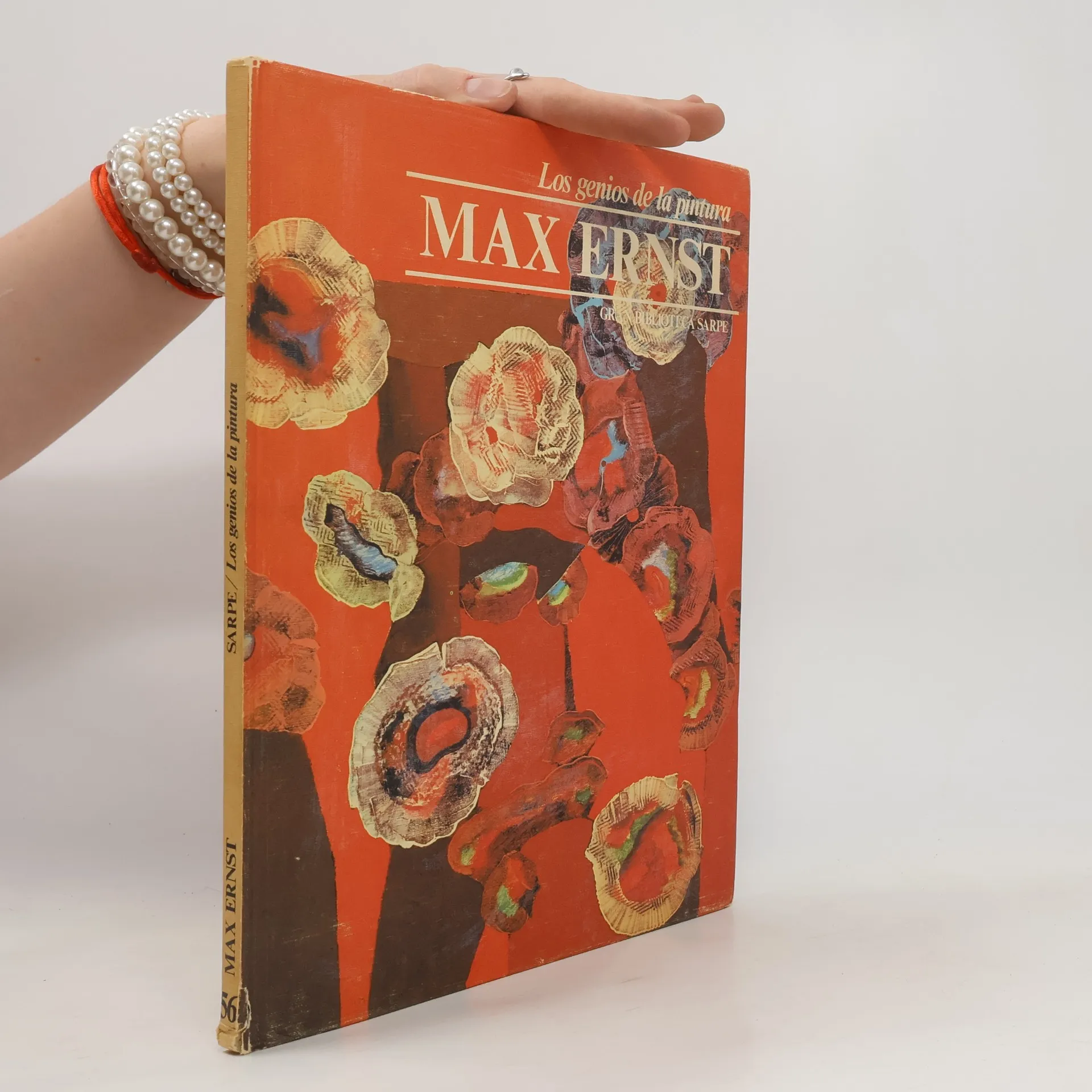
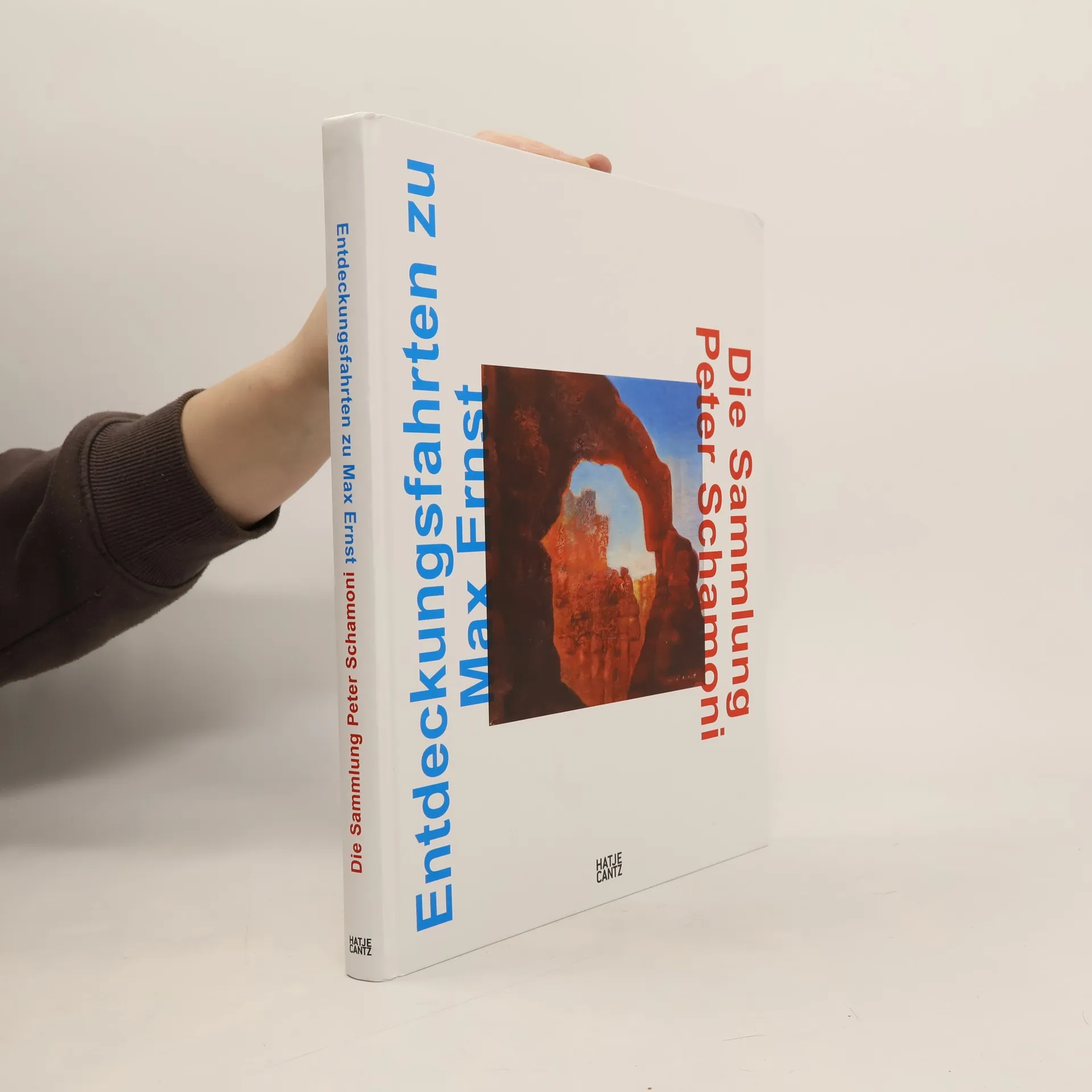
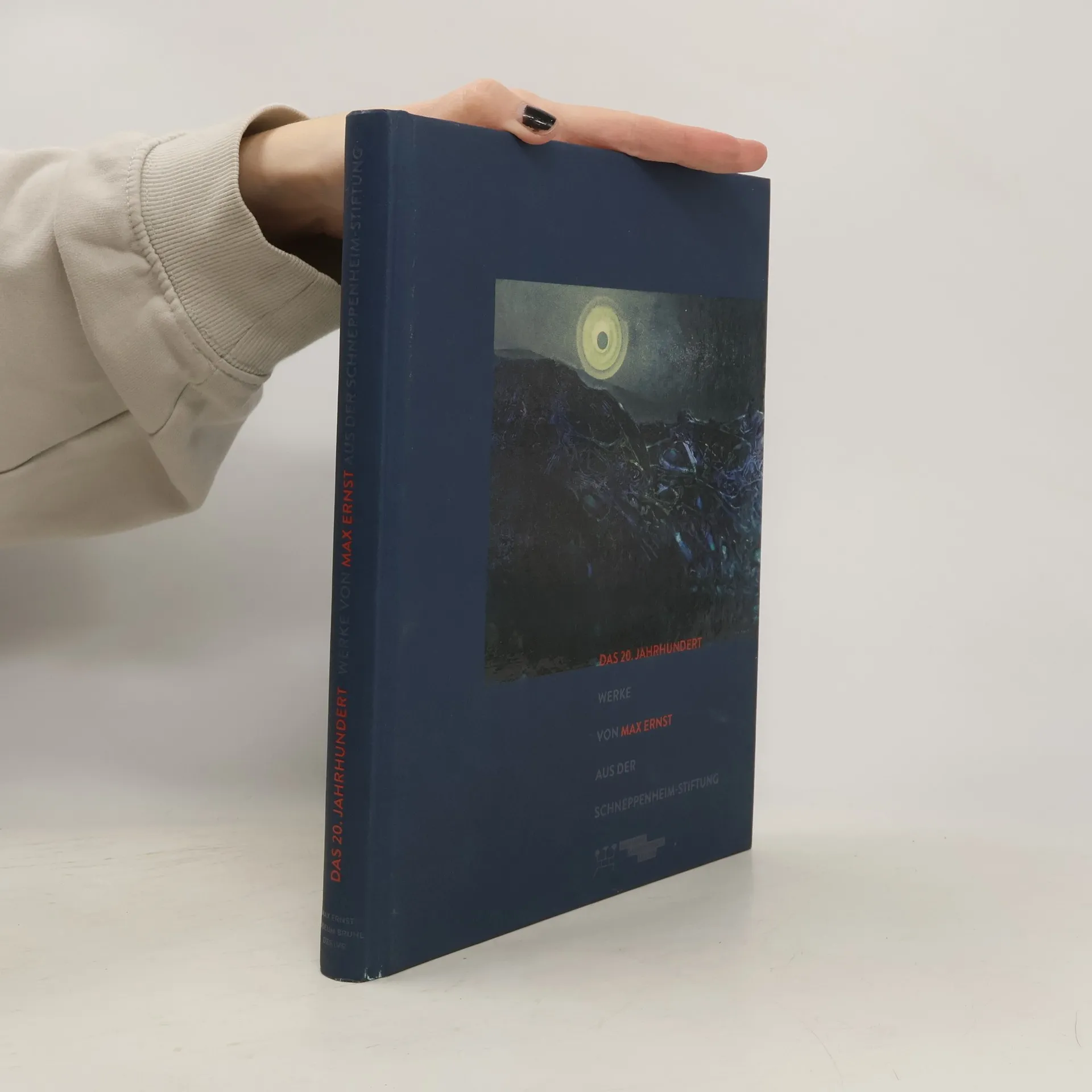
A major visual exploration of the surreal art of Max Ernst, this monograph invites the reader to enter the colourful and sometimes menacing world of the artist. Designed to offer a fresh and stimulating look at Ernst's oeuvre. it represents and discusses the complete spectrum of his styles, from the early Expressionist-influenced paintings to the Dada and the magnificent, romantic Surrealist canvases. In addition, Gimferrer has included a number of sculptures which explore the disquieting interplay of mass and volume and a suite of collage novels.
Australopithecines, dinosaurs, trilobites--such fossils conjure up images of lost worlds filled with vanished organisms. But in the full history of life, ancient animals, even the trilobites, form only the half-billion-year tip of a nearly four-billion-year iceberg. Andrew Knoll explores the deep history of life from its origins on a young planet to the incredible Cambrian explosion, presenting a compelling new explanation for the emergence of biological novelty. The very latest discoveries in paleontology--many of them made by the author and his students--are integrated with emerging insights from molecular biology and earth system science to forge a broad understanding of how the biological diversity that surrounds us came to be. Moving from Siberia to Namibia to the Bahamas, Knoll shows how life and environment have evolved together through Earth's history. Innovations in biology have helped shape our air and oceans, and, just as surely, environmental change has influenced the course of evolution, repeatedly closing off opportunities for some species while opening avenues for others. Readers go into the field to confront fossils, enter the lab to discern the inner workings of cells, and alight on Mars to ask how our terrestrial experience can guide exploration for life beyond our planet. Along the way, Knoll brings us up-to-date on some of science's hottest questions, from the oldest fossils and claims of life beyond the Earth to the hypothesis of global glaciation and Knoll's own unifying concept of ''permissive ecology.'' In laying bare Earth's deepest biological roots, Life on a Young Planet helps us understand our own place in the universe--and our responsibility as stewards of a world four billion years in the making.
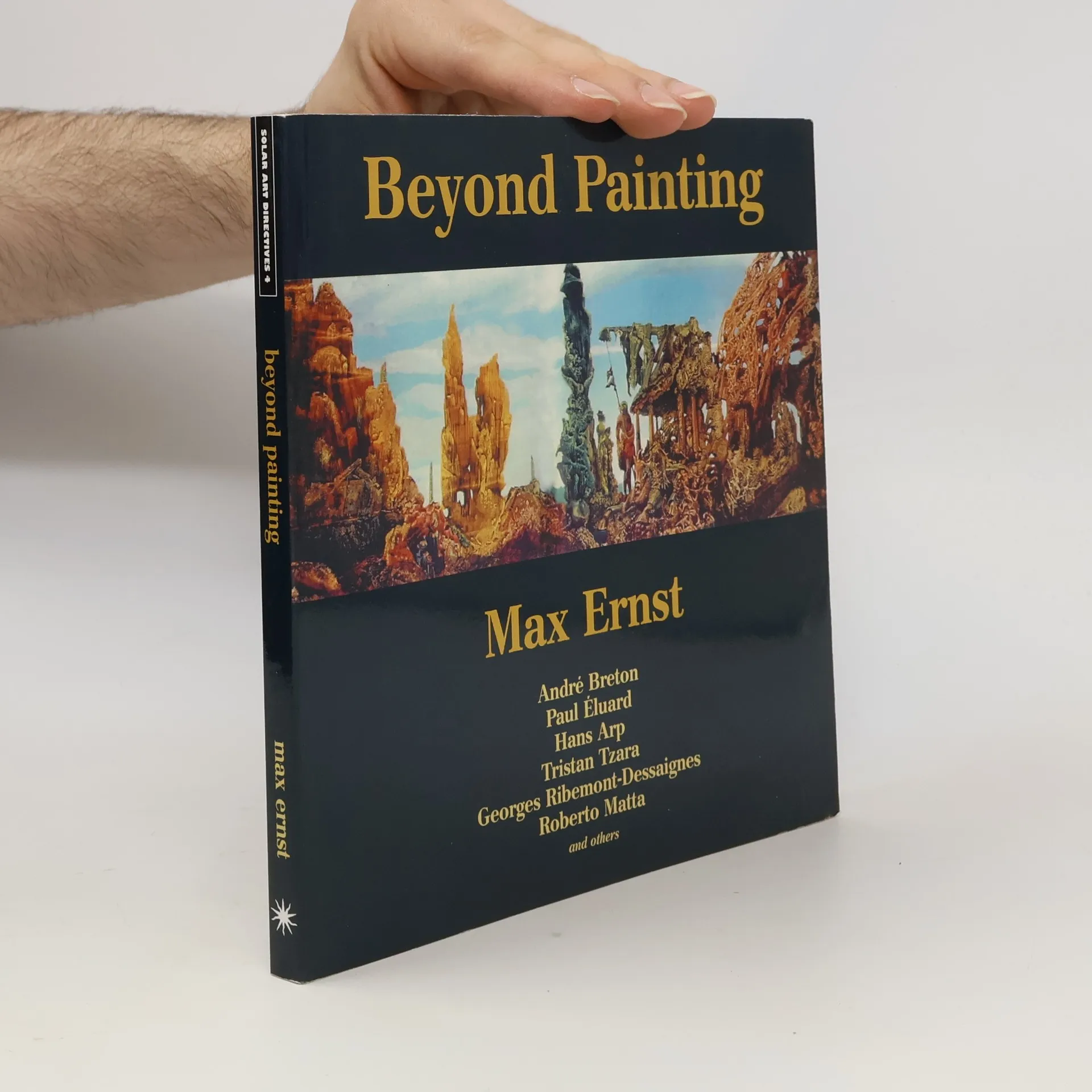
Alongside Salvador Dali and Andre Breton, Max Ernst remains one of the most famous names to be associated with Surrealism, and must now be regarded as one of the most original, prolific and best-known artists of the 20th century. Assembled in 1947, when Ernst had attained the height of his artistic powers, BEYOND PAINTING is a definitive autobiographical document of the painter and the creative processes behind his work, enhanced by testaments by many of his friends including fellow Surrealists Andr Breton, Paul luard, Roberto Matta and Hans Arp, as well as others such as New York art dealer Julien Levy. BEYOND PAINTING also contains over 150 illustrations dating from 1917-1947, including complete versions of Ernst's revolutionary experiments in frottage and collage, Natural History and The Lion of Belfort. Also included is a preface by New York artist Robert Motherwell and a chronology of Ernst's life written by the painter himself. Solar Art Directives features the most innovative artists of the 20th century.