Nikki Sixx is a prominent musician and songwriter, best known as the bassist and primary lyricist for the heavy metal legends Mötley Crüe. His musical journey extends beyond this iconic band, with contributions to various other projects showcasing his versatility. Beyond his instrumental prowess, Sixx is also an accomplished author and photographer, reflecting a broad artistic sensibility. His creative output is deeply intertwined with the energetic and often provocative ethos of rock music.
Motley Crue's bestselling The Dirt - penned with collaborator extraordinaire
Neil Strauss - set a new bar for rock 'n' roll memoirs. This book covers
various topics on Motley Crue - the voice of a barely pubescent Generation X,
the anointed high priests of backward-masking pentagram rock, and the creators
of MTV's first power ballad.
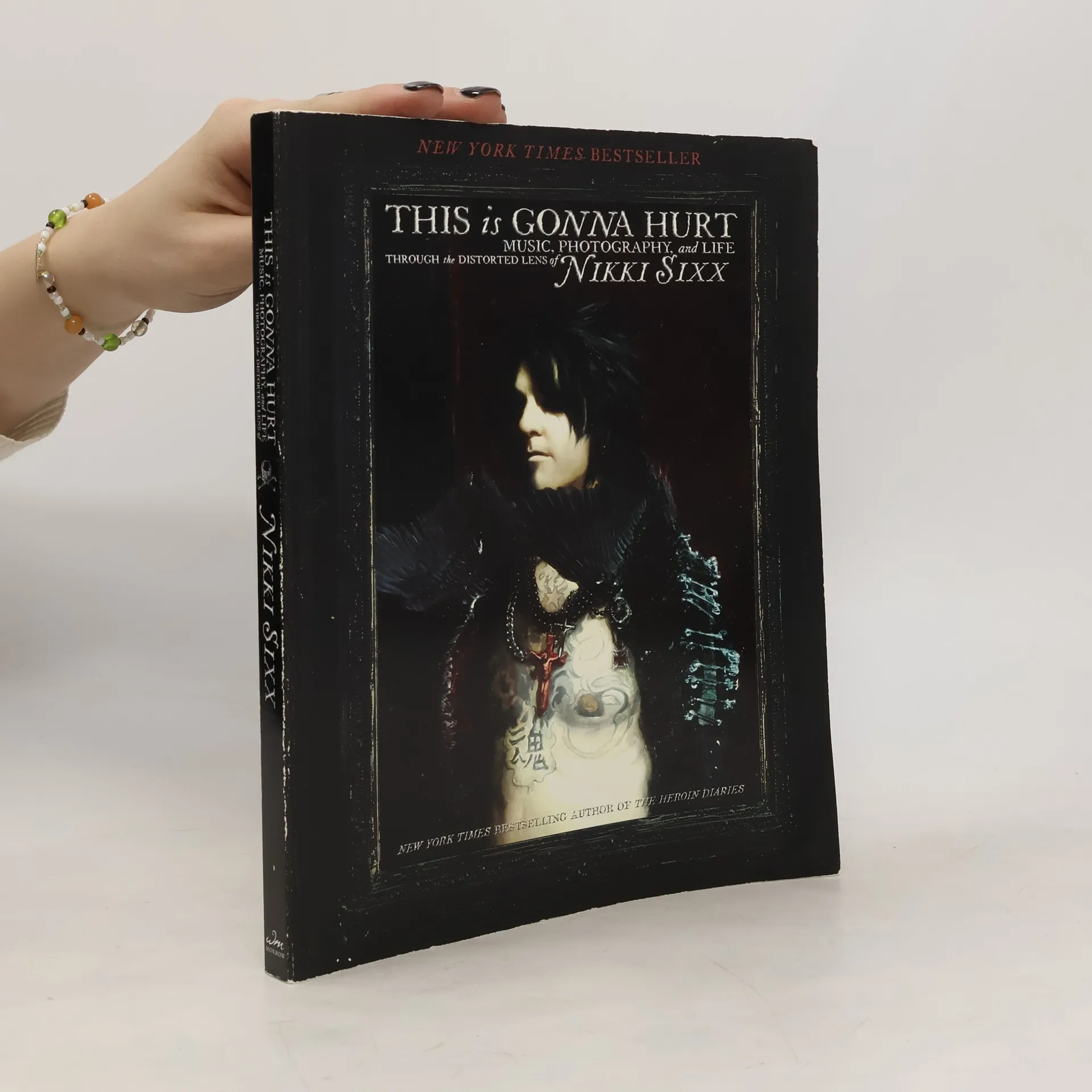
Music, Photography and Life Through the Distorted Lens of Nikki Sixx
224 pages
8 hours of reading
The book offers a vivid exploration of Nikki Sixx's life through a blend of striking photography and personal narratives. It reflects on his journey from a troubled childhood to the heights of fame with Mötley Crüe, including his struggles with addiction and his path to recovery. The collection captures the complex emotions of rage, love, and determination that have influenced his artistic expression, providing an intimate glimpse into the experiences that shaped his identity and work.
Nikki Sixx, a prominent figure in the music industry and founder of Motley Crue, shares his journey from a troubled childhood to rock stardom. Born Franklin Carlton Feranna on December 11, 1958, he faced abandonment by his father and was raised by a complex mother before living with his grandparents. An all-American kid with a passion for hunting, fishing, and football, he harbored a deeper yearning for music. This desire propelled him to take a Greyhound to Hollywood, where he initially lived with his aunt and uncle, the president of Capitol Records. However, the path to success was anything but easy, as he took on various dead-end jobs while striving to make a name for himself.
During this time, he joined Sister, a band led by Blackie Lawless, and later formed London, the precursor to Motley Crue. After declining an offer from Randy Rhoads' band, he adopted the stage name Nikki Sixx. With a vision to blend punk, glam, and hard rock into a theatrical spectacle, he worked tirelessly to realize this dream. His story is not only about his transformation from Frank Feranna to Nikki Sixx but also serves as an inspiring roadmap for overcoming obstacles and achieving one’s goals through determination and passion.
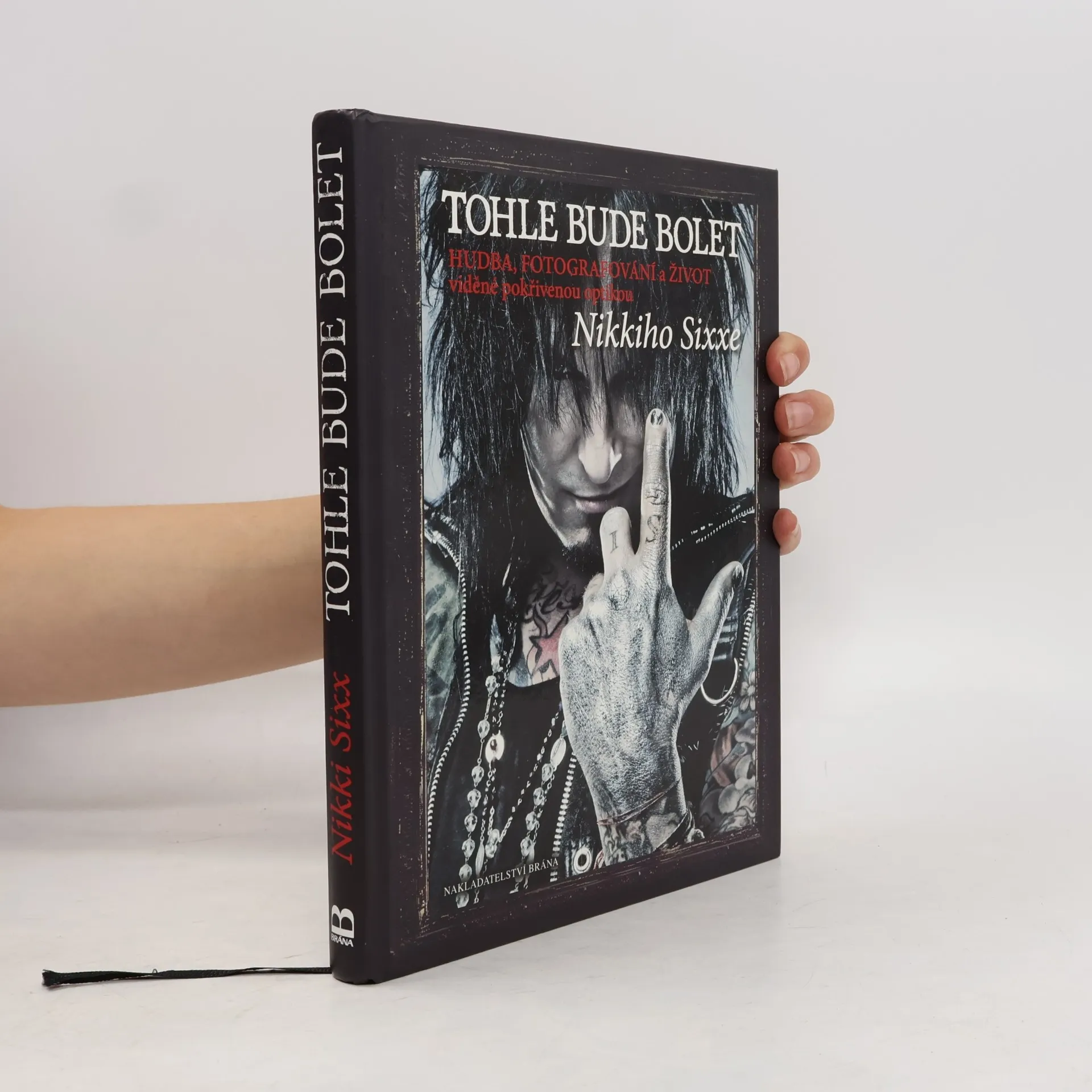
Hudba, fotografování a život viděné pokřivenou optikou Nikkiho Sixxe
224 pages
8 hours of reading
Hudba, fotografování a život viděné pokřivenou optikou Nikkiho Sixxe
Kniha Tohle bude bolet baskytaristy skupiny Mötley Crüe Nikkiho Sixxe (vlastním jménem Franka C. Feranny) volně navazuje na jeho Heroinové deníky, označované za „jedno z nejotevřenějších doznání v memoárové literatuře“, protože přináší pravdivou zpověď drogově závislého umělce, jenž se dostal až na samé dno. Téma Nikkiho nové knihy stejně jako její výrazové prostředky se však ve srovnání s první knihou mění – podobně jako se ve svých postojích a způsobu života mění sám autor. Jak Nikki Sixx v mottu ke knize říká, věnuje ji těm, kdo se cítí odlišní, odcizení a společensky nepřizpůsobiví, neboť jim tato kniha může ukázat svět, ve kterém jsme všichni stejní.