Are plants intelligent? Can they solve problems, communicate, and navigate their surroundings? In this book, a leading scientist argues that plants process information, sleep, remember, and signal to one another-showing that, far from passive machines, plants are intelligent and aware.
Stefano Mancuso Books
May 9, 1965
Stefano Mancuso delves into the fascinating and often overlooked world of plants. Through his research, he seeks to uncover the hidden capabilities of plants, from their perception to their communication, presenting them as intelligent beings. His work challenges traditional views of the plant kingdom, encouraging readers to re-evaluate the complexity of life on Earth. He aims to reveal that plants lead far more sophisticated lives than commonly perceived.

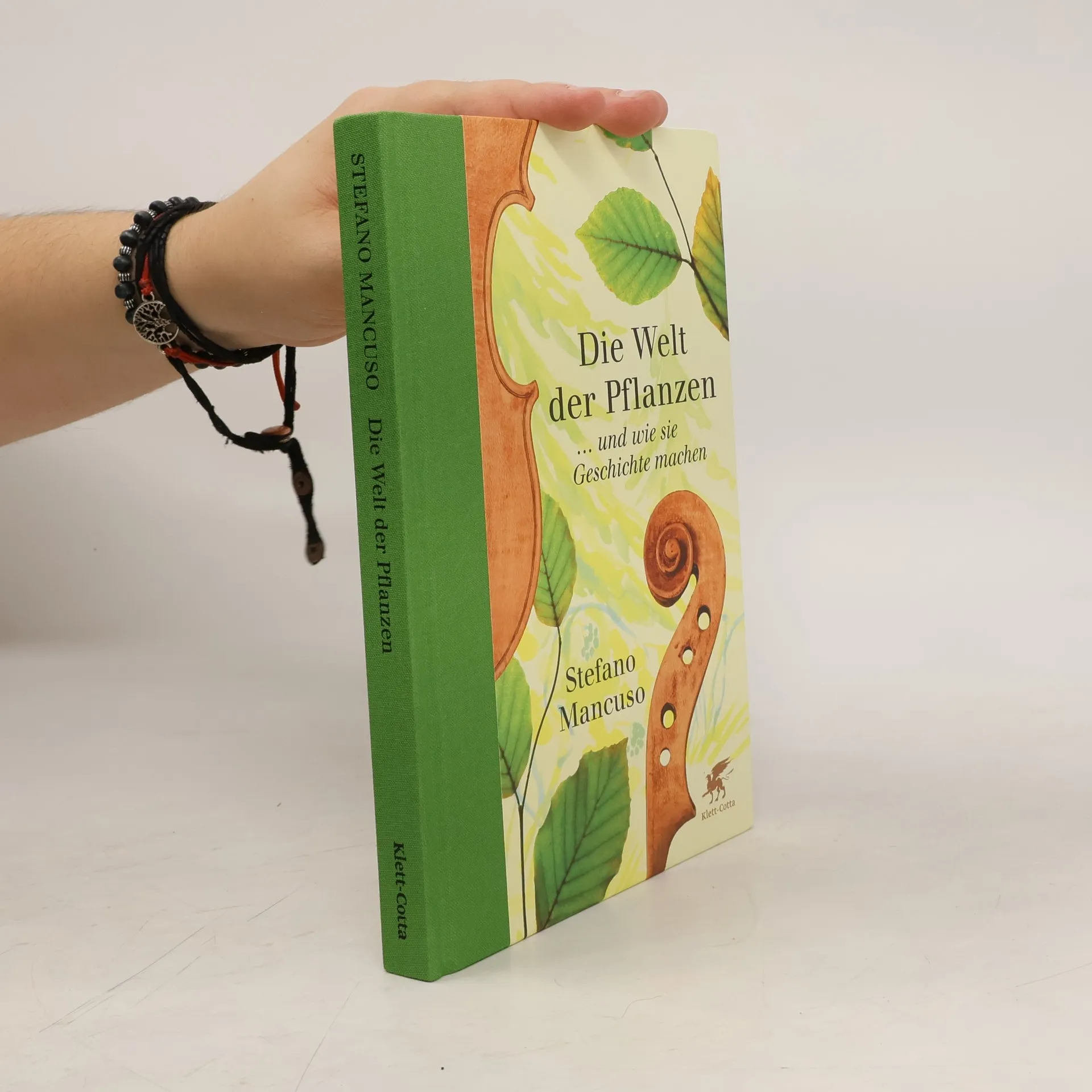

The remarkable stories of trees that have shaped human history - from the wooden ladder that solved a crime to France's revolutionary Liberty Trees.
The Incredible Journey of Plants
- 176 pages
- 7 hours of reading
In this richly illustrated volume, a leading neurobiologist presents captivating stories of plant migration that reveal unexpected connections between nature and culture. Understanding plant migration helps us grasp the unstoppable nature of these phenomena. Plants exhibit a relentless drive to spread life, colonizing every possible environment on Earth. This history of expansion is largely unknown, but through engaging tales, we begin to explore it. Generation after generation, plants move using spores, seeds, and various means to conquer new spaces. They release vast quantities of spores that can travel thousands of miles. The diversity of seed dispersal methods is astonishing: seeds can be carried by wind, animals, water, or simply fall from the plant through various mechanisms. This accessible overview examines how plants entice animals to aid in their spread, how some depend on specific animals, and how they thrive in isolated and inhospitable locations. It also highlights their resilience, surviving events like the atomic bomb and the Chernobyl disaster, their ability to bring life to barren islands, and their capacity to traverse ages as they journey around the globe.
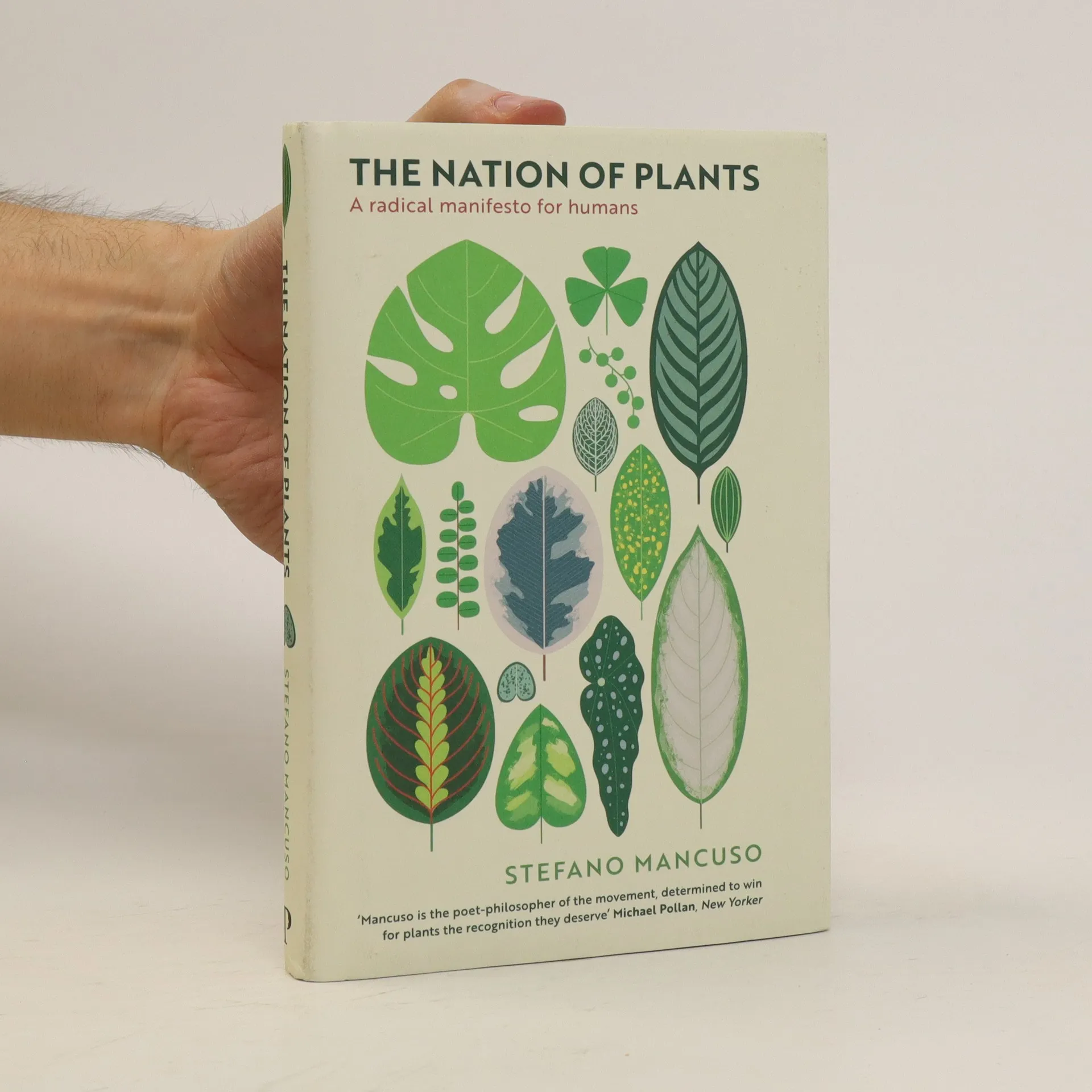
The Nation of Plants
- 160 pages
- 6 hours of reading
As plants see it, humans are not the masters of the Earth but only one of its most unpleasant and irksome residents. They have been on the planet for only about 300,000 years ago (nothing compared to the three billon years of plant evolution), yet have changed the conditions of the planet so drastically as to make it a dangerous place for their own survival. It's time for the plants to offer advice. In this playful, philosophical manifesto, Stefano Mancuso, expert on plant intelligence, presents a new constitution on which to build our future as beings respectful of the Earth and its inhabitants. These eight articles - the fundamental pillars on which plant life is based - must henceforth regulate all living beings.
Planting Our World
- 224 pages
- 8 hours of reading
With fun, fascinating vignettes, a renowned neurobiologist illuminates the interconnectedness of plant life and how we can learn from it to better plan our communities. We animals account for a paltry 0.3% of the planet’s biomass while plants add up to 85%. And when, with just a little training, we are able to look at the world without seeing it solely as humanity’s playground, we cannot help but notice the ubiquity of plants. They are everywhere, and their stories are inevitably bound up with ours. As every tree in a forest is linked to all the others by an underground network of roots, uniting them to form a super organism, so plants constitute the nervous system, the plan that is the “greenprint” of our world. To ignore the existence of this plan is one of the most serious threats to the survival of our species. In this latest book, the brilliant Stefano Mancuso is back to illuminate the greenprint of our world. He does it through unforgettable stories starring plants that combine an inimitable narrative style with remarkable scientific rigor, from the story of the red spruce that gave Stradivarius the wood for his fourteen violins, to the Kauri tree stump, kept alive for decades by the interconnected root system of nearby trees. From the mystery of the slipperiness of the banana skin to the plant that solved the “crime of the century,” the Lindbergh kidnapping, by way of wooden ladder rungs.
»Unser Planet ist eine grüne Welt, weil er ein Planet der Pflanzen ist.« Stefano Mancuso Ohne Pflanzen gäbe es keine Kultur und keine Geschichte. Pflanzen sind die zahlreichsten Lebewesen der Erde. Sie bewirken nicht nur, dass wir auf der Erde leben können, sondern sind auch die Grundlage unserer Zivilisation: Nur durch sie ist Kultur überhaupt möglich. Wie Stefano Mancuso auf faszinierende Weise veranschaulicht, beginnt nahezu jede Geschichte mit einer Pflanze. Der brilliante und weltberühmte Neurobiologe Stefano Mancuso erzählt Geschichten von Pflanzen, die mit Ereignissen der Alltags- wie der Weltgeschichte verbunden sind. Etwa die Freiheitsbäume der Revolutionen im 18. und 19. Jahrhundert oder die spektakuläre Entführung des Sohnes von Charles Lindbergh 1932. Dieser außergewöhnliche Kriminalfall, der die Weltöffentlichkeit in Atem hielt, ließ sich mit Hilfe eines Holzstücks aufklären. Und da ist die Geschichte einer einzigartigen Rotfichte, aus der Stradivari vierzehn göttliche Geigen schuf. In diesem einzigartigen Buch machen Pflanzen (Welt-) Geschichte. Stefano Mancuso appelliert an uns alle, die Pflanzen, die Erde und damit uns selbst zu schützen. Ein wichtiges Buch, unnachahmlich erzählt und mit den neuesten Erkenntnissen der Pflanzenforschung fundiert.
Uomini che amano le piante
- 676 pages
- 24 hours of reading
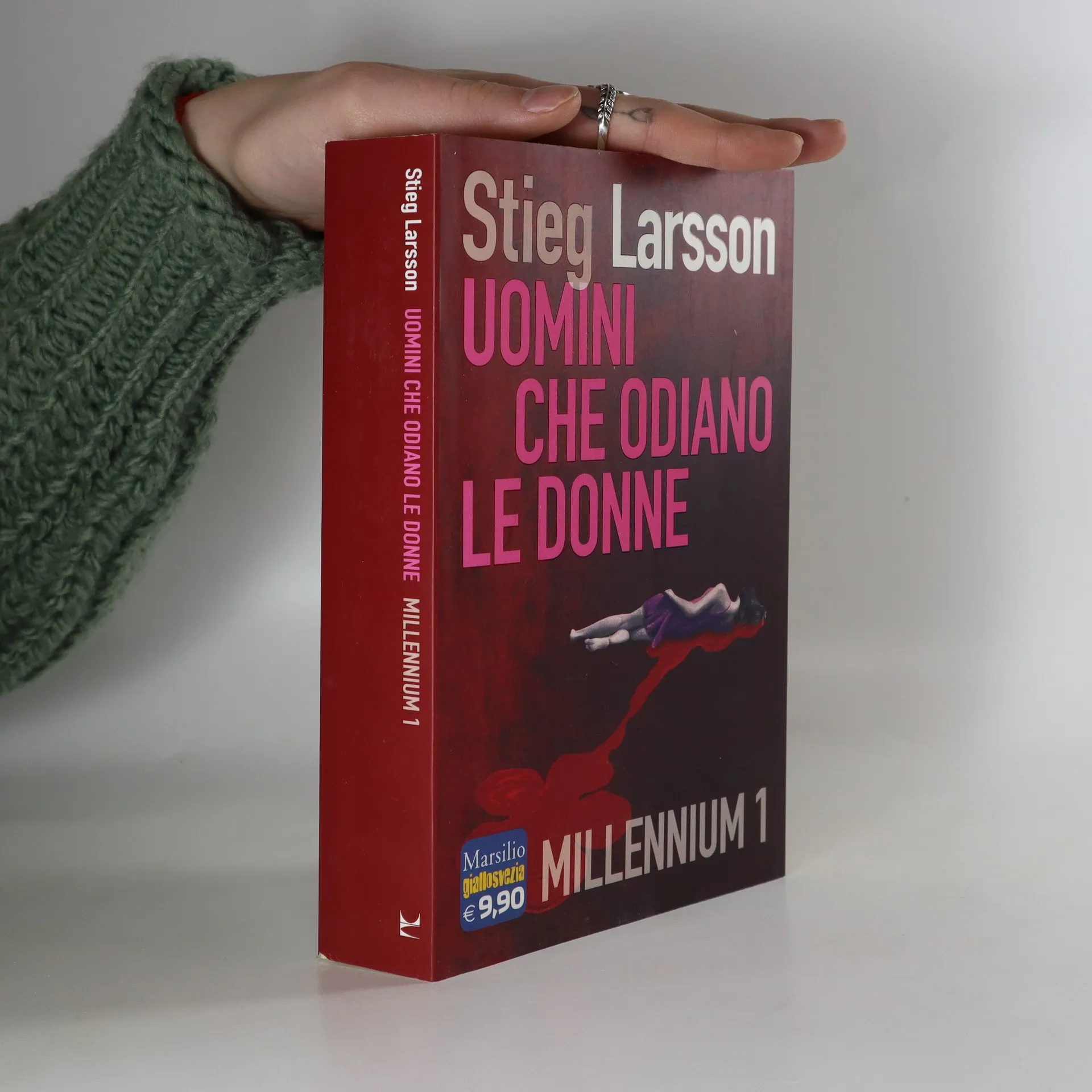
Sono passati molti anni da quando Harriet, nipote prediletta del potente industriale Henrik Vanger, è scomparsa senza lasciare traccia. Da allora, ogni anno l'invio di un dono anonimo riapre la vicenda, un rito che si ripete puntuale e risveglia l'inquietudine di un enigma mai risolto. Ormai molto vecchio, Henrik Vanger decide di tentare per l'ultima volta di fare luce sul mistero che ha segnato tutta la sua vita. L'incarico di cercare la verità è affidato a Mikael Blomkvist: quarantenne di gran fascino, Blomkvist è il giornalista di successo che guida la rivista Millennium, specializzata in reportage di denuncia sulla corruzione e gli affari loschi del mondo imprenditoriale. Sulle coste del Mar Baltico, con l'aiuto di Lisbeth Salander, giovane e abilissima hacker, indimenticabile protagonista femminile al suo fianco ribelle e inquieta, Blomkvist indaga a fondo la storia della famiglia Vanger. E più scava, più le scoperte sono spaventose.
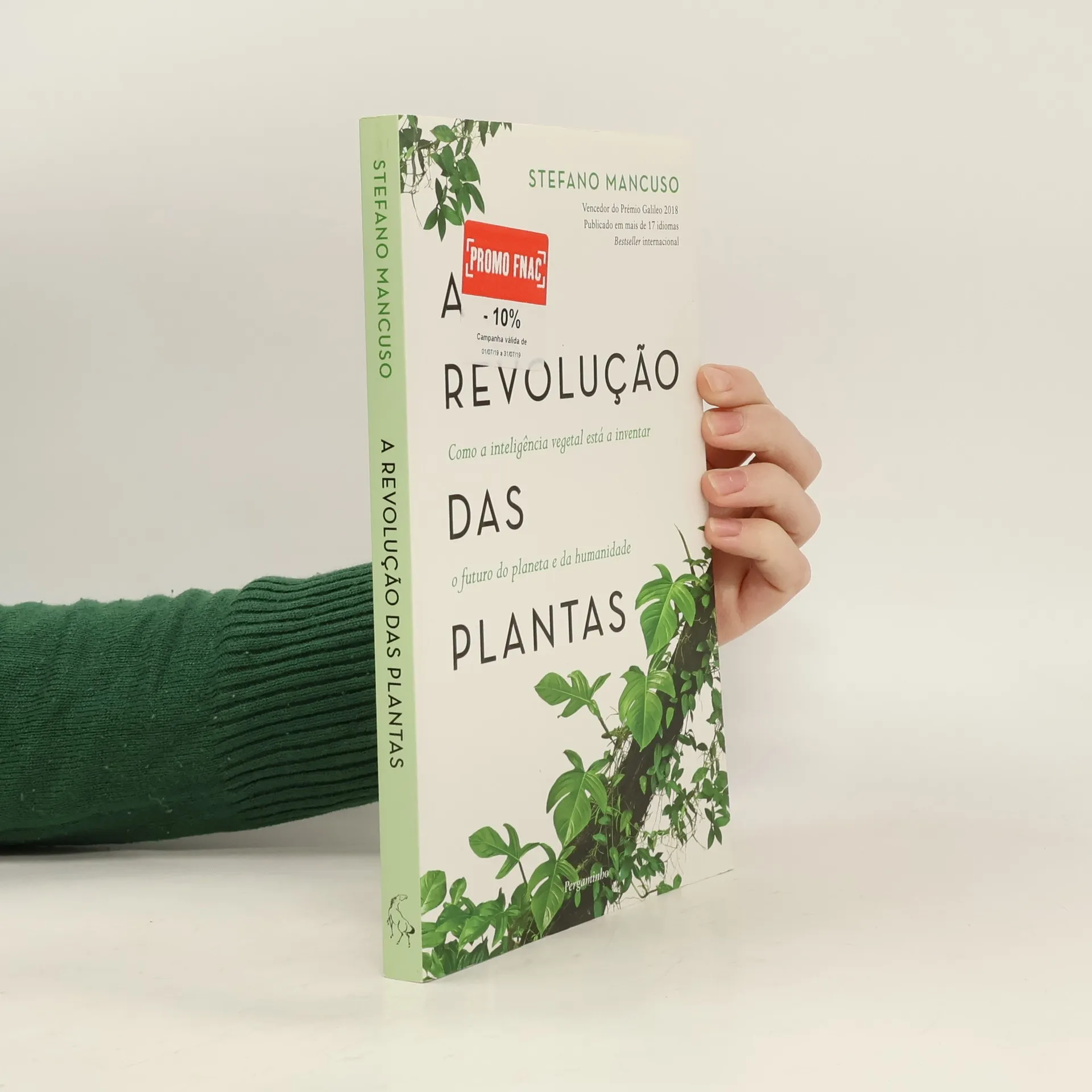
A Revolução das Plantas
Como a inteligência vegetal está a inventar o futuro do planeta e da humanidade
- 184 pages
- 7 hours of reading
A Simon & Schuster audiobook. Simon & Schuster has a great book for every listener.
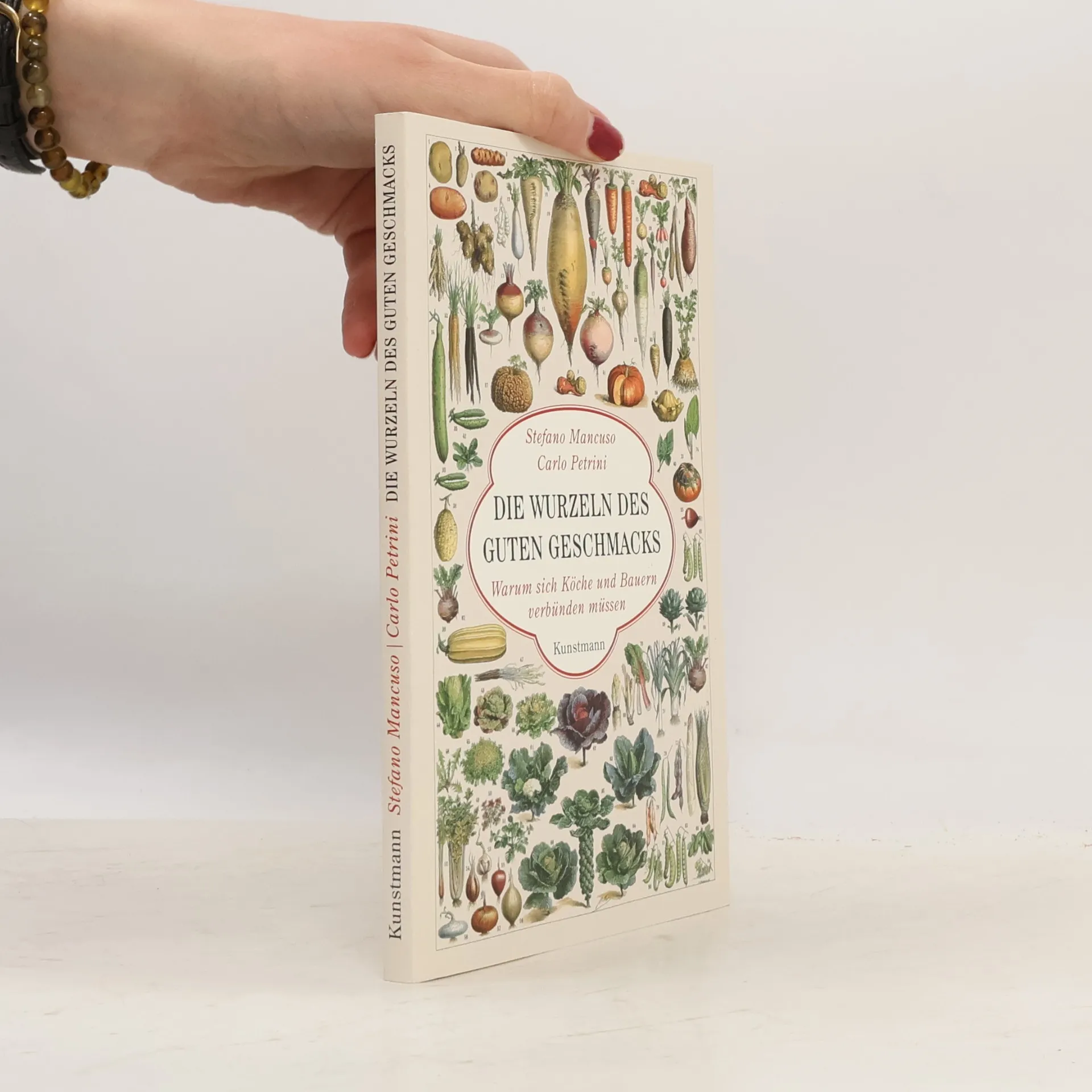
Die Wurzeln des guten Geschmacks
Warum sich Köche und Bauern verbünden müssen
Warum eine neue Esskultur beim Anbau beginnt: Carlo Petrini, Gründer von Slow Food, diskutiert mit Stefano Mancuso, Biologe und Bestsellerautor. Back to the roots: Wer für den guten Geschmack, für neue, intelligente Lebensmittel kämpft, schützt die biologische Vielfalt und kann damit eine Revolution auslösen. Ein neues Bündnis zwischen Köchen und Bauern ist der natürliche Weg zu nachhaltigen Anbaumethoden und damit zu einem sozialen und kulturellen Wandel: Den Geschmack zu kultivieren lehrt uns, besser und intelligenter zu leben. Carlo Petrini, Gründer von Slow Food und des Agrarnetzwerks Terra Madre, diskutiert mit dem Biologen Stefano Mancuso, der uns in Die Intelligenz der Pflanzen einen neuen Blick auf die Pflanzenwelt eröffnet hat. Die zerstörerische industrielle Landwirtschaft ist gescheitert, da sind sich die beiden Gesprächspartner einig. Statt lebensfeindlicher Monokulturen, der immensen Vergeudung von Nahrungsmitteln und den immer neuen Künstlichkeiten der Star-Gastronomie geht es darum, die Grundlagen einer neuen Kultur des Essens zu schaffen. Und dabei buchstäblich auf dem Boden zu bleiben und bei den Pflanzen anzusetzen, die 96 Prozent der Biomasse des Planeten stellen und uns in vielem als Modell dienen können. Ein beispielnahes, wunderbar anregendes und zukunftsweisendes Gesprächsbuch zweier leidenschaftlicher Spezialisten zu einem Thema, das den Kern unseres Lebens berührt.
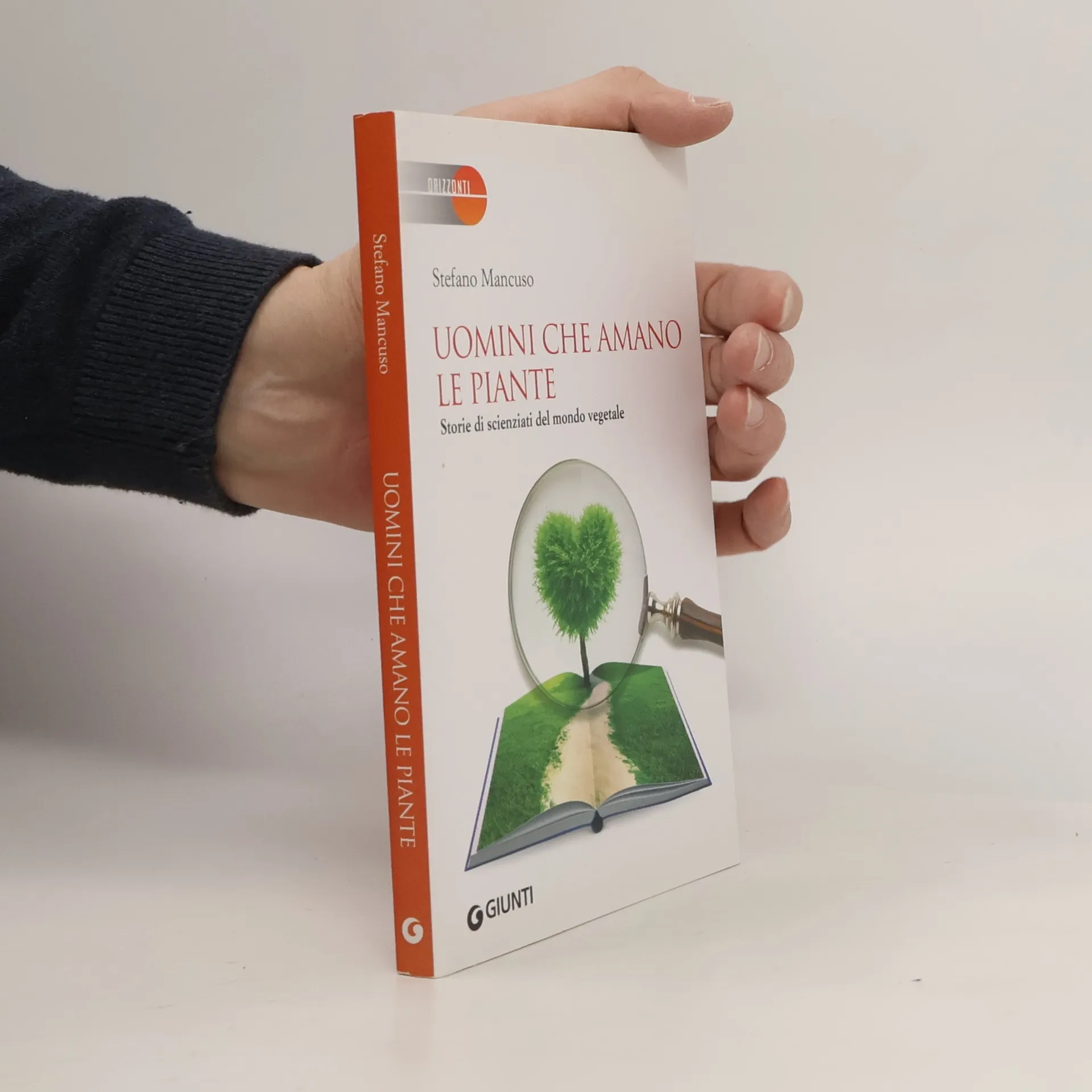
Orizzonti: Uomini che amano le piante
Storie di scienziati del mondo vegetale
- 139 pages
- 5 hours of reading
Storie di vita esemplari, aneddoti, esperimenti e ricerche di naturalisti, botanici, genetisti, filosofi, esploratori che hanno rivoluzionato la nostra idea del mondo vegetale. L'universo verde in cinque secoli di stupefacenti scoperte: Charles Darwin e l'orchidea del Madagascar che può essere impollinata soltanto da un tipo di farfalla, la cruciale teoria dello scienziato inglese sulla fecondazione incrociata e l'evoluzione delle piante, Federico Delpino che ha studiato la collaborazione tra vegetali e formiche, l'indagine di Leonardo da Vinci sulla disposizione delle foglie per catturare la luce solare, la scoperta dell'Amorphophallus Titanium da parte di Odoardo Beccari a Sumatra, la tragica storia di Nikolaj Ivanovic Vavilov che, cercando di selezionare in laboratorio il super-chicco di grano capace di sfamare milioni di russi, preserverà la biodiversità delle piante ma muore di stenti un carcere sovietico. E, ancora, il genio di Marcello Malpighi, l'invenzione della genetica vegetale da parte dell'abate Mendel, l'incredibile vita di George Washington Carver, il primo nero americano laureato, e la tenacia con cui, a rischio della propria incolumità, Charles Harrison Blackley individua l'origine della febbre da fieno. Un libro pieno di curiosità e di amore per l'universo verde.
Apocrypha ist ein Setting-Modul für Vileborn, ein Sandbox-Abenteuer, das in drei Akte unterteilt ist. Jeder Akt enthält kleine, in sich abgeschlossene Abenteuer. So kann Apocrypha entweder als langlaufende Kampagne gespielt oder genutzt werden, um eigene Szenarien und Abenteuer zu gestalten. Ein vergessenes Geheimnis. Die Vergangenheit kehrt zurück, um die Gegenwart zu beanspruchen. Den Spuren eines in Ungnade gefallenen Wächters folgend, werden die Vileborn in eine unbarmherzige Jagd hineingezogen – gefangen zwischen Verschwörungen, verbotenen Wahrheiten und einem Relikt, das die Finsternis vertreiben… oder Egas für immer ins Verderben stürzen könnte. Die Vileborn erleben ein einzigartiges Abenteuer. Vom Training im Orden der Dämmerung über eine gefährliche Reise durch das Imperium bis hin zu einer epischen Konfrontation, die mit einer Entscheidung endet, die das Schicksal von Egas bestimmen wird. Dieses Buch enthält: - 140 Seiten vollfarbig illustriert. - 12 miteinander verbundene Abenteuer, unterteilt in drei Akte. - Neue Herausforderungen, Charaktere und Elemente der Spielwelt. - Einblicke in die zentralen Themen und den Hintergrund von Vileborn.