The African Q. Septimus Florens Tertullianus (ca. 150-222 CE), the great Christian writer, was born a soldier's son at Carthage, educated in Greek and Roman literature, philosophy, and medicine, studied law and became a pleader, remaining a clever and often tortuous arguer. At Rome he became a learned and militant Christian. After a visit to churches in Greece (and Asia Minor?) he returned to Carthage and in his writings there founded a Christian Latin language and literature, toiling to fuse enthusiasm with reason; to unite the demands of the Bible with the practice of the Church; and to continue to vindicate the Church's possession of the true doctrine in the face of unbelievers, Jews, Gnostics, and others. In some of his many works he defended Christianity, in others he attacked heretical people and beliefs; in others he dealt with morals. In this volume we present "Apologeticus" and "De Spectaculis."Of Minucius, an early Christian writer of unknown date, we have only "Octavius," a vigorous and readable debate between an unbeliever and a Christian friend of Minucius, Octavius Ianuarius, a lawyer sitting on the seashore at Ostia. Minucius himself acts as presiding judge. Octavius wins the argument. The whole work presents a picture of social and religious conditions in Rome, apparently about the end of the second century.
Tertullian Books
This early Christian author from Carthage is the first to produce an extensive corpus of Latin Christian literature. Revered as the "father of Latin Christianity" and the founder of Western theology, he advanced new theological concepts despite his conservative outlook. His most significant contribution was the formal exposition of Trinitarian theology, introducing the Latin term "trinitas" and the foundational phrase "three Persons, one Substance." Although initially considered heretical, his theological formulations were later embraced as Christian orthodoxy.


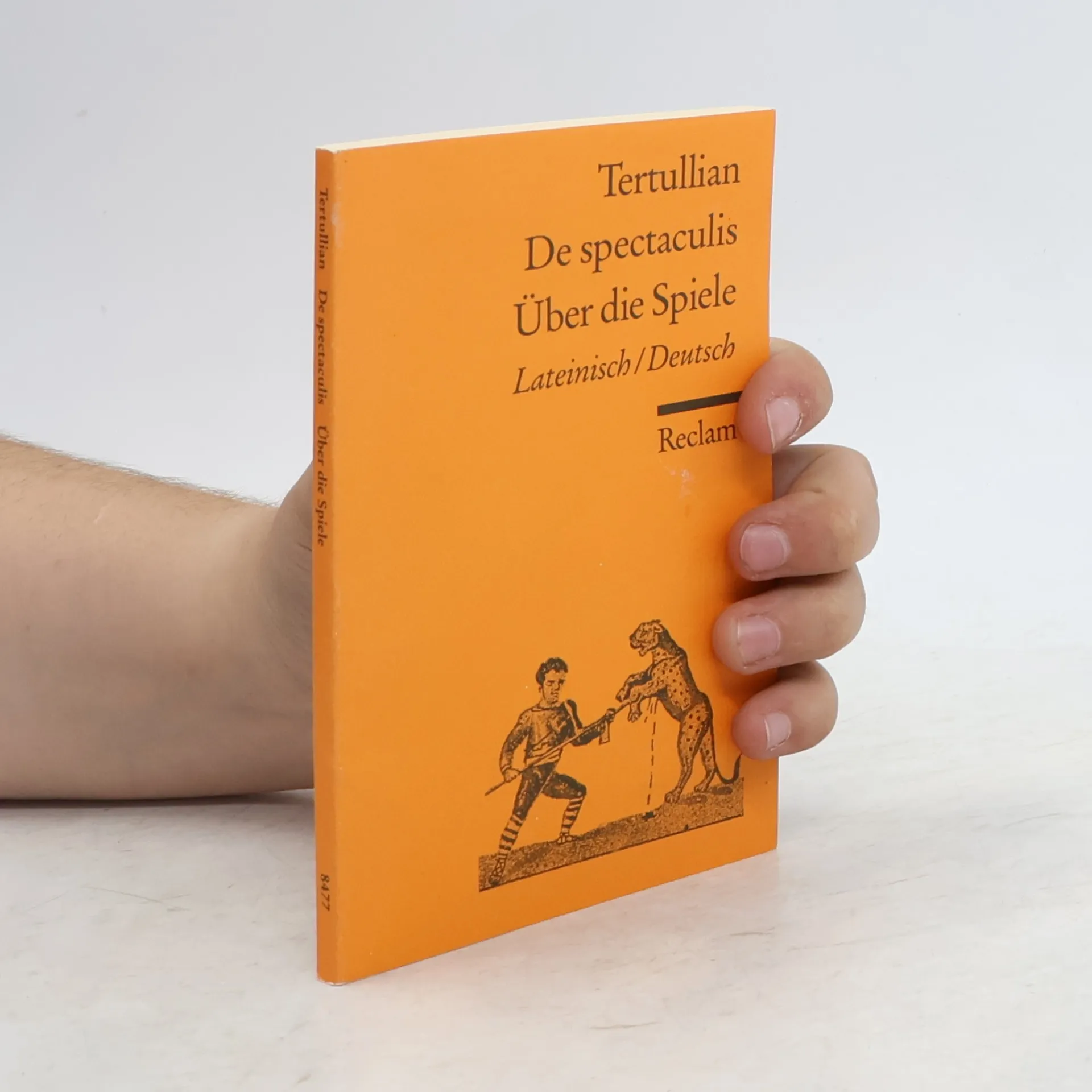

De spectaculis
- 120 pages
- 5 hours of reading
Das eingehende und verständnisvolle Nachwort ist von besonderem Wert, so dass der Genuss bei der Lektüre noch erhöht wird; eingehende Anmerkungen und Literaturhinweise vertiefen das Verständnis. Man nimmt das Büchlein gern zur Hand. Anzeiger für Altertumswissenschaft
Die Schrift De praescriptione haereticorum, entstanden zwischen 200 und 206, ist das grundlegende Werk Tertullians fur seine Auseinandersetzung mit gnostischen Lehren. Obwohl diese Schrift des karthagischen Autors undenkbar ware ohne das vorausgehende umfangreiche antignostische Werk des Irenaus von Lyon (Adversus haereses = Fontes Christiani 8/1-5), stellt sie eine eigenstandige Leistung Durch die Beschrankung auf einige wesentliche Gedanken seines Vorgangers, d.h. auf formale Kriterien der Glaubenswahrheit, gelingt es Tertullian, eine gegen alle Haresien gerichtete, systematische und relativ kurze Argumentation aufzubauen, die sich durch ihre rhetorische Meisterschaft auszeichnet, sichtbar in der Pragnanz und Prazision ihrer Formulierungen. Neben einer neuen deutschen Ubersetzung liefert der Band eine ausfuhrliche Einleitung, die die sich dem heutigen Leser stellenden vielfaltigen Probleme und die gedankliche Struktur der Schrift klaren soll.
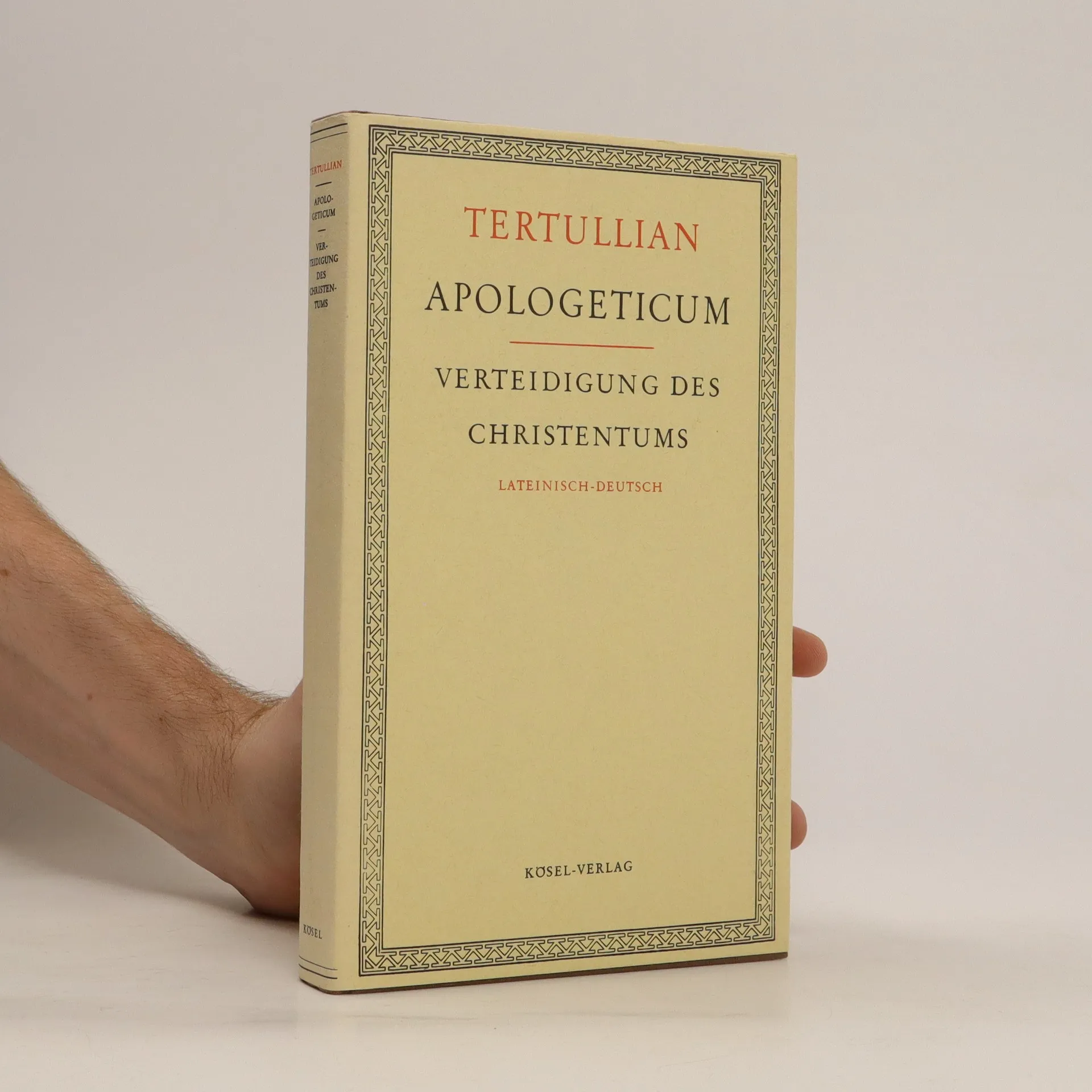
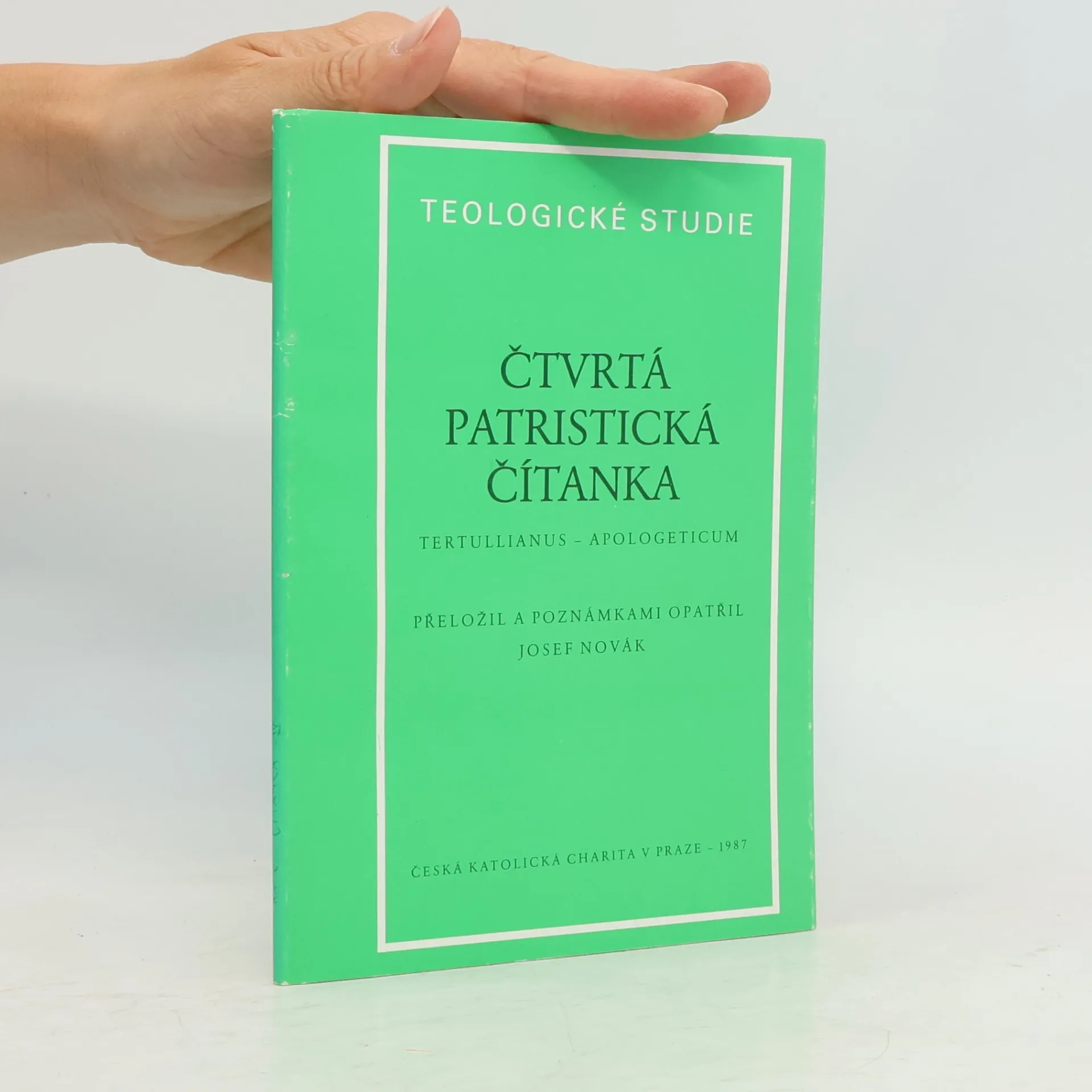
Apologeticum. Verteidigung des christlichen Glaubens
- 335 pages
- 12 hours of reading
Tertullian ist der erste uns bekannte lateinischsprachige christliche Autor. Sein »Apologeticum« gilt als Meisterwerk der christlichen Apologetik am Übergang vom 2. zum 3. Jahrhundert. Es bietet einen hervorragenden Einblick in die Auseinandersetzung der frühen Christen mit ihrer mehrheitlich nichtchristlichen Umwelt und in Tertullians spezifische Weise, seinen Glauben darzulegen und zu verteidigen. Die vorliegende vollständige lateinisch-deutsche Ausgabe ist um eine Einleitung und zahlreiche Anmerkungen ergänzt. Tobias Georges, geb. 1972, Dr. theol., ist Juniorprofessor am Forschungszentrum
De baptismo, de oratione. Von der Taufe, vom Gebet
- 339 pages
- 12 hours of reading
Fontes Christiani 4. Folge
- 400 pages
- 14 hours of reading
Der Gnostiker Markion und seine Bewegung stellten eine ernsthafte Bedrohung für die Kirche im 2. und 3. Jahrhundert dar. Tertullian antwortet literarisch auf Markions Lehren in "Adversus Marcionem", wo er die Existenz eines einzigen Gottes und die Würdigkeit des Schöpfergottes verteidigt. Die Edition bietet die erste vollständige lateinisch-deutsche Ausgabe.
Apologetische, dogmatische und montanistische Schriften
- 400 pages
- 14 hours of reading
Tertullian (ca. 155-220 n. Chr.) war ein einflussreicher frühchristlicher Autor und gilt als "Vater des lateinischen Christentums". Er prägte die westliche Theologie und führte den Begriff Trinität ein. Seine Lehren stehen oft im Widerspruch zur orthodoxen Tradition, was zu seiner Nichtanerkennung als Heiliger führte.
Private und katechetische Schriften
- 308 pages
- 11 hours of reading
Tertullian (ca. 155-220 n. Chr.) war ein bedeutender frühchristlicher Autor aus Karthago und gilt als "Vater des lateinischen Christentums". Er prägte die westliche Theologie und führte den Begriff Trinität ein. Trotz seiner wichtigen Beiträge wurde er von den katholischen Kirchen nicht als Heiliger anerkannt. Der Band enthält seine wesentlichen Schriften.
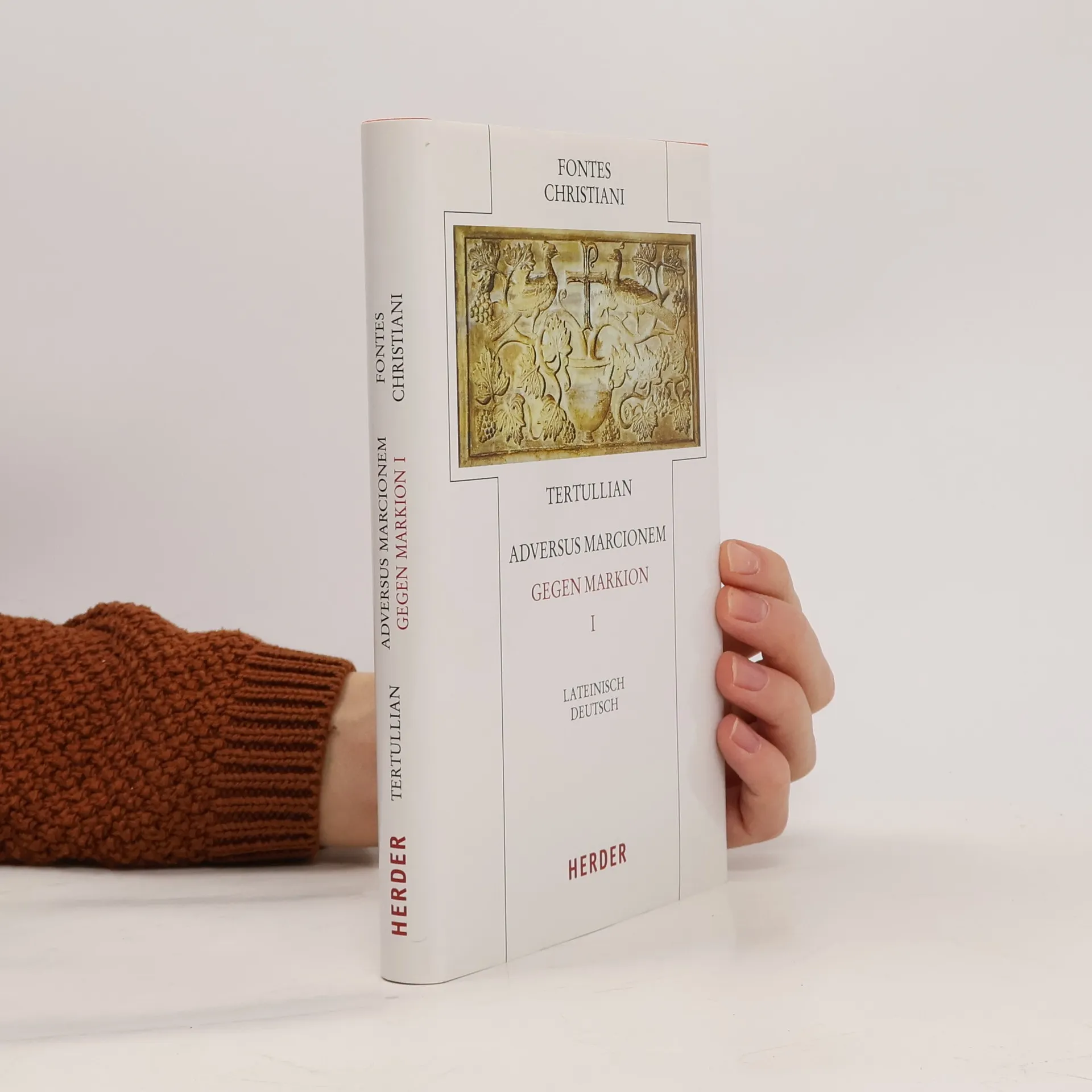
Tertullian, Adversus Marcionem - Gegen Markion. Tl.1
- 300 pages
- 11 hours of reading
Der Gnostiker Markion und seine schismatische Bewegung stellten fur die Kirche des 2. und 3. Jh. eine ernstzunehmende Gefahr dar. Seiner Trennung von Altem und Neuem Testament schlossen sich zahlreiche Glaubige als "markionitische Kirche" an. Tertullian, der bedeutende Theologe Nordafrikas, sieht sich so herausgefordert, auf die von Markion begrundete Stromung literarisch zu antworten. Er tut dies, indem er in Buch 1 von "Adversus Marcionem" zunachst die Existenz des auf den Neuen Bund beschrankten Gottes Markions, und damit auch dessen Zweigotterlehre, bestreitet. Im folgenden Buch bemuht sich Tertullian, die Wurdigkeit des Schopfergottes als Gottes des Alten und Neuen Bundes zu beweisen. Im Zuge der ersten beiden Bucher gegen Markion beruhrt der Autor notwendig neben der Gotterlehre auch Fragen der Ethik, der Anthropologie, der Psychologie und der Ekklesiologie. Buch 3 ist der Christologie vorbehalten. Der Exegese dienen die Bucher 4 und 5. Tertullian erweist sich wie in anderen Werken auch hier als Meister der Latinitat. Die vorliegende Edition stellt die erste komplette lateinisch-deutsche Ausgabe dieses Werkes dar.
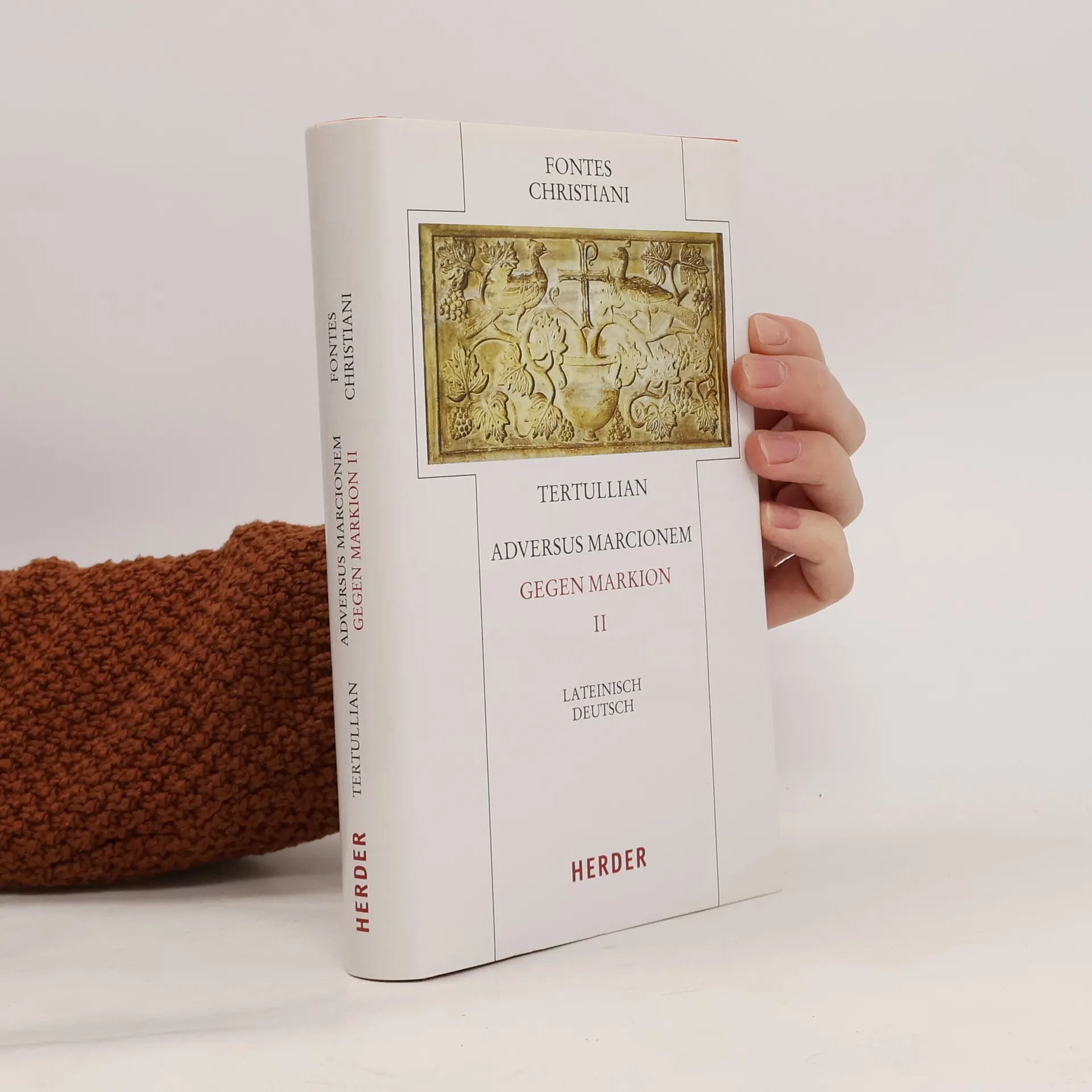
Tertullian - Adversus Marcionem - Gegen Markion II
- 300 pages
- 11 hours of reading
Der Gnostiker Markion und seine schismatische Bewegung stellten für die Kirche des 2. und 3. Jh. eine ernstzunehmende Gefahr dar. Seiner Trennung von Altem und Neuem Testament schlossen sich zahlreiche Gläubige als markionitische Kirche an. Tertullian, der bedeutende Theologe Nordafrikas, sieht sich so herausgefordert, auf die von Markion begründete Strömung literarisch zu antworten. Er tut dies, indem er in Buch 1 von Adversus Marcionem zunächst die Existenz des auf den Neuen Bund beschränkten Gottes Markions, und damit auch dessen Zweigötterlehre, bestreitet. Im folgenden Buch bemüht sich Tertullian, die Würdigkeit des Schöpfergottes als Gottes des Alten und Neuen Bundes zu beweisen. Im Zuge der ersten beiden Bücher gegen Markion berührt der Autor notwendig neben der Götterlehre auch Fragen der Ethik, der Anthropologie, der Psychologie und der Ekklesiologie. Buch 3 ist der Christologie vorbehalten. Der Exegese dienen die Bücher 4 und 5. Tertullian erweist sich wie in anderen Werken auch hier als Meister der Latinität. Die vorliegende Edition stellt die erste komplette lateinisch-deutsche Ausgabe dieses Werkes dar.
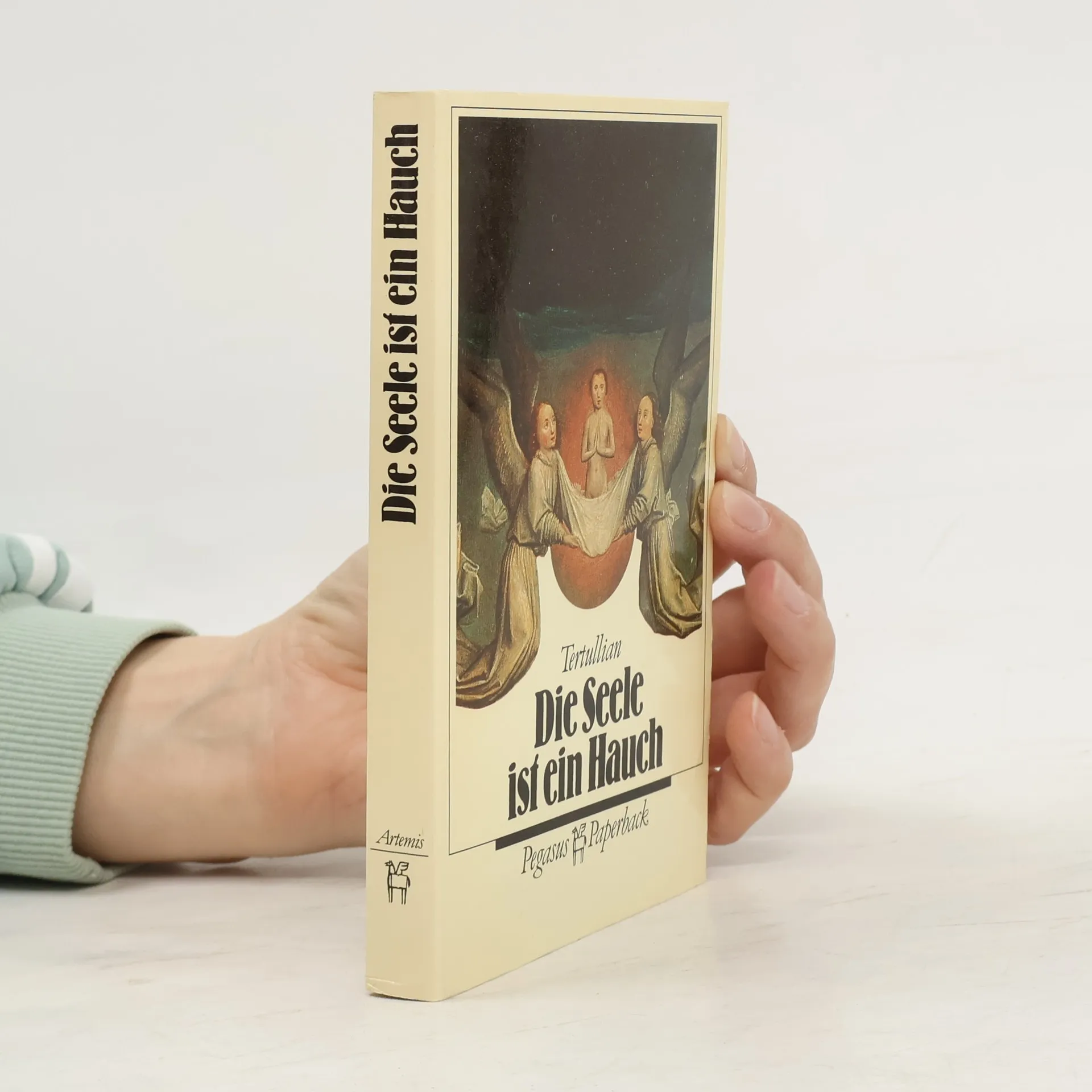
Die Seele ist ein Hauch
- 317 pages
- 12 hours of reading
Ve spise Mučedníkům se Tertullianus obrací na křesťany, kteří ve vězení očekávají mučednickou smrt, a snaží se je povzbudit, aby vytrvali ve svém odhodlání a nebáli se pro Boha zemřít. Pro tento jeho záměr se však zcela nehodila ani jedna z klasických literárních forem, které předepisovala antická tradice, tedy ani „útěcha“ (consolatio), ani „povzbuzení“ (exhortatio). Tertullianus proto obě formy smísil, podle starobylé rétorické tradice sahající až k Aristotelovi a detailně propracované Quintilianem je doplnil o „pohanská“ exempla, charakteristický motiv filosofické diatriby, a vytvořil tak žánr nový, specifický a křesťanský, jejž někteří badatelé neváhají počítat mezi nejpůsobivější díla svého druhu z celého starověkého křesťanství.
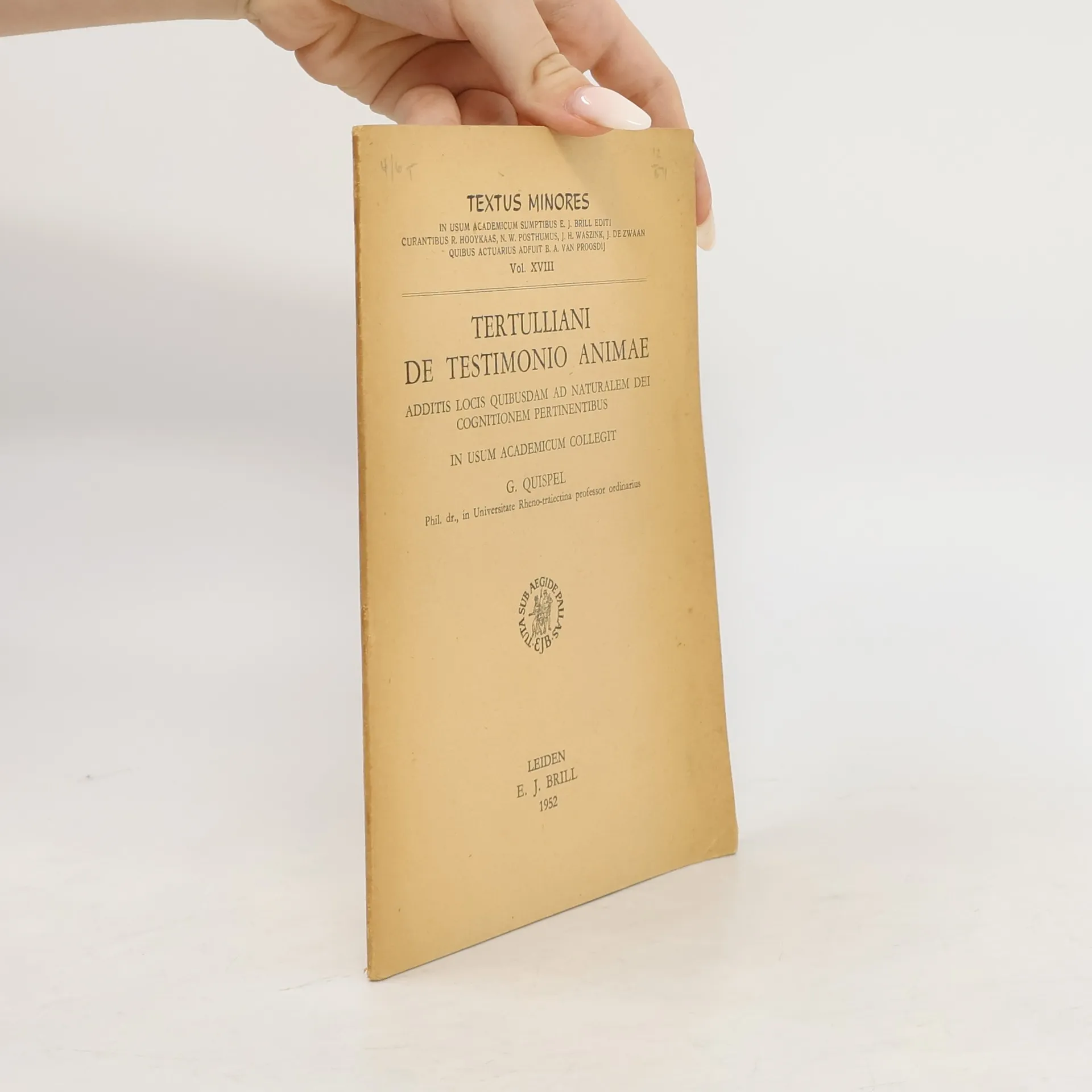
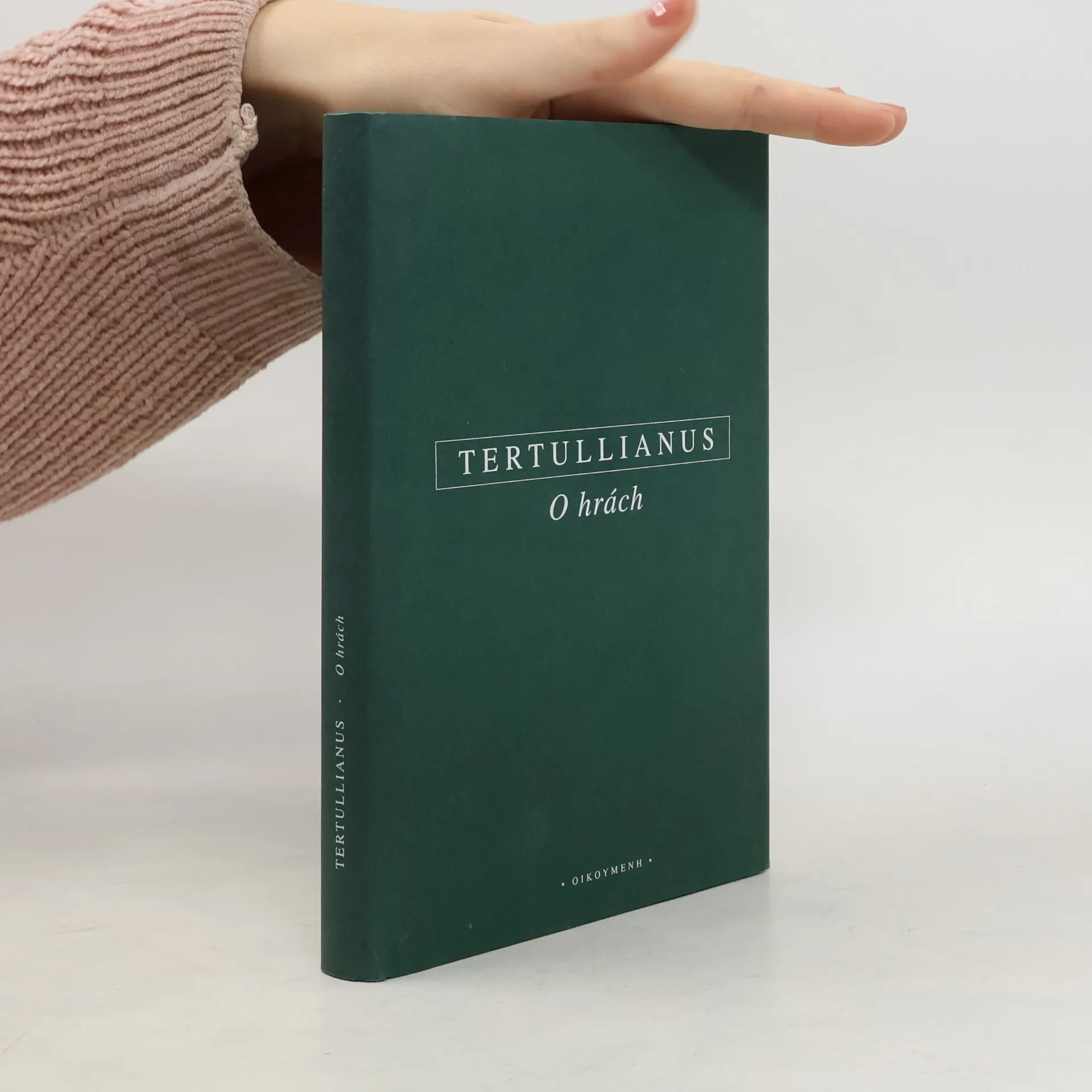
Spis prvního z latinských Otců a zakladatele latinské theologie Tertulliana je jediným dochovaným starověkým pojednáním o antických hrách. Jde o výjimečný historický dokument, který je také úvodem do Tertullianovy theologie i brilantního jazyka. Dvojjazyčné latinsko-české vydání. Úvodní studie, překlad a poznámky P. Kitzler.
Spis raného latinského autora a zakladatele latinské theologie Tertulliana z Kartága je jediným dochovaným starověkým pojednáním o antických hrách. Jde o výjimečný historický dokument, který je také úvodem do Tertullianova myšlení i brilantního jazyka. Dvojjazyčné latinsko-české vydání.
O Kristově těle
- 202 pages
- 8 hours of reading
Protignostické pojednání O Kristově těle (De carne Christi), sepsané kolem roku 200, náleží k hlavním věroučným dílům zakladatele latinské křesťanské apologetiky Tertulliana z Kartága. Autor v něm proti doketistickým pojetím dokazuje, že Kristovo tělo bylo skutečným lidským tělem z masa a kostí, zrozené z panenské matky. V návaznosti na pavlovský koncept „bláznovství podle lidí“ pak podle Tertulliana právě zdánlivá paradoxnost vtělení potvrzuje jeho pravdivost a skutečnost.
O modlitbě
- 112 pages
- 4 hours of reading
Osmý svazek edice Patristika přináší nejstarší křesťanské pojednání o modlitbě z pera afrického spisovatele Tertuliána. Spis z počátku 3. století nám umožňuje nahlédnout do teologie křesťanské modlitby a získat představu o jejích vnějších projevech. Přibližuje nám, s jakými problémy a potížemi, mylnými či s křesťanstvím neslučitelnými představami bojovali v této době křesťané především v Kartágu, metropoli římské Afriky. Autor se zamýšlí nad tím, co činí modlitbu specificky křesťanskou, odpovídá na otázku proč a jak se modlit a vysvětluje, co znamenají slova modlitby, kterou Ježíš naučil své učedníky. Pojednání o modlitbě tak není jen vzácným dokladem starokřesťanské praxe, zajímavým pro badatele z oblasti dějin teologie a liturgie, ale také stále aktuálním textem, jenž i dnešnímu čtenáři nabízí cenné podněty k modlitbě a životu s Bohem.
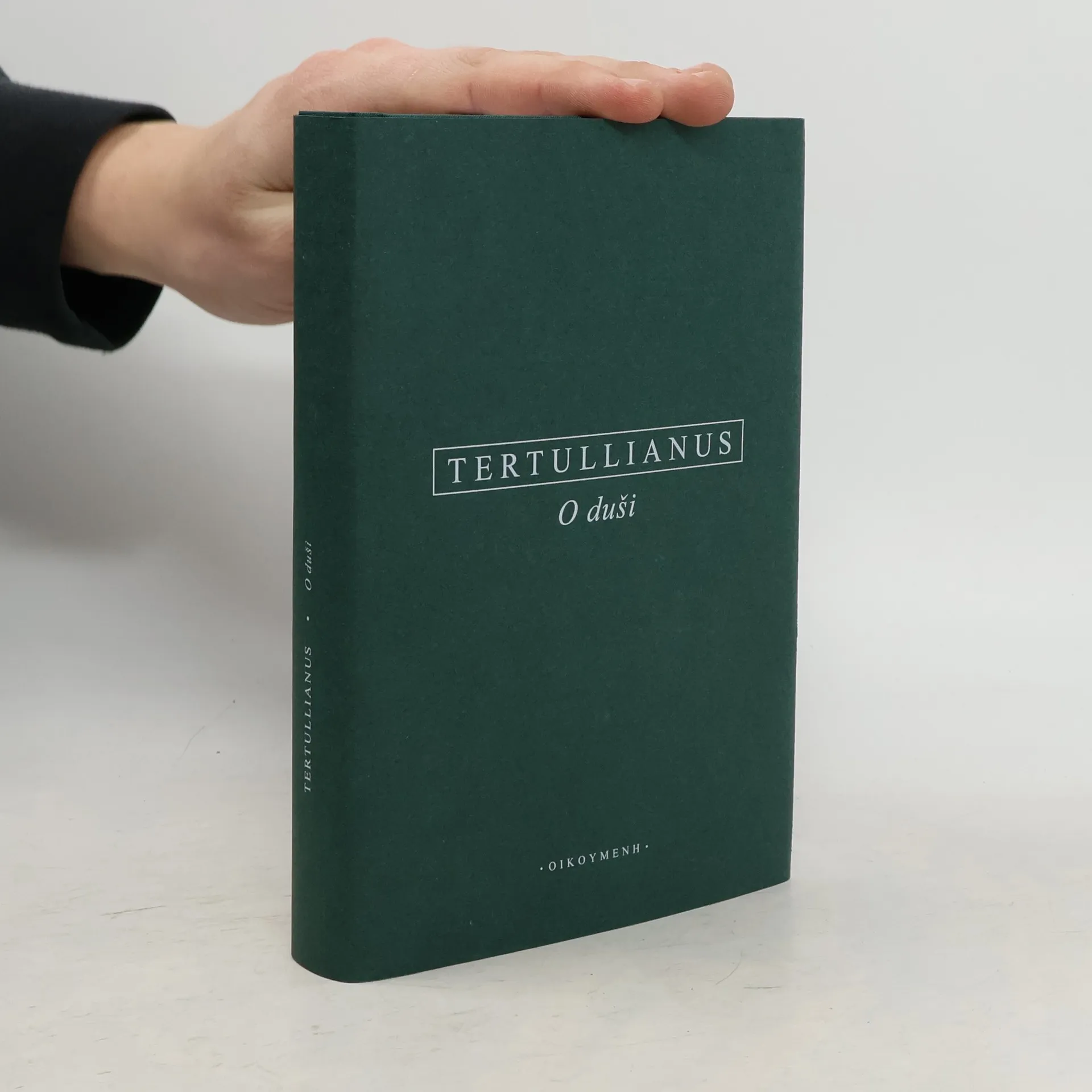
O duši
- 485 pages
- 17 hours of reading
Tertullianův rozsáhlý spis De anima („O duši“; napsán kolem roku 210 po Kr.) představuje první zachované pojednání o lidské duši sepsané z křesťanských pozic, a jako takové je ve svém žánru zakladatelským dílem raně křesťanského písemnictví. Pozoruhodný spis, který je rozkročen mezi literaturou, filosofií, teologií a lékařstvím, je nejen polemikou s pohanskými koncepcemi duše, mezi nimiž zaujímá přední místo Platón, tento „hokynář, který v dobré víře prodal všem heretikům svoje koření“, ale formuluje rovněž vlastní koncepci „tělesné duše“ (corporalitas animae), která je v posledku „odnoží“ (tradux) duše Adamovy a předává se při pohlavním styku z rodičů na jejich potomky (tzv. traducianismus). Toto adaptované stoické dědictví, jež je v raně křesťanském myšlení svou propracovaností bezprecedentní, se pro Tertulliana stává nejúčinnější zbraní proti „heretickým“, platonismem ovlivněným naukám o preexistenci a stěhování duší, jež podle něho podkopávají samy základy křesťanského náboženství.
Upravovanie zovňajšku žien / De cultu feminarum
- 91 pages
- 4 hours of reading
Autor v publikácii útočí na rôzne druhy ženskej márnivosti, pričom nosnou témou sú móda a šperky. Tertullianus v knihe vysvetľuje, prečo by sa kresťanka mala držať ďalej od šperkov a mejkapu.
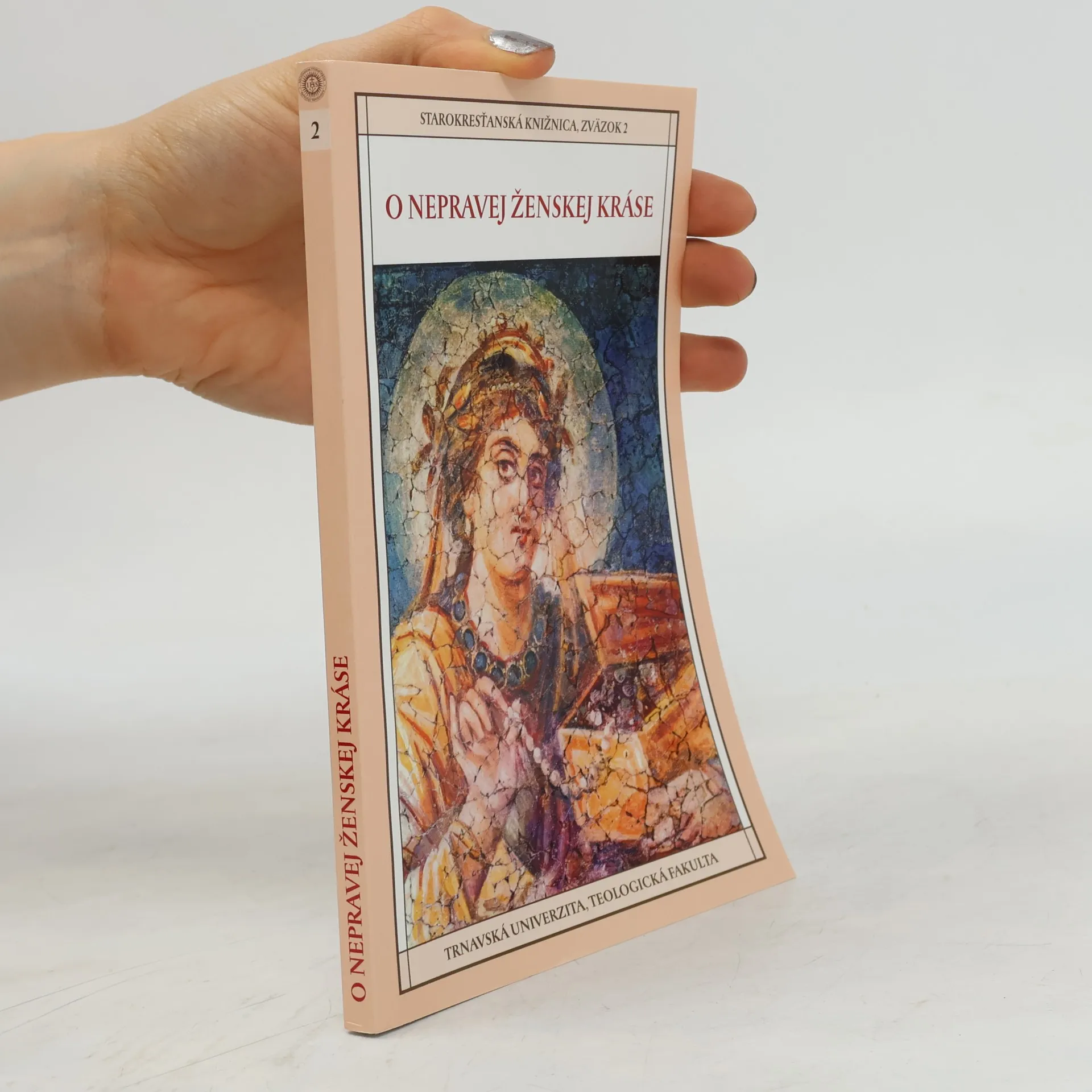
O nepravej ženskej kráse
- 160 pages
- 6 hours of reading
Tertullianus: O pestovaní ženskej krásy Tertullianus: O závoji panien Sv. Cyprián: O správaní panien Sv. Gregor z Nazianzu: Proti ženám, čo sa príliš krášlia Predkladaný výber štyroch diel troch spisovateľov spája spoločná tematika - výčitky ženám, že sa príliš krášlia. Tento nedostatok poznania pravej miery má viaceré negatívne následky. Mrhať svoj majetok na zbytočné ozdoby je prejavom zlého hospodárenia so zvereným bohatstvom. Prezdobený vzhľad vzbudzuje pochybnosti o mravnosti a zbožnosti takto upravenej osoby. Navyše, všetky takéto umelé zásahy do zovňajšku sú - z hľadiska estetiky - úplne zbytočné, pretože každý človek ako Boží obraz je krásny vtedy, keď je prirodzený. Tento súbor textov je v prvom rade cenným svedectvom istého historického obdobia a jedinečným zdrojom, z ktorého môžeme čerpať poznatky o ranokresťanskom spoločenstve. No keďže autori na podporu svojich argumentov bohato čerpajú z Biblie i mimobiblických spisov, táto zbierka ponúka čitateľovi aj zaujímavý pohľad na prvé kapitoly dejín kresťanskej exegézy Písma.