
Explore the latest books of this year!
Bookbot

Jonathan Safran Foer

    February 21, 1977

    Jonathan Safran Foer is the author of two bestselling, award-winning novels and a bestselling work of nonfiction. His literary contributions delve into the complexities of family relationships and historical events, employing a distinctive narrative style that masterfully blends humor, tragedy, and profound reflections on human existence. Through his writing, Foer invites readers to contemplate the world around them and their place within it. His prose is celebrated for its innovative approach and emotional depth, leaving a lasting impact on those who engage with his work.

    Jonathan Safran Foer
    The Unabridged Pocketbook of Lightening
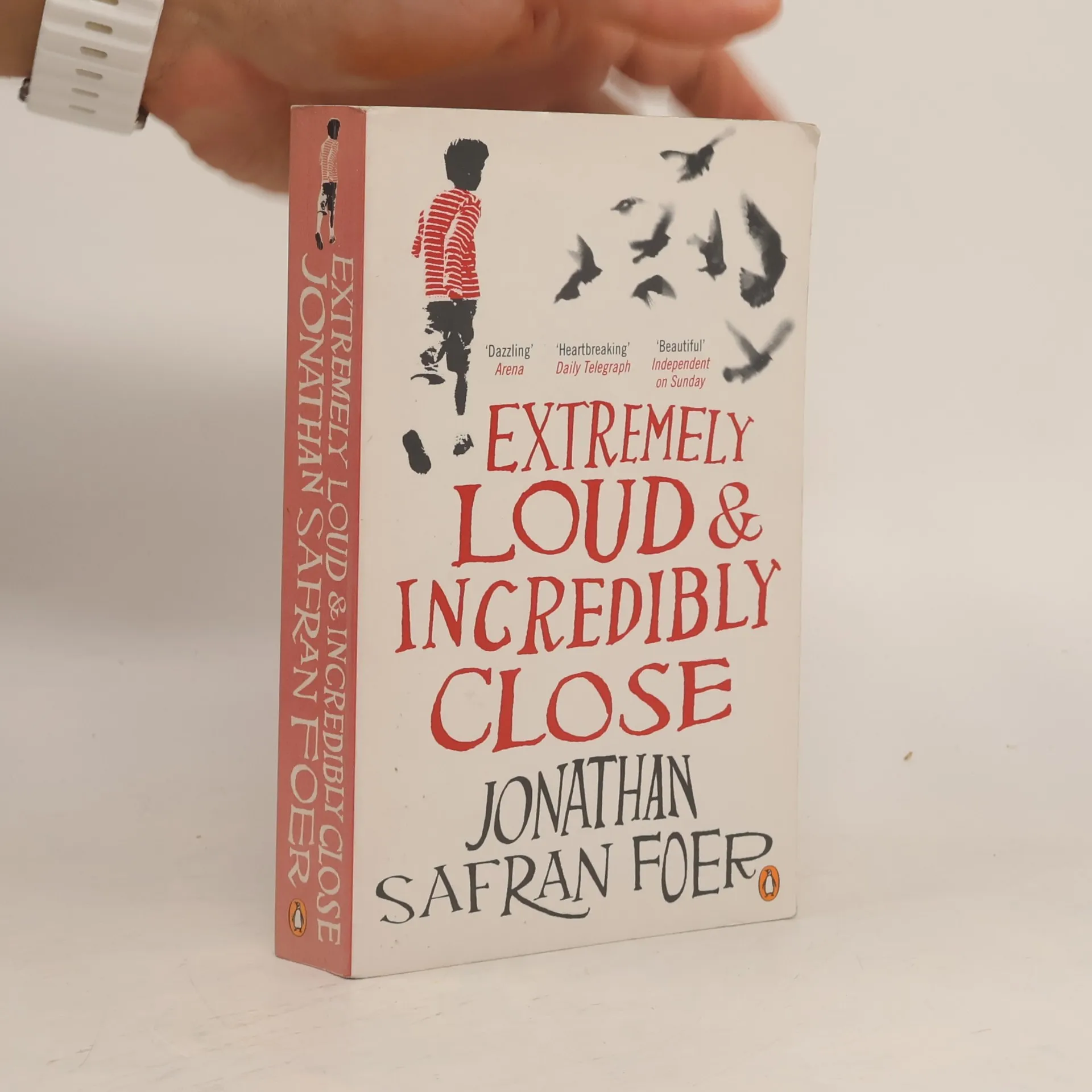
    Extremely Loud & Incredibly Close
    Penguin Readers Level 5: Extremely Loud and Incredibly Close
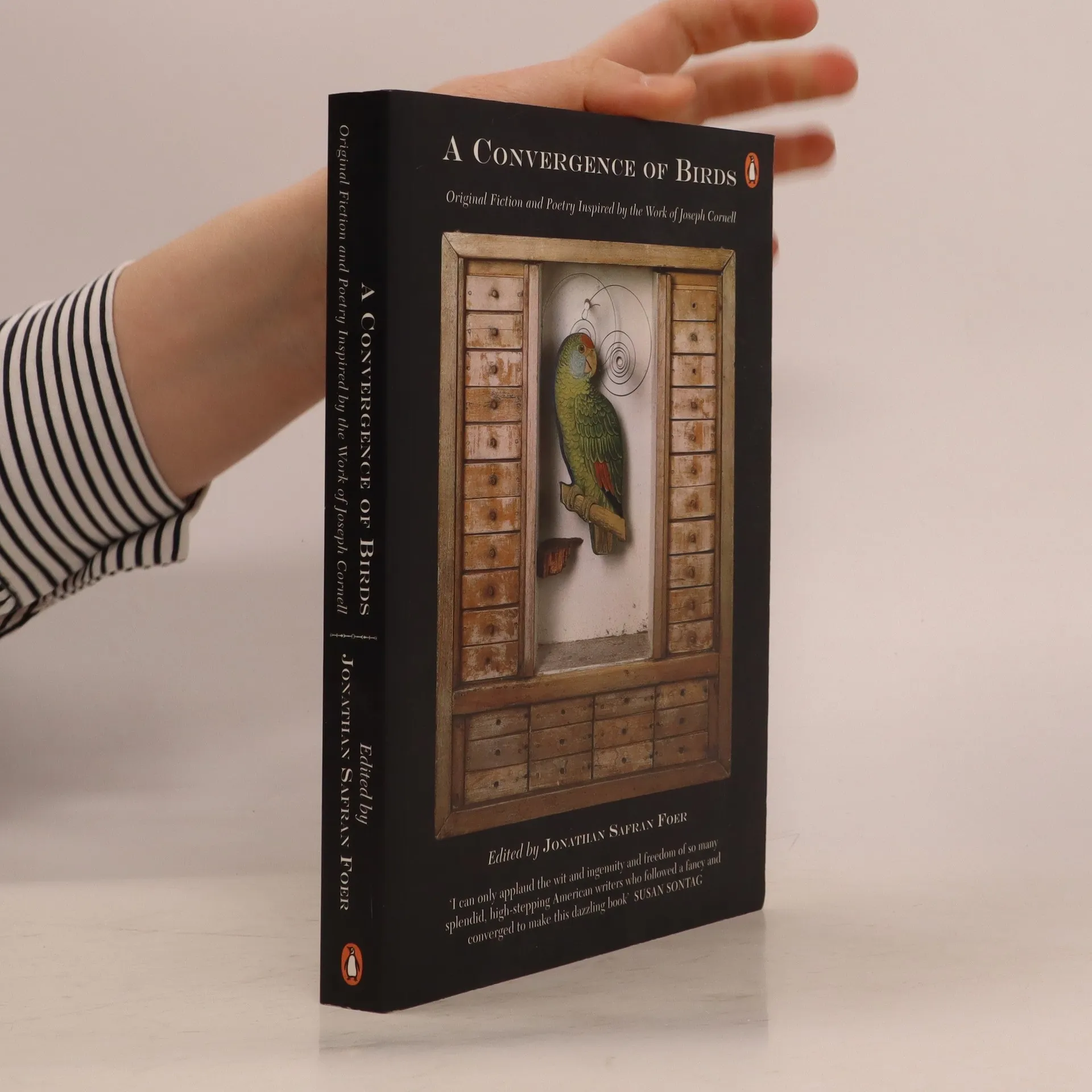
    A Convergence of Birds
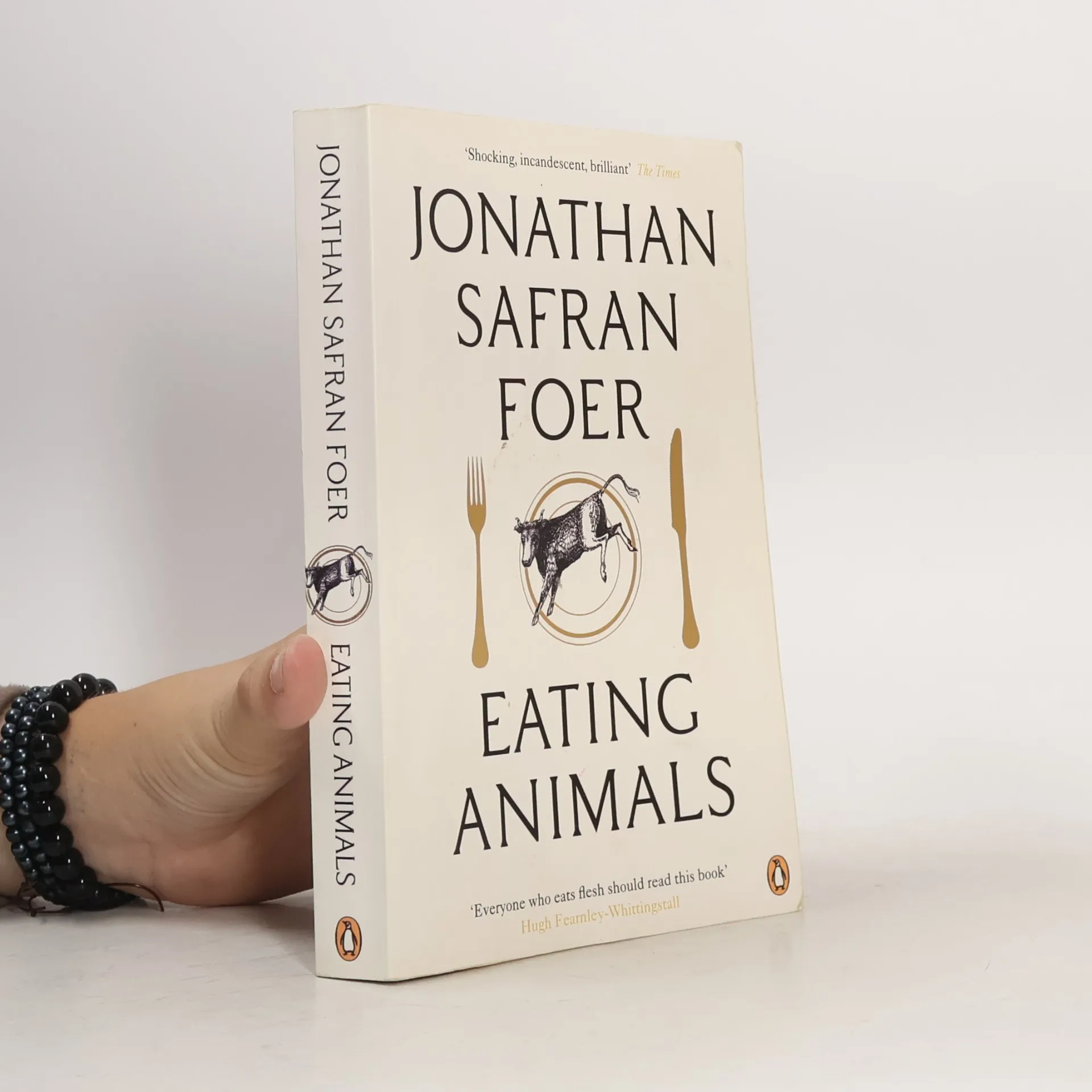
    Eating animals
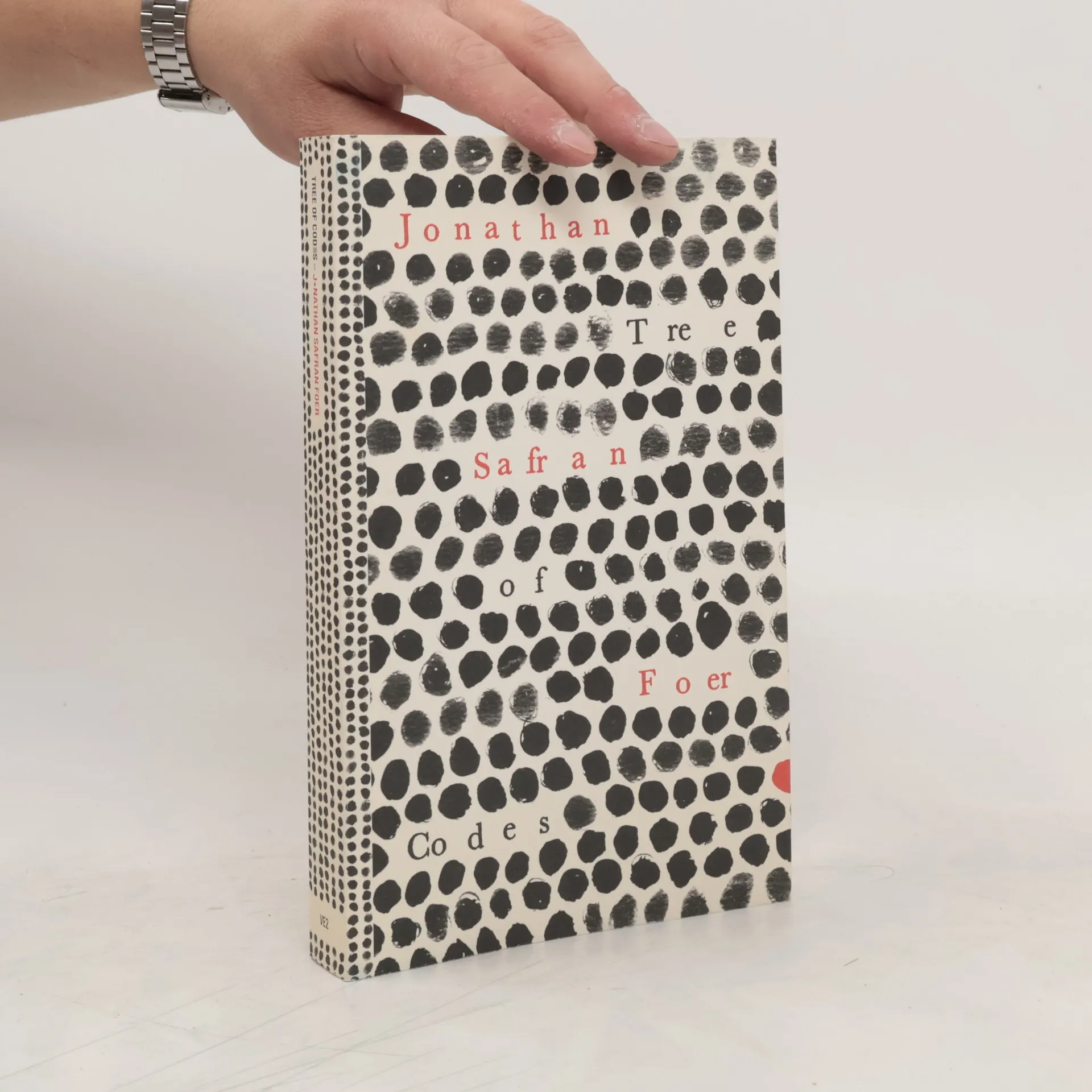
    Tree of Codes
    • 2020

      Najlepsza książka 2019 roku Financial Times i The Guardian Niektórzy ludzie odrzucają fakt, że nasza planeta ociepla się z powodu działalności człowieka. Ale czy ci z nas, którzy akceptują rzeczywistość spowodowanej przez człowieka katastrofy klimatycznej, naprawdę w nią wierzą? Gdybyśmy rzeczywiście w nią uwierzyli, z pewnością zdecydowalibyśmy się na działania zgodne z tym, co wiemy. A jednak prawie ich nie podejmujemy. W Klimat to my Jonathan Safran Foer bada fundamentalny dylemat naszych czasów w zaskakujący i głęboko osobisty sposób. Zadanie ocalenia planety wymaga wielkiego rozliczenia się z naszą. niestety bardzo ludzką, niechęcią do poświęcenia komfortu ze względu na niepewną przyszłość. By jeść więcej, smaczniej i taniej, zamieniliśmy naszą planetę w farmę do uprawy produktów zwierzęcych, czego konsekwencje są katastrofalne. Tylko wspólne działanie może uratować naszą planetę. Działanie, które zaczyna się od tego, co jemy - a czego nie jemy - na śniadanie.

      Klimat to my. Ratowanie planety zaczyna się..
    • 2020

      Penguin Readers is an ELT graded reader series for learners of English as a foreign language. With carefully adapted text, new illustrations and language learning exercises, the print edition also includes instructions to access supporting material online.Titles include popular classics, exciting contemporary fiction, and thought-provoking non-fiction, introducing language learners to bestselling authors and compelling content.The eight levels of Penguin Readers follow the Common European Framework of Reference for language learning (CEFR). Exercises at the back of each Reader help language learners to practise grammar, vocabulary, and key exam skills. Before, during and after-reading questions test readers' story comprehension and develop vocabulary.Visit the Penguin Readers websiteExclusively with the print edition, readers can unlock online resources including a digital book, audio edition, lesson plans and answer keys.Oskar Shell is a clever nine-year-old boy. When his father is killed in the attacks on the World Trade Center on September 11th 2001, Oskar wants to learn the secret about a key that he discovers in his father's closet. His search takes him on a journey through New York and into the lives of strangers and relatives. But will it bring him any closer to his lost father
      Penguin Readers Level 5: Extremely Loud and Incredibly Close
    • 2019

      Qualcuno si ostina a liquidare i cambiamenti climatici come fake news, ma la gran parte di noi è ben consapevole che se non modifichiamo radicalmente le nostre abitudini l'umanità andrà incontro al rischio dell'estinzione di massa. Lo sappiamo, eppure non riusciamo a crederci. E di conseguenza non riusciamo ad agire. Il problema è che l'emergenza ambientale non è una storia facile da raccontare e, soprattutto, non è una buona storia: non spaventa, non affascina, non coinvolge abbastanza da indurci a cambiare la nostra vita. Per questo rimaniamo indifferenti, o paralizzati: la stessa reazione che suscitò Jan Karski, il < >, quando cercò di svelare l'orrore dell'Olocausto e non fu creduto. In tempo di guerra, veniva chiesto ai cittadini di contribuire allo sforzo bellico: ma qual è il confine tra rinuncia e sacrificio, quando in gioco c'è la nostra sopravvivenza, o la sopravvivenza dei nostri figli? E quali sono le rinunce necessarie, adesso, per salvare un mondo ormai trasformato in una immensa fattoria a cielo aperto? Nel suo nuovo libro, Jonathan Safran Foer mette in campo tutte le sue risorse di scrittore per raccontare, con straordinario impatto emotivo, la crisi climatica che è anche < >, mescolando in modo originalissimo storie di famiglia, ricordi personali, episodi biblici, dati scientifici rigorosi e suggestioni futuristiche. Un libro unico, che parte dalla volontà di < > e termina con un messaggio rivolto ai figli, ai quali ciascun genitore - non solo a parole, ma con le proprie scelte - spera di riuscire a insegnare < >

      Possiamo salvare il mondo, prima di cena. Perché il clima siamo noi
    • 2019

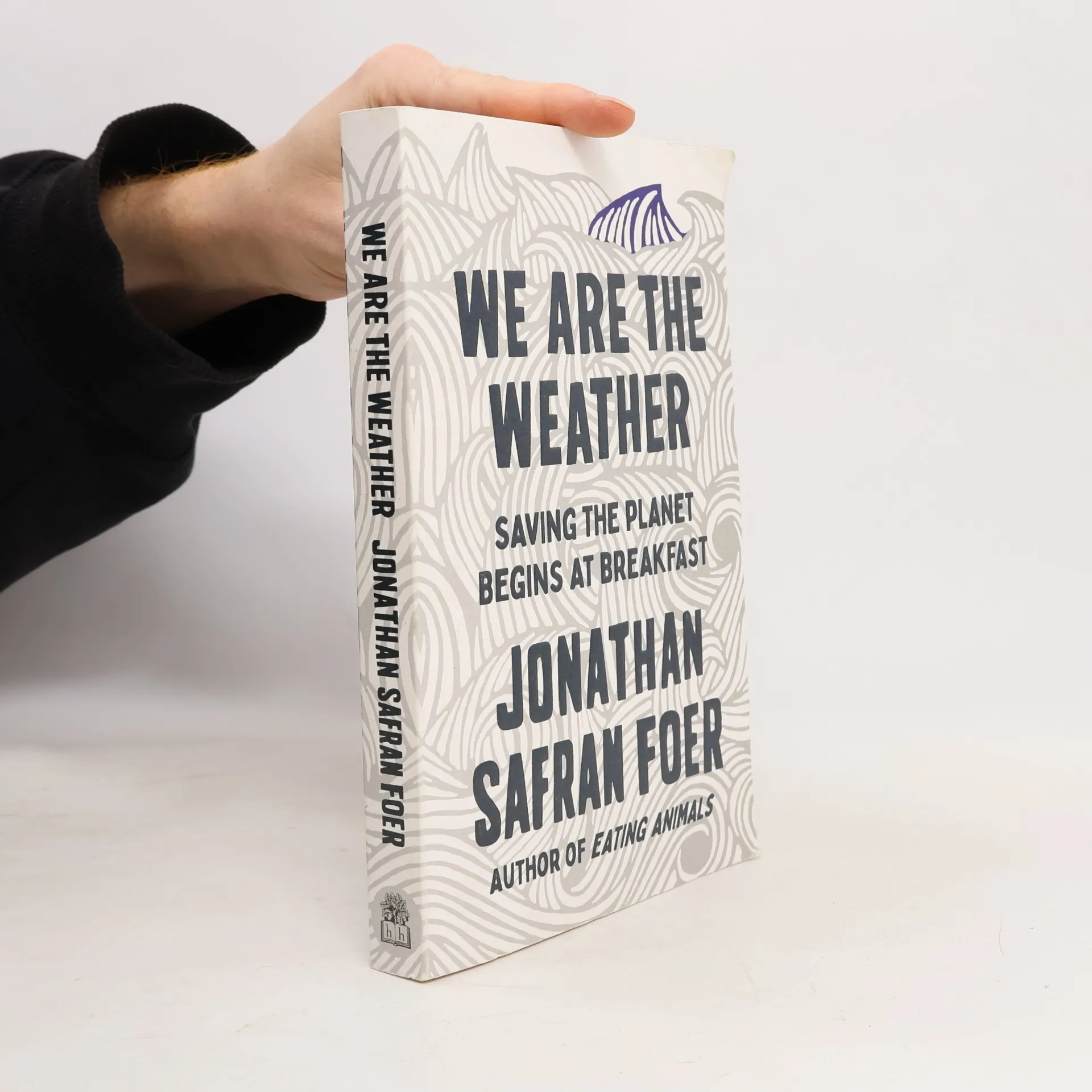
      Some people reject the fact, overwhelmingly supported by scientists, that our planet is warming due to human activities. But do those of us who accept the reality of human-caused climate change truly believe in it? If we did, surely we would be roused to act, to make sacrifices now to prevent calamity in the future. How are we, ordinary civilians, supposed to do anything about a crisis for which we can barely sustain concern, of which our understanding is so incomplete, and from which we cannot imagine an escape? Will future generations distinguish between those who didn't believe in the science of climate change and those who said they accepted the science but didn't act? In We Are the Weather, Jonathan Safran Foer explores the central dilemma of our time in a surprising, creative, and urgent new way. We have, he reveals, turned our planet into a farm for growing meat, and the consequences are catastrophic. With the future of our home at stake, the time has come to consider how our descendants will judge our actions at this crucial moment. Collective action is needed. We might be able to pull it off--and it all starts with what we eat, and don't eat, for breakfast and lunch.

      We Are The Weather. Saving the Planet Begins at Breakfast
    • 2016

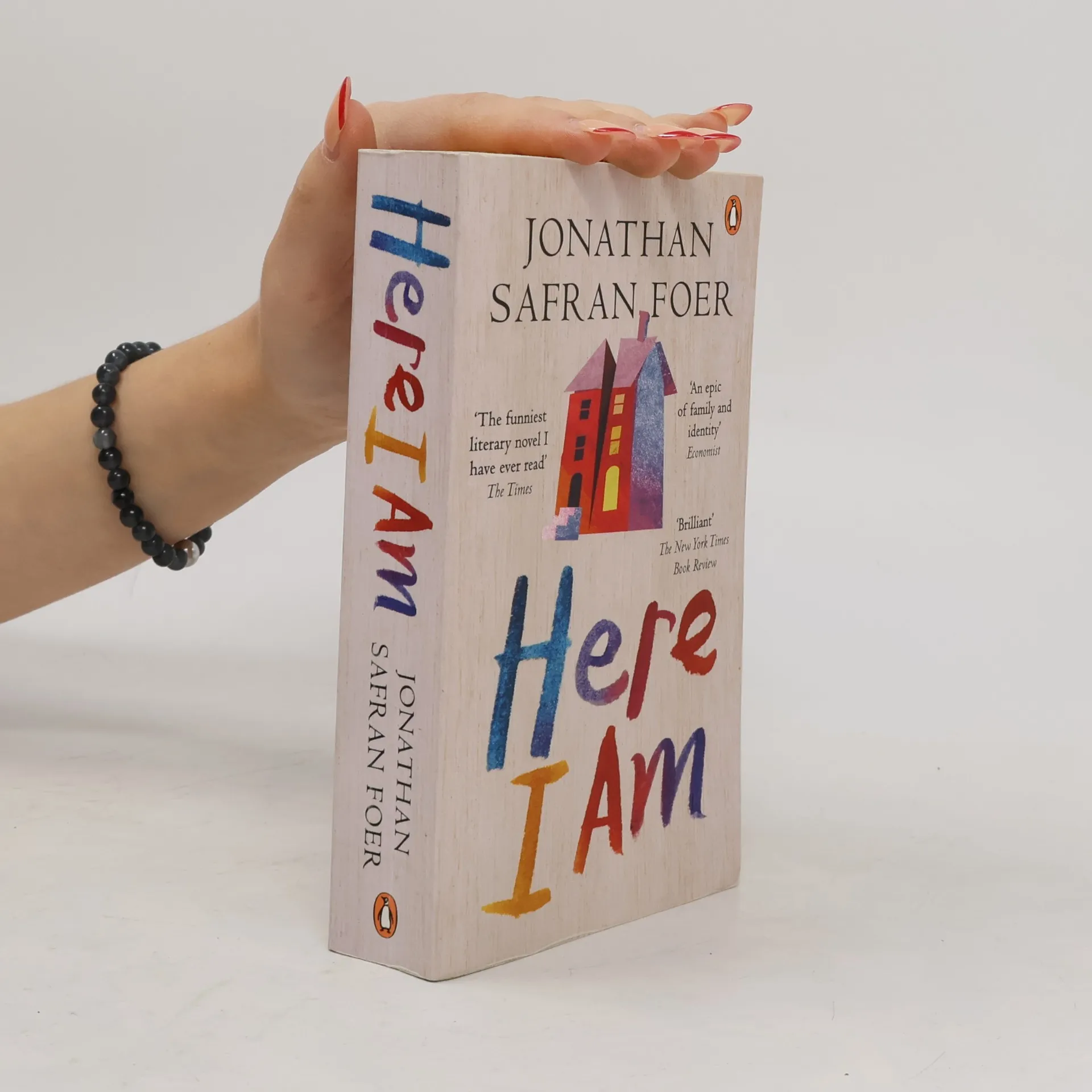
      In the book of Genesis, when God calls out, "Abraham!" to order him to sacrifice his son Isaac, Abraham responds, "Here I am." Later, when Isaac calls out, "My father!" to ask him why there is no animal to slaughter, Abraham responds, "Here I am." How do we fulfill our conflicting duties as father, husband, and son; wife and mother; child and adult? Jew and American? How can we claim our own identities when our lives are linked so closely to others? These are the questions at the heart of Jonathan Safran Foer's first novel in eleven years - a work of extraordinary scope and heartbreaking intimacy. Unfolding over four tumultuous weeks, in present-day Washington, D.C., Here I Am is the story of a fracturing family in a moment of crisis. As Jacob and Julia and their three sons are forced to confront the distances between the lives they think they want and the lives they are living, a catastrophic earthquake sets in motion a quickly escalating conflict in the Middle East. At stake isthe very meaning of home - and the fundamental question of how much life one can bear.

      Here I am
    • 2012

      Новый роман Фоера "Жутко громко и запредельно близко" - это трогательная, глубокая, искренняя и щемящая сердце история, рассказанная 9-летним мальчиком, отец которого погиб в одной из башен-близнецов 11 сентября 2001 года.

      Жутко громко & запредельно близко
    • 2011

      Jonathan Safran Foer skillfully combines narrative and materiality to create a captivating story that emphasizes the physicality of the book in our screen-dominated world. - Olafur Eliasson, artist

      Tree of Codes
    • 2010

      Se niente importa

      Perché mangiamo gli animali?

      • 348 pages
      • 13 hours of reading

      Jonathan Safran Foer, da piccolo, trascorreva il sabato e la domenica con sua nonna. Quando arrivava, lei lo sollevava per aria stringendolo in un forte abbraccio, e lo stesso faceva quando andava via. Ma non era solo affetto, il suo: dietro c'era la preoccupazione costante di sapere che il nipote avesse mangiato a sufficienza. La preoccupazione di chi è quasi morto di fame durante la guerra, ma è stato capace di rifiutare della carne di maiale che l'avrebbe tenuto in vita, perché non era cibo kosher , perché "se niente importa, non c'è niente da salvare". Il cibo per lei non è solo cibo, è "terrore, dignità, gratitudine, vendetta, gioia, umiliazione, religione, storia e, ovviamente, amore". Una volta diventato padre, Foer ripensa a questo insegnamento e inizia a interrogarsi su cosa sia la carne, perché nutrire suo figlio non è come nutrire se stesso, è più importante. Questo libro è il frutto di un'indagine durata quasi tre anni che l'ha portato negli allevamenti intensivi, visitati anche nel cuore della notte, che l'ha spinto a raccontare le violenze sugli animali e i venefici trattamenti a base di farmaci che devono subire, a descrivere come vengono uccisi per diventare il nostro cibo quotidiano. In un libro che è insieme racconto, inchiesta e testimonianza, Foer invita tutti alla riflessione, indicando nel dolore degli animali - e soprattutto nella nostra sensibilità verso chi è "inerme" e "senza voce" - il discrimine fra umano e inumano, fra chi accetta senza discutere le condizioni imposte dall'allevamento industriale e chi le mette in discussione.

      Se niente importa
    • 2010

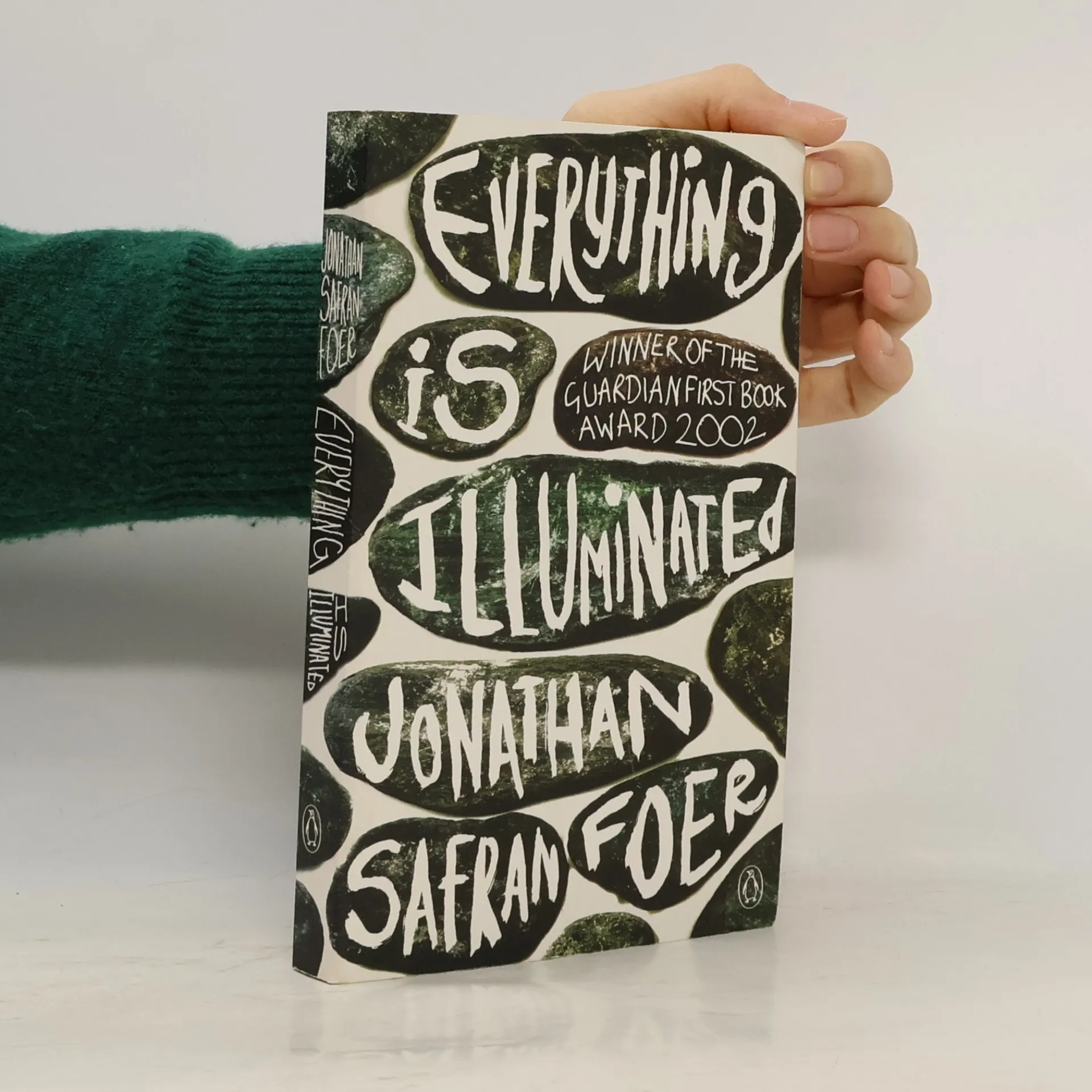
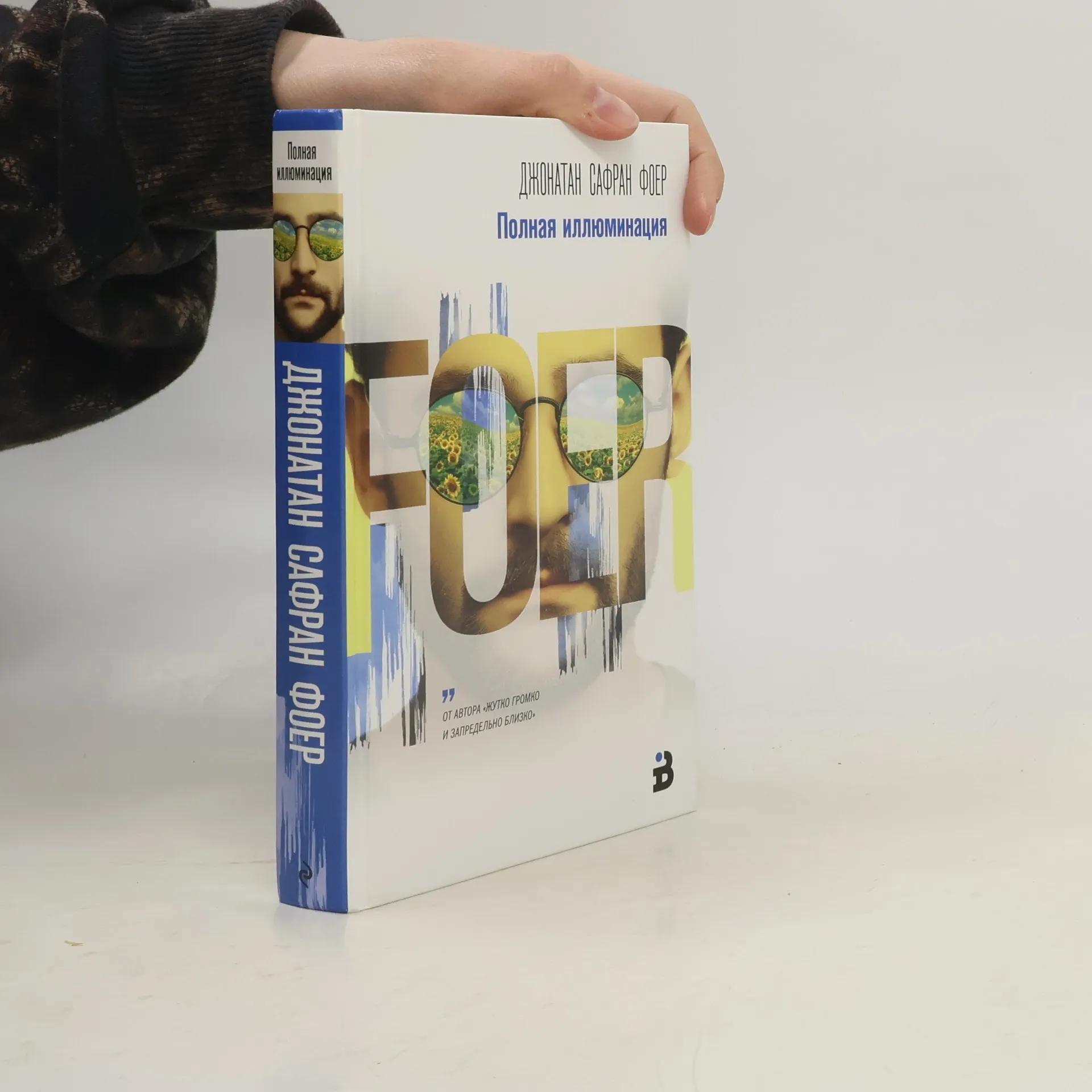
      В печально-смешном путешествии двух подростков - американцев и украинца - сплелись воедино события Второй мировой войны, традиции еврейского народа и взгляд на современную молодежь, которая за цинизмом и бахвальством скрывает свои ранимые души...

      Полная иллюминация (Polnaya illyuminatsiya)