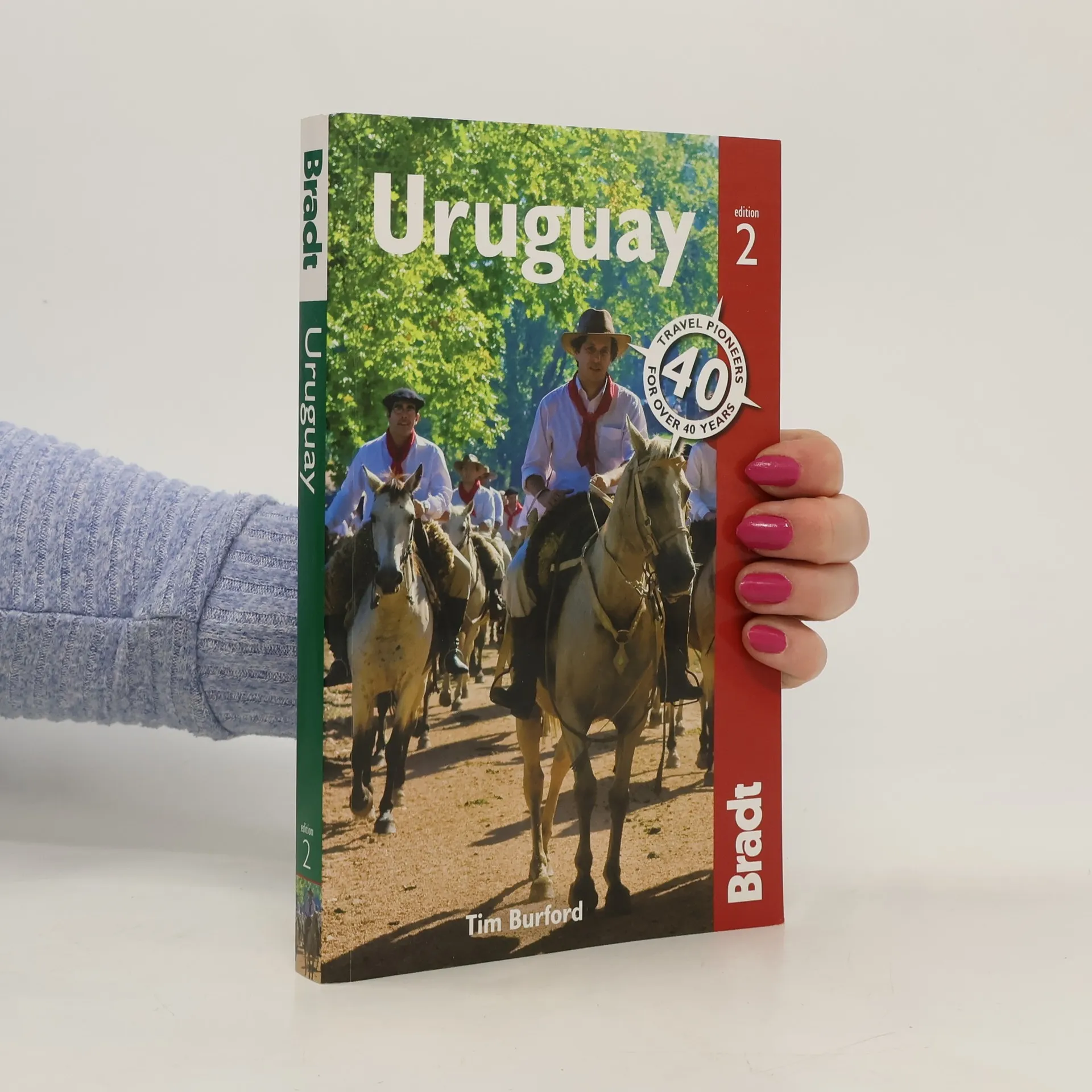
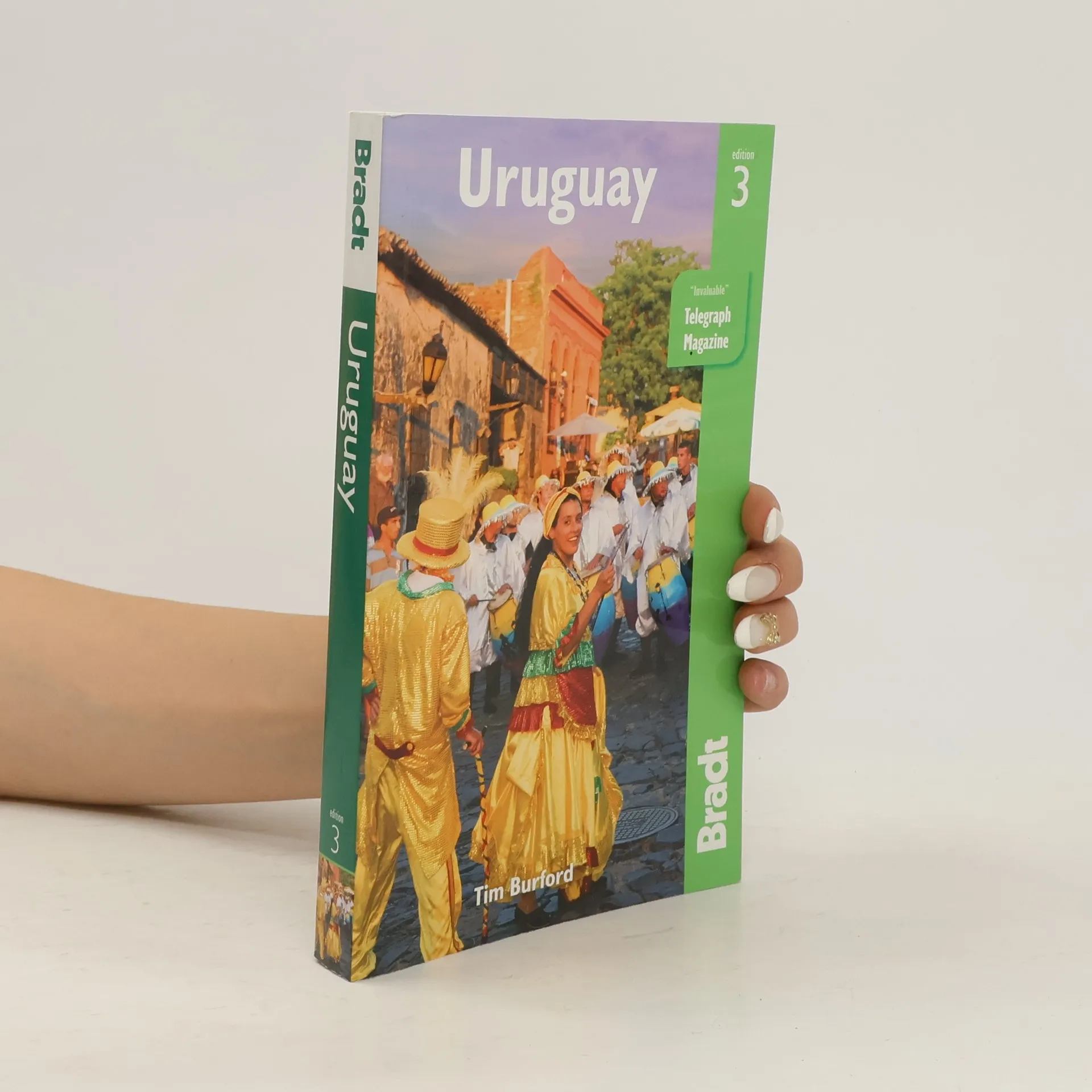
Uruguay Travel Guide - Travel tips and advice including Montevideo highlights,
hotels and restaurants, beaches, activities like birdwatching, horseriding and
hiking. Also featuring suggested itineraries, Canelones wine tasting, estancia
stays, gauchos and local culture, national parks, wildlife, Rio Paraguay, Jose
Ignacio, Fray Bentos, San Javier.
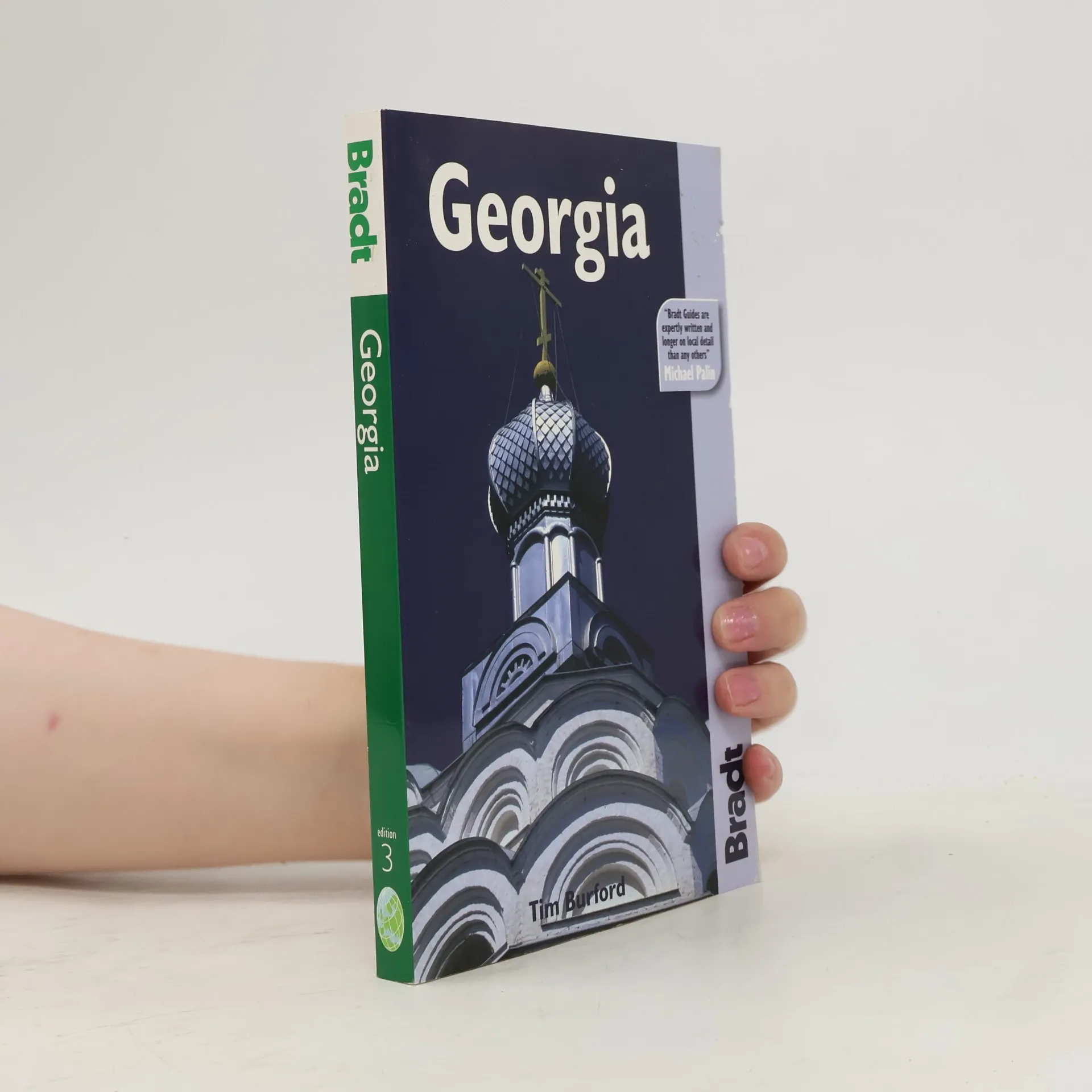
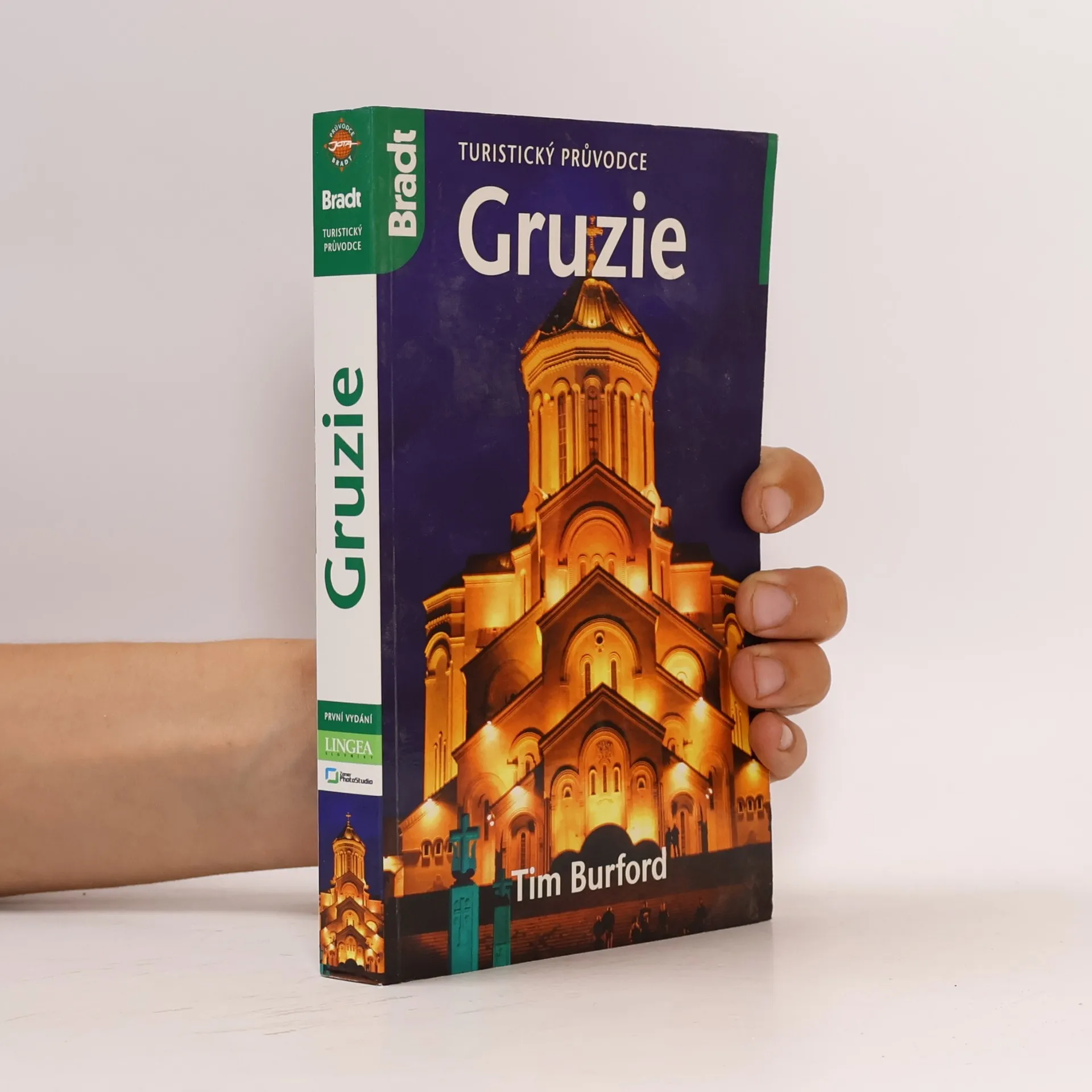
This guide provides the most up to date and detailed source of hard facts for independent travelers and hikers on getting to and around this little explored but very welcoming ex-Soviet state. Thorough coverage is provided on the increasingly cosmopolitan capital, Tbilisi, together with plenty of suggestions for itineraries further afield, highlighting Georgia's picturesque and unspoiled countryside. Features *The Black Sea coast, Caucasus mountains, and Svaneti *A traveler's guide to Georgian hospitality, customs, and transport *The flora and fauna of the region
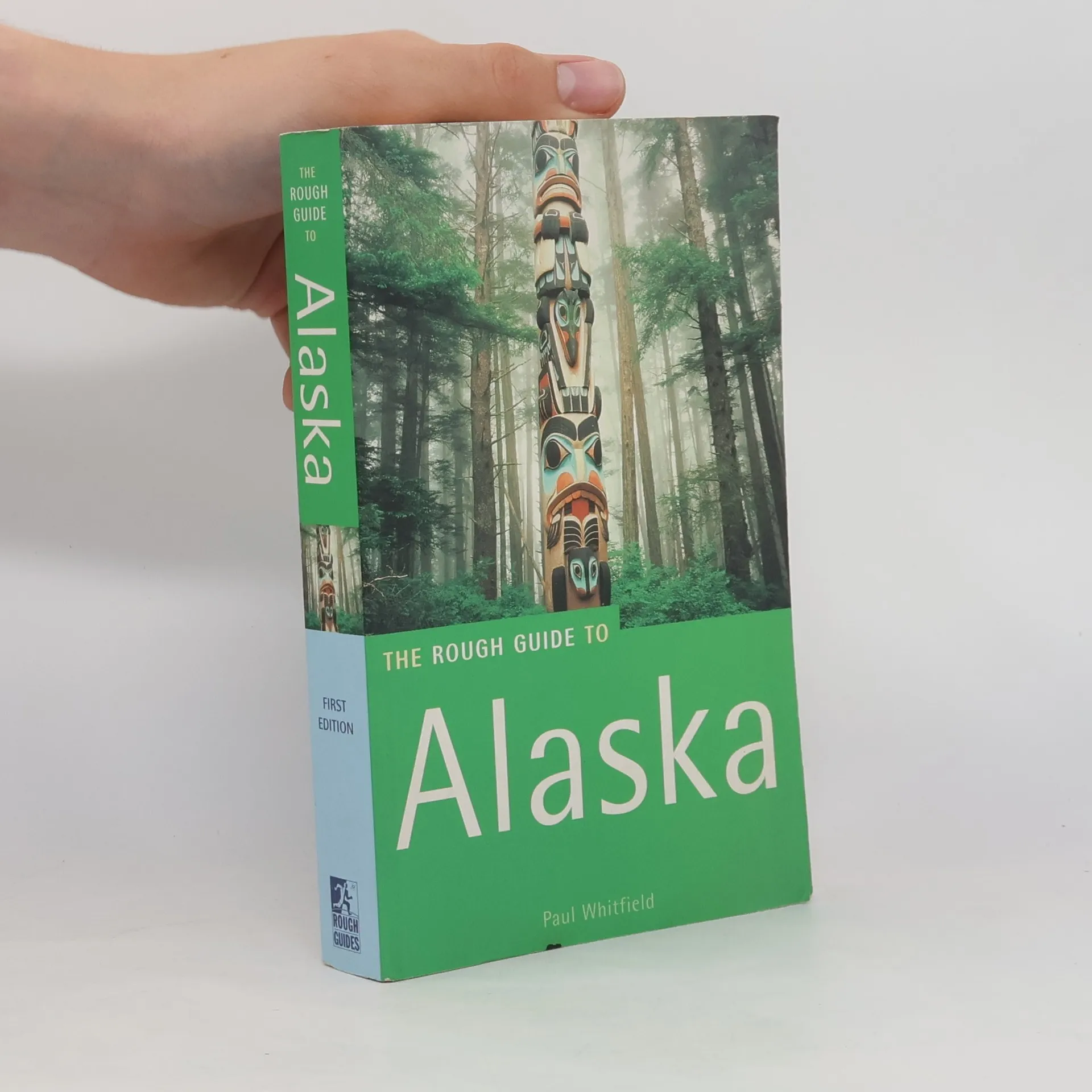
This guide to Alaska covers the state's wilderness, from Mount McKinley to the glaciers of Prince William Sound and the northern lights. There are reports on Anchorage, Juneau, all towns, and details of festivals, hiking, rafting, kayaking, fishing, and ideas on navigating the roads and highways.
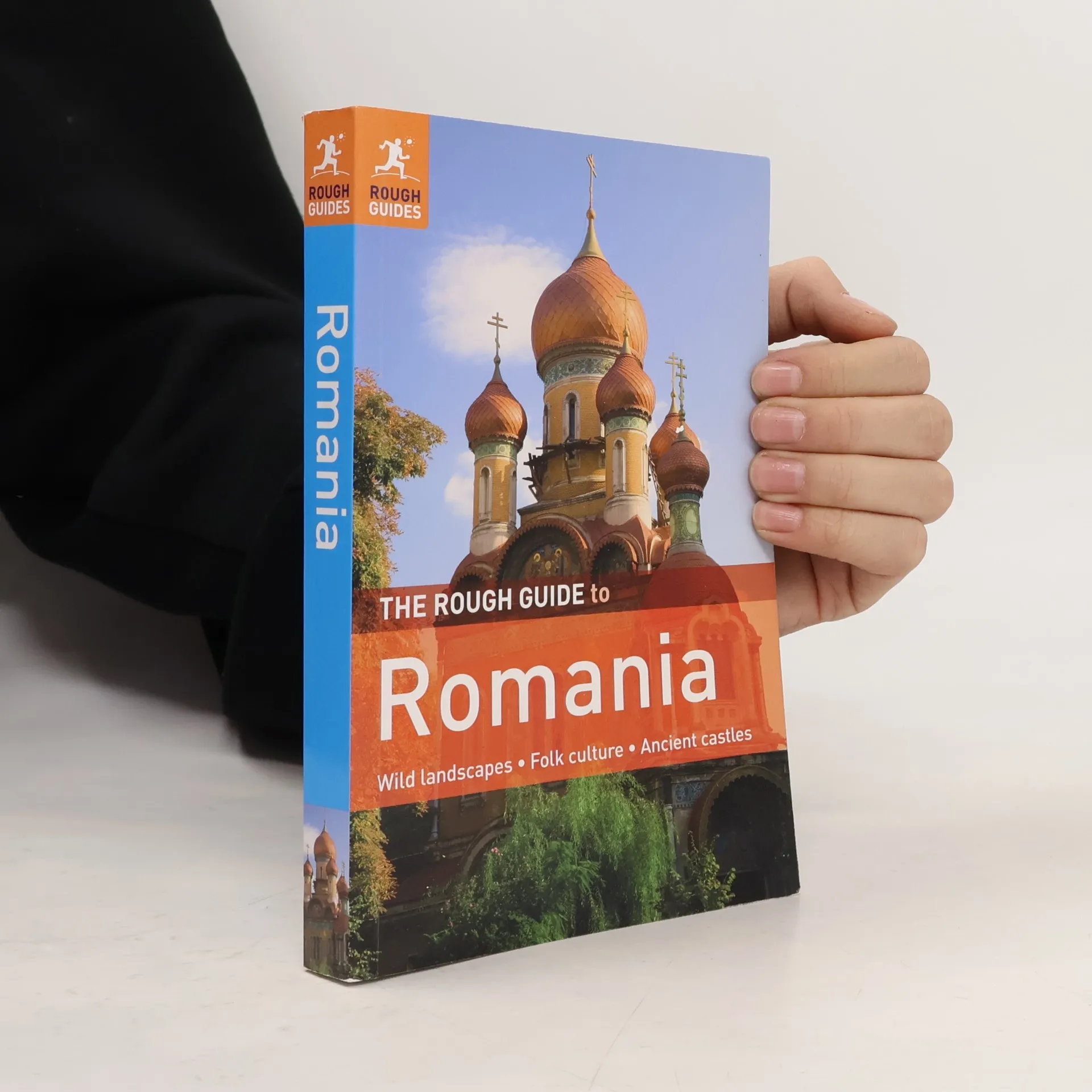
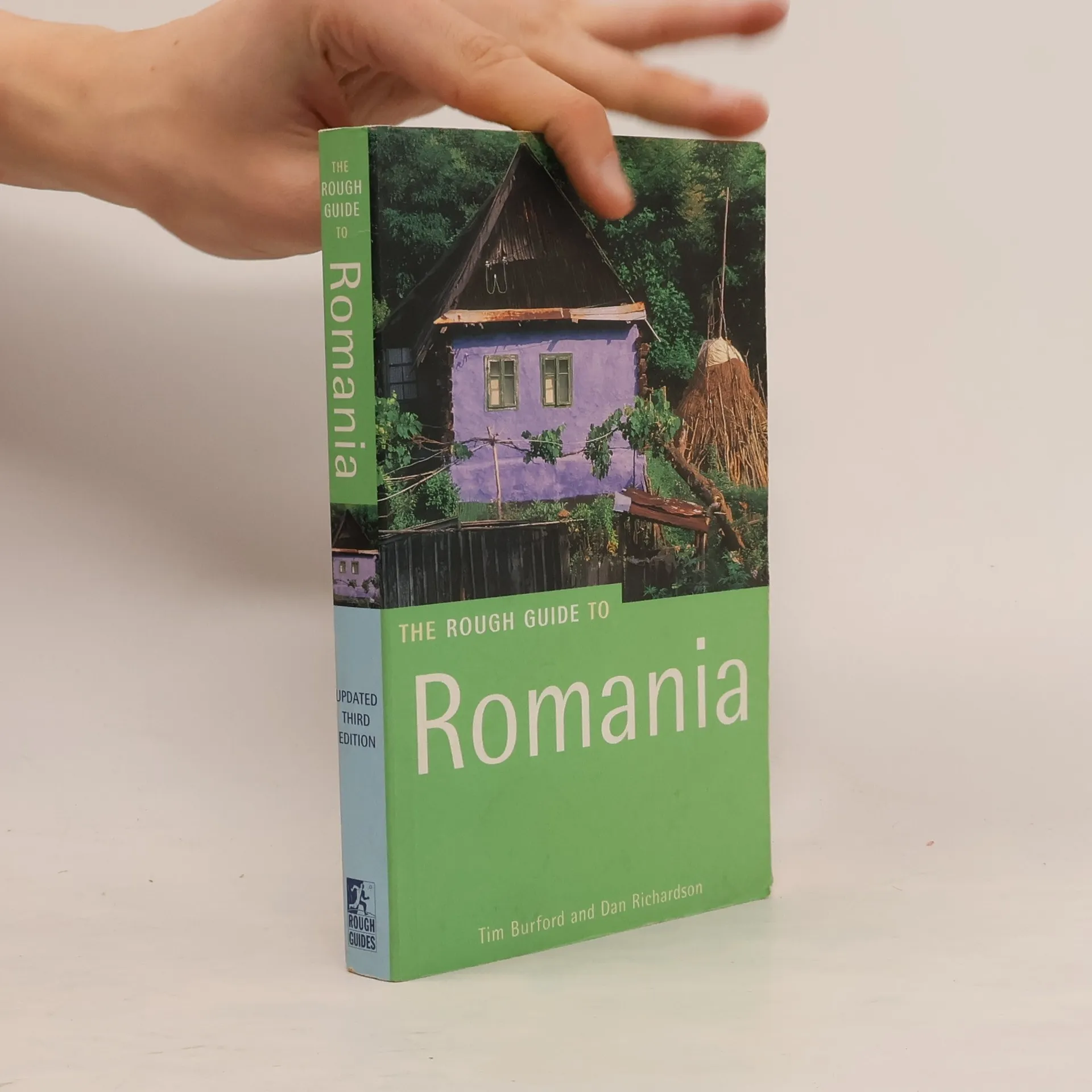
From the wilds of the Carpathian mountains to the beautiful Delta wetlands, and from medieval churches to traditional local festivals, Romania is a country waiting to be discovered. Get expert advice on travelling around, whether you're chugging along on an old-fashioned train or bundled with the locals into a maxitaxi, and read the latest tips on where to find the most welcoming village homestays and the tastiest Moldavian parjoale Make the most of your time on earth(tm) with The Rough Guide to Romania.
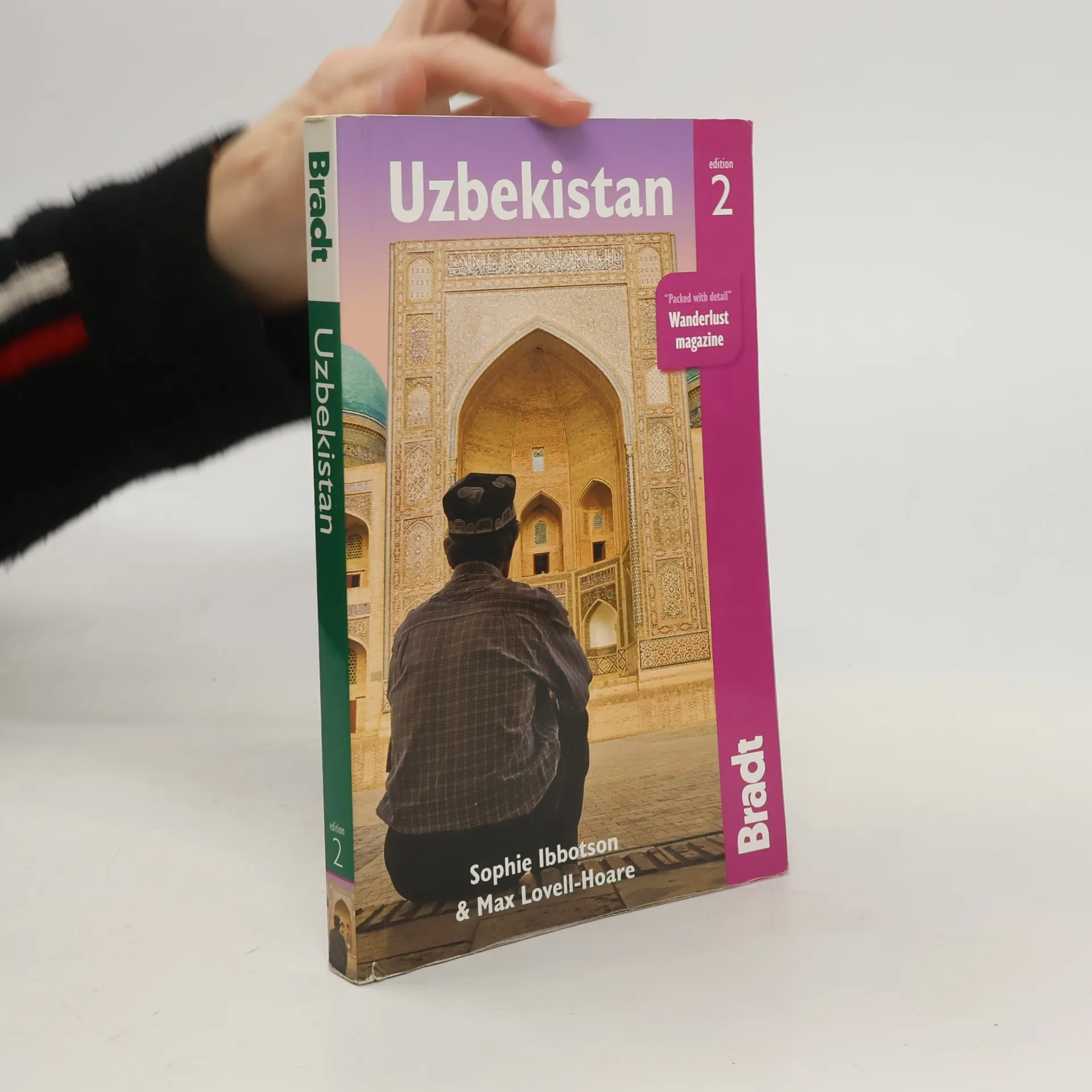
Uzbekistan Travel Guide - Expert advice and holiday tips including Tashkent
architecture and hotels, Silk Road history, Islamic art and textiles, museums
and culture. Also included are detailed maps, trekking and hiking routes,
touring by bike, public transport, archaeological sites like Samarkand and
Bukara, Fergana Valley and Kyzylkum Desert.
Traveling in Romania offers both rewards and challenges, with its stunning mountain scenery, diverse wildlife, and unique cultures leaving a lasting impression on visitors. While the country is not as impoverished as some neighboring regions, it remains one of the more difficult places to navigate in Eastern and Central Europe. The legacy of Nicolae Ceausescu's regime and subsequent economic disruptions have led to significant austerity measures, impacting real earnings. Package tours can shield travelers from these realities, but independent exploration reveals the true charm of Romania, especially in its less-visited areas. Embracing the journey, with its encounters with locals and unique experiences, can be far more enriching than typical tourist attractions.
The Romanian people, primarily of Latin descent, are known for their warmth and appreciation of life's pleasures, despite the economic challenges they face. The country is home to a rich tapestry of ethnic groups, including Magyars and Transylvanian Germans, each contributing to its cultural diversity. While Bucharest struggles with traffic and urban decay, it remains the cultural and commercial hub. Other cities, like Brasov, Sibiu, and Cluj, offer glimpses of Romania's historical glory, particularly in Transylvania and Banat, where travel is more accessible. These regions boast medieval architecture and vibrant local culture, making them ideal starting points for an
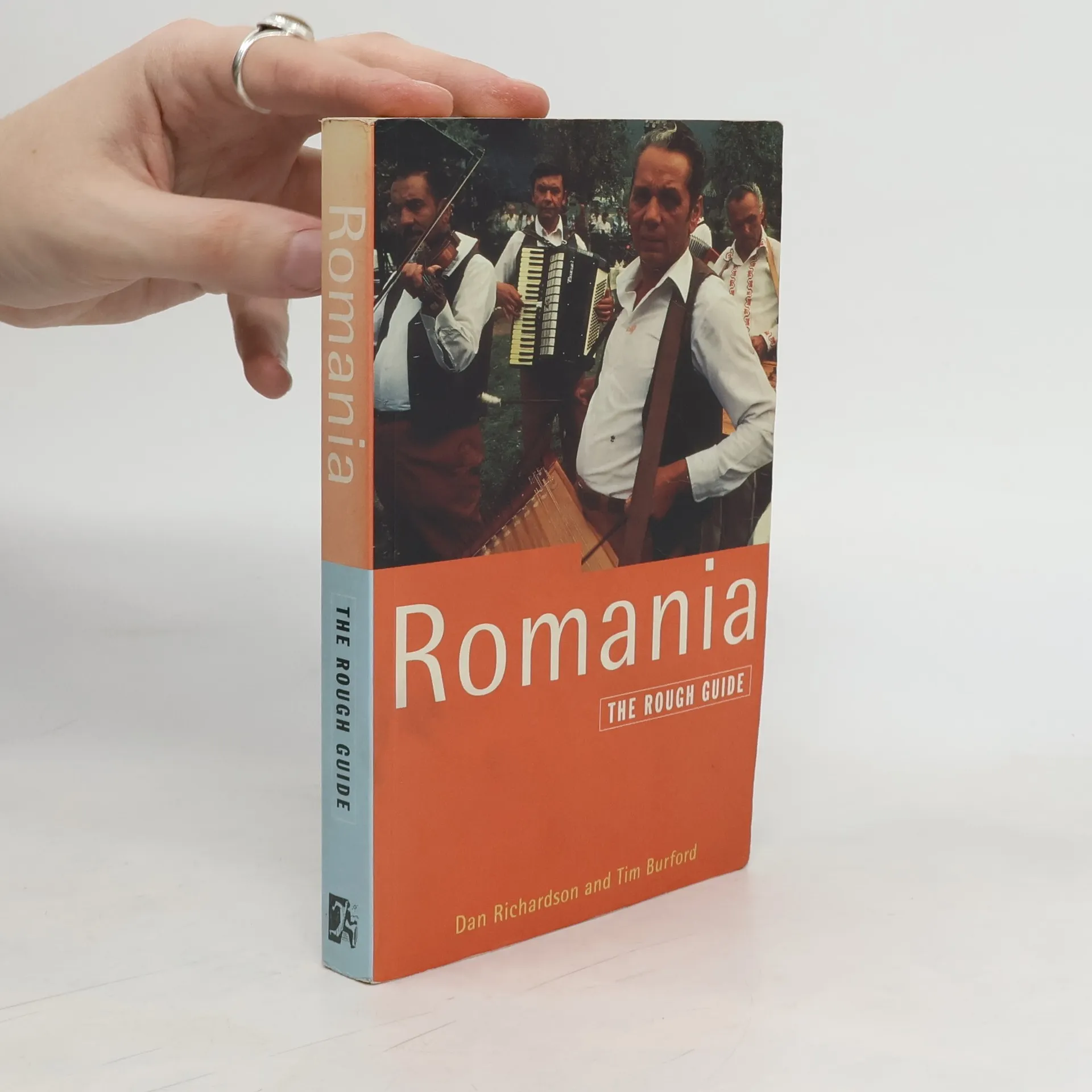
Based in part on chapters from the now out of print ROUGH GUIDE TO EASTERN EUROPE, a travel guide to post-Ceaucescu Romania, which offers practical, cultural, political and historical information on the country.
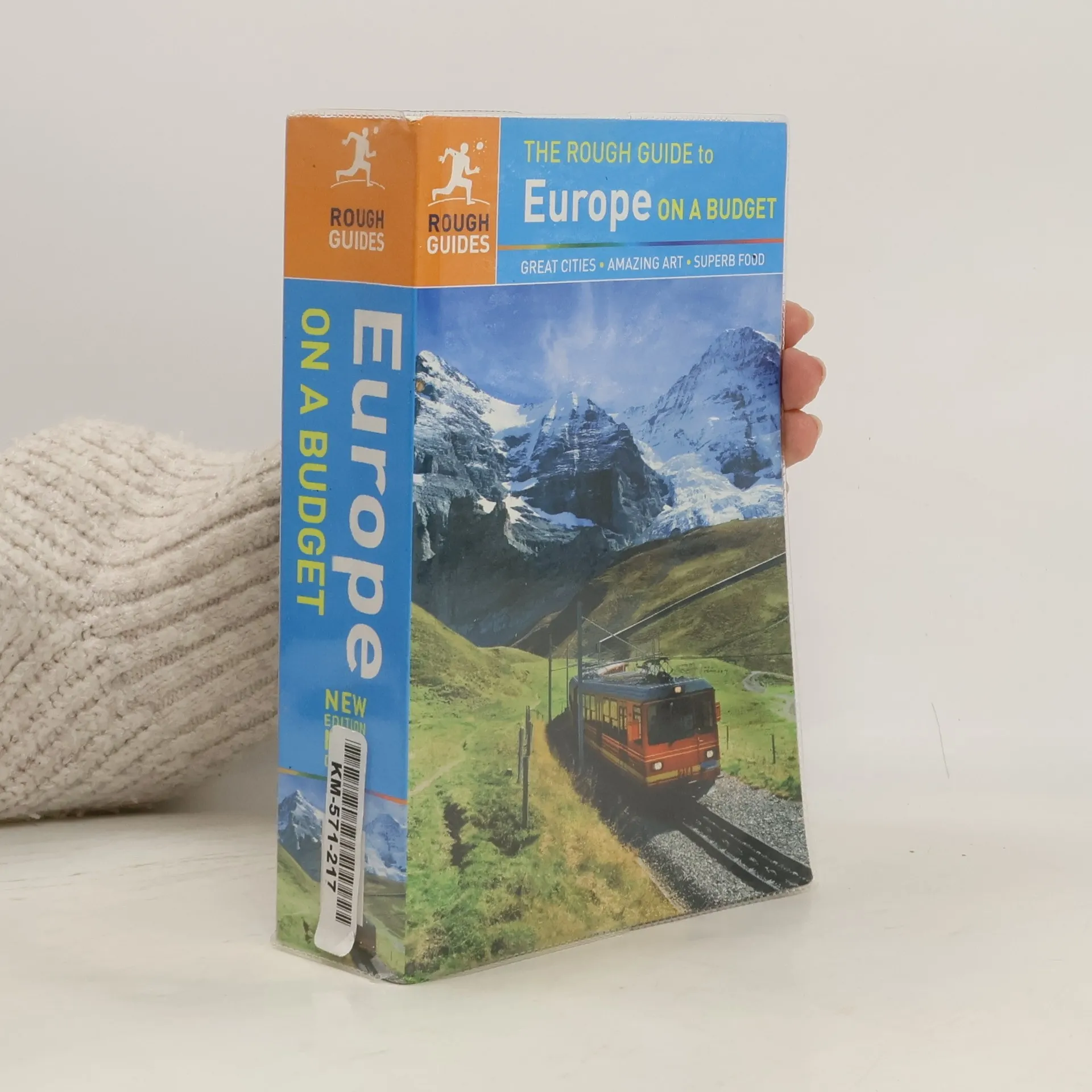
Offers advice on planning an economical trip to Europe, discusses the history and culture of the region, outlines itineraries, and recommends the best values in accommodations, tourist attractions, and restaurants.
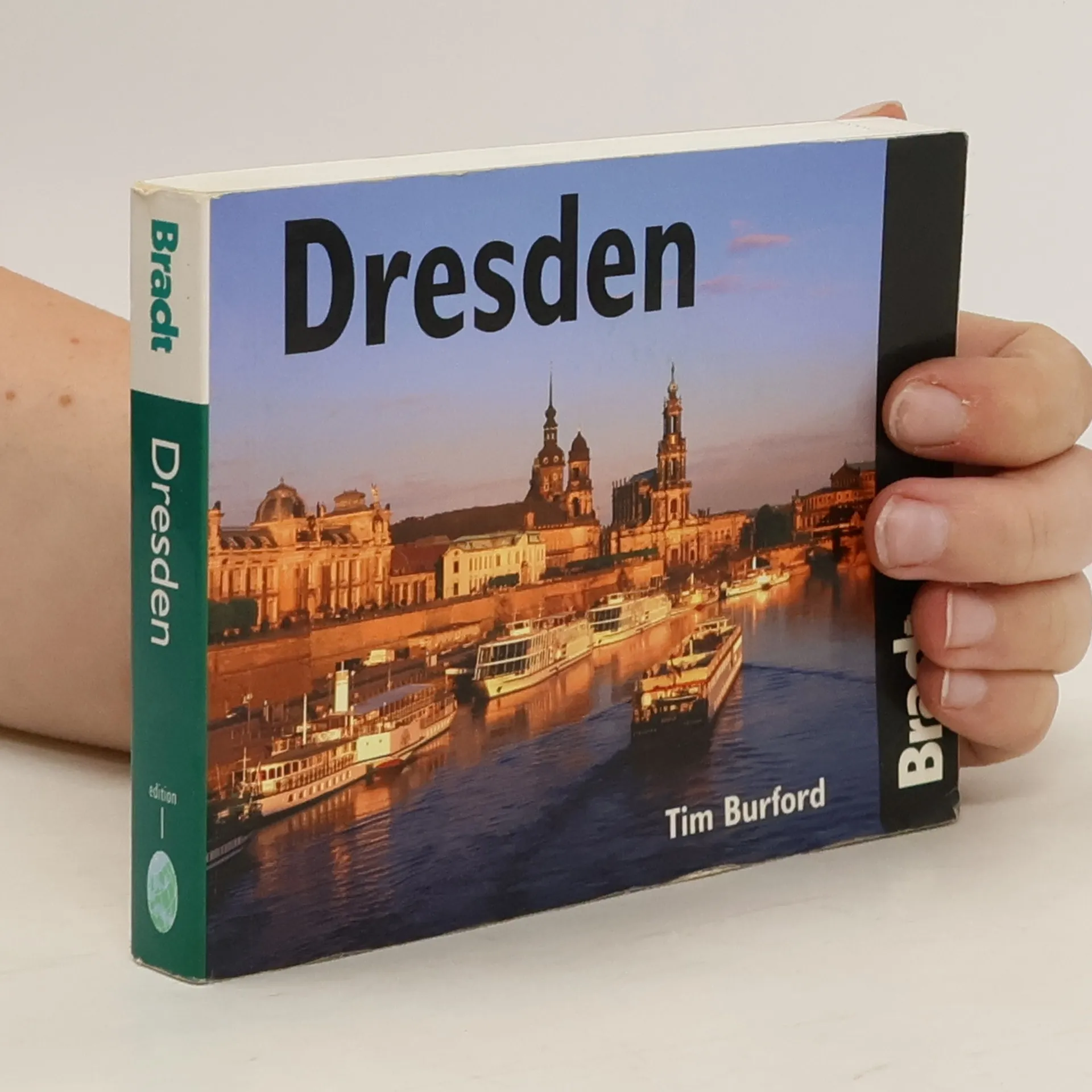
Dresden is arguably the finest Baroque city in Europe, now fully rebuilt after the devastation of World War II. The city is fast becoming one of Germany’s highlights and the riverside terraces are on UNESCO's World Heritage List.In Bradt’s new guide, the author delves into the city’s musical heritage (many of Richard Strauss's operas were premiered here) and its art treasures (including some of the greatest works of the Italian Renaissance).
Full-color throughout, The Rough Guide to Wales is the ultimate guide to this beautiful country. In The Rough Guide to Wales :- More than 50 color-coded maps featuring every listing- Area-by-area chapter highlights- Top 5 boxes- "Things not to miss" sectionThe introduction will help you choose where to go and what to see, inspired by dozens of stunning photos. The Things Not To Miss section runs through all the must-sees, while the Itineraries guide you around the country's highlights. Navigation through the book and on the ground is aided by clear color maps with every chapter. Each map is keyed with all the accommodation, eating and drinking options, nightlife venues and shops that are reviewed in detail in the Listings chapters.Make the most of your trip with The Rough Guide to Wales .About Rough Guides: With more than 30 years of experience and a trademark "tell it like it is" writing style, Rough Guides travel guidebooks cover all the basics with practical, on-the-ground details, as well as unmissable alternatives to the usual must-see sights. Each guide also reviews the best accommodation and restaurants in all price brackets so you can choose the best experiences for staying on a budget-and for splashing out.
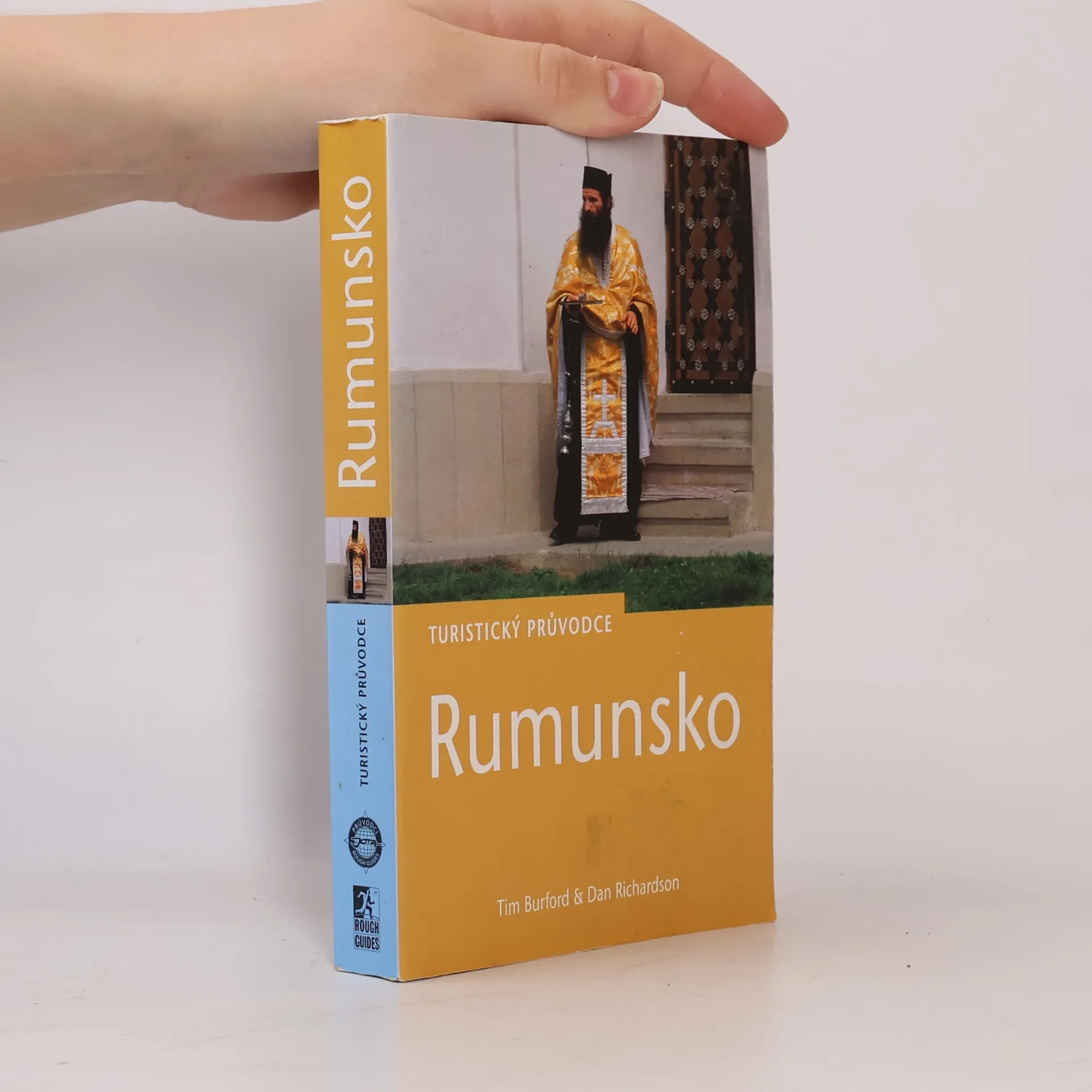
Průvodce z řady Rough Guide doporučuje nejlepší místa k pobytům a mapuje hlavní pamětihodnosti počínaje hlavním městem Bukurešťí až po moldavské monastýry a hrady v Transylvánii. Dále poskytuje užitečné informace týkající se rumunské přírody včetně typů na výlety. Průvodce obsahuje barevnou fotopřílohu a více než třicet map.
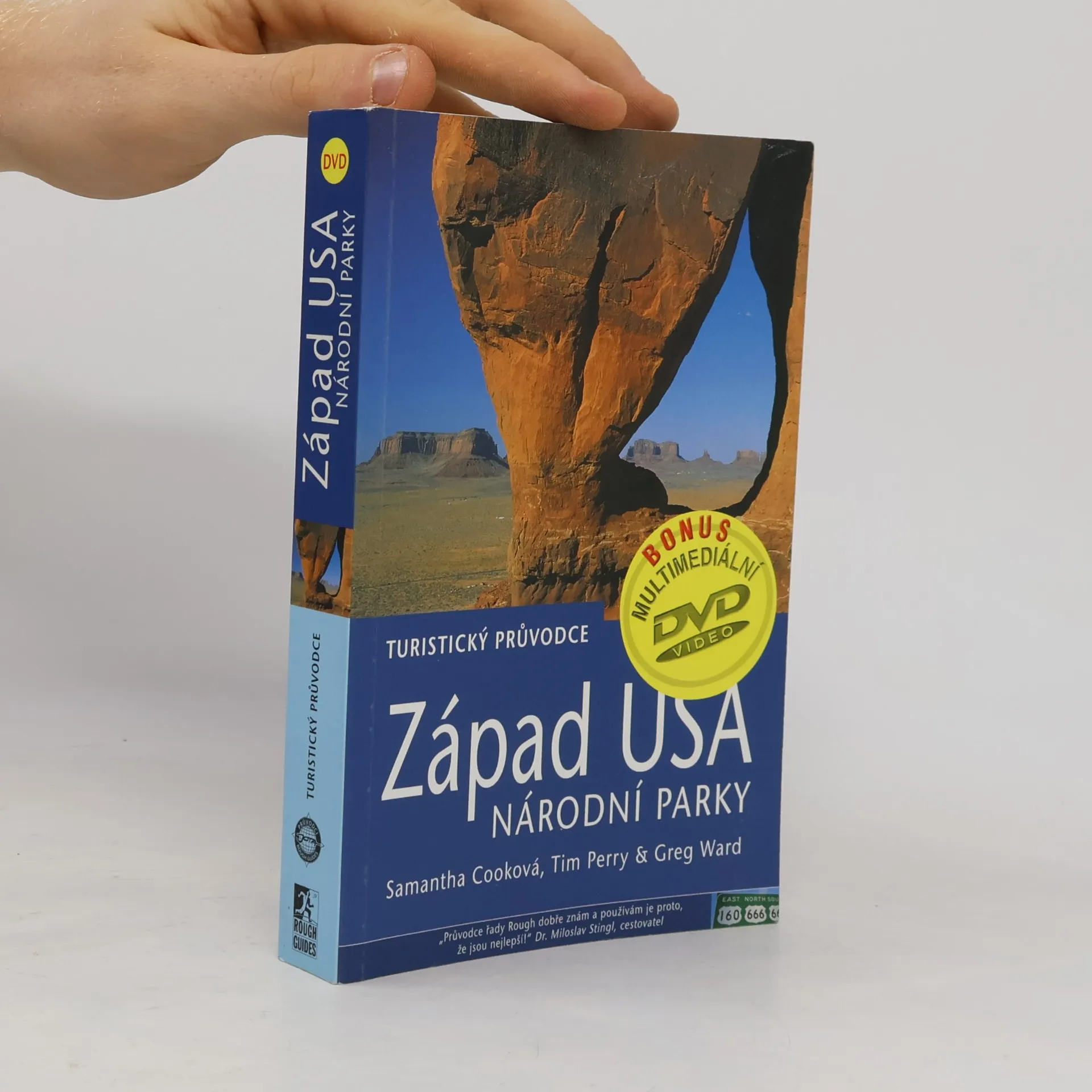
Nejaktuálnější a nejpodrobnější průvodce po zemi indiánů, zlatokopů a kovbojů.
Průvodce západní částí Spojených států obsahuje cenné informace pro cestovatele, kteří se budou chtít orientovat jak v takřka nedotčené přírodě obrovského území Skalistých hor, Západního pobřeží a jihozápadních pustin, kde se nachází naprostá většina legendárních amerických národních parků, tak i v divoké džungli amerických velkoměst té oblasti.
Cennou předností těchto průvodců je, že veškeré praktické informace o dopravě, ubytování, pamětihodnostech i přírodních krásách dané země zasazuje do kulturně–historického kontextu, čímž se z neživých kulis pro turisty stává autentické prostředí, ve kterém žijí skuteční lidé se skutečnou minulostí i přítomností.
Rough Guide USA – Západní část není v tomto ohledu žádnou výjimkou, a spíše než na běžné turisty se zaměřuje na cestovatele, kteří mají zájem o hlubší poznání americké reality.
USA západ - národní parky je odborně pojatá kniha, ve které se jednoduchou f
Nový, významně doplněný a aktualizovaný průvodce Gruzií vás provede po všech krásách této země. Od přírodních památek, až po velká města. Na hlavním městě Tbilisi jsou asi nejlépe vidět změny, kterými země prošla, například na moderních stavbách, jakou je budova opery, nebo Saakašviliho prezidentský palác. Většinu země můžete projet během jednodenního výletu a ubytovat se luxusních hotelích v Tbilisi a Batumi. Přístupné jsou i vzdálené oblasti Svaneti a údolí Pankisi. Mestia, která je centrem oblasti Svaneti už má i své letiště a lyžařské středisko. Průvodce pokrývá celou zemi, včetně černomořské oblasti Batumi u tureckých hranic.