

Explore the latest books of this year!
Bookbot

Cedric Thomas Watts

    Cedric Watts is a distinguished literary critic and scholar whose extensive publications delve deeply into literary analysis and scholarly critique. His works explore complex themes and styles, often drawing from a profound understanding of classic literature and Shakespearean drama. Watts's approach is characterized by its analytical precision and his ability to uncover hidden meanings and nuances within literary texts. His scholarship offers readers an enriching perspective on the art of the written word.

    Julius Caesar
    Macbeth
    Othello
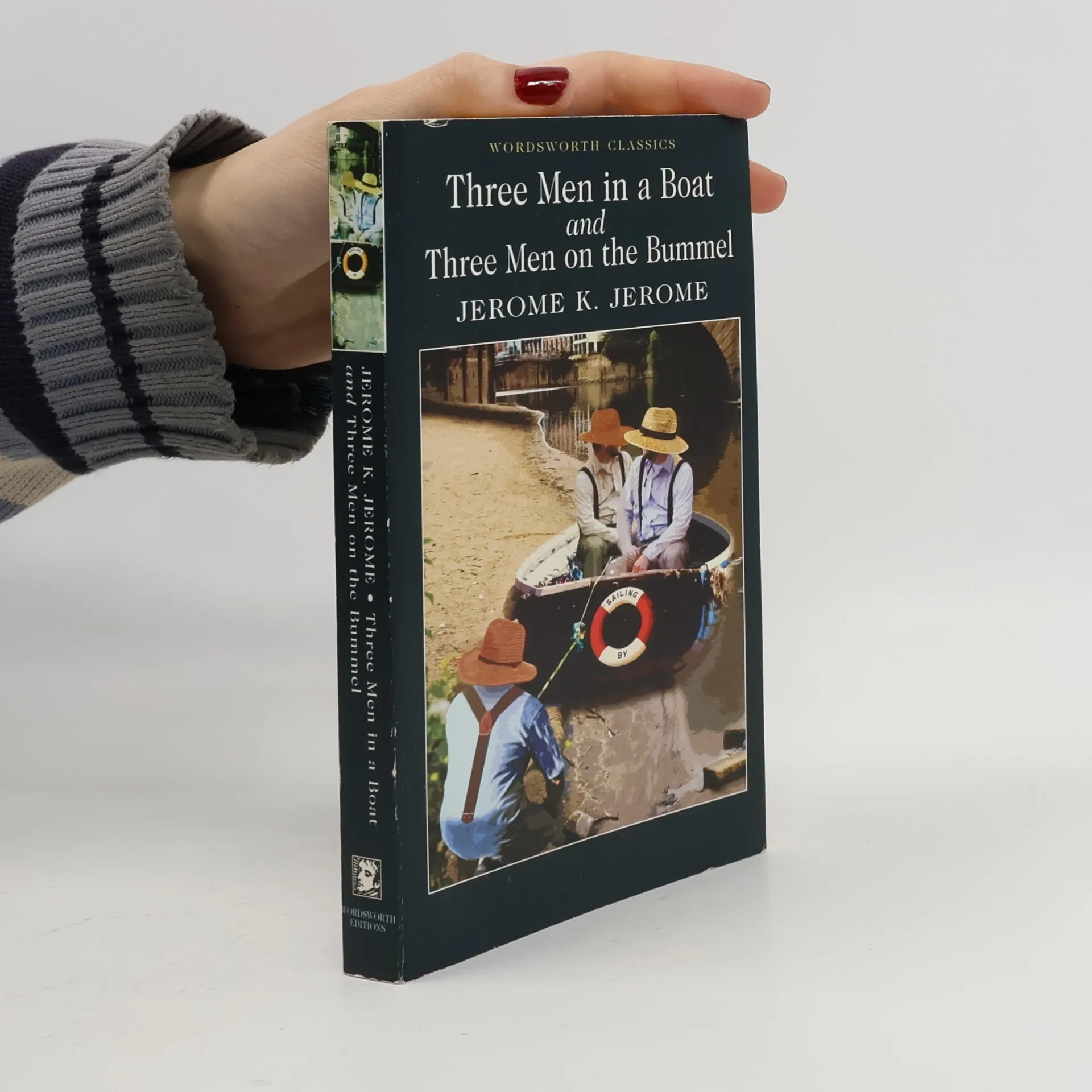
    Three Men in a Boat & Three Men on the Bummel
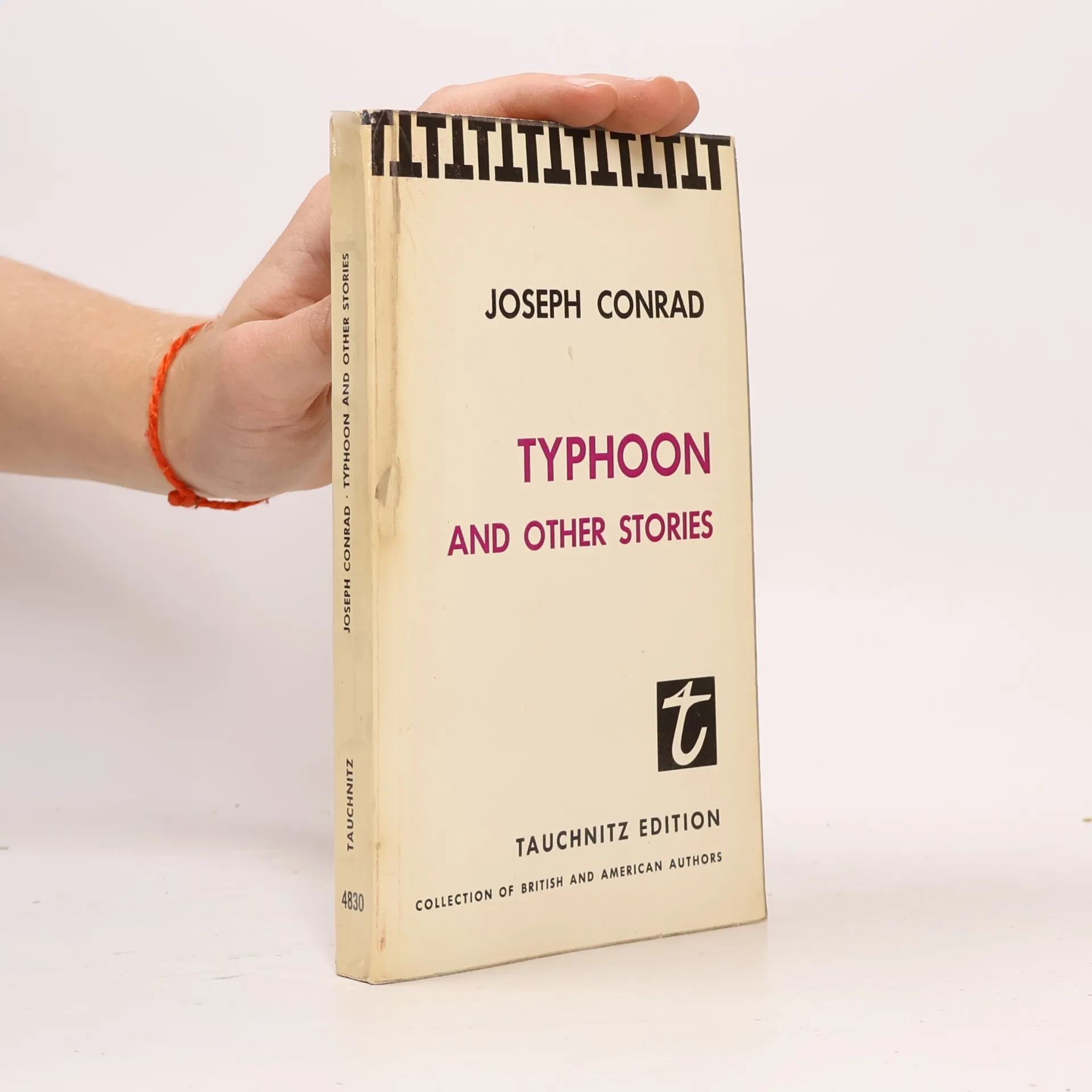
    Typhoon and Other Tales
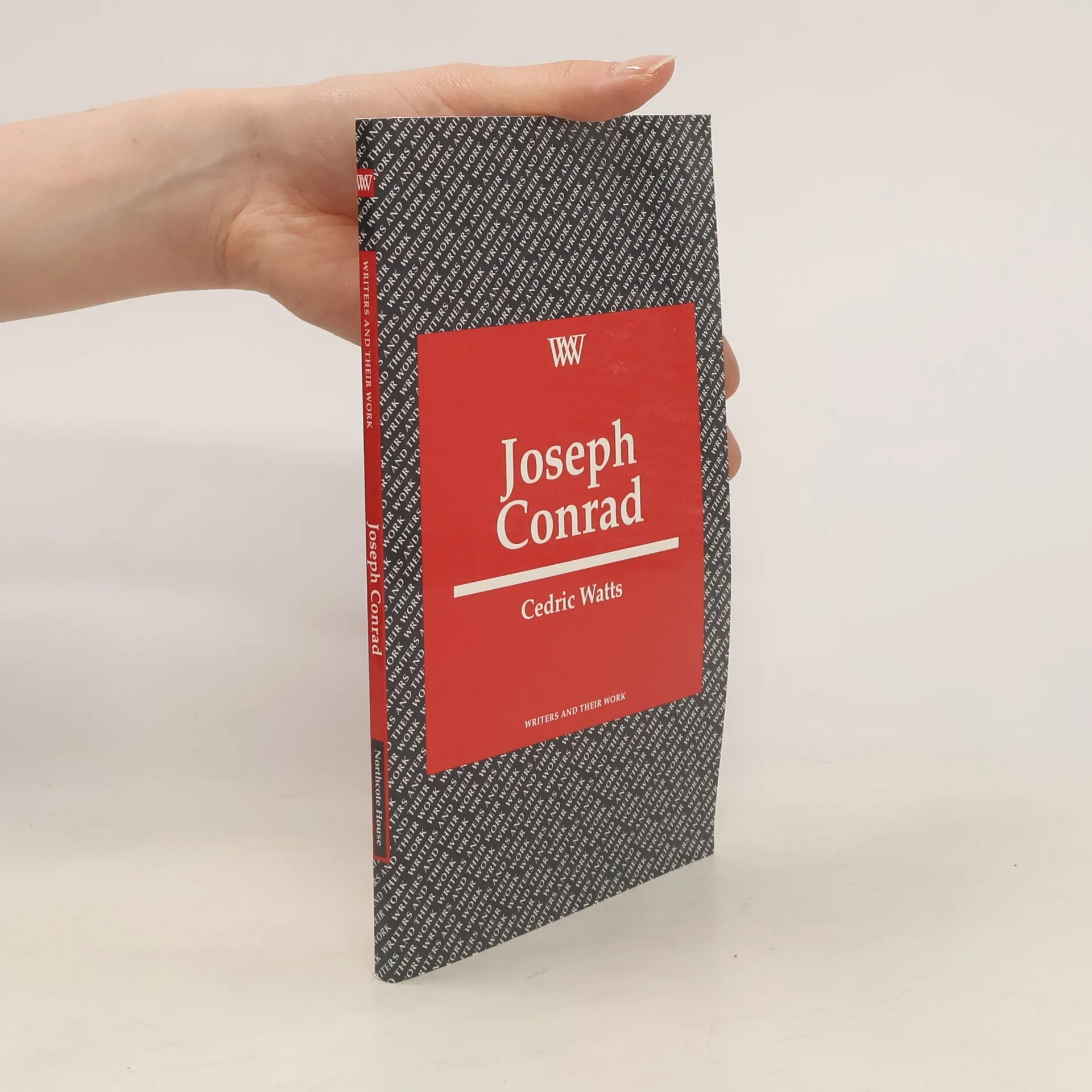
    Joseph Conrad
    • Joseph Conrad

      • 80 pages
      • 3 hours of reading

      Professor Watts’s study examines the main phase in Joseph Conrad’s literary development.

      Joseph Conrad
      3.8
    • Contains four stories, written between 1900 and 1902. One of them reveals the differences between instinct and intelligence in a partnership vital to human survival; and the other contains 'land-stories' that explore the utter isolation of an East European emigrant in England and in the other, the plight of a woman.

      Typhoon and Other Tales
      4.0
    • Othello

      • 236 pages
      • 9 hours of reading

      This second edition of Othello features a new introductory section by Scott McMillin.

      Othello
      4.0
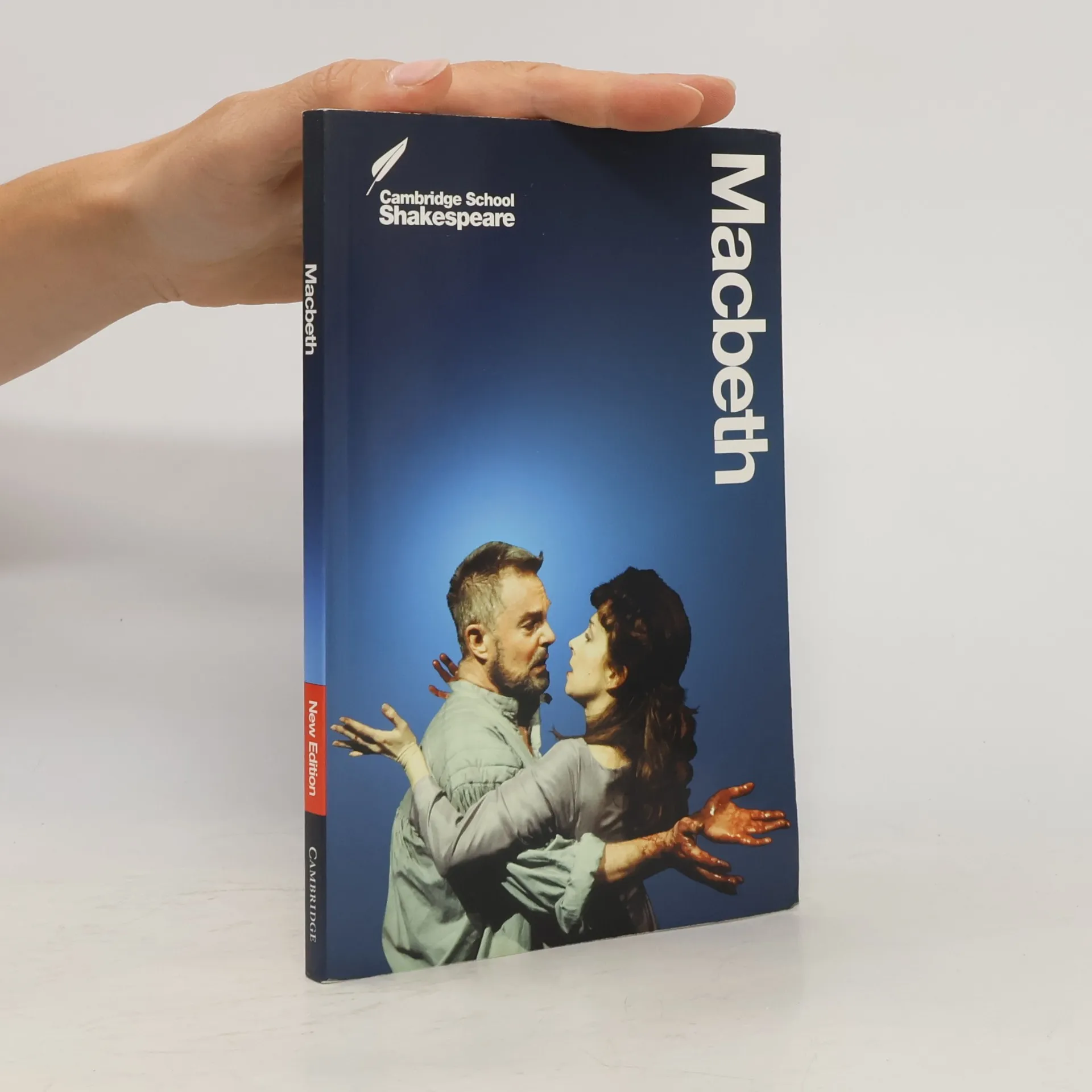
    • Macbeth

      • 128 pages
      • 5 hours of reading

      Encompasses witchcraft, bloody murder, and ghostly apparitions. This work tells the tragedy of a good, brave and honourable man turned into the personification of evil by the workings of unreasonable ambition.

      Macbeth
      3.9
    • Slavná a nesmrtelná Shakespearova tragedie o lásce dvou milenců z nesvářených rodů Monteků a Kapuletů.

      Romeo a Julie
      3.8
    • Loose ends and red herrings are the stuff of detective fiction, and under the scrutiny of master sleuths John Sutherland and Cedric Watts Shakespeare's plays reveal themselves to be as full of mysteries as any Agatha Christie novel. Is it summer or winter in Elsinore? Do Bottom and Titania make love? Does Lady Macbeth faint, or is she just pretending? How does a man putrefy within minutes of his death? Is Cleopatra a deadbeat Mum? And why doesn't Juliet ask 'O Romeo Montague, wherefore art thou Montague?' As Watts and Sutherland explore these and other puzzles Shakespeare's genuius becomes ever more apparent. Speculative, critical, good-humoured and provocative, their discussions shed light on apparent anachronisms, performance and stagecraft, linguistics, Star Trek and much else. Shrewd and entertaining, these essays add a new dimension to the pleasure of reading or watching Shakespeare.

      Henry V, War Criminal?
      3.7