Explore the latest books of this year!
Bookbot

Thubten Chodron

    September 18, 1950

    Venerable Bhikshuni Thubten Chodron excels at presenting the practical application of Buddha's teachings for daily life. She conveys her insights in a clear and accessible manner that resonates with Western audiences. Her teachings are renowned for their warm, humorous, and lucid delivery, enabling readers to readily integrate Buddhist philosophy into their lives. She founded Sravasti Abbey to foster training in the Tibetan Buddhist tradition for Western practitioners.

    Thubten Chodron
    Pearl of Wisdom
    Open Heart Clear Mind
    Pearl of Wisdom
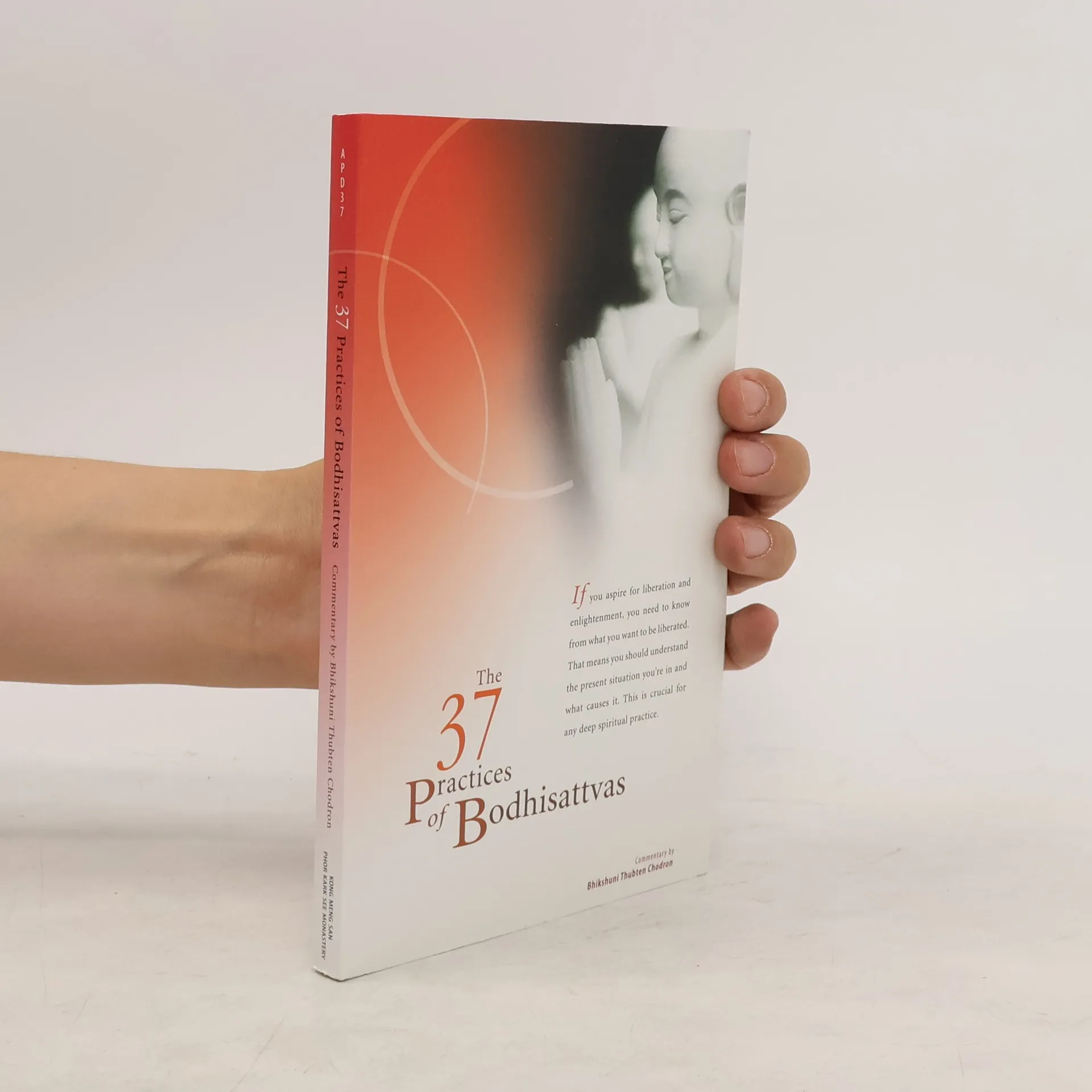
    37 Practices of Bodhisattvas
    Practical Ethics and Profound Emptiness
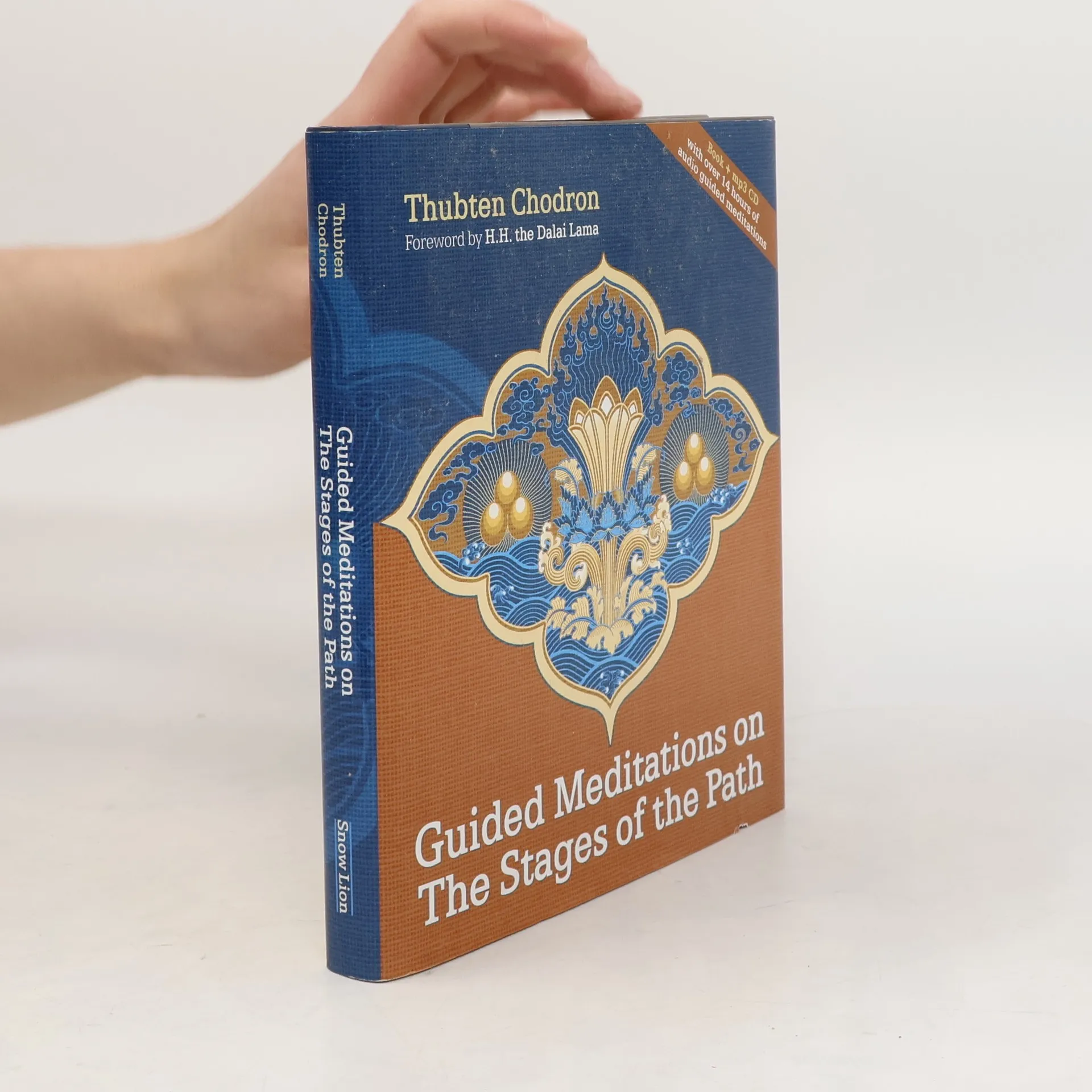
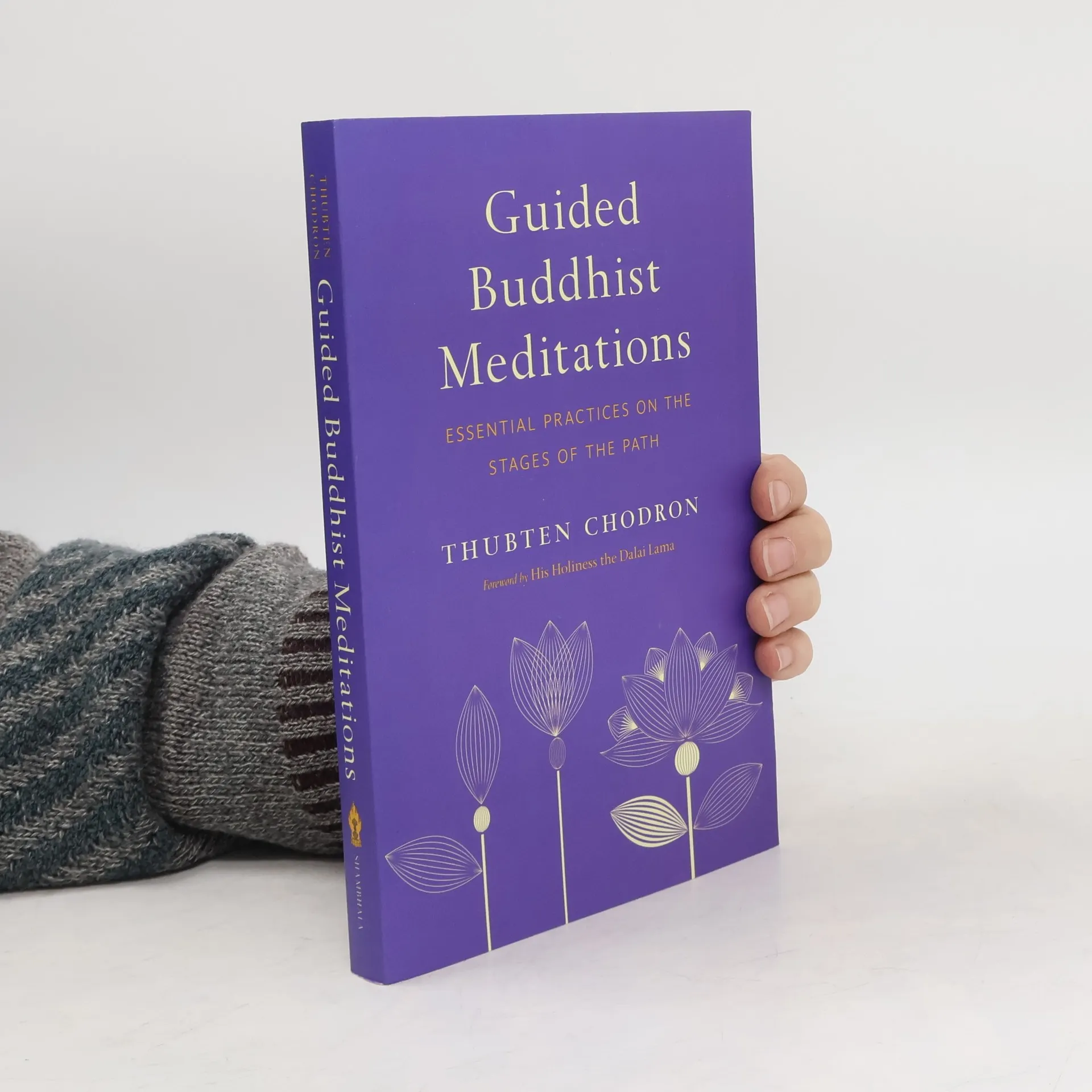
    Guided Buddhist Meditations
    • Guided Buddhist Meditations

      • 176 pages
      • 7 hours of reading

      A new edition of a Buddhist classic, an accessible introduction to the stages of the path (lamrim)--including 14 hours of downloadable audio meditations. The Stages of the Path, or lamrim, presentation of Buddhist teachings (a step-by-step method to tame the mind) is a core topic of Buddhist study. The lamrim meditations remind us that the process of transforming the mind, unlike so much of our frantic modern society, is a slow and thoughtful one. Best-selling author and Buddhist teacher Thubten Chodron here provides clear explanations of the stages of the path, as well as an accompanying downloadable audio program containing over fourteen hours of guided meditations on each of the topics covered in the text. Chodron discusses how to establish a daily practice and presents the meditations in detail, followed by advice for newcomers, instructions for working with distractions, antidotes to mental afflictions, and suggestions on how to deepen Dharma practice. Each practitioner will find meaning and insight according to their own skill level.
      Guided Buddhist Meditations
      5.0
    • In his Precious Garland, a classic of Indian Buddhist philosophy, Nagarjuna advises a king on how best to secure a happy rebirth while making progress toward the ultimate goal of enlightenment. In Practical Ethics and Profound Emptiness, Khensur Jampa Tegchok walks us through the Precious Garland, drawing out the implications of its arguments and grounding its advice in our world today, with equal measures of penetrating explanation and inspiring encouragement.

      Practical Ethics and Profound Emptiness
      4.4
    • 37 Practices of Bodhisattvas

      • 200 pages
      • 7 hours of reading

      Dual language Tibetan and Biography from Rigpa Gyalsé Ngulchu Tokmé (Tib. རྒྱལ་སྲས་དངུལ་ཆུ་ཐོགས་མེད་, Wyl. rgyal sras dngul chu thogs med) or Tokmé Zangpo (ཐོགས་མེད་བཟང་པོ་, Wyl. thogs med bzang po) (1297-1371), was born in Puljung, south west of the great Sakya Monastery. He was born in the Wood Sheep year of the fifth sexagenary cycle. An extremely learned scholar, he studied an infinite number of teachings from all traditions. His every instant was devoted to the Dharma which he spread through composition, teaching and debate.He could teach with total confidence on any subject or text. Also, he was able fully to take upon himself the suffering of others and to give them his wellbeing, and without any expectation as to the result, he was extremely generous to all, particularly the poor, the destitute and the suffering. He met buddhas and deities such as Avalokiteshvara and Tara face to face. He taught many of the greatest teachers of his time in Central Tibet, such as Khenchen Lochen Changchup Tsemo (1303-1380), Butön Rinchen Drup (1290-1364), great Sakya masters and so on. He was served as abbott at the Bodong E monastery. He passed away at the age of 74 amidst wondrous signs of realization.

      37 Practices of Bodhisattvas
      4.4
    • This practical introduction to Buddhism focuses on the application of Buddhist psychology to modern life. Thubten Chodron, an American Buddhist nun, presents the basic points of this path for understanding ourselves and improving the quality of our lives. In a straightforward style and with warmth and humor, Chodron gives us the fundamental points of the Buddha's teaching on transforming habitual attitudes and realizing our full human potential.

      Open Heart Clear Mind
      4.3
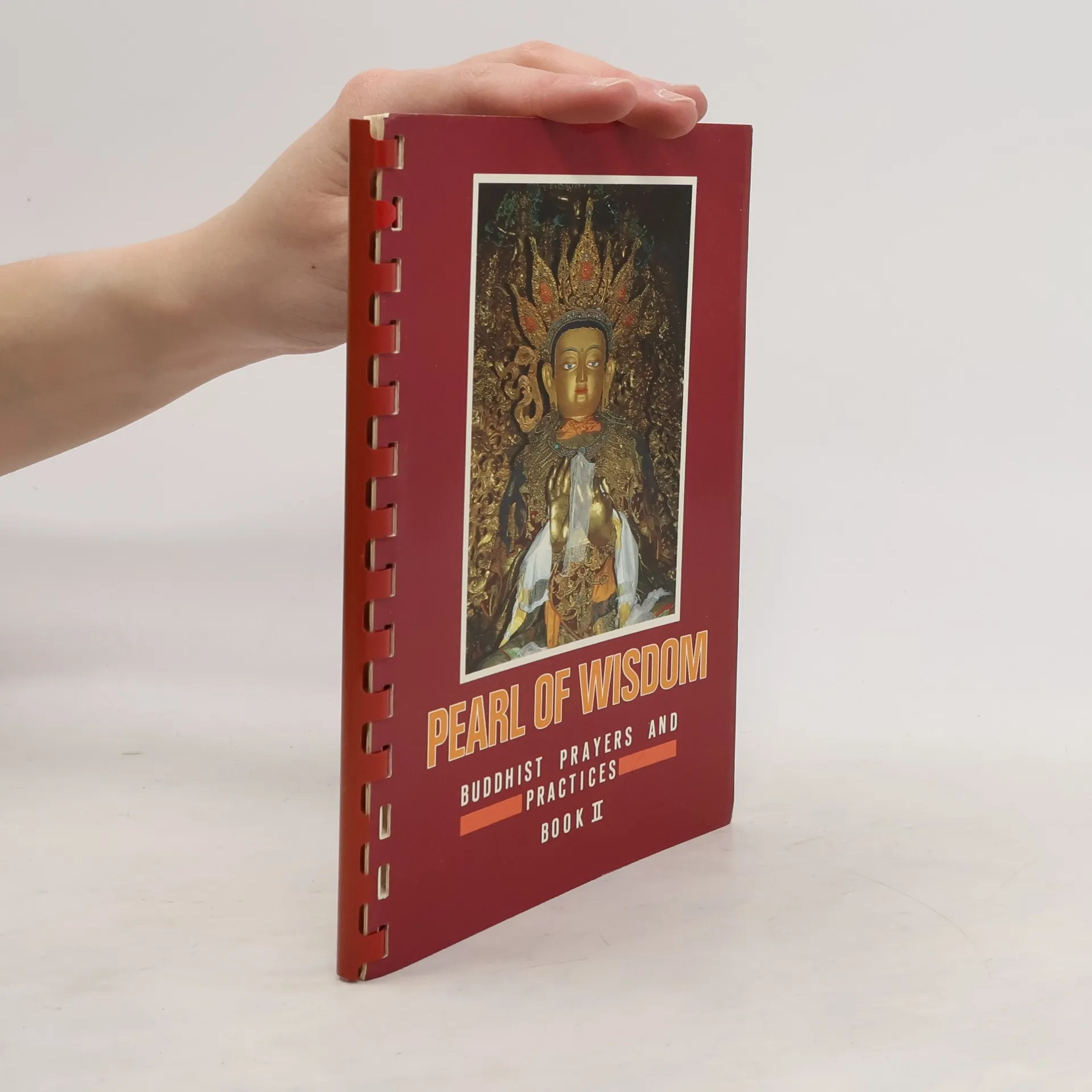
    • Pearl of Wisdom

      Buddhist Prayers and Practices

      • 83 pages
      • 3 hours of reading

      Pearl of Wisdom Book II is for people who have already begun the practice of Buddhism of the Tibetan tradition. In it are contained prayers and practices commonly taught and practiced in the centers of the Foundation for the Preservation of the Mahayana Tradition. The same prayers and practices are done repeatedly in order to gain familiarity and experience with the. We "practice Dharma" precisely because we are not yet able to do it perfectly. By repeatedly training in the practices included in this book under the guidance of a qualified teacher, we gradually learn to do the practices well, thereby transforming our mind and improving the quality of our daily life.

      Pearl of Wisdom
      4.0
    • Chenrezig (Avalokiteshvara / Kuan Yin) is not only Tibet’s patron deity, he also is the embodiment of the compassion of all the Buddhas and as such is deemed the best possible contemplative gateway to the cultivation of compassion. In this book, which has received high praise from monastics and lay Buddhist scholars alike, the American-born nun Ven. Thubten Chodron lucidly and engagingly elucidates the Tibetan Buddhist yoga of Chenrezig. Her explanations are based not only on scriptural but also oral teachings, which makes them eminently authoritative and practical. Essentially, Cultivating a Compassionate Heart is a knowledgeable, highly practical, and fairly extensive commentary on the Chenrezig sadhana. The book starts with the Thousand-Armed Chenrezig visualization and the preliminary prayers found in most sadhanas and the long mantra of Chenrezig. Only then does the author proceed to explaining the various concepts that make up the theoretical underpinnings of this extraordinary practice.

      Cultivating A Compassionate Heart
      4.2
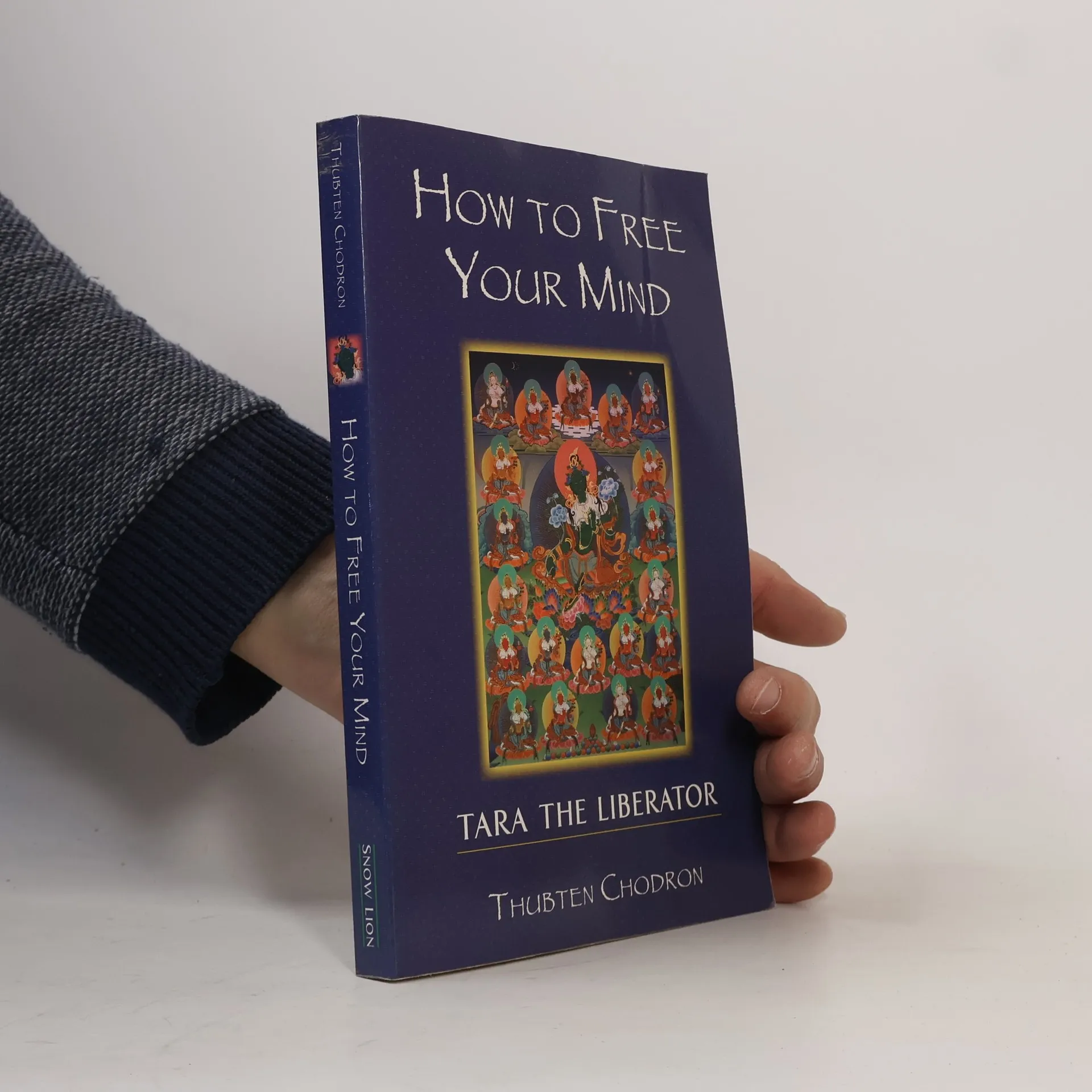
    • How To Free Your Mind

      • 224 pages
      • 8 hours of reading

      Tara, the feminine embodiment of enlightened activity, is a Buddhist deity whose Tibetan name means "liberator," signaling her ability to liberate beings from the delusion and ignorance that keep them trapped in ever-recurring patterns of negativity. She embodies a challenge—to transform our minds and become like her, whose tranquility, compassion, and wisdom make her so beautiful—but one that is profoundly nurturing. In the author's words, "We can relax in her presence and look at ourselves honestly, knowing that Tara will not judge, reject, or abandon us due to our shortcomings. Like a mother, she sees her child's potential—in this case, our spiritual potential or Buddha-nature—and wants to nurture it." Ven. Chodron describes a simple meditation on Tara, explaining its benefits and its application to daily life. She then presents two well-loved praises to Tara, together with reflections on their meanings for modern practitioners. Included here are the "Homage to the Twenty-one Taras," verses that are frequently chanted in Tibetan monasteries and homes, and "A Song of Longing for Tara, the Infallible," by Lama Lobsang Tenpey Gyaltsen.

      How To Free Your Mind
      4.0
    • Good Karma

      • 256 pages
      • 9 hours of reading

      Training the mind in the habit of happiness--enlightening commentary on a classic Tibetan Buddhist teaching poem by a popular modern teaching nun. Lojong, or "mind-training" is a practice that has gained astonishing popularly in recent years--because it works in transforming hearts and minds. Here is a presentation of lojong teachings that predates the "slogan" practice with which people have become so familiar through the books of Pema Chödrön and others, and that is every bit as powerful for imbuing the mind with intelligence and the heart with compassion. It is Thubten Chodron's commentary on a Tibetan poem with the imposing title "Wheel of Sharp Weapons." It is, as the title of this book indicates, an explanation of how karma works in our lives. But in explaining how to create good karma and avoid the negative effects of bad karma, it shows us how to live our lives with kindness and honesty--which makes things better not only for ourselves, but also for everyone else in the world.

      Good Karma
      4.2
    • A Tibetan Buddhist nun “offers her insights on anger, the ways that it manifests in our lives, and the ways that we can skillfully work to transform it” in this “inspiring and humble” guidebook (Sharon Salzberg, New York Times –bestselling author) Anger plagues all of us on a personal, national, and international level. Yet we see people, such as the Dalai Lama, who have faced circumstances far worse than many of us have faced—including exile, persecution, and the loss of many loved ones—but who do not burn with rage or seek revenge. How do they do it?Working with Anger presents a variety of Buddhist methods for subduing and preventing anger not by changing what is happening, but by framing it differently. No matter what our religion, learning to work with our anger is effective for everyone seeking personal happiness as well as world peace. “ . . . a kind and genuinely helpful guide to handling one of the greatest challenges in living an emotionally intelligent life.”—Daniel Goleman, author Emotional Intelligence

      Working with Anger
      4.1