Keith Lowe is an author whose work delves into the devastating impacts of historical conflicts, particularly the Second World War. He is recognized for his deeply researched and insightful historical accounts that explore the profound consequences of such events. Lowe's writing offers a compelling examination of human resilience and the darker aspects of civilization in the face of catastrophe. His narrative style brings critical historical moments to life, providing readers with fresh perspectives on pivotal moments.
Set in the aftermath of World War II, the narrative explores the liberation of Naples, the first major European city to be freed by the Allies. It delves into the devastation wrought by the war and the subsequent transformation of the city. The account highlights both the immediate impact of conflict on Naples and the critical developments that followed, providing a comprehensive view of resilience and recovery in a war-torn landscape.
A Spectator Book of the Year 2020 A Times and Sunday Times Best Book of 2020 A Mail on Sunday Book of the Year 2020 'Inspired ... Lowe's sensitive, disturbing book should be compulsory reading for both statue builders and statue topplers' MAX HASTINGS, SUNDAY TIMES What happens when our values change, but what we have set in stone does not? Humankind has always had the urge to memorialise, to make physical testaments to the past. There's just one problem: when we carve a statue or put up a monument, it can wind up holding us hostage to bad history. In this extraordinary history book, Keith Lowe uses monuments from around the world to show how different countries have attempted to sculpt their history in the wake of the Second World War, and what these memorials reveal about their politics and national identity today. Amongst many questions, the book asks: What does Germany signal to today's far right by choosing not to disclose the exact resting place of Hitler? How can a bronze statue of a young girl in Seoul cause mass controversy? What is Russia trying to prove and hide, still building victory monuments at a prolific rate for a war now seventy years over? As many around the world are questioning who and what we memorialise, Prisoners of History challenges our idea of national memory, history, and the enormous power of symbols in society today.
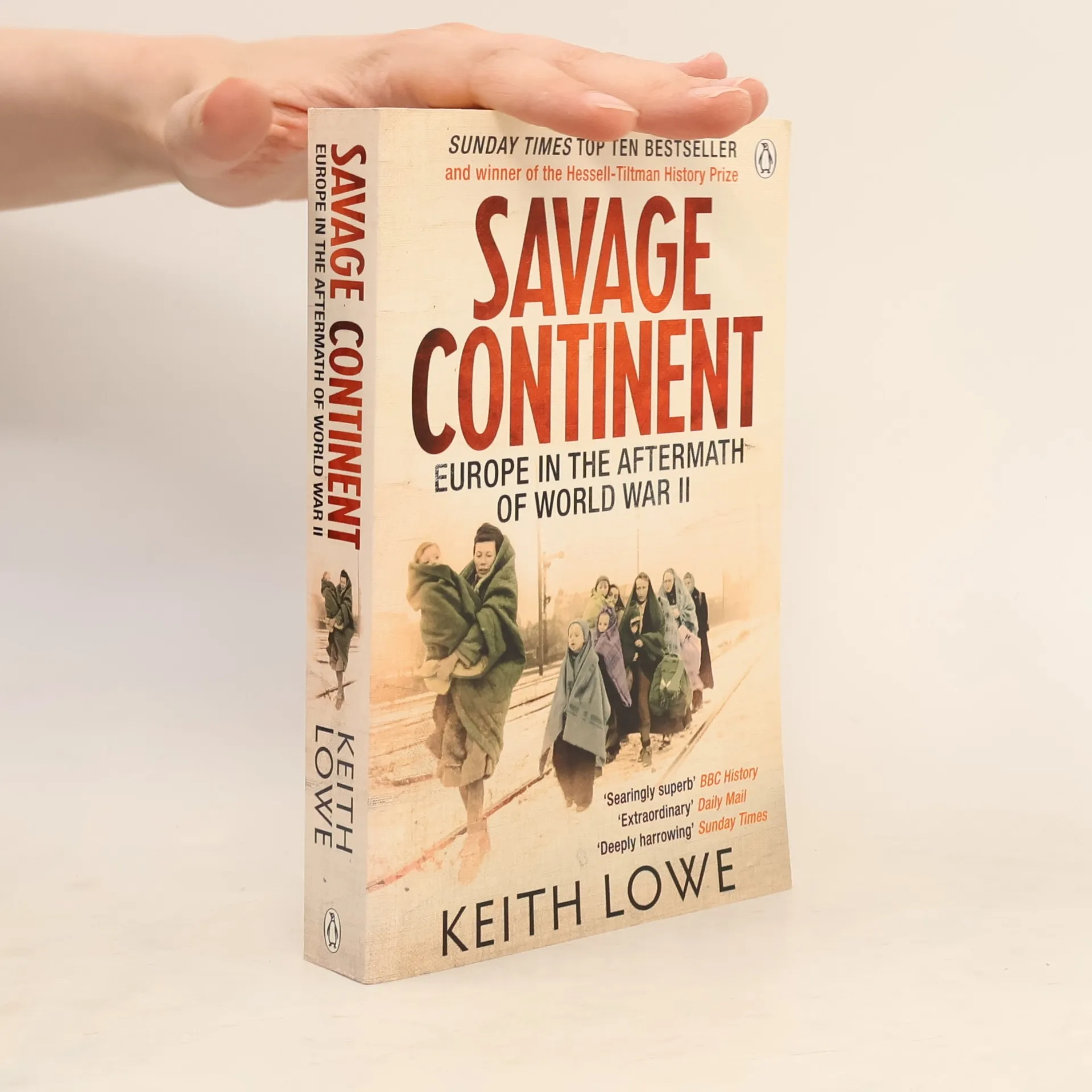
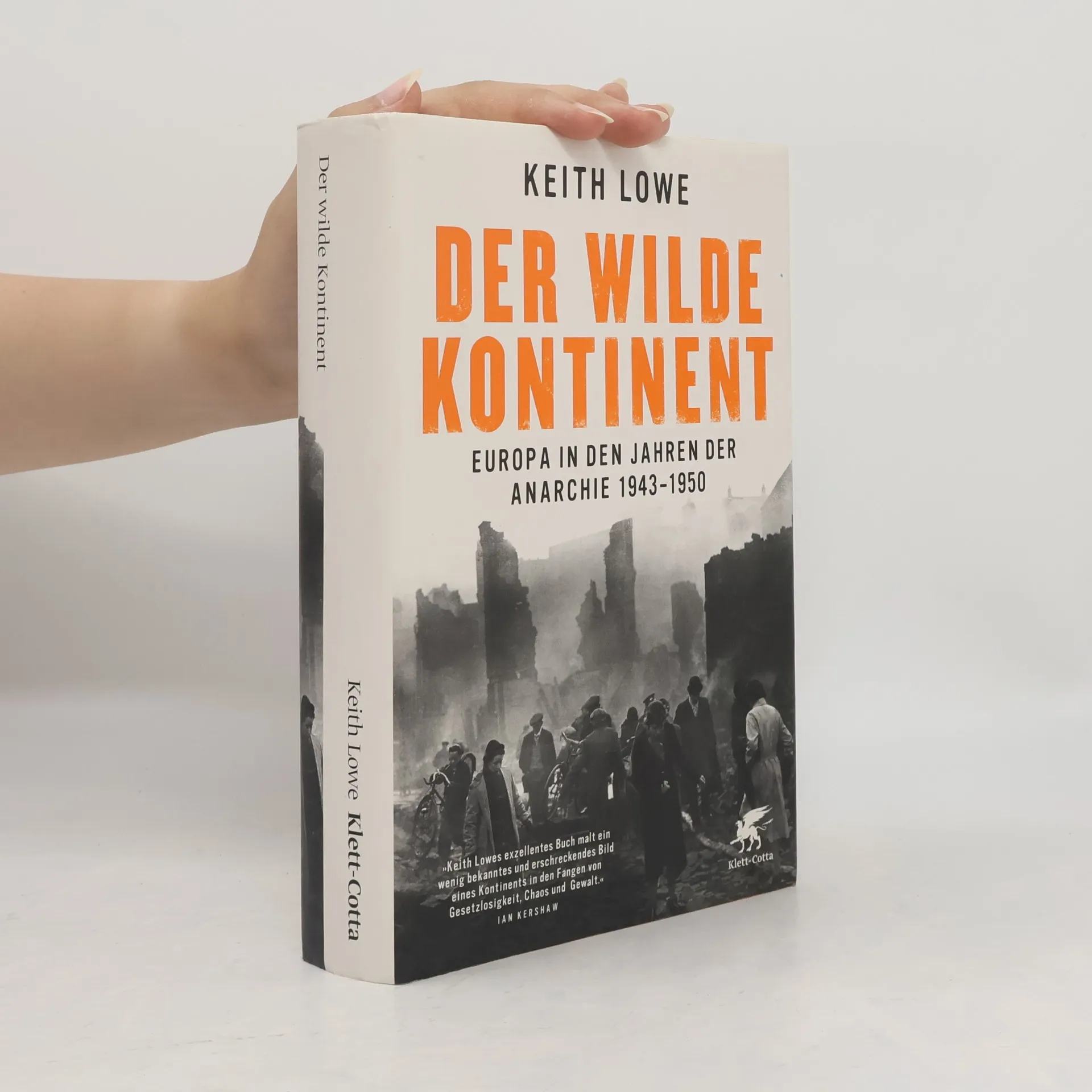
Keith Lowe describes a continent still racked by violence, where large sections of the population had yet to accept that the war was over. He outlines the warped morality and the insatiable urge for vengeance that were the legacy of the conflict.
As the brilliant young marketing director of a confectionary business, Matt has an intimate relationship with chocolate. To him, chocolate is not only the world's favourite flavour, it is also an extremely potent marketing concept. It means luxury, sensuousness, sweetness and innocent joy. It is a substance to be adored and worshipped, and exploited at every opportunity. To Matt, chocolate is a way of life. For Sam, chocolate is something far more sinister. She's working on a TV documentary about it, which helps take her mind off her mess of a love life, and she's discovered that the subject is not as sweet as she thought it would be. While Western children cram their faces with the stuff, African children are dying in horrendous conditions to produce it. Sam is soon unwilling to consider chocolate as anything but unpleasant - and since Matt's own company is one of the worst offenders, he is unpleasant by association. When they are locked into a chocolate factory together, sparks are bound to fly. Surrounded on all sides by the cause of their discord, Sam and Matt are united only by a desire to find a way out. But the doors are locked, the windows have grilles on them, and their repeated attempts at raising an alarm to the outside world fail. As they gradually begin to realise that they are stuck with each other, they are finally forced to take a good look at the real reasons why they find it so difficult to get on-
When a meal unexpectedly comes to life and becomes a threat, a young brother and sister must summon a legendary group of heroes for assistance. As they face this unusual challenge, the siblings learn valuable lessons about teamwork and courage, navigating their way through a whimsical yet dangerous adventure.
Zusammenbruch, Rechtlosigkeit, Anarchie: Mit der deutschen Kapitulation war das Töten noch nicht beendet. Zum ersten Mal macht Keith Lowe das ganz Europa umfassende Ausmaß der materiellen und moralischen Verwüstungen deutlich: die ergreifende Darstellung einer Welt, die aus den Fugen geraten war. Eindrucksvoll beschreibt Keith Lowe in seinem international viel beachteten Buch den Abstieg eines ganzen Kontinents in die Anarchie. Dabei zeigt er die Gewalteruption des Zweiten Weltkrieges als ein komplexes Geschehen über die sogenannte Stunde Null hinaus. Im Zentrum seiner ausgewogenen Neudarstellung der Nachkriegszeit stehen die vielen auf dem Kontinent aufflammenden regionalen Konflikte, die auch noch nach den klassischen Kriegshandlungen stattfanden: Bürgerkriege wüteten, ethnische Spannungen und Säuberungen dauerten an, Juden und Minderheiten wurden weiterhin verfolgt. Der Krieg hatte – trotz Hitlers Niederlage – eine Gewaltdynamik entfacht, die sich nicht mit der Kapitulation stoppen ließ. Zugleich lässt der Autor die Menschen und die einzelnen Schicksale in den betroffenen Ländern sichtbar werden. Eine unerlässliche Lektüre für ein tieferes Verständnis der Schreckensgeschichte Europas.
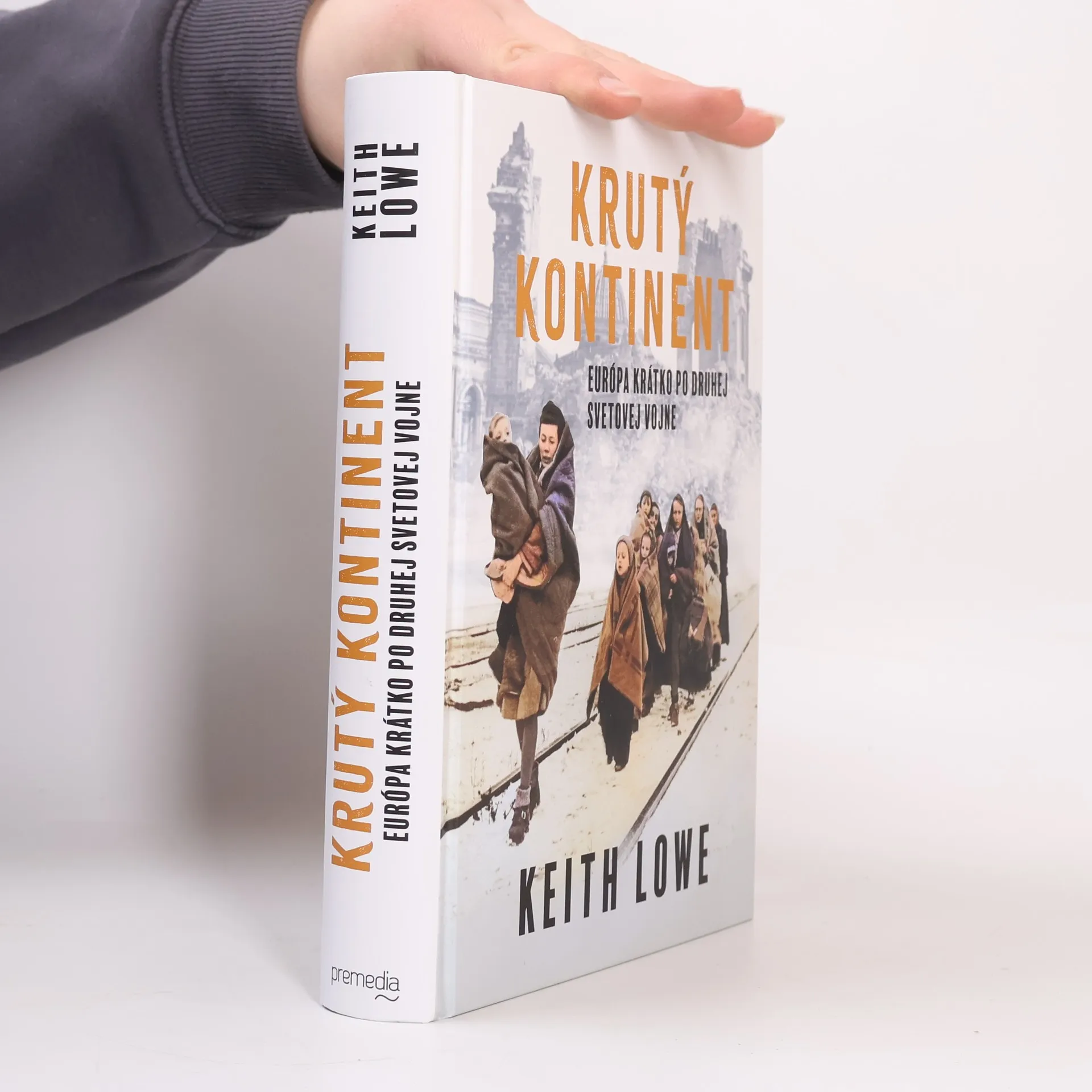
Jedinečná kniha o Európe krátko po druhej svetovej vojne zachytáva široké spektrum konfliktov, ktorými kontinent prešiel približne v rozmedzí rokov 1944 až 1949. Koniec vojny priniesol explóziu nového násilia naprieč celou Európou.
Väzni zabíjali svojich väzniteľov, odbojári zabíjali a pranierovali kolaborantov. Etnické čistky, občianske vojny, znásilňovanie a zabíjanie boli bežné v dňoch, mesiacoch aj rokoch po oficiálnom skončení vojny. Kniha britského historika skúma Európu hnanú túžbou po pomste. Krutý kontinent je šokujúcim portrétom doteraz nepovšimnutej doby bezprávia a hrôz.
Ako píše autor, je len akýmsi príjemným mýtom, že akonáhle skončila druhá svetová vojna, všetko sa vrátilo do normálu. Všetko, čo existovalo pred vojnou, bolo zničené, a to nehovoríme iba o dopravnej infraštruktúre, budovách či fabrikách, ale o celom predvojnovom živote. Povojnové roky sa niesli v znamení presídľovania, posúvania hraníc, ale trebárs aj zbavovania sa nepohodlných detí, ktoré v mnohých krajinách zostali po nemeckých vojakoch. Kniha Krutý kontinent je prvá veľká syntéza o danom období, ktorá ukazuje, že podobné dianie a chaos existovali takmer všade v Európe.
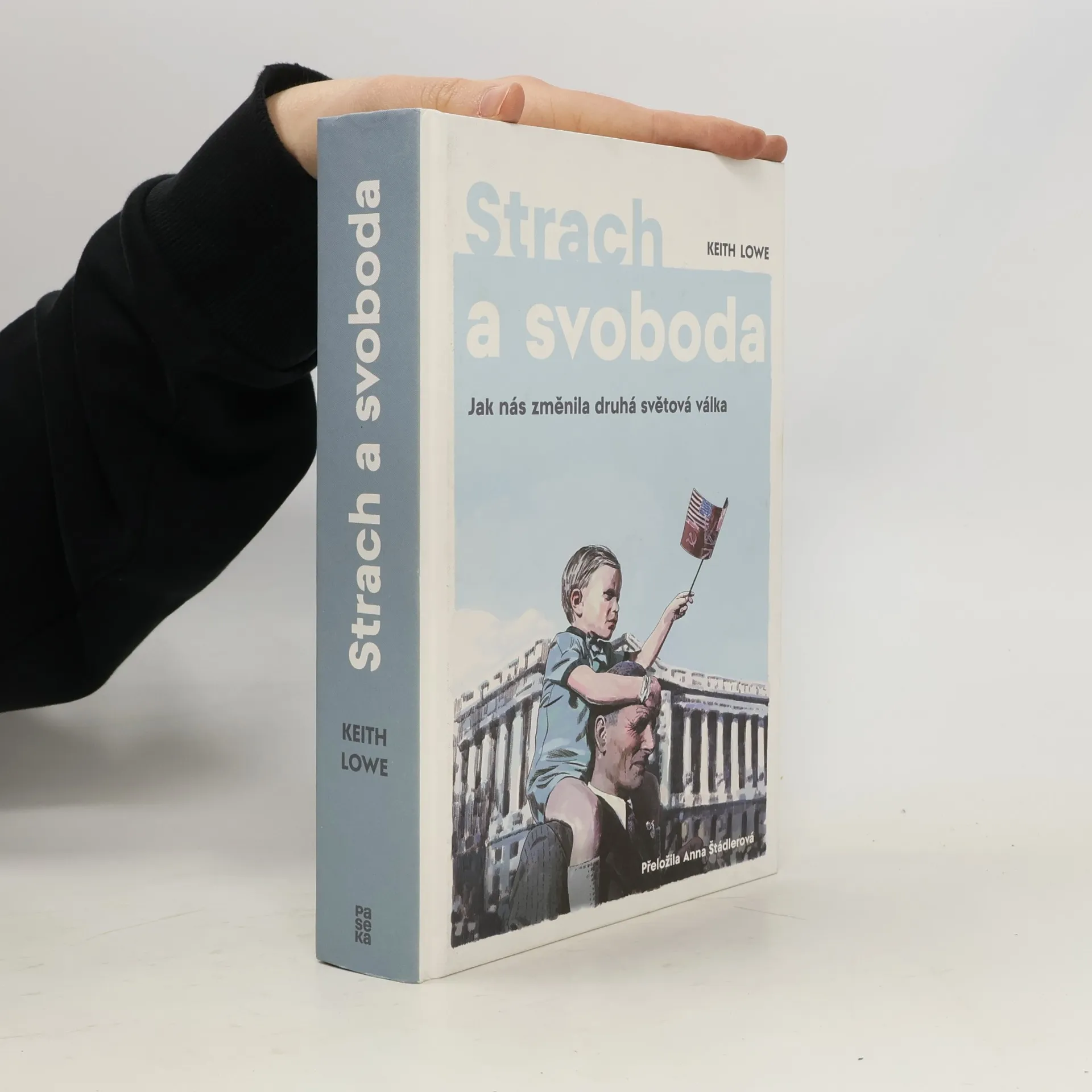
Druhá světová válka byla historicky největší katastrofou a zároveň zdrojem největších inovací. Přinesla zánik impérií, zrod konceptu lidských práv či Organizace spojených národů. Díky válce se dočkal penicilin masové produkce, byly vyvinuty počítače a člověk zamířil do vesmíru. S válkou se však pojí především miliony obětí, strach z globalizace nebo z atomových zbraní. Válka je minulostí, na niž bychom dnes rádi spíše zapomněli. A přece jsou náš svět, náš každodenní život, naše uvažování o světě, politice, kultuře, ekonomii i náš jazyk a naše vyjadřování touto zkušeností trvale poznamenány. Stopy války v našich myslích nachází Keith Lowe v příbězích lidí, v politických a ekonomických koncepcích, propagandě, filozofii, literatuře, řeči médií i v našem každodenním jazyce, napříč všemi kontinenty a desetiletími, které nás od války dělí. To dědictví žije dál a válka není uzavřenou kapitolou.