
Explore the latest books of this year!
Bookbot

Henri Focillon

    September 7, 1881 – March 3, 1943

    Robert Aickman is renowned for his distinctive style of "strange stories," which explore the delicate boundary between reality and dream. His prose is characterized by an unsettling atmosphere and psychological depth, frequently delving into themes of loneliness, alienation, and inexplicable phenomena. Aickman masterfully builds suspense and a sense of unease without resorting to explicit explanations, leaving ample room for the reader's imagination. His works offer a captivating journey into the darker recesses of the human psyche and the unknown.

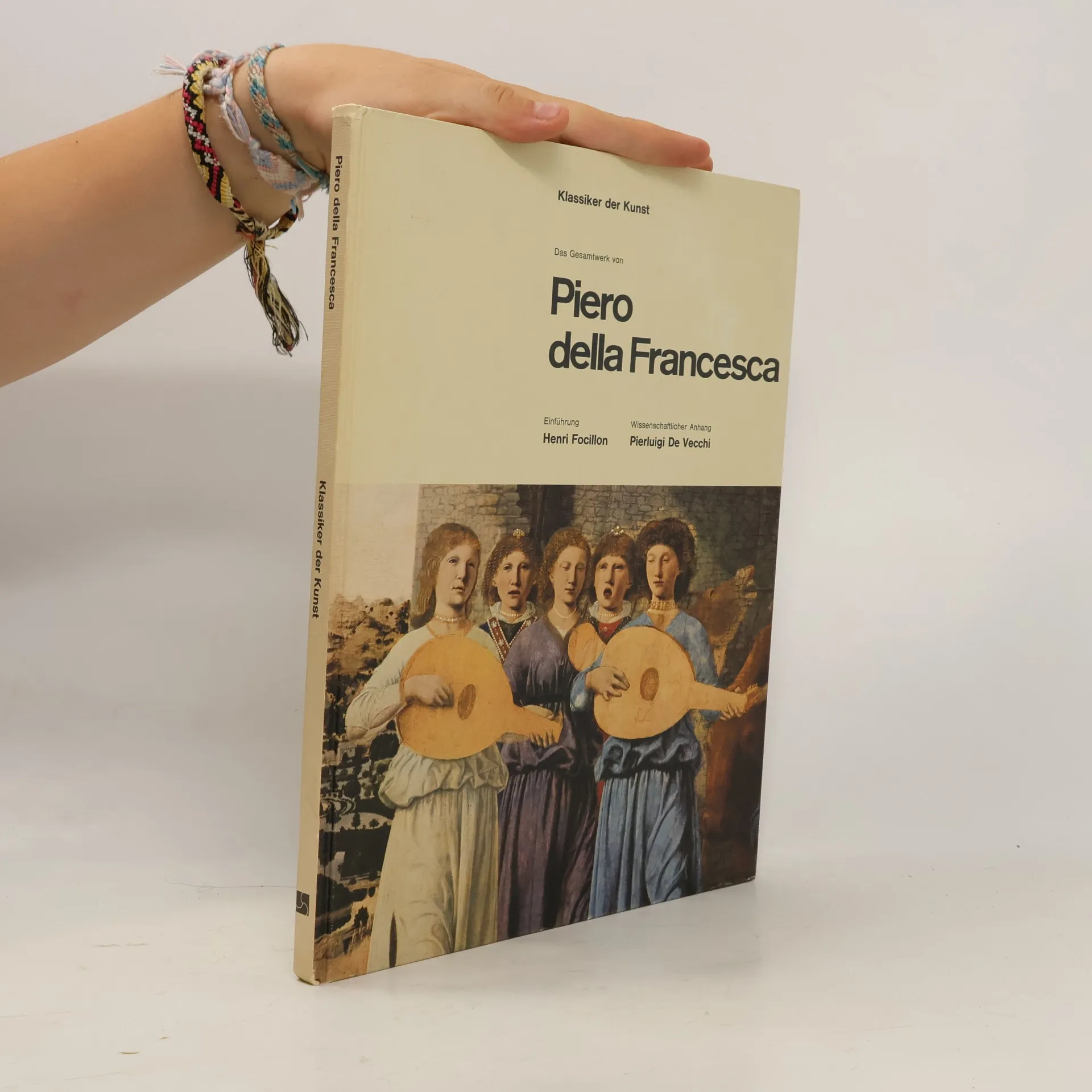
    Das Gesamtwerk von Piero della Francesca
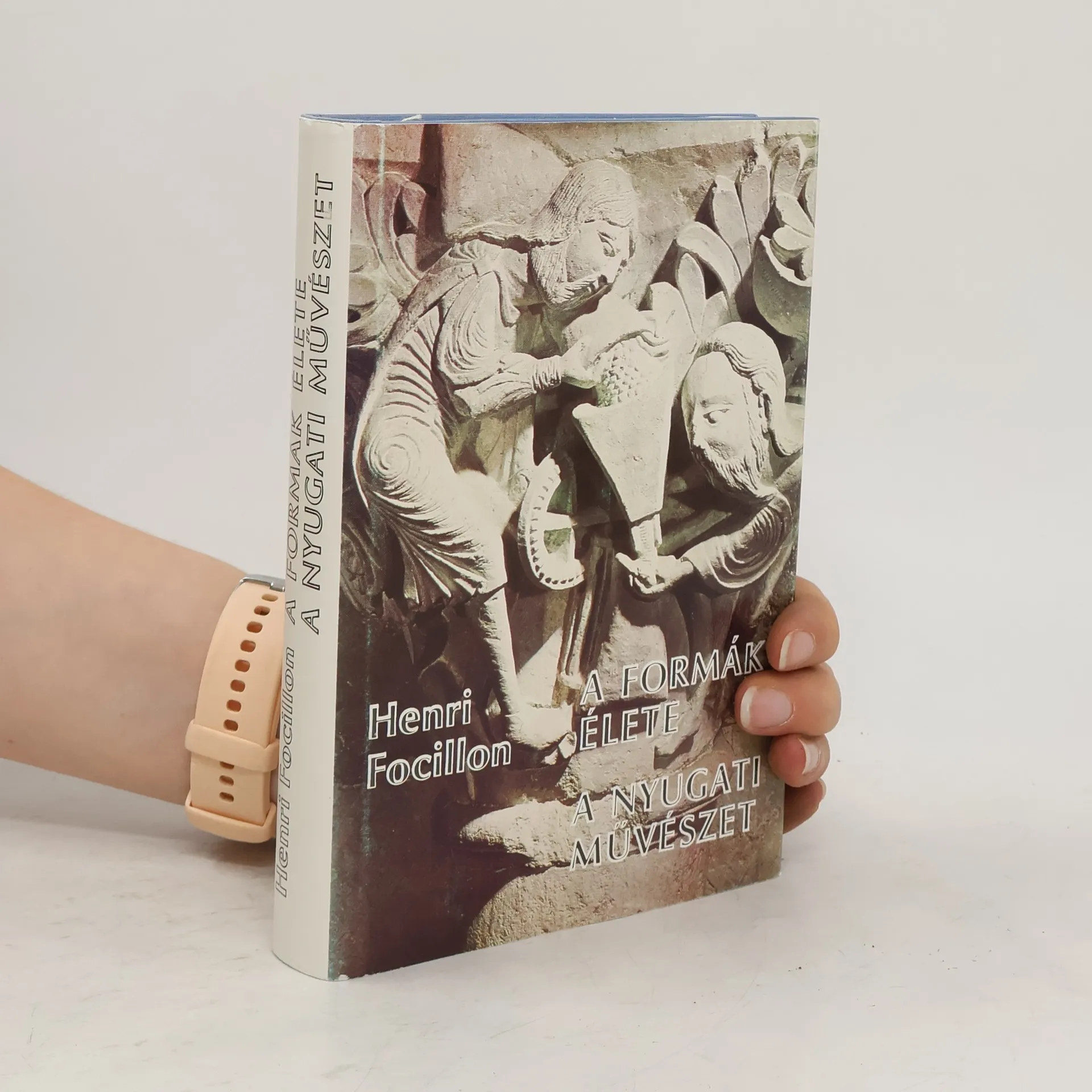
    A formák élete. A nyugati művészet
    L'Art des sculpteurs romans
    Le Moyen Age roman et gothique
    Rembrandt. Paintings, drawings and etchings
    The Life of Forms in Art
    • The Life of Forms in Art

      • 190 pages
      • 7 hours of reading
      4.1(72)Add rating

      In this beautiful meditation on the art-historical problem of style, Henri Focillon (1881–1943) describes how art forms change over time. Although he argues that the development of art is irreducible to external political, social, or economic determinants, one of his great achievements was to lodge a concept of autonomous formal mutation within the shifting domain of materials and techniques. Focillon emphasizes the presence of nonsynchronous tendencies within styles that give artworks a manifold and stratified character.The Life of Forms in Art remains one of the most brilliant and important reflections on the morphology of art. It has been superbly translated by Yale art historian George Kubler, whose book The Shape of Time was influenced by Focillon. The book also contains a critical introduction by Jean Molino.
      The Life of Forms in Art
    • C'est au Moyen Age que l'Europe a constitué sa culture propre, se dégageant notamment des influences méditerranéennes et orientales. Fort d'une telle certitude, Henri Focillon s'est attelé à la tâche. Le résultat est fascinant et, à ce jour, sans équivalent: une fresque immense qui décrit, par le menu, l'émergence et les singularités d'un nouvel univers culturel. Le nôtre, encore aujourd'hui.

      Le Moyen Age roman et gothique
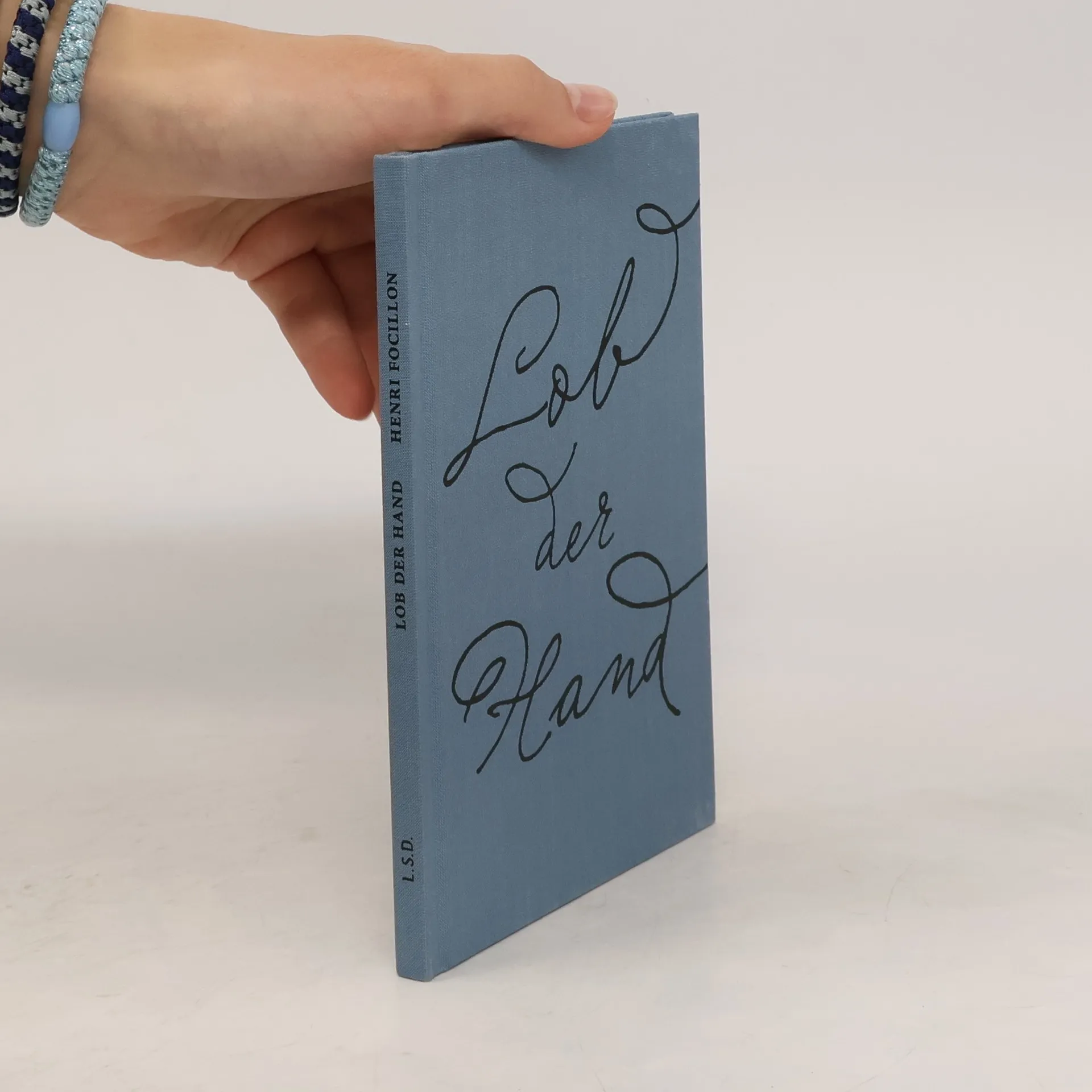
    • Sie gehorchen unserem Geist und scheinen doch ein Eigenleben zu führen. Sie sind keine an den Gehorsam gewöhnten Diener, sind keine passiv identischen Zwillinge. Und doch sind sie zu Choreographien fähig, die träges Werkzeug erst zu etwas Lebendigem werden lassen. Sie sind in ihrem anatomischen Aufbau und ihrer Funktionsweise so komplex und feingliedrig, dass nur sie aus Stift, Pinsel und Leinwand tiefe Landschaften, weite Himmel und belebte Figuren entstehen lassen können. Sie sind die Künstler, die das Holz schnitzen, das Metall schmieden, das Buch schreiben, die Lyra zupfen. Mit ihrer Hilfe erklingen die schönsten Melodien und mitreißendsten Rhythmen. Und wenn uns gefällt, was sie hervorbringen, dann klatschen wir. Wo sonst deren Geist, Fantasie und Muse gepriesen werden, lobt Henri Focillon die Hände von Rembrandt, Gaugin und van Eyck, diese eigentlich stummen und blinden Teile des Körpers, als diejenigen, die doch die Ideen und Visionen der Großen erst in die gegenständliche Welt holen konnten. In seiner Hymne auf diese meisterhaften Werkzeuge steckt eine so kurzweilige wie tiefsinnige Kulturgeschichte unserer Hände, bei der man nicht umhin kommt, immer wieder aufzuschauen, um sie sich genauer zu betrachten

      Lob der Hand
    • Text je rozdělen ve čtyři kapitoly: tvary v prostoru, hmotě, duchu, čase. Zastupuje jeden z nejkomplexnějších teoretických pohledů na umění z hlediska formově analytického přístupu z meziválečného období.

      Život tvarů