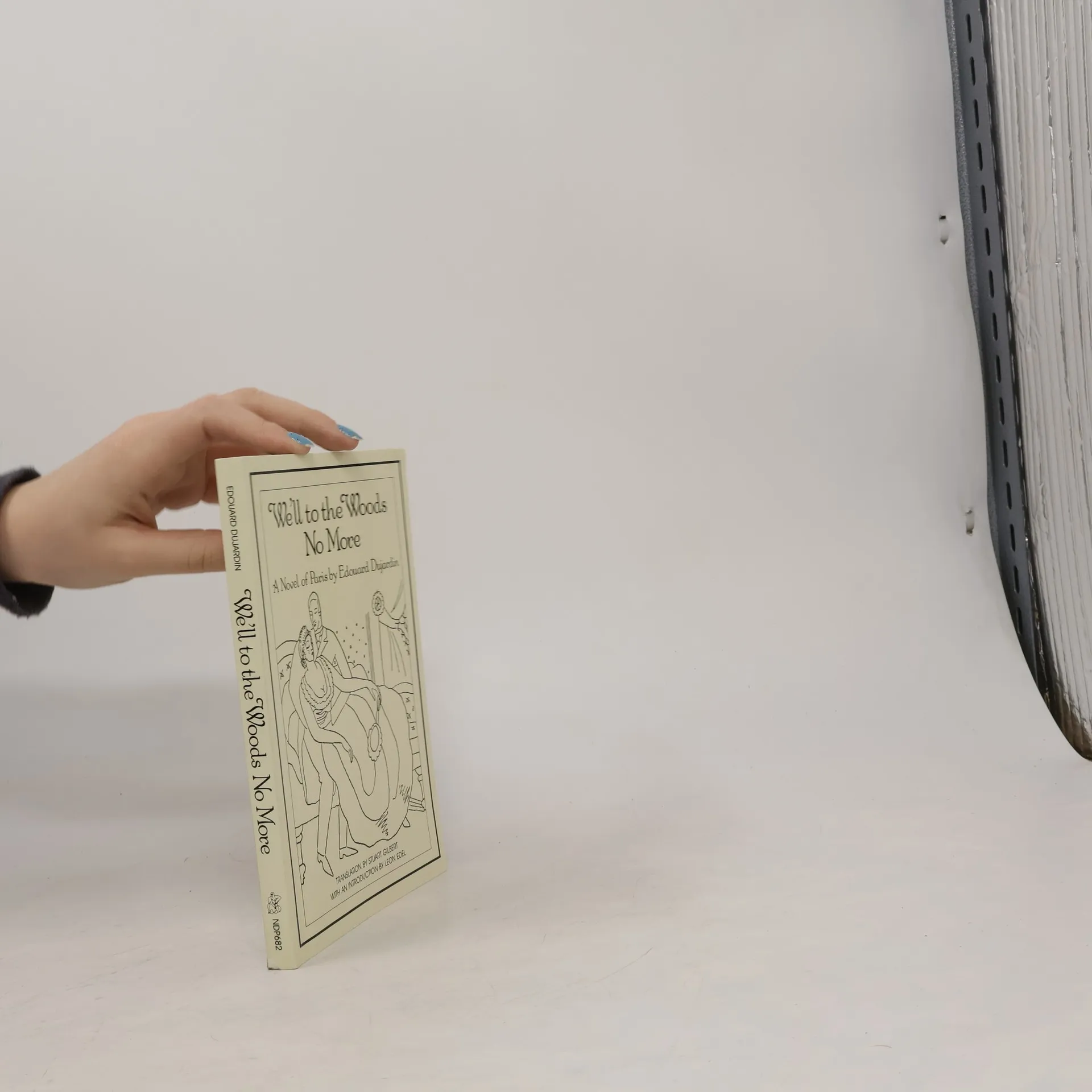
A delightful period piece of Paris in the late 1880’s, We’ll to the Woods No More ( Les lauriers sont coupés ) retains its importance as the first use of the monologue intérieur and the inspiration for the stream-of-consciousness technique perfected by James Joyce. Dujardin’s charming tale, told with insight and irony, recounts what goes on in the mind of a young man-about-town in love with a Parisian actress. Mallarmé described the poetry of the telling as "the instant seized by the throat." Originally published in France in 1887, the first English translation (by Joyce scholar Stuart Gilbert) was published by New Directions in 1938. In 1957 Leon Edel’s perceptive historical essay reintroduced the book as "the rare and beautiful case of a minor work which launched a major movement."
Stuart Gilbert Book order (chronological)
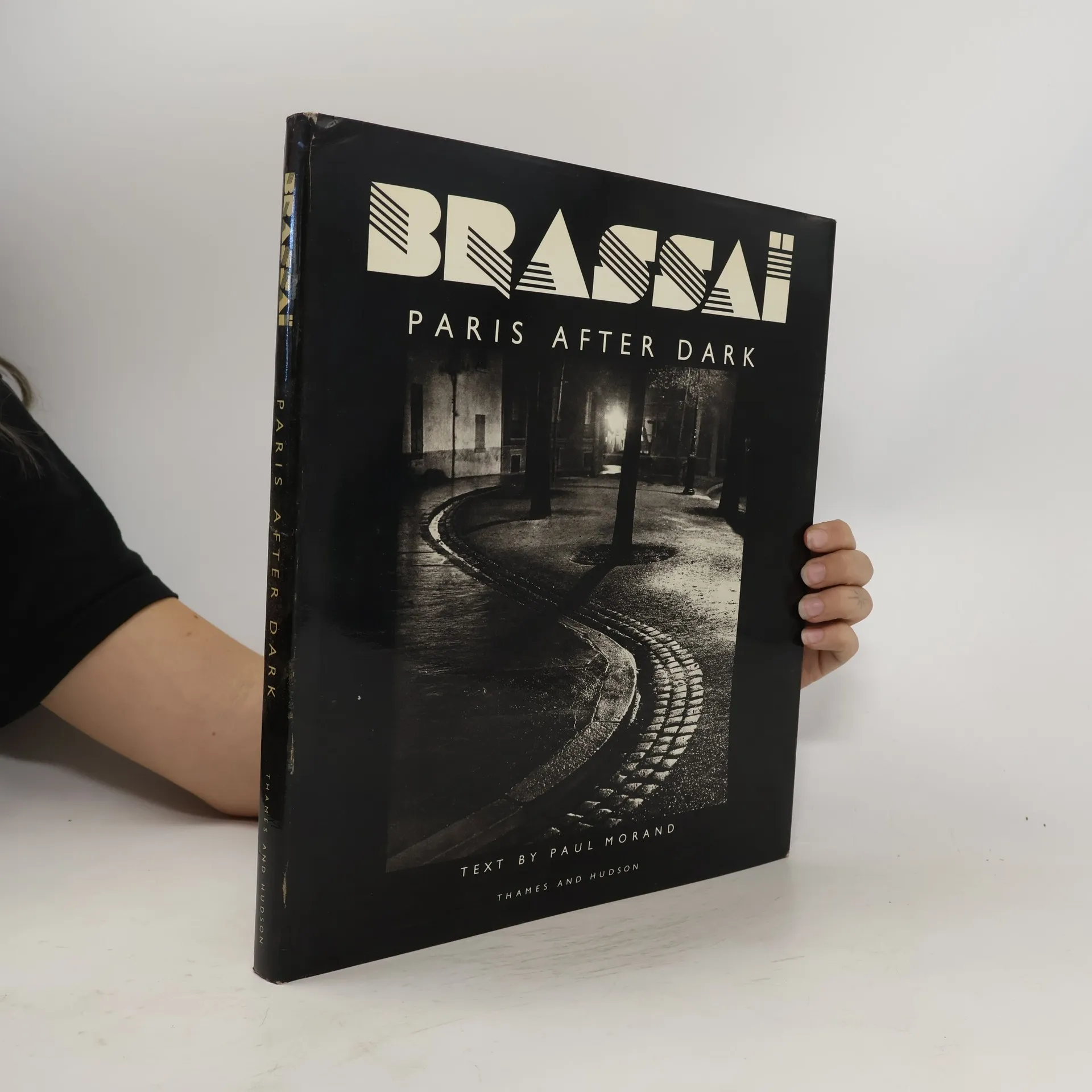

Brassaï
Paris after dark
Roaming Paris streets by night in the early 1930s, Brassa created arresting images of the city's dramatic nocturnal landscape. First published in French in 1932, this new edition brings one of Brassa's finest works back into print. The back alleys, metro stations, and bistros he photographed are at turns hauntingly empty or peopled by prostitutes, laborers, thugs, and lovers. "Paris by Night" is a stunning portrait of nighttime in the City of Light, as captured by its most articulate observer. 62 photos.
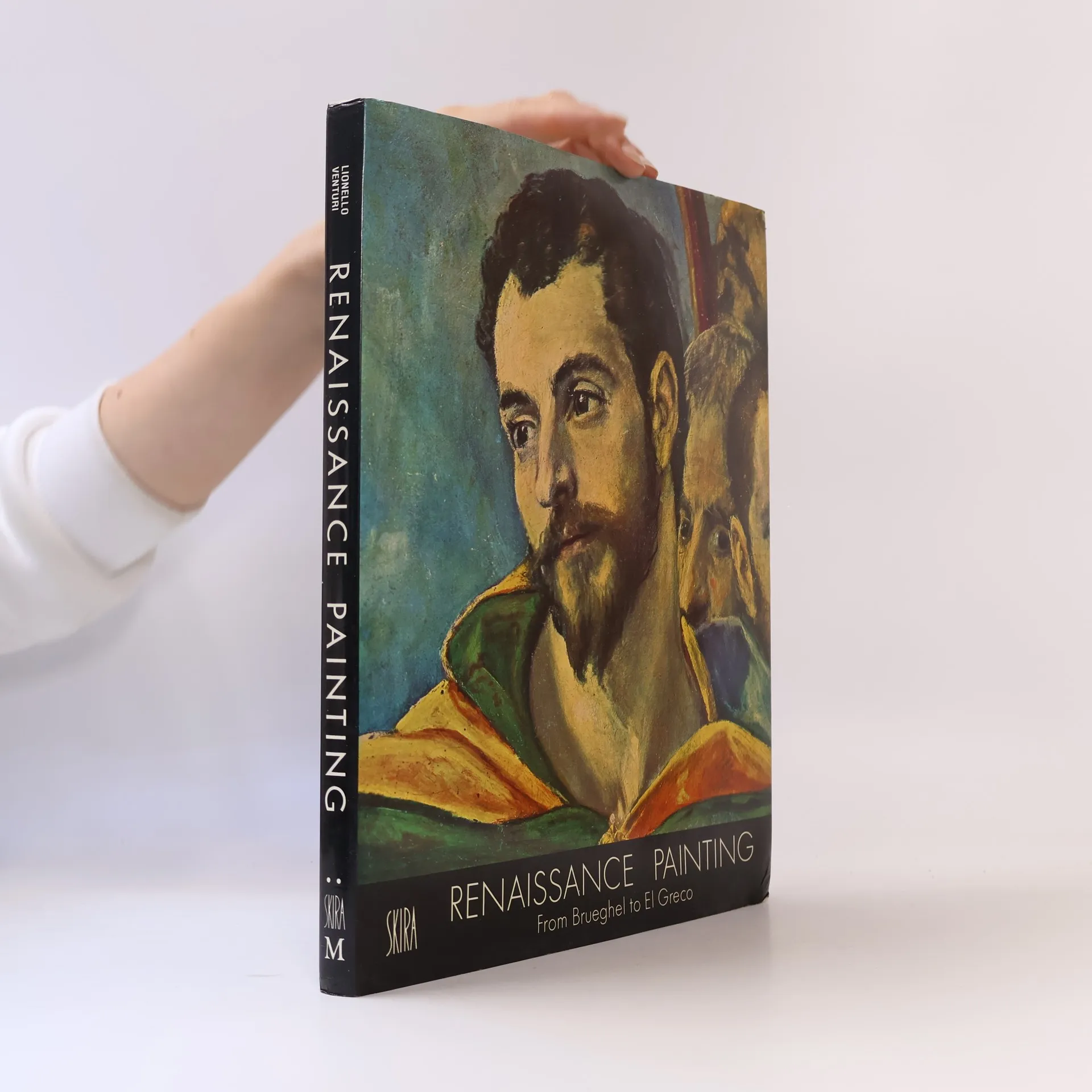
Renaissance Painting, from Brueghel to El Greco
- 147 pages
- 6 hours of reading
With 103 illustrations in colours . 4to pp. 204 Rilegato tela, sovracoperta (cloth, dust jacket) Ottimo (Fine)
The description for this book, The Voices of Silence: Man and his Art. (Abridged from The Psychology of Art), will be forthcoming.
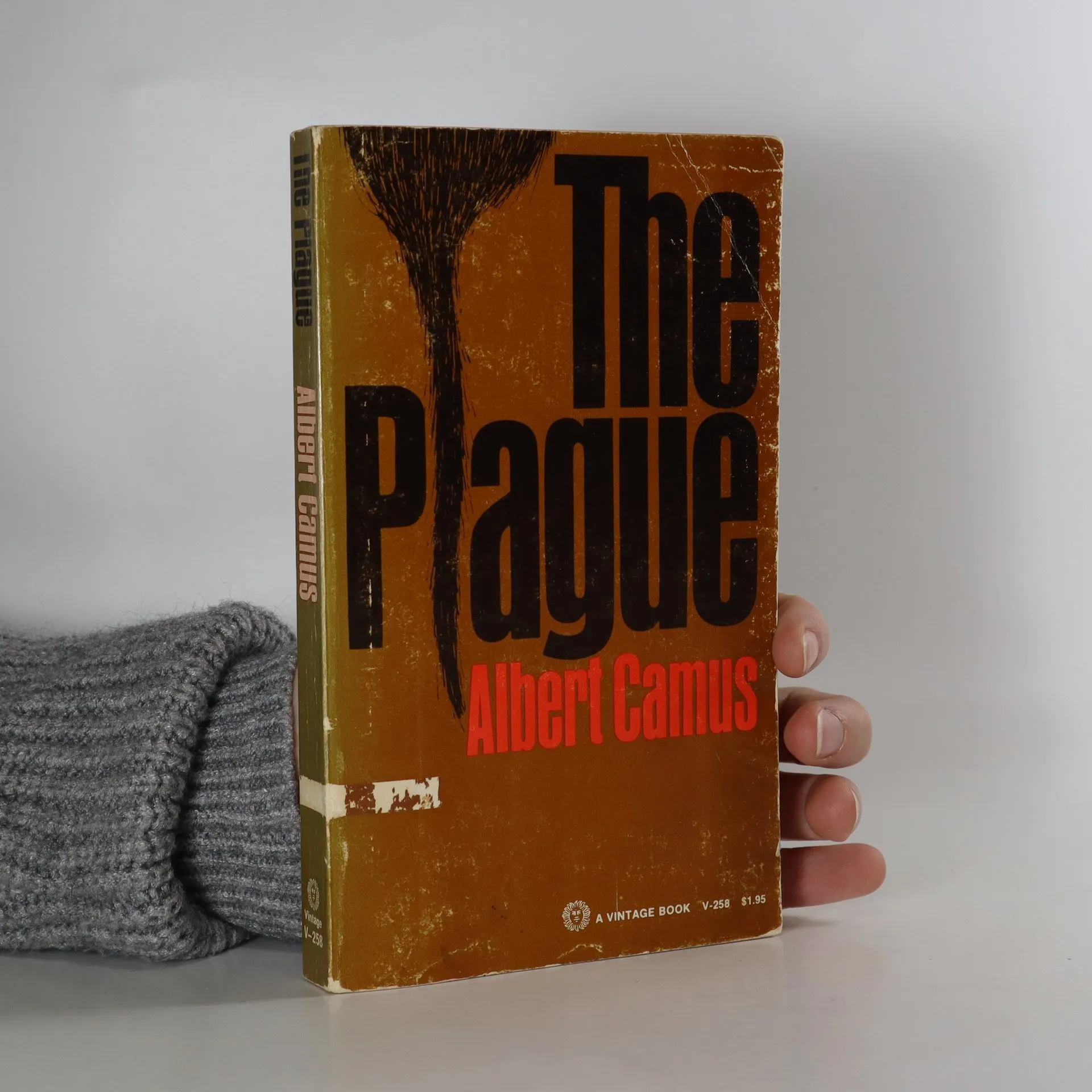
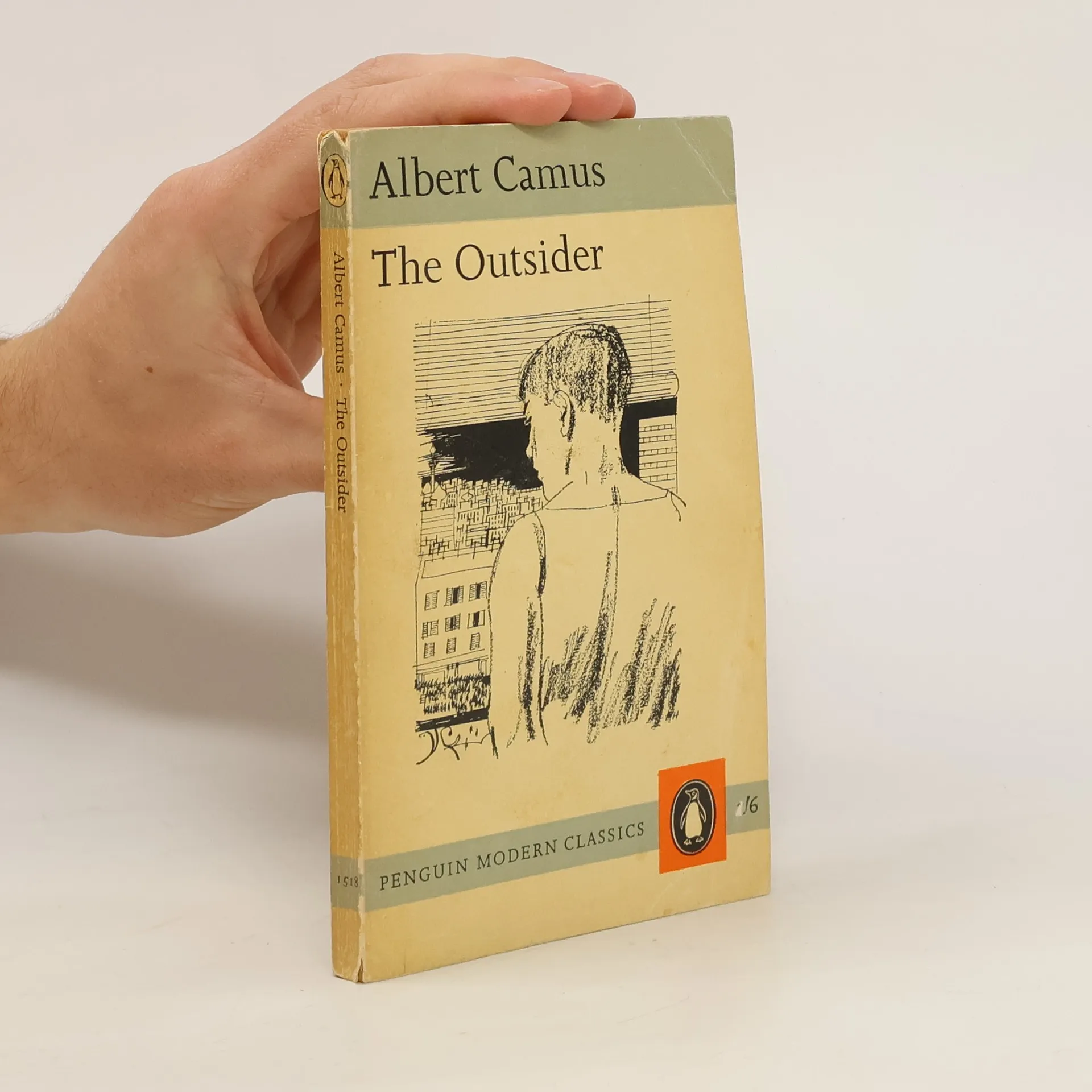
The plague
- 279 pages
- 10 hours of reading
Chaos prevails when the bubonic plague strikes the Algerian coastal city of Oran. A haunting tale of human resilience in the face of unrelieved horror, Camus' novel about a bubonic plague ravaging the people of a North African coastal town is a classic of twentieth-century literature
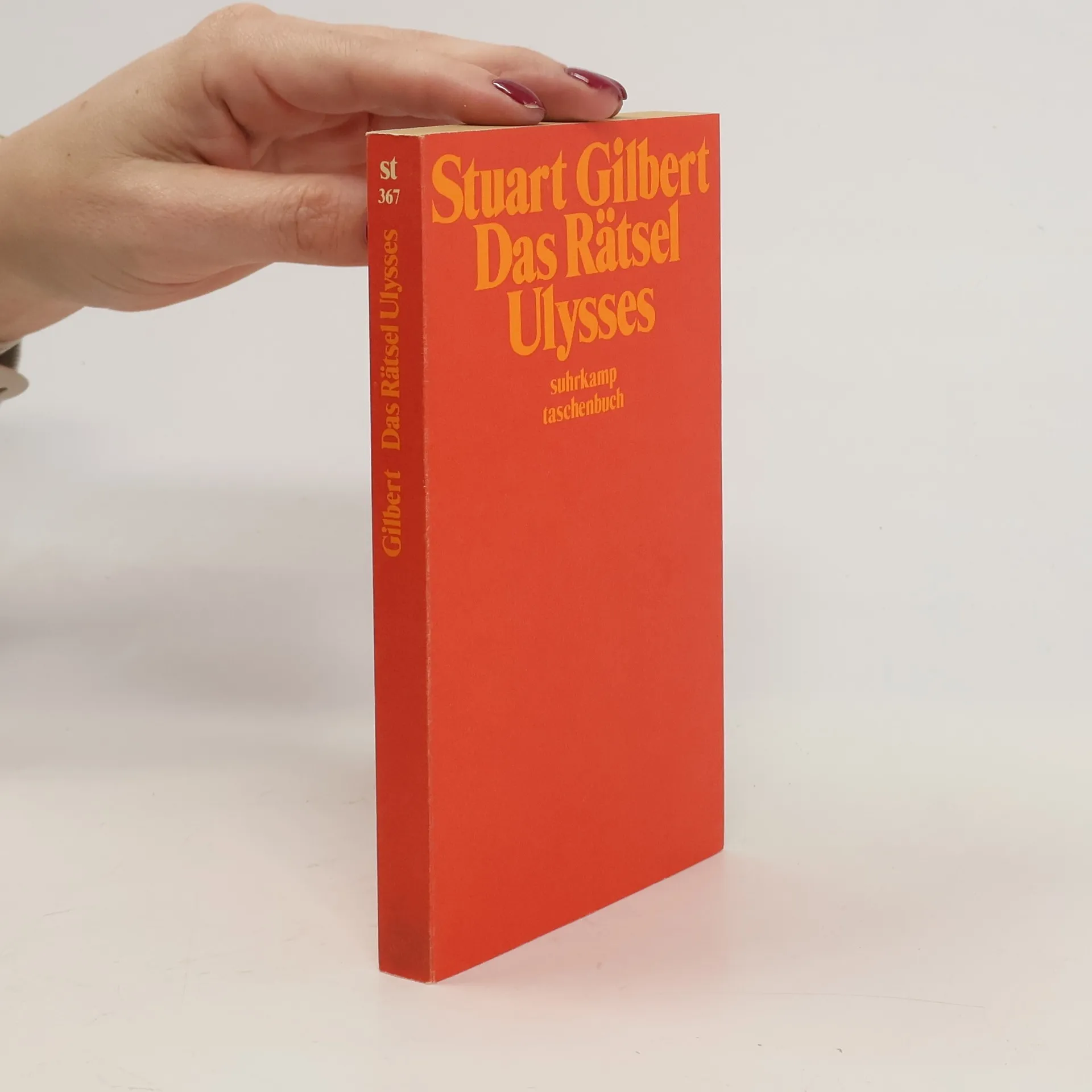
Das Rätsel Ulysses
- 314 pages
- 11 hours of reading
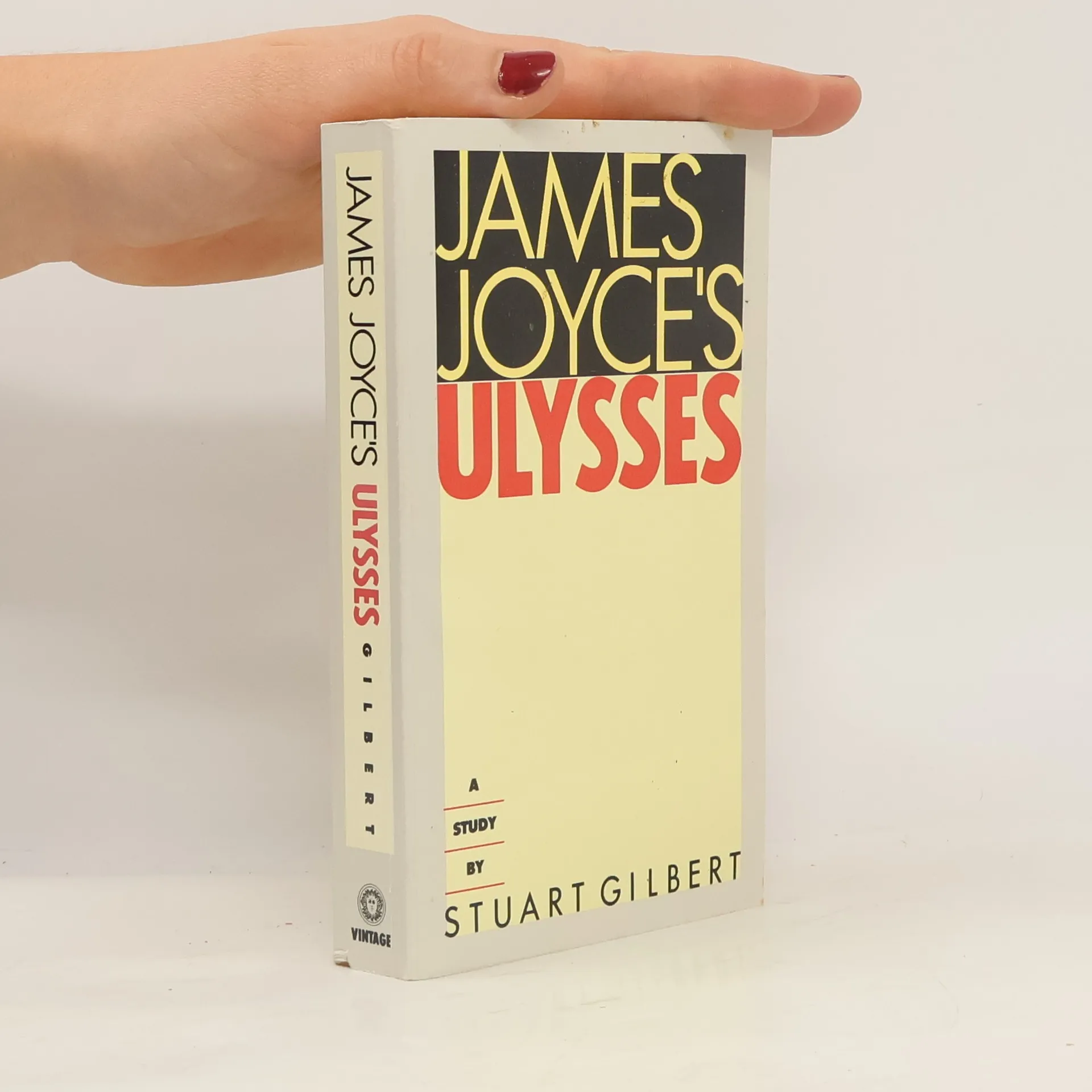
With the passing of each year, Ulysses receives wider recognition and greater acclaim as a modern literary classic. To comprehend Joyce's masterpiece fully, to gain insight into its significance and structure, the serious reader will find this analytical and systematic guide invaluable. In this exegesis, written under Joyce's supervision, Stuart Gilbert presents a work that is at once scholarly, authoritative and stimulating.