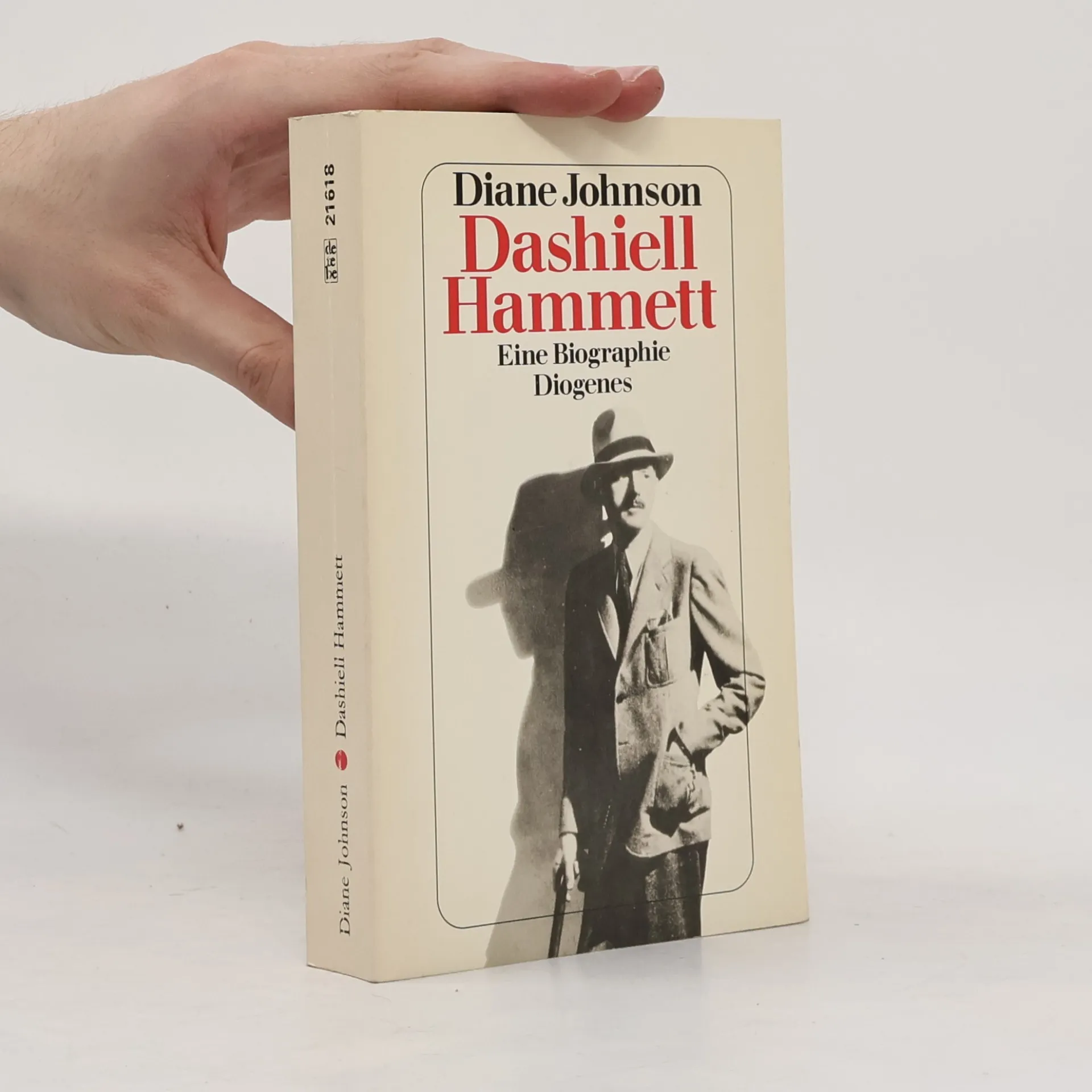
Diane Johnson is an American novelist and essayist whose satirical novels often feature American heroines living abroad in contemporary France. Her work is characterized by keen observations of cultural clashes and adaptation. Johnson explores the ironies and complexities of life away from home, often with a light touch and sharp wit. Her writing invites readers to contemplate identity and belonging in a globalized world.
The plot revolves around the enchanting city of Picturia, which faces a dire threat from Ig, who unleashes The HAZE, a force that spreads apathy and indifference among its citizens. As the vibrant spirit of the city begins to fade, Ig's sinister plan aims to destroy Picturia while its inhabitants remain oblivious to the looming danger. The story explores themes of awareness, community, and the battle against complacency in the face of adversity.
The two-time Pulitzer Prize- and three-time National Book Award-nominated author of the bestseller "Le Divorce" returns with a mesmerizing novel of double standards and double agents.
Fourteen short stories about Paris by Evan S. Connell, Alice Adams, Hortense Calisher, Mark Helprin, James Laughlin, Robert McAlmon, Ellen Gilchrist, Paul Theroux, Peter Taylor.
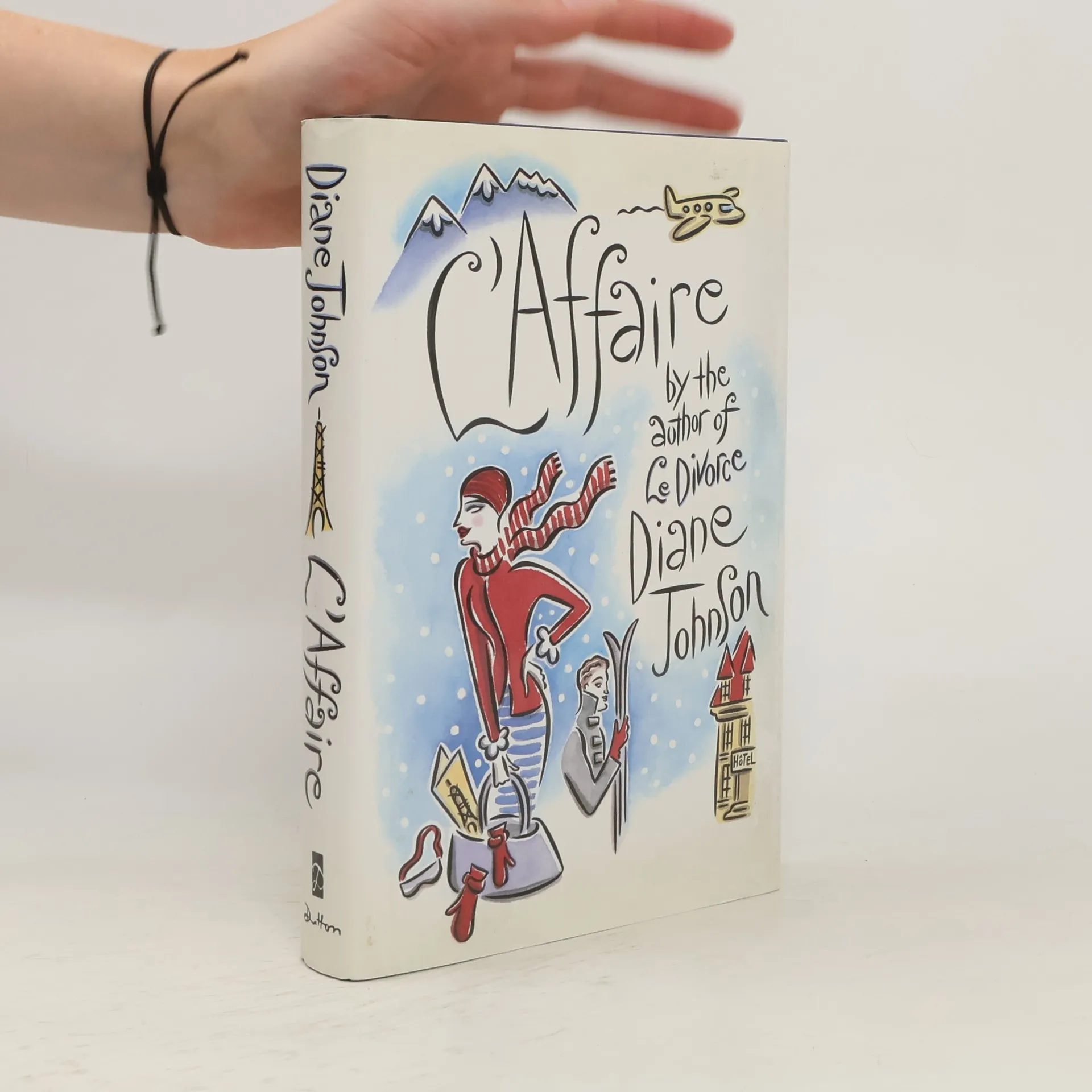
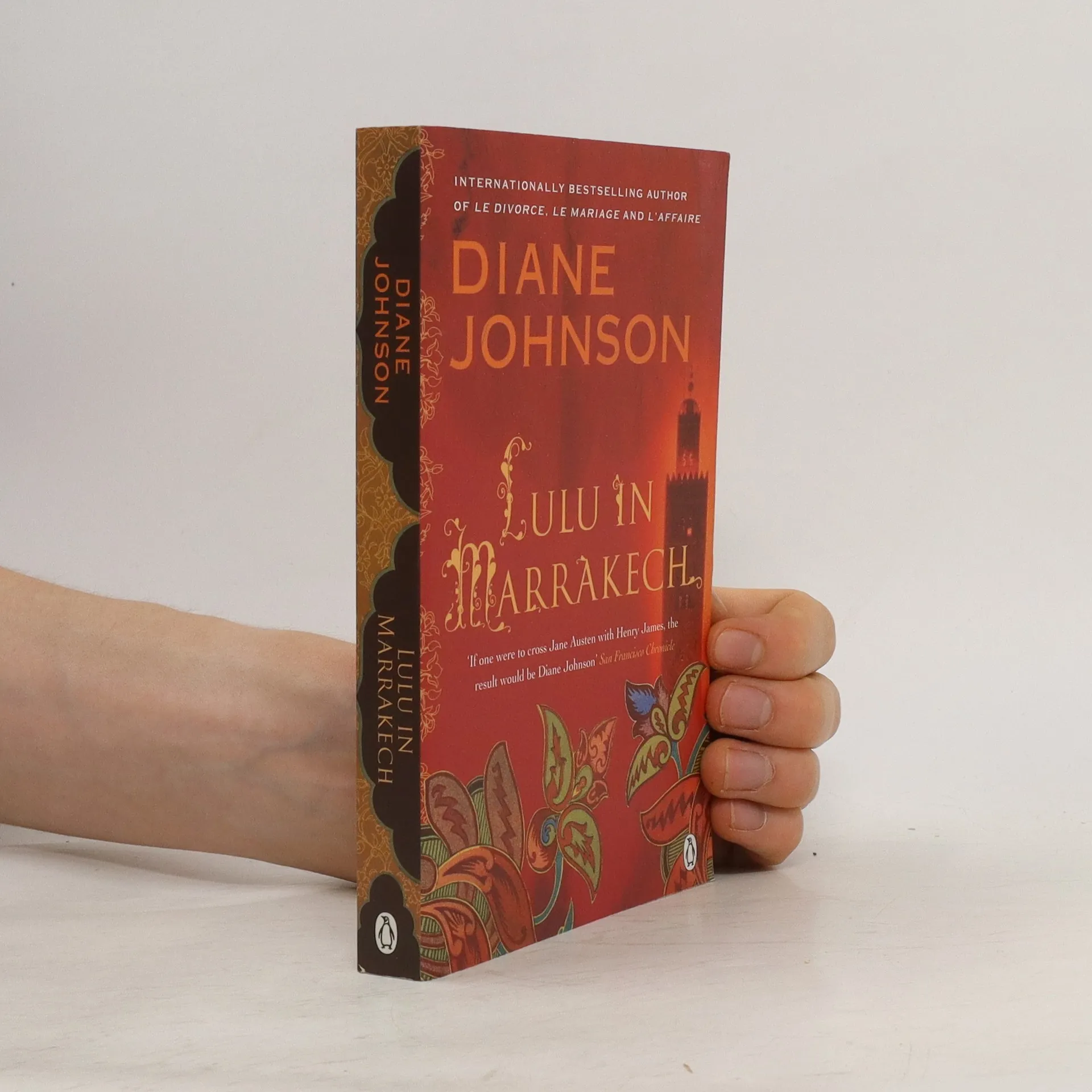
When Amy Hawkins, a successful dot-com executive from California, overhears elderly socialites criticizing her generation's worldly incompetence, she embarks on a journey to Europe in search of culture, her roots, and a worthy cause for her fortune. Her adventure begins at a luxurious hotel in the French Alps, renowned for skiing and cooking lessons, located in the town of Valméri. Shortly into her stay, an avalanche nearly engulfs her, while two fellow guests, esteemed English publisher Adrian Venn and his younger American wife, Kerry, are left comatose in a nearby hospital. The differing French and English laws regarding inheritance prompt Adrian's diverse children—both legitimate and illegitimate—to converge in Valméri, eager to secure their financial interests should he not survive. As an American, Amy's presence complicates the already tense social dynamics, and her well-meaning actions inadvertently trigger a chain of events that reveal deep-seated national differences, customs, and legalities. With the potential for romantic entanglements threatening fragile alliances, the situation quickly escalates into a complex web of intrigue and cultural clash.
A certain smile: "A young woman bored with her lover, begins an affair with an older man that unfolds in unexpected and troubling ways."--Publisher description.
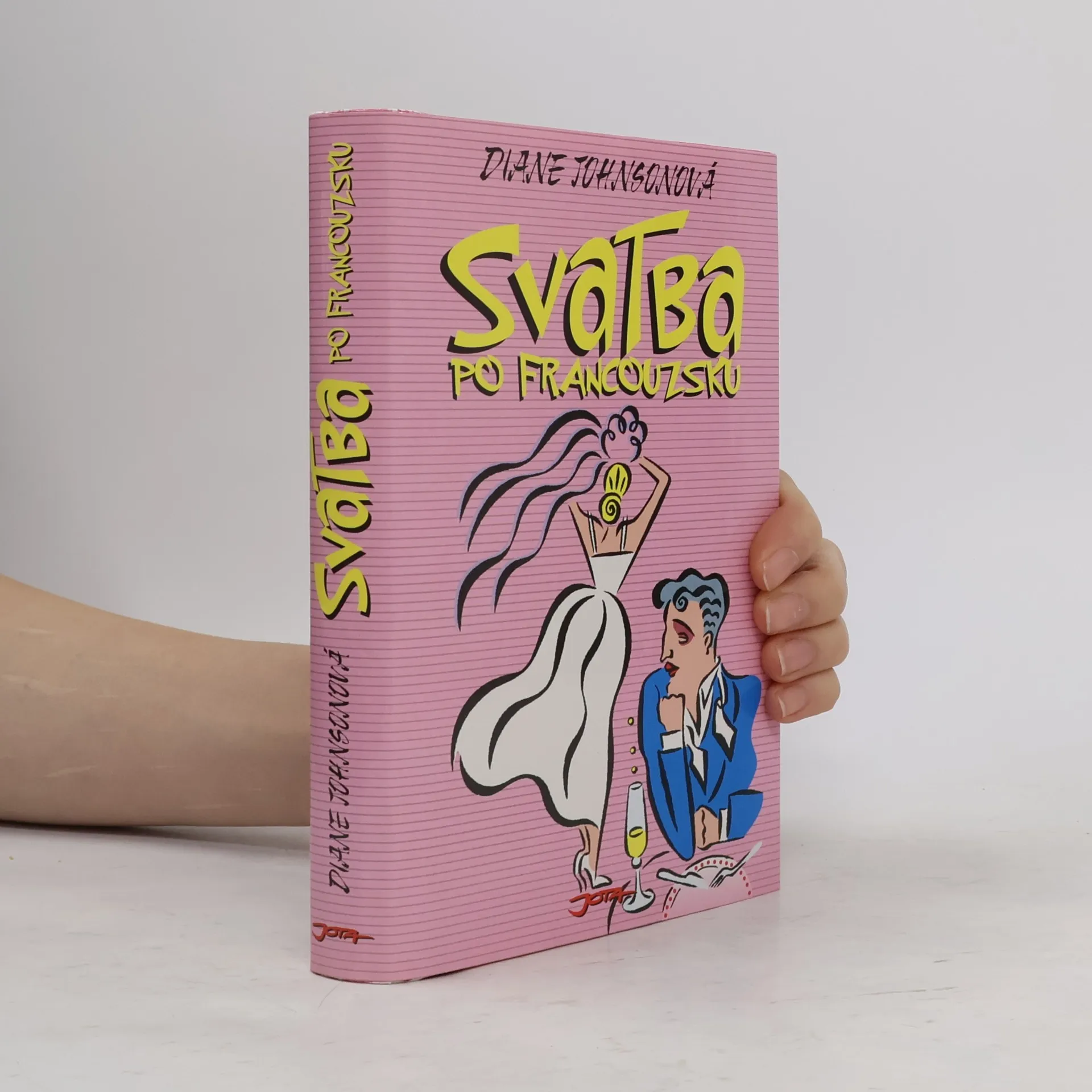
Clara Holly is a former actress, beautiful, rich, and 'well married, far from her Oregon beginnings' to the renowned but reclusive film director Serge Clay. Anne-Sophie is a proper young Frenchwoman with a smart little antique stall in the Paris flea market and a wedding to plan. As the plot thickens they are all drawn into a cross between a modern Feydeau farce and a Kafkaesque nightmare, as their paths and those of a host of other characters intersect at the Cray's château. Despite murder, misunderstanding, hostage-taking and erotic encounters, however, le marriage must go ahead in the grand French style.
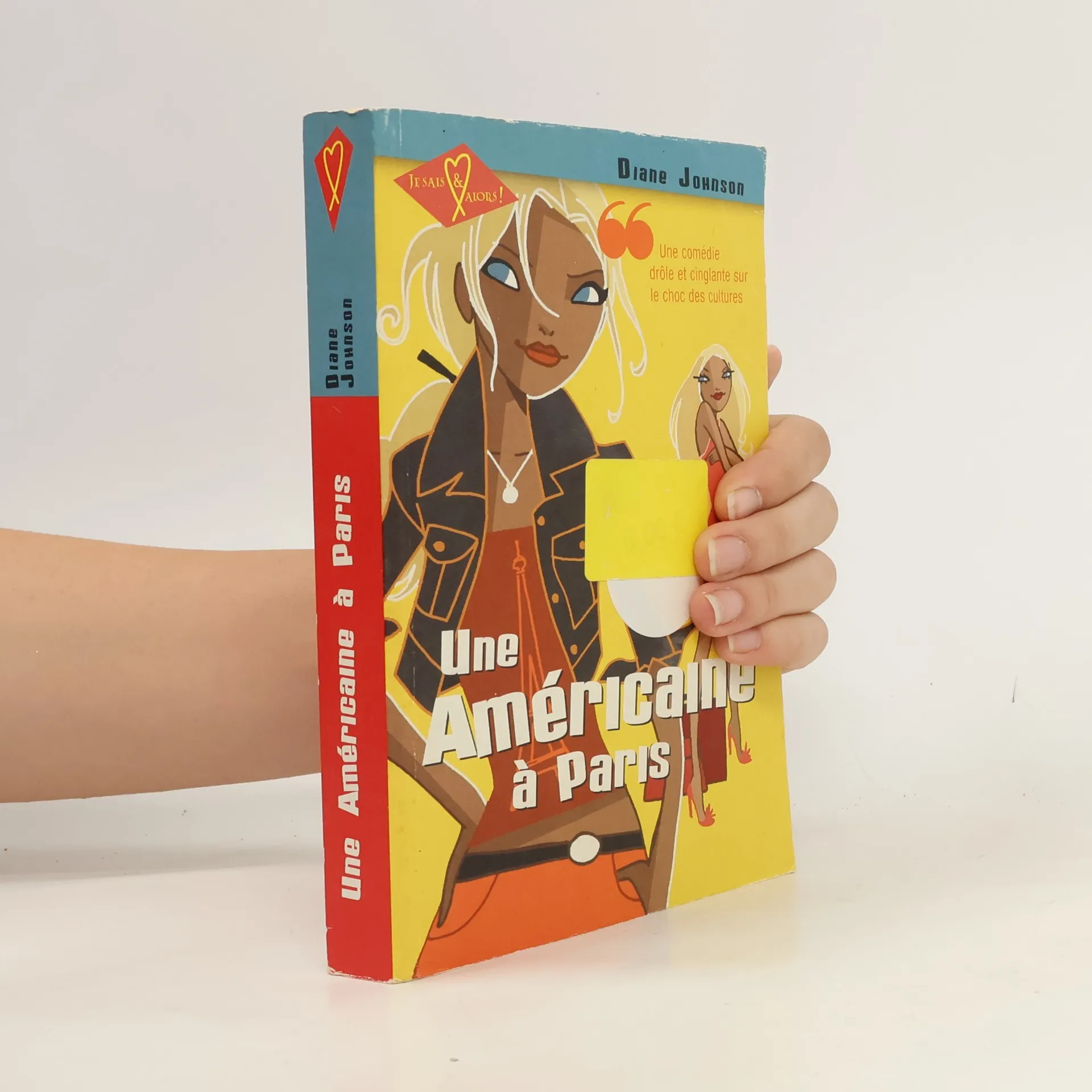
Isabel Walker, a young, not-so-innocent, American abroad, arrives in Paris to find that her sister's French husband ('the frog prince') has just walked out. While Isabel embarks on her own sentimental education -seduced by gourmet food, antiques, existentialism and an older man -her sister's marriage disintegrates into bitter Franco-American wrangles over money, titles and a mysterious painting. With a sharp tongue and an ironic eye for the foibles of the Parisian bourgeoisie, the French art world and American ex-patriots, Isabel is a collector of experience, even those she can't control.
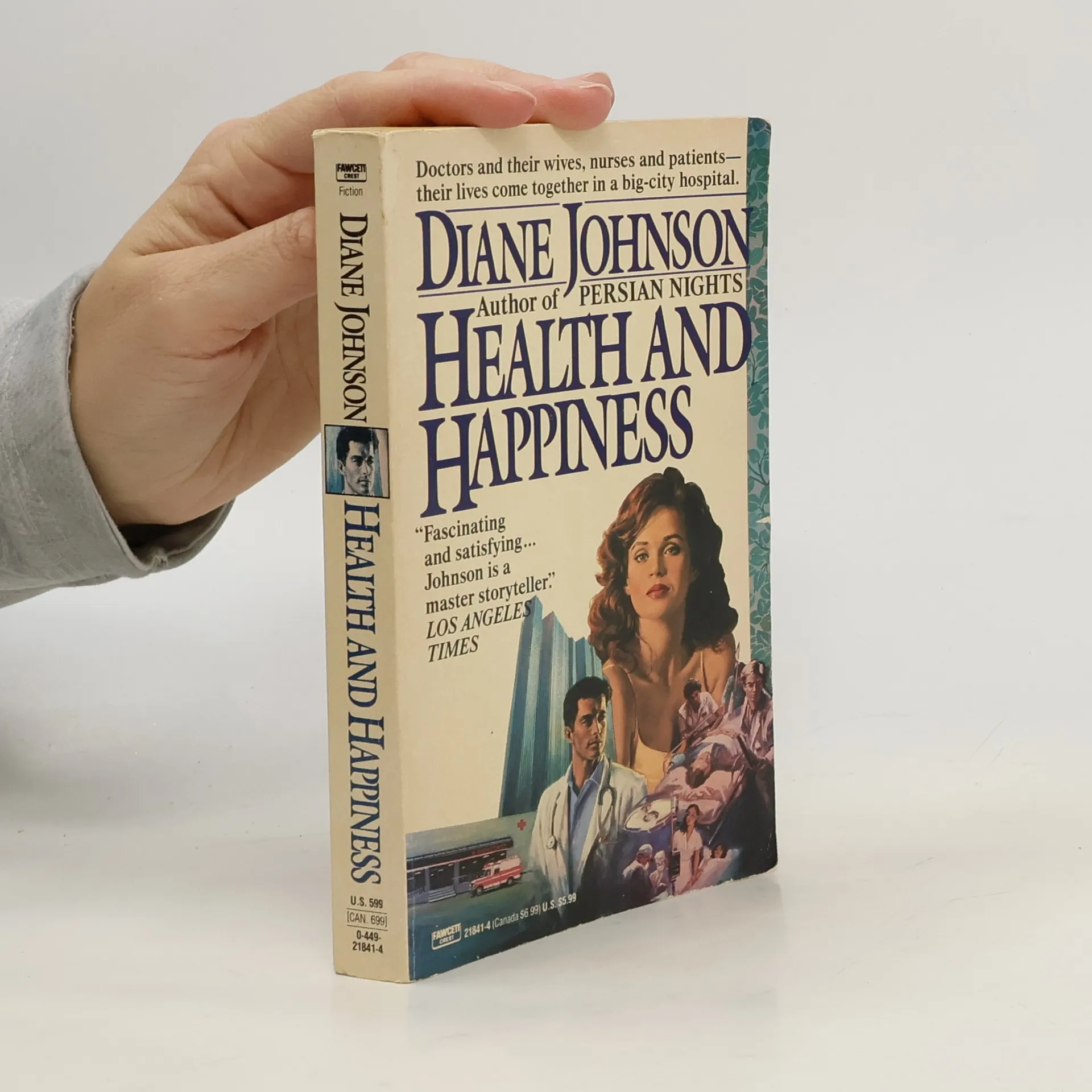
This "brilliant, engaging, cleverly manipulated piece of fiction" ("San Francisco Chronicle"), written by the author of "Le Divorce", captures the moral dilemmas and life-and-death decisions that are the foundation of hospital life, portraying the continuous clashes of motive and sensibility that create the ongoing comedy of medical manners.
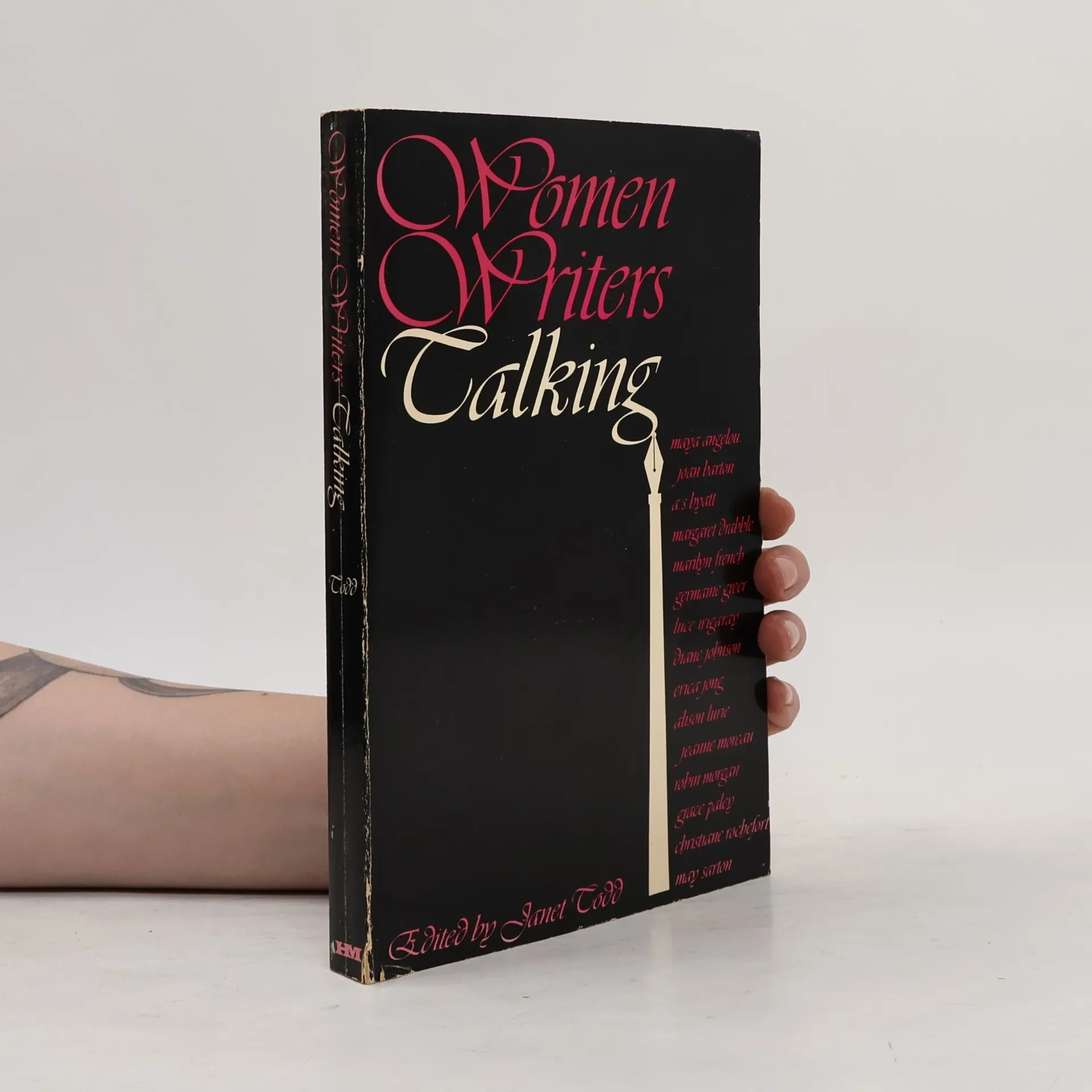
Contains interviews by critics and scholars with some of the foremost women writers, including Maya Angelou, A S Byatt, Luce Irigaray, Erica Jong, Jeanne Moreau, and Grace Paley.