=Close home. Essays on Austrian Literature
W. G. Sebald Books
May 18, 1944 – December 14, 2001



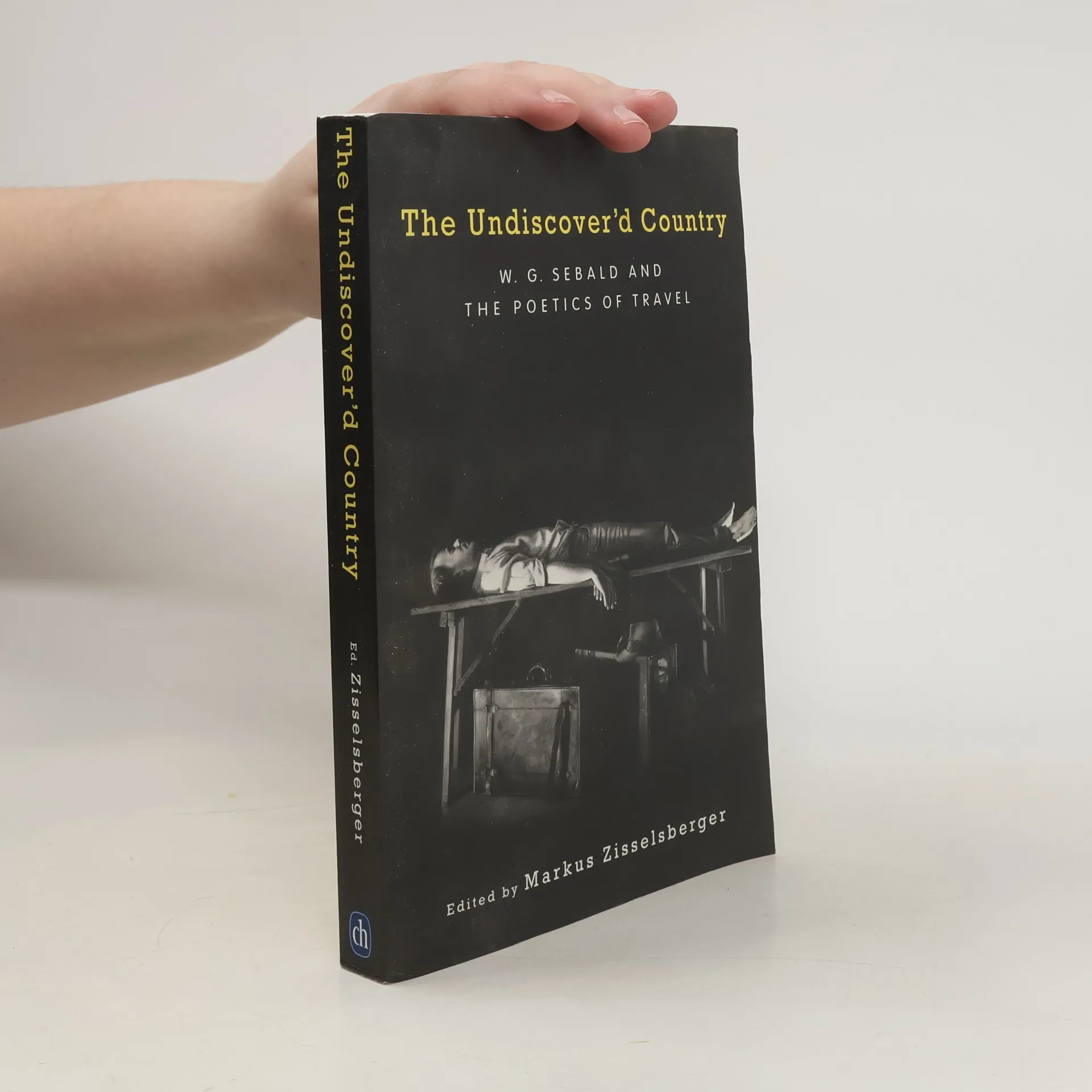
The Undiscover'd Country
- 404 pages
- 15 hours of reading
The first sustained interrogation of travel in Sebald's literary and essayistic work, employing multivalent and new critical perspectives.
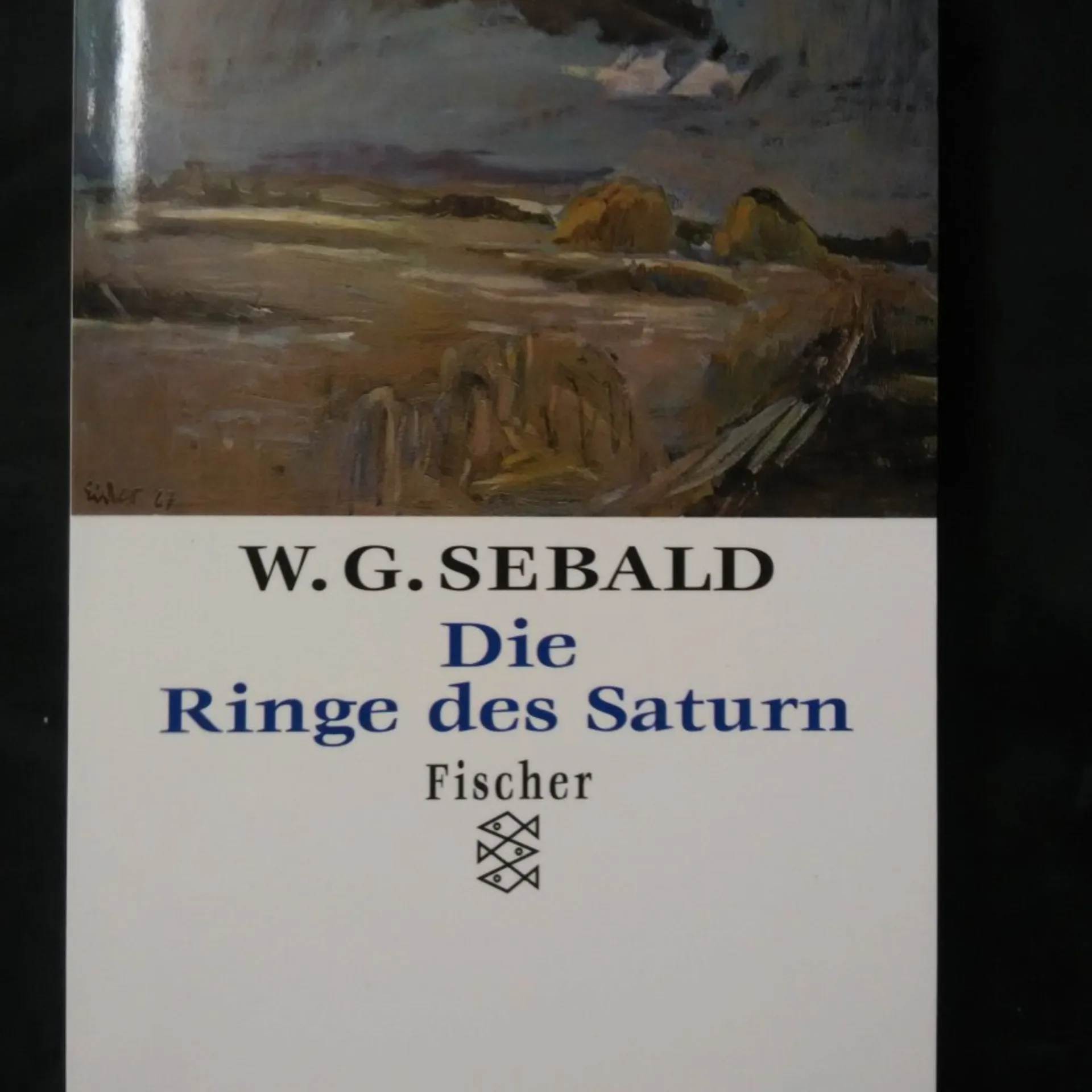
The Rings of Saturn
- 296 pages
- 11 hours of reading
A fictional account of a walking tour of the English countryside, moving through space and time in a dream-like mode.
The book presents a detailed catalogue of photographic materials, including negatives, prints, and slides, from the archives of W. G. Sebald, who passed away in 2001. It features a wealth of illustrations alongside contextual interviews, quotations, and essays that enrich the understanding of Sebald's work and legacy. This comprehensive resource not only documents the visual elements left behind but also explores their significance within Sebald's broader artistic and literary contributions.
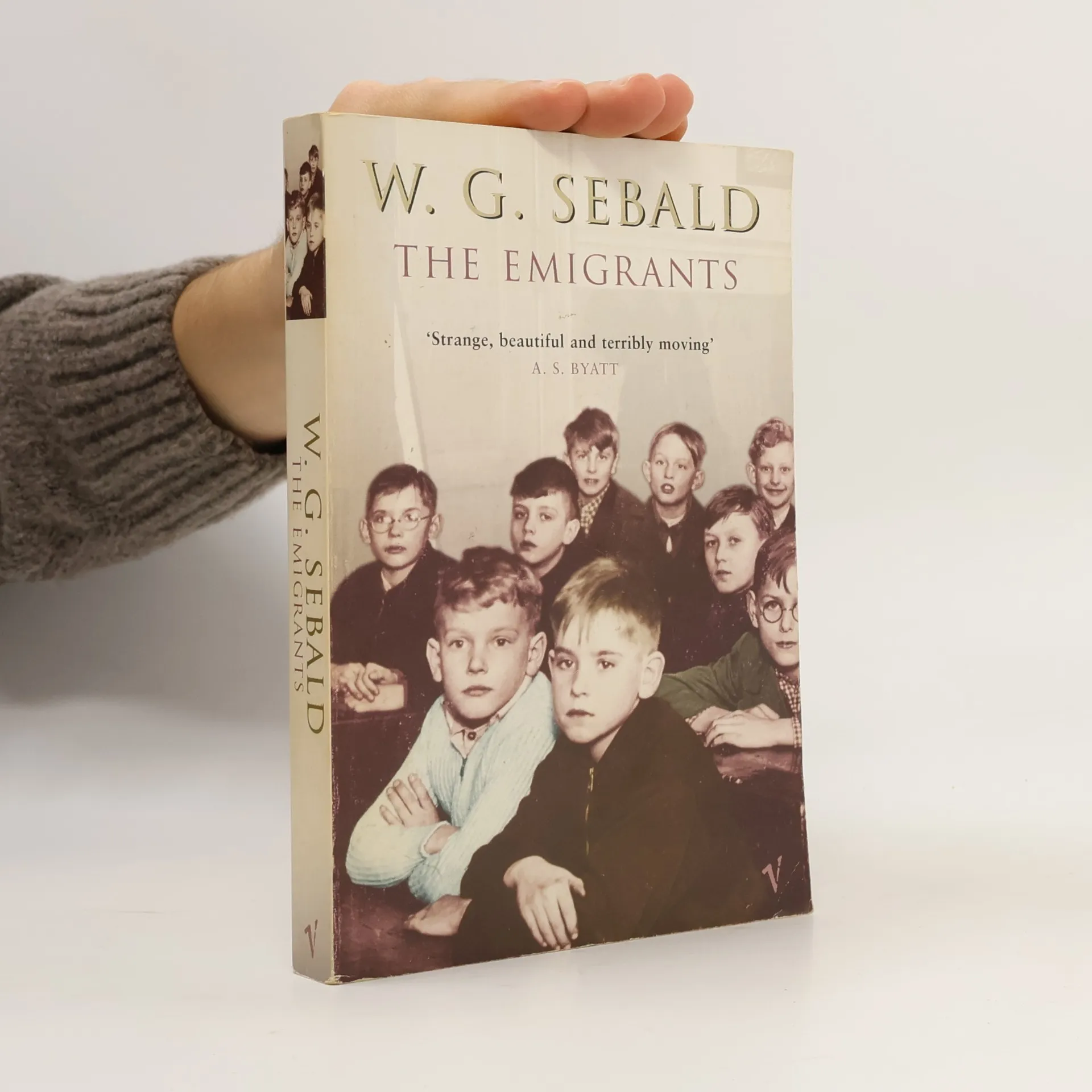
At first, The Emigrants appears simply to document the lives of four Jewish emigres in the 20th century. But gradually, as Sebald's precise, almost dreamlike prose begins to work its magic, the four narrations merge into one overwhelming evocation of exile and losss.
Vertigo
- 263 pages
- 10 hours of reading
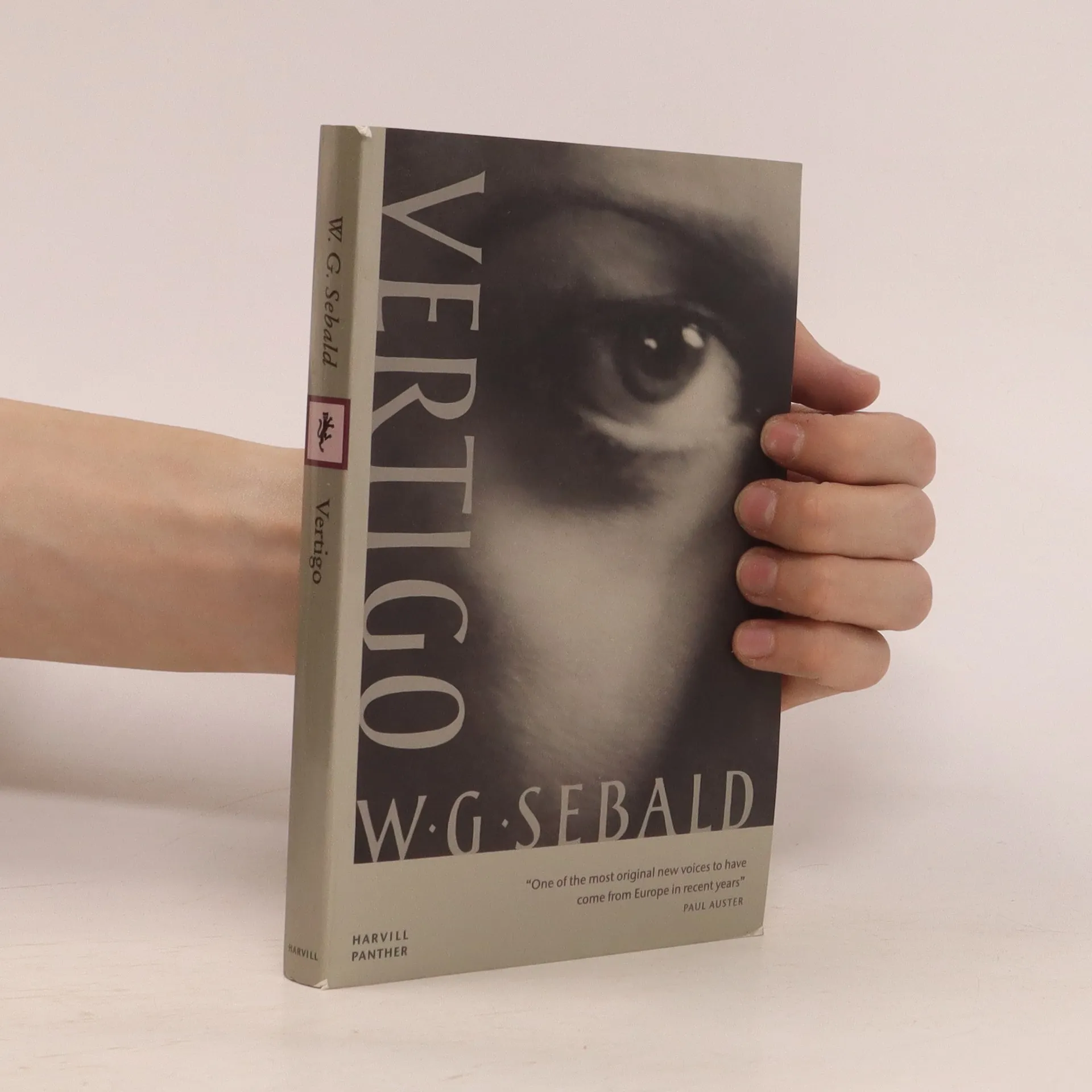
At moments when reality shows itself to be unstable or uncanny, we experience a form of vertigo. W.G. Sebald explores this theme through four stories and four journeys - the journeys of Stendhal, Kafka, and twice of the unnamed narrator.
On the natural history of destruction
- 149 pages
- 6 hours of reading
In the last years of the Second World War, a million tonnes of bombs were dropped by the Allies on 131 German towns and cities. 600,000 civilians died, seven and a half million Germans were left homeless. W.G. Sebald's lucid but harrowing essays explore the consequences for the German people of the mass destruction of their cities.
Young Austerlitz
- 64 pages
- 3 hours of reading
In Young Austerlitz taken from the last book W. G. Sebald saw published we are told the story of a man who learns that his past is a lie.
Across the Land and the Water
Across the Land and the Water: Selected Poems, 1964-2001
- 192 pages
- 7 hours of reading
Exploring themes of nature, history, and memory, this collection showcases nearly one hundred poems by W. G. Sebald, highlighting his literary mastery. Spanning from his student years in the sixties to works completed before his death in 2001, the poems, many published in English for the first time, reflect Sebald's unique voice and profound insights. Translated by Iain Galbraith, this volume promises to be a significant contribution to Sebald's already esteemed oeuvre, resonating with readers familiar with his prose.
Pensive images
- 183 pages
- 7 hours of reading
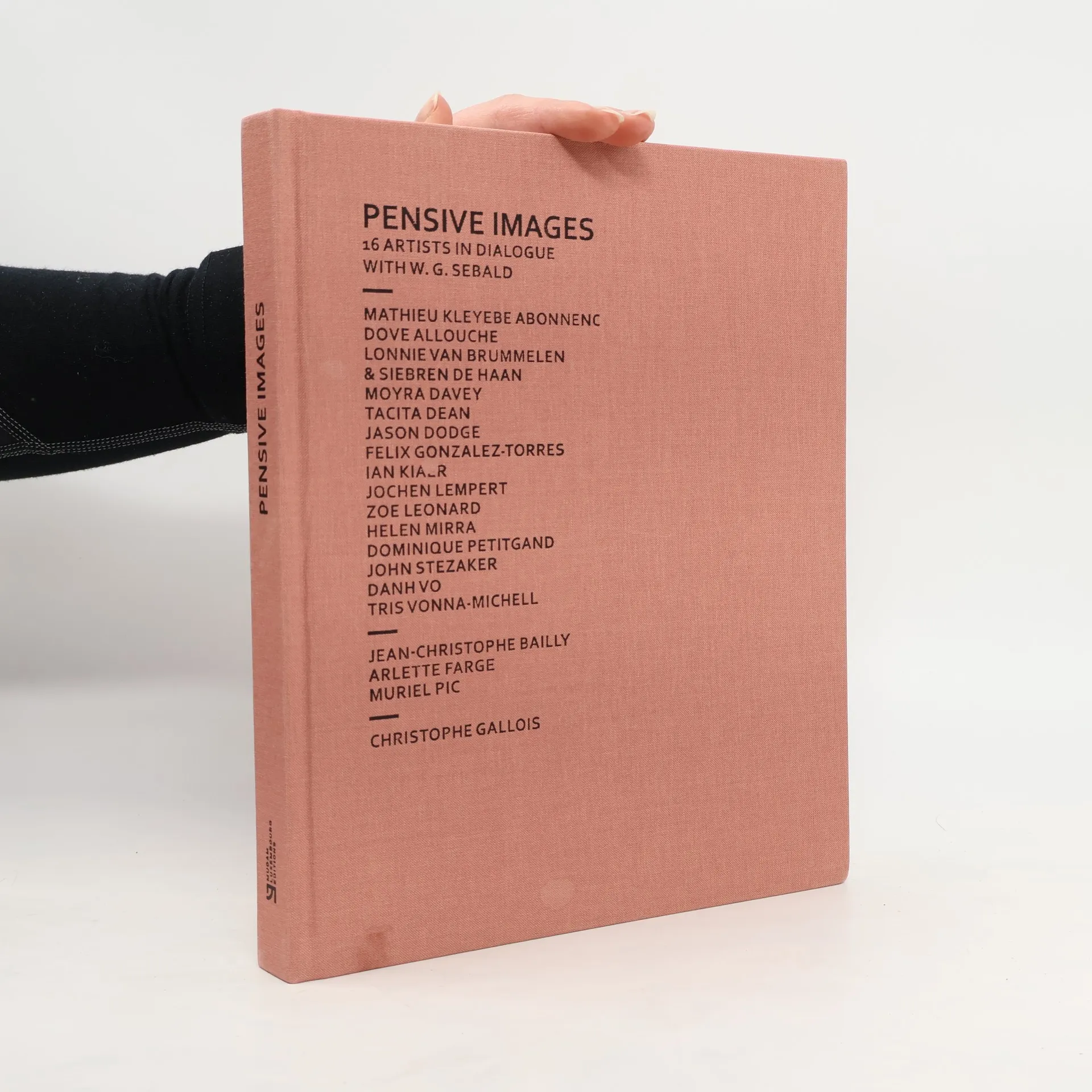
Inspired by the work of the German writer W. G. Sebald, the exhibition L’Image-papillon (The Butterfly Image) addresses the complex relations that link image and memory. It gathers together sixteen artists whose work, like Sebald’s, explores the realms of memory and history through the concepts of experience and overlapping temporalities. Borrowing its title from a recent essay on Sebald’s Work by the writer and literary researcher Muriel Pic.
"Auf ungeheuer dünnem Eis"
- 288 pages
- 11 hours of reading
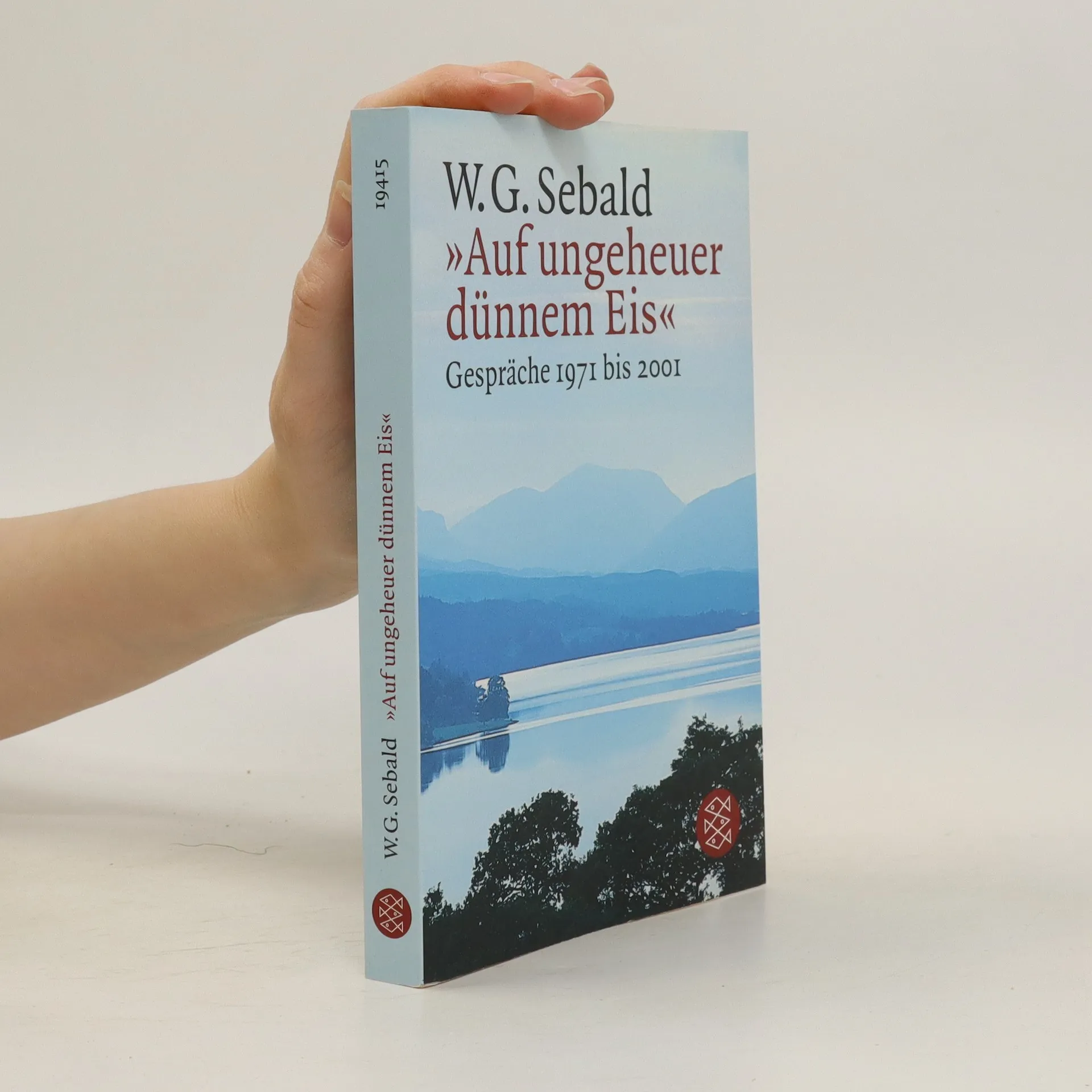
»Die Gefahr, daß man den Verstand verliert, ist nicht gering.« – Wer war W. G. Sebald? Dieser Band fasst zwanzig Gespräche mit W. G. Sebald zu einer ebenso informativen wie poetischen Bestandsaufnahme zusammen. Viele dieser mit wechselnden Interviewpartnern zwischen 1971 und seinem plötzlichen Tod im Jahr 2001 geführten Gespräche werden hier erstmals gedruckt. Sebald spricht darin über sich selbst und seine Bücher, aber auch über sein ungeschrieben gebliebenes Werk.Dies ist ein zentrales Buch, um Sebalds gesamtes Schreiben zu verstehen. Hier wird nicht nur über Literatur gesprochen, sondern zugleich weitererzählt.
Campo Santo
- 265 pages
- 10 hours of reading
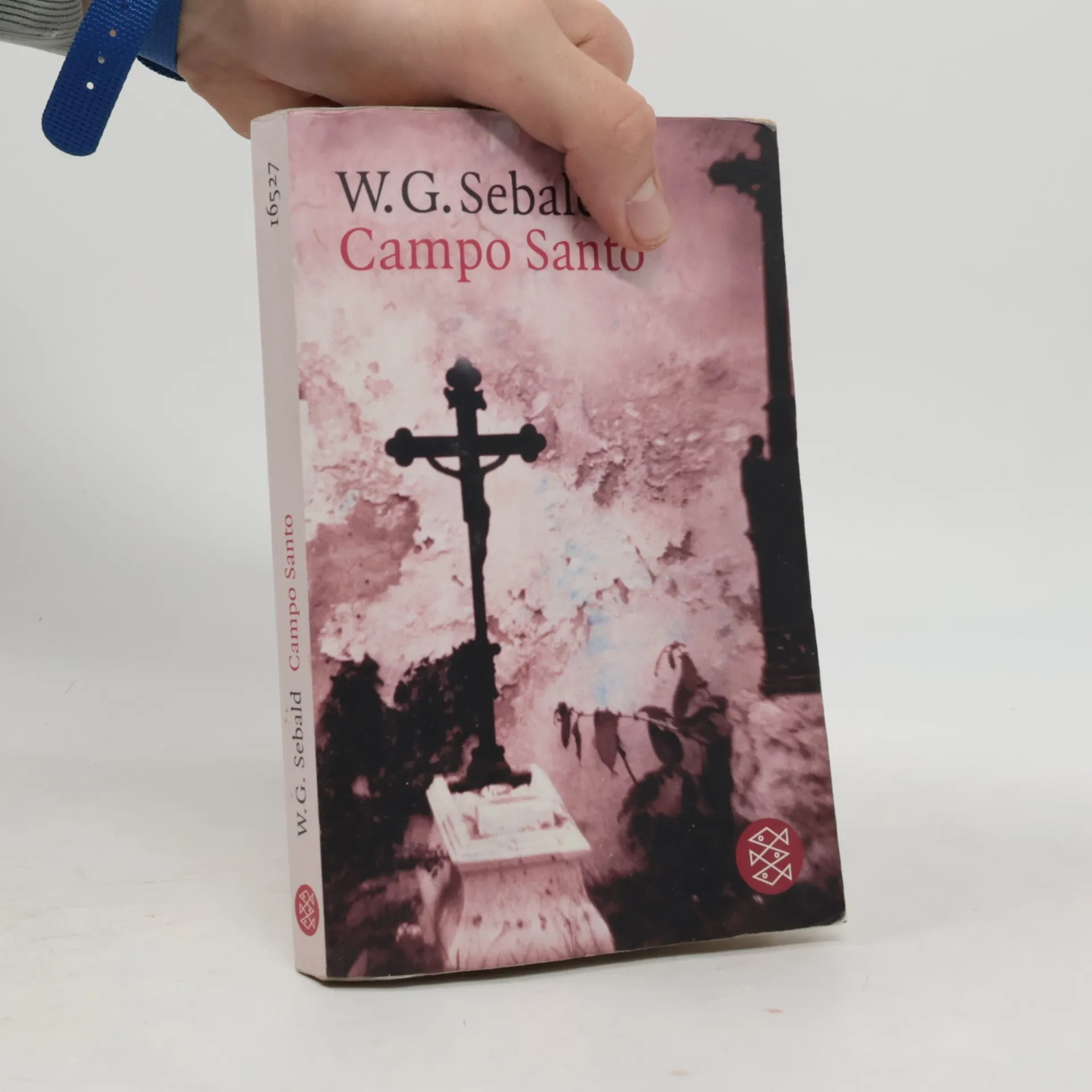
Das Vermächtnis von W. G. Sebald. Werke aus dem Nachlaß des großen Erzählers, der im Dezember 2001 bei einem Autounfall in seiner englischen Wahlheimat Norwich starb. Im Mittelpunkt stehen Teile aus jenem großen unvollendeten Prosawerk, an dem Sebald lange Zeit gearbeitet hat: eine Spurensuche, die auf einem korsischen Friedhof ihren Anfang nimmt. „Sebald hat den Rang eines Vladimir Nabokov, dieselbe rigorose und zugleich gewichtlose Souveränität.“ ›Chicago Tribune‹
Logis in einem Landhaus
Über Gottfried Keller, Johann Peter Hebel, Robert Walser und andere
- 187 pages
- 7 hours of reading
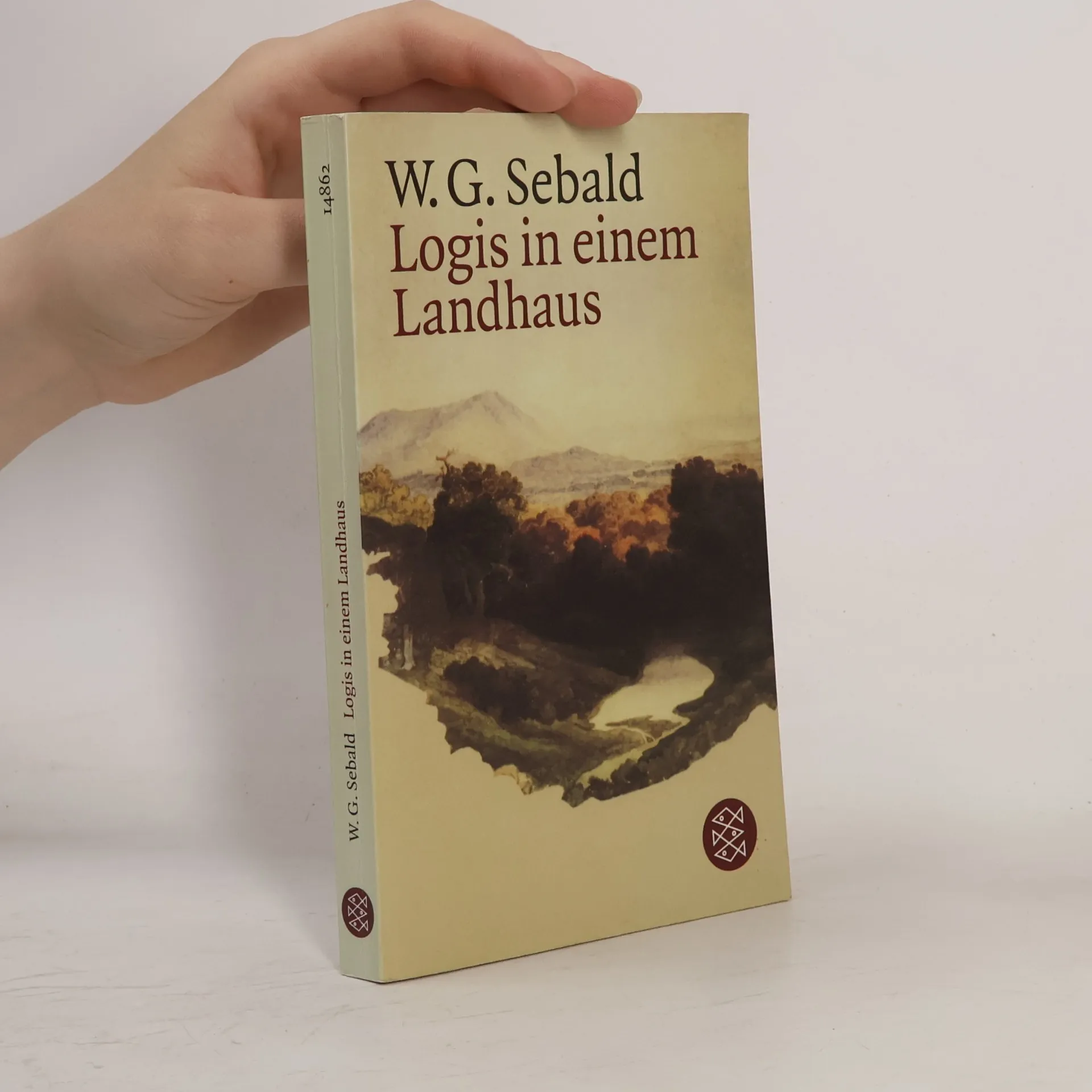
Keller, Hebel, Mörike und Walser waren Außenseiter, Abseitsstehende und vielleicht auch Gescheiterte. Sebald folgt ihren Spuren, die sie im Leben und in der Literatur hinterlassen haben. Er zeichnet eindringliche Porträts, in denen die Dichter so greifbar werden, als wären sie nur ein wenig entrückte Zeitgenossen. »Sebald schreibt makellose Prosa und ist begabt mit einer fast halluzinatorisch gesteigerten Wahrnehmungsfähigkeit.« Der Spiegel
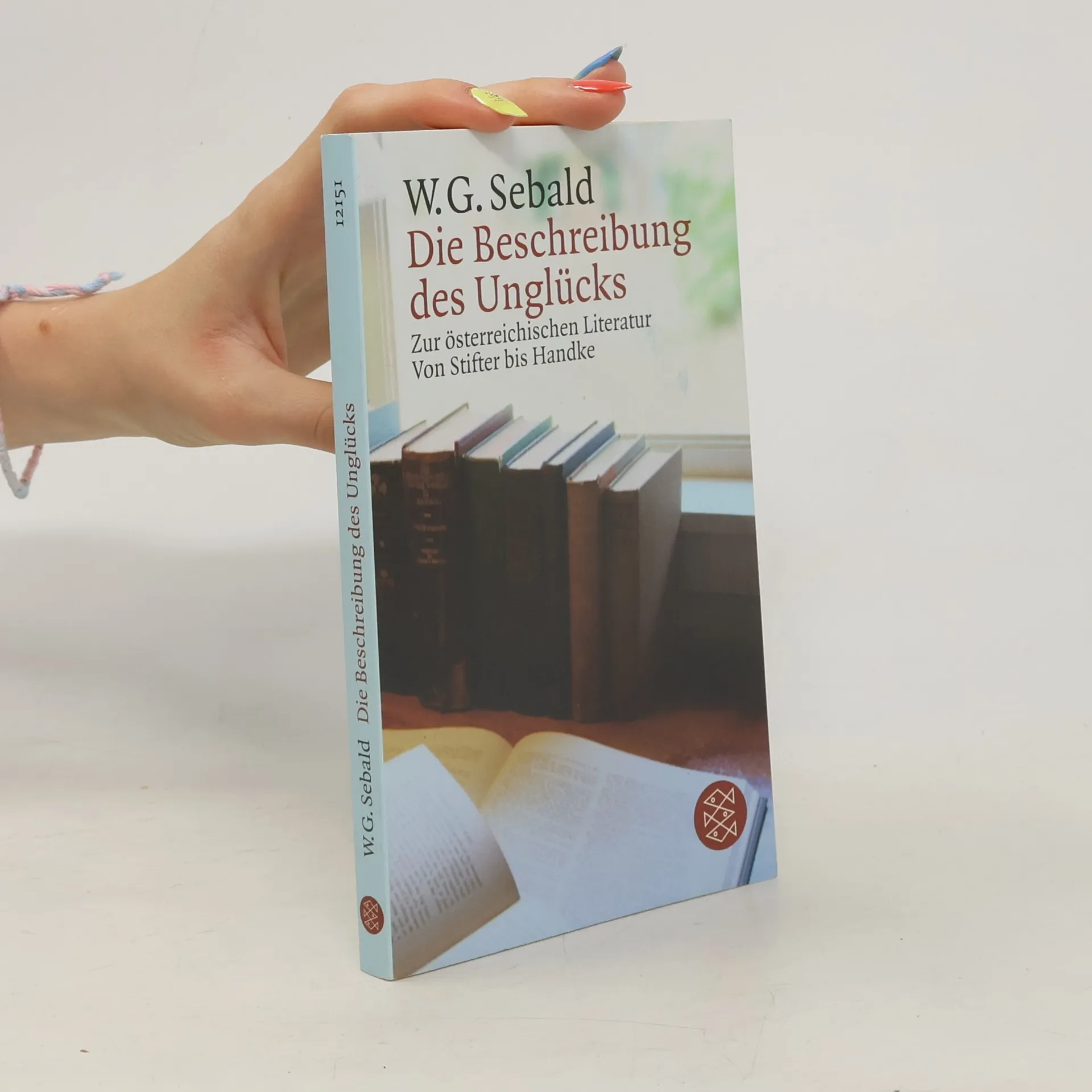
Die Beschreibung des Unglücks
Zur österreichischen Literatur von Stifter bis Handke.
In diesen aufschlußreichen sowie brillant formulierten Essays zu Werken von Stifter, Schnitzler, Hofmannsthal und Kafka, von Canetti, Bernhard, Handke, Ernst Herbeck und Gerhard Roth gelingt es dem Schriftsteller und Literaturwissenschaftler Sebald, einige bislang oft wenig beachtete Merkmale österreichischer Literatur ins Blickfeld zu rücken. Im Mittelpunkt seiner Analysen stehen die psychischen Voraussetzungen des Schreibens, insbesondere »das Unglück des schreibenden Subjekts«, mit dem Sebald die eigentümliche Schwermut in der österreichischen Literatur zu erklären versucht. Einfühlsam geht er der Frage nach, inwiefern persönliche Existenznöte, aber auch historische und politische Kalamitäten das Schreiben dieser österreichischen Autoren jeweils beeinflußt haben, und folgert: »Die Beschreibung des Unglücks schließt in sich die Möglichkeit zu seiner Überwindung ein«.
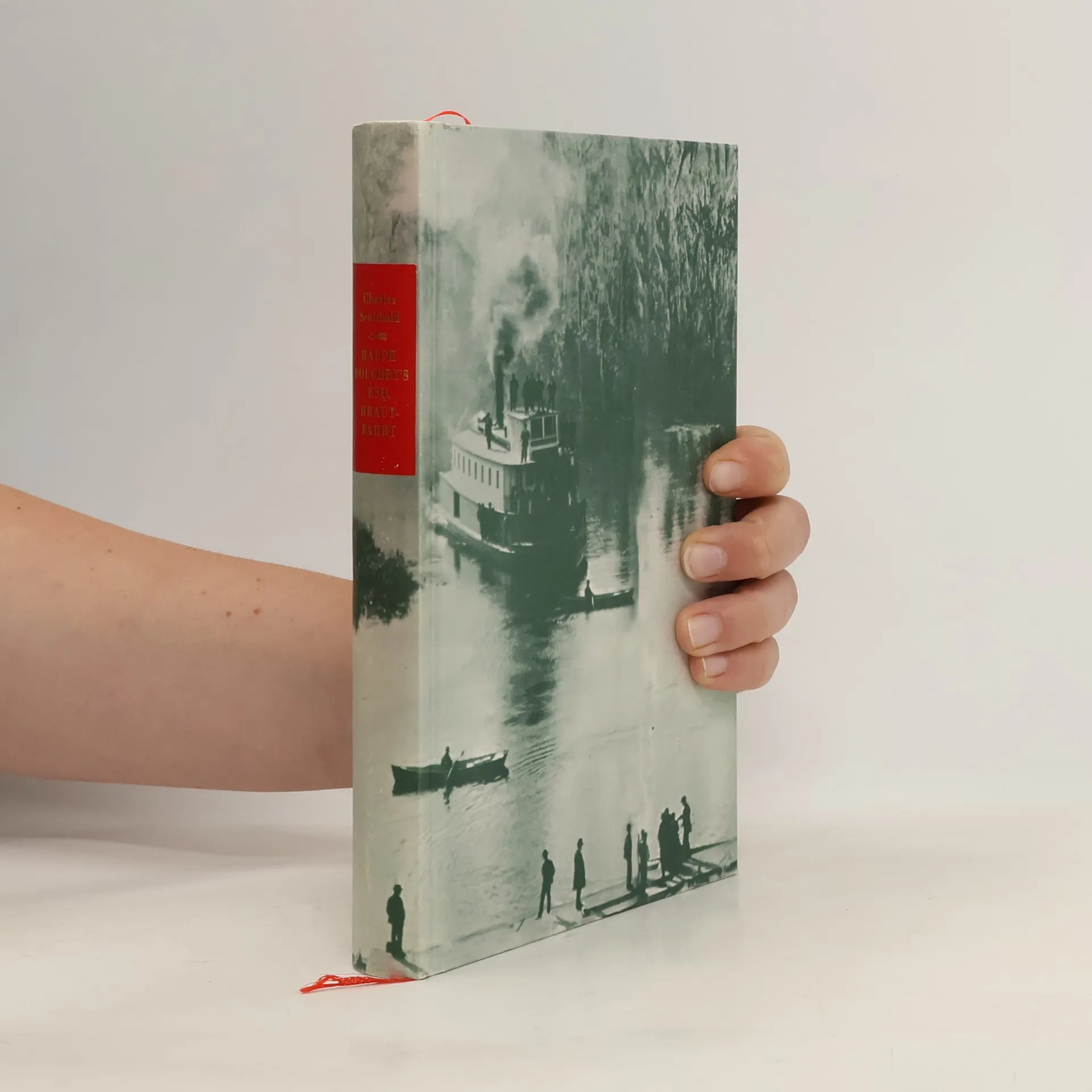
Ralph Doughby's Esq. Brautfahrt
- 319 pages
- 12 hours of reading
'Unerzählt'
- 71 pages
- 3 hours of reading
Das Buch von W. G. Sebald und Jan Peter Tripp vereint 33 Augenpaare und 33 kurze Texte als Vermächtnis ihrer Künstlerfreundschaft. Die Sonderausgabe enthält ein signiertes Porträt Sebalds von Tripp.
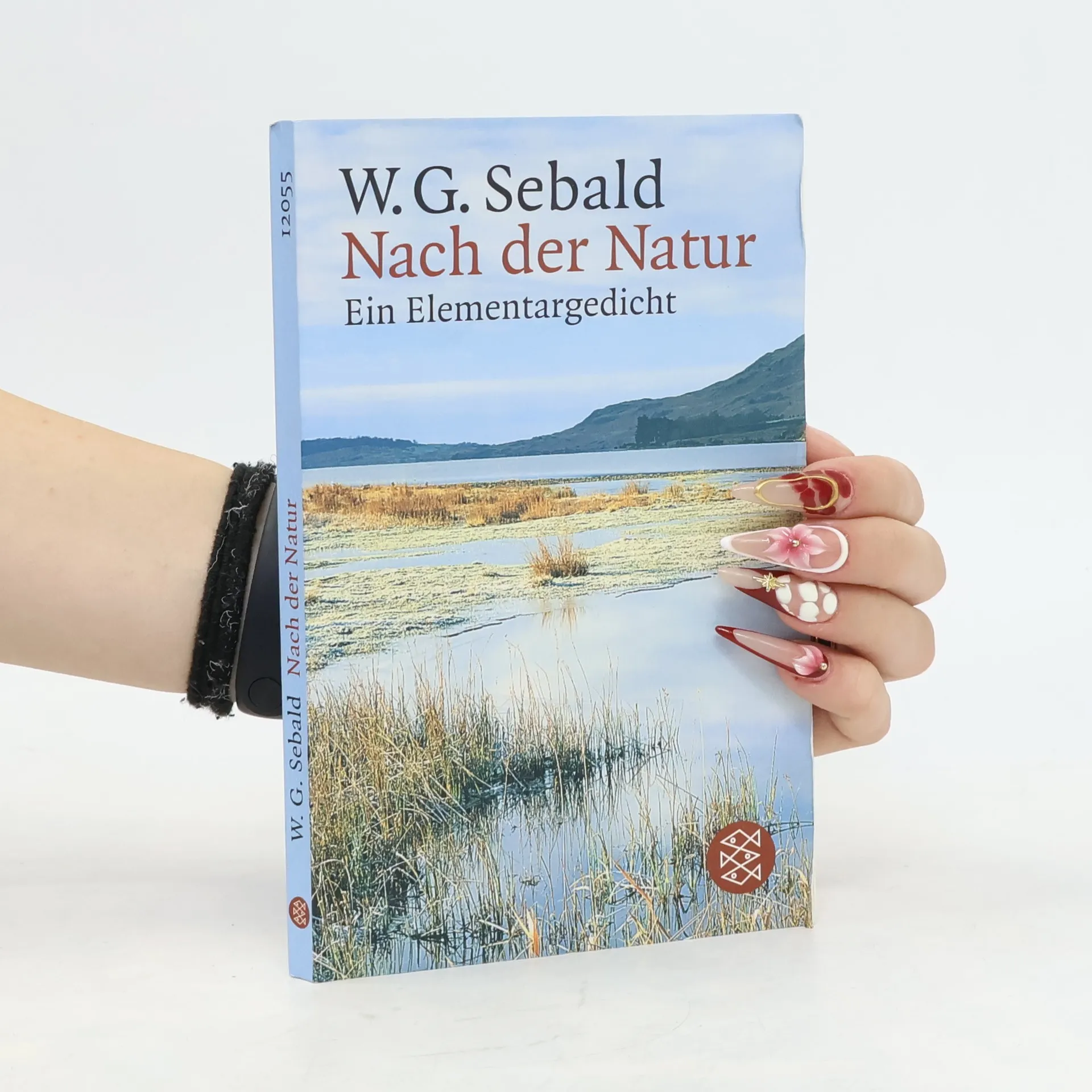
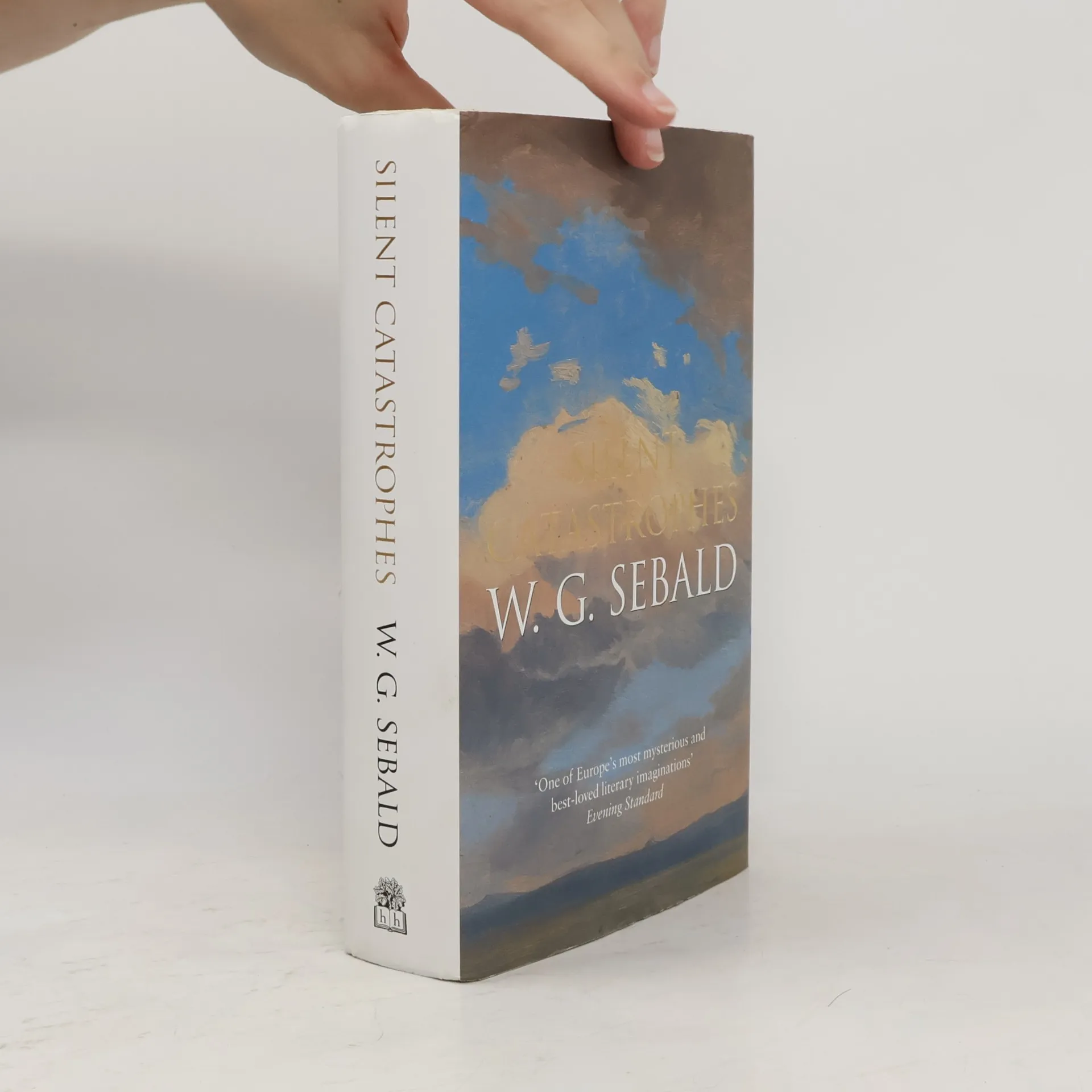
Der berühmte Meister des Isenheimer Altars Matthias Grünewald, der Naturforscher Georg Wilhelm Steller von der Bering‘schen Alaska-Expedition und der Autor selbst – was steckt dahinter, wenn Sebald diese unterschiedlichen Männer aus so weit auseinanderliegenden Jahrhunderten in einem »Elementargedicht« gegenüberstellt? Sein Thema ist die Unvereinbarkeit von Natur und Gesellschaft, die unweigerlich eine »lautlose Katastrophe« heraufbeschwört: die Naturzerstörung, welche längst im Gange ist. Dem hellsichtigen, fortschrittskritischen Beobachter beschert sie ein einsames, gedrücktes Dasein sowie die Utopie einer Natur, die den Menschen letztlich besiegen wird, um den Elementen, Pflanzen und Tieren wieder eine Existenz in Schönheit und Frieden zu ermöglichen. Sebald hat mit seinem der Natur, im weiteren Wortsinn aber auch allem Wesentlichen zugewandten »Elementargedicht« ein hochpoetisches Sprachkunstwerk geschaffen. Es macht uns mit den Lebensläufen dreier Männer vertraut, die den Konflikt zwischen Mensch und Natur auf jeweils eigene Weise schmerzlich empfunden haben.
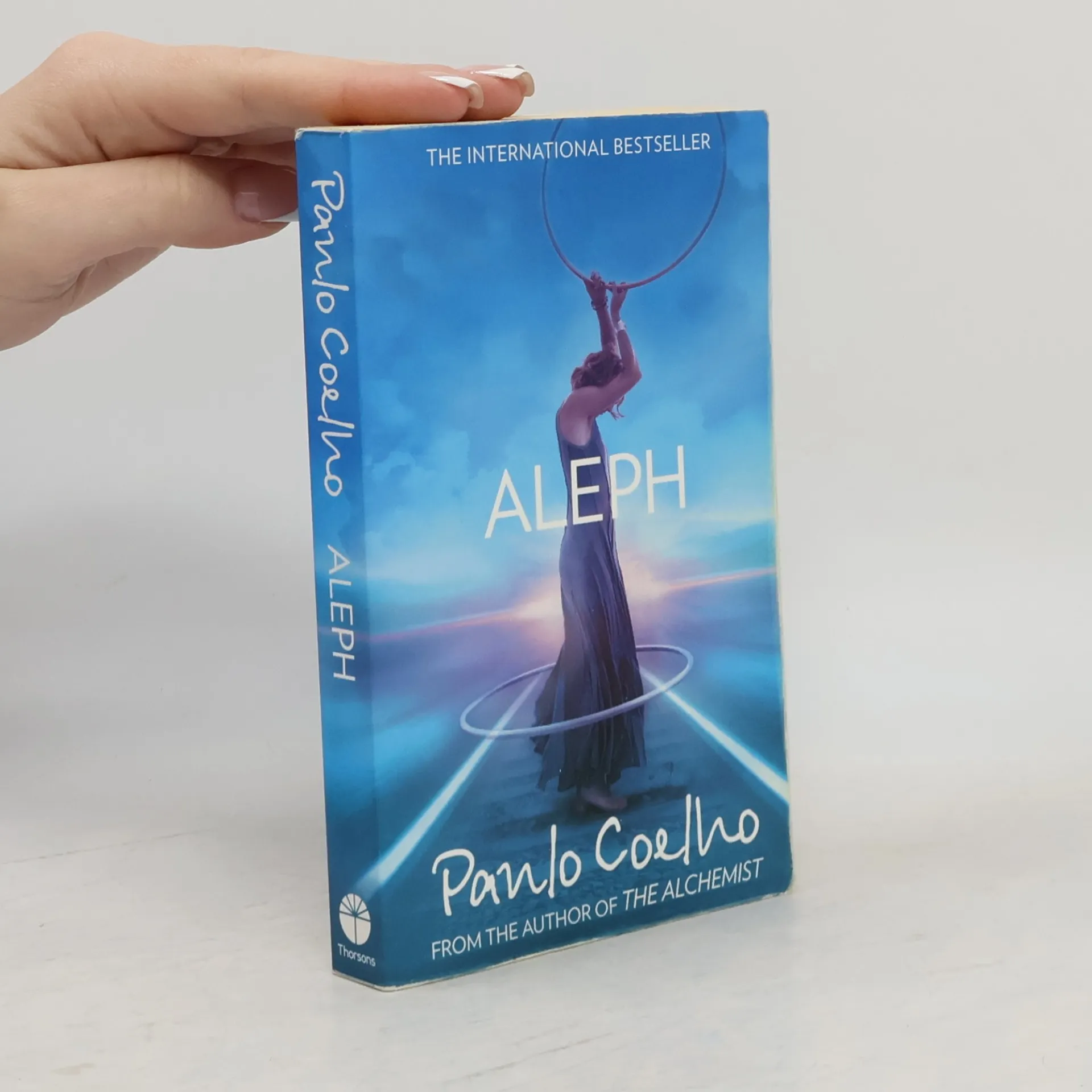
Aleph
- 300 pages
- 11 hours of reading
The new novel by the author of The Alchemist.
Der Mythus der Zerstörung im Werk Döblins
- 169 pages
- 6 hours of reading
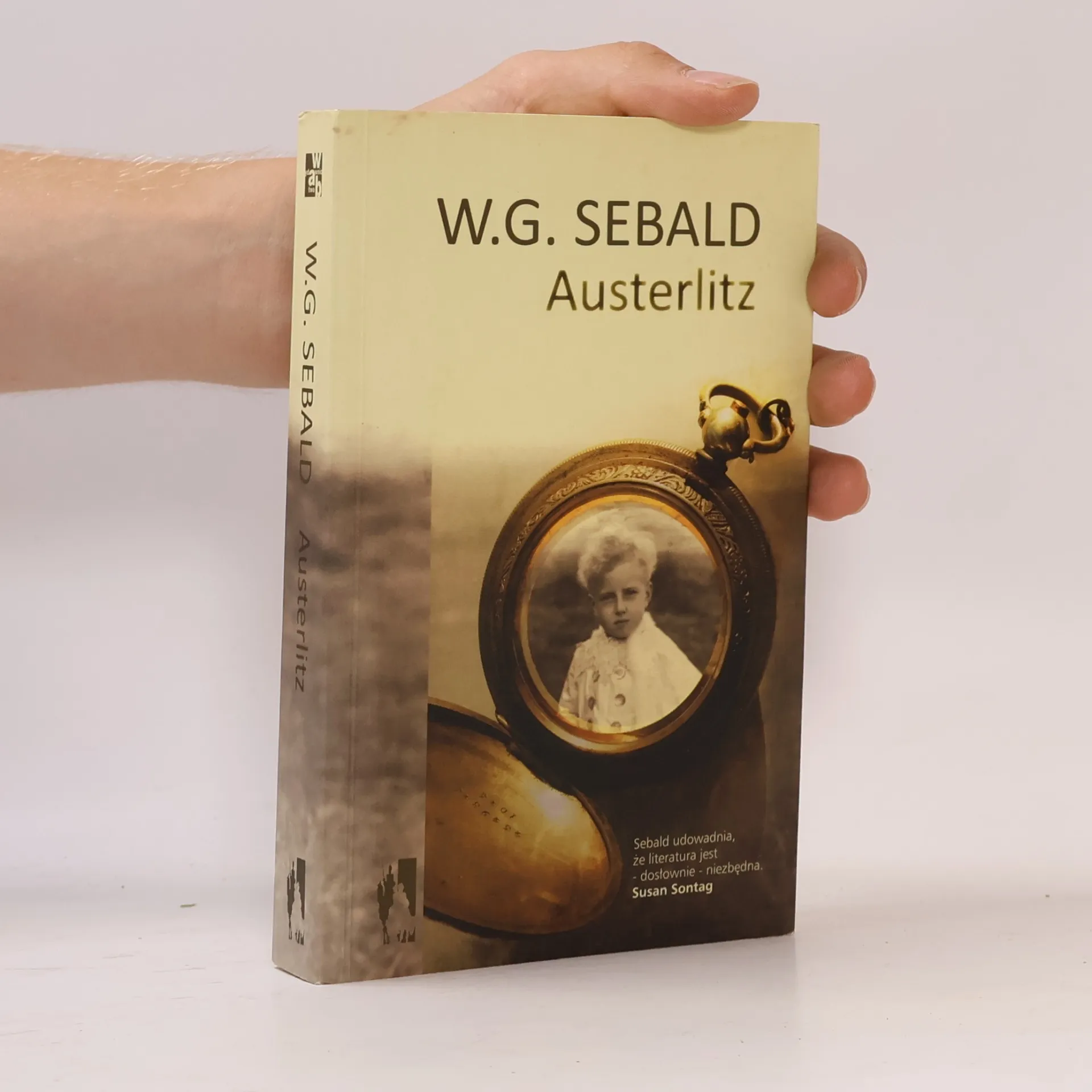
Don Kichot i Sancho Pansa: Austerlitz
- 364 pages
- 13 hours of reading
Wie etwas in die Welt tritt. Die Anthologie der LiteraTour Nord
- 214 pages
- 8 hours of reading
Das Buch enthält zwanzig unveröffentlichte Texte von Preisträgern der LiteraTour Nord (1993-2012), darunter Erzählungen, Feuilletons und Gedichte. Die Autoren, wie W. G. Sebald und Robert Gernhardt, reflektieren ernsthaft und verspielt über das Leben und die Herausforderungen der Welt.
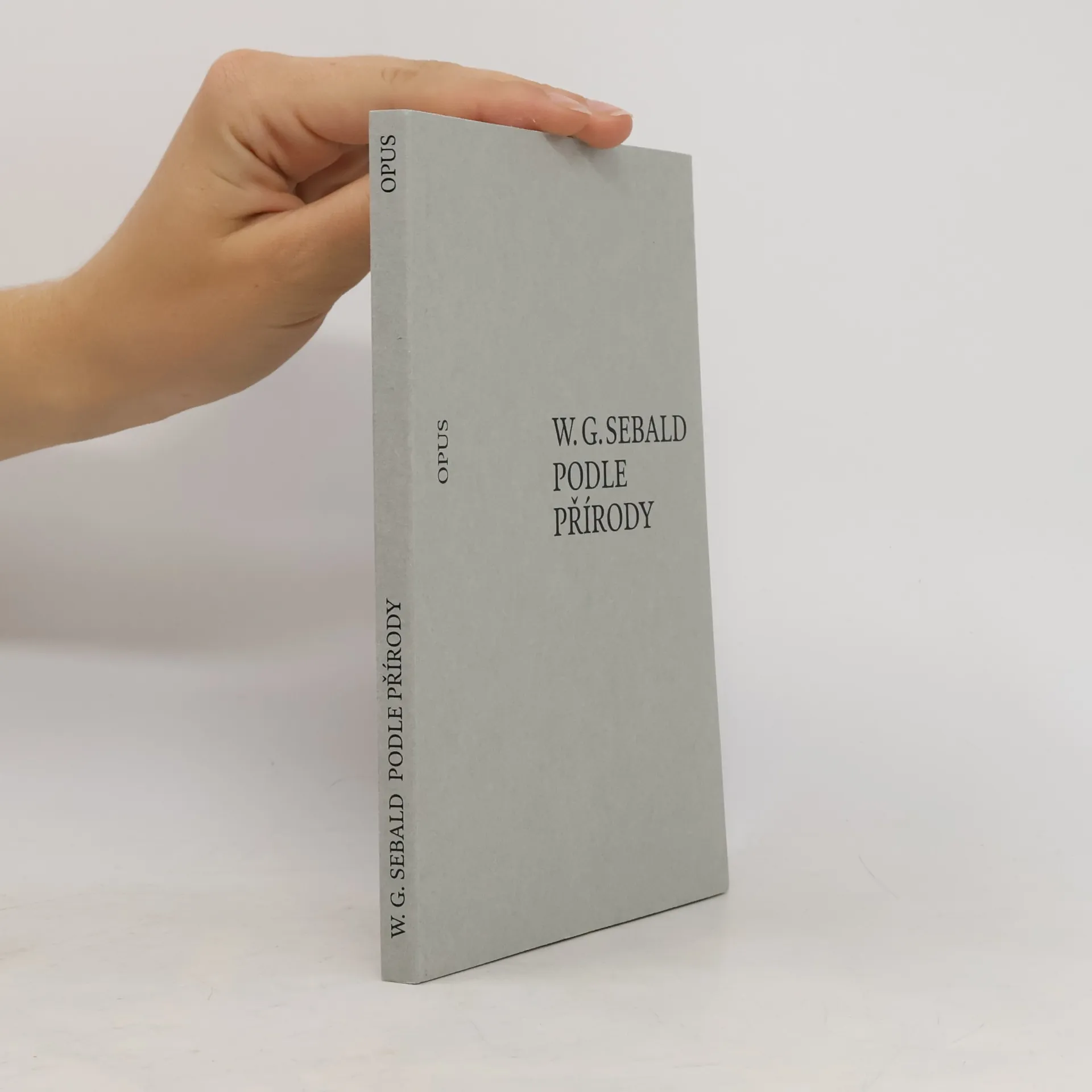
Podle přírody
- 96 pages
- 4 hours of reading
Prvotina německého spisovatele W. G. Sebalda (1944–2001) z roku 1988 se stala výchozím bodem tvorby tohoto později po celém světě uznávaného autora. Soubor tří delších textů, jenž nese podtitul Elementární báseň, líčí poetickou formou život a dílo tří různých mužů z různých epoch, Matthiase Grünewalda, mistra Isenheimského oltáře, přírodovědce Georga Wilhelma Stellera z Beringovy expedice na Aljašku, a samotného autora. Jde o další úchvatnou Sebaldovu prózu plnou poezie bez metriky a rýmu.
Letecká válka a literatura
- 112 pages
- 4 hours of reading
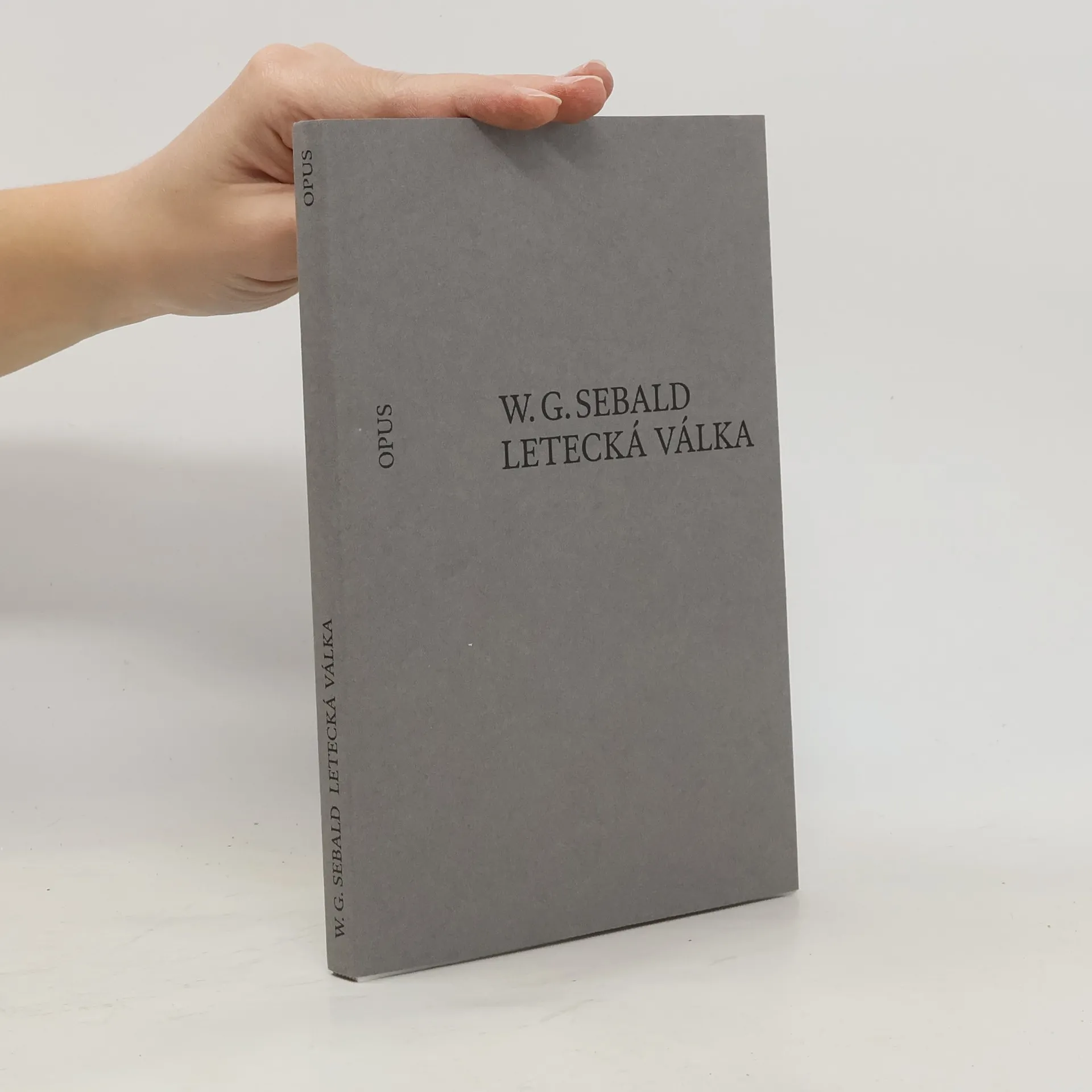
Německý spisovatel W. G. Sebald (1944–2001), přednesl v roce 1997 na univerzitě v Curychu v rámci tradičních přednášek z poetiky své analyticky hluboce propracované teze o překvapivě slabé odezvě v německé poválečné literatuře na zničující spojenecké bombardování německých měst během 2. světové války. Podle jeho slov, doložených historickým materiálem, se u mnoha autorů projevila naprostá neschopnost popsat to, co sami zažili, a uchovat to pro následující generace. Sebald se netajil názorem, že německá literatura zklamala tváří v tvář těmto hrůzám, z nichž povstala poválečná Spolková republika. Kniha je doplněna esejem o pochybném postoji po válce možná neprávem uznávaného spisovatele Alfreda Andersche za vlády nacistů a jeho oportunistickém obratu politického smýšlení po válce.
V devíti studiích zkoumá W. G. Sebald tematický komplex domova a exilu, který je pro rakouskou literaturu 19. a 20. století tak charakteristický. Protože Sebald sám žil v cizině a pohybuje se zde ve známém terénu, odkrývají se jeho citlivému vnímání souvislosti, jejichž aktualitu dokládají v neposlední řadě neustále nově se vynořující otázka po identitě kdysi tak mocného Rakouska i časem se proměňující asimilační historie Židů. V esejích tohoto svazku hraje základní roli ztráta domova u řady rakouských literátů. Přeložil Radovan Charvát.
De natuurlijke historie van de verwoesting
- 158 pages
- 6 hours of reading
Drie essays over het onvermogen van Duitse schrijvers om de verwoesting van Duitse steden in de Tweede Wereldoorlog tijdens de luchtoorlog op een verantwoorde manier te beschrijven.