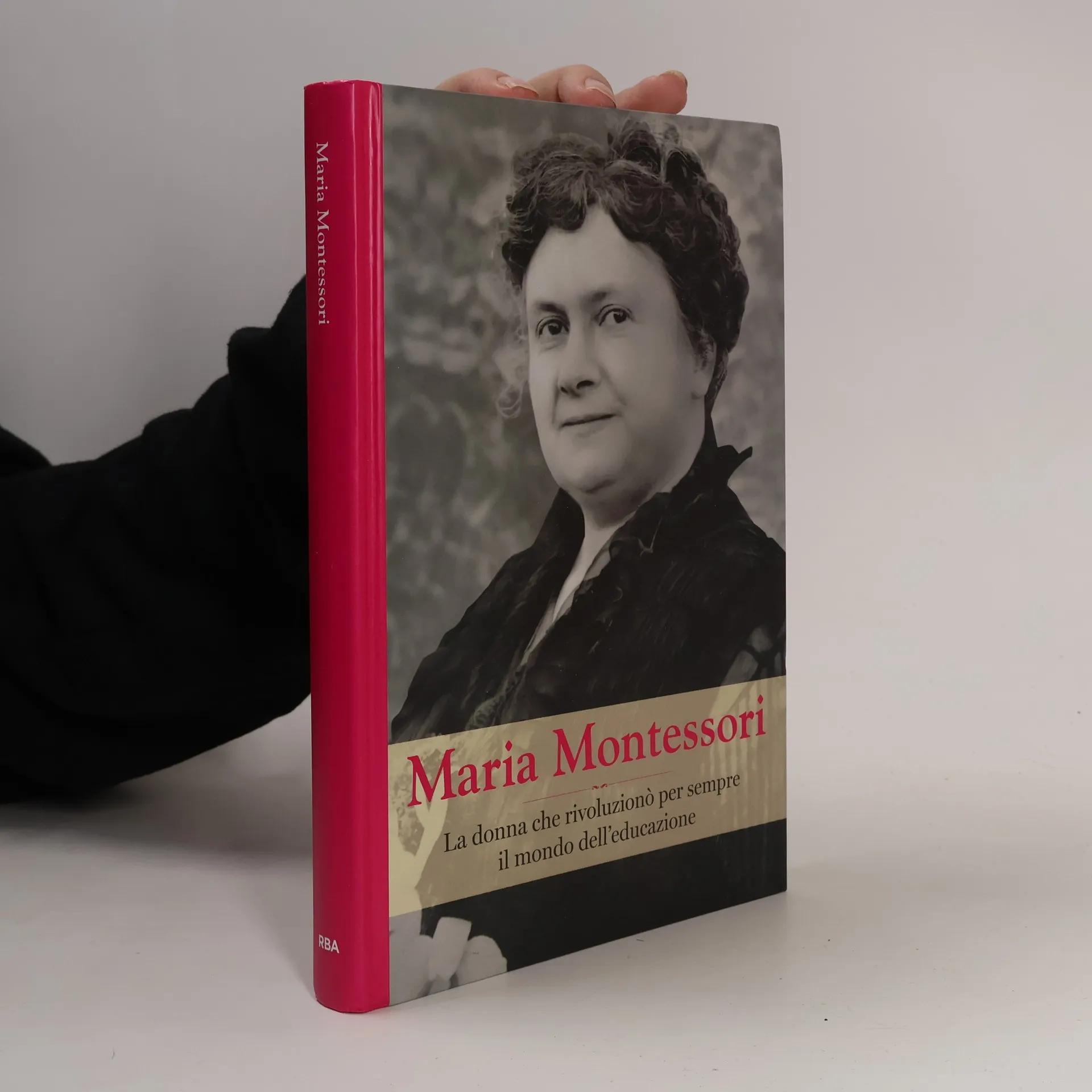
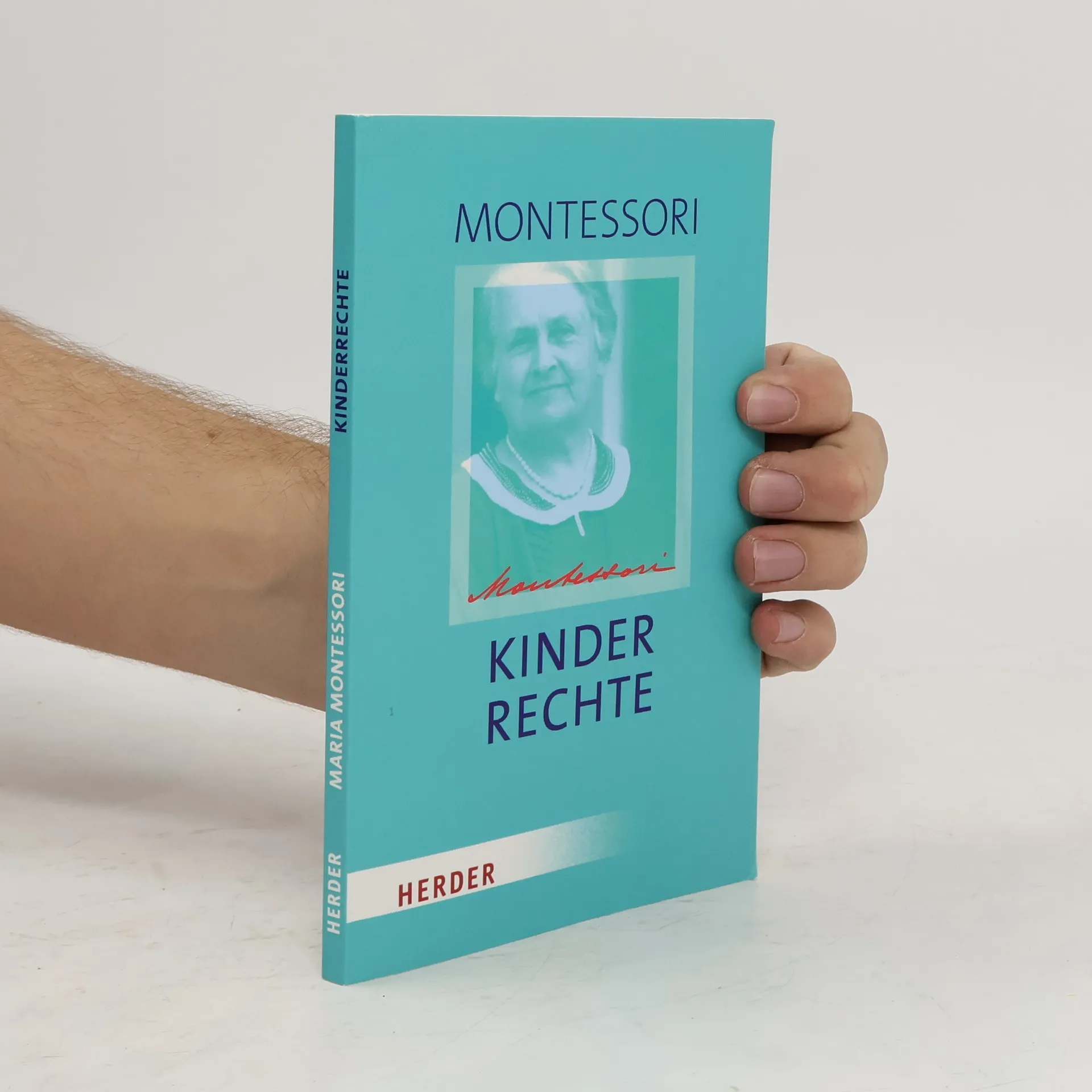
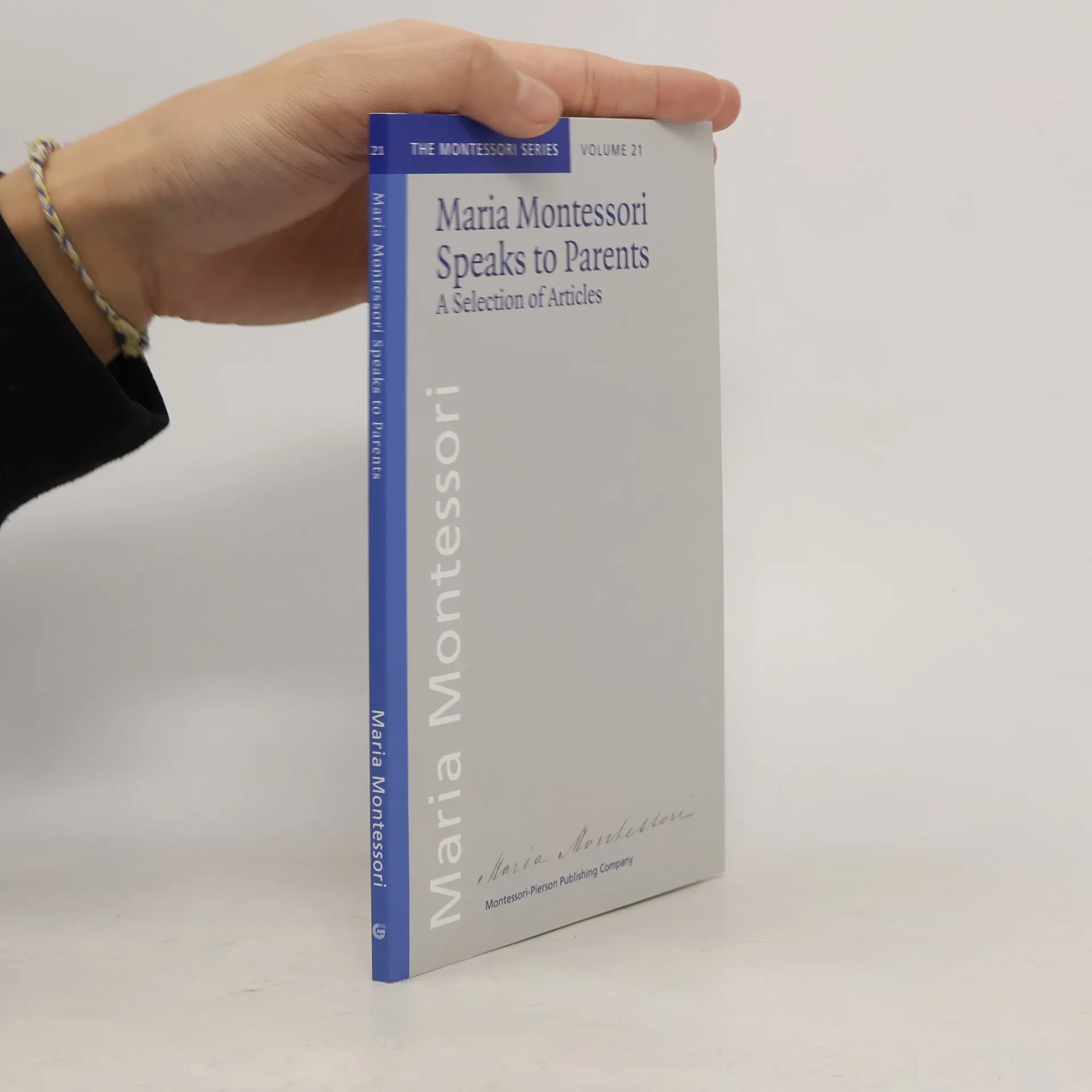
Maria Montessori was very much aware of the role of the parent and their need for a clearer understanding of her ideas. She, therefore, lectured from time to time to parents during her using courses and congresses. Regrettably, she never found the time to write a book especially for them. The Montessori-Pierson Publishing Company has now collected 11 lectures in which Maria Montessori addresses parents, explaining how they might better understand their own role in the development of their child.
Maria Montessori Books
August 31, 1870 – May 6, 1952
Maria Montessori was an Italian physician and educator renowned for developing a globally influential method of childhood education. Her philosophy centers on the natural development of children and fostering their independence in learning. The Montessori method continues to be widely implemented in schools worldwide, emphasizing environments designed to support children's growth. Her legacy in education remains profound, shaping contemporary approaches to child-rearing.



From Childhood to Adolescence
- 100 pages
- 4 hours of reading
في هذا الكتاب تحلل مونتيسوري خصائص واحتياجات الأطفال أولا من سن السابعة حتي سن الثانية عشر، وتؤكد على أنه عند إعداد بيئة خاصة، يصبح من السهل على المراهق أن يكيف نفسه لمجالات النعليم الخاصة باأطفال الأكبر بشكل طبيعي... تختبر "ماريا مونتيسوري" في هذا الكتاب الاعتبارات التعليمية للطفل الأكبر سناً، المراهق، وحتى طالب الجامعة الناضج، آخذة في الاعتبار كل مستوى، وتستهدف النهج الأمثل لدعم النمو.
The Mass Explained to Children
- 100 pages
- 4 hours of reading
Focusing on the traditional Latin Mass, this book offers a child-friendly explanation of its beauty and significance. Maria Montessori guides young readers through the preparation for Mass, the setup of the altar, and the meaning of sacred vessels. She also highlights the priest's role and the symbolism of vestments. With clear language and illustrations, the book effectively follows the order of the Mass, making complex concepts accessible and engaging for children.
Montessori: On Religious Education
- 326 pages
- 12 hours of reading
Combination of two books by Montessori plus talks she gave on religious education for young children.
The Child in the Church
- 306 pages
- 11 hours of reading
E.M. Standing presents a thoughtful collection of essays that explore the principles and practices of Montessori religious education. The work delves into the integration of spirituality within the Montessori framework, emphasizing the importance of nurturing a child's inner life alongside academic growth. Standing highlights the role of environment, materials, and teacher guidance in fostering a deep understanding of faith and moral development. This compilation serves as a valuable resource for educators and parents interested in holistic approaches to religious instruction.
Education and Peace
- 112 pages
- 4 hours of reading
Education and Peace by Maria Montessori translated by Helen Lane. A collection of Maria's lectures as she comes to grips with the great problem of the future of humanity, in which she gives passionate expression to her insights on the subject of "Educate for Peace" between World War I and World War II.
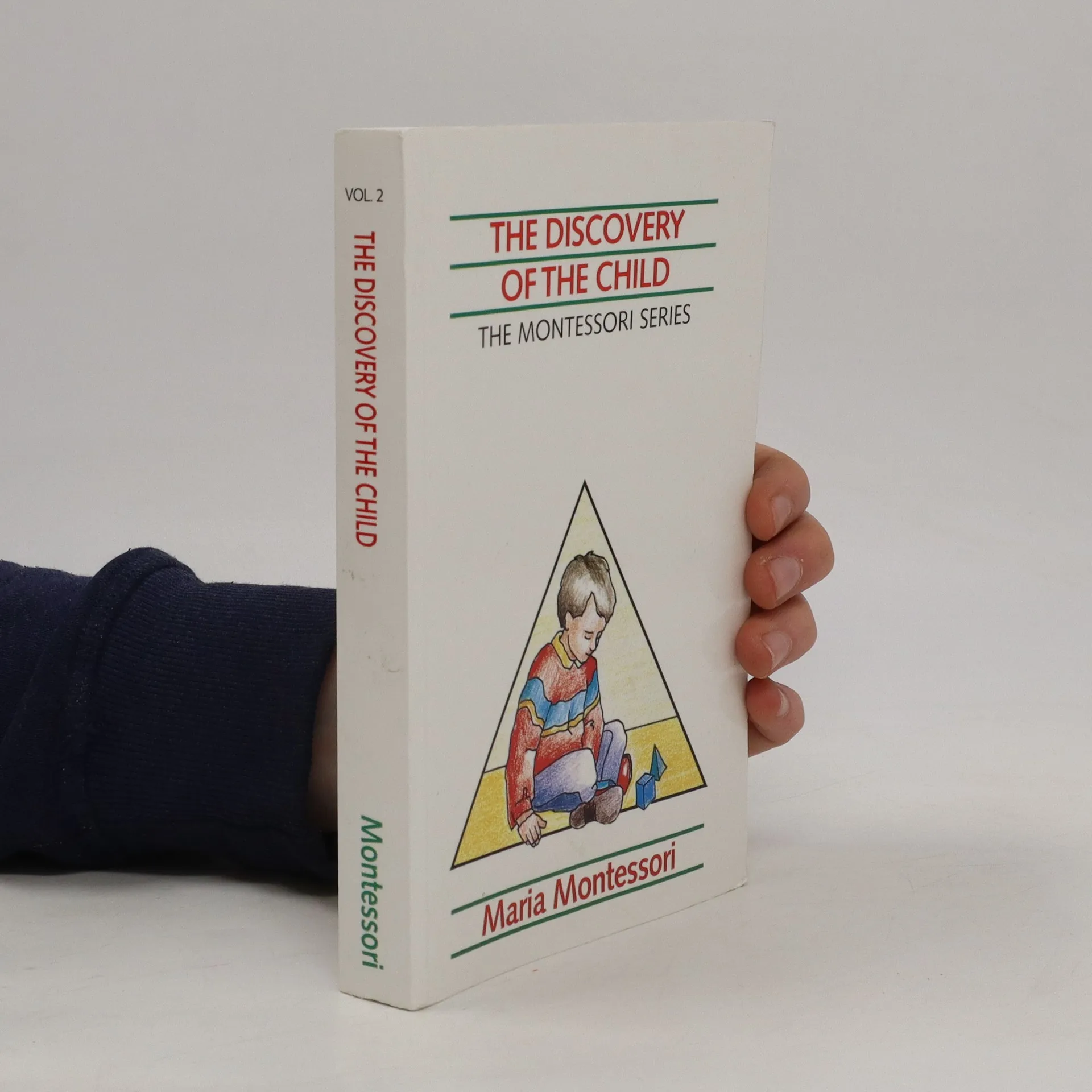
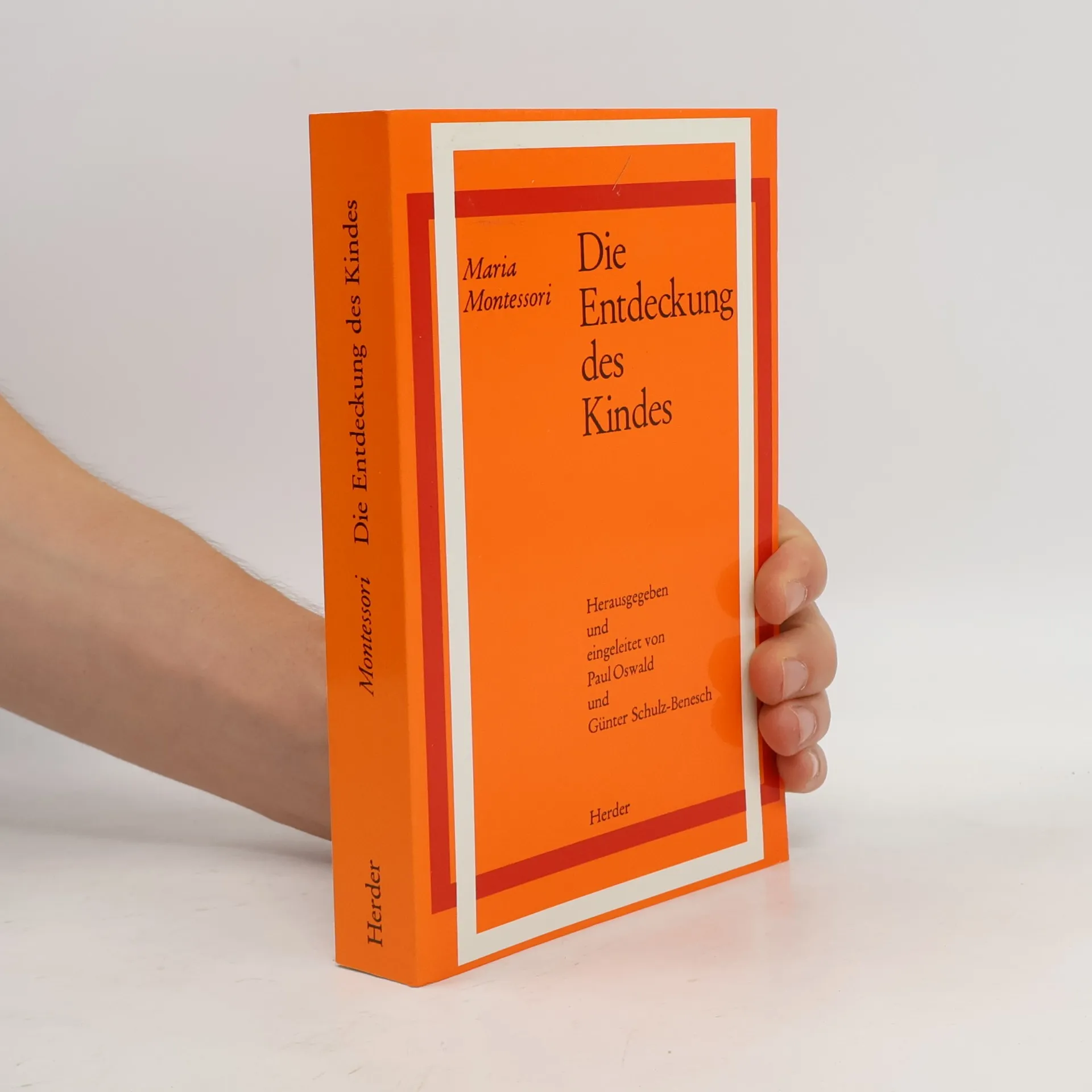
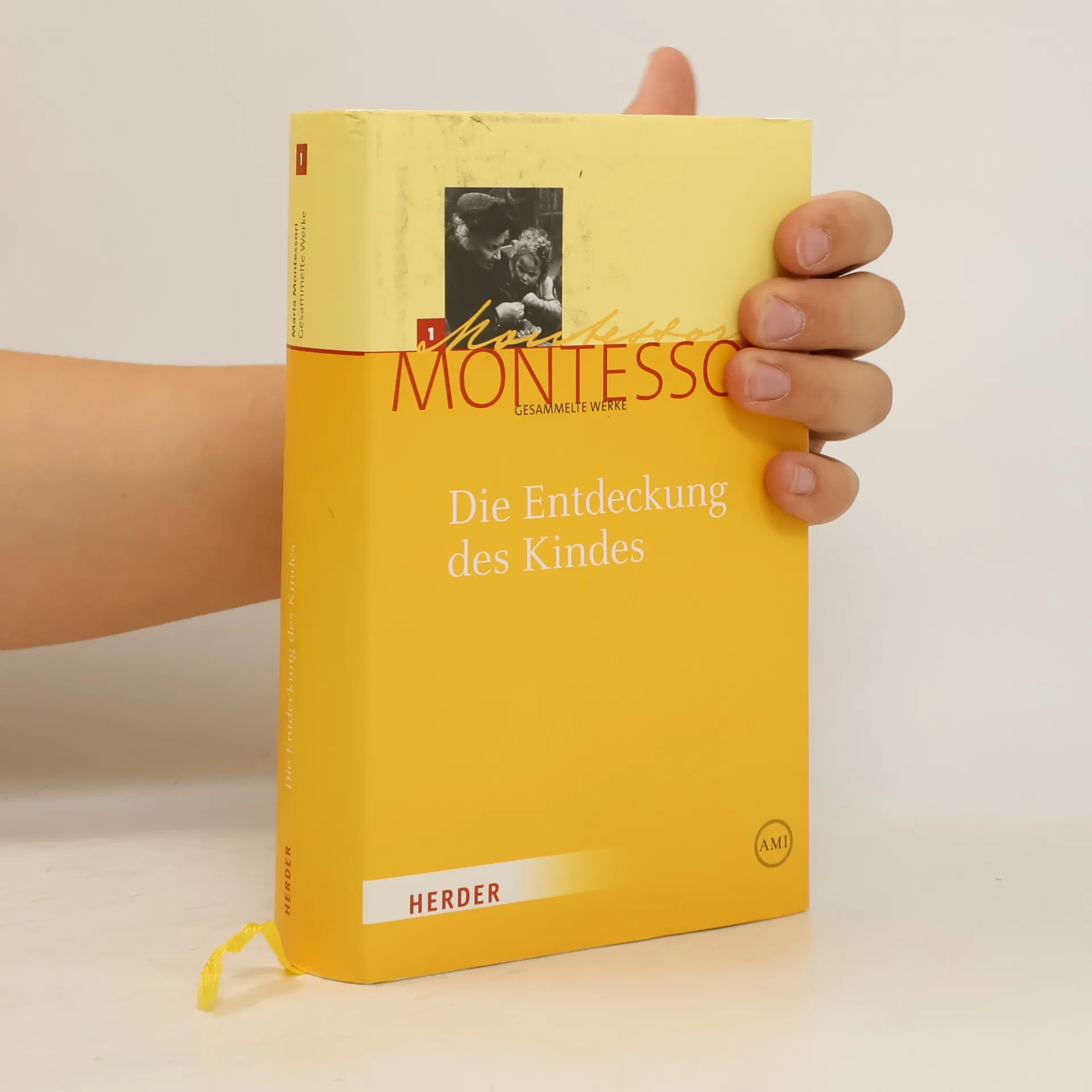
Maria Montessori went beyond the conventions of the day to seek a new way of knowing and loving a child. In THE DISCOVERY OF THE CHILD, she describes the nature of the child and her method of working more fully with the child's urge to learn. With 16 pages of photographs.
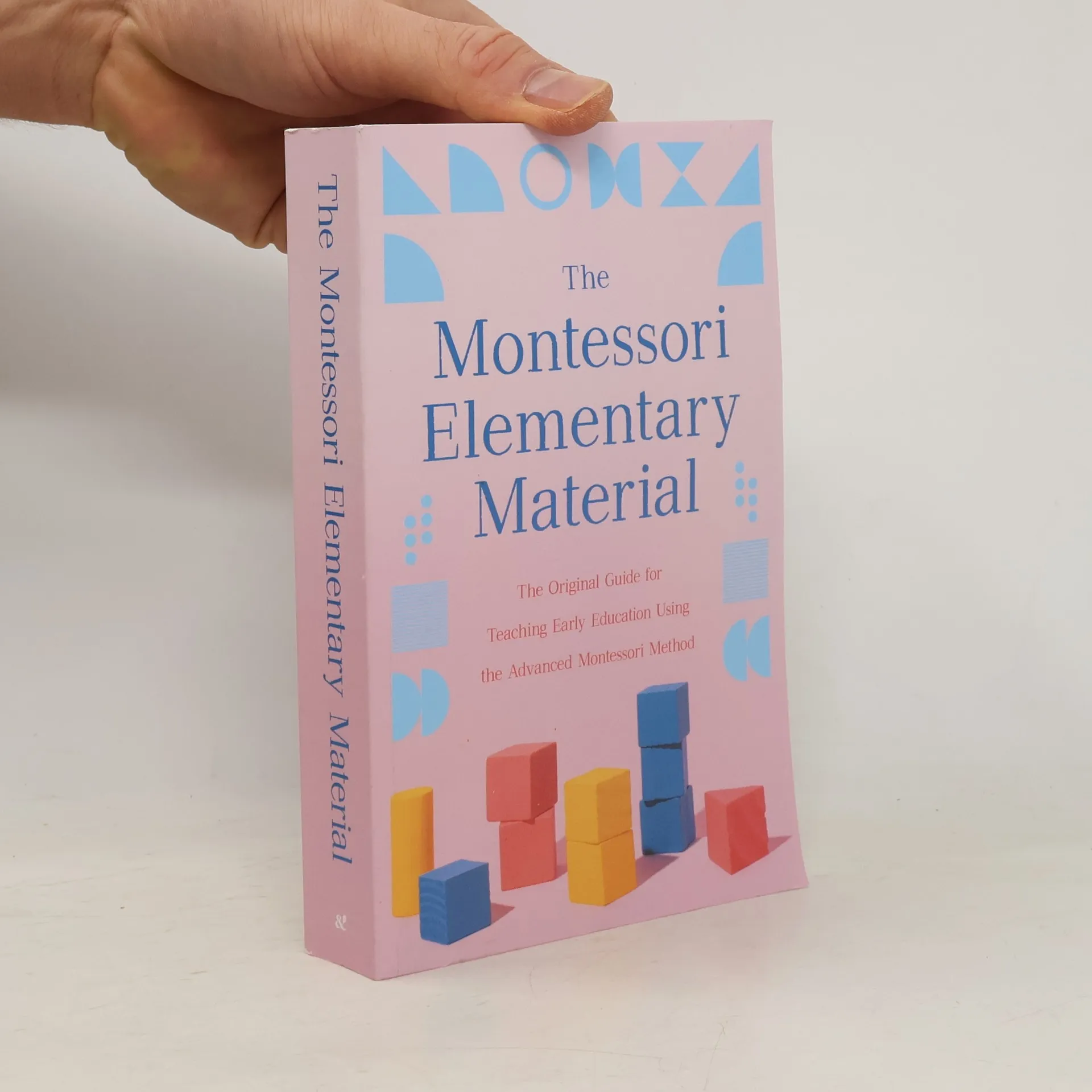
The Montessori Elementary Material
The Original Guide for Teaching Early Education Using the Advanced Montessori Method
- 542 pages
- 19 hours of reading
The book serves as an illustrated guide to the Montessori method, emphasizing child development and education principles established by Dr. Maria Montessori, a prominent Italian physician. It explores innovative educational techniques that encourage independence, hands-on learning, and respect for a child's natural development. Through engaging visuals and practical insights, it provides parents and educators with tools to create nurturing environments that foster children's growth and curiosity.
Spontaneous Activity In Education
- 274 pages
- 10 hours of reading
Focusing on child development, Maria Montessori's educational system emphasizes self-directed learning and clinical observation by teachers. Classrooms are tailored to children's maturity levels, using self-correcting materials for immediate feedback. Environments often include nature elements to enhance real-world experiences. The approach supports mixed-age classrooms to foster social interaction and development. "Spontaneous Activity in Education" explores various aspects of Montessori's philosophy, including child development, classroom setup, teacher training, and broader social issues.
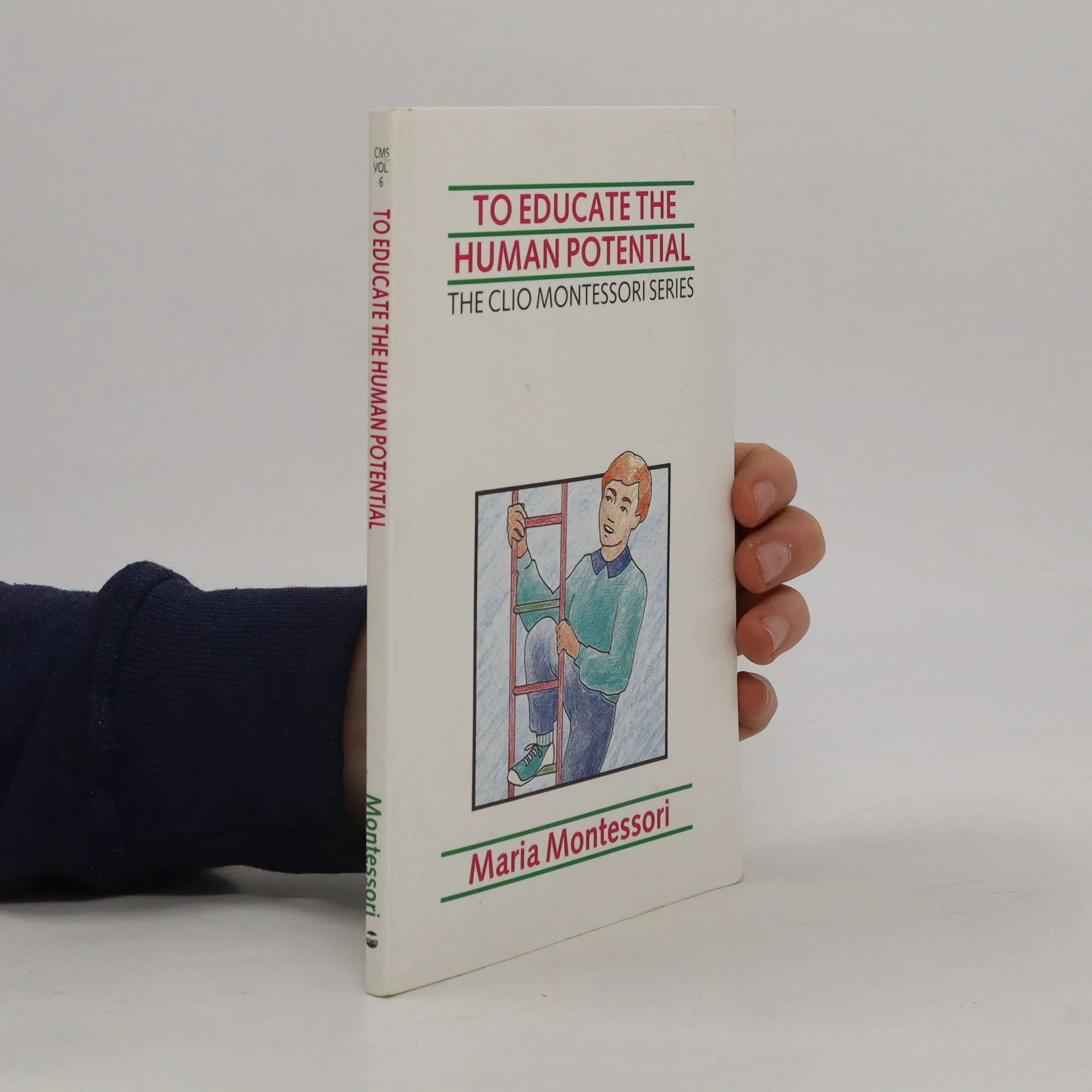
To Educate the Human Potential
- 91 pages
- 4 hours of reading
Intended to help teachers to envisage the child's needs after the age of six, this book is based on the experiences at the Montessori schools, Dr Montessori claiming that: "the average child who has been educated at one of our schools knows as much as the student of several years' seniority".
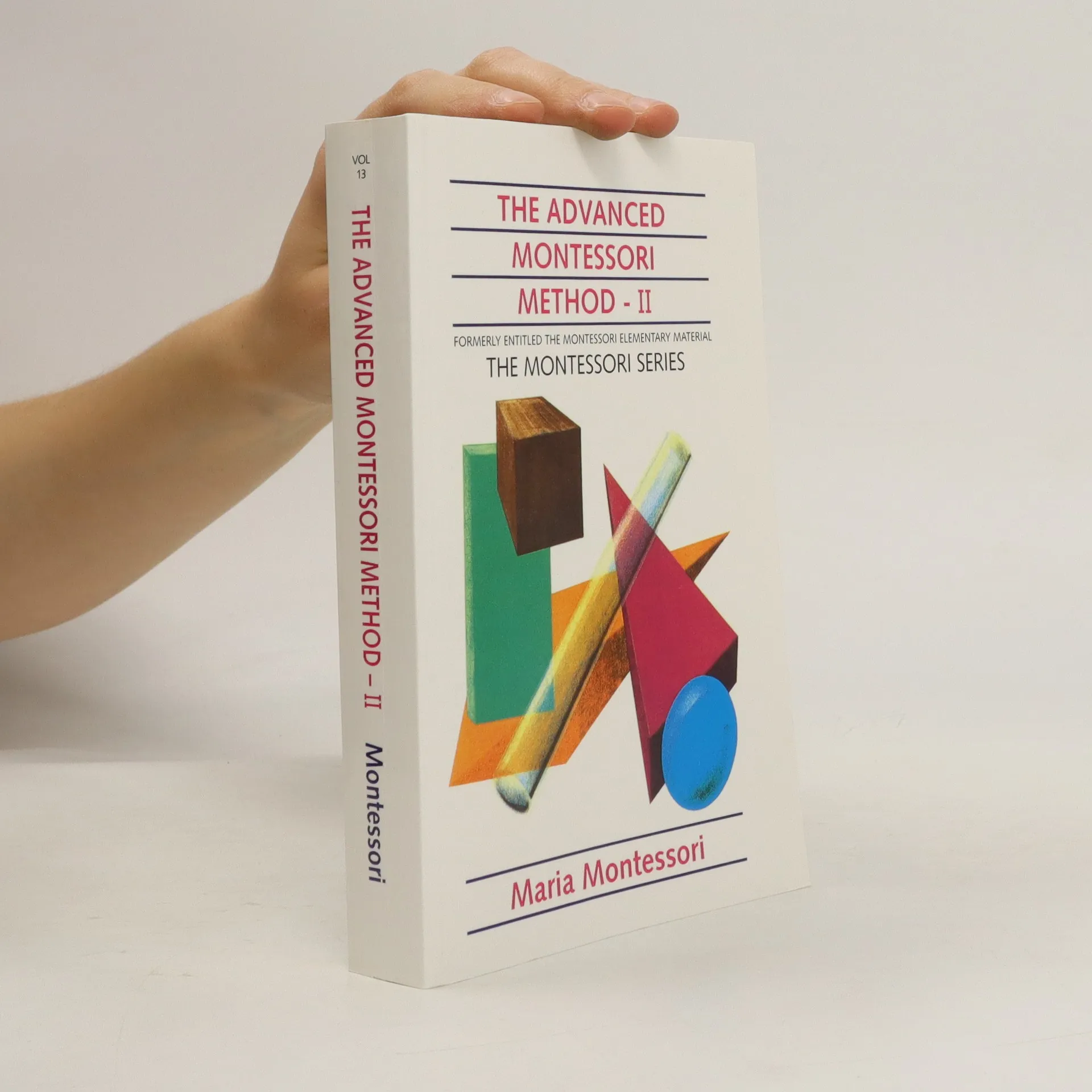
The Advanced Montessori Method II
- 406 pages
- 15 hours of reading
"...Introduces the reader to the materials and techniques Dr. Montessori devised for teaching older children. In seven separate sections she applies her unique materials to the teaching of grammar, reading, arithmetic, geometry, art, music and poetic metrics. Among the materials illustrated are her designs for indicating the intervals of the musical scale, her hollow geometric solids, her bead number cubes built into a tower, and her grammar boxes. The book shows how these materials speak directly to the child's curiosity and lead her or him step by step to self-mastery of the fundamentals of elementary school learning" -- Back cover.
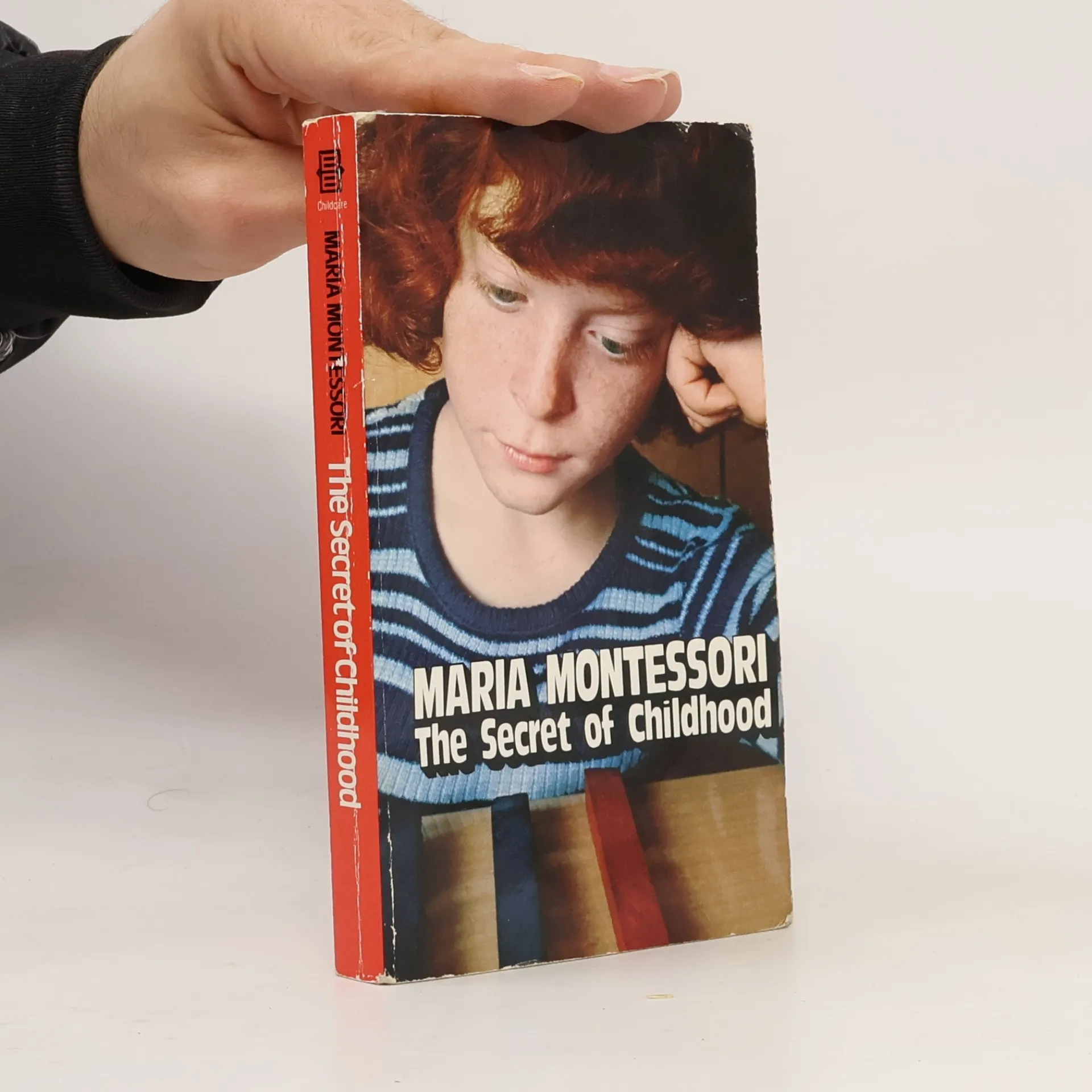
The Secret of Childhood
- 216 pages
- 8 hours of reading
Maria Montessori describes the child with warmth and the exactness of a scientist. She also discusses the array of materials and techniques needed to release his learning potential.
The Absorbent Mind
- 246 pages
- 9 hours of reading
A leading educator discusses the importance of the first six years to a child's normal physical and emotional development.
Spontaneous Activity in Education
A Basic Guide to the Montessori Methods of Learning in the Classroom (Hardcover)
- 174 pages
- 7 hours of reading
Exploring Maria Montessori's educational philosophy, this book presents the principles behind her distinctive teaching methods. It emphasizes the significance of spontaneous activity in fostering children's natural learning processes. Readers will gain insights into Montessori's innovative approach, which prioritizes independence, hands-on experiences, and a child-centered environment, ultimately transforming traditional educational practices.
The formation of Man
- 106 pages
- 4 hours of reading
What is the Montessori Method? If we were to eliminate not only the name “Method” but also its common conception, this would become much clearer. We must consider the human personality and not a method of education. For the word “Method” we should substitute something like this: “Help given in order that the human personality may achieve its independence” or “means offered to deliver the personality from the oppression of age-old prejudices regarding education.” Vol. 3, The Clio Montessori Series, Montessori-Pierson Publishing Company In this book, Dr. Montessori urges adults towards an understanding of the laws of growth, and pleads for a reshaping of the educational system that is ironically prejudiced against the child. First printed in 1955, the book includes a chapter on world illiteracy, as it is a problem of grave magnitude, even today.
Basic Ideas of Montessori's Educational Theory
- 200 pages
- 7 hours of reading
An analysis of Maria Montessori's educational beliefs and methodology, this text also discusses her views on the important problems of education in the family and in the pre-school and school environments. In addition, it discusses religoius education and its relationship to the child's natural development. The work also includes a valuable and succinct biography of Montessori, extracts from a wide range of her published writings, and an up-to-date bibliography.
The Montessori Reader
The Montessori Method, Dr. Montessori's Own Handbook, the Absorbent Mind
- 600 pages
- 21 hours of reading
Focusing on self-directed learning, the Montessori method emphasizes the child's active role in education through specialized materials and a tailored learning environment. It highlights the significance of physical activity in grasping both abstract concepts and practical skills. This omnibus edition compiles Maria Montessori's three essential works: The Absorbent Mind, Dr. Montessori's Own Handbook, and The Montessori Method, providing a comprehensive insight into her revolutionary educational philosophy.
The Advanced Montessori Method - The Montessori Elementary Material
- 510 pages
- 18 hours of reading
Focusing on the Montessori educational approach, this book delves into advanced methods for implementing Montessori principles at the elementary level. It provides detailed insights into specialized materials designed to foster independent learning and critical thinking in children. The text emphasizes hands-on activities and experiential learning, aiming to enhance cognitive development and creativity. Educators and parents will find practical guidance on creating a supportive learning environment that encourages exploration and self-discovery.
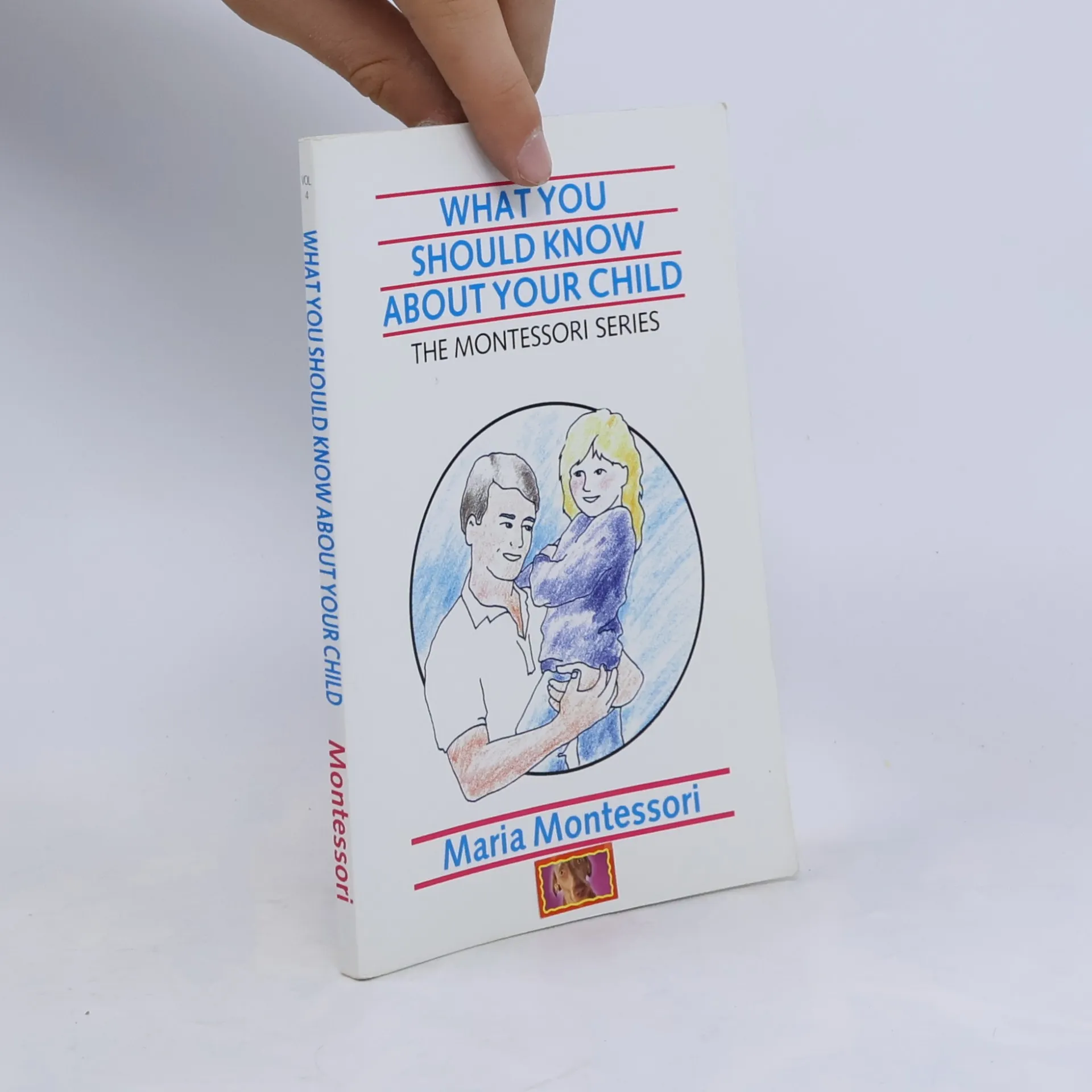
What You Should Know About Your Child: Based on Lectures Delivered
- 168 pages
- 6 hours of reading
Moved by the holistic view of child development presented in the Montessori course, Anthony Gnanaprakasam, a student of Dr. Montessori from Sri Lanka, edited her lectures into a classic volume that offers an overview of child development. In the preface Dr. Montessori acknowledges his important contribution in disseminating the core ideas. Mr. Gnanaprakasam discusses the problem of education and the need to recognise the nurturing creativity as one of the fundamental goals of education. The book offers the modern reader a clear interpretation of her social vision and educational principles in simple and direct prose.
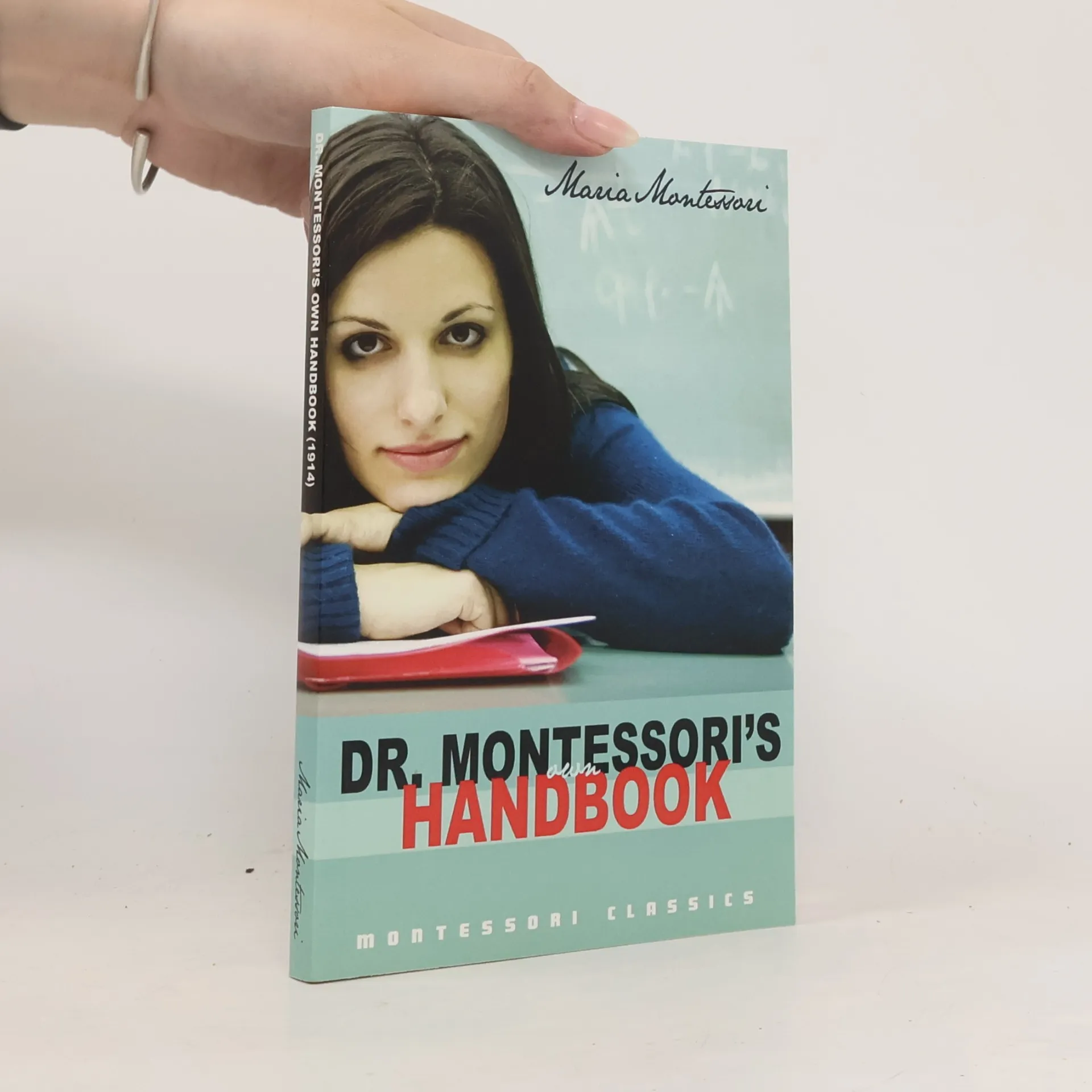
Montessori Classics: Dr. Montessori's Own Handbook
Montessori Classics Edition
- 170 pages
- 6 hours of reading
This classic best-seller is a reproduction Dr. Maria Montessori's Classic Education Book "Dr. Montessori's own Handbook" originally published in 1914. One of the truly great books on early childhood development, this brief guide instructs parents and teachers on how to use familiar, easy-to-obtain classroom materials to make the home an effective learning environment. The book covers methods for engaging youngsters in learning while stimulating and honing their visual, auditory, and tactile perceptions. An illustrated guide to the use of Montessori classroom materials. Describes how to set up a "children's house" - an environment for learning where children can be their own masters.
The Child in the Family
- 75 pages
- 3 hours of reading
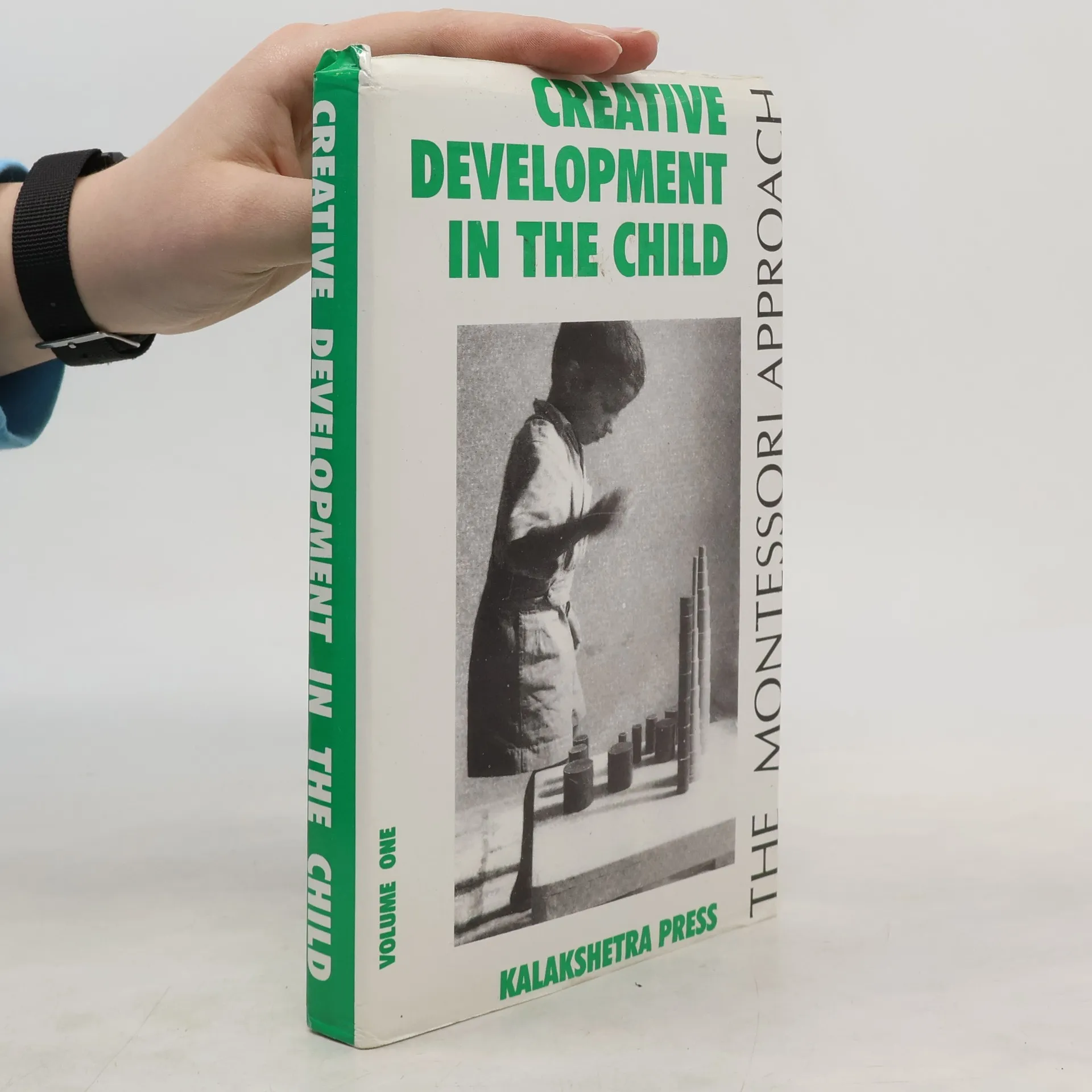
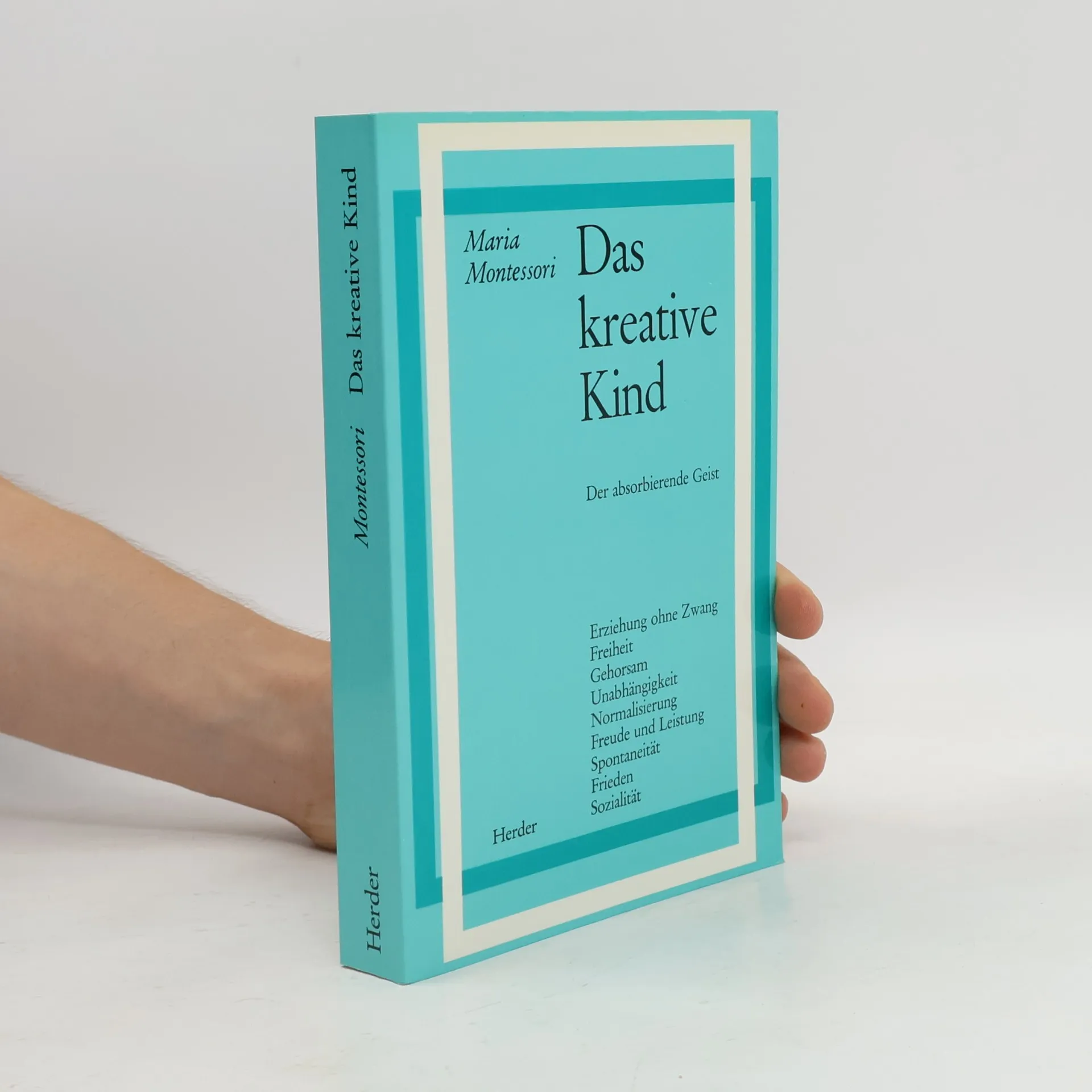
Creative Development in the Child 1
The Montessori Approach
Maria Montessori's Pedagogical Anthropology
- 692 pages
- 25 hours of reading
The collection features Dr. Maria Montessori's lectures from the University of Rome, delving into her innovative perspectives on education and childhood development. It highlights her unique methods and philosophies, emphasizing the importance of nurturing a child's natural curiosity and potential. Through her insights, readers gain a deeper understanding of Montessori's educational approach and its impact on teaching practices.
The Advanced Montessori Method
- 518 pages
- 19 hours of reading
Focusing on child education, this classical work presents the Montessori Method, emphasizing scientific pedagogy applied in 'The Children's Houses.' The book has been meticulously reformatted and retyped for clarity and readability, ensuring its accessibility for contemporary and future readers. Alpha Editions aims to preserve this essential text, highlighting its historical significance in educational practices.
The Montessori Elementary Material; The Advanced Montessori Method
- 428 pages
- 15 hours of reading
Focusing on the preservation of educational philosophy, this essential work on the Montessori method has been meticulously reformatted and retyped for clarity and readability. Alpha Editions aims to ensure that this classical text remains accessible to both present and future generations, highlighting its enduring significance in educational history. The modern format enhances the original content, making it suitable for contemporary readers while honoring its foundational principles.
Spontaneous Activity In Education (1917)
- 370 pages
- 13 hours of reading
This antiquarian book is a facsimile reprint of an original work, reflecting its historical significance. While it may include imperfections like marks and notations due to its age, the reprint aims to preserve and promote the cultural value of the literature. The commitment to providing affordable, high-quality editions ensures that readers can access and appreciate classic texts in a format that remains true to the original.
Spontaneous Activity in Education
A Basic Guide to the Montessori Methods of Learning in the Classroom
- 174 pages
- 7 hours of reading
Focusing on Maria Montessori's educational philosophy, this book explores the principles behind her innovative teaching methods. It highlights the importance of spontaneous activity in learning, encouraging readers to understand how her approach fosters independence and self-directed learning in students. Through detailed insights, the text reveals the transformative potential of Montessori's techniques in educational settings.
Exploring the principles of Maria Montessori's educational philosophy, this book highlights her distinctive approach to teaching. It emphasizes the importance of spontaneous activity in the learning process, providing insights into how her methods foster independence and creativity in students. Readers will gain a deeper understanding of Montessori's innovative style and its impact on education.
Maria Montessori's Spontaneous Activity in Education
- 318 pages
- 12 hours of reading
Dr. Maria Montessori explores her innovative educational philosophy, emphasizing a scientific approach to teaching. The volume delves into her methods and principles, highlighting the importance of fostering independence and critical thinking in students. Montessori's insights aim to transform traditional educational practices, advocating for a child-centered learning environment that nurtures individual potential.
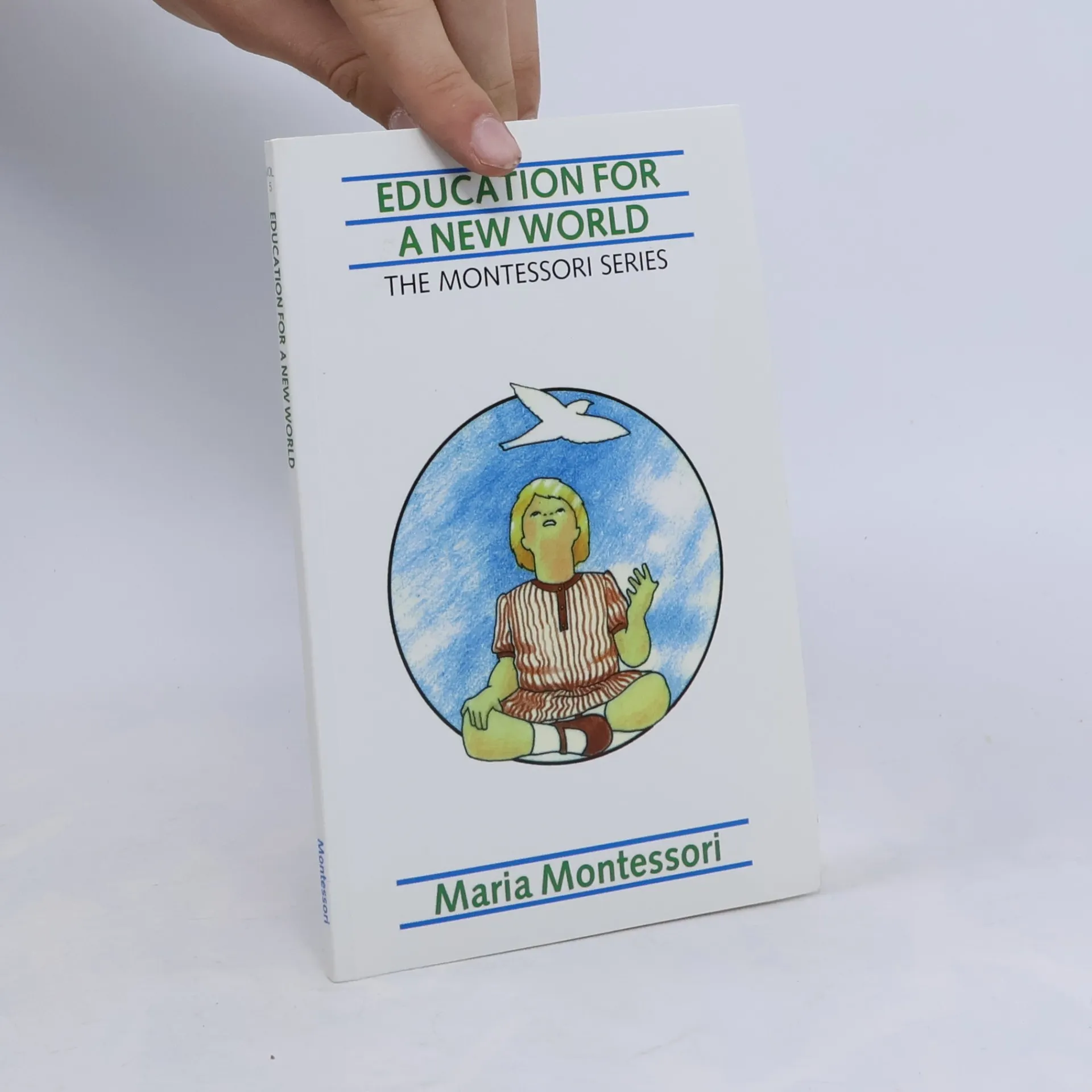
The Montessori Series: Education for a New World
- 69 pages
- 3 hours of reading
FROM THE PUBLISHER: The purpose of this book is to expound and defend the great powers of the child, and to help teachers to a new outlook which will change their task from drudgery to joy, from repression to collaboration with nature ... Already, the psychic life in the new-born has aroused great interest, scientists and psychologists having made observations of babes from three hours to five days after birth. The conclusion of these is that the first two years of life are the most important ... So here begins a new path, wherein it will not be the professor who teaches the child, but the child who teaches the professor.
The Montessori Series - 4: What You Should Know About Your Child
- 99 pages
- 4 hours of reading
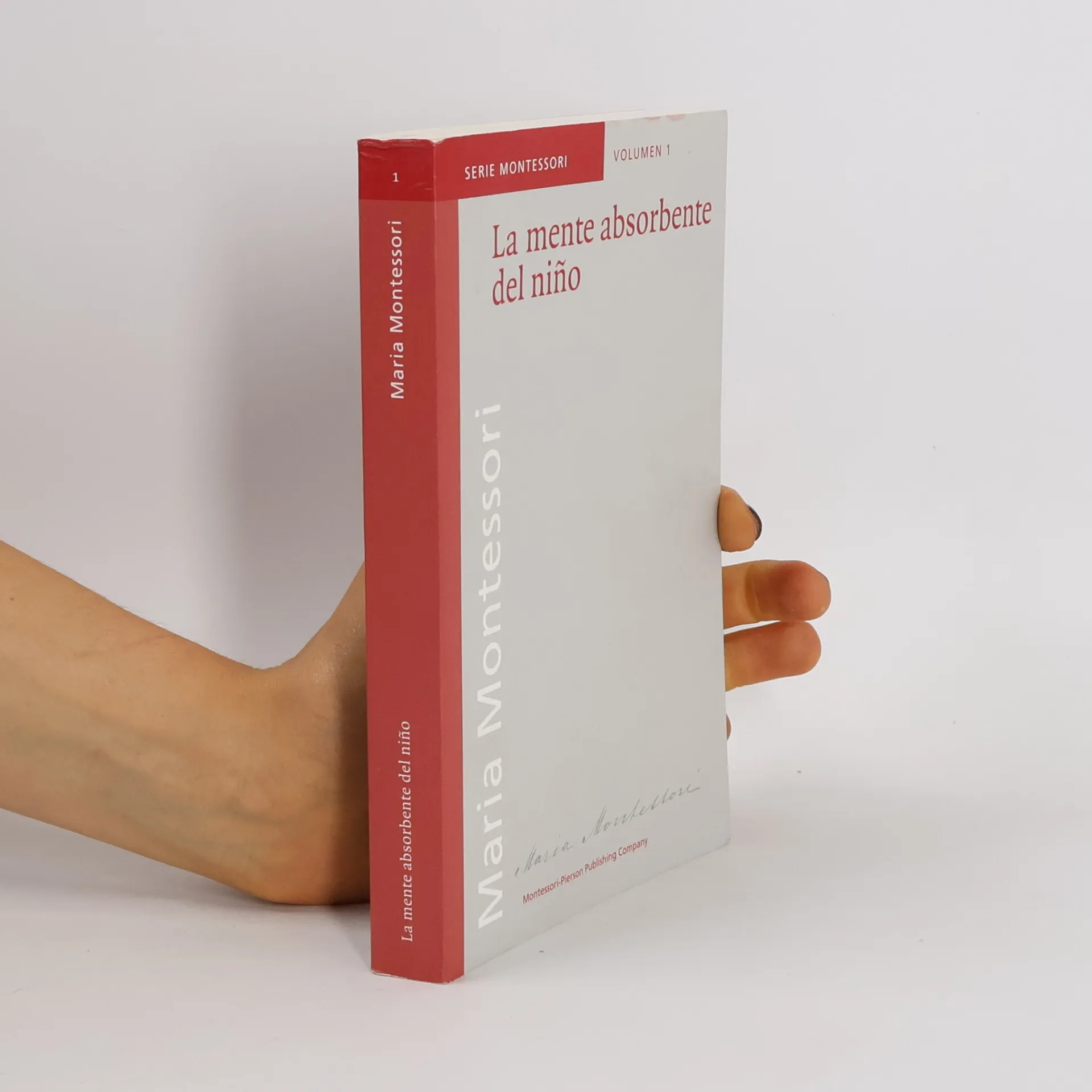
Basado en las conferencias que impartió la Dra. Montessori en Ahmedabad, La mente absorbente del niño es un análisis de los aspectos fisicos y psicológicos del crecimiento del niño durante el período más importante de su vida. Durante este período se produce el desarrollo psicomotor, lingüístico y social del niño, definiendo sus hábitos de trabajo e iniciando rutinas que establecerán patrones para toda la vida. La Dra. Montessori ilustra los peculiares poderes mentales de los niños pequeños que les permiten formary establecer todos los aspectos de la personalidad humana.
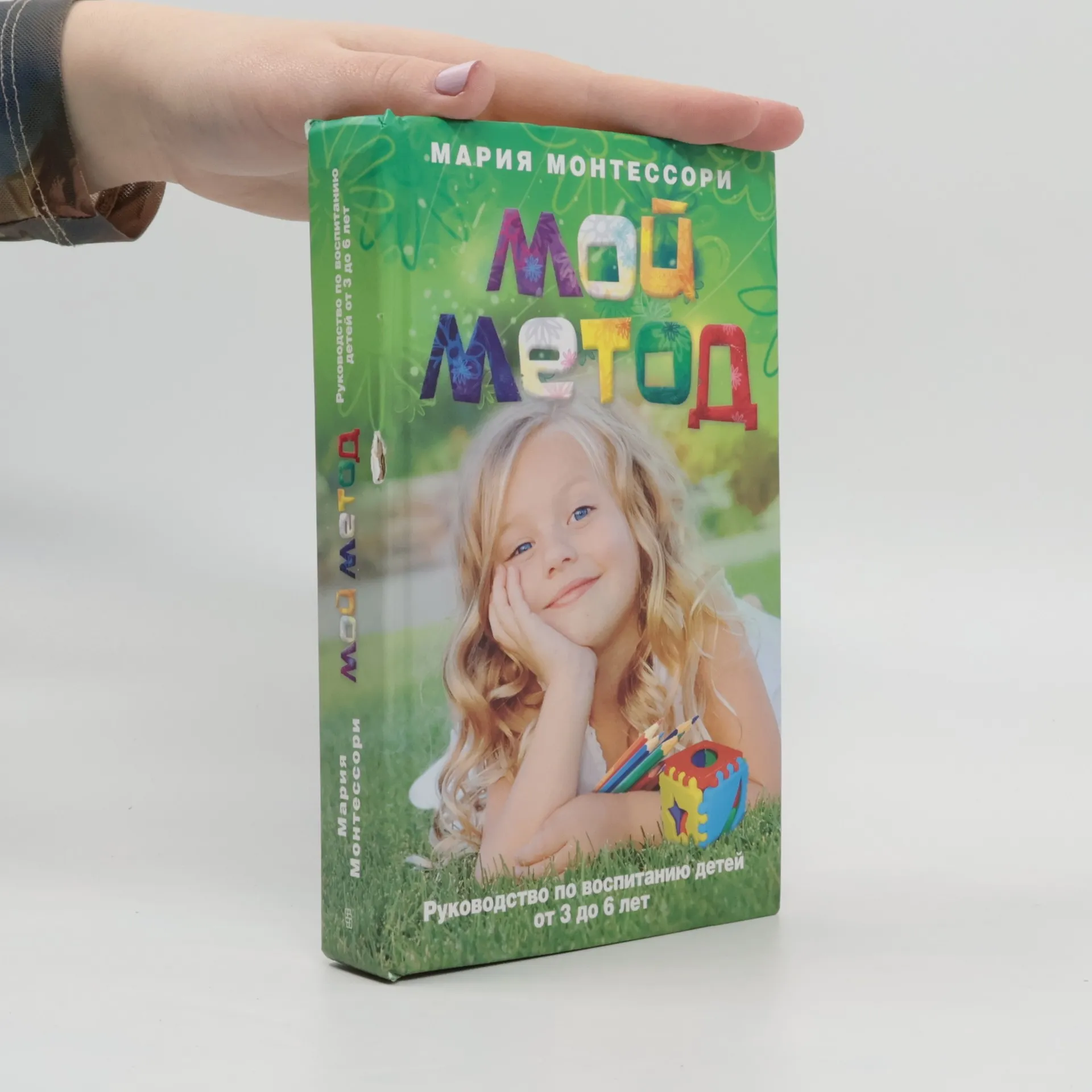
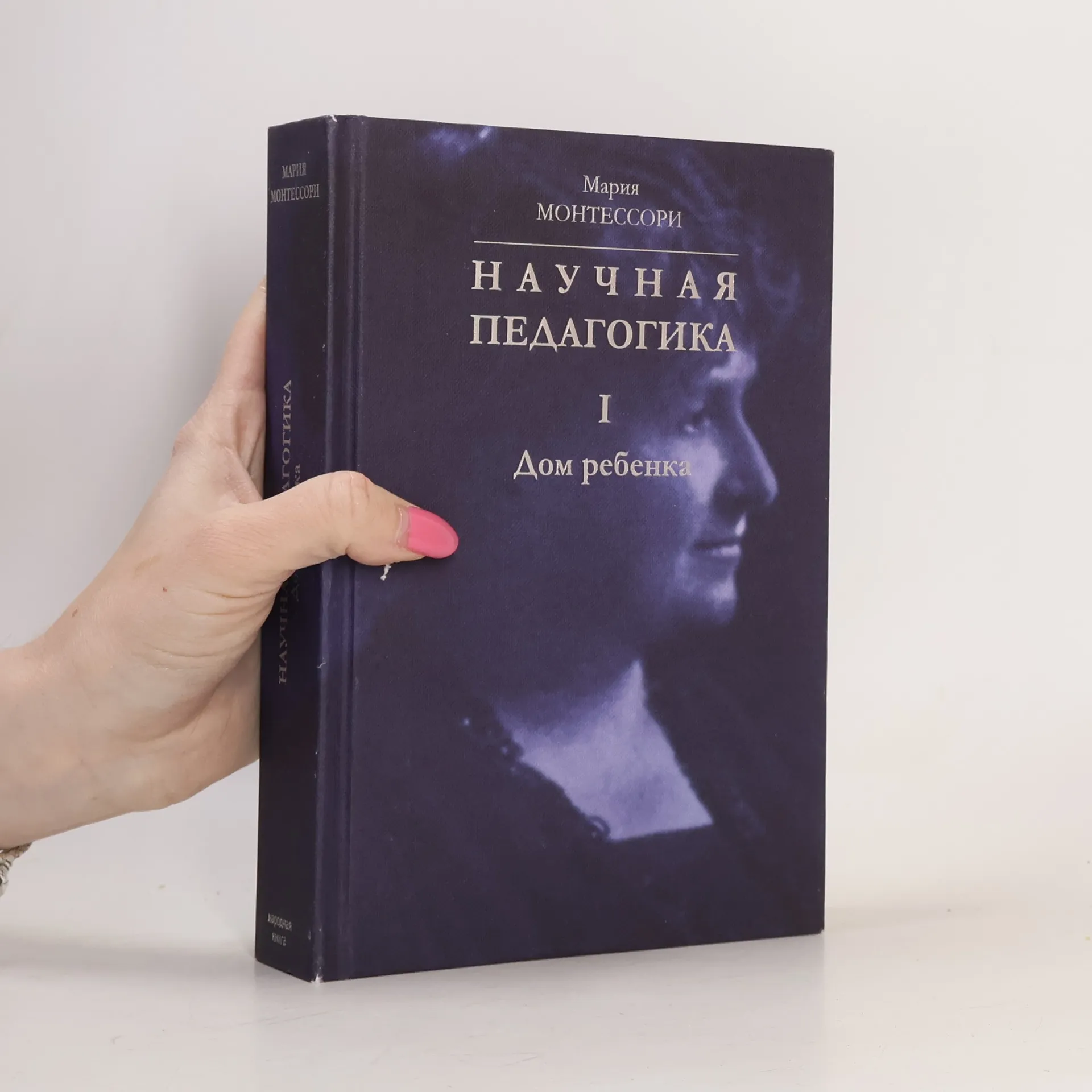
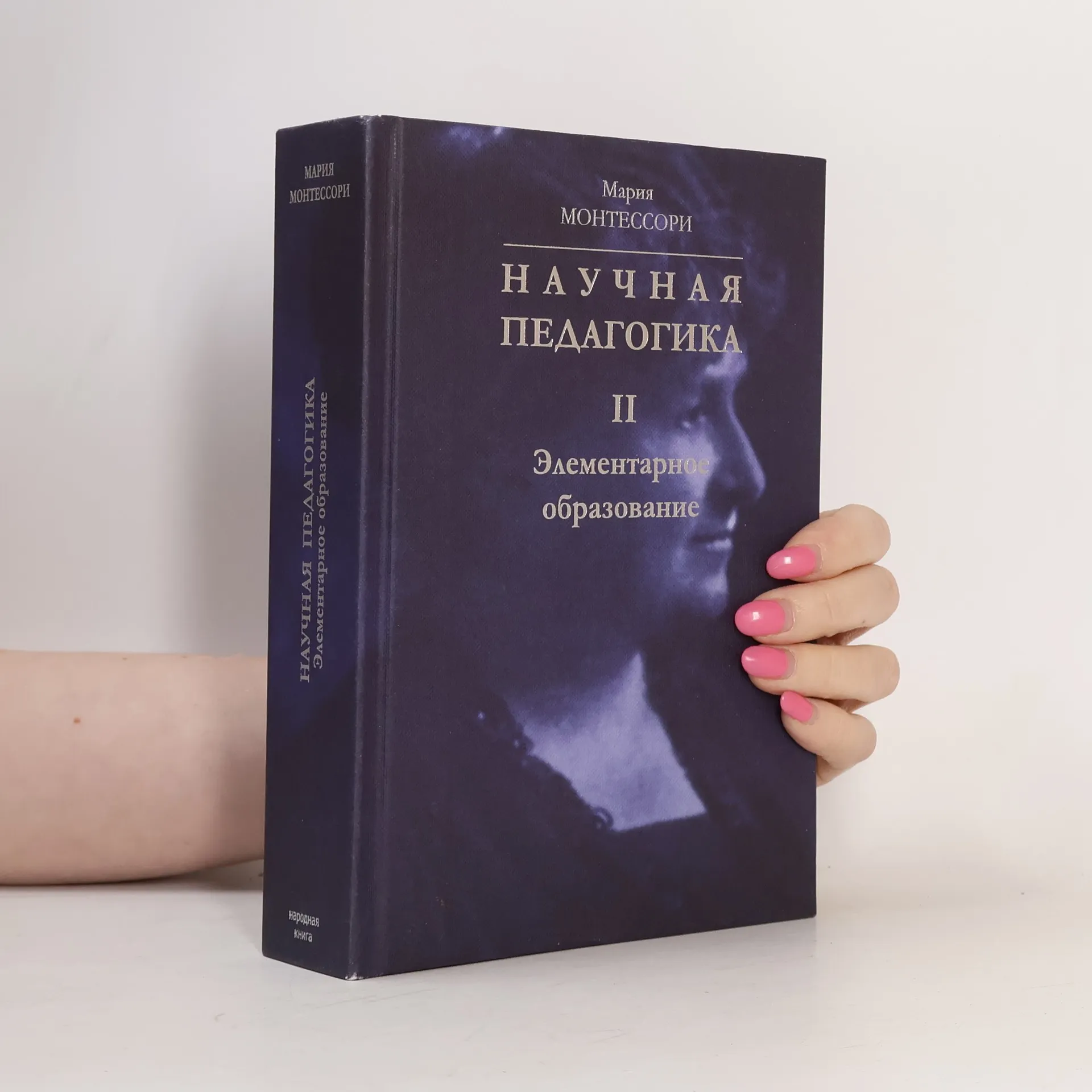
Мария Монтессори — прогрессивный итальянский педагог, разработавший инновационную систему воспитания детей вплоть до подросткового возраста. В своей книге она доказывает право ребенка на активную деятельность, направленную на познание окружающего мира и развитие внутренних ресурсов за счет исследования и творческих усилий. В книге также содержится описание педагогических приемов при работе с классом, затрагиваются проблемы дисциплины, особенности индивидуальных занятий, вопросы личной гигиены, соблюдения порядка, манеры поведения и умения вести беседу. Также говорится о важности гимнастики и упражнений на развитие определенных мышц, 6 привлечении садоводства и огородничества в качестве методов развития ощущений у маленьких детей и о многом другом.
Kinder sind anders. Vom selbständigen Lernen
- 432 pages
- 16 hours of reading
Maria Montessoris Hauptwerk plädiert für eine Pädagogik des freien Lernens und die individuelle Förderung jedes Kindes. Ihre wegweisenden Vorschläge für autodidaktisches Lernen sind bis heute relevant und betonen die wichtige Rolle einfühlsamer Eltern und Erzieher in der Entwicklung von Kindern in Freiheit.
Die Entdeckung des Kindes
- 372 pages
- 14 hours of reading
Ein zentraler Text aus den Werken von Maria Montessori, die bei Herder in deutscher Übersetzung vorliegen: Die Erziehung zur Selbsttätigkeit und Selbstständigkeit von Kindern unter der Prämisse „Hilf mir, es selbst zu tun.“
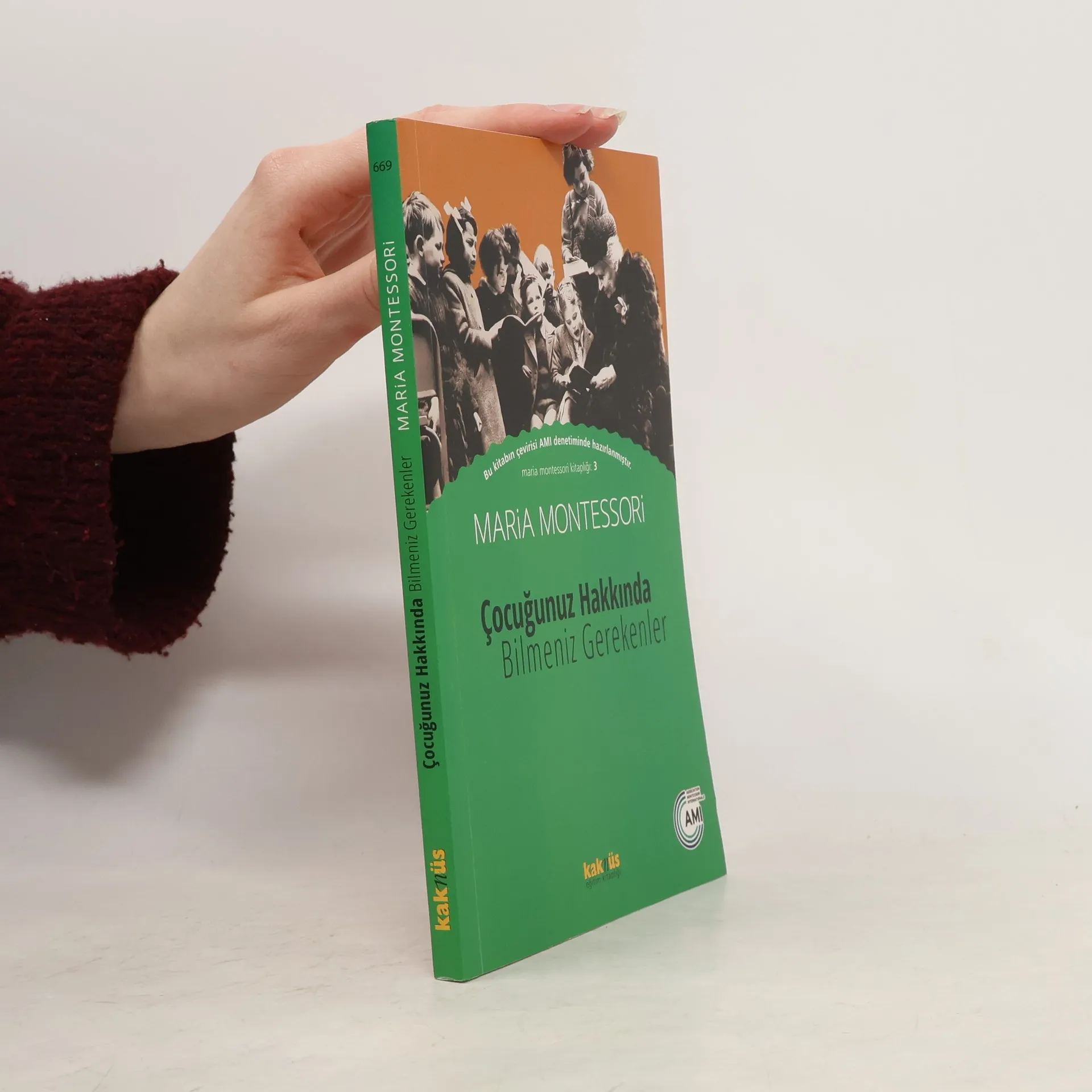
Maria Montessori Kitaplığı - 3: Çocuğunuz Hakkında Bilmeniz Gerekenler
- 144 pages
- 6 hours of reading
Anne babalar için değerli bir rehber niteliğindeki bu eser, Dr. Maria Montessori'nin Hindistan'da verdiği seminerlere dayanmaktadır. Montessori eğitim metodu, bilimsel bir yaklaşım olarak çocukluğa dair bilgiler üzerine kurulmuştur. Kitap, Montessori Eğitim Modeli'nin temel prensiplerini anlaşılır bir dille ifade ediyor. Dr. Maria Montessori, eğitimcilerin yanı sıra akademik altyapısı olmayan okuyuculara da hitap ediyor. Çocuğun zihinsel açlığının, fiziksel açlık kadar gerçek olduğunu vurguluyor. Zihinsel açlık, çocuğun gelişimi için kritik bir öneme sahiptir. Örneğin, açlık çeken bir birey, sadece başkalarının acıma duygusuyla değil, gerçek bir beslenme ile doyurulmalıdır. Çocuğun hem zihninin hem ruhunun beslenmesi gerektiğini belirtiyor. Zihinsel açlık, çocukların gelişiminde önemli bir rol oynar; bu açlık giderilmeden, çocukların öğrenme ve gelişme istekleri olumsuz etkilenir. Dr. Montessori, bu eseriyle ebeveynlere ve eğitimcilere, çocukların ihtiyaçlarını anlama ve onlara uygun bir eğitim ortamı sağlama konusunda yol gösteriyor. Sayfa 144, Baskı 2016, Kaknus Yayınları.
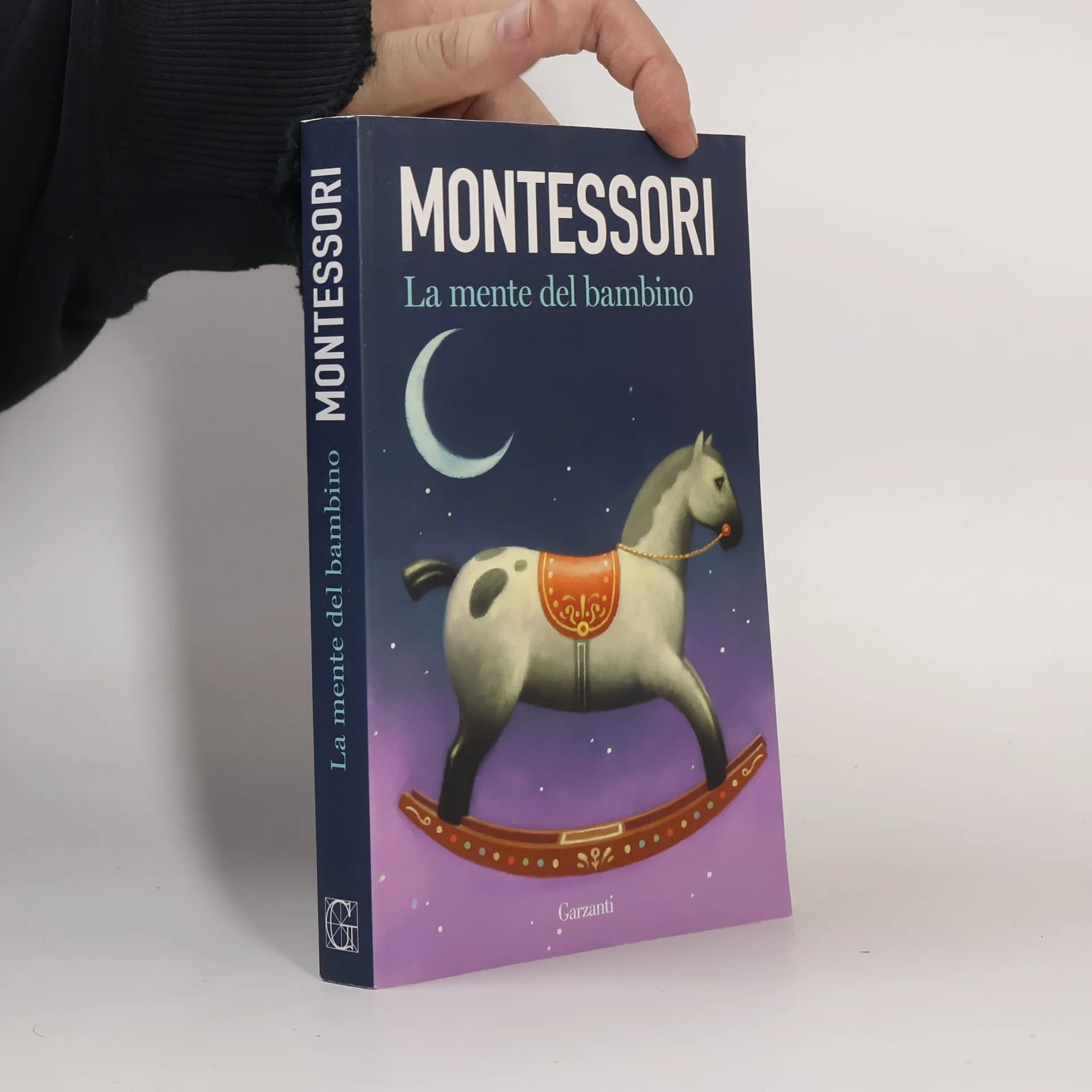
La mente del bambino
- 336 pages
- 12 hours of reading
«Il bambino è dotato di poteri sconosciuti, che possono guidare a un avvenire luminoso.» Nei primi anni di vita, la nostra mente è in grado di assorbire, creare, imparare in modo profondo e completamente diverso da come faremo in età adulta. È partendo da questo principio cardine del suo metodo che Maria Montessori si inoltra nel mistero di un periodo cruciale per la formazione della nostra identità, in quella fase che definisce i caratteri e le insospettate possibilità della vita futura.Con quest’opera, pubblicata per la prima volta in India, dove il metodo conobbe subito notevole successo – «Siamo membri della stessa famiglia», disse di Maria Montessori il Mahatma Gandhi –, si pongono le basi di un’educazione che non dovrà mai essere costrizione e oppressione ma aiuto alla vita e sviluppo di tutte le immense potenzialità di cui il bambino è dotato.
Konkrete Ausführungen zur Problematik, die man heute mit dem Stichwort der Gesamtschule bezeichnet, zur Disziplin in der Schule, zur Sprachentwicklung, zum Schreib-Lese-Unterricht, zur modernen mathematischen Didaktik, zur Arbeitserziehung, zur vorschulischen Bildung und zur menschlichen Gesinnung werdem dem Buch eine weitreichende konkrete Wirksamkeit sichern.
Wie Kinder zu Konzentration und Stille finden
- 154 pages
- 6 hours of reading
Kinder richtig motivieren. Hrsg. u. eingel. v. Ingeborg Becker-Textor
- 157 pages
- 6 hours of reading
Gesammelte Werke - 1: Die Entdeckung des Kindes
- 625 pages
- 22 hours of reading
Rare Book
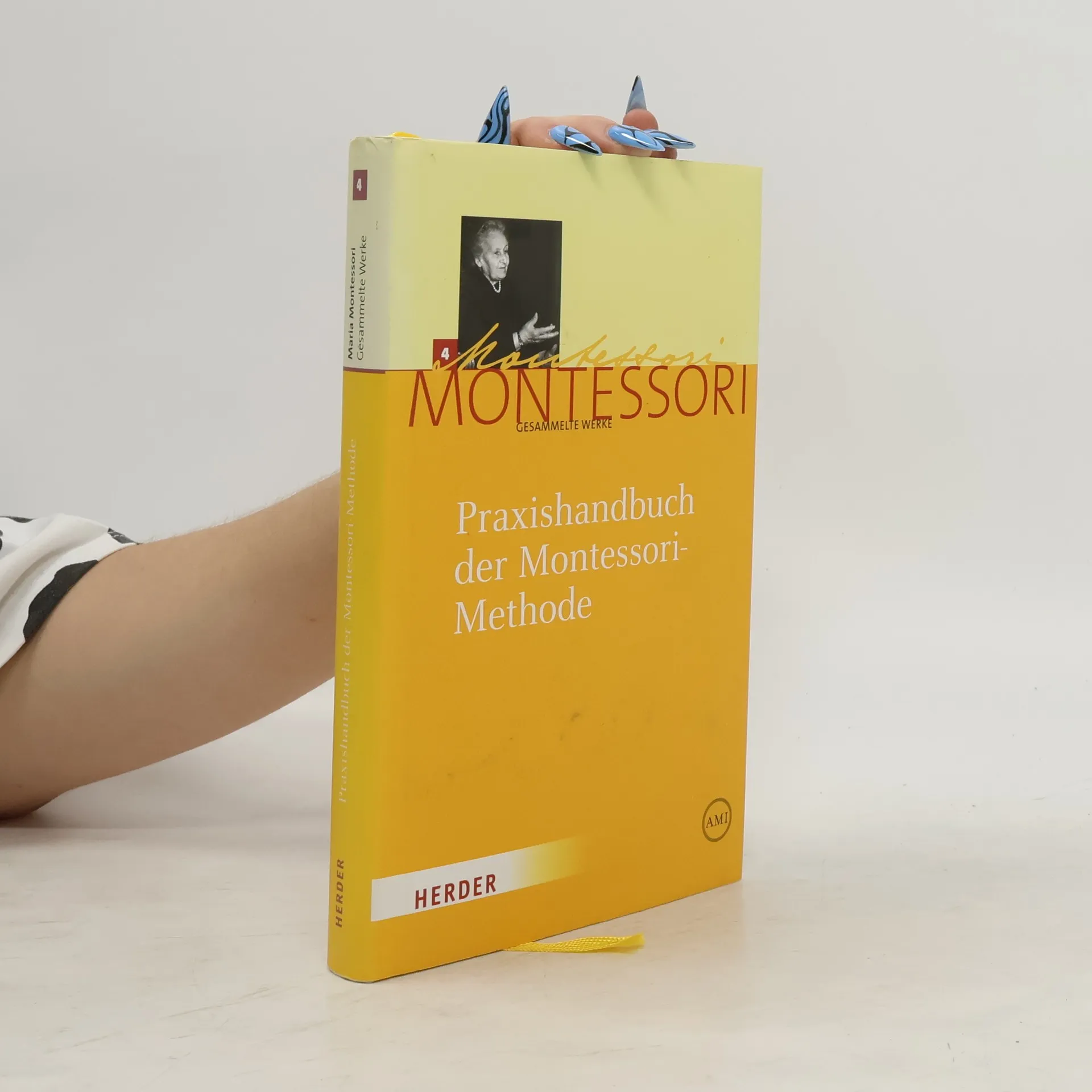
Die erste Ausgabe dieser Schrift erschien 1914 in englischer Sprache unter dem Titel „Dr. Montessoris Own Handbook“. Darin betont Maria Montessori in einer Vorbemerkung, dass diese Schrift das einzige authentische und von ihr autorisierte Handbuch der Montessori-Methode sei. Ziel des Buches ist eine knappe für die Umsetzung in die Praxis geeignete Darstellung ihrer pädagogischen Konzeption. Breiten Raum nimmt daher die Praxis der Montessori-Pädagogik mit ihren Übungen und Materialien ein. Eine deutsche Übersetzung dieser Schrift erschien 1922 und erneut als zweite umgearbeitete Auflage 1928 unter dem Titel „Mein Handbuch - Grundsätze und Anwendung meiner neuen Methode der Selbsterziehung der Kinder“.
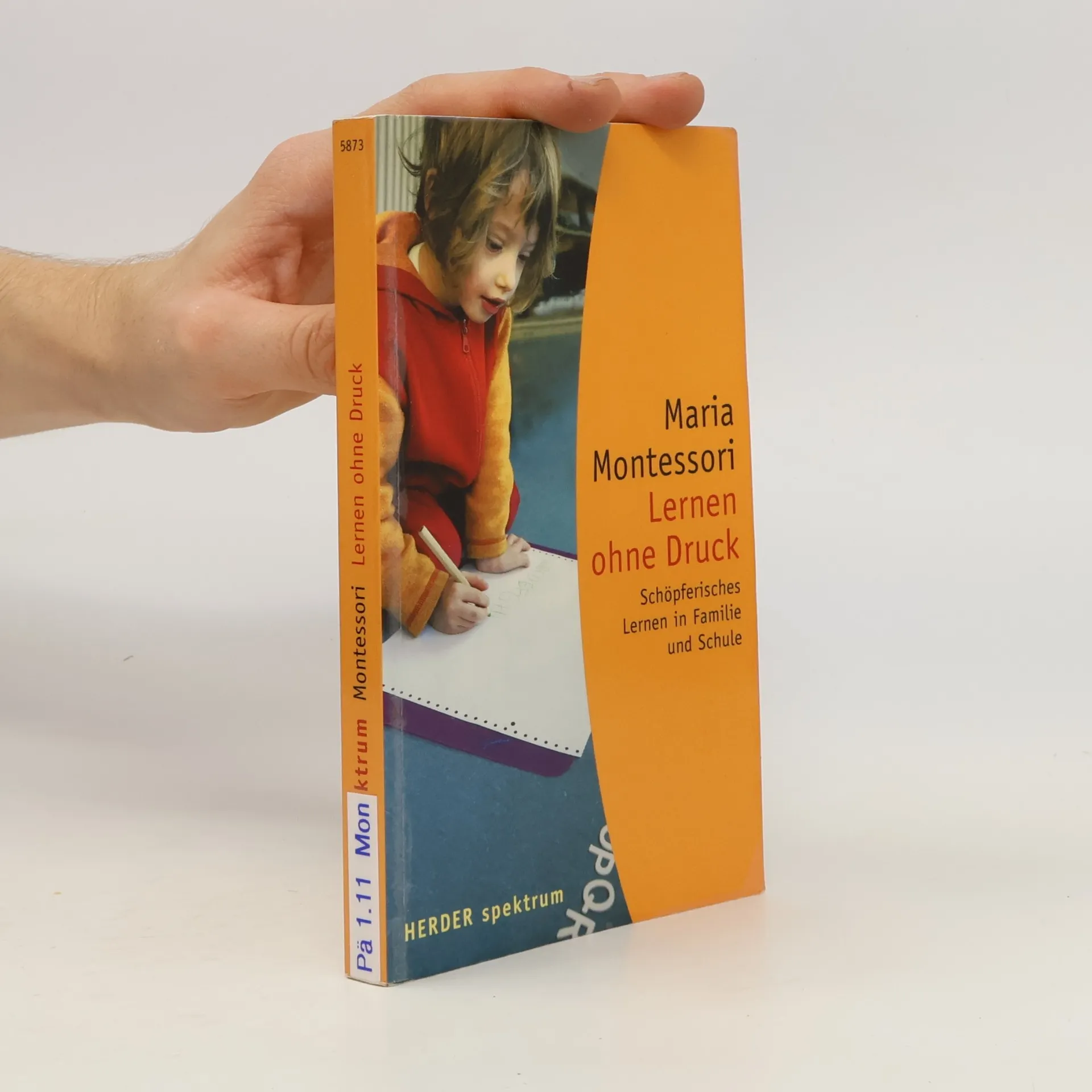
Lernen ohne Druck
- 189 pages
- 7 hours of reading
Maria Montessori - der Name ist Programm: Kinder lernen eigenständig, mit viel Spaß an der Sache. Und sie lernen freiwillig - ohne Druck. Wie das gelingt, das zeigen die Texte von Maria Montessori, die vom Kind und seiner natürlichen Neugier aus dachte. Ob es ums Lesenlernen, Rechnen oder soziale Kompetenz geht: Ohne Druck lernt es sich leichter. Das Montessori Buch für Eltern.
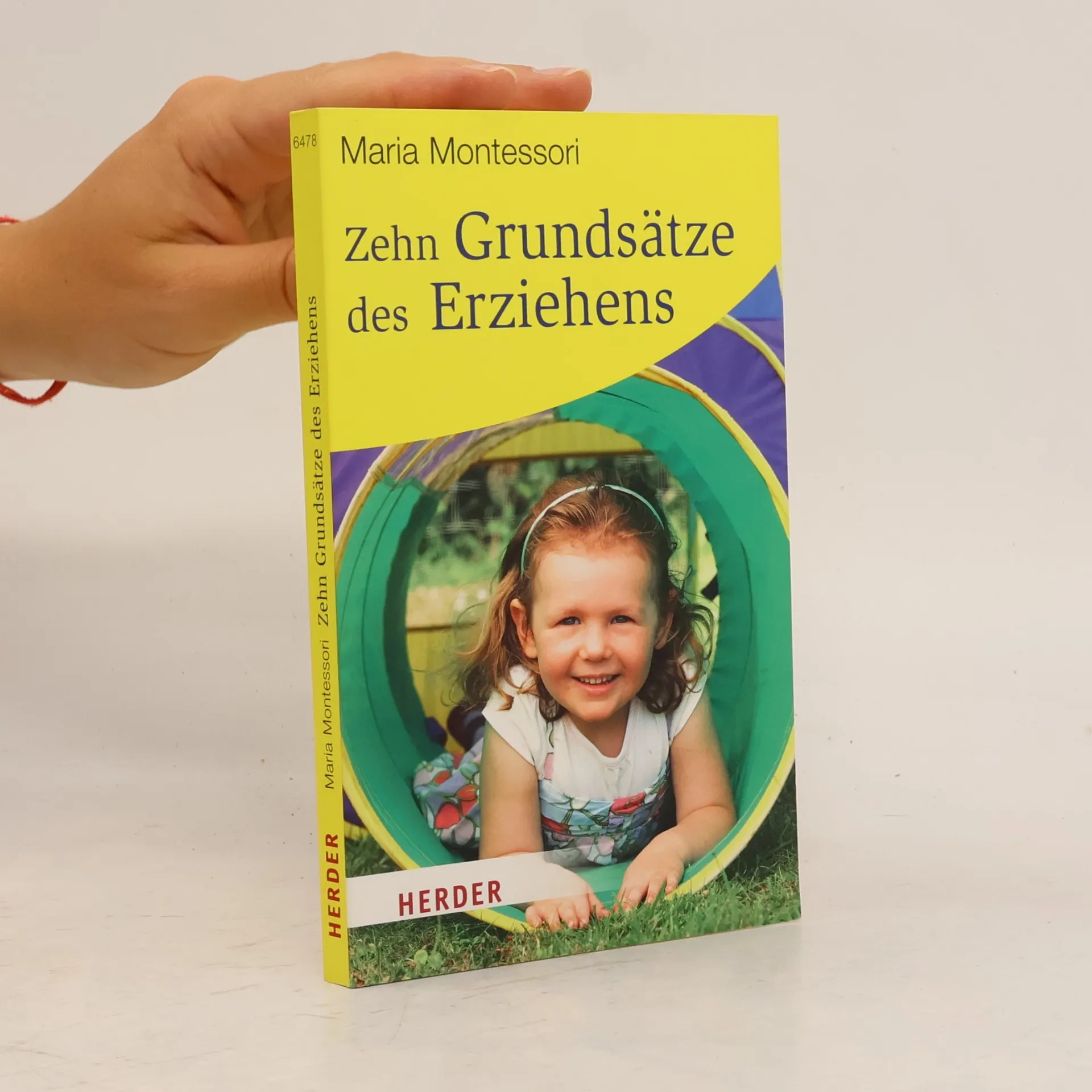
Zehn Grundsätze des Erziehens
- 152 pages
- 6 hours of reading
* Über 20.000 verkaufte Exemplare Das Montessori-Buch für Eltern. Ingeborg Becker-Textor stellt zehn herausragenden Erziehungs-Prinzipien der großen Pädagogin vor. Die bahnbrechende Einsicht Maria Montessoris ist: Kinder fordern von Erwachsenen: »Hilf mir, es selbst zu tun!«
A gyermek felfedezése
- 277 pages
- 10 hours of reading
Verantwortung für diese Welt
Schlüsseltexte über den Menschen und eine neue Erziehung
- 128 pages
- 5 hours of reading
In dieser kleinen Sammlung lebendiger Schriften und Vorträge Maria Montessoris wird ihr kritischer und kluger Geist erlebbar. Mit ihrem analytischen Blick macht sie verständlich, wie die Mängel der Gesellschaft der Entfaltung individueller Potentiale im Wege stehen
Bildung, Erziehung und Betreuung bedeutet für Maria Montessori, dem Menschen Hilfe zu leisten beim Selbstaufbau seiner Persönlichkeit. Das Kind ist für Montessori "Baumeister des Menschen". Dieser Grundansatz wird von der international wirkenden Pädagogin lebenslang beibehalten und in Theorie und Praxis immer weiter ausgebaut. Dieses Bändchen vermittelt einen Einblick in ihr grundlegendes Verständnis vom Kind und der aktiven Rolle, die es bei seiner Erziehung und Bildung spielen soll.
Im Mittelpunkt des pädagogischen Denkens Maria Montessoris steht das Kind mit seinen grundlegenden Entwicklungsbedürfnissen und Aufbaukräften. Erziehung bedeutet für sie, dem Kind, dem Jugendlichen, dem Menschen überhaupt Hilfe zu leisten beim Selbstaufbau seiner Persönlichkeit. Die Texte diese kleinen Bandes können als Einführung in die Pädagogik Maria Montessoris dienen. Der erste ist ein umfassender Artikel, den Montessori eigens für ein 1934 erschienenes deutsches Handbuch verfasst hat. Der zweite Text erschien 1942 in Indien.
Sprache ist für Maria Montessori Mittel zur Welterkenntnis, Ausdrucks- und Kommunikationsmittel, letztlich "Basis für das soziale Leben". Die Texte dieses Bändchens vermitteln einen facettenreichen Einblick in Montessoris Verständnis von Sprachentwicklung und sprachlicher Bildung und der aktiven Rolle, die das Kind beim Spracherwerb spielt.
Das Geheimnis der Kindheit, Teil 2 und 3
Neuübersetzung von Cordula Scheel
Kinder, Sonne, Mond und Sterne
- 158 pages
- 6 hours of reading
Kinder richtig motivieren
- 157 pages
- 6 hours of reading
Kinder lernen schöpferisch
- 147 pages
- 6 hours of reading
Montessori-Pädagogik; Lernen; Lerntheorie; Erziehung.
Ausgewählte Texte
- 250 pages
- 9 hours of reading
Das Geheimnis der Kindheit
Teil 1, Neuübersetzung von Cordula Scheel
Die Menschheit wird sich zunehmend ihrer weltweiten Einheit bewusst, aber auch der globalen Gefahren z.B. durch rucksichtslose Ausbeutung der Natur. Maria Montessori hat unter der Bezeichnung Kosmische Erziehung ein Konzept entworfen, das solchen Anforderungen an eine Erziehung fur die Eine Welt Rechnung zu tragen versucht. "Im kosmischen Plan der Bildung kann man alle Wissenschaften wie Strahlen miteinander verbinden, die von einem leuchtenden Interessenzentrum ausgehen, das fur Klarheit sorgt und alle Erkenntnisse leichter macht und anstosst." (Maria Montessori)
Einen Lichtstrahl geben und weitergehen
- 112 pages
- 4 hours of reading
100 Zitate der großen Pädagogin geben Impulse und Anregung, das Kind mit seinen Bedürfnissen in den Mittelpunkt zu rücken und ihm in seiner Entwicklung zu helfen, ohne es zu entmündigen: »Hilf mir, es selbst zu tun!«, gilt nicht umsonst als Grundgedanke der Montessori-Pädagogik. 100 Zitate machen Lust auf die Entdeckung des Kindes, motivieren und regen zum Nachdenken an.
Von der Kindheit zur Jugend
- 480 pages
- 17 hours of reading
Dieser Band sammelt Texte Maria Montessoris aus ihrem Spätwerk, die vor allem ihre Reformvorstellungen zur Sekundarschule und zur Universität enthalten, aber auch einige Beiträge zur Weiterentwicklung ihrer Grundschulkonzeption. Im Zentrum steht der Entwurf der Schule als einer 'Erfahrungsschule des sozialen Lebens', wie er im bekannten 'Erdkinderplan', der 1939 erstmals auf Englisch veröffentlicht wurde, zusammenfassend dargestellt wird.
Entwicklungsmaterialien in der Schule des Kindes
- 301 pages
- 11 hours of reading
Entwicklungsmaterialien in der Schule des Kindes führt die LeserInnen in die Materialien und Techniken Frau Dr. Montessoris ein, gedacht für LehrerInnen von Kindern ab dem Grundschulalter. In sieben Teilen erklärt sie ihr einzigartiges Material für den Sprachunterricht, die Mathematik, Kunst und Musik. Das Buch zeigt, wie die Materialien - so etwa die geometrischen Körper, die Grammatikkästen, usw. - die Neugierde der Kinder wecken und sie zum selbsttätigen Lernen führen.
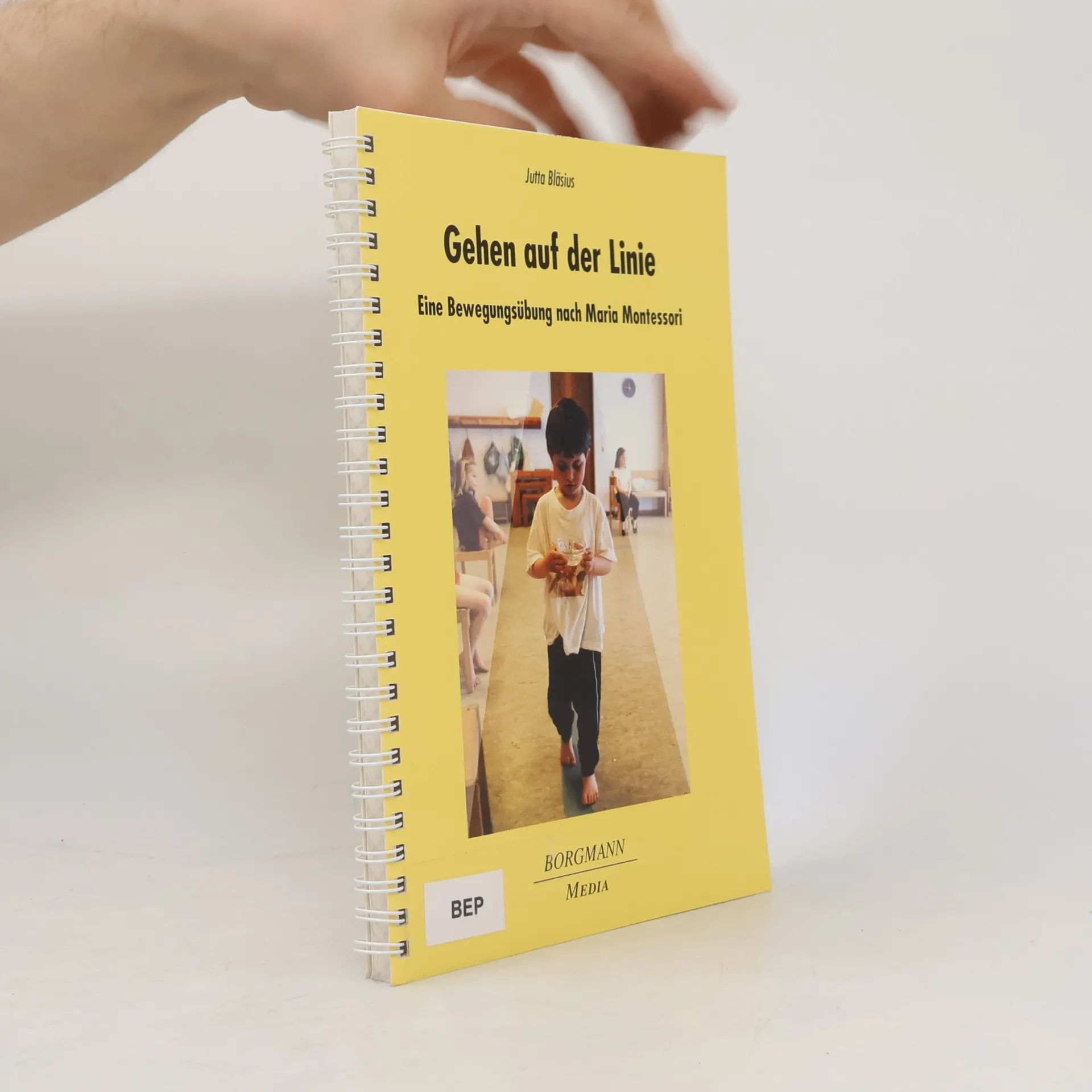
Gehen auf der Linie
- 126 pages
- 5 hours of reading
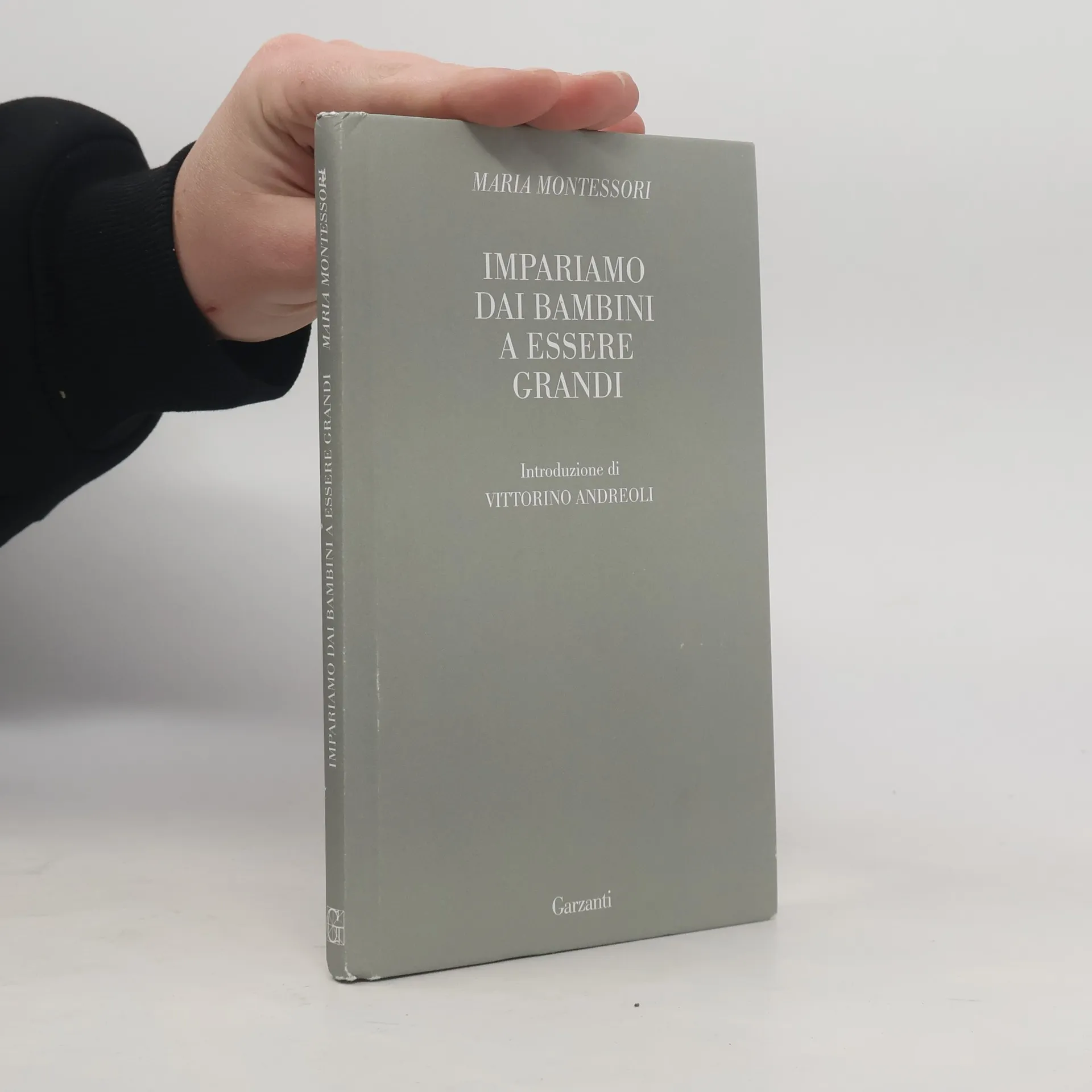
Impariamo dai bambini a essere grandi
- 96 pages
- 4 hours of reading
"Il maggior delitto che la società commetta è quello di sciupare il denaro che dovrebbe usare a favore dei suoi figli e che invece dissipa per distruggerli e per distruggersi." Impariamo dai bambini a essere grandi raccoglie i passi fondamentali e più illuminanti tratti dai libri di Maria Montessori: un'antologia in cui si affermano con dolcezza e sorprendente modernità i diritti dei bambini, il ruolo dei padri e delle madri nella loro educazione, ma anche l'importanza che maestri e insegnanti rivestono nella nostra società. Come scrive infatti Vittorino Andreoli nell'introduzione inedita che apre questo volume, gli studi di Maria Montessori “contengono non soltanto un notevole valore storico nel campo scientifico e pedagogico, ma principi e tecniche utili per migliorare l'educazione nel nostro tempo”. I testi di questa raccolta indicano perciò un percorso ideale per introdurre il lettore alla eccezionalità del pensiero di Maria Montessori che, muovendo dal mondo della scuola, si apre a riflessioni profonde e lungimiranti sui temi più diversi, dai problemi delle donne lavoratrici al pacifismo. Le sue restano così parole ancora attualissime e commoventi per comprendere, amare e proteggere i bambini, ma anche per imparare dalla loro innocenza e dalla loro candida voglia di vivere a essere tutti adulti migliori.
Londýnské přednášky přednesla Maria Montessori v roce 1946 na výcvikovém kurzu pro učitele. V každé z nich čtenář cítí, že Maria Montessori procestovala svět a měla dostatek příležitostí pozorovat děti a jejich vývoj. Přednášky jsou prodchnuty její moudrostí a netýkají se pouze dětství, ale celého vývoje člověka. Londýnské přednášky Marie Montessori se staly základem pro výcvikové kurzy Mezinárodní asociace Montessori. Doslov Hana Slabá.
Montessori : tajuplné dětství
- 231 pages
- 9 hours of reading
Tato kniha odhaluje vzdělávací metodu Marie Montessori. Klade důraz na raný vývoj dítěte a ukazuje dospělým, jak se sami mohou učit tomu, co děti přirozeně dokážou, jak je mohou pozorovat a pomáhat jim. Vzdělávací metoda Marie Montessori pracuje s připraveným prostředím, které děti přirozeně vede. Pomocí vnímavého přístupu a také promyšlených pomůcek se děti v montessori školách učí vlastně samy. Dospělý je jejich průvodcem. Knihu ocení zájemci o knihy a vzdělávací metodu Marie Montessori. Maria Montessori (1870–1952) byla všestranná italská pedagožka, filozofka a vědkyně. Je známa především svými novými pedagogickými metodami. Vystudovala medicínu, filozofii a psychologii, zabývala se antropologií, biologií a pedagogikou. V Portálu vyšly její knihy Absorbující mysl, Objevování dítěte a Londýnské přednášky.