A new edition - revised and updated with over 100 pages of new material - of the groundbreaking book that brings the principles of organizational learning to today's schools and classrooms.
Peter M. Senge Book order (chronological)
Peter Senge is recognized for his work in systems thinking and organizational learning. He explores how individuals and institutions can foster adaptive growth through interconnected development. His approach emphasizes understanding complex systems and cultivating a learning culture.


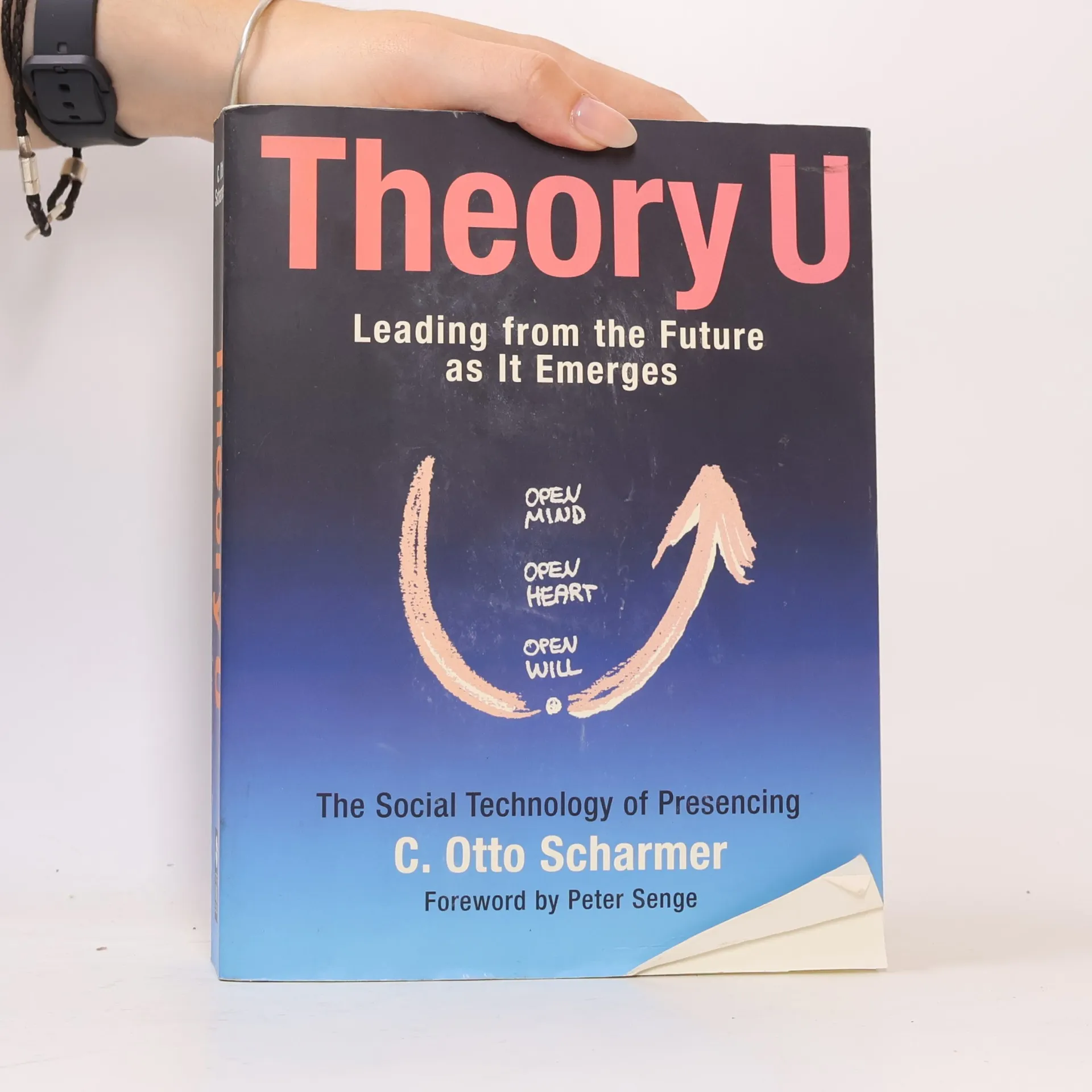
In this ground-breaking book, C. Otto Scharmer invites us to see the world in new ways.What we pay attention to, and how we pay attention is the key to what we create. What often prevents us from 'being present, ' is what Scharmer calls our blind spot, the inner place from which each of us operates. Becoming aware of our blind spot is critical to bringing forth the profound systemic changes so needed in business and society today. First introduced in Presence, the U methodology of leading profound change is expanded and deepened in Theory U. By moving through the "U" process we learn to connect to our essential Self in the realm of 'presencing' - a term coined by Scharmer. When 'presencing' we are able to see our own blind spot and pay attention in a way that allows us to experience the opening of our minds, our hearts, and our wills. Through this process we are able to shift our awareness to allow us to connect with our best future possibility--and to realize it.
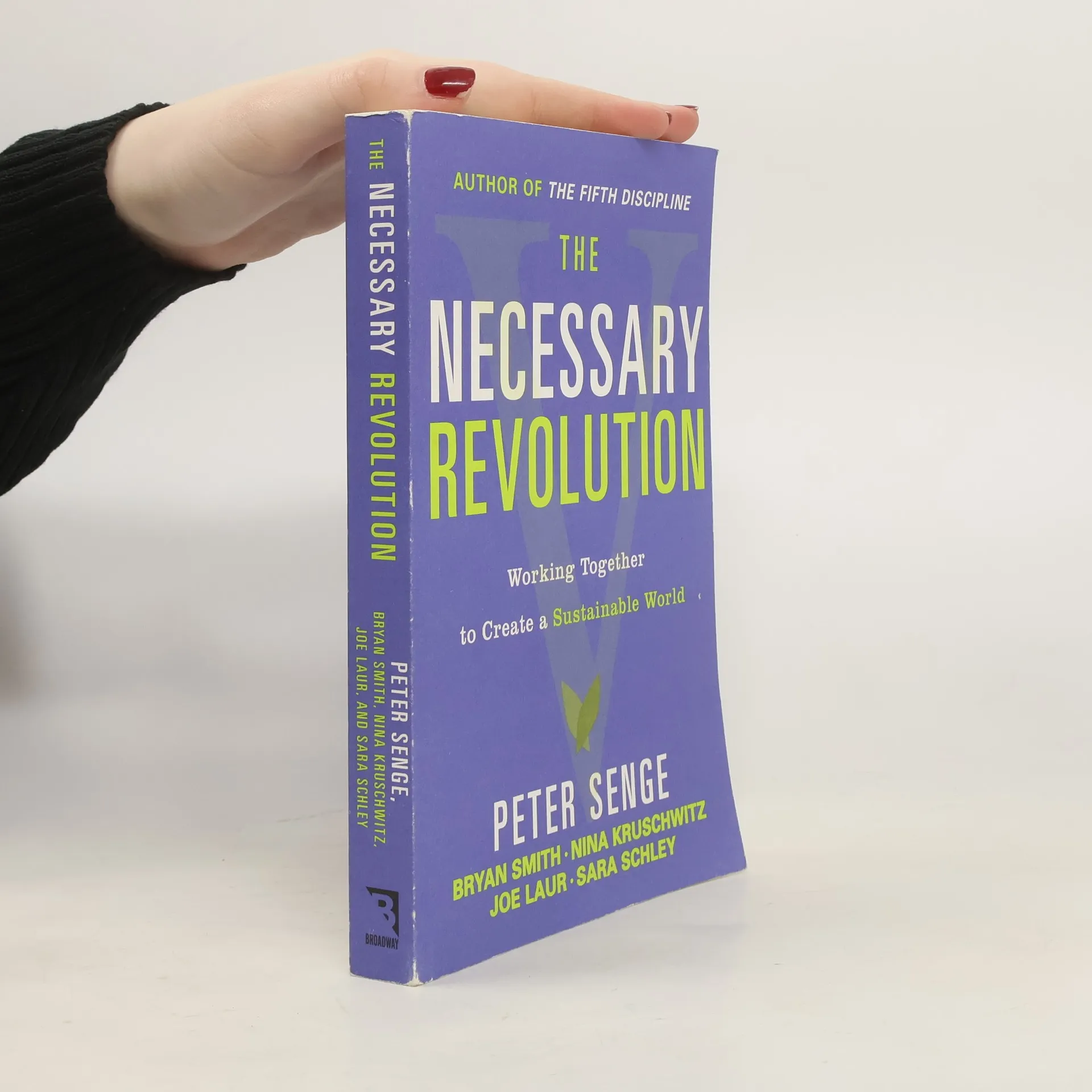
Companies around the world are boldly leading the change from dead-end business as usual tactics to transformative strategies that are essential for creating a flourishing, sustainable world. Innovative leaders are recognizing that for the sake of our companies and our world, we must implement revolutionary, not just incremental, changes in the way we live and work. Reveals how ordinary people at every level are transforming their businesses and communities. By working collaboratively across boundaries, they are exploring and putting into place unprecedented solutions that move beyond just being less bad to creating pathways that will enable us to flourish in an increasingly interdependent world. From publisher description
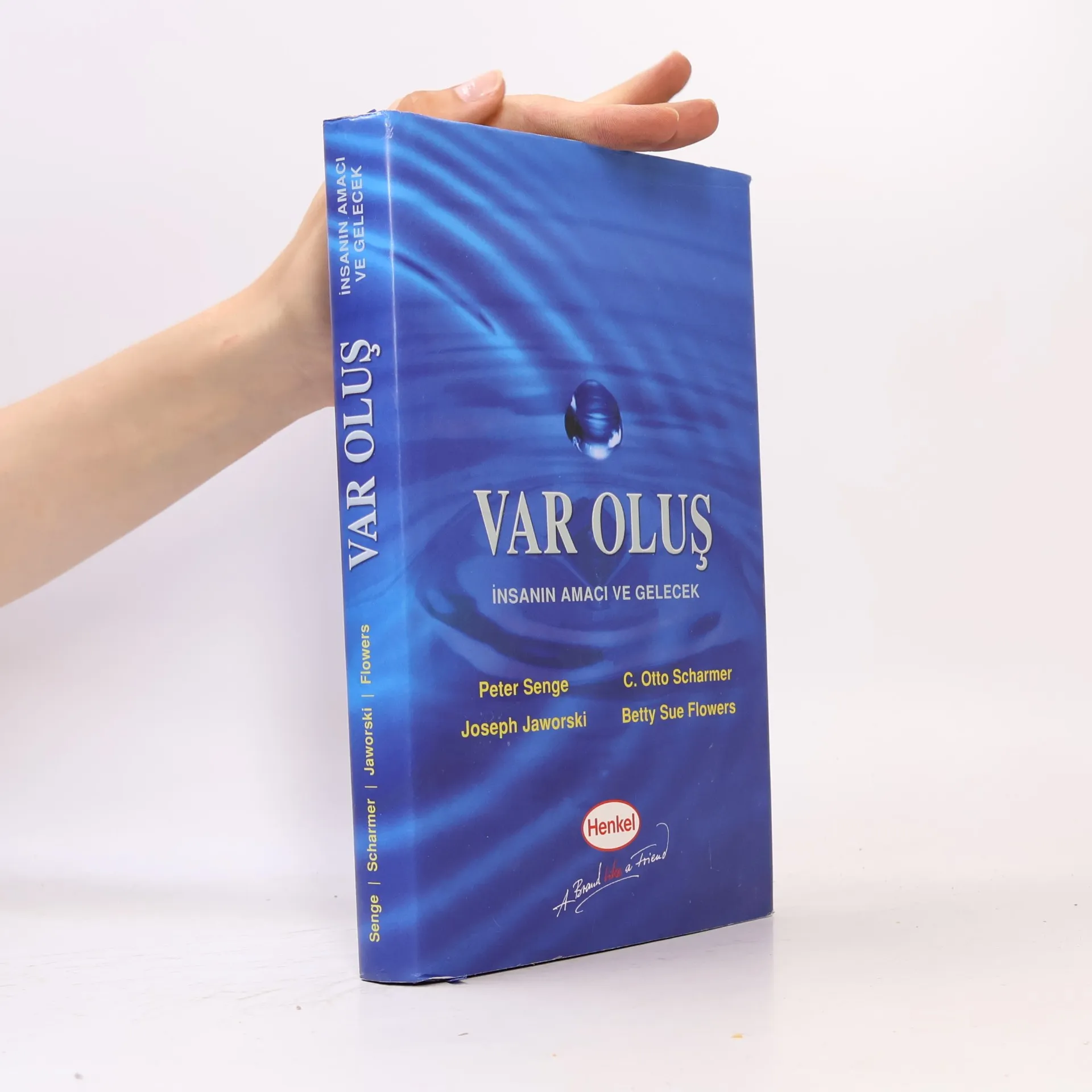
Var Oluş
İnsanın Amacı ve Gelecek
Farklı disiplinlerden gelen dört düşünürün, çok çeşitli ülkelerden 150 kadar bilimci, işadamı, yönetici, girişimci, sivil toplum lideri ve düşünürle yapılmış mülakatlara dayalı uzun süreli bir sohbeti şeklinde kaleme alınmış olan Var Oluş, bizi günümüz dünyası ve gelecek üzerine derin düşüncelere sevk ediyor. Geleceğe yönelik bir öğrenme nasıl olabilir? Olağanüstü ve kahraman bireylere bağlı olmayan yeni bir liderlik türünü nasıl geliştirebiliriz? Onun akışına ayak uydurabilmek için enformasyonla karşılaşmanın yeni biçimleri nasıl tasarlanmalıdır? İş dünyasındaki büyümeyi doğayla ve hayatla uyumlu hale getirmek bize neye mal olacak? Bütünü değiştirmek için ne yapılmalı? Bütünü nasıl değiştirebiliriz? Yazarlar bütün bu ve benzeri derin soruların yanıtlarının küresel kurumlardan ve bu kurumların yarattığı şebekelerden doğan kolektif zekâdan ortaya çıkabileceği görüşündeler. Ve elinizdeki bu kitapla bu kolektif zekâya ciddi bir katkıda bulunuyorlar.
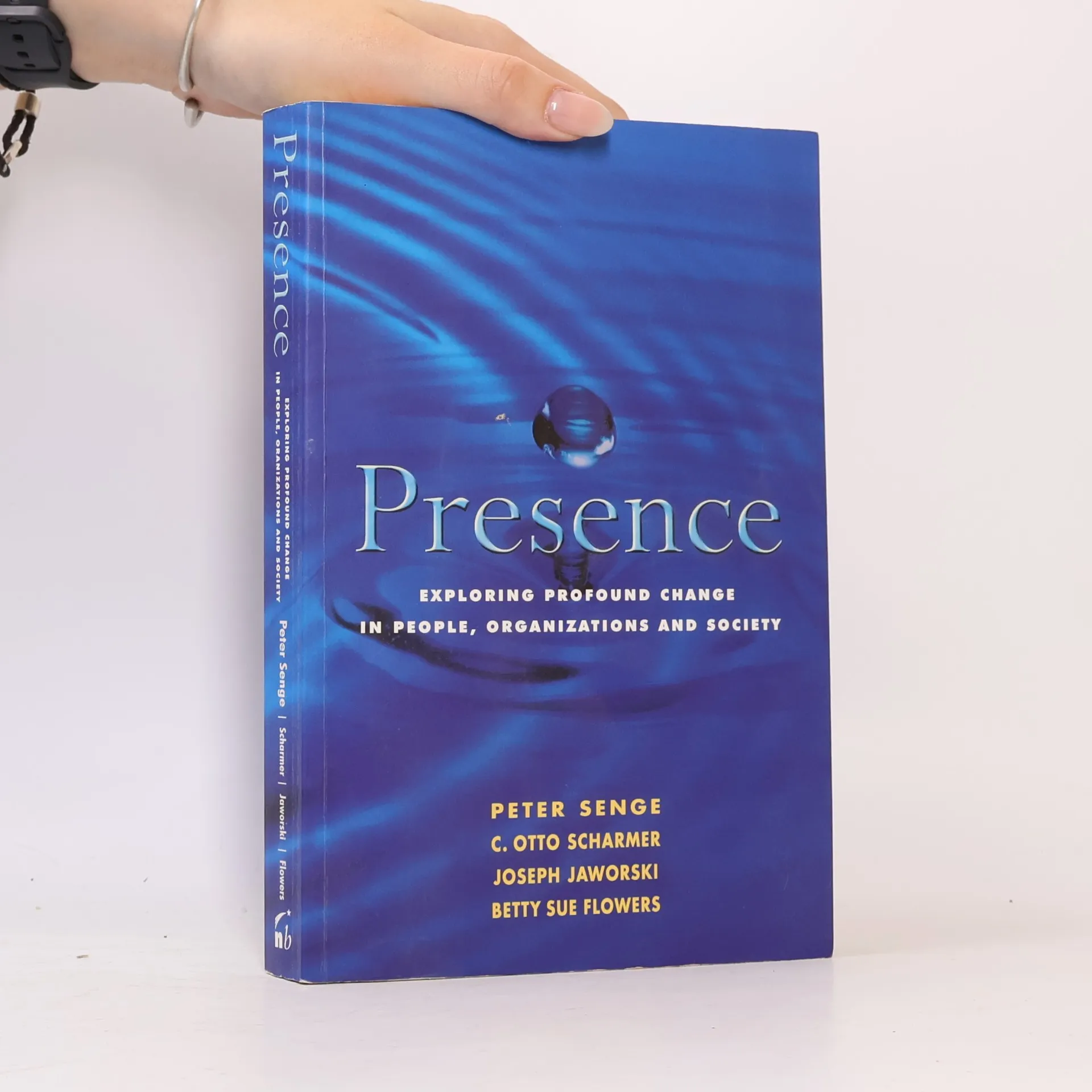
Presence
- 304 pages
- 11 hours of reading
Articulates a new theory about change and learning, which identifies seven capacities that underlie the ability to see, sense and realize new possibilities.
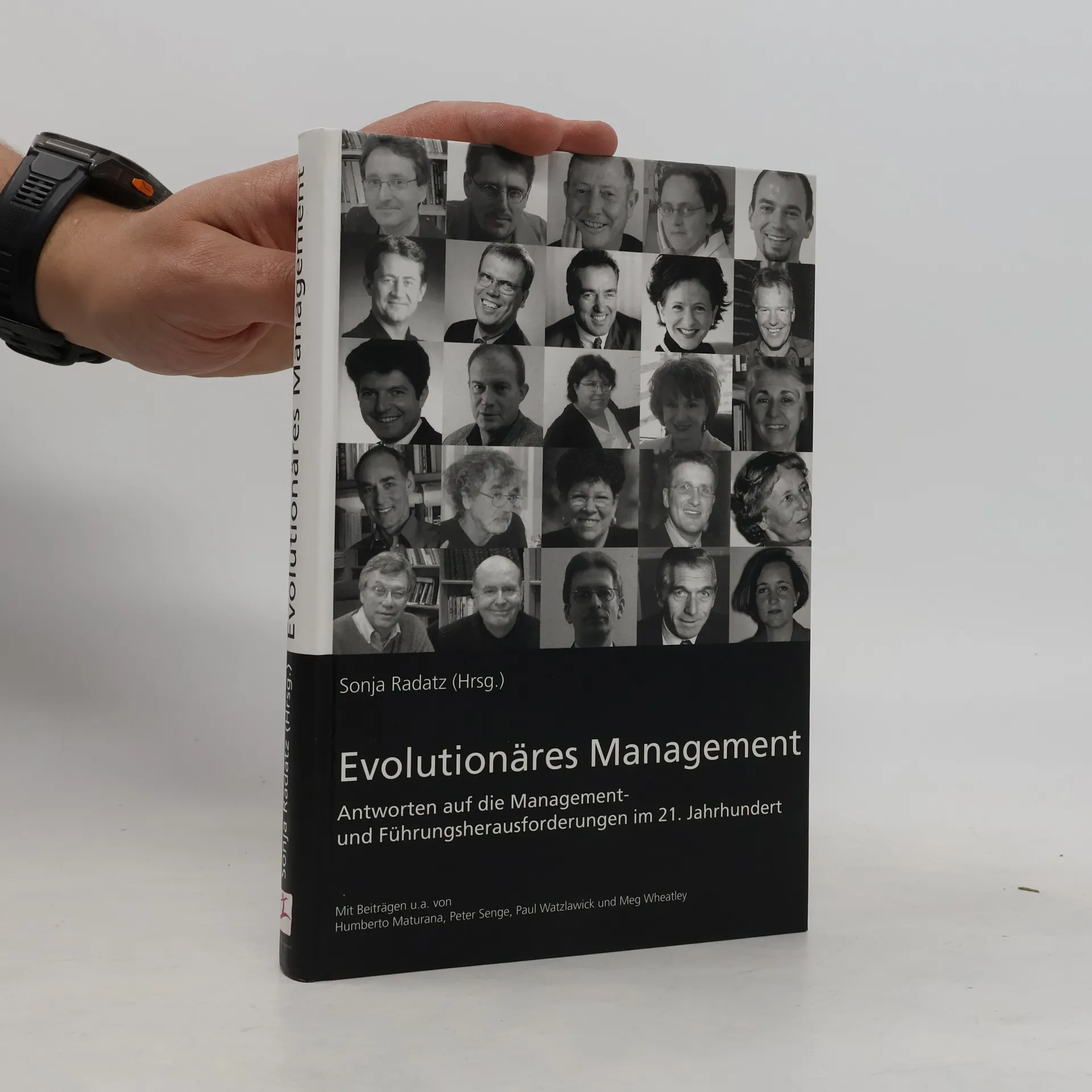
Evolutionäres Management
Antworten auf die Management- und Führungsherausforderungen im 21. Jahrhundert. Mit Beiträgen u.a. von Humberto Maturana, Peter Senge, Paul Watzlawick und Meg Wheatley
- 368 pages
- 13 hours of reading
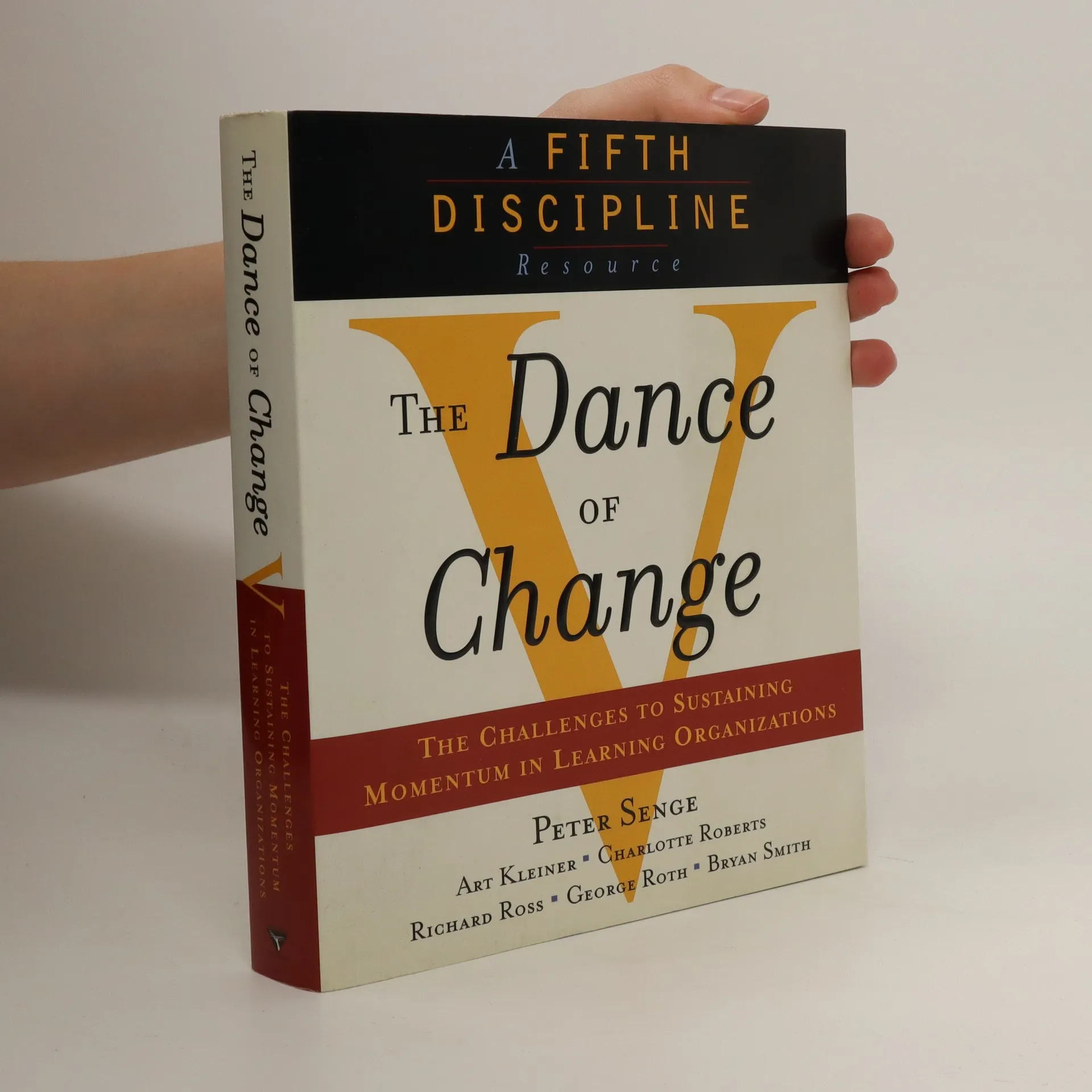
The Dance of change : the Challenges of Sustaining Momentum in Learning Organizations
- 224 pages
- 8 hours of reading
The team that wrote the Fifth Discipline Fieldbook--which showed business how to build learning organizations--now explains how to sustain organizational change to produce long-term results
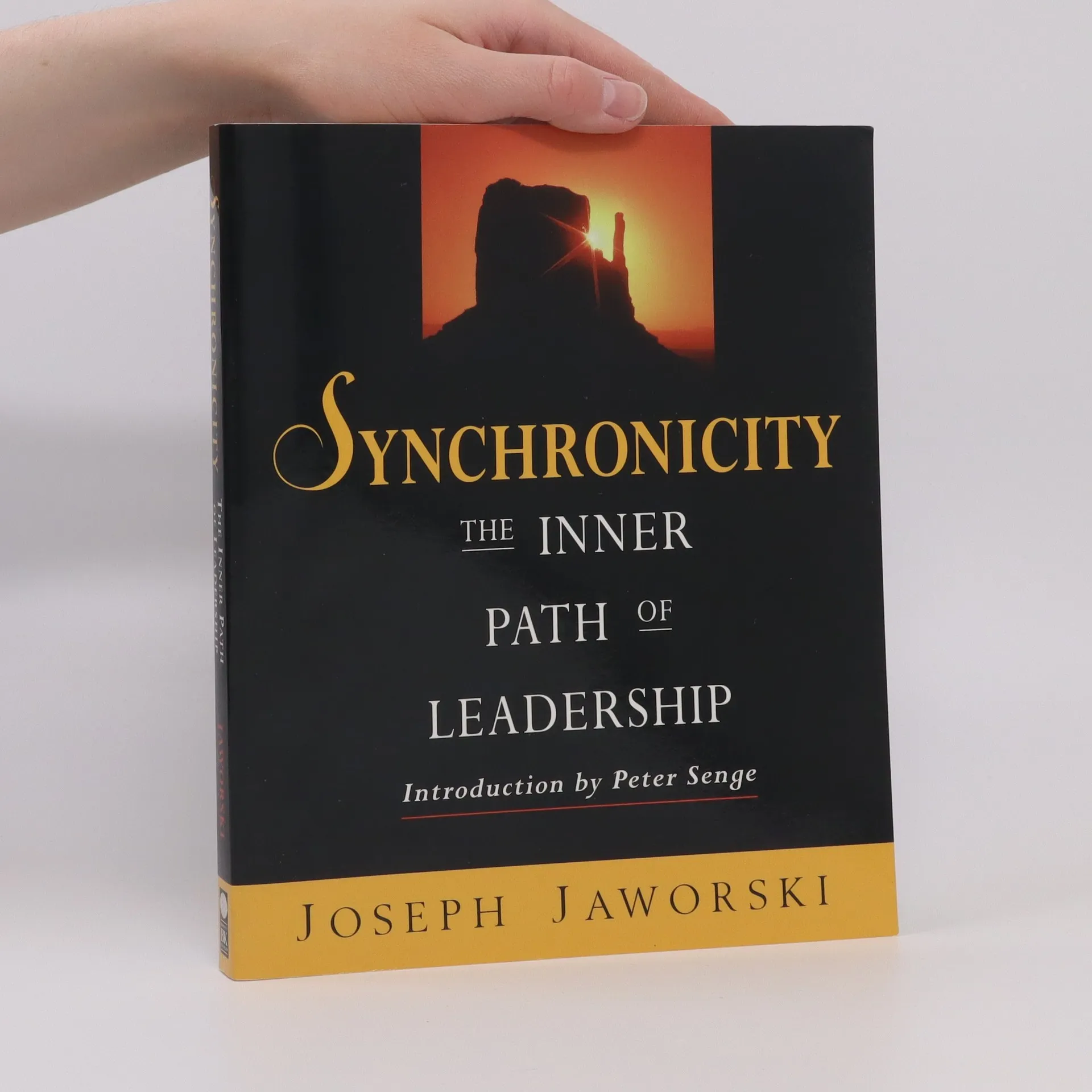
Sparked by a conversation about the lack of moral and ethical standards at high levels, Jaworski's classic tale provides an inspirational yet practical guide to developing the most essential leadership capacity for our time.
Grootmeesters in management
- 224 pages
- 8 hours of reading
Het vijfde discipline praktijkboek
Strategieen en instrumenten voor het bouwen van een lerende organisatie
- 498 pages
- 18 hours of reading
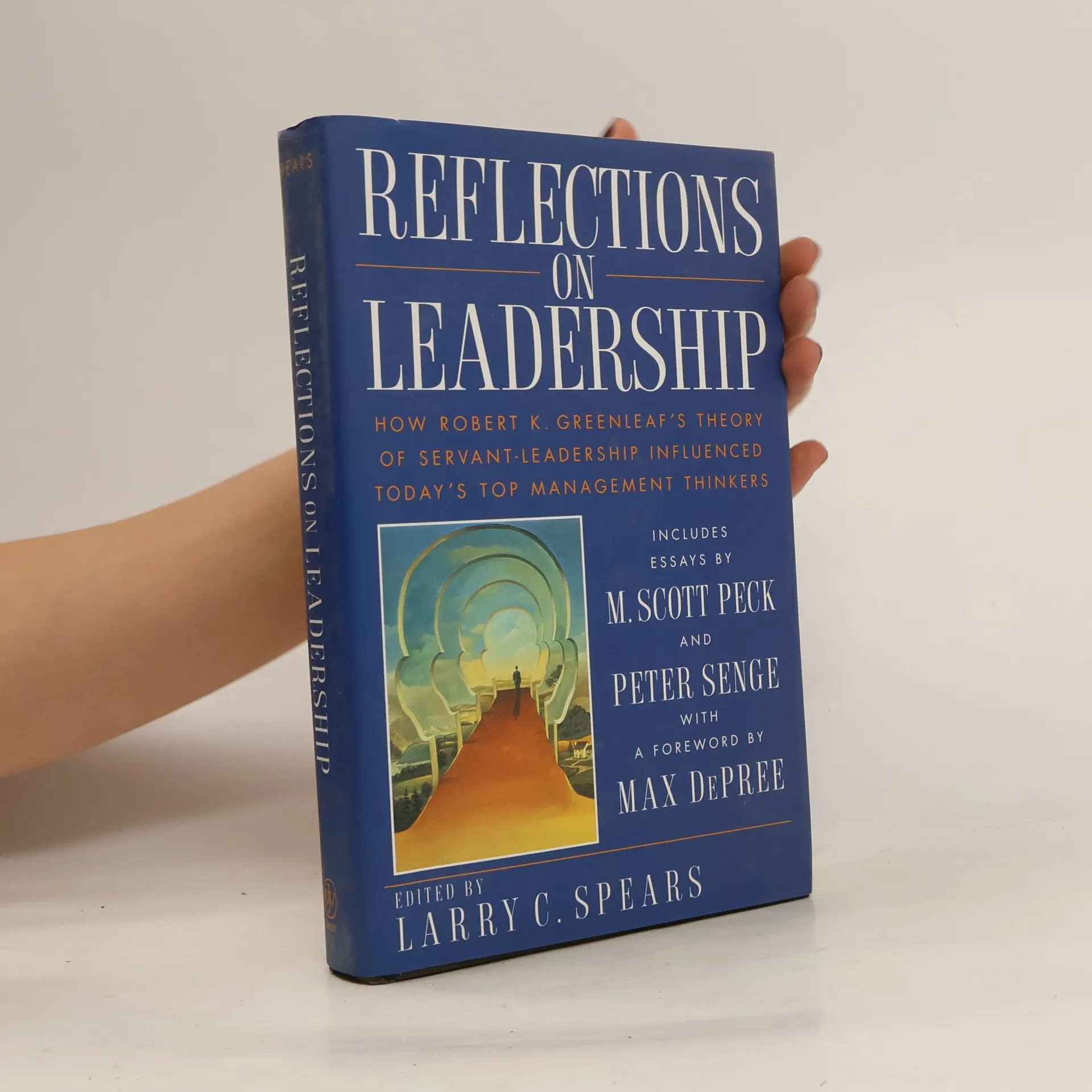
Reflections on Leadership
How Robert K. Greenleaf's Theory of Servant-Leadership Influenced Today's Top Management Thinkers
- 368 pages
- 13 hours of reading
The essay "The Servant as Leader" by Bob Greenleaf stands out as a profound statement on leadership, offering insights that resonate deeply amidst a plethora of managerial literature. Peter M. Senge emphasizes its significance, urging serious leaders to engage with Greenleaf's ideas rather than other conventional texts. Max DePree highlights the growing momentum for enlightened leadership across various sectors, noting the scarcity of quality resources that address the values driving this movement. He considers the book a valuable gift for those who prioritize their responsibilities and relationships. M. Scott Peck shares examples of businesses that successfully utilized servant-leadership during crises, only to abandon these practices once challenges subsided. He points to the difficulty of embedding these principles into organizational culture. Jim Kouzes praises Greenleaf's legacy, asserting that true leaders recognize the power of purpose over position. Peter Block acknowledges Greenleaf's influence in integrating spirit and values into the workplace, ensuring his ideas remain relevant for future leaders. Over the past twenty-five years, Greenleaf's vision of servant-leadership has significantly impacted management theory, portraying leaders as those who empower others. This collection features key essays by Greenleaf and prominent thinkers like Peck and Senge, exploring the ethical use of power and the transformative po
What is a learning organization? What are the advantages of creating one? Why should a company want to become a learning organization? Where does one start? Learning Developing Cultures for Tomorrow's Workplace contains essays by thirty-nine of the most respected practitioners and scholars of this topic. This definitive collection of essays is rich in concept and theory as well as application and example. Lead authors include Harvard's Rosabeth Moss Kanter, London Business School's Professor Emeritus Charles Handy, and MlT's Fred Kofman and Peter Senge. The thirty-two essays in this comprehensive collection are presented in four main 1. Guiding Ideas 2. Theories/Methods/Processes 3. Infrastructure 4. Arenas of Practice
Piata disciplína manažmentu : systémové myslenie predpoklad rozvoja organizácií
- 420 pages
- 15 hours of reading
The fifth discipline
- 464 pages
- 17 hours of reading
Peter Senge, founder and director of the Society for Organisational Learning and senior lecturer at MIT, has found the means of creating a 'learning organisation'. In The Fifth Discipline, he draws the blueprints for an organisation where people ex