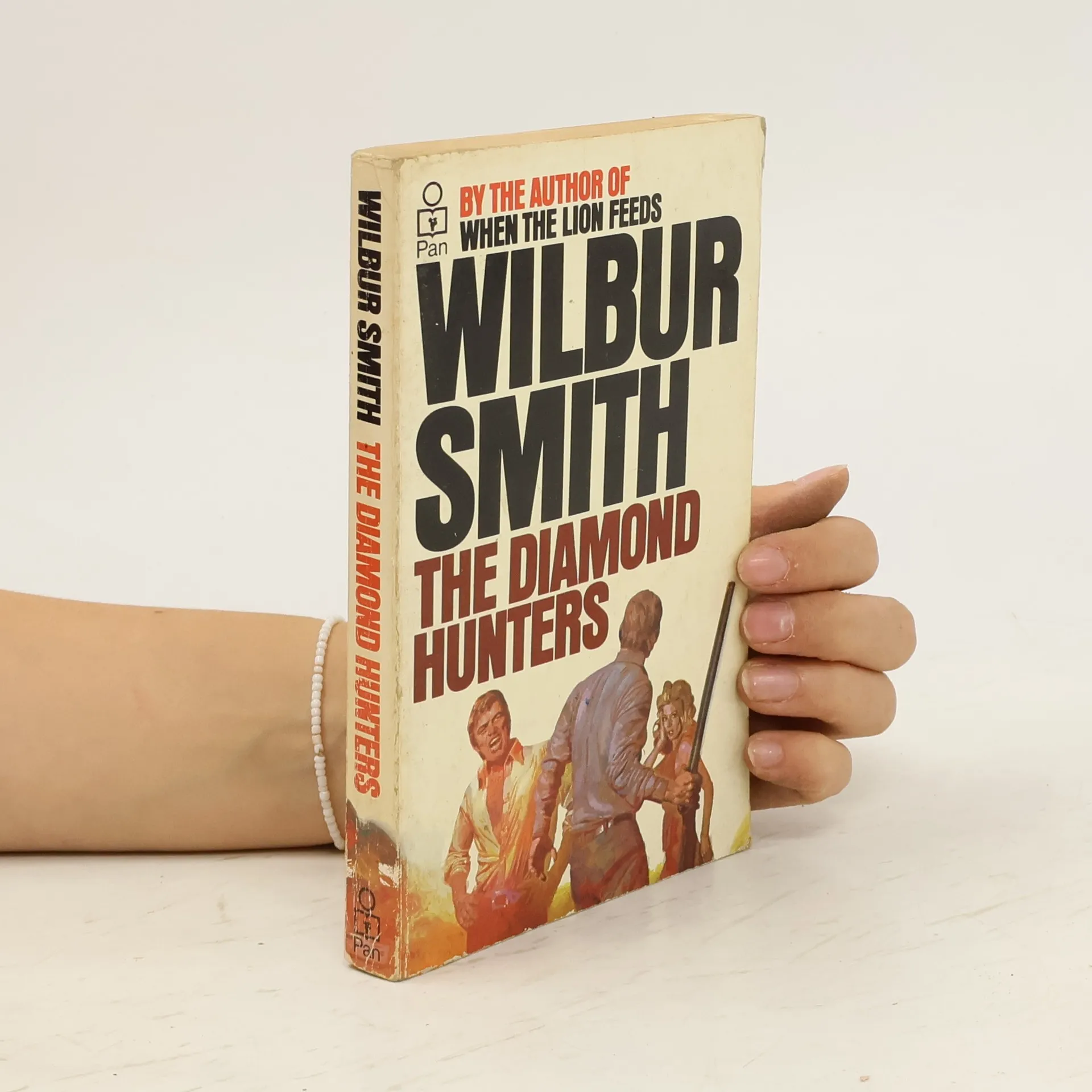
Wilbur Smith's second Ballantyne novel - another rattling good read.
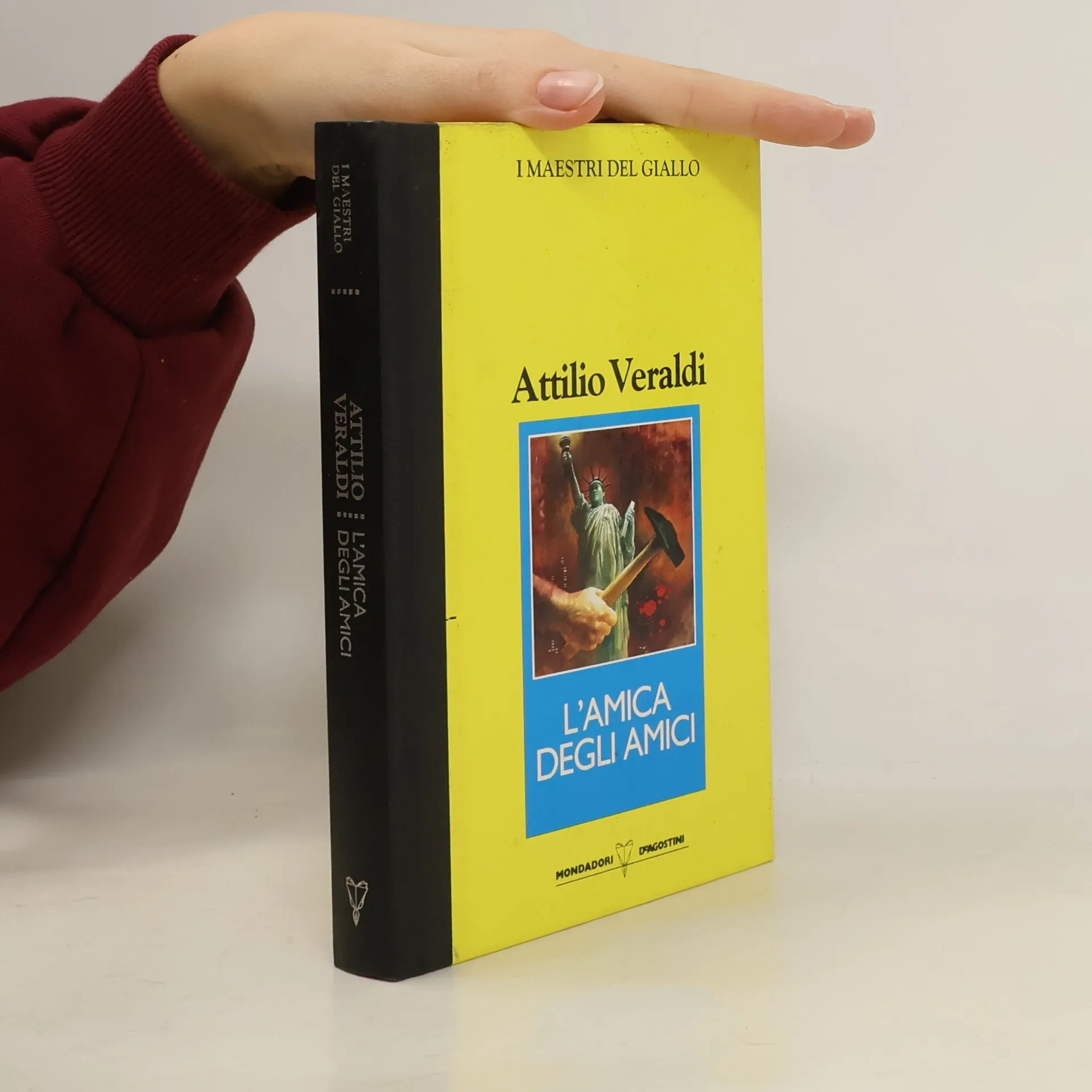
Attilio Veraldi Books


The first novel of the trilogy introducing Bernard Samson and the rest of the bickering, in-fighting intelligence community in which he is a much put-upon member. After five years of desk work, Bernie finds himself ordered back into the field.
Pimp
- 320 pages
- 12 hours of reading
New edition of the perennial cult classic with a specially commissioned introduction by Irvine Welsh
The decadence and violence of the urban streets is graphically portrayed in this novel set in a post-WWII Brooklyn slum.
Continuing the subversive self-revelation begun in Tropic of Cancer and Tropic of Capricorn, Henry Miller takes readers along a mad, free-associating journey from the damp grime of his Brooklyn youth to the sun-splashed cafes and squalid flats of Paris. With incomparable glee, Miller shifts effortlessly from Virgil to venereal disease, from Rabelais to Roquefort. In this seductive technicolor swirl of Paris and New York, he captures like no one else the blending of people and the cities they inhabit.
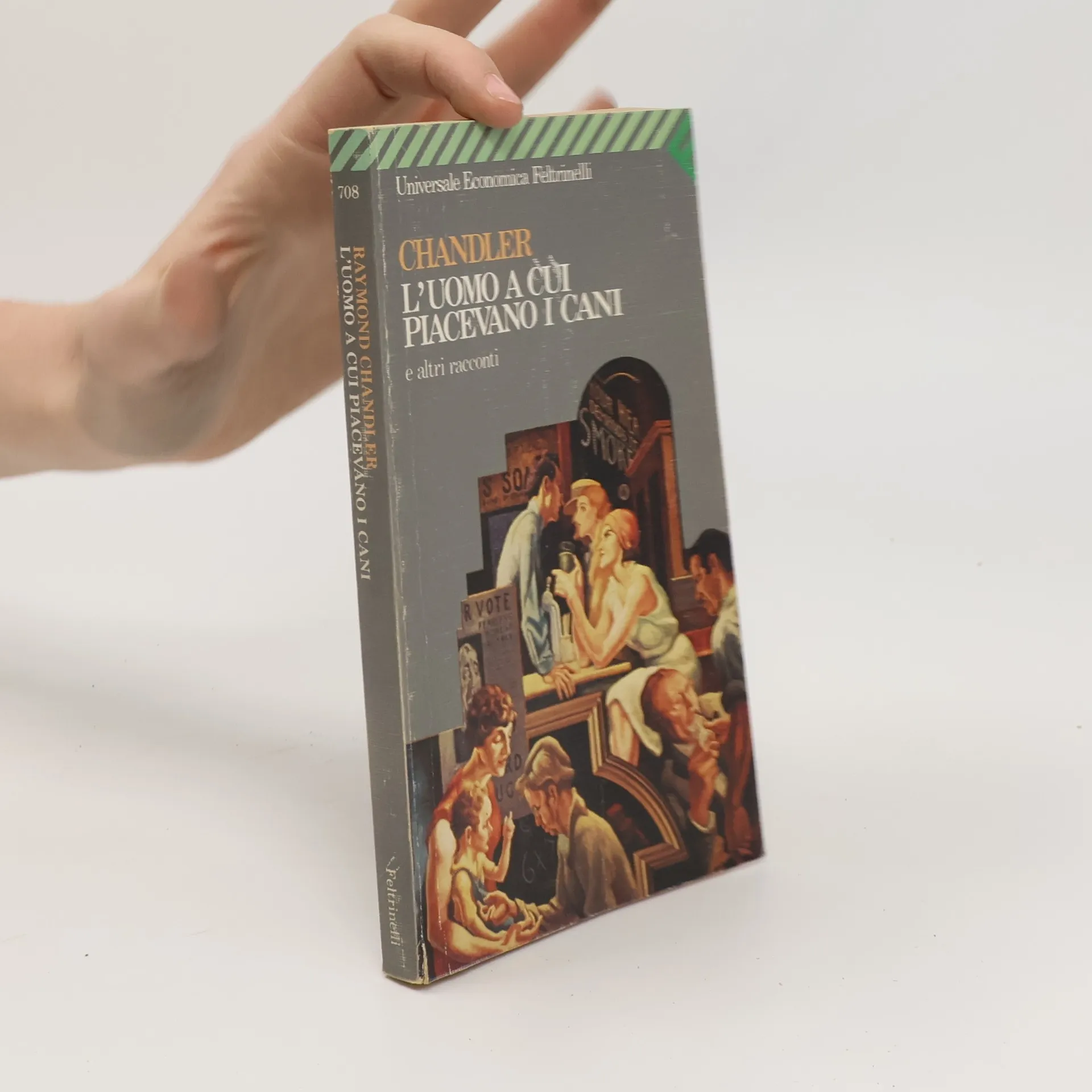
Universale Economica Feltrinelli - 708: L'uomo a cui piacevano i cani e altri racconti
- 176 pages
- 7 hours of reading
Quattro degli otto racconti (gli altri sono raccolti in Blues di Bay City), composti tra il 1935 e il 1941, di cui Raymond Chandler era gelosissimo e che non volle pubblicare in vita. Uscirono infatti solo postumi, nel 1964. Fece di tutto per dimenticarli, ma non certo perché fossero meno belli degli altri pubblicati. Anzi, li tenne segretissimi perché erano i più belli. In questi racconti si assiste tra l’altro alla nascita del celebre Philip Marlowe. All’inizio è un detective senza nome, poi si comincia a chiamare Carmady, quindi cambia nome e finalmente viene battezzato Marlowe, l’uomo che compie il suo lavoro con pena e disgusto, l’investigatore che ha reso celebre il suo inventore.
The Diamond Hunters
- 240 pages
- 9 hours of reading
The jet was a solid eighteen-inch column, a pillar of brown mud and yellow gravel and sea water that beat against the steel plates of the hull with a hollow drumming roar. In the few seconds since the explosion the cyclone was already half-filled with a slimy shifting porridge that rushed from wall to wall with the movement of the ship. It was like some monstrous jellyfish which each second gathered weight and strength. The Van Der Byl Diamond Company, willed by its founder to his son Benedict, turns out to be a bequest of hatred. For it is couched in such terms as to offer him the instrument of destruction of his bitterest rival. Destroy Johnny is the old mans implacable message. And so, consumed with envy for his own foster-brother, Benedict sets out in ruthless pursuit of this goaland Johnny is plunged into a maelstrom of greed, vengeance and murder...
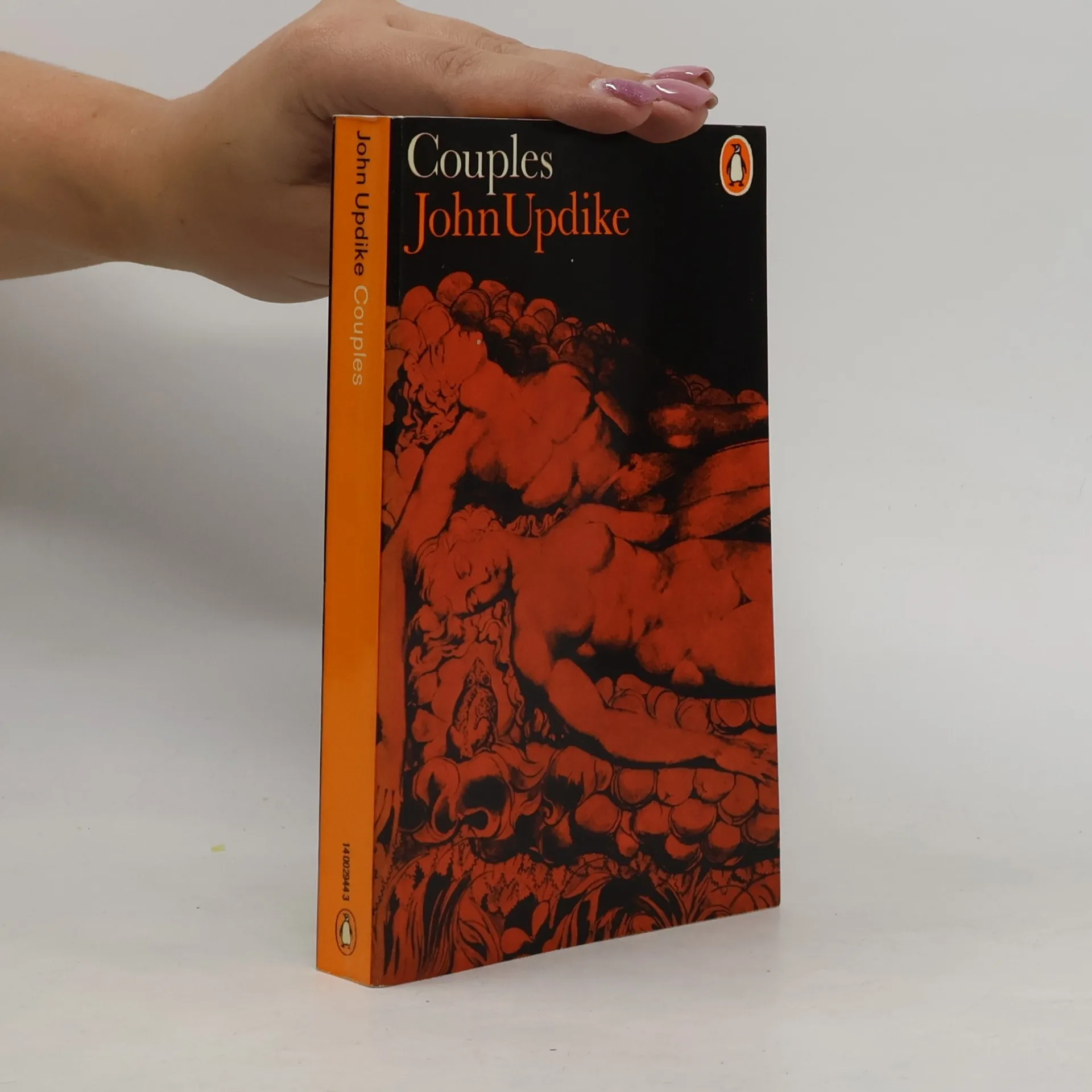
Couples is the book that has been assailed for its complete frankness and praised as an artful, seductive, savagely graphic portrait of love, marriage, and adultery in America. But be it damned or hailed, Couples drew back the curtain forever on sex in suburbia in the late twentieth century. A classic, it is one of those books that will be read -- and remembered -- for a long time to come.
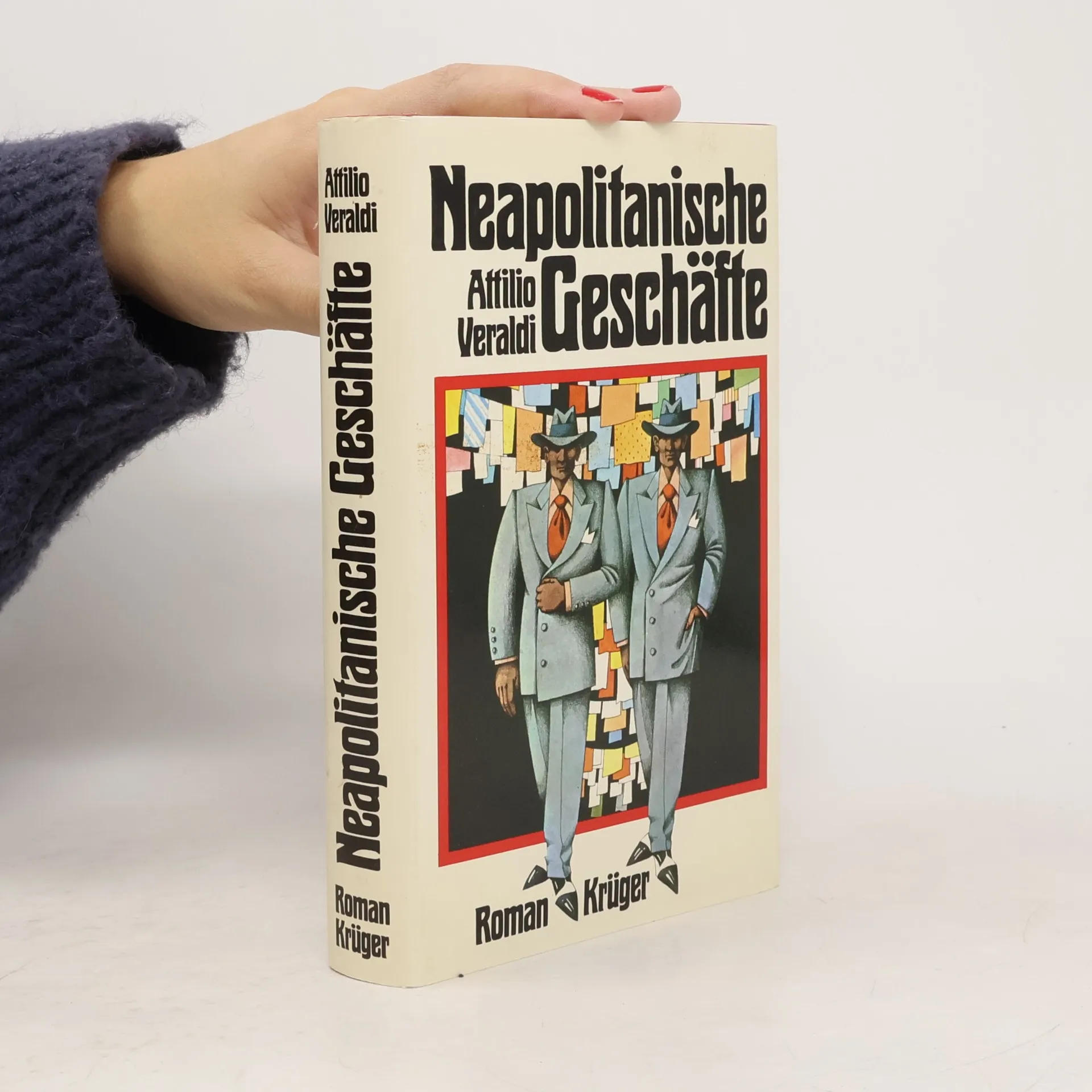
Neapolitanische Geschäfte
- 289 pages
- 11 hours of reading
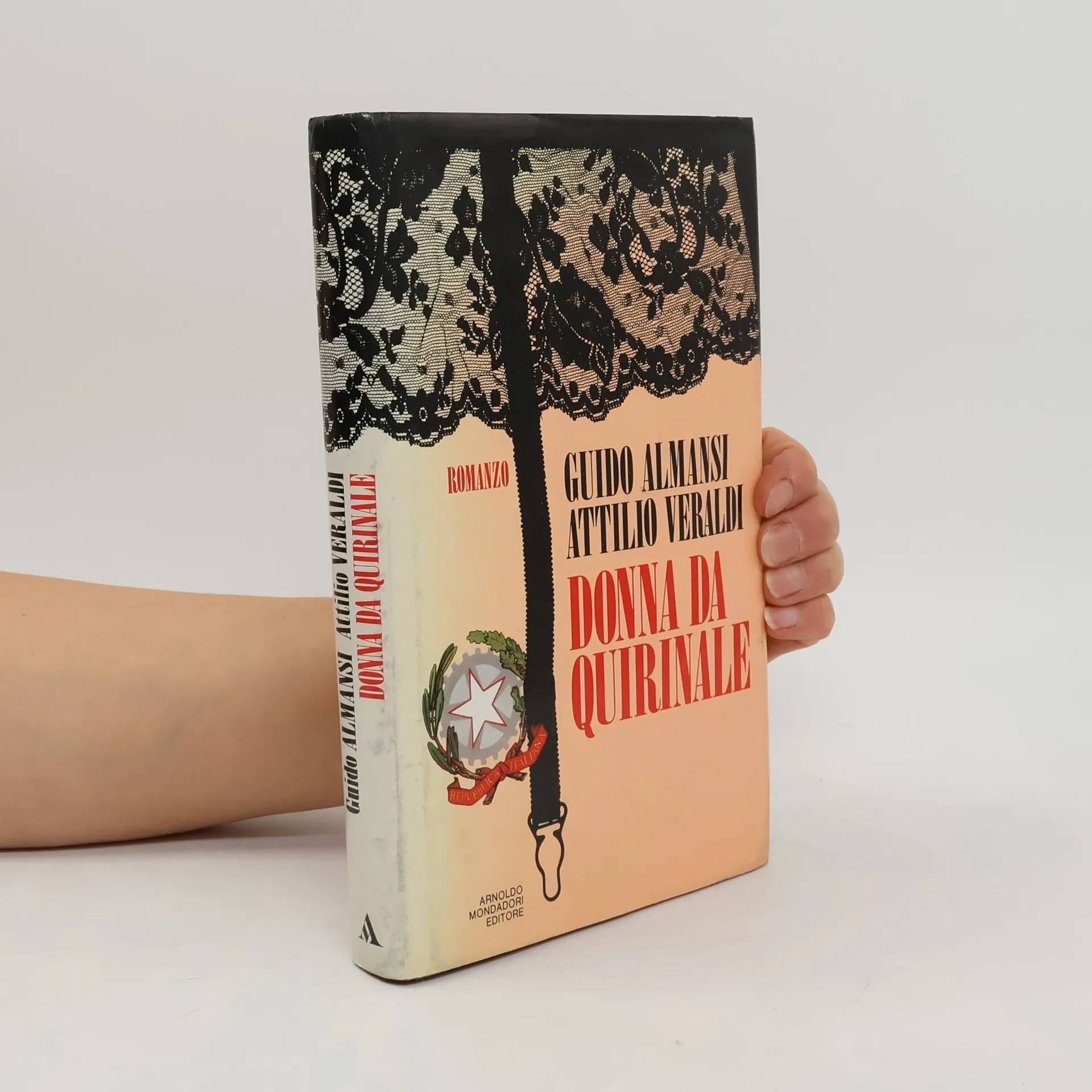
Donna da Quirinale
- 275 pages
- 10 hours of reading
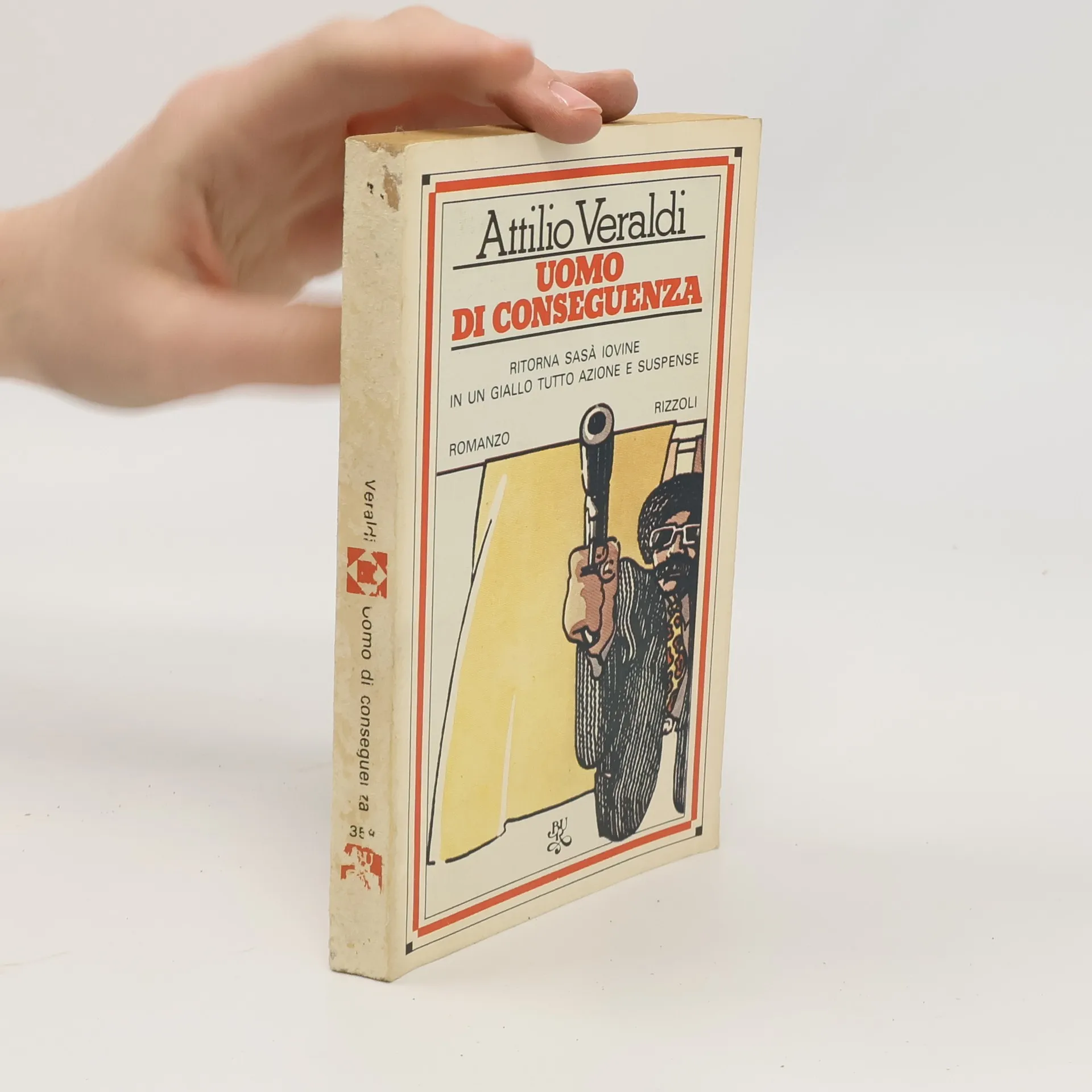
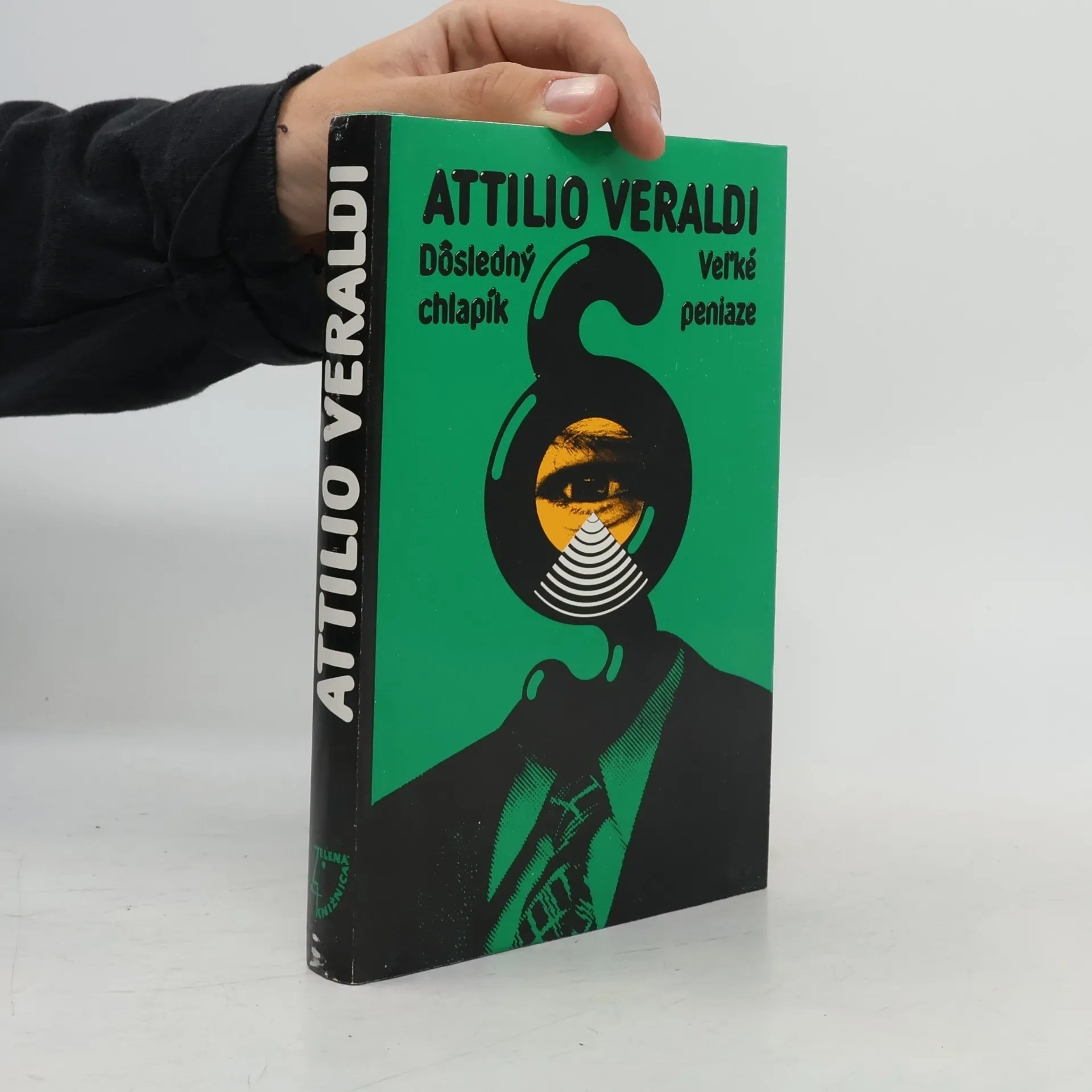
Attilio Veraldi (1925), taliansky novinár a plodný prekladateľ z angličtiny a škandinávskych jazykov, sa svojou detektívkárskou tvorbou hlási k americkej tvrdej škole, tzv. „hardboiled-school". Podvody, surovosť a vraždy, to všetko sa v týchto dvoch detektívnych príbehoch spája s peniazmi. Vidina ľahko nadobudnutého bohatstva je hybnou silou konania väčšiny postáv a medzi inými aj neapolského advokáta Sasu lovineho, spoločného protagonistu oboch detektívok, Iovine sa s obľubou dáva do služieb „veľkých zvierat" a za riadnu odmenu je ochotný vystaviť nebezpečenstvu aj vlastný život. Zahráva sa s ohňom, kľučkuje, vynakladá všetok svoj dôvtip a všetku svoju diplomaciu, len aby aj on niečo vylovil z mútnych vôd. Je schopný všetkého, ale iba po istú hranicu. Neoplýva zbytočnou sentimentalitou a jeho zbraňou je výlučne intelekt. Kým v Dôslednom chlapíkovi ide o rozsiahle machinácie s valutami, vo Veľkých peniazoch Sasá lovine pátra po dcére najbohatšieho Neapolčana, ktorá ušla z domu aj s dokumentmi, čo môžu skompromitovať jej otca a tomu, kto ich získa, vynesú päť miliárd lír.