Maurice Blanchot here sustains a dialogue with a number of thinkers, including Kafka, Pascal, Nietzsche, Brecht, and Camus, who are central to the history of Western thought and who have influenced virtually all the themes that inflect contemporary literary and philosophical debate.
Maurice Blanchot Books
September 22, 1907 – February 20, 2003
Maurice Blanchot was a French philosopher and writer who explored the boundaries between literature and philosophy. His work is characterized by a distinctly modern approach that breaks down generic conventions. Although he began on the political right, his experience with fascism profoundly altered his thinking. Blanchot was deeply influenced by Hegelian interpretation and modern existentialism, which is reflected in his literary criticism and fiction.



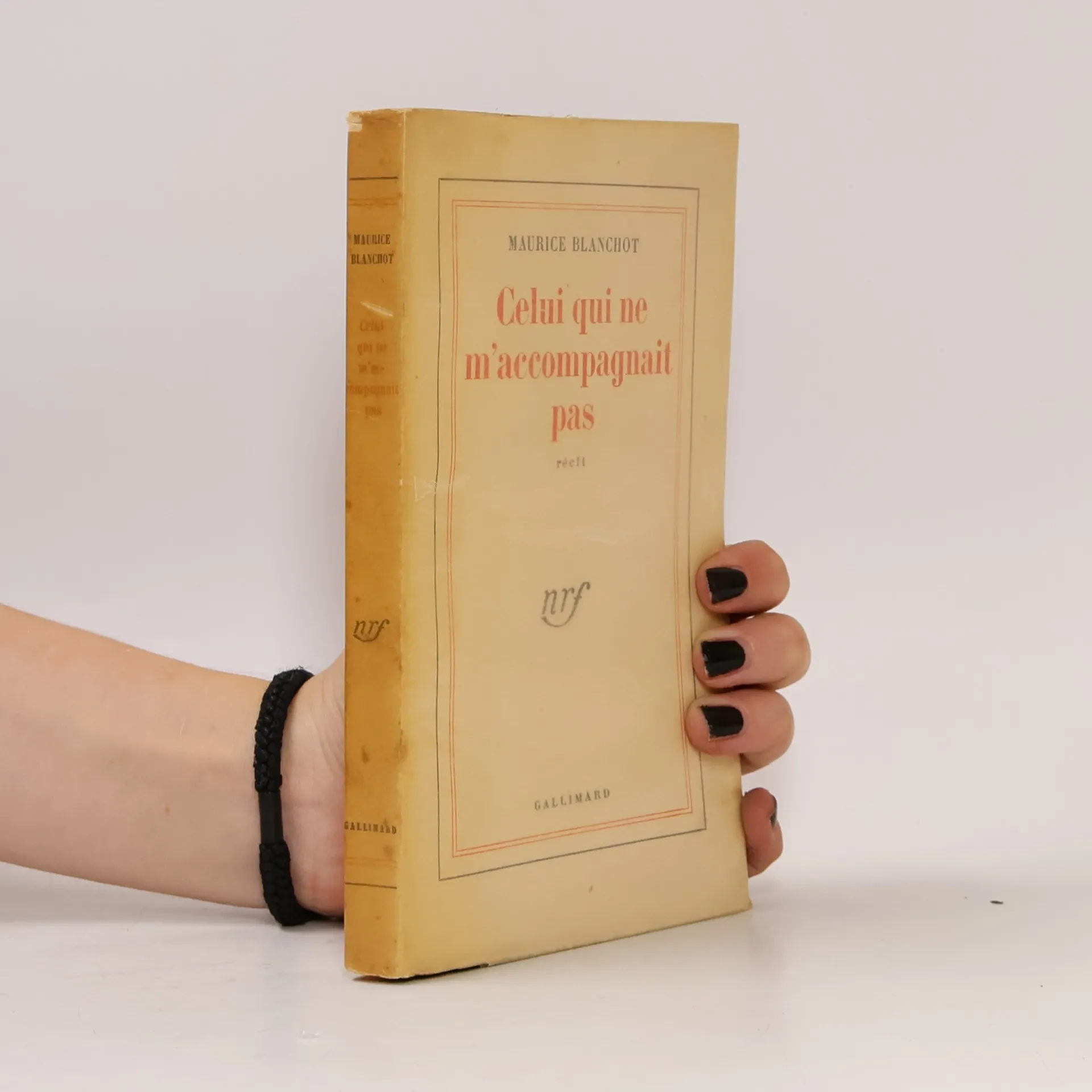
The One Who Is Standing Apart from Me
- 104 pages
- 4 hours of reading
The narrative unfolds through an obsessive dialogue that echoes Kafka's themes of questioning and uncertainty. It explores concepts such as powerlessness and inertia, transforming what is often deemed insignificant into a profound exploration of existence. The act of articulating these negative experiences imbues them with meaning, creating a weighty discourse on the nature of communication and listening. This approach shifts the focus from traditional storytelling to an immersive experience that invites deeper contemplation.
Maurice Blanchot, the eminent literary and cultural critic, has had a vast influence on contemporary French writers—among them Jean Paul Sartre and Jacques Derrida. From the 1930s through the present day, his writings have been shaping the international literary consciousness. The Space of Literature , first published in France in 1955, is central to the development of Blanchot's thought. In it he reflects on literature and the unique demand it makes upon our attention. Thus he explores the process of reading as well as the nature of artistic creativity, all the while considering the relation of the literary work to time, to history, and to death. This book consists not so much in the application of a critical method or the demonstration of a theory of literature as in a patiently deliberate meditation upon the literary experience, informed most notably by studies of Mallarmé, Kafka, Rilke, and Hölderlin. Blanchot's discussions of those writers are among the finest in any language.
This collection of essays and reviews from the 1940s explores the intense aspects of literary language, challenging aesthetic illusions and everyday referentiality. It is essential for understanding the evolution of literary theory and cultural studies, bridging the works of significant philosophers and theorists.
Reflects upon efforts to abide in disaster's infinite threat. First published in French in 1980, this title takes up the most serious tasks of writing: to describe, explain, and redeem when possible, and to admit what is not possible. Neither offers consolation.
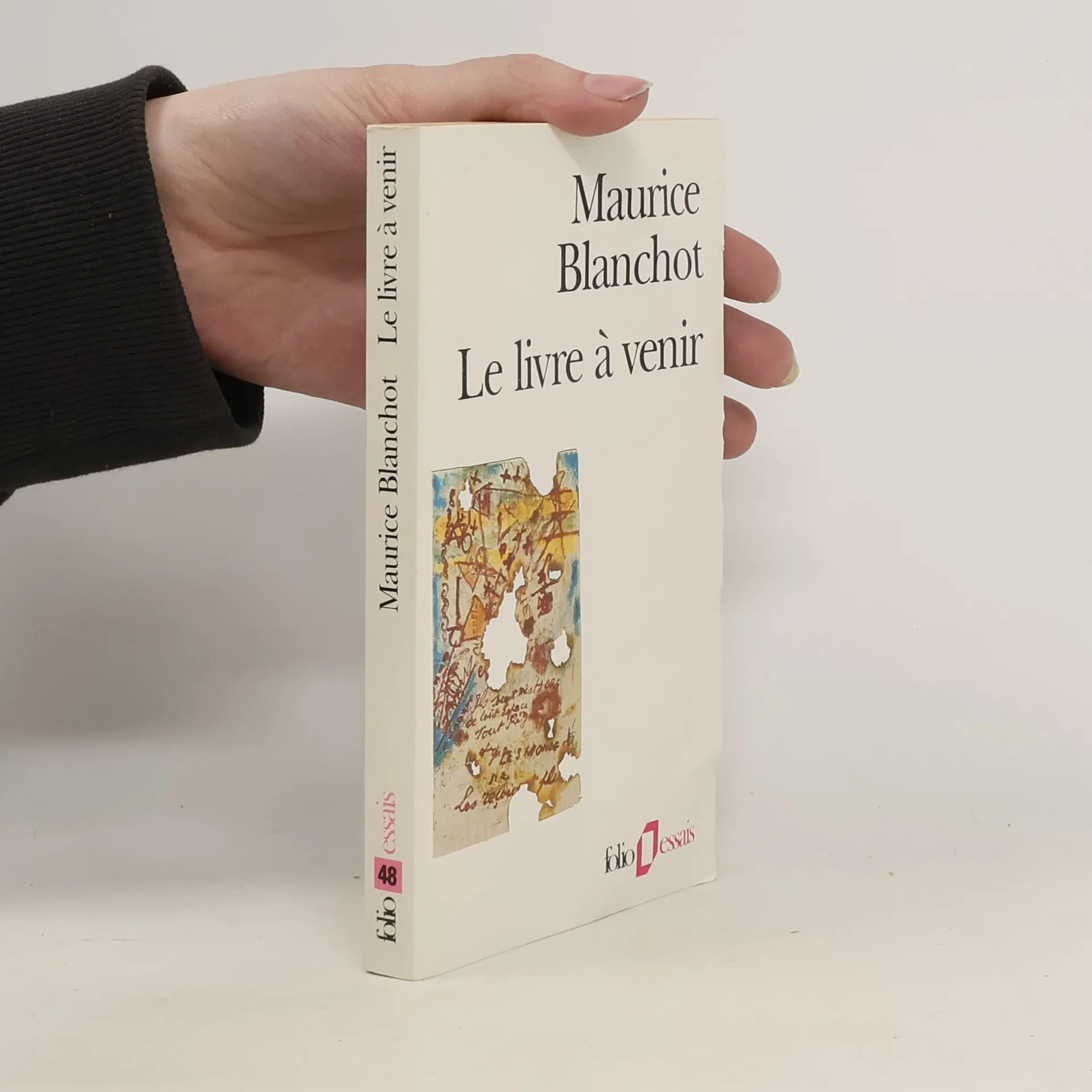
Le livre à venir
- 340 pages
- 12 hours of reading
With passionate and anxious knowledge, Blanchot speaks to us about Proust, Artaud, Broch, Musil, Henry James, Samuel Beckett, Mallarmé, various authors, and even the one who will someday be the last writer. But perhaps, more than authors and books, this is about the movement from which all books come and which still secretly holds the future of communication and communication as future. The secret of literature, literature as demand and as meaning, as well as its future path, are at the center of these inquiries.
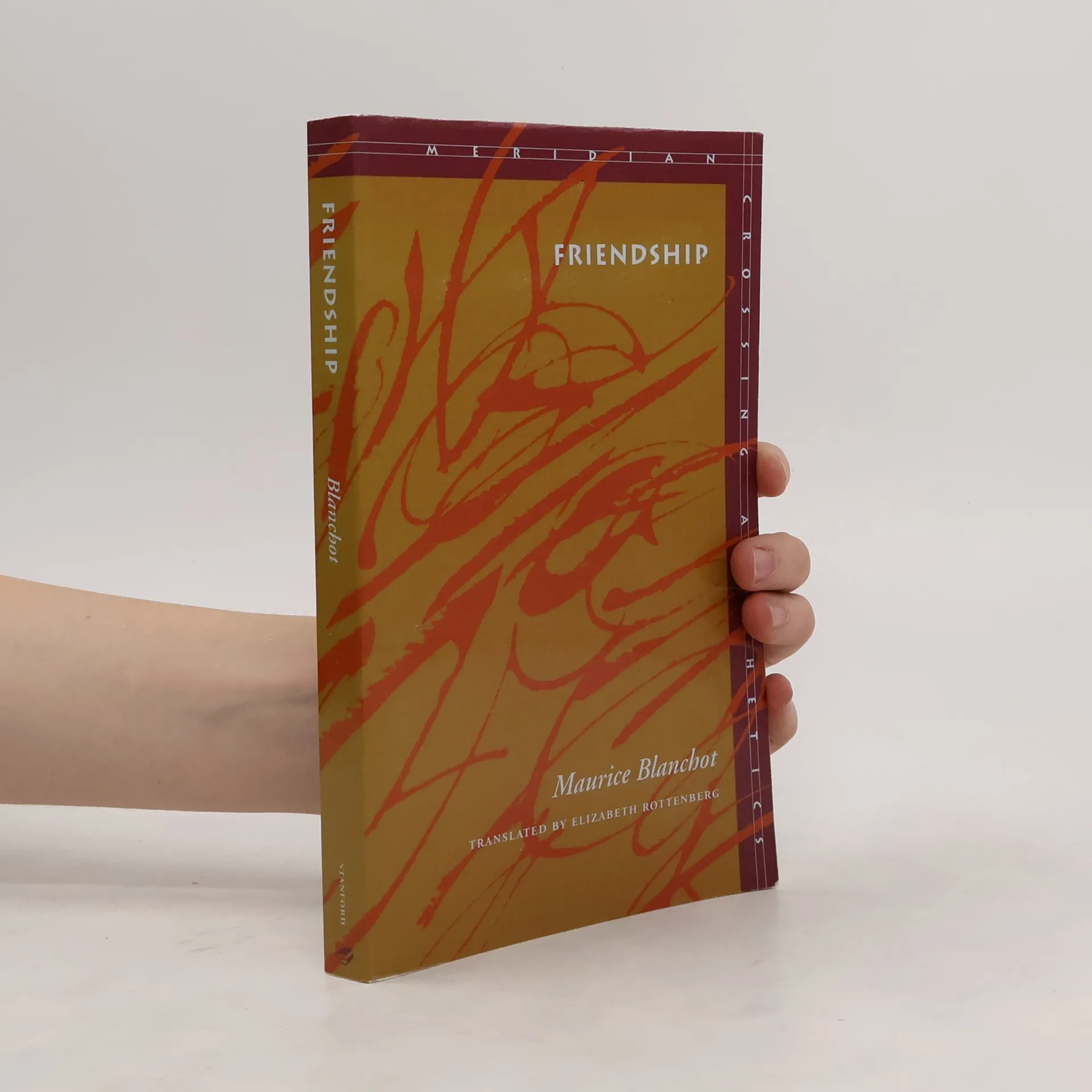
Friendship
- 326 pages
- 12 hours of reading
29 critical essays and reviews on art, politics, literature, and philosophy document the wide range of Blanchot's interests, from the enigmatic paintings in the Lascaux caves to the atomic era.
The Madness of the Day
- 31 pages
- 2 hours of reading
Jacques Derrida writes (in Deconstruction and Criticism) of The Madness of the Day that it is "a story whose title runs wild and drives the reader mad.la folie du jour, the madness of today, of the day today, which leads to the madness that comes from the day, is born of it, as well as the madness of the day itself, itself mad..La folie du jour is a story of madness, of that madness that consists in seeing the light, vision or visibility, to see beyond what is visible, is not merely 'to have a vision' in the usual sense of the word, but to see-beyond-sight, to see-sight-beyond-sight..The story obscures the sun.with a blinding light."
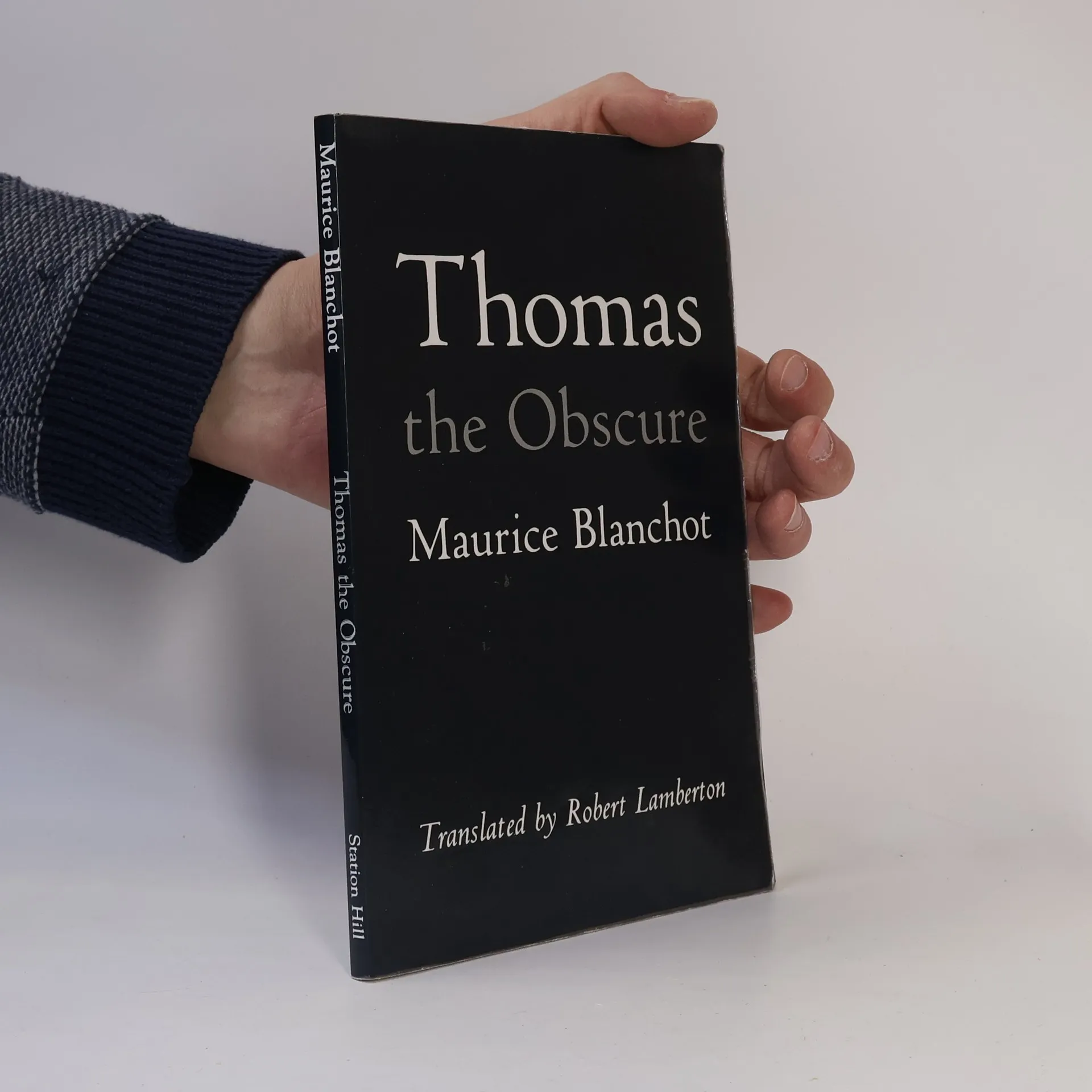
Thomas the Obscure
- 124 pages
- 5 hours of reading
Before Sartre, before Beckett, before Robbe-Grillet, Maurice Blanchot created the new novel, the ultimate post-modern fiction. Written between 1932 and 1940, Blanchot's first novel, here brilliantly translated by Robert Lamberton, contains all the remarkable aspects of his famous and perplexing invention, the ontological narrative--a tale whose subject is the nature of being itself. This paradoxical work discovers being in the absence of being, mystery in the absence of mystery, both to be searched for limitlessly. As Blanchot launches this endless search in his own masterful way, he transforms the possibilities of the novel. First issued in English in 1973 in a limited edition, this re-issue includes an illuminating essay on translation by Lamberton.
A Voice from Elsewhere
- 156 pages
- 6 hours of reading
Exploring the complexities of literature, this work delves into its enigmatic nature and underlying secrets. It examines the interplay between language, meaning, and the reader's experience, offering insights into what constitutes literary value. Through thoughtful analysis, the author invites readers to reflect on the essence of storytelling and the profound impact literature has on culture and individual perception.
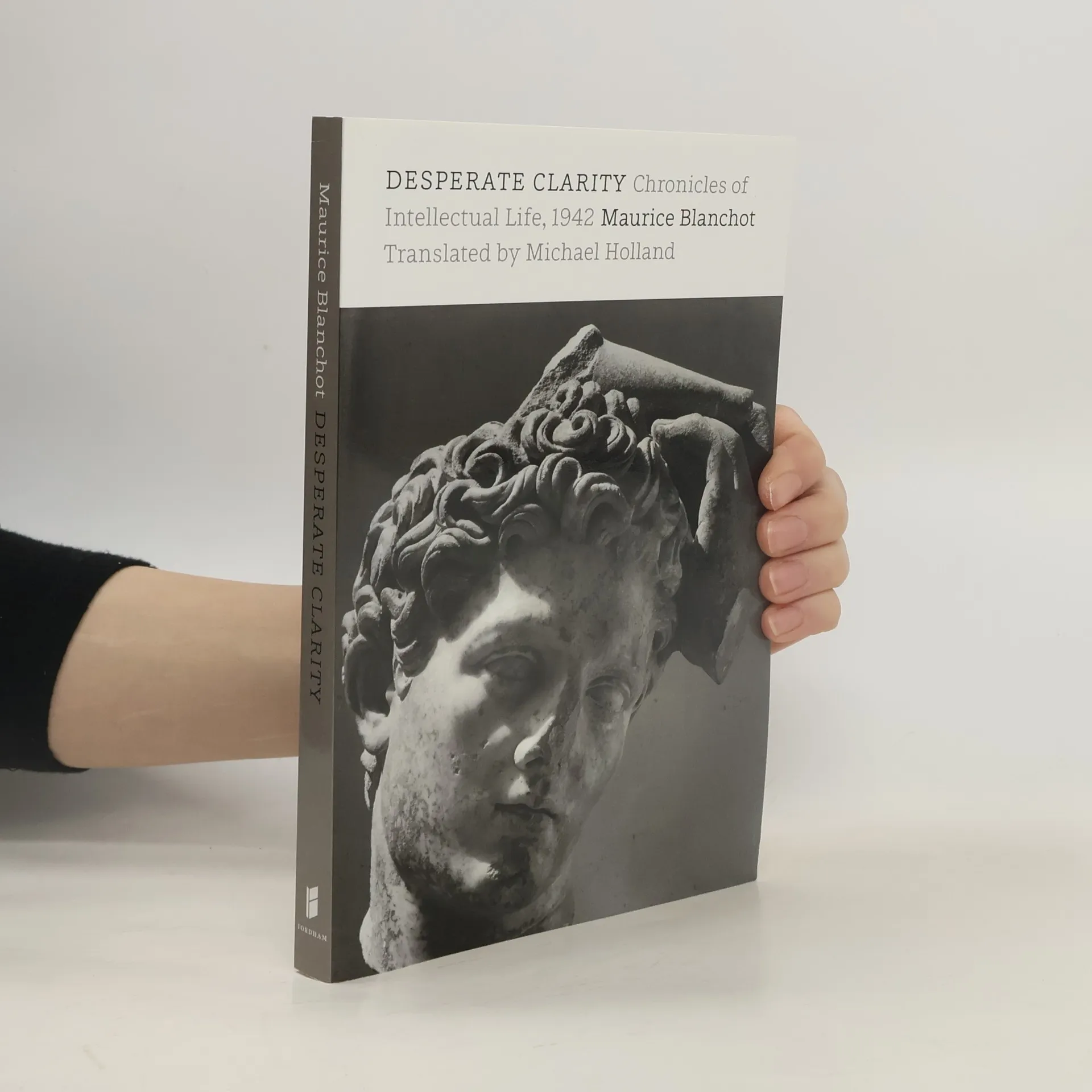
Desperate Clarity
- 240 pages
- 9 hours of reading
Provides a unique perspective on cultural life during the German Occupation, & offers crucial insights into the mind and art of one of the most original writers in the second half of the twentieth century
Das Todesurteil.
- 108 pages
- 4 hours of reading
Die Geschichte handelt von den Beziehungen des Erzählers zu zwei Frauen, von denen eine unheilbar krank ist und die andere von ihm regungslos in einem dunklen Raum gefunden wird, nachdem eine Bombenexplosion sie getrennt hat.
Scratches
- 272 pages
- 10 hours of reading
A dazzling translation by Lydia Davis of the first volume of Michel Leiris's masterwork, perhaps the most important French autobiographical enterprise of the twentieth century
In Bezug auf die Philosophie sind Blanchots Schriften – als Essay, Literatur, Fragment – einer einzigen, sehr präzisen Forderung nachgekommen: eine unentwegte Arbeit an den Verführungen durch die philosophischen Grundformen zu leisten, der Dialektik, der Einheit, des Widerspruchs, an all dem, was die innerste, subtilste und wirkmächtigste Machart der Metaphysik und Ontologie ausmacht. Diese Arbeit hat nicht zu einem System von Begriffen, nicht zu Abhandlungen nach dem Gesetz der Deduktion geführt, sondern zu einer Folge von Interventionen mit der Sprache, in ihr, ohne sie – zu Interpunktionen eines Denkens von roher Eleganz und syntaktischer Schönheit, das zugleich dem Anspruch nachkommt, der Form zu entsagen, die Einheit zu zersetzen und sich von ganz anderem an seine unendlich differenzierte Grenze führen zu lassen. Die Sammlung bietet eine Auswahl von bislang nicht ins Deutsche übersetzten Texten aus den Jahren von 1940 bis 1990 zu Levinas, Nietzsche, Derrida, Hegel, Bataille, Heidegger, aber auch zu Heraklit, Pascal, Freud und Lacan. Sie macht zudem einige auf Deutsch bereits veröffentlichte, aber vergriffene Texte wie »Die wesentliche Einsamkeit« und »Die Literatur und das Recht auf den Tod« neu zugänglich.
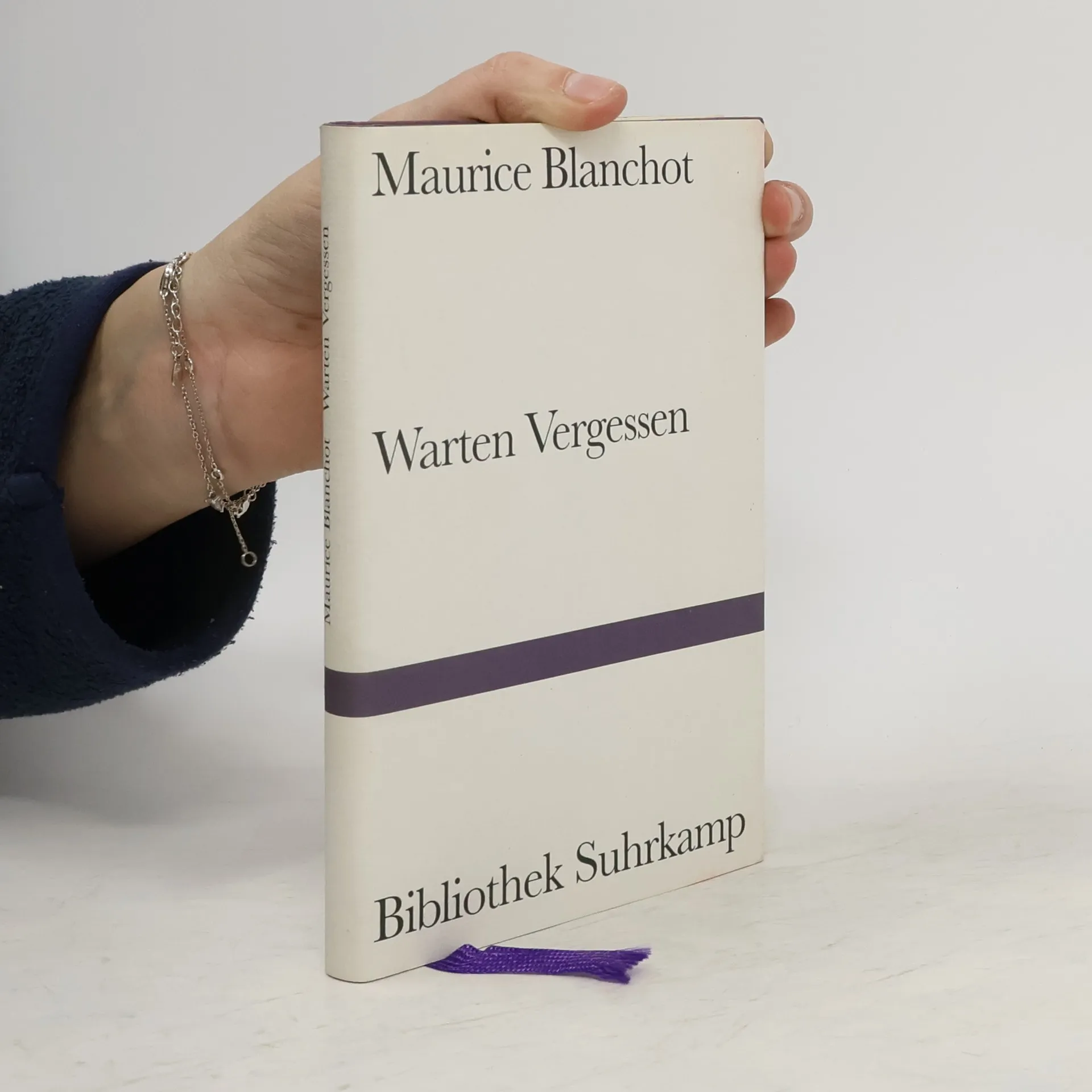
„Warten Vergessen“ thematisiert Paradoxien wie Erinnern und Vergessen sowie Anwesenheit und Abwesenheit. Das Buch, in dem Handlung kaum vorhanden ist, versucht, das Stillstehen der Zeit erlebbar zu machen und lädt zur Reflexion über diese komplexen Konzepte ein.
Der Allerhöchste
- 408 pages
- 15 hours of reading
Die Vermessung des Wahnsinns. Blanchots grosser Roman erstmals auf Deutsch Henri Sorge, gerade erst von einer Krankheit genesen, kehrt in seine Wohnung in einem Mietshaus zurück, das in eine Art Spital umgewandelt worden ist. Wahnvorstellungen bemächtigen sich seiner, die Beziehung zu seinen Mitmenschen wechselt zwischen Abscheu und Hörigkeit, Abhängigkeit und Abstossung, Grössenwahn und Minderwertigkeitsgefühlen. Unentwegt stellt sich Sorge Fragen über die eigene Existenz, gibt seiner Bewunderung der Welt und des sie regierenden Gesetzes Ausdruck. Ständig widerspricht er sich dabei selbst oder negiert das Gesagte. Le Très-Haut, 1948 erschienen, steht in einer literarischen Tradition mit Mallarmé, Kafka und Albert Camus' Roman Die Pest, der zeitgleich erschien. Mit der ersten deutschen Übersetzung kann nun ein grosser, ein erstaunlicher, ein monströser Text der literarischen Moderne entdeckt werden, in dem das verschlungene Verhältnis von Krankheit und Gesundheit, Ausgrenzung und Wahnsinn beinahe empathisch vermessen wird. Maurice Blanchot, der 2003 im Alter von 95 Jahren verstarb, ist einer der herausragenden französischen Schriftsteller und Denker der letzten 50 Jahre. Am engsten befreundet mit Georges Bataille und Emmanuel Levinas, hat er massgeblichen Einfluss ausgeübt auf Autoren wie Foucault, Deleuze, Derrida, Nancy, aber auch auf Dichter und bildende Künstler.
Die Entdeckung, die ich machte, war körperlich und emotional zerstörerisch. Ich fühlte mich fasziniert und ausgelöscht, was zu einem überwältigenden Schmerz führte. Trotz der Dunkelheit und meiner unsicheren Verfassung war mir alles klar, doch die Schmerzen schienen aus einer anderen Zeit zu stammen, unerträglich und unpersönlich.
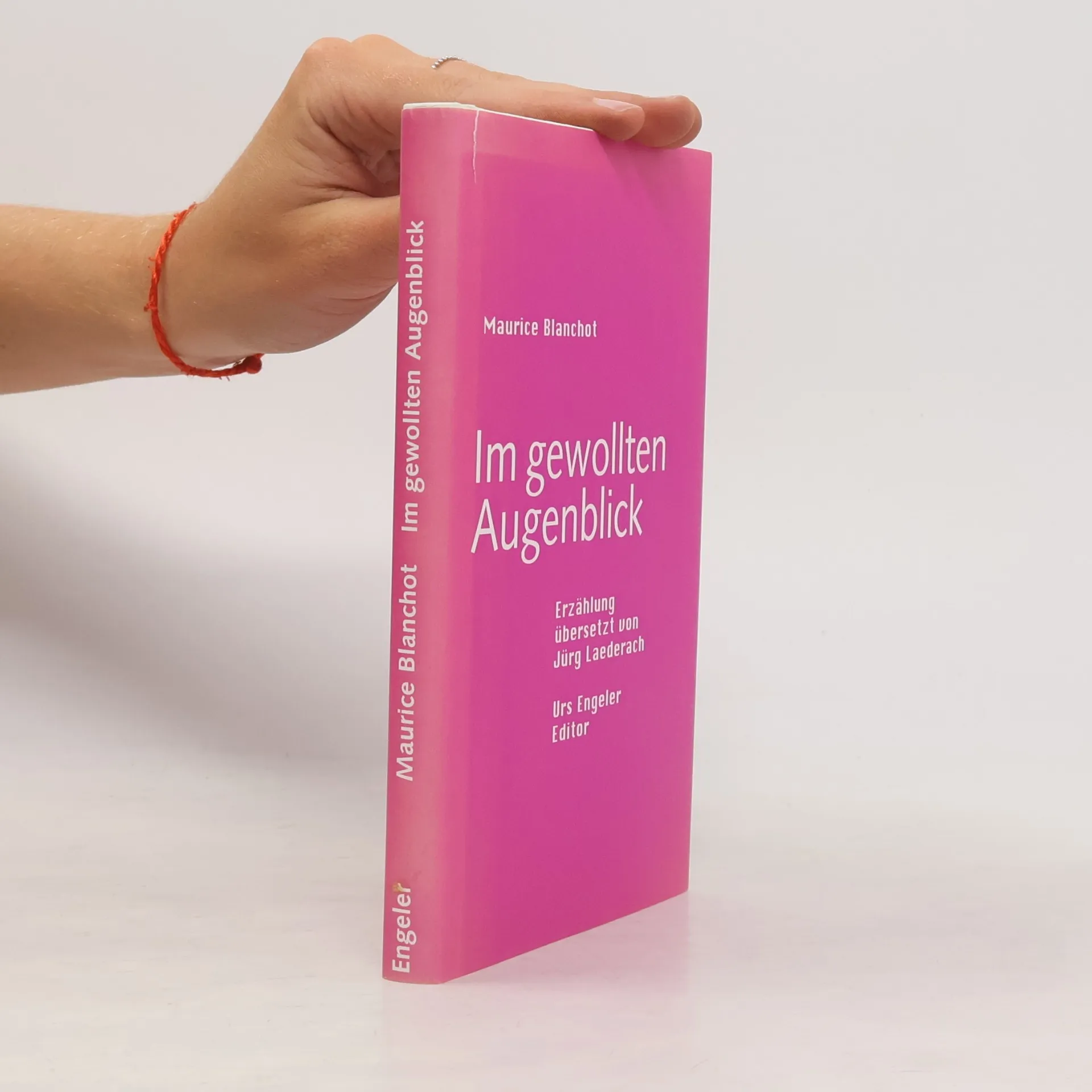
Blanchots Roman vereint die literarischen Strömungen des Jahrhunderts, indem er psychologische Inhalte und ästhetische Prinzipien von Proust, Kafka, Joyce und anderen neu verarbeitet. Diese überarbeitete Fassung ergänzt die bereits veröffentlichten „récits“ von Blanchot, übersetzt von Jürg Laederach.
La communauté inavouable
- 93 pages
- 4 hours of reading
Dans les années 1930, Blanchot, alors journaliste de droite, a gardé le silence sur son expérience politique depuis qu'il s'est tourné vers la littérature. Cependant, en 1983, avec la publication de l'ouvrage révolutionnaire de Jean-Luc Nancy, "La communauté inavouable", il a soudainement présenté ce livre qui peut être qualifié de "politique". Georges Bataille, ami de Blanchot, a cherché l'illusion de la communauté au sein de groupes surréalistes et d'extrême gauche, mais a connu des échecs répétés. Finalement, il a trouvé l'extase dans une expérience intérieure solitaire. Selon Blanchot, cela ne signifie pas qu'il a renoncé à la communauté. Bataille a simplement abandonné la fausse communauté qui se concentre sur des unités telles que l'État ou la nation, et l'absence de communauté a suscité chez lui le besoin d'écrire, une communication pleine de souffrances nocturnes, appelant à une révélation de la communauté à un autre niveau. Cela constituait un espace littéraire fondé sur la vie dans la solitude. Le texte "La communauté des amants", qui accompagne l'ouvrage, discute de l'œuvre amoureuse de Marguerite Duras, "La Maladie de la mort". Ici, Blanchot cherche à envisager la possibilité d'une "communauté des sans communauté", où chaque contact entre deux personnes met en évidence une différence incommensurable, les confrontant à l'idée d'un autre absolu.
Écrit à la mort de Foucault, ce livre n’est pas seulement une brillante et limpide synthèse, mais surtout un texte d’émotion et d’amitié.
Dieses Buch enthält eine Reihe von dicht aufeinanderfolgenden Reflexionen zu verschiedenen Autoren und Themen, die Blanchot größtenteils zwischen 1953 und 1965 verfasst und selbst zusammengestellt hat. In dieser Zusammenstellung entwirft er eine Idee des Schreibens, das sich nicht in den Dienst von Etwas stellt, sondern als langsam sich entfaltende Kraft nach und nach ganz andere Möglichkeiten der Thematisierung eröffnet, etwa von Gott, vom Selbst, vom Subjekt, von der Wahrheit und vom Einen. Dieses Schreiben schwebt scheinbar identitätslos über der Sprache und zielt als solches nicht auf ein Buch ab. Folgerichtig mündet der letzte dieser komplexen, oft paradox formulierenden Essays in der Abwesenheit des Buches. »Das unendliche Gespräch« gilt als eines der philosophischsten Werke Blanchots. Blanchot hatte einen tiefgreifenden Einfluss auf die Philosophie des 20. Jahrhunderts. Er war Wegbereiter für George Batailles, Emmanuel Levinas, Jacques Derrida, Gilles Deleuze, Jean-Luc Nancy und andere.
In den Werken Thomas Manns, so Blanchot, sei eine »wilde Trauer« am Werk, die spürbare Verzweiflung darüber, dass man der zerstörerischen Ironie der Moderne nur durch eine Verbindung der Kunst mit dem Dämonischen entgehen könne. Man hat sich angewöhnt, den Namen Maurice Blanchot mit einem Denken in Verbindung zu bringen, das die Errungenschaften, die die Thomas-Mann-Moderne repräsentiert, hinter sich gelassen hat. Ein um so verblüffenderes Bild dieses Denkens geben die in diesem Band versammelten Essays ab, die die Texte Thomas Manns und ganz besonders seinen »Doktor Faustus« aus den Gräbern der Literaturgeschichte befreien.
Die andere Urszene
- 150 pages
- 6 hours of reading
Die Seele des Wolfsmanns zersprang in tausend Stücke, als ein Traum ihm den einst erblickten Akt der Eltern wiederholte. Ein Kind wird angesichts des bloßen Himmels der Abwesenheit Gottes, des nackten »Es gibt« gewahr. Jemand ohne Alter erfährt, gedächtnislos, ohne diese Erfahrung zu machen, die Verheerung des Außen. Ein anderer erwartet angstvoll einen Zusammenbruch, da ihm diese Furcht der einzige Modus ist, den bereits erfahrenen, aber nie erlebten Tod in Erinnerung zu rufen. Und viele arbeiten daran, das tyrannische Wesen, das sie als Kind einst waren und dessen Souveränität ihr Leben bedroht, abzutöten. In einer Konstellation, in deren Mitte ein Fragment Maurice Blanchots Rätsel aufgibt, bezeugen die Texte dieser Sammlung einen weitergehenden Entzug: Entzug des Erlebens einer Erfahrung, die dennoch insistiert, indem sie dem Leben ihre Schriftzüge verleiht; Entzug der Möglichkeit, mit dieser »anderen Urszene« – sei es im gesicherten Modus der Unmöglichkeit oder mit der Figur des Todes – in Denken und Gedächtnis in Beziehung zu treten. Sowohl die theoretische und praktische »Arbeit« der Psychoanalyse als auch die »Potentialitäten« des zeitgenössischen Denkens erfahren in dieser Szenerie ohne Ursprung die Zeichen dessen, was der Negativität, die sie an ihren Ursprung setzen, entgeht: Eine andere, sanfte, unnachgiebige Affirmation des Unmöglichen.
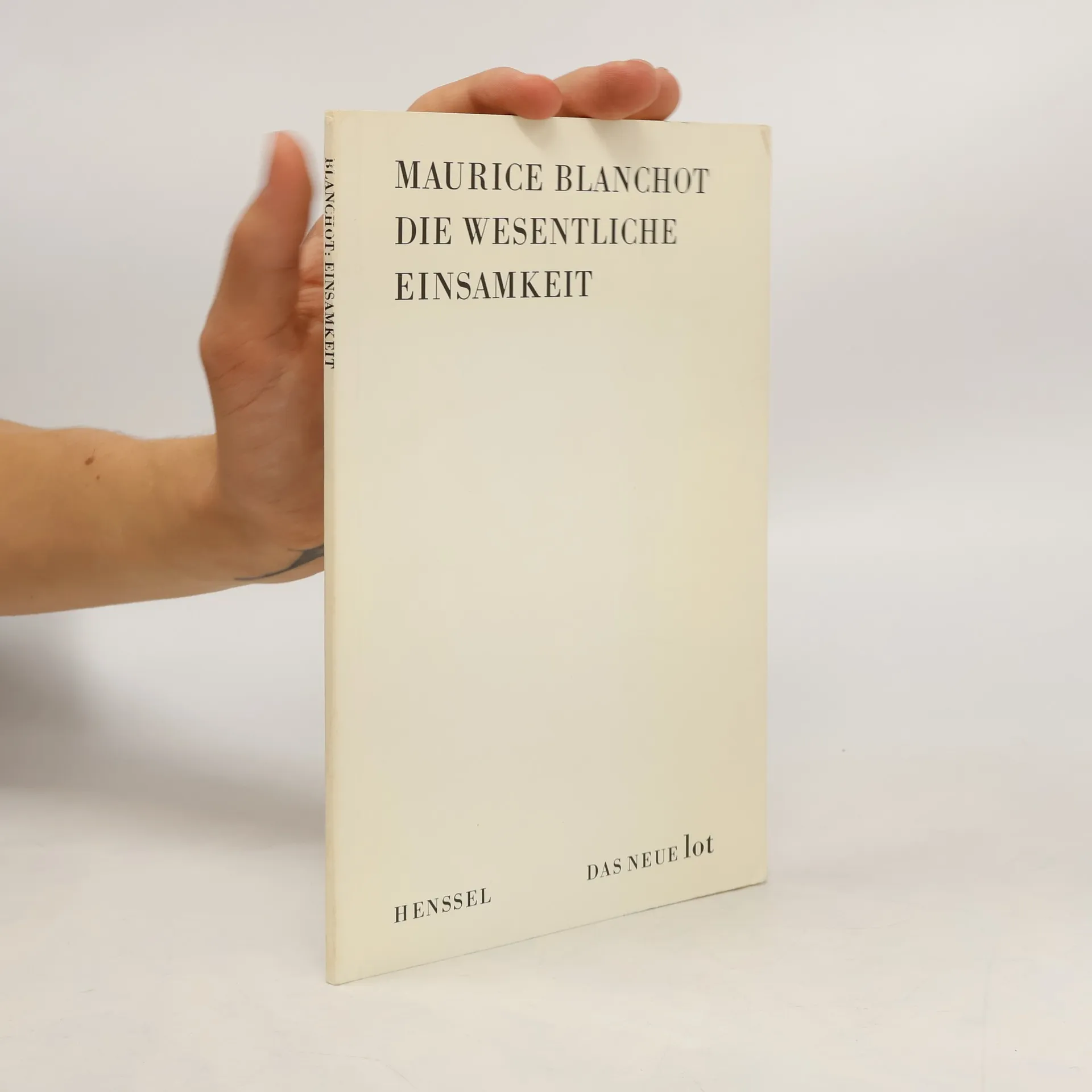
Die wesentliche Einsamkeit
- 29 pages
- 2 hours of reading
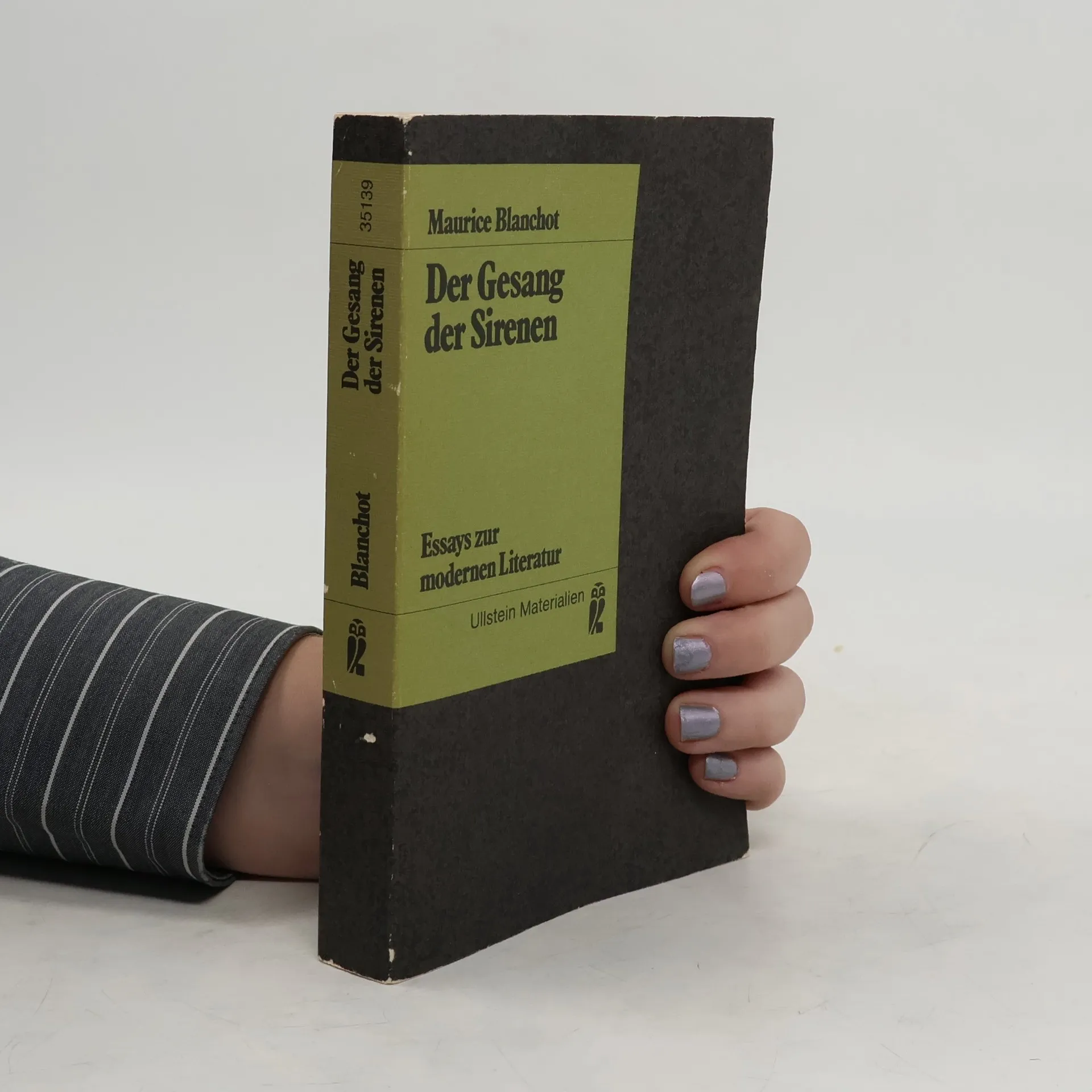
Der Gesang der Sirenen
- 358 pages
- 13 hours of reading
Michel Foucault
- 62 pages
- 3 hours of reading
French
Maurice Blanchot se vždy distancoval od hlavních myšlenkových proudů své doby, surrealismu a existencialismu, později i od fenomenologie Martina Heideggera. Dvě studie, které tvoří tuto knihu, se zabývají druhdy opomíjenými a podceňovanými postavami z dějin literatury a filosofie, jejichž důležitost, ba neopominutelnost pro jakoukoliv moderní reflexi jazyka či racionality jasně vyvstala až po druhé světové válce.