

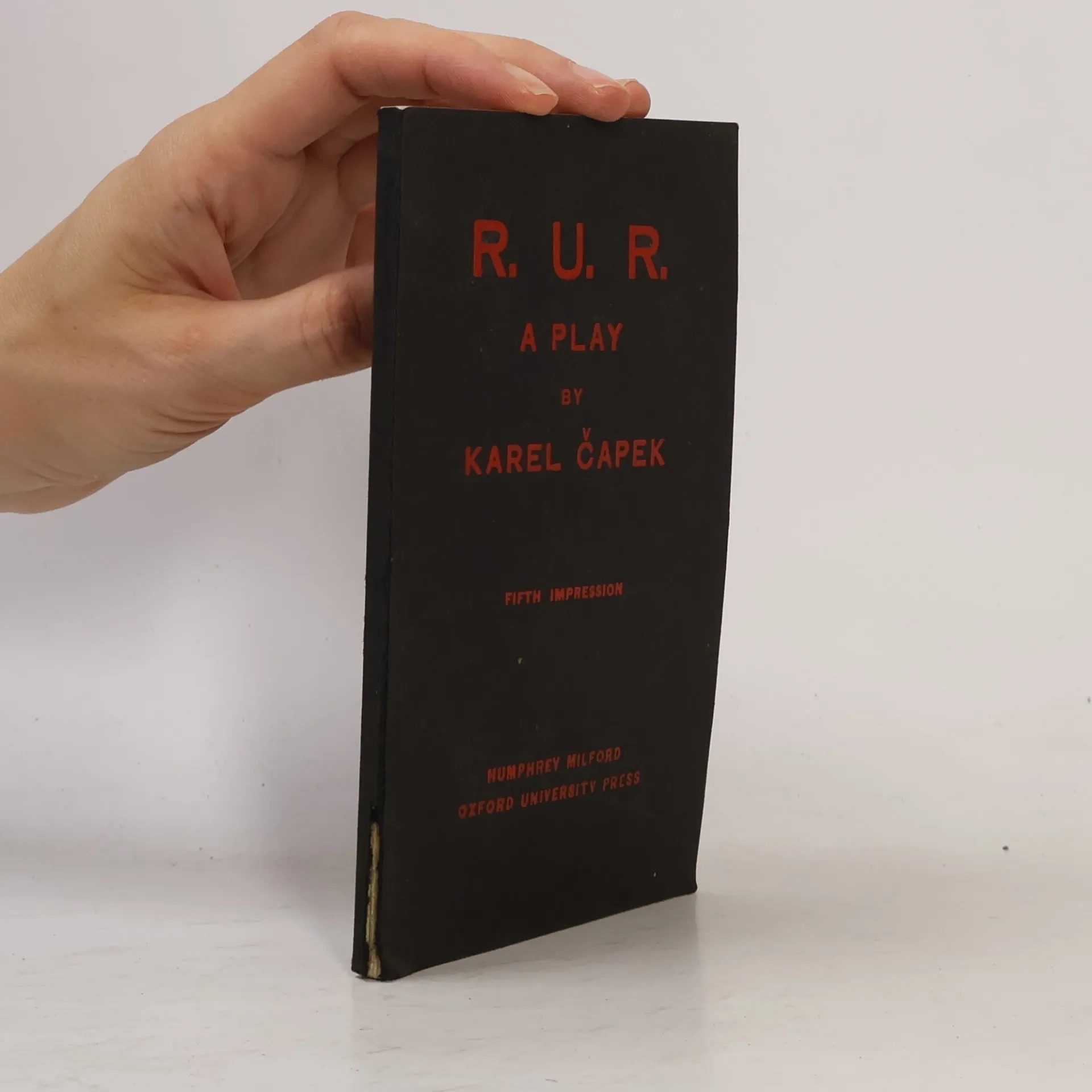
A visionary work of science fiction that introduced the word "robot" Written in 1920, premiered in Prague in 1921, and first performed in New York in 1922—garnered worldwide acclaim for its author and popularized the word robot. Mass-produced as efficient laborers to serve man, Capek’s Robots are an android product—they remember everything but think of nothing new. But the Utopian life they provide ultimately lacks meaning, and the humans they serve stop reproducing. When the Robots revolt, killing all but one of their masters, they must strain to learn the secret of self-duplication. It is not until two Robots fall in love and are christened “Adam” and “Eve” by the last surviving human that Nature emerges triumphant. For more than seventy years, Penguin has been the leading publisher of classic literature in the English-speaking world. With more than 1,700 titles, Penguin Classics represents a global bookshelf of the best works throughout history and across genres and disciplines. Readers trust the series to provide authoritative texts enhanced by introductions and notes by distinguished scholars and contemporary authors, as well as up-to-date translations by award-winning translators.
Karel Apek Book order (chronological)
Karel Čapek stands as one of the most influential Czech writers of the 20th century. He approached a wide array of subjects with intelligence and wit, crafting works renowned for their insightful and precise depictions of reality. Čapek's mastery of the Czech language is evident throughout his writing, and his play, *R.U.R. (Rossum's Universal Robots)*, famously introduced the word 'robot' to the world.
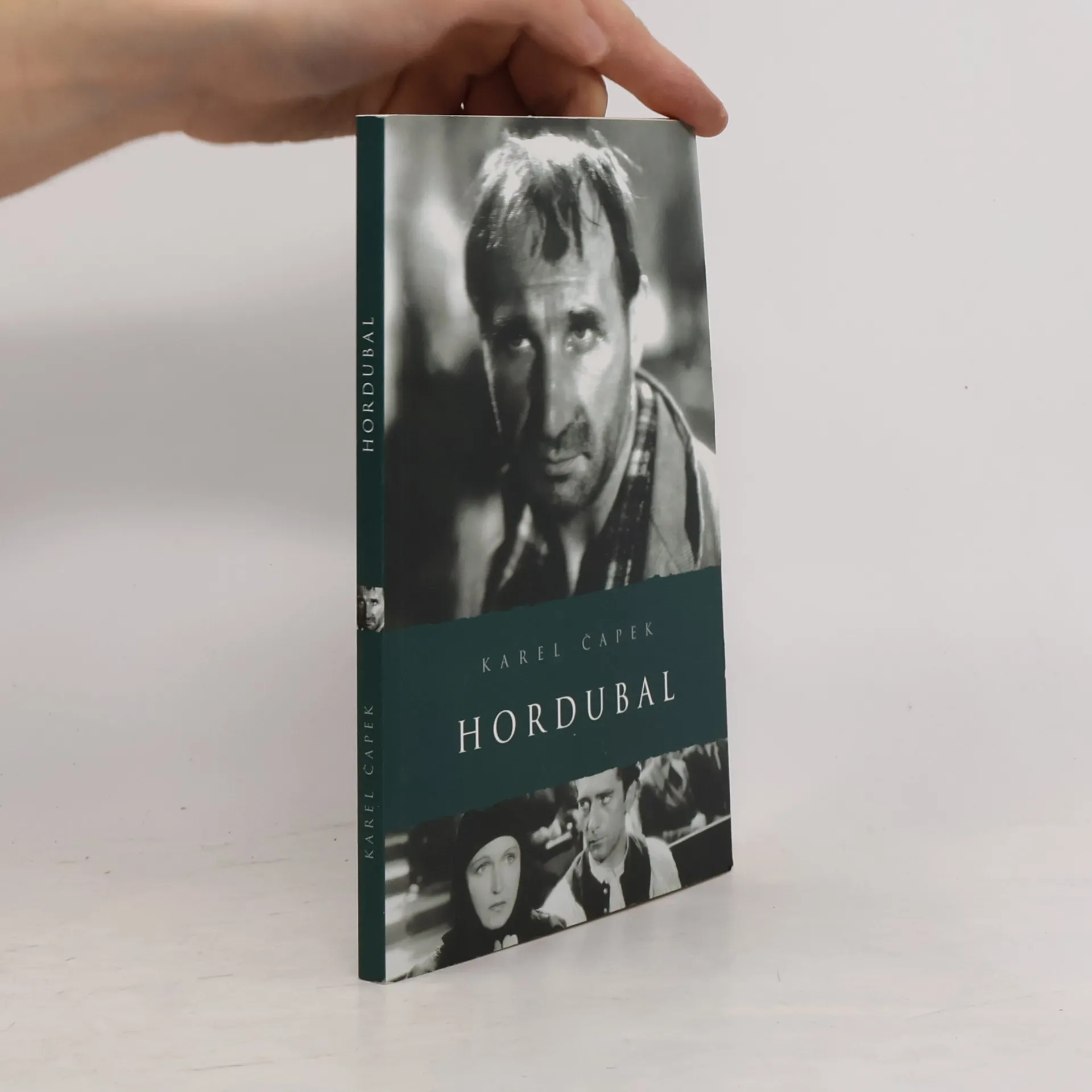
Hordubal
- 102 pages
- 4 hours of reading
Známý román Karla Čapka, který experimentuje s konfrontacemi úhlů pohledů na stejnou věc a při morálním soudu problematizuje, „čí je vlastně pravda“, nás přivádí na předválečnou Podkarpatskou Rus, kam se po osmi letech strávených v cizině vrací námezdní dělník Juraj Hordubal. Jeho zidealizované očekávání domova však naráží na realitu, která se již dávno odvíjí jiným způsobem. Spor mezi Hordubalem a správcem statku, milencem jeho ženy, končí posléze úkladnou vraždou. Je ale vina na tragédii zcela jednoznačná? Právě trojí rovina příběhu odkrývá skutečnost v její komplikované mnohostrannosti. Čapkův román se svou metodou řadí k dalším jeho dílům, románům Povětroň, Obyčejný život a Život a dílo skladatele Foltýna, ale je rozvíjen i filmovou adaptací Martin Friče z roku 1937.