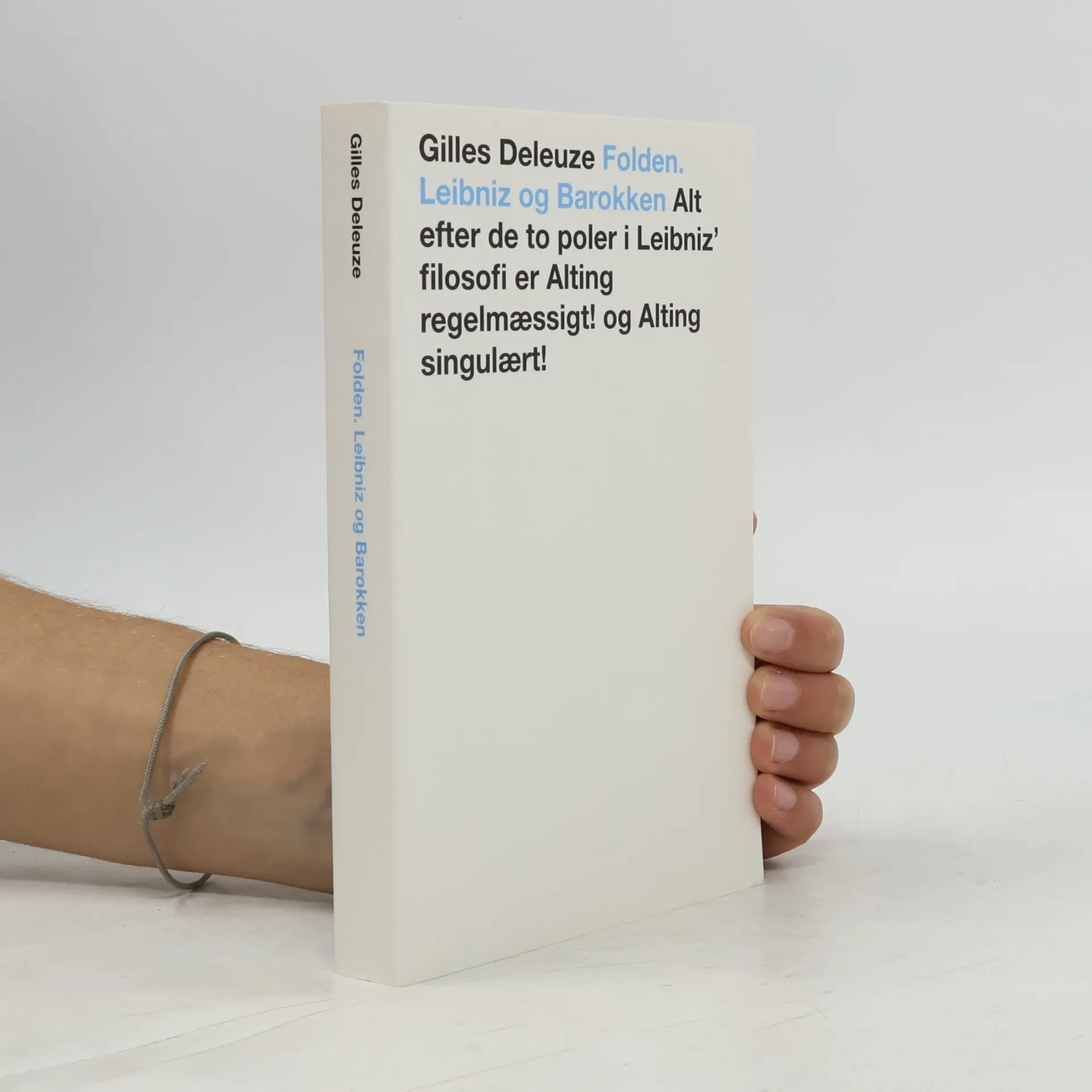
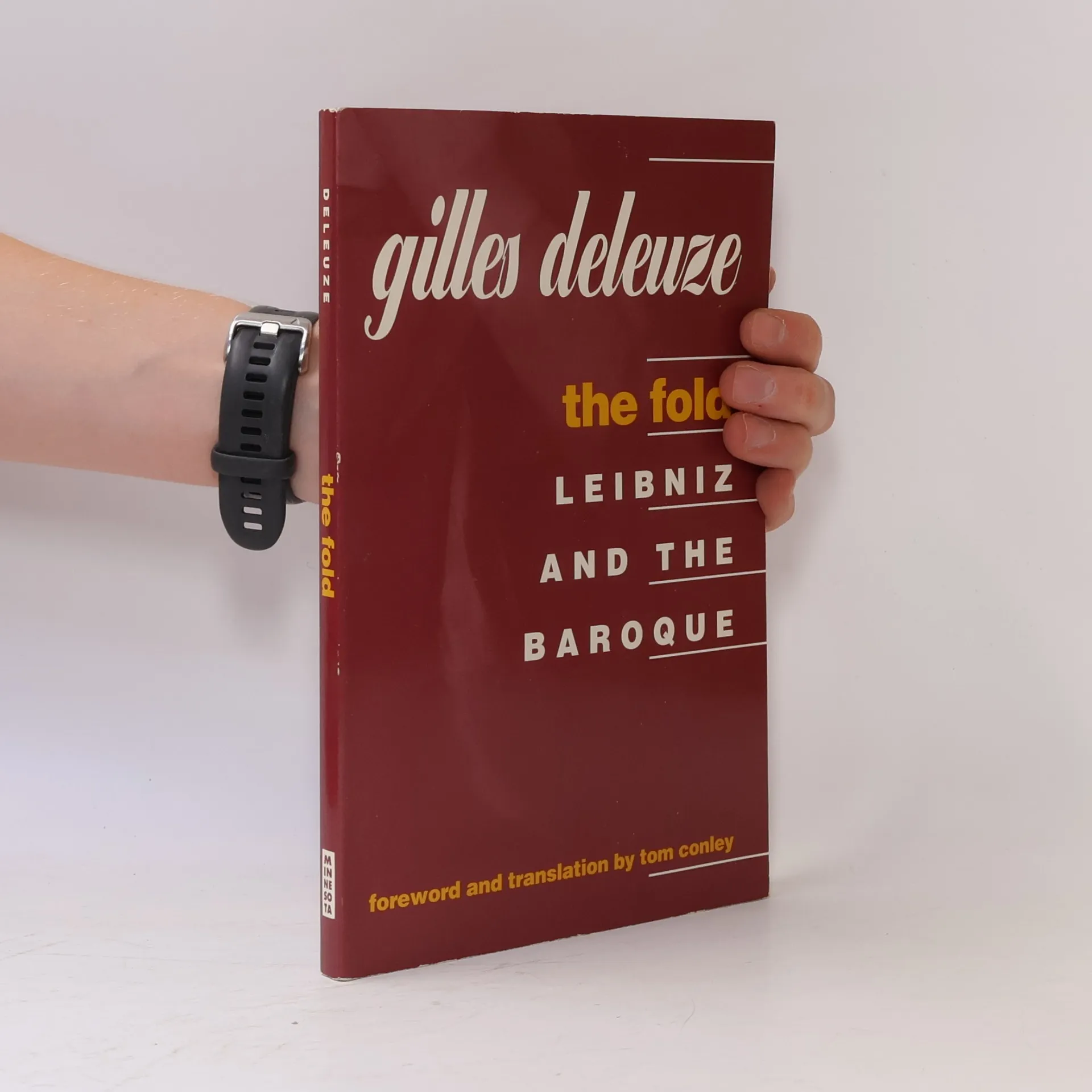
In The Fold, Gilles Deleuze argues that Leibniz’s writings constitute the grounding elements of a Baroque philosophy and of theories for analyzing contemporary arts and science. A model for expression in contemporary aesthetics, the concept of the monad is viewed in terms of folds of space, movement, and time. Similarly, the world is interpreted as a body of infinite folds and surfaces that twist and weave through compressed time and space. According to Deleuze, Leibniz also anticipates contemporary views of event and history as multifaceted combinations of signs in motion and of the “modern” subject as nomadic, always in the process of becoming.
Gilles Deleuze Books
January 18, 1925 – November 4, 1995
Gilles Deleuze stands as a pivotal figure in postmodern French philosophy, identifying as both an empiricist and a vitalist. His extensive body of work, built upon concepts like multiplicity, constructivism, difference, and desire, diverges significantly from the mainstream traditions of 20th-century Continental thought. Within his metaphysical framework, he embraced a Spinozian notion of a plane of immanence, positing all existence as modes of a single substance on the same ontological level. This perspective led him to argue for the absence of inherent good and evil, instead proposing a focus on relationships beneficial or detrimental to particular individuals, an ethical stance that deeply informed his engagement with social and political struggles for rights and freedoms. Deleuze often pursued philosophical 'encounters' with other thinkers and artists, viewing philosophy not as commentary but as a creative act that generates new concepts, emphasizing a reality characterized by constant becoming rather than static being.


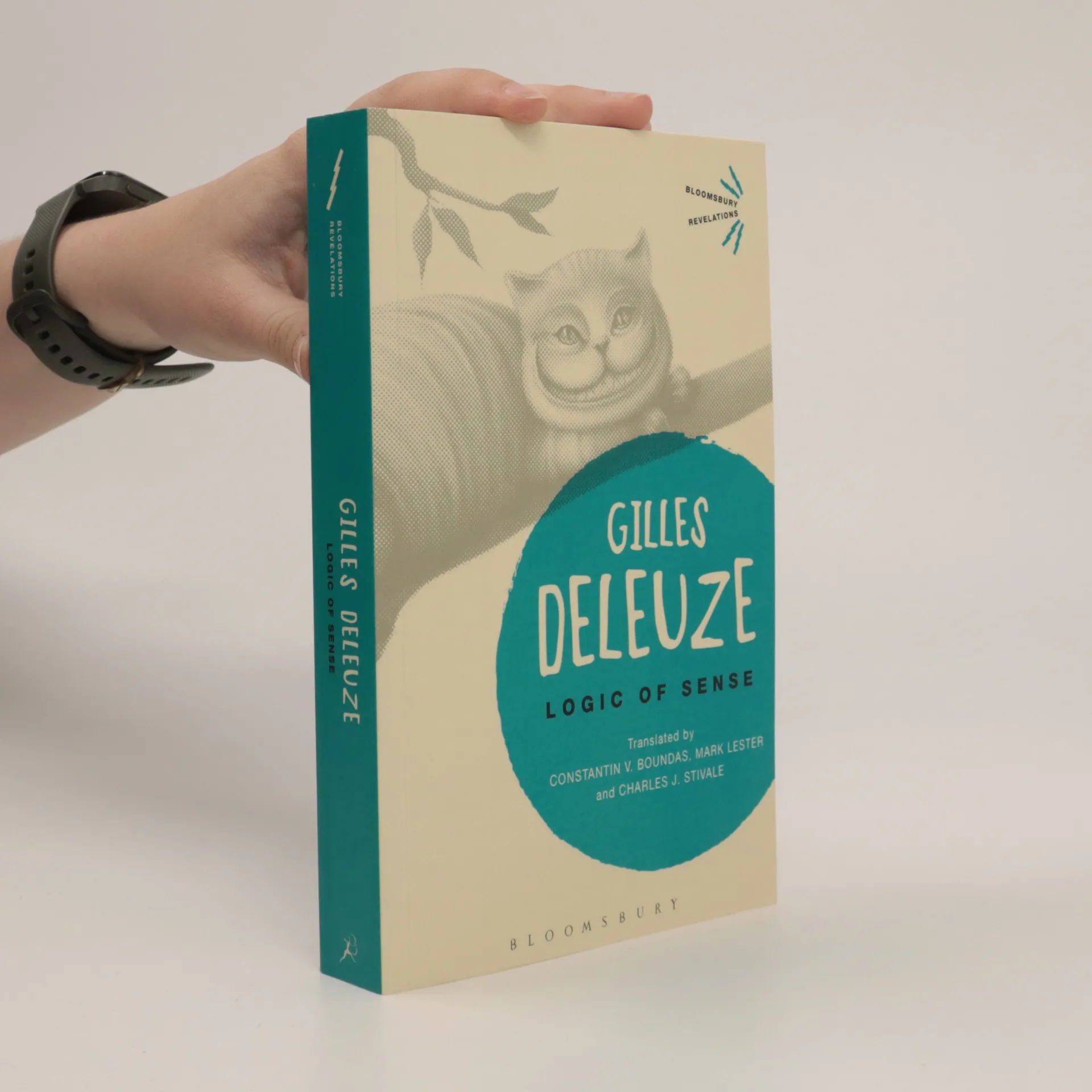
Logic of Sense is one of Deleuze's seminal works. First published in 1969, shortly after Difference and Repetition, it prefigures the hybrid style and methods he would use in his later writing with Felix Guattari. In an early review Michel Foucault wrote that Logic of Sense 'should be read as the boldest and most insolent of metaphysical treatises'. The book is divided into 34 'series' and five appendices covering a diverse range of topics including, sense, nonsense, event, sexuality, psychoanalysis, paradoxes, schizophrenia, literature and becoming and includes fascinating close textual readings of works by Lewis Carroll, Sigmund Freud, Seneca, Pierre Klossowski, F. Scott Fitzgerald, and Émile Zola. Logic of Sense is essential reading for anyone interested in post-war continental thought.
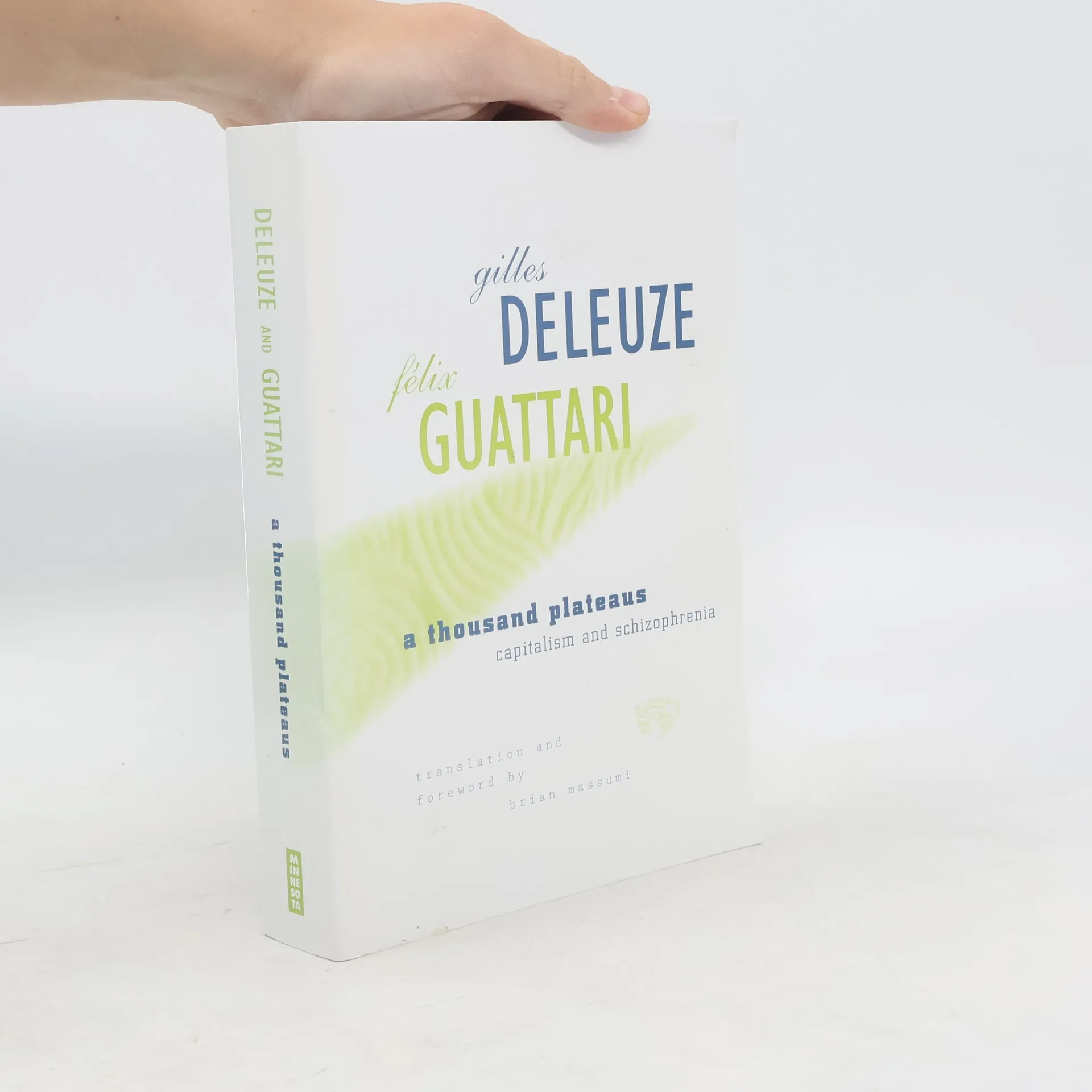
Gilles Deleuze (1925-1995) was Professor of Philosophy at the University of Paris VIII. He is a key figure in poststructuralism, and one of the most influential philosophers of the twentieth century. Felix Guattari (1930-1992) was a psychoanalyst at the la Borde Clinic, as well as being a major social theorist and radical activist. A Thousand Plateaus is part of Deleuze and Guattari's landmark philosophical project, Capitalism and Schizophrenia - a project that still sets the terms of contemporary philosophical debate. A Thousand Plateaus provides a compelling analysis of social phenomena and offers fresh alternatives for thinking about philosophy and culture. Its radical perspective provides a toolbox for nomadic thought and has had a galvanizing influence on today's anti-capitalist movement. Translated by Brian Massumi
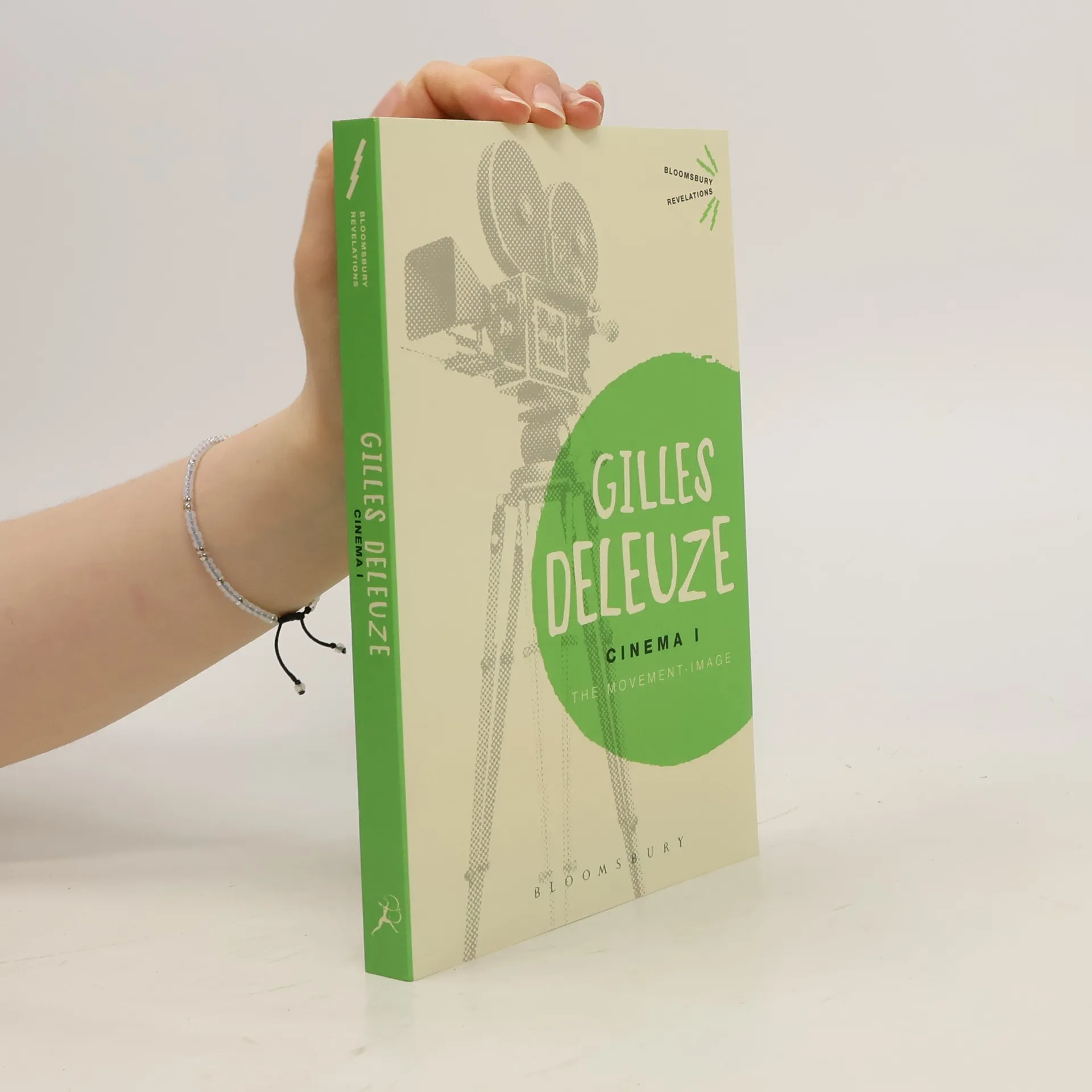
Cinema. Vol.1
- 304 pages
- 11 hours of reading
"The first volume of Gilles Deleuze's landmark philosophical study of the art of film, now available in the Bloomsbury Revelations series"-- Provided by publisher
Negotiations, 1972-1990
- 221 pages
- 8 hours of reading
A provocative guide to Deleuze by Deleuze, this collection traces the intellectual journey of one of the most important French philosophers and clarifies the key critical concepts in the work of this vital figure who has had an impact on aesthetics, film theory, psychoanalysis and cultural studies.
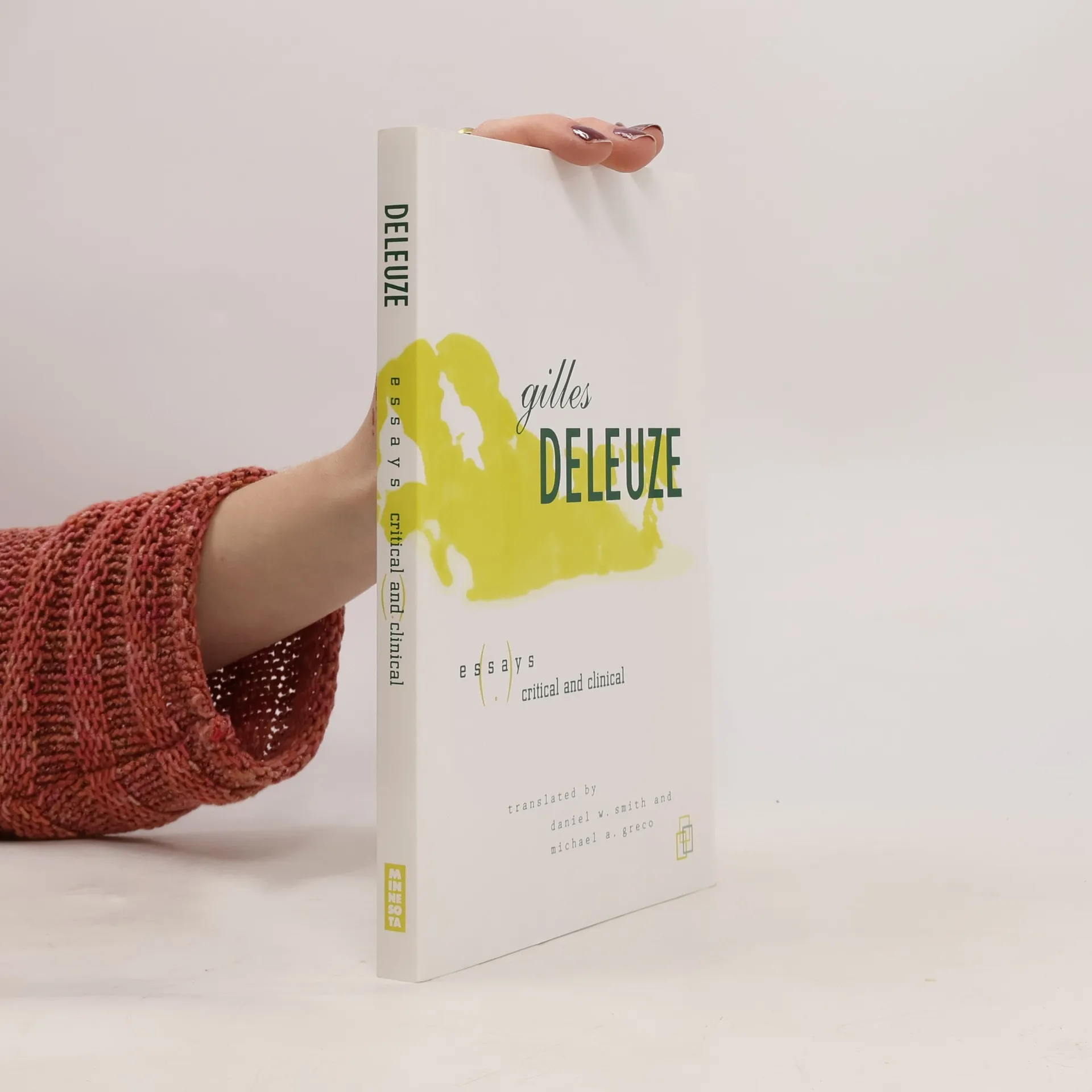
Essays Critical and Clinical
- 280 pages
- 10 hours of reading
The final work of this essential thinker. Essays Critical and Clinical is the final work of the late Gilles Deleuze, one of the most important and vital figures in contemporary philosophy. It includes essays, all newly revised or published here for the first time, on such diverse literary figures as Herman Melville, Walt Whitman, D. H. Lawrence, T. E. Lawrence, Samuel Beckett, Leopold von Sacher-Masoch, Alfred Jarry, and Lewis Carroll, as well as philosophers such as Plato, Spinoza, Kant, Nietzsche, and Heidegger. For Deleuze, every literary work implies a way of living, a form of life, and must be evaluated not only critically but also clinically. As Proust said, great writers invent a new language within language, but in such a way that language in its entirety is pushed to its limit or its own “outside.” This outside of language is made up of affects and precepts that are not linguistic, but which language alone nonetheless makes possible. In Essays Critical and Clinical , Deleuze is concerned with the delirium-the process of Life-that lies behind this invention, as well as the loss that occurs, the silence that follows, when this delirium becomes a clinical state. Taken together, these eighteen essays present a profoundly new approach to literature by one of the greatest twentieth-century philosophers.
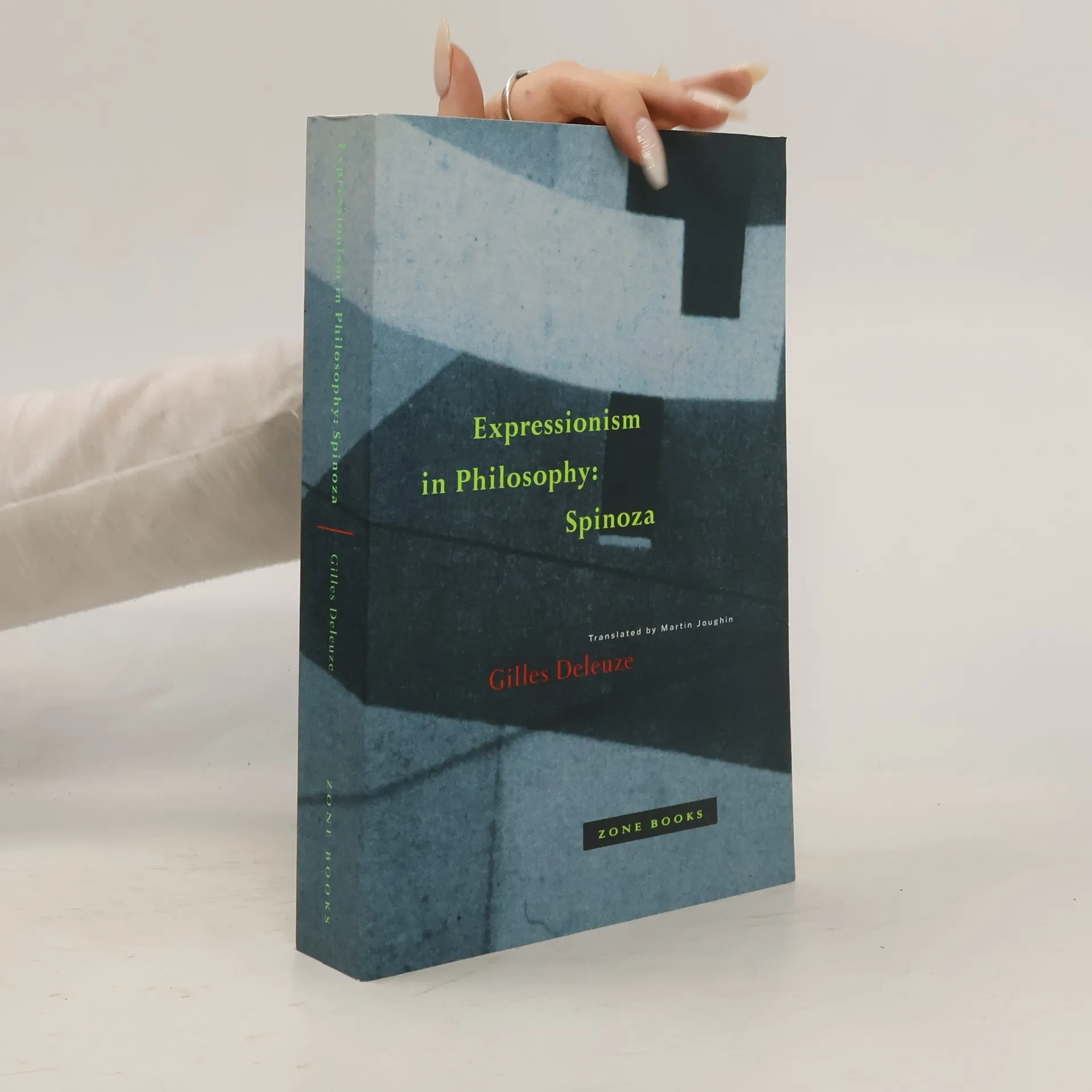
Expressionism in Philosophy
- 445 pages
- 16 hours of reading
Expressionism in Philosophy is both a pivotal reading of Spinoza's work and also a crucial text within the development of Deleuze's own thought.
Spinoza's theoretical philosophy is one of the most radical attempts to construct a pure ontology with a single infinite substance. This book, which presents Spinoza's main ideas in dictionary form, has as its subject the opposition between ethics and morality, and the link between ethical and ontological propositions. His ethics is an ethology, rather than a moral science. Attention has been drawn to Spinoza by deep ecologists such as Arne Naess, the Norwegian philosopher; and this reading of Spinoza by Deleuze lends itself to a radical ecological ethic. As Robert Hurley says in his introduction, "Deleuze opens us to the idea that the elements of the different individuals we compose may be nonhuman within us. One wonders, finally, whether Man might be defined as a territory, a set of boundaries, a limit on existence." Gilles Deleuze, known for his inquiries into desire, language, politics, and power, finds a kinship between Spinoza and Nietzsche. He writes, ""Spinoza did not believe in hope or even in courage; he believed only in joy and in vision . . . he more than any other gave me the feeling of a gust of air from behind each time I read him, of a witch's broom that he makes one mount. Gilles Deleuze was a professor of philosophy at the University of Paris at Vincennes. Robert Hurley is the translator of Michel Foucault's History of Sexuality.
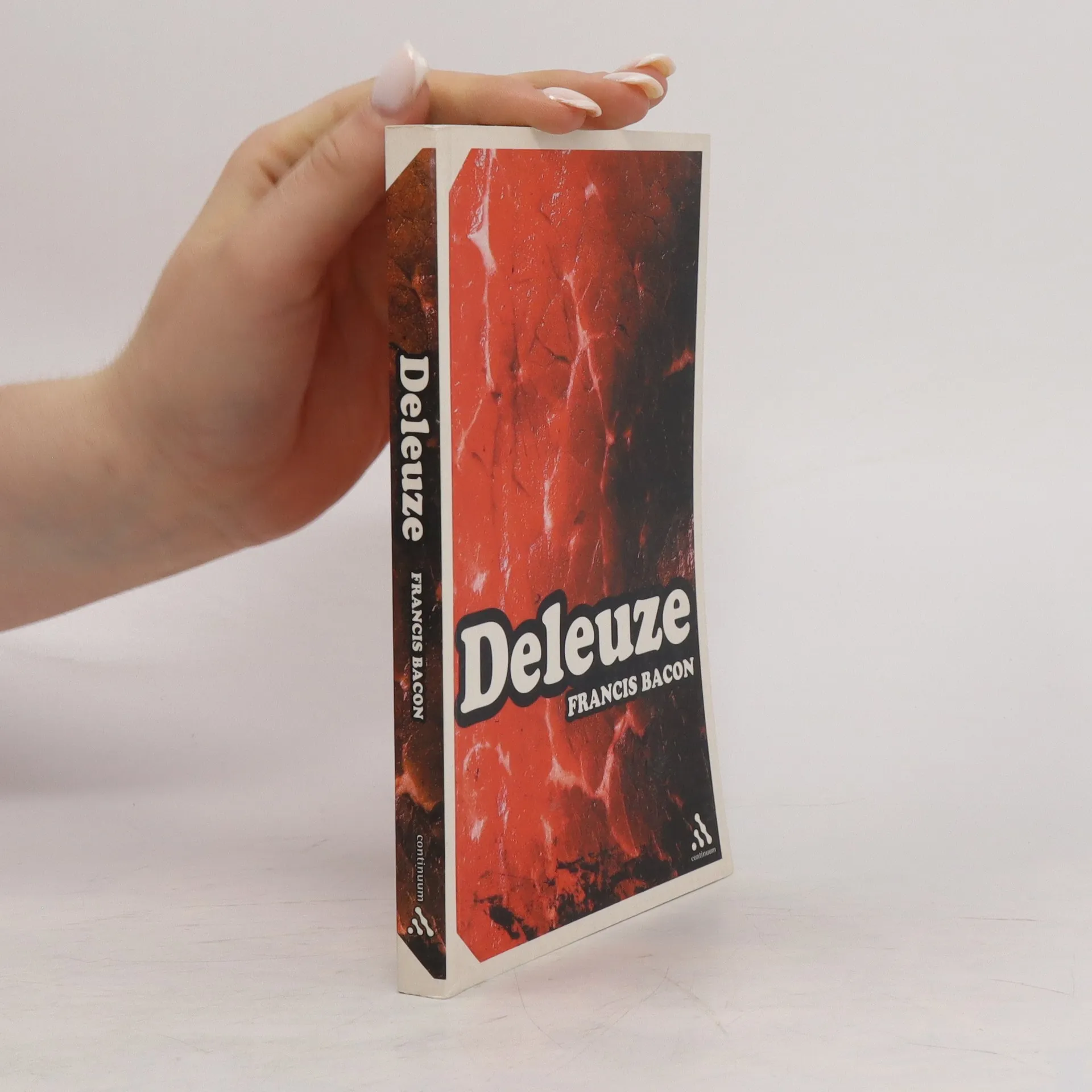
Francis Bacon
- 176 pages
- 7 hours of reading
Francis Bacon is Deleuze's long-awaited work on Bacon, widely regarded as the one of the most radical painters of the twentieth century. The book presents a deep engagement with Bacon's work and the nature of art. Deleuze analyses the distinctive innovations that came to mark Bacon's style while introducing a number of his own famous concepts. Deleuze links Bacon's work to Cezanne's notion of a "logic" of sensation, which reaches its summit in colour. Investigating this logic, Deleuze explores Bacon's crucial relation to past painters such as Velasquez, Cezanne, and Soutine, as well as Bacon's rejection of expressionism and abstract painting.
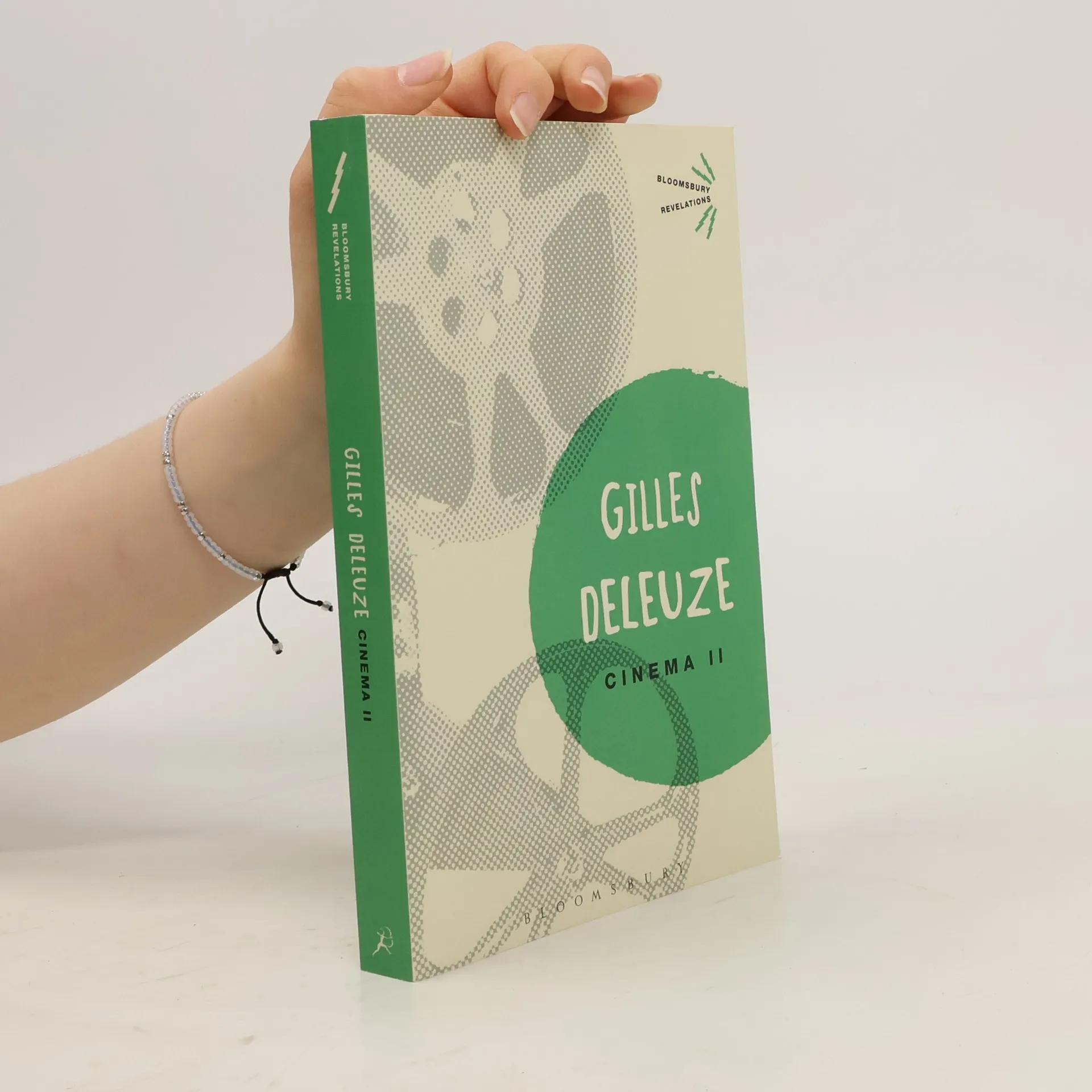
"The second volume of Gilles Deleuze's landmark reassessment of the art of film, now available in the Bloomsbury Revelations series"-- Provided by publisher
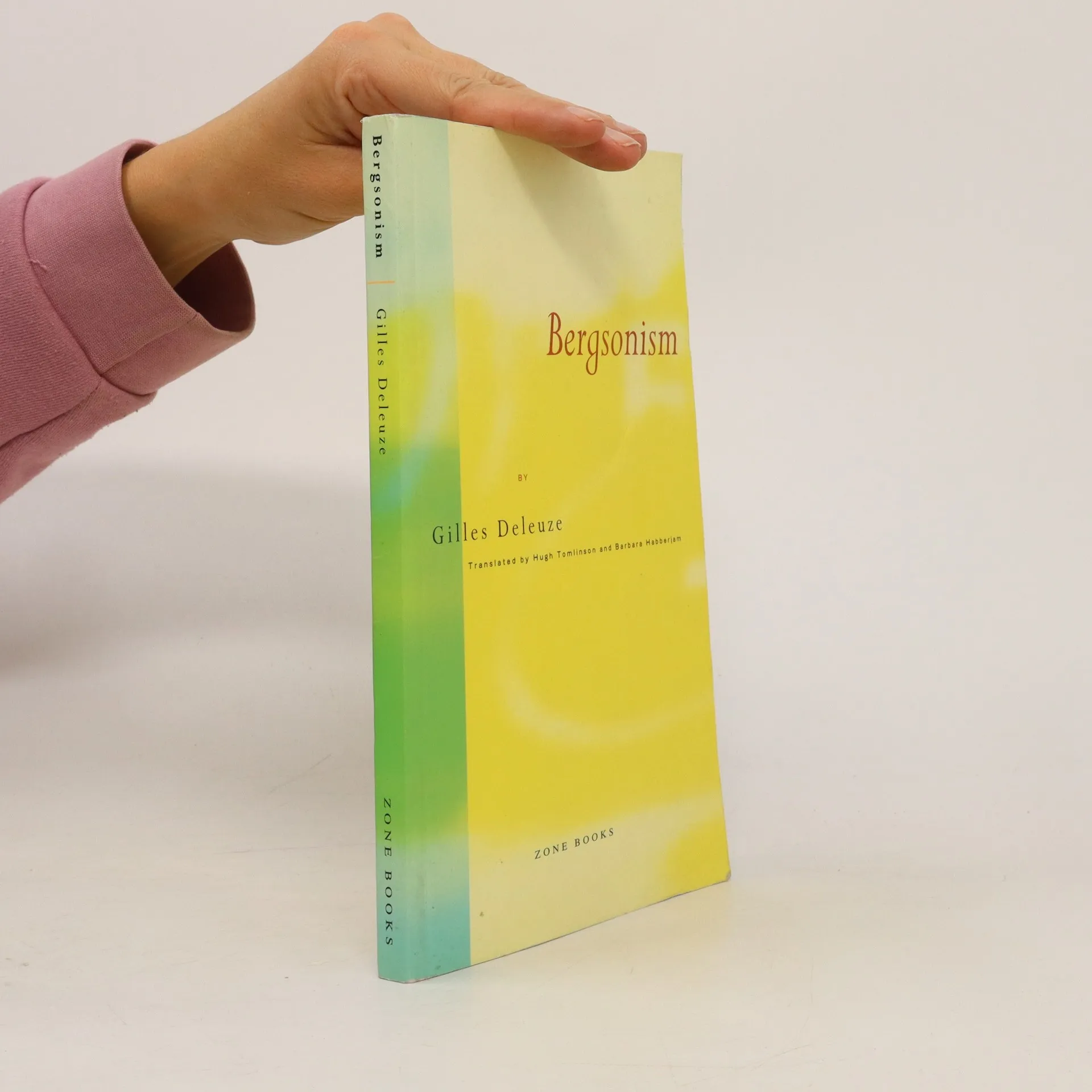
In this analysis of one major philosopher by another, Gilles Deleuze identifies three pivotal concepts - duration, memory, and elan vital - that are found throughout Bergson's writings and shows the relevance of Bergson's work to contemporary philosophical debates.
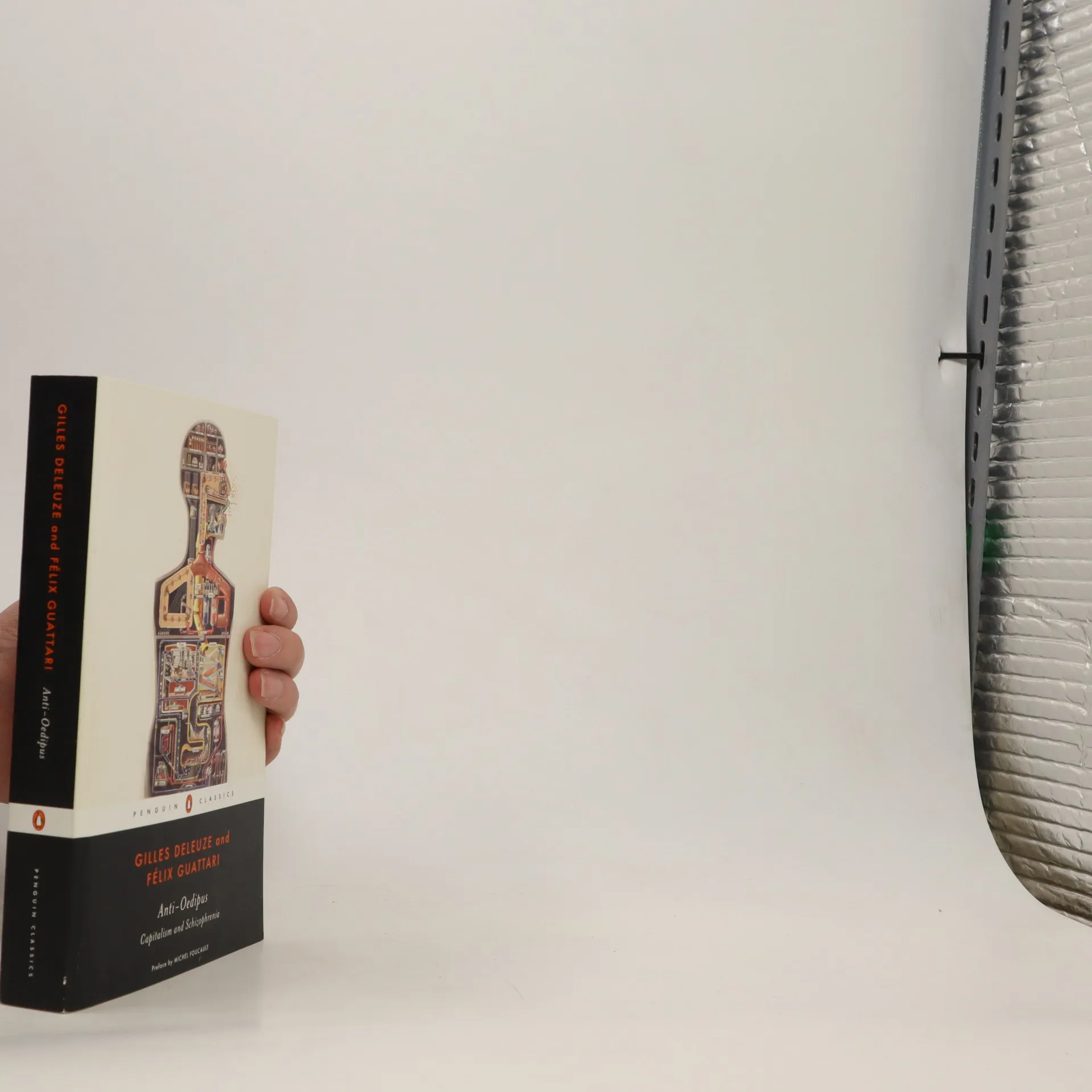
Anti-Oedipus : capitalism and schizophrenia
- 432 pages
- 16 hours of reading
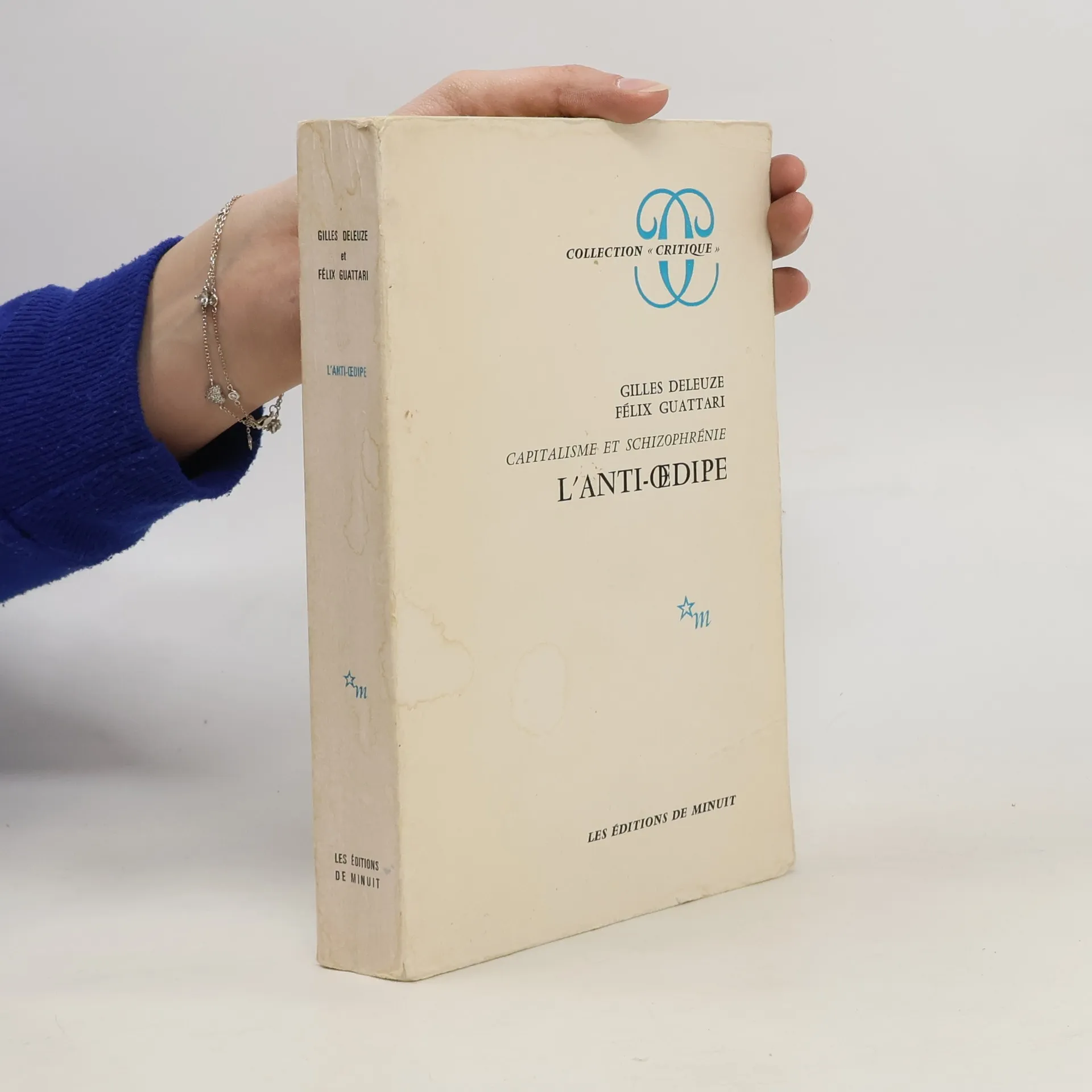
An "introduction to the nonfascist life" (Michel Foucault, from the Preface) When it first appeared in France, Anti-Oedipus was hailed as a masterpiece by some and "a work of heretical madness" by others. In it, Gilles Deleuze and Félix Guattari set forth the following theory: Western society's innate herd instinct has allowed the government, the media, and even the principles of economics to take advantage of each person's unwillingness to be cut off from the group. What's more, those who suffer from mental disorders may not be insane, but could be individuals in the purest sense, because they are by nature isolated from society. More than twenty-five years after its original publication, Anti-Oedipus still stands as a controversial contribution to a much-needed dialogue on the nature of free thinking.
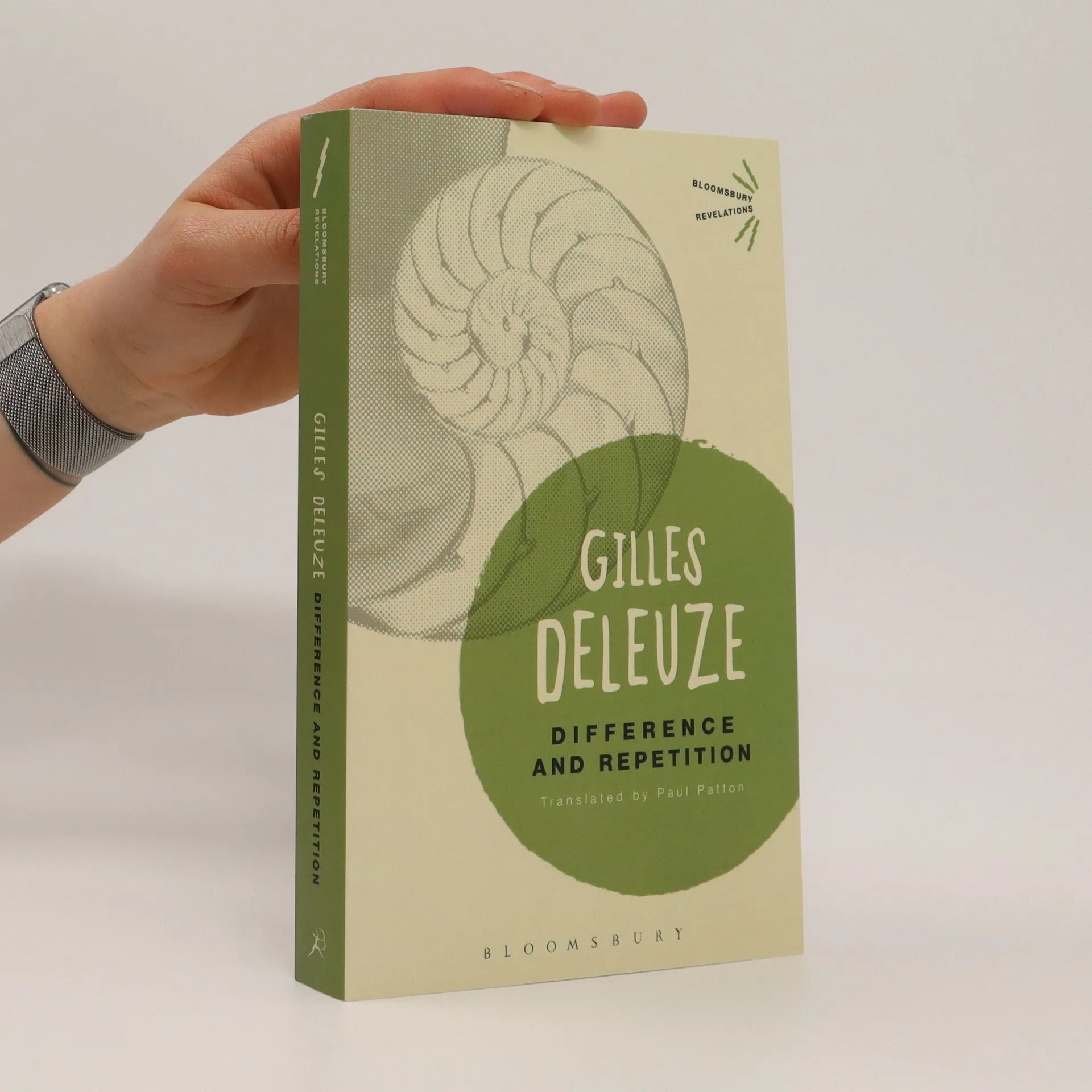
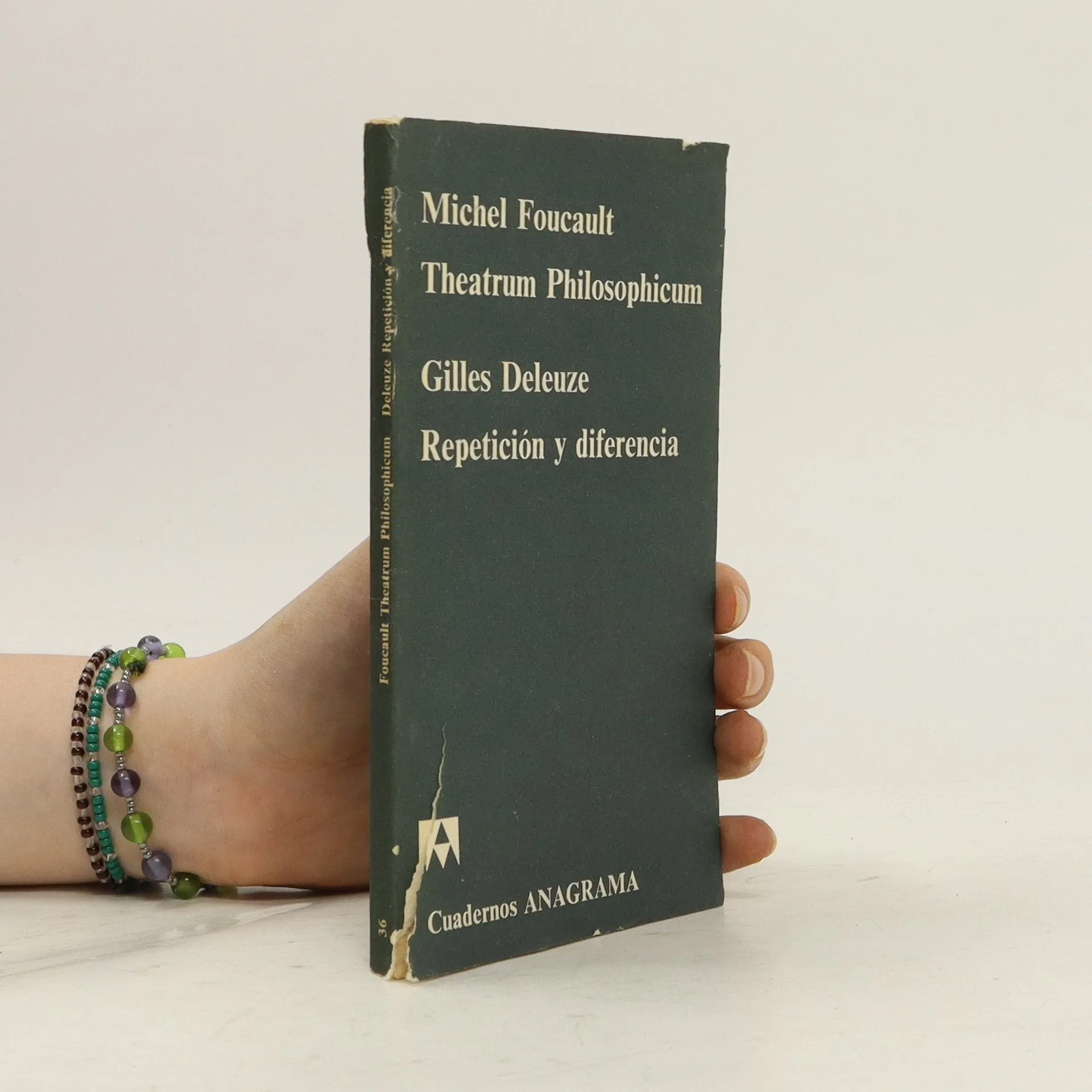
Since its publication in 1968, Difference and Repetition, an exposition of the critique of identity, has come to be considered a contemporary classic in philosophy and one of Gilles Deleuze's most important works. The text follows the development of two central concepts, those of pure difference and complex repetition. It shows how the two concepts are related, difference implying divergence and decentring, repetition being associated with displacement and disguising. The work moves deftly between Hegel, Kierkegaard, Freud, Althusser and Nietzsche to establish a fundamental critique of Western metaphysics, and has been a central text in initiating the shift in French thought - away from Hegel and Marx, towards Nietzsche and Freud.
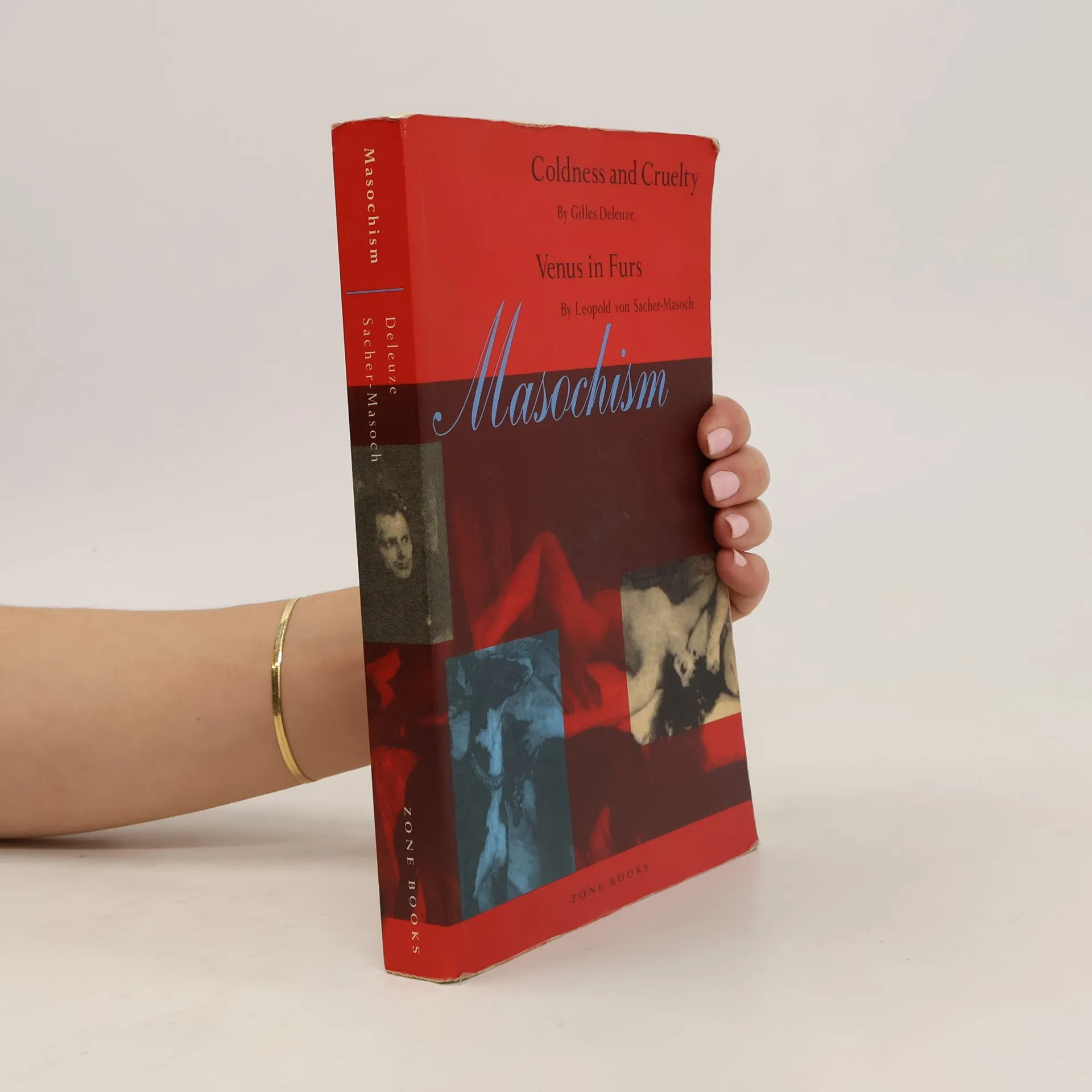
Masochism
- 294 pages
- 11 hours of reading
Gilles Deleuze examines the work of the late-nineteenth-century German novelist Leopold von Sacher--Masoch.
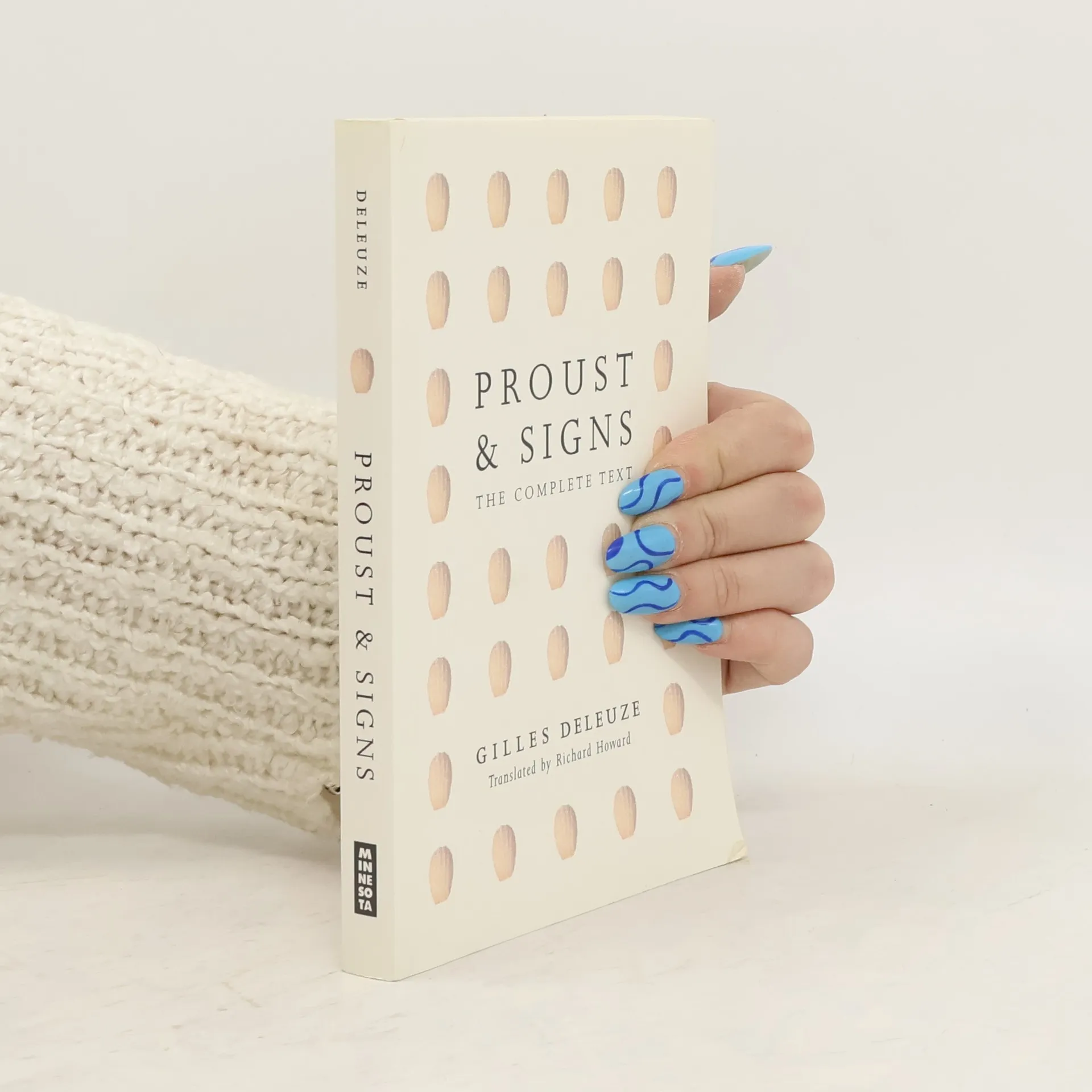
Proust & Signs
The Complete Text
A criticism of the book "a la recherche du temps perdu"
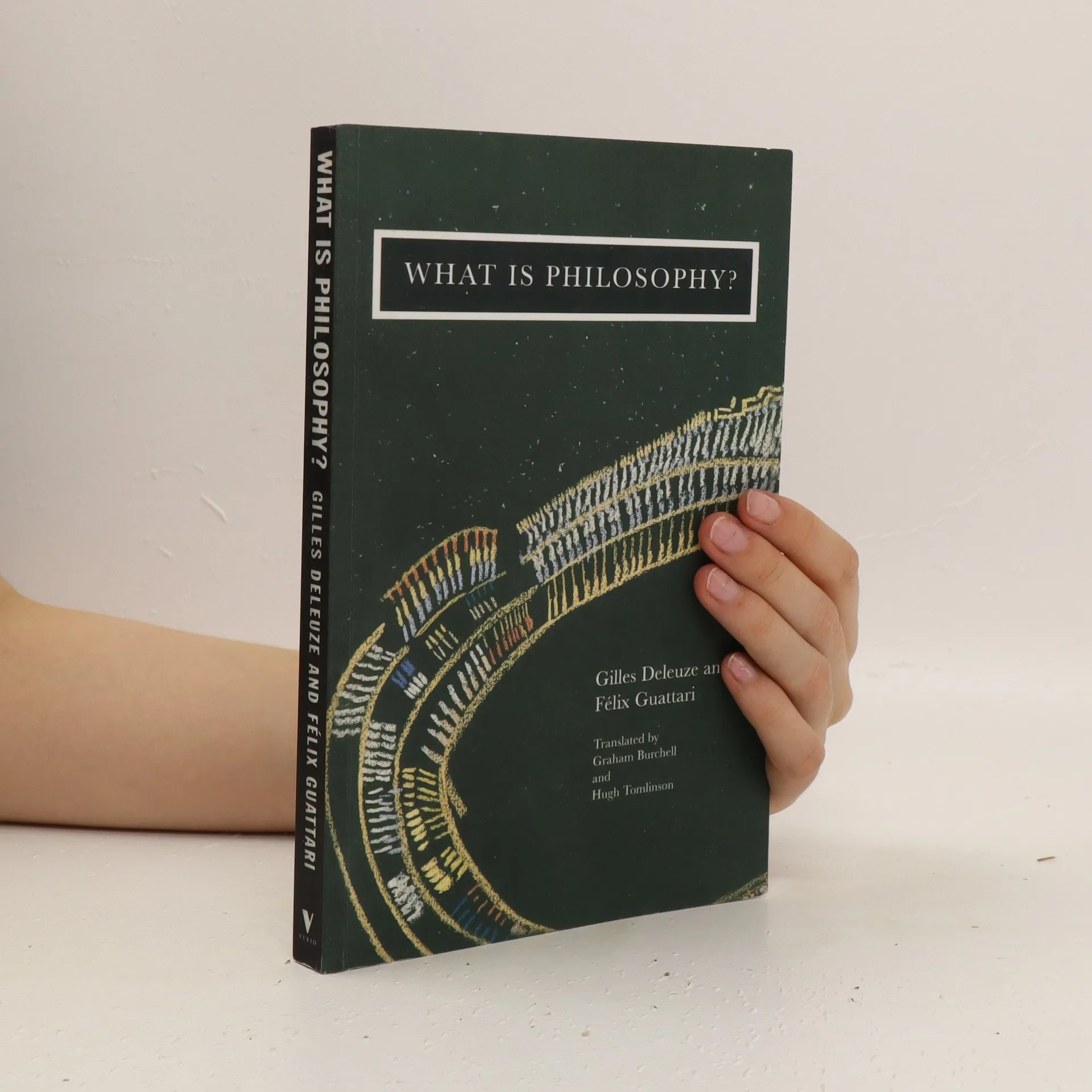
This work examines what it means to be a philosopher and attacks the sterility of modern philosophy. Part One explores the nature and scope of philosophy and its relation to social and economic development. Part Two considers other forms of thought: science, art, literature and music.
Essays by Gilles Deleuze on the search for a new empiricism.
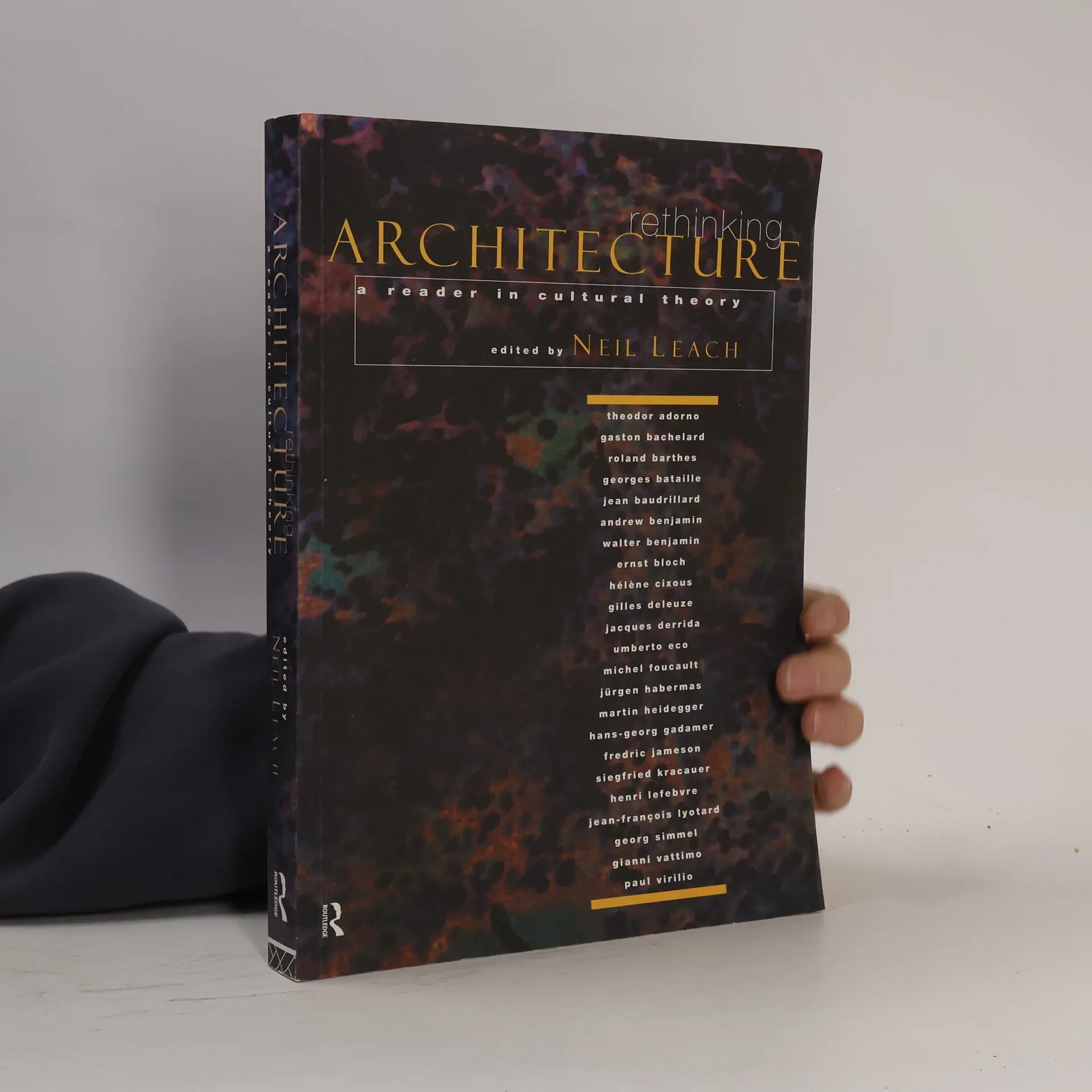
The collection features essential writings from influential philosophers and cultural theorists of the twentieth century, exploring the foundational ideas that have shaped urban environments and architectural experiences. It delves into the theoretical frameworks that underpin contemporary architecture, offering insights into the cultural and philosophical contexts that inform our understanding of space and design. This compilation serves as a critical resource for those interested in the intersection of architecture, philosophy, and urban theory.
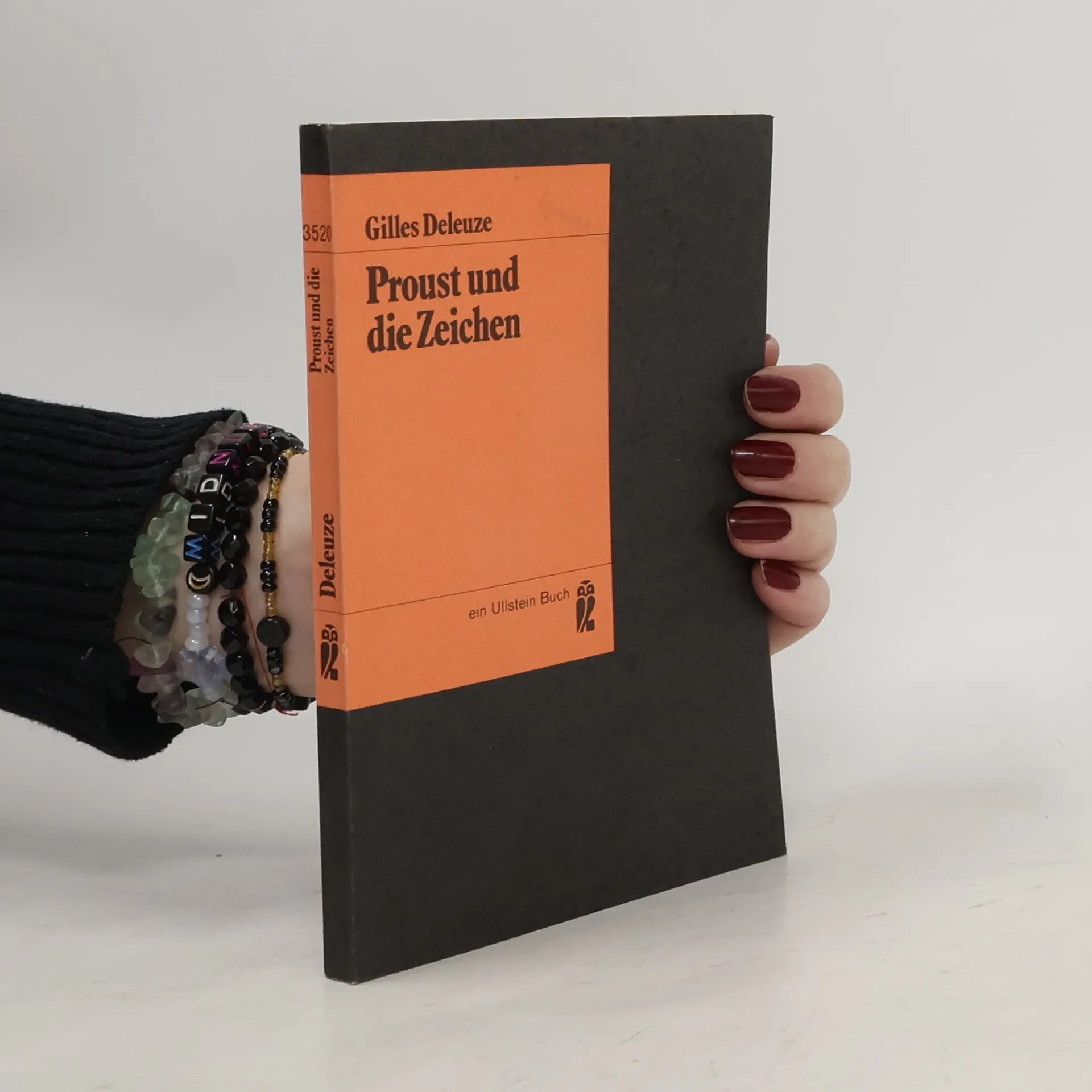
Proust und die Zeichen
- 172 pages
- 7 hours of reading
Natürlich ein Buch über Proust’s Suche nach der verlorenen Zeit. Aber auch ein Buch über die Zeichen, die verschiedene Welten schaffen: die leeren gesellschaftlichen Zeichen, die trügerischen Zeichen der Liebe, die materiellen sinnlichen Zeichen und die essentiellen Zeichen der Kunst, die alle anderen umwandeln. Eines der schönsten Bücher von Gilles Deleuze.
Gilles Deleuze wurde am 18. Januar 1925 in Paris geboren und starb am 4. November 1995 in derselben Stadt. Er verbrachte die meiste Zeit seines Lebens in Paris, wo er während des Zweiten Weltkriegs das Lycée Carnot und ein Jahr die Eliteschule Henri IV. besuchte. Von 1944 bis 1948 studierte er Philosophie an der Sorbonne. In den 1950er Jahren unterrichtete Deleuze an verschiedenen Gymnasien, bevor er 1957 eine Stelle an der Sorbonne antrat, wo er bereits sein erstes Buch über David Hume veröffentlicht hatte. Seine Arbeit konzentrierte sich auf die Kritik des Rationalismus und der Wesenslehre. Zwischen 1960 und 1964 war er am Centre national de la recherche scientifique tätig, wo er sich mit Nietzsche und Henri Bergson auseinandersetzte und "Nietzsche und die Philosophie" veröffentlichte. Eine enge Freundschaft verband ihn mit Michel Foucault, mit dem er die kritische Gesamtausgabe von Friedrich Nietzsche herausgab. Von 1964 bis 1969 war er Professor an der Universität von Lyon und reichte während der Ereignisse von Mai 1968 seine Dissertation "Differenz und Wiederholung" sowie seine Zweitthese "Spinoza und das Problem des Ausdrucks in der Philosophie" ein. Diese Arbeiten wurden später als bedeutende Versuche angesehen, die Studentenrevolte philosophisch zu erfassen. Von 1969 bis 1987 lehrte er an der Reformuniversität Paris VIII. Aufgrund einer langjährigen Atemwegserkrankung beging Deleuze 1995 Selbstmord. Bernd Schwibs, gebo
Es ist vielmehr die intellektuelle Erfahrung einer verstörenden und beunruhigenden Präsenz, die den eigenen Blick auf die Gegenwart durchkreuzt. Diese Leseerfahrung wird jeder machen, der in diesen Band mit Aufsätzen, Interviews und kleineren Beiträgen von Gilles Deleuze eintaucht. So zeigt sich etwa die Nähe seiner kritischen Stimme zu aktuellen politischen Debatten, wie sie von Slavoj Žižek oder Noam Chomsky bis hin zu Michael Hardt und Toni Negri geführt werden. Auch seine Überlegungen zur Philosophie des zwanzigsten Jahrhunderts, zum zeitgenössischen Kino und zur Filmtheorie, zur Psychoanalyse oder zur Literatur haben ihr Korrelat in der Gegenwart. Krieg, Pazifismus, Toleranz, Revolution, Drogen, Befreiung und Kritik - das sind Deleuze' Stichworte zur Erkundung des Heute, die nichts von ihrer Sprengkraft verloren haben.
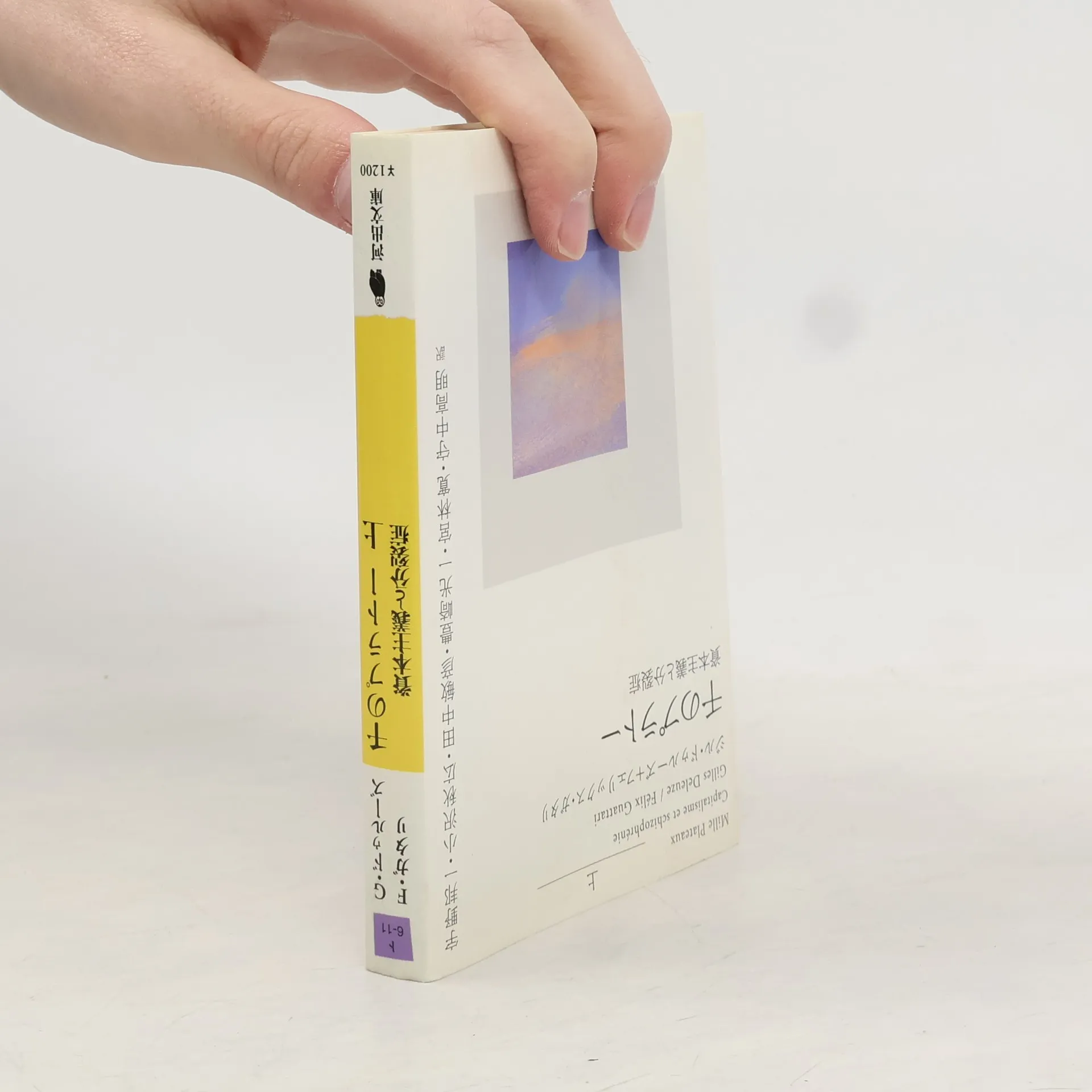
ドゥルーズ/ガタリの最大の挑戦にして、いまだ読み解かれることのない20世紀最大の思想書、ついに文庫化。リゾーム、抽象機械、ア
„Nachdem ich also diese Phase des Schweigens erreicht hatte, sah ich mich zu einer Maßnahme gezwungen, zu der kein Mensch sich ohne weiteres bereitfindet: ich war gezwungen, nachzudenken. Gott, war das schwierig! Als wenn man riesige Schränke hin und her schiebt.“ - (Fitzgerald)
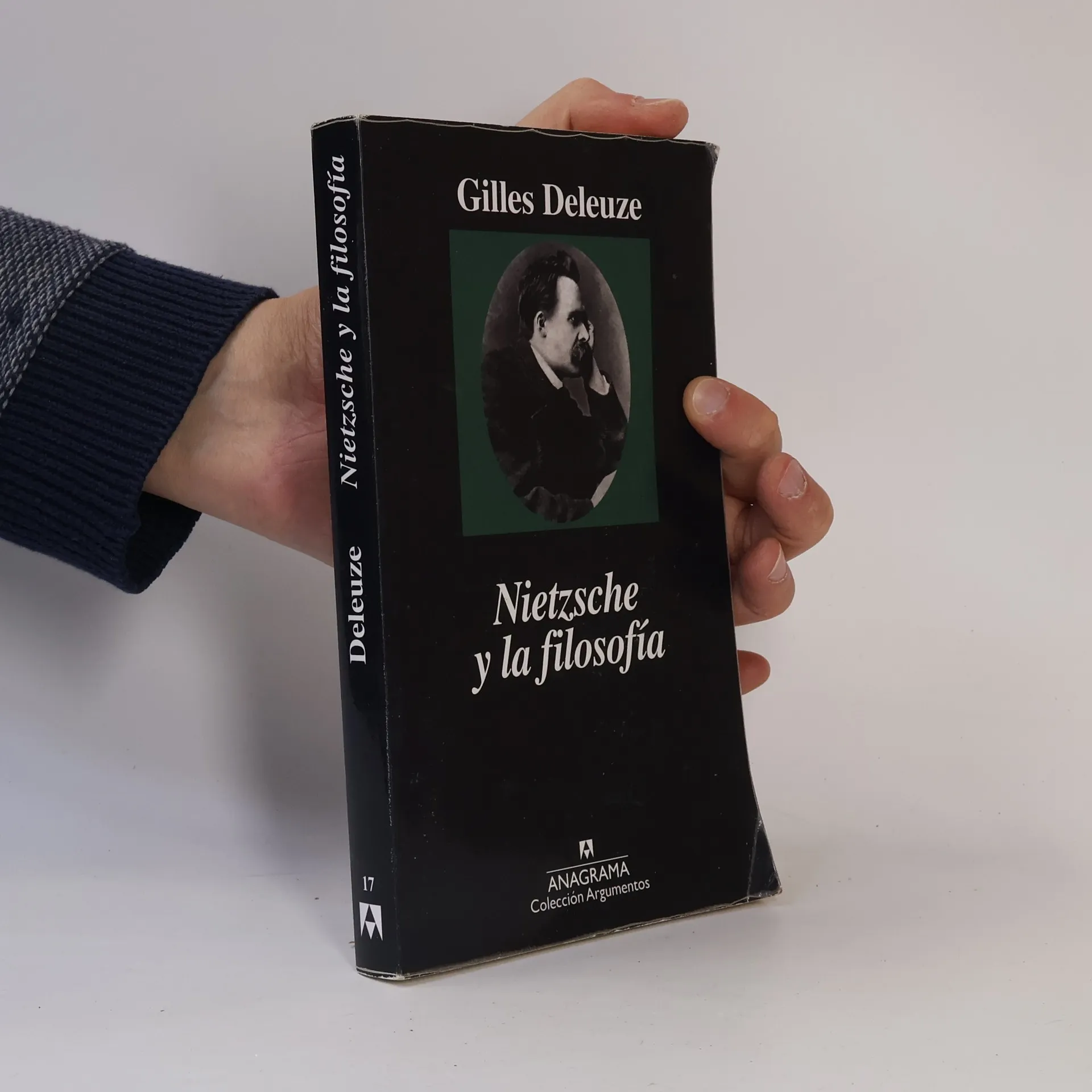
Colección Argumentos - 17: Nietzsche y la filosofía
- 280 pages
- 10 hours of reading
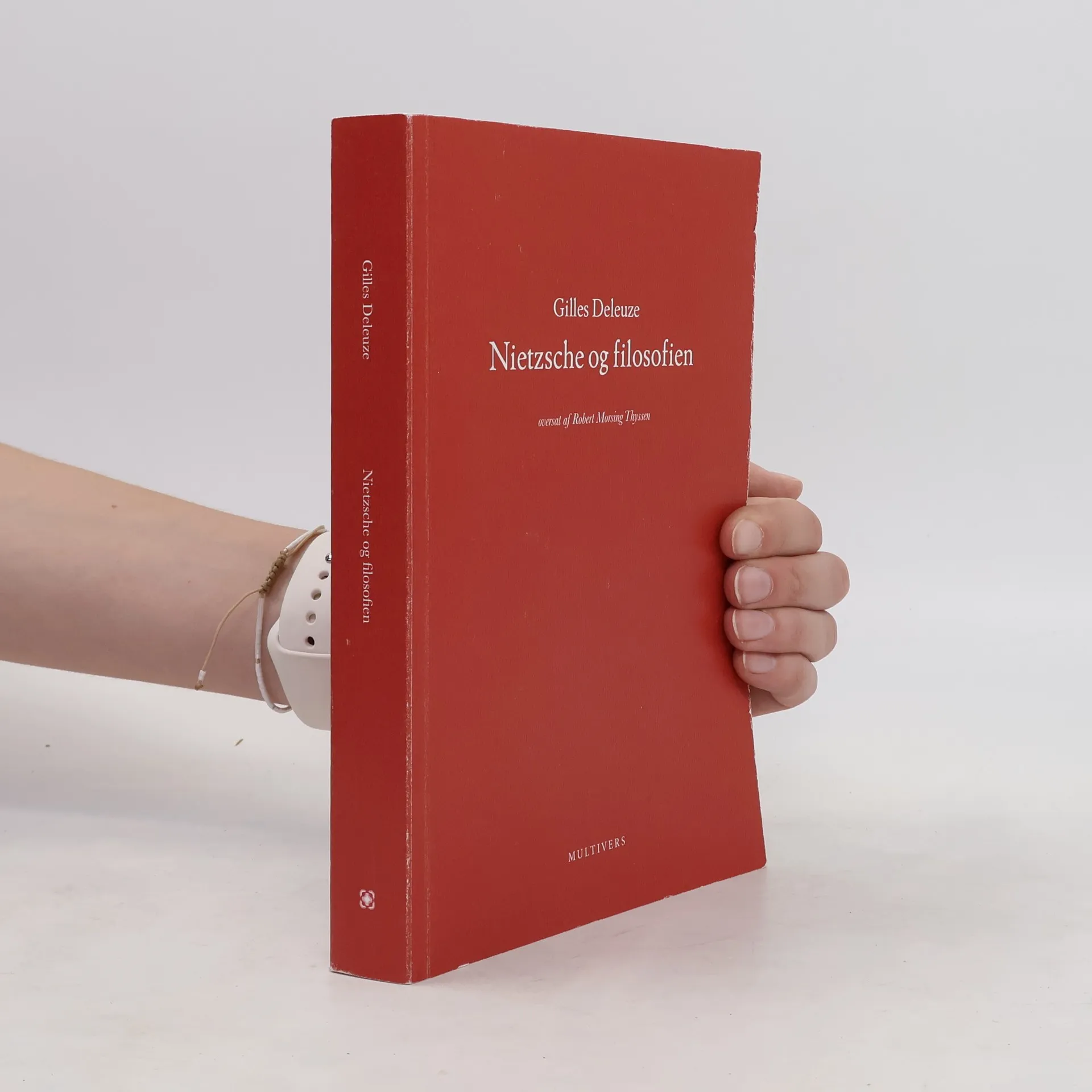
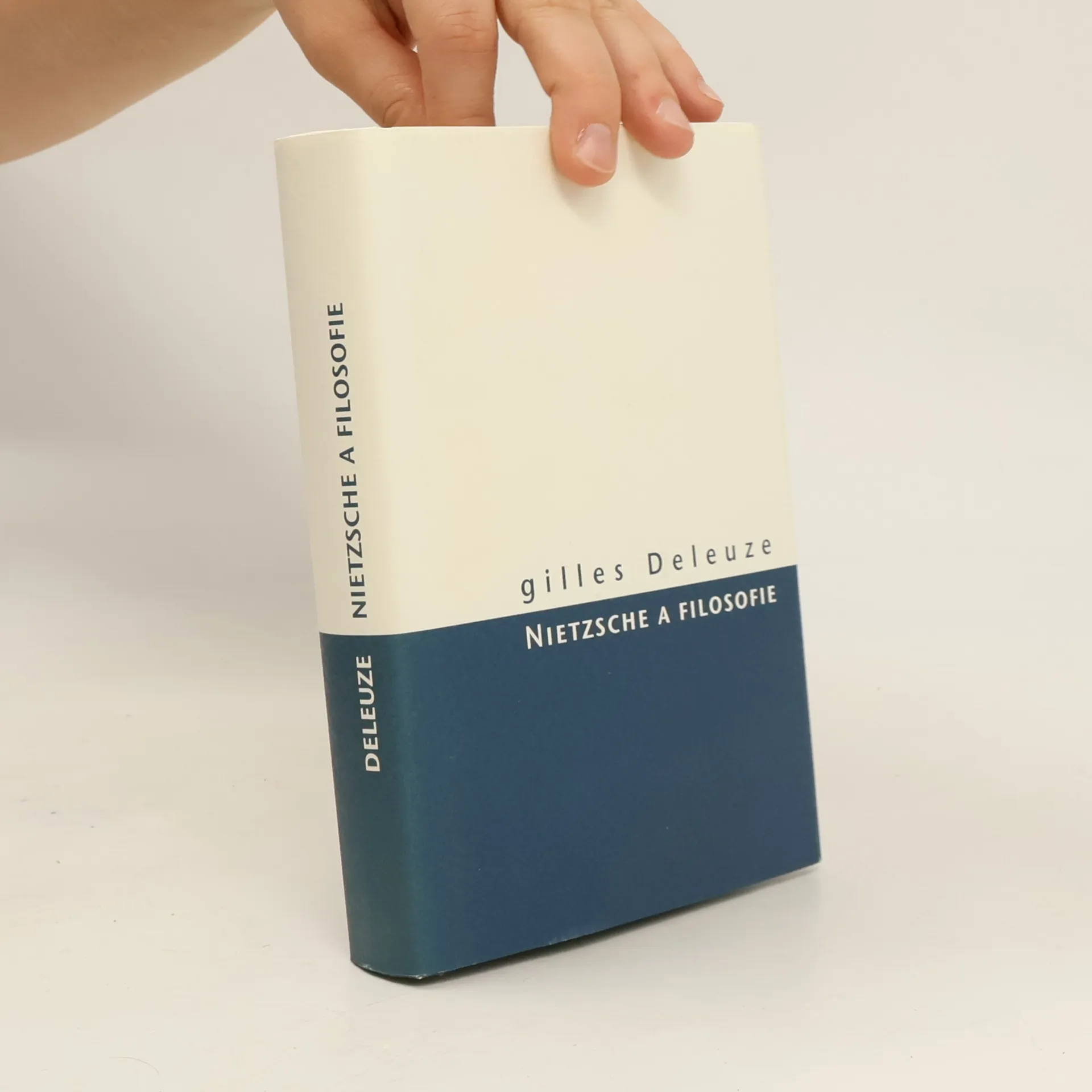
Dentro de la filosofía mundial, el movimiento filosófico francés, influenciado por figuras como Bataille y Klossowski, y con representantes como Foucault, Derrida y Deleuze, se destaca como una de las corrientes más ricas y estimulantes. Su contexto cultural permite una reflexión que une la fenomenología con Heidegger, los avances en ciencias humanas (marxismo, psicoanálisis, estructuralismo), y la vanguardia en literatura y arte, además de la influencia de escritores considerados "locos" o "malditos", como Nietzsche, Artaud y Roussel. Aunque hasta ahora se habían realizado reflexiones sectoriales, las obras de Derrida y, especialmente, "Lógica del sentido" y "Repetición y diferencia" de Deleuze, establecen una filosofía renovadora que cuestiona los fundamentos platónicos y hegelianos. Esta nueva filosofía se basa en conceptos derivados de Nietzsche, como la diferencia, la diversidad y la repetición. La lectura de Nietzsche y la obra de Deleuze son esenciales para comprender esta filosofía. El libro representa un intento audaz de reinterpretar a Nietzsche, desafiando el mito del "Nietzsche prefascista" y revalorizando su pensamiento, lo que se profundiza en el trabajo de Klossowski. A través de un estilo claro y pedagógico, el texto ofrece una nueva imagen de Nietzsche y resalta la relevancia de su pensamiento en las cuestiones contemporáneas.
Kleine Schriften
- 128 pages
- 5 hours of reading
Die Verbindung zur Arbeit von Musikern, Malern und Gelehrten ist heute entscheidend. Philosophie sollte aus verschiedenen Richtungen kommen und neue Perspektiven sowie Anwendungsmöglichkeiten schaffen, anstatt sich auf alte Schulen oder Neo-Marketing zu beschränken.
Rhizom
- 63 pages
- 3 hours of reading
„Ihr habt die Wahl zwischen einem letzten Abschied von der Psychoanalyse, einem rosa Panther, der Geschichte Amerikas, einigen Ameisen, einem Modell, das sowohl dem Strukturalismus wie der generativen Grammatik entwischt, einer Guerillatheorie, einer Orchidee usw.“ (Roger Pol Droit, Le Monde)
Bezludna wyspa
- 614 pages
- 22 hours of reading
Niniejszy tom zbiera niemal całość tekstów Gillesa Deleuze'a opublikowanych między 1953 a 1974 rokiem, od momentu wydania jego pierwszej książki „Empiryzm i subiektywność” do debat dotyczących „Anty-Edypa”. Zbiór składa się z artykułów, zapisów konferencji, przedmów, wywiadów i wykładów, które były wcześniej publikowane, ale nie znalazły się w jego książkach. Deleuze postawił jedynie dwa warunki: brak tekstów sprzed 1953 roku oraz publikacji pośmiertnych lub z niezredagowanych rękopisów. Zawiera także kilka wcześniej niewydanych tekstów, które figurują w bibliografii z 1989 roku. Celem zbioru jest udostępnienie tekstów trudno dostępnych, rozproszonych w różnych publikacjach. W kontekście mitologii, wyspa symbolizuje nowe początki i odrodzenie, będąc miejscem, gdzie wszystko zaczyna się od nowa. Wyspa jest źródłem wtórnym, które umożliwia ponowne rozpoczęcie, a proces powstawania świata przebiega dwustopniowo, jako narodziny i odrodzenie. Konieczność drugich narodzin nie wynika z katastrofy, lecz to katastrofa następuje na początku, co wskazuje na potrzebę nowego początku. Wyspa, oddzielona wodą, staje się przestrzenią dla żeńskich wspólnot, symbolizującą mitologiczne macierzyństwo i ideę nowego początku.
Begeistert hat Hans-Jürgen Schings (FAZ) die „glanzvoll ausgreifende Studie ‚Bartleby oder die Kontingenz’, in der der brillante Denker solcher Anfänge“ das berühmte "I would prefer not to" als Geste einer zweiten Schöpfung und einer neuen Kreatur beschreibe. Auch den Übersetzern gebühre hohes Lob, da sie die „federnde Arbeit des Begriffs“ nicht verfälscht hätten
Gilles Deleuze: Short Cuts 4. „Philosophie ist eine schöpferische Kunst, nicht weniger als Malerei oder Musik. Sie erschafft Begriffe. Begriffe sind keine Allgemeinheiten, nicht einmal Wahrheiten. Sie haben mit dem Singulären zu tun, mit dem Neuen, mit dem, was einen trifft.“ Aus dem Inhalt: Die Welt als Patchwork, Rhizom, Brief an Kuniichi Uno, Nomaden-Denken, Brief an Michel Cressole, Philosophie und Minderheit, Spinoza und wir, Über die neuen Philosophen und ein allgemeineres Problem, Die Bedingungen der Frage: Was ist Philosophie?
„Deleuze ist der Anwalt Bartlebys, weil er sich bereits im ersten Satz seines Plädoyers von den Gedankenlosigkeiten distanziert, Bartleby als eine ‚Metapher des Schriftstellers’ oder als ‚Symbol von irgend etwas’ zu vereinnahmen. Es ist die Bilanz einer unangestrengt literaturimmanenten, gleichsam handwerklich belesenen Beweisführung …“(Hermann Wallmann, SZ)
Kafka
Pentru o literatură minoră
Cum să pătrundem în opera lui Kafka? Este un rizom, o groapă. Castelul are numeroase intrări, cu un mod de utilizare și o structură necunoscute. De asemenea, hotelul America are o mulțime de uși, principale și secundare, păzite de numeroși supraveghetori, precum și multe ieșiri și intrări fără uși. Totuși, se pare că Groapa, din povestirea cu același nume, are doar o singură intrare; poate bestia consideră existența unei a doua, care ar îndeplini exclusiv funcții de supraveghere. Dar aceasta este o capcană, întinsă de bestii și de însuși Kafka; întreaga descriere a gropii este concepută pentru a înșela inamicul. Astfel, intrăm din oricare parte, fără ca vreuna să fie superioară celeilalte, nicio intrare nefiind privilegiată, chiar dacă este aproape un colț orb, un tub îngust, un sifon etc. Apoi, vom căuta cu ce alte puncte se leagă cel ales, prin ce intersecții și coridoare trebuie să trecem pentru a conecta două puncte, și care este harta rizomului și cum s-ar putea modifica imediat, dacă am încerca să ajungem într-un alt loc. Principiul numeroaselor intrări are rolul de a preveni pătrunderea inamicului, Semnificativ, precum și încercările de interpretare a operei, care, în realitate, se supune doar experimentării.
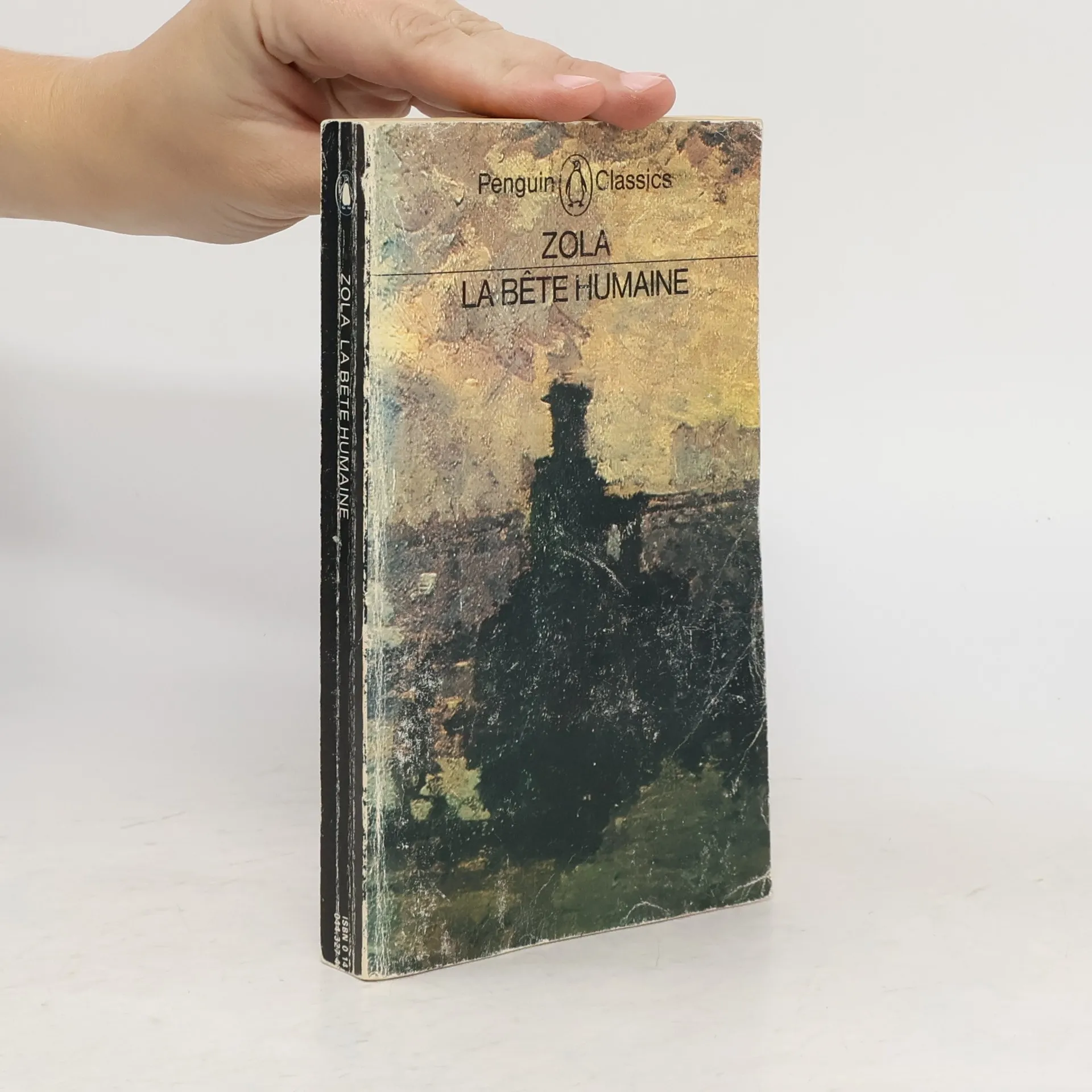
La Bête humaine
- 368 pages
- 13 hours of reading
One of Zola's most violent works, this novel is on one level a tale of murder and possession, and on another a compassionate study of individuals derailed by atavistic forces beyond their control. It evokes life at the end of the Second Empire in France, and a society hurtling towards the future.
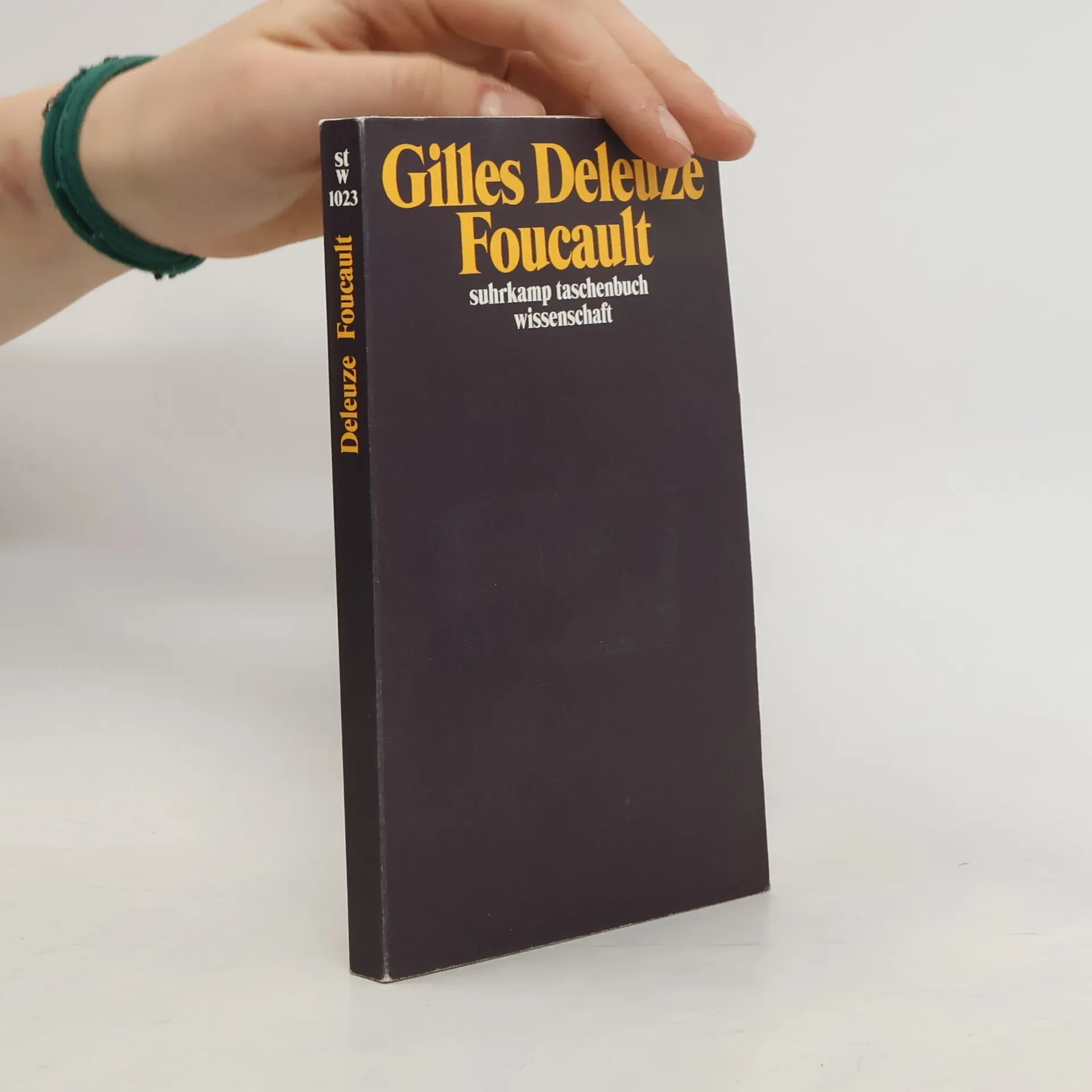
Foucault
- 189 pages
- 7 hours of reading
Der vorliegende Band enthält sechs Studien zu den Arbeiten Foucaults und zur Entwicklung seines Denkens. Er bezieht als erste umfassende Darstellung nicht nur die beiden kurz vor Foucaults Tod erschienenen Bände D er Gebrauch der Lüste und Die Sorge um sich mit ein, sondern darüber hinaus auch die allerletzten Arbeiten Foucaults, darunter das unveröffentlichte Manuskript des vierten Bandes von Sexualität und Wahrheit , das den spätantiken Umbruch der Kultur des Selbst und der Ästhetik der Existenz zur christlichen Abtötung des Fleisches verfolgt.
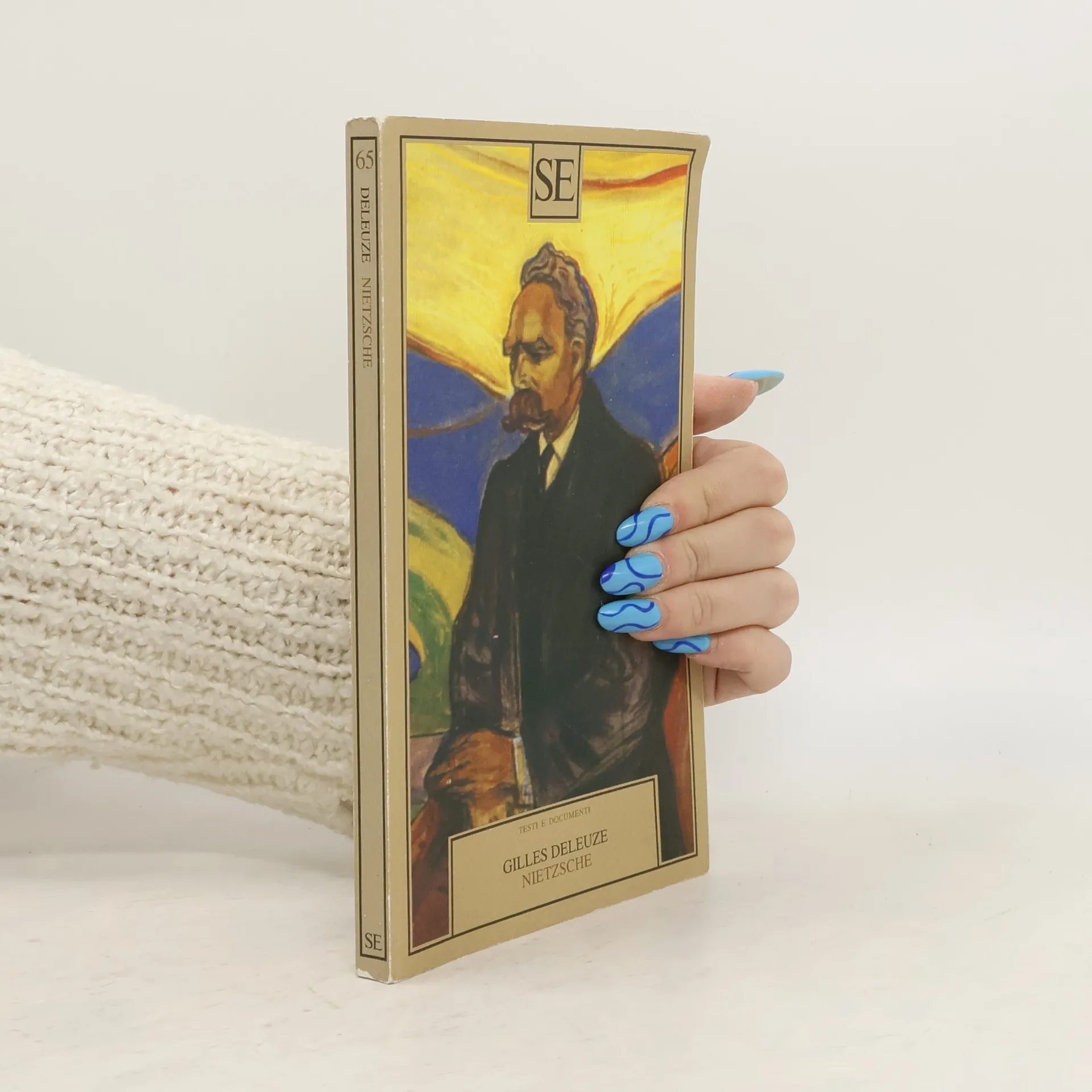
Testi e Documenti - 65: Nietzsche. Con antologia di testi
- 124 pages
- 5 hours of reading
Nietzsche integra alla filosofia due mezzi di espressione, l'aforisma e il poema. Queste forme implicano una nuova concezione della filosofia, una nuova immagine del pensatore e del pensiero. All'ideale della conoscenza e alla scoperta del vero, Nietzsche sostituisce l'interpretazione e la valutazione. L'aforisma è sia l'arte di interpretare che la cosa da interpretare; il poema, sia di valutare che la cosa da valutare. Il filosofo del futuro è artista e medico, in una parola, legislatore. Questa studio magistrale del grande filosofo, colpito dalla demenza e "tradito" dalla sorella che tentò di mettere Nietzsche al servizio del nazionalsocialismo, offre una parte biografica, un'analisi molto sensibile della filosofia nietzschiana, un dizionario dei principali personaggi e degli estratti dell'opera scelti da Gilles Deleuze.
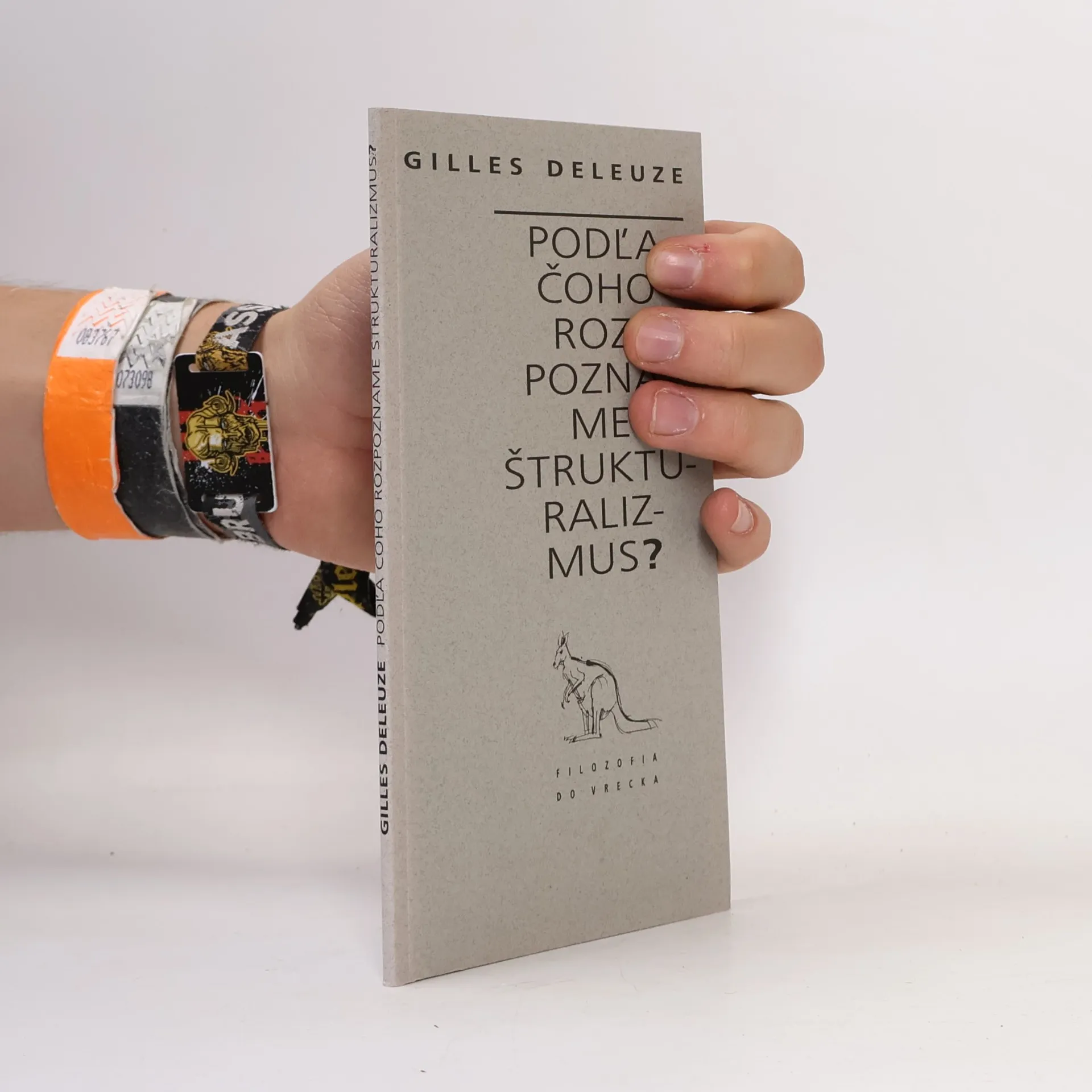
Podľa čoho rozpoznáme štrukturalizmus?
- 56 pages
- 2 hours of reading
Publikácia prináša odpovede na otázky čo je štrukturalizmus, podľa čoho rozpoznať kto je štrukturalista a čo rozpoznávajú oni sami. Vyjadruje len isté formálne kritéria rozpoznávania, pričom sa zakaždým odvoláva na citovaných autorov, aj keď sú ich projekty a práce veľmi rozmanité.
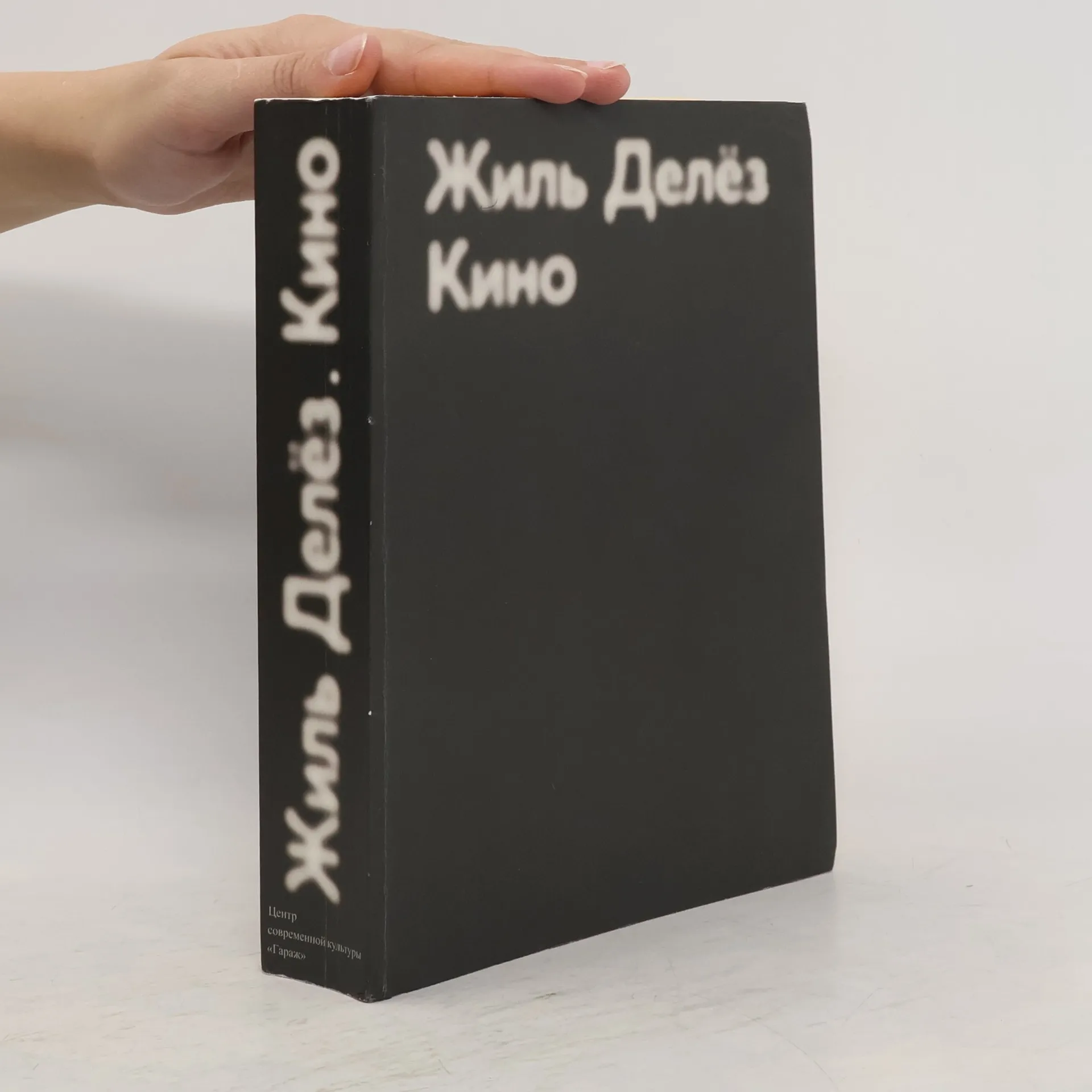
Кино
- 560 pages
- 20 hours of reading
Жиль Делёз, по свидетельству одного из его современников, был подлинным синефилом: «Он раньше и лучше нас понял, что в каком-то смысле само общество – это кино». Делёз не просто развивал культуру смотрения фильма, но и стремился понять, какую роль в понимании кино может сыграть философия и что, наоборот, кино непоправимо изменило в философии. Он был одним из немногих, кто, мысля кино, пытался также мыслить с его помощью. Пожалуй, ни один философ не писал о кино столь обстоятельно с точки зрения серьёзной философии, не превращая вместе с тем кино в простой объект исследования, на который достаточно посмотреть извне.
Deleuze ist für désir, das Gefüge des Begehrens, und Foucault ist für plaisir, die Dispositive der Macht. Dieser Band zeigt die Divergenzen und Konvergenzen ihrer Freundschaft.
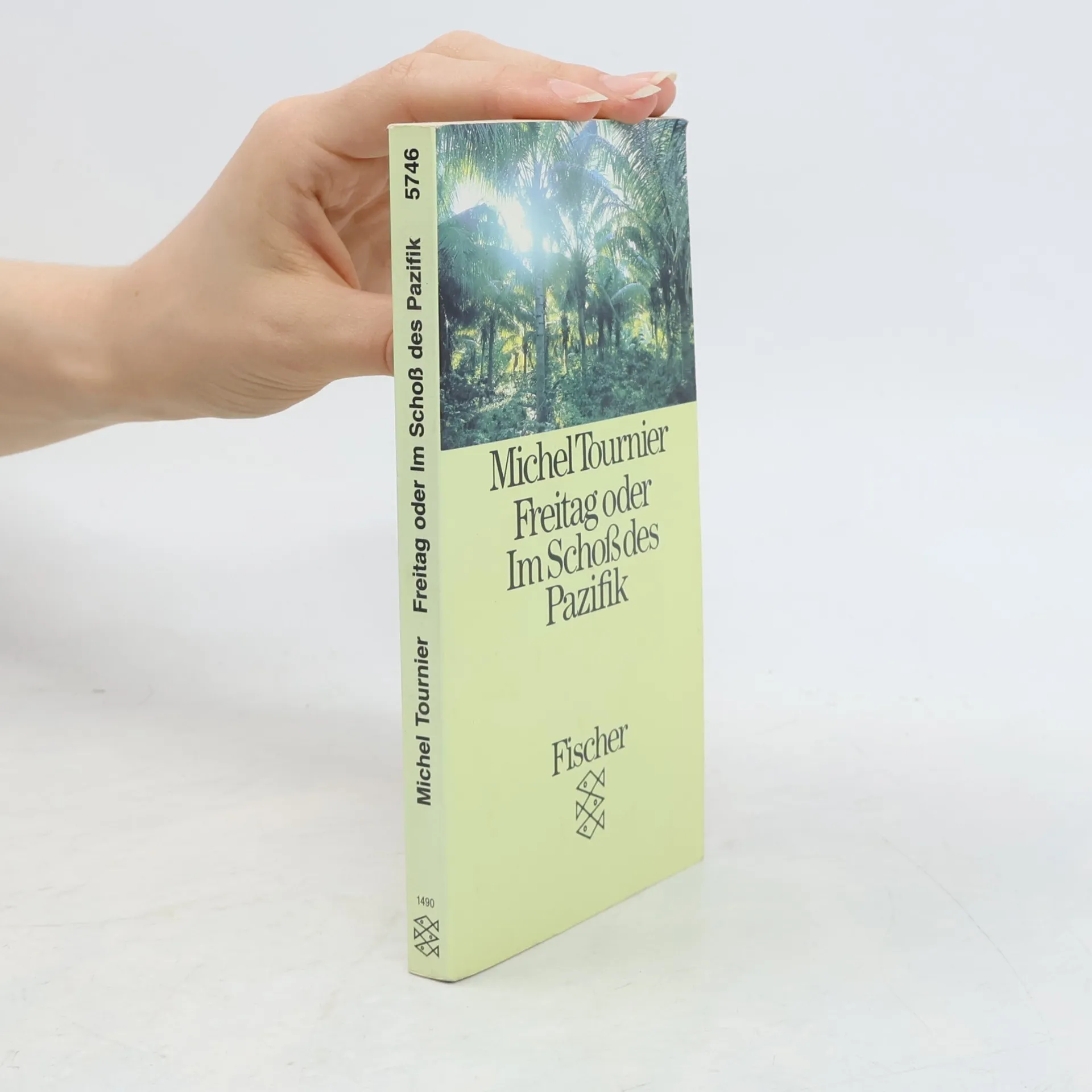
Wie bei Defoe, so strandet auch Tourniers Robinson auf einer einsamen Insel. Er findet Freitag, den er zu seinem Sklaven macht. Doch je mehr Robinson versucht, dem Jungen seine Regeln beizubringen, um so mehr erkennt er die Lächerlichkeit des eigenen Herrschaftsstrebens. Als am Horizont das lang ersehnte Schiff auftaucht, ist es nicht Robinson, sondern Freitag, der die Insel verläßt. Robinson bleibt zurück, und sein Leben ist jetzt allein von den Gesetzen der Natur bestimmt. »Der Roman Freitag oder das Leben in der Wildnis liest sich leicht wie ein Abenteuerroman, und doch nimmt man mehr mit als nur eine spannungsreiche Lektüre.« FUNDEVOGEL JUGENDBUCH DES MONATS, DEUTSCHE AKADEMIE FÜR KINDER- UND JUGENDLITERATUR 1997
Die einsame Insel
Texte und Gespräche 1953-1974
Gilles Deleuze, ein bedeutender französischer Philosoph des 20. Jahrhunderts, präsentiert in diesem Band eine Sammlung seiner „kleinen Schriften“ aus den Jahren 1953-1974. Die Texte decken Themen von Rousseau bis Nietzsche ab und reflektieren Debatten über Psychiatrie, Politik sowie seine Auseinandersetzungen mit verschiedenen Denkern.
Folden. Leibniz og Barokken
Alt efter de to poler i Leibniz' filosofi er alting regelmæssigt! og alting singulært!
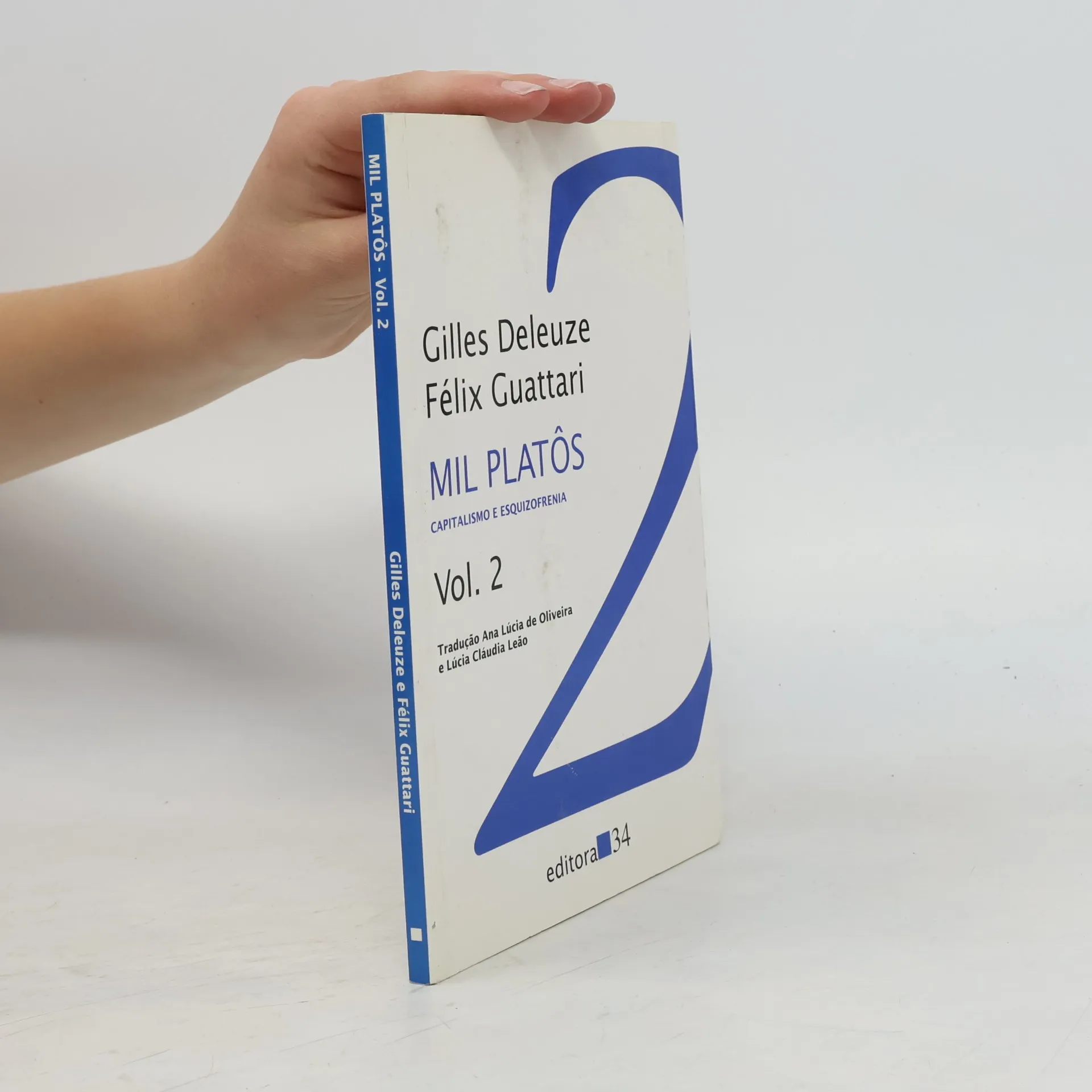
Sequência às teses de O anti-Édipo, contendo todos os componentes de um tratado de filosofia clássica - ontologia, física, lógica, psicologia, moral, política e estética. A obra é organizada em quinze "platôs", que podem ser lidos de forma independente. O volume 2 inclui os platôs 4) 20 de novembro de 1923 - Postulados de linguística; e 5) 587 a.C.-70 d.C. - Sobre alguns regimes de signos. Na presente edição foram acrescentados a indicação das páginas da edição original francesa, índice onomástico, índice das matérias e uma bibliografia de Deleuze e Guattari.
Superpositions
- 131 pages
- 5 hours of reading
Si presenta un'analisi di due operazioni opposte: da un lato, l'innalzamento di un pensiero a dottrina, di uno stile di vita a cultura, e di eventi a Storia, che porta a una normalizzazione. Carmelo Bene osserva che i contadini delle Puglie subiscono un'operazione simile, ricevendo teatro, cinema e televisione, ma perdendo la loro autenticità. Non si tratta di nostalgia, ma di un'inquietudine rispetto a questo processo di normalizzazione. Si propone quindi di esplorare come 'minorare', ovvero applicare un trattamento minore, possa liberare divenire, vite, pensieri e esperienze contro le imposizioni della Storia e della cultura. Il volume si articola in tre parti: la prima è una rilettura del Riccardo III di Shakespeare da parte di Carmelo Bene, che trasforma il dramma storico in una riflessione incisiva sul femminile e il potere; la seconda è il saggio di Gilles Deleuze, Un manifesto di meno, che ritrae Bene e propone una teoria teatrale innovativa; infine, la terza parte è la risposta di Bene al saggio di Deleuze, in cui i concetti deleuziani vengono esplorati e reinterpretati, aprendo nuove prospettive di lettura.
Der Faden ist gerissen
- 136 pages
- 5 hours of reading
In diesem Band sind die Texte versammelt, in denen Deleuze und Foucault direkt aufeinander Bezug nehmen. Es ist oft von einem „neuen Denken“ die Rede, das Dialektik, Widerspruch, Negation, Subjekt und Totalität verabschiedet, von einem Denken, das Vielheiten und Differenzen affirmiert.
Aile Polisi
- 264 pages
- 10 hours of reading
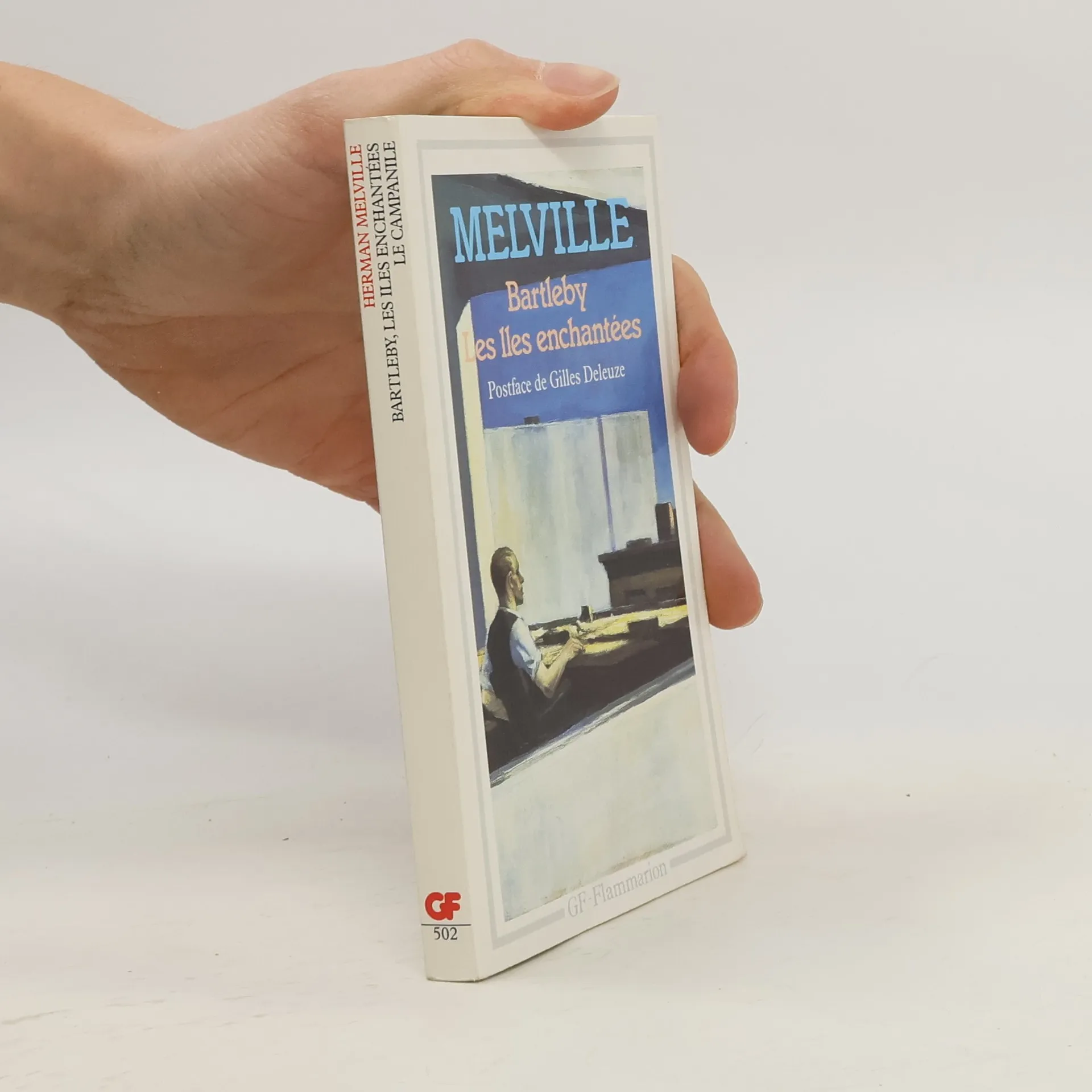
Bartleby ; Les îles enchantées ; Le campanile
- 216 pages
- 8 hours of reading
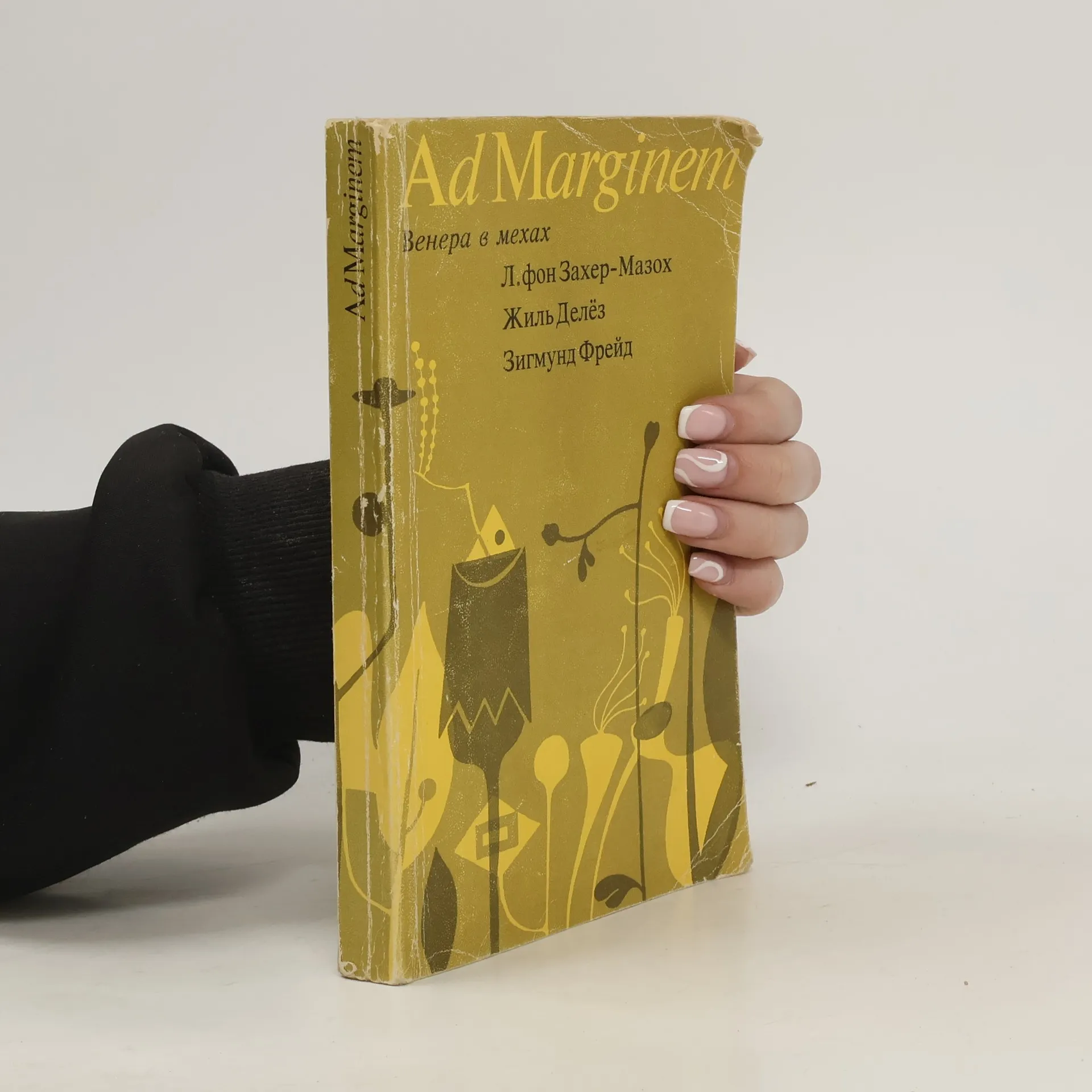
Venuša v kožuchu ; Masoch a masochizmus
- 244 pages
- 9 hours of reading
Roku 1886, včase najväčšej Masochovej slávy, použil lekár Krafft-Ebing vo svojom diele Psychopathia sexualis po prvý raz pojem masochizmus, odvodený od spisovateľovho mena, pod ktorým zhrnul symptómy istej sexuálnej perverzie. Venuša v kožuchu patrí k najúspešnejším erotickým prózam rytiera Leopolda von Sacher-Masocha. Gilles Deleuze, jeden z najoriginálnejších francúzskych filozofov druhej polovice 20. storočia, vyzdvihuje literárnu hodnotu Masochovho diela, analyzuje sadizmus a masochizmus, ich rozdiely a súvislosti. Gilles Deleuze Je jedním z nejoriginálnějších a najinspirativnějších francouzských filozofů druhé poloviny 20. století. Při rozvíjení své vlastní filozofické problematiky se často obracel k podnětům, které se zrodily v takových oblastech jako literatura, film, výtvarné umění nebo i kvantová mechanika, biologie a neurologie. Charakteristickým znakem jeho myšlení je schopnost zachytit mnohotvárnost a nezredukovatelnou jedinečnost kulturních, vědeckých a společenských pohybů. Tuto svou schopnost v plné míře projevuje i v práci o Sacher - Masochovi, vydané původně v roce 1967. Deleuze zde s velkým porozuměním představuje literární podoby jeho díla a zároveň usiluje rozbít zjednodušující koncepci sadomasochistické jednoty, kterou přijímá psychoanalýza.
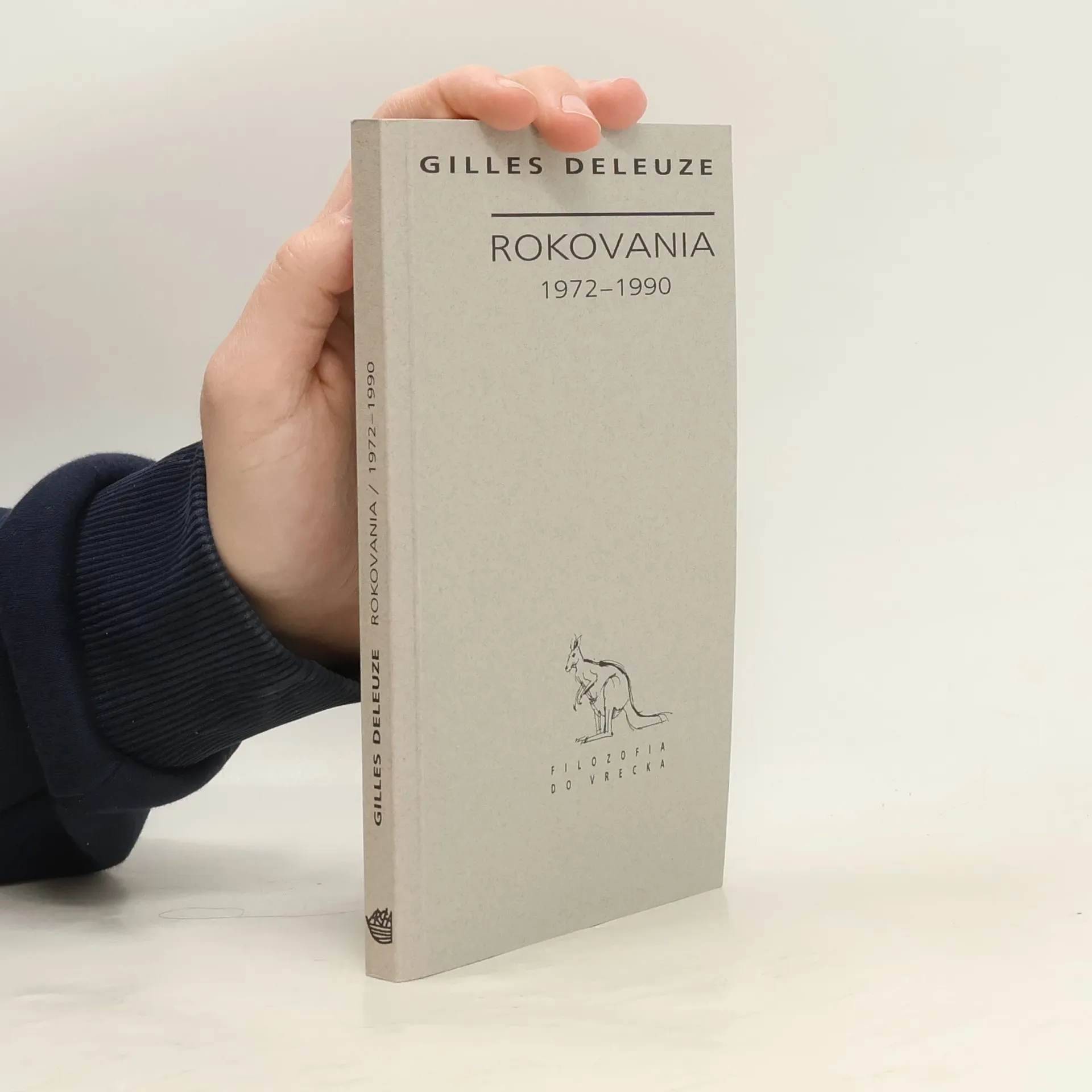
Rokovania 1972-1990
- 202 pages
- 8 hours of reading