Fires Which Burned Brightly: A Life in Progress
- 368 pages
- 13 hours of reading


This author is celebrated for his masterful storytelling, often set against sweeping historical backdrops. His works immerse readers in the past, exploring complex human relationships during turbulent eras. Faulks excels at bringing history to life through compelling characters and insightful observations on human nature. His prose is both lyrical and precise, leaving a lasting impression.


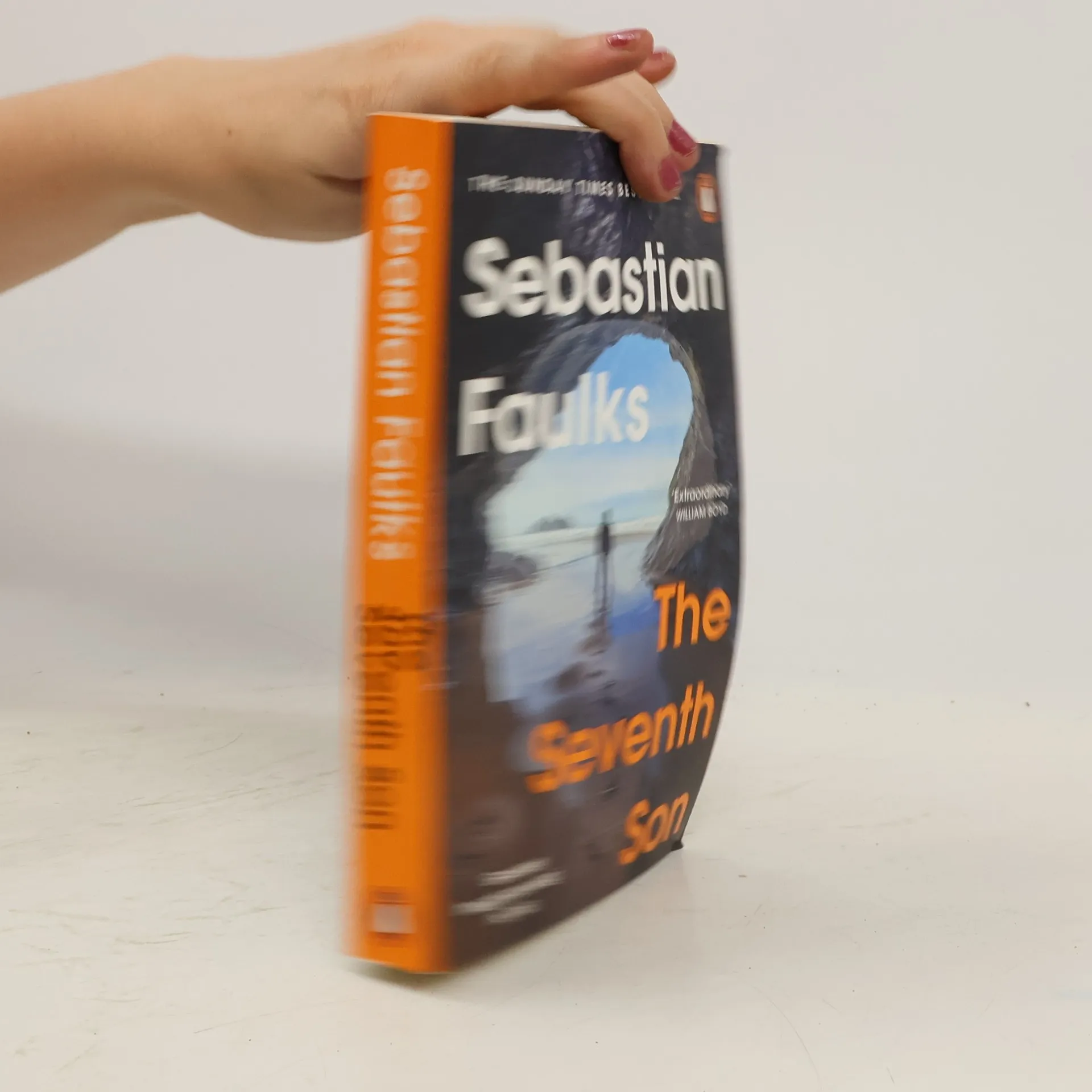
'Genuinely thought-provoking' THE TIMES'Extraordinary' WILLIAM BOYD 'Faulks is an enviably graceful and economical writer' GUARDIANA CHILD WILL BE BORN WHO WILL CHANGE EVERYTHINGTech billionaire Lukas Parn has an ambitious plan. Behind the doors of the IVF clinic in his London institute, a daring switch is mad[Bokinfo].
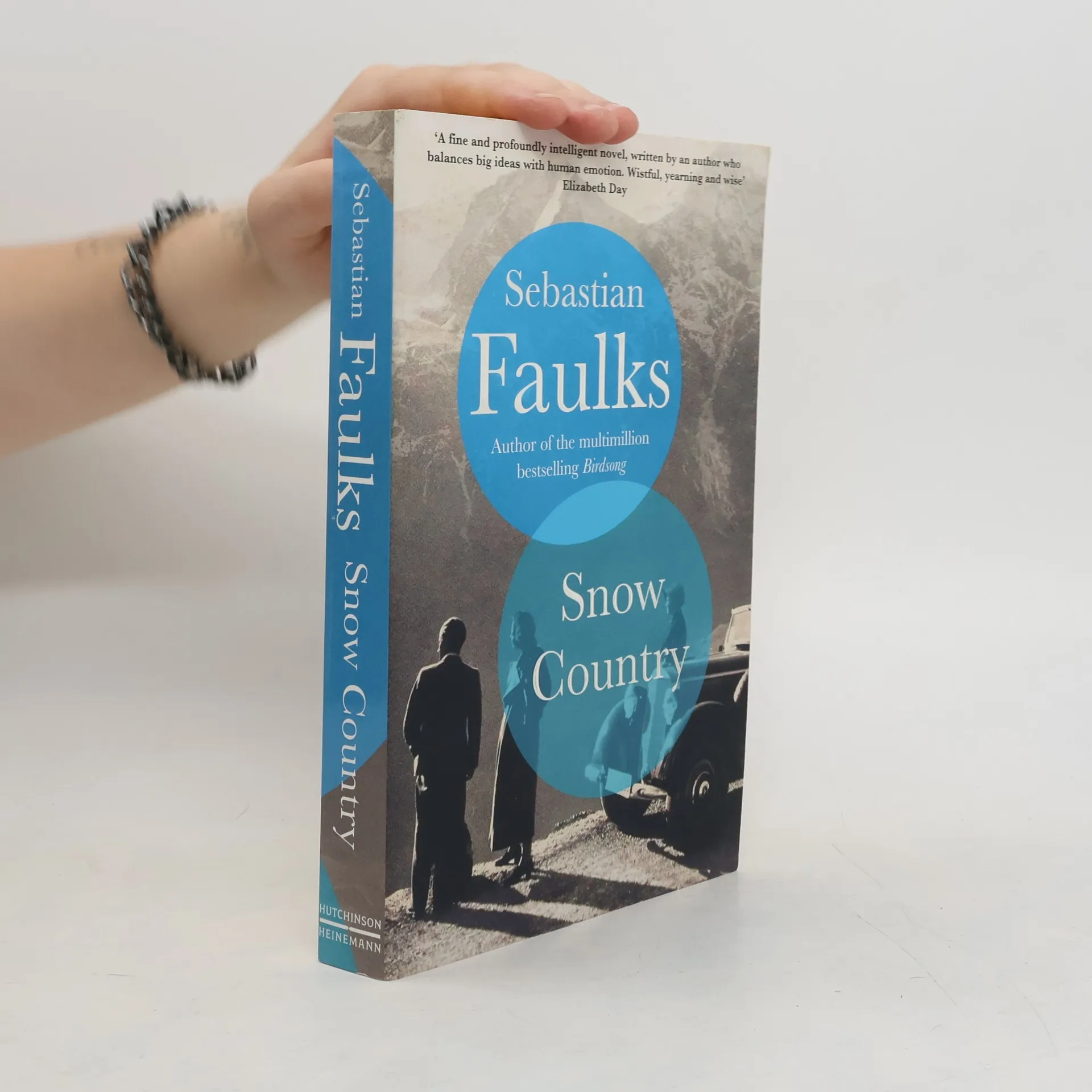
1914: Young Anton Heideck has arrived in Vienna, eager to make his name as a journalist. While working part-time as a private tutor, he encounters Delphine, a woman who mixes startling candour with deep reserve. Entranced by the light of first love, Anton feels himself blessed. Until his country declares war on hers. 1927: For Lena, life with a drunken mother in a small town has been impoverished and cold. She is convinced she can amount to nothing until a young lawyer, Rudolf Plischke, spirits her away to Vienna. But the capital proves unforgiving. Lena leaves her metropolitan dream behind to take a menial job at the snow-bound sanatorium, the Schloss Seeblick. 1933: Still struggling to come terms with the loss of so many friends on the Eastern Front, Anton, now an established writer, is commissioned by a magazine to visit the mysterious Schloss Seeblick. In this place of healing, on the banks of a silvery lake, where the depths of human suffering and the chances of redemption are explored, two people will see each other as if for the first time.
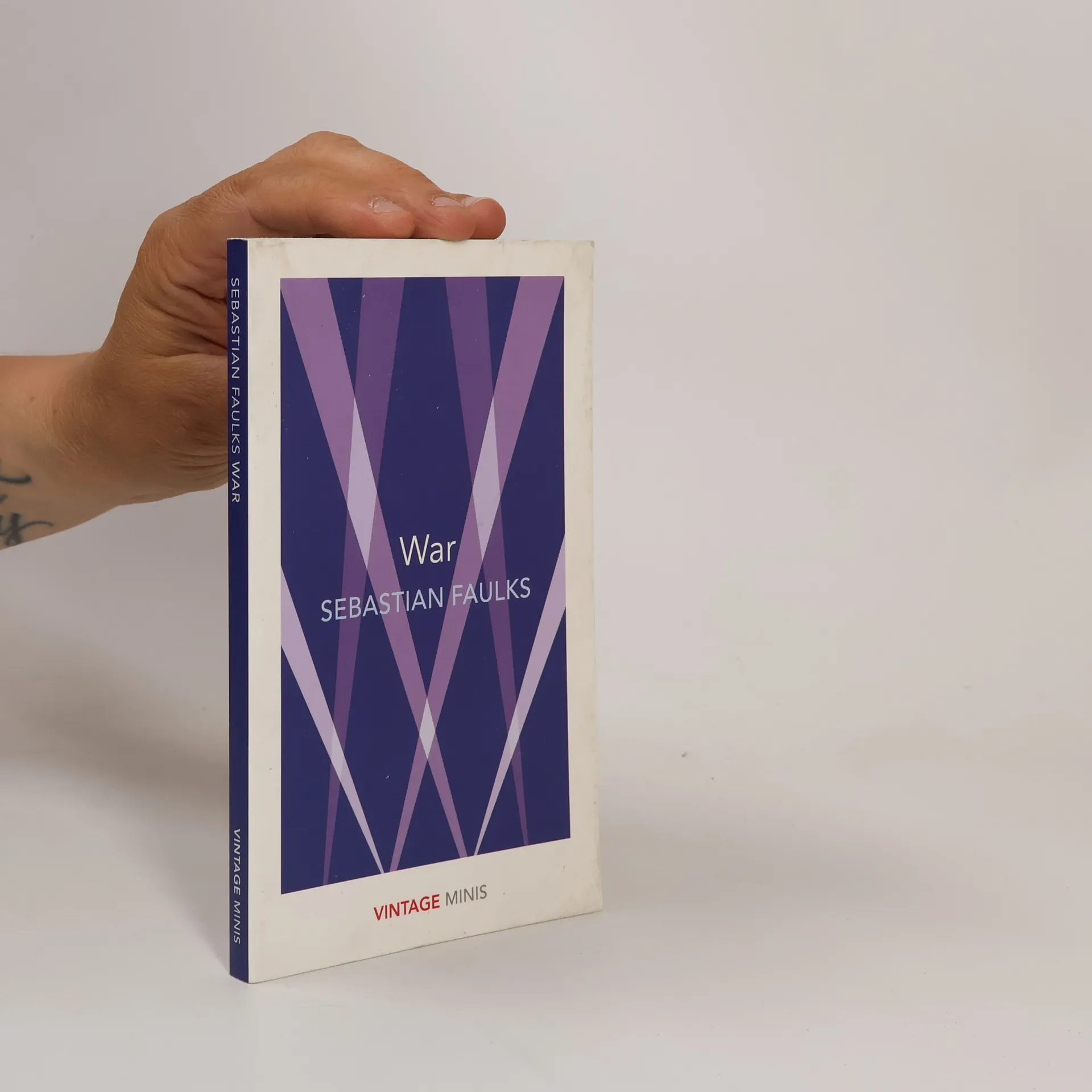
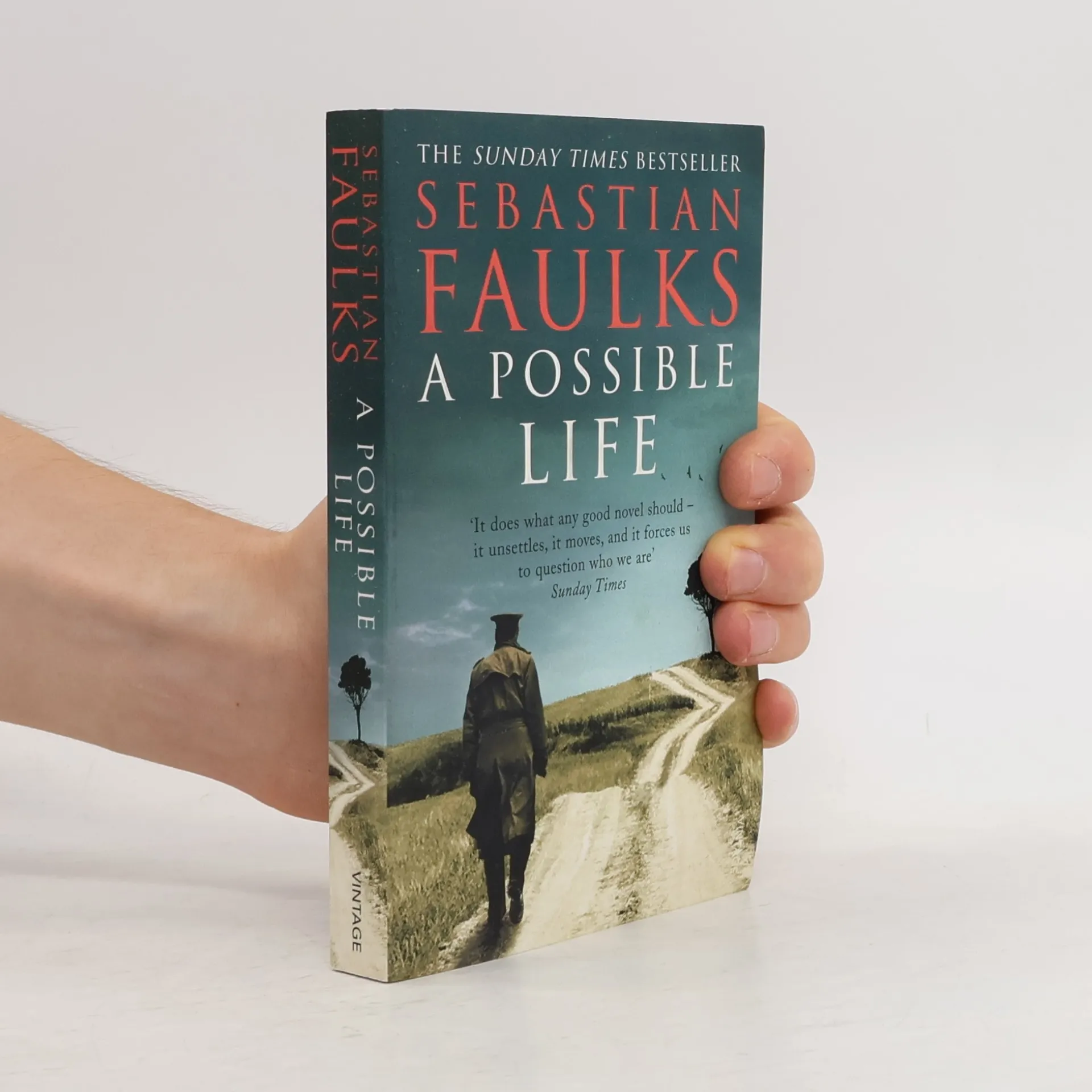
A soldier falls asleep on duty and is threatened with being court-martialled. An officer lies in mud, fighting for his life and the life of his men. A young man walks across Waterloo Bridge, explosives in his rucksack, heart pounding. In this powerfully moving book, Faulks shows us the true face of war. These are stories of death and survival, of hope and despair, and of ordinary people whose lives will never be the same again. Selected from the books Birdsong , A Possible Life and A Week in December by Sebastian Faulks VINTAGE MINIS: GREAT MINDS. BIG IDEAS. LITTLE BOOKS. A series of short books by the world’s greatest writers on the experiences that make us human Also in the Vintage Minis series: Home by Salman Rushdie Fatherhood by Karl Ove Knausgaard Work by Joseph Heller Dreams by Sigmund Freud
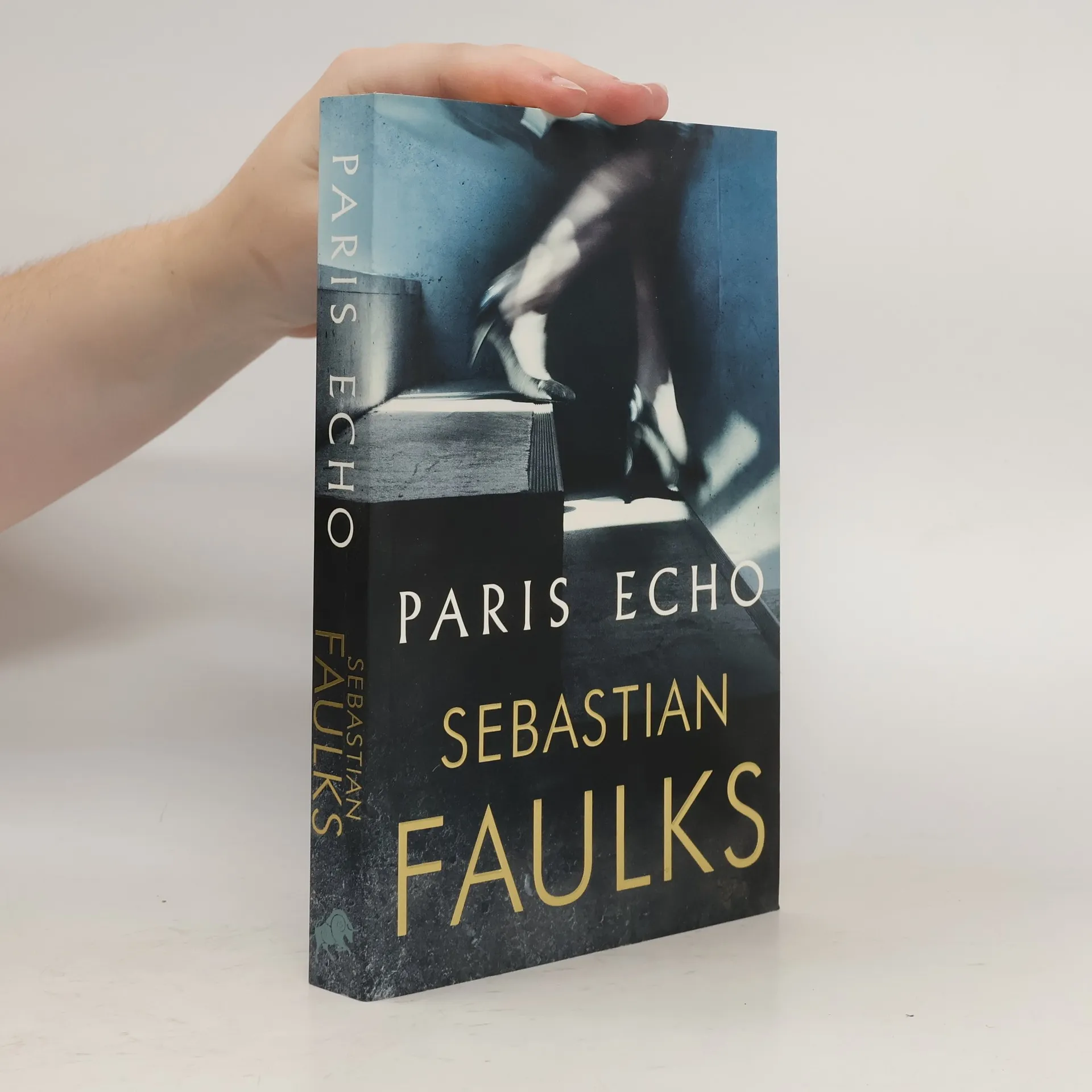
'Faulks is beyond doubt a master' Financial Times Here is Paris as you have never seen it before - a city in which every building seems to hold the echo of an unacknowledged past, the shadows of Vichy and Algeria. American postdoctoral researcher Hannah and runaway Moroccan teenager Tariq have little in common, yet both are susceptible to the daylight ghosts of Paris. Hannah listens to the extraordinary witness of women who were present under the German Occupation; in her desire to understand their lives and through them her own, she finds a city bursting with clues and connections. Out in the migrant suburbs, Tariq is searching for a mother he barely knew. For him in his innocence each boulevard, Metro station and street corner is a source of surprise. In this urgent and deeply moving novel, Faulks deals with questions of empire, grievance and identity. With great originality and a dark humour, Paris Echo asks how much we really need to know if we are to live a valuable life. 'Faulks captures the voice of a century' Sunday Times 'The most impressive novelist of his generation' Sunday Telegraph
On a small island off the south coast of France, Robert Hendricks, an English doctor who has seen the best and the worst the twentieth century had to offer, is forced to confront the events that made up his life. His host, and antagonist, is Alexander Pereira, a man whose time is running out, but who seems to know more about his guest than Hendricks himself does. The search for sanity takes us through the war in Italy in 1944, a passionate love that seems to hold out hope, the great days of idealistic work in the 1960s and finally - unforgettably - back into the trenches of the Western Front. The recurring themes of Sebastian Faulks's fiction are brought together with a new stylistic brilliance as the novel casts a long, baleful light over the century we have left behind but may never fully understand. Daring, ambitious and in the end profoundly moving, this is Faulks's most remarkable book yet.
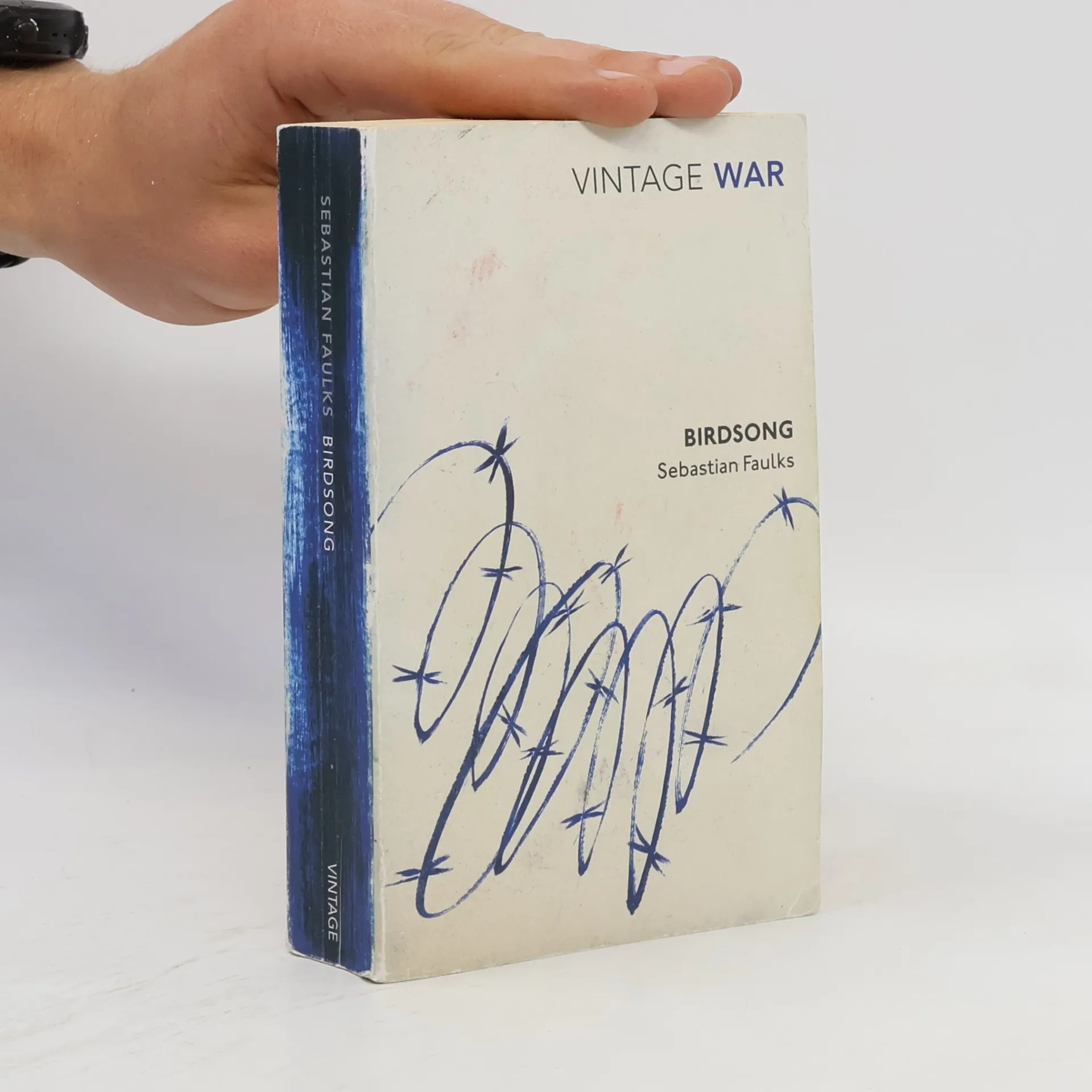
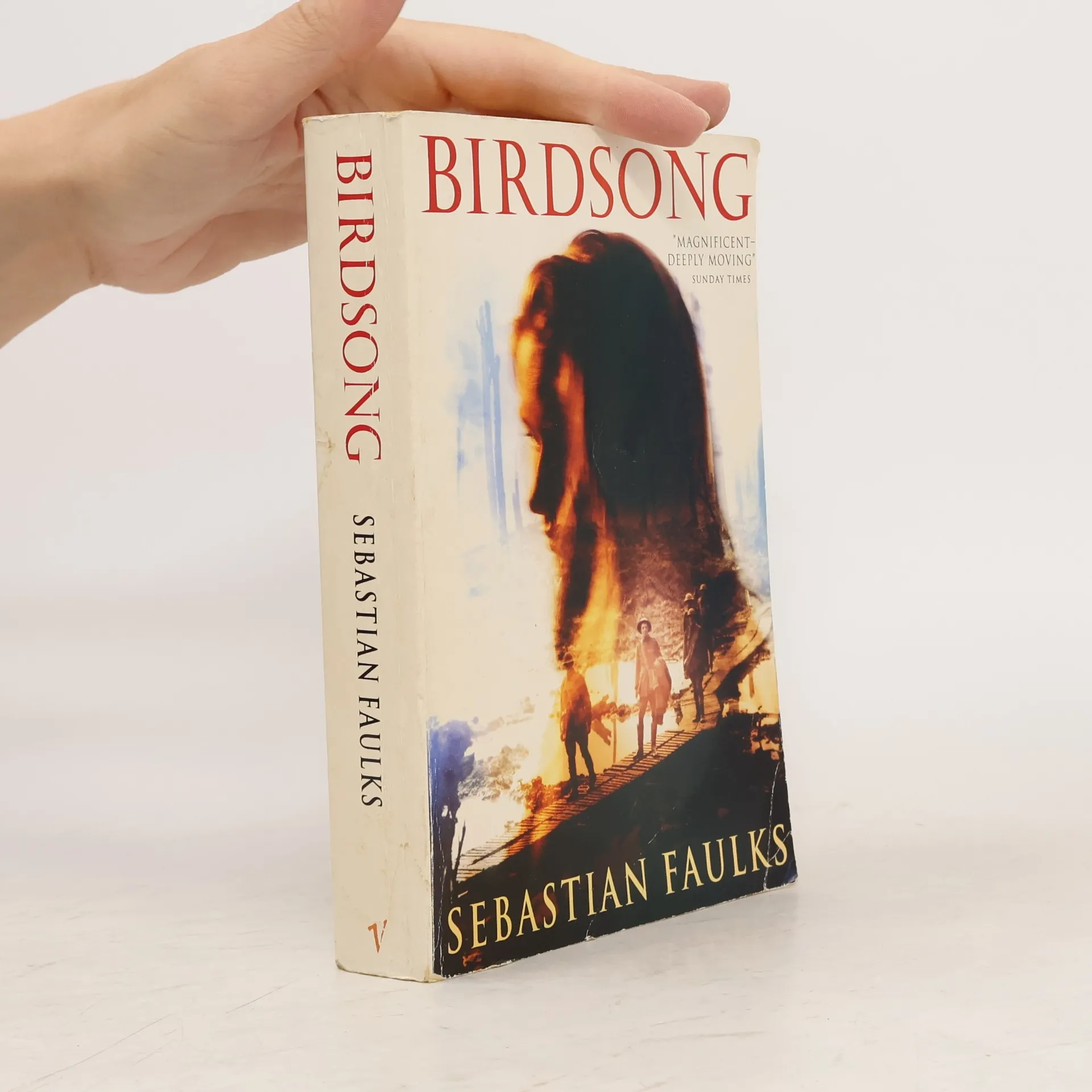
A novel of overwhelming emotional power, Birdsong is a story of love, death, sex and survival. Stephen Wraysford, a young Englishman, arrives in Amiens in northern France in 1910 to stay with the Azaire family, and falls in love with unhappily married Isabelle. But, with the world on the brink of war, the relationship falters, and Stephen volunteers to fight on the Western Front. His love for Isabelle forever engraved on his heart, he experiences the unprecedented horrors of that conflict - from which neither he nor any reader of this book can emerge unchanged.
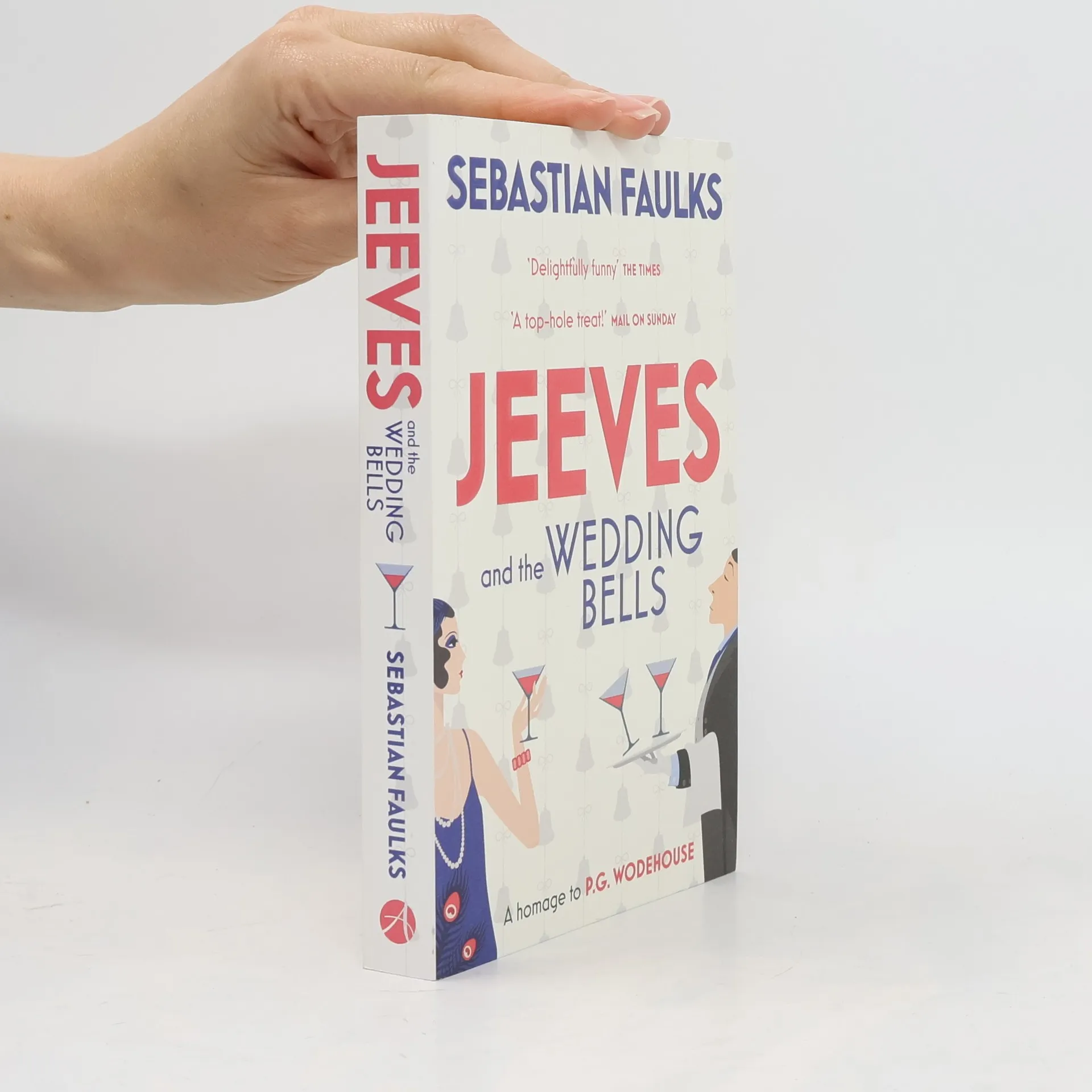
'Brings the peerless Jeeves and Wooster barrelling back to life' Daily Mail A gloriously witty novel from Sebastian Faulks using P.G. Wodehouseâe(tm)s much-loved characters, Jeeves and Wooster, fully authorised by the Wodehouse estate. Bertie Wooster is staying at the stately home of Sir Henry Hackwood in Dorset. He is more than familiar with the country-house set-up: he is a veteran of the cocktail hour and, thanks to Jeeves, his gentlemanâe(tm)s personal gentleman, is never less than immaculately dressed. On this occasion, however, it is Jeeves who is to be seen in the drawing room while Bertie finds himself below stairs âe" which he doesnâe(tm)t care for at all. His predicament is, of course, all in the name of love âe¦ âe~A masterpiece âe¦ a pitch-perfect undertakingâe(tm) Spectator âe~Entirely delightfulâe(tm) Financial Times âe~Delightfully witty, packed with punsâe(tm) Sunday Mirror âe~A polished sparkling genuine fakeâe(tm) Herald
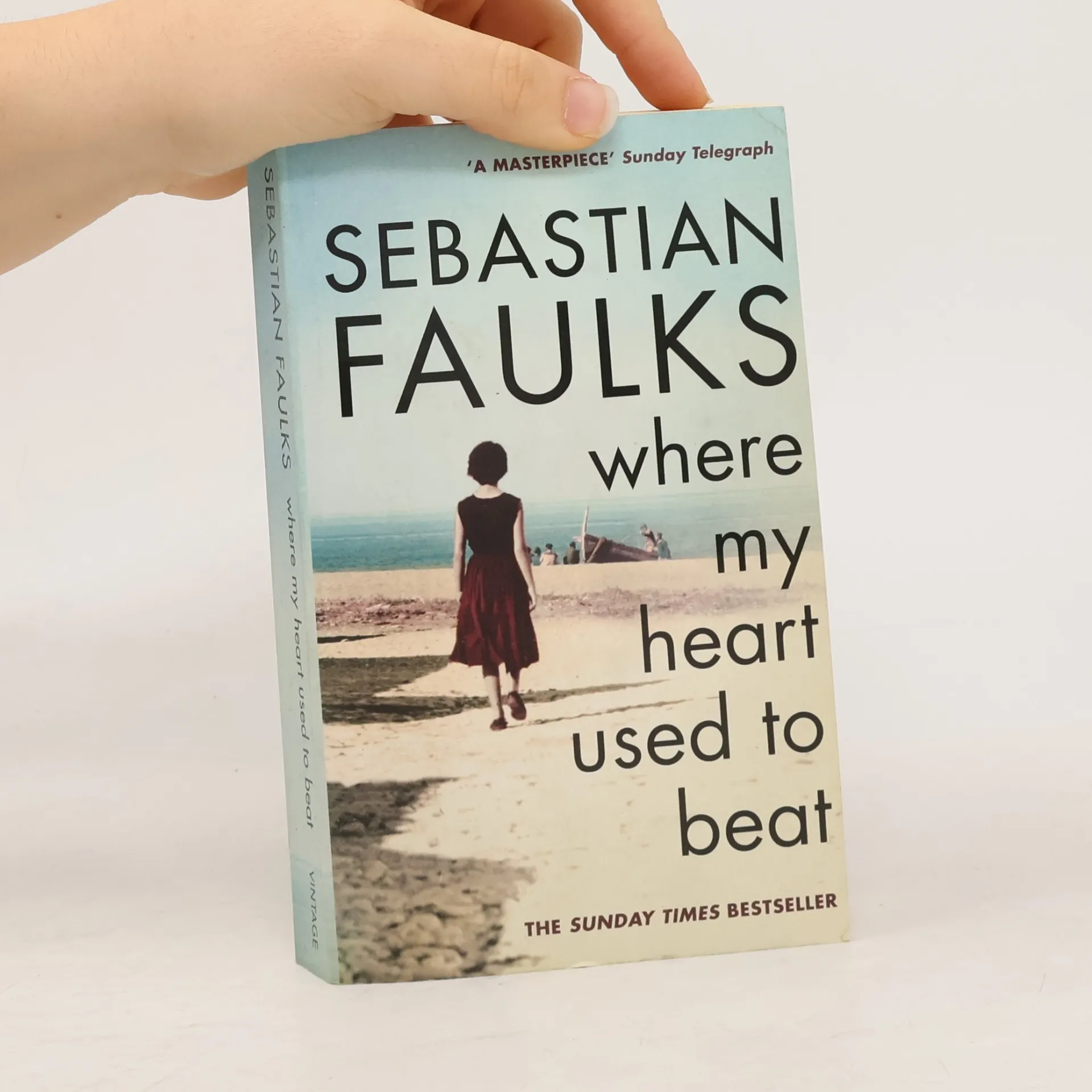
Terrified, a young prisoner in the Second World War closes his eyes and pictures himself going out to bat on a sunlit cricket ground in Hampshire. Across the courtyard in a Victorian workhouse, a father too ashamed to acknowledge his son. A skinny girl steps out of a Chevy with a guitar; her voice sends shivers through the skull. Soldiers and lovers, parents and children, scientists and musicians risk their bodies and hearts in search of connection - some key to understanding what makes us the people we become. Provocative and profound, Sebastian Faulks's dazzling novel journeys across continents and time to explore the chaos created by love, separation and missed opportunities. From the pain and drama of these highly particular lives emerges a mysterious consolation: the chance to feel your heart beat in someone else's life.
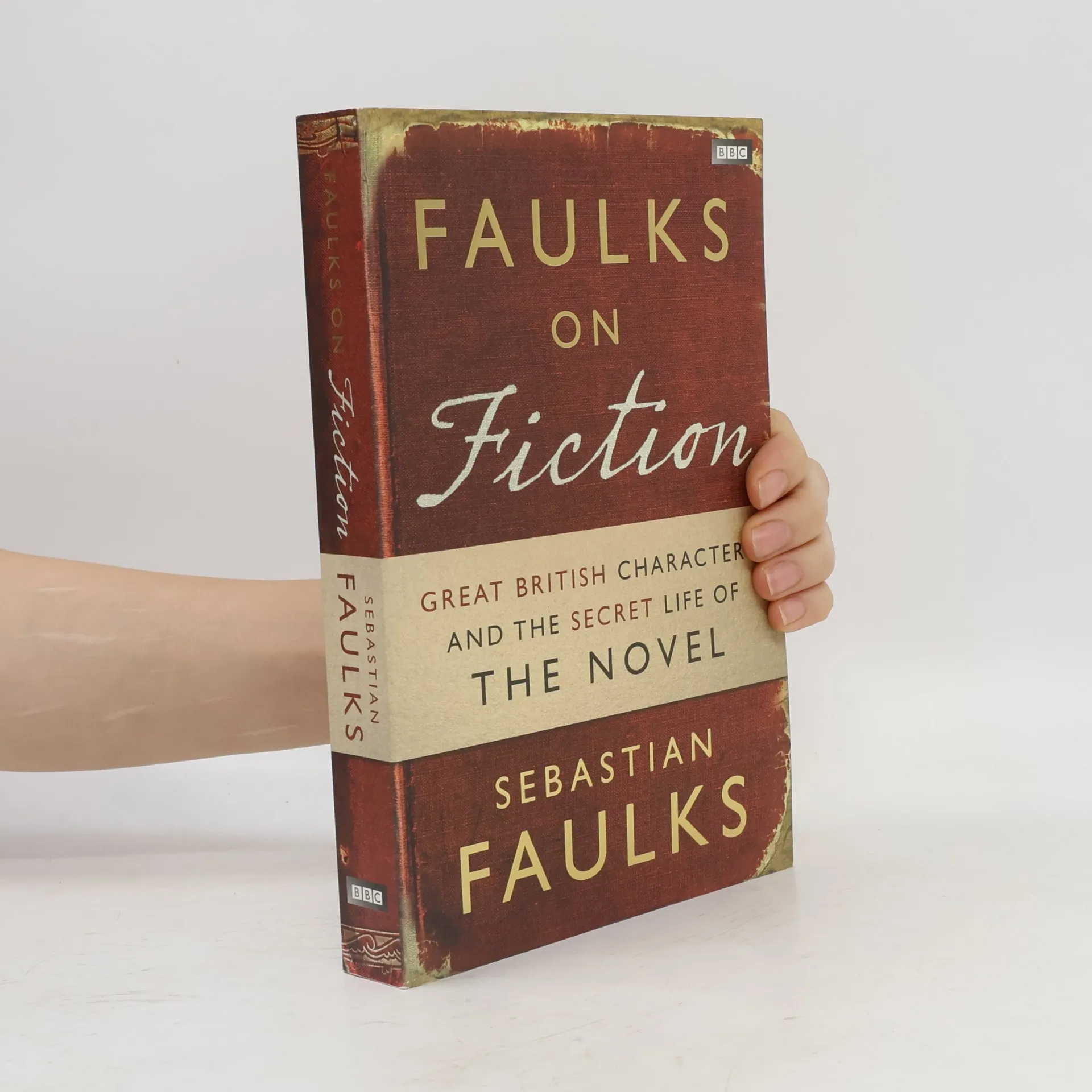
The British invented the novel, with the publication of Robinson Crusoe in 1719 marking the arrival of a revolutionary and distinctly modern form of art. But it's also true, as Sebastian Faulks argues in this remarkable book, that the novel helped invent the British: for the first time we had stories that reflected the experiences of ordinary people, with characters in which we could find our reality, our understanding and our escape. In Faulks on Fiction , Faulks examines many of these enduring fictional characters from over the centuries -- Heroes from Tom Jones to John Self, Lovers from Mr Darcy to Lady Chatterly, Villains from Fagin to Barbara Covett, and Snobs from Emma Woodhouse to James Bond -- and shows us how they mapped and inspired the British psyche, and continue to do so. Published to coincide with a major BBC series, Faulks on Fiction is an engaging and opinionated look at the psychology of the British through their literature, and a unique social history of Britain from one of our most respected writers.
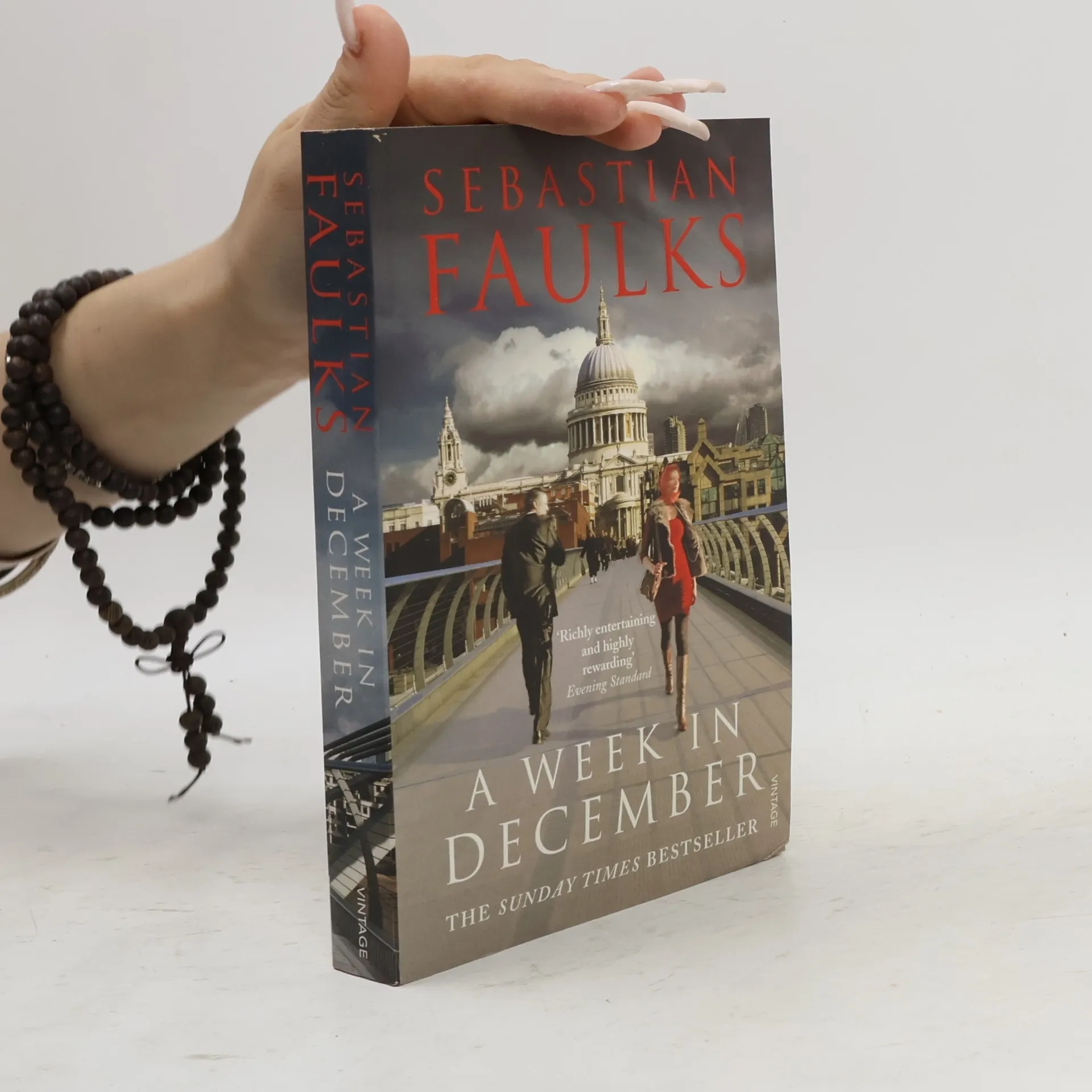
**NUMBER ONE BESTSELLER** London, the week before Christmas, 2007. Seven wintry days to track the lives of seven characters: a hedge fund manager trying to bring off the biggest trade of his career; a professional footballer recently arrived from Poland; a young lawyer with little work and too much time to speculate; a student who has been led astray by Islamist theory; a hack book-reviewer; a schoolboy hooked on skunk and reality TV; and a Tube driver whose Circle Line train joins these and countless other lives together in a daily loop. With daring skill, the novel pieces together the complex patterns and crossings of modern urban life, and the group is forced, one by one, to confront the true nature of the world they inhabit. Sweeping, satirical, Dickensian in scope, A Week in December is a thrilling state of the nation novel from a master of literary fiction.
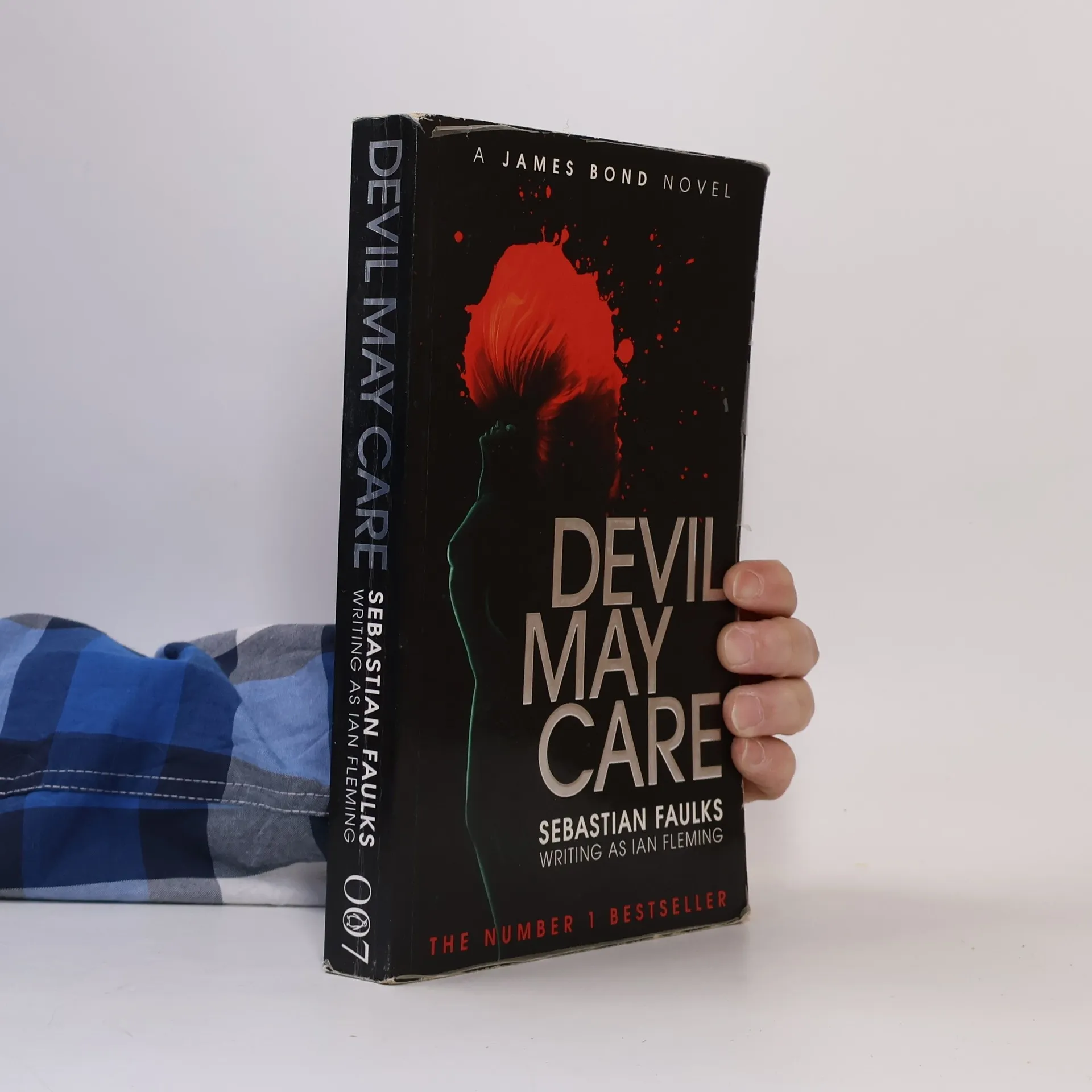
Set in the Cold War, Bond crosses two continents after he is assigned to shadow a power-crazed pharmaceutical magnate with an interest in opiate deriviates.
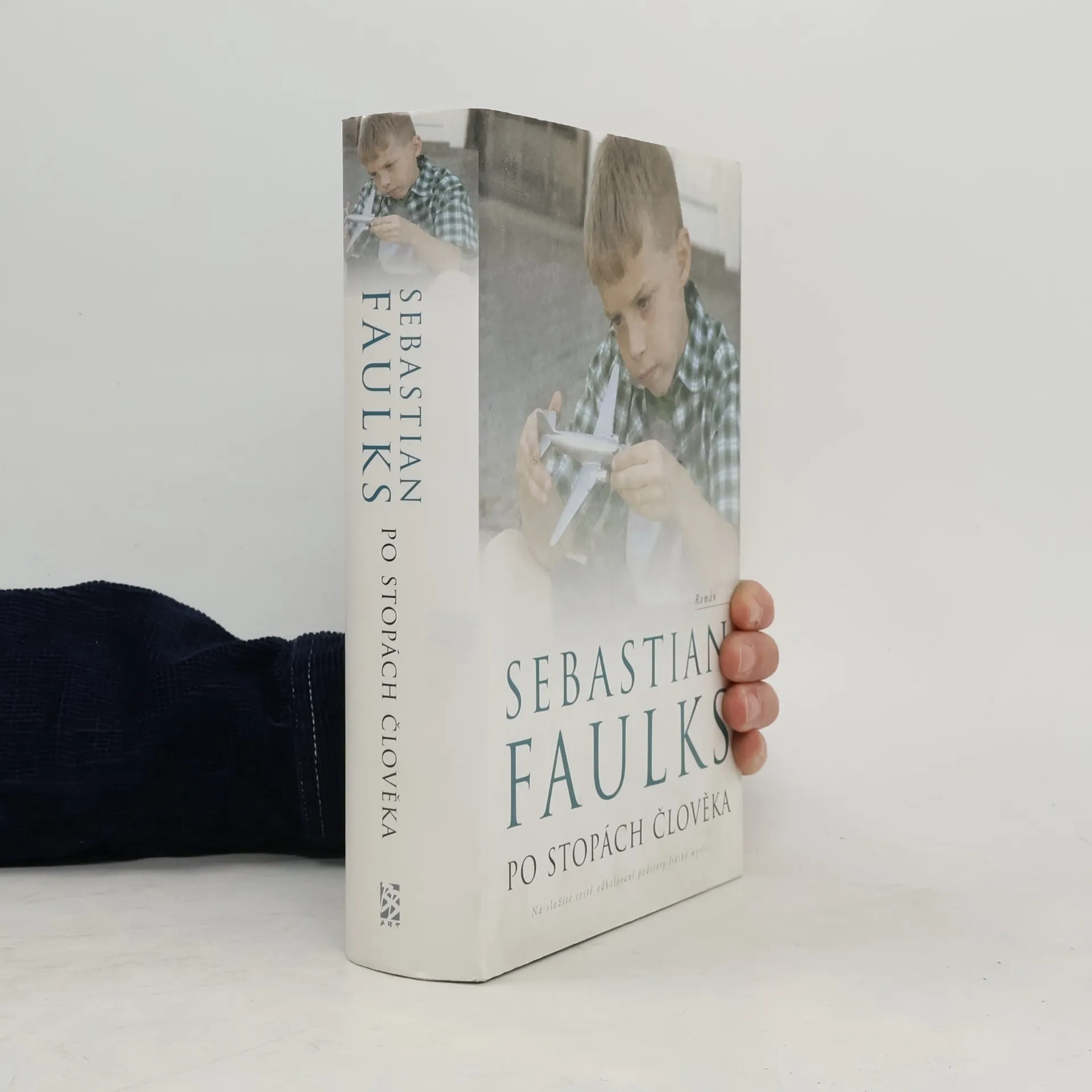
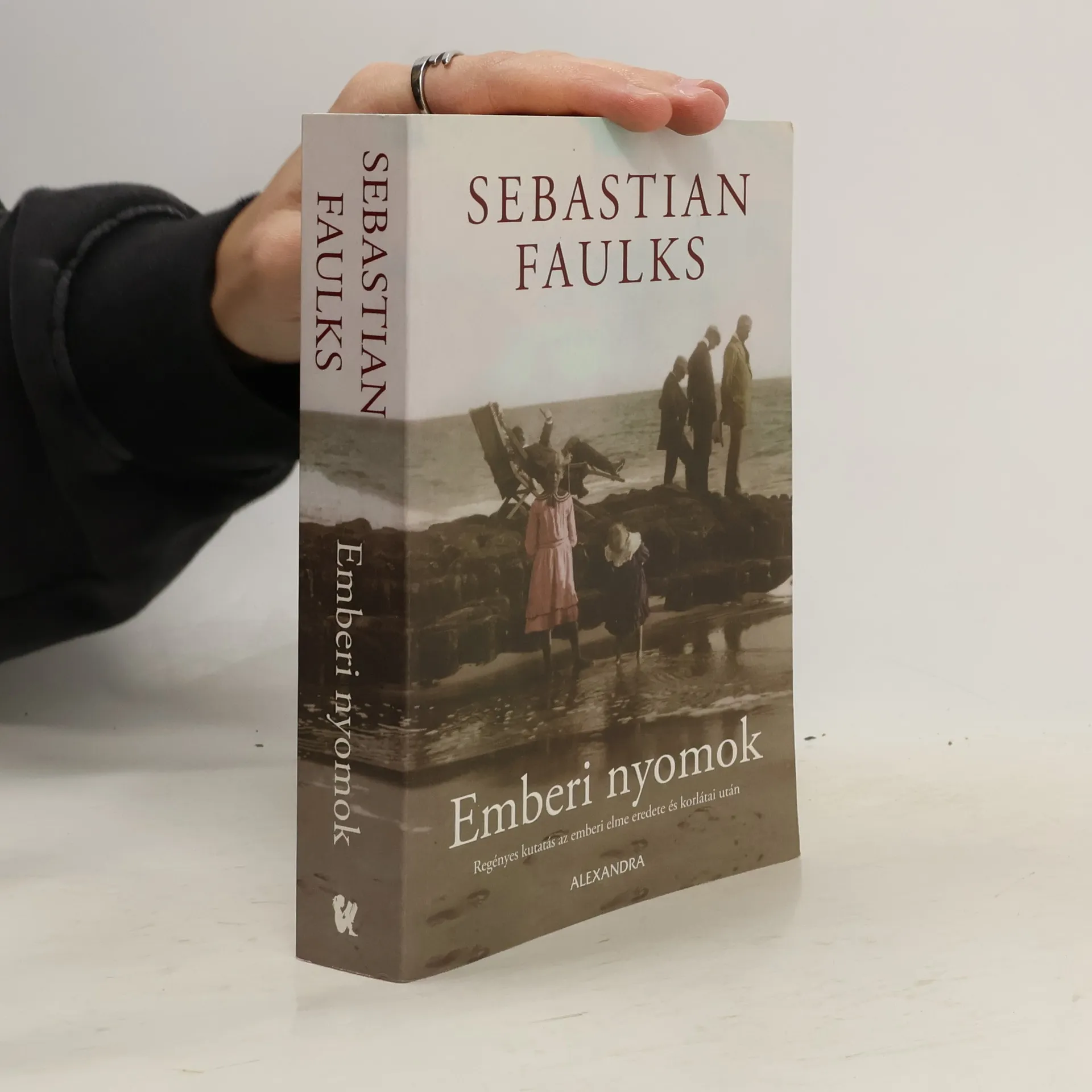
Dvě ústřední postavy, Thomas Midwinter a Jacques Rebiere, se po náhodném setkání vydávají na složitou cestu odhalování lidské mysli. Na pařížské klinice a v vlastním psychiatrickém sanatoriu se snaží vyřešit otázku, na níž se zavázali nalézt odpověď. Jejich vztah se však komplikuje a do jejich životů zasahuje válka. Děj se odehrává na přelomu 19. a 20. století, v době počátků moderní psychiatrie, k jejímuž rozvoji se oba hrdinové snaží přispět. Náhodné setkání na francouzském pobřeží vede k celoživotnímu přátelství a partnerství, ať už během studií v Paříži, v sanatoriu v rakousko-uherské Carinthii, nebo v poválečném Londýně. Každý z nich má jiný přístup k práci; Jacques se inspiruje psychoanalýzou a terapeutickými postupy, zatímco Thomas se zaměřuje na neurologické a vývojové mechanismy psychotických poruch. Dramatičnost příběhu umocňují životní osudy Sonii, Thomasovy sestry a Jacquesovy manželky, a duševně nemocného Oliviera, Jacquesova bratra, kterému se hrdinové snaží pomoci. Válka zasahuje do jejich osudů a přináší další otázky o smyslu bytí a podstatě člověka.
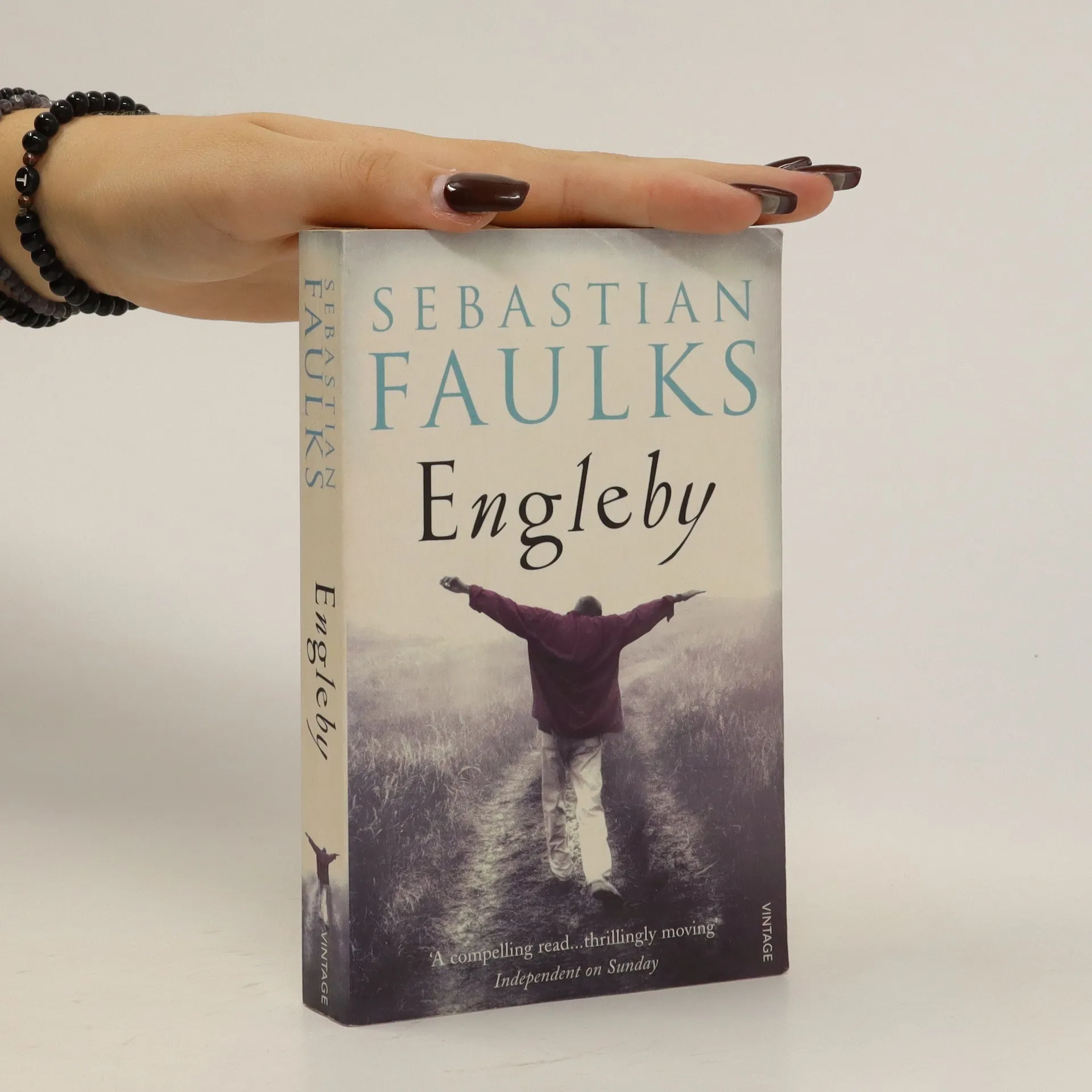
Mike Engleby says things that others dare not even think. When the novel opens in the 1970s, he is a university student, having survived a 'traditional' school. A man devoid of scruple or self-pity, Engleby provides a disarmingly frank account of English education. Yet beneath the disturbing surface of his observations lies an unfolding mystery of gripping power. One of his contemporaries unaccountably disappears, and as we follow Engleby's career, which brings us up to the present day, the reader has to ask: is Engleby capable of telling the whole truth? Sebastian Faulks's new novel is a bolt from the blue, unlike anything he has written before: contemporary, demotic, heart-wrenching - and funny, in the deepest shade of black.
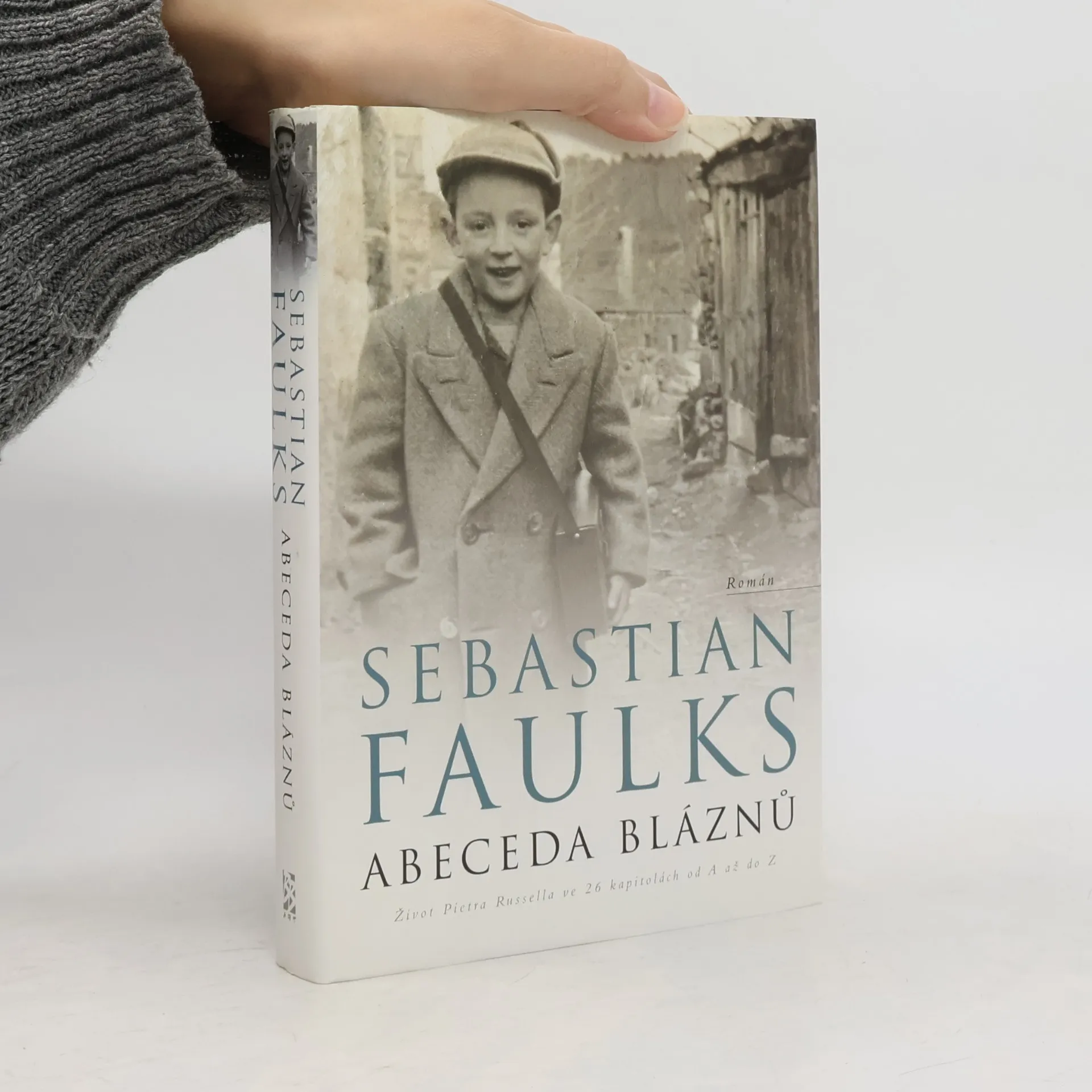
Život Pietra Russella je vyprávěn ve 26 kapitolách od A až do Z; každá se odehrává na jiném místě a odhaluje jeden střípek jeho příběhu. Ve snaze o vyřešení svých životních konfliktů putuje Pietro ve vzpomínkách napříč časem a postupně nám tak před očima vyvstává celý jeho životní příběh. Avšak i přes tento náznak literární komplikovanosti má čtenář uklidňující pocit, že autor přesně ví, co dělá. Tento inteligentní, filozofický román je zároveň překvapivě napínavý a čtivý. Faulks se jím nepochybně řadí mezi přední současné spisovatele: jeho dílo je svým způsobem stejně náročné jako tvorba velkých modernistů, ovšem s tou vzácnou výhodou, že je zároveň skvělým vypravěčem a dovede čtenáře vtáhnout do děje
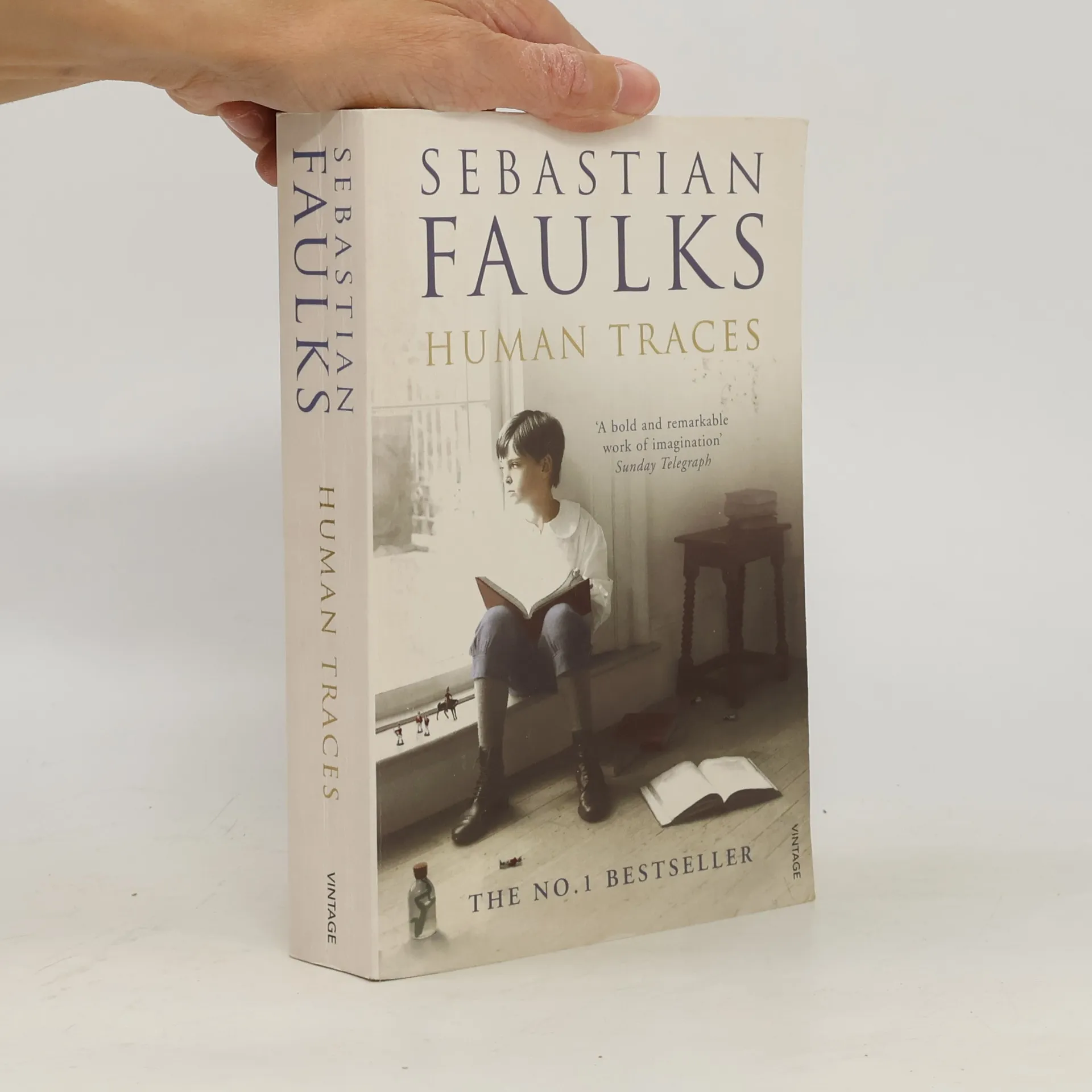
Discover the moving powerful prequel to Snow Country ' An extraordinary novel of magnificent scope' Evening StandardAs young boys both Jacques Rebière and Thomas Midwinter become fascinated with trying to understand the human mind. As psychiatrists, their quest takes them from the squalor of the Victorian lunatic asylum to the crowded lecture halls of the renowned Professor Charcot in Paris; from the heights of the Sierra Madre in California to the plains of unexplored Africa. As the concerns of the old century fade and the First World War divides Europe, the two men's volatile relationship develops and changes, but is always tempered by one exceptional woman; Thomas's sister Sonia. Moving and challenging in equal measure, Human Traces explores the question of what kind of beings men and women really are.
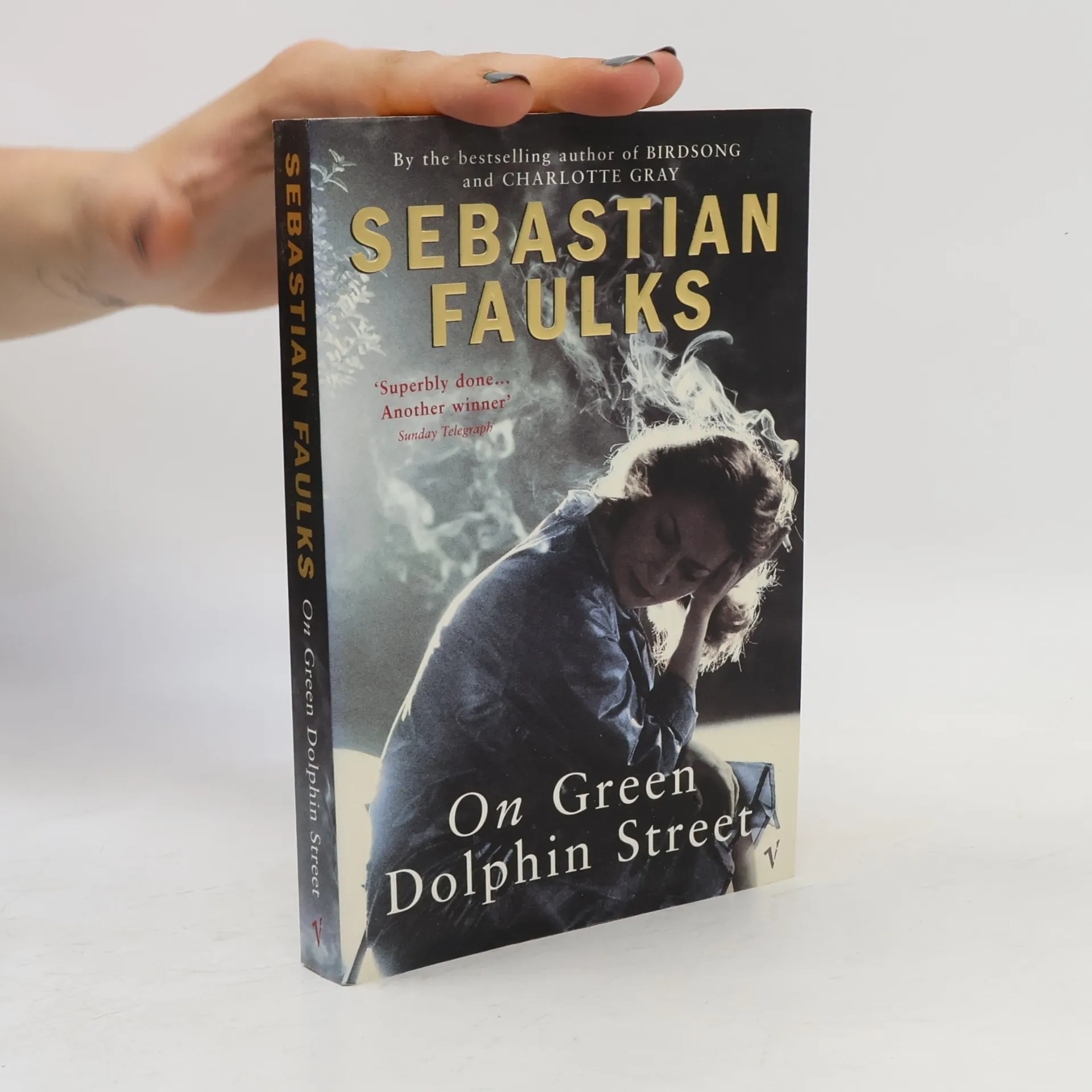
With two young children she adores, loving parents back in London, and an admired husband, Charlie, working at the British embassy in Washington, the world seems an effervescent place of parties, jazz and family happiness to Mary vander Linden. But when Frank, an American newspaper reporter, enters their lives, Mary embarks on a passionate affair.
Ranging from the First World War to the Gulf War, this collection of stories investigates the nature of military experience: from call-ups, the field of battle and comradeship, to leave, hospitalisation and trauma in later life. Truly international in scope, it includes stories by Erich Maria Remarque and Pat Barker, Isaac Babel and Ernest Hemingway, Heinrich Böll and Norman Mailer, JG Ballard and Tim O`Brian, Julian Barnes and Louis de Bernières. Together they form a uniquely powerful evocation of the horrors of war.
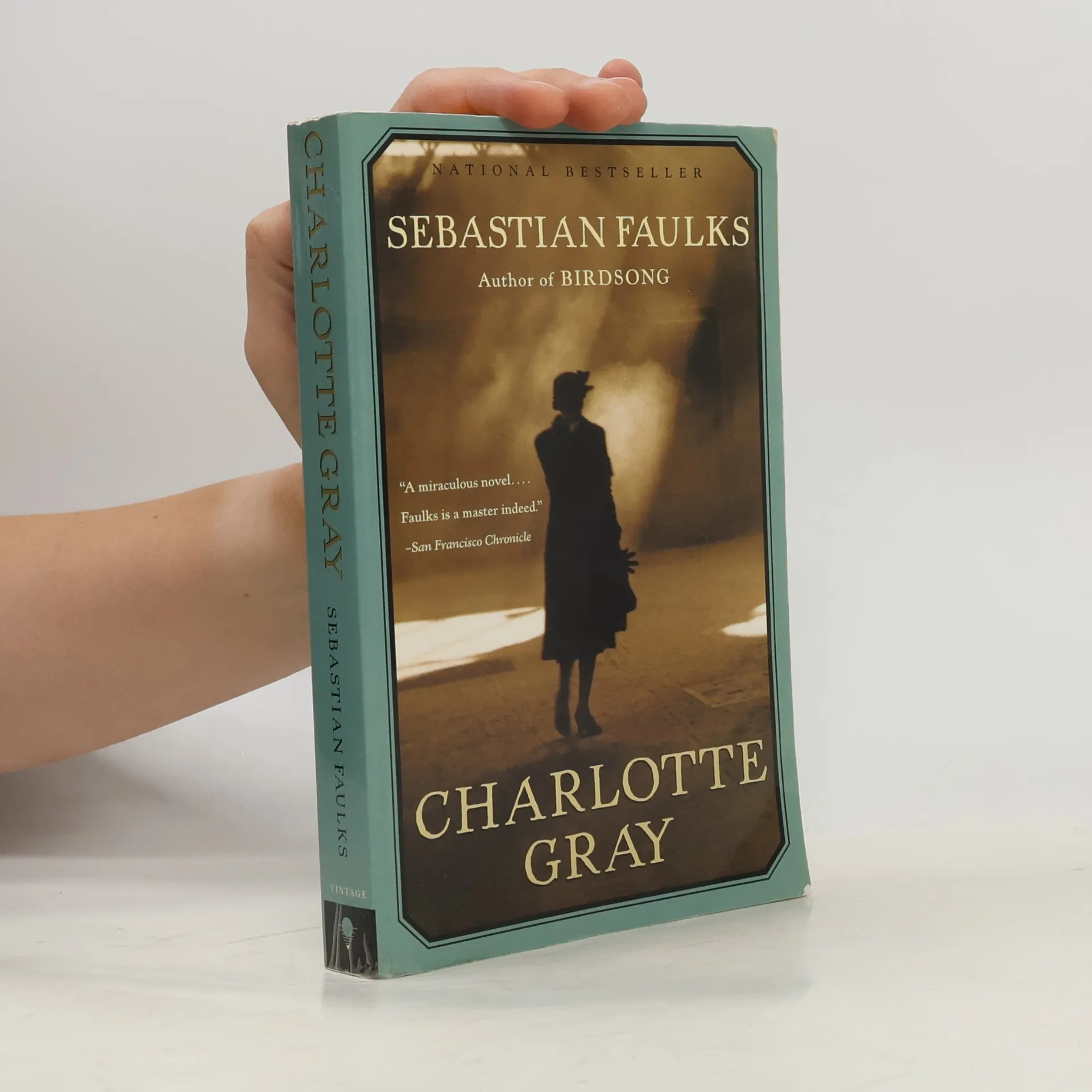
"Charlotte Gray" by Sebastian Faulks follows a young Scottish woman during WWII as she joins the Resistance in Occupied France to find her missing RAF pilot lover. Undercover in a small village, she uncovers haunting truths of war and faces a life-altering secret. A powerful and moving tale of love and courage.
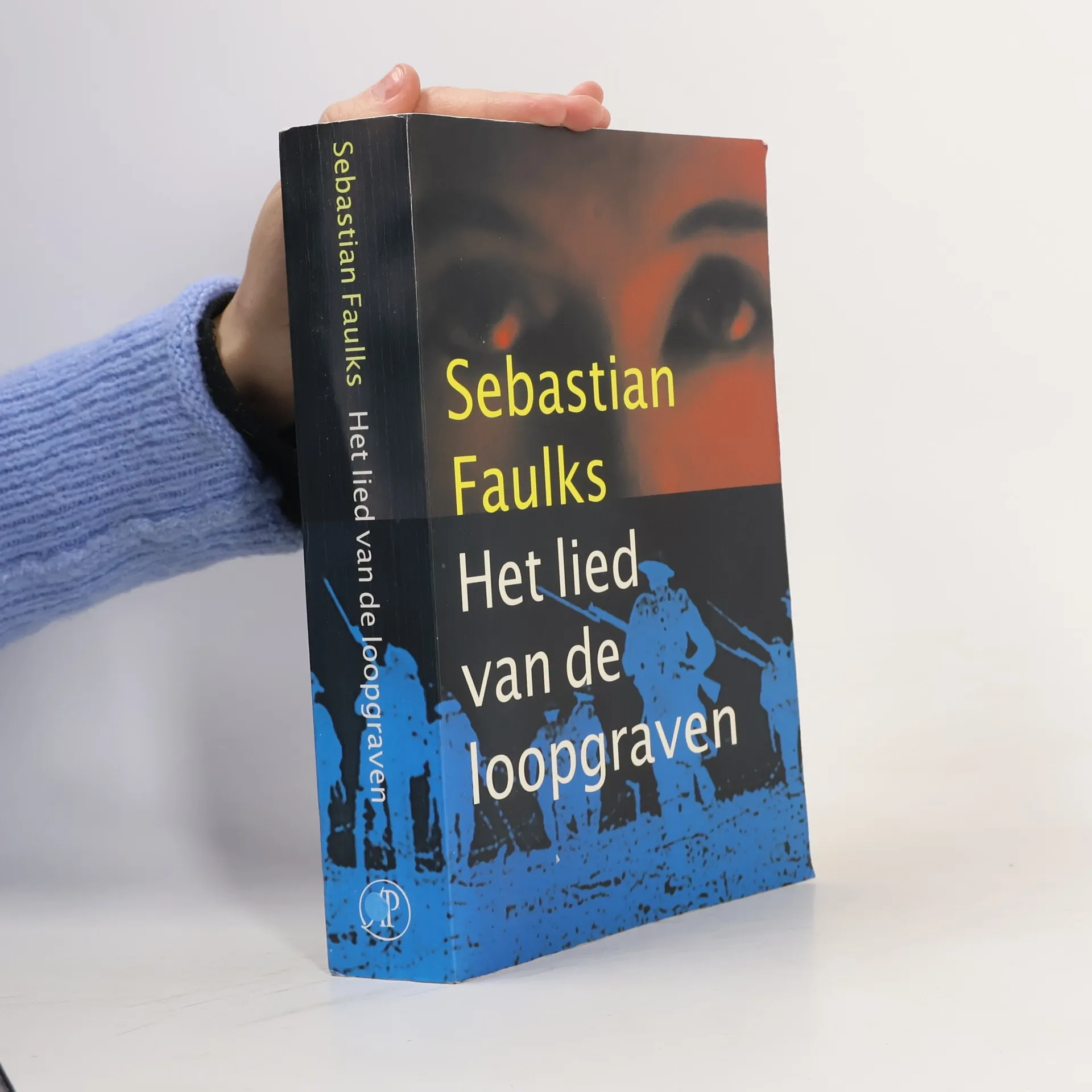
Na een verboden liefdesverhouding blijft een jonge Brit in Frankrijk, waar hij tijdens de Eerste Wereldoorlog in de hel van de loopgraven terechtkomt.
Christopher Wood, a beautiful young Englishman, decided to be the greatest painter the world had seen. He went to Paris in 1921. By day he studied, by night he attended the parties of the beau monde. He knew Picasso, worked for Diaghilev and was a friend of Cocteau. In the last months of his 29-year life, he fought a ravening opium addiction to succeed in claiming a place in history of English painting. Richard Hilary, confident, handsome and unprincipled, flew Spitfires in the Battle of Britain before being shot down and horribly burned. He underwent several operations by the legendary plastic surgeon, A H McIndoe. His account of his experiences, The Last Enemy , made him famous, but not happy. He begged to be allowed to return to flying, and died mysteriously in a night training operation, aged 23. Jeremy Wolfenden was born in 1936, the son of Jack, later Lord Wolfenden. Charming, generous and witty, he was the cleverest Englishman of his generation, but left All Souls to become a hack reporter. At the height of the Cold War, he was sent to Moscow where his louche private life made him the plaything of the intelligence services. A terrifying sequence of events ended in Washington where he died at the age of 31.
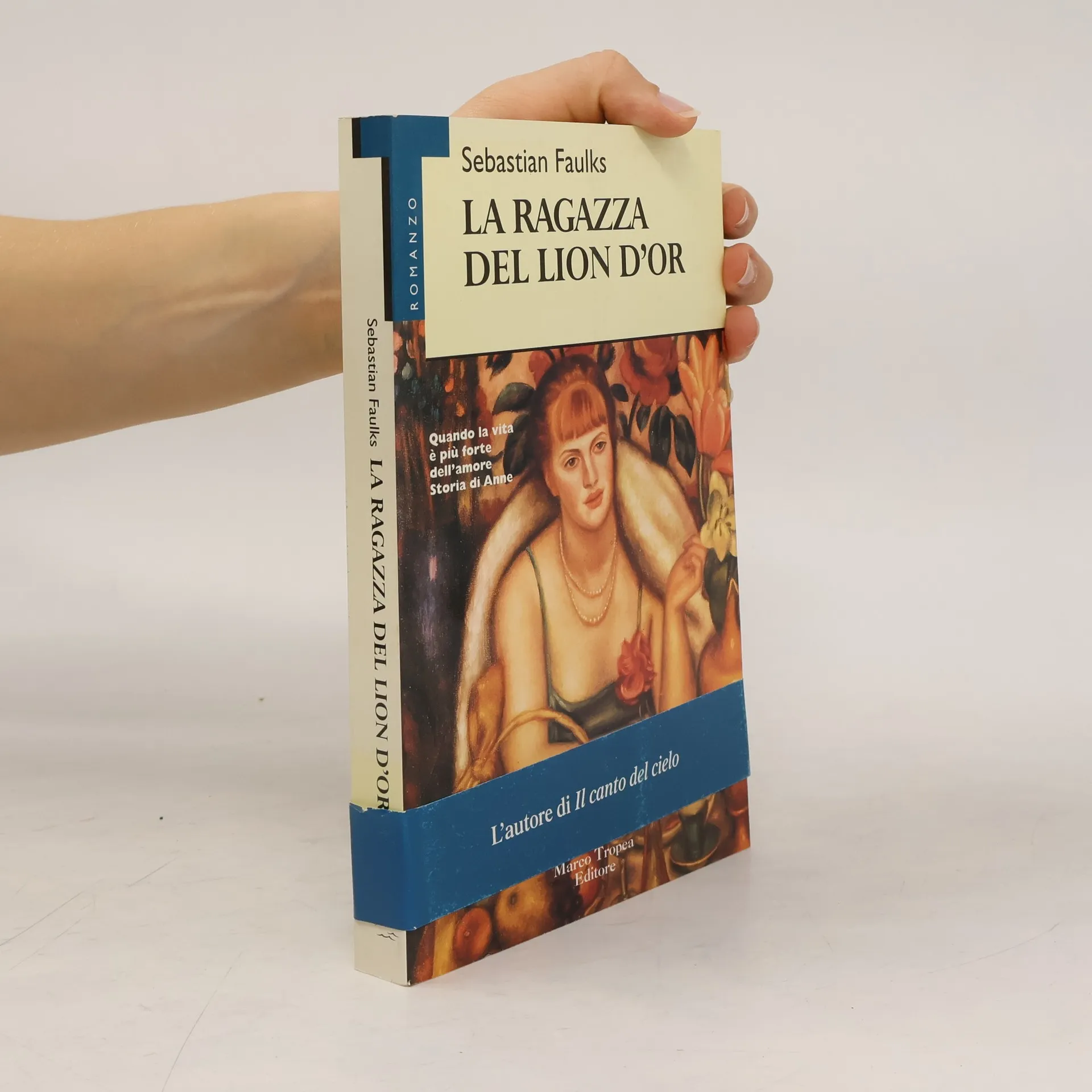
Romanzo: Quando la vita è più forte dell'amore. Storia di Anne
Set before and during the great war, Birdsong captures the drama of that era on both a national and a personal scale. It is the story of Stephen, a young Englishman, who arrives in Amiens in 1910. Over the course of the novel he suffers a series of traumatic experiences, from the clandestine love affair that tears apart the family with whom he lives, to the unprecedented experiences of the war itself.
The events of Pietro Russell's life are told in 26 chapters. From A-Z each chapter is set in a different place and reveals a fragment of his story. As his memories flicker back and forth through time in his search for a resolution to the conflicts of his life, his story gradually unfolds.
A young woman takes a job as a waitress in a provincial town in 1930s France. A married man from a nearby chateau falls in love with her. They go away together and an ill-starred affair follows.