Flooded with details of food, conversation, logistical wit, and amorous quirks, this bestselling debut tone and elegance of an era overwhelmed by doubt" (La Croix-L'Evenement)
Jean-Philippe Toussaint Books
November 29, 1957
Jean-Philippe Toussaint is a Belgian prose writer and filmmaker, celebrated for his distinctive style and exploration of themes such as memory, time, and the human condition. His works, translated into numerous languages, are characterized by precise prose and subtle humor. Toussaint masterfully intertwines reality with imagination, drawing readers into profound reflections on the nature of existence. His writing is marked by a cinematic sensibility and an acute attention to detail, making him a unique voice in contemporary literature.


Making Love
- 116 pages
- 5 hours of reading
Set against the backdrop of Japan, this novel explores the poignant final days of a couple's affair, intertwining their emotional unraveling with the vibrant settings of Tokyo and Kyoto. The author employs a cinematic style, characterized by economy and restraint, to vividly capture the characters' feelings. By juxtaposing traditional themes of lost intimacy with the ultramodern landscape, the narrative offers a fresh perspective on love and separation. This strikingly original work showcases the talent of a promising European author.
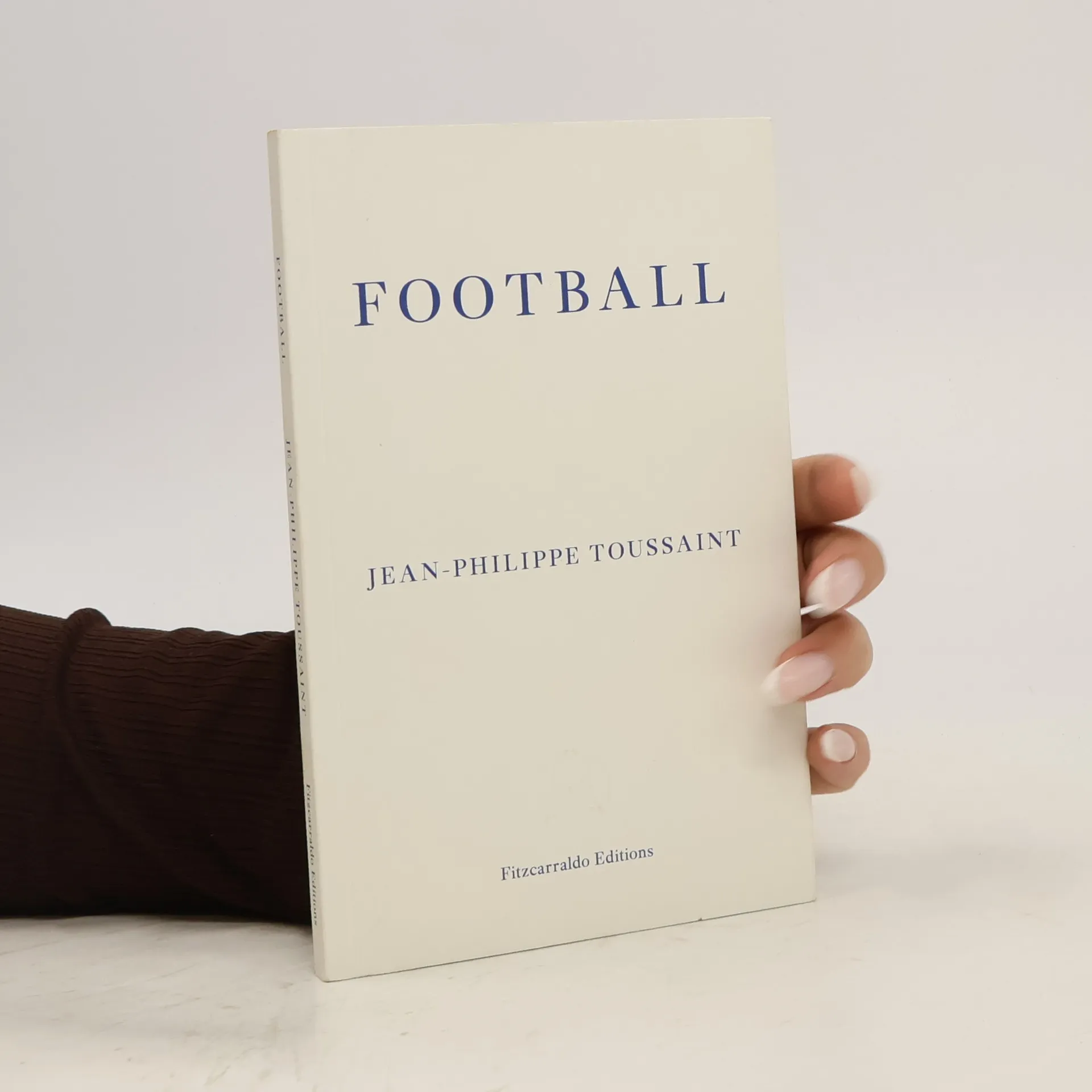
Football
- 88 pages
- 4 hours of reading
'This is a book that isn't going to please anybody, not intellectuals, who aren't interested in football, or football-lovers, who will find it too intellectual. But I had to write it, I didn't want to break the fine thread that still connects me to the world.'
Naked
- 124 pages
- 5 hours of reading
"To write of her that which has never been written of any other woman." And with these words from Dante, Jean-Philippe Toussaint sets out once more to deepen and broaden his depiction of one of contemporary fiction's most fully realized female characters: haute couturière Marie Madeleine Marguerite de Montalte. Having traced the ups, downs, ins, and outs of Marie's relationship with the unnamed narrator through three previous novels, Toussaint brings his customary nuanced rumination and nimble wit to this concluding volume, which takes us back to the Tokyo of Making Love and the Elba of The Truth About Marie, through jealousy and comedy, irony and tenderness, and the meticulous accretion of details that engross and distract us even as life's larger changes shift the assumptions by which we live.
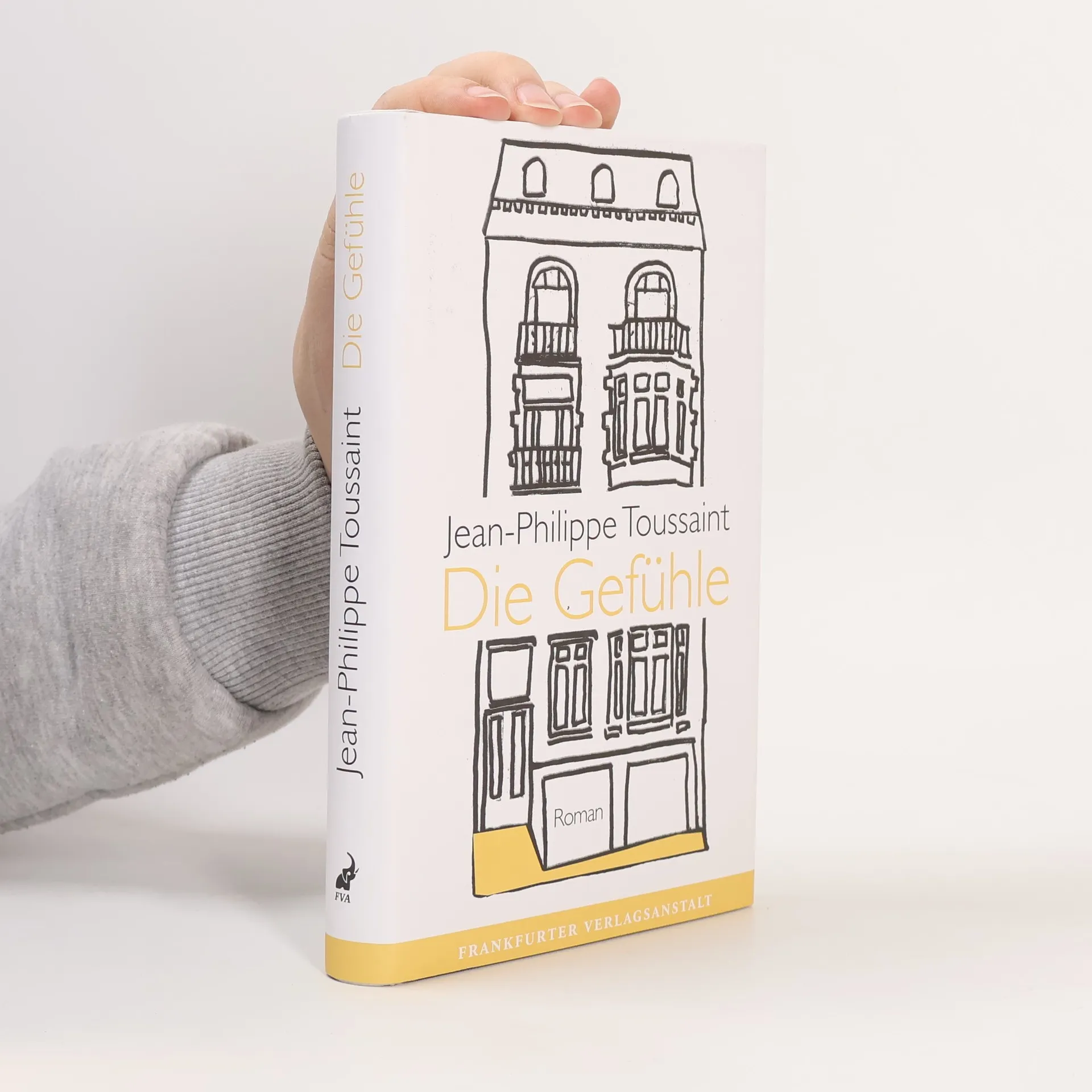
Die Gefühle
- 256 pages
- 9 hours of reading
Ein Nachdenken über die Moderne und deren technischen Auswüchse wie Blockchain und Bitcoin, konspirative Treffen und ein wenig Action à la James Bond – davon handelte Toussaints letzter Roman Der USB-Stick. In Die Gefühle, dem zweiten Band seines neuen Romanzyklus, zeichnet er das abenteuerliche Porträt eines Mannes, der die Erfahrung der Unvorhersehbarkeit macht: Für seinen Helden Jean Detrez, dessen berufliche Beschäftigung mit der Zukunft nicht besagt, dass er seine eigene Zukunft im Griff hätte, verflechten sich Liebe, Sex und Tod auf abenteuerliche Weise. Seine Ehe scheitert, als sie sagt: »Ich liebe dich nicht mehr.« Ihr letzter gemeinsamer Abend ist der Tag des Referendums Großbritanniens, eine doppelte Niederlage für den Mitarbeiter der Europäischen Kommission. Und mit dem Brexit wird nicht nur sein Traum von Europa zu Grabe getragen, auch sein Vater liegt im Sterben.
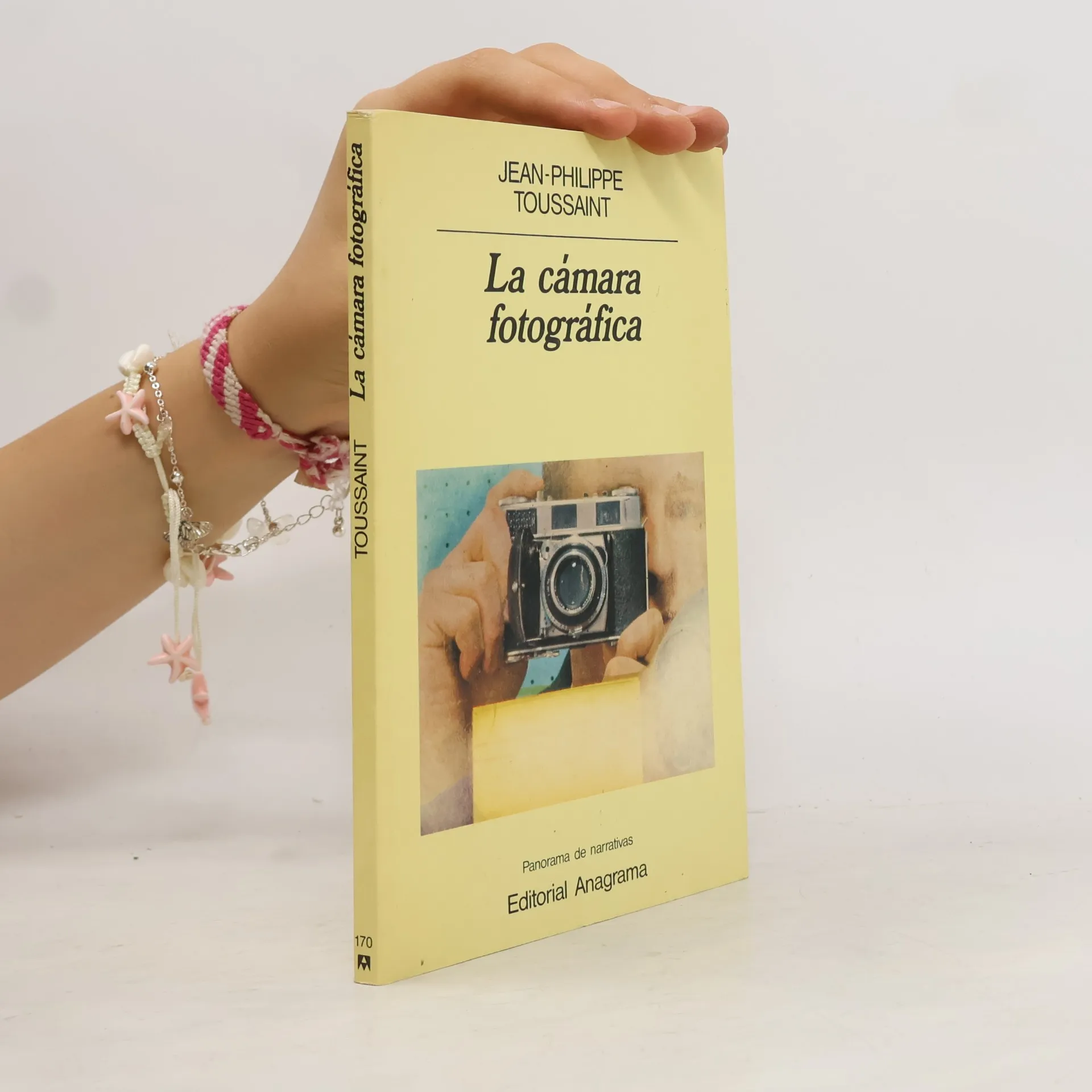
Panorama de narrativas - 170: La cámara fotográfica
- 114 pages
- 4 hours of reading
Los héroes de Jean-Philippe Toussaint están hechos de una madera especial, al igual que el narrador anónimo de su tercer novela. Un día, este decide sacarse el carné de conducir. Sin embargo, sus esfuerzos, tanto vacilantes como decididos, para reunir la documentación necesaria y, sobre todo, para conseguir fotos de pasaporte, se ven obstaculizados y finalmente se pierden en un torbellino de acontecimientos. "La cámara fotográfica" es un recorrido por lo simple y complicado de nuestra mundo moderno, una alegre errancia a través de la realidad y, como toda gran literatura, también una búsqueda de uno mismo y, por ende, de la vida.
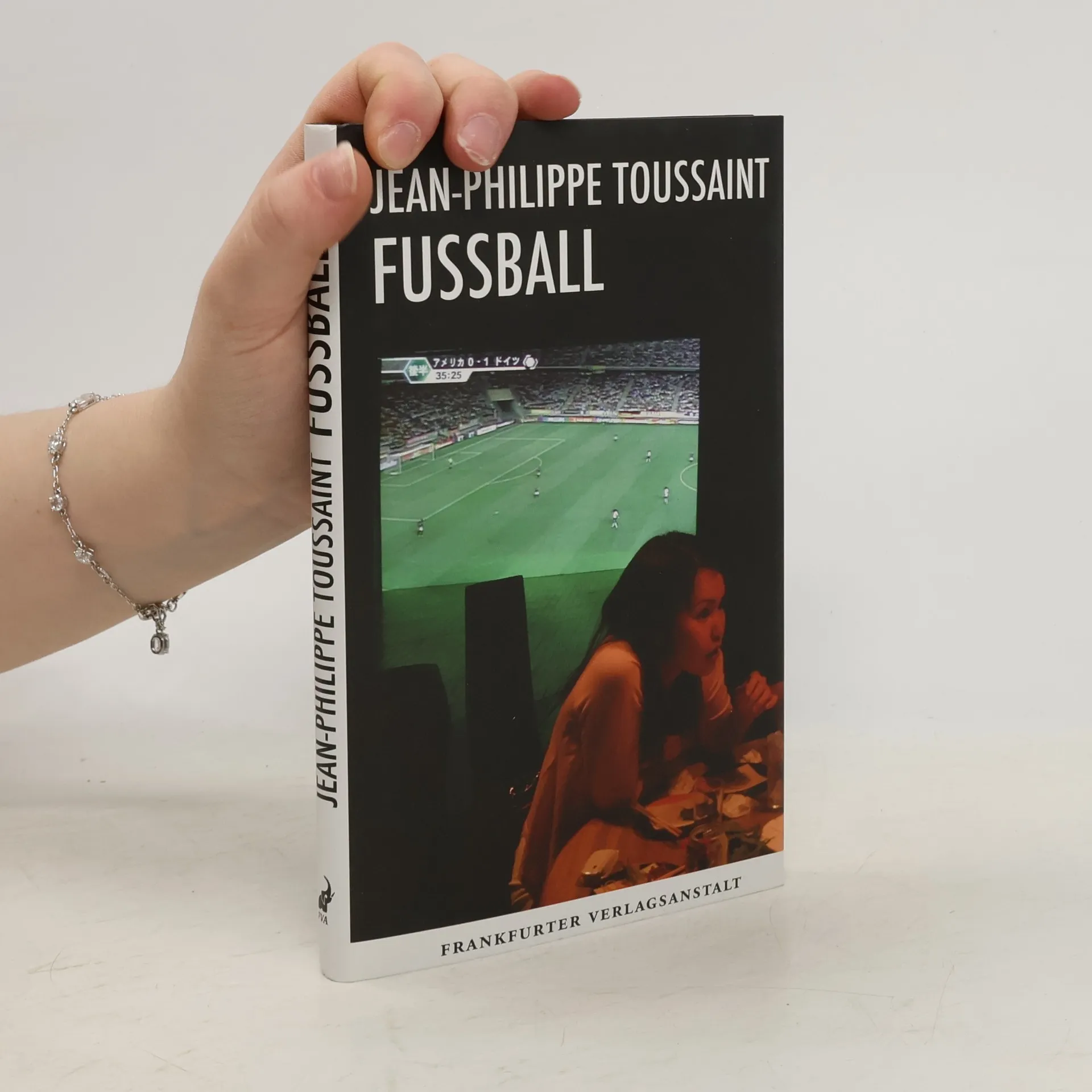
Fußball
- 128 pages
- 5 hours of reading
Jean-Philippe Toussaint hat ein besonderes Buch über Fußball geschrieben, eine Liebeserklärung, ein Staunen über das Einmalige und Faszinierende dieser Sportart, eine Hommage an die Stadien, an die Leidenschaft der Zuschauer, die unvergleichlichen Farben der Nationaltrikots und an das absolute Grün des Rasens im hellen Schein des Flutlichts. Meisterhaft versteht sich Toussaint auf die Details der Details und zeigt dabei jene äußeres Unheil abwendende, wundervolle Wirkung des Fußballspiels im Moment des Betrachtens.
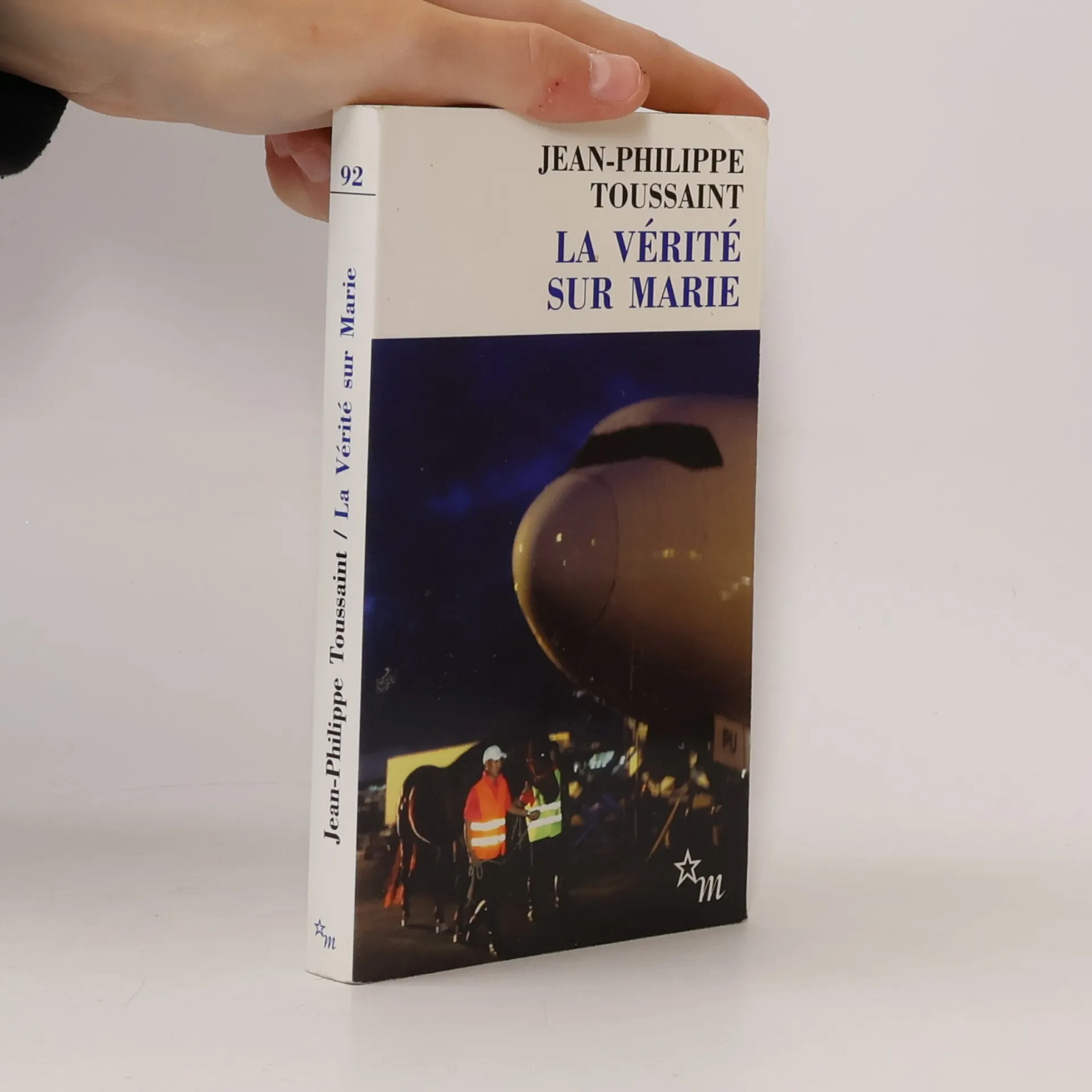
La vérité sur Marie. Die Wahrheit über Marie, französische Ausgabe. Ausgezeichnet mit dem Prix Décembre 2009
- 218 pages
- 8 hours of reading
Dans une chaude nuit d'été à Paris, Marie et le narrateur vivent une passion tumultueuse, bien que séparés. Un homme va mourir, un riche propriétaire de chevaux lié à Marie. Ce roman, qui explore leur amour impossible à travers différentes villes, dévoile une nouvelle rencontre décisive entre eux.
C'est une très petite chose qui m'est arrivée. Qui aurait très bien pu vous arriver. Vous êtes en vacances à l'hôtel avec votre fils dans un petit village et vous vous apprêtez à aller voir des amis, mais quelque chose vous arrête, une réticence mystérieuse qui vous empêche d'aller les trouver. C'est le roman de cette réticence, minuscule et ponctuelle, et de l'inquiétude qu'elle va peu à peu fomenter. Car, non seulement vos amis ne sont pas là quand vous vous décidez à aller les trouver, mais, quelque jours plus tard, vous découvrez un chat mort dans le port, un chat noir qui flotte devant vous à la surface de l'eau.
L'auteur évoque une intuition inconsciente liant sa peur du téléphone à la mort, et peut-être au sexe et à la mort. Une nuit, il reçoit une confirmation implacable de l'existence d'une alchimie secrète reliant le téléphone à la mort.
La Télévision
- 269 pages
- 10 hours of reading
Le livre raconte l'été à Berlin d’un historien d'art qui se prépare à écrire un essai sur Titien Vecellio et, dans le même temps, décide d’arrêter de regarder la télévision. C'est à la fois une description de son travail au quotidien (petits déjeuners studieux, piscines berlinoises, promenades dans les parcs), et une étude de son état d'esprit depuis qu'il a arrêté de regarder la télévision. « À mi-chemin entre le pamphlet et la fable, tout cela est dit avec un humour constant, une écriture limpide mais appliquée au moindre détail. Chacun y retrouvera l’écho de ses propres relations avec la télévision, dans toute leur ambiguïté. » (Françoise Giroud, Le Figaro) « Quelques essayistes ont analysé avec gravité la crise de la représentation – et donc de la civilisation – ouverte par le bombardement continu d'images virtuelles que nous subissons, dans l'extase et le manque. Jean-Philippe Toussaint lui donne une expression romanesque d’une efficacité comique et critique exemplaire. » (Pierre Lepape, Le Monde)La Télévision est paru en 1997.
La clé USB
- 190 pages
- 7 hours of reading
Lorsqu’on travaille à la Commission européenne dans une unité de prospective qui s’intéresse aux technologies du futur et aux questions de cybersécurité, que ressent-on quand on est approché par des lobbyistes ? Que se passe-t-il quand, dans une clé USB qui ne nous est pas destinée, on découvre des documents qui nous font soupçonner l’existence d’une porte dérobée dans une machine produite par une société chinoise basée à Dalian ? N’est-on pas tenté de quitter son bureau à Bruxelles et d’aller voir soi-même, en Chine, sur le terrain ?
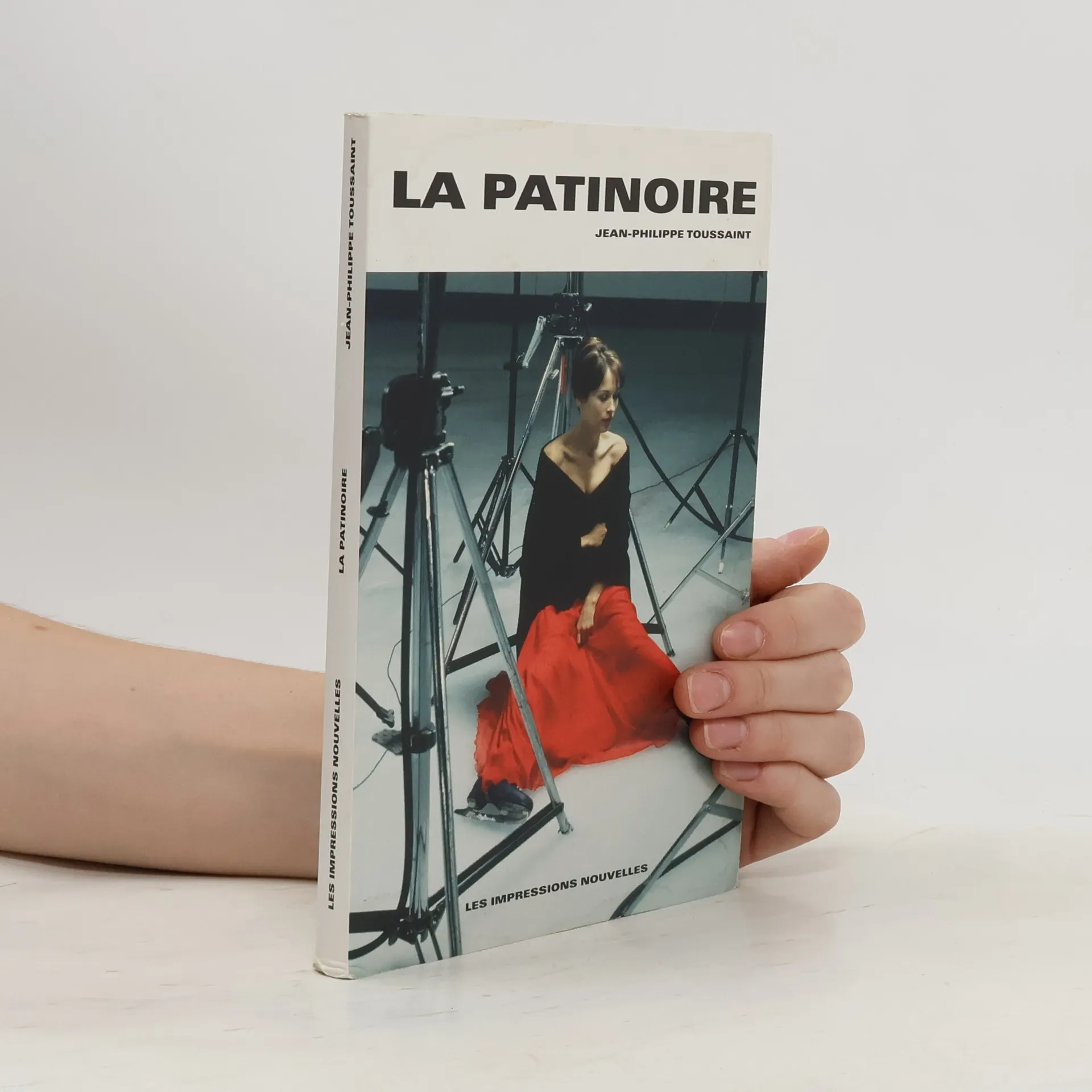
La Patinoire
- 140 pages
- 5 hours of reading
Une équipe de tournage s'est installée dans une patinoire où doit se dérouler l'intégralité de la réalisation du film. La productrice a hâte que le montage soit bouclé pour pouvoir le montrer à la Mostra de Venise. Le cinéaste, maniaque et anxieux, ne facilite guère le travail de son équipe et, par-dessus tout, la nature du sol complique singulièrement les choses. Les projecteurs font fondre la glace tandis que techniciens et acteurs doivent se cramponner pour ne pas tomber. L'actrice principale, jeune et jolie, aguiche son monde avant de jeter son dévolu sur le premier rôle masculin, un acteur américain, au grand dam du réalisateur.
Das Schachbrett
- 256 pages
- 9 hours of reading
Nach einer längeren Zeit im Koma kommt ein Mann zur Rekonvaleszenz in eine Wohnung nach Ostende. An einen Rollstuhl gefesselt sitzt er dort im sechsten Stock in zweiter Reihe vor dem Meer und beobachtet durch das Fenster den Strand und das Treiben umherirrender Möwen, ganz dem Lauf seiner Gedanken, Erinnerungen und Beobachtungen ausgeliefert. Er versucht, sich zu erinnern: War es ein Unfall – oder sogar ein Attentat? Gab es da nicht eine Explosion auf dem Weg zu einer Verabre- dung in einem Brüsseler Café? Vor seinem Fenster wird eine Baustelle eingerichtet: Nach und nach wächst eine dunkle Be- tonmauer, die erst seine Aussicht auf das Meer von Ostende verdeckt, dann sein Zimmer verdunkelt. Er ist gezwungen, das Verschwinden der Landschaft zu erleben. Jean-Philippe Toussaint ist ein ebenso ernster wie humorvoller, ein ironischer und tiefgründiger Schriftsteller, weltweit aner- kannt und übersetzt. Mit seinem neuesten sehr ergreifenden Text zeigt er das anhaltende Erstaunen seines Protagonisten über das, was ihm widerfahren ist, was ihm unversehens angetan wurde in einem schier unglaublichen Übergriff auf sein Leben.
Monsieur
- 112 pages
- 4 hours of reading
En esta breve novela, el autor subraya lo absurdo de nuestra condición con un humor impasible, evocando a Kafka, Melville, Keaton y Tati. Monsieur, un personaje sin identidad particular, evita problemas y no tiene deseos, dedicando la mayor parte del tiempo a estar sentado. Aunque no sabe decir que no, lo que le causa dificultades, logra encontrar soluciones elegantes y a menudo matemáticas para los retos cotidianos, como parar un taxi. En momentos de intensa emoción, sube con su silla al tejado para observar el cielo, temiendo alterar el curso de las constelaciones. Es un espectador puro que espera el reino del azar, el desorden que la física moderna enseña y que se evoca a lo largo del relato. La obra se caracteriza por una formidable reticencia a expandirse, con un personaje que, por su banalidad y rechazo a ser “algo”, recuerda a Monsieur Teste, a quien podría considerarse un hermano menor. Con tres novelas, el autor ha dejado una huella en la literatura de los ochenta, impregnando el panorama literario de su tiempo.
"An jenem Morgen trieb eine tote Katze im Hafen, eine schwarze Katze, die an der Wasseroberfläche schwamm, steif ausgestreckt glitt sie langsam an einem Kahn entlang. Aus ihrer Schnauze ragte ein verwester Fischkopf, an dem eine drei oder vier Zentimeter lange, abgerissene Angelschnur hing. Im ersten Augenblick war dieser Fischkopf mir schlicht als Überrest eines Angelköders vorgekommen ...": Was sich beim ersten Anblick als ein schlichtes Faktum darbietet, wächst sich in der Folge zum immer wiederkehrenden Bild eines äußeren wie inneren Dramas, zum Symptom einer mysteriösen Befindlichkeit aus. Und doch hatte alles - wie in jedem bislang vorgelegten Roman unseres Autors - ganz unscheinbar angefangen, aus einem Nichts gleichsam: Eines Tages im Herbst kommt der anonyme Ich-Erzähler samt achtmonatigem Söhnchen und Buggy in Sasuelo an, mietet sich im einzigen Hotel am Platze ein und bereitet sich darauf vor, im Ort lebende Bekannte zu besuchen. Doch schon nach kurzem überfällt ihn eine rätselhafte Befangenheit, läßt ihn den Besuch immer weiter aufschieben. Und plötzlich ist ihm, als sei nicht nur er es, der sich verweigert, vielmehr, als würden auch seine Bekannten sich ihm entziehen, nicht ohne ihn dabei fortwährend zu kontrollieren und zu überwachen.
M.M.M.M.
Eine Romantetralogie
Marie Madeleine Marguerite de Montalte ist Künstlerin und berühmte Modedesignerin mit Filialen auf verschiedenen Kontinenten. Ihre aufsehenerregenden Kreationen, darunter ein Kleid aus Honig, Höhepunkt einer spektakulären Modenschau in Tokio, sind weltweit begehrt und werden in Museen ausgestellt. Marie, eine Frau von Welt und eine Frau ihrer Zeit, gestresst, großstädtisch, kapriziös, leidenschaftlich und unnahbar – alles dreht sich um sie für den namenlosen Erzähler, sein Sehnen, Erinnern, seine Imagination. In Paris nur wenige Straßen voneinander entfernt wohnend, führt es die Liebenden in den vier Teilen des Romanzyklus in einem atemlosen Nach- und Nebeneinander durch Tokio und Shanghai bis nach Elba. Wie die Gezeiten folgt ihre Liebe einer ewigen Abfolge aus Kommen und Gehen, Suchen, Finden, sich Verfehlen – eine Liebe, so zeitlos und flüchtig, wie sie nur ein Zauberer auf Papier zu bannen vermag. Jean-Philippe Toussaint hat mit der Figur der Marie, ein Anagramm von »aimer«, lieben, eine verführerische, komplexe und zeitlose Metapher entworfen: für die Kunst, die Literatur, die Liebe und das Leben. Enthält: »Sich lieben«, »Fliehen«, »Die Wahrheit über Marie« und »Nackt«
Zelfportret (in den vreemde)
- 93 pages
- 4 hours of reading
Tragikomische impressies van reizen naar uiteenlopende streken.
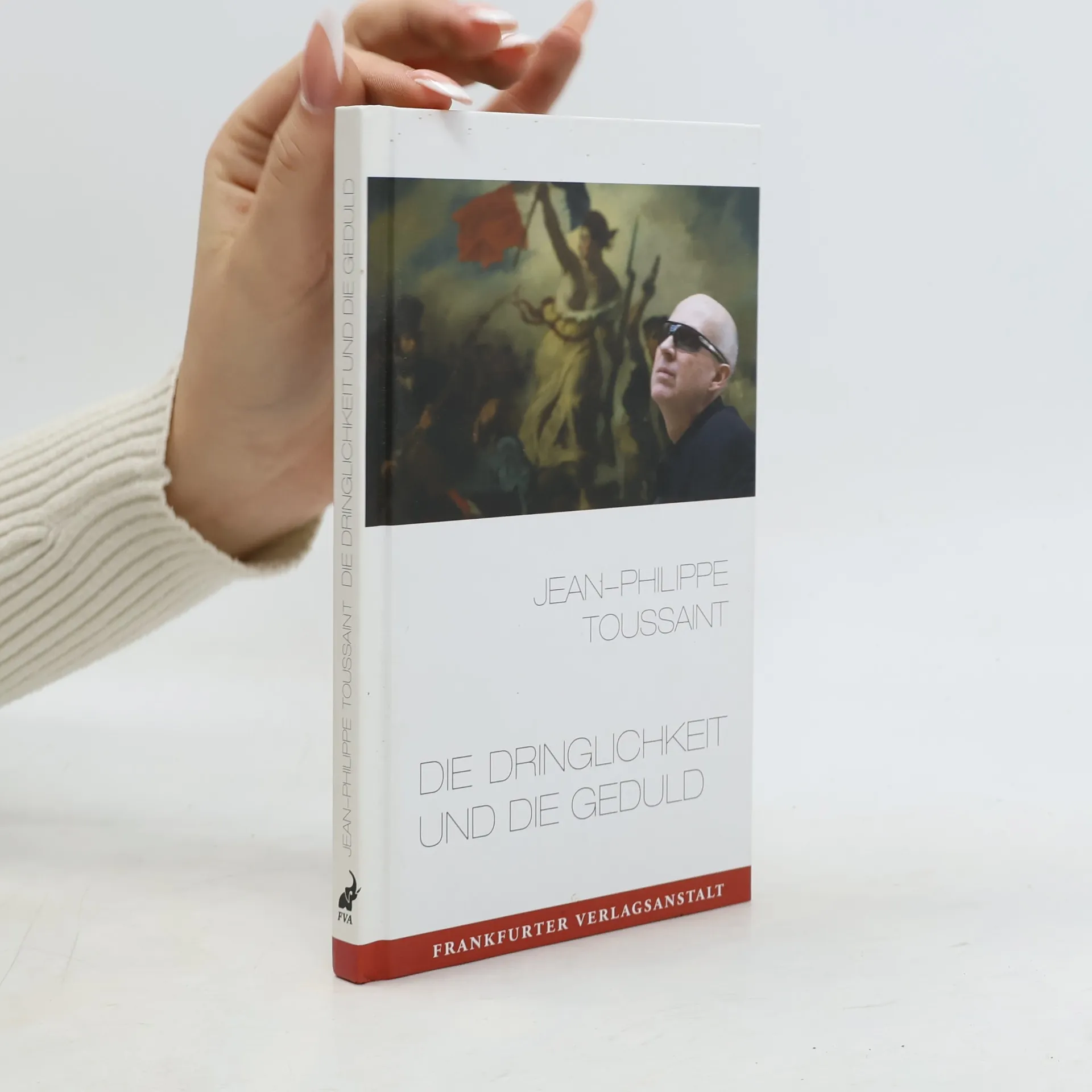
Die Dringlichkeit und die Geduld
- 140 pages
- 5 hours of reading
»Ich empfehle die Lektüre von »Die Dringlichkeit und die Geduld« allen, die davon träumen zu schreiben oder gerade damit angefangen haben«, schreibt Bernard Pivot über Jean-Philippe Toussaints ersten Essayband, der im März 2012 anlässlich der Eröffnung seiner Ausstellung im Pariser Louvre »La Main et le Regard – Livre/Louvre« erschien: luzide Aufsätze über das Lesen und das eigene Schreiben, eine Hommage an die Literatur. Wie beiläufig und doch ungeheuer scharfsinnig führt Toussaint den Leser in sein literarisches Universum, erzählt von seinen Lektüren, von seinen ersten Schritten als junger Autor, von den berühmtesten der berühmten Autoren des 19. und 20. Jahrhunderts: Proust, Kafka und Dostojewski. Und dann natürlich von der Begegnung mit den Romanen Samuel Becketts und mit Beckett selbst, dem er eines Tages in einem dunklen Flur persönlich gegenübersteht.
Autoportrait
- 119 pages
- 5 hours of reading
French
Autoportrét
- 78 pages
- 3 hours of reading
Soubor dvanácti autobiografických textů, postřehů o různých místech na Zemi. Ovšem kdo by čekal cestopisné črty, bude zklamán. Jednotlivé texty nesou sice zeměpisná jména: Tokio, Berlín, Praha, Japonsko, Tunisko, Vietnam..., avšak jejich námětem jsou, jak je pro Toussainta typické, skutečně jen drobné zážitky, které vyznívají komicky nebo trochu šokují.
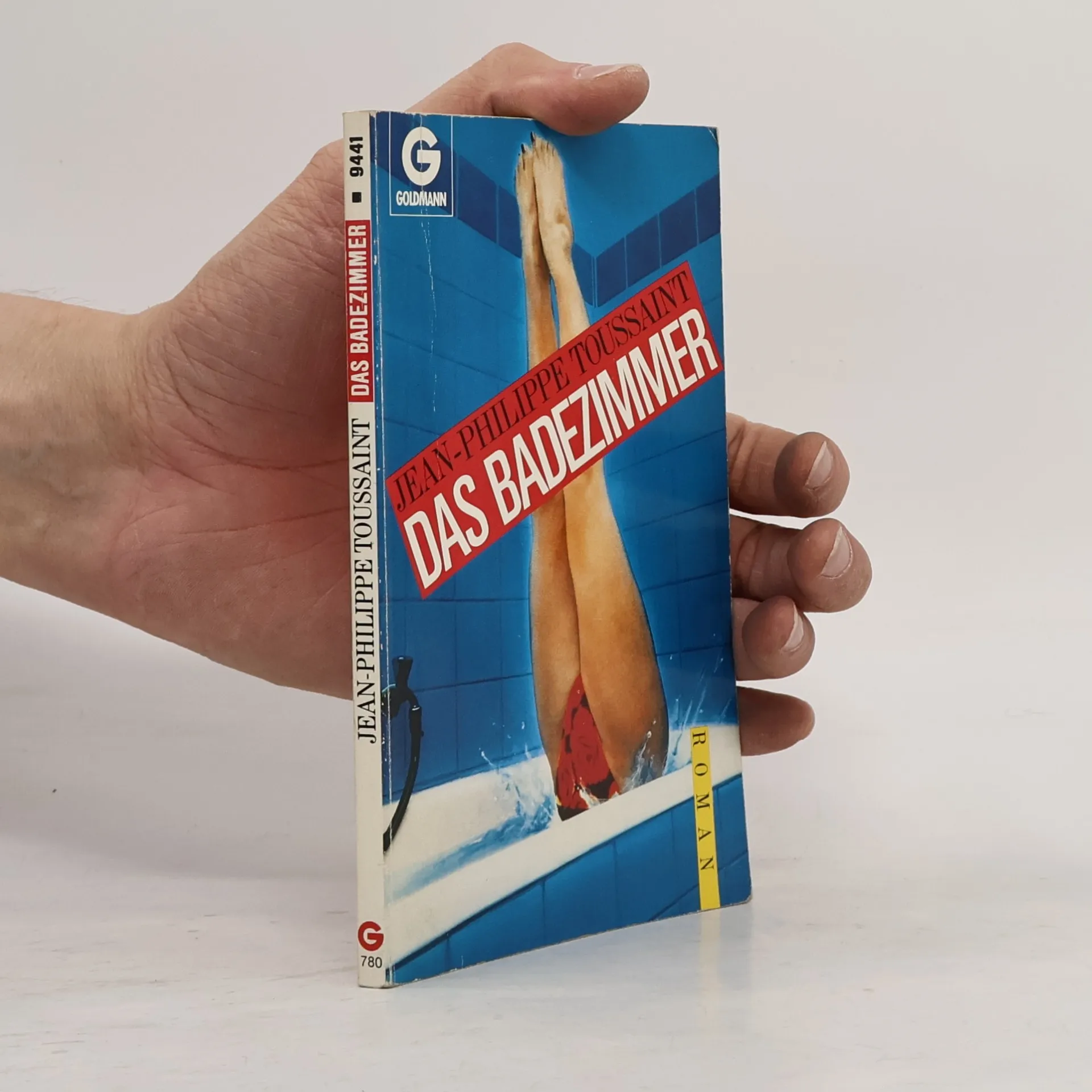
Das Badezimmer
- 94 pages
- 4 hours of reading