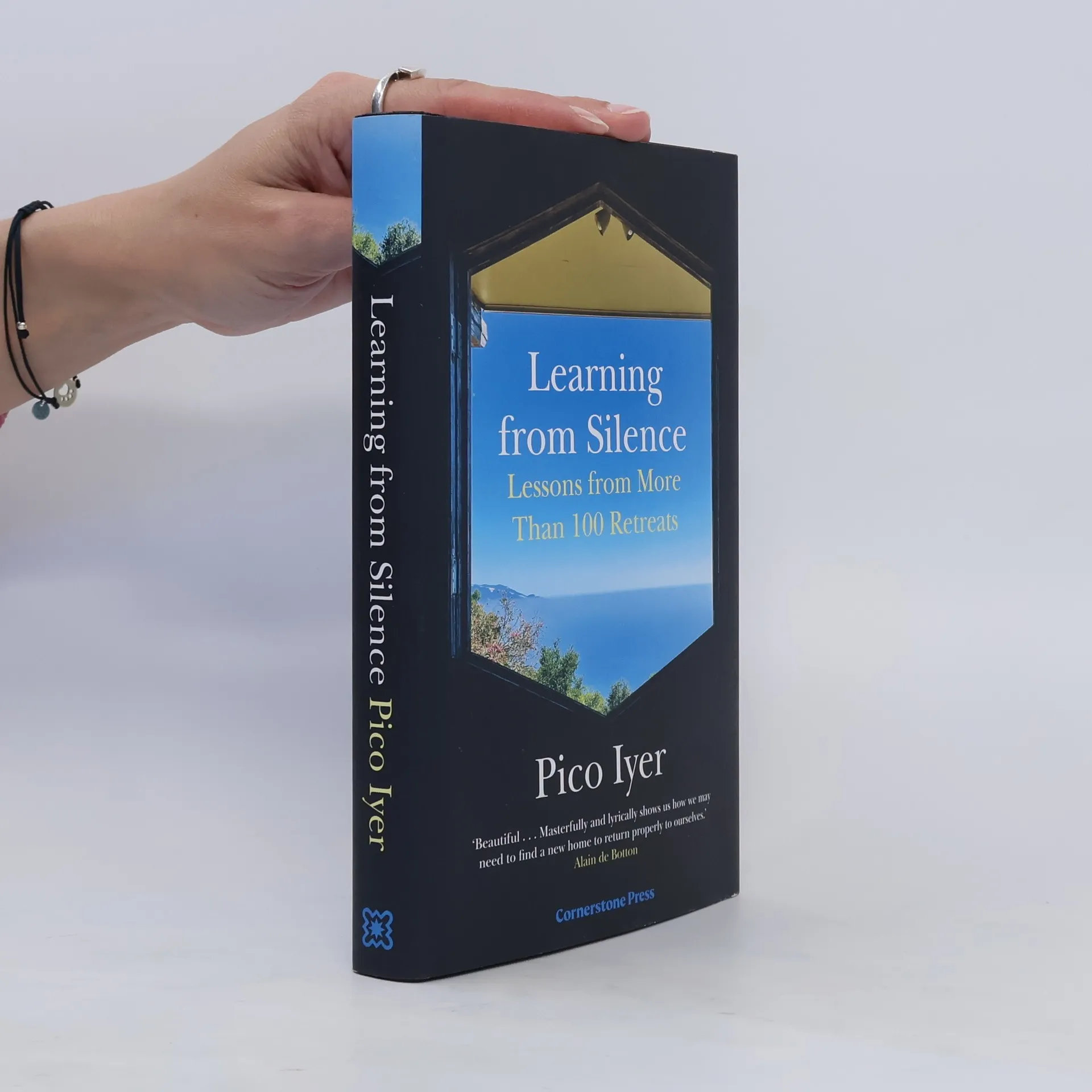
The book delves into the transformative power of silence through Pico Iyer's experiences at a Benedictine hermitage in Big Sur, California. Over three decades and amidst personal upheavals, including loss and illness, Iyer discovers profound joy and clarity in quiet retreat. He reflects on deeper truths often overlooked in daily life and shares insights from others who have found strength in solitude. By exploring the intersection of silence, community, and personal growth, the narrative offers timeless wisdom on living, loving, and facing mortality.
Pico Iyer Books
February 11, 1957
Pico Iyer is a British-born essayist and novelist. As an acclaimed travel writer, he began his career documenting a neglected aspect of travel: the sometimes surreal disconnect between local tradition and imported global pop culture. He has since explored the cultural consequences of isolation, examining such topics as exiled spiritual leaders or societies under embargo. Iyer's latest focus is on another overlooked aspect of travel: how it can help us regain a sense of stillness and focus in a world increasingly distracted by digital networks.



Journey thru a hidden land. Where is the real Japan?
We all carry other people inside our heads - actors, leaders, writers, people from history or fiction, met or unmet, who sometimes seem closer to us than people we know. In The Man Within My Head, Pico Iyer sets out to unravel the mysterious closeness he has always felt with the writer Graham Greene: he examines Greene's obsessions, his life on the road, his penchant for mystery. Iyer follows Greene's trail from his first novel, The Man Within, to such later classics as The Quiet American and begins to unpack all they have in common: a typical old-school education, a lifelong restlessness and refusal to make a home anywhere, a fascination with the complications of faith. The deeper Iyer plunges into their haunted kinship, however, the more he begins to wonder whether the man within his head is not Greene but his own father, or perhaps some more shadowy aspect of himself. Drawing upon experiences across the globe, from Cuba to Bhutan, and moving, as Greene would, from Sri Lanka at war to intimate moments of introspection; trying to make sense of his own past, commuting between the cloisters of a fifteenth-century boarding school and California in the 1960s, one of our most resourceful cultural explorers gives us his most personal and revelatory book yet, and one of the best new portraits of Greene himself.
The Inland Sea
- 288 pages
- 11 hours of reading
The classic travel journal, a quest for personal discovery and the ancient beauties and dying values of modern Japan.
Autumn Light
- 256 pages
- 9 hours of reading
In this “exquisite personal blend of philosophy and engagement, inner quiet and worldly life" (Los Angeles Times), an acclaimed author returns to his longtime home in Japan after his father-in-law’s sudden death and picks up the steadying patterns of his everyday rites, reminding us to take nothing for granted. In a country whose calendar is marked with occasions honoring the dead, Pico Iyer comes to reflect on changelessness in ways that anyone can relate to: parents age, children scatter, and Iyer and his wife turn to whatever can sustain them as everything falls away. As the maple leaves begin to turn and the heat begins to soften, Iyer shows us a Japan we have seldom seen before, where the transparent and the mysterious are held in a delicate balance.
The Open Road
- 288 pages
- 11 hours of reading
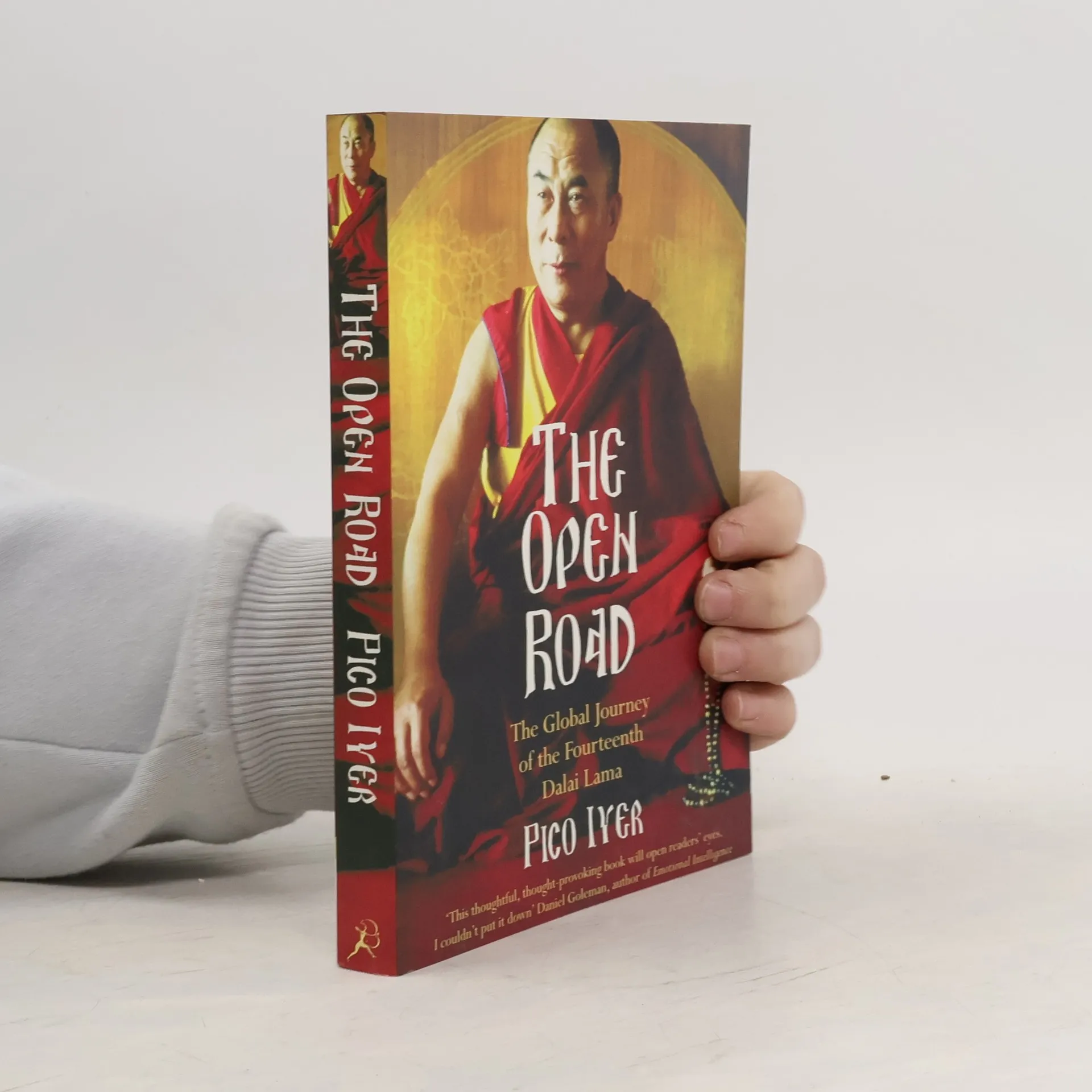
Pico Iyer has been engaged in conversation with the Dalai Lama (a friend of his father's) for the last three decades-a continuing exploration of his message and its effectiveness. Now, in this insightful, impassioned book, Iyer captures the paradoxes of the Dalai Lama's position- though he has brought the ideas of Tibet to world attention, Tibet itself is being remade as a Chinese province; though he was born in one of the most remote, least developed places on earth, he has become a champion of globalism and technology. He is a religious leader who warns against being needlessly distracted by religion; a Tibetan head of state who suggests that exile from Tibet can be an opportunity; an incarnation of a Tibetan god who stresses his everyday humanity. Moving from Dharamsala, India-the seat of the Tibetan government-in-exile-to Lhasa, Tibet, to venues in the West where the Dalai Lama's pragmatism, rigour, and scholarship are sometimes lost on an audience yearning for mystical visions, The Open Road illuminates the hidden life, the transforming ideas, and the daily challenges of a global icon.
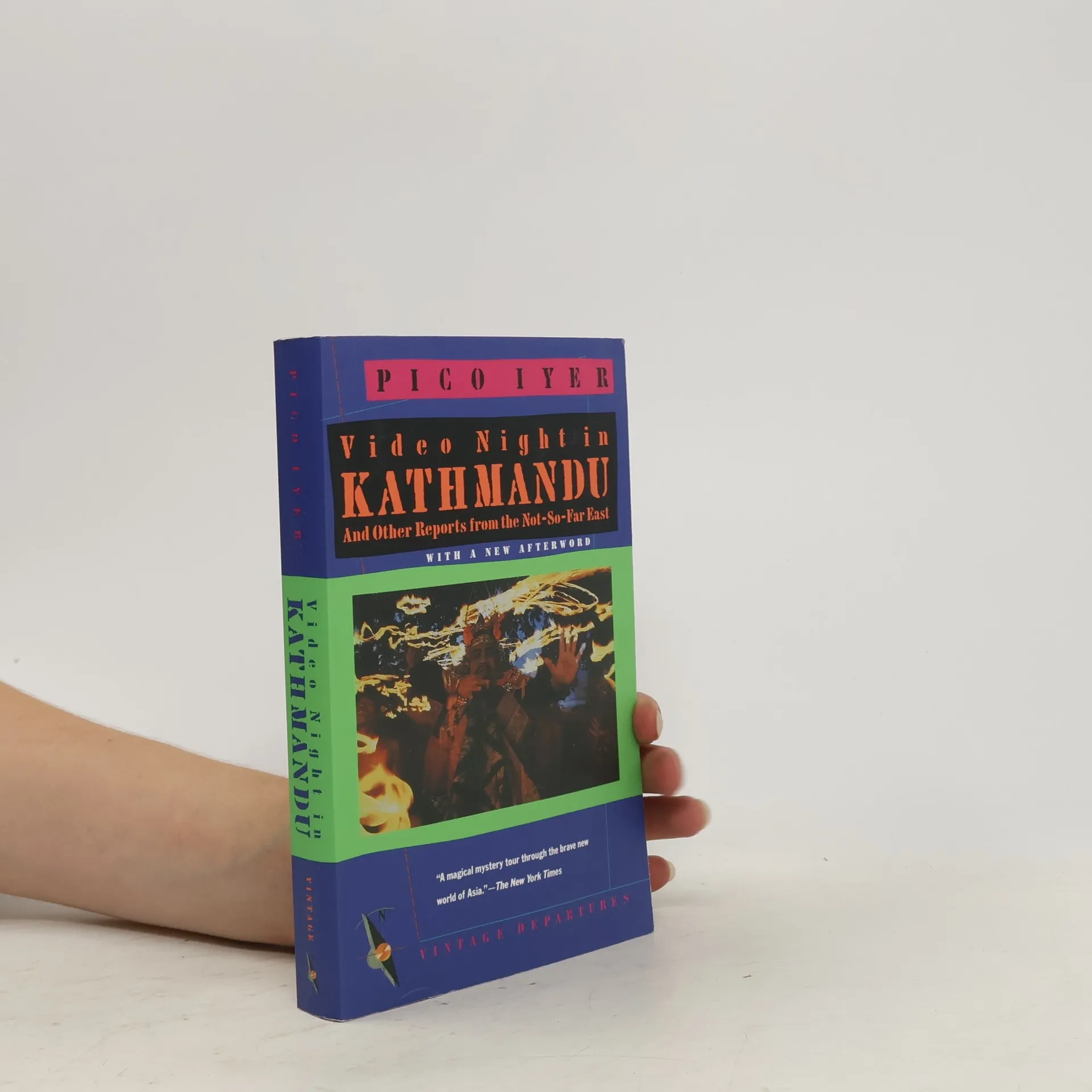
Video Night in Kathmandu and Other Reports from the Not-So-Far East
- 400 pages
- 14 hours of reading
Mohawk hair-cuts in Bali, yuppies in Hong Kong and Rambo rip-offs in the movie houses of Bombay are just a few of the jarring images that Iyer brings back from the Far East.
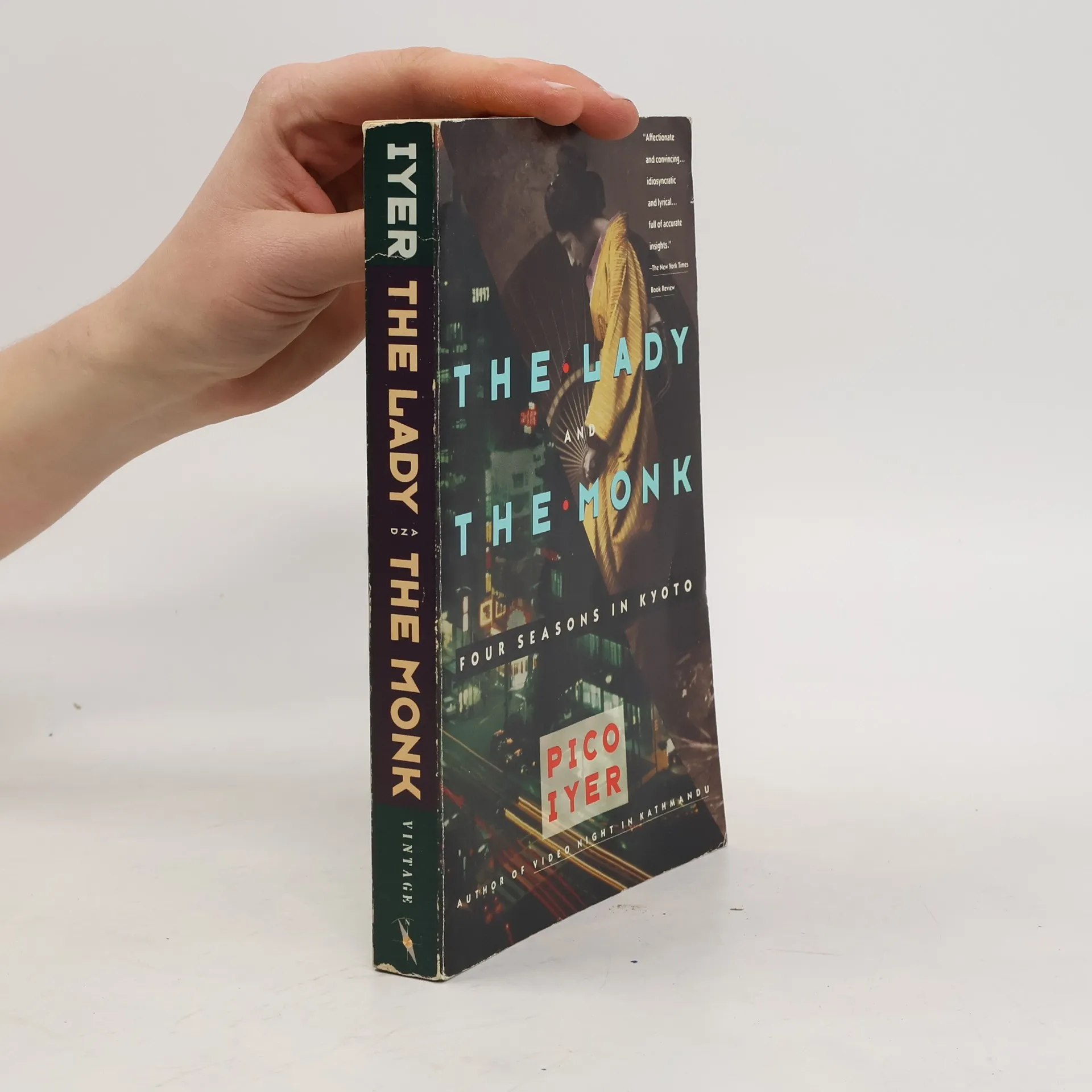
When Pico Iyer decided to go to Kyoto and live in a monastery, he did so to learn about Zen Buddhism from the inside, to get to know Kyoto, one of the loveliest old cities in the world, and to find out something about Japanese culture today -- not the world of businessmen and production lines, but the traditional world of changing seasons and the silence of temples, of the images woven through literature, of the lunar Japan that still lives on behind the rising sun of geopolitical power.All this he did. And then he met Sachiko.Vivacious, attractive, thoroughly educated, speaking English enthusiastically if eccentrically, the wife of a Japanese "salaryman" who seldom left the office before 10 P.M., Sachiko was as conversant with tea ceremony and classical Japanese literature as with rock music, Goethe, and Vivaldi. With the lightness of touch that made Video Night in Kathmandu so captivating, Pico Iyer fashions from their relationship a marvelously ironic yet heartfelt book that is at once a portrait of cross-cultural infatuation -- and misunderstanding -- and a delightfully fresh way of seeing both the old Japan and the very new.
The book features a gripping narrative that explores complex characters and their intertwined fates. Set against a backdrop of rich historical context, it delves into themes of love, betrayal, and resilience. Readers will be drawn into the emotional depth and moral dilemmas faced by the characters, making for a thought-provoking and engaging read. The author's signature style combines vivid imagery with intricate plotting, ensuring a captivating experience from start to finish.
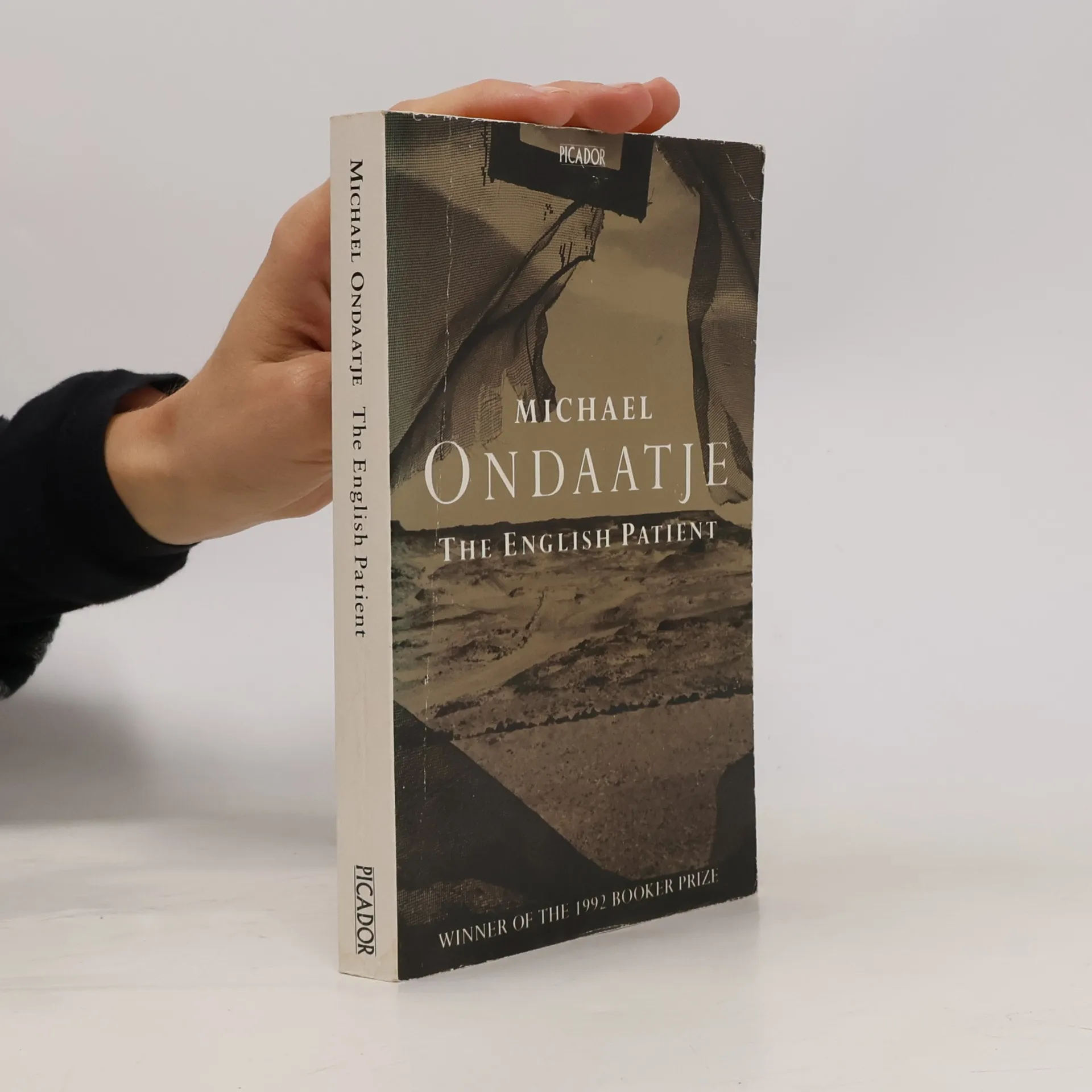
The English patient
- 307 pages
- 11 hours of reading
The final curtain is closing on the Second World War, and Hana, a nurse, stays behind in an abandoned Italian villa to tend to her only remaining patient. Rescued by Bedouins from a burning plane, he is English, anonymous, damaged beyond recognition and haunted by his memories of passion and betrayal.
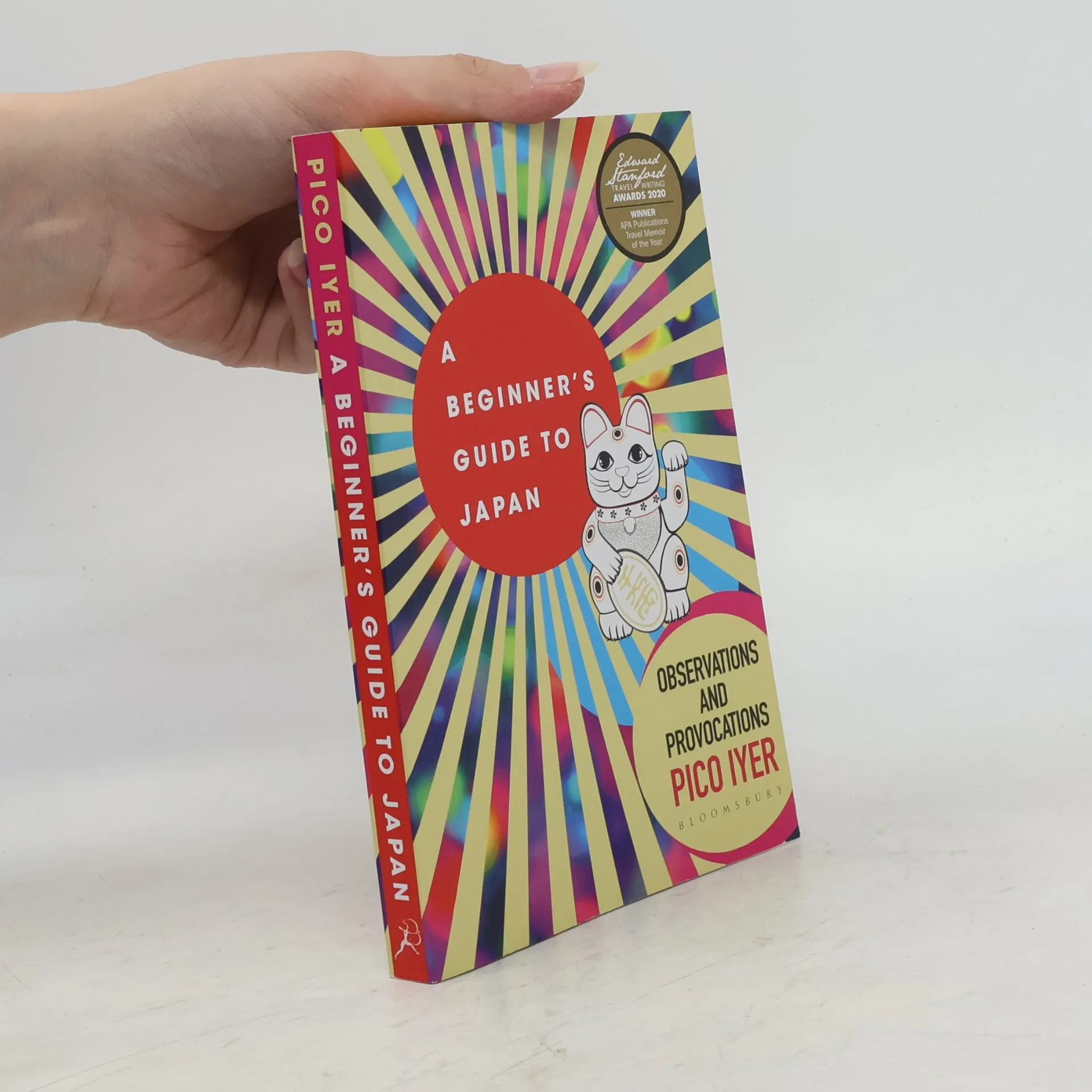
A Beginner's Guide to Japan
- 240 pages
- 9 hours of reading
Winner of the Edward Stanford Travel Memoir of the Year 2020 How does a sushi bar explain a Japanese poem? Why do Japanese couples plan matching outfits for their honeymoon? Why are so many things in Japan the opposite of what we expect? After thirty-two years in Japan, Pico Iyer knows the country as few others can. In A Beginner's Guide to Japan, he dashes from baseball games to love-hotels and from shopping malls to zen temple gardens to find fresh ways of illuminating his adopted home. Playful and surreptitiously profound, this is a guidebook to a Japan few have ever seen before. 'Rarely in any writing on Japan is provocation so elegantly and surgically performed' Financial Times
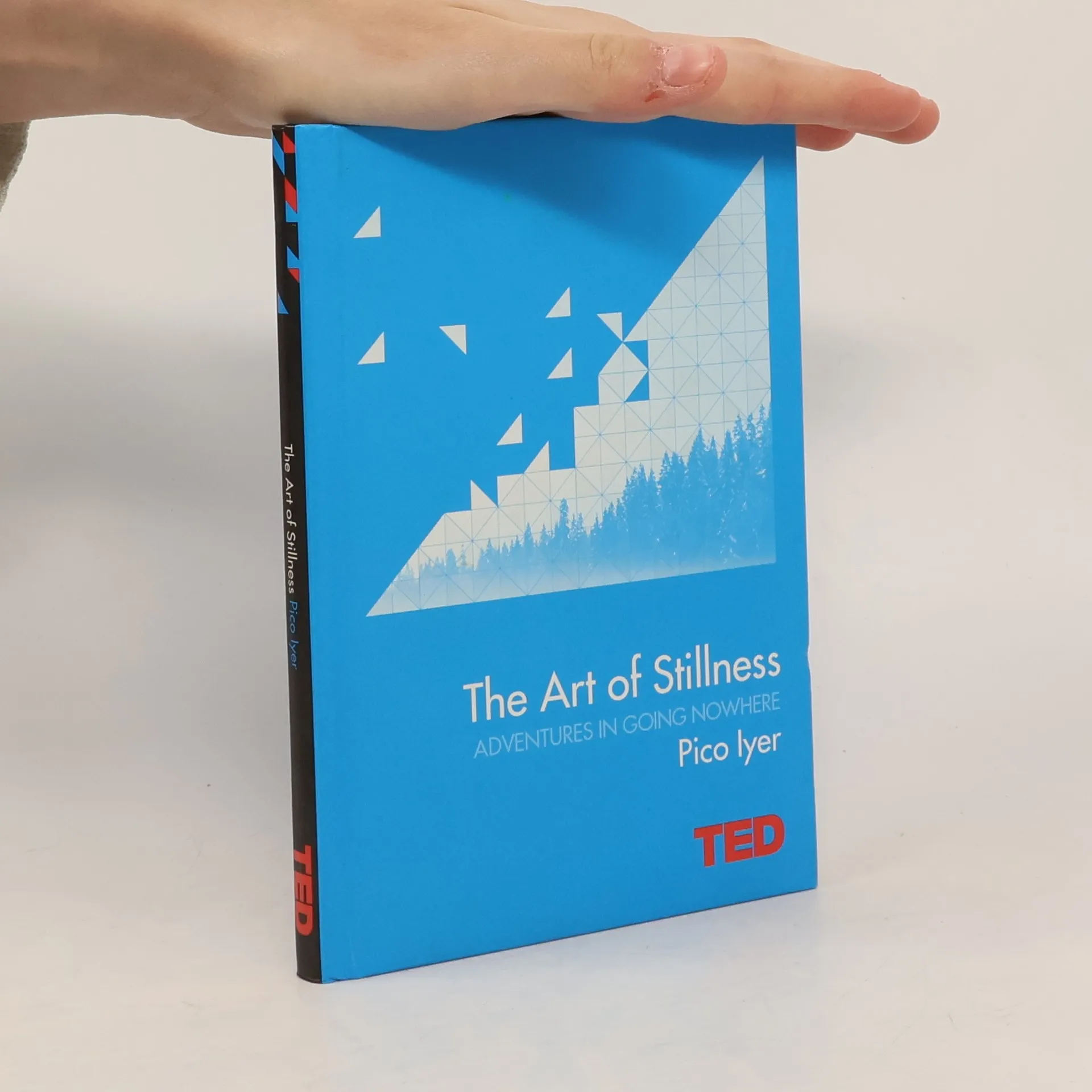
The art of stillness : adventures in going nowhere
- 74 pages
- 3 hours of reading
Iyer reveals how stillness can quicken creativity, and opens up a way of living that counters the mad rush of our modern lives. In a world beset by the distractions and demands of technology, he reflects on why so many of us seem desperate to unplug.
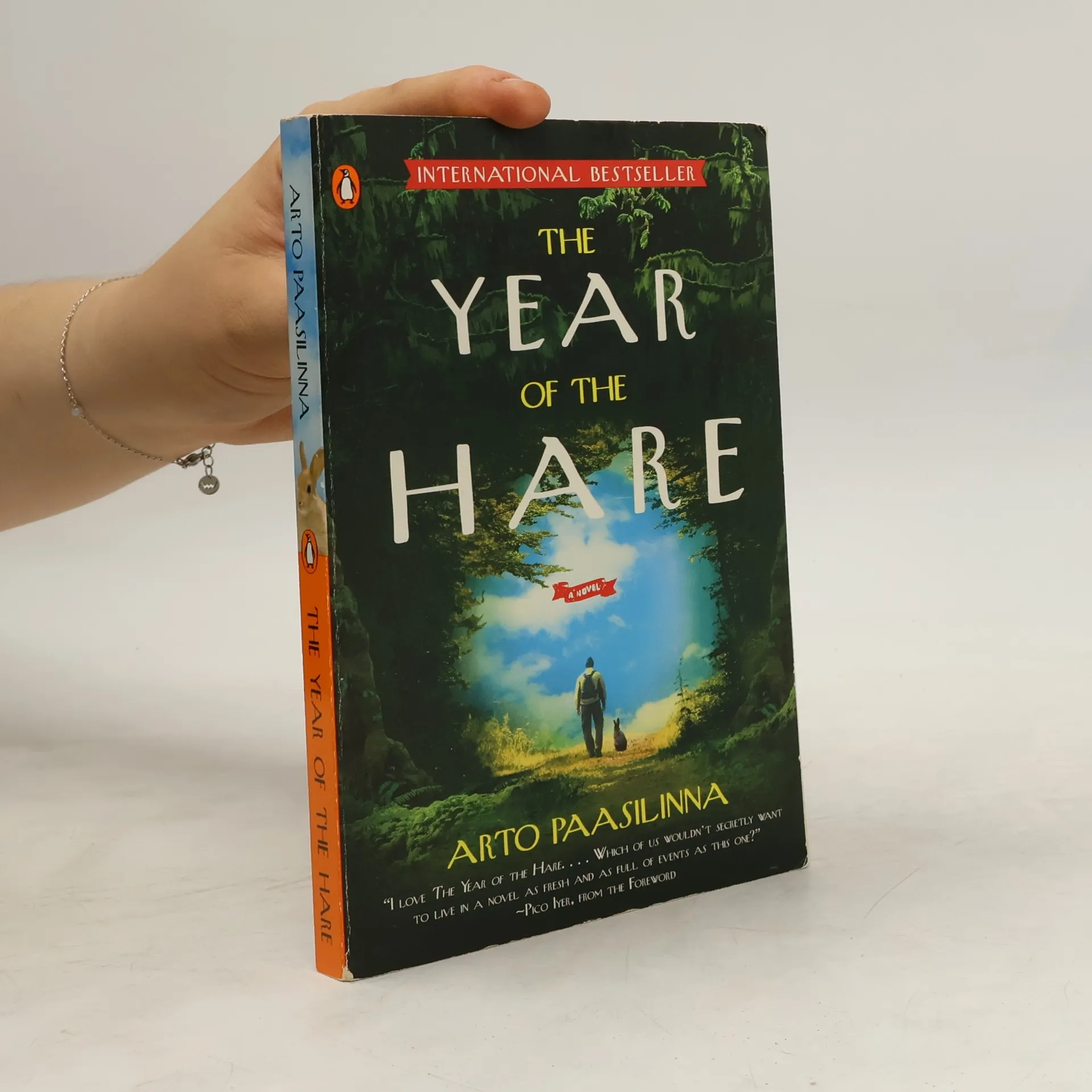
The Year of the Hare
- 194 pages
- 7 hours of reading
An internationally bestselling comic novel in which a man--with the help of a bunny--suddenly realizes what's important in life "Escapism at its best . . . Just pure fun." --NPR.org "Which of us has not had that wonderfully seditious idea: to play hooky for a while from life as we know it?" With these words from his foreword, Pico Iyer puts his finger on the exhilaratingly anarchic appeal of The Year of the Hare, a novel in the bestselling tradition of Watership Down, Jonathan Livingston Seagull, and Life of Pi. While out on assignment, a journalist hits a hare with his car. This small incident becomes life-changing: he decides to quit his job, leave his wife, sell his possessions, and spend a year wandering the wilds of Finland--with the bunny as his boon companion. What ensues is a series of comic misadventures, as everywhere they go--whether chased up a tree by dogs, or to a formal state dinner, or in pursuit of a bear across the Finnish border with Russia--they leave mayhem (and laughter!) in their wake.
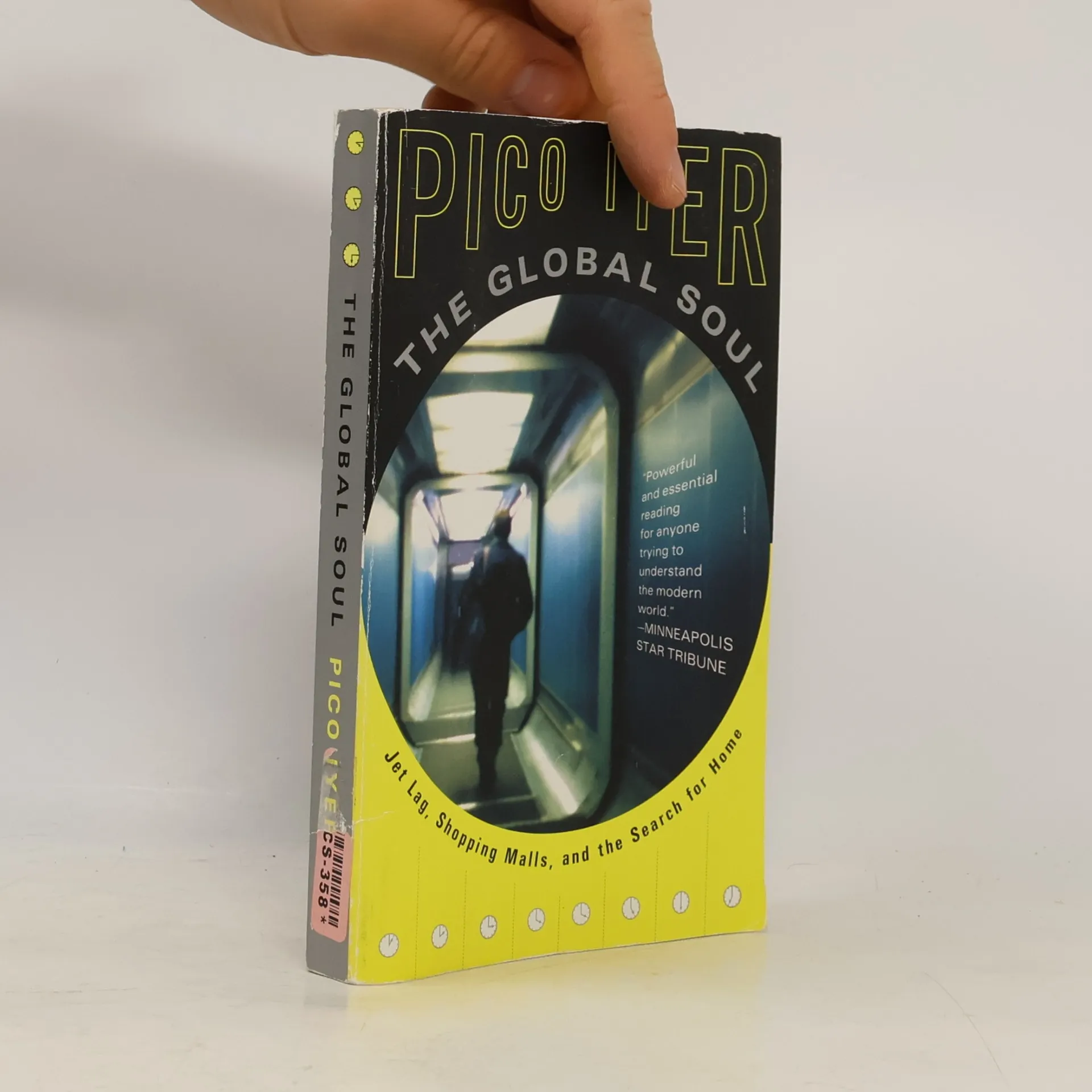
From the acclaimed author of Video Nights in Kathmandu comes this intriguing new book that deciphers the cultural ramifications of globalization and the rising tide of worldwide displacement. Beginning in Los Angeles International Airport, where town life—shops, services, sociability—is available without a town, Pico Iyer takes us on a tour of the transnational village our world has become. From Hong Kong, where people actually live in self-contained hotels, to Atlanta's Olympic Village, which seems to inadvertently commemorate a sort of corporate universalism, to Japan, where in the midst of alien surfaces his apartment building is called "The Memphis," Iyer ponders what the word "home" can possibly mean in a world whose face is blurred by its cultural fusion and its alarmingly rapid rate of change.
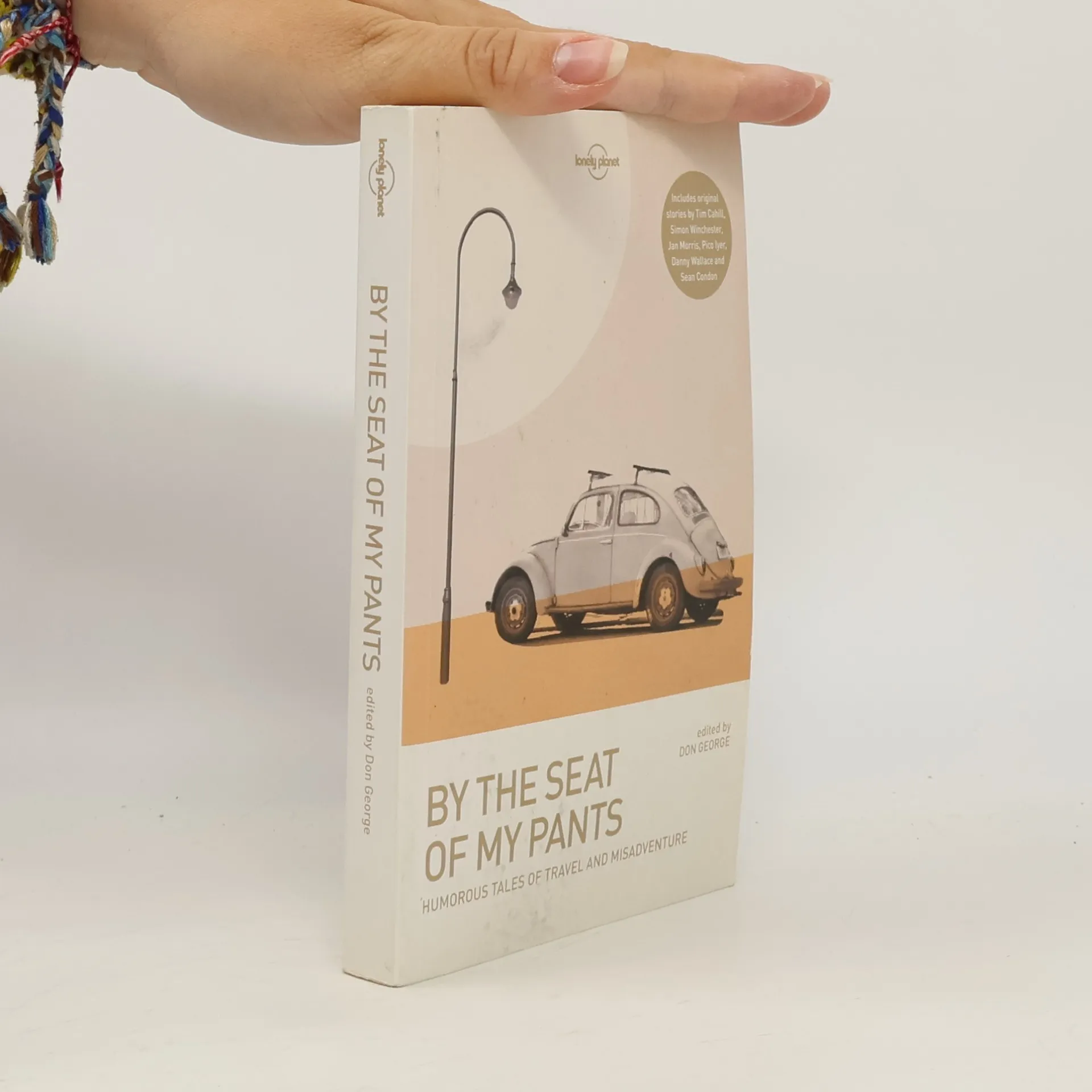
By the Seat of My Pants
- 236 pages
- 9 hours of reading
"This collection presents 31 globe-girdling tales that run the gamut from close-encounter safaris to loss-of-face follies, hair-raising rides to culture-leaping brides, eccentric expats to mind-boggling repasts, wrong roads taken to agreements mistaken"--Back cover.
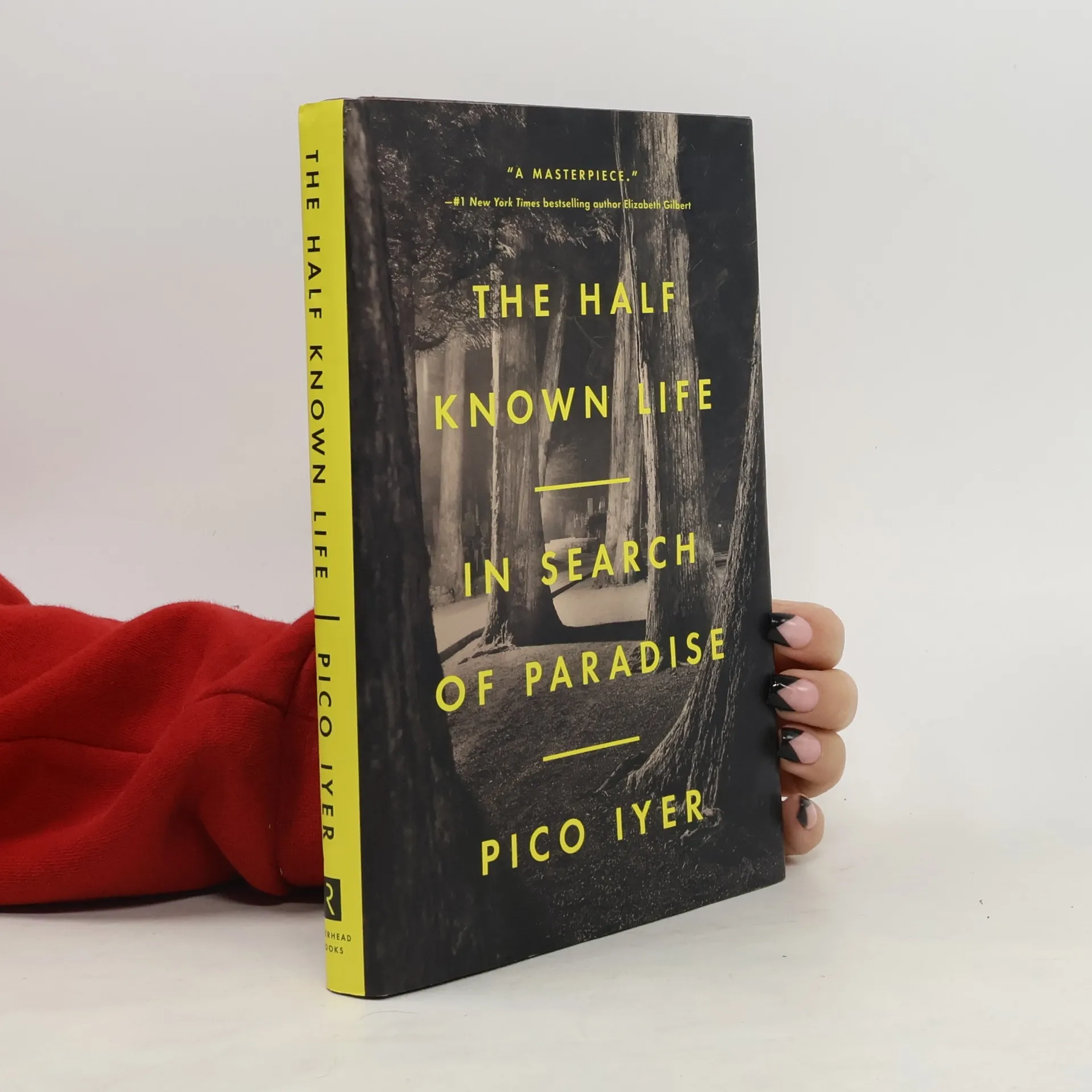
Half Known Life
- 240 pages
- 9 hours of reading
"A journey through competing ideas of paradise to see how we can live more peacefully in an ever more divided and distracted world"-- Provided by publisher
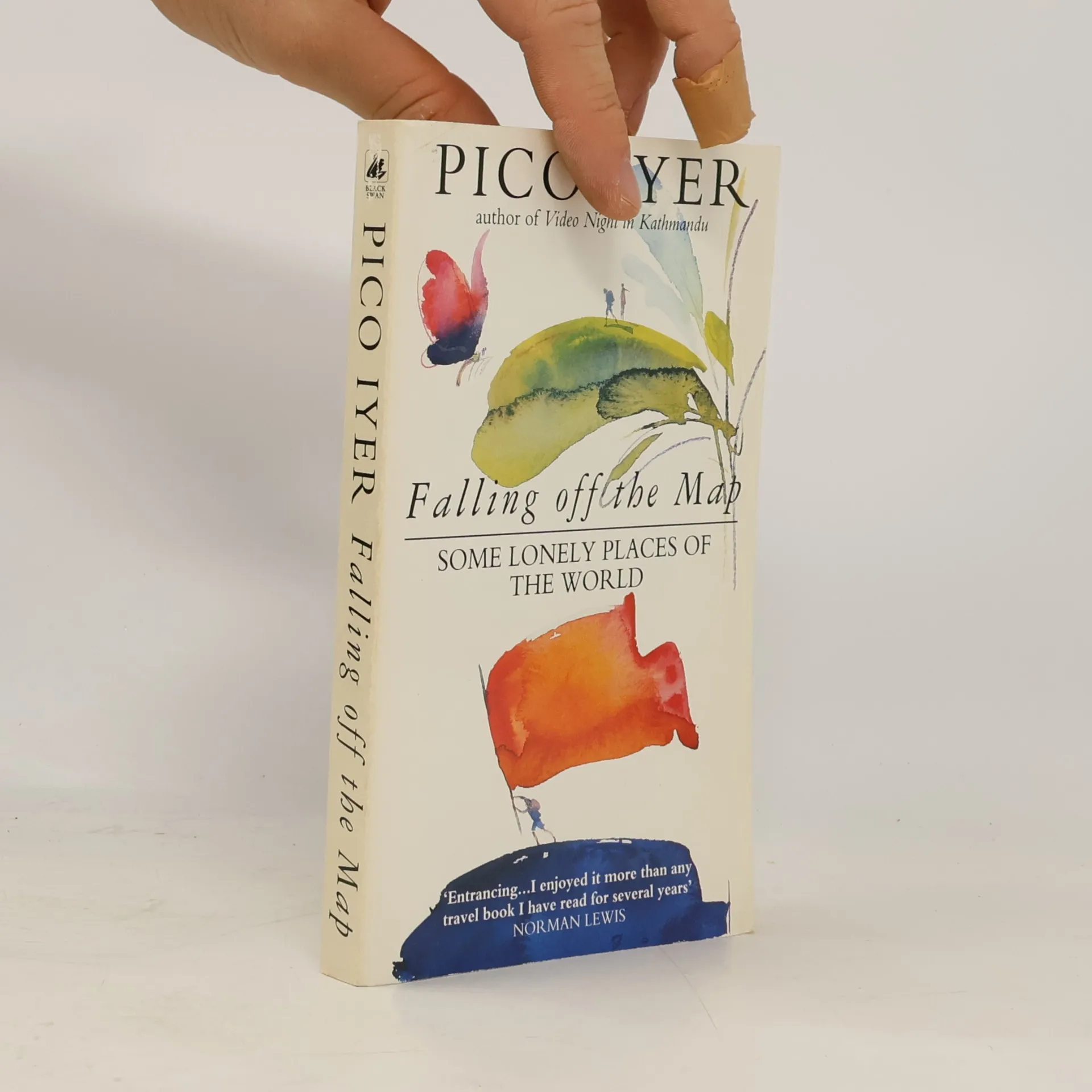
The author of Video Night in Kathmandu ups the ante on himself in this sublimely evocative and acerbically funny tour through the world's loneliest and most eccentric places. From Iceland to Bhutan to Argentina, Iyer remains both uncannily observant and hilarious.
One day in September, a decade ago, all eyes were turned in the same direction. Ten years later, where are we looking? How do we see things differently? From Ground Zero to Kampala to London to Mumbai, we still feel the impact. The way we interact, the way we travel, our relationship to media and technology -- all have been irrevocably changed. Granta 116 examines the consequences of the attacks that occurred on September 11, 2001, from a global perspective. Showcasing some of the most insightful essayists, fiction writers, poets and visual artists working today, Ten Years Later will explore the complexity of our perceptions of 9/11. The world changed -- but how?
Sushi in Bombay, Jetlag in L.A.
- 320 pages
- 12 hours of reading
Der Flughafen von L. A. als Mikrokosmos, als eine Stadt in der Stadt, Ausgangsort und Ziel von Urlaubern, Emigranten, Geschäftsreisenden aus aller Herren Länder. Pico Iyer hat dort mehrere Wochen gelebt, ebenso in einem „Käfighotel“ in Hongkong, in einer japanischen Kleinstadt und fast überall auf der Welt. In sieben Episoden berichtet er von seinen Reiseerlebnissen und seiner Suche nach dem, was eigentlich Heimat in einer zunehmend vernetzten, immer mobileren Welt bedeutet. Denn die Frage „Wo kommst Du her?“ bedeutet dort nicht mehr das Gleiche wie „Wer bist Du?“. Wenn Pico Iyer sogenannte Businessnomaden in Hongkong besucht, deren Visitenkarten kaum ausreichend Platz für all ihre Adressen bieten, oder ob er sich mit einem fließend Dänisch sprechenden Iraner bei einem Café au lait in der Chinatown in San Francisco unterhält, kommt er mit seinen detailgenauen Beobachtungen zu erstaunlichen Einsichten über das Zusammenleben der verschiedenen Kulturen in einer scheinbar grenzenlosen Welt. Aufgewachsen in den USA und Großbritannien, als Sohn indischer Eltern, mit einem italienischen Vornamen in Japan lebend, personifiziert Pico Iyer selbst diese neue Generation, für die die viel beschworene „Globalisierung“ kein abgenutztes Schlagwort darstellt, sondern bereits Realität geworden ist.
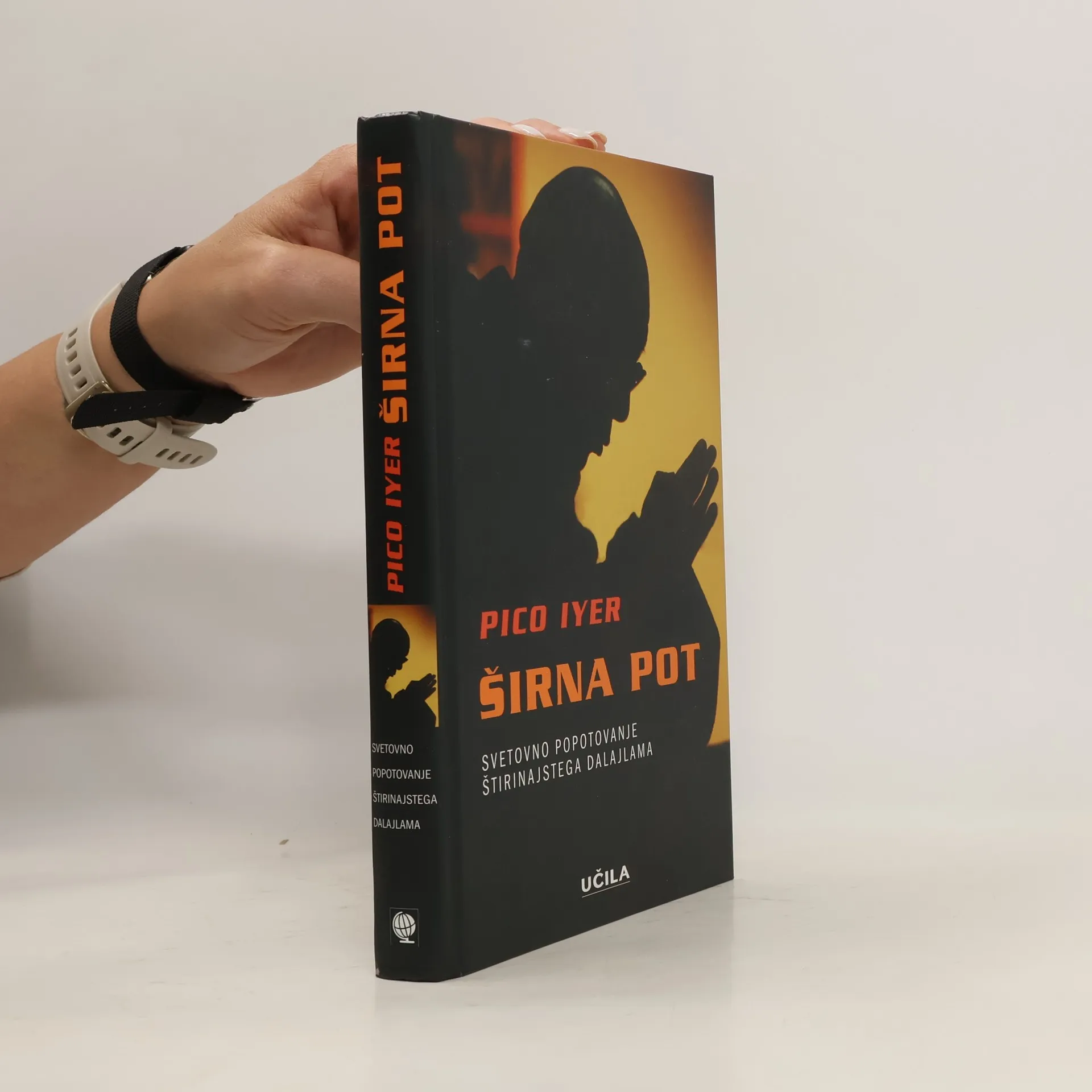
Širna pot
- 243 pages
- 9 hours of reading
Terk Etme Beni
- 352 pages
- 13 hours of reading
"Senden önce gölgeler ve korkular vardı." Sufi şiirleri uzmanı genç bir İngiliz ve hüznün pençesinde genç bir kadın. İkisinin arasında da kayıp bir elyazması... On üçüncü yüzyıl İran şairlerini araştıran John Macmillan çalışmalarını California da sürdürmektedir. İslam Devrimi nden sonra İran dan kaçırılan bir elyazması bulunduğunu öğrenir. Bu gizemli elyazmasının peşine düştüğünde, en az elyazması kadar gizemli Camilla çıkar karşısına. İspanya, Hindistan ve İran da mistik şiirlerin izini sürerken, bu konularda ondan daha çok şey biliyor gibi görünen Camilla nın sırlarıyla çözümsüz acısını da keşfetmeye çalışır. Ancak ulaştığı her bilgi sır perdesini daha da kalınlaştırır. Terk Etme Beni, gözle görünmeyen gerçeği, ayrılığı, teslimiyeti ve aşkın gizemini eksen alırken okuru daha derinlere götürerek, soluk soluğa bir maceraya davet ediyor. California nın akademik ortamından İran camilerine uzanan yolculuk, İslam ile modern Batı nın anlayış farklarını da gözler önüne seriyor. Arabesk motiflerle bezenmiş Terk Etme Beni,insanın kendi içine yaptığı yolculuğun, arayışın ve aydınlığa çıkışın romanı.
Le tavole d'oro: C'era una volta l'Oriente
- 480 pages
- 17 hours of reading
Acht verhalen over ervaringen op diverse plaatsen van de wereld.