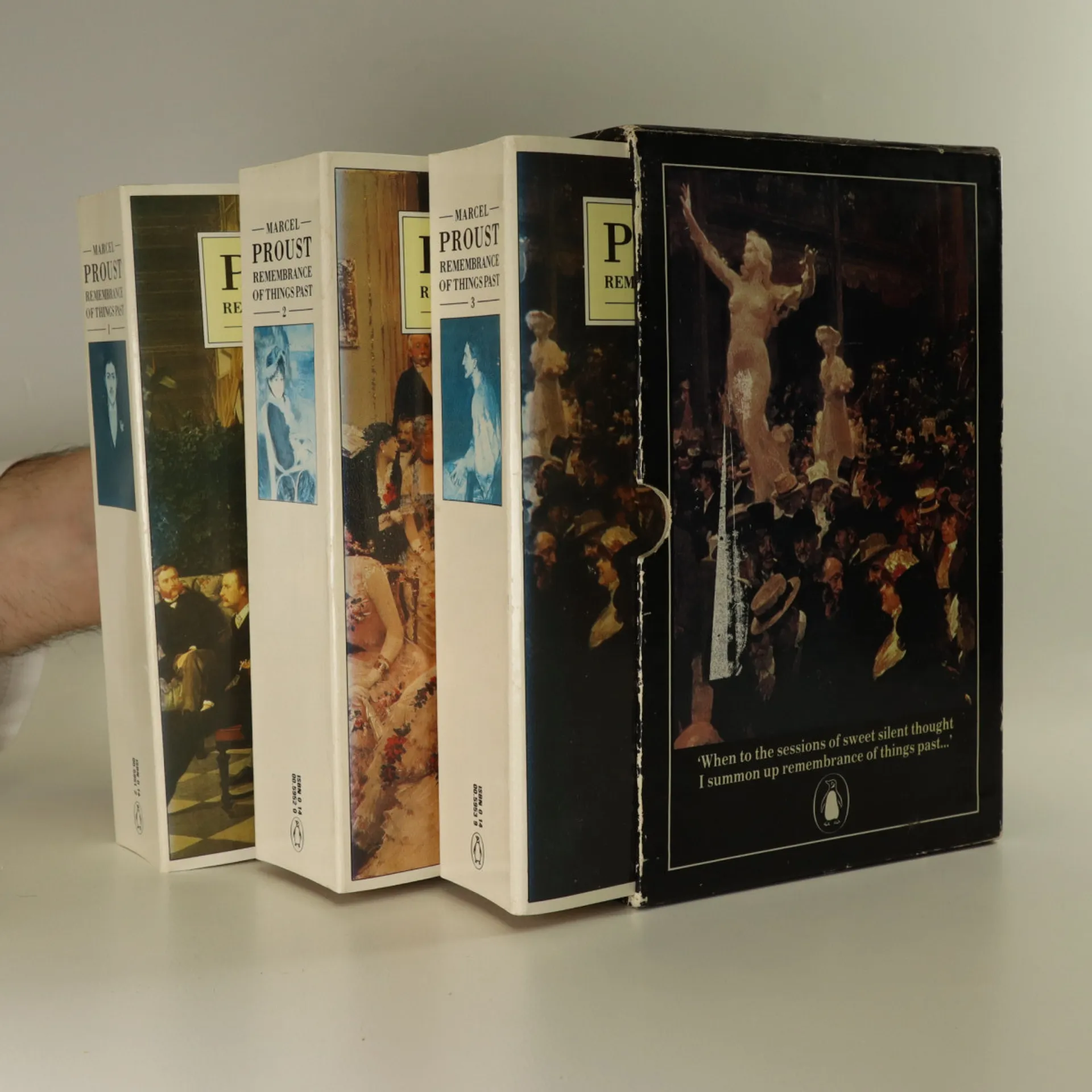
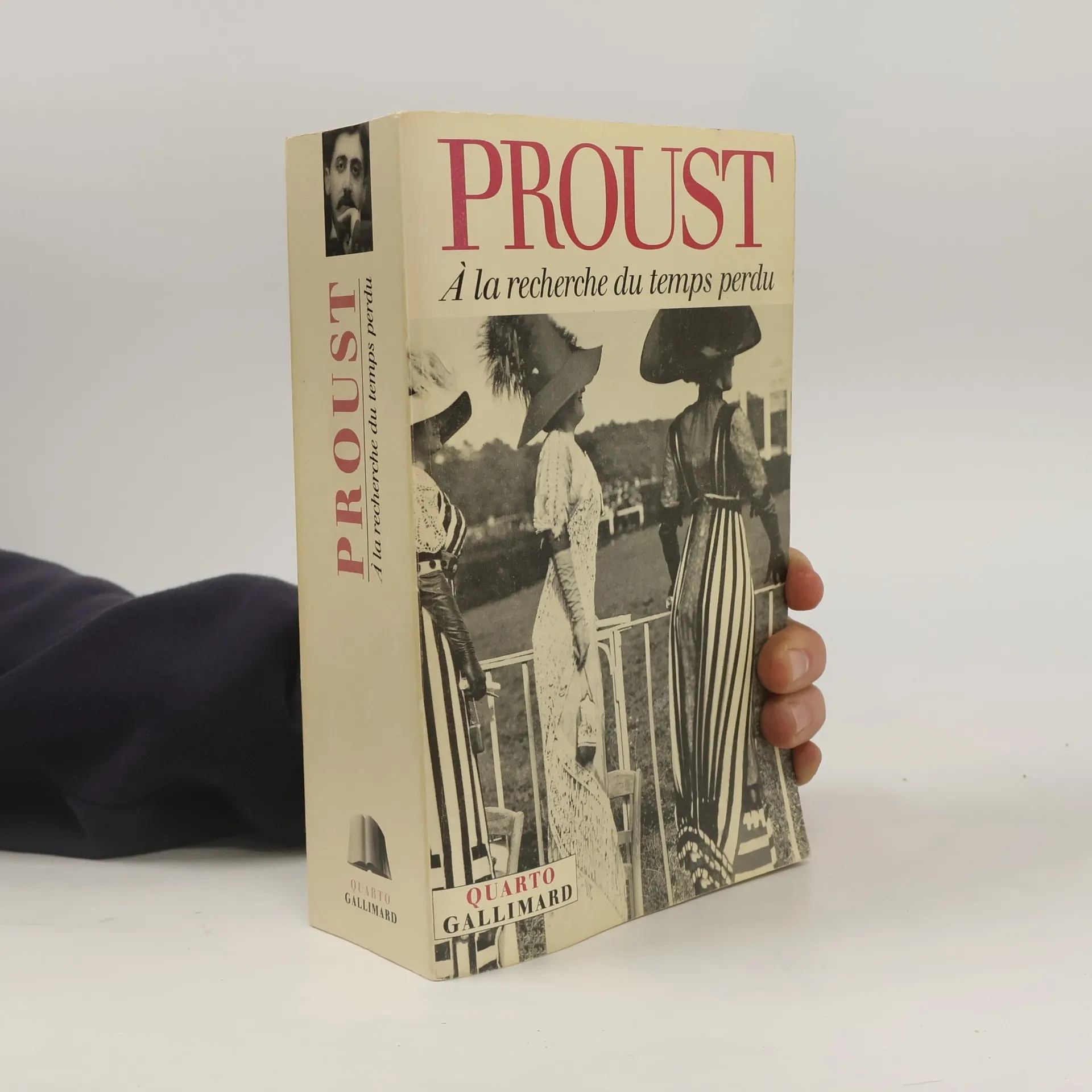
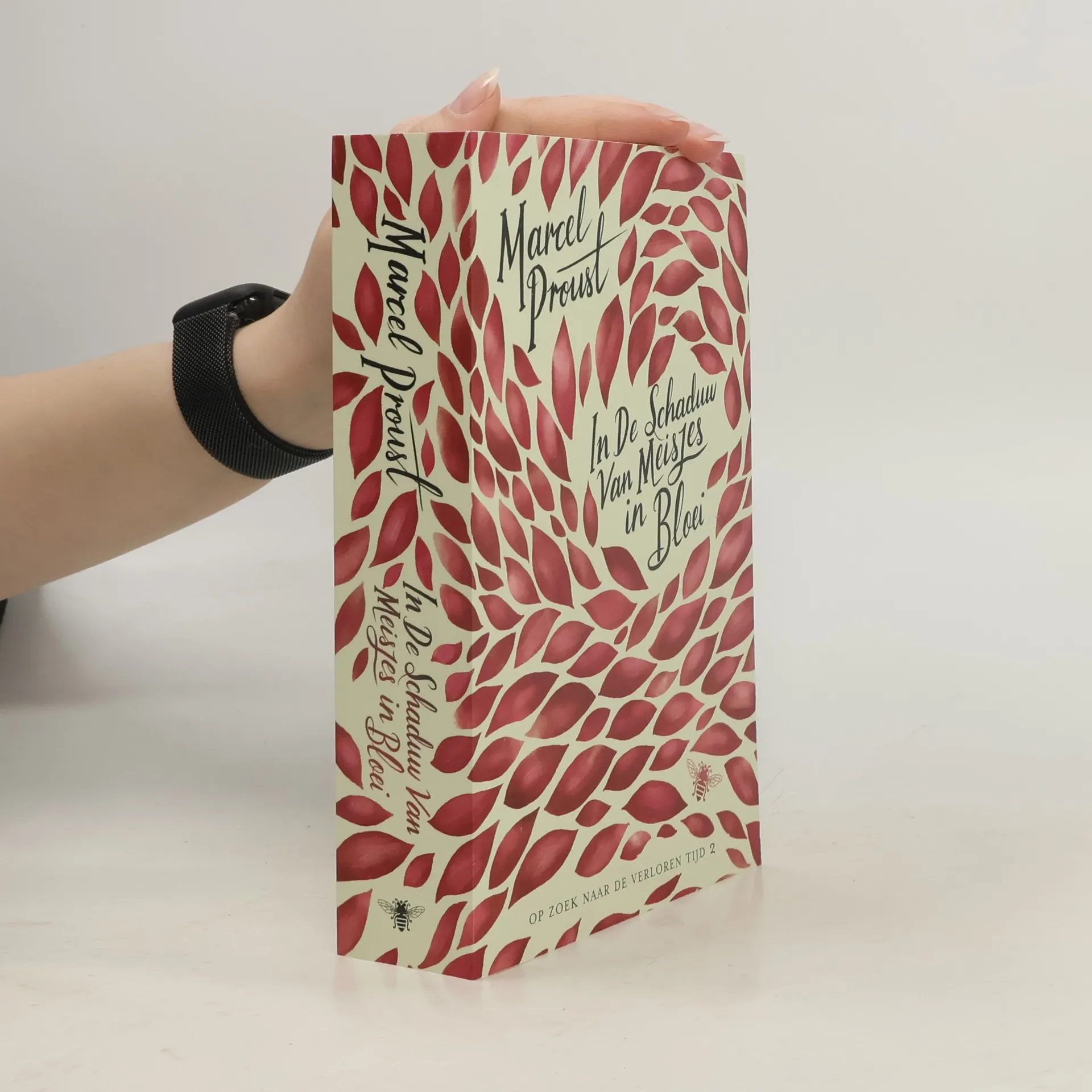
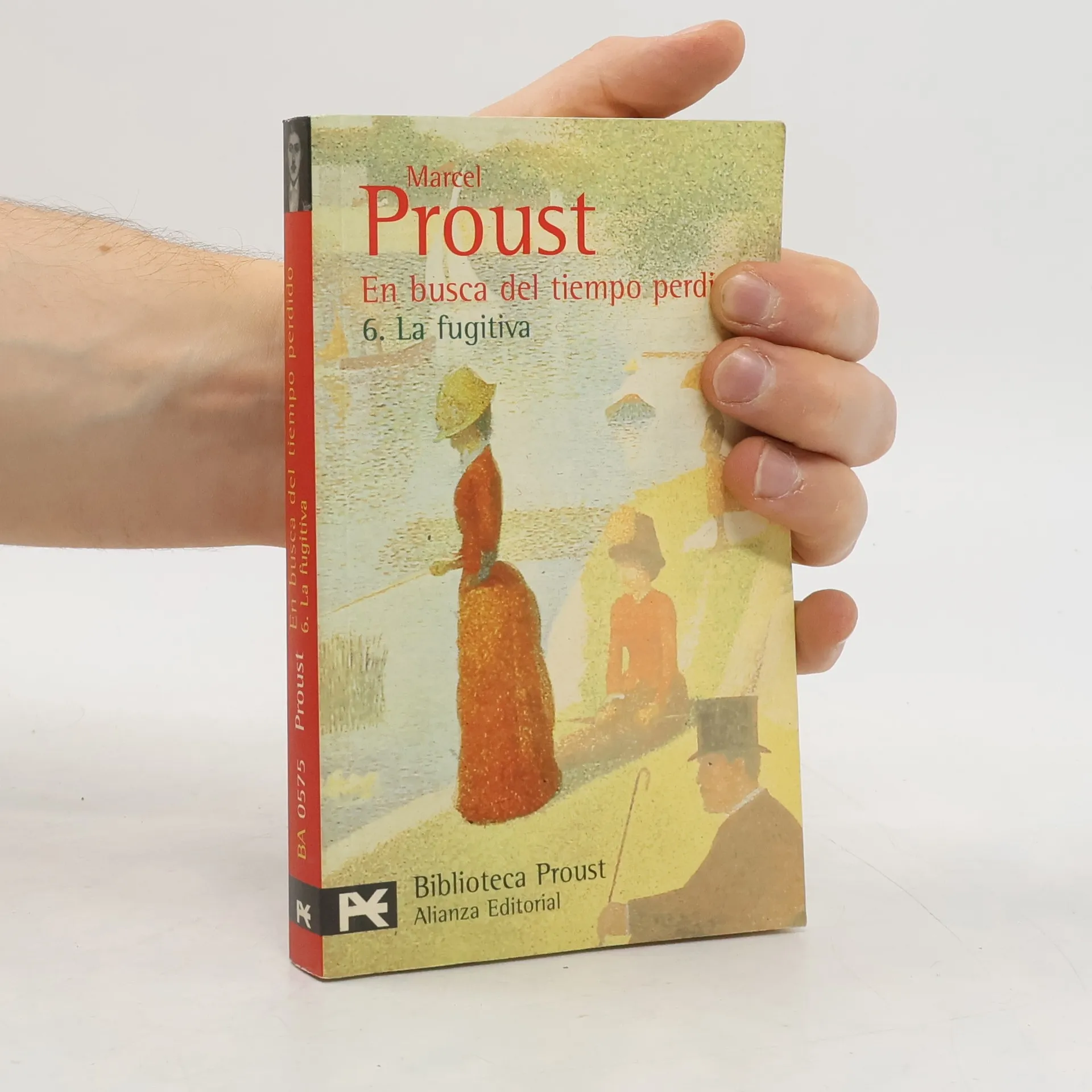
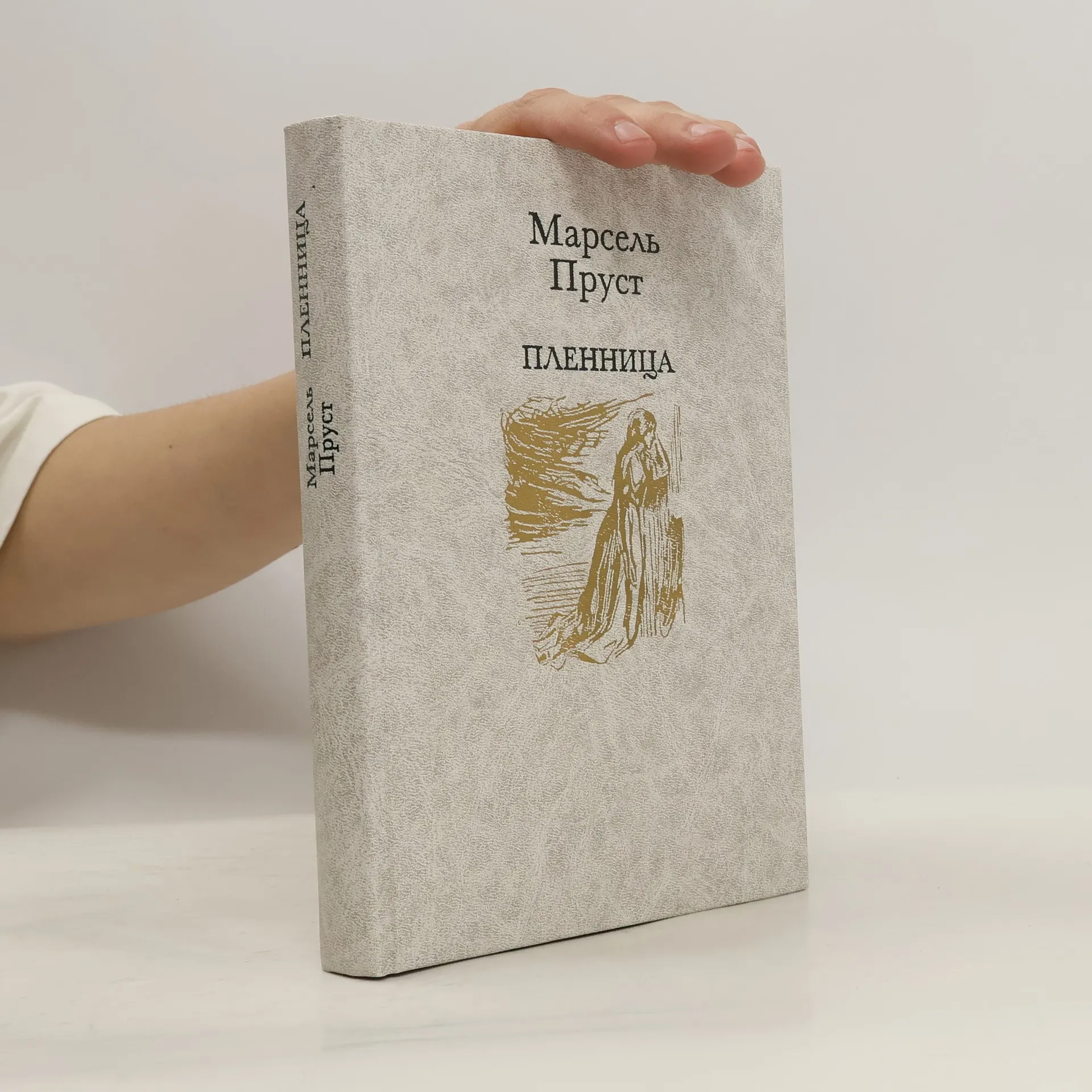
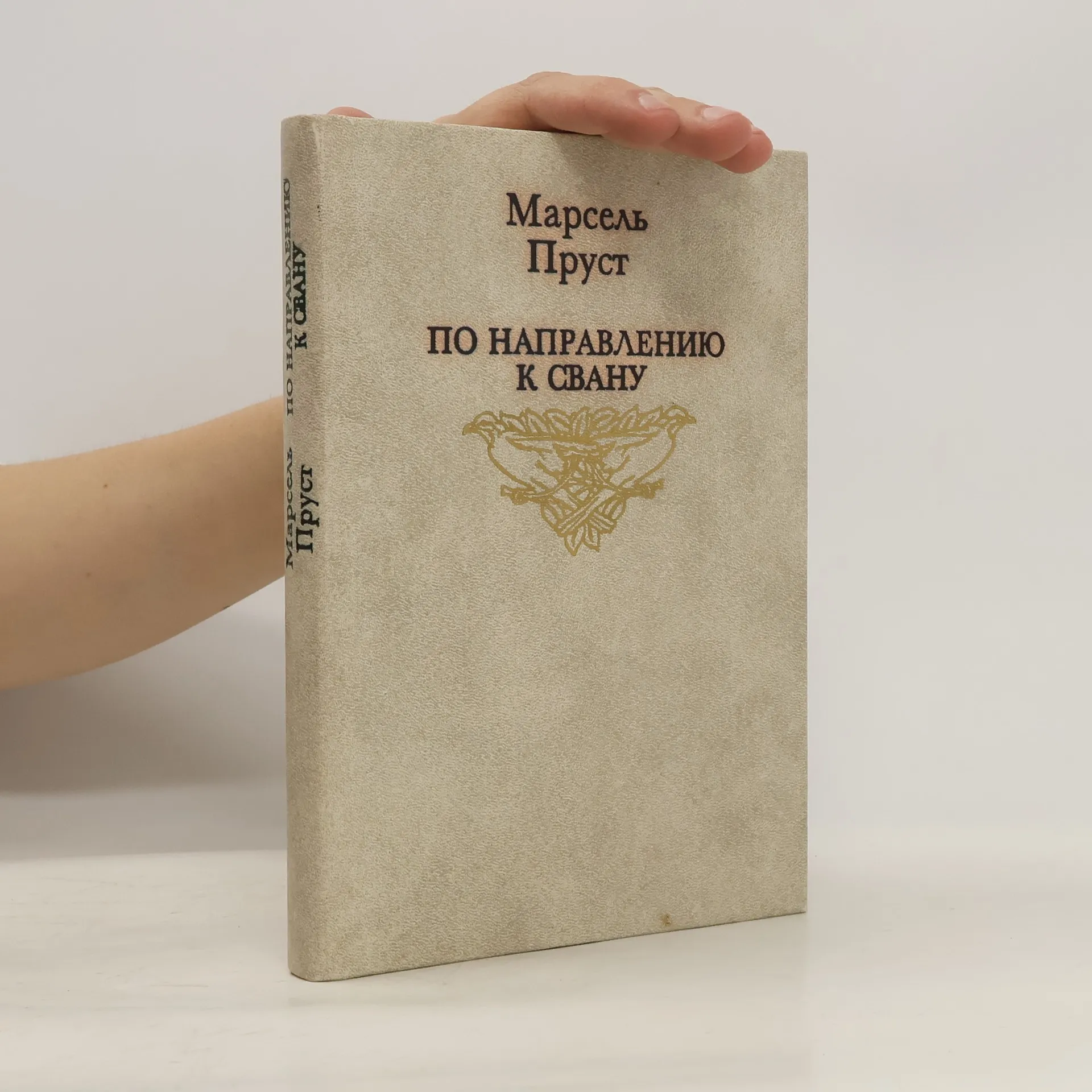
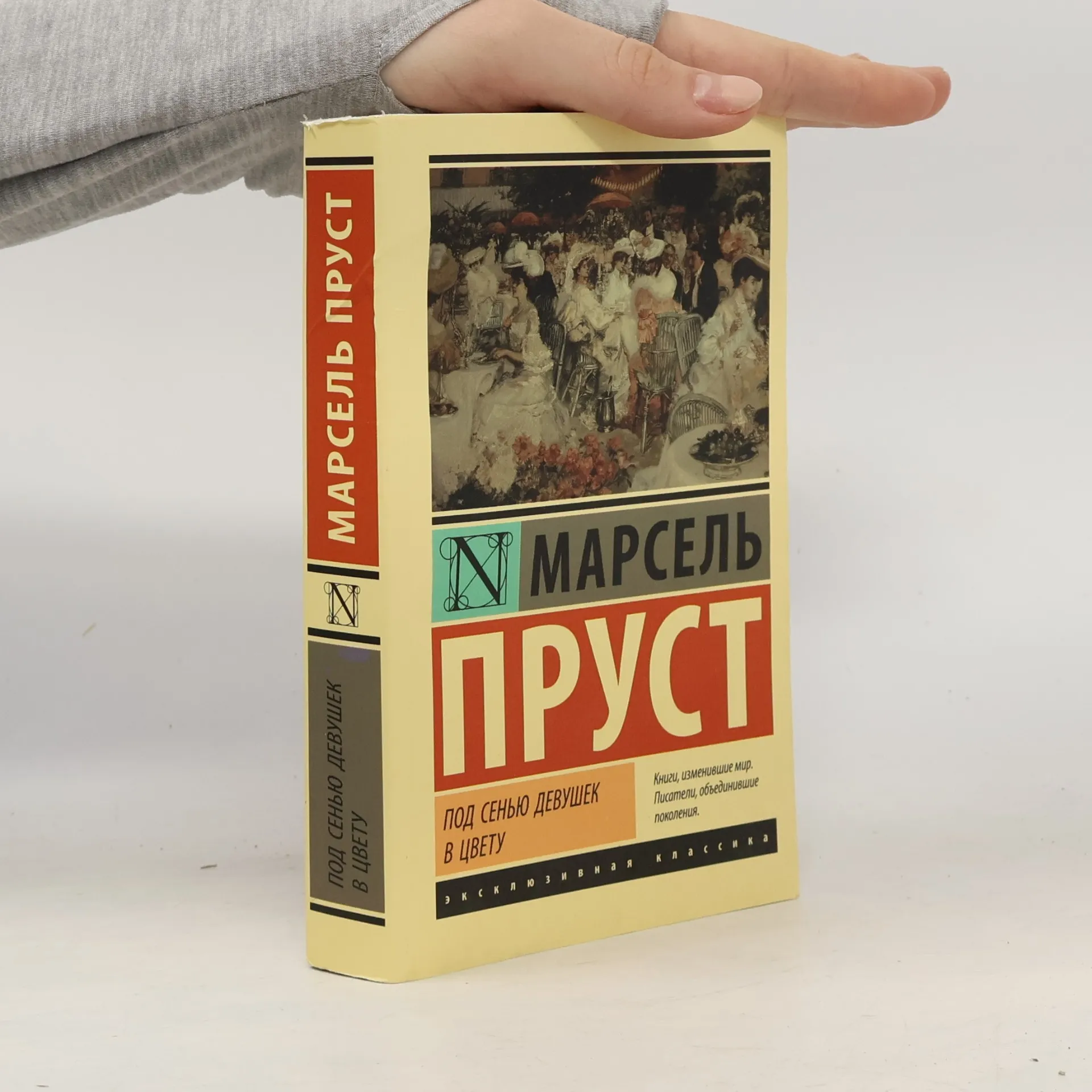
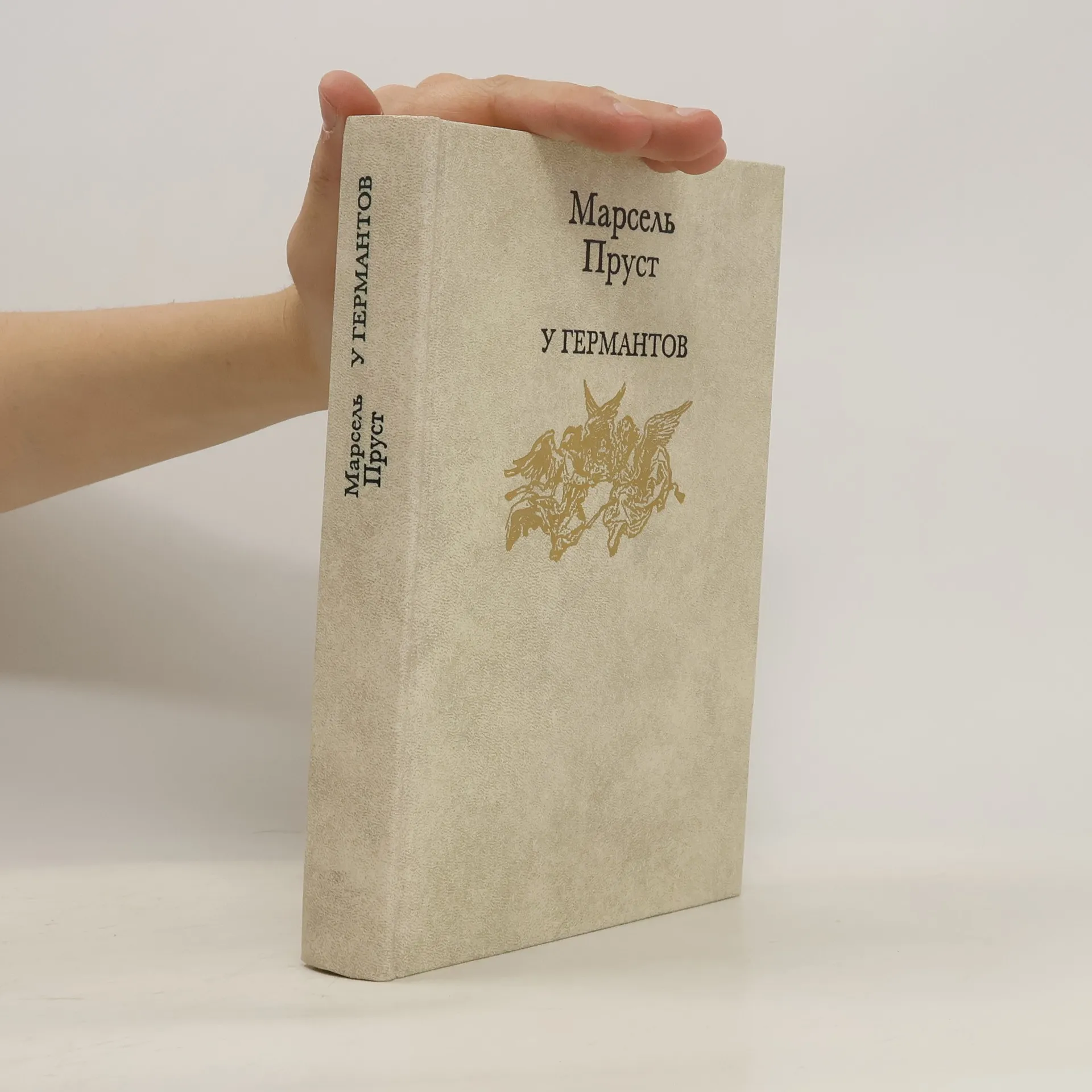
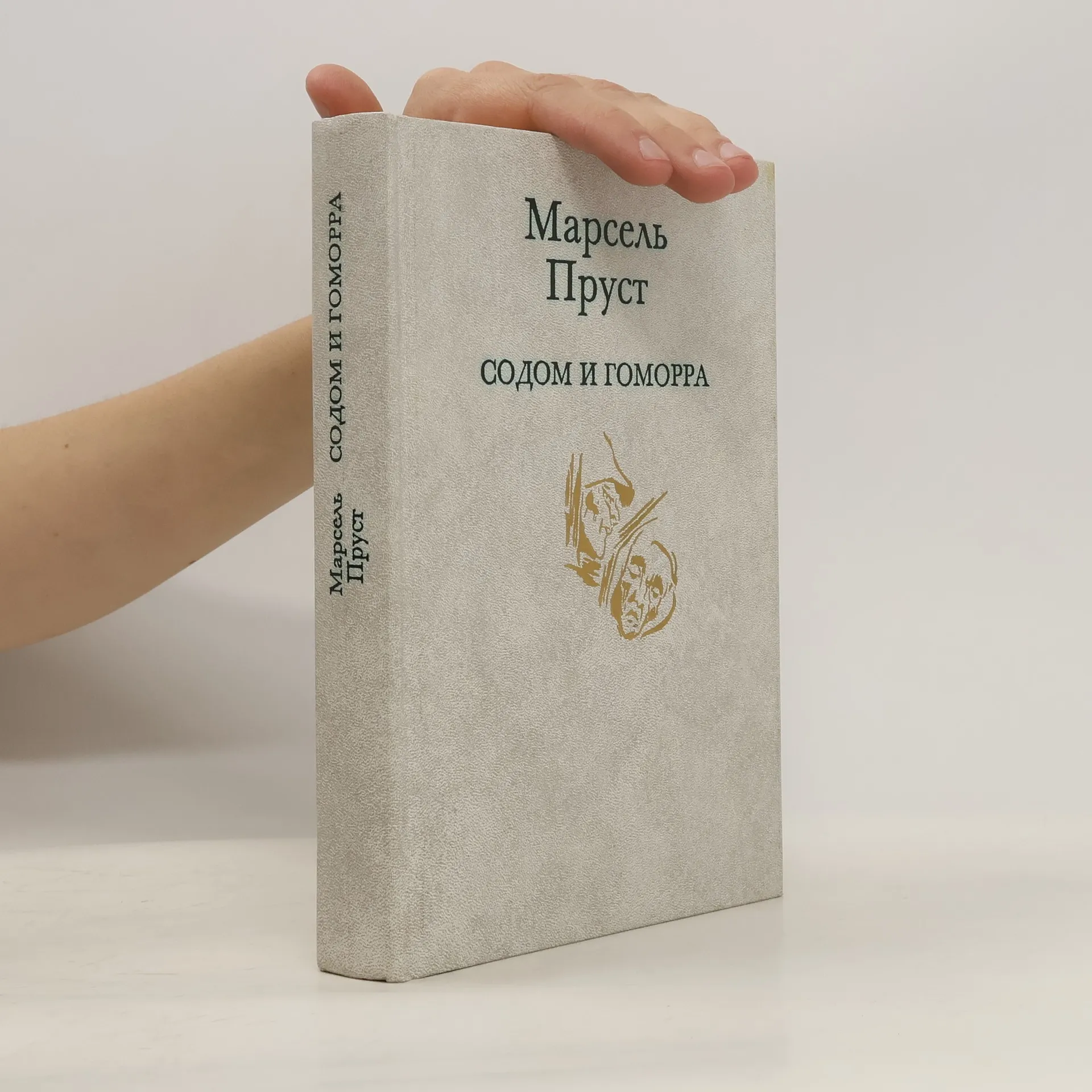
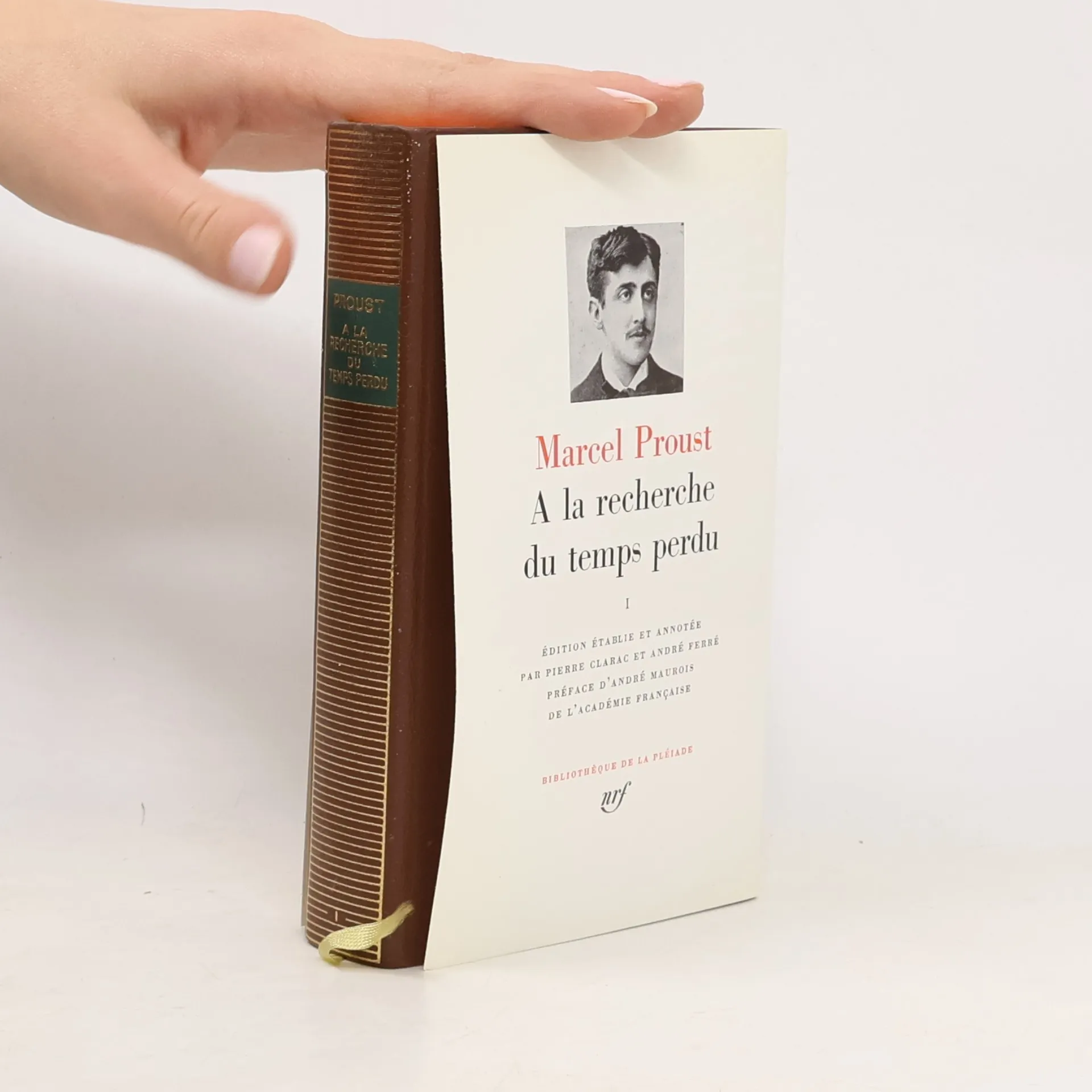
This French novelist is widely recognized as one of the greatest authors of the 20th Century. His monumental work, largely written in a stream-of-consciousness style, is considered one of the most dazzling and significant literary achievements of modern times. Through his unique voice, he delves into themes of memory, time, and societal nuances, offering profound insights into the human psyche. His distinctive approach and unparalleled dedication have solidified his place as a towering figure in literary history.
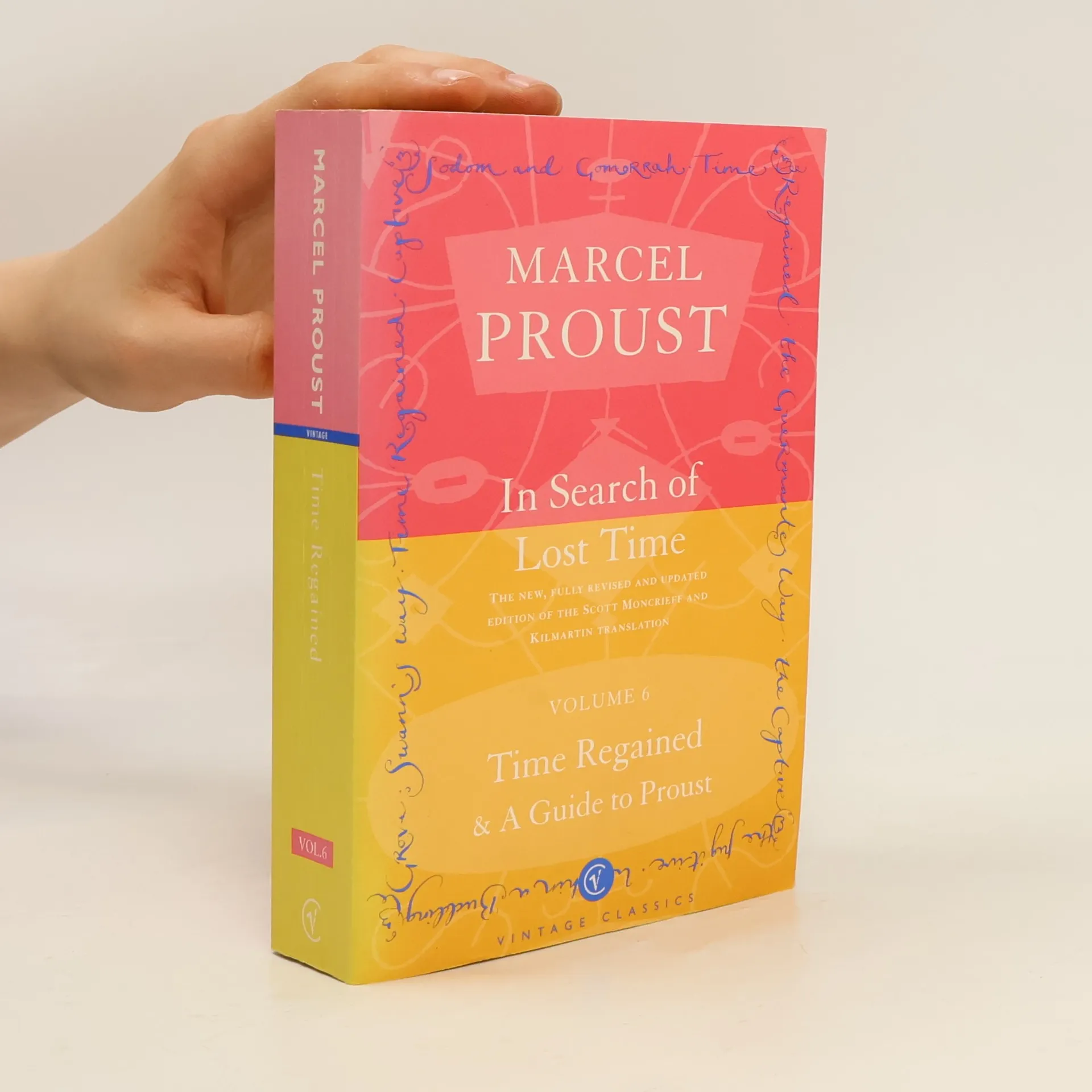
THE ACCLAIMED FULLY REVISED EDITION OF THE SCOTT MONCRIEFF AND KILMARTIN
TRANSLATIONTime Regained begins in the bleak and uncertain years of World War
I. Years later, after the war's end, Proust's narrator returns to Paris and
reflects on time, reality, jealousy, artistic creation, and the raw material
of literature - his past life.
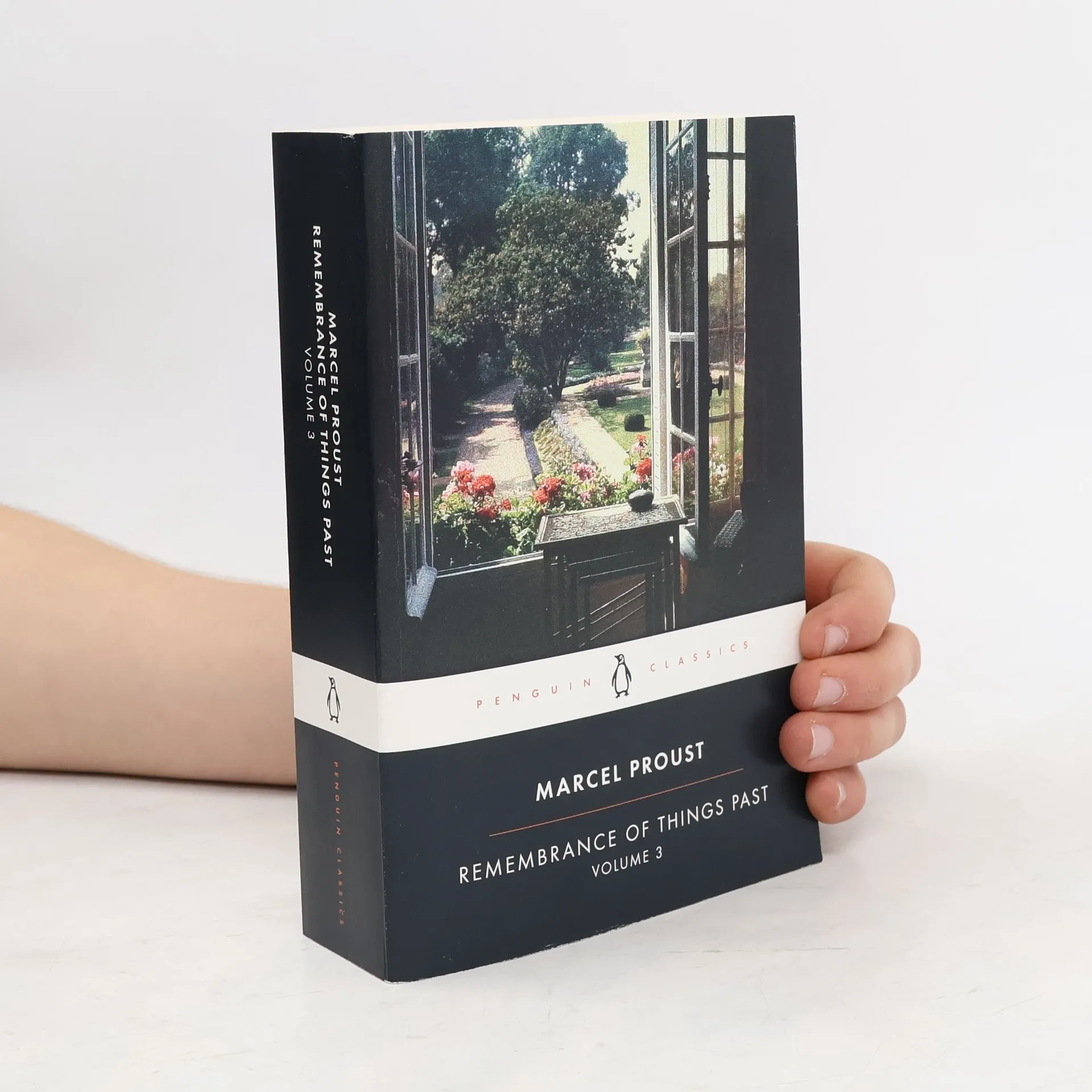
Proust's masterpiece is one of the seminal works of the twentieth century, recording its narrator's experiences as he grows up, falls in love and lives through the First World War. A profound reflection on art, time, memory, self and loss, it is often viewed as the definitive modern novel. C. K. Scott Moncrieff's famous translation from the 1920s is today regarded as a classic in its own right and is now available in three volumes in Penguin Classics. This third volume includes The Captive, The Sweet Cheat Gone and Time Regained.
Marcel Proust (1871-1922) spent the last fourteen years of his life writing "la recherche du temps perdu." Moncrieff's translation strives to capture the extraordinary blend of muscular analysis with poetic reverie that typifies Proust's style.
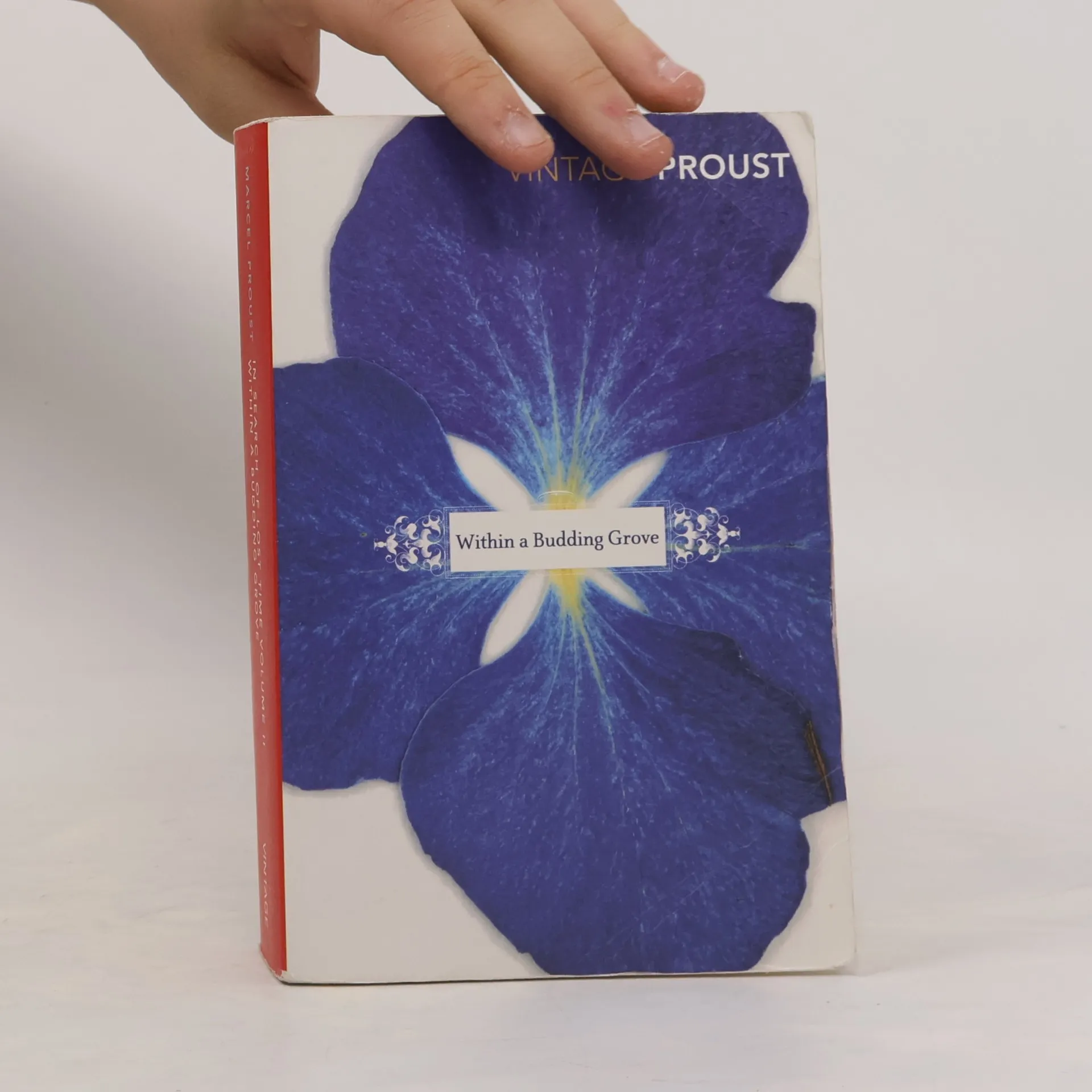
THE ACCLAIMED FULLY REVISED EDITION OF THE SCOTT MONCRIEFF AND KILMARTIN TRANSLATION Within a Budding Grove describes the first shoots of an astonishing love affair. When Proust's adolescent narrator travels from Paris to the sunny seaside town of Balbec he meets an intriguing set of new acquaintances who provide him with both friendship and entertainment. Most significantly of all he meets a dark-haired girl with sparkling eyes and a tiny beauty spot on her chin: the mysterious Albertine, who will become the great love of his life.
THE ACCLAIMED FULLY REVISED EDITION OF THE SCOTT MONCRIEFF AND KILMARTIN
TRANSLATIONIn the two novels - The Captive and The Fugitive - contained in
this volume, Proust's narrator is living in his mother's apartment in Paris
with his lover, Albertine.
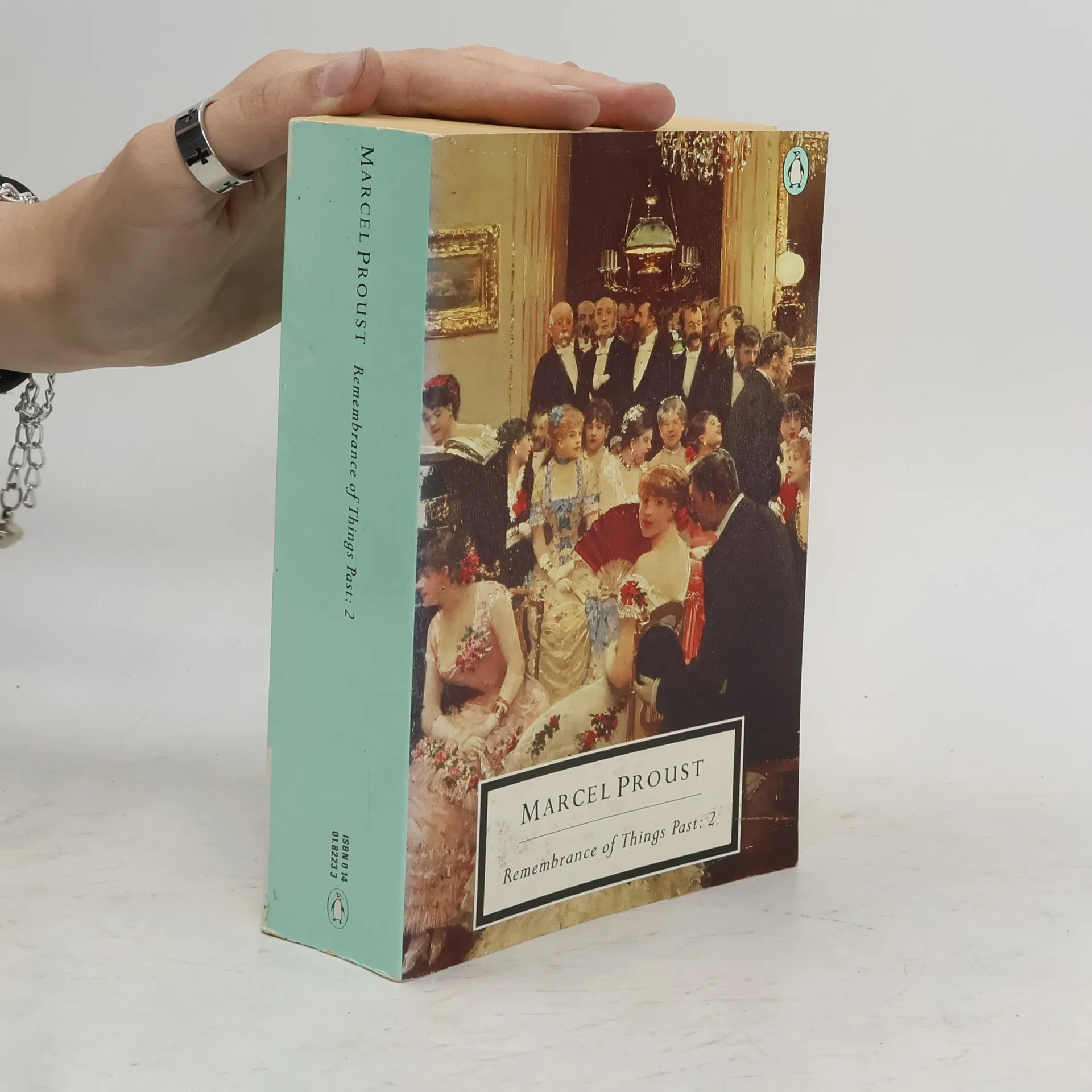
Marcel Proust whiled away the first half of his life as a self-conscious aesthete and social climber. The second half he spent in the creation of the mighty roman-fleuve that is Remembrance of Things Past, memorializing his own dandyism and parvenu hijinks even as he revealed their essential hollowness. Proust begins, of course, at the beginning--with the earliest childhood perceptions and sorrows. Then, over several thousand pages, he retraces the course of his own adolescence and adulthood, democratically dividing his experiences among the narrator and a sprawling cast of characters. Who else has ever decanted life into such ornate, knowing, wrought-iron sentences? Who has subjected love to such merciless microscopy, discriminating between the tiniest variations of desire and self-delusion? Who else has produced a grief-stricken record of time's erosion that can also make you laugh for entire pages? The answer to all these questions is: nobody.
Describes the class tensions of a changing France at the beginning of the
twentieth century and exposes the decadence of aristocratic Parisian society
and muses upon the subjects of homosexuality and sexual jealousy.
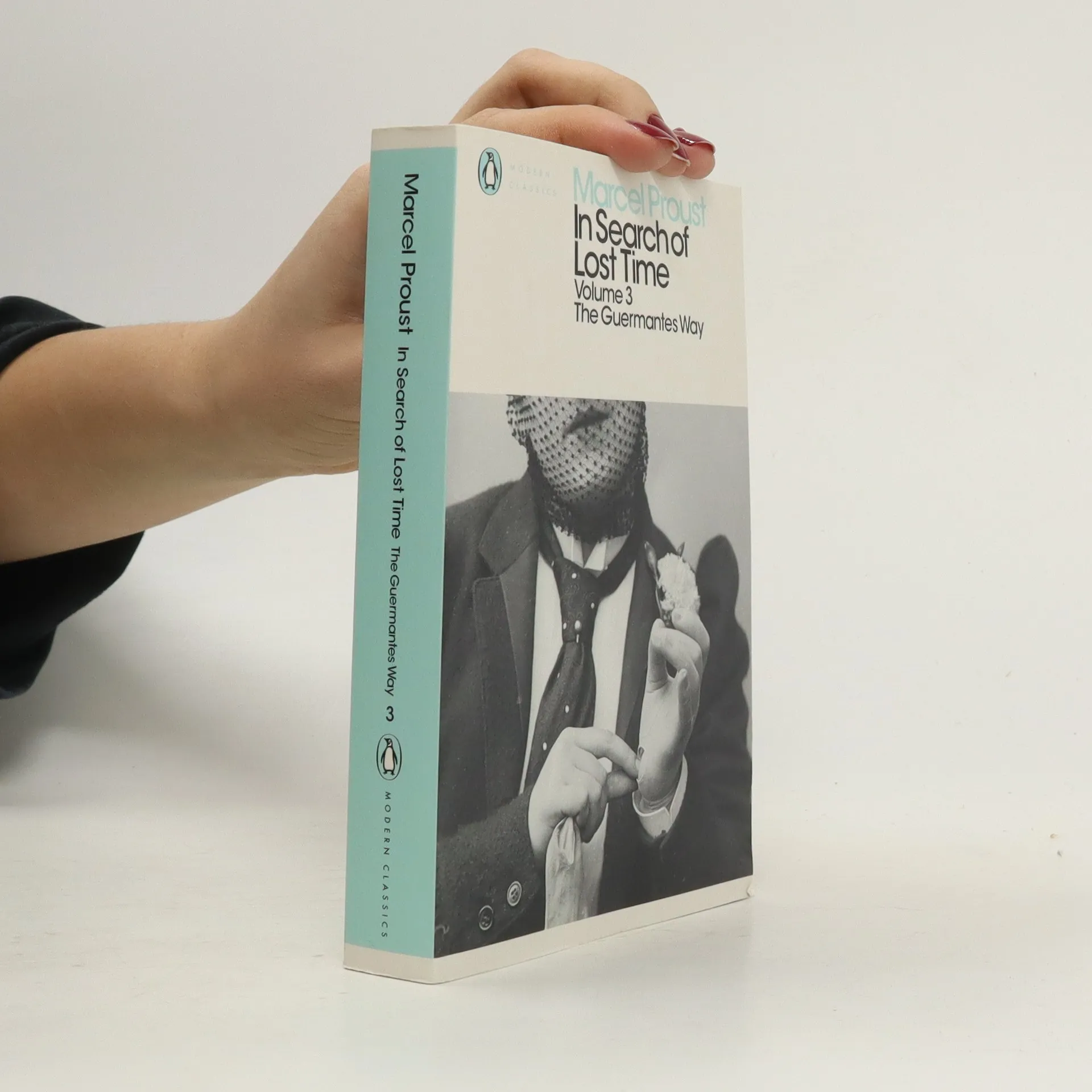
THE ACCLAIMED FULLY REVISED EDITION OF THE SCOTT MONCRIEFF AND KILMARTIN
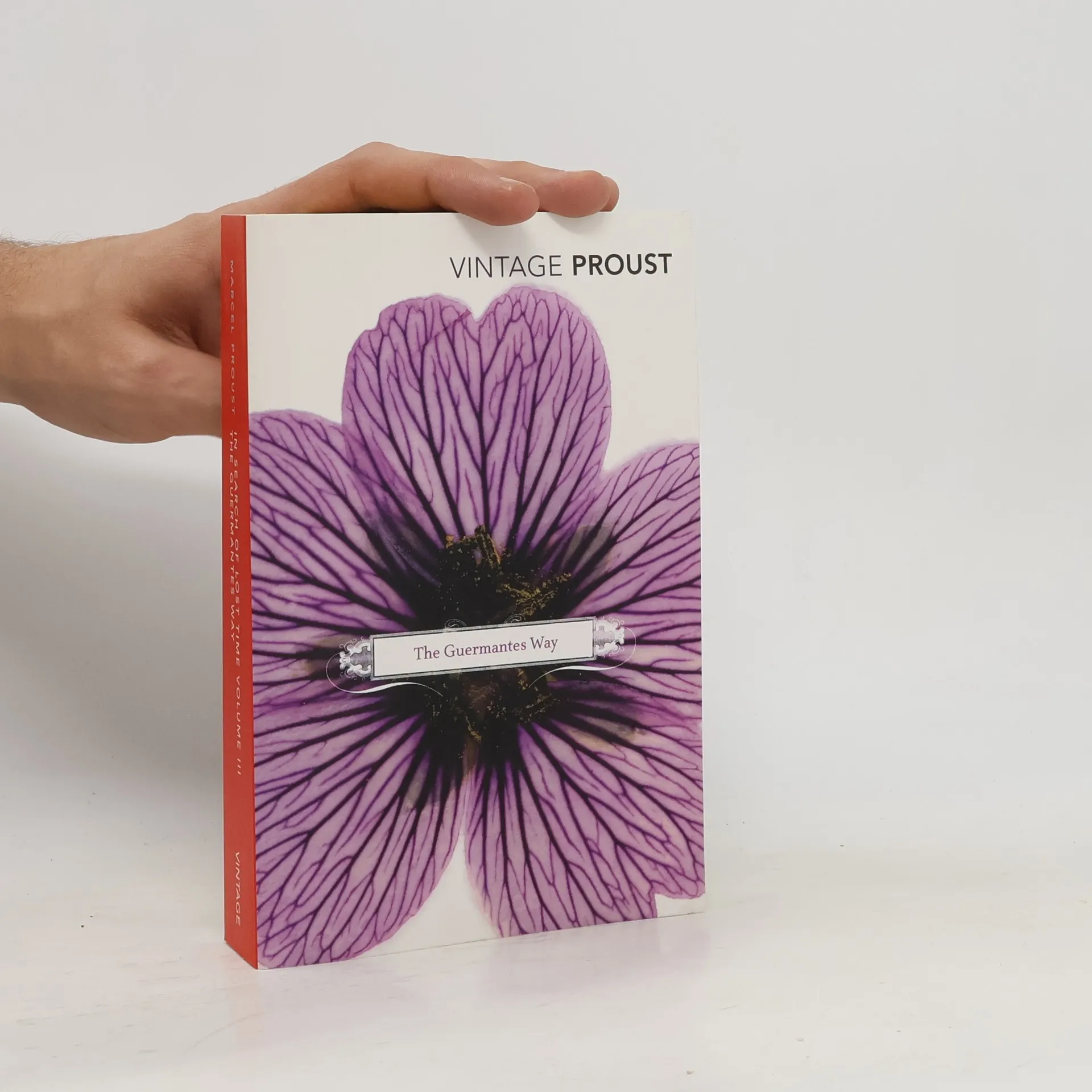
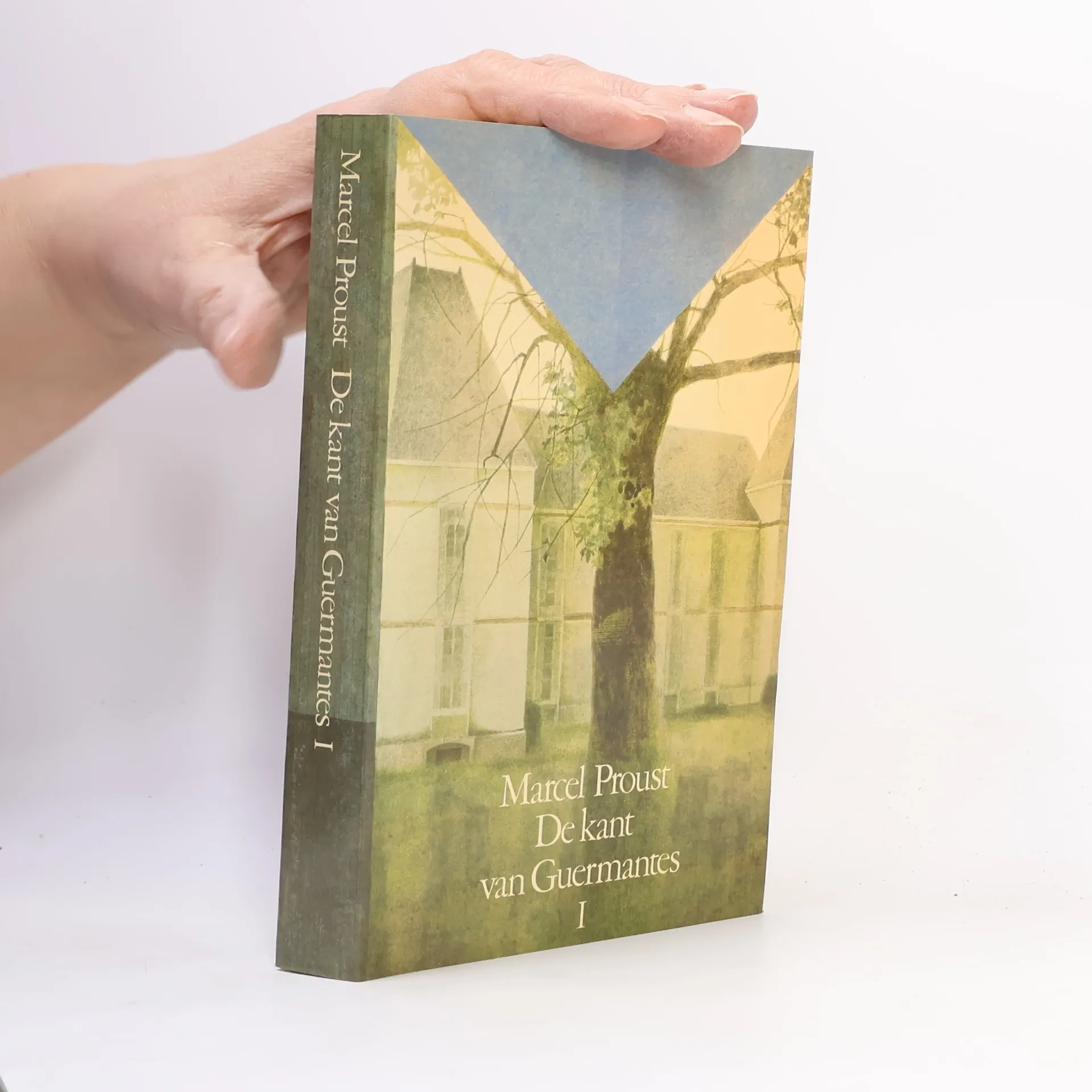
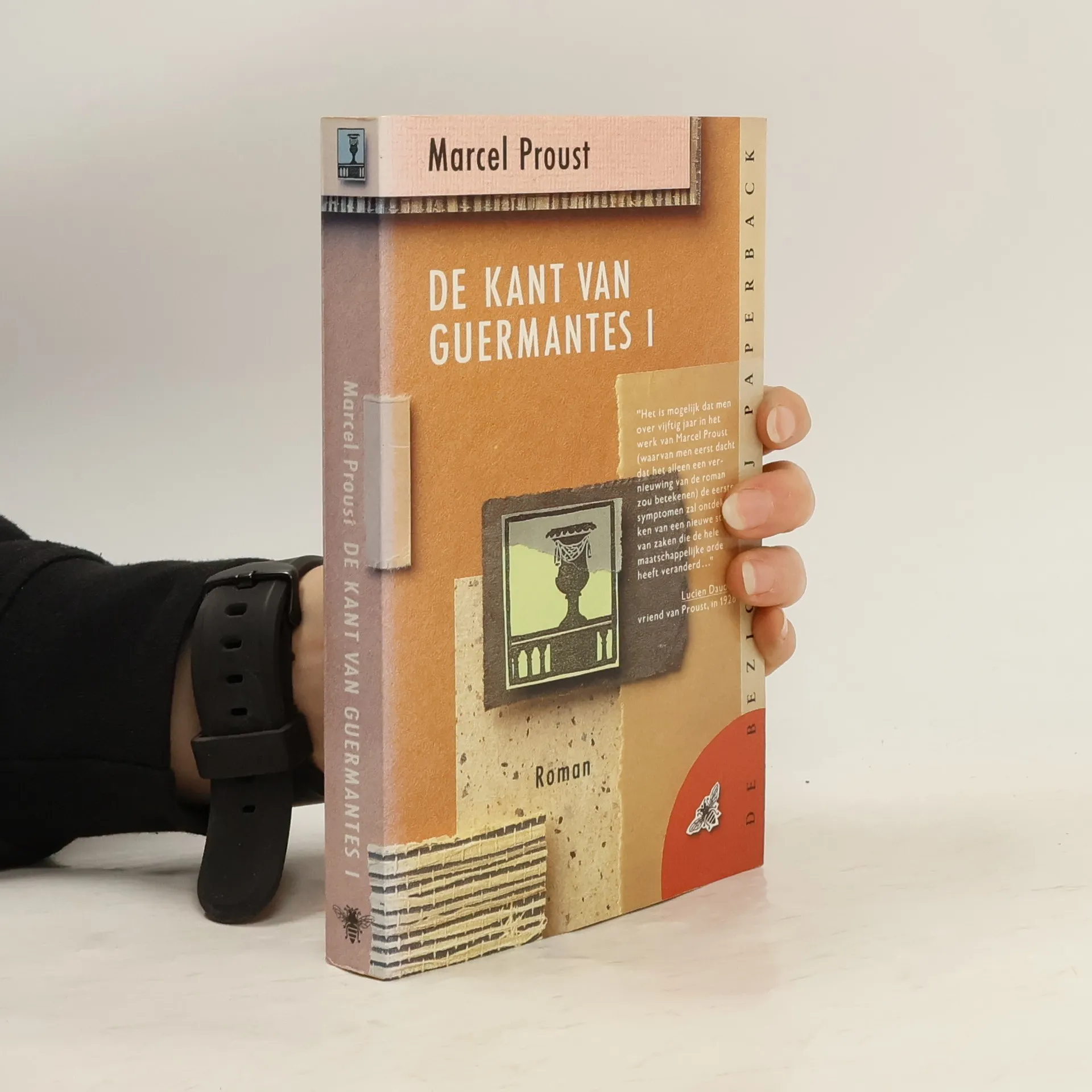
TRANSLATIONIn The Guermantes Way Proust's narrator recalls his initiation into
the dazzling world of Parisian high society. Looking back over his time in the
glamorous salons of the aristocracy, he satirises this shallow world and his
own youthful infatuation with it.
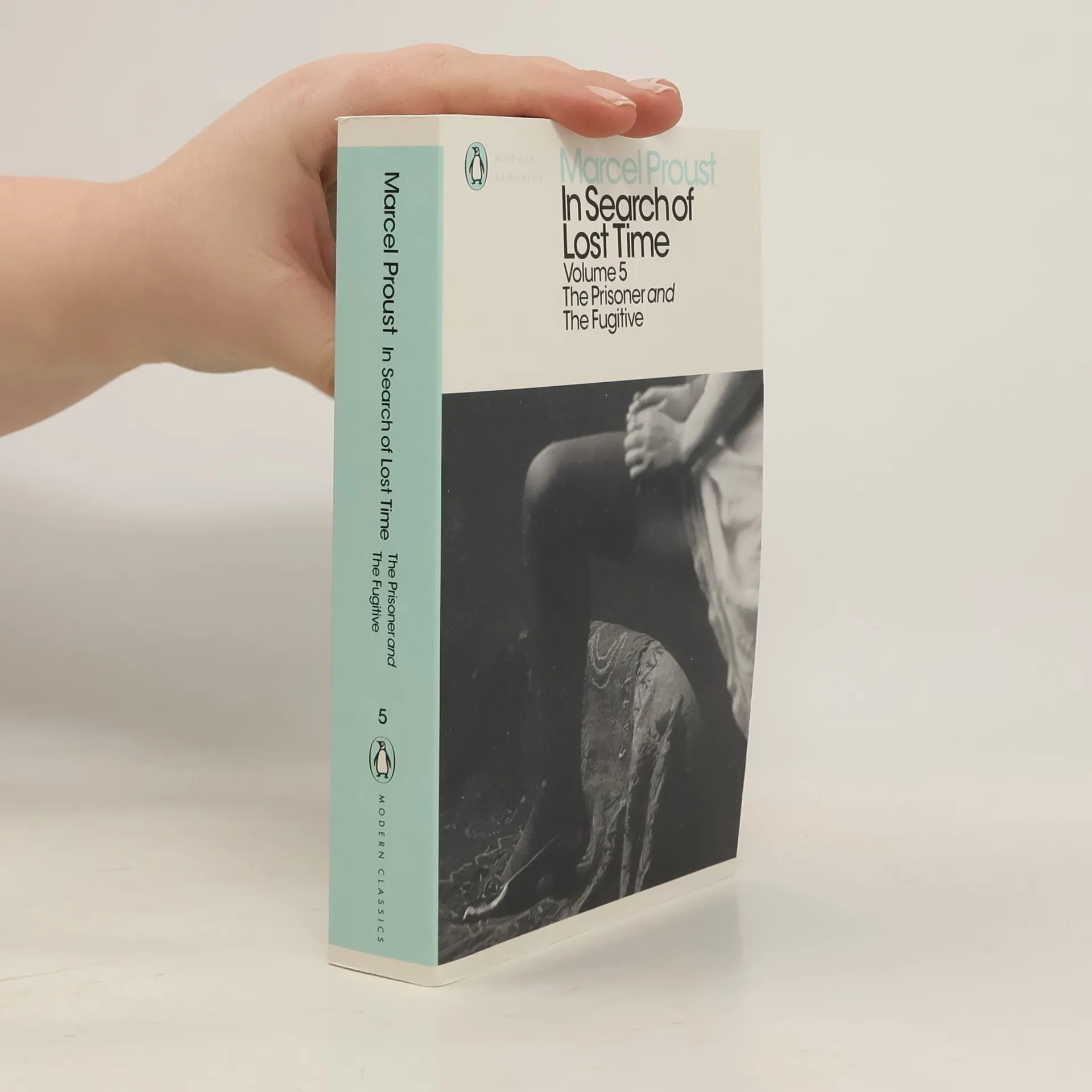
"Carol Clark's acclaimed new translation of The Prisoner introduces a new generation of American readers to the literary riches of Marcel Proust. The fifth volume in Penguin's superb edition of In Search of Lost Time -- the first completely new translation of Proust's masterpiece since the 1920s -- brings us a more comic and lucid prose than readers of English have previously been able to enjoy. In The Prisoner -- the volume that represents 'the very summit of Proust's art' (Slate) -- the prisoner is Albertine, the tall, dark orphan with whom Marcel had fallen in love at the end of Sodom and Gomorrah (volume 4). Marcel, who worries obsessively about Albertine's relationships with other women, grows more and more irrational in his attempt to control her, keeping her prisoner in his family's apartment in Paris and buying her couture gowns, furs, and jewelry in an attempt to protect her from herself and from the outside world. And yet in addition to being a tragedy of possessive love, The Prisoner is also a comedy of human folly and misunderstanding, linked to the other volumes of the larger novel through its themes of class differences, art, irrationality, social snobbery, and, of course, time and memory."-- book jacket
'The transmutation of sensation into sentiment, the ebb tide of memory, waves of emotion such as desire, jealousy, and artistic euphoria — this is the material of this enormous and yet singularly light and translucid work' — Vladimir Nabokov Originally rendered by C.K. Scott Moncrieff from an early and unrealiable French edition, Proust’s masterpiece has now been flawlessly translated by Terence Kilmartin in this acclaimed version.
In The Guermantes Way Proust's narrator recalls his initiation into the
dazzling world of Parisian high society. Looking back over his time in the
glamorous salons of the aristocracy, he satirises this shallow world and his
own youthful infatuation with it. schovat popis
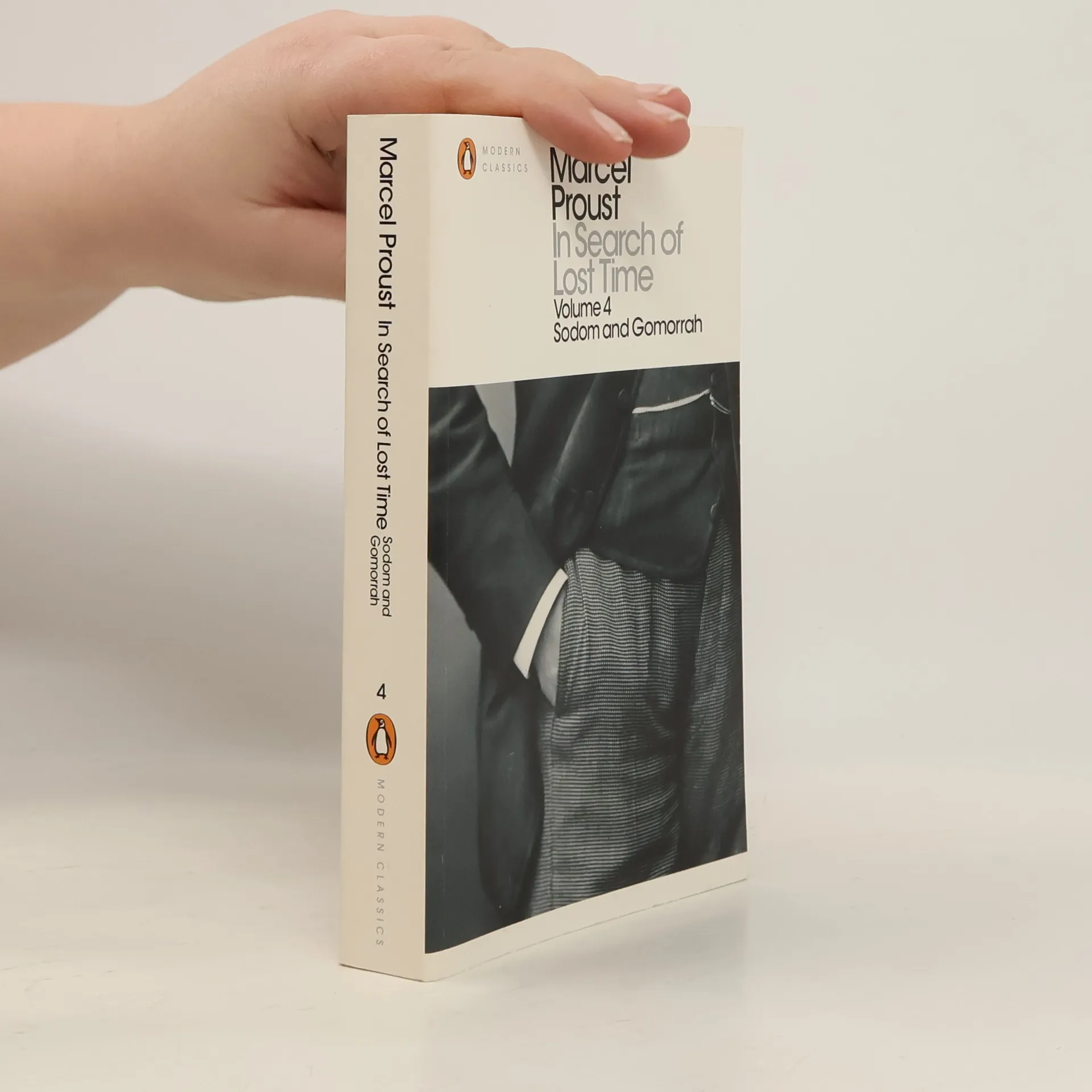
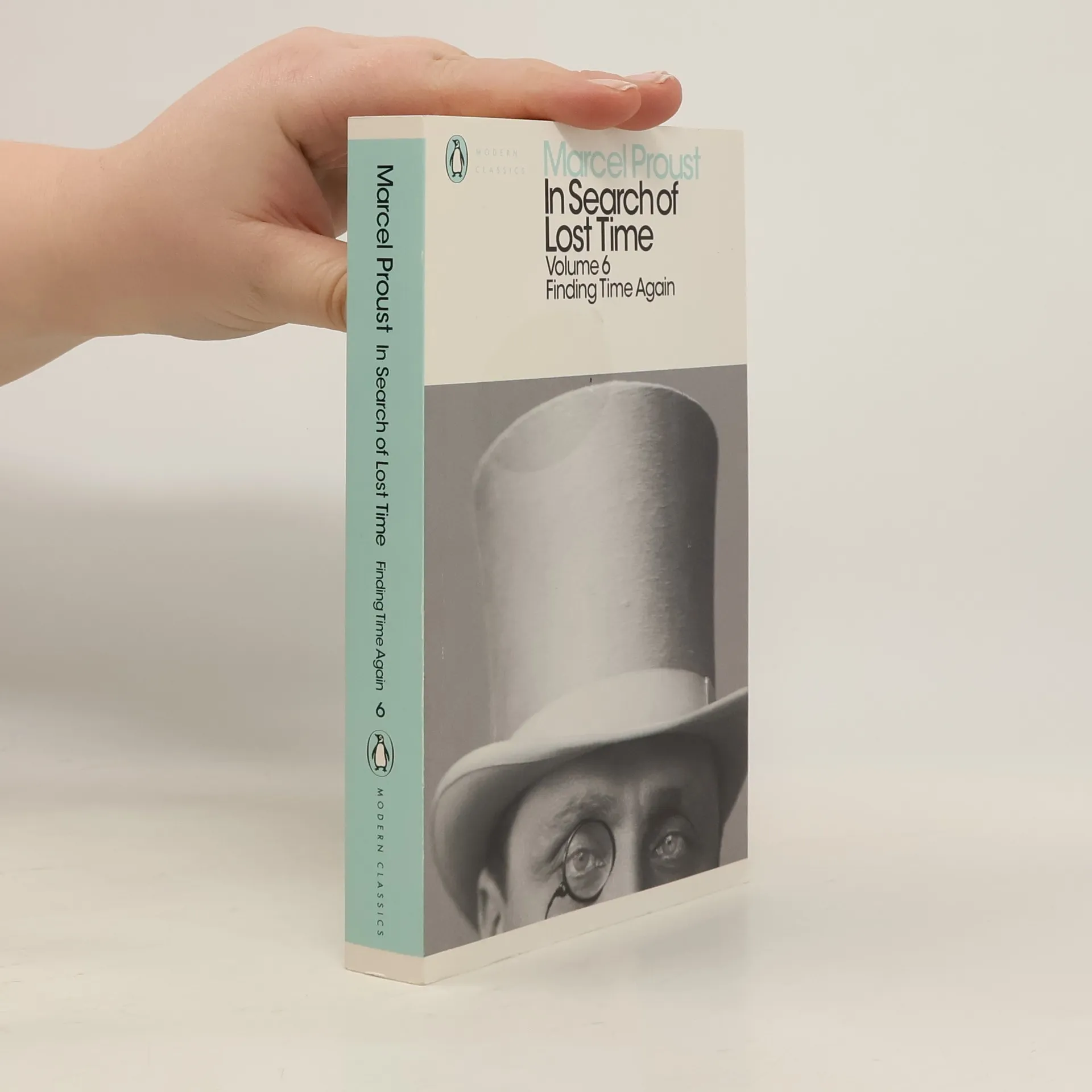
Celebrating the 150th anniversary of Marcel Proust's birth, this penultimate volume showcases the pinnacle of his literary artistry. It is part of the highly regarded Penguin translation, offering readers a chance to engage with Proust's intricate narrative and profound themes. The book promises to deepen the exploration of memory, time, and human experience, solidifying its place as a significant contribution to modern literature.
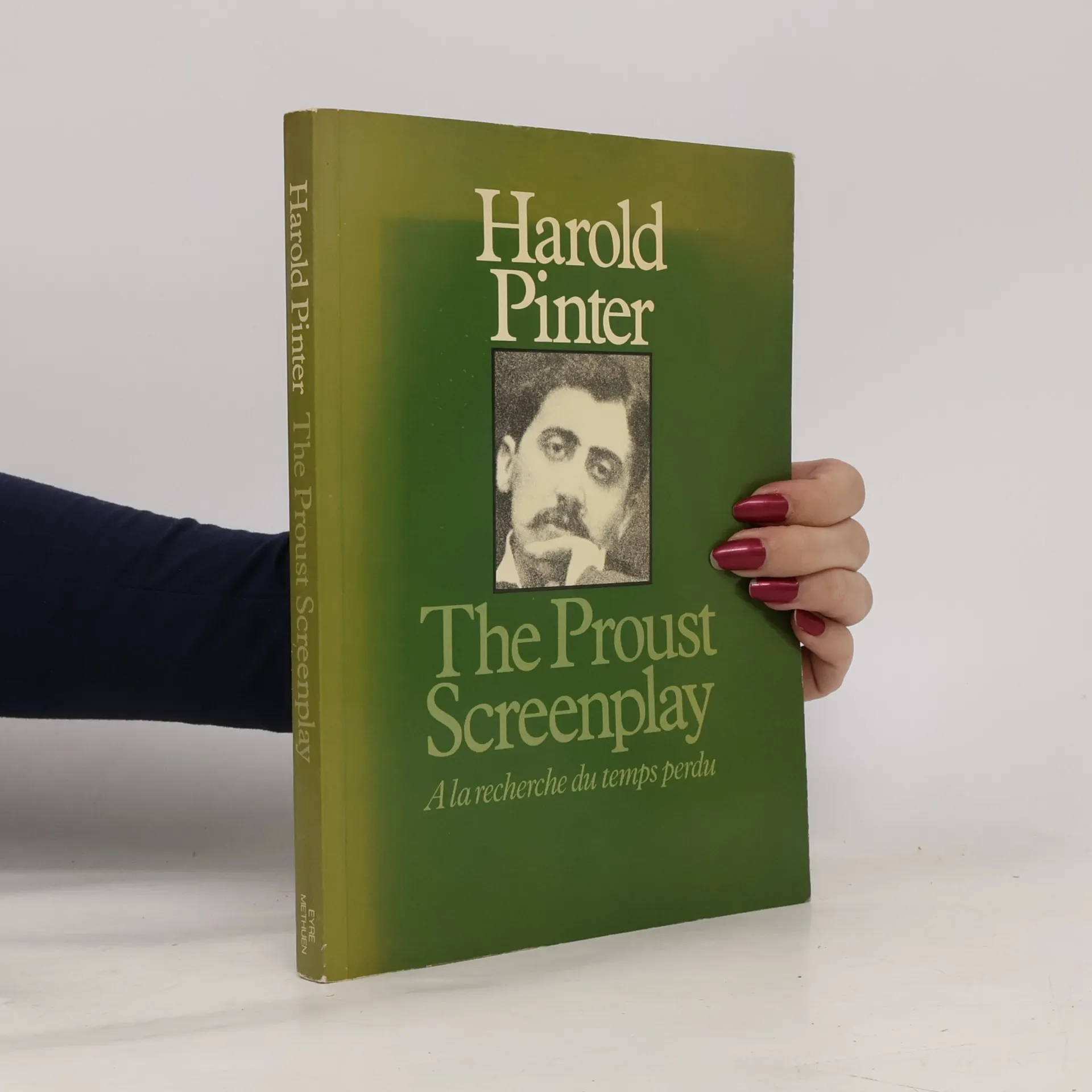
Recognized as one of the major literary works of the twentieth-century, Marcel Proust's monumental seven-volume novel brings together memories of childhood and Parisian society before and during the First World War. This new adaptation is based on Harold Pinter's screenplay, written at the request of the film director Joseph Losey in 1972. Remembrance of Things Past premi�red at the Royal National Theatre in November 2000.
In Search of Lost Time is one of the greatest, most entertaining reading
experiences in any language. This book is an English translation of the French
original.
Rich in language and detail, and by turns satirical and moving, Proust's
stories - presented here in Andrew Brown's nuanced translation, the only
edition currently in print - are layered with imagery and feeling and
foreshadow the themes and psychological atmosphere of his later masterpiece.
Marcel Proust, renowned primarily for his extensive cycle "In Search of Lost Time," wrote this novel intermittently between 1895 and 1901. The manuscript was discovered several decades after the author's death and was first arranged and published in 1952. Young Proust left this work unfinished, and some sections were later used as the foundation for certain passages in his monumental multi-volume masterpiece. The book serves not only as a remarkable depiction of the maturation of a young protagonist with autobiographical traits but also offers an intriguing insight into the author's own literary development.
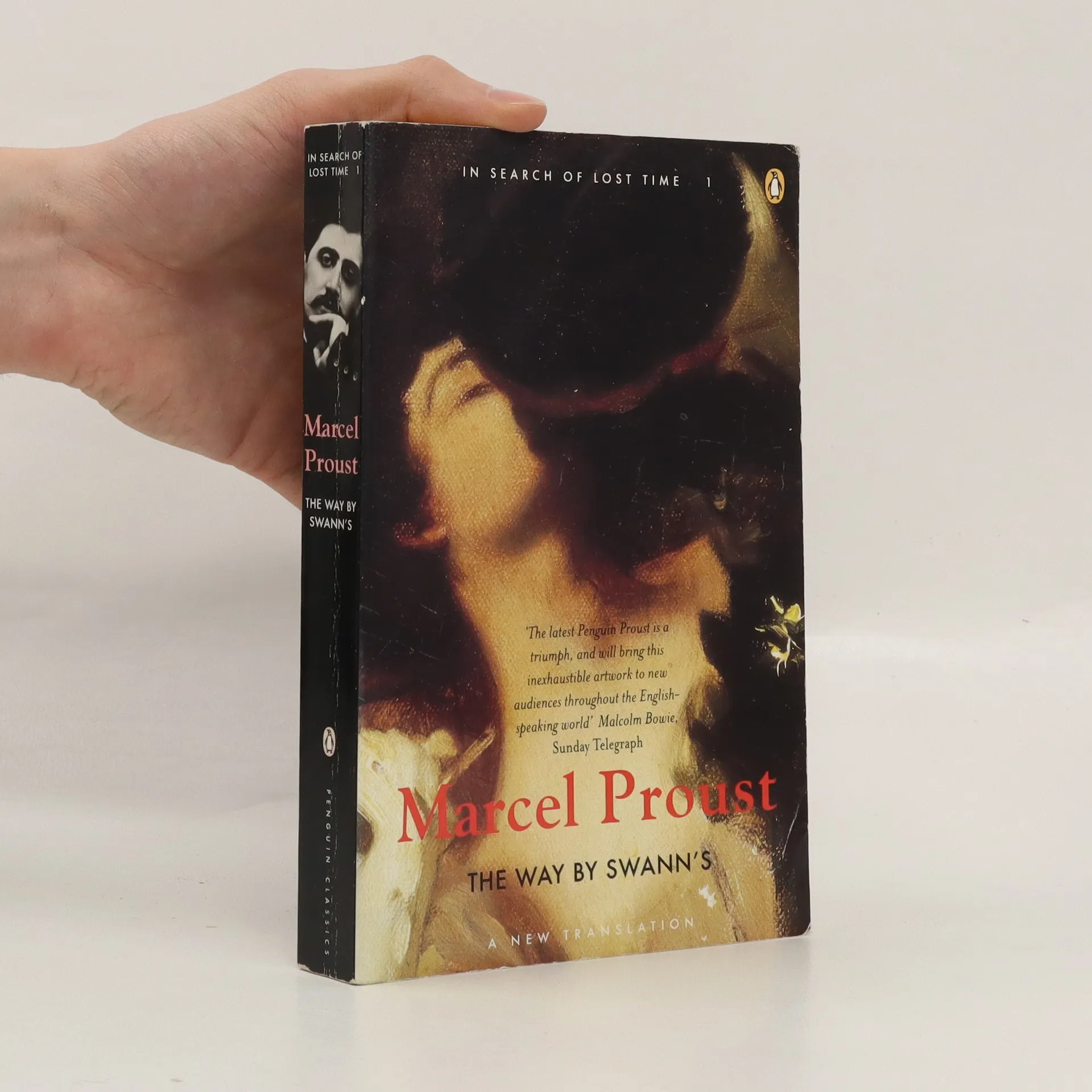
The first volume of one of the greatest novels of the twentieth century, in Lydia Davis's award-winning translation Marcel Proust’s In Search of Lost Time is one of the most entertaining reading experiences in any language and arguably the finest novel of the twentieth century. But since its original prewar translation there has been no completely new version in English. Now, Penguin Classics brings Proust’s masterpiece to new audiences throughout the world, beginning with Lydia Davis’s internationally acclaimed translation of the first volume, Swann’s Way. Swann's Way is one of the preeminent novels of childhood: a sensitive boy's impressions of his family and neighbors, all brought dazzlingly back to life years later by the taste of a madeleine. It also enfolds the short novel "Swann in Love," an incomparable study of sexual jealousy that becomes a crucial part of the vast, unfolding structure of In Search of Lost Time. The first volume of the work that established Proust as one of the finest voices of the modern age—satirical, skeptical, confiding, and endlessly varied in his response to the human condition—Swann's Way also stands on its own as a perfect rendering of a life in art, of the past recreated through memory.
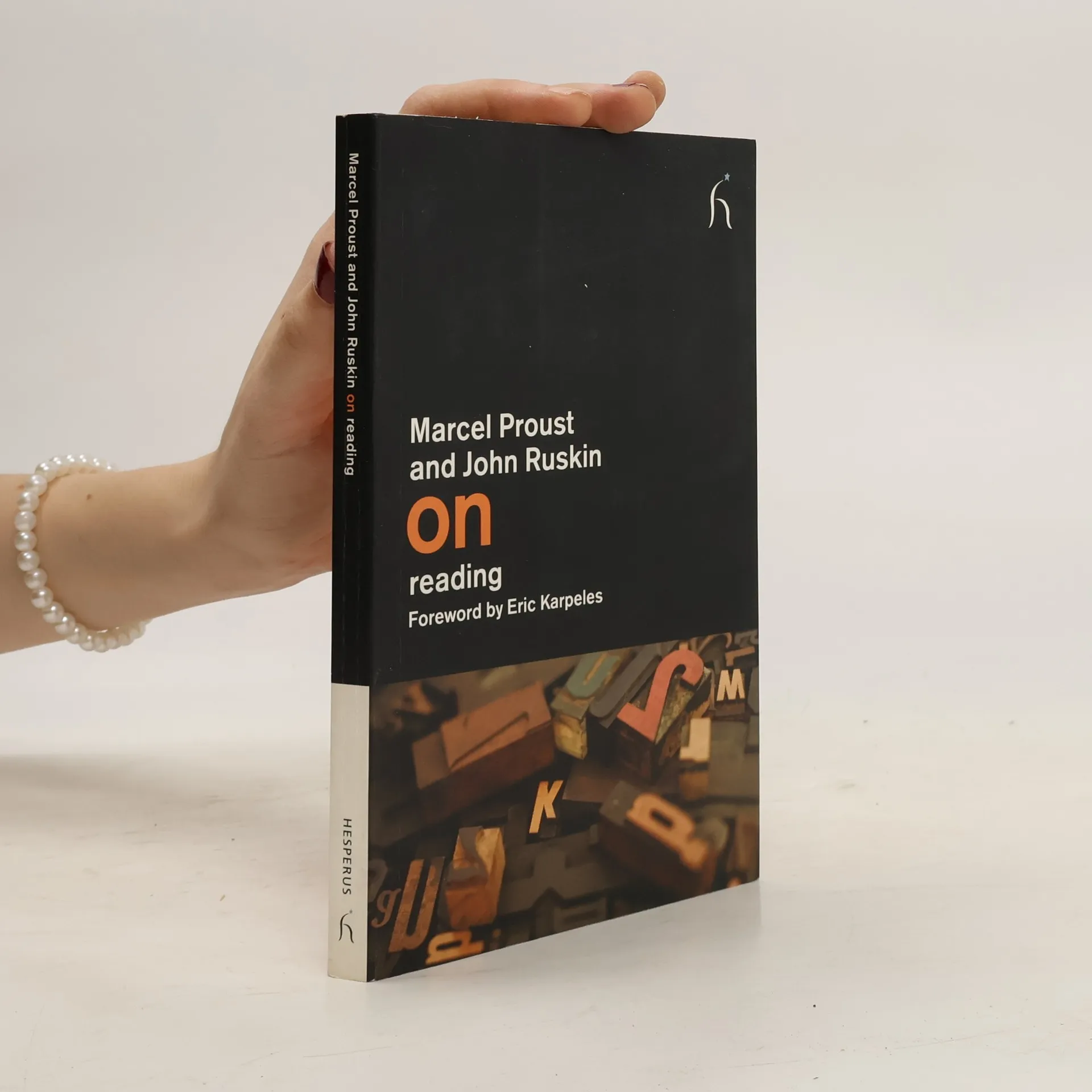
English translation of Sur la lecture, which was originally published in 1906 as the preface to the author's translation of Sesame and lilies, by John Ruskin.
Newly discovered stories from one of the great storytellers of the twentieth century Throughout Proust's life, nine of his short stories remained unseen - the writer never spoke of them. Why did he choose not to publish them along with the others? One possible answer is that he was developing his themes in preparation for his masterpiece, In Search of Lost Time; another is that the stories were too audacious - too near to life - for the censorious society of the time. In these stories, published here for the first time, we find an intimate picture of a young author full of darkness and melancholy, longing to reveal his true self to the world.
"In Search of Lost Time" is one of the greatest, most entertaining reading experiences in any language. This book is an English translation of the French original.
This book is a reproduction of a historical work, published by Megali, a company dedicated to creating accessible large print editions for individuals with impaired vision. The focus on enhancing readability allows a broader audience to engage with important historical texts.
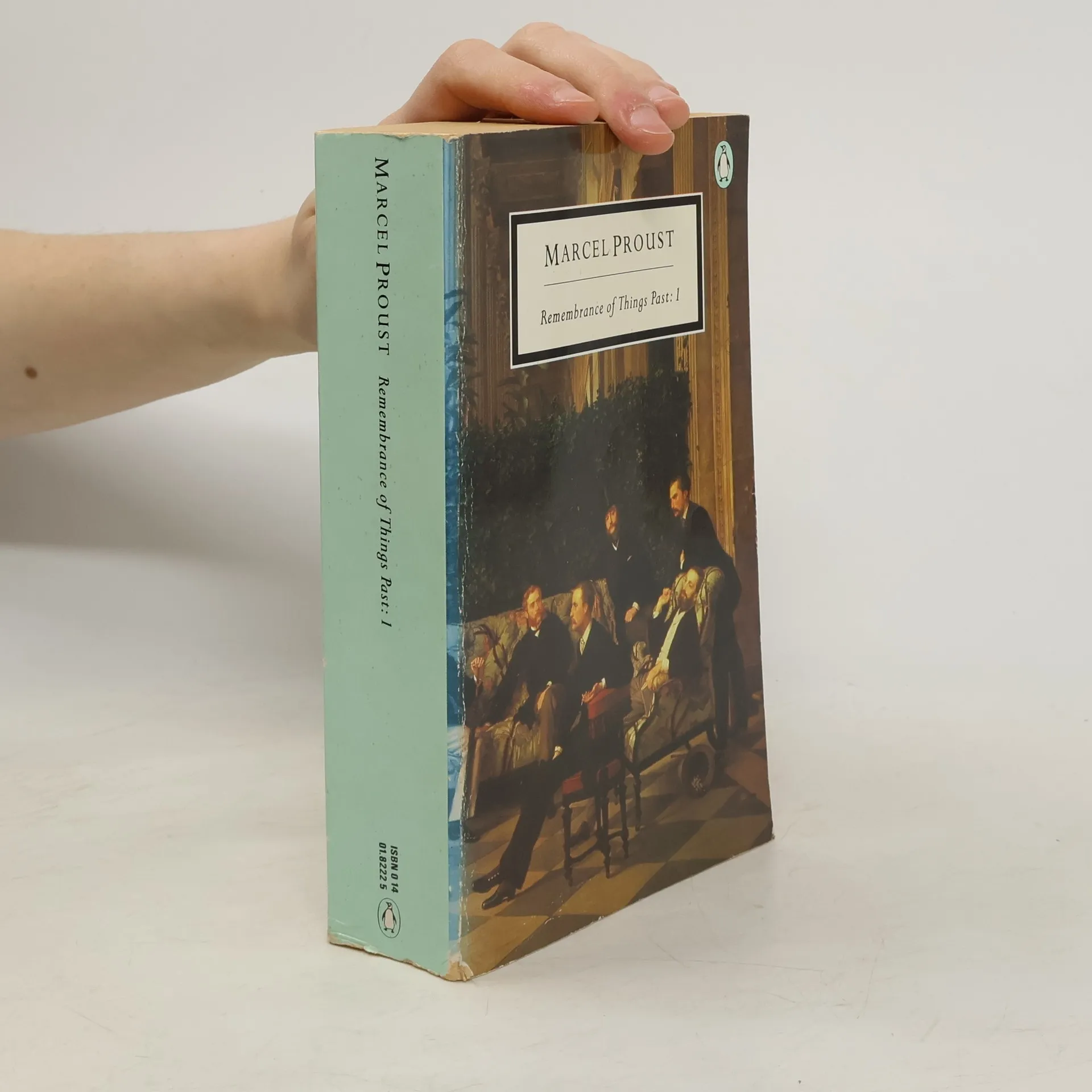
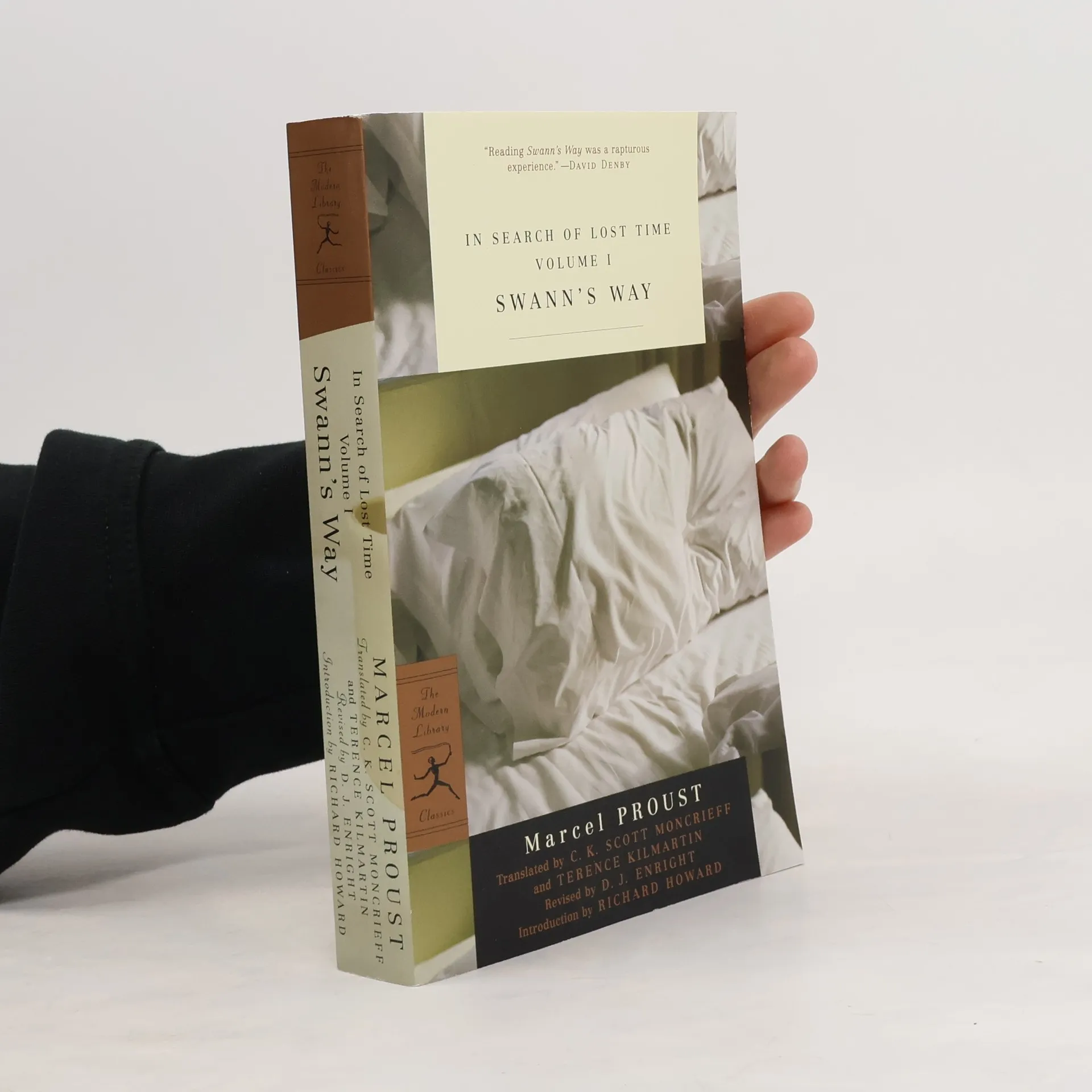
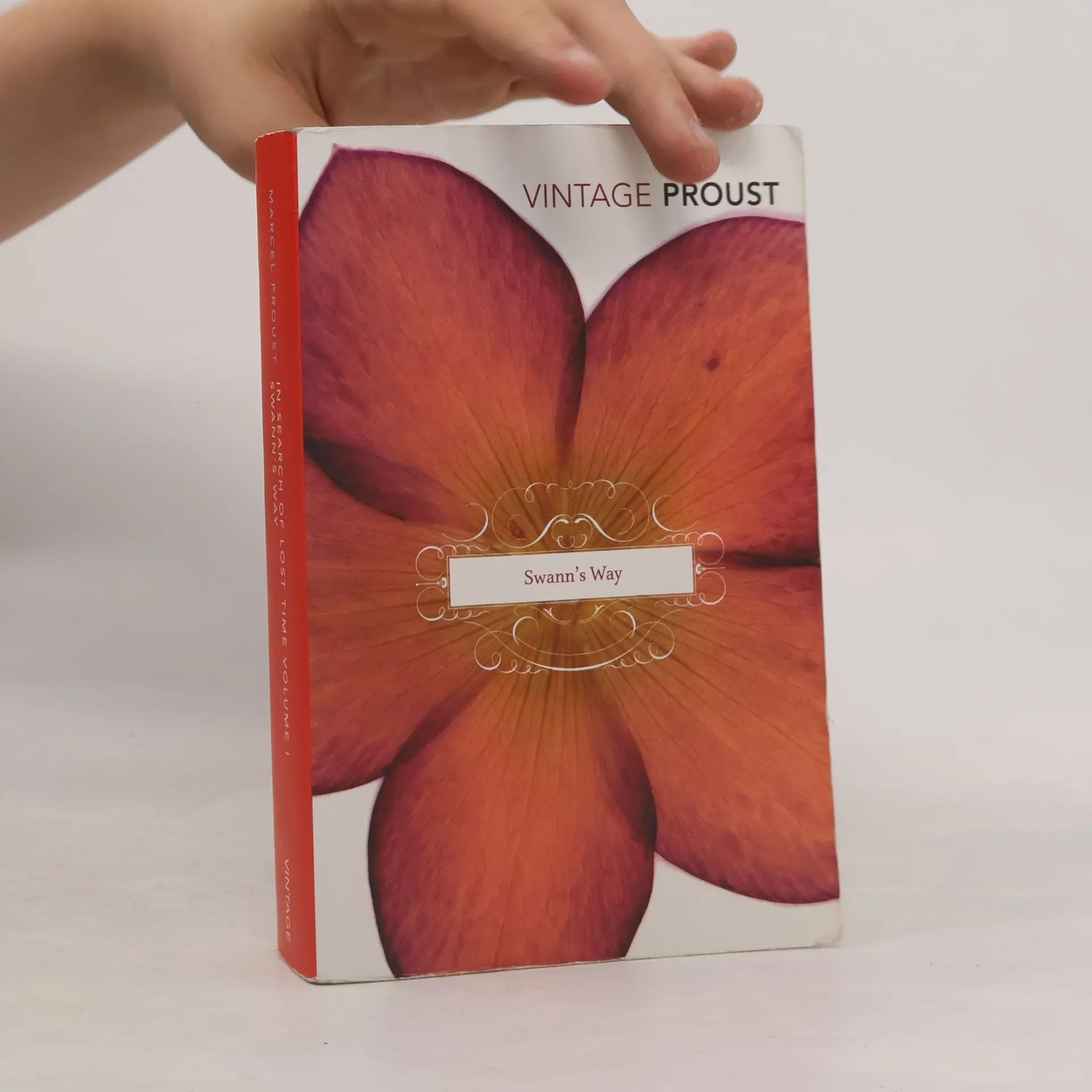
In Swann’s Way, the themes of Proust’s masterpiece are introduced, and the narrator’s childhood in Paris and Combray is recalled, most memorably in the evocation of the famous maternal good-night kiss. The recollection of the narrator’s love for Swann’s daughter Gilberte leads to an account of Swann’s passion for Odette and the rise of the nouveaux riches Verdurins. For this authoritative English-language edition, D. J. Enright has revised the late Terence Kilmartin’s acclaimed reworking of C. K. Scott Moncrieff’s translation to take into account the new definitive French editions of Á la recherché du temps perdu (the final volume of these new editions was published by the Bibliothèque de la Pléiade in 1989).
In Search of Lost Time is one of the greatest, most entertaining reading
experiences in any language. This book is an English translation of the French
original.
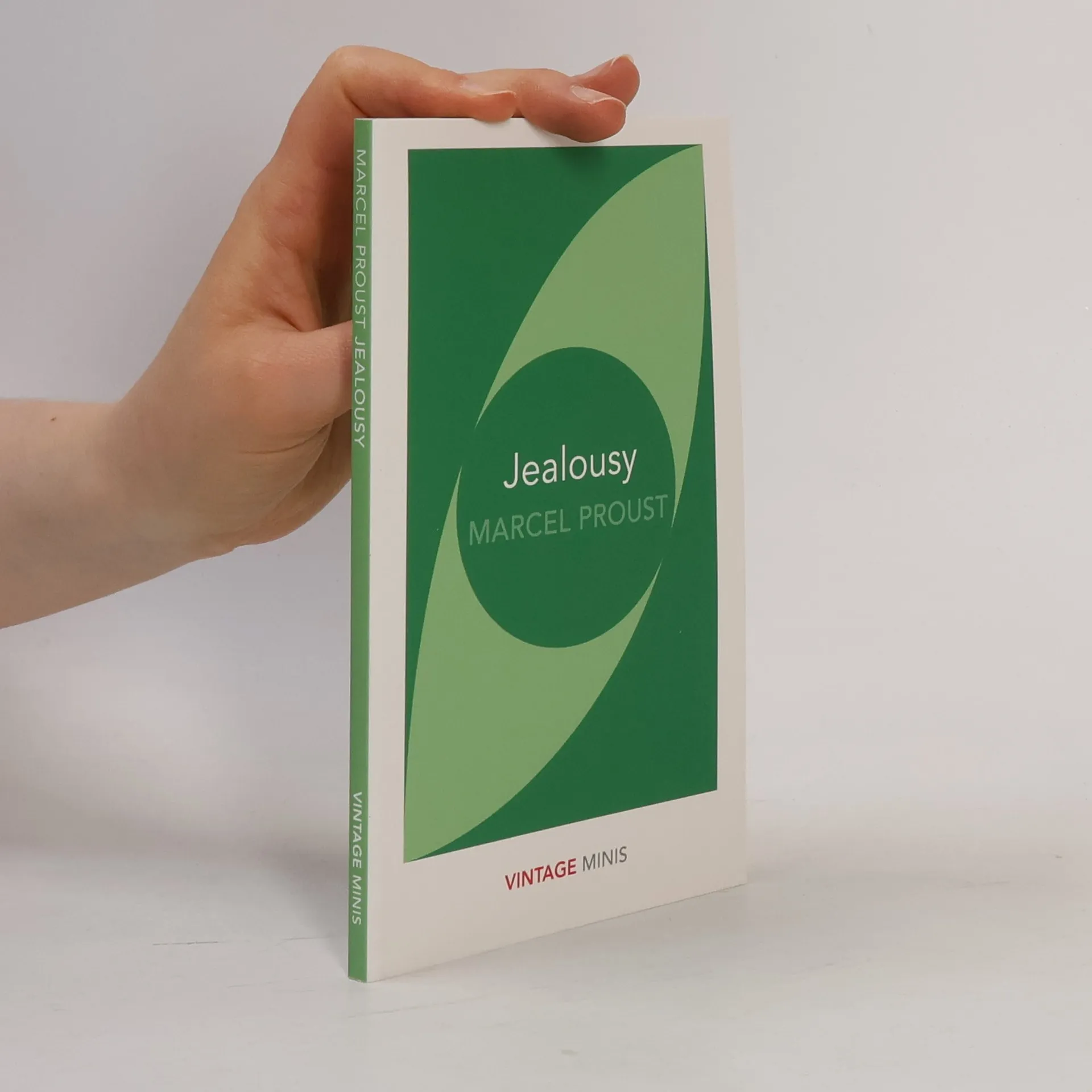
Can we truly know the one we love? The author looks straight into the green eye of every lover's jealous struggle. He broods on why we are driven to try possess one another, how jealousy can outlive death, and whether we can ever reclaim those careless days of first love.
The definitive translation of one of the greatest French novels of the twentieth century In the opening volume of Proust's great novel, the narrator travels backwards in time in order to tell the story of a love affair that had taken place before his own birth. Swann's jealous love for Odette provides a prophetic model of the narrator's own relationships. All Proust's great themes - time and memory, love and loss, art and the artistic vocation - are here in kernel form. 'Surely the greatest novelist of the 20th century' Telegraph
"In Search of Lost Time" is one of the greatest, most entertaining reading experiences in any language. This book offers an English translation of the French original.
The exploration of memory, love, and the passage of time deepens in Part 2 of Marcel Proust's monumental work. Spanning Volumes 4 to 7, this segment continues to weave intricate characters into the rich tapestry of human experience. Proust's masterful storytelling captures profound emotions and introspective narratives, inviting readers to engage with the timeless themes that resonate intellectually and emotionally. This continuation of the journey promises to enchant and provoke thought as it unfolds the complexities of existence.
Memory and the passage of time are central themes in this monumental work, which spans seven volumes. Proust intricately explores human experiences through captivating prose, revealing how even the smallest moments can carry profound meaning. The narrative weaves together love and nostalgia, inviting readers to reflect on the essence of life itself in a beautifully crafted literary tapestry.
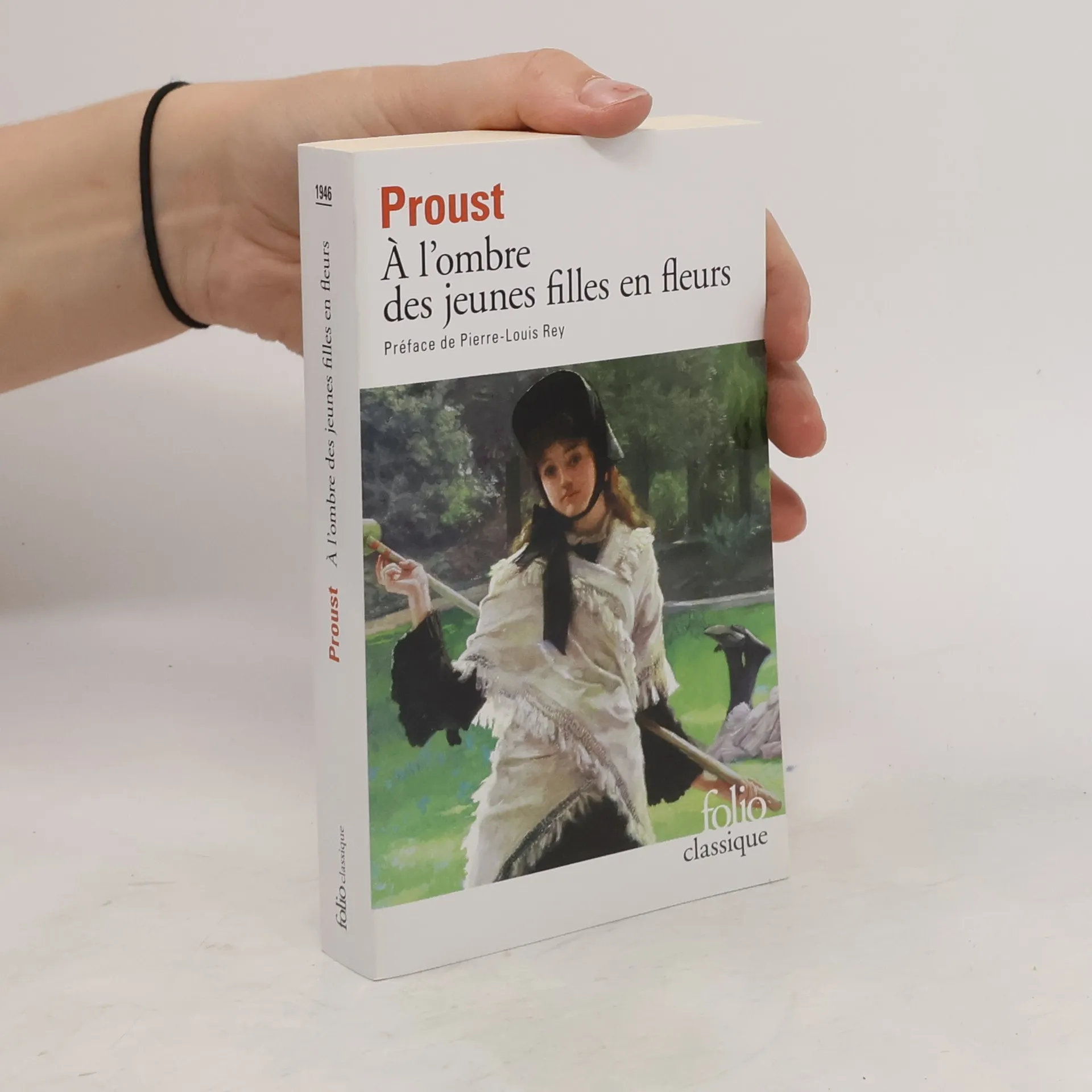
La deuxième partie d'A l'ombre des jeunes filles en fleurs : " Noms de pays : le pays ". en faisant écho à la dernière partie de Du côté de chez Swann : " Noms de pays : le nom ", annonce un progrès dans la connaissance des réalités. La ville rêvée, enveloppée de brumes, se révèle bien différente, illuminée par un soleil éclatant. Mais ce Balbec au nom oriental permet au héros d'accéder à un autre orient de ses rêves. Mme de Villeparisis, amie d'enfance de sa grand-mère, lui présente le marquis de Saint-Loup et le baron de Charlus qui, comme elle, appartiennent à l'aristocratique famille des Guermantes. La découverte de l'univers d'Elstir, peintre de génie, lui dévoile - sans qu'il en ait pleinement conscience - quelques-unes des vérités essentielles qu'il avait jusqu'alors vainement cherchées. Et Elstir lui permet encore d'aller au bout d'un rêve en l'introduisant auprès de la petite bande des jeunes filles en fleurs qui se profilent le long de la plage de Balbec. Au plaisir de leur compagnie le jeune homme est prêt à tout sacrifier : parents, amis, travail. A-t-il vraiment tort ?
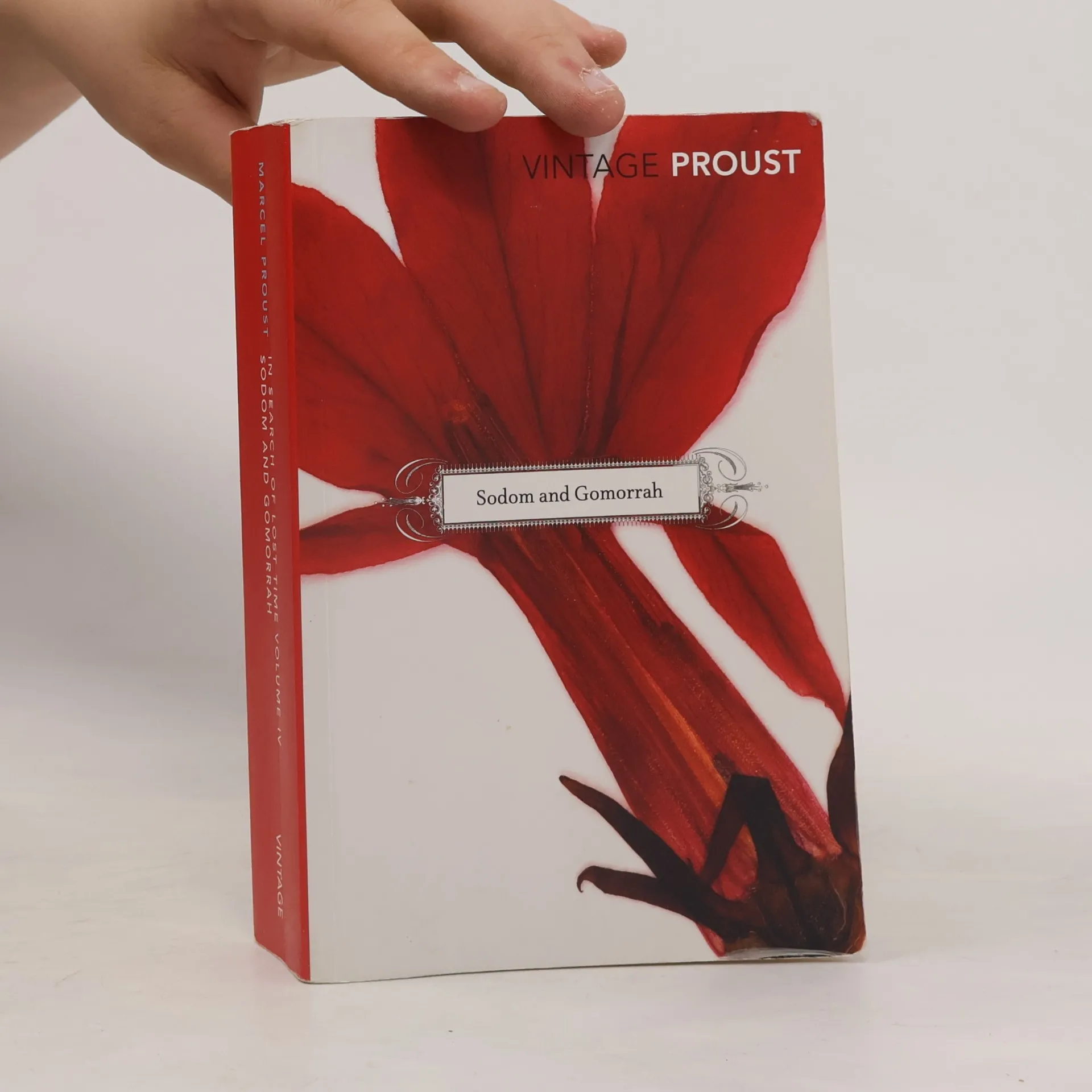
Sodome et Gomorrhe ouvre une nouvelle phase de À la recherche du temps perdu. Tout en observant la pollinisation de l'orchidée de la duchesse de Guermantes, le narrateur observe secrètement une rencontre sexuelle entre deux hommes. « Fleur et plante n'ont pas de volonté consciente », a écrit Samuel Beckett à propos de la représentation de la sexualité par Proust. « Ils sont sans vergogne, exposant leurs organes génitaux. Et ainsi, en un sens, les hommes et les femmes de Proust... sont sans vergogne. Il n'est pas question de bien et de mal. »
« Tout d'un coup, dans le petit chemin creux, je m'arrêtai touché au cœur par un doux souvenir d'enfance : je venais de reconnaître, aux feuilles découpées et brillantes qui s'avançaient sur le seuil, un buisson d'aubépines défleuries, hélas, depuis la fin du printemps. Autour de moi flottait une atmosphère d'anciens mois de Marie, d'après-midi du dimanche, de croyances, d'erreurs oubliées. J'aurais voulu la saisir. Je m'arrêtai une seconde et Andrée, avec une divination charmante, me laissa causer un instant avec les feuilles de l'arbuste. Je leur demandai des nouvelles des fleurs, ces fleurs de l'aubépine pareilles à de gaies jeunes filles étourdies, coquettes et pieuses. "Ces demoiselles sont parties depuis déjà longtemps", me disaient les feuilles. » À l'ombre des jeunes filles en fleurs (deuxième partie) - Le Côté de Guermantes - Esquisses
L'expression roman fleuve devrait, sans connotation péjorative, désigner une œuvre qui prend le temps de charrier mille petites particules d'impression pour les infuser dans l'esprit d'un lecteur captivé. En somme, elle devrait avoir été créée pour désigner La Recherche proustienne, qui s'ouvre Du côté de chez Swann et s'achève une fois Le Temps retrouvé . Dans le premier tome de ce superbe travail sur la mémoire et la métaphore, œuvre à part entière mais aussi amorce dramatique d'un joyau de la langue française, le narrateur s'aperçoit fortuitement, à l'occasion d'un goûter composé d'une tasse de thé et d'une madeleine désormais célèbre, que les sens ont la faculté de faire ressurgir le souvenir. Grâce aux senteurs d'un buisson d'aubépines, il prend confusément conscience de la distinction entre le souvenir et la réminiscence, pour ensuite s'exercer à manier les mots comme de petits papiers japonais qui, touchés par la grâce de l'eau, se déploient en corolle pour faire place à tout un univers. Tout comme se déploie un roman fleuve à partir de cette toute petite phrase légendaire : "Longtemps, je me suis couché de bonne heure". --Sana Tang-Léopold Wauters
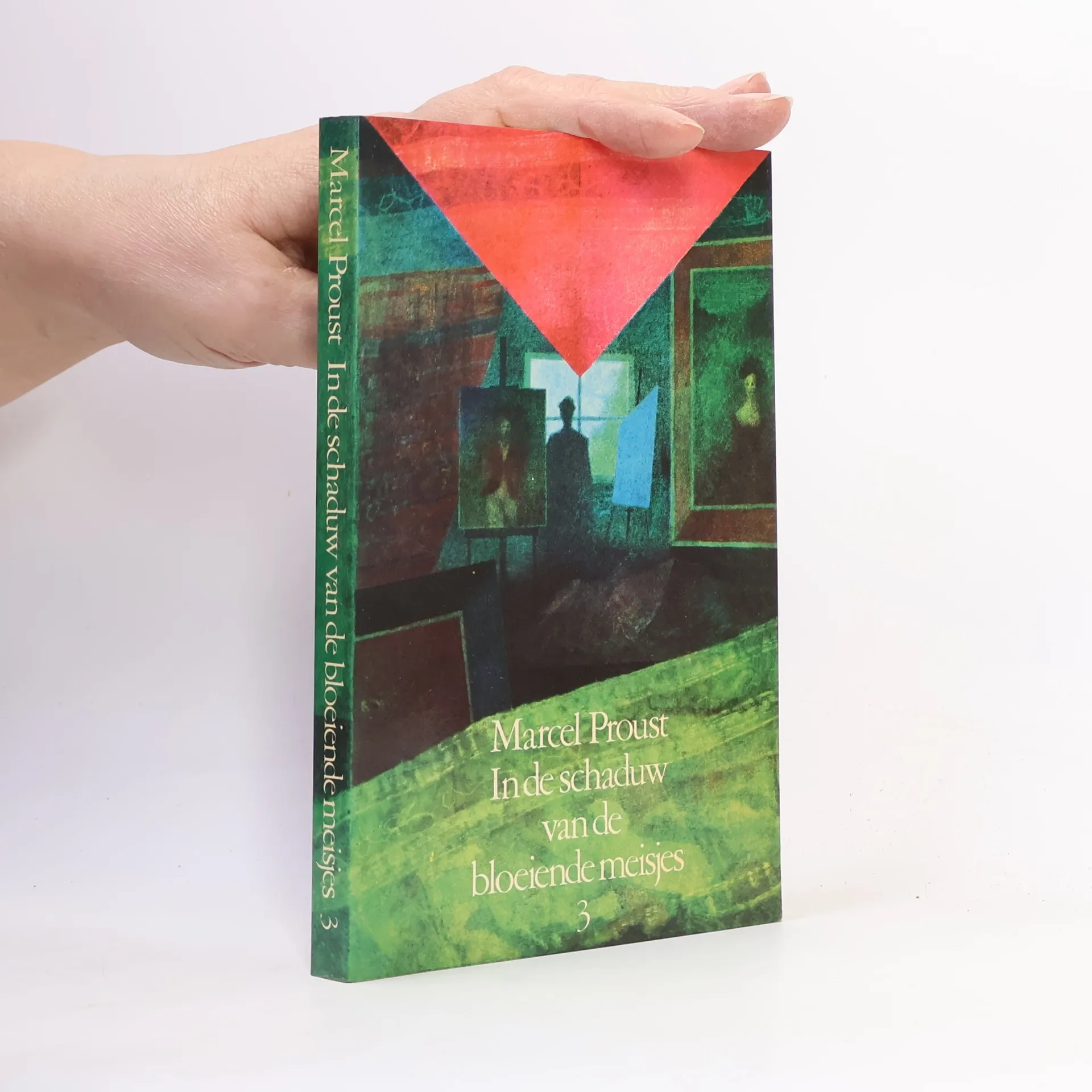
Op zoek naar de verloren tijd is een van de grootste triomfen van de wereldliteratuur. In deze romancyclus wordt de lezer door het zintuiglijke proza van Marcel Proust gevangen in een web van subtiliteiten, onvergetelijke personages, verfijnde ironie, glasheldere zinnen en messcherpe observaties. In de schaduw van meisjes in bloei , het tweede deel van de cyclus, beschrijft de volwassenwording van de verteller Marcel. Zijn herinneringen aan Parijs, de Normandische kust en zijn relatie met zijn grootmoeder en de familie Swann leiden tot schitterende beschouwingen over de liefde, literatuur en schilderkunst. Ook de kennismaking met de baron de Charlus en de mysterieuze Albertine zal van groot belang blijken voor het verdere leven van Marcel.
Giudicato da Proust stesso "ciò che ho scritto di meglio", Albertine scomparsa chiude il dittico della ragazza di Balbec narrando il lutto del Narratore per la sua morte e il lento trascolorare della sofferenza nell'oblio, sullo sfondo di una Venezia insieme immaginata, rievocata e reale. Ispirato a un episodio autobiografico e permeato di un potente erotismo, il penultimo libro della Recherche permette all'autore di approfondire il registro tragico dell'opera, indagando in profondità il dolore del mondo e dando il via a un percorso di autoanalisi che ha pochi pari nella storia della letteratura.
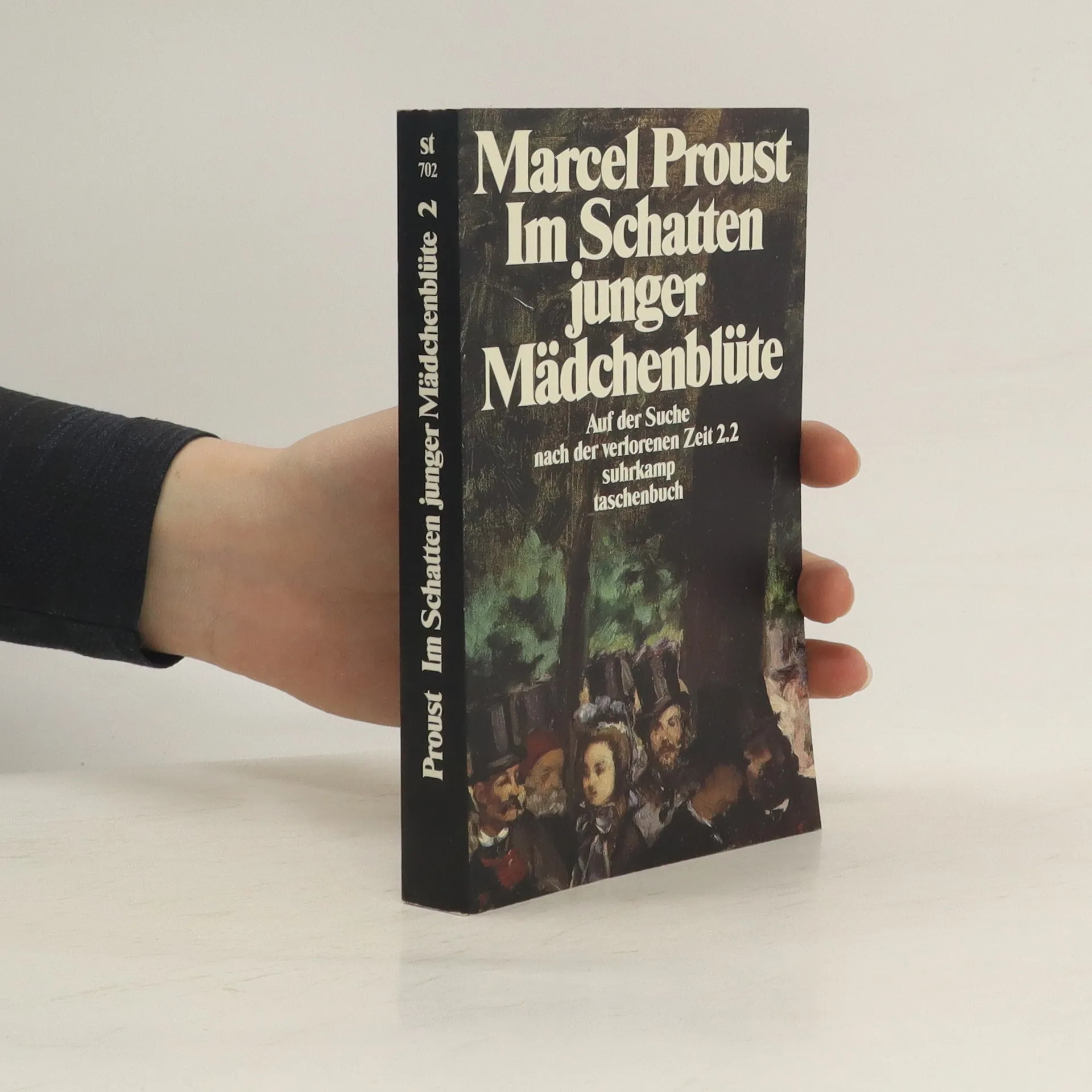
Im Schatten junger Mädchenblüte – Im Umkreis von Madame Swann, Teil I
48 pages
2 hours of reading
Nach seiner Begegnung mit dem Marquis de Norpois und dem ersten Theaterbesuch, bei dem er die Berma in Racines Phädra bewundert, erinnert sich Marcel an seine erste Liebe, Gilbert. Sie ist die Tochter des feinen Herrn Swann, seiner Frau Odette, die der Halbwelt entstammt. Die komplizierte Liebe zu ihr ist von zahlreichen Geheimnissen umgeben und bindet ihn immer enger an die Familie Swann. Marcels jugendlichen Erwartungen, seine Illusionen und sein Ehrgeiz sind immer wieder Enttäuschungen und Ernüchterungen ausgesetzt. Gewohnt gekonnt setzt Stéphane Heuet in seinem Stil der »Ligne claire« einen weiteren Teil von Marcel Prousts Werk Auf der Suche nach der verlorenen Zeit um und setzt damit die Teilserie »Im Schatten junger Mädchenblüte« fort.
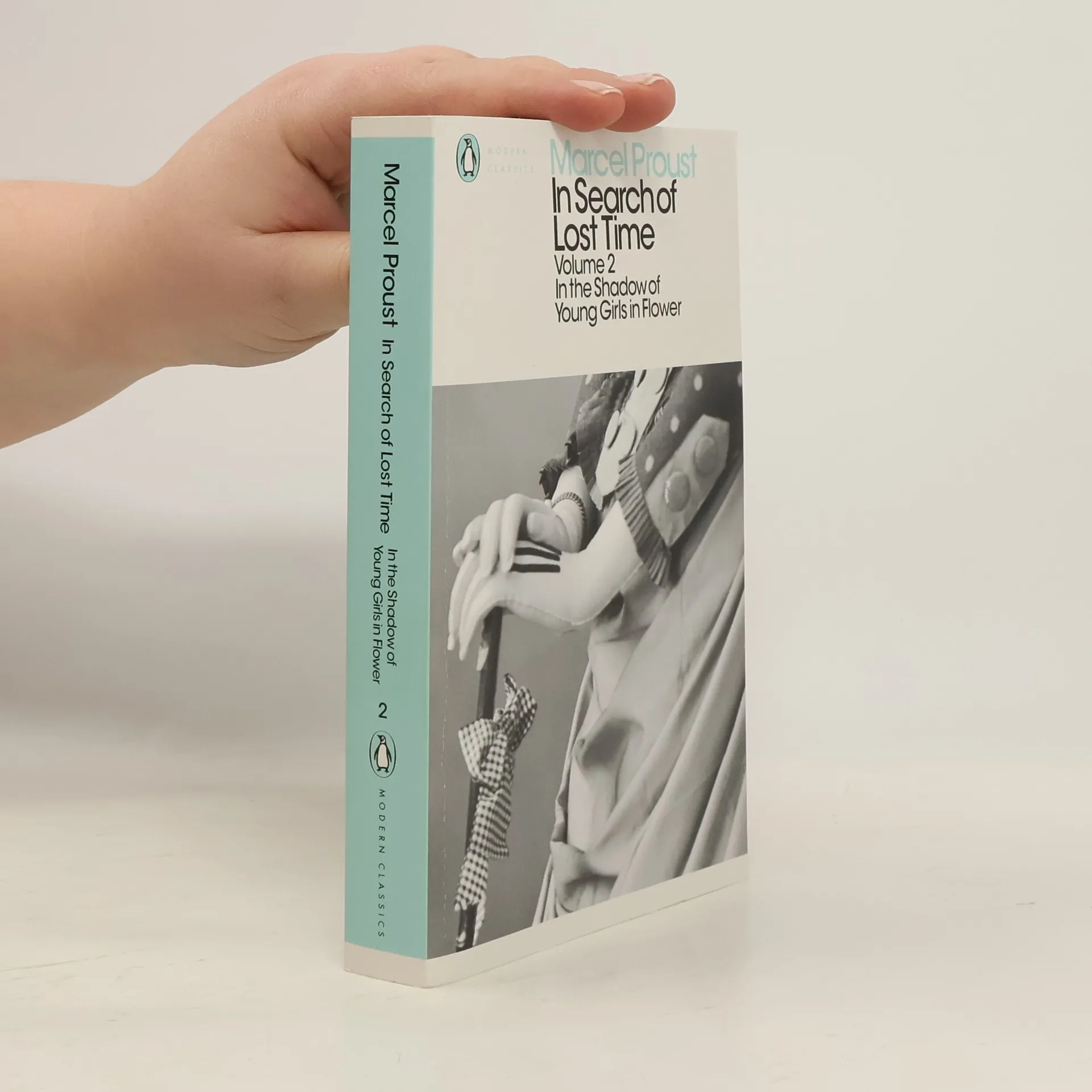
A translation of the second volume of "In Search of Lost Time" captures the intricacies and challenges of male and female adolescence and awakening love, based on the narrator's reminiscences about Paris and the Normandy coast.
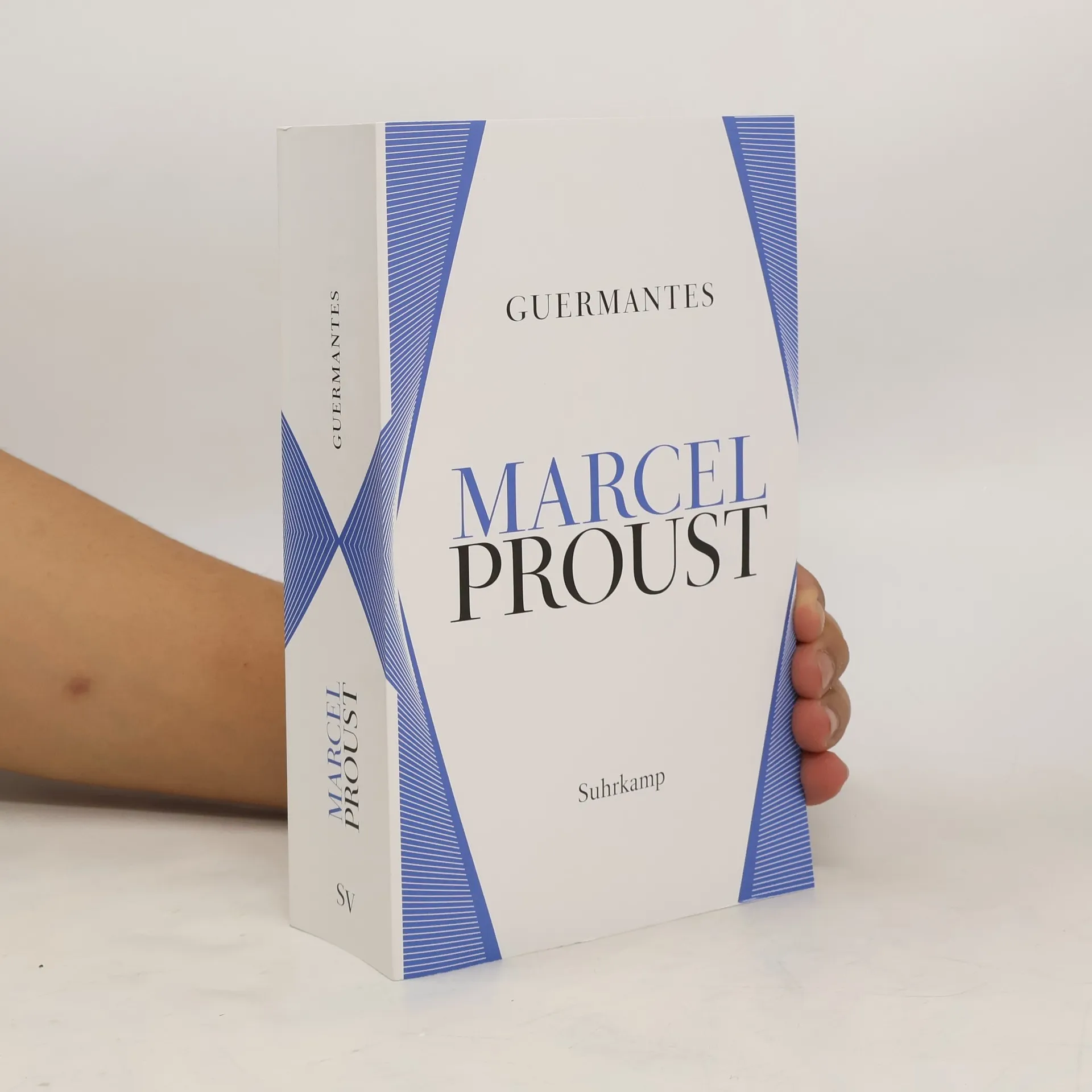
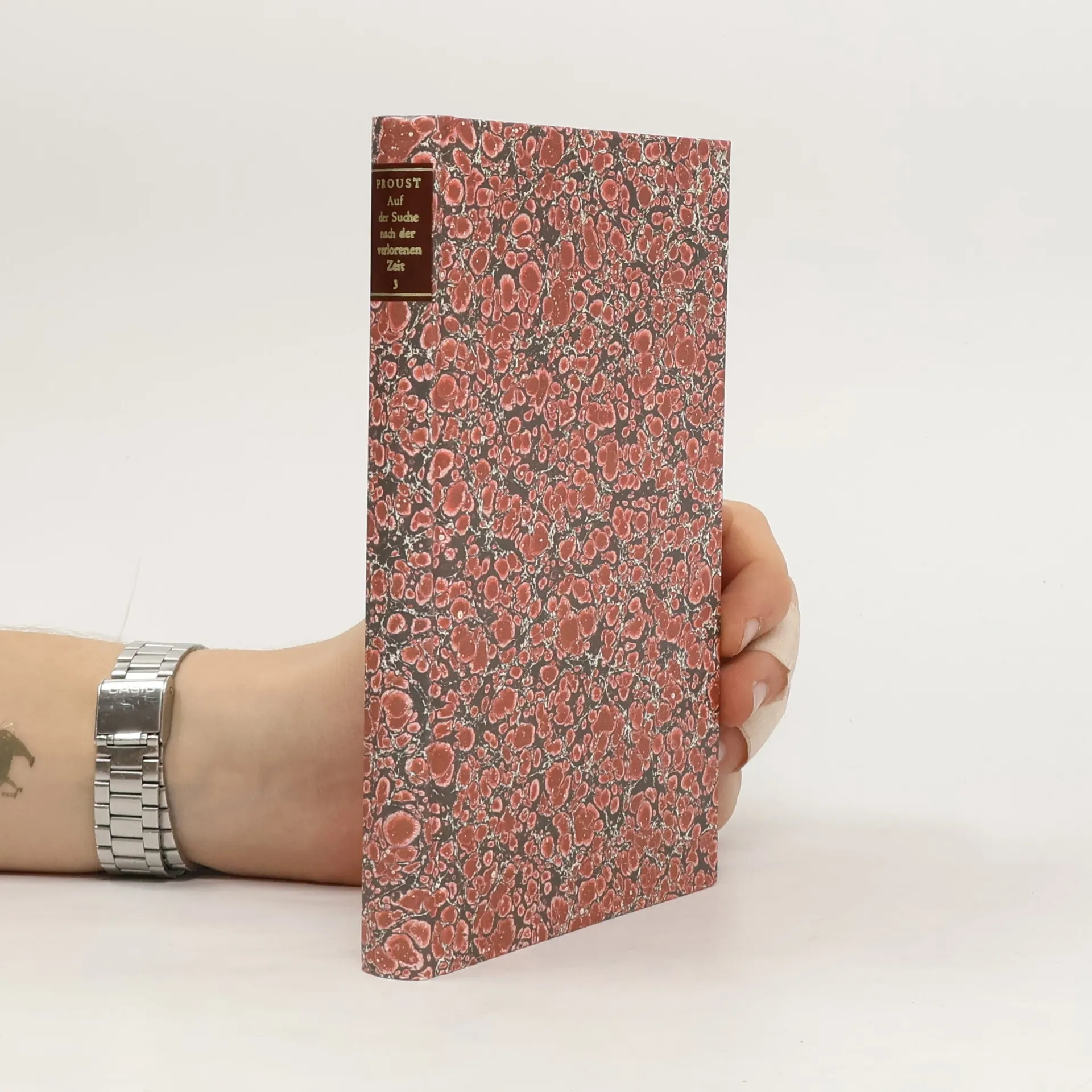
Auf der Suche nach der verlorenen Zeit 3. Guermantes
1000 pages
35 hours of reading
In Guermantes folgen die Leser den Wegen und Irrwegen des schwärmerisch verliebten und gesellschaftlich ambitiösen Romanhelden durch die Salons des Faubourg Saint-Germain und spüren sozusagen am eigenen Leib, dass es sich um vertane, vertrödelte Zeit handelt, temps perdu . Dennoch sind diese unnützen Jahre nicht verloren, bilden sie doch die eigentliche Substanz von Prousts Roman: raffinierte Schilderungen der mondänen Welt; satirische Charakterporträts von den Größen der adligen Gesellschaft, von Ärzten oder von Bohemiens; dazwischen auch Landschaftsbilder und Genreszenen; psychologische, soziologische und politische Betrachtungen; und dazu zwei Themen, deren Bedeutung weit über den engeren Kontext hinausreicht: der als Romanszene explizit dargestellte Tod der Großmutter und die vorerst nur andeutungsweise bezeichnete Homosexualität. Für die Frankfurter Ausgabe wurde Eva Rechel-Mertens' bis heute gültige Übersetzung von Auf der Suche nach der verlorenen Zeit von Luzius Keller und Sibylla Laemmel korrigiert und teilweise neu gefasst. Der Kommentar erklärt Anspielungen und Zitate, weist auf wichtige Erzählstrukturen hin und zeigt das Zusammenspiel der einzelnen Teile, Themen und Stilnuancen auf.
Le Temps retrouvé ist der siebte und letzte Band von À la recherche du temps perdu von Marcel Proust, veröffentlicht 1927 posthum. Die Handlung beginnt mit dem Aufenthalt des Erzählers bei Gilberte de Saint-Loup in Tansonville. Eine Lesung eines unveröffentlichten Abschnitts aus dem Journal der Goncourt führt den Erzähler zu Überlegungen über Kunst und Literatur, aus denen er schlussfolgert, dass die Menschen, die wir bedauern, nicht gekannt zu haben, weil Balzac sie in seinen Büchern darstellt, uns möglicherweise als unbedeutende Personen erschienen wären, entweder aufgrund einer Schwäche meiner Natur oder weil ihr Prestige nur einer illusorischen Magie der Literatur zu verdanken wäre. Die Handlung setzt sich anschließend in Paris im Jahr 1916 fort.
Pour une présentation de A la recherche du temps perdu dans son ensemble cf. tome 1 : Du côté de chez Swann Le narrateur multiplie les démarches pour tenter de faire revenir Albertine qui l’a quitté (cf. La Prisonnière). Mais elle meurt accidentellement. Le narrateur souffre de penser qu’il va l’oublier comme il a oublié d’autres femmes. Sa rencontre de Gilberte Swann, dont il a été amoureux et qu’il reconnait à peine, confirme cette idée. Ses soupçons le taraudent encore et il enquête sur le comportement d’Albertine. Il se rend à Venise, ville dont il avait rêvé dans son enfance. Il prend plaisir à s’y promener, et y apprend le mariage de Gilberte avec son ami Saint-Loup.
«Tout d'un coup, dans le petit chemin creux, je m'arrêtai touché au cœur par un doux souvenir d'enfance : je venais de reconnaître, aux feuilles découpées et brillantes qui s'avançaient sur le seuil, un buisson d'aubépines défleuries, hélas, depuis la fin du printemps. Autour de moi flottait une atmosphère d'anciens mois de Marie, d'après-midi du dimanche, de croyances, d'erreurs oubliées. J'aurais voulu la saisir. Je m'arrêtai une seconde et Andrée, avec une divination charmante, me laissa causer un instant avec les feuilles de l'arbuste. Je leur demandai des nouvelles des fleurs, ces fleurs de l'aubépine pareilles à de gaies jeunes filles étourdies, coquettes et pieuses. "Ces demoiselles sont parties depuis déjà longtemps", me disaient les feuilles.»
Auf der Suche nach der verlorenen Zeit - in der Urfassung
732 pages
26 hours of reading
Anfang April 1913 erhielt Proust die ersten Druckbogen seines monumentalen Romans, damals noch unter dem Titel »Flimmern des Herzens«. Nach mehreren Ablehnungen durch Verlage wollte Bernard Grasset das Buch schließlich veröffentlichen. Die Genfer Stiftung Bodmeriana bewahrt die Korrekturbögen der ersten Fassung, die ein großes Rätsel der Literaturgeschichte darstellen: Anstatt nur Anpassungen vorzunehmen, entwarf Proust auf den Druckfahnen handschriftlich ein neues Werk. Aus der »Verlorenen Zeit« wurde »Auf der Seite von Swann«, und die Suche nach der verlorenen Zeit entstand. Zum ersten Mal kann die verschollene Version in deutscher Übersetzung gelesen werden, und die Transformation in das Jahrhundertwerk kann Seite für Seite verfolgt werden. Die Neuübersetzung von Stefan Zweifel stellt die beiden Versionen des Romans gegenüber: die Druckfahnen von 1913 und die endgültige Fassung. Proust entwickelte damals seine literarische Methode und komponierte sein Buch neu. Der Band präsentiert eindrucksvoll die Keimzelle seines Schaffens: das mit Lindenblütentee getränkte Gebäck Madeleine, das seine Kindheitserinnerungen weckt, die sadistischen Rituale von Mlle de Vinteuil, das Ringen um einen Gutenachtkuss von Maman, die erste Liebe und die Beschreibung der Flusslandschaft von Combray, inspiriert von Claude Monet.
Auf der Suche nach der verlorenen Zeit, in Swanns Welt, erster Teil; Roman
286 pages
11 hours of reading
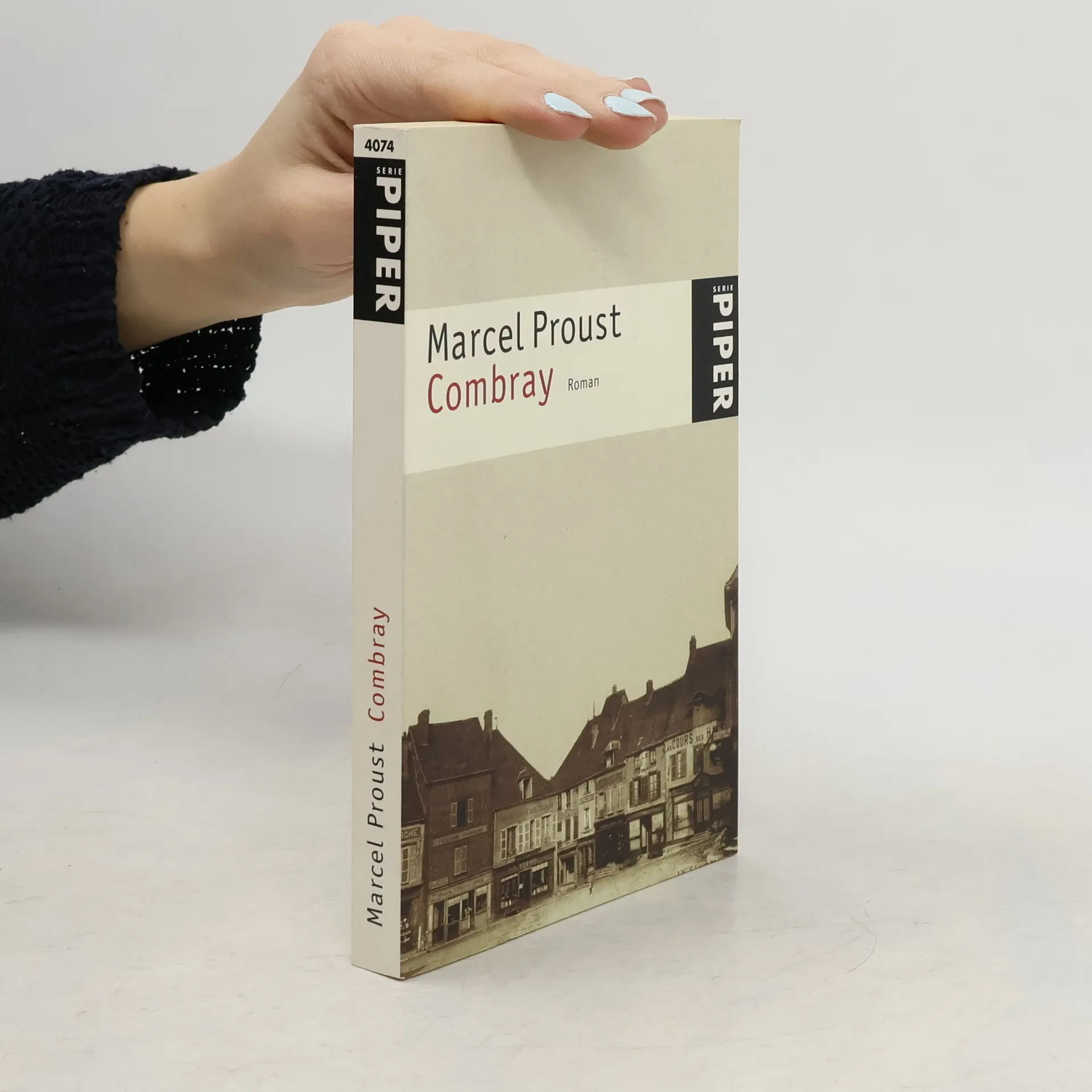
A guide to "Combray," the opening section of Proust's "A La Recherche Du Temps Perdu." This text helps students to encounter in context the highlights of the book that have so often been anthologized: the madeleine dipped in the narrator's tear - the quintessential Proustian experience of affective memory - the scene of the goodnight kiss, the appearance of Swann, the evocation of the little town, the old servant, Francoise, and the charming landscapes. Suitable for both undergraduates and the general reader, an introduction clarifies the historical background to this masterpiece of French literature. It examines the ways in which the complexities of biography, literary transformation and the structural importance of its many themes may be approached and appreciated. The text is supported by full explanatory notes and frequent translations.
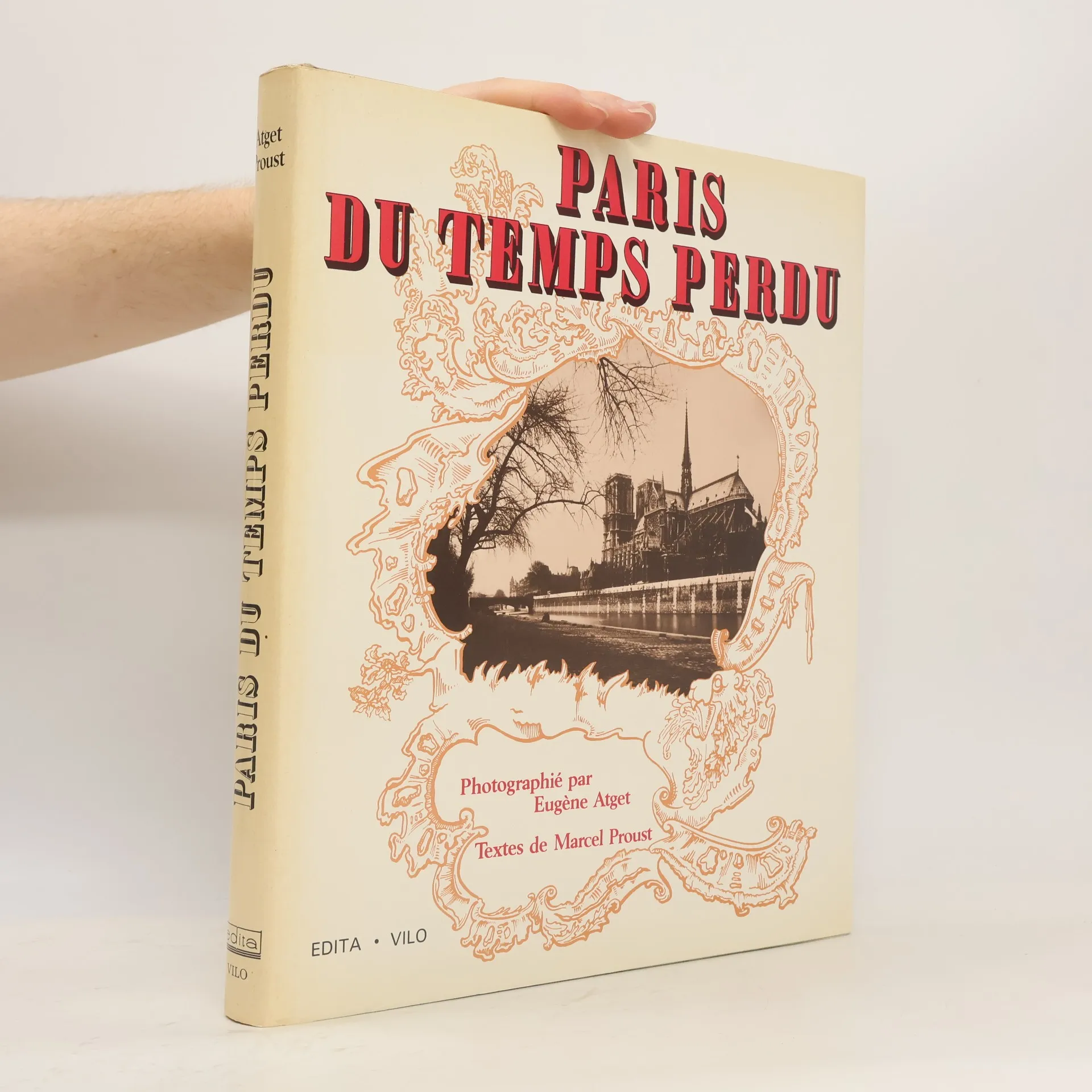
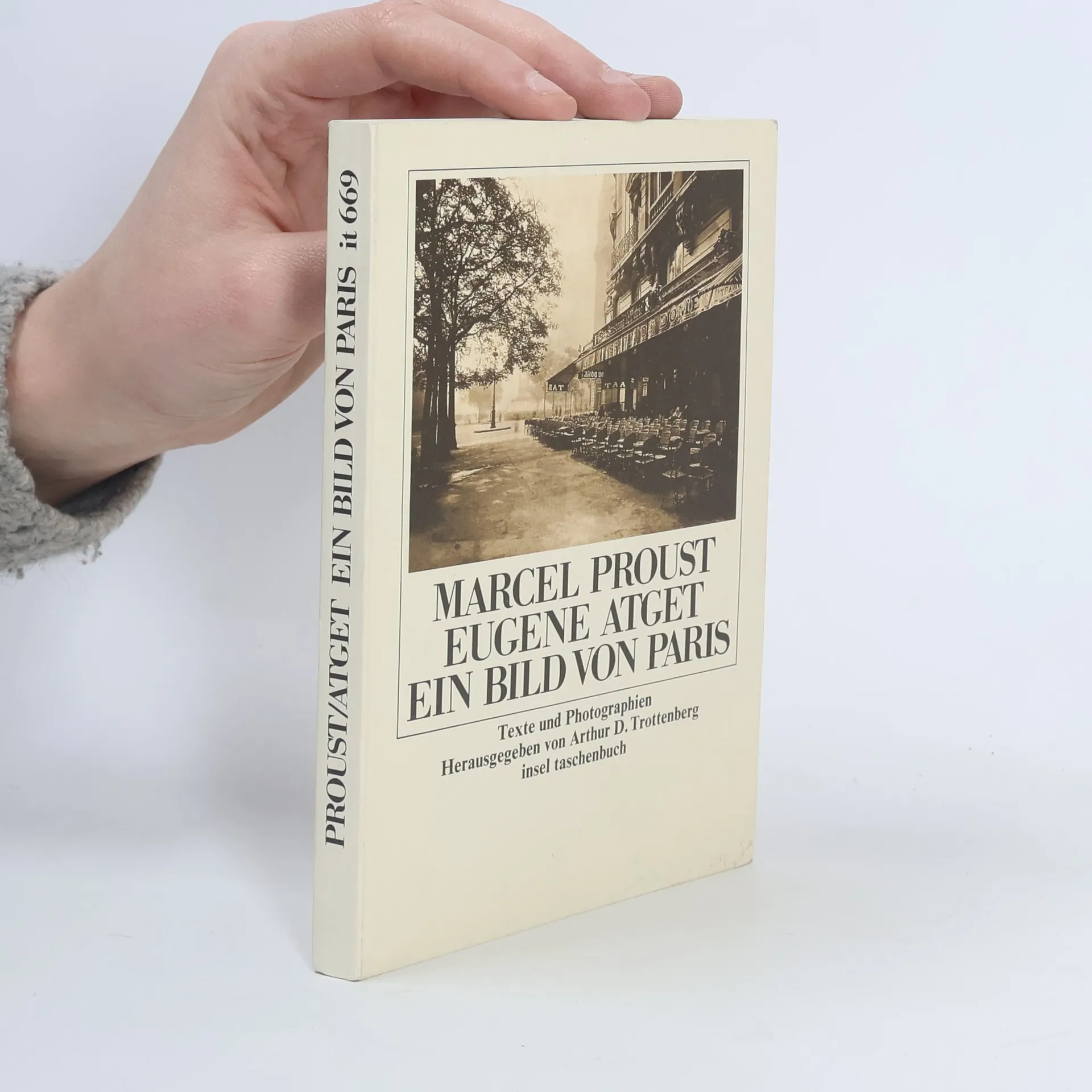
Marcel Proust et Eugène Atget, bien que contemporains, ne se connaissaient pas. Toutefois, leurs oeuvres monumentales témoignent d'une même volonté patiente et méticuleuse de restituer la vie de leur temps, ce Paris légendaire de la Belle Époque. Tandis que Proust s'attache à décrire la complexité de l'âme humaine dans sa Recherche du temps perdu, Atget, lui, photographie dès 1895 les rues, les places, les jardins, les échoppes qui servent de décor au peuple parisien. Deux projets à l'ambition colossale, qui allaient se révéler d'autant plus précieux que la Première Guerre mondiale devait bientôt profondément bouleverser la vie des Parisiens et leur ville. Les photographies de l'un font subtilement écho aux mots de l'autre, c'est Odette ou Albertine que l'on croit reconnaître derrière les passantes furtives, c'est l'hôtel de la duchesse de Guermantes que dissimulent les lourdes portes cochères. Ces deux regards croisés sur un Paris irrémédiablement perdu suscitent une émotion teintée de mélancolie.
Auf der Oberfläche ein traditioneller "Bildungsroman", der die Reise des Erzählers zur Selbstentdeckung beschreibt, ist dieses riesige und komplexe Buch auch ein panoramisches und reichhaltig komisches Porträt Frankreichs zur Zeit des Autors und eine tiefgehende Meditation über die Natur von Kunst, Liebe, Zeit, Erinnerung und Tod. Doch für die meisten Leser sind es die Figuren des Romans, die am stärksten in den Vordergrund treten: Swann und Odette, Monsieur de Charlus, Morel, die Duchesse de Guermantes, Françoise, Saint-Loup und viele andere — Riesen, wie der Autor sie nennt, in der Zeit versunken. "Auf der Suche nach der verlorenen Zeit" ist ein Roman in sieben Bänden. Der Roman begann 1909 Gestalt anzunehmen. Proust arbeitete bis zu seiner letzten Krankheit im Herbst 1922 daran, die ihn zwang, die Arbeit abzubrechen. Proust legte die Struktur früh fest, aber selbst nachdem Bände zunächst fertiggestellt waren, fügte er weiterhin neues Material hinzu und bearbeitete einen Band nach dem anderen zur Veröffentlichung. Die letzten drei der sieben Bände enthalten Unachtsamkeiten und fragmentarische oder ungeschliffene Passagen, wie sie im Entwurf zum Zeitpunkt des Todes des Autors existierten; die Veröffentlichung dieser Teile wurde von seinem Bruder Robert überwacht.
Im Schatten junger Mädchenblüte – Im Umkreis von Madame Swann, Teil II
48 pages
2 hours of reading
Marcel ist nun ein gern gesehener Gast im Hause Swann und verbringt viel Zeit mit Gilberte. Auf Spaziergängen im Bois de Boulogne begegnen sie dabei namhaften Personen, wie etwa Prinzessin Mathilde, der Nichte von Napoleon I. Bei einem Abendessen trifft Marcel den Schriftsteller Bergotte, den er sehr verehrt. Zu seiner Enttäuschung entspricht dieser so gar nicht seinen Vorstellungen, sodass dessen literarisches Werk mit einem Mal seinen Reiz verliert. Nach einiger Zeit bemerkt Marcel, dass seine Freundschaft zu Gilberte erkaltet und sie ihn immer mehr meidet. Er schreibt ihr wütende Briefe, mit der Absicht, sich von ihr abzukehren, doch bereut er dies bald darauf und hofft auf Versöhnung. Gilberte jedoch geht ihm aus dem Weg und so versinkt Marcel in Liebeskummer. Doch der nahende Frühling verspricht Linderung … Gewohnt gekonnt setzt Stéphane Heuet in seinem Stil der »Ligne claire« einen weiteren Teil von Marcel Prousts Werk Auf der Suche nach der verlorenen Zeit um und setzt damit die Teilserie »Im Schatten junger Mädchenblüte« fort.
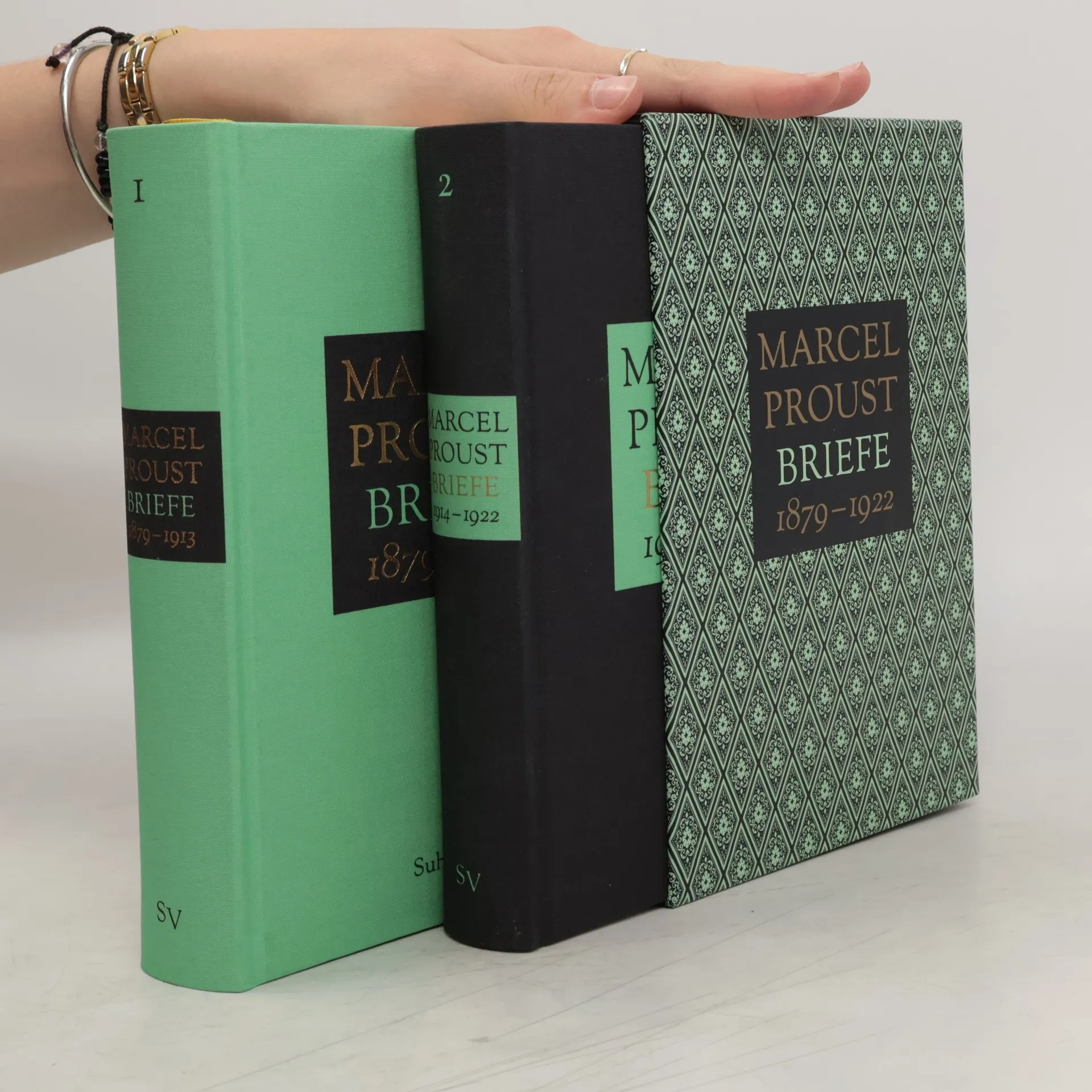
Marcel Proust war ein äußerst produktiver Briefschreiber. Für den Dichter, der häufig ans Bett gefesselt war, trat der Brief oft an die Stelle des persönlichen Gesprächs. In seinen Korrespondenzen erleben wir den Autor von den verschiedensten Seiten: als Schriftsteller, der mit seinem Verleger bis buchstäblich zum letzten Atemzug um jede Zeile seines Werkes kämpft. Als mutigen Literaten, der im Skandalprozess um den jüdischen Hauptmann Dreyfus früh das Wort ergreift und sich für den zu Unrecht Verurteilten einsetzt. Als Muttersohn und als Werbenden in homoerotischen Freundschaften. Immer wieder brilliert Proust auch als witziger Erzähler mit Blick fürs skurrile Detail. Wie er sich verzweifelt gegen Handwerkerlärm aus der Nachbarwohnung zur Wehr setzt oder auf groteske Finanztransaktionen einlässt, gehört zu den amüsantesten Aspekten dieser Korrespondenz. Diese erste umfassende deutsche Briefausgabe mit ihren annähernd 600 Briefen an Freunde, an die Mutter, an Schriftstellerkollegen, Gesellschaftsmenschen, Kritiker und Verleger dokumentiert aus Prousts unzensiert-privater Sicht seine ganze Entwicklung von den frühen literarischen Fingerübungen bis hin zur Vollendung der Recherche . Einleitung, ausführliche Stellenkommentare, Zeittafel, Kurzporträts aller Briefempfänger und Register erschließen die Briefe und damit das faszinierende Panorama einer ganzen Epoche.
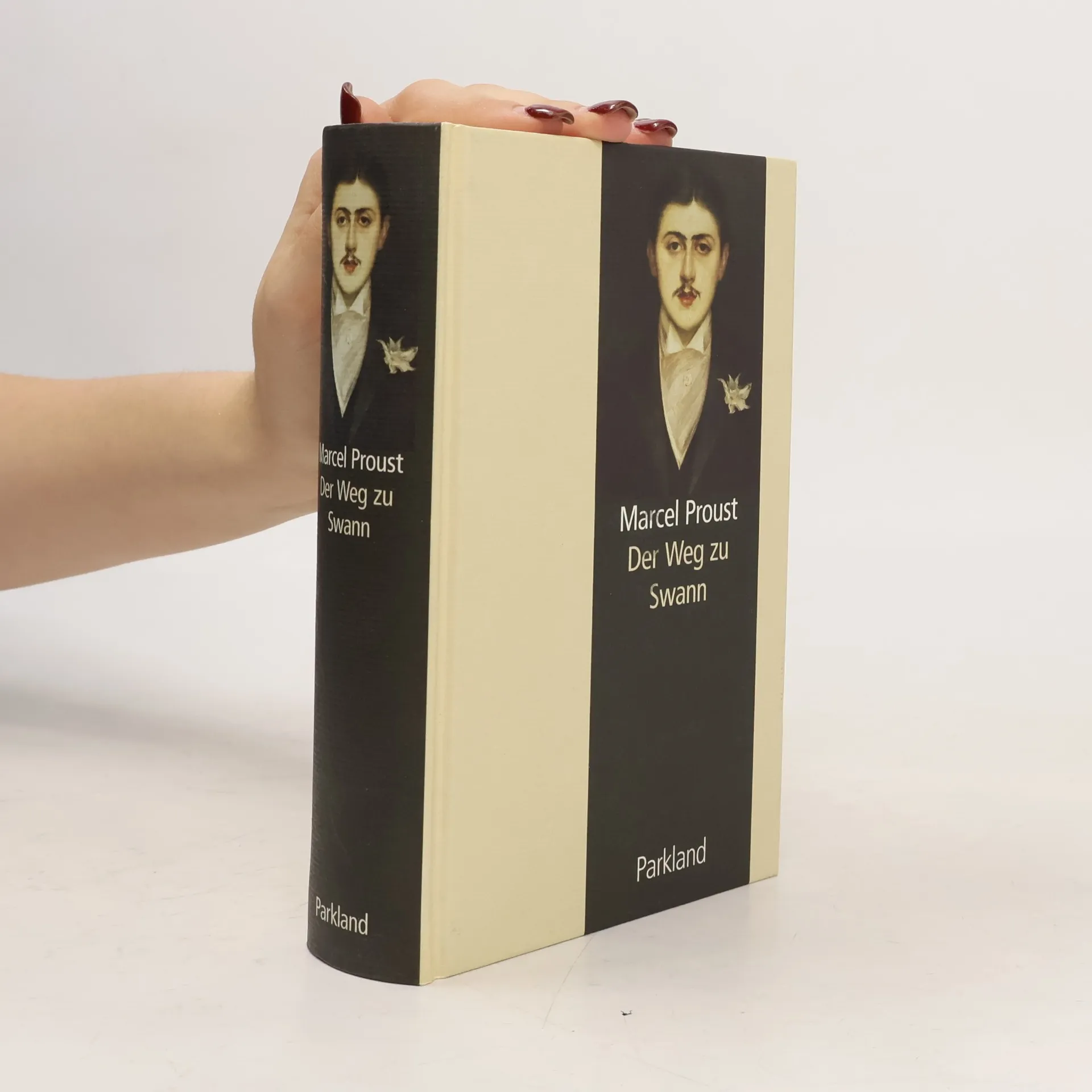
Marcel Proust, geboren 10. Juli 1871 in Auteuil - gestorben 18. November 1922, Sohn einer renommierten und wohlhabenden Familie. Proust absolviert seine Schulzeit am Lycee Condorcet und studiert dann an der Ecole des Sciences politiques. Als junger Mann verkehrt er in der Pariser High Society von Großbourgeoisie und Adel.§Früh betätigt er sich literarisch, aber auch als Literaturtheoretiker.§Nachdem er schon als Kind viel krank war, lebt er ab etwa 30 als Dauerkranker (Asthma) an sein Zimmer gefesselt.§§Du cote de chez Swann (Der Weg zu Swann), erschien 1913.
Marcel Proust wurde am 10. Juli 1871 in Auteuil geboren und starb am 18. November 1922 in Paris. Sein siebenbändiges Romanwerk Auf der Suche nach der verlorenen Zeit ist zu einem Mythos der Moderne geworden. Eine Asthmaerkrankung beeinträchtigte schon früh Prousts Gesundheit. Noch während des Studiums und einer kurzen Tätigkeit an der Bibliothek Mazarine widmete er sich seinen schriftstellerischen Arbeiten und einem – nur vermeintlich müßigen – Salonleben. Es erschienen Beiträge für Zeitschriften und die Übersetzungen zweier Bücher von John Ruskin. Nach dem Tod der über alles geliebten Mutter 1905, der ihn in eine tiefe Krise stürzte, machte Proust die Arbeit an seinem Roman zum einzigen Inhalt seiner Existenz. Sein hermetisch abgeschlossenes, mit Korkplatten ausgelegtes Arbeits- und Schlafzimmer ist legendär. In Swanns Welt, der erste Band von Prousts opus magnum, erschien 1913 auf Kosten des Autors im Verlag Grasset. Für den zweiten Band, Im Schatten junger Mädchenblüte, wurde Proust 1919 mit dem Prix Goncourt ausgezeichnet. Die letzten Bände der Suche nach der verlorenen Zeit wurden nach dem Tod des Autors von seinem Bruder herausgegeben.
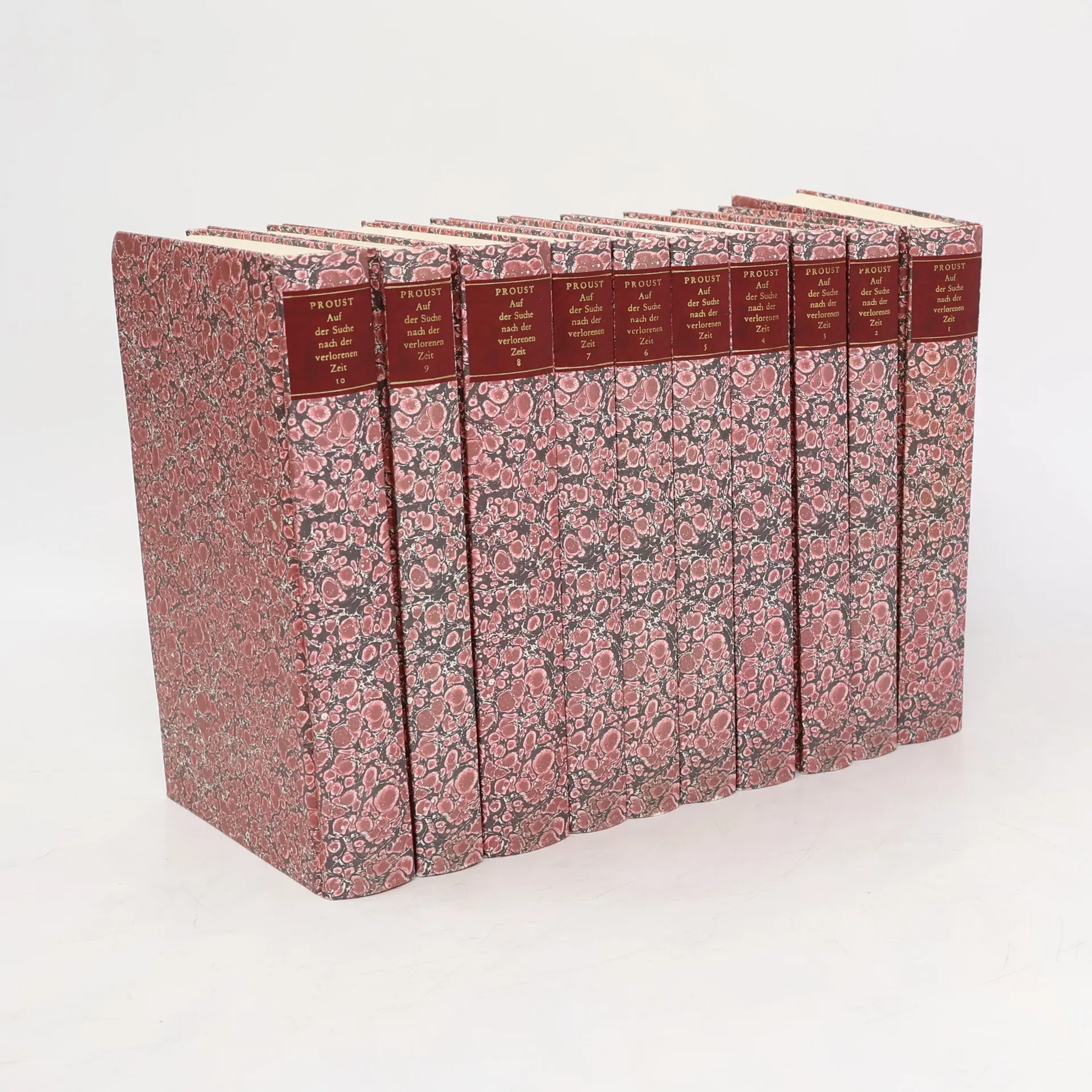
Es ist das monumentalste Romanwerk des 20. Jahrhunderts und längst ein Mythos der Moderne: Marcel Prousts Auf der Suche nach der verlorenen Zeit. Ein literarisches Universum, Spiegel der Welt und der Literatur. Luzius Kellers Revision der Übersetzung von Eva Rechel-Mertens und sein Kommentar öffnen zum ersten Mal den Weg zu Proust so, wie sein Rang es verlangt.
Die einmalige Sonderausgabe der Recherche in der Textfassung der Frankfurter Ausgabe umfaßt sieben Bände und über 5000 Seiten und bietet erneut „eine kostbare Möglichkeit: die des unschätzbaren Glücks, Marcel Proust zu lesen. Wer sie nicht ergreift, dem ist nicht zu helfen.“ Jochen Schimmang
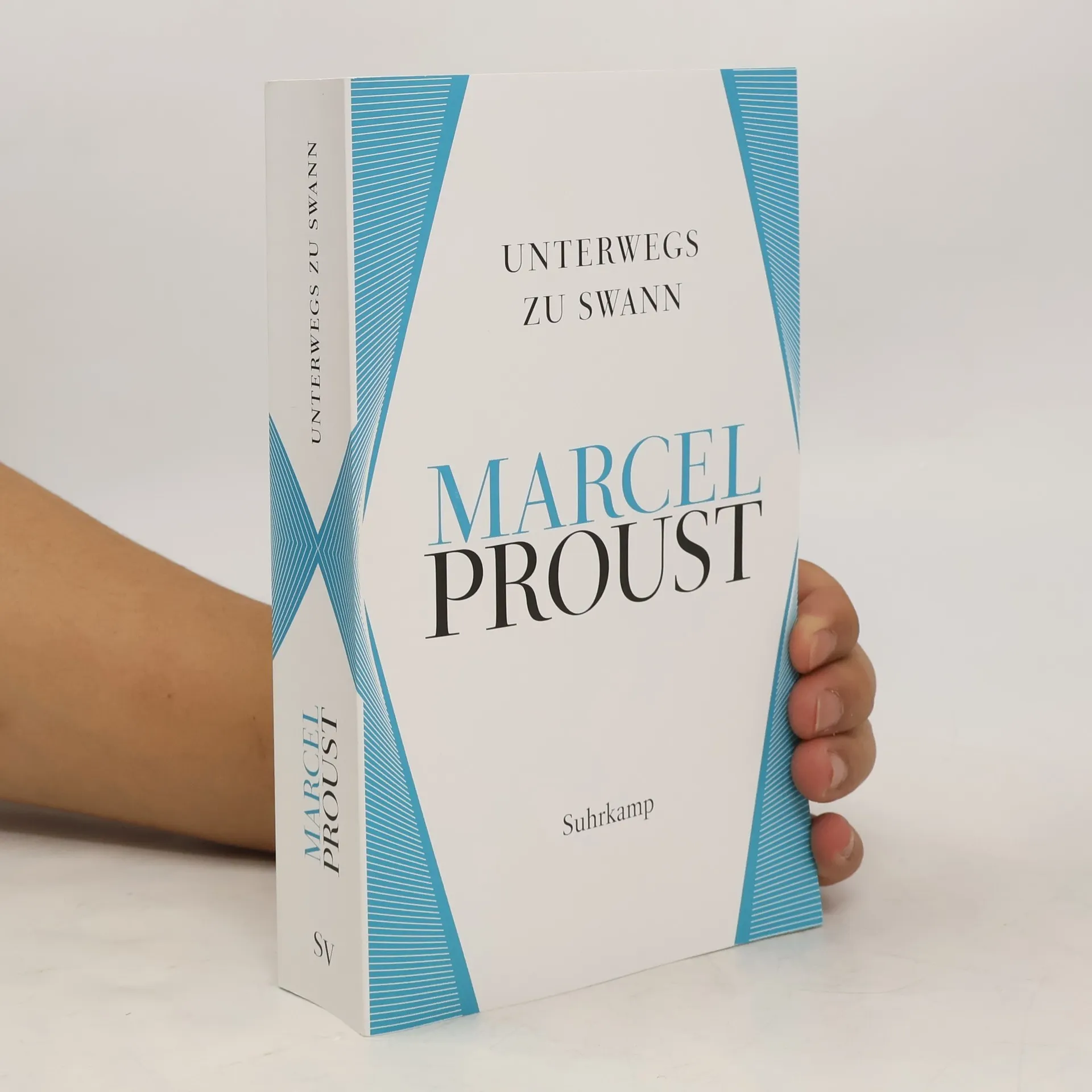
Band 1: Unterwegs zu Swann
Band 2: Im Schatten junger Mädchenblüte
Band 3: Guermantes
Band 4: Sodom und Gomorrha
Band 5: Die Gefangene
Band 6: Die Flüchtige
Band 7: Die wiedergefundene Zeit
Heitere und heikle Fragen als Herausforderung an Esprit, Charme und Inspiration
96 pages
4 hours of reading
Dieses Notizbuch lädt ein, den berühmten Proust-Fragebogen zu erkunden, den Marcel Proust in seiner Jugend ausfüllte. Es enthält die ursprünglichen Fragen, seine Antworten und Platz für eigene Gedanken. Zudem ist die erste Version des Fragebogens von 1887 enthalten, die 2018 entdeckt wurde.
Marcel Proust legte mit 26 Jahren den Band Les Plaisirs et les Jours vor, eine Sammlung von Erzählungen und impressionistischen Miniaturen, aus denen für den vorliegenden Nocturnes-Band einige der bezwingendsten versammelt sind. Atmosphärenreiche Bilder, feinfühlige Personen- und Gesellschaftsporträts, vor allem aber die Beschwörung aller betörenden Facetten der Schwermut und der Liebe lesen sich wie elegante Vorstudien zur Suche nach der verlorenen Zeit und zeigen doch bereits Prousts stilistische Meisterschaft.Wir befinden uns, wie immer bei Proust, in den höchsten Kreisen der Gesellschaft: Violante, die alles unternimmt, damit die Welt ihr zu Füßen liegt, muss am Ende die Eitelkeit ihres Tuns erkennen; Françoise de Breyves wird Opfer ihrer unerfüllten Verliebtheit in den mittelmäßigen Monsieur Laléande; ein zur Unkeuschheit verführtes Mädchen legt nach einem Selbstmordversuch ihre Lebensbeichte ab; der von Eifersucht geplagte Honoré erfährt erst angesichts des Todes die Befreiung einer allumfassenden Liebe. In all diesen tiefsinnigen psychologischen Parabeln spiegelt sich die moralische Brüchigkeit der Belle Époque.
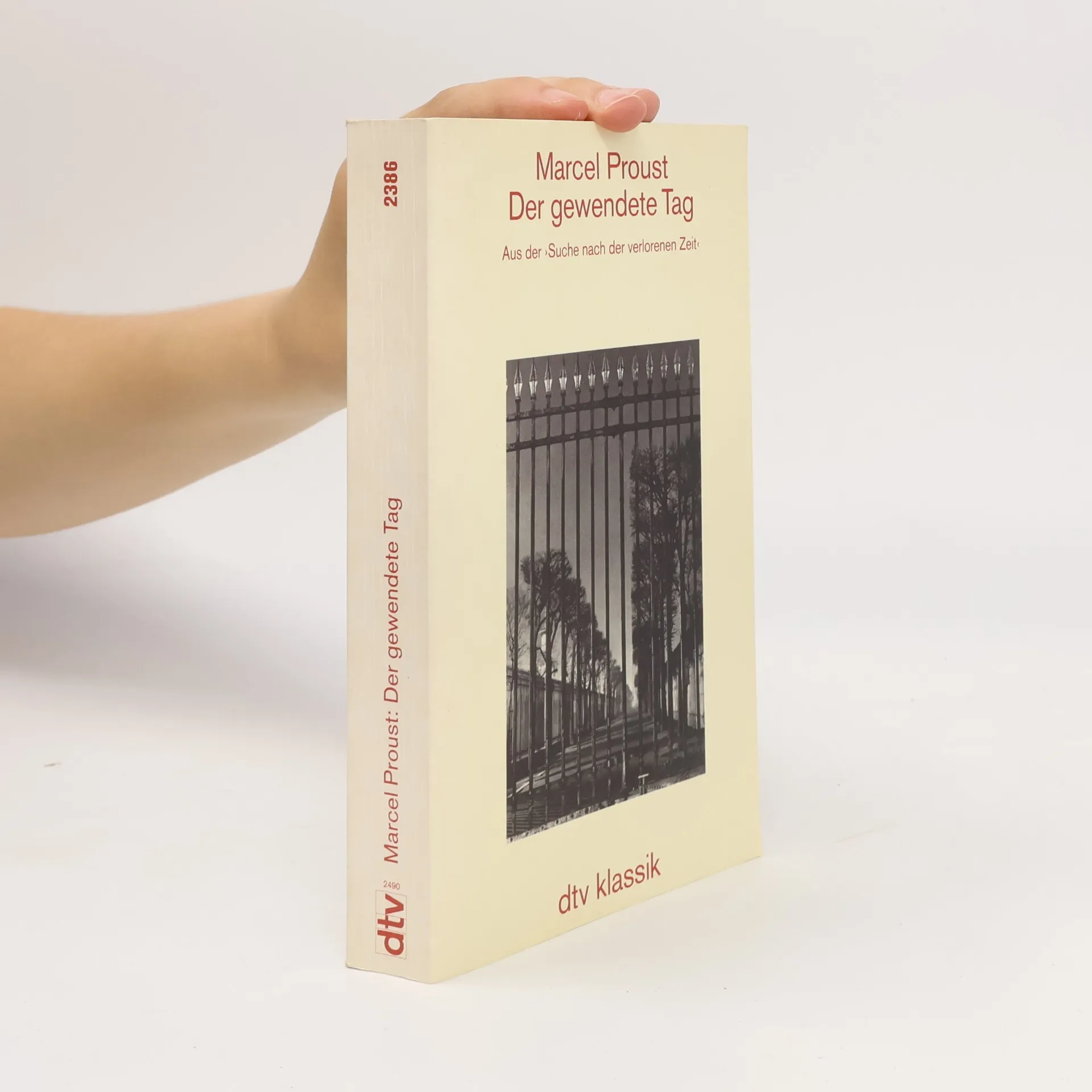
Die «Recherche» en miniature Zum 150. Geburtstag des großen französischen Romanciers am 10.7.2021 erscheint hier ein Destillat von Prousts siebenbändigem Hauptwerk in Neuausgabe. Darin begegnet man bereits den Guermantes und Verdurins, Albertine und vielen anderen bekannten Figuren aus dem Proust-Kosmos, oft in überraschender Beleuchtung und reizvoller Akzentuierung. Bei «Der gewendete Tag» handelt es sich um ein Mosaik aus neunzehn Prosastücken, die von 1912 bis 1923 in Zeitschriften erschienen und «Die Suche nach der verlorenen Zeit» eindrucksvoll vorbereiten und ergänzen. In der kongenialen Übersetzung von Christina Viragh und Hanno Helbling bietet dieser spezielle Band Kennern wie Entdeckern einen komprimierten Proust. «Keine schönere Einladung zur Lektüre Prousts scheint denkbar als diese von ihm selbst ausgewählten Begegnungen eines vielschichtigen Bewusstseins mit einer unendlich genau erfassten Wirklichkeit.» Karlheinz Stierle, NZZ
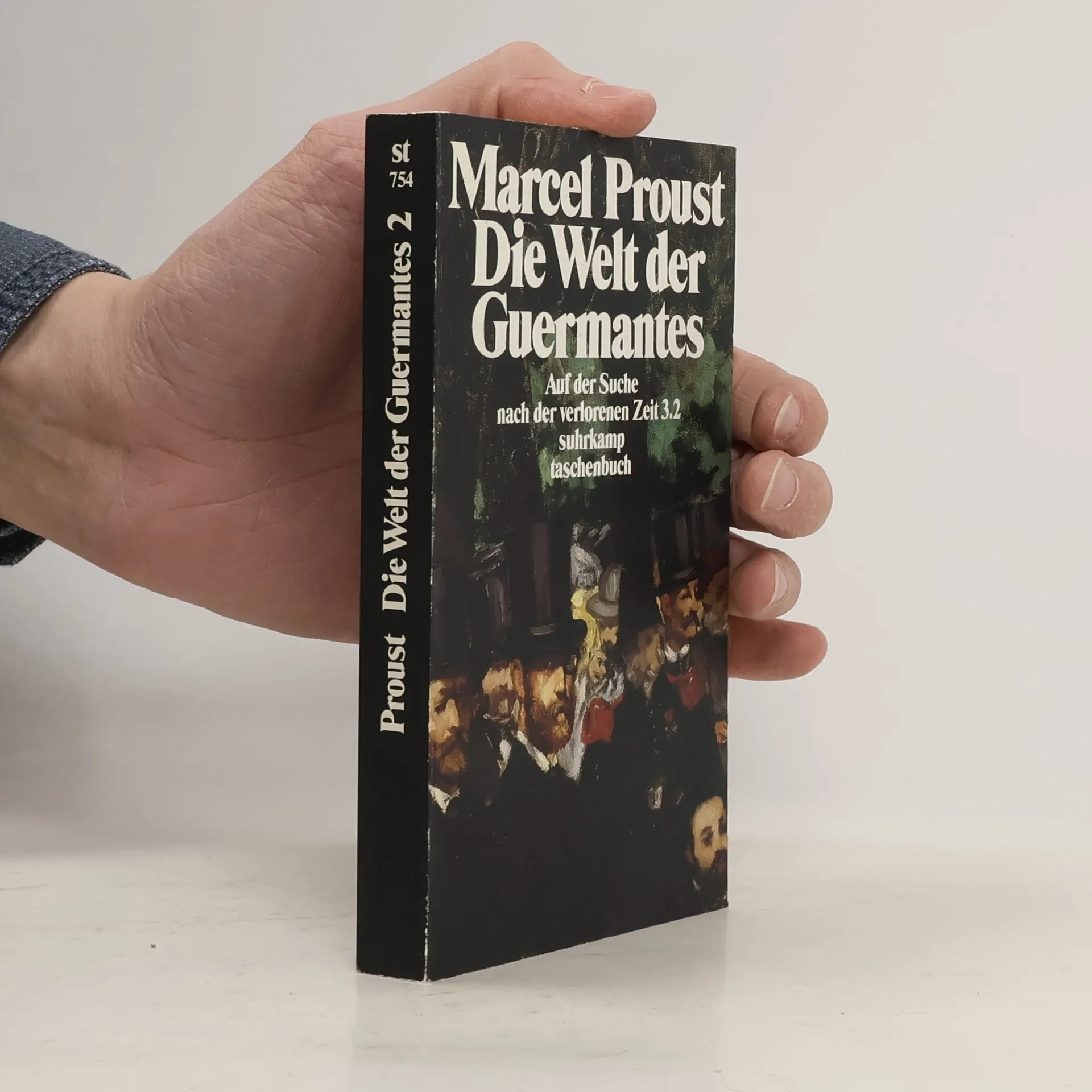
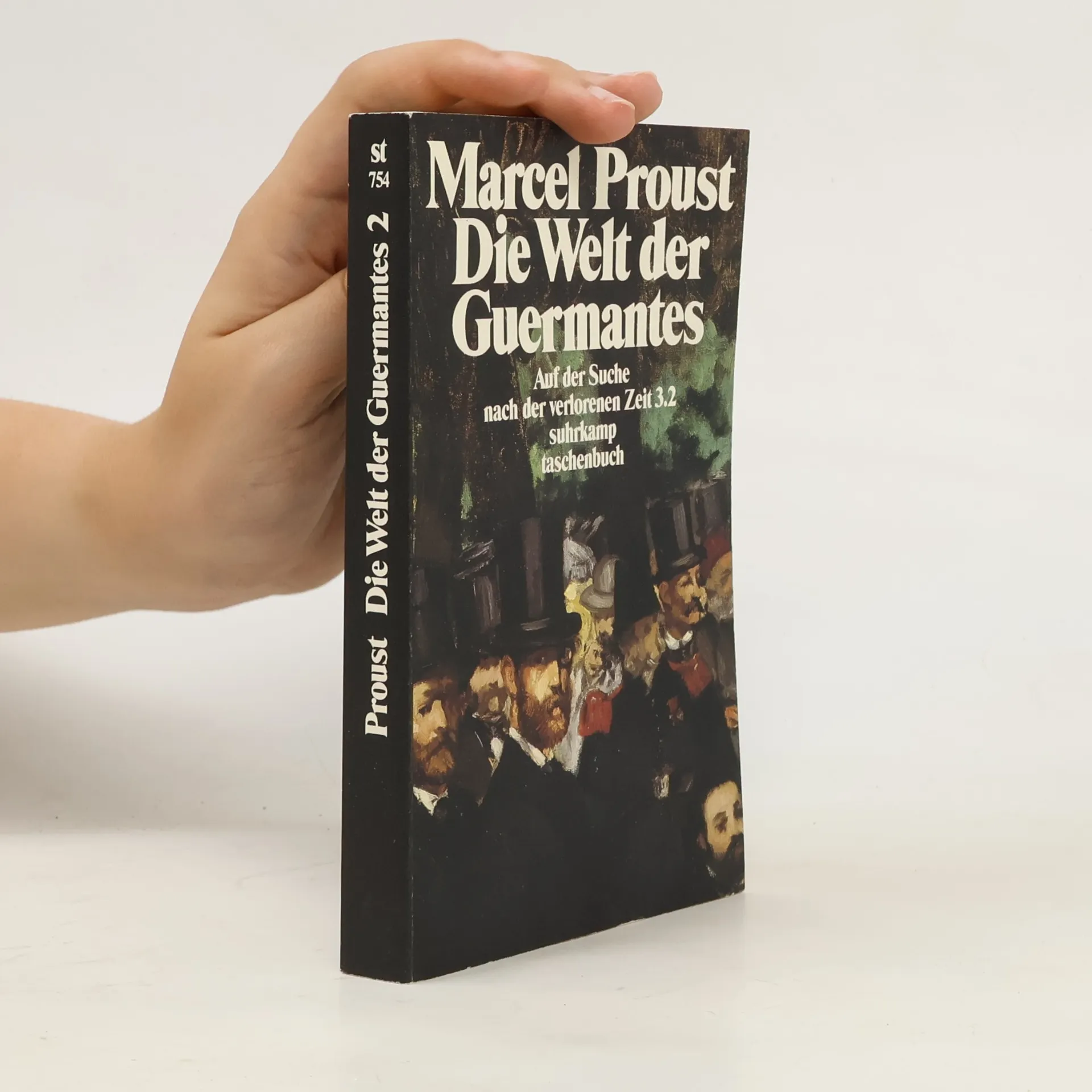
Nach der relativen Intimität der ersten beiden Bände von Auf der Suche nach der verlorenen Zeit eröffnet Die Welt der Guermantes eine weite, schillernde Landschaft des modischen Pariser Lebens im späten neunzehnten Jahrhundert, während der Erzähler in die brillante, oberflächliche Welt der literarischen und aristokratischen Salons eintritt. Sowohl eine Hommage als auch eine verheerende Satire auf eine Zeit, einen Ort und eine Kultur, definiert Die Welt der Guermantes die große Tradition der Romane, die die Einweihung eines jungen Mannes in die Wege der Welt nachzeichnen.
Die Welt der Guermantes 1 ist der dritte von sieben Bänden. Der Erzähler dringt in das innere Sanctum der Pariser High Society ein und verliebt sich in die faszinierende Duchesse de Guermantes. Proust beschreibt lebhaft die Kämpfe um politische, soziale und sexuelle Vorherrschaft, die sich hinter einer Fassade eleganter Manieren abspielen. Er sieht sich auch dem verführerischen Baron de Charlus verfolgt.
Arcydzieło trudno zdefiniować. Musi zdobyć odpowiednią liczbę entuzjastów i przejść próbę czasu, a czasem popada w zapomnienie. Przede wszystkim musi mieć w sobie to nieuchwytne coś, co pozwala mu spełnić te warunki. Nie musi być dokończone przez autora, jak w przypadku Prousta, Kafki czy Musila, a nawet może być w połowie przerwane. Jego atrybutem jest umykanie gatunkowej klasyfikacji oraz nabywanie nowych walorów z czasem. "W poszukiwaniu utraconego czasu" stało się nie tylko powieścią historyczną, ale także jednym z najdoskonalszych literackich świadectw epoki, odkrywającym uwodzicielską fizjonomię fin de siècle'u. O prawdziwej wielkości dzieła przekonujemy się, gdy zauważamy, że to ono podstępnie nas czyta, a najdziwniejsze przypadki bohaterów w osobliwych dekoracjach opowiadają o nas samych, pozostając w naszej pamięci na zawsze. "W poszukiwaniu utraconego czasu" spełnia te kryteria w nadmiarze.
pubOne.info present you this new edition. Une fois M. de Charlus parti, nous pûmes enfin, Robert et moi, aller Une fois M. de Charlus parti, nous pûmes enfin, Robert et moi, aller dîner chez Bloch. Or je compris pendant cette petite fête que les histoires trop facilement trouvées drôles par notre camarade étaient des histoires de M. Bloch, père, et que l'homme «tout à fait curieux» était toujours un de ses amis qu'il jugeait de cette façon. Il y a un certain nombre de gens qu'on admire dans son enfance, un
In the overture to Swann's Way, the themes of the whole of In Search of Lost Time are introduced, and the narrator's childhood in Paris and Combray is recalled, most memorably in the evocation of the famous maternal good-night kiss. The recollection of the narrator's love for Swann's daughter Gilberte leads to an account of Swann's passion for Odette and the rise of the nouveaux riches Verdurins.
In the overture to Swann's Way, the themes of the whole of In Search of Lost Time are introduced, and the narrator's childhood in Paris and Combray is recalled, most memorably in the evocation of the famous maternal good-night kiss. The recollection of the narrator's love for Swann's daughter Gilberte leads to an account of Swann's passion for Odette and the rise of the nouveaux riches Verdurins.
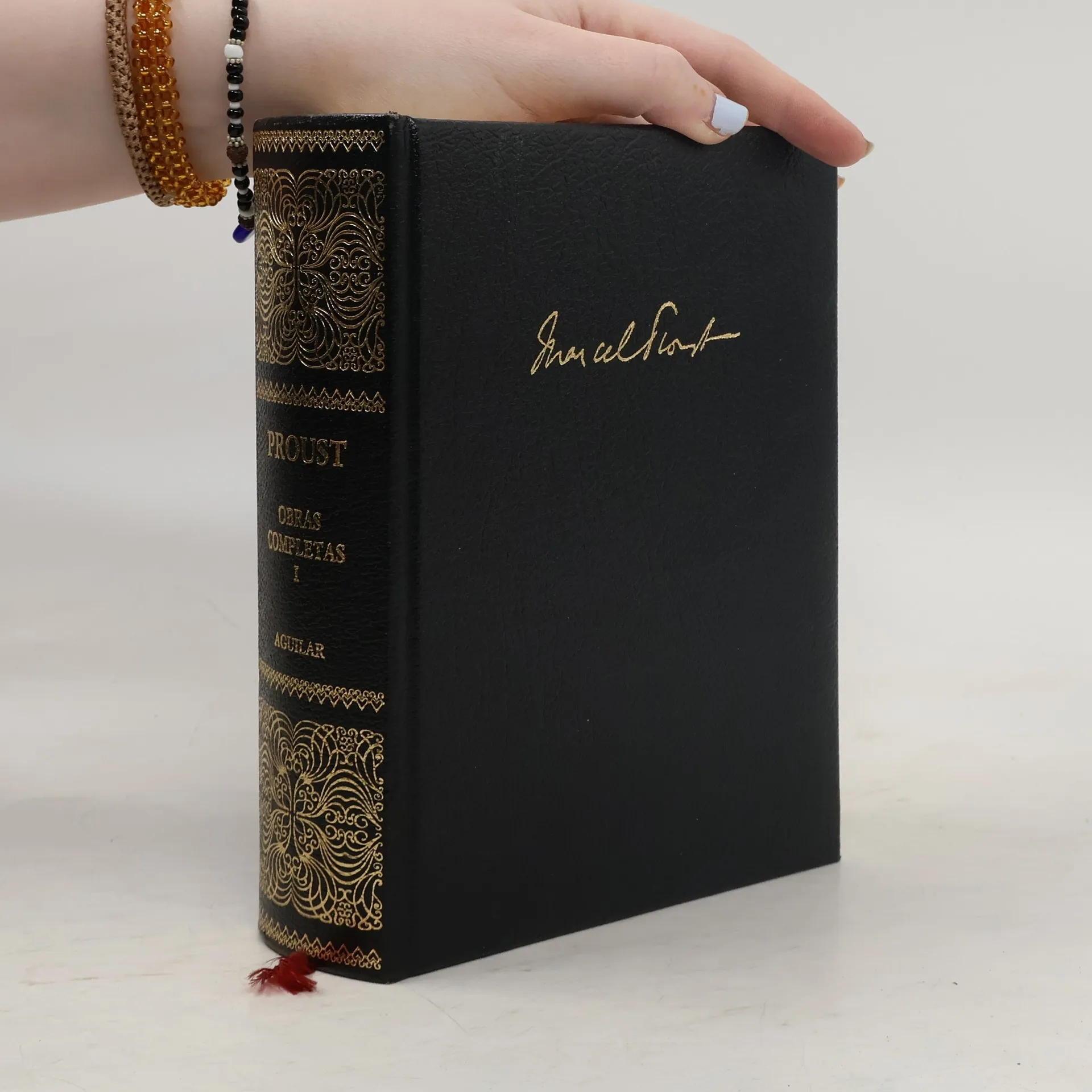
Barcelona. 20 cm. 938 p. Encuadernación en tapa dura de editorial. Colección 'Obras completas', numero coleccion(t. 1). Proust, Marcel 1871-1922. À la recherche du temps perdu. Traducción, Pedro Salinas y J. M. Quiroga Plà. Por el camino de Swann ; A la sombra de las muchachas en flor ; El mundo de Guermantes. En la Aguilar. Salinas, Pedro. 1891-1951. Quiroga Plá, José María. 1902-1955. Obras completas. numero coleccion( t. 1) .. Este libro es de segunda mano y tiene o puede tener marcas y señales de su anterior propietario. 8447336085 (v. 1)
Werke II. Band 1: Auf der Suche nach der verlorenen Zeit 1. Unterwegs zu Swann
718 pages
26 hours of reading
"Unterwegs zu Swann" ist der Auftakt zu Prousts monumentalem Werk, das Erinnerungen, Liebe und Gesellschaftssatire vereint. Die Erzählung entfaltet ein literarisches Universum voller Bilder und Szenen, das zum Nachdenken über Kunst, Musik und das Leben anregt. Die Frankfurter Ausgabe bietet eine überarbeitete Übersetzung mit erklärenden Kommentaren.
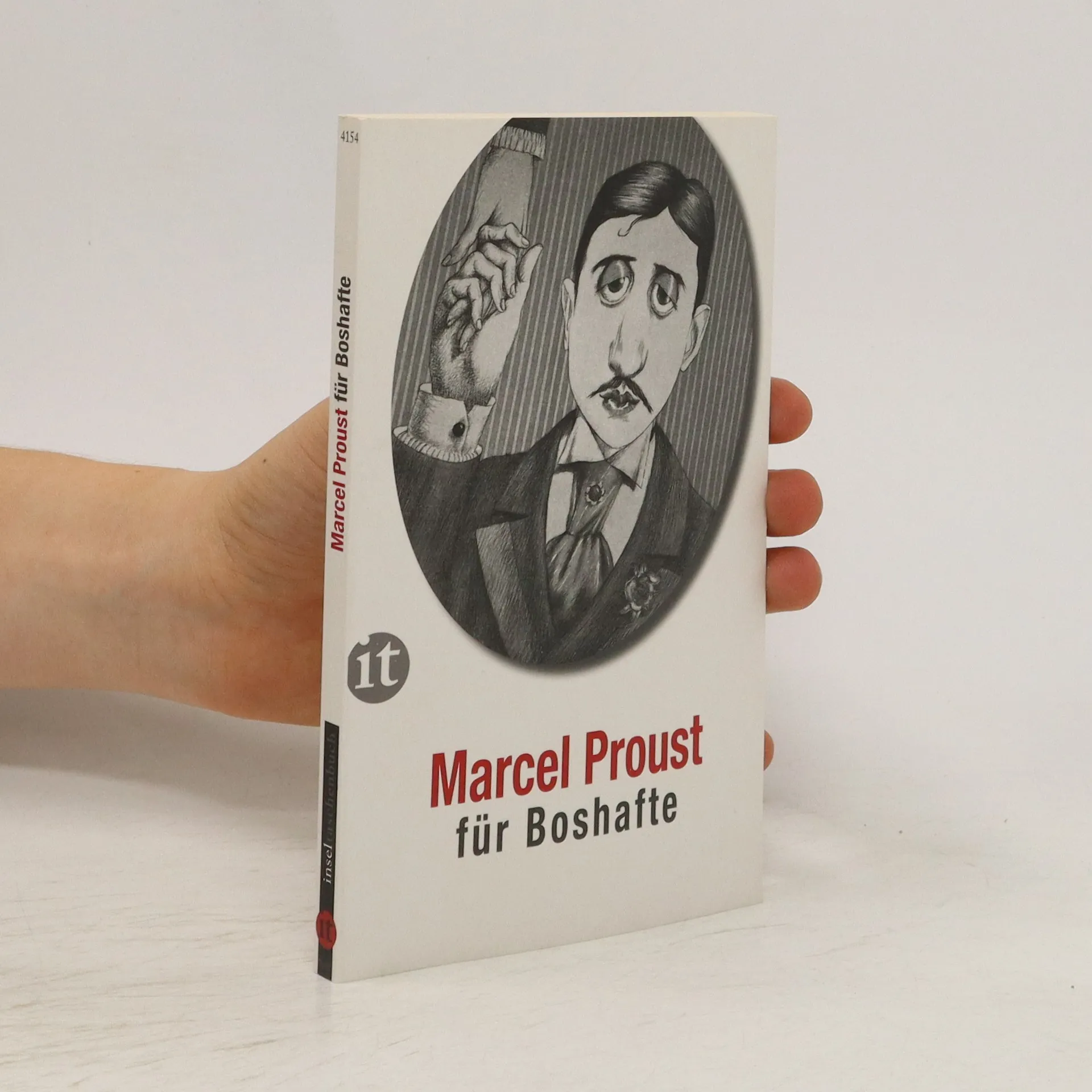
»Ich für meine Person muß gestehen, daß mich nichts so amüsiert wie diese kleinen Bosheiten, ohne die ich das Leben einfach öde finde.« Marcel Proust, der Autor des Werks »Auf der Suche nach der verlorenen Zeit«, überrascht durch eine andere, bislang unbekannte Seite: Er verfaßte eine Vielzahl boshafter und spitzzüngiger Kommentare, mit denen er die gesellschaftlichen Abgründe und Verhaltensweisen seiner Zeitgenossen aufs Korn nimmt ...
Wer an Marcel Prousts korkgetäfeltes Zimmer denkt oder an sein Asthmaleiden, mag erstaunt sein über den Reichtum an Blumen und Pflanzen in seinem Werk: der rosablühende Weißdorn und Flieder auf dem Weg nach Guermantes, Rosen im Atelier des Malers Elstir, Kornblumen, Apfelblüten, und Seerosen auf dem Flüsschen Vivonne. Auch wenn es um Erotisches und Sexuelles geht, spricht der „Botaniker der psychischen Welt“ gerne durch die Blume: „Cattleya spielen“ beispielsweise ist für Swann und Odette Chiffre des Liebesaktes. In diesem Band versammelt Ursula Voß die schönsten und vielsagendsten Passagen aus der Suche nach der verlorenen Zeit und ergänzt sie mit stimmungsvollen Blumengemälden der Zeit.
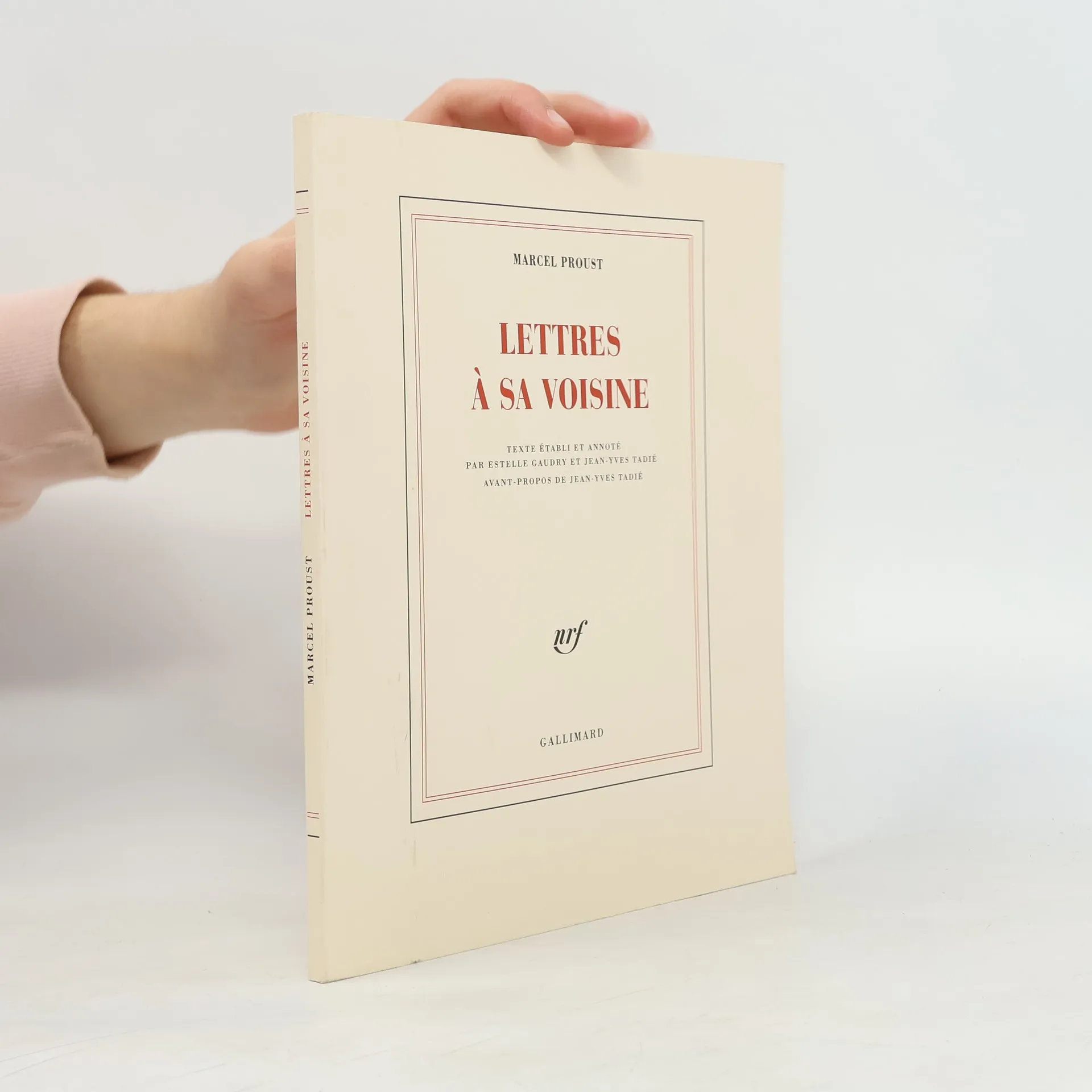
C’est un vrai petit roman, fondé sur la découverte de vingt-trois lettres adressées à une dame, ainsi que trois à son mari, qui était la voisine de Marcel Proust au 102 boulevard Haussmann. Mme Marie Williams, épouse d’un dentiste américain, vivait au-dessus de Proust, ce qui a engendré de nombreux drames pour ce phobique du bruit. Ce roman épistolaire met en lumière la rivalité stylistique entre les deux correspondants. Proust déploie tout son charme envers Mme Williams, révélant son humour, sa culture et son art du compliment. Il ressent pour elle une sympathie réelle, une amitié, et une forme d'affection, bien qu'il ne nous reste pas les lettres de Mme Williams. Les lettres abordent divers sujets : le bruit des travaux à l’étage supérieur qui perturbent Proust, la musique, car Mme Williams joue de la harpe, ainsi que des échanges sur des roses, tant naturelles que métaphoriques. Elles évoquent aussi la maladie et la solitude. Le ton est empreint d’amitié et d’intimité. Nous ne possédons pas les dernières lettres de Proust, qui auraient pu contenir des adieux touchants. Il quitte le boulevard Haussmann en même temps que Mme Williams, déménageant le 31 mai 1919, sans avoir jamais parlé d’elle à quiconque.
Wer Einblick in Prousts Leben gewinnen will, einen sehr intimen zuweilen, muss seine Gedichte lesen. Meist sind es Gelegenheitsgedichte an Freunde und Bekannte; sie finden sich in Briefen, auf Notizzetteln, auf der Rückseite von Fotografien, als Widmungen in Büchern. Dazu kommen Pastiches sowie Gedichte über Maler und Musiker, die Proust verehrte. Ein besonderes Kapitel bilden die Gedichte an seinen Herzensfreund Reynaldo Hahn, für den er sich die abenteuerlichsten Namen einfallen lässt (u. a. »Puncht, »Binchnibuls«). Man lernt den Autor darin von einer ganz neuen Seite kennen: verspielt, neckisch und manchmal auch albern. Alle Gedichte werden in Original und Übersetzung und mit den zugehörigen Zeichnungen Prousts präsentiert. Dazu hat Bernd-Jürgen Fischer, der Übersetzer von Prousts Suche nach der verlorenen Zeit , sämtliche bekannten Proust-Gedichte zusammengestellt, neu übersetzt und kommentiert. Ergänzt wird die Ausgabe durch einen umfangreichen farbigen Bildteil, in dem zahlreiche der Gedichtadressaten abgebildet sind. Sprachen: Französisch, Deutsch
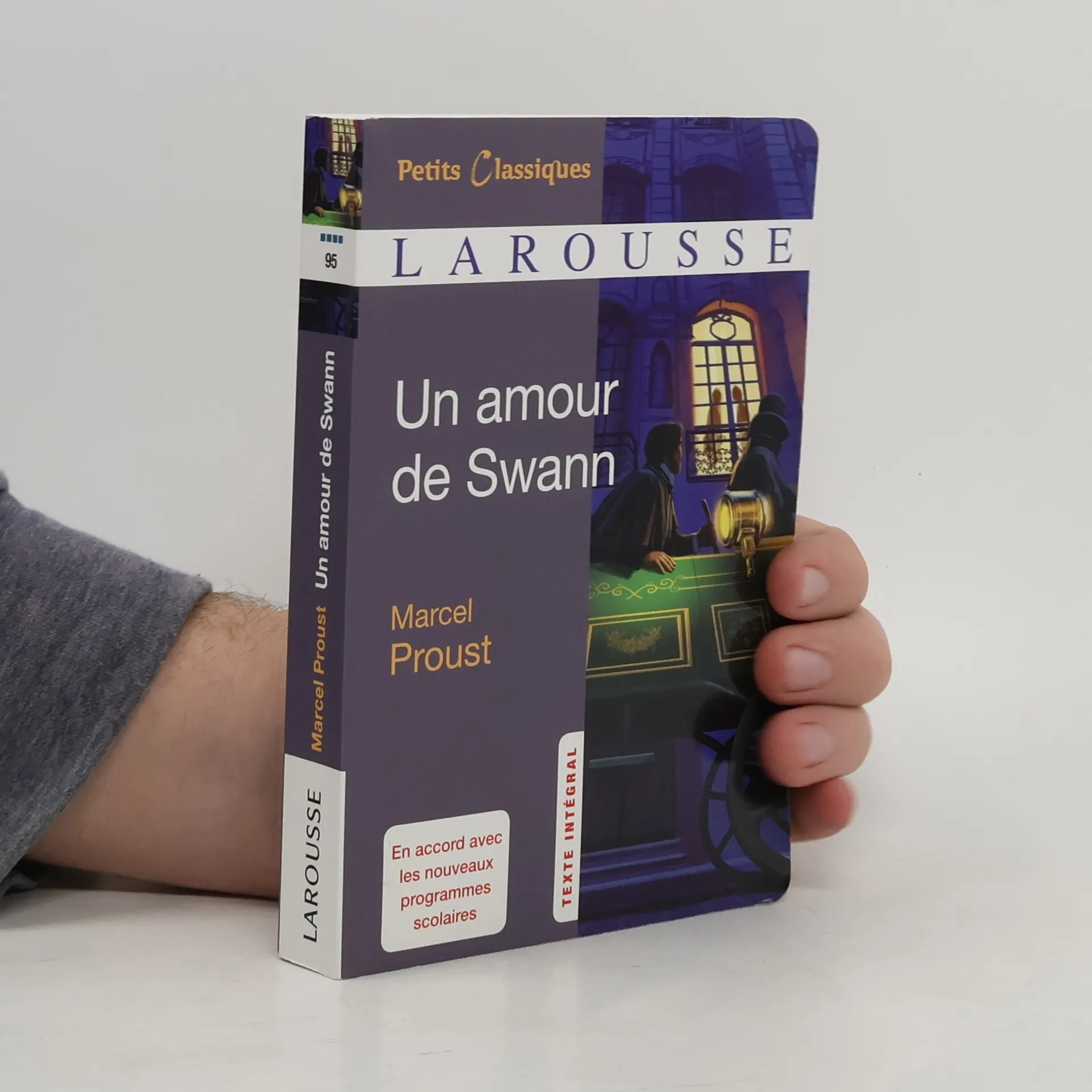
Ce roman decrit l amour que Swann, un homme de la haute societe, porte a Odette de Crecy, une jeune femme aux m urs legeres. Mais, pour Swann, l amour est indissociable de la jalousie et de l angoisse qu elle genere. Aussi va-t-il compenser les insuffisances d Odette et construire sa propre image d elle: en l associant a une uvre musicale, en la comparant a une bergere d une fresque de Botticelli Pour autant, cette idealisation, cette esthetisation de l etre desire suffiront-elles a sauver l amour de la ruine ?"