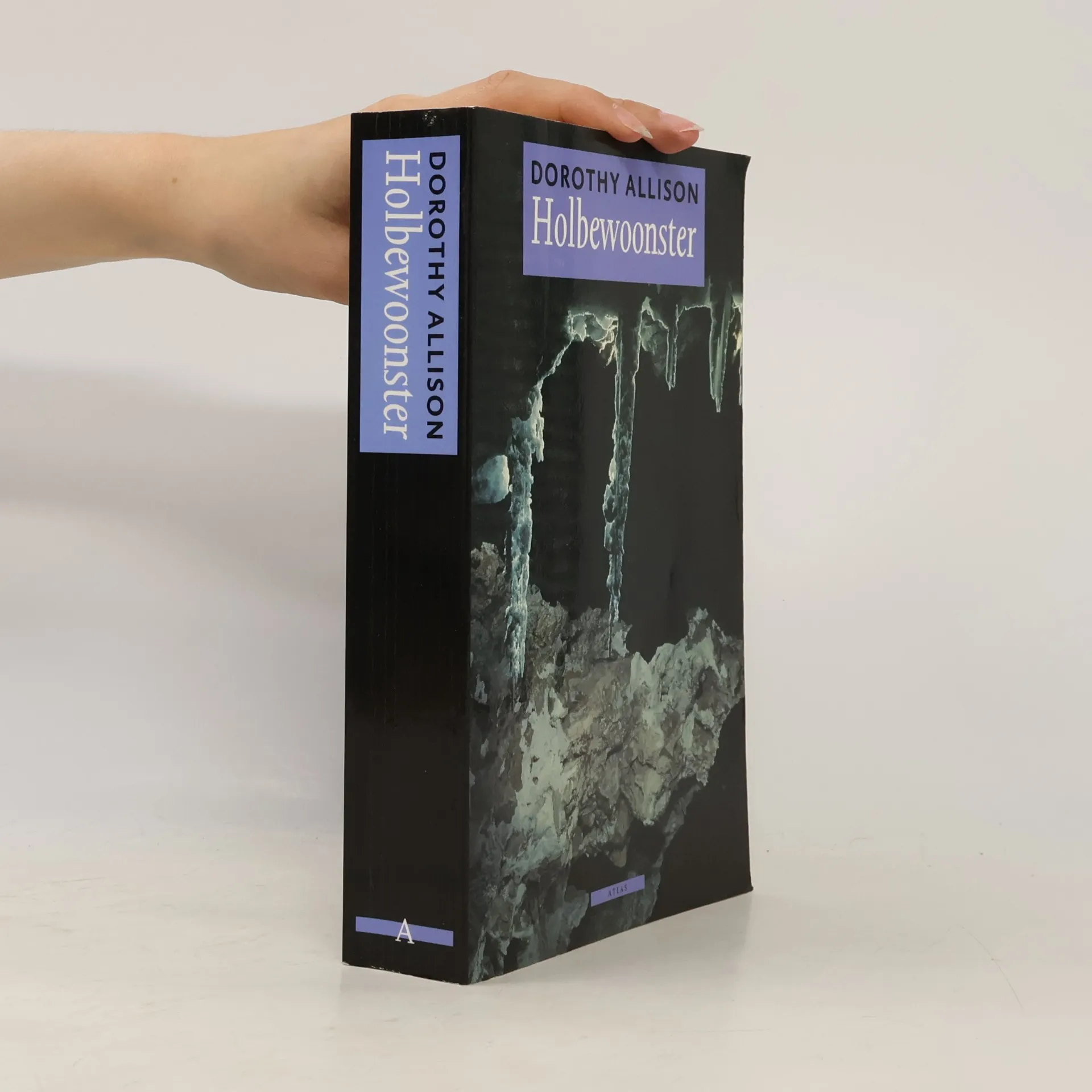
Dorothy Allison is an American writer and speaker whose work delves into the depths of class struggle, abuse, and the female experience. Her prose unflinchingly confronts themes of family, sexuality, and issues of female identity and lesbian experience. Allison illuminates the complexities of human relationships and societal inequities, offering readers a powerful and often searing glimpse into life in the American South. Her literary voice is distinct and significant for understanding contemporary American letters.
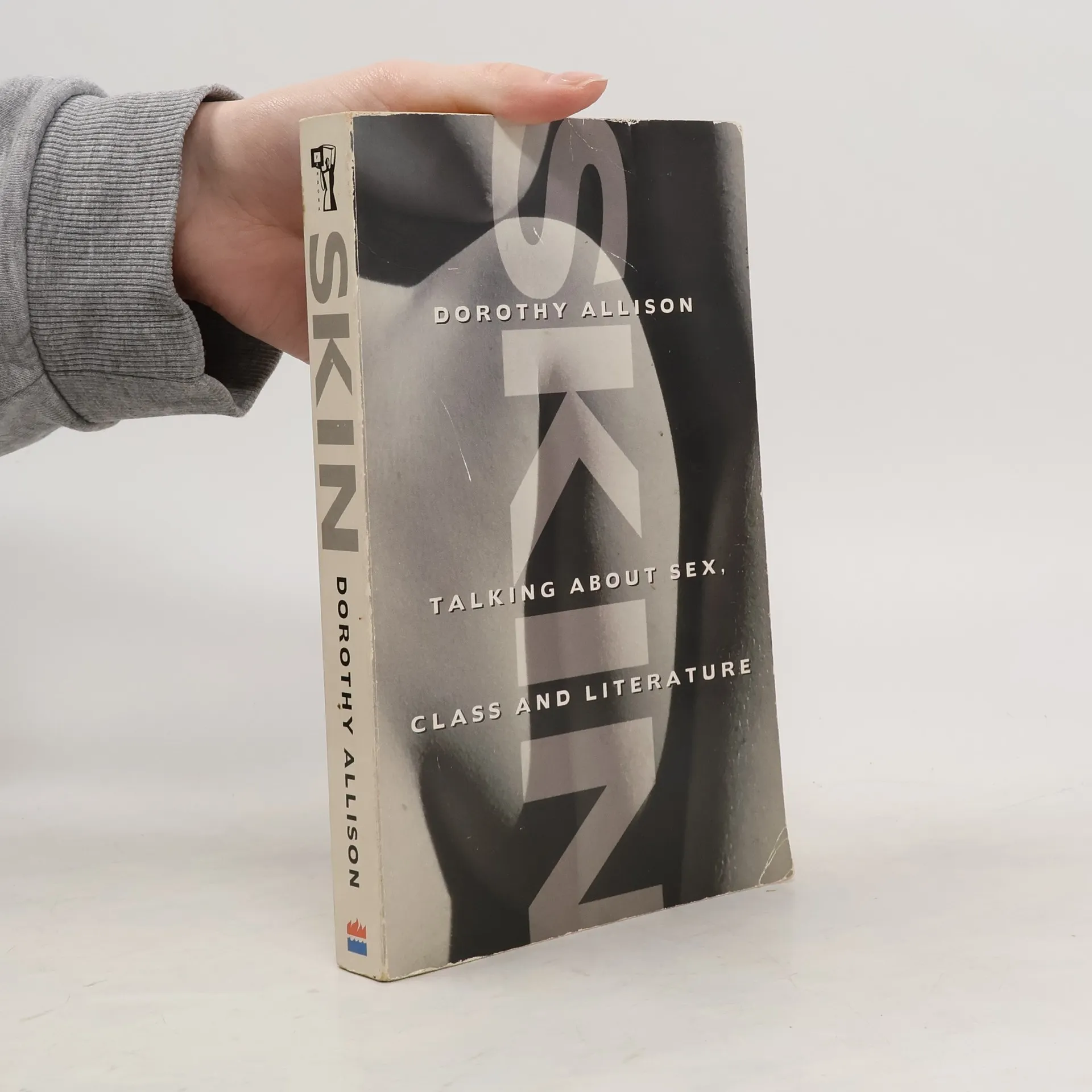
In this collection of essays, autobiographical narratives and performance pieces, the author probes the meaning of all these identities with humour, passion and conviction, as she works out what it means to be queer and happy in a world still arguing about what it means to be queer.
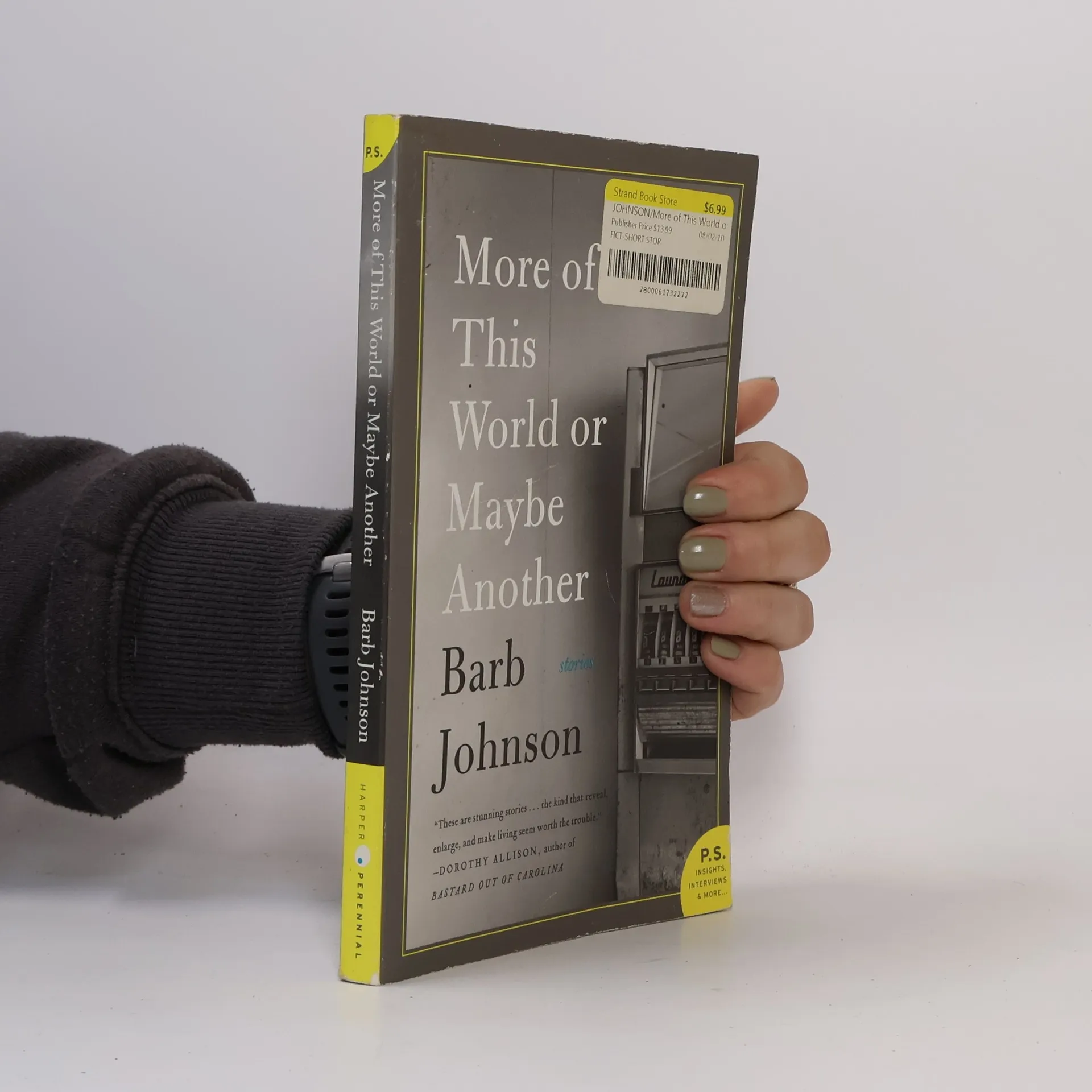
From the backstreets of New Orleans to the rural Gulf Coast--this is the territory Johnson mines so unforgettably in her debut story collection. Filled with humor and pathos, with the nearness and danger of life on the edge, these stories chart the anxious inner moments of four related characters.Johnson introduces the teenage Delia in the midst of working up the nerve for a first kiss; and Dooley, who drives a forklift for a living but dreams of a career in music that's been put on ice after a tragic accident. Pudge, an alcoholic who survived a cruel childhood with an abusive father, now hides from his own son, Luis; and Luis, raised without a father, concocts a suitable end for his mother's horrible boyfriend. Determined to save both Pudge and his son from an unhappy end, Johnson's cast of characters huddles together at the local laundromat, scheming.Johnson's stories are sweet, messy, and heart-rending. As we watch her characters through her wide-angle lens, she makes us believe that life is worth living even when the circumstances say otherwise. Irresistible and perfect, More of This World or Maybe Another introduces an original voice in American fiction.
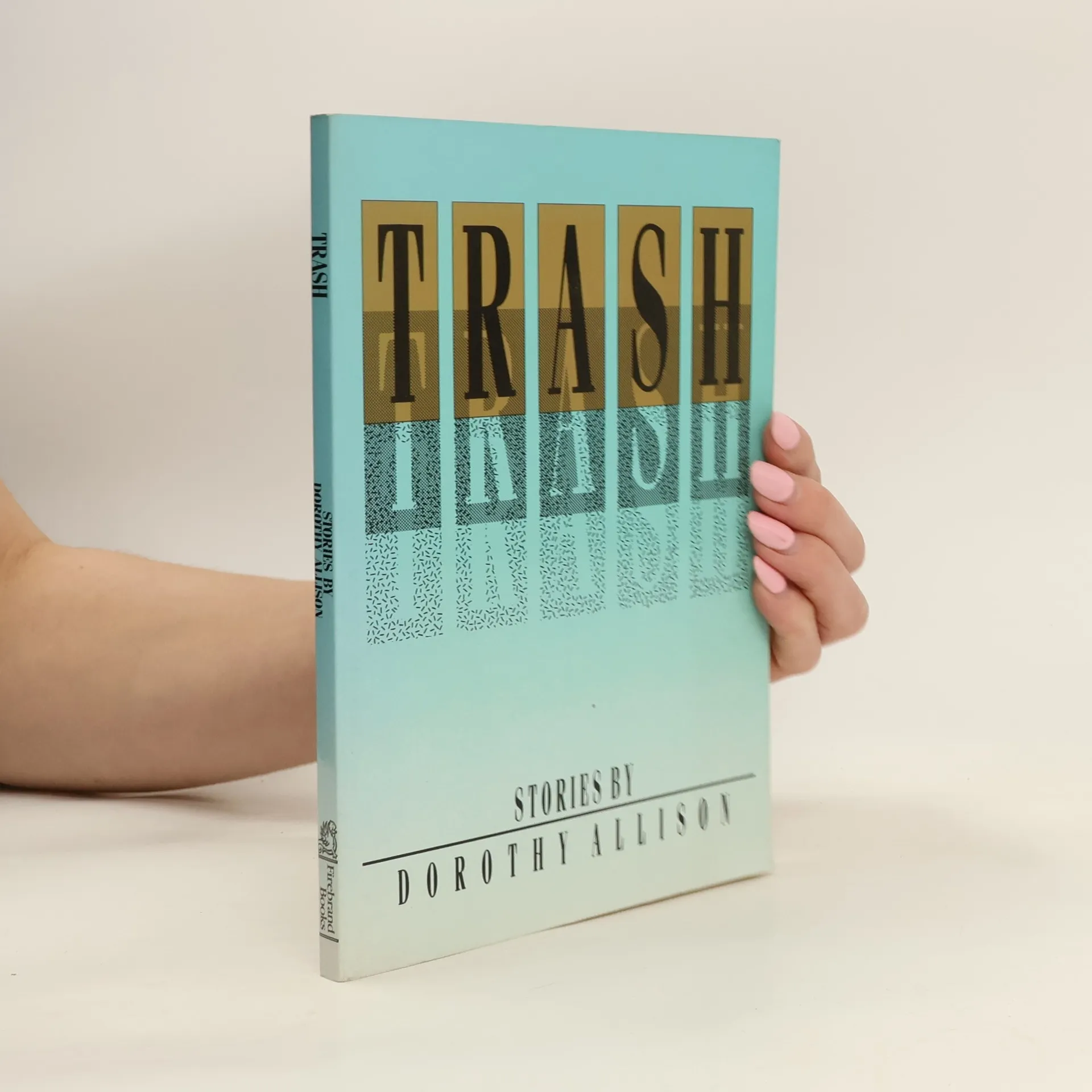
Preface: Deciding to live -- River of names -- "The meanest woman ever left Tennessee"--Mama -- Gospel song -- I'm working on my charm -- Steal away -- Monkeybites -- Don't tell me you don't know -- Demon lover -- Her thighs -- The muscle of the mind -- Violence against women begins at home -- A lesbian appetite
A literary collection of explicit writings--fiction, poetry, and essays--addresses "high risk" subject matter, such as illicit sex, incest, bondage, drug use, and transsexuality, and features contributions by progressive writers including Dorothy Allison, William Burroughs, and Kathy Acker. Reissue.
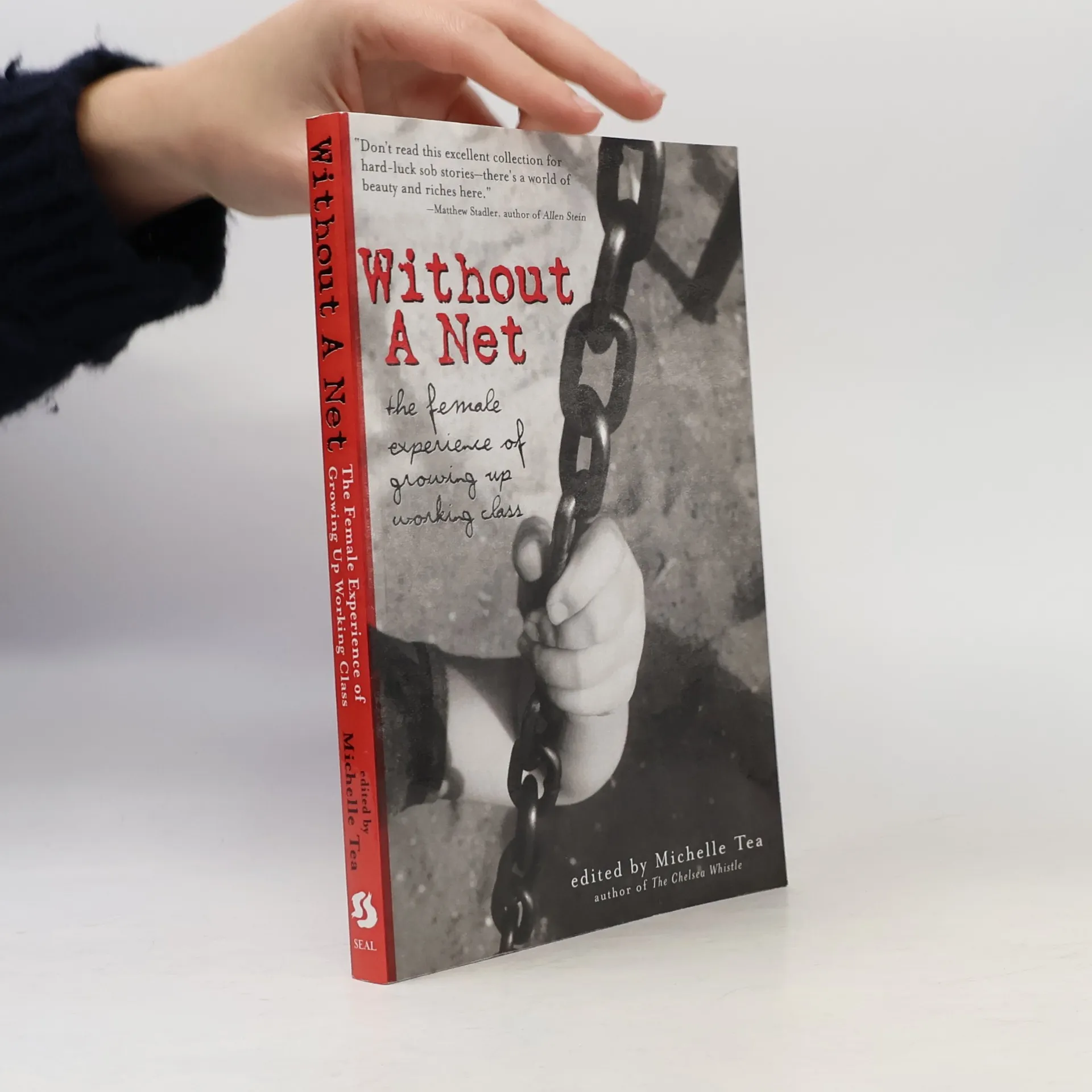
While many recent books have thoughtfully examined the plight of the working poor in America, none of the authors of these books is able to claim a working-class background, and there are associated methodological and ethical concerns raised when most of the explicatory writing on how poverty affects women and girls is done by educated, upper-class journalists. It was these concerns that prompted indie icon Michelle Tea--whose memoir The Chelsea Whistle details her own working-class roots in gritty Chelsea, Massachusetts--to collect these fierce, honest, tender essays written by women who can’t go home to the suburbs when their assignment is over. These wide-ranging essays cover everything from stealing and selling blood to make ends meet, to "jumping" class, how if time equals money then being poor means waiting, surviving and returning to the ghetto and how feminine identity is shaped by poverty. Contributors include Dorothy Allison, Diane Di Prima, Terri Griffith, Daisy Hernández, Frances Varian, Tara Hardy, Shawna Kenney, Siobhan Brooks, Terri Ryan, and more.
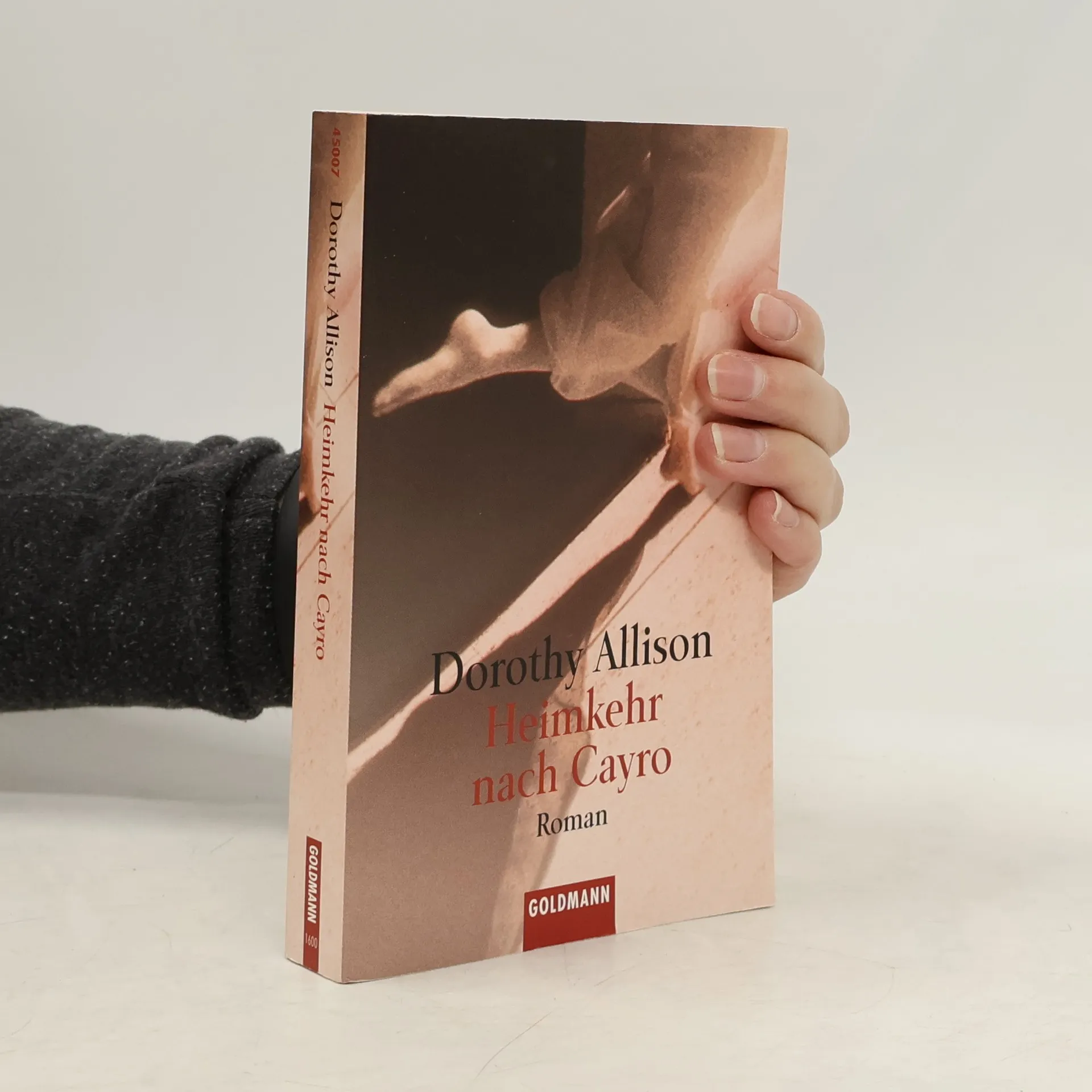
Vor Jahren hat Delia ihre Heimat in den Südstaaten, ihren Mann und die 2 Kinder verlassen, um in Kalifornien ein neues Leben als Rock-Sängerin zu beginnen. Nun kehrt sie zurück, um ihr Leben in Ordnung zu bringen.
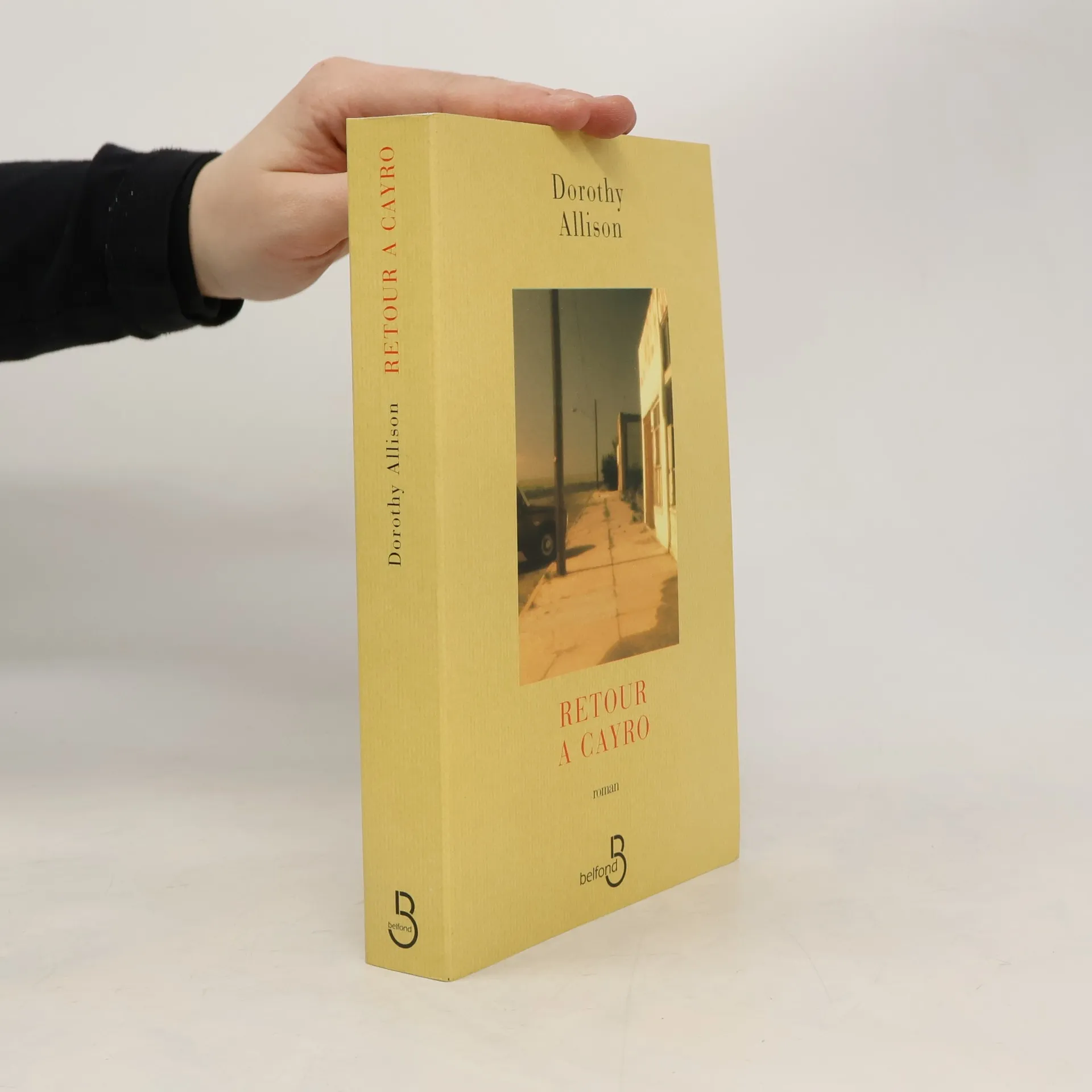
Peut-on jamais repartir à zéro, oublier son passé et faire admettre aux autres que l'on a changé ? C'est la question qui hante Delia. Un beau jour, elle a quitté son mari qui la battait et ses deux filles, dont la plus jeune avait moins d'un an, pour suivre Randall Pritchard et son groupe de rock dont elle est devenue l'égérie. Tournées, concerts, sur la route de la Californie, Delia se sent une sorte de Janis Joplin avec qui il arrive qu'on la confonde. Le rêve se brise brutalement le jour où Randall se tue en moto. Delia décide de rentrer en Georgie avec la fille qu'elle a eue de lui. Mais comment se faire de nouveau accepter dans une petite ville où c'est le pasteur qui régit tout ? Comment recomposer une sorte de famille avec des éléments disparates et même hostiles ? Il est long et difficile de faire admettre que les gens valent toujours mieux que l'idée qu'on se fait d'eux et c'est là le pari que réussit Dorothy Allison : celui de rendre leur dignité à ceux qui sont trop souvent méprisés par des jugements à l'emporte-pièce. --Gérard Meudal