Roberto Mangabeira Unger is a philosopher and politician whose works engage with social, political, and economic theory. At the core of his thought is the view that humanity is greater than its contexts, with each individual possessing the capability for a better life. He argues that the social world is made and imagined, asserting that no natural or necessary arrangements underpin social, political, or economic life. Unger views societal institutions as historical artifacts that should remain open to experimentation and revision to empower individuals and collectives. His work offers a vision for humanity and a program for its liberation.
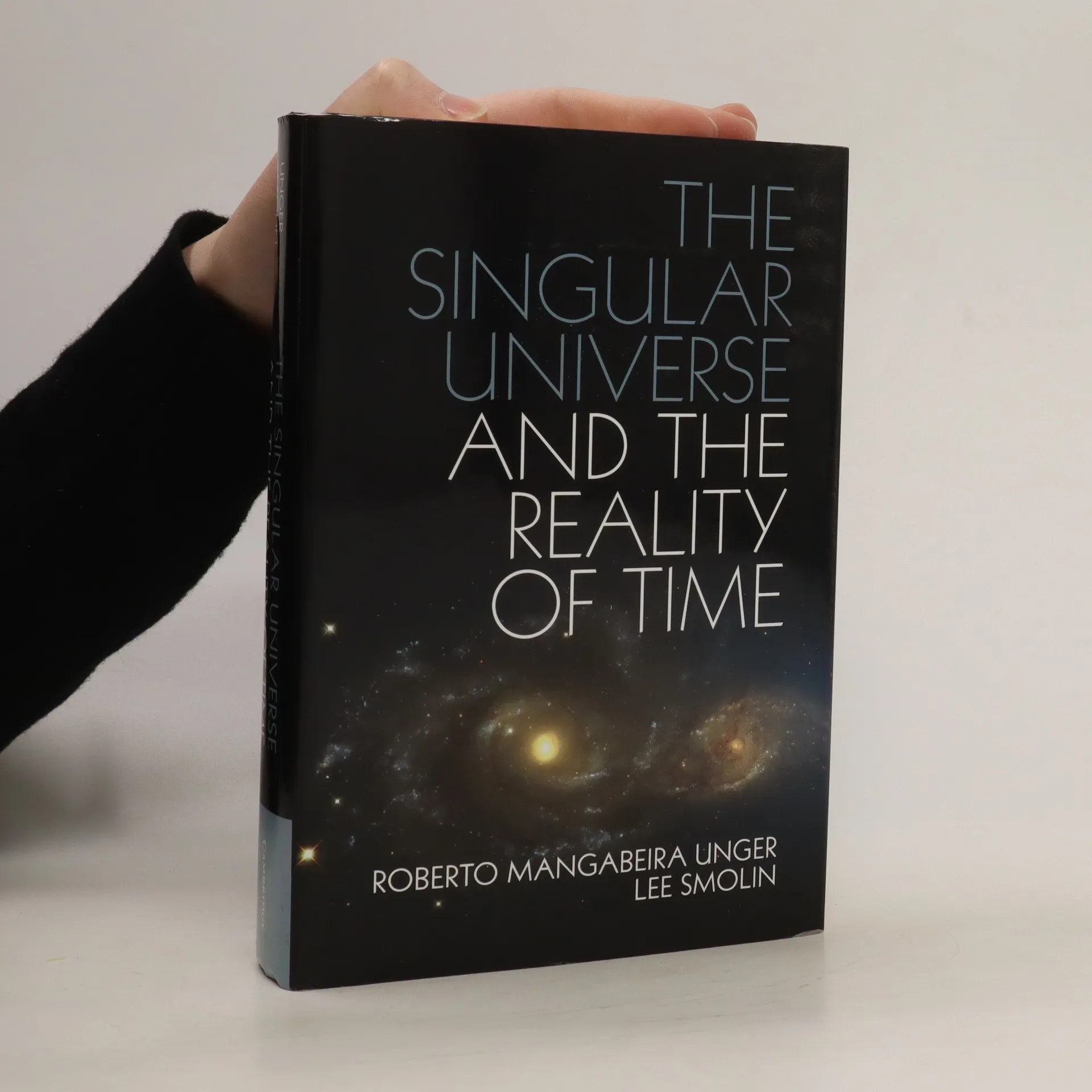
Cosmology is in crisis. In this book, philosopher Roberto Mangabeira Unger and
physicist Lee Smolin, world-renowned for their radical ideas in their fields,
argue for a revolution in our cosmological ideas. The book is readily
accessible to non-scientists as well as to the physicists and cosmologists
whom it challenges.
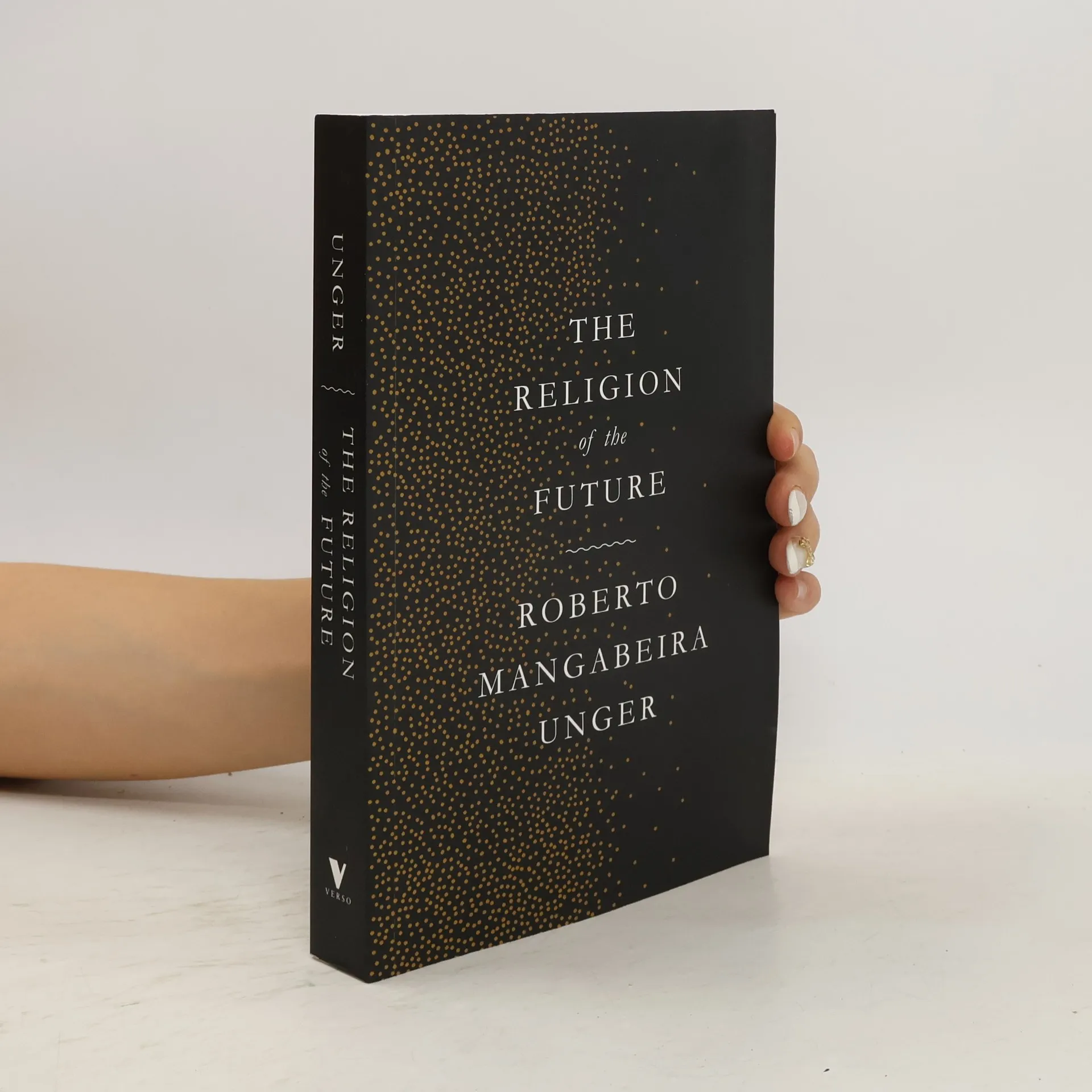
A new philosophy of religion for a secular world How can we live in such a way that we die only once? How can we organize a society that gives us a better chance to be fully alive? How can we reinvent religion so that it liberates us instead of consoling us? These questions stand at the center of Roberto Mangabeira Unger’s The Religion of the Future: an argument for both spiritual and political revolution. It proposes the content of a religion that can survive without faith in a transcendent God or in life after death. According to this religion—the religion of the future—human beings can be more human by becoming more godlike, not just later, in another life or another time, but right now, on Earth and in their own lives. They can become more godlike without denying the irreparable flaws in the human condition: our mortality, groundlessness, and insatiability.
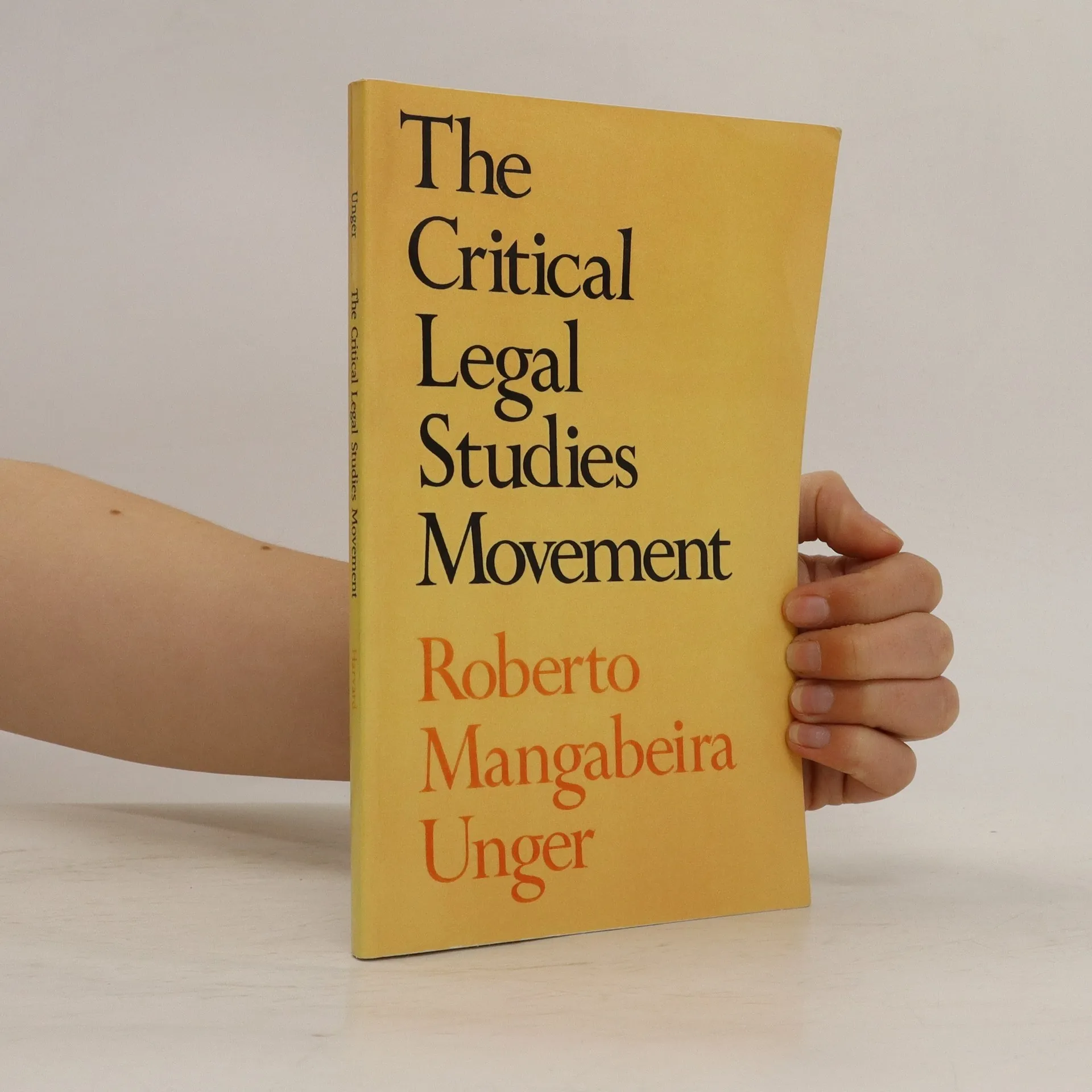
The civil rights and feminist movements of the sixties did not leave legal theory untouched. Over the following two decades, the critical legal studies movement—led by the Brazilian philosopher, social theorist and politician Roberto Unger—sought to transform traditional views of law and legal doctrine, revealing the hidden interests and class dominations in prevailing legal frameworks. It remains highly influential, having spawned more recent movements, including feminist legal studies and critical race theory. The Critical Legal Studies Movement develops its major ideas, showing how laws and legal discourse hide the social inequalities and political biases that so interest philosophy and revolutionary politics.
A new vanguard of production, the knowledge economy, emerges in the world's major economies. However, in each sector, it appears as a fringe that excludes the vast majority of workers and companies. The result of this exclusion is to depress growth and exacerbate inequality. Following the example of Adam Smith and Karl Marx, who argued that the best way to understand the economic regime and its possibilities for transformation is to study the most advanced production of the time, Roberto Mangabeira Unger analyzes what the knowledge economy is and what it could become. For Unger, the deepening of advanced production and its dissemination—inclusive vanguardism—are twin endeavors. Together, they have revolutionary potential: to accelerate growth, reverse inequality, and empower all participants in the productive process. To effect this transformation, it is necessary to change not only productive practices and economic institutions but also education, culture, and politics. It is also essential to rely on ideas that established economic theory does not provide. Unger outlines the broad lines of these alternatives for social organization and economic thought.
Ein dringlicher Appell an den Gestaltungswillen einer in politischer Duldungsstarre verharrenden Linken: Wenn es um nationale Alleingänge oder globale Lösungen für aktuelle Probleme geht, betonen die Politiker gern, daß ihnen aufgrund der wirtschaftlichen Gegebenheiten die Hände gebunden seien. Der Politikwissenschaftler Robert Mangabeira Unger weist nach, daß Alternativen oft erst gar nicht gedacht werden und beschreibt in seinem Buch, wie es im Dialog mit den Bürgern gelingen kann, neue Ideen zu entwickeln und neue Handlungsspielräume zu eröffnen. Vor allem den europäischen Sozialdemokraten wirft er vor, unter dem vermeintlichen Diktat des Sachzwangs linke Positionen in einem unheilvollen Wettbewerb mit ihren konservativen und neoliberalen Konkurrenten aufgegeben zu haben. Dabei sollte es nach seiner Überzeugung gerade Ziel linker Politik sein, alternative Handlungsmöglichkeiten auszuloten und die Bürger dabei einzubeziehen – im Vertrauen auf deren einfallsreichen Gestaltungswillen also mehr Demokratie zu wagen. In einem eigenen Vorwort für die deutsche Ausgabe erläutert Unger diese Chancen und Ziele einer zukunftsorientierten linken Politik.