Explore the latest books of this year!
Bookbot

Barbara Demick

    January 1, 1959

    Barbara Demick is an American journalist whose work focuses on deep human stories from closed societies. Her reporting style penetrates complex social and political issues, bringing to readers the lives of ordinary people in extreme conditions. Her approach combines journalistic precision with empathy, allowing her to uncover the nuances of human experience where information is scarce. She primarily dedicates herself to documenting the impact of repressive regimes and war conflicts on individuals and communities.


    Barbara Demick
    W oblężeniu
    Die Kinogänger von Chongjin
    Eat the Buddha
    Logavina Street: Life and Death in a Sarajevo Neighborhood
    Nothing To Envy
    Nothing to envy: Real lives in North Korea
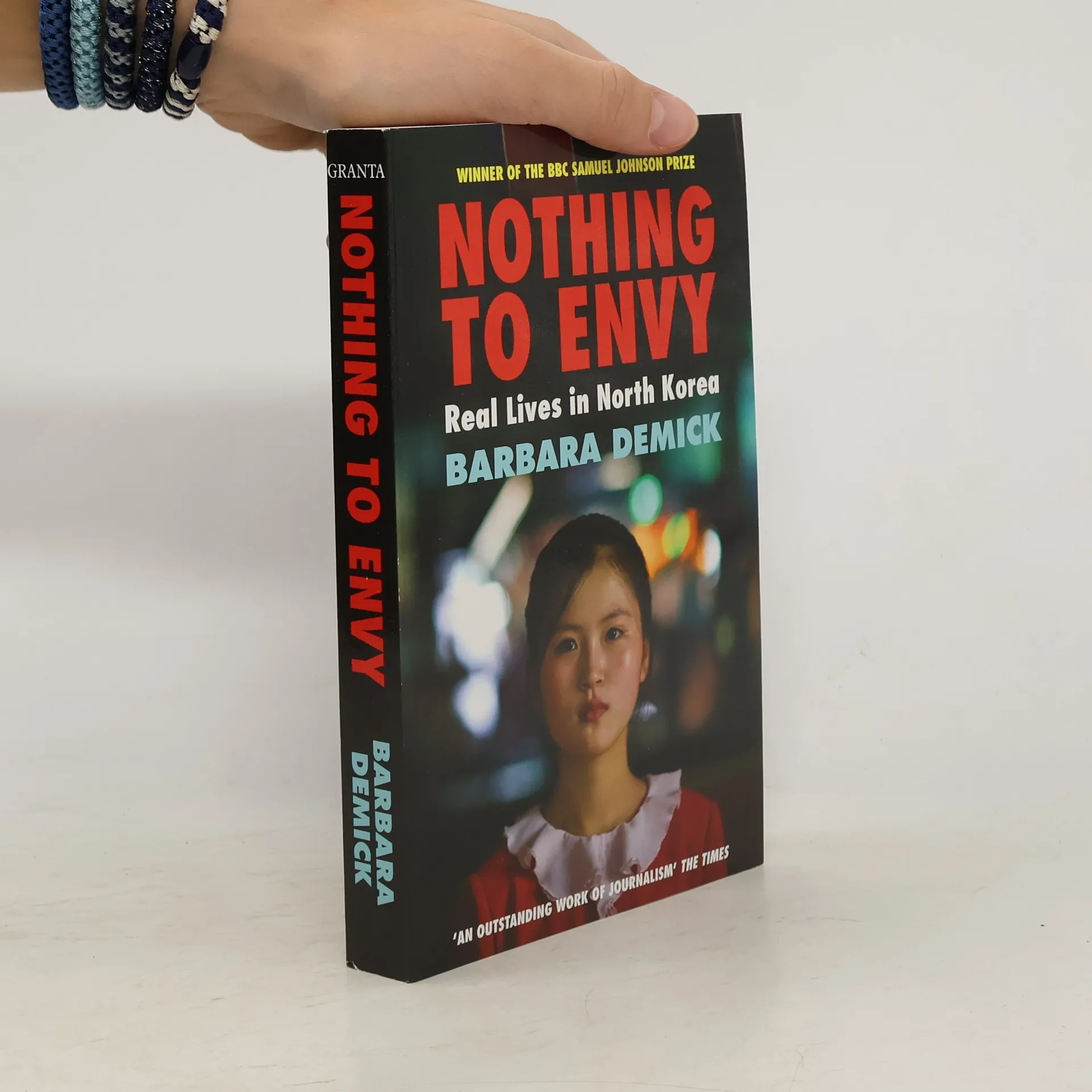
    • North Korea, run by a mad dictator, is cut off from the rest of the world, unknown and unknowable. But North Korea is also a place where ordinary people live, dream and learn to survive. Demick draws a powerful portrait of a bizzare society and the very real lives it affects.

      Nothing to envy: Real lives in North Korea
    • Nothing to Envy follows the lives of six North Koreans over fifteen years—a chaotic period that saw the death of Kim Il-sung, the unchallenged rise to power of his son Kim Jong-il, and the devastation of a far-ranging famine that killed one-fifth of the population. Taking us into a landscape most of us have never before seen, award-winning journalist Barbara Demick brings to life what it means to be living under the most repressive totalitarian regime today—an Orwellian world that is by choice not connected to the Internet, in which radio and television dials are welded to the one government station, and where displays of affection are punished; a police state where informants are rewarded and where an offhand remark can send a person to the gulag for life.  Demick takes us deep inside the country, beyond the reach of government censors. Through meticulous and sensitive reporting, we see her six subjects—average North Korean citizens—fall in love, raise families, nurture ambitions, and struggle for survival. One by one, we experience the moments when they realize that their government has betrayed them.  Nothing to Envy is a groundbreaking addition to the literature of totalitarianism and an eye-opening look at a closed world that is of increasing global importance.

      Nothing To Envy
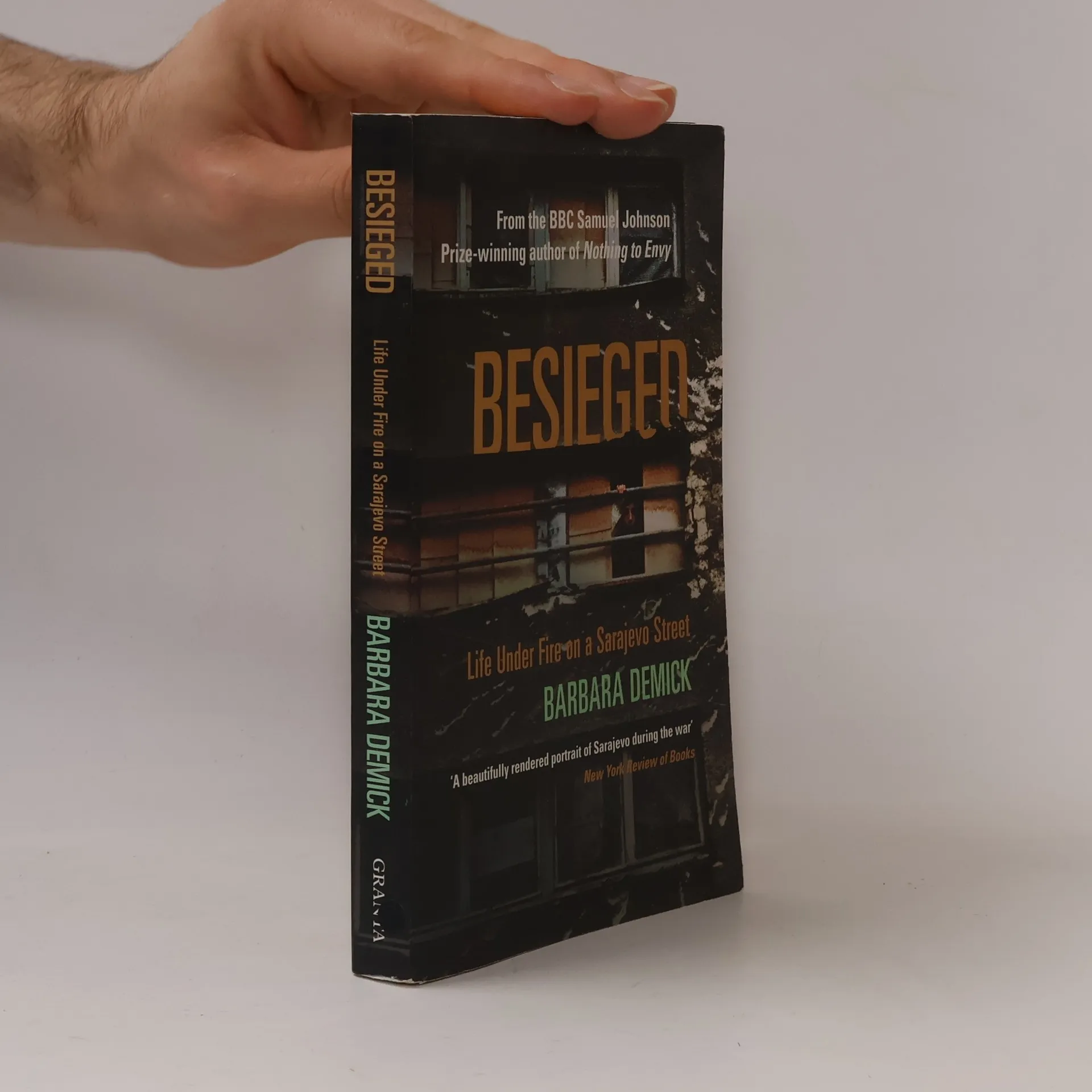
    • Logavina Street was a microcosm of Sarajevo, a six-block-long history lesson. For four centuries, it existed as a quiet residential area in a charming city long known for its ethnic and religious tolerance. On this street of 240 families, Muslims and Christians, Serbs and Croats lived easily together, unified by their common identity as Sarajevans. Then the war tore it all apart. As she did in her groundbreaking work about North Korea, Nothing to Envy, award-winning journalist Barbara Demick tells the story of the Bosnian War and the brutal and devastating three-and-a-half-year siege of Sarajevo through the lives of ordinary citizens, who struggle with hunger, poverty, sniper fire, and shellings. Logavina Street paints this misunderstood war and its effects in vivid strokes—at once epic and intimate—revealing the heroism, sorrow, resilience, and uncommon faith of its people. With a new Introduction, final chapter, and Epilogue by the author

      Logavina Street: Life and Death in a Sarajevo Neighborhood
    • In 1950, China claimed sovereignty over Tibet, leading to decades of unrest and resistance, defining the country today. In Eat the Buddha, Barbara Demick chronicles the Tibetan tragedy from Ngaba, a defiant town on the eastern edge of the Tibetan plateau where dozens of Tibetans have shocked the world since 2009 by immolating themselves. Following the stories of the last princess of the region, of Tibetans who experienced the struggle sessions of Mao's Cultural Revolution, of the recent generations of monks and townsfolk experiencing renewed repression, Demick paints a riveting portrait of recent Tibetan history, opening a window onto Tibetan life today, and onto the challenges Tibetans face while locked in a struggle for identity against one of the most powerful countries in the world

      Eat the Buddha
    • Liebe in Zeiten der Diktatur: Vor dem Kino in Chongjin begegnen sich zwei junge Menschen. Bald schon entspinnt sich eine Beziehung zwischen ihnen, aber die gnadenlosen Lebensverhältnisse in Nordkorea lassen kaum Leidenschaft zu. Für das Volk hält das Regime nur härteste Entbehrungen bereit – und strikte Denkverbote. Der größte Wunsch: dem Schattenreich des »geliebten Führers« Kim Jong Il zu entfliehen.

      Die Kinogänger von Chongjin
    • Logavina to spokojna uliczka w sercu miasta, które słynie z tolerancji. Wybuch wojny zmienia życie jej mieszkańców – Bośniaków, Chorwatów i Serbów, którzy do tej pory żyli obok siebie w harmonii. W oblężonym Sarajewie, pozbawieni ogrzewania i elektryczności, muszą walczyć o przetrwanie w obliczu ograniczonych zasobów. Oprócz zagrożenia ze strony snajperów, stają przed wyzwaniem nienawiści do sąsiadów, którzy mogą stać się wrogami. Barbara Demick, jako naoczny świadek, splata losy dziesięciu rodzin, a po dwudziestu latach wraca, by zobaczyć, jak radzą sobie z następstwami wojny. Opisuje, jak mieszkańcy Logaviny obronili podstawowe międzyludzkie więzi, co pozwoliło im przetrwać. To reportaż o najważniejszym froncie każdej wojny – sercach i umysłach ludzi. Demick ukazuje dramat mieszkańców, którzy muszą zmierzyć się z codziennością wojenną, a ich historia to zapis heroizmu, który przekracza ludzkie siły. Książka wnikliwie przedstawia życie w Sarajewie, łącząc osobiste doświadczenia z politycznym kontekstem, co sprawia, że jest to lektura obowiązkowa, pozwalająca zrozumieć, co działo się w tym mieście.

      W oblężeniu
    • Buddhas vergessene Kinder

      Geschichten aus einer tibetischen Stadt (Die bewegende Tibet-Reportage der preisgekrönten Journalistin)

      Die preisgekrönte Journalistin und China-Kennerin Barbara Demick erzählt von Tibets Schicksal unter der chinesischen Herrschaft. Sie gibt ergreifende wie verstörende Einblicke in das Alltagsleben von acht Menschen, deren Leben die Geschichte eines ganzen Volkes und dessen Wunsch nach Freiheit widerspiegeln. Sich selbst verbrennen oder nicht? Der Junge hadert. Sein bester Freund hat es bereits getan – aus Protest gegen die chinesische Regierung, die Tibetern jeglichen gesellschaftlichen Aufstieg verwehrt, ihre Freiheit beschneidet und ihre Kultur zerstört. Barbara Demick schildert in ihrer bewegenden Reportage das Schicksal von acht Menschen, die in der ost-tibetischen Stadt Ngaba leben – einer Stadt, die als Zelle des Widerstands gilt und nicht zuletzt wegen der vielen Selbstverbrennungen besonders unter chinesischen Repressalien leidet. Die berührenden Lebensgeschichten geben tiefe Einblicke in den tibetischen Alltag abseits der touristischen Sehnsuchtsorte. Es ist ein Alltag, der geprägt ist vom Kampf zweier Kulturen, vom Ringen Tibets um politische Selbstbestimmung und kulturelle Identität, von Unterdrückung und Gewalt, von verborgenem Leid und der Hoffnung auf eine bessere Zukunft. Eine eindrückliche Hommage an die Menschen in Tibet.

      Buddhas vergessene Kinder
    • Tybetańczycy po raz pierwszy zetknęli się z chińskimi komunistami, gdy w latach trzydziestych XX wieku armia Mao skryła się na Wyżynie Tybetańskiej podczas wojny domowej. Głód był tak wielki, że żołnierze splądrowali klasztory i zjedli zrobione z mąki i masła figurki przedstawiające Buddę. Doświadczenia z tego okresu do dziś wpływają na stosunek mieszkańców Tybetu do Chin. Barbara Demick opisuje kilkadziesiąt lat historii tego regionu, okres naznaczony tybetańskim oporem, który osiągnął punk kulminacyjny, gdy kolejni Tybetańczycy, łącznie ponad stu pięćdziesięcioro, zdecydowali się dokonać samospalenia. Bohaterowie tej opowieści są bardzo różni – od ostatniej księżniczki z królestwa Mei, która straciła wszystkich członków rodziny podczas rewolucji kulturalnej, przez buddyjskich mnichów po nastoletnią uczennicę czy byłego nomadę występującego w koncesjonowanym zespole ludowym. Za pośrednictwem ich losów Demick odkrywa przed nami, co tak naprawdę znaczy być Tybetańczykiem w XXI wieku i toczyć nierówną walkę z wszechobecnym supermocarstwem o zachowanie zwyczajów, wiary, języka i tożsamości.

      Zjadanie Buddy
    • Die Rosen von Sarajevo

      Eine Geschichte vom Krieg

      • 304 pages
      • 11 hours of reading

      Während des Bosnienkriegs hat die Journalistin Barbara Demick mit den Menschen in Sarajevo gelebt. In diesem Buch schildert sie am Beispiel des Schicksals der Bewohner einer Straße – der Logavina –, die drei Jahre lang dem Artilleriebeschuss der serbischen Belagerer ausgesetzt war, die erschütternde Lebenswirklichkeit der Bevölkerung Sarajevos. Barbara Demick gelingt es, das schier Unfassbare nahezubringen: wie aus Freunden und Nachbarn erbitterte Feinde werden konnten und was es bedeutet, sich Tag für Tag im Visier der Scharfschützen zu bewegen. Zwanzig Jahre danach kehrt die Journalistin nach Sarajevo zurück. Sie beschreibt, wie die Bewohner der Logavina heute miteinander leben und wie sie ihre traumatischen Erlebnisse verarbeitet haben. Es ist die Rückkehr in eine Stadt, in der zum Gedenken an die vielen Todesopfer die Einschlagkrater der Granaten mit rotem Harz ausgegossen worden sind – dies sind die Rosen von Sarajevo. Eine zutiefst aufrüttelnde Geschichte vom Krieg – mitten in Europa.

      Die Rosen von Sarajevo
    • Malé a velké dějiny jednoho tibetského města. Osobní příběhy Tibeťanů z různých společenských vrstev na pozadí dějinných událostí. Jak se žije v zemi, jejíž kulturu, víru i jazyk chce pohltit čínská supervelmoc? Princezna, mnich, trhovkyně, intelektuál i školačka se musí rozhodnout, zda zůstanou v Čínou okupovaném Tibetu, nebo odejdou do exilu za dalajlamou. Budou se řídit buddhistickým učením nenásilí, nebo pozvednou zbraně? Soubor autentických příběhů přináší překvapivé informace o kultuře, kterou si Západ často idealizuje a zjednodušuje, aniž rozumí její podstatě.

      Jíst Buddhu : malé a velké dějiny jednoho tibetského města