
Explore the latest books of this year!
Bookbot

Colin Swatridge

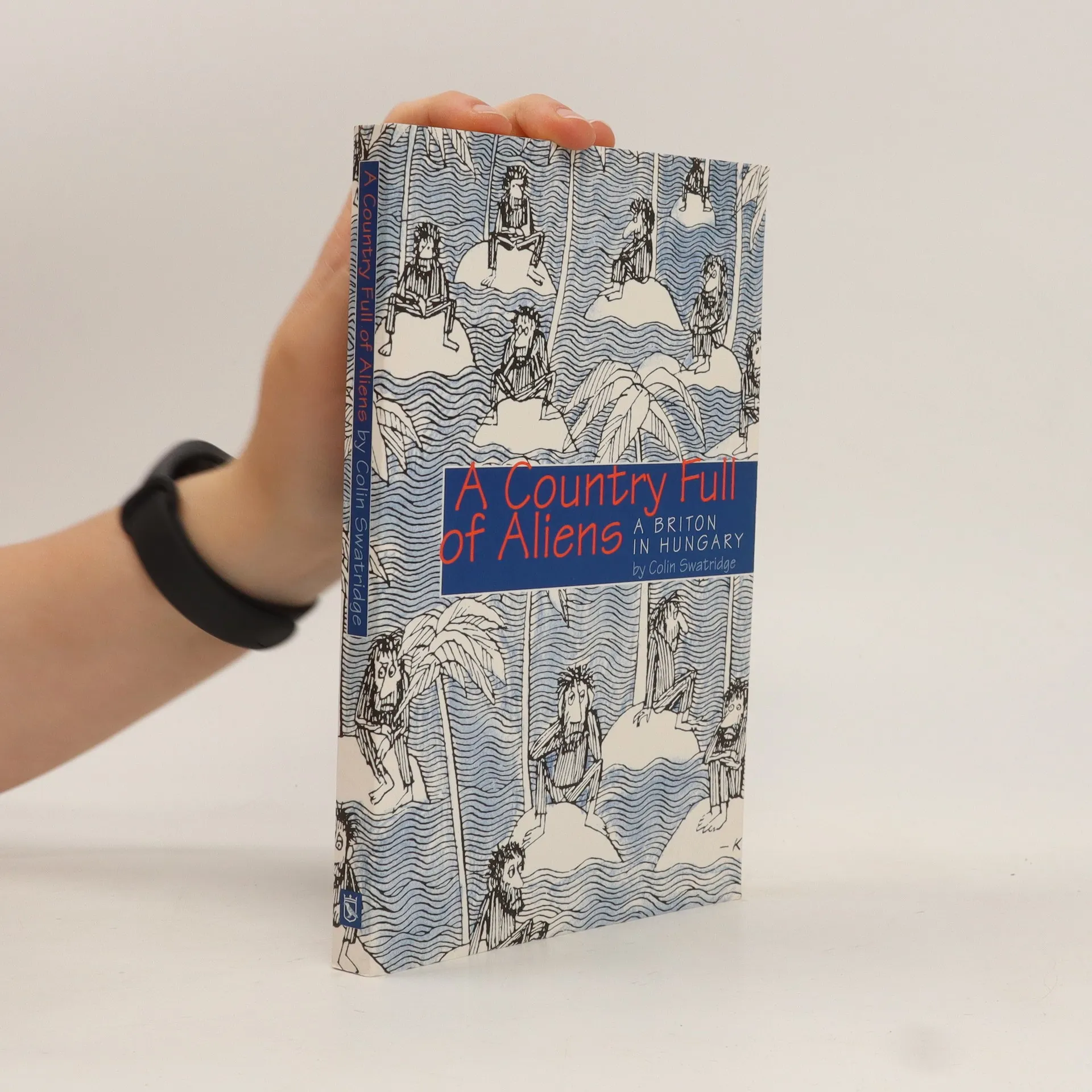
    A Country Full of Aliens
    Foolosophy? Think Again, Sophie: Ten Reasons for Not Taking Philosophy Too Seriously
    A No-Nonsense Guide to Academic Writing
    Oxford Guide to Effective Argument and Critical Thinking
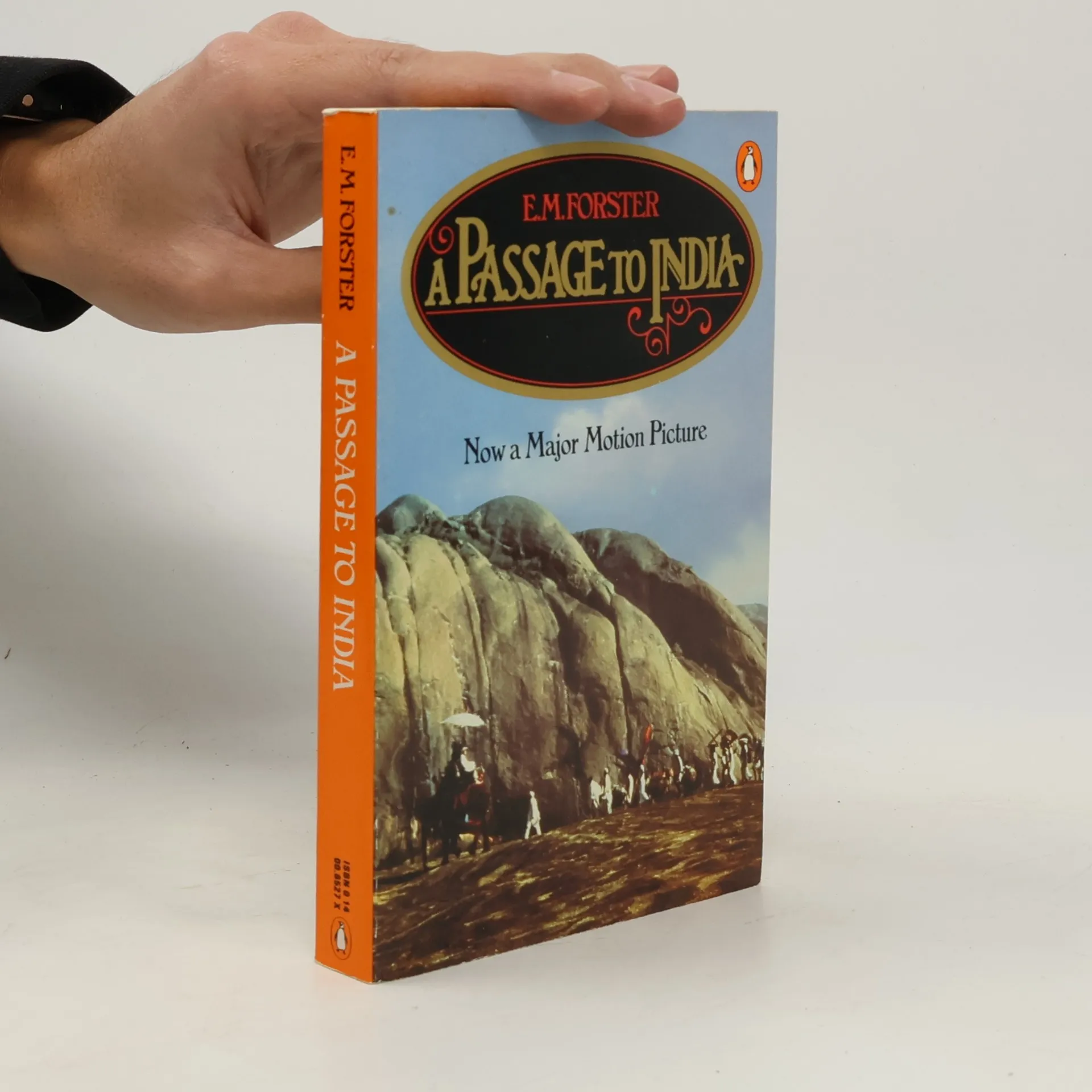
    A Passage to India
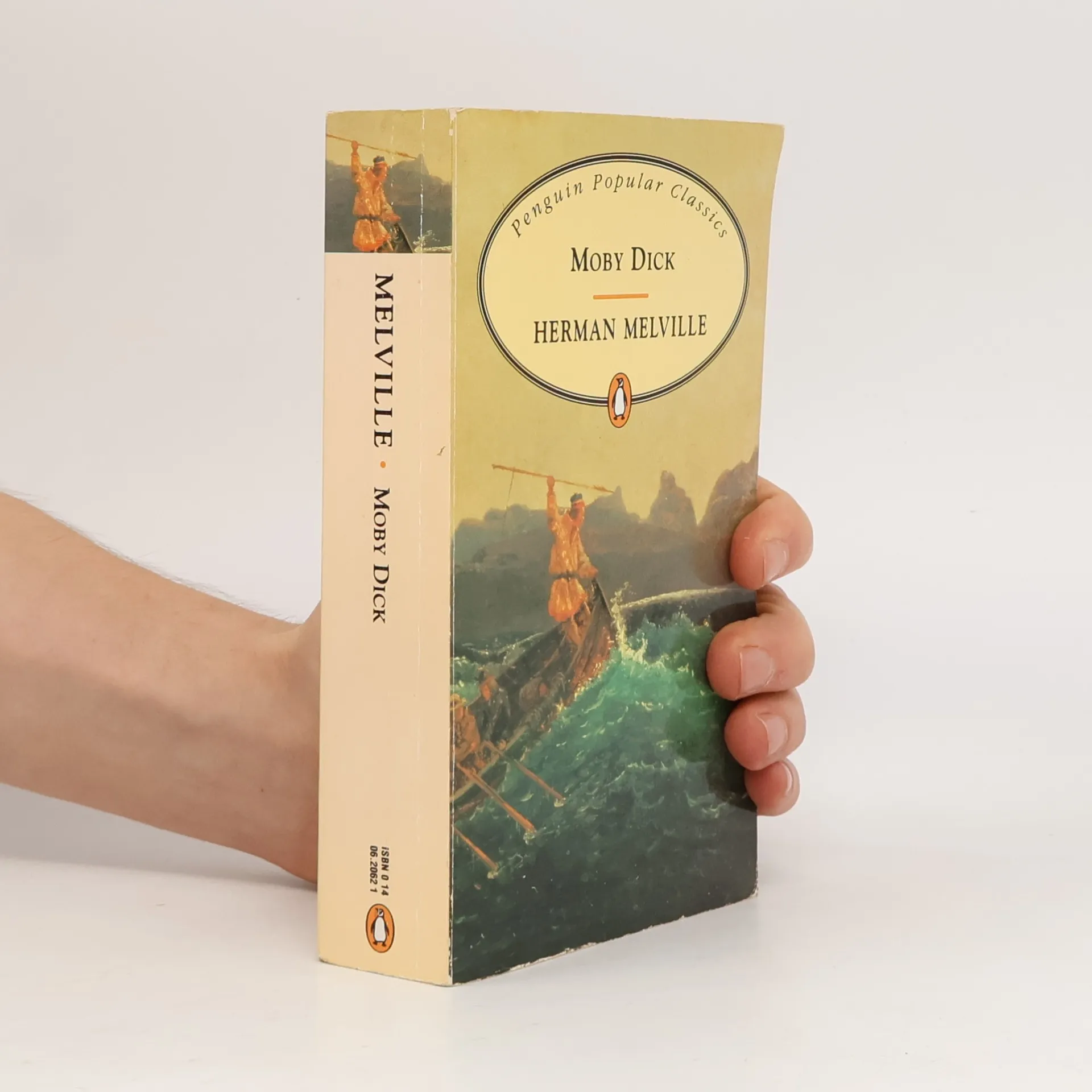
    Moby Dick
    • Moby Dick

      • 544 pages
      • 20 hours of reading
      3.8(11745)Add rating

      It is the horrible texture of a fabric that should be woven of ships' cables and hawsers. A Polar wind blows through it, and birds of prey hover over it."So Melville wrote of his masterpiece, one of the greatest works of imagination in literary history. In part, Moby-Dick is the story of an eerily compelling madman pursuing an unholy war against a creature as vast and dangerous and unknowable as the sea itself. But more than just a novel of adventure, more than an encyclopaedia of whaling lore and legend, the book can be seen as part of its author's lifelong meditation on America. Written with wonderfully redemptive humour, Moby-Dick is also a profound inquiry into character, faith, and the nature of perception.

      Moby Dick
    • A Passage to India

      • 112 pages
      • 4 hours of reading
      3.7(70303)Add rating

      Abridged and simplified but retaining as much as possible of the author's original style.

      A Passage to India
    • This work is sure to improve the written work of any student required to demonstrate the key skills of critical writing and thinking. It is equally as valuable for professionals needing these skills as well as for anyone who has a case to put forward and would like to do so convincingly.

      Oxford Guide to Effective Argument and Critical Thinking
    • Are you studying a subject in the humanities or social sciences? Do you have a long essay, dissertation, or thesis to write? This short guide is for international students, mature students, all students uncertain as to how to proceed. You won't have time to read more than you need to, so the student-friendly text is kept to a minimum. Advice is given concerning your title, what you might cover in your introduction; your review of the literature--your analysis of the 'received opinion' on the subject; your own counter-argument; your sources and use of evidence; and your conclusion. A number of short, illustrative passages are included, written by distinguished authors, as well as a summary structure plan, and exemplar essay.

      A No-Nonsense Guide to Academic Writing
    • We all engage in philosophy at times, thinking deeply and concentratively, though we don’t label ourselves as Philosophers—doing so would seem pretentious. Philosophers, typically found in university departments, explore fundamental questions about reality, knowledge, and ethics. Despite their efforts over two and a half millennia, they have yet to arrive at universally accepted answers that are more useful or certain than those proposed by non-Philosophers. Many remain influenced by theological thought, and most are chasing a lost cause, except for those whose work aligns with other fields of inquiry. This raises the question: is there anything particularly special about Philosophy? Dr. Swatridge, who studied Theology and Philosophy at the University of Nottingham, has been a visiting lecturer in critical thinking and argumentation at various universities in Hungary, Poland, and Romania since 1998. He has a longstanding affiliation with Miskolc University in North-Eastern Hungary, where he teaches in the Faculty of Arts and Humanities. His previous works include a guide on effective argument and critical thinking, as well as titles exploring themes in Transylvania and the nature of perspective.

      Foolosophy? Think Again, Sophie: Ten Reasons for Not Taking Philosophy Too Seriously