A leading British medieval historian, her work centers on the Frankish kingdoms of the 8th and 9th centuries. She employs palaeographical and manuscript studies to illuminate the political, cultural, intellectual, religious, and social history of the early Middle Ages. Her scholarly approach is deeply rooted in the meticulous examination of primary sources, offering readers a profound insight into the complexities of the early medieval world. Her research is instrumental in understanding the formative development of European society.
The remarkable papal history known as the Liber pontificalis permanently
shaped perceptions and the memory of Rome, the popes, and the many-layered
past of both city and papacy within Western Europe. Rosamond McKitterick
offers pioneering insights into the evolution of this extraordinary source,
and its significance.
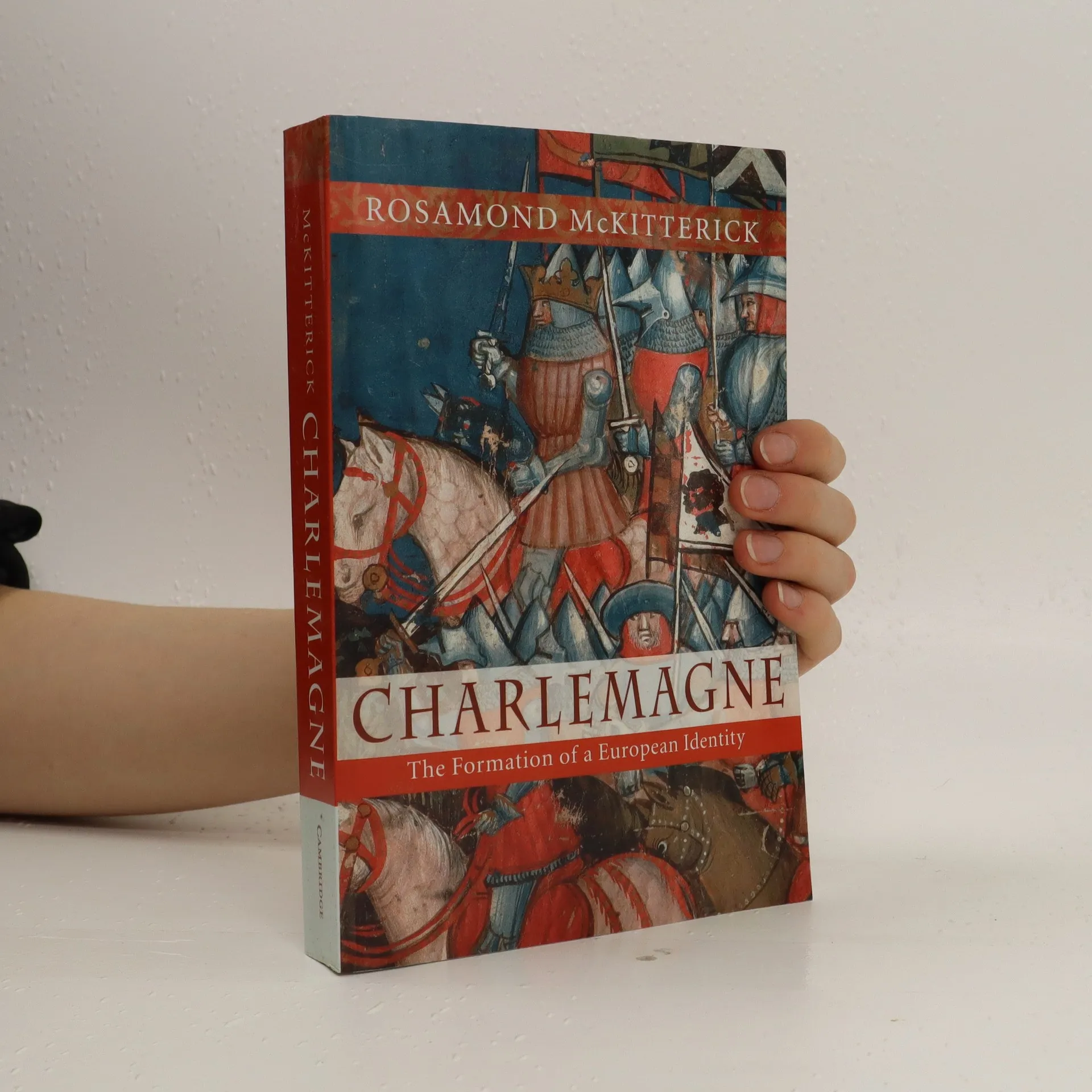
Focusing on the eighth and ninth centuries, this study uncovers the diverse historical writings produced in the Frankish realms, showcasing their preservation of classical and Judaeo-Christian histories. The texts demonstrate a sophisticated understanding of the past and a creative approach to history. Rosamond McKitterick highlights how these writings significantly influenced political ideologies and shaped identities in Europe, revealing the profound impact of historical narratives during this transformative period.
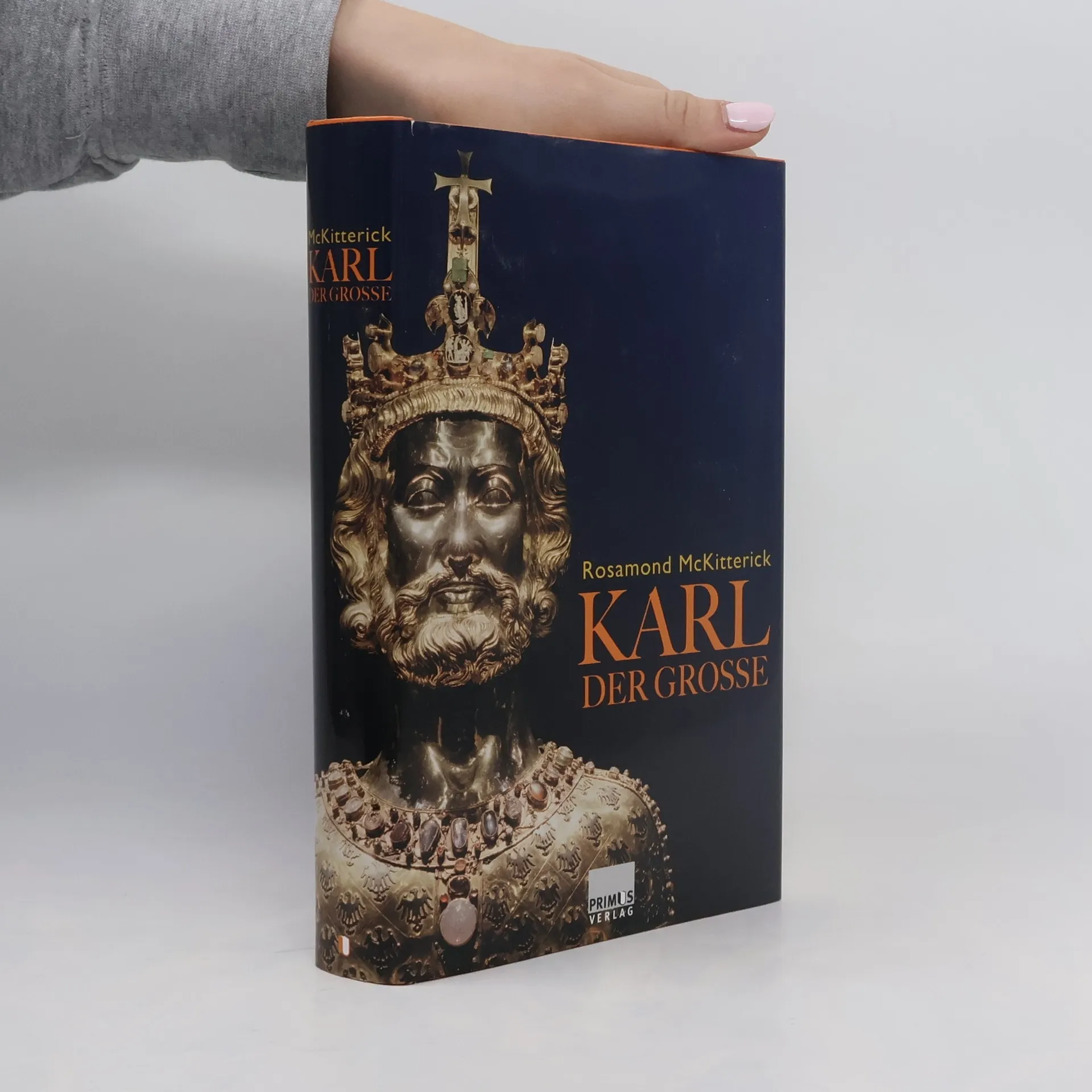
Karl der Große ist eine der herausragenden Gestalten der Geschichte. Schon seinen Zeitgenossen galt er als Lichtgestalt und Ausnahmepersönlichkeit. Seine Krönung zum Kaiser im Jahre 800 bezeichnet den eigentlichen Beginn des Mittelalters. Er war König der Franken und Langobarden und ordnete die Verhältnisse in Westeuropa neu. Rosamond McKitterick, eine der besten Kennerinnen der Epoche, schafft es, den ‚Vater Europas‘ und seine Regierung aus einem umfassenden Blickwinkel zu zeigen. Ihre erzählende Darstellung macht den Regierungsstil Karls des Großen, seine Hofpolitik, seine Einstellung zu Religion und Kultur und die Identität stiftenden Strukturen des Frankenreichs gut verständlich. Aber auch die merowingischen Wurzeln seiner Herrschaft und die Rezeptionsgeschichte werden ausführlich erörtert.