..". twelve essays in which this visionary literary critic speaks specifically to the eternal act of creation, addressing the incessant need for literary revisioning." --Studies in ReligionThese essays, four of which are published here for the first time, reveal one of the most extraordinary minds of our time engaging a wide range of literary, cultural, and religious issues. Frye gave these addresses during the last decade of his life, and they reveal this distinguished critic speaking with wit and wisdom about the permanent forms of human civilization and engaging in the eternal act of creation.
Northrop Frye Books
July 14, 1912 – January 23, 1991
Northrop Frye was a Canadian literary theorist whose influential work centered on the critical understanding of literature. He introduced a system of analysis based on archetypal patterns and mythological structures he believed pervade all literature. His approach offered a revolutionary perspective on literary study that fundamentally shaped generations of scholars. Frye sought to uncover a universal rhetoric shared across diverse genres and historical periods.

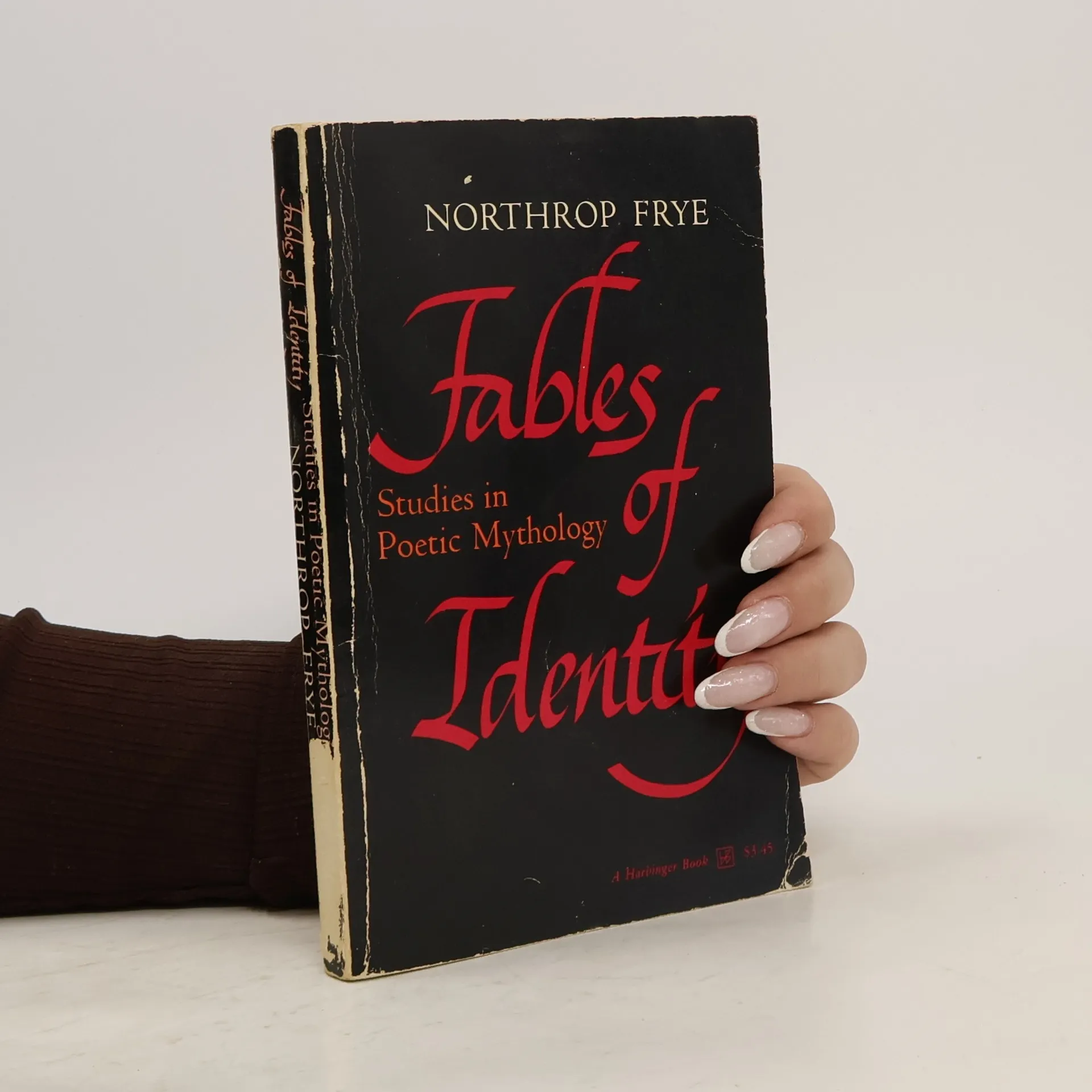
Fables of identity. Studies in poetic mythology
- 264 pages
- 10 hours of reading
In this outstanding collection of sixteen essays, the world-renowned critic and scholar discusses various works in the central tradition of English mythopoeic poetry, paying particular attention to the centrality of Romanticism.
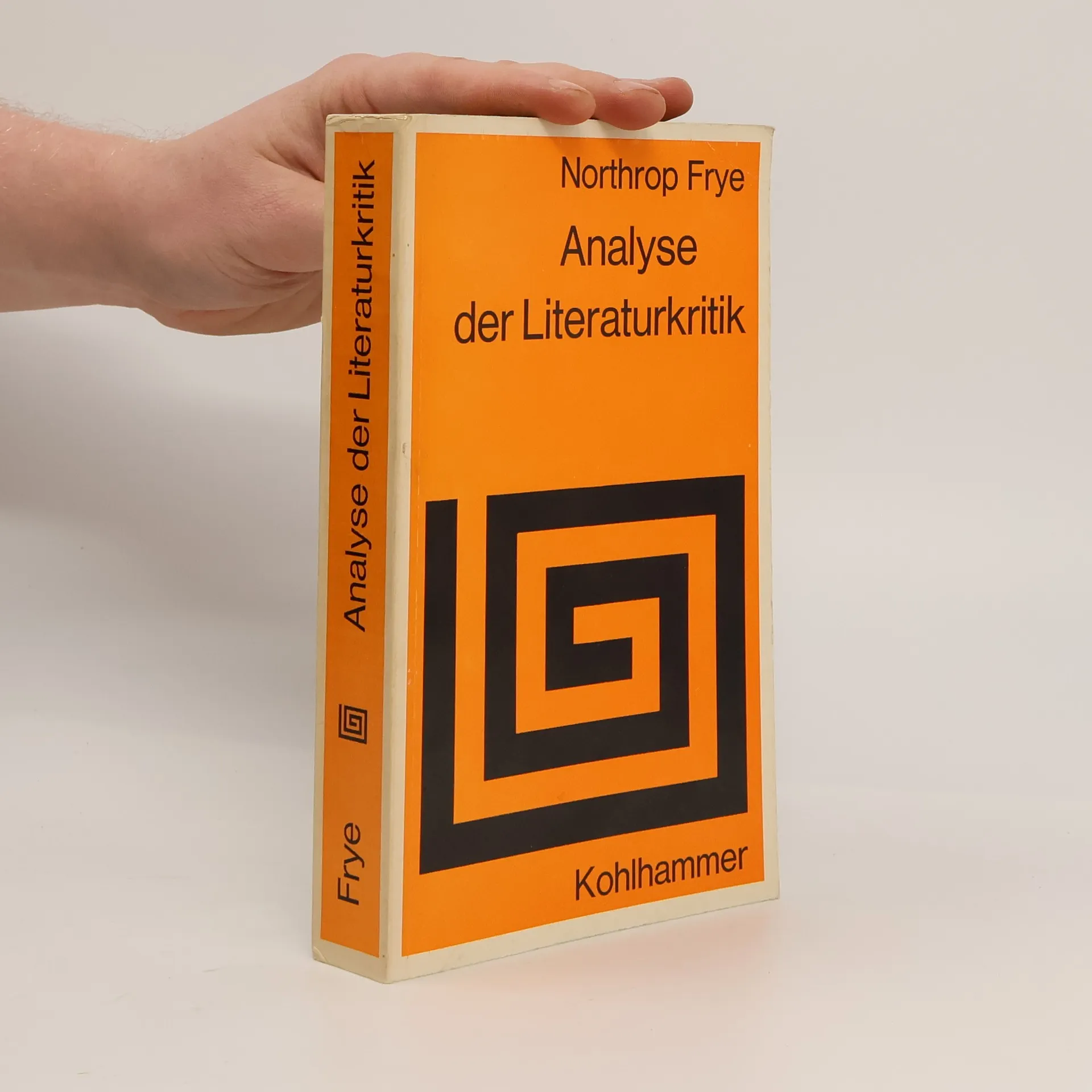
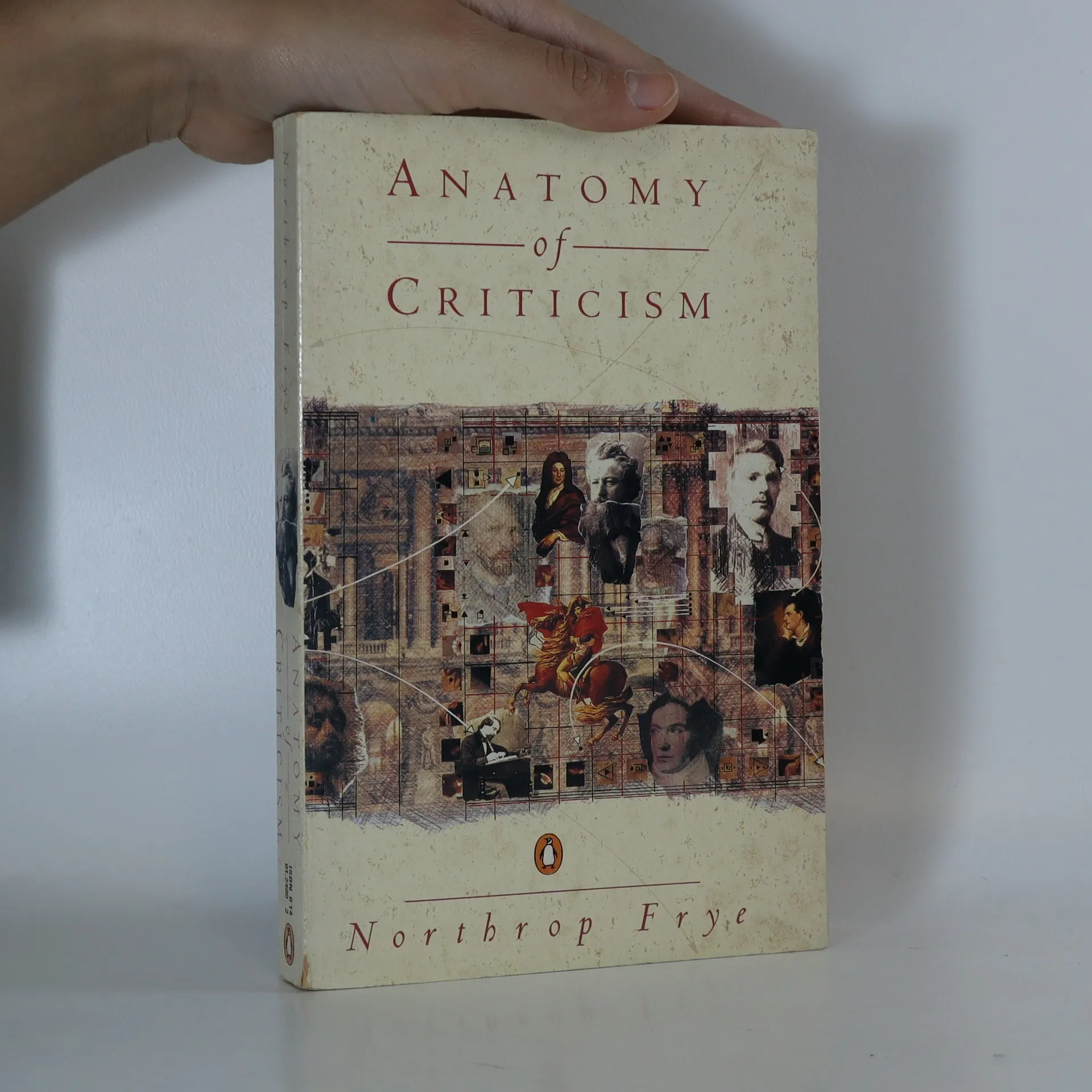
Anatomy of criticism
- 400 pages
- 14 hours of reading
Frye addresses what he sees as the four main approaches to criticism: the historical, the ethical, the archetypal and the theoretical. His text is considered a classic of modern literary criticism.
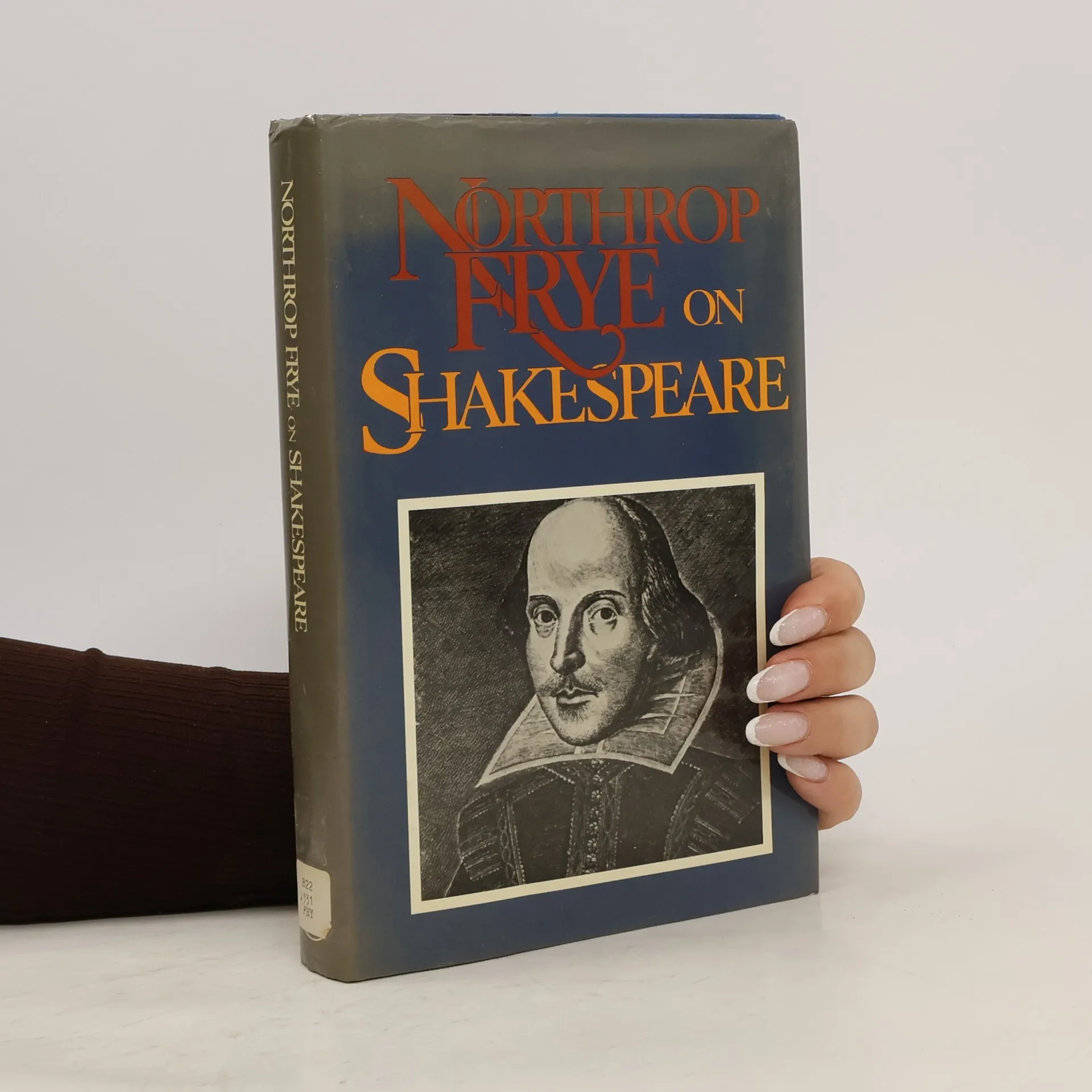
Northrop Frye on Shakespeare
- 186 pages
- 7 hours of reading
Offers fresh insights into ten of Shakespeare's most popular plays
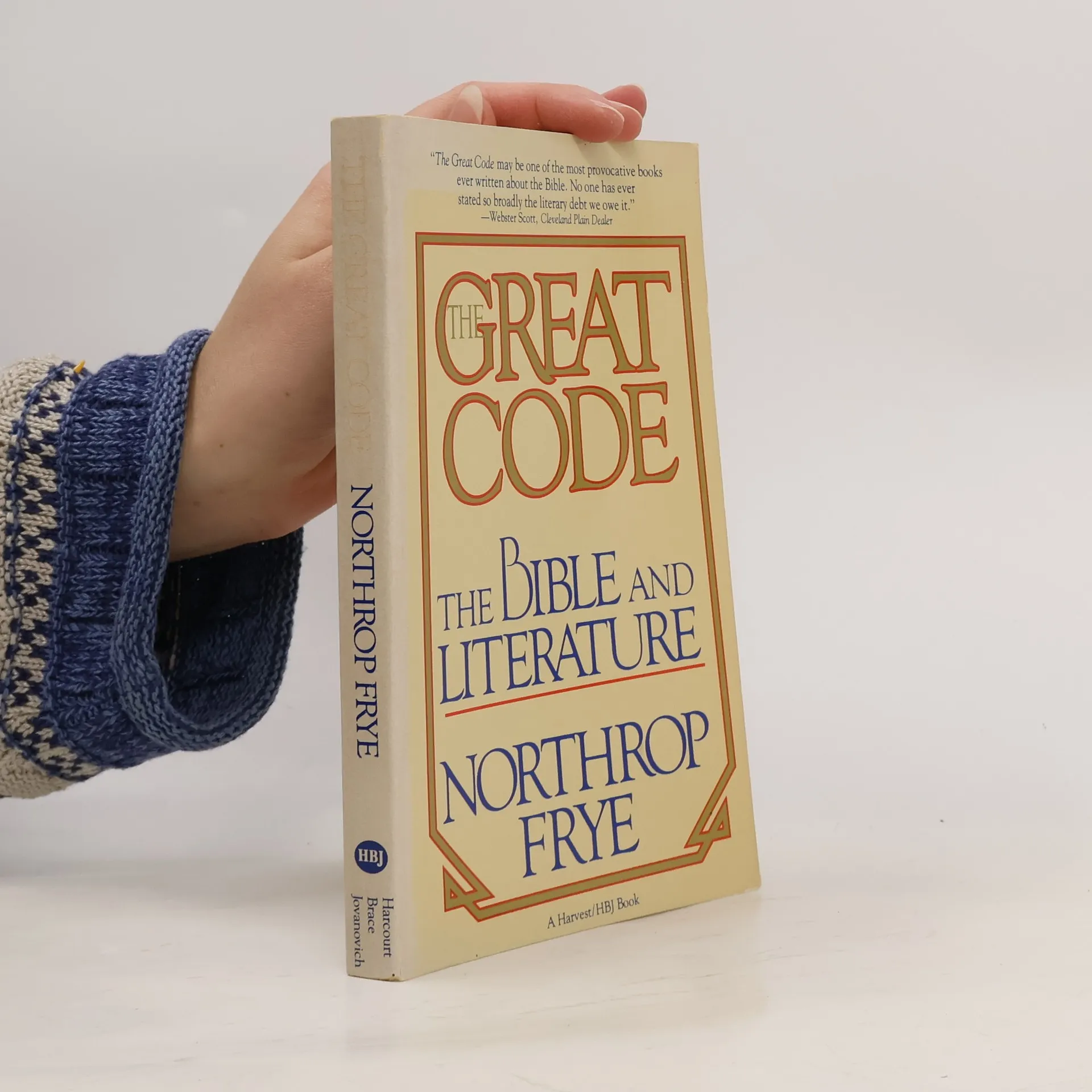
An examination of the influence of the Bible on Western art and literature and on the Western creative imagination in general. Frye persuasively presents the Bible as a unique text distinct from all other epics and sacred writings. “No one has set forth so clearly, so subtly, or with such cogent energy as Frye the literary aspect of our biblical heritage” (New York Times Book Review). Indices.
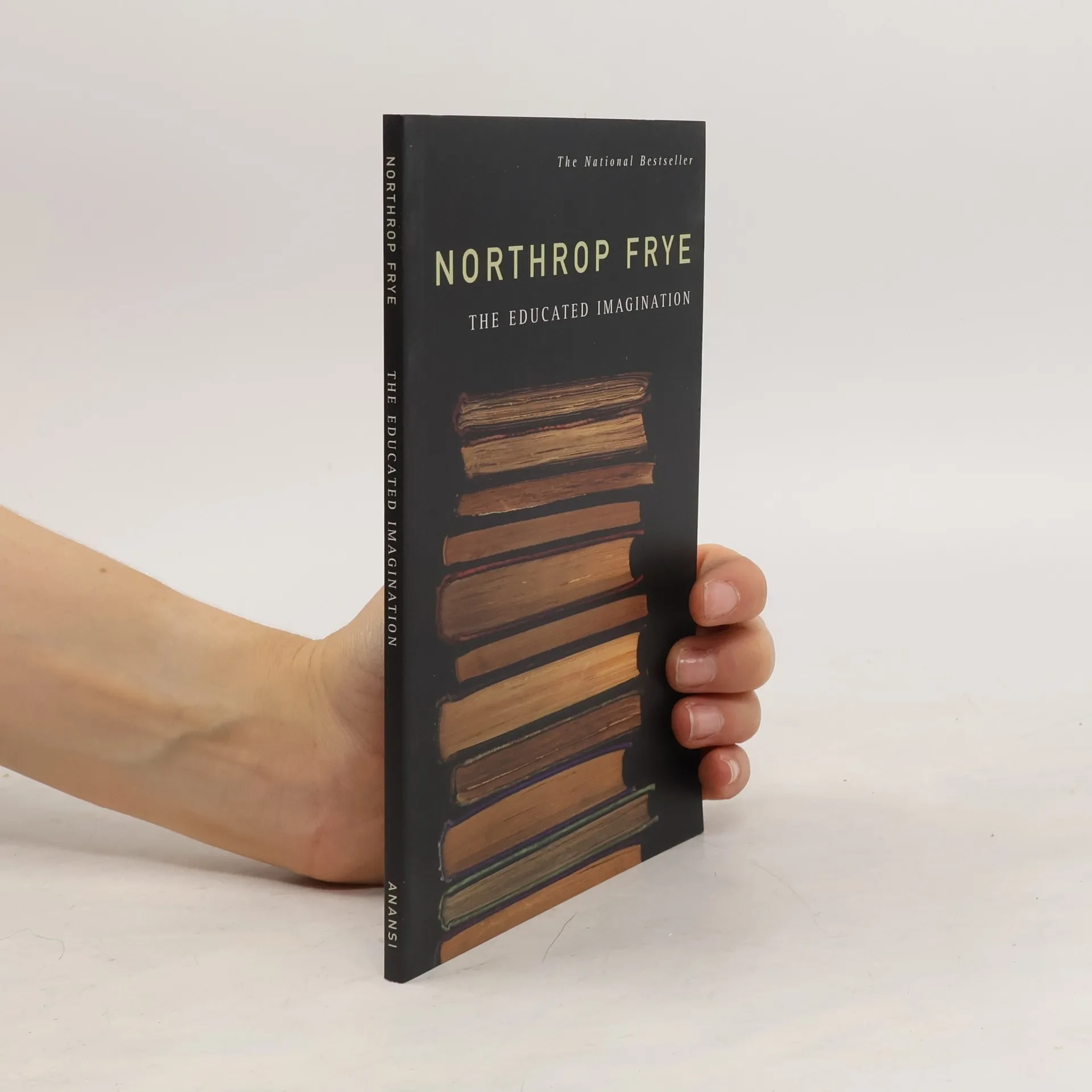
The Educated Imagination
- 80 pages
- 3 hours of reading
"What good is the study of literature? Does it help us think more clearly, or feel more sensitively, or live a better life than we could without it? ... What difference does the study of literature make in our social or political or religious attitude? In my early days I thought very little about such questions, not because I had any of the answers, but because I assumed that anybody who asked them was naive. I think now that the simplest questions are not only the hardest to answer, but the most important to ask, so I'm going to raise them and try to suggest what my present answers are."Written in a relaxed, informal, and frequently humorous style, The Educated Imagination is an easy introduction to Northrop Frye's theories of literature and literary education.
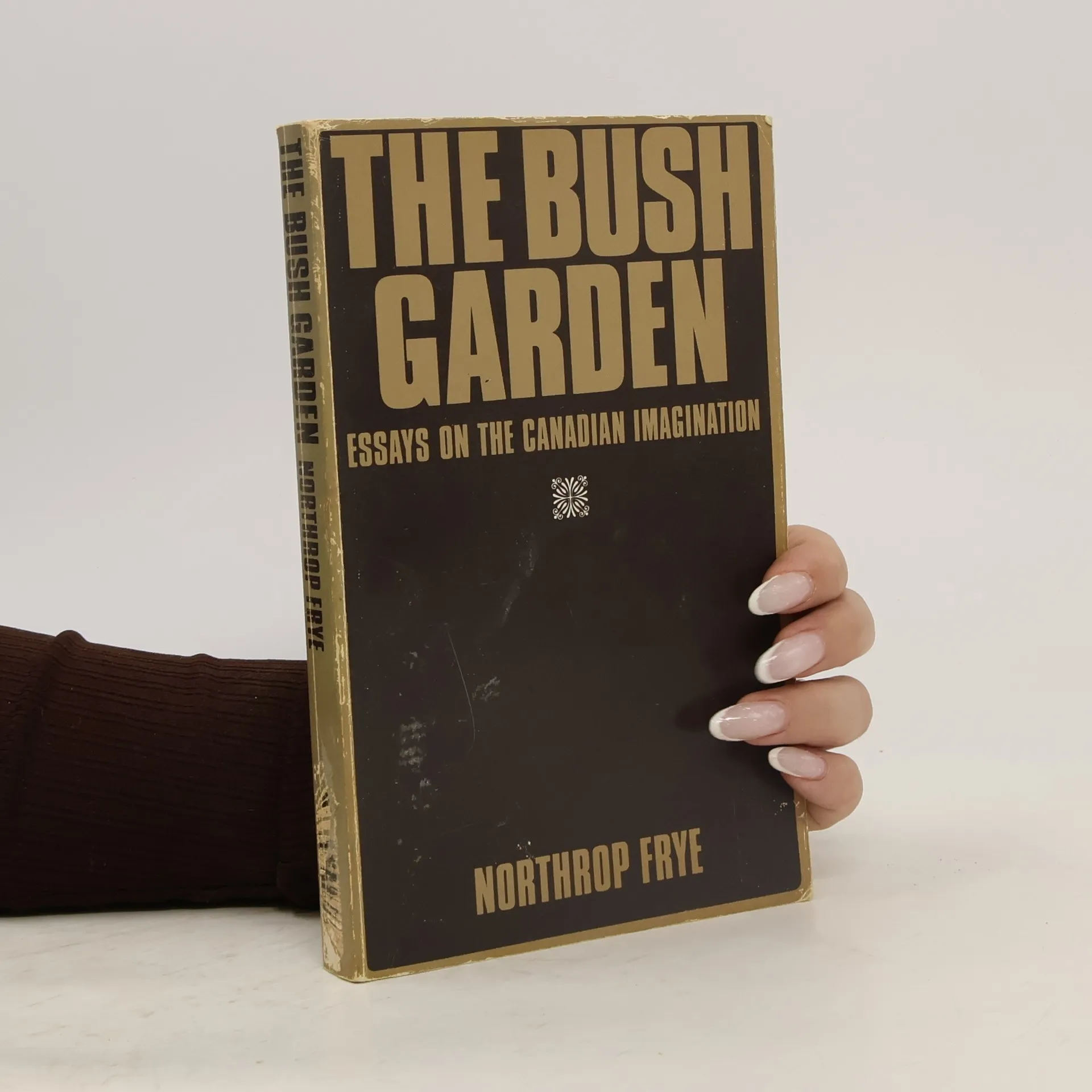
"Any publication by Northrop Frye is an important literary event; this one is of the highest importance to Canadian literature." -- Globe and Mail Originally published by Anansi in 1971, The Bush Garden features Northrop Frye's timeless essays on Canadian literature and painting. In this cogent collection of essays written between 1943 and 1969, formidable literary critic and theorist Northrop Frye explores the Canadian imagination through the lens of the country's artistic output: prose, poetry, and paintings. In the collection, Frye offers insightful commentary on the works that shaped a "Canadian sensibility," and includes a comprehensive survey of the landscape of Canadian poetry throughout the 1950s, including astute criticism of the work of E. J. Pratt, Robert Service, Irving Layton, and many others. Written with clarity and precision, The Bush Garden is a significant cache of literary criticism that traces a pivotal moment in the country's cultural history, and the evolution of Frye's thinking at various stages of his career. These essays are evidence of Frye's brilliance, and cemented his reputation as Canada's -- and the world's -- foremost literary critic.
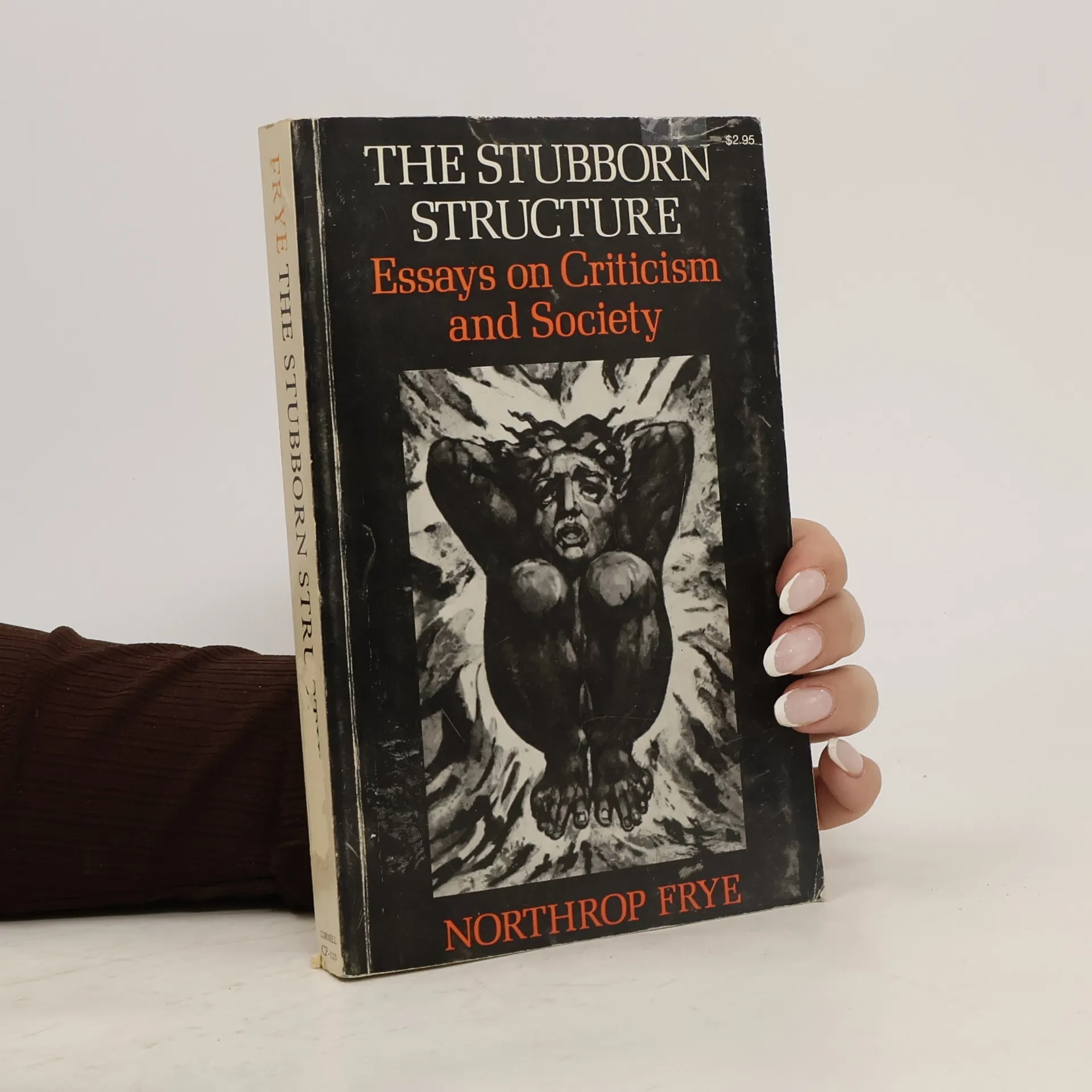
This wonderful The Stubborn Essays on Criticism and society by Northrop Frye is a joy. This volume is made up of some of his most important recent essays, and contain some of his central ideas and most pointed prose.
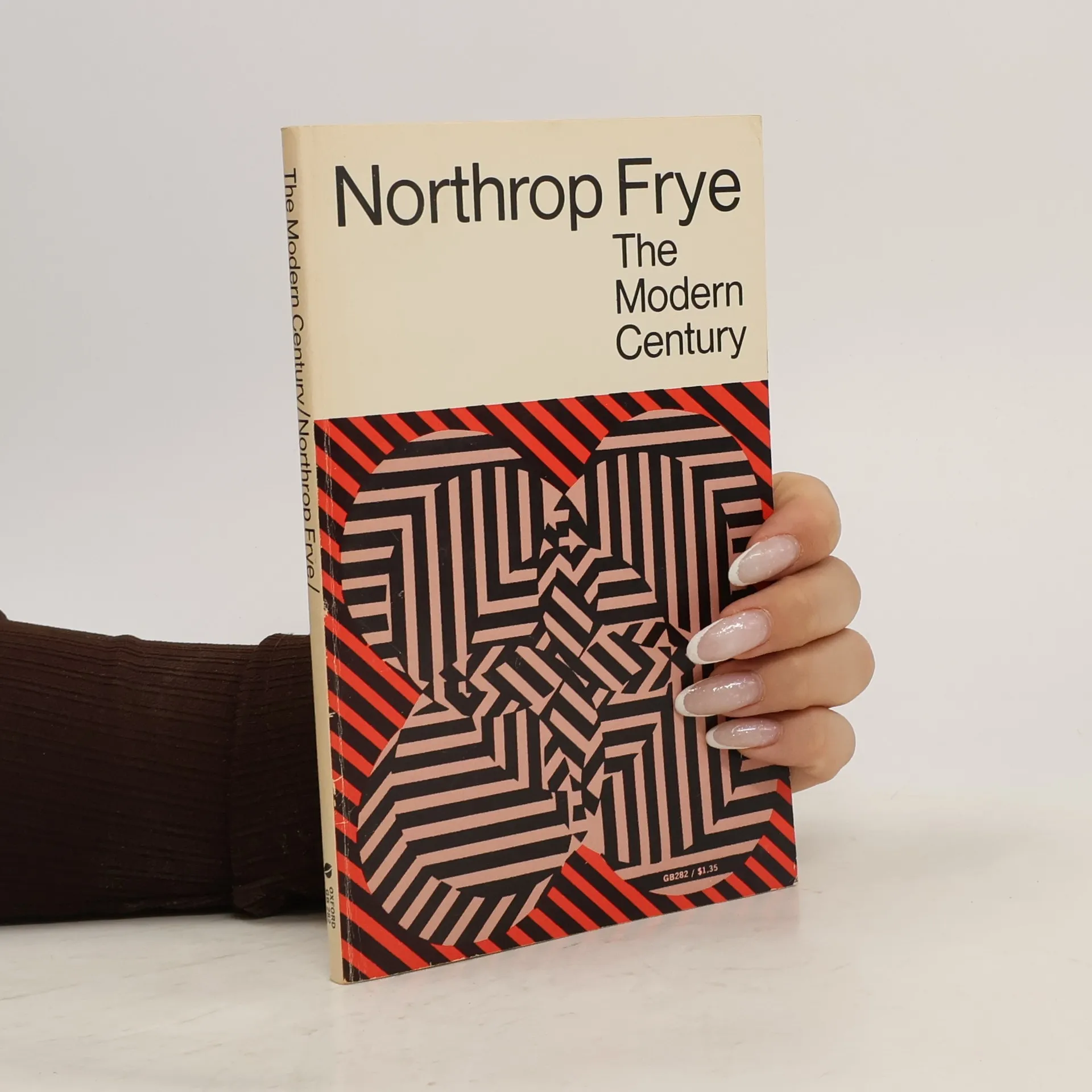
In this classic book, the resouces of an exceptional critic are brought to bear on questions of prime importance in modern life. Frye presents a brilliant array of ideas and observations on the methodology of our day and its central elements, alienation, and progress; the effects of anthologyon the structured society; characteristics commonly associated with the `modern'; antisocial attitudes in modern culture; the role of the arts in informing the contemporary imagination; and finally the way in which the creative arts are absorbed into society through education.
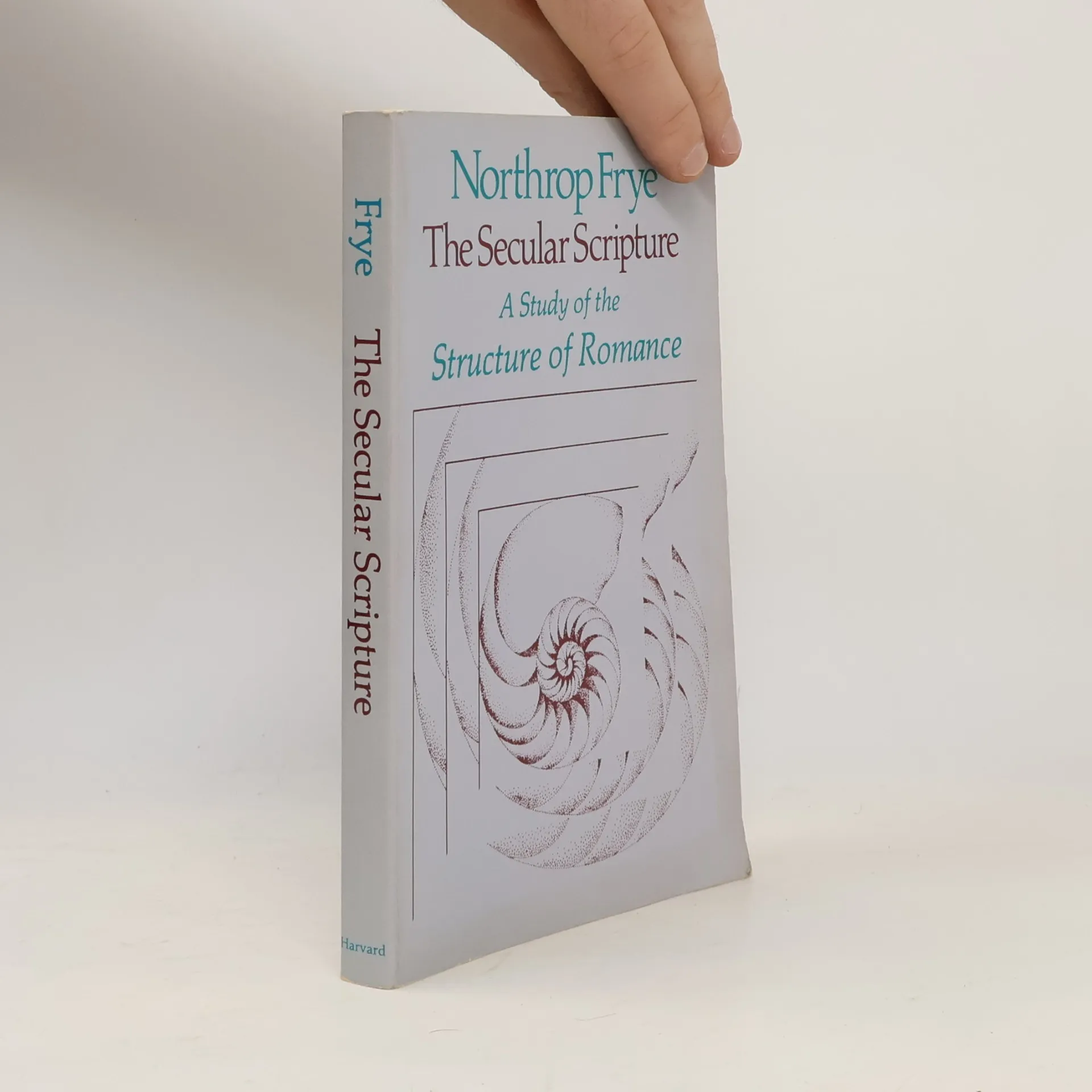
Northrop Frye’s influence on contemporary literary and cultural interpretation is profound. In his landmark work, he showcases his ability to map the realm of imaginative creation. In his exploration of romance, Frye addresses a genre often dismissed as trivial, despite its rich narrative elements such as mistaken identities, shipwrecks, and magical interventions. While critics may overlook the romantic aspects of works like the Odyssey, The Faerie Queene, and Shakespeare’s later plays, Frye identifies a deeper significance in these narratives. He reveals an imaginative universe that spans from idyllic to demonic realms, highlighting a cyclical pattern of descent into and ascent from darkness. Frye argues that romance represents an integrated vision of the world, akin to a “secular scripture,” with humanity as its central hero, contrasting with sacred texts that focus on divine figures. His clarity of thought, expansive conceptual framework, and engaging writing style have garnered him widespread acclaim, establishing him as a pivotal figure in modern critical theory.
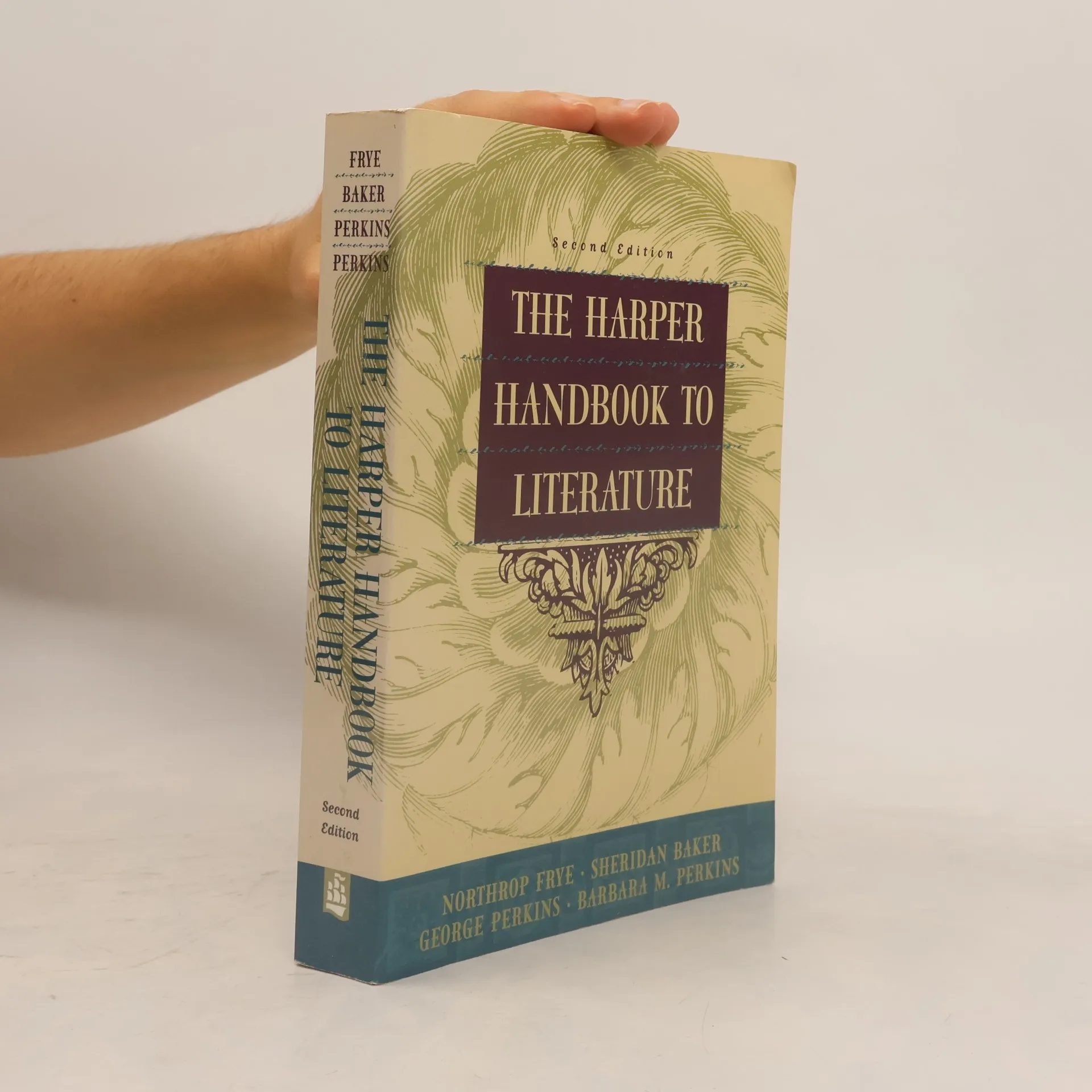
Harper Handbook to Literature Second Edition
- 624 pages
- 22 hours of reading
Arranged alphabetically for easy reference, Harper Handbook to Literature, 2/e, offers comprehensive and accessible coverage of literary terms, concepts, genres, and movements.
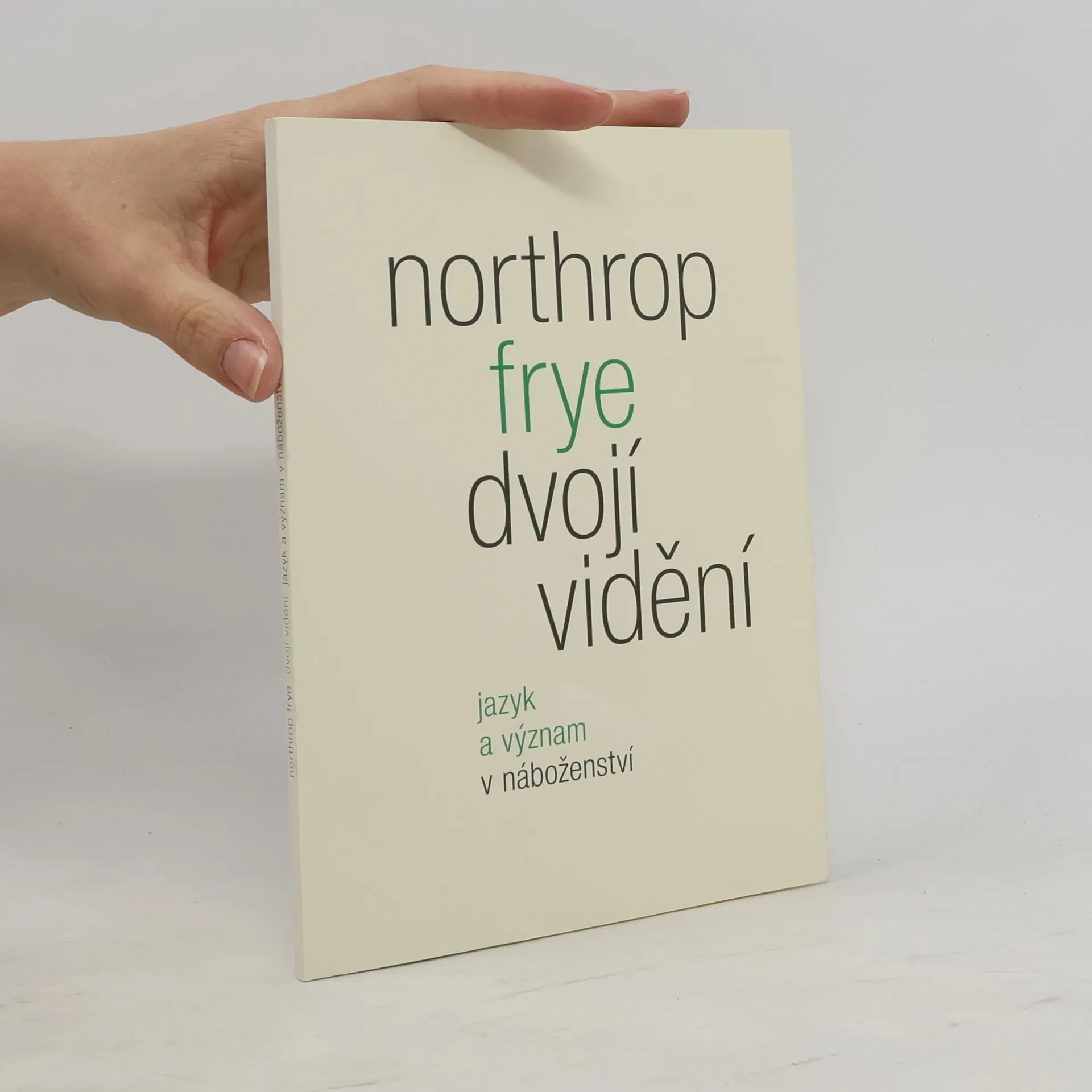
Dvojí vidění. Jazyk a význam v náboženství
- 96 pages
- 4 hours of reading
Northrop Frye byl jedním z nejuznávanějších literárních vědců dvacátého století a přes padesát let význačným profesorem Torontské univerzity. Sám popsal Dvojí vidění jako „o něco kratší a přístupnější verzi“ Velkého kódu a jeho pokračování, Mocných slov. Dvojí vidění je Fryeovou poslední prací a v mnoha ohledech i jeho nejpřístupnější vydanou knihou. Pro ty, kdo se setkávají s tímto originálním myslitelem poprvé, nemůže být skvělejší úvod. A pro čtenáře na celém světě, kteří do Fryeova učení už pronikli, je tato útlá publikace vzácnou esencí autorových děl. Odrážejí se v ní vášně, které formovaly jeho život – literatura, mýtus, tvořivá obraznost – a jeho schopnost předávat tyto své vášně studentům a čtenářům po celém světě. Čtenář s jednoduchým viděním (jazyka, přírody, dějin a Boha) je ten, který směřuje ke zničení všeho lidsky nebo božsky smysluplného. Dvojí vidění v nás osvobozuje imaginativní a kreativní energii, abychom myslí a srdcem sami pochopili, že skrze lásku je možné všechno.
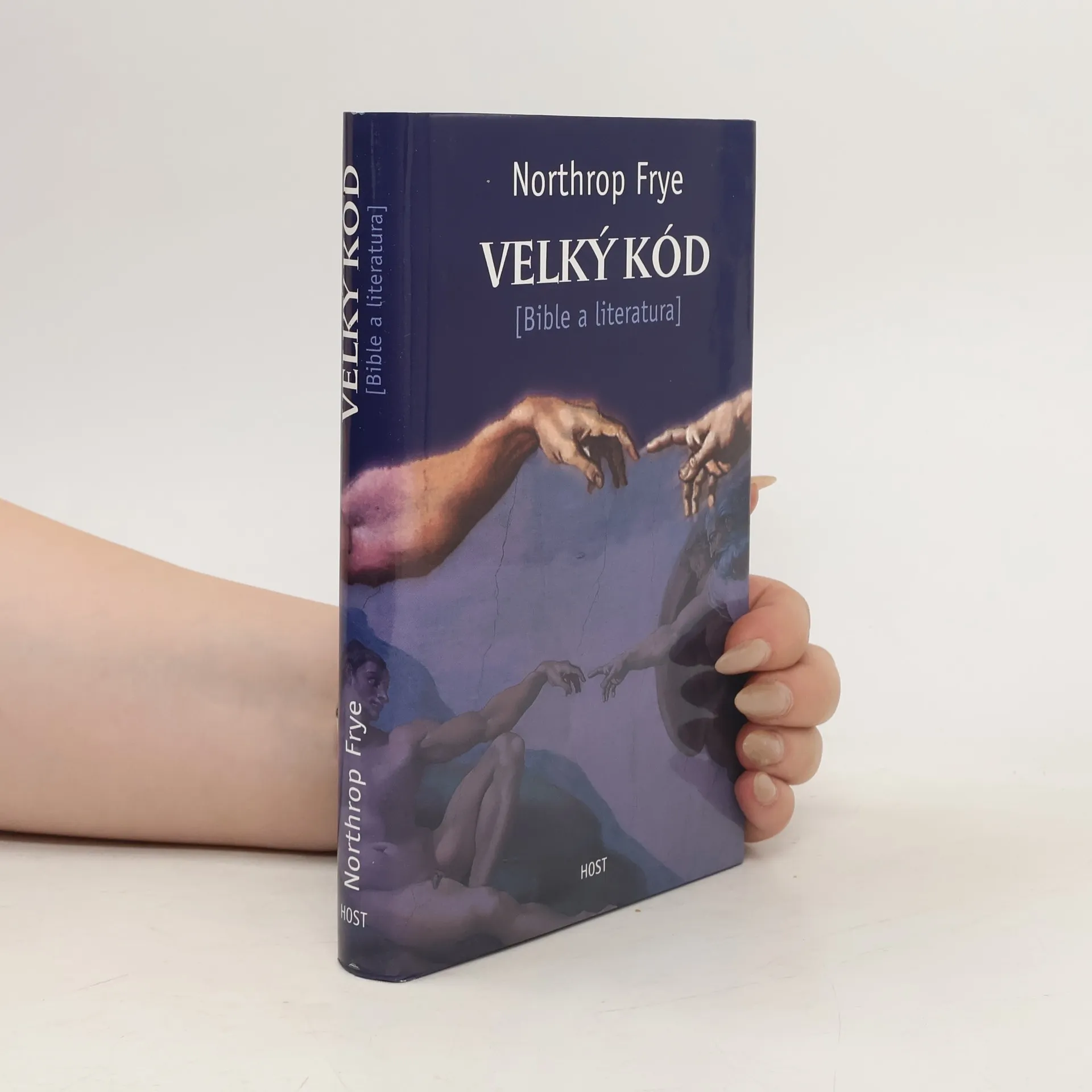
Velký kód (Bible a literatura)
- 288 pages
- 11 hours of reading
Kniha je pokusem o analýzu Bible z pohledu literárního kritika. Odvážná studie odmítá dogmatické i doslovné interpretace Bible a vyzdvihuje její jedinečnost, sílu a vliv na vývoj celé západní literatury a kultury vůbec.