Explore the latest books of this year!
Bookbot

Alfred de Zayas

    May 31, 1947
    Nemesis at Postdam
    The Human Rights Industry
    Building a Just World Order
    Countering Mainstream Narratives: Fake News, Fake Law, Fake Freedom
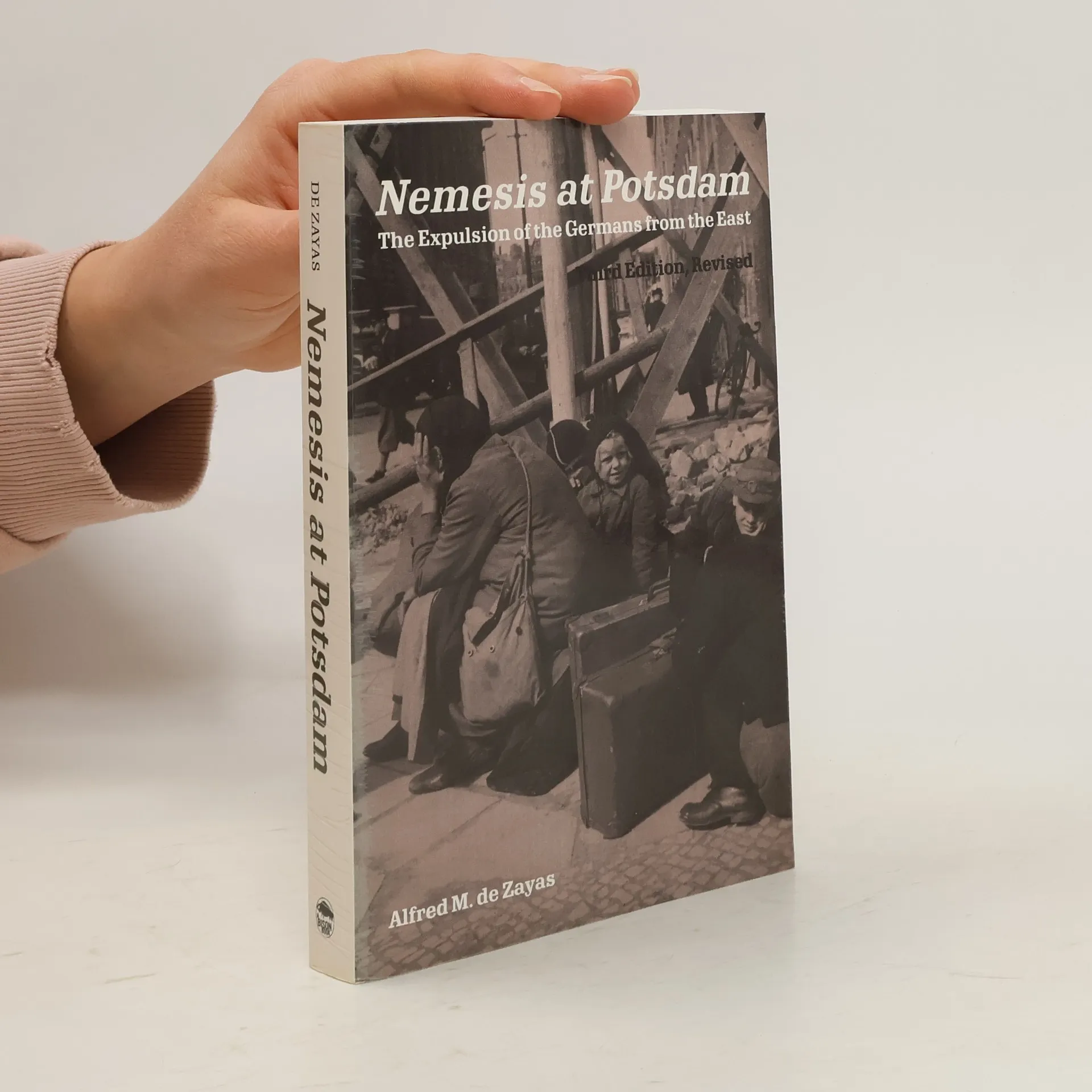
    Nemesis at Potsdam
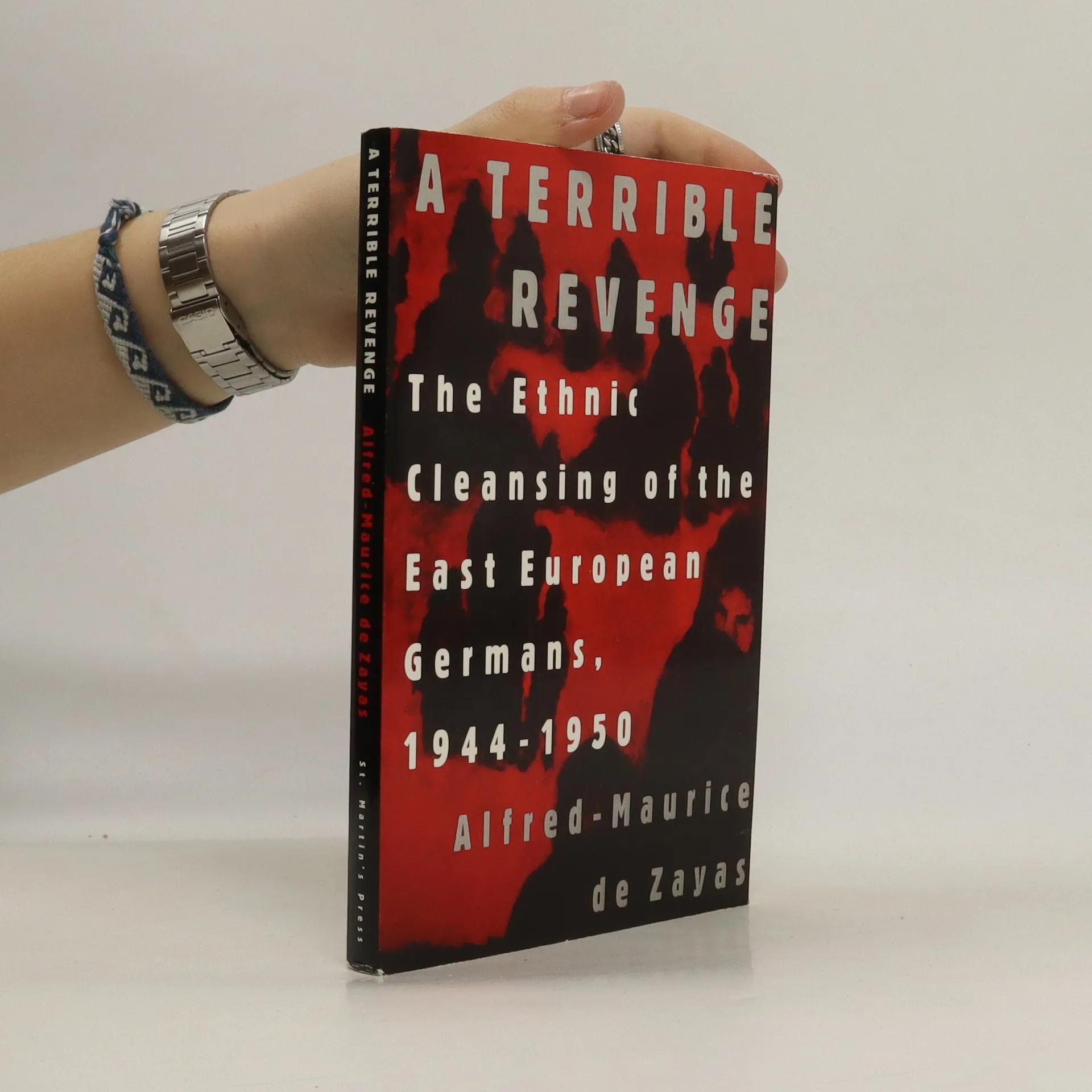
    A Terrible Revenge. The Ethnic Cleansing of the East European Germans, 1944-1950
    • The closing phase and the aftermath of World War II saw millions of refugees and displaced persons wandering across Easter Europe in one of the most brutal and chaotic migrations in world history. The genocidal barbarism of the Nazi forces has been well documented. What hitherto has been little known is the fate of fifteen million German civillians who found themselves at the mercy of Soviet armies and on the wrong side of new postwar borders. All over Eastern Europe, the inhabitants of communities that had been established for many centuries were either expelled or killed. Over two million Germans did not survive. Many of these people had supported Hitler, and for the Czechs, Poles, Ukrainians, and surviving Jews, their fate must have seemed just. However, the great majority--East Prussian farmers, Silesian industrial workers, their wives and children--were guiltless. Their fate, sentenced purely by race, remains an appalling legacy of the period. Alfred de Zayas's book describes this horrible retribution. On the basis of extensive research in German and American archives, he outlines the long history of these German communities, scattered from the Baltic to the Danude, and, most movingly, reproduces the testimonies of surviors from the catastrophic exodus that marked the final end to Nazi fantasies of Lebensraum.

      A Terrible Revenge. The Ethnic Cleansing of the East European Germans, 1944-1950
    • In 2011, the UN Human Rights Council created the mandate of the Independent Expert on the Promotion of a Democratic and Equitable International Order. This book, based on the reports by Dr. Alfred de Zayas, the first mandate-holder (2012-2018), offers a brilliant and comprehensive critique of the UN system, addressing the changes that must be made in order to further the emergence of a democratic and equitable international order. De Zayas proposes concrete reforms of the UN system, notably the Security Council. He advocates recognition of peace as a human right, slashing military budgets, and establishing the right of self-determination as a conflict-prevention measure. As it concerns the global economy, he calls for reversing the adverse impacts of World Bank and International Monetary Fund policies, rendering free-trade agreements compatible with human rights, abolishing tax havens and ISDS, alleviating the foreign debt crisis, and criminalizing war-profiteers and pandemic vultures. He denounces unilateral coercive measures, economic sanctions and financial blockades, because they demonstrably have led to hundreds of thousands of deaths. Book jacket.

      Building a Just World Order