Lire en V. O. Anglais - 9: Ghost Stories
Nouvelles annotées - Présentation de W. S. Beamstein
- 151 pages
- 6 hours of reading


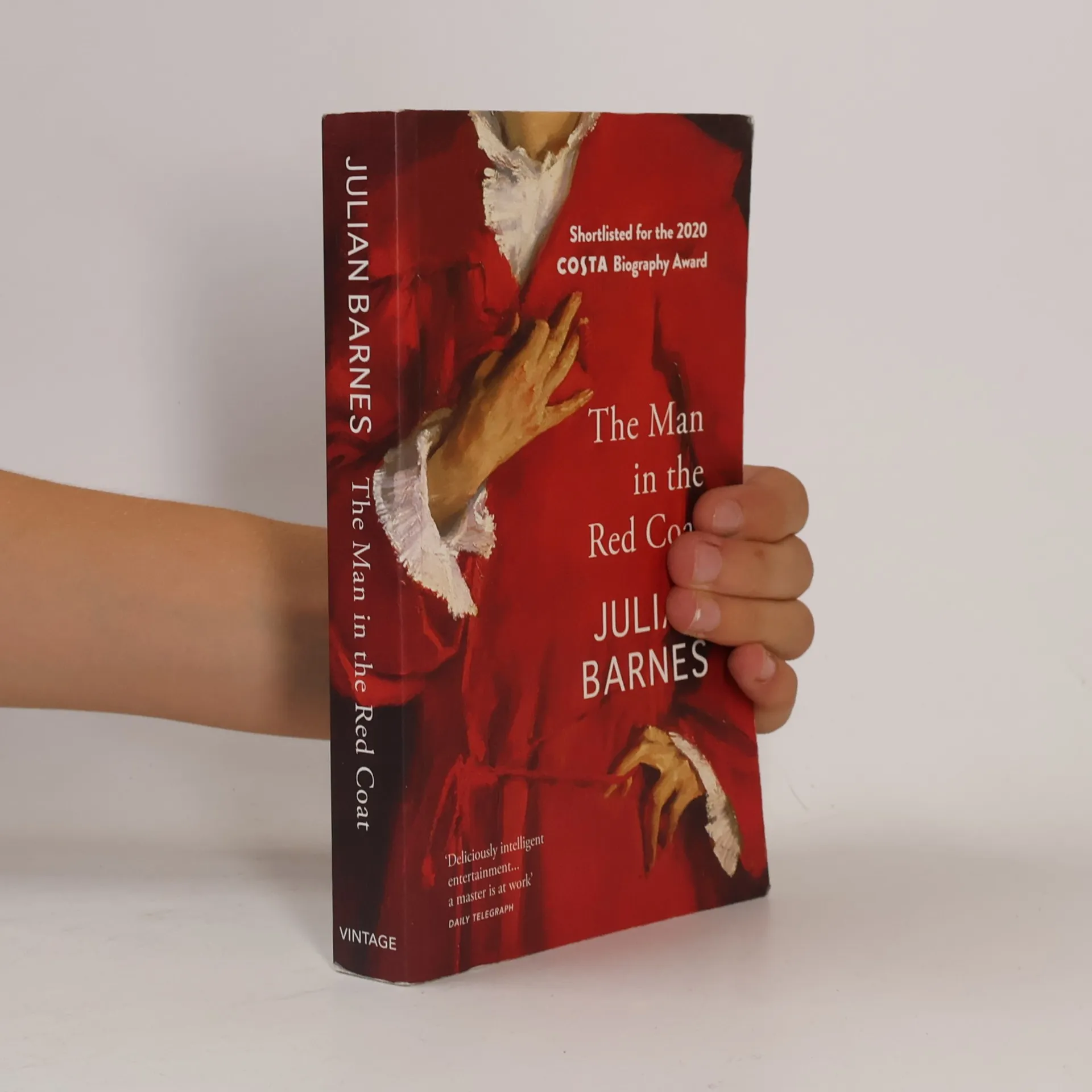
Julian Barnes is a contemporary English writer whose works are often situated within postmodernism. His writing explores the complexities of memory, history, and identity through carefully constructed narratives and a distinctive, ironic style. Barnes masterfully weaves themes of loss, love, and the search for meaning into existentially resonant stories. His literary depth and stylistic skill make him a significant figure in contemporary British fiction.





Nouvelles annotées - Présentation de W. S. Beamstein
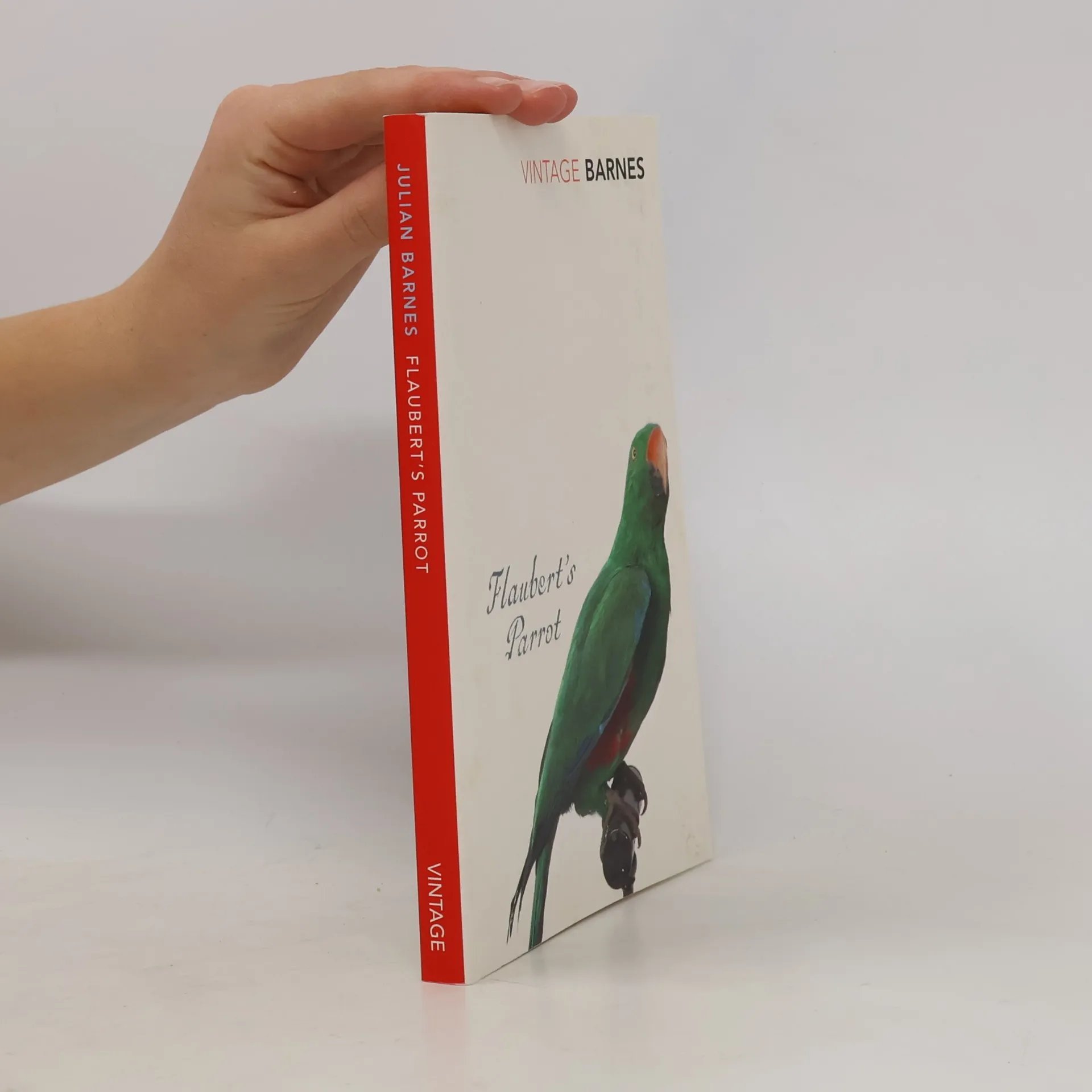
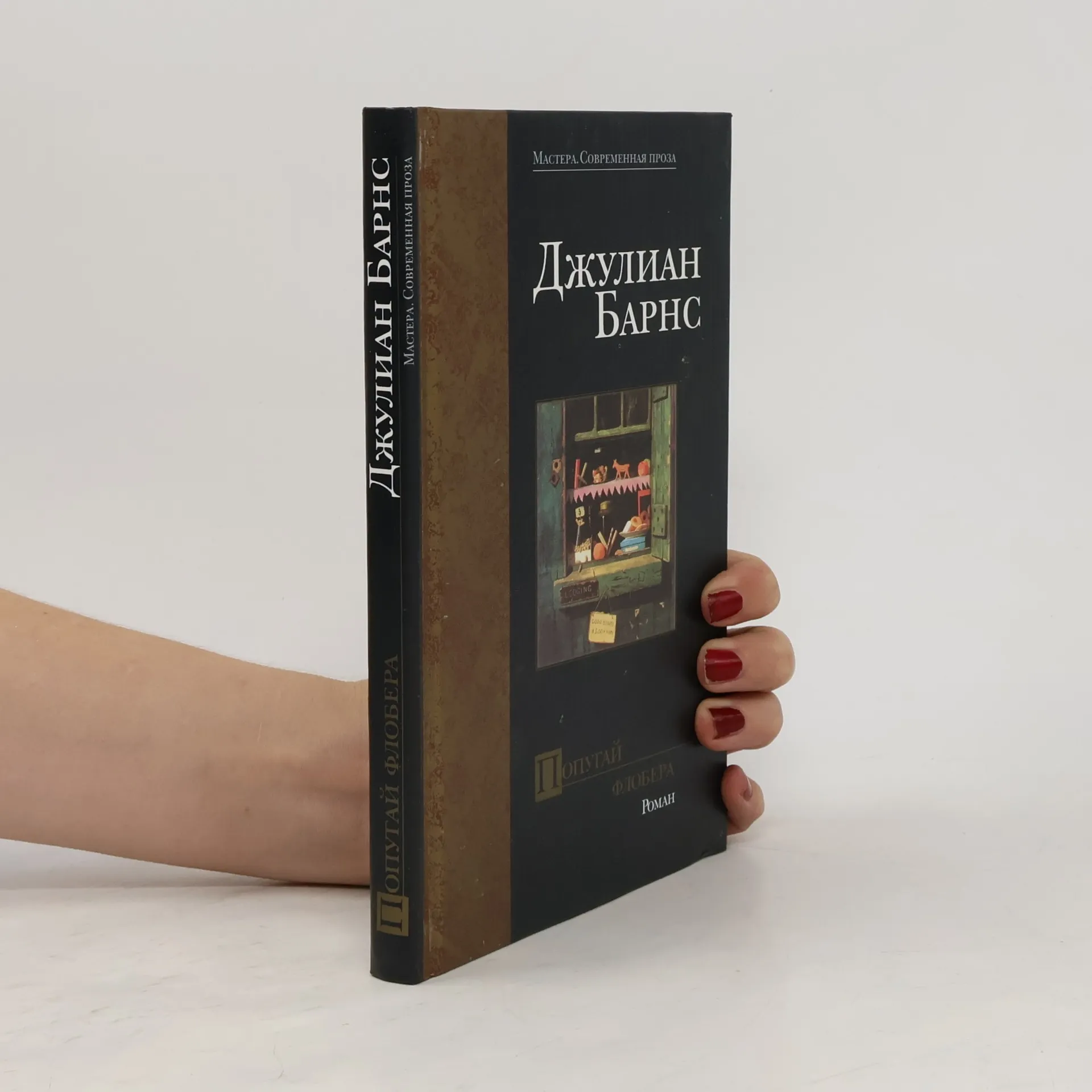
Flaubert's Parrot, Julian Barnes's breakthrough book—shortlisted for the Booker Prize in 1984—is the story of Geoffrey Braithwaite, a retired doctor who is obsessed with the French author and with tracking down a stuffed parrot that once inspired him. Barnes playfully combines a literary detective story with a character study of its detective, embedded in a brilliant riff on literary genius. A History of the World in 10 1/2 Chapters is a mix of fictional and historical narratives of voyage and discovery—ranging from a woodworm's perspective on Noah's ark to a survivor from the sinking of the Titanic—that question our ideas of history.
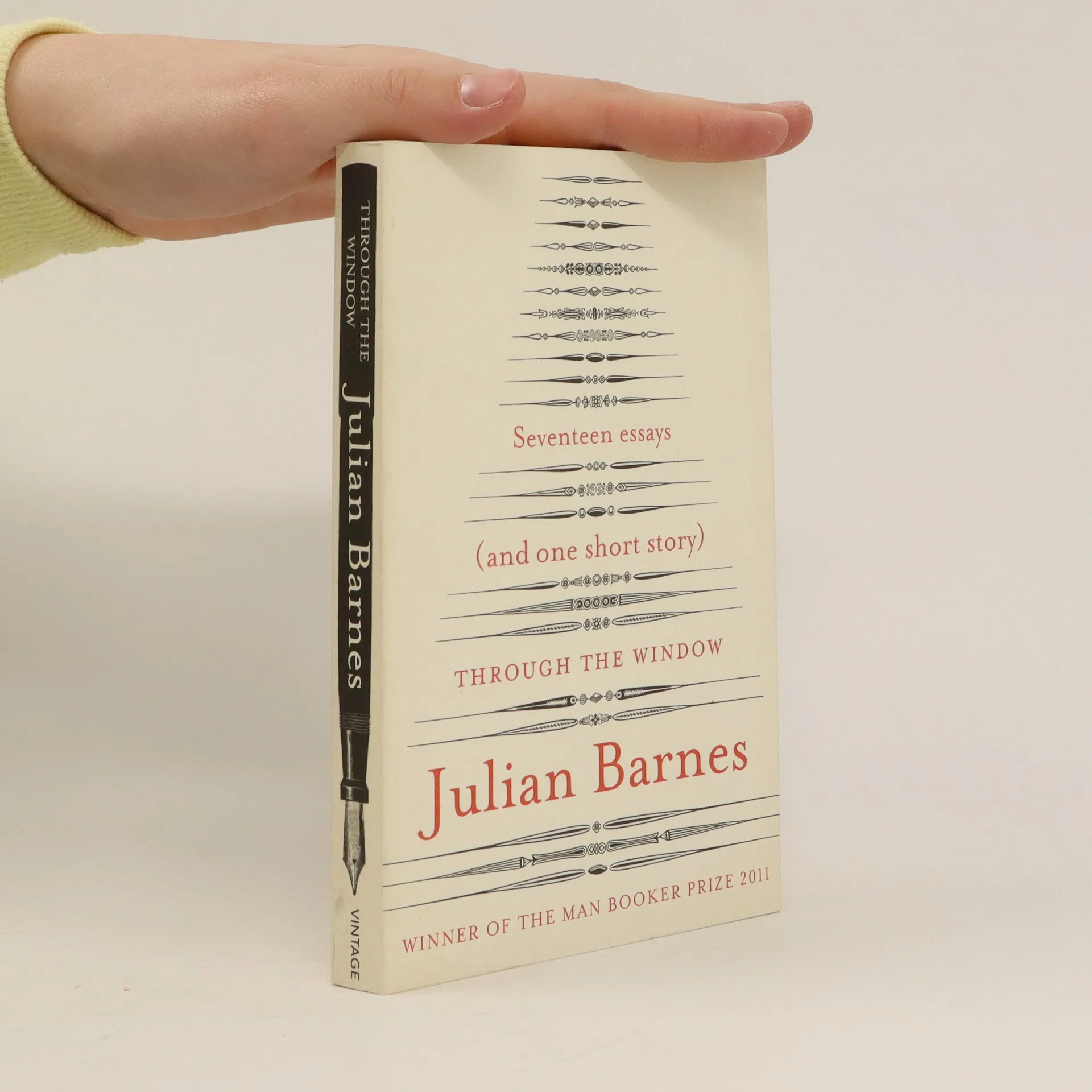
In these seventeen essays (and one short story) the 2011 Man Booker Prize winner examines British, French and American writers who have meant most to him, as well as the cross-currents and overlappings of their different cultures. From the deceptiveness of Penelope Fitzgerald to the directness of Hemingway, from Kipling's view of France to the French view of Kipling, from the many translations of Madame Bovary to the fabulations of Ford Madox Ford, from the National Treasure Status of George Orwell to the despair of Michel Houellebecq, Julian Barnes considers what fiction is, and what it can do. As he writes in his preface, 'Novels tell us the most truth about life: what it is, how we live it, what it might be for, how we enjoy and value it, and how we lose it.' When his Letters from London came out in 1995, the Financial Times called him 'our best essayist'. This wise and deft collection confirms that judgment.
Bi-sexual ex-cop, Duffy, investigates a murder at a large country house belonging to a shady acquaintance from his past.
'You put together two things that have not been put together before. And the world is changed ... ' Julian Barnes' new book is about ballooning, photography, love and grief; about putting two things, and two people, together, and about tearing them apart. One of the judges who awarded him the 2011 Man Booker Prize described him as 'an unparalleled magus of the heart'. This book confirms that opinion.
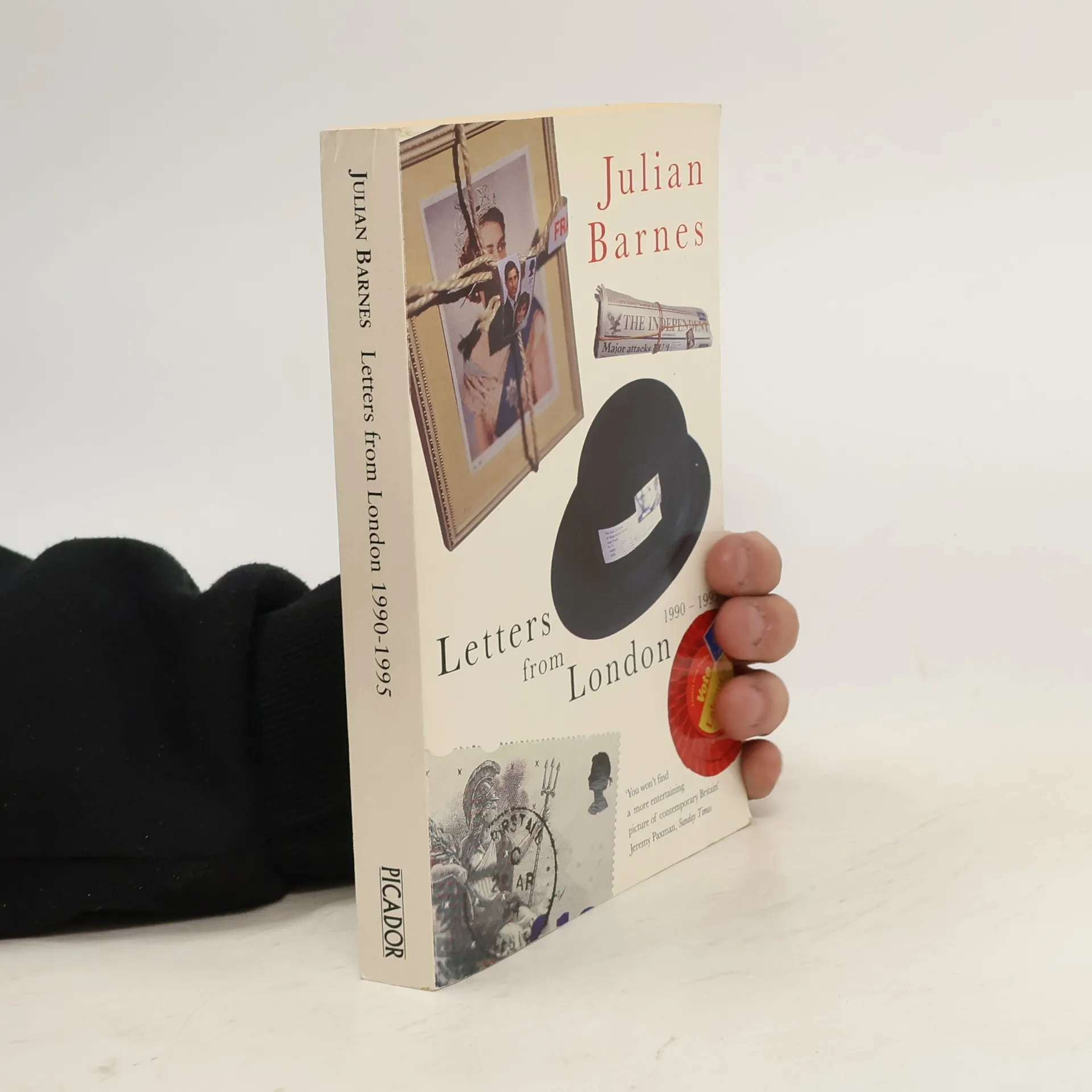
Since 1990 Julian Barnes has written a regular ‘Letter from London’ for the New Yorker magazine. These already celebrated pieces cover subjects as diverse as the Lloyd’s insurance disaster, the rise and fall of Margaret Thatcher, the troubles of the Royal Family and the hapless Nigel Short in his battle with Gary Kasparov in the 1993 World Chess Finals. With an incisive assessment of Salman Rushdie’s plight and an analysis of the implications of being linked to the Continent via the Channel Tunnel, Letters from London provides a vivid and telling portrait of Britain in the Nineties.
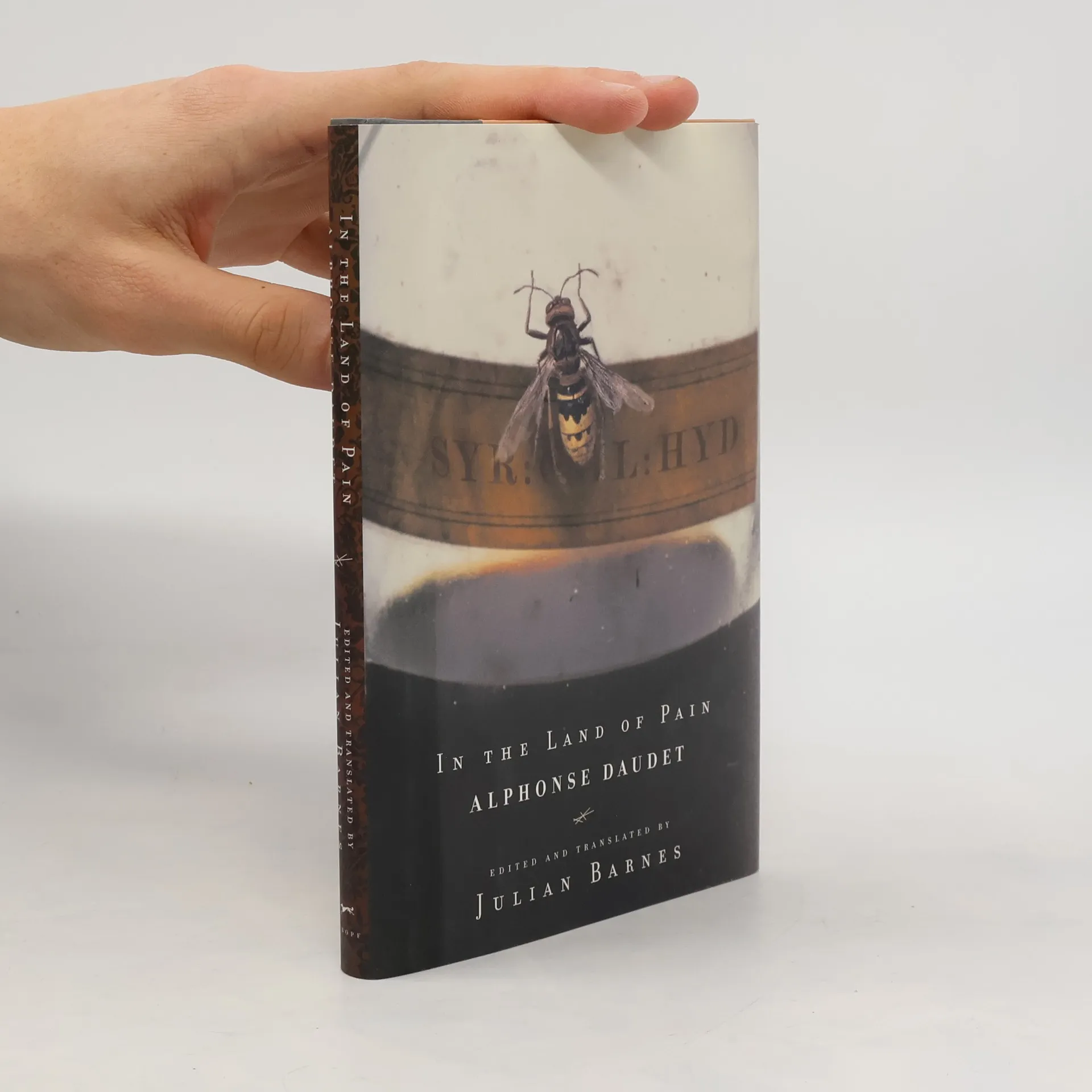
As Julian Barnes notes in his introduction to Alphonse Daudet’s La Doulou, the writer, who lived from 1840 to 1897, was once celebrated as a leading literary figure. Henry James referred to him as “the happiest novelist” and “the most charming story-teller” of his time. However, Daudet was also part of a tragic group of nineteenth-century French writers afflicted by syphilis. In the Land of Pain—notes toward an unwritten book—Daudet offers a poignant response to his illness. With quick, incisive strokes, he details his symptoms, describing pain as a “one-man-band” and his treatments as “morphine nights” filled with sleeplessness and existential void. He reflects on his fears, seeking meaning in pain and urging it to be his philosophy and science. Daudet shares observations of fellow patients at spas, noting the cultural contrasts in their experiences, and he contemplates the deceptive nature of death, which seems to merely thin out life. Barnes’s translation captures the essence of these notes, creating a record that is both shattering and lighthearted, haunting yet beguiling. This work reveals the dual nature of physical suffering—its banality and transformative power—while celebrating the complex resilience of the human spirit.
`Frequently brilliant, funny, thoughtful, iconoclastic, and a delight to read. Barnes is like a worldly, secular reincarnation of a medieval gloss-writer on sacred texts, and what he offers us is the novel as footnote to history, as subversion of the given, as brilliant, elaborate doodle around the margins of what we know we think about what we think we know' Salman Rushdie, Observer
Everyone knows a bit of petty theft goes on in the freight business at Heathrow - it is fiddle city, after all. But things have gone beyond a joke for Roy Hendrick and he suspects someone who works for him is helping themselves to more than they should. That's when he sets Duffy on the case. A bisexual ex-policeman, Duffy runs a struggling security firm, has an obsessive attitude to cleanliness and can often be found propping up the bar at the Alligator. Duffy agrees to work for Hendrick and goes undercover to try and root out the culprit. But things aren't all they're cracked up to be. What's the story behind the imperious HR manager Mrs Boseley with her permanently frosty demeanour? And is Hendrick really as honest as he claims to be? Duffy's up to his neck in it.
Winner of the Man Booker Prize for Fiction 2011 From the hairdessing salon where an old man measures out his life in haircuts, to the concert hall where a music lover carries out an obsessive campaign against those who cough in concerts; from the woman who reads elaborate recipes to her sick husband as a substitute for sex, to the woman 'incarcerated' in an old people's home beginning a correspondence with an author that enriches both their lives - all Barnes' characters, in their different ways, square up to death and rage against the dying light.
Exploring the complexities of changing one's mind, Julian Barnes delves into how our perceptions shift regarding politics, literature, and personal memories. He examines the belief that such transformations signify growth and maturity, challenging the notion that change always leads to improvement. Through engaging essays, Barnes invites readers to reflect on the nature of belief and the factors that influence our evolving perspectives on various aspects of life.
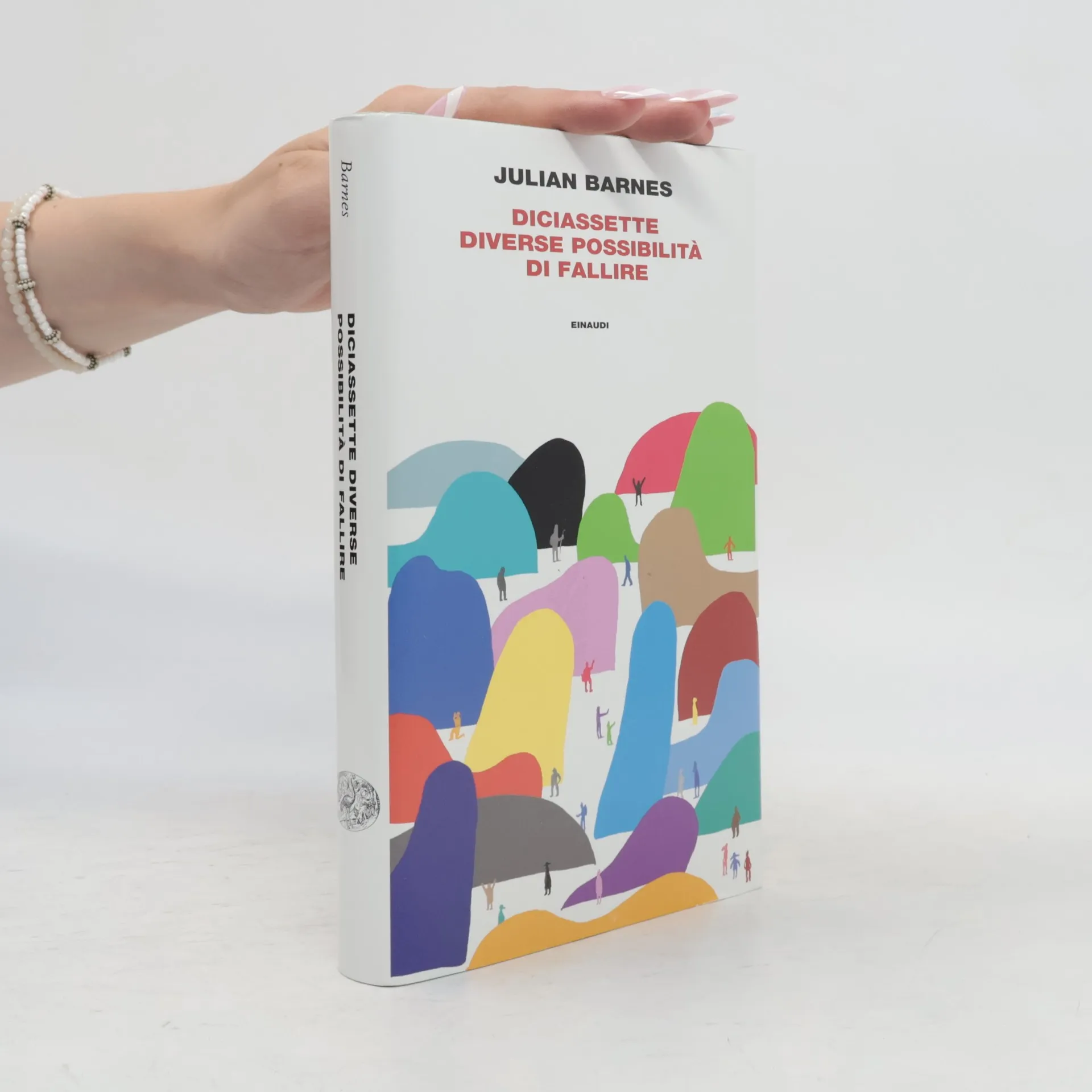
"An extraordinary collection-- hawk-eyed and understanding-- from the Booker Prize-winning, best-selling author of The Sense of an Ending and Levels of Life. As Julian Barnes explains: "Flaubert believed that ... great paintings required no words of explanation. Braque thought the ideal state would be reached when we said nothing at all in front of a painting ... But it is a rare picture that stuns, or argues, us into silence. And if one does, it is only a short time before we want to explain and understand the very silence into which we have been plunged." This is the exact dynamic that informs his new book. Barnes, in his 1989 novel A History of the World in 10 1/2 Chapters, had a chapter on Gericault's The Raft of the Medusa, and since then he has written about many great masters of nineteenth- and twentieth-century art, including Delacroix, Manet, Fantin-Latour, Cezanne, Degas, Redon, Bonnard, Vuillard, Vallotton, Braque, Magritte, Oldenburg, Howard Hodgkin, and Lucian Freud. The seventeen essays gathered here are adroit, insightful and, above all, a true pleasure to read "--
"Originally published in hardcover in Great Britain in slightly different form by Johnathan Cape, ... London, in 2019"--Copyright page.
A brilliant, discursive, very funny book about death and the fear of death, god, nature, nurture and the author s childhood. The closest thing to a memoir Barnes will ever write.
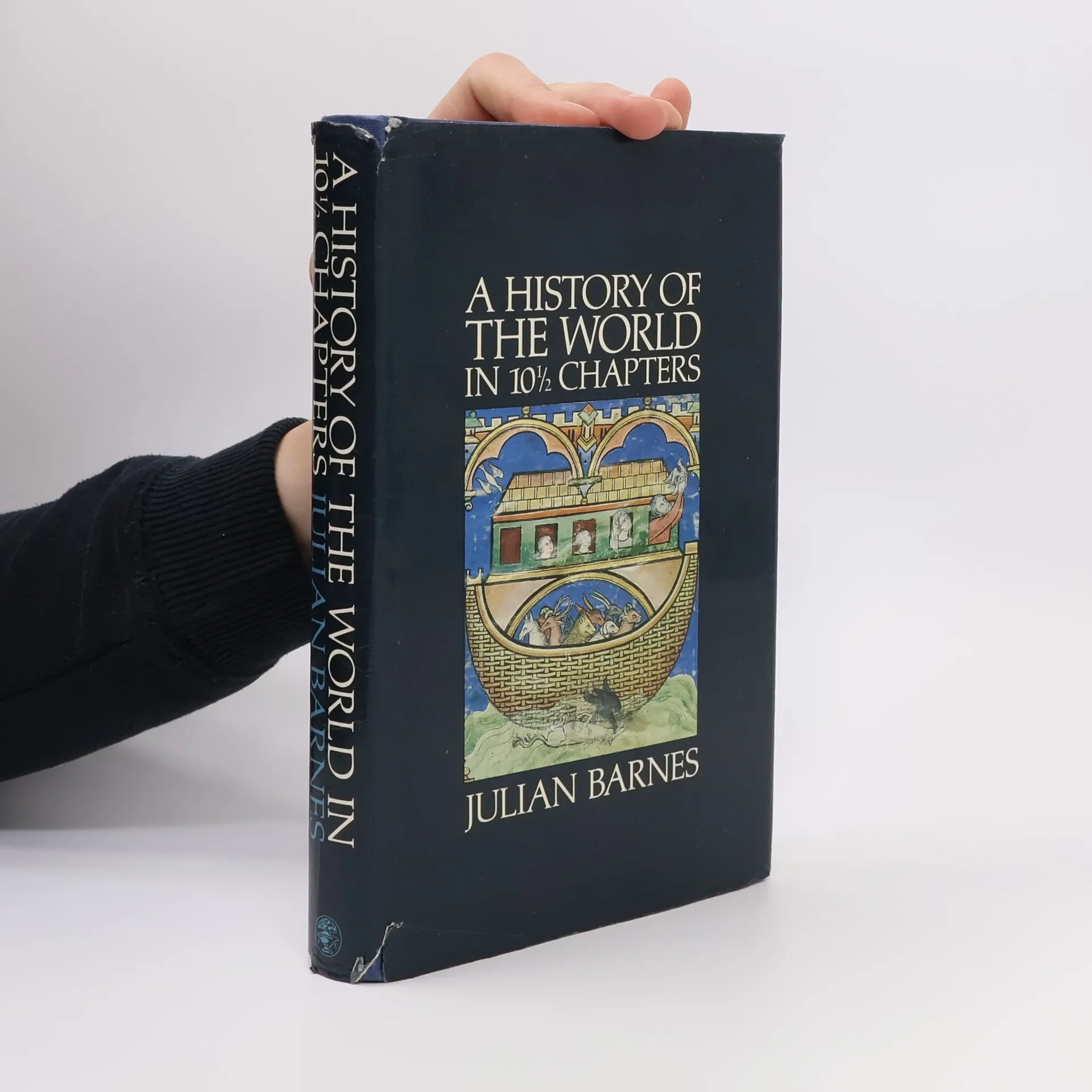
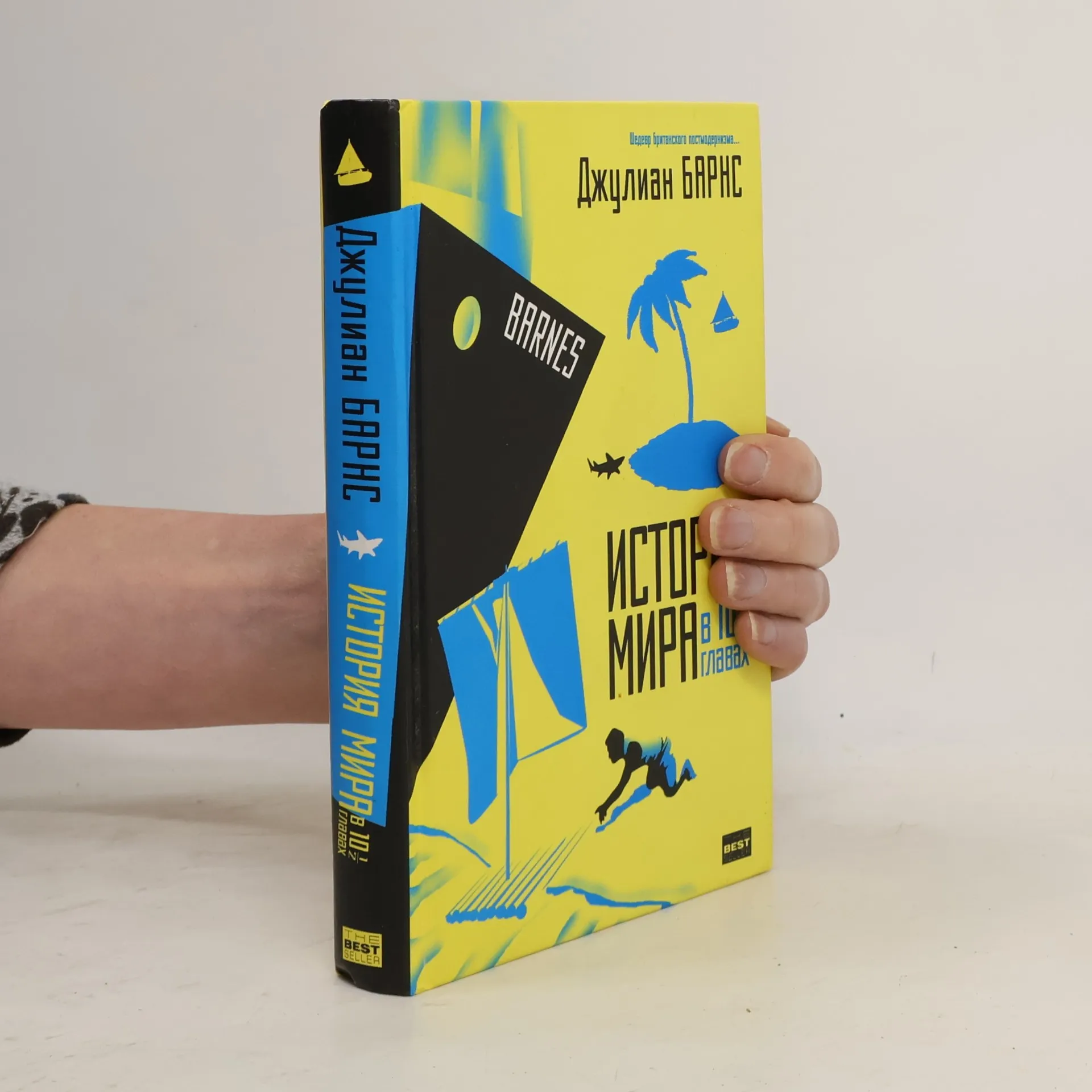
Beginning with an unlikely stowaway's account of life on board Noah's Ark, A History of the World in 10½ Chapters presents a surprising, subversive, fictional history of earth told from several kaleidoscopic perspectives. Noah disembarks from his ark but he and his Voyage are not forgotten: they are revisited in on other centuries and other climes - by a Victorian spinster mourning her father, by an American astronaut on an obsessive personal mission. We journey to the Titanic, to the Amazon, to the raft of the Medusa , and to an ecclesiastical court in medieval France where a bizarre case is about to begin... This is no ordinary history, but something stranger, a challenge and a delight for the reader's imagination. Ambitious yet accessible, witty and playfully serious, this is the work of a brilliant novelist.
Now a major film starring Academy Award nominees Jim Broadbent (Iris) and Charlotte Rampling (45 Years) Winner of the Man Booker Prize for Fiction in 2011 Tony Webster and his clique first met Adrian Finn at school. Sex-hungry and book-hungry, they would navigate the girl-less sixth form together, trading in affectations, in-jokes, rumour and wit. Maybe Adrian was a little more serious than the others, certainly more intelligent, but they all swore to stay friends for life. Now Tony is retired. He's had a career and a single marriage, a calm divorce. He's certainly never tried to hurt anybody. Memory, though, is imperfect. It can always throw up surprises, as a lawyer's letter is about to prove.
In matters of love and friendship, how much can be endured and forgiven? These questions form the basis of a tragicomedy exploring human frailties and needs. The narrative revolves around three characters from a decade earlier, with a complex relationship between Stuart, his ex-wife Gillian, and his former best friend Oliver, who took Gillian away. Though Stuart initially reacted with anger and even spied on their life in France, he eventually accepted the divorce, moved to America, remarried briefly, and later returned to London, coinciding with Oliver and Gillian's return with their children. Meanwhile, Oliver's artistic dreams have faltered, leaving Gillian as the primary breadwinner until Stuart's reappearance complicates their lives further. The story allows each character, along with others, to directly address the reader, sharing secrets and differing perspectives on their intertwined lives. This exploration reveals essential truths about faith, generosity, trust, and commitment, as well as the potential for banality and brutality in their absence. The work combines humor and intelligence, offering an engaging, dramatic, and unsettling experience that resonates deeply with the complexities of relationships.
As boys, George, the son of a Midlands vicar, and Arthur, living in shabby genteel Edinburgh, find themselves in a vast and complex world at the heart of the British Empire. Years later - one struggling with his identity in a world hostile to his ancestry, the other creating the world’s most famous detective while in love with a woman who is not his wife - their fates become inextricably connected.
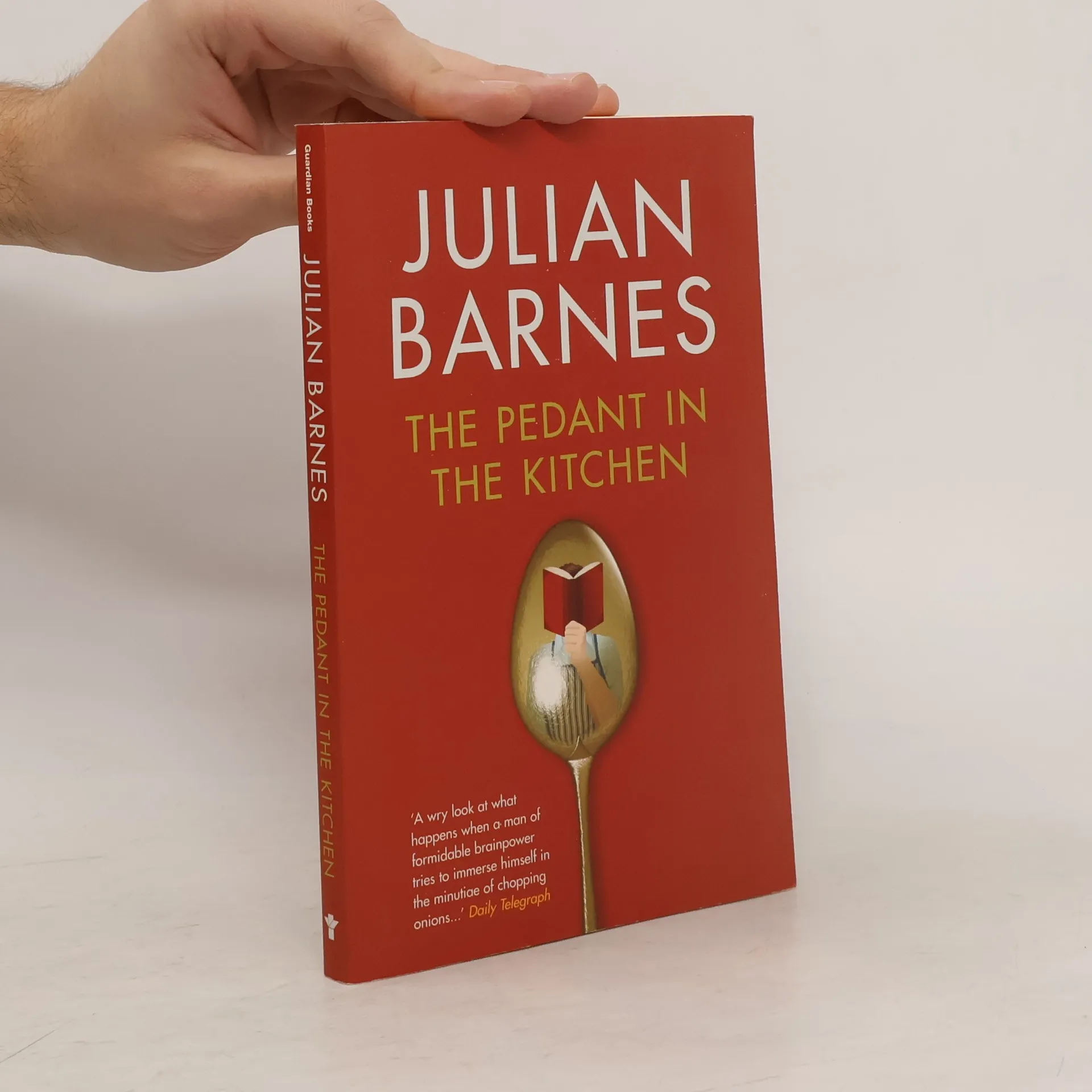
The Pedant in the Kitchen is a perfect comfort for anyone who has ever been defeated by a cookbook. The Pedant's ambition is simple. He wants to cook tasty, nutritious food; he wants not to poison his friends; and he wants to expand, slowly and with pleasure, his culinary repertoire
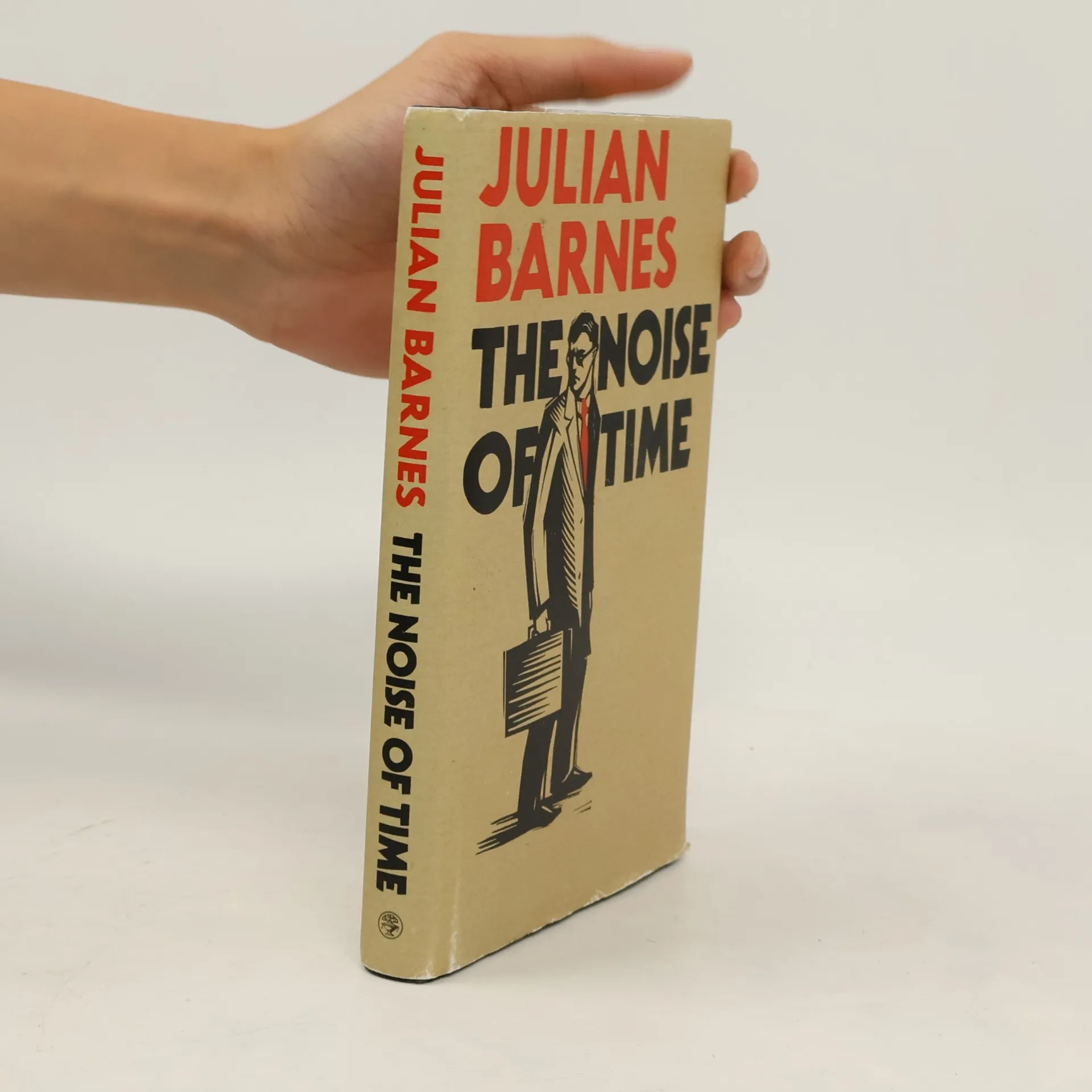
'BARNES'S MASTERPIECE.' - OBSERVER In May 1937 a man in his early thirties waits by the lift of a Leningrad apartment block. He waits all through the night, expecting to be taken away to the Big House. Any celebrity he has known in the previous decade is no use to him now. And few who are taken to the Big House ever return. So begins Julian Barnesâe(tm)s first novel since his Booker-winning The Sense of an Ending. A story about the collision of Art and Power, about human compromise, human cowardice and human courage, it is the work of a true master.
In the grimy underbelly of London, private detective Duffy takes on an extortion case and finds himself pitted against one of the city’s most dangerous crime lords Rosie McKechnie was alone when the two men entered her home, tied her to a chair, and cut her with a switchblade. It was a message for her husband, Brian. To outside appearances, Brian McKechnie is just a businessman. But to Big Eddy Martoff, London’s underworld kingpin, McKechnie is a big fat mark. With a history of crooked business deals and extramarital affairs, McKechnie is the perfect target. To beat back the blackmail, McKechnie needs someone who understands lowlifes like Martoff—and Nick Duffy knows lowlifes. Duffy was a copper until four years ago, when malicious rumors about his sex life ripped through the force. Now he is in private security, and McKechnie’s case is one he cannot refuse. Duffy, no stranger to his city’s seedier offerings, dives into a world of prostitutes, hoods, and porn moguls. Can he find a way to put the pinch on Big Eddy before Soho swallows him whole?
I cannot remember when I enjoyed a first novel more' Daily Telegraph
The novel weaves a complex narrative that captivates readers with its rich storytelling and engaging characters. Praised for its depth and intricacy, it explores profound themes through a unique lens, showcasing the author's masterful craftsmanship. With a blend of humor and poignancy, it invites reflection on the human experience, making it a standout work in contemporary literature.
A collection of stories, in which a divorcee falls in love with a mysterious European waitress, a widower relives a favourite holiday, two writers rehearse familiar arguments, and, a couple bond, fall out and bond again over flowers and vegetable patches.
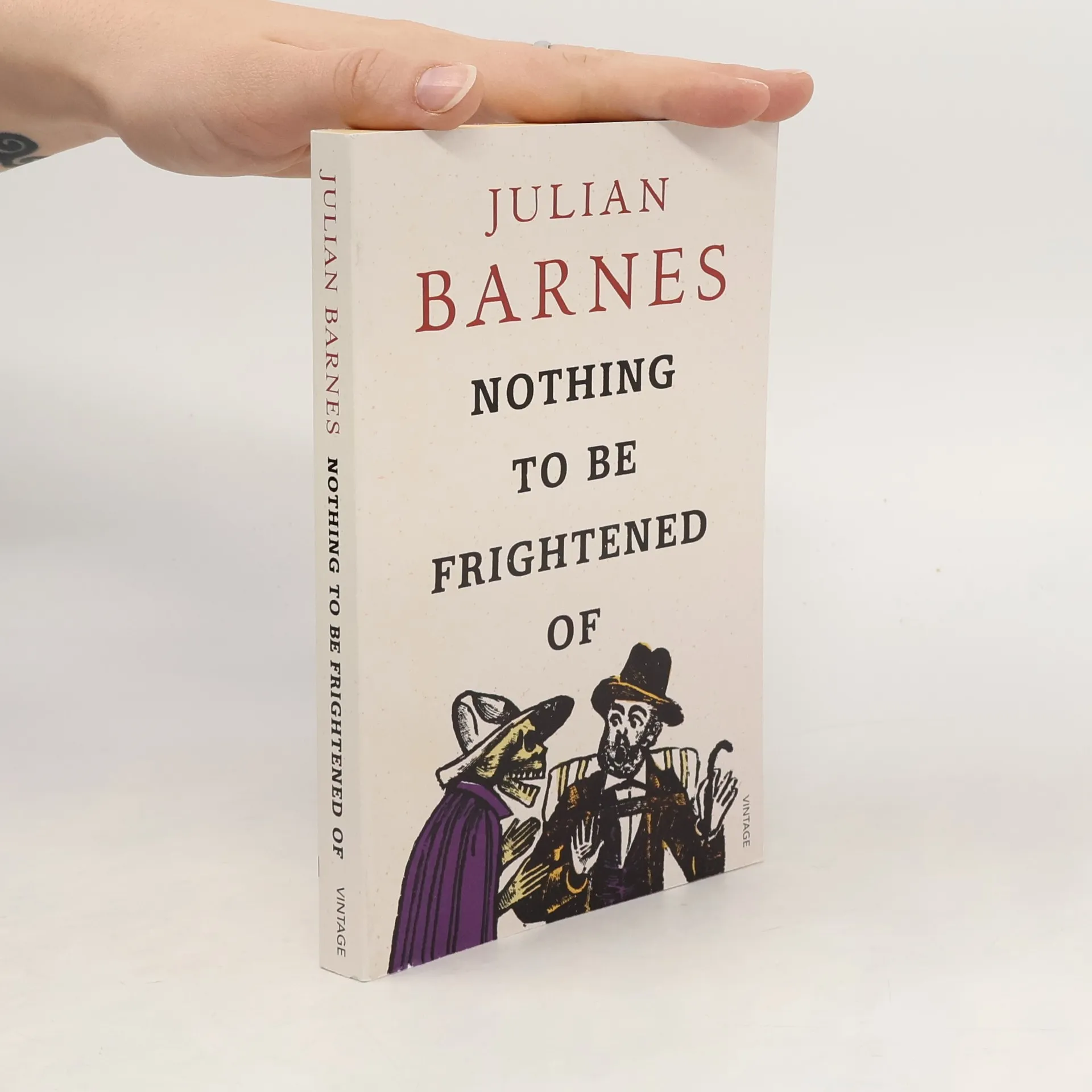
When it comes to death, is there ever a best case scenario? In this disarmingly witty book, Julian Barnes confronts our unending obsession with the end. He reflects on what it means to miss God, whether death can be good for our careers and why we eventually turn into our parents. Barnes is the perfect guide to the weirdness of the only thing that binds us all.Selected from the book Nothing to be Frightened Ofby Julian BarnesVINTAGE MINIS- GREAT MINDS. BIG IDEAS. LITTLE BOOKS.A series of short books by the world's greatest writers on the experiences that make us humanAlso in the Vintage Minis series-Calmby Tim ParksDrinkingby John CheeverBabiesby Anne EnrightPsychedelics by Aldous Huxley
In his latest novel, Julian Barnes, author of Talking It Over and A History of the World in 10 1/2 Chapters , trains his laser-bright prose on the collapse of Communism in Eastern Europe. Stoyo Petkanov, the deposed Party leader, is placed on trial for crimes that range from corruption to political murder. Petkanov's guilt -- and the righteousness of his opponents -- would seem to be self-evident. But, as brilliantly imagined by Barnes, the trial of this cunning and unrepentant dictator illuminates the shadowy frontier between the rusted myths of the Communist past and a capitalist future in which everything is up for grabs.
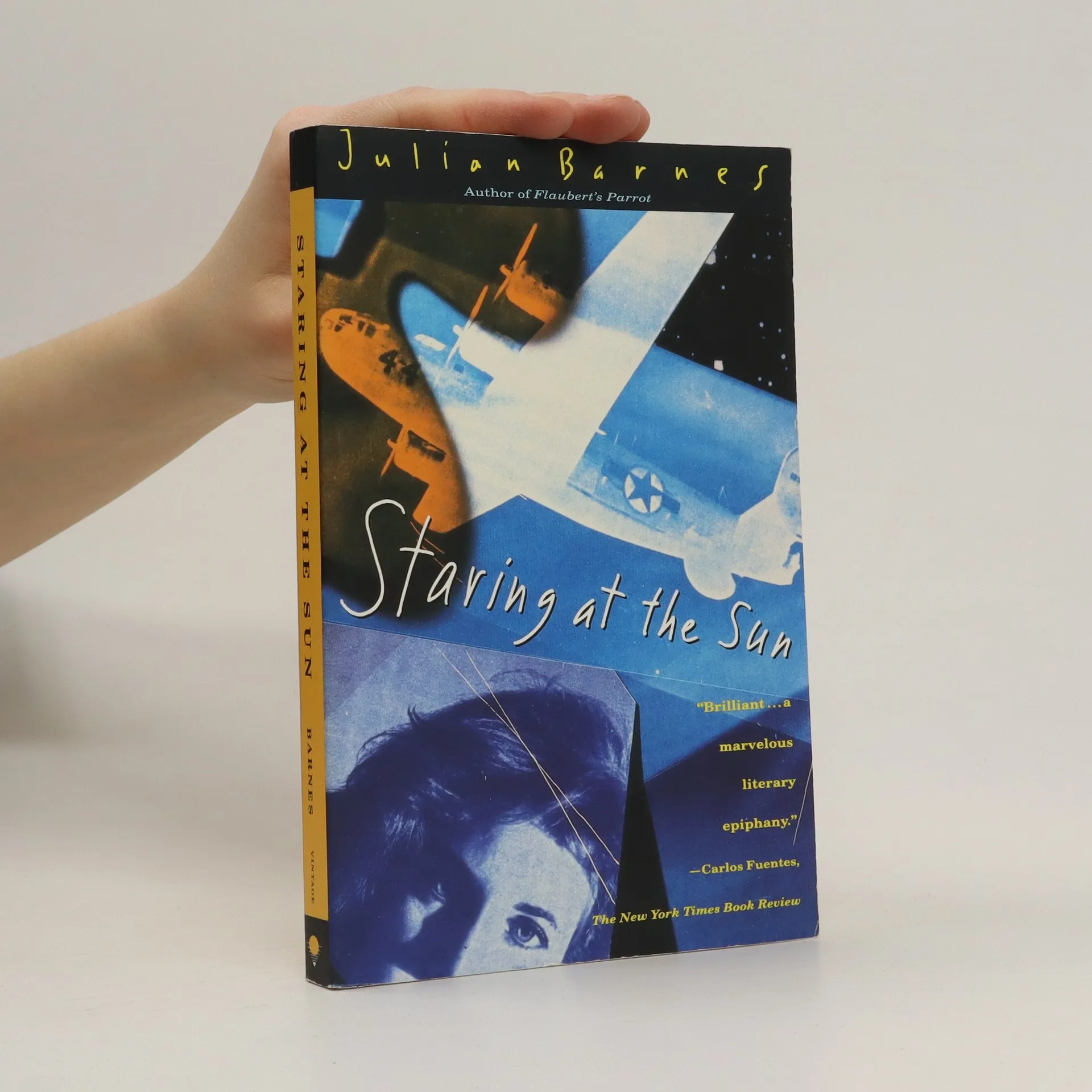
The bestselling, Booker Prize-winning author of The Sense of an Ending traces the life of a seemingly ordinary woman with an extraordinary disdain for wisdom in this “marvelous literary epiphany” (The New York Times Book Review). In this wonderfully provocative novel, Barnes follows Jean Serjeant from her childhood in the 1920s to her flight into the sun in the year 2021, confronting readers with the fruits of her relentless curiosity: pilgrimages to China and the Grand Canyon; a catalogue of 1940s sexual euphemisms; and a glimpse of technology in the twenty-first century (when The Absolute Truth can be universally accessed). Elegant, funny and intellectually subversive, Staring at the Sun is Julian Barnes at his most dazzlingly original.
A collection of essays on France from Julian Barnes. Written over a 20 year period, the topics Barnes covers range from landscape to literature, food to Flaubert, film and song to the Tour de France.
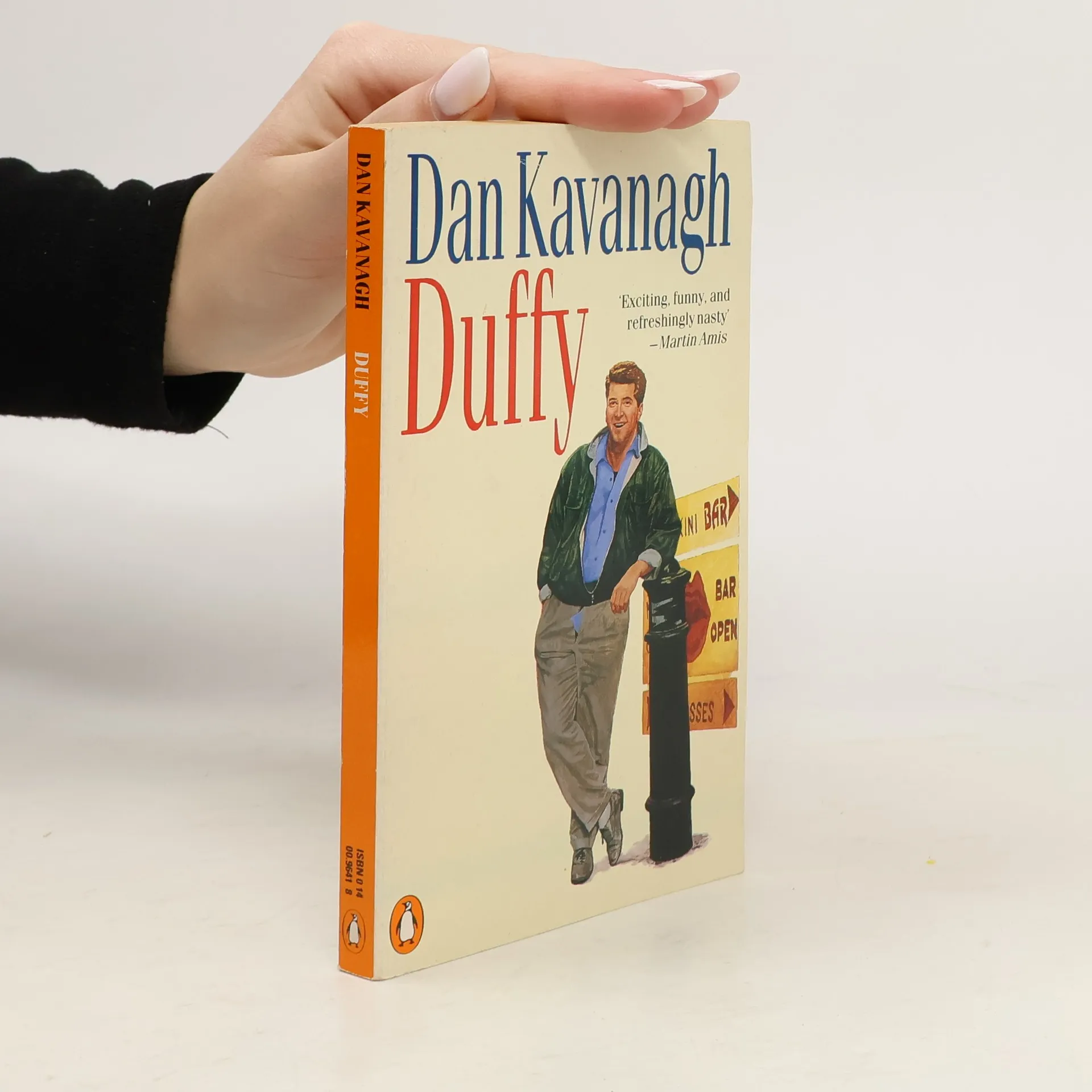
Dan Kavanagh's third novel featuring Duffy. This time Duffy investigates the troubled world of England's Third Division football while also facing questions of his possible encounter with AIDS.
No one has a better perspective to see things from both sides of the Channel than Julian Barnes. He is not only one of the premier writers in Britain but his prize-winning work has long been admired and recognised in France. In these exquisitely crafted and turned stories spanning several centuries, Julian Barnes takes as his universal theme the British in France, our fascination with the country, our various and mixed reasons for being there and our sometimes ambiguous reception.
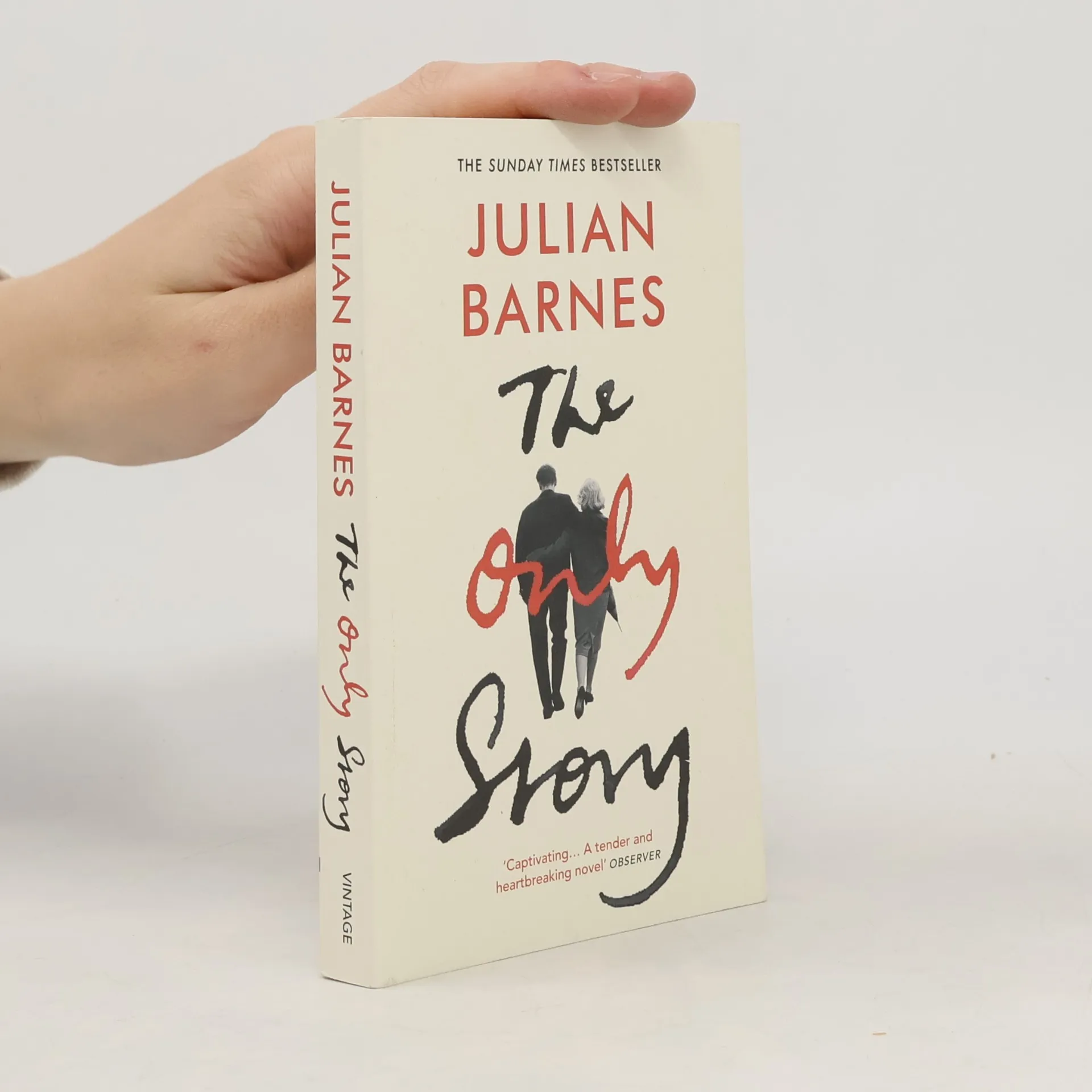
Would you rather love the more, and suffer the more ; or love the less, and suffer the less ? That is, I think, finally, the only real question. First love has lifelong consequences, but Paul doesn't know anything about that at nineteen. At nineteen, he's proud of the fact his relationship flies in the face of social convention. As he grows older, the demands placed on Paul by love become far greater than he could possibly have foreseen.
Graham was an he was meant to be an expert on the past. But there were aspects of it, he discovered, that couldn’t be subdued, that simply carried on, lively and painful, as if they were the present. He began to mind. He minded very much indeed. While those around him look on – with concern, with contempt, with amusement – Graham’s meticulous passion gradually begins to run out of control. Julian Barnes presents an unnerving version of sexual jealousy and shows it to be not just living, but reasonable, ordinary, funny, dangerous and consuming.
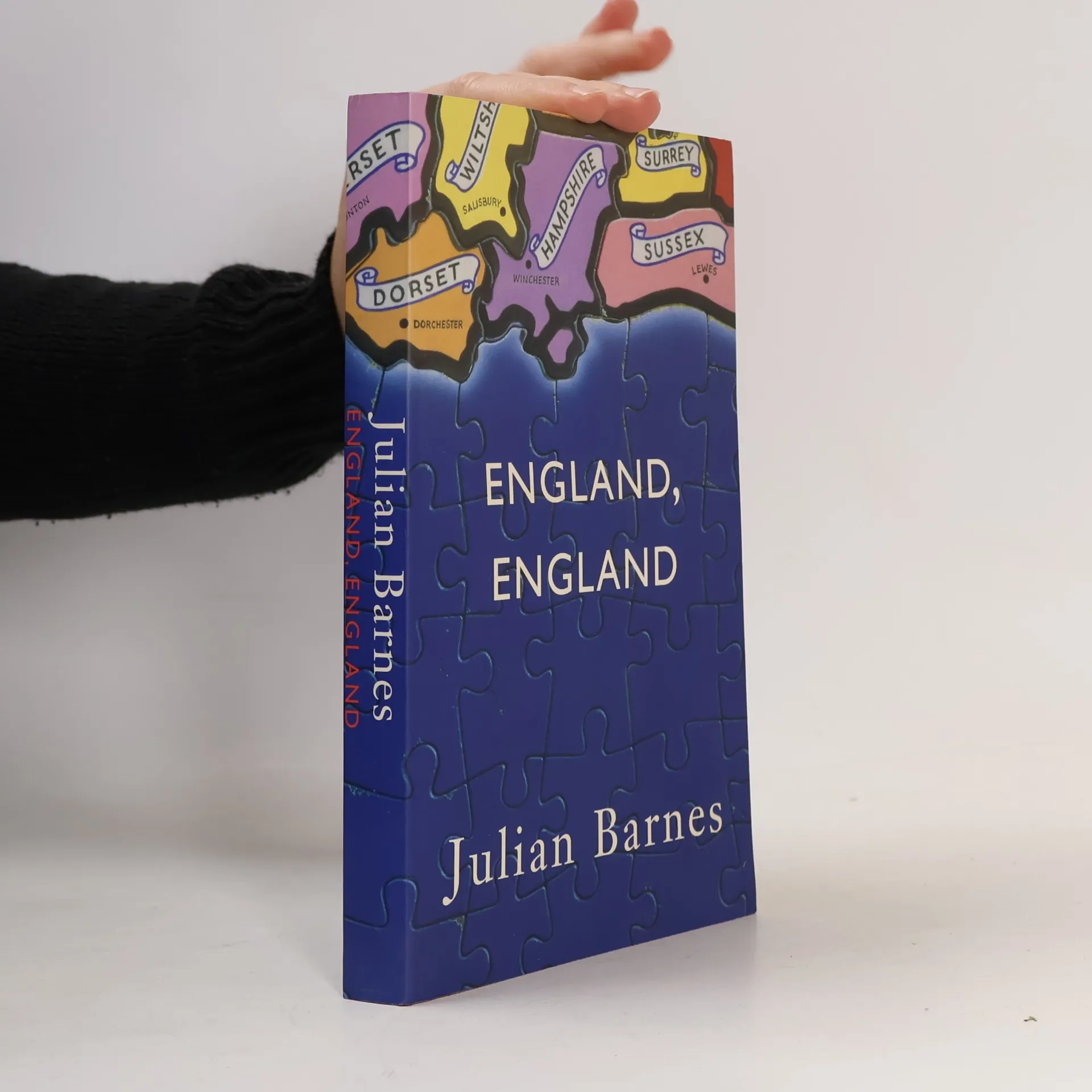
Booker Prize Finalist "Wickedly funny." --The New York Times Imagine an England where all the pubs are quaint, where the Windsors behave themselves (mostly), where the cliffs of Dover are actually white, and where Robin Hood and his merry men really are merry. This is precisely what visionary tycoon, Sir Jack Pitman, seeks to accomplish on the Isle of Wight, a "destination" where tourists can find replicas of Big Ben (half size), Princess Di's grave, and even Harrod's (conveniently located inside the tower of London). Martha Cochrane, hired as one of Sir Jack's resident "no-people," ably assists him in realizing his dream. But when this land of make-believe gradually gets horribly and hilariously out of hand, Martha develops her own vision of the perfect England. Julian Barnes delights us with a novel that is at once a philosophical inquiry, a burst of mischief, and a moving elegy about authenticity and nationality.
The Sunday Times Bestseller from the Winner of the Booker Prize She will change the way you see the world . . . 'I'll remember Elizabeth Finch when most other characters I've met this year have faded' The Times Elizabeth Finch was a teacher, a thinker, an inspiration. Neil is just one of many who fell under her spell during his time in her class. Tasked with unpacking her notebooks after her death, Neil encounters once again Elizabeth's astonishing ideas on the past and on how to make sense of the present. But Elizabeth was much more than a scholar. Her secrets are waiting to be revealed . . . and will change Neil's view of the world forever. 'Enthralling . . . A connoisseur and master of irony himself, [Barnes] fills this book with instances of its exhilarating power' Sunday Times 'A lyrical, thoughtful and intriguing exploration of love, grief and the collective myths of history' Booklist
The No.1 Bestselling Final Book From The Booker Prize-Winning Author
The 100 finest short stories ever written, collected in one gorgeous volume.
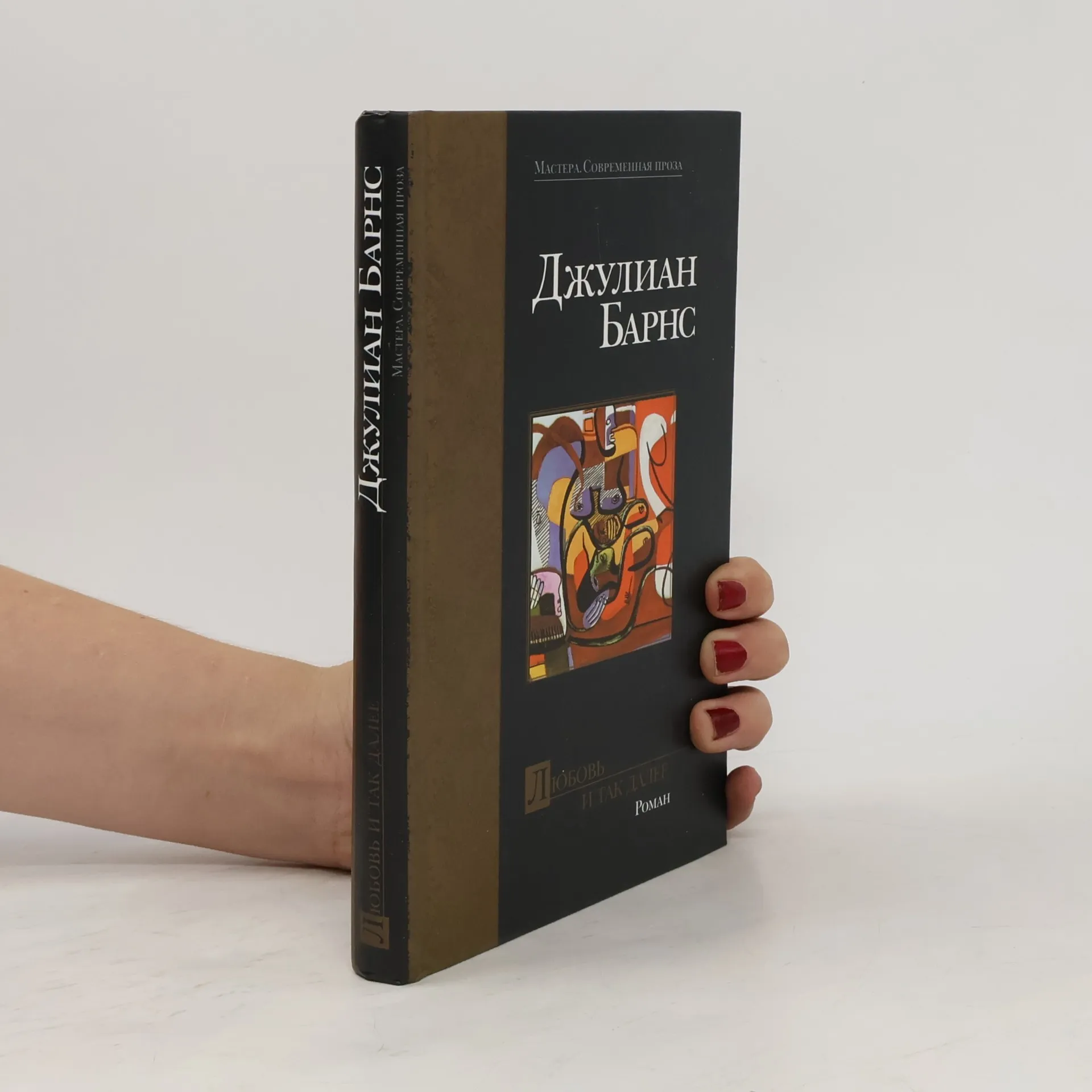
Лауреат Букеровской премии Джулиан Барнс — один из самых ярких и оригинальных прозаиков современной Британии, автор таких международных бестселлеров, как «Шум времени», «Предчувствие конца», «Артур и Джордж», «История мира в 10½ главах», «Попугай Флобера» и многих других. Своим первым опытом в жанре эссе об искусстве Джулиан Барнс называет главу нашумевшего романа-антиутопии «История мира в 10½ главах» (1989), посвященную картине Теодора Жерико «Гибель плота Медузы». Именно поэтому, уже как самостоятельное произведение, в сборнике «Открой глаза» она оказывается первой из семнадцати увлекательных коротких историй о художниках и их работах, приглашающих читателя проследить путь изобразительного искусства от начала XIX века до современности. В этих эссе есть все, что традиционно присуще прозе Барнса: великолепное чувство стиля, виртуозное равновесие едкой иронии и утонченного лиризма, сарказма на грани цинизма и веселого озорства. Но еще, это собрание тонких, остроумных и, порой, неожиданных наблюдений, дарящих не только литературное удовольствие, но и богатую пищу для ума.
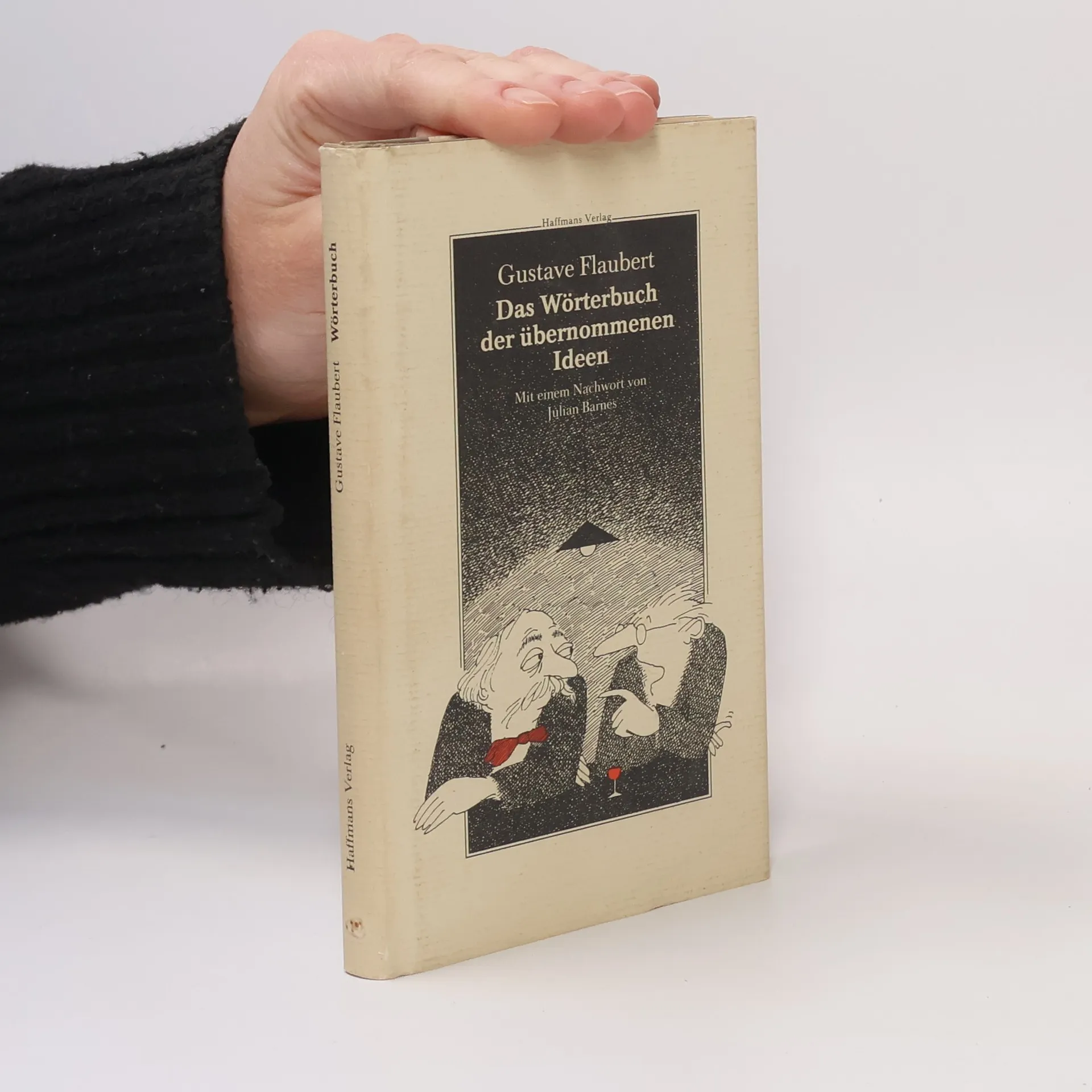
"Il y a à parier que toute idée publique, toute convention reçue, est une sottise, car elle a convenu au plus grand nombre". Exergue du Dictionnaire des idées reçues - oeuvre inachevée aux multiples manuscrits -, cette maxime de Chamfort en donne le ton incisif. "Actrice", "mélancolie", "pédantisme", "voyageur", "candeur", "duel", "laboureurs", "religion"... Sur des sujets aussi variés, Flaubert y relève en effet pensées figées et lieux communs, traquant la vacuité avec une ironie mordante.
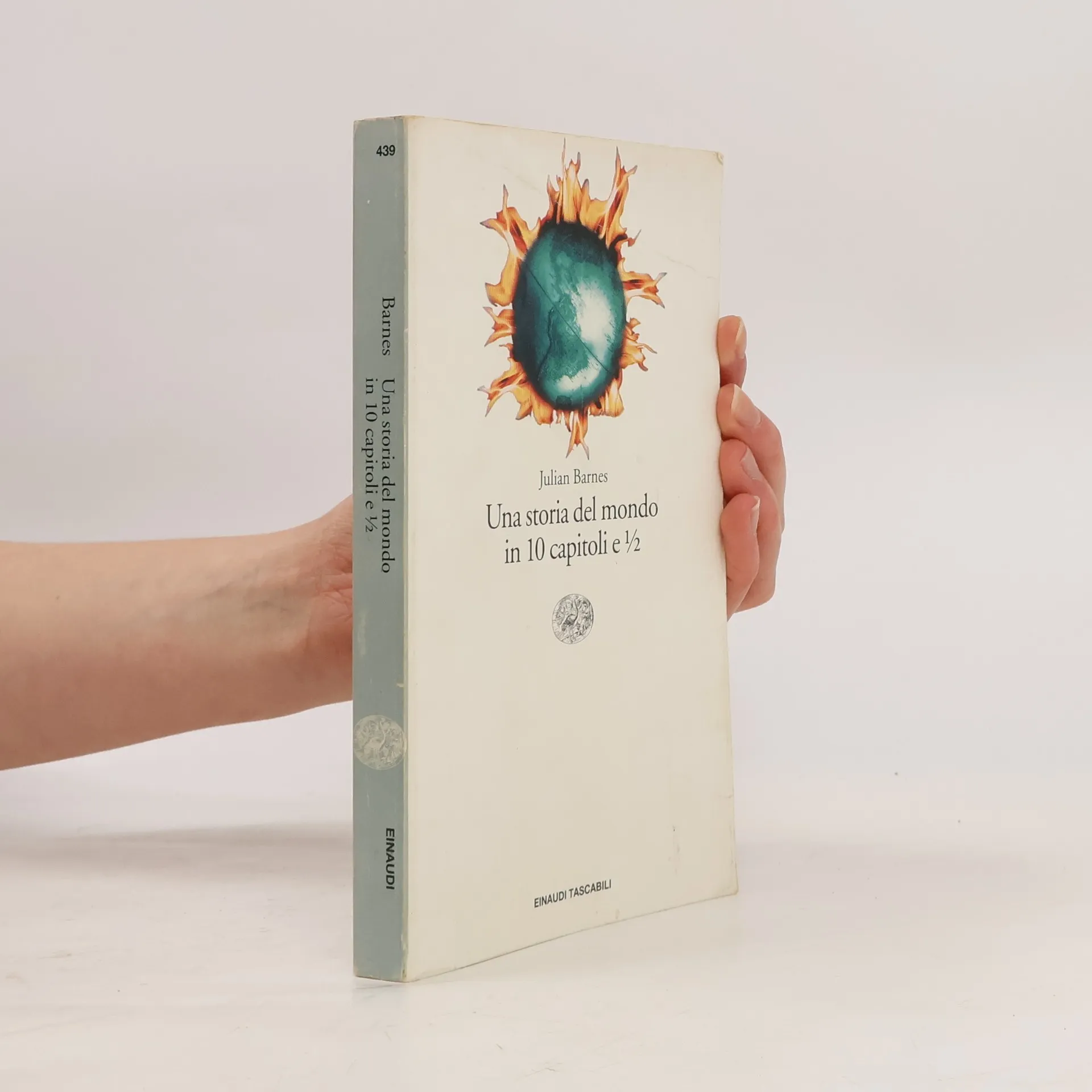
Quando le cronache ufficiali descrissero l’impresa di Noè, sorvolarono su una serie di episodi poco edificanti che, se fossero stati rivelati, avrebbero potuto ridimensionare il valore mitico dell’epopea. Nessuno, però, sapeva che un animaletto, salito a bordo da clandestino, era stato testimone di quei retroscena non proprio eroici, e aveva deciso di raccontarli. Come si conclusero i processi ecclesiastici celebrati nella Francia medievale contro quei tarli accusati di avere rosicchiato gli arredi sacri? Che cosa capitò a Spike Tiggler, l’astronauta che, dopo aver portato un pallone sulla luna, svelò il mistero del Monte Ararat? E quale fine fece l’unicorno che godeva di cosí tante attenzioni da parte della moglie di Noè? Rimbalzando di continuo tra epoche e situazioni diverse, Julian Barnes ripercorre le grandezze e le follie dell’umanità, lanciando una sfida ambiziosa alla fantasia del lettore: immaginare un mondo completamente nuovo.
Beginning with an unlikely stowaway's account of life on board Noah's Ark, A History of the World in 10½ Chapters presents a surprising, subversive, fictional history of earth told from several kaleidoscopic perspectives. Noah disembarks from his ark but he and his Voyage are not forgotten: they are revisited in on other centuries and other climes - by a Victorian spinster mourning her father, by an American astronaut on an obsessive personal mission. We journey to the Titanic, to the Amazon, to the raft of the Medusa , and to an ecclesiastical court in medieval France where a bizarre case is about to begin... This is no ordinary history, but something stranger, a challenge and a delight for the reader's imagination. Ambitious yet accessible, witty and playfully serious, this is the work of a brilliant novelist.
Into the rarefied atmosphere of the Hotel du Lac timidly walks Edith Hope, romantic novelist and holder of modest dreams. Edith has been exiled from home after embarrassing herself and her friends. She has refused to sacrifice her ideals and remains stubbornly single. But among the pampered women and minor nobility Edith finds Mr Neville, and her chance to escape from a life of humiliating spinsterhood is renewed ... Winner of the Booker Prize in 1984, �Hotel du Lac� was described by The Times as �A smashing love story. It is very romantic. It is also humorous, witty, touching and formidably clever�.
The book offers a unique exploration of France through the lens of early motor travel, capturing the historical context and significance of the journey. Its preservation in a modern format ensures clarity and readability, making it accessible for contemporary audiences. This edition reflects a commitment to maintaining the book's importance in history, appealing to those interested in the genres of history and cultural exploration of the Eastern Hemisphere.
Nick Duffy, einst Polizist der Sittenpolizei, hat sich nach Gerüchten über sein Sexualleben in den privaten Sicherheitsdienst gewandert. Er ist vertraut mit Londons zwielichtigen Angeboten und der ideale Mann für moralisch fragwürdige Fälle. In einem ersten Fall wird Duffy von einem dubiosen Geschäftsmann engagiert, der von einem der gefährlichsten Verbrecherbosse der Stadt erpresst wird. Duffy muss sich durch das Untergrundmilieu von Soho kämpfen, das von Prostituierten, Pornomogulen und Gangstern geprägt ist. In einem weiteren Fall haben die Frachtdiebe am Flughafen Heathrow ein Problem: Jemand stiehlt mehr als seinen Anteil. Die Gangster benötigen einen Privatdetektiv, und der heruntergekommene Duffy nimmt die Herausforderung an. Zusätzlich wird Duffy von einer Drittligamannschaft engagiert, die mit ungewöhnlich vielen Verletzungen zu kämpfen hat. Der Trainer beauftragt ihn, herauszufinden, wer das Team absichtlich schädigt, und Duffy sieht sich leidenschaftlichen Fans und harten Skinheads gegenüber. Schließlich wird Duffy als Sicherheitsberater zu einem Landhaus gerufen, um den Vorfall mit dem Hund des Besitzers zu klären. Bei seiner Ankunft findet er Braunscombe Hall voller exzentrischer Gäste, die alle verdächtig erscheinen.
Wie groß ist eine "mittlere" Zwiebel? Wie umfangreich eine "Prise" Salz? Und was, zum Teufel, ist der Unterschied zwischen Schneiden und Hacken? Diese und noch ganz andere Fragen stellt sich der Pedant in der Küche.§Ängstlich befolgt er die Kochanleitung Schritt für Schritt, nur, um am Ende festzustellen, daß alle Fotos in Kochbüchern lügen. Amüsant und mit einem guten Schuß britischen Humors gewürzt, schildert der Bestsellerautor und langjährige Hobbykoch Julian Barnes die Nöte und Freuden des lukullischen Handwerkers - kongenial interpretiert von Jörg Gudzuhn. Endlich ein Hörbuch für alle, die gern kochen und gern essen.
Bloemlezing van verhalen van binnen- en buitenlandse auteurs over reizen, met name door de Provence.
Вы полагаете, что знаете, кто такой Гюстав Флобер? Вы полагаете, что знаете, что важнее для нас, читателей, его книги или его жизнь? Книги? Но тогда... почему творчество писателя заставляет нас буквально охотиться за мельчайшими фактами его жизни? ПОЧЕМУ мы верим, что чучело попугая Флобера способно дать ключ к пониманию ВСЕГО, что написано им? Может, потому, что ТАК ОНО И ЕСТЬ? Перед вами — «Попугай Флобера». Роман настолько забавный и остроумный, насколько это только может сделать Джулиан Барнс!
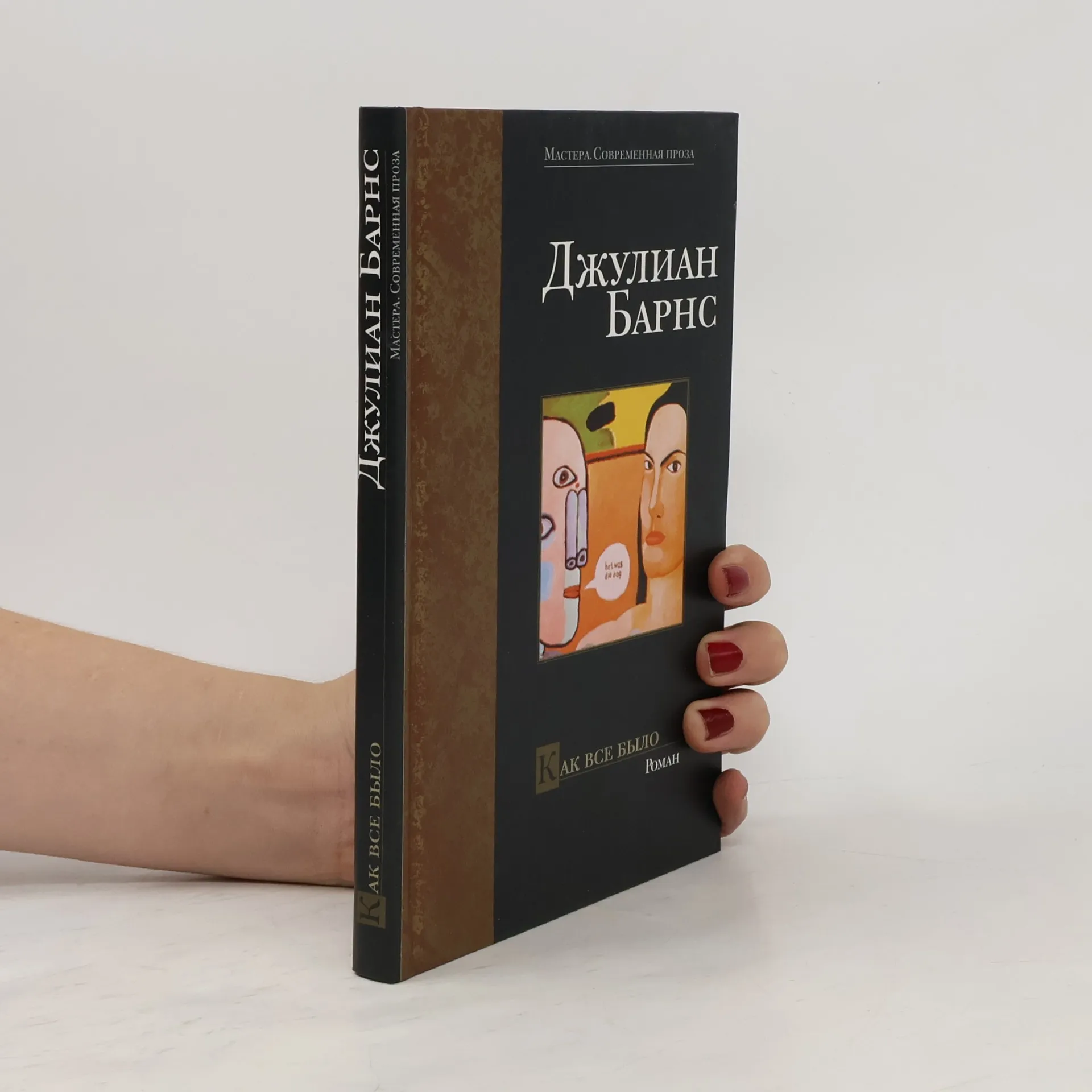
От издателя Перед вами "любовный треугольник" скромного банковского служащего, талантливого неудачника и средней руки художницы-реставратора...
Des champs de bataille de la Somme aux vignobles bordelais en passant par le Paris des surréalistes, quand les Anglais traversent la Manche pour parcourir la France, cela donne des situations tantôt cocasses, tantôt touchantes, mais toujours surprenantes. Trois nouvelles savoureuses et pleines d'humour du plus francophile des écrivains britanniques.
Mit einem Nachwort von Julian Barnes
Nachw. Barnes, Julian. 125 S.
Dan Kavanaghs dritter Roman mit Duffy. Diesmal untersucht Duffy die problematische Welt des englischen Fußballs in der dritten Liga und sieht sich gleichzeitig Fragen zu seiner möglichen Begegnung mit AIDS gegenüber.
Intensive Leseerlebnisse, kompakte Handlungen, verstaubar auch im kleinen Gepäck – kurze Bücher haben ihre ganz eigenen Stärken. Die ZEIT-Edition »kurz & gut« versammelt neun außergewöhnliche, kurze Romane der modernen Weltliteratur. Sie erzählen ihre Geschichte auf maximal 190 Seiten und faszinieren durch ihre Prägnanz. Ein Genuss für Liebhaber erstklassiger Literatur und alle leicht Reisenden, Eiligen und begeisterten Kurzleser. Dass die Kürze nicht auf Kosten der Qualität geht, beweisen zum Beispiel gleich drei Nobelpreisträger: Gabriel García Márquez, Annie Ernaux und Han Kang erzählen mit »Chronik eines angekündigten Todes«, »Die Vegetarierin« und »Der Platz« großartige Geschichten im schmalen Format. Auch die erfolgreichen Gegenwartsautoren Robert Seethaler und Elizabeth Strout benötigen mit ihren Romanen »Ein ganzes Leben« und »Die Unvollkommenheit der Liebe« nur wenige Seiten mehr, um die Schicksale einzelner Menschen für uns zum Leben zu erwecken. Jeder der 9 Bände enthält ein exklusives Nachwort von ZEIT-Autorinnen und Autoren. Sie erklären Hintergründe, schildern das Besondere und stellen Zusammenhänge dar.
Adámek s otcom pozorujú lastovičky, ktoré odlietajú na druhý koniec sveta. Mohol by som sa dostať taky tak ďaleko, až budem veľký? pýta sa Adámek. Určite, a možno aj ďalej, hovorí otec. Ale čo keď padne noc, čo keď sa zdvihne veľký vietor? Čo keď sa stratím alebo sa budem cítiť osamelý? Jedna za druhou poodhaľujú Adámková otázky obavy z neznámej cesty, ktoré my dospelí hovoríme život. Otecko Adamov strach netlmí. Vysvetľuje, svojimi slovami mu dodáva odvahu a sebadôveru, aby sa nebál objavovať svet, aby hľadal krásu všade a vo všetkom, aby svoju loďku riadil po svojom a práve takou rýchlosťou, aká mu bude vyhovovať. Tatínkovy odpovede upokojujú, oslobodzujú a predovšetkým uisťujú chlapčeka o otcovom ničím neohrozene láske. Rovnako ako u Mám ťa rada a Mám ťa rád sestrička, jednoduché ilustrácie perfektne sprevádzajú silný, dojemný a pozitívne vzkaz deťom i dospelým. V úvode knihy sú opäť pripravené prázdne riadky, do ktorých môžu oteckovia napísať svojmu dieťaťu venovanie.
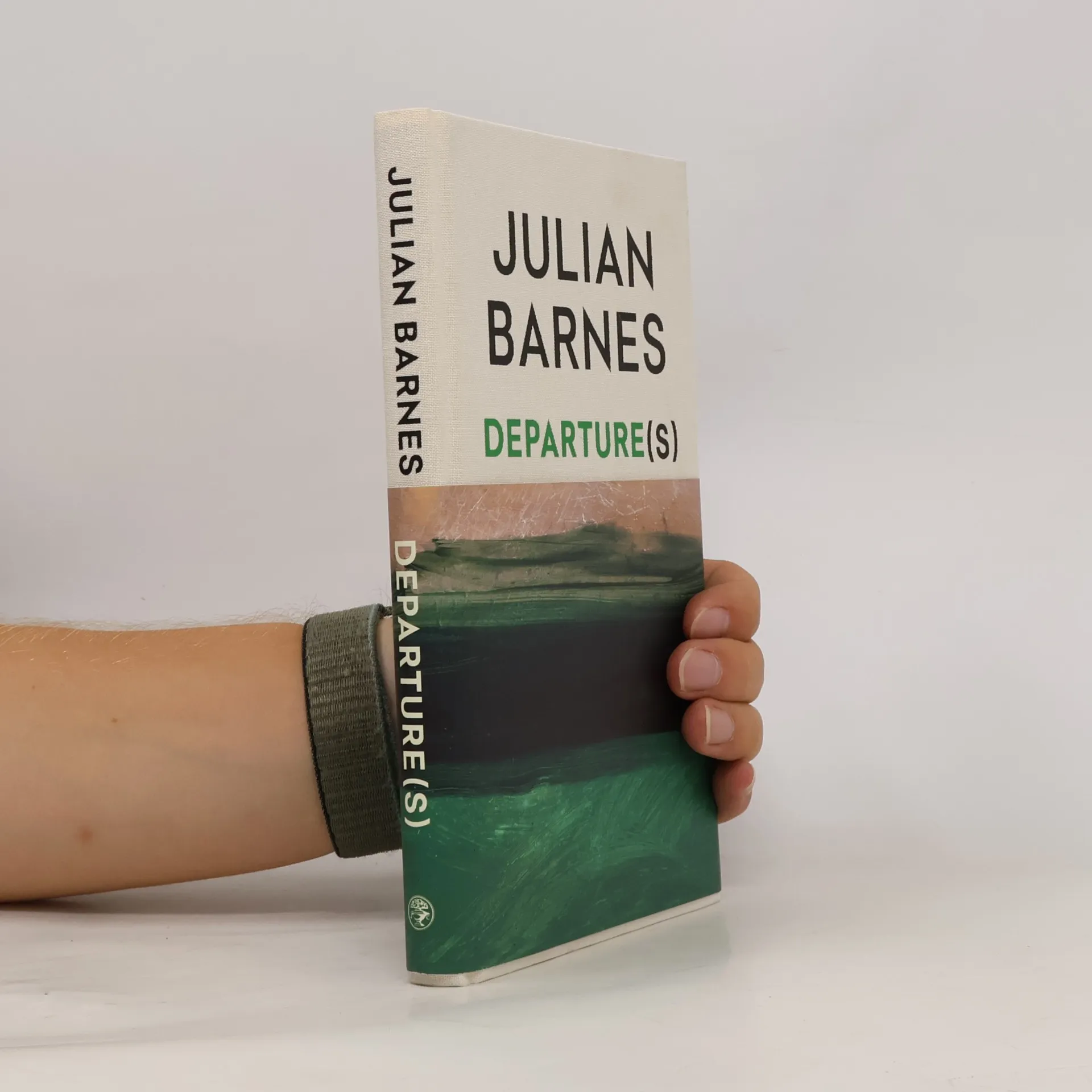
Môže byť láska na druhý pokus dokonalejšia než tá prvá? Keď sa Stephen a Jean po štyridsiatich rokoch opäť stretnú, zdá sa, že ich príbeh plynule nadväzuje tam, kde v mladosti skončil. Ale je to skutočne tak? Julian Barnes vo svojom rozlúčkovom románe predostiera fascinujúcu mozaiku pamäte, identity a starnutia, v ktorej sa hranica medzi skutočnosťou a rozprávaním neustále zahmlieva.