

Explore the latest books of this year!
Bookbot

Gilda Williams

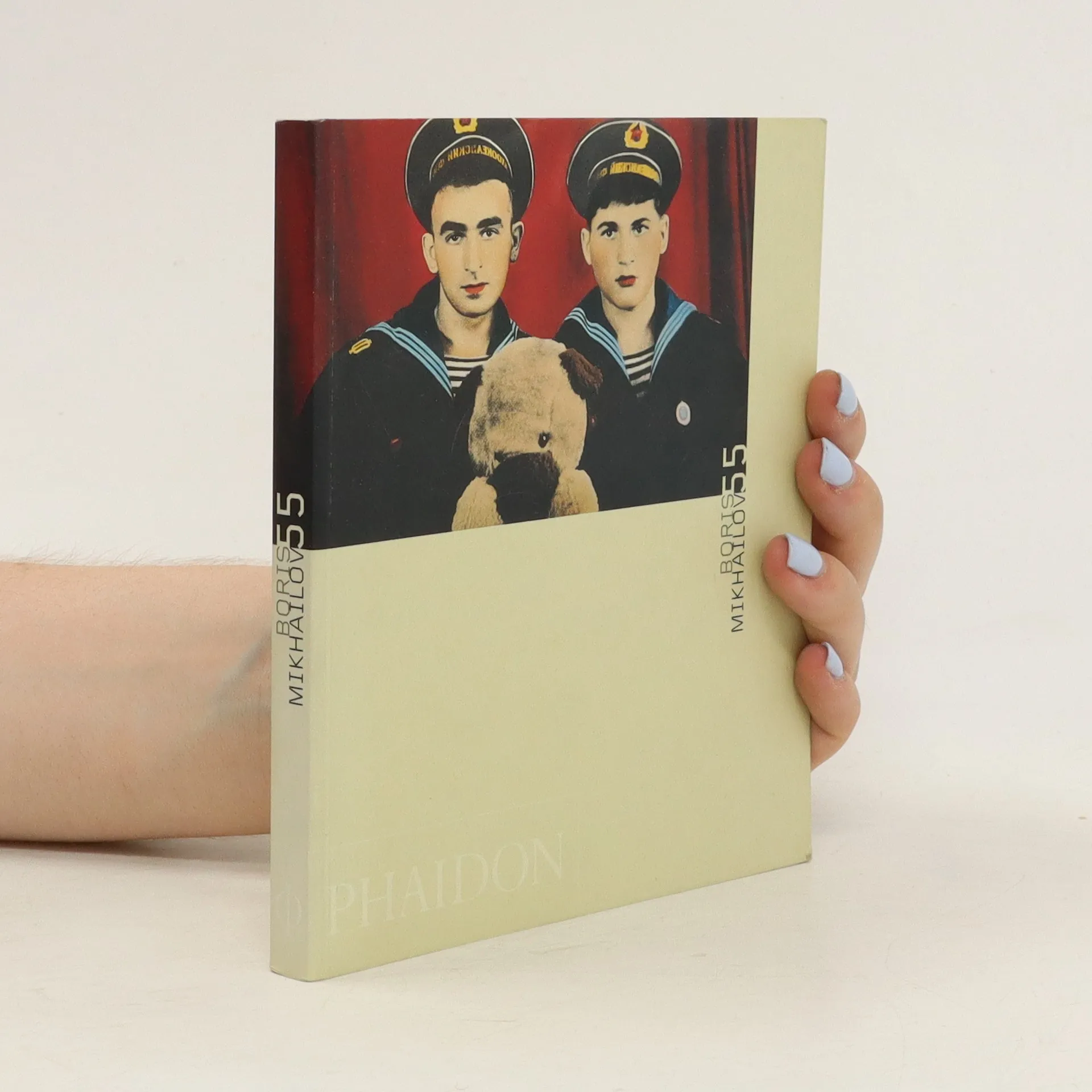
    Boris Mikhailov
    Fiona Tan: Mit der anderen Hand - Reader
    Learning Zulu
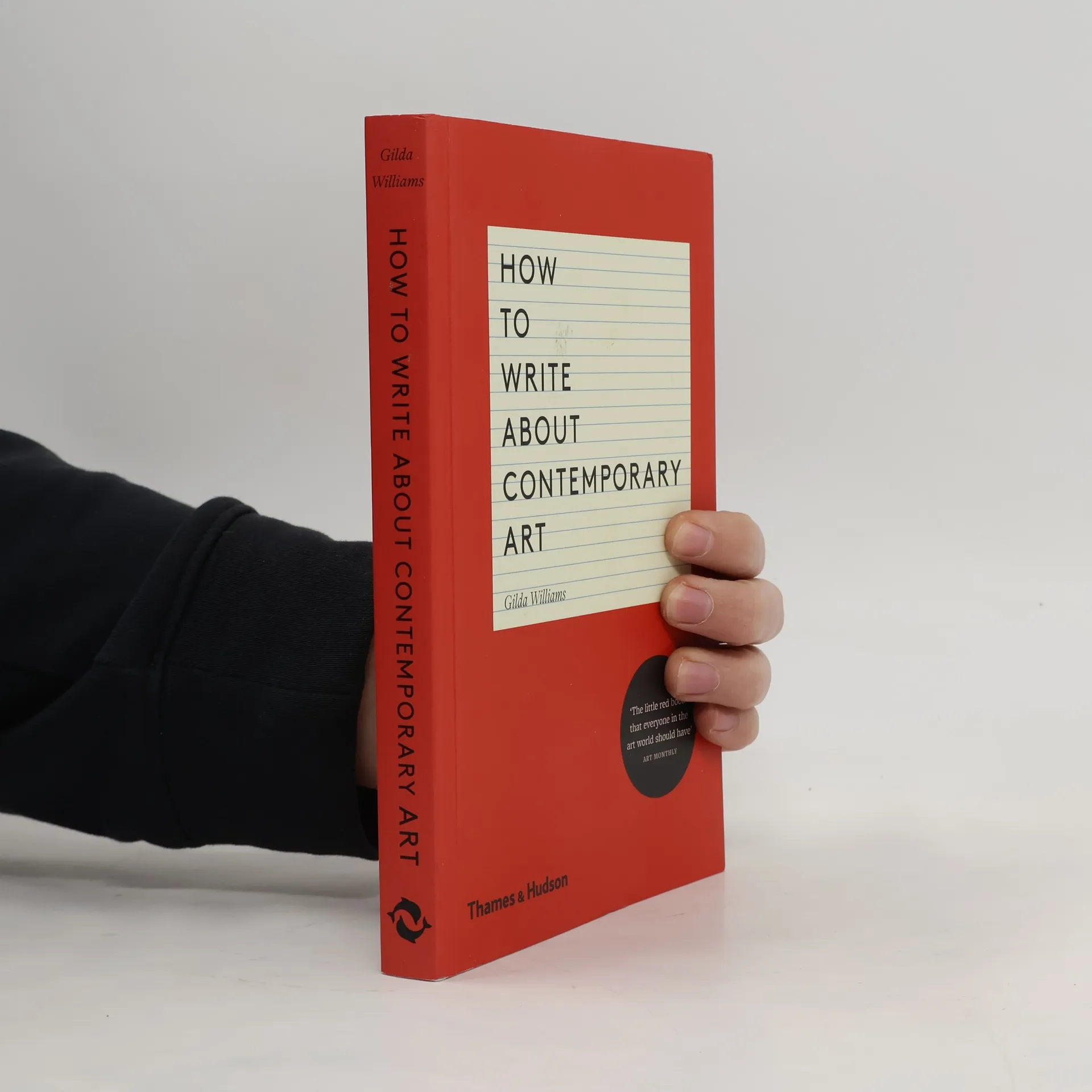
    How to write about contemporary art
    • How to write about contemporary art

      • 264 pages
      • 10 hours of reading
      4.2(449)Add rating

      This guide is essential for anyone looking to write engagingly about contemporary art, serving students, arts professionals, and aspiring writers alike. It covers key elements of style and content, including aims, structure, tone, and language. The book is filled with practical tips across various forms of art writing, such as academic essays, press releases, auction and exhibition texts, gallery guides, op-ed journalism, exhibition reviews, and online content. Gilda Williams advises against common pitfalls like jargon and poor structure, emphasizing the importance of close observation and research. She demonstrates how to use language effectively, develop new ideas, and create compelling texts. The book features over 30 illustrations that support case studies of exemplary writing by 64 authors, including Claire Bishop, Thomas Crow, and Hito Steyerl. Additionally, it includes a general bibliography, grammar advice, and tips for building a contemporary art library. This handbook is a vital resource for anyone interested in effectively communicating about today's art.

      How to write about contemporary art
    • Learning Zulu

      • 208 pages
      • 8 hours of reading

      "Why are you learning Zulu?" When Mark Sanders began studying the language, he was often asked this question. In Learning Zulu, Sanders places his own endeavors within a wider context to uncover how, in the past 150 years of South African history, Zulu became a battleground for issues of property, possession, and deprivation. Sanders combines elements of analysis and memoir to explore a complex cultural history. Perceiving that colonial learners of Zulu saw themselves as repairing harm done to Africans by Europeans, Sanders reveals deeper motives at work in the development of Zulu-language learning—from the emergence of the pidgin Fanagalo among missionaries and traders in the nineteenth century to widespread efforts, in the twentieth and twenty-first centuries, to teach a correct form of Zulu. Sanders looks at the white appropriation of Zulu language, music, and dance in South African culture, and at the association of Zulu with a martial masculinity. In exploring how Zulu has come to represent what is most properly and powerfully African, Sanders examines differences in English- and Zulu-language press coverage of an important trial, as well as the role of linguistic purism in xenophobic violence in South Africa. Through one person's efforts to learn the Zulu language, Learning Zulu explores how a language's history and politics influence all individuals in a multilingual society.

      Learning Zulu
    • Fiona Tan: Mit der anderen Hand - Reader

      Museum der Moderne Salzburg / Kunsthalle Krems

      • 352 pages
      • 13 hours of reading

      Das Buch bietet eine umfassende Anleitung zur Textarbeit, die sich auf die Analyse und Interpretation von Texten konzentriert. Es vermittelt Techniken zur kritischen Auseinandersetzung mit verschiedenen Textsorten und fördert das Verständnis für stilistische Mittel und deren Wirkung. Zudem werden praktische Übungen und Beispiele bereitgestellt, die es den Lesern ermöglichen, ihre Fähigkeiten in der Textbearbeitung zu verbessern. Die Kombination aus theoretischem Wissen und praktischen Anwendungen macht es zu einem wertvollen Werkzeug für Studierende und alle, die sich intensiv mit Texten beschäftigen möchten.

      Fiona Tan: Mit der anderen Hand - Reader