Miniature Japanese Gardens
- 112 pages
- 4 hours of reading
Miniature Japanese Gardens shows you how to create container gardens with step-by-step photos and architectural drawings of each project presented.


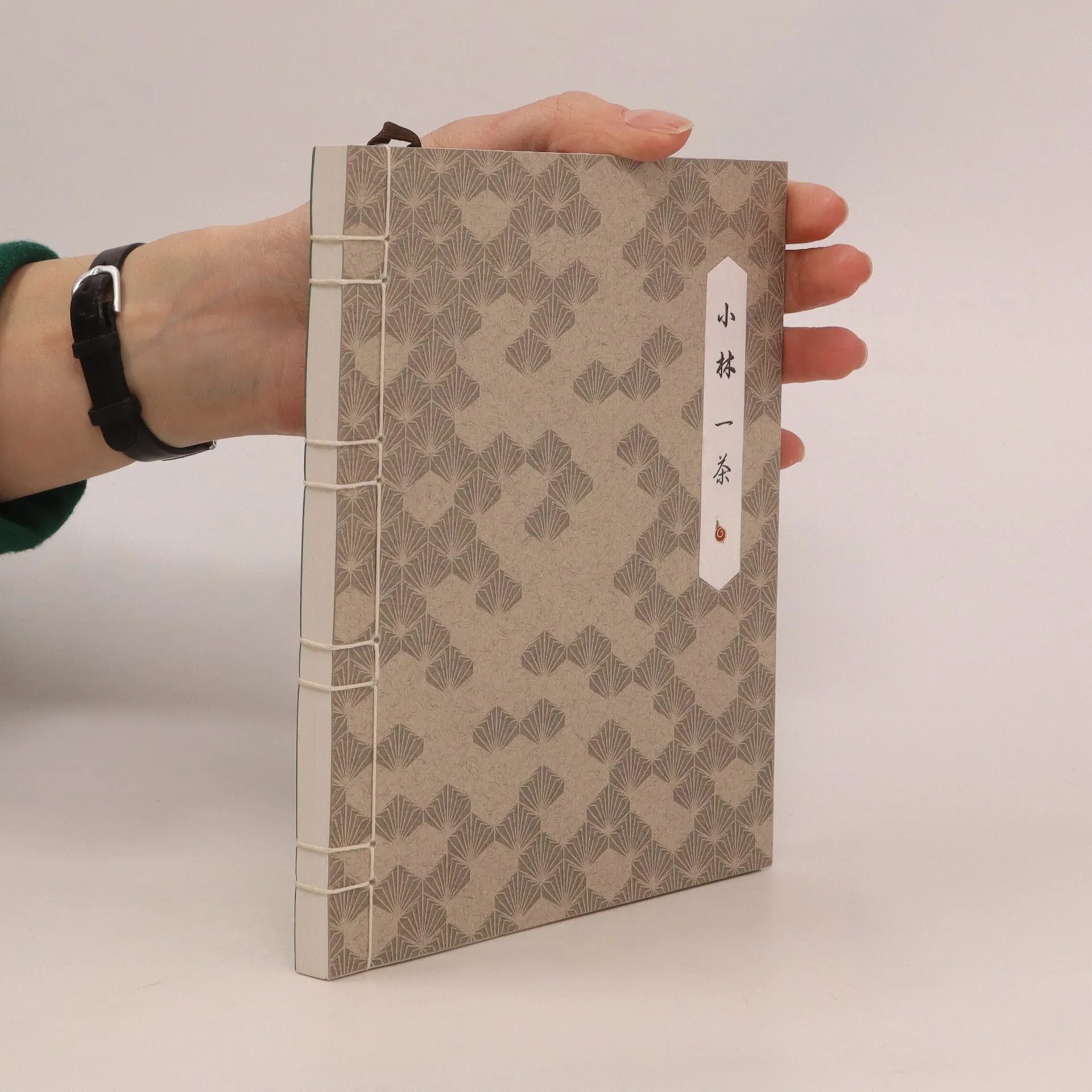
Kobayashi Issa was a Japanese poet renowned for his haiku and journals. He is considered one of the four haiku masters in Japan, alongside Bashō, Buson, and Shiki. His works, filled with life's paradoxes and subtle observations of nature, reflect a deep compassion for humanity and small creatures. With an uncommon humor and a kindly perspective on the world, Issa brings a unique, personal viewpoint to the traditional haiku form.



Miniature Japanese Gardens shows you how to create container gardens with step-by-step photos and architectural drawings of each project presented.
Colourful and hardy succulents meet the simple principles of Japanese Bonsai and Ikebana in this unique guide to container gardening.
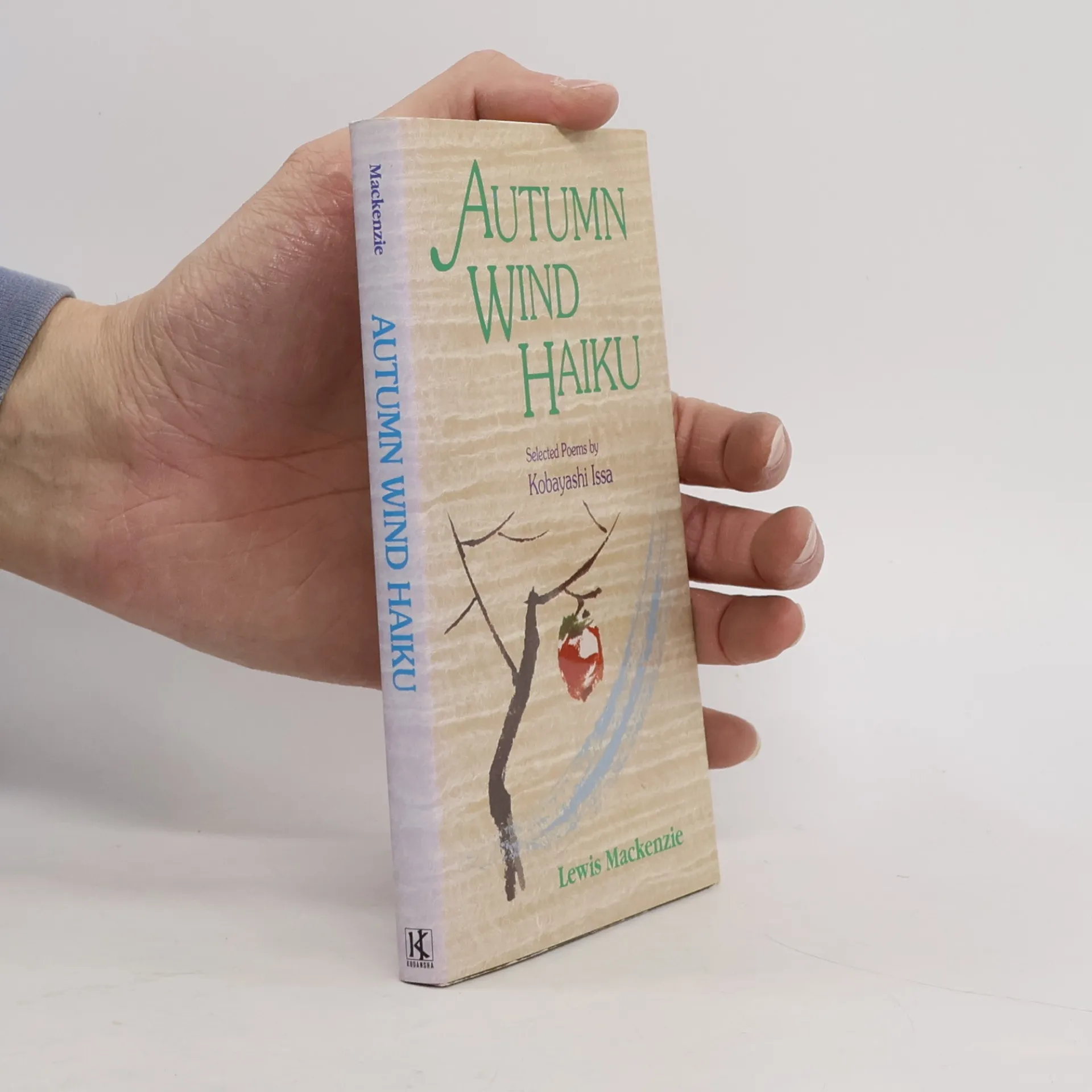
From one of Japan's favorite haiku poets, this selection of his best works comes in both English and the original language, accompanied by a commentary and short biography written by a gifted and enthusiastic translator.
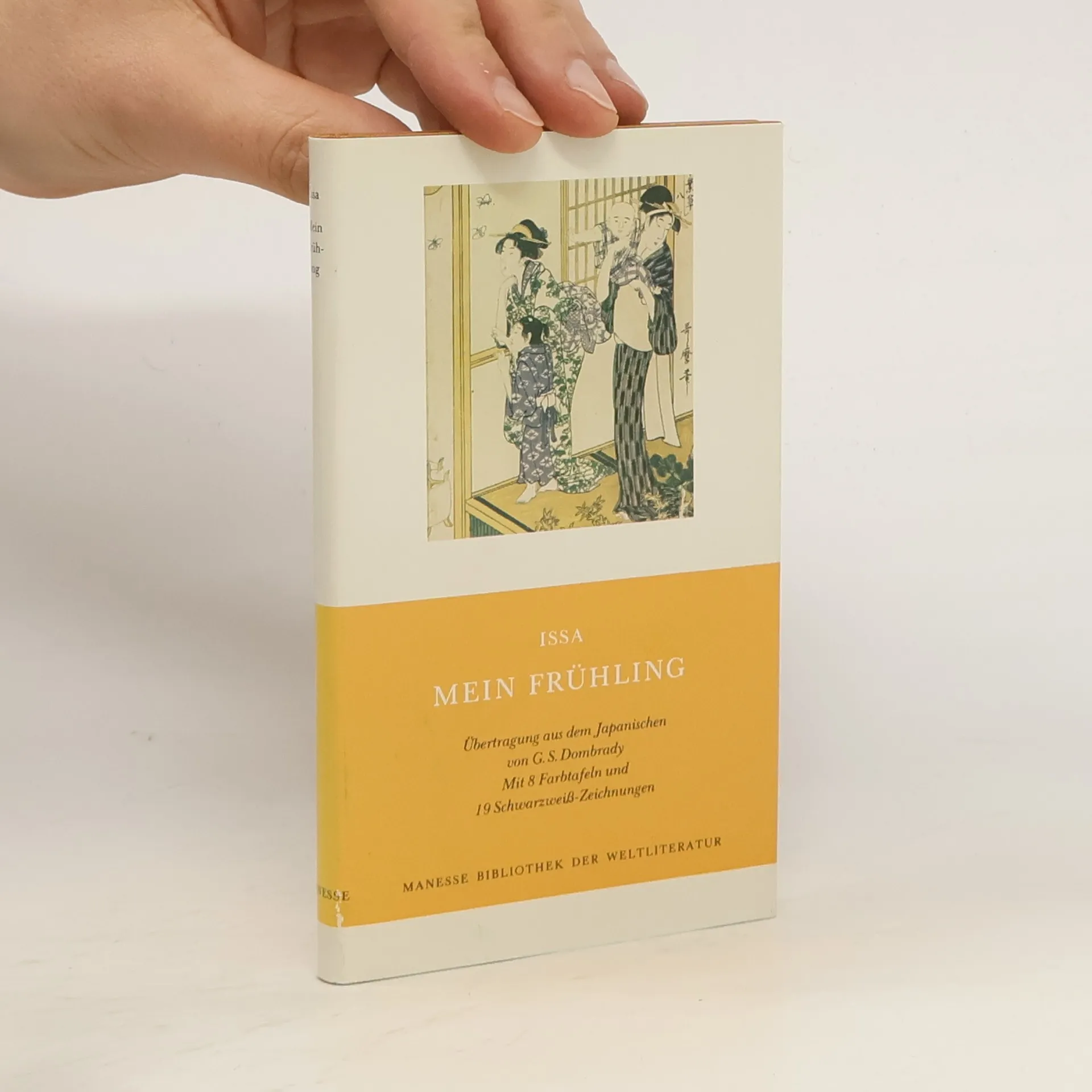
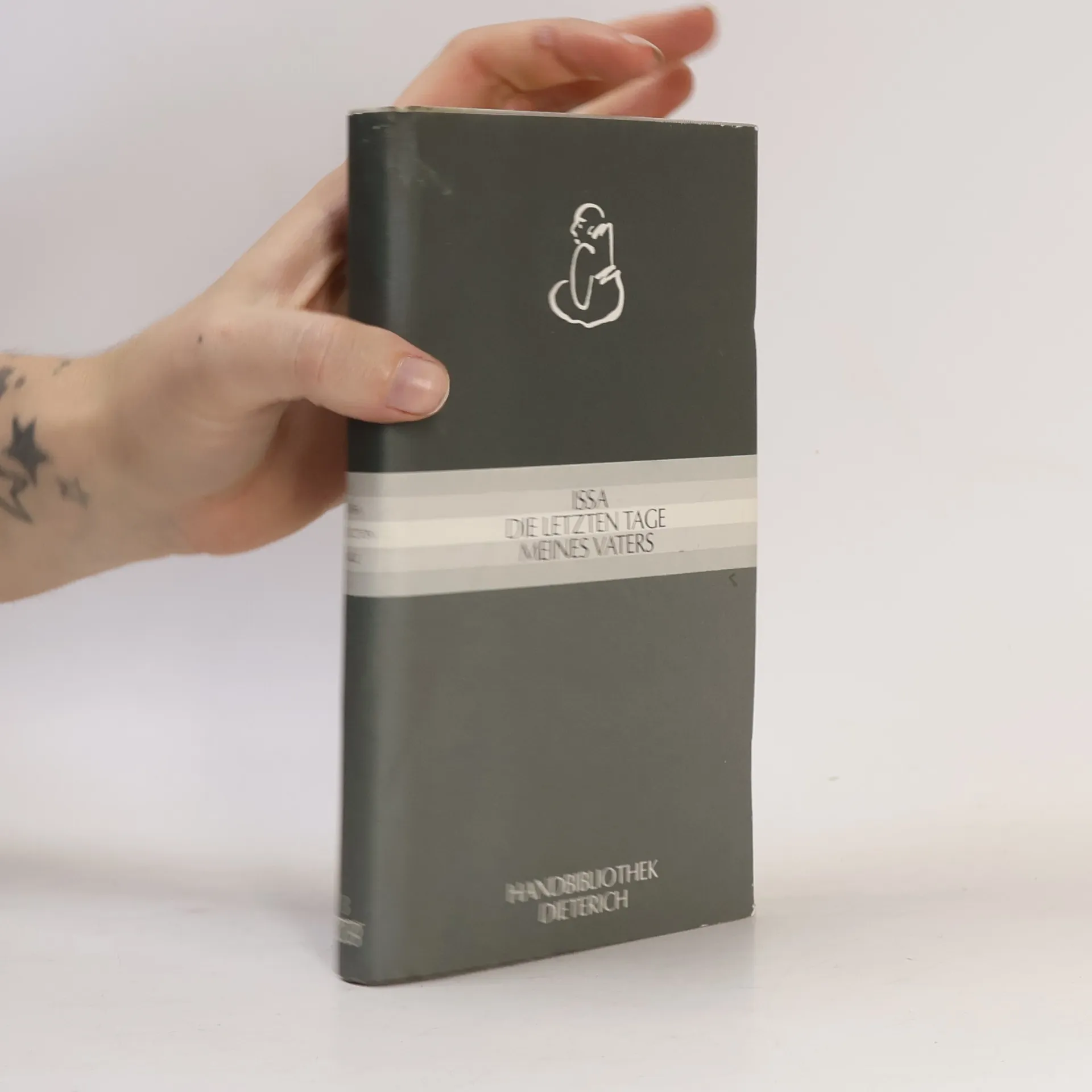
Der japanische Haiku-Dichter Kobayashi Issa (1763–1827) kehrte im Juni 1801 nach langen Jahren in der Fremde in sein bäuerlich geprägtes Elternhaus zurück. Über vier Wochen begleitete er Krankheit und Sterben des geliebten Vaters – belastet durch Dissonanzen mit Stiefmutter und Halbbruder. Das buddhistisch grundierte, von warmem Mitgefühl getragene Werk ist realistischer Bericht und poetisches Tagebuch zugleich. Die in das Tagebuch eingelassenen Haiku werden durch weitere Haiku-Verse und Zeichnungen Issas ergänzt. Zahlreiche Anmerkungen, ein ausführliches Nachwort und eine Biographie erschließen das reiche poetische Material in der ganzen Breite der religiösen, literarischen und geographischen Anspielungen. Mit einem Vorwort zur 2. Auflage von Hanns-Josef Ortheil.
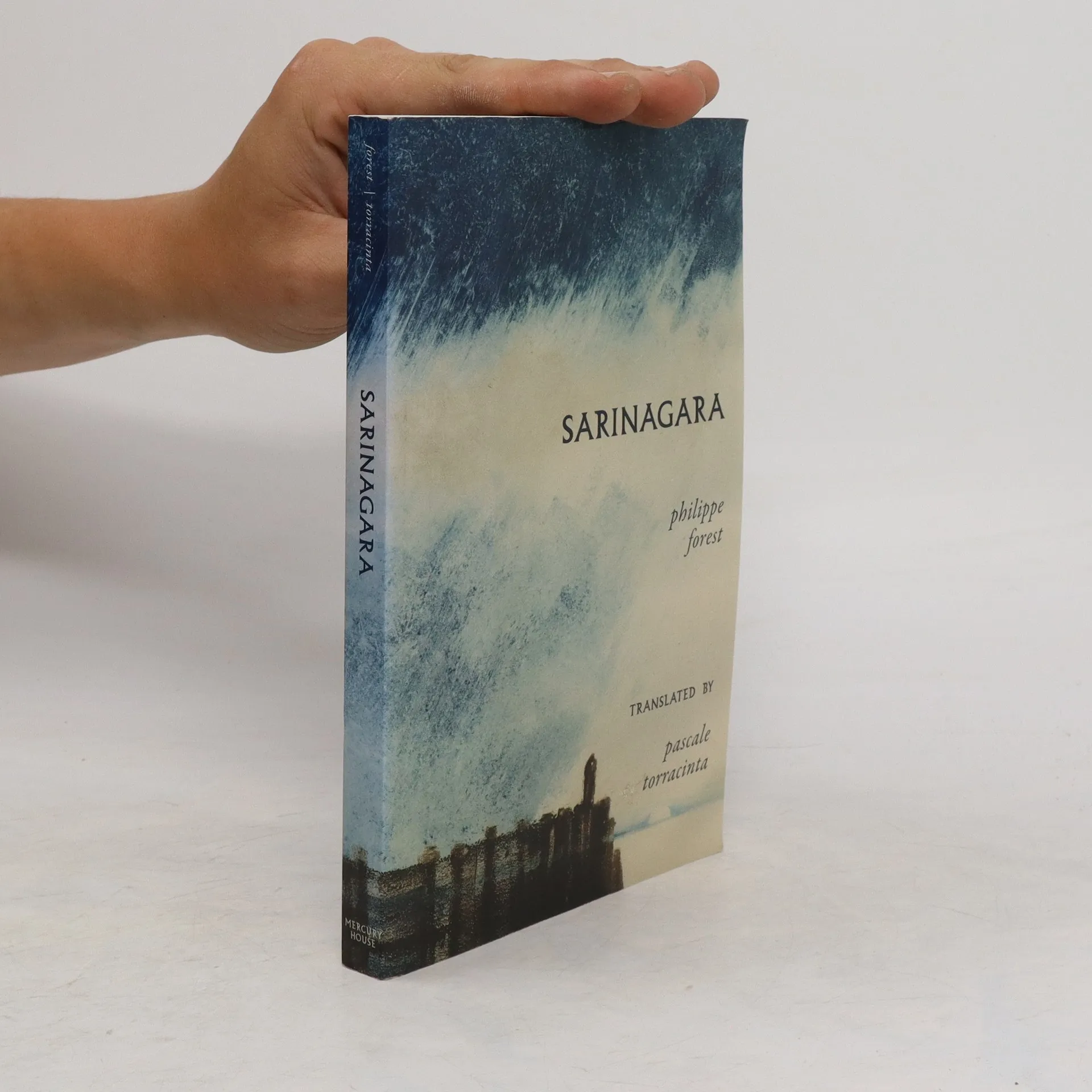
Fiction. Translated from the French by Pascale Torracinta. 2008 Recipient of the Hemingway Translation Grant. In Japanese, "Sarinagara" means "and yet." This word is the last word of one of the most famous poems of Japanese literature. When he writes it, Kobayashi Issa has just lost his only child: yes, all is emptiness. But Issa mysteriously adds this last word to his poem, leaving its meaning in suspense. This enigma is the theme of a narrative that brings together the stories of three Japanese artists across the centuries: Issa, the last great Haiku master of the 18th century, Natsume Soseki, inventor of the Japanese modern novel at the end of the 19th century, and Yamahata Yosuke, who was the first photographer to take pictures of the victims and ruins of Nagasaki in August 1945. These three "dreamed lives" make the substance of a narrative that takes the reader from Paris to Kyoto and from Tokyo to Kobe, and asks the question of how anyone can hope to survive the most heartbreaking experience.
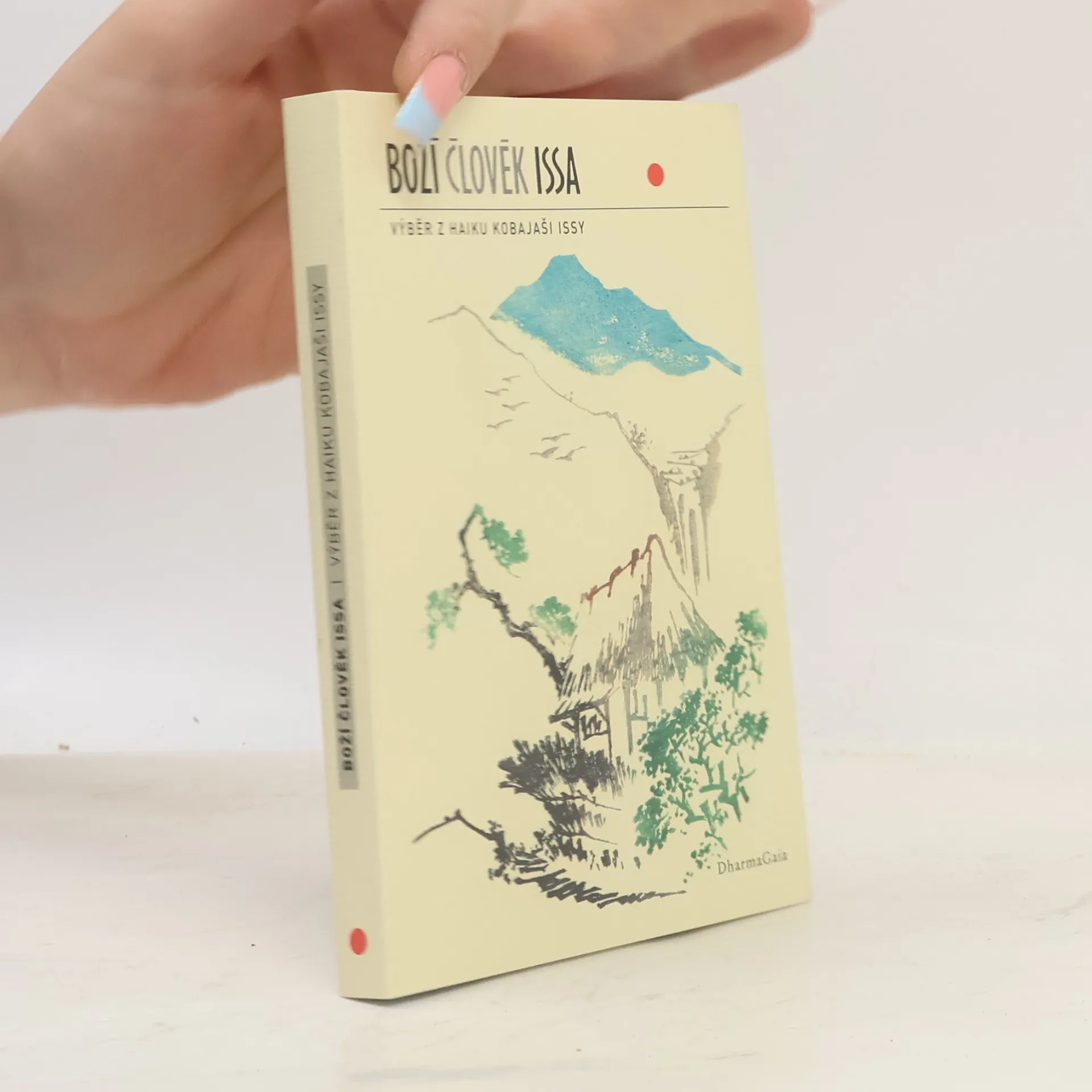
Čtyři slavní japonští básníci 17.-19. století: „zenový filosof a estét“ Bašó, „boží člověk“ Issa, „malíř a intelektuál“ Buson a „piják a poutník“ Santóka a výběr z jejich haiku v překladu Antonína Límana. Originální kaligrafie Petr Geisler. Dotisk vychází v druhém vydání k nedožitým 90. narozeninám Antonína Límana. „Vrcholná haiku dosahují hranice nemožného: jsou záznamem mystické zkušenosti.“
Rozsáhlý výbor z díla jednoho z nejlepších japonských básníků Kobajašiho Issy (1763-1827), jehož tvorbu zná český milovník japonské poezie již z oblíbeného výboru Pár much a já (DharmaGaia 1996). Jeho haiku, zaměřená převážně na přírodní motivy (měsíc, květy, vítr, voda, zvířata, hmyz, ale i lidé a bozi), jsou díky jeho nesmírné citlivosti a otevřenosti vůči i těm nejdrobnějším tvorům považována za momentky absolutní komunikace. Překladatel Antonín Líman o něm napsal, že jeho něžný pohled má v sobě až vesmírnou toleranci a dětskou čistotu.
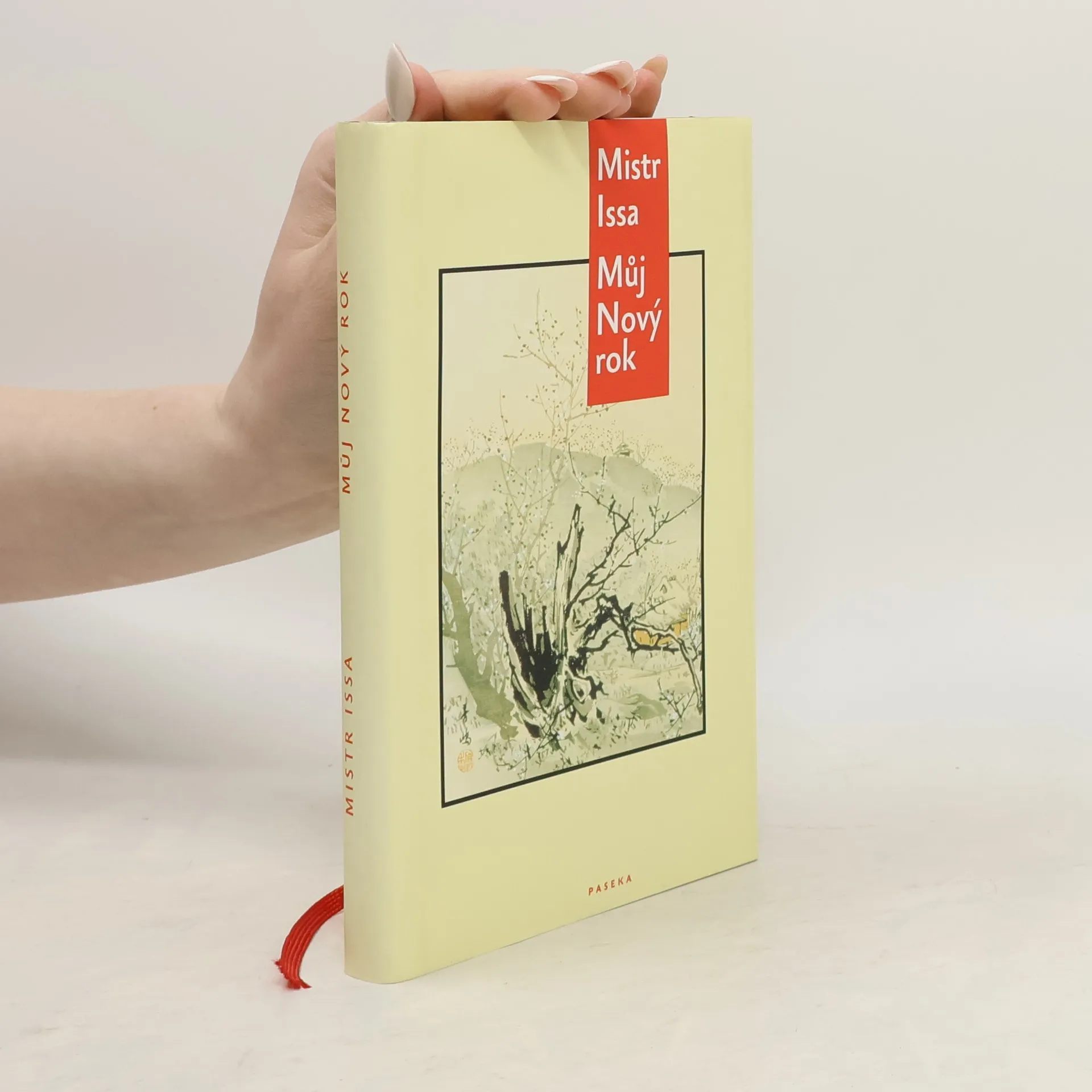
Můj Nový rok se řadí k nejlepším textům v tradici japonského prozaicko-poetického literárního deníku haibun, na jejímž počátku stojí i českému čtenáři známá Bašóova Úzká stezka do vnitrozemí. Bašóův následovník Issa reaguje ve svém osobně laděném textu především na smrt vlastní dcery; jeho básnické rekviem je přitom svědectvím o autorově vnitřním boji s žalem a snaze překonat bolest duše buddhistickým obrazem života jako přirozeného procesu proměn.
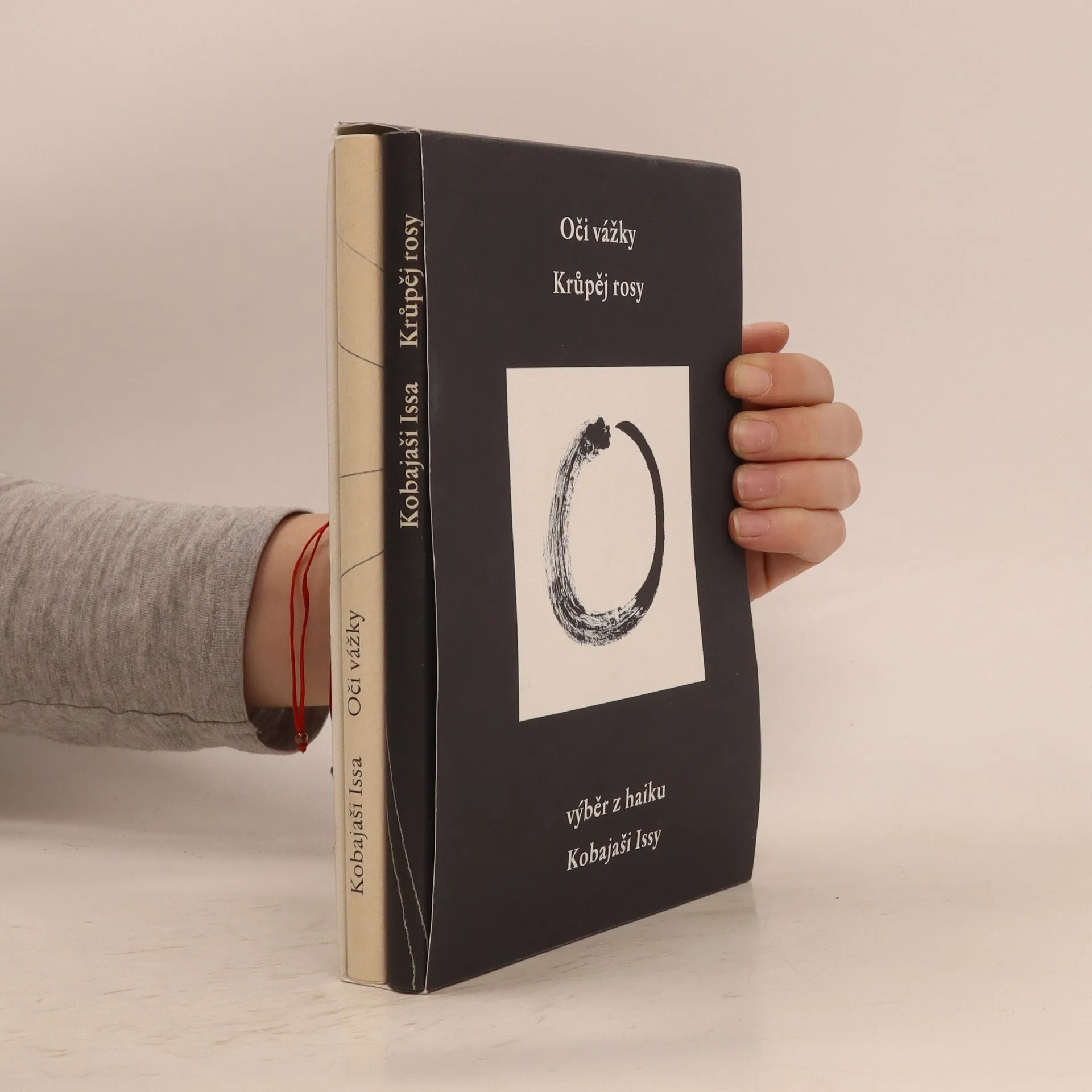
Dvě útlé knihy krátkých japonských básní haiku básníka Kobajaši Issy s krásnými ilustracemi Daniely Renčové potěší duši i oči. Absolventka Ústavu grafiky a designu v Plzni za toto výtvarné pojetí haiku získala ocenění Vojtěcha Preissiga od Spolku českých bibliofilů v soutěži Nejkrásnější české knihy roku 2012.