Susan Weinschenk applies insights from neuroscience to understand human motivation and behavior. With extensive experience as a behavioral psychologist, she focuses on what drives people and how to prompt them to take action. Her work delves into predicting and explaining human responses to enhance interactions between people and technology. Weinschenk aims to bridge scientific understanding with practical applications across various fields.
100 MORE Things Every Designer Needs To Know About People applies the latest research in psychology, neuroscience, brain research, and social psychology to the design of technology products, including websites, apps, wearables, and artificial intelligence. Weinschenk combines real science and research citations with practical examples to make her 100 MORE Things engaging, persuasive, easy to read, accessible, and useful.
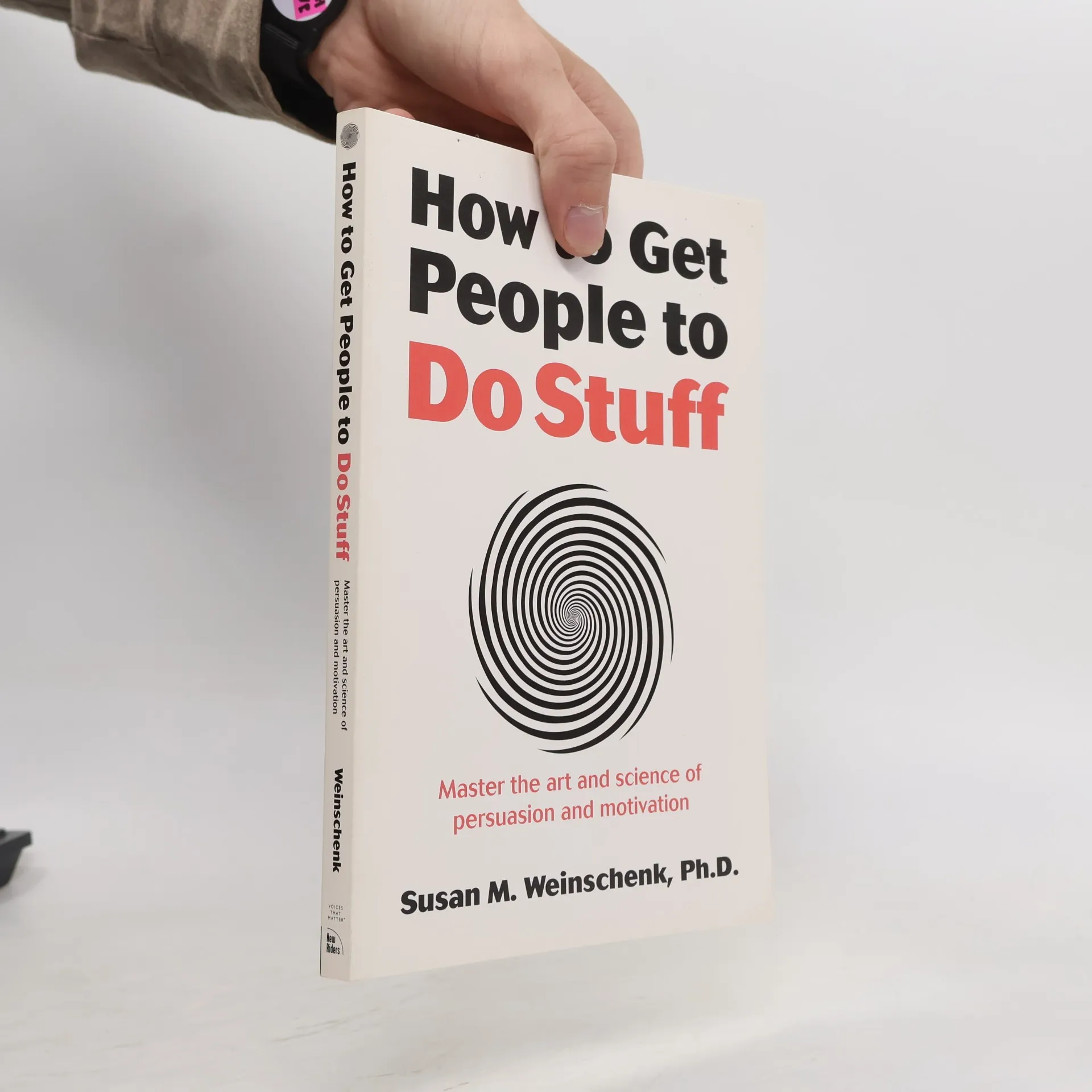
Master the art and science of persuasion and motivation
216 pages
8 hours of reading
We all want people to take action, whether it's customers buying, vendors offering good deals, employees showing initiative, or even spouses making dinner. Everyday interactions often revolve around motivating those around us. Instead of relying on hit-or-miss tactics, you can leverage psychology and brain science to inspire others to willingly engage in desired behaviors. This book outlines seven key drives that motivate people: The Desire For Mastery, The Need To Belong, The Power of Stories, Carrots and Sticks, Instincts, Habits, and Tricks Of The Mind. Behavioral psychologist Dr. Susan Weinschenk presents research on each drive, along with actionable strategies. For instance, more choices can lead to increased regret, so offering fewer options can help mitigate this. When using rewards, start with continuous reinforcement before transitioning to intermittent rewards. To encourage independent action, reference money; conversely, avoid monetary references to foster collaboration. To enhance memory retention, place important information at the beginning or end of communications, as middle content is often forgotten. Lastly, when providing feedback to boost the desire for mastery, keep it objective and refrain from including praise.
Provides information and examples to help designers create products, applications, Web sites, and print materials that match the way people think and feel.
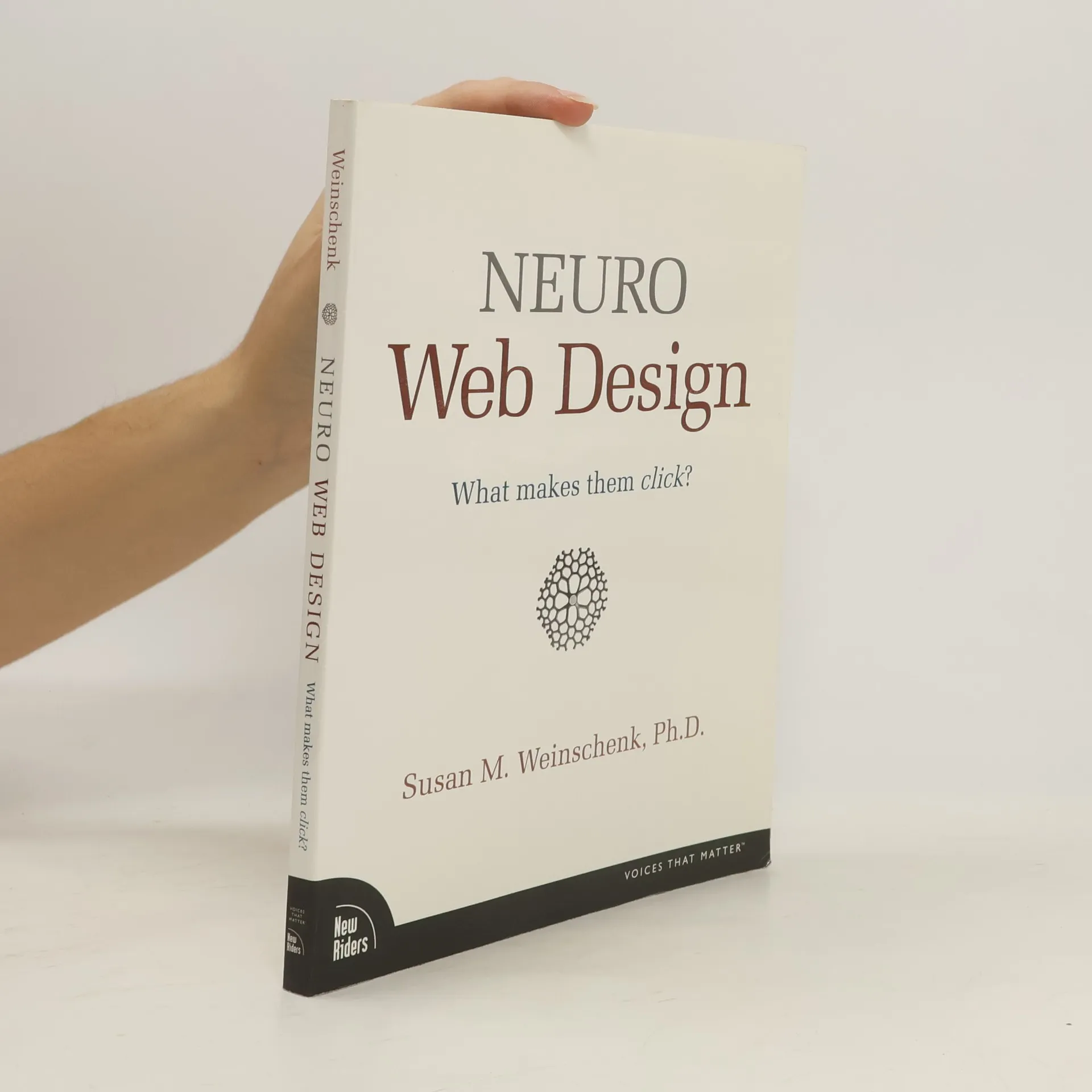
“While you’re reading Neuro Web Design, you’ll probably find yourself thinking ‘I already knew that…’ a lot. But when you’re finished, you’ll discover that your ability to create effective web sites has mysteriously improved. A brilliant idea for a book, and very nicely done.”— Steve Krug, author of Don’t Make Me Think!A Common Sense Approach to Web UsabilityWhy do people decide to buy a product online? Register at your Web site? Trust the information you provide? Neuro Web Design applies the research on motivation, decision making, and neuroscience to the design of Web sites. You will learn the unconscious reasons for people’s actions, how emotions affect decisions, and how to apply the principles of persuasion to design Web sites that encourage users to click.Neuro Web Design employs “neuro-marketing” concepts, which are at the intersection of psychology and user experience. It’s scientific, yet you’ll find it accessible, easy to read, and easy to understand. By applying the concepts and examples in this book, you’ll be able to dramatically increase the effectiveness and conversion rates of your own Web site.
Speech interface technology has arrived and will be a main feature in the next version of the interface software. For the millions of traditional graphical user-interface designers who need to make a rapid transition to stay abreast of this monumental shift in software development, this straightforward guide contains all the answers.