Unlock the hidden meanings and symbolism in your dreams with this comprehensive guide to over 200 detailed dream scenarios. Dreams can be one our most valuable sources of self-knowledge - if we understand how to interpret their meaning and symbolism. Even if we awake from a nightmare that has seemed all too real, or a vivid dream teeming with what may be significant imagery, it is rare for us to reflect on it beyond breakfast, or make it more than the subject of an idle chat with friends. From the five stages of sleep to the effects of sleep deprivation, from Freud's legacy to the work of contemporary dream specialists, a wide range of material unfolds, all beautifully and lucidly described. Paul Roland explores: The science of sleep and dreams The effect of sleep deprivation Sensory deprivation Lucid dreams The psychology of sleep Freud's legacy and Jung and the House of Psyche Find out about waking dreams and dreams of prophecy, prediction, disaster, and inspiration. The Dream Directory offers a close analysis of more than 200 detailed dream scenarios.
Paul Roland Book order (chronological)
Paul Roland is a British author and journalist recognized for his contributions to the study of the occult, history, and mysteries. His writing frequently delves into dark and unusual subjects, focusing on the captivating and sometimes unsettling facets of the human psyche and historical events. Roland's style is marked by meticulous research and engaging narrative, drawing readers into realms of enigma and hidden lore. His works offer a compelling exploration of lesser-known aspects of history and the supernatural, providing a unique perspective on the world.




Serial Killers
- 208 pages
- 8 hours of reading
Charles Manson was the illegitimate child of a teenage prostitute; in 1969, on his orders, eight people were hacked to death in an orgy of violence.Ted Bundy had the power to charm women. With his arm in a fake sling, he used to ask them to help him get his sailboat down off his car, but first they had to go to his house...Joanna Dennehy stabbed her lover Kevin Lee in the heart, dressed him in a black sequin dress, and dumped him in a ditch. To celebrate, she played Britney Spears' 'Oops!... I Did It Again' down her phone and then helped torch Lee's Ford Mondeo.Serial killers are the ultimate outlaws. They step outside not just the law but all human norms. They are fascinating because they are almost impossible to understand. It's comforting to know that all the serial killers featured here are now either dead or behind bars. Nevertheless, this book is not for people of a nervous disposition.
Hauntings
- 224 pages
- 8 hours of reading
This is a fascinating investigation into the 21st-century spooks that roam our cities, suburbs and shopping malls.
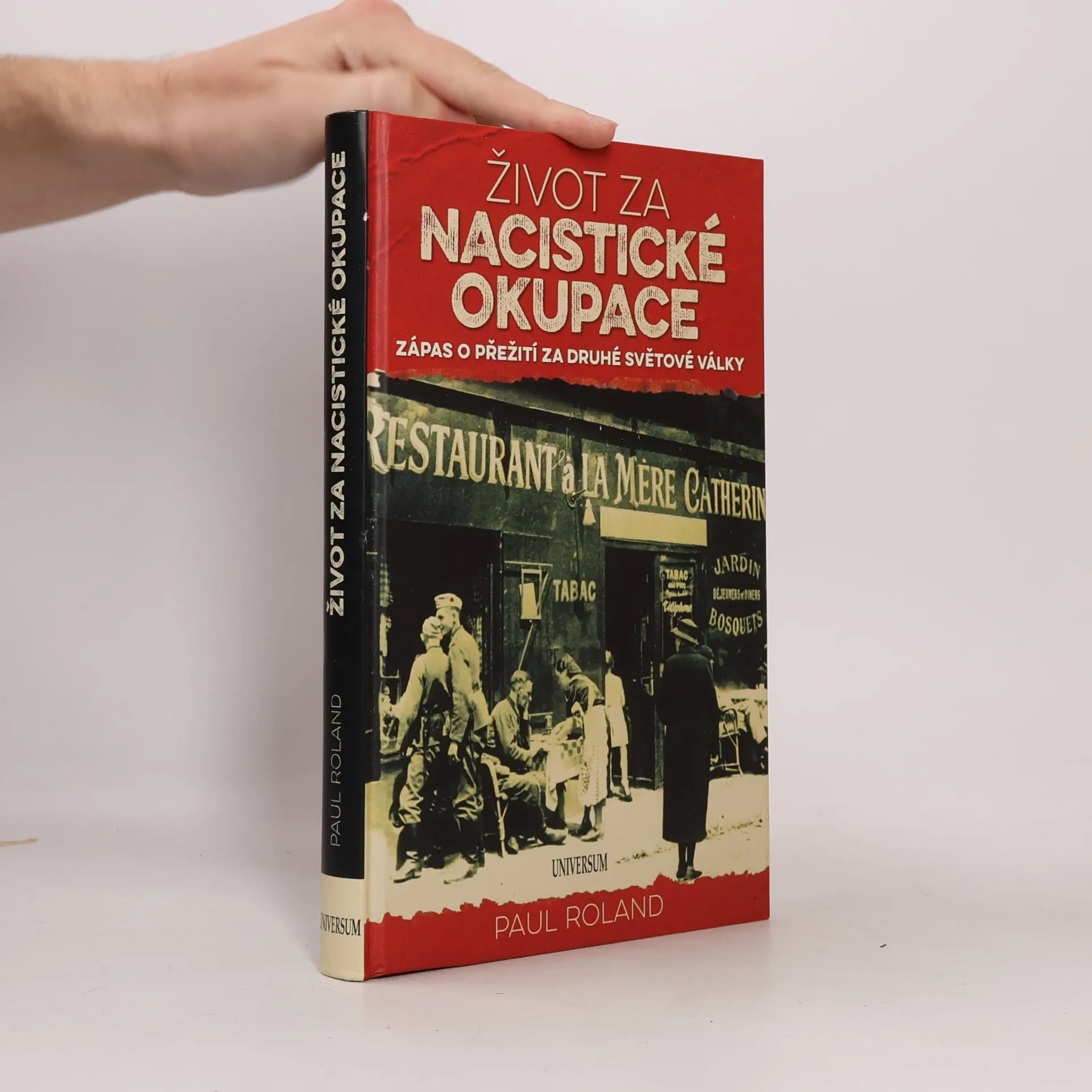
Život za nacistické okupace: zápas o přežití za druhé světové války
- 224 pages
- 8 hours of reading
Když nacisté vtrhli do cizí země, neměli v úmyslu nastolit spravedlivou vládu. Ba naopak. Rozkrádali historické poklady, průmysl i přírodní zdroje poražených národů s cílem prosadit německou nadvládu a nastolit v Evropě Hitlerův nový řád. Historik Paul Roland v knize Život za nacistické okupace vypráví o každodenním životě pod německou nadvládou – ve Francii, Belgii, Nizozemsku, Polsku, Itálii, Československu, Rakousku, Dánsku, Norsku, Guernsey a na ostrovech v Lamanšském průlivu –, kterou Němci vykonávali pomocí úplatků i brutality, znásilňování a mučení, navádění a zastrašování. Dozvíme se zde o kverulantech i o kolaborantech, kteří se spolčili se svými vězniteli, o „nepřátelích říše“ včetně židovských občanů, kteří byli zatýkáni a vyhlazováni, ale uslyšíme i příběhy neuvěřitelné odvahy lidí, kteří se německému führerovi postavili. Tato strhující kniha, kterou provázejí mnohdy mrazivé fotografie zotročených lidí a okupovaných míst, nás přivádí do reality nacistické nadvlády – režimu, který by v případě vítězství Německa ve válce zachvátil celou Evropu.
Life Under Nazi Occupation: The Struggle to Survive During World War II
- 224 pages
- 8 hours of reading
When the Nazis invaded, they did not intend to govern fairly. Instead they stripped defeated nations of their treasures, industry and natural resources, with the aim of asserting German supremacy and imposing Hitler's New Order in Europe. Paul Roland tells the story of daily life under Nazi rule - in France, Belgium, the Netherlands, Poland, Italy, Czechoslovakia, Austria, Denmark, Norway, Guernsey and the Channel Islands- to be brought to heel by bribery and brutality, rape and torture, inducement and intimidation as the Germans carried out their vile policies. We hear of quislings and collaborators who conspired with their captors, the 'enemies of the Reich' including Jewish citizens who were rounded up and exterminated, as well as stories of incredible courage by individuals who struck back against the F hrer. Featuring haunting photographs of the people and places under occupation, this shocking book confronts us with the reality of the Nazi rule - a regime which would have swept the entirety of Europe, had Germany won the war.
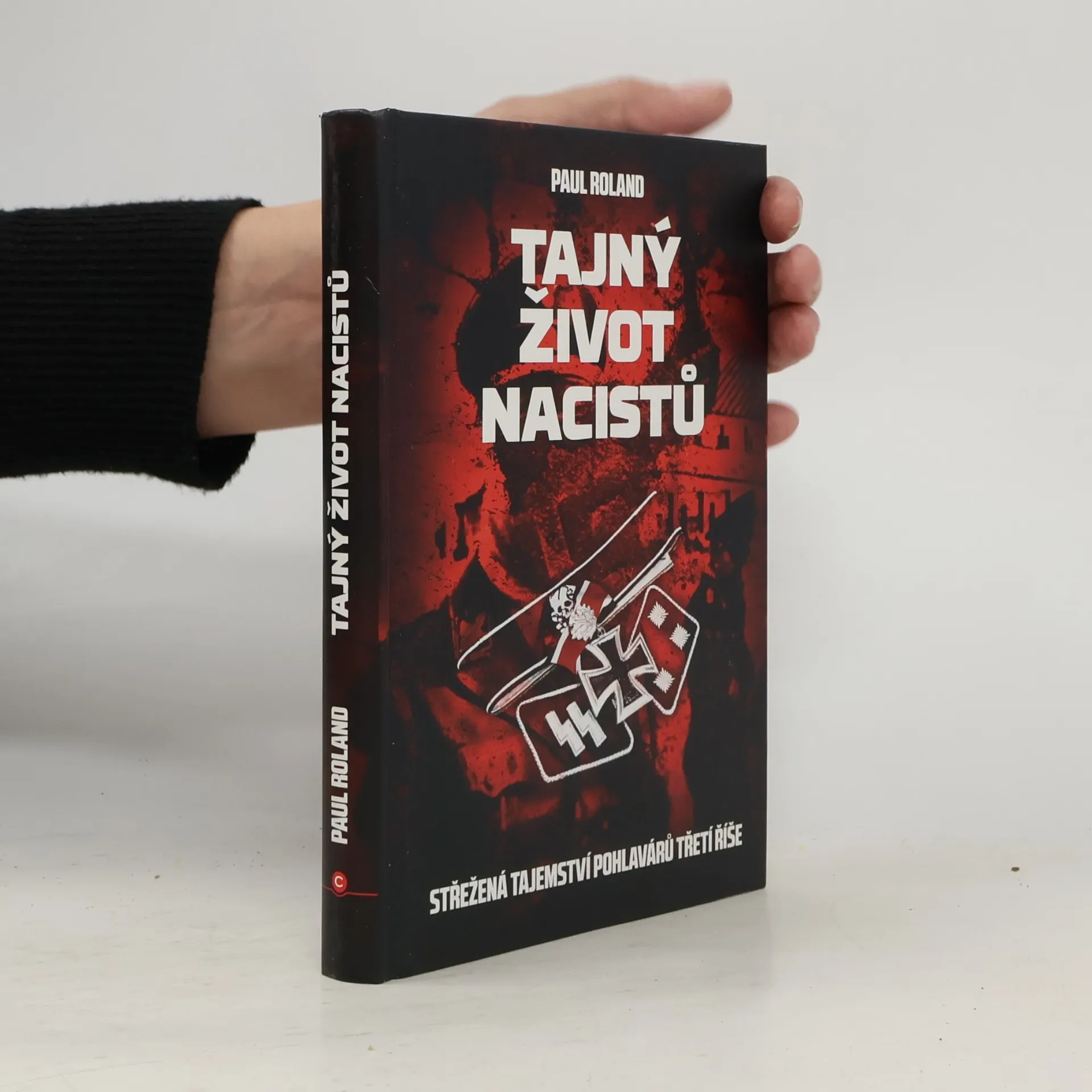
Tajný život nacistů : Střežená tajemství pohlavárů třetí říše
- 240 pages
- 9 hours of reading
Adolf Hitler a další nacističtí pohlaváři se spikli, aby spáchali jedny z nejohavnějších zločinů v historii, a zatímco požadovali, aby němečtí občané přinášeli oběti válečnému úsilí Říše, oni sami si žili život plný privilegií a moci. Z dobytých území rabovali ty nejcennější umělecké skvosty do svých soukromých sbírek, loupili židovský majetek, utráceli horentní částky za luxusní rezidence i zástupy milenek, užívali drogy… To vše pod vnější fasádou oddanosti Vůdci a Německu. Tato kniha přináší jedinečný vhled do soukromých životů lidí, jako byli Hitler, Göring, Himmler, Bormann, Goebbels, a dalších prominentních nacistů, ale nejen to. Zasazuje jejich životy do historických souvislostí i celého rámce tehdejšího nacistického režimu – zločinného, bizarního a skrz naskrz zkorumpovaného.
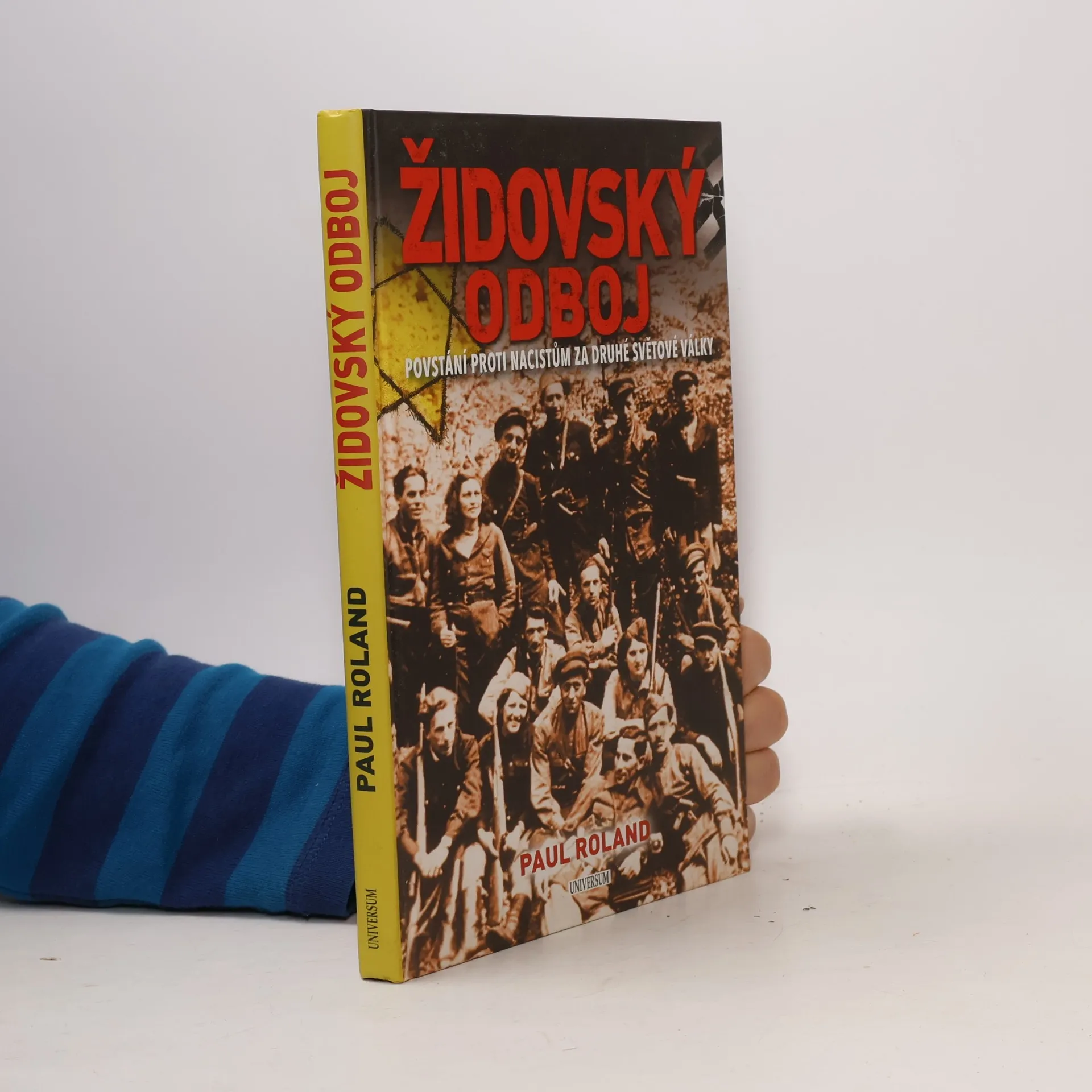
Židovský odboj: Povstání proti nacistům za druhé světové války
- 160 pages
- 6 hours of reading
Ve druhé světové válce hrozilo židovskému obyvatelstvu vyhlazení. Mnoho Židů odmítlo kráčet pod dohledem nacistů vstříc jisté smrti s rukama nad hlavou, ale nadechlo se k heroickým činům. Vězni v Sobiboru a Treblince zorganizovali úspěšná povstání, zatímco v Auschwitzu vyhodili do vzduchu krematorium i za cenu obětování vlastních životů. Za ostnatými dráty v táborech se stovky Židů podílely na francouzském odboji a tisíce bojovaly po boku partyzánů v okupovaných zemích. Jeden a půl milionu dalších sloužil ve spojeneckých ozbrojených silách. Neuvěřitelně dlouho trvalo nacistům, než si podmanili podzemní složky varšavského ghetta. Tato kniha odhaluje málo známou kapitolu historie a přináší mnoho příběhů o odvaze lidí tváří v tvář děsivému nebezpečí.
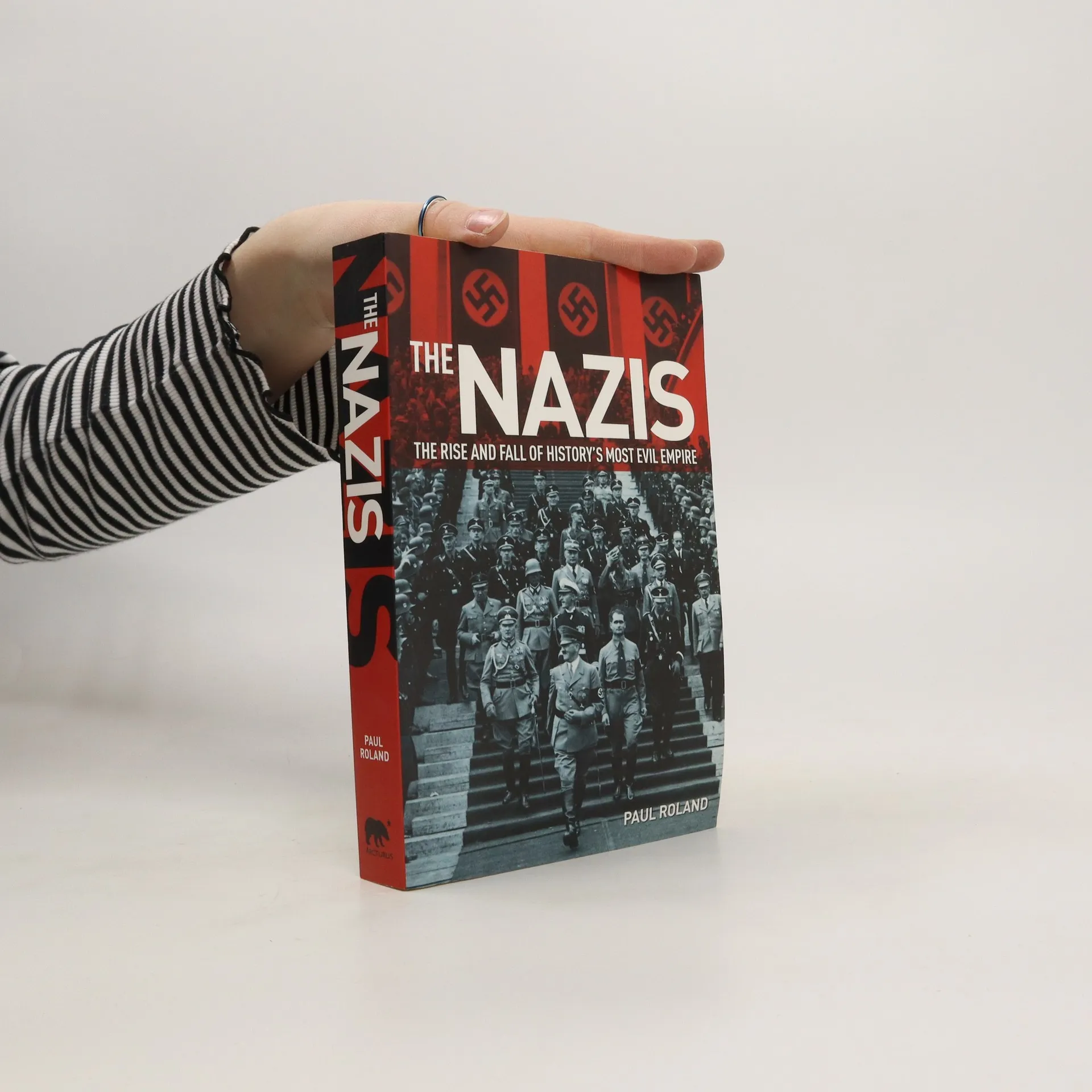
The Nazis
- 448 pages
- 16 hours of reading
A rogues' gallery of social misfits formed the Nazis' inner circle. They hated and conspired against each other but were held together by their admiration for the Fuhrer, and step by step they dragged the nation towards the abyss. Drawing on a wide range of sources, author Paul Roland unravels the web of diplomacy, deceit and double-dealing which Hitler spun to ensure the war he had always wanted. This is the extraordinary story of the little Austrian corporal with the twisted psyche who rose from obscurity to command the world's most formidable military machine, before destroying himself and the empire he claimed would last a thousand years
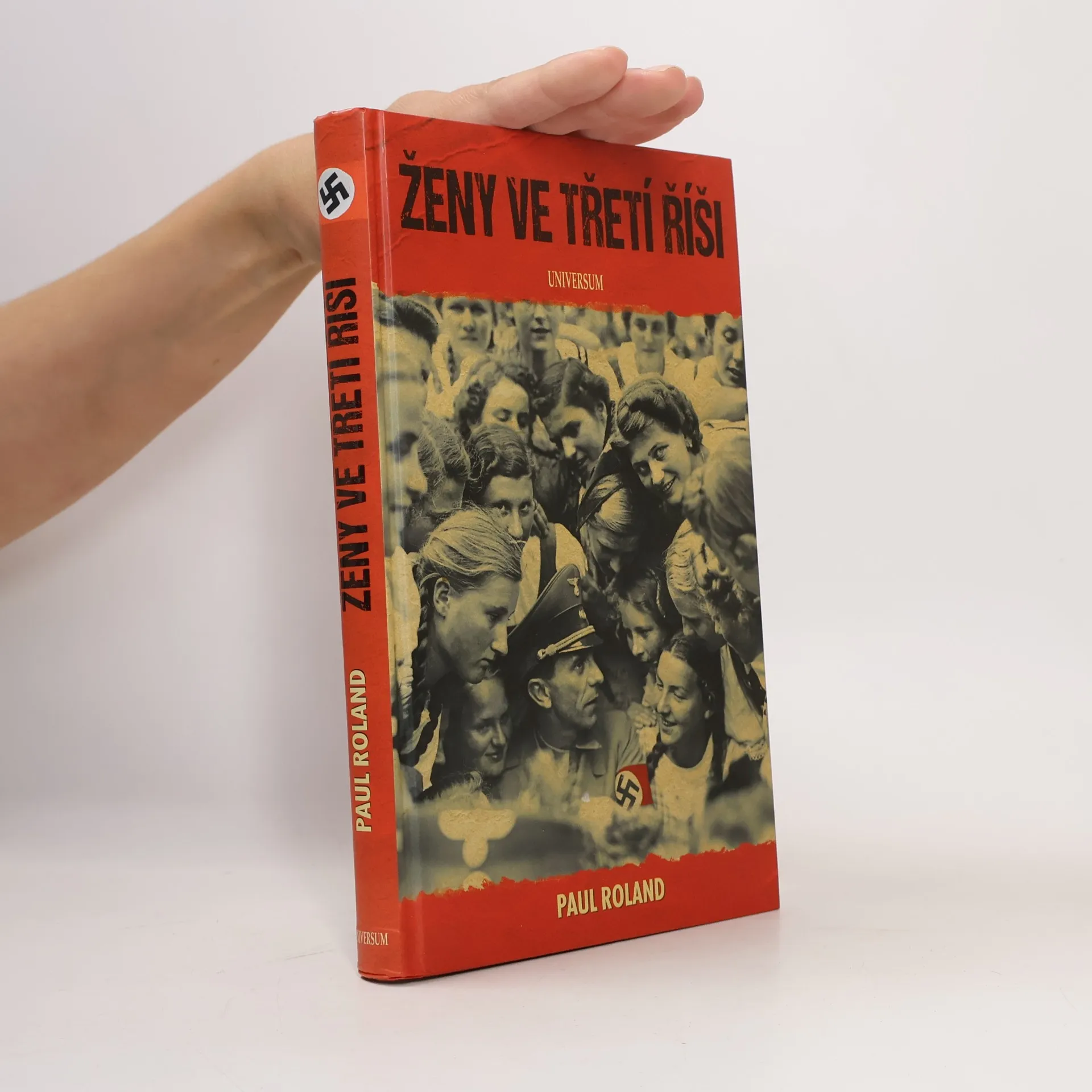
Nazi Women of the Third Reich
- 240 pages
- 9 hours of reading
Hitler had declared: 'National Socialism will be an exclusively male revolution', while his cynical spin doctor Goebbels attempted to justify the exclusion of women from politics and public life by declaring that they were being denied an active role in the administration so that their 'essential dignity be restored'. Nevertheless, German women were active participants in the dictatorship, some proving to be as brutal and merciless as their male counterparts.
Po konci výmarské republiky nacisté jasně hlásali snahu maskulinizovat život v Německu. Ženy se měly stát věrnými manželkami v domácnosti a rodit další árijské bojovníky. Přesto se mnohé z nich aktivně zapojily do politického života a dále šířily a propagovaly Hitlerovy myšlenky a zastávaly i další důležité posty. Do roku 1944 tvořily ženy podstatnou část zaměstnanců gestapa, v koncentračních táborech sloužilo mnoho dozorkyň, které krutostí často překonávaly i své mužské kolegy, a část zdravotních sester se zapojila do programu eutanázie těch občanů, kteří nevyhovovali požadavkům árijské dokonalosti. A jestliže zmíníme důležité postavy třetí říše, nesmíme zapomínat na manželky a milenky nacistických pohlavárů, jež často hrály významnější roli, než se na první pohled zdá.
Kniha Život ve Třetí říši ukazuje na základě rozhovorů s pamětníky a také soukromých dopisů a deníků, jak vypadal život v Německu od prvních dnů vlády nacistické strany až po závěrečné hodiny „tisícileté říše“. Autor názorně ukazuje, jak Hitlerův kult prostupoval veškerými rovinami fungování státu i života jeho obyvatel – vzděláním, prací, lékařskou péčí, soudním systémem, fungováním církví, sportem, uměním i rodinným životem. Před čtenářem tak vyvstává ostrý kontrast mezi oficiálním heslem nacistické propagandy „Jeden národ, jeden vůdce“ a drsnou realitou života v Třetí říši. Příběhy obyčejných lidí současně nutí k zamyšlení, nakolik odpovídá historické realitě častý pohled na nacistické Německo jako na stát, v němž stál sjednocený národ za svým despotickým vůdcem. Kniha jako celek tak klade závažnou otázku: „Co byste dělali vy, kdybyste se ocitli na místě lidí žijících v oné době?“ Text je doprovázen dobovými fotografiemi.
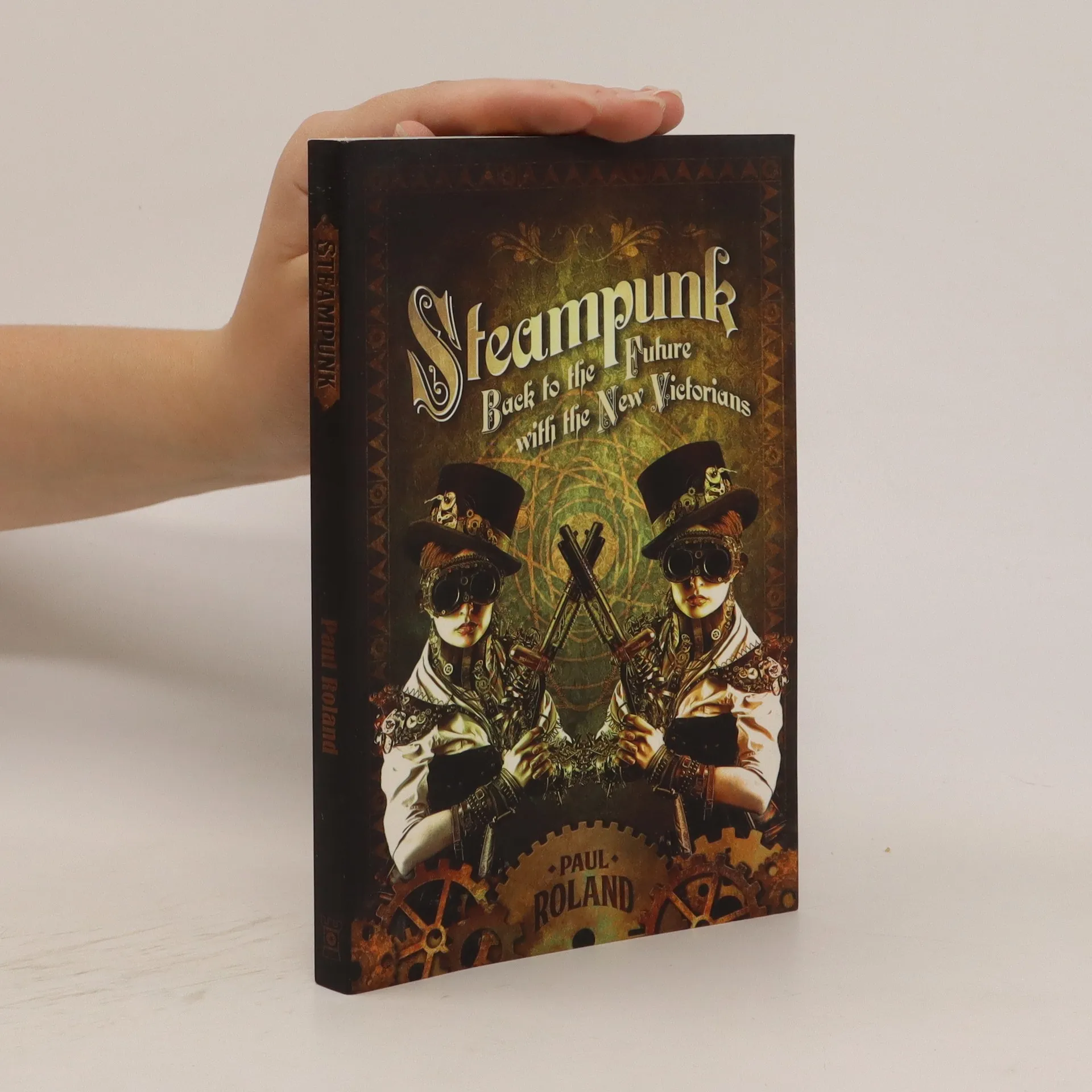
Steampunk
- 192 pages
- 7 hours of reading
What began in the late 1980s as an underground community of science fantasy aficionados with a fetish for Victoriana now pervades almost every aspect of popular culture from music and movies to comics and computer games. Steampunk is much more than a retro-futuristic fashion statement or a subgenre of science fiction. Author and musician Paul Roland traces the history of Steampunk, drawing on exclusive quotes from leading writers, artists, musicians and filmmakers in the field.
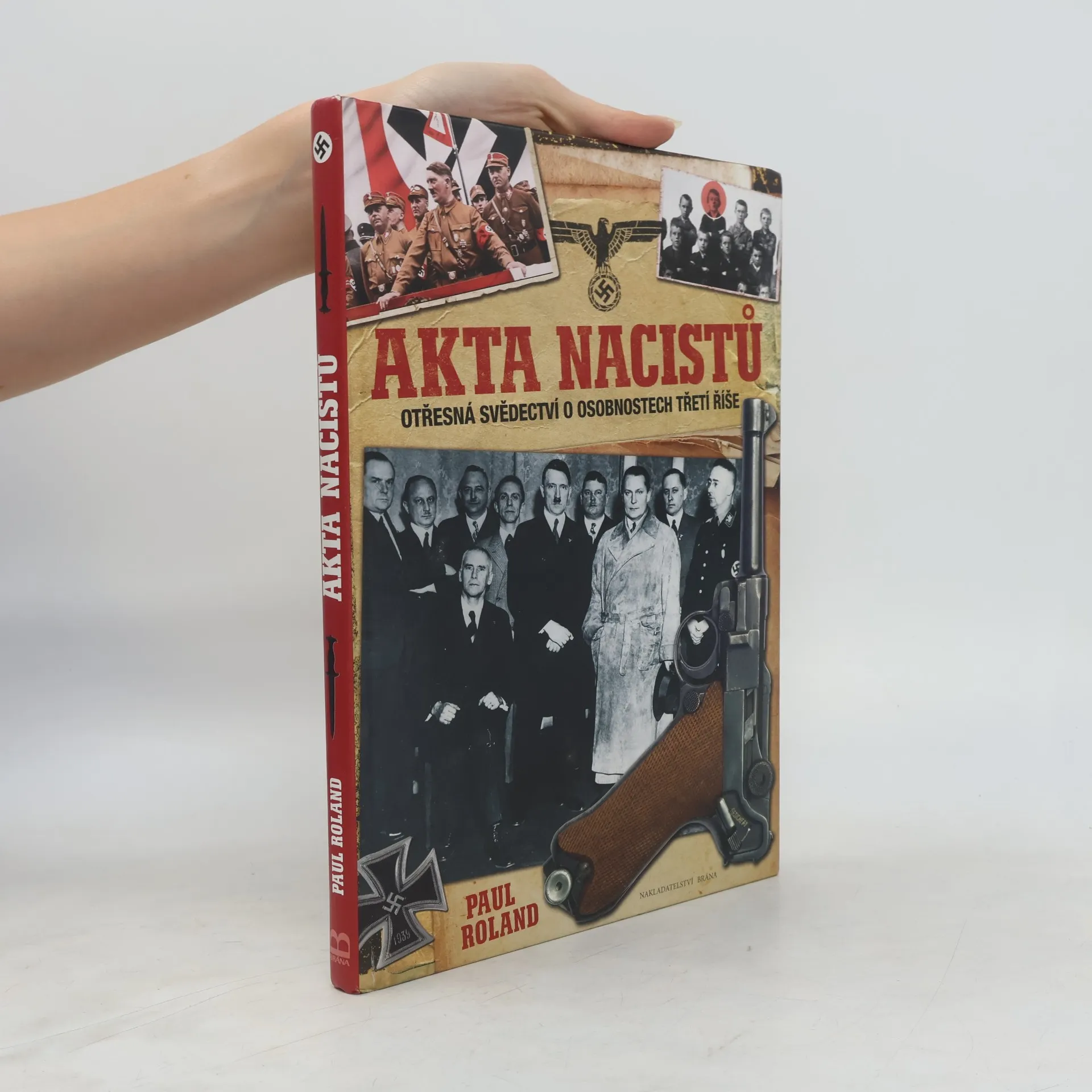
Akta nacistů : otřesná svědectví o osobnostech třetí říše
- 160 pages
- 6 hours of reading
Byli přední muži Třetí říše psychicky narušení? Kniha je fascinující studií psychologických profilů Hitlera a dalších důležitých postav Třetí říše. Pokouší se odpovědět na to, do jaké míry byly tyto osobnosti nějak poznamenány a do jaké míry možné narušení jejich psychického zdraví vedlo k hrůzostrašným činům, které vykonali. Nacisté ukrývali kompromitující složky na každou osobnost Třetí říše. Je v nich obsažena i případná diagnóza? Kniha Paula Rolanda se na otázky, do jaké míry byli tito lidé odpovědní za svoje činy, pokouší nalézt odpověď. Byly Hitlerovy sexuální touhy natolik perverzní, že přinutily jeho neteř Geli Raubalovou spáchat sebevraždu? Co vedlo milující matku Magdu Goebbelsovou k tomu, že nechala zavraždit v Hitlerově bunkru těsně před pádem Berlína svých šest dětí? Jak dokázal oddaný katolík Franz Stangl být milujícím otcem rodiny, zatímco současně jako velitel koncentračního tábora Treblinka posílal každodenně na smrt v plynových komorách tisíce nevinných lidí?
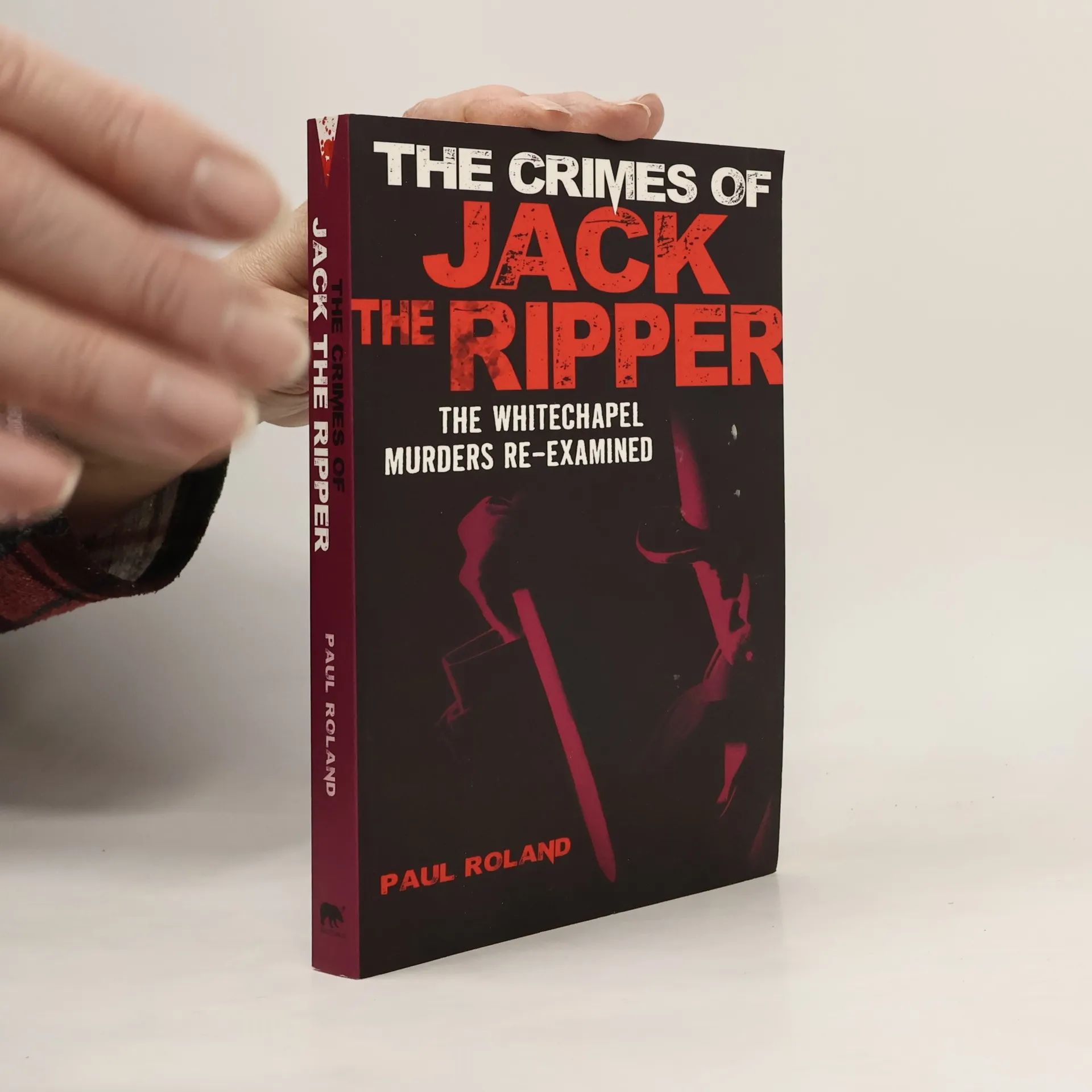
The The Crimes of Jack the Ripper
- 288 pages
- 11 hours of reading
More than a century after he stalked the streets of London's East End, Jack the Ripper continues to exert a macabre fascination on the popular imagination. After scrupulously re-examining official documents on the time, Paul Roland strips away decades of myths and misconceptions to reveal shocking conclusions.
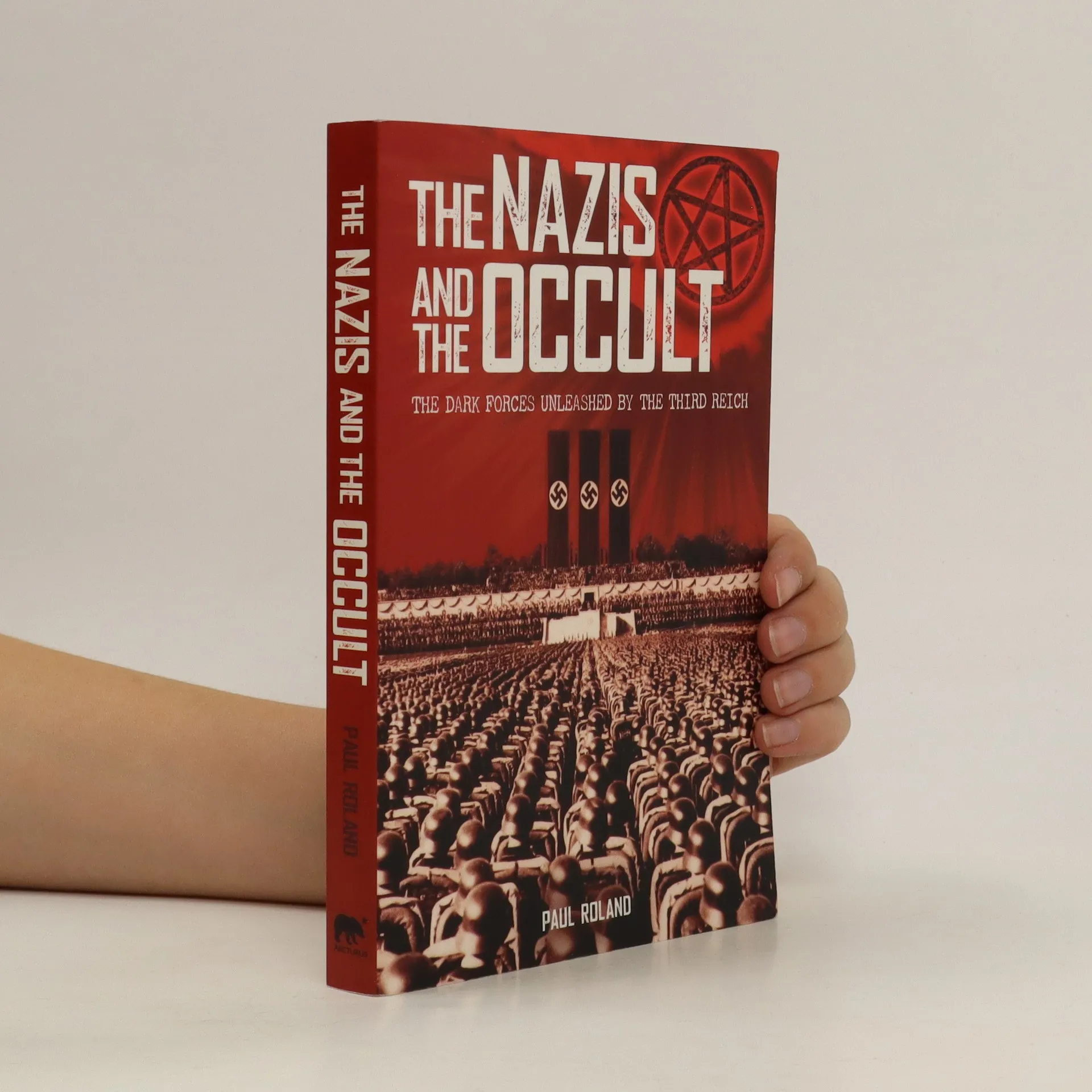
The Nazis and the Occult
- 277 pages
- 10 hours of reading
'No one can deny Paul Roland is a complete master of his subject.' Colin Wilson, author of The Occult and A Criminal History of Mankind Why did the country which produced Goethe, Beethoven, Bach, Schiller, Einstein, Kant and Hegel allow itself to be led to the precipice of self-destruction by a ragged collective of criminals, misfits, sadists and petty bureaucrats? The Nazis and the Occult reveals the true nature of the Third Reich's link with arcane influences and of evil itself, as well as explaining how an illeducated, psychologically unbalanced nonentity succeeded in mesmerizing an entire nation. Forget what you have read, seen and heard. This is the real secret history of Nazi Germany and its dark Messiah - Adolf Hitler.
The Nuremberg trials
- 384 pages
- 14 hours of reading
The Nuremberg Trials were the most important criminal proceedings ever held. They established the principle that individuals will always be held responsible for their actions under international law, and brought closure to World War II, allowing the reconstruction of Europe to begin.
Dark History of the Occult
- 208 pages
- 8 hours of reading
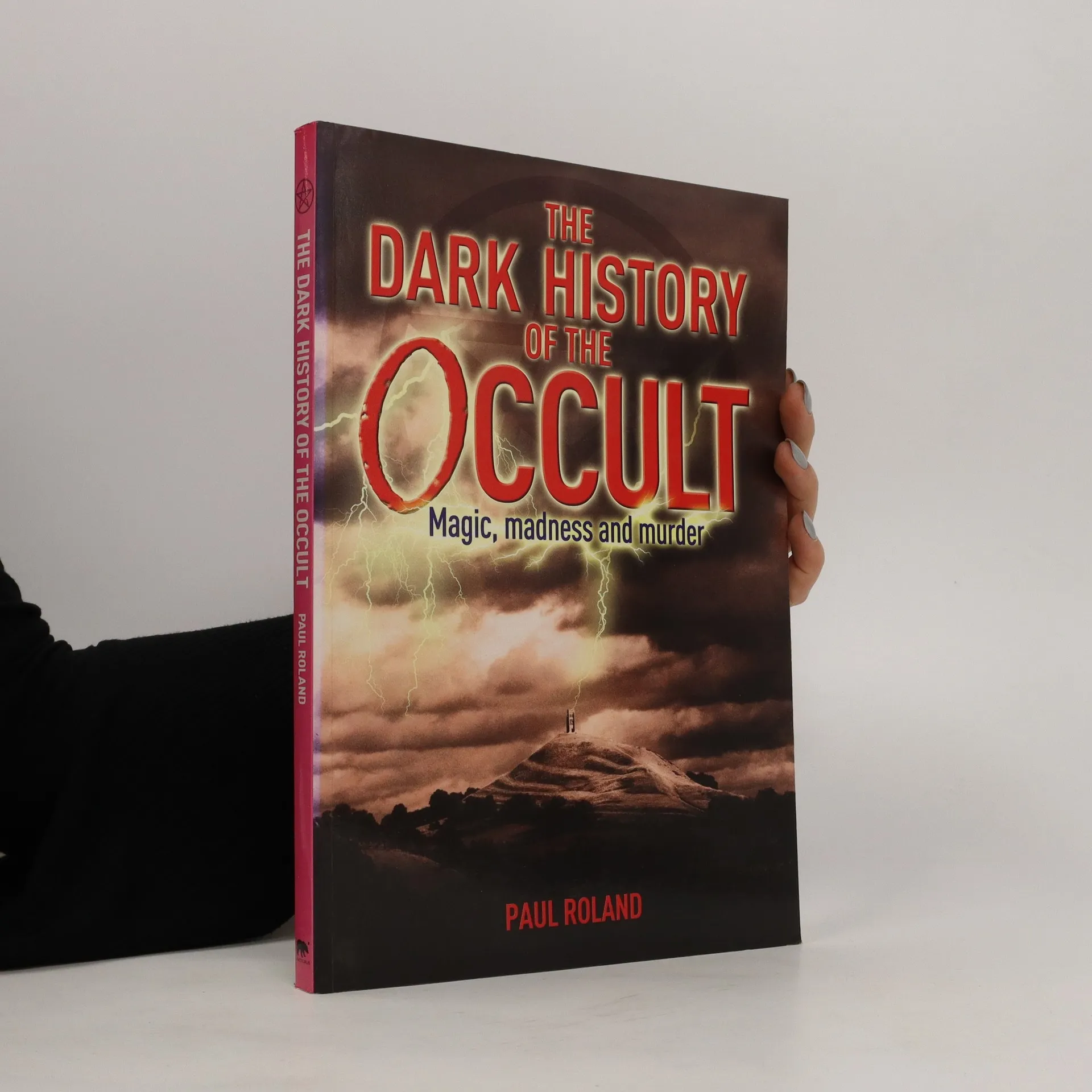
Black magic murders, Satanic sex cults and demonic possession - these are the diabolical practices that grab the tabloid headlines and reinforce the myth that evil and an unhealthy obsession with the occult are to blame for our increasingly violent society. But is the truth even darker and more disturbing?
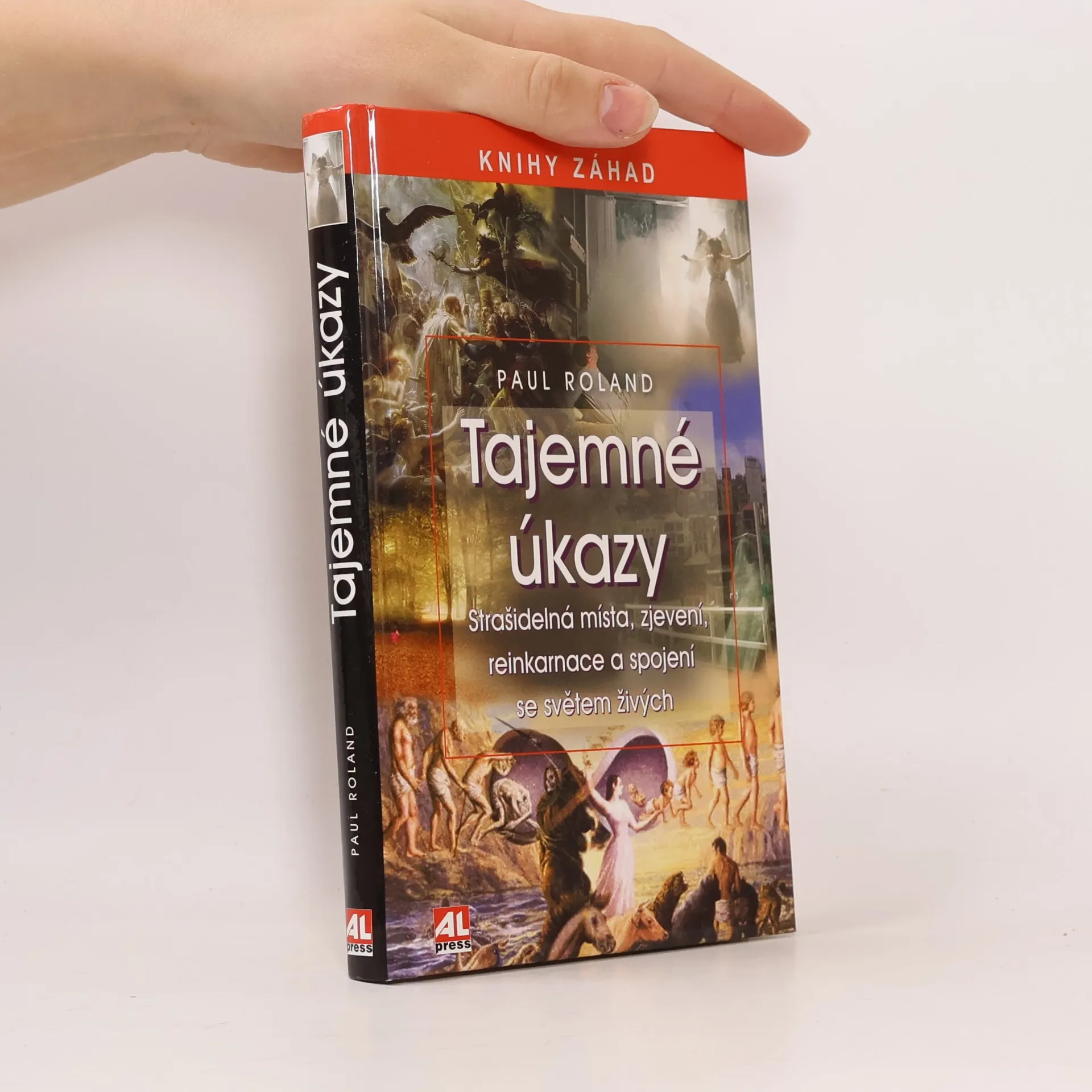
Tajemné úkazy - Strašidelná místa, zjevení, reinkarnace a spojení se světem živých
- 250 pages
- 9 hours of reading
Lidé obvykle nevěří ničemu, co překračuje jejich osobní poznání a nedá se racionálně zdůvodnit. "Lovec duchů" Paul Roland rozebírá svědectví těch, kteří přežili klinickou smrt, popisuje reinkarnaci či astrální putování. Výsledkem je fascinující, provokativní kniha, která staví před vaši víru či nevíru výzvu jako žádná jiná předtím.
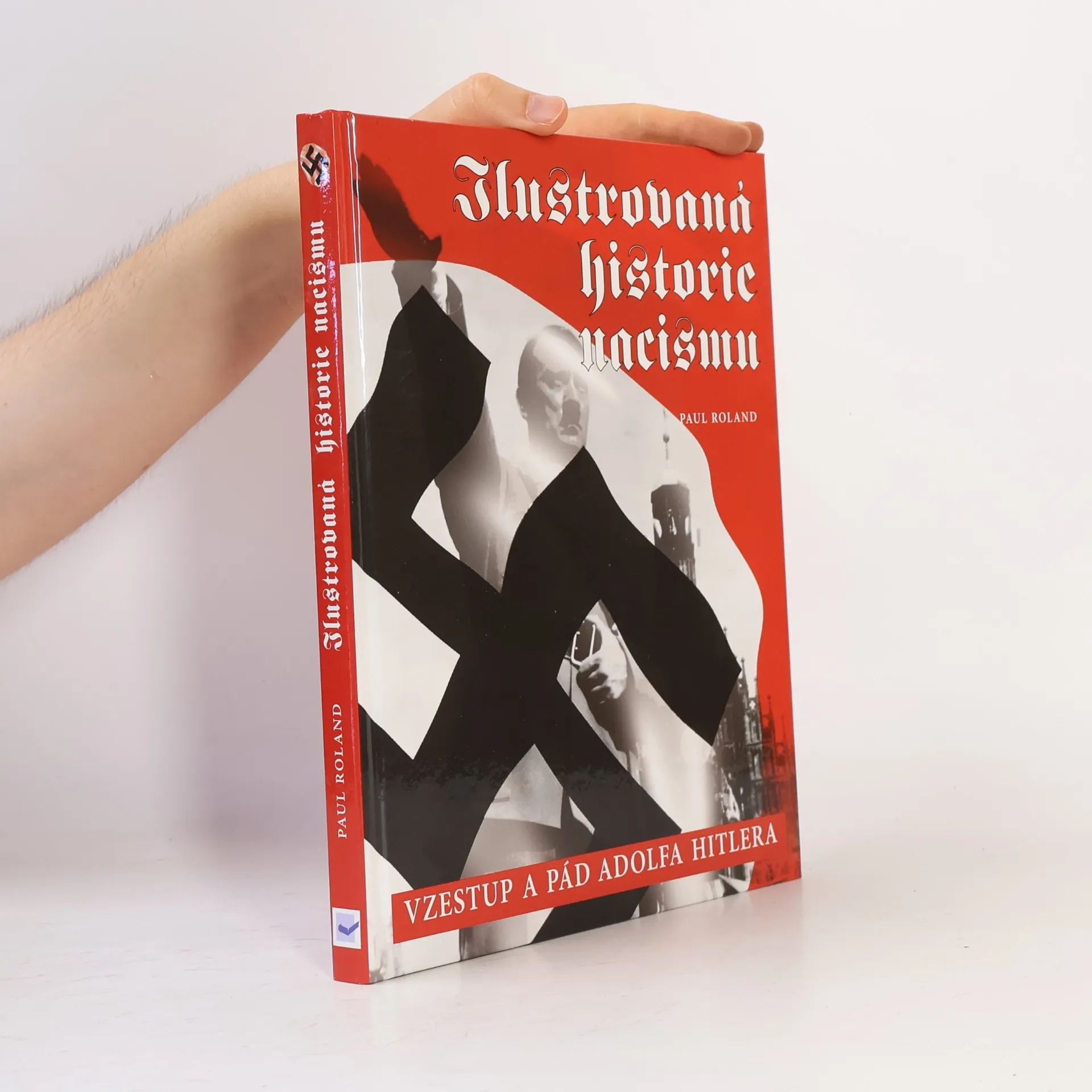
Ilustrovaná historie nacismu : vzestup a pád Adolfa Hitlera
- 216 pages
- 8 hours of reading
Životní příběh německého nacistického diktátora Adolfa Hitlera.
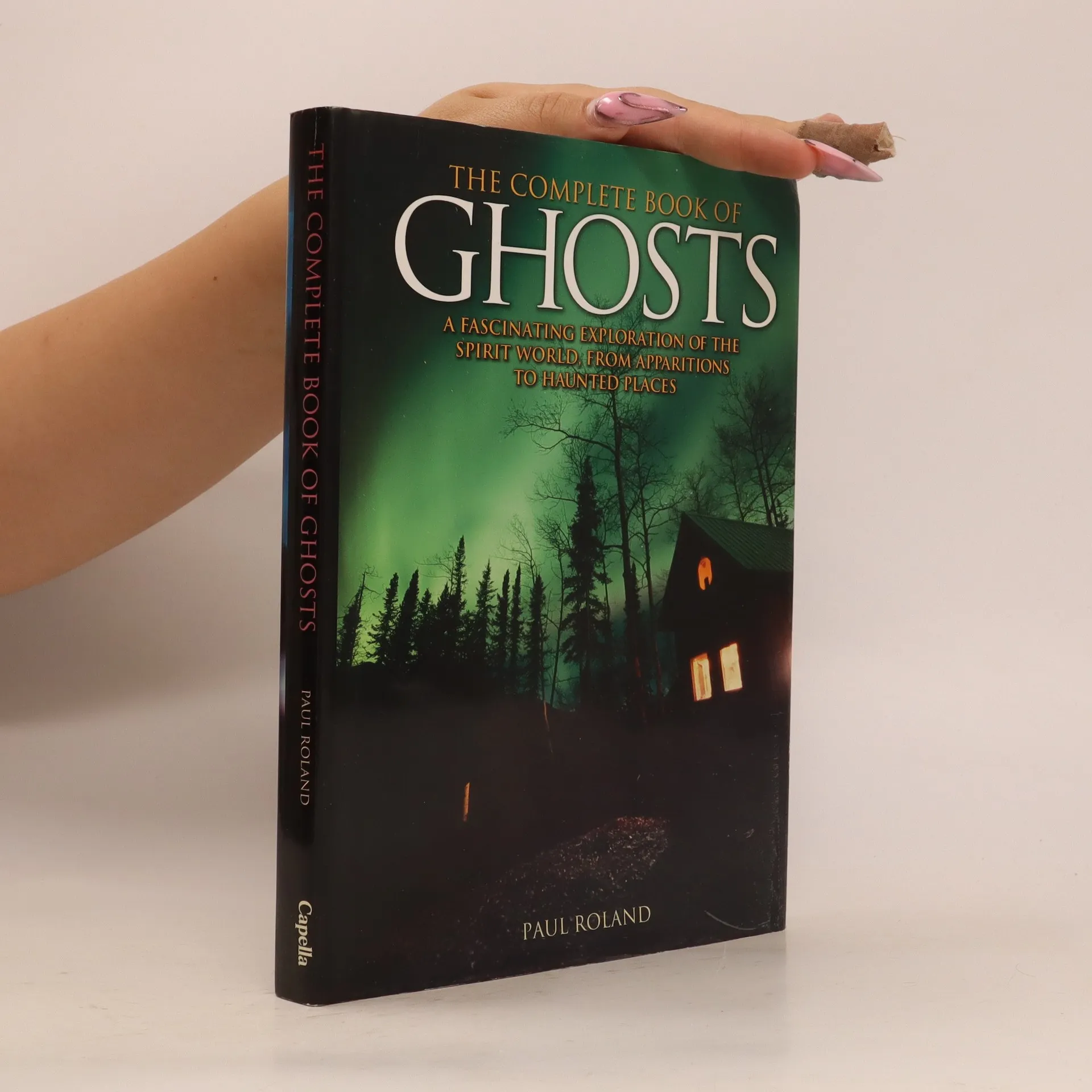
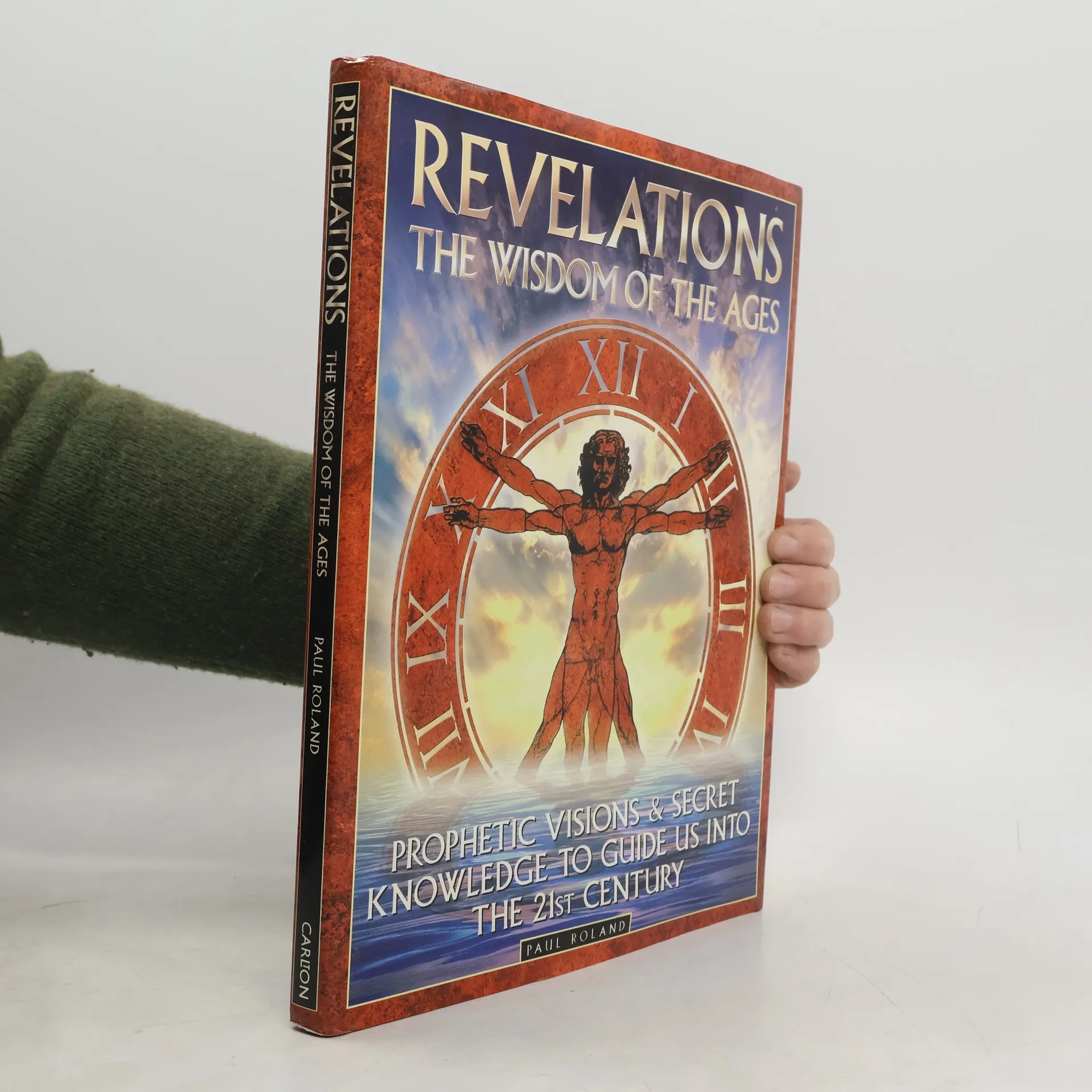
The Complete Book of Ghosts
- 208 pages
- 8 hours of reading
Re-examining a fascinating assortment of recorded sightings from as for back as Roman times, the author presents a serious look at ghosts, not as chain rattling spooks or cold clouds of vapor, but as actual entities with which we share a greater reality
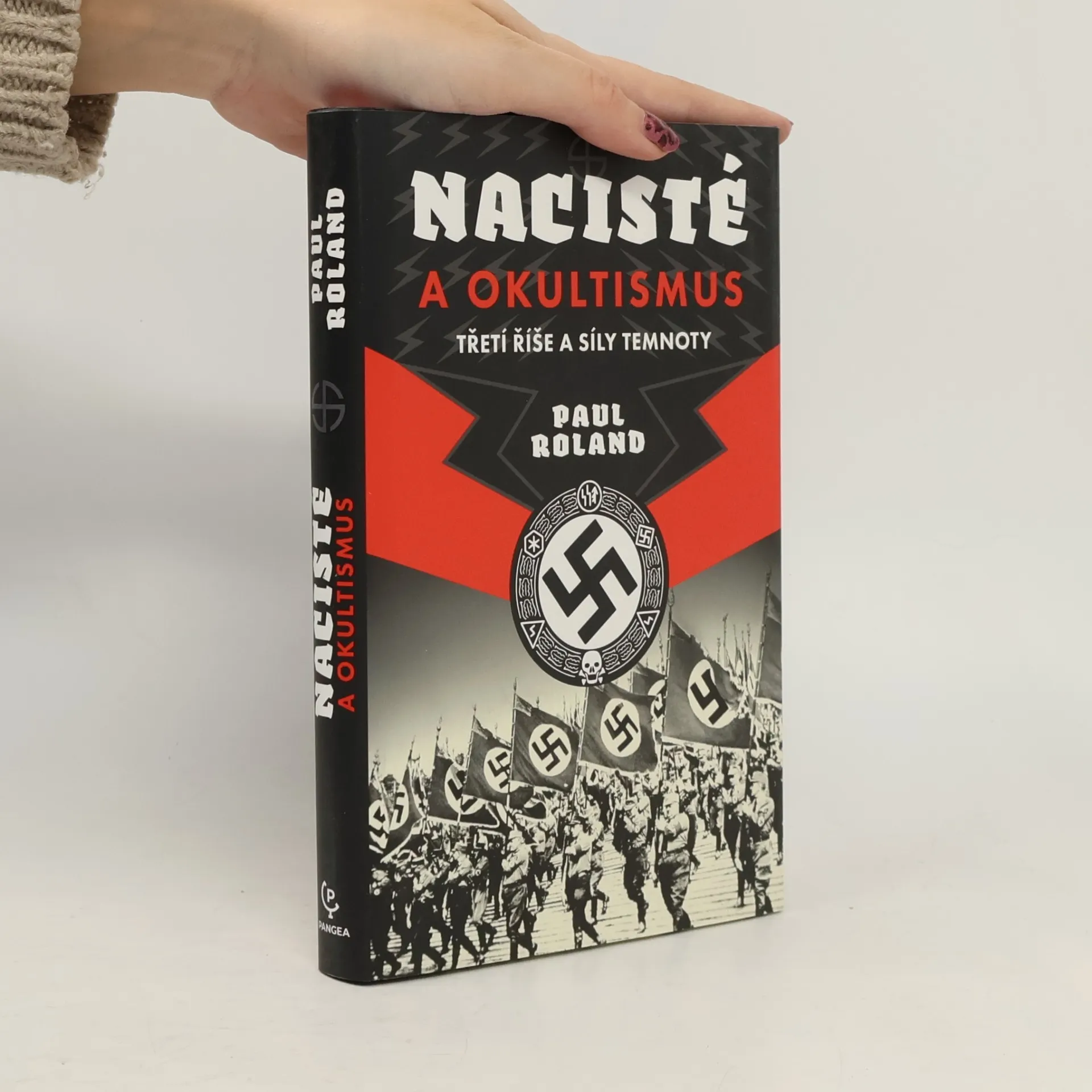
Nacisté a okultismus
Třetí říše a síly temnoty
Jak se mohlo stát, že se národ, v němž se zrodili velikáni jako Goethe, Beethoven, Bach, Schiller, Einstein, Kant a Hegel, nechal ovládnout skupinou kriminálníků, sadistů a úředníčků? Kniha Nacisté a okultismus odhaluje skutečnou povahu spojení mezi Třetí říší, nadpřirozenem a samotným zlem. Vysvětluje, jak se mohl nevzdělaný a duševně labilní pan Nikdo stát mužem, před nímž padal na kolena celý národ. Zapomeňte na všechno, co jste četli, viděli nebo slyšeli. Čeká vás skutečná historie Třetí říše a jejího temného mesiáše – Adolfa Hitlera.
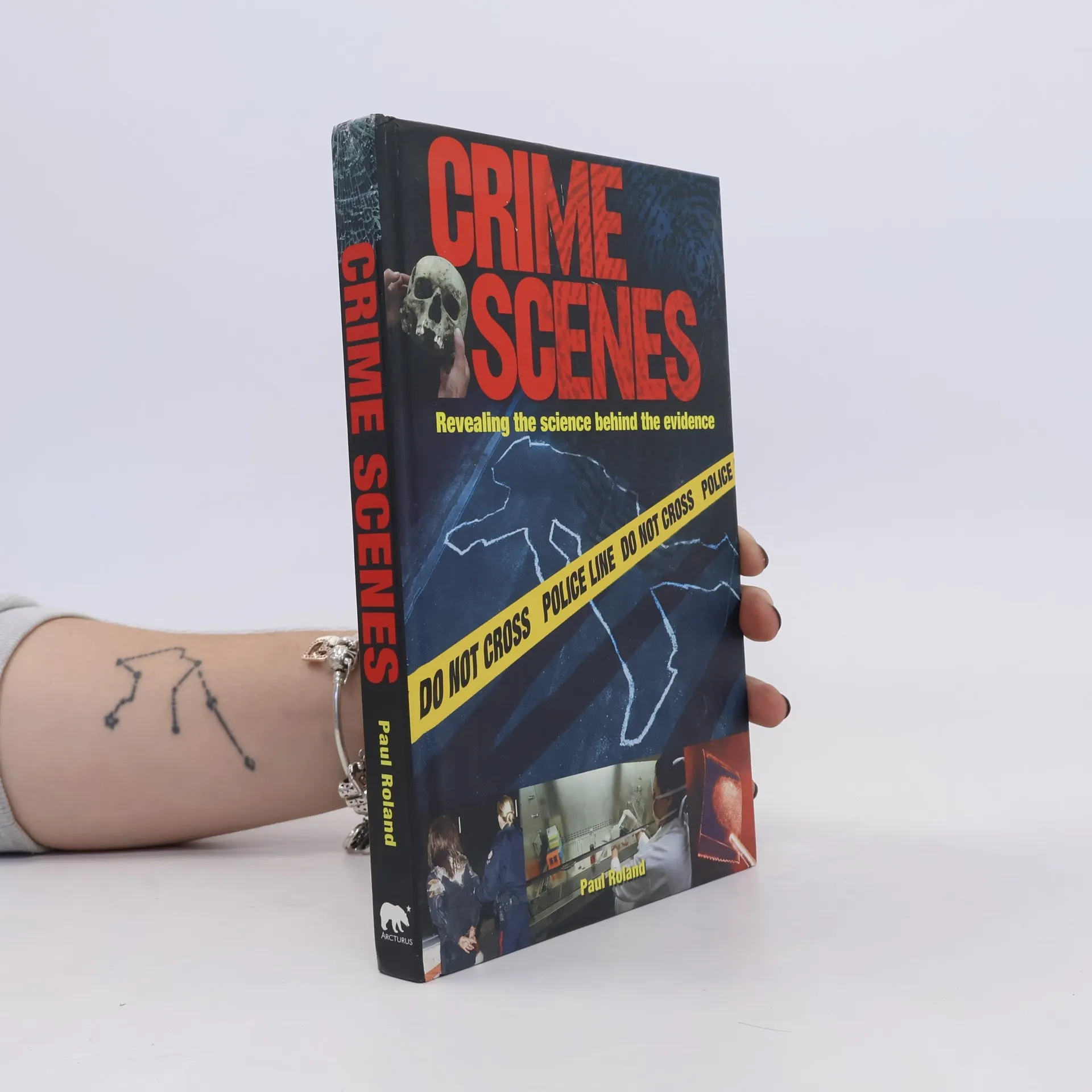
Crime Scenes. Revealing the Science Behind The Evidence
- 207 pages
- 8 hours of reading
Providing a thorough look at crime scenes throughout the ages, highlighting those that have set a benchmark for police investigation, this title presents a detailed tour of the crime lab and a step-by-step guide to the world of detection, including DNA analysis, footprints, fingerprints and ballistics.
- What motivates an outwardly normal man to abduct, torture and murder a complete stranger? - Why do particular personality types join a terrorist cell? - What goes through the mind of a father who plans to kill his entire family in cold blood and fake his own disappearance? In The Minds of Murderers explores these questions and more, drawing on the often harrowing real-life experiences of the world's leading criminal profilers and forensic psychologists who have been responsible for tracking down some of the most notorious serial killers, sexual predators, extortionists and terrorists of modern times. While many infamous killers are profiled in these pages, the dark heart of this book explores the nature of evil and what motivates men, women and sometimes even children to commit the most appalling acts imaginable. It also explodes the myth of the motiveless crime and challenges the popular belief that all killers are crazy.
How psychic are you? : understand and develop your natural ability
- 128 pages
- 5 hours of reading
With these exercises, anyone can recognize and develop that special "sixth sense"-and gain increased self-knowledge, confidence, and control. A well-known teacher of psychic development and meditation explains exactly what these powers consist of, what proof there is of their existence, and what abilities you can actually acquire. Take a quiz with 20 key questions that test psychic potential, and chart your progress with questionnaires throughout. Explore the inner workings of the mind by doing consciousness-expanding exercises, meditations, visualizations, and pathworking-a method of heightening awareness and creating a symbolic map of the Tree of Life. Every basic question receives an enlightening answer, from concerns about dabbling with the occult to queries about whether certain ESP experiences are real or imaginary.
A practical guide to help cope with everyday problems and emotional issues, this title provides easy visualizations and meditations to help your health and well-being and to tackle any resistance or conditioning that such problems may harbour. It includes guided visualizations for health, relationships, and intellectual, emotional and spiritual well-being. The guide shows how to explore your mind and emotions in a calm and focused way in order to achieve a sense of deep relaxation and to experience a sense of well-being - physically, emotionally and spiritually that will target stress, low self-esteem and fear.
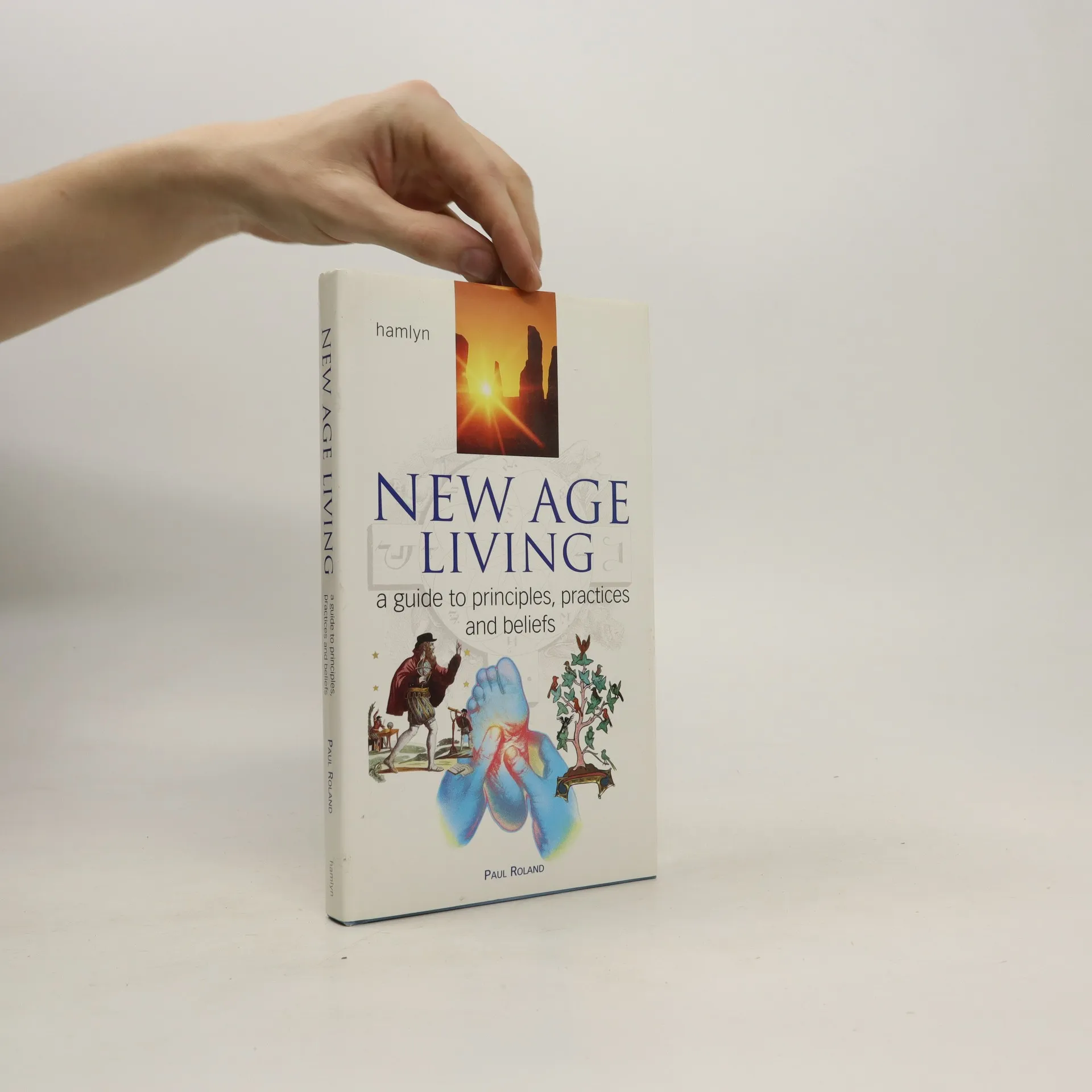
New Age Living
- 192 pages
- 7 hours of reading
People today want to feed their spirit as well as their bodies. A lushly illustrated, lucid, practical, and thought provoking introduction to new age practices will help searchers find the beliefs that leave them fulfilled and happy. Sacred secrets, including Egyptian mysteries, the Kabbalah, and Shamanism, open up. Tune in to Mother Earth with standing stones, pendulum power, and channeling. Foresee the future, soul search with Buddhism and Zen, locate your inner child, and heal yourself holistically. It's the path to understanding!
How to Meditate
- 128 pages
- 5 hours of reading
A guide to combatting stress and harnessing the power of positive thought and increasing confidence and consciousness. It contains a variety of exercises and describes various techniques including: visualization, affirmations, activating chackras, body scanning for tension, and mantras.
Prophezeiungen zur Jahrtausendwende
- 123 pages
- 5 hours of reading
A message of hope for the end of the millennium from the guardians of the Cosmic Truth. Covers the spiritual and mystical traditions of East and West, ancient and modern, and includes such luminaries as Mother Meera, Dion Fortune, Madame Blavatsky, Krishnamurti, and Sai Baba.
800 Jahre Steinwenden 550 Jahre Weltersbach
Beiträge zur Geschichte zweier Dörfer im Moorbachtal
Skidiz
lexique du français familier à l'usage des étrangers qui veulent comprendre "ce qu'ils disent"
- 87 pages
- 4 hours of reading