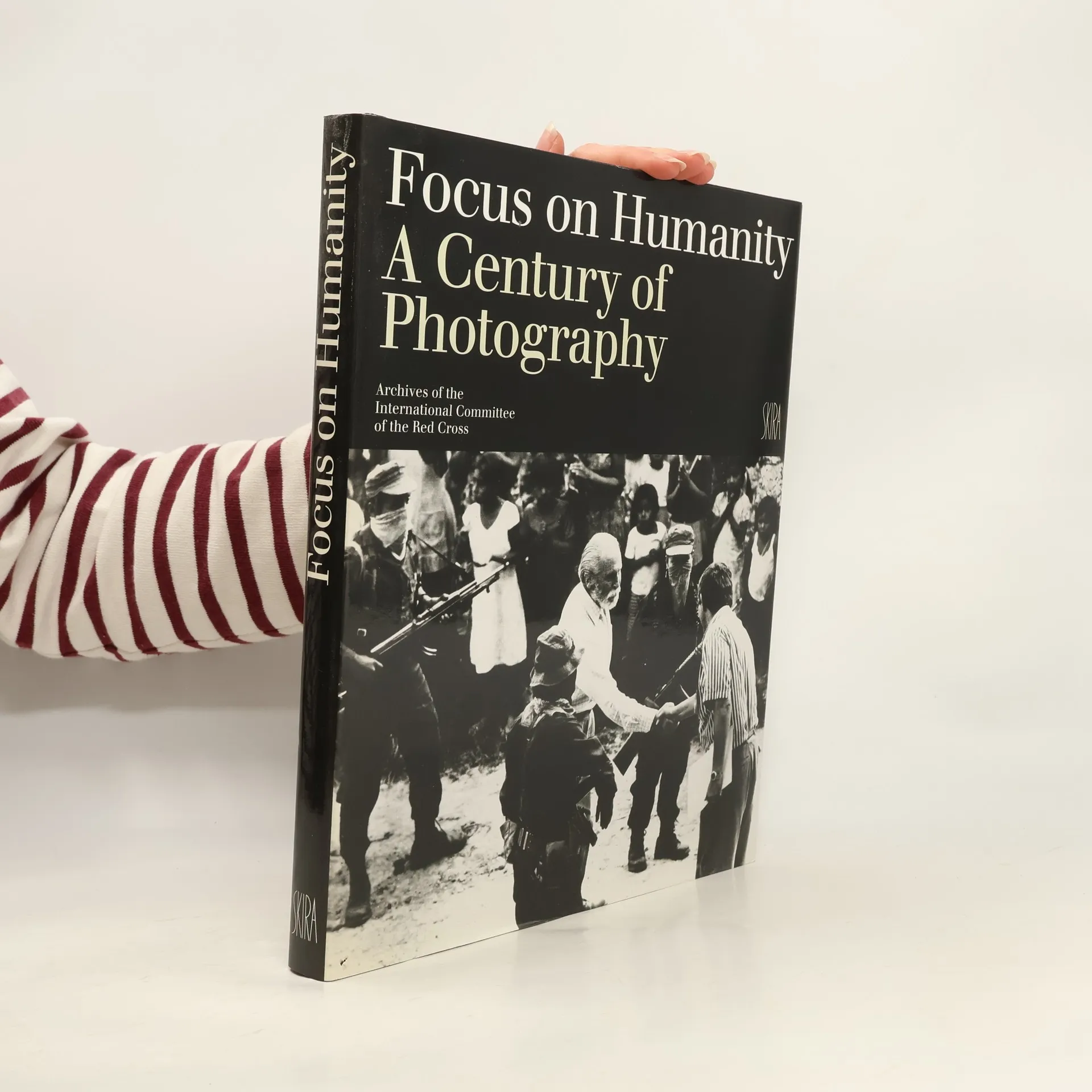
The photographs contained in the archives of the International Committee of the Red Cross tell the story of people caught up in conflict, both victims and relief workers. They are the record of a century marked by deeds of extreme heroism as well as utmost infamy, bringing hope as well as despair. This book reflects the evolution of international humanitarian law and roll of visual images in humanitarian action. Based on photo reports from the time of the Crimean War up to the Second World War, the first part of the book traces the history of the Geneva Conventions. The second part draws on mostly unpublished photographs to illustrate wars since 1950 - in Korea, Vietnam, Biafra, the Middle East, Rwanda, Bosnia-Herzegovina, and many other theatres of conflict.
Nicolas Bouvier Books
Nicolas Bouvier was a Swiss writer and photographer whose work is deeply informed by his extensive global travels. His writing is characterized by an honest reportage of his experiences and feelings, devoid of pretension, often bordering on a mystical intimacy. The travelogues inspired by his journey from Geneva to Japan offer profound reflections on human nature, penned in a style keenly aware of the traditions and potential of language. Bouvier's legacy lies in his unique ability to capture the essence of travel and human existence with profound sensitivity and literary skill.



The Way of the World
- 326 pages
- 12 hours of reading
Reborn from the ashes of a Pakistan rubbish heap, this volume tells of a friendship between a writer and an artist, forged on an impecunious, life- enhancing journey from Serbia to Afghanistan in the 1950s.
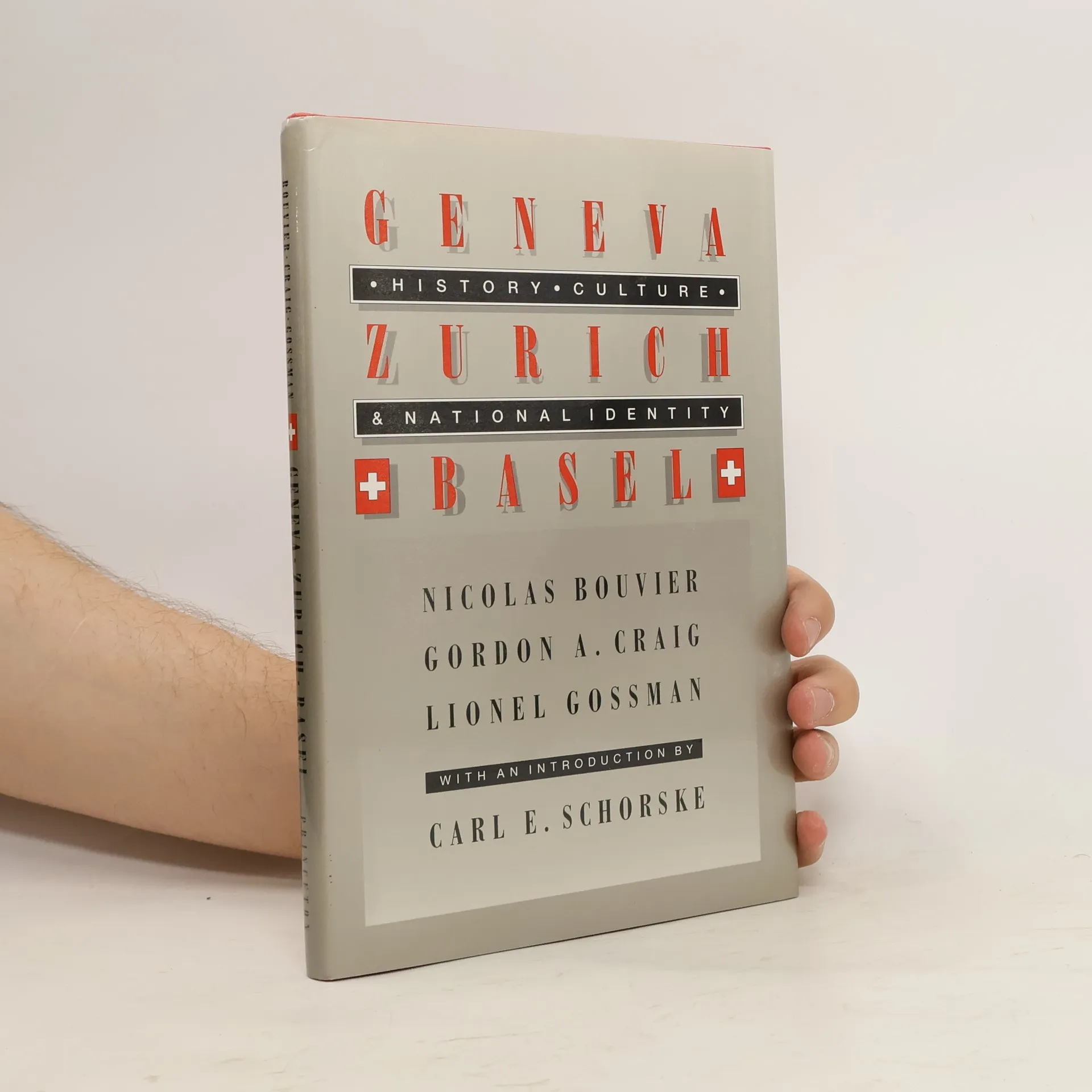
Geneva, Zurich, Basel
History, Culture & National Identity
Recognized by historians and politicians as a model for European unity, Switzerland is nonetheless a difficult country to understand as a whole. Whereas individual Swiss cities have strong identities in the international political, cultural, and economic arenas, the country itself seems to be less than the sum of its parts. To capture the elusive spirit of Switzerland, four eminent writers explore the roots of its political unity and cultural diversity in a series of urban portraits. Their observations make for both good storytelling and insightful social commentary
World-renowned French artists showcase their innovative digital creations in this first-time English translation of a cutting-edge French work. The images will energize image professionals, graphic artists, photographers, and computer graphics designers, transforming how you approach design work. While Photoshop is primarily recognized as a tool for photographic manipulation, it is also a powerful medium for creating quality digital drawings and artwork. The featured artists utilize it to express their unique visions through illustration. This lavish, full-color collection highlights nine renowned French graphic artists from a culture known for creative risks and exceptional graphics. Their groundbreaking works span advertising, children's book illustration, science fiction, and settings for graphic novels and role-playing games, inspiring a fresh perspective on the industry and revitalizing your work. The notebook delves into each author's artistic approach, providing insight into the inception and creation of nine unparalleled artworks, inspired by diverse sources. Beyond inspiration, it offers detailed, step-by-step guidance on maximizing Photoshop for your digital illustrations. This visually stunning book equips you with the creative license and technical skills to produce unique digital artwork limited only by your imagination.
Faszination Asien: Nicolas Bouviers bislang unbekannte Tagebuchaufzeichnungen aus Japan. Fragmentarische Szenen dokumentieren Bouviers Erfahrungen und Gefühle gegenüber einem Land, das ihm bis zum Ende seines Aufenthalts fremd bleiben wird. Vielleicht gehört das Buch gerade deshalb zu Bouviers persönlichsten Werken, reflektiert es doch seinen täglichen Kampf mit dem japanischen 'way of life', zeigt sein Ringen um Akzeptanz, die Momente des Glücks, aber auch seine Wut angesichts der freundlich-höflichen Distanz. In 'Das Leere und das Volle' versucht Bouvier nichts Geringeres, als die japanische Seele einzufangen – und wie immer gelingt es ihm, den Zauber einer anderen Welt so vollkommen in Worte zu fassen, dass die Fremdheit ihre Distanz verliert.
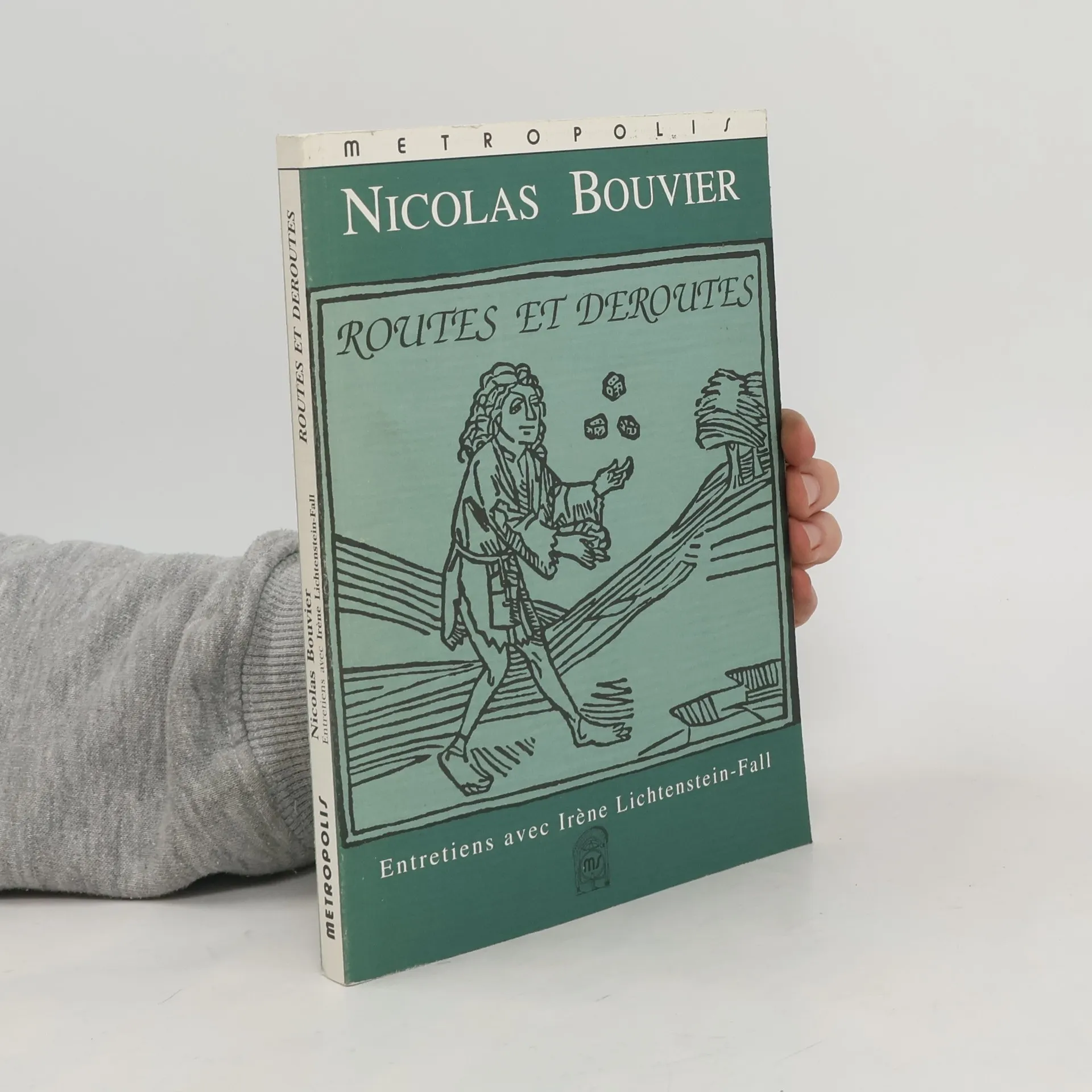
Routes et déroutes
- 248 pages
- 9 hours of reading
Pourquoi, à l'âge de 16 ans, dès que les frontières s'ouvrent après la guerre, décide-t-on de partir, seul, pour Florence ? Pourquoi pousser toujours plus loin le voyage et faire de la vie ce long détour ? Nicolas Bouvier (1929-1998), voyageur, écrivain et poète, photographe et iconographe par nécessité aussi bien que par goût, parle pour la première fois de son enfance, genevoise et protestante, de ce désir de partir, de ce besoin d'immersion dans d'autres cultures, de la difficulté d'écrire, du rire et du plaisir. Une réflexion sur la vie, sur les autres, "Routes et Déroutes" dévoile l'auteur entre autres, de "Chroniques japonaises", du "Poisson Scorpion", du "Journal d'Aran", de "L'Échappée belle" (Metropolis), d'"Une orchidée qu'on appela Vanille" (Metropolis). Une dizaine d'ouvrages pub liés, autant de chef-d'œuvre
Chronique Japonaise
- 227 pages
- 8 hours of reading
" Le voyageur, écrit Nicolas Bouvier (1929-1998), est une source continuelle de perplexités. Sa place est partout et nulle part. Il vit d'instants volés, de reflets, de menus présents, d'aubaines et de miettes. Voici ces miettes... " Voici donc ces textes sur le Japon : là où d'autres convoquent une bibliothèque entière pour se donner des airs de penseur zen, l'écrivain voyageur sait nous livrer en une ligne le pur diamant d'une sensation. Car avec " Chronique japonaise ", Nicolas Bouvier réussit ce que les anciens maîtres artisans appelaient un chef-d'œuvre ". (André Velter, Le Monde).
Journal d'Aran et d'autres lieux
- 176 pages
- 7 hours of reading
L''oeil et l''oreille accordés au génie d''un lieu, Nicolas Bouvier écoute et regarde, qu''il soit dans les îles d''Aran, à New York, en Corée ou en Chine. Sur la lande nue, aux marges de l''Irlande, ou dans le grouillement de l''Asie, le voyageur n''a rien vu s''il n''a vu les hommes.
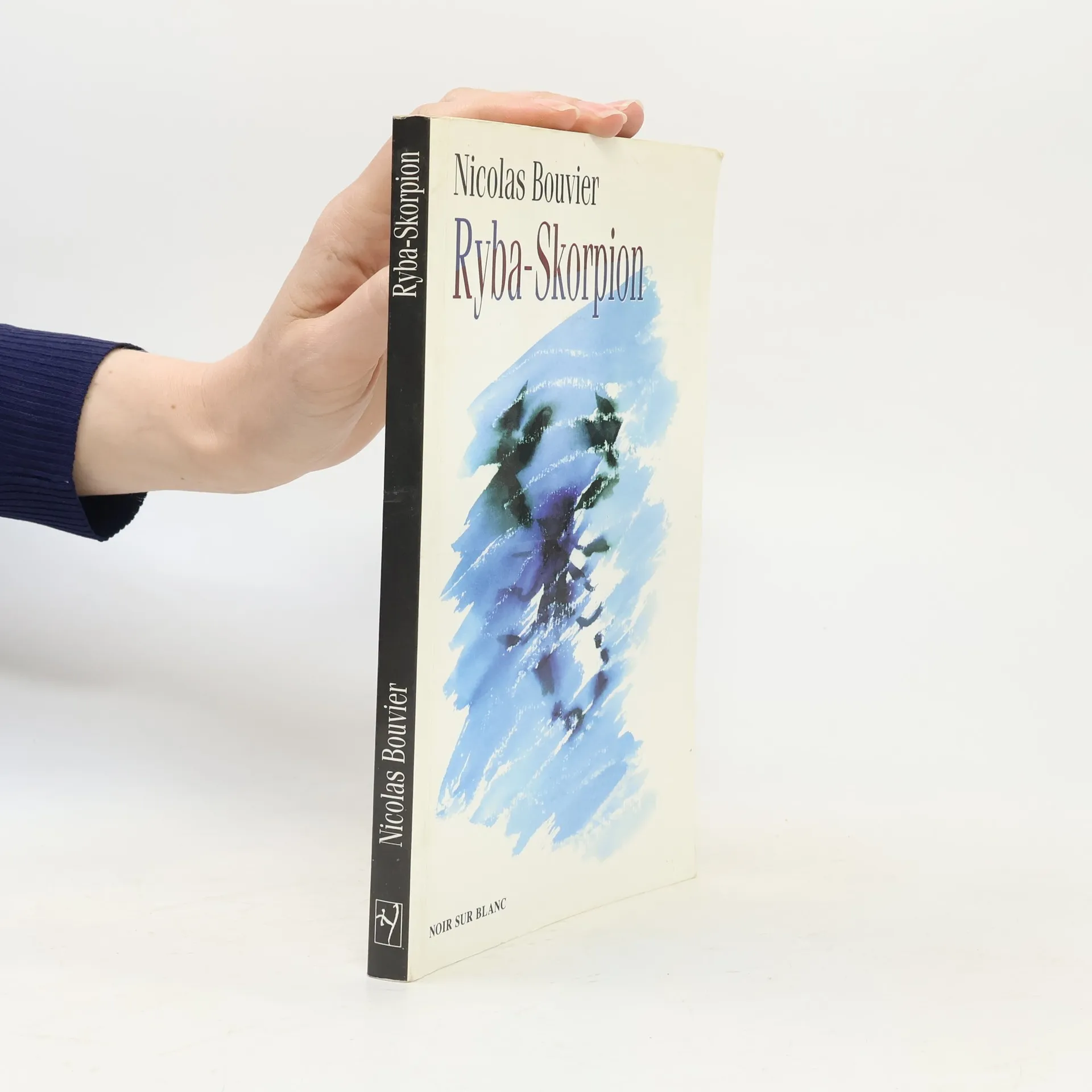
Ryba-Skorpion
- 144 pages
- 6 hours of reading
Narrator, jak można się łatwo domyślić - pisarz i podróżnik, wędrujący bez określonego celu po Azji, trafia na Cejlon, gdzie z powodu choroby i braku pieniędzy musi pozostać przez dłuższy czas. Przykuty do łóżka, trawiony wywołującą majaki gorączką, ulega wszechogarniającej magii tego miejsca. A jest to miejsce niezwykłe: tu wszyscy rzucają uroki, na ulicy spotyka się demony i czarodziei, a rozmowy z osobami nieżyjącymi od lat są na porządku dziennym. Dzięki cudownemu darowi obserwacji i portretowania Bouvier wprowadza nas także w życie postaci realnych: celnika, sklepikarki z Indigo Street czy ojca Alvaro, jezuity, chociaż realność tego ostatniego także staje pod znakiem zapytania.
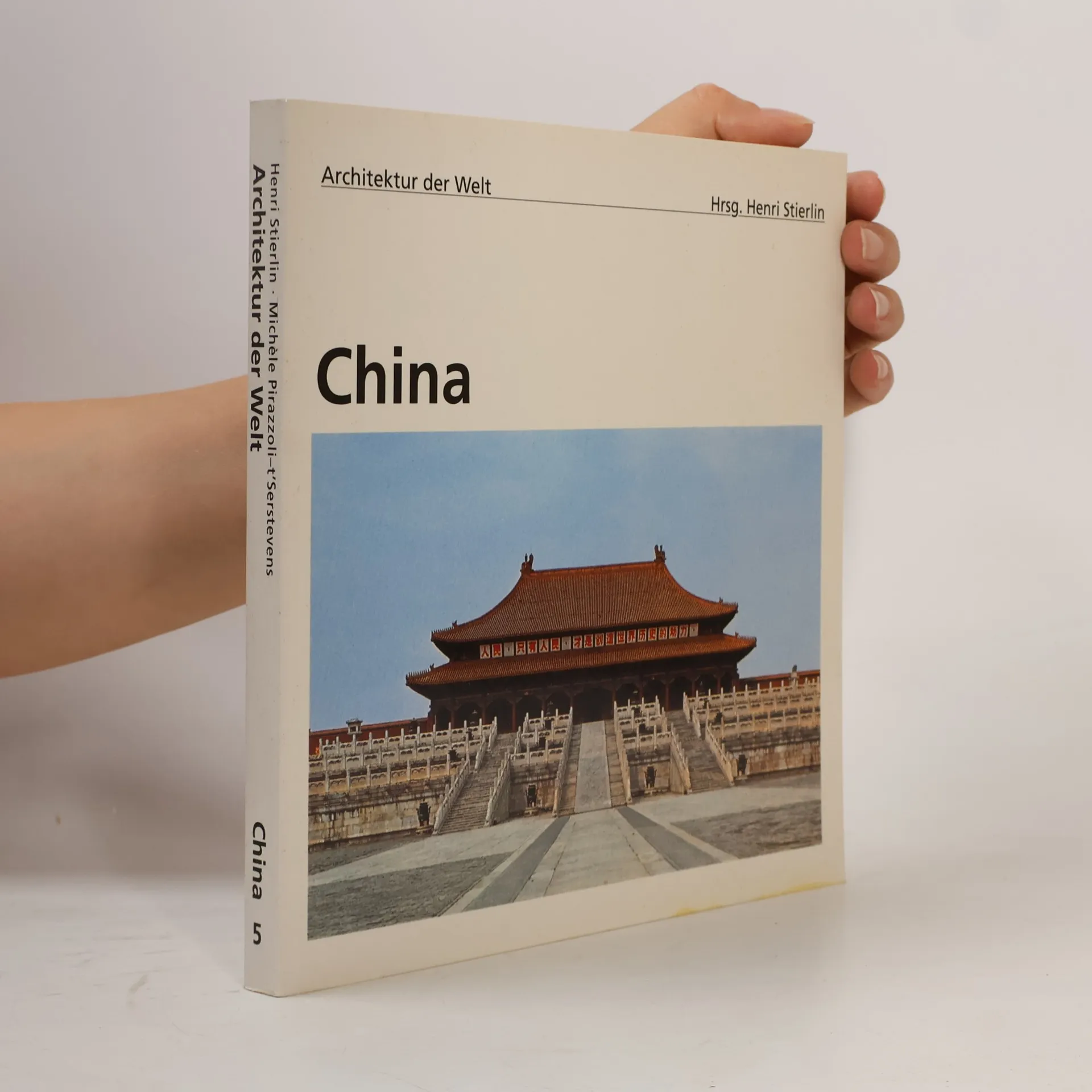
China
- 192 pages
- 7 hours of reading
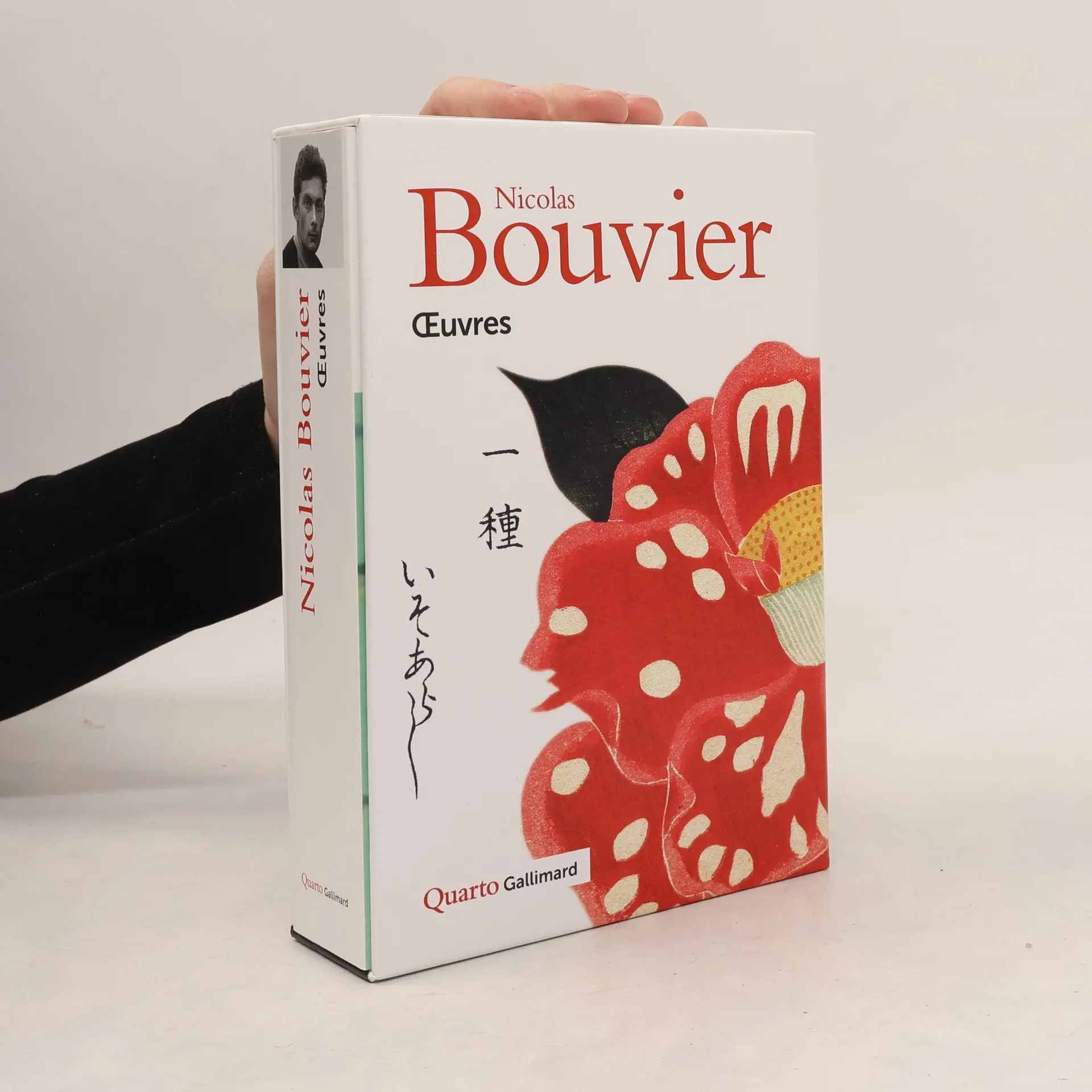
Œuvres
- 1440 pages
- 51 hours of reading