Richard Mitchell, writing as The Underground Grammarian, gained renown for his incisive and satirical essays on the misuse of the English language, particularly within academic settings. His writing, characterized by wit and occasional derision, sharply critiques linguistic abuses and their impact on thought and education. Mitchell's literary legacy lies in his ability to blend brilliant style with profound analysis, offering readers not only entertainment but also a critical examination of language's power and nuance.
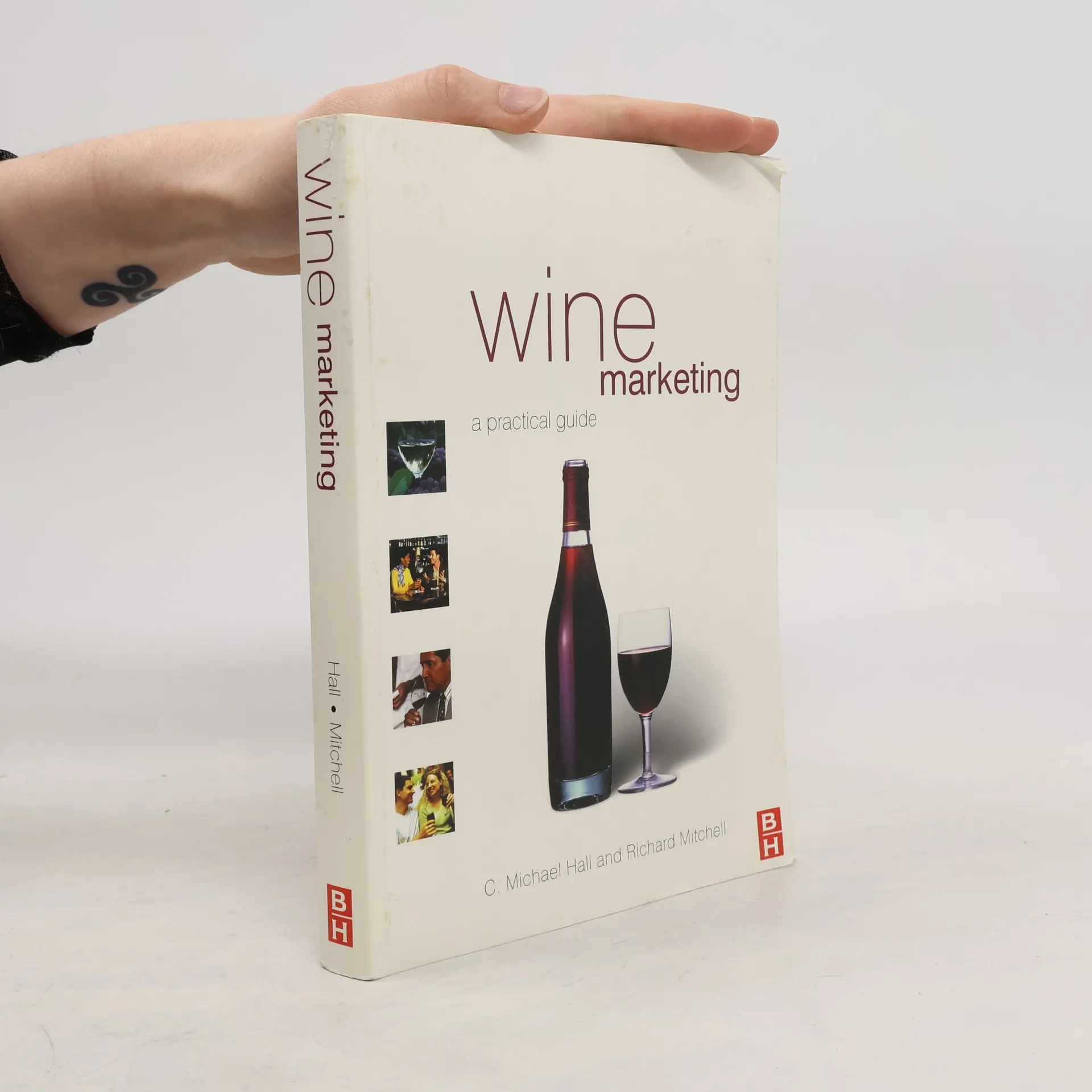
Focusing on the practical aspects of wine marketing, this guide combines theoretical insights with actionable strategies. Each chapter provides invaluable features designed to enhance understanding and application of marketing principles in the wine industry. The book aims to equip readers with the tools necessary to effectively market wine, making it a valuable resource for both beginners and experienced professionals in the field.
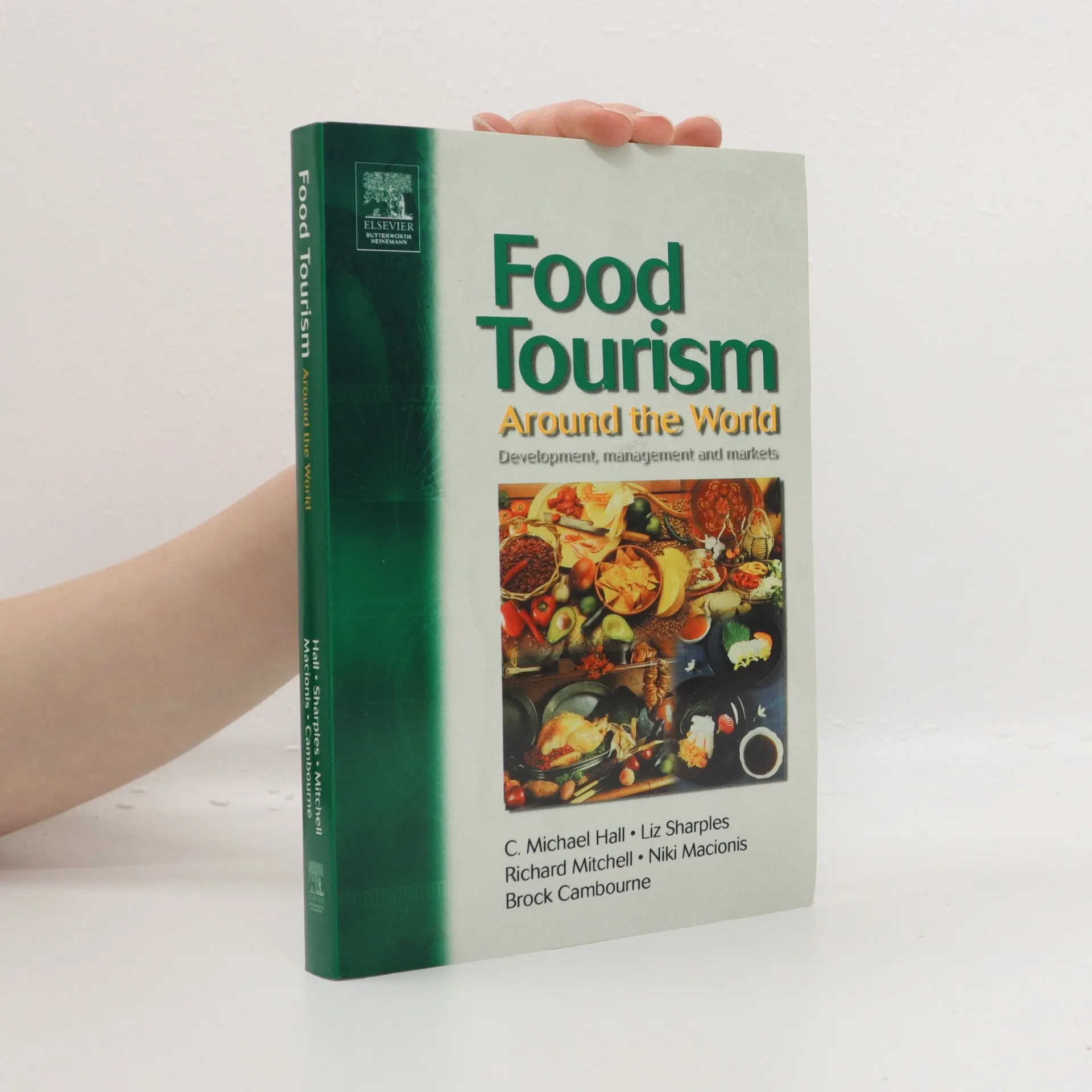
Food and wine are vital components of the tourism experience, and are increasingly being seen as prime travel motivators in their own right. Food Tourism Around The Development, Management and Markets offers a unique insight into this phenomenon, looking at the interrelationship between food, the tourism product and the tourist experience.Using international case studies and examples from Europe, North America, Australasia and Singapore, Food Tourism Around The Development, Management and Markets discusses the development, range and repurcussions of the food tourism phenomenon. The multi-national contributor team analyses such issues * the food tourism product* food tourism and consumer behaviour* cookery schools - educational vacations* food as an attraction in destination marketingIdeal for both students and practioners, the book represents the most comprehensive and wide-ranging treatment yet of this recent development in tourism.
Twenty-odd years ago, Richard Mitchell, a professor at New Jersey’s Glassboro State College, set out on a quixotic the rescue of the English language and the minds of those attached to the world by it. Donning cape and mask as “The Underground Grammarian,” Mitchell sallied forth upon his newsletter against the nonsense being spoken, written, and, indeed, encouraged by the educational establishment. (“One thing led to another,” as he tells it, “a front page piece in The Wall Street Journal, a proÞle in Time, and other such. Before it was over, The Underground Grammarian came to be, in the world of desktop printing, the Þrst publication to have subscribers on every continent except Antarctica.”) What began as a vivid catalog of ignorance and inanity in the written work of professional educators and their hapless students soon became an enterprise of most noble an investigation, via mordant wit and Þerce intelligence, of “what we might usefully decide to mean by ‘education.’” The results of Mitchell’s inquiries are as stimulating today as they were when Þrst articulated. His project remains a telling explication of how, through writing, we discover thought and make knowledge. It is certainly the most drolly entertaining.