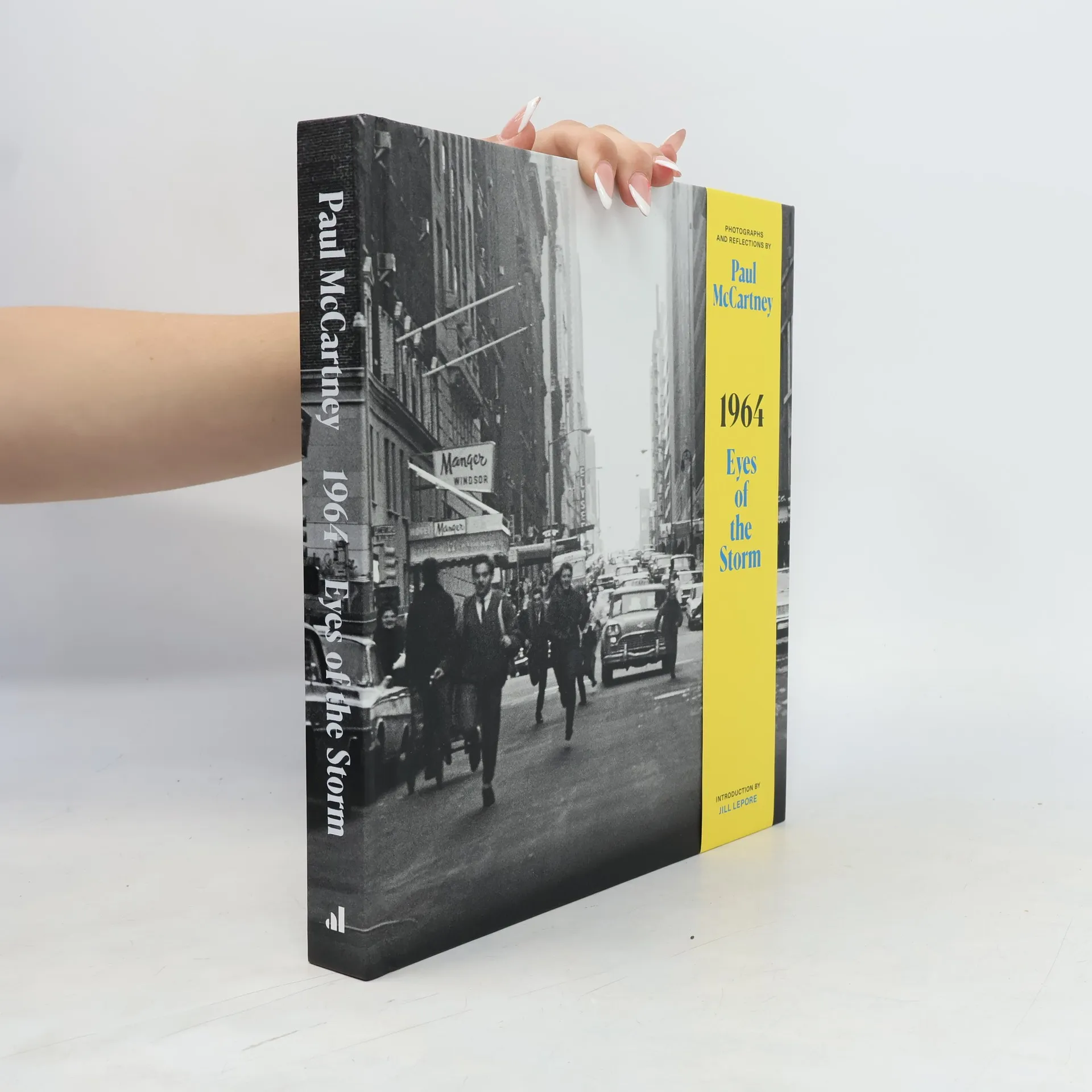
In 2020, a remarkable collection of nearly a thousand photographs taken by Paul McCartney during the pivotal months of late 1963 and early 1964 was rediscovered. These images capture the explosive rise of Beatlemania in the UK and the band's first visit to the USA, marking their ascent to global fame. McCartney's personal record from this time, which he describes as being in the "Eyes of the Storm," features 275 photographs from six cities: Liverpool, London, Paris, New York, Washington, D.C., and Miami, including many never-before-seen portraits of John, George, and Ringo. In his Foreword and city portfolio introductions, McCartney reflects on the chaos of the era, describing it as "pandemonium" and sharing his impressions of Britain and America in 1964, a time when cultural shifts began to define the Sixties. The collection also includes a Coda on the latter months of 1964, alongside insightful contributions such as an Introduction by historian Jill Lepore and a Preface by Nicholas Cullinan, Director of the National Portrait Gallery. Additionally, Senior Curator Rosie Broadley offers an essay titled "Another Lens," enriching the narrative of this iconic period in music history.
Jill Lepore Books
Jill Lepore is a distinguished professor of American history and a staff writer for The New Yorker, renowned for her deep explorations into the nation's past. Her work delves into complex societal issues, skillfully weaving historical narratives with a unique perspective that illuminates the present. Lepore's writing examines how the past shapes our current reality and how historical accounts are continuously reshaped. She is celebrated for a style that balances scholarly rigor with literary grace, making her contributions accessible and compelling to a wide audience.


These truths : a history of the United States
- 932 pages
- 33 hours of reading
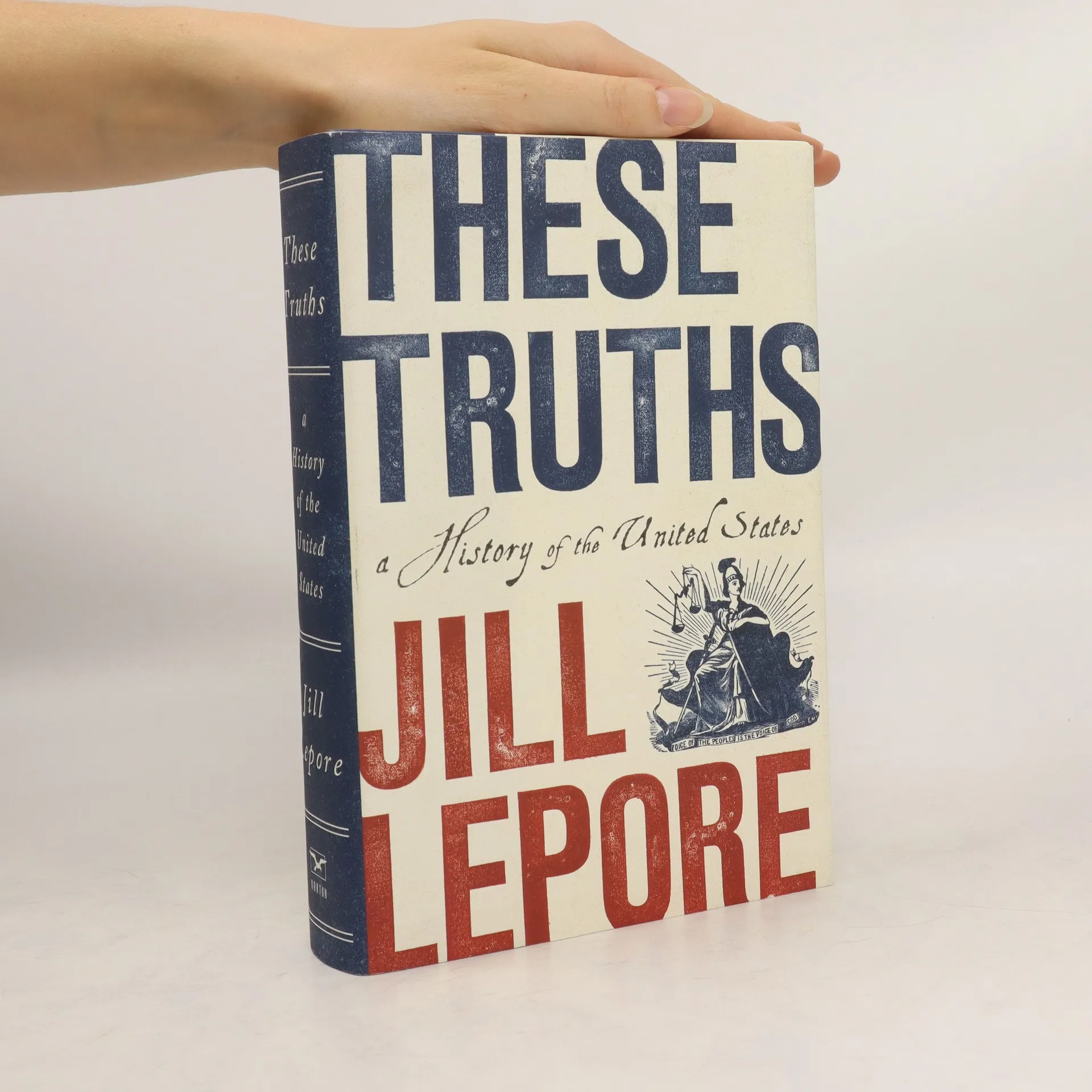
In a sweeping one-volume account of American history, award-winning historian Jill Lepore presents a profound exploration of the nation's origins and divisions. Her work emphasizes the importance of truth—anchored in facts and evidence—as central to understanding America’s past. The American experiment is built on three foundational ideas: political equality, natural rights, and the sovereignty of the people, all of which require a fearless commitment to inquiry for self-governance to thrive. Beginning in 1492, Lepore examines whether the events of over five centuries have upheld or contradicted these truths. She intertwines the histories of American politics, law, journalism, and technology, spanning from colonial town meetings to modern Internet polls. Her narrative features a diverse array of figures, including prominent leaders and lesser-known activists, such as Frederick Douglass, William Jennings Bryan, Pauli Murray, and Phyllis Schlafly. Lepore asserts that Americans are descendants of both oppressors and the oppressed, and she reflects on the ongoing struggle over the meaning of the nation’s history. Engaging with this past is essential to citizenship, as it is an inheritance that cannot be ignored. "The past is an inheritance, a gift and a burden," she notes, urging readers to confront it.
The American Beast
- 304 pages
- 11 hours of reading
A panoptical vision of modern America, from the brilliant mind of Jill Lepore.
This America: The Case for the Nation
- 160 pages
- 6 hours of reading
'A thoughtful and passionate defence of her vision of American patriotism' New York TimesFrom the acclaimed historian comes this urgent manifesto on the dilemma of nationalism and the erosion of liberalism in the twenty-first century.
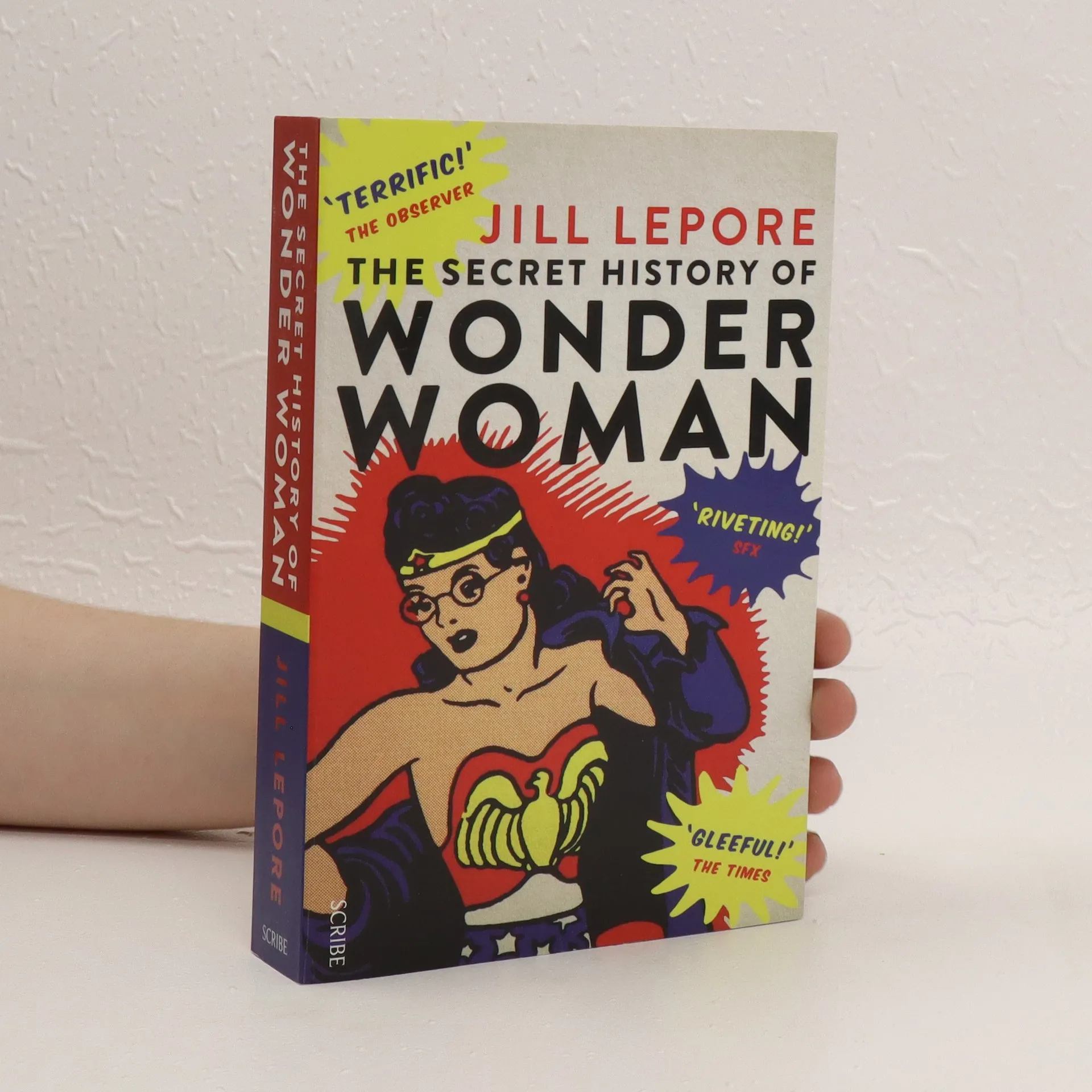
Like every other superhero, Wonder Woman has a secret identity. Unlike every other superhero, she also has a secret history. Drawing from an astonishing trove of documents, including never-before-seen private papers, Harvard historian and New Yorkerstaff writer Jill Lepore reveals the fascinating family story that sparked the invention of the most popular female superhero of all time. Delving into the life of Wonder Woman's eccentric creator, psychologist William Moulton Marston, Lepore uncovers her feminist origins: from the warrior princesses of the Amazon, to suffragists including Emmeline Pankhurst, and the women Marston shared his life with - his wife and his mistress. The Secret History of Wonder Womanis at once a riveting work of pop-culture history, and a crucial insight into the struggle for women's rights in the twentieth century and the troubled place of feminism today.
If Then
- 432 pages
- 16 hours of reading
A brilliant, revelatory account of the Cold War origins of the data-mad, algorithmic twenty-first century, from the acclaimed and internationally bestselling author.
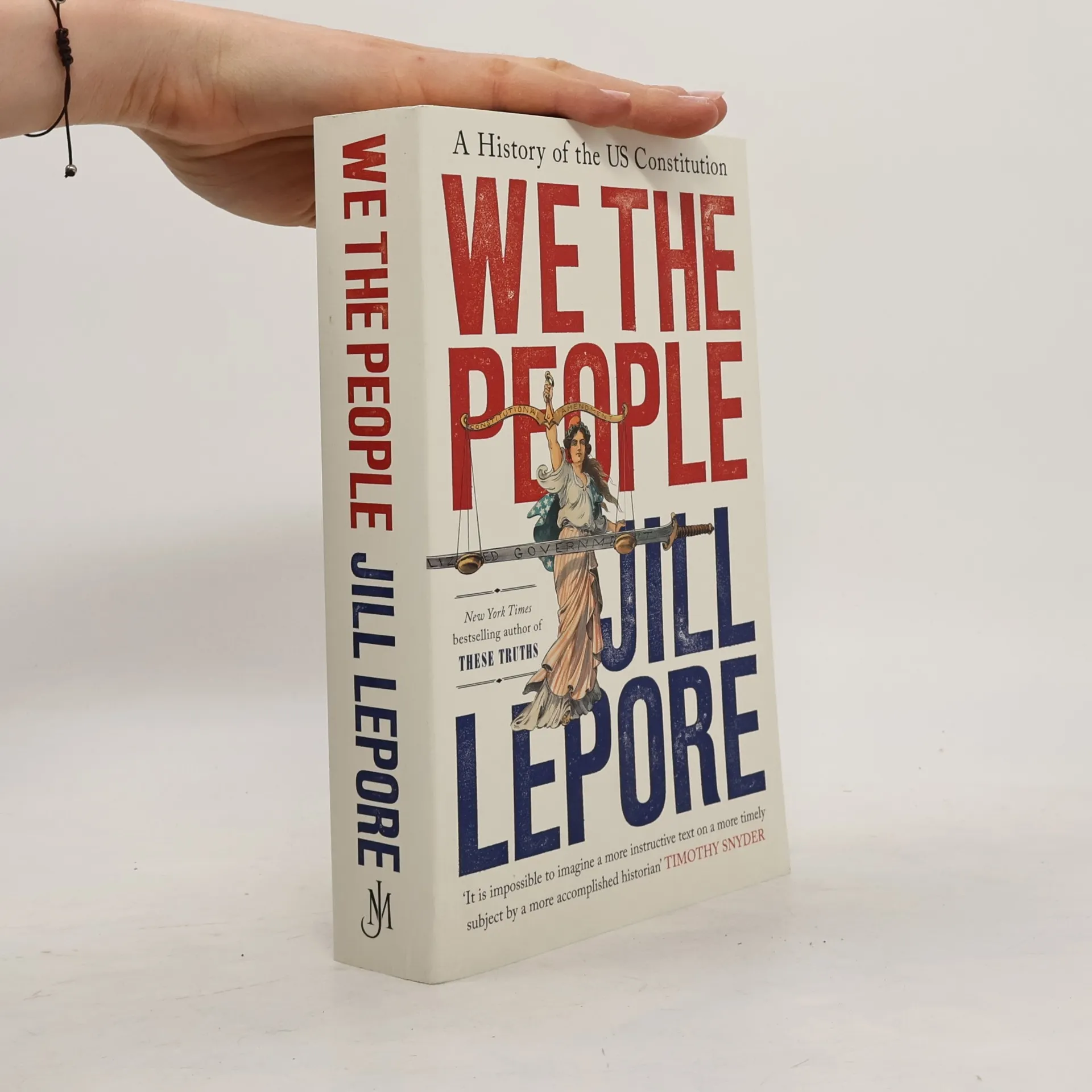
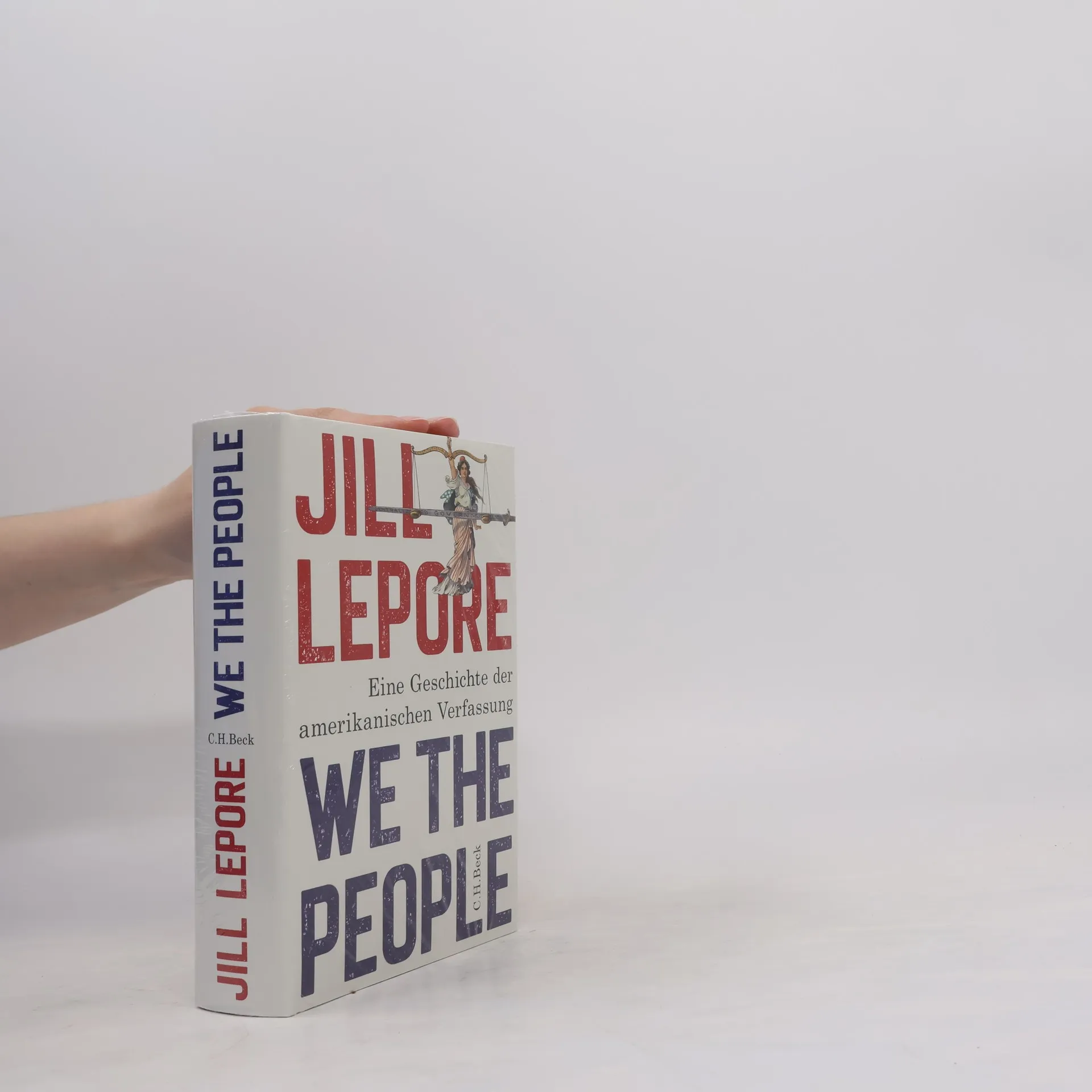
We the People: A History of the US Constitution
- 720 pages
- 26 hours of reading
From the best-selling author of These Truths comes We the People, a stunning new history of the U.S. Constitution, for a troubling new era.
Websterisms
A Collection of Words and Definitions Set Forth by the Founding Father of American English
- 304 pages
- 11 hours of reading
"A national language is a national tie, and what country wants it more than America?"—Noah Webster. What defines American English? In 1800, Noah Webster embarked on a mission to capture the vocabulary of a new breed—the American citizen. Despite being a political conservative, his "American Dictionary of the English Language" emerged from a democratic belief that language belonged to the people. The popularity of a word, regardless of its origins, determined its inclusion. Webster's dictionary played a crucial role in shaping the American character. In a captivating introductory essay, historian Jill Lepore revives the complex figure of Webster, highlighting his dedication to words and his nuanced views on language and politics. Arthur Schulman, a crossword puzzle creator for "The New York Times," has selected fifteen hundred entries from Webster's original work, showcasing his interpretive skills and moralistic tendencies. These annotated excerpts, enriched with quotes from contemporary American sources, provide insight into a nascent Republic. "Websterisms" offers a fresh perspective on the man often regarded as the Founding Father of American English and his monumental achievement. Compiling his dictionary took Webster twenty-eight years, during which he faced ridicule for attempting to define American English. Yet, his work endured, with many of his definitions, like "spank" and "caucus," still in use today. This explora
Die Regierung der Maschinen
- 368 pages
- 13 hours of reading
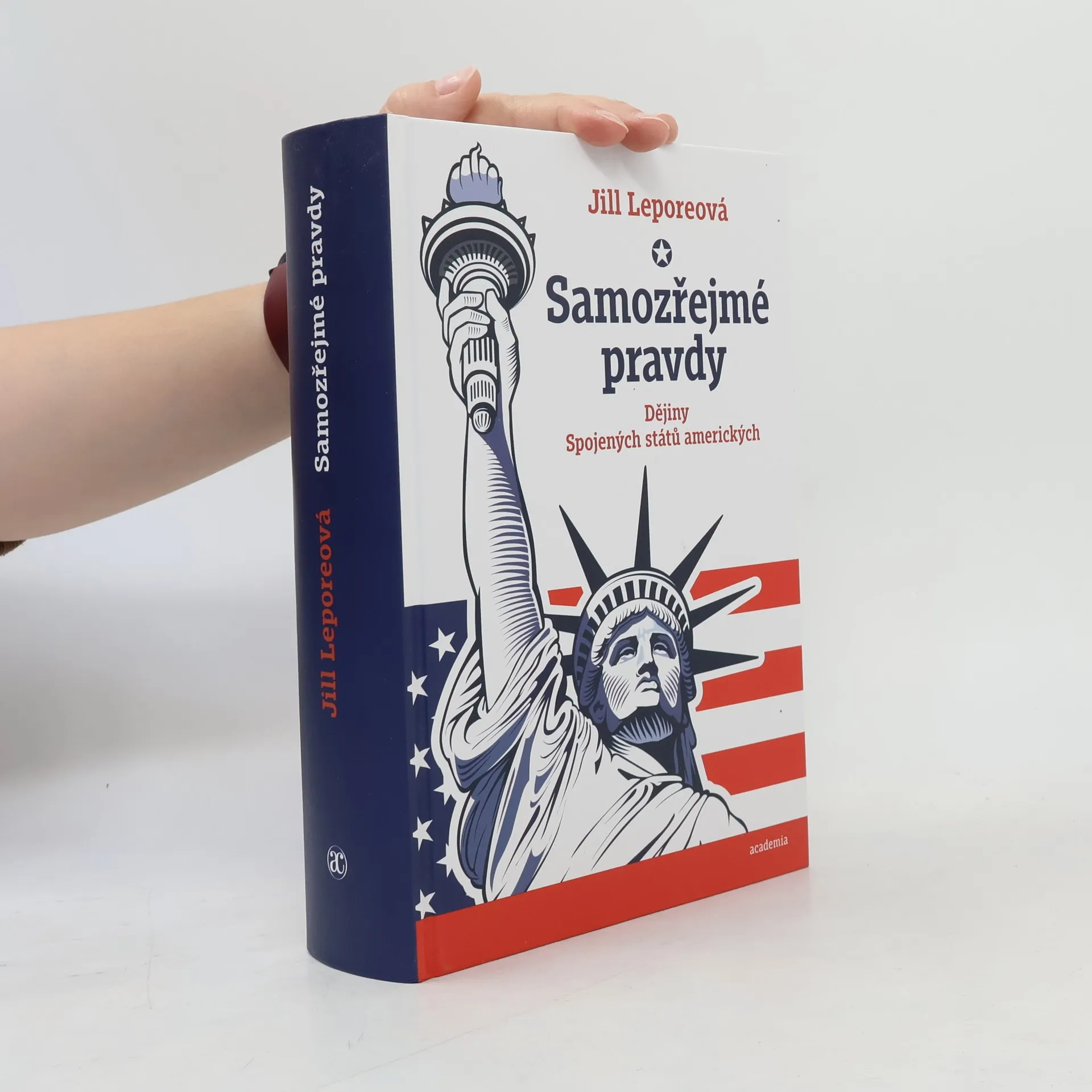
Samozřejmé pravdy. Dějiny Spojených států amerických
- 1016 pages
- 36 hours of reading
Samozřejmé pravdy historičky Jill Leporeové jsou čtivě napsané dějiny Spojených států amerických a k nim přiřazených protikladů, jež tuto zemi provázely od samého vzniku. Události i historické osobnosti jsou poměřovány ústavou USA, z níž si Leporeová vypůjčila i název („Pokládámeza samozřejmé pravdy, že všichni lidé jsou stvořeni sobě rovni...“). První psaná demokratická ústava světa vznikla v zemi, kde otroky vlastnili samotní její tvůrci. Vedoucí představitelé země vedli při formování Unie debaty o tom, zda při sčítání lidu otroky zahrnout mezi lidi, nebo je počítat jako majetek. Autorka nabízí nepřikrášlený pohled na (politické) dějiny USA od Kolumba po Trumpa a vyhýbá se přitom generalizování, anachronickým výkladům i tendenčnosti.