
Explore the latest books of this year!
Bookbot

Lew Semjonowitsch Wygotski Books

    November 17, 1896 – June 10, 1934

    Lev Vygotsky was a Soviet developmental psychologist and the founder of cultural-historical psychology. His work explored how culture and social interaction shape cognitive development, particularly language, thinking, and memory. Vygotsky emphasized the crucial role of social engagement and language as tools for learning and intellectual growth. His theories continue to profoundly influence psychology, education, and linguistics.

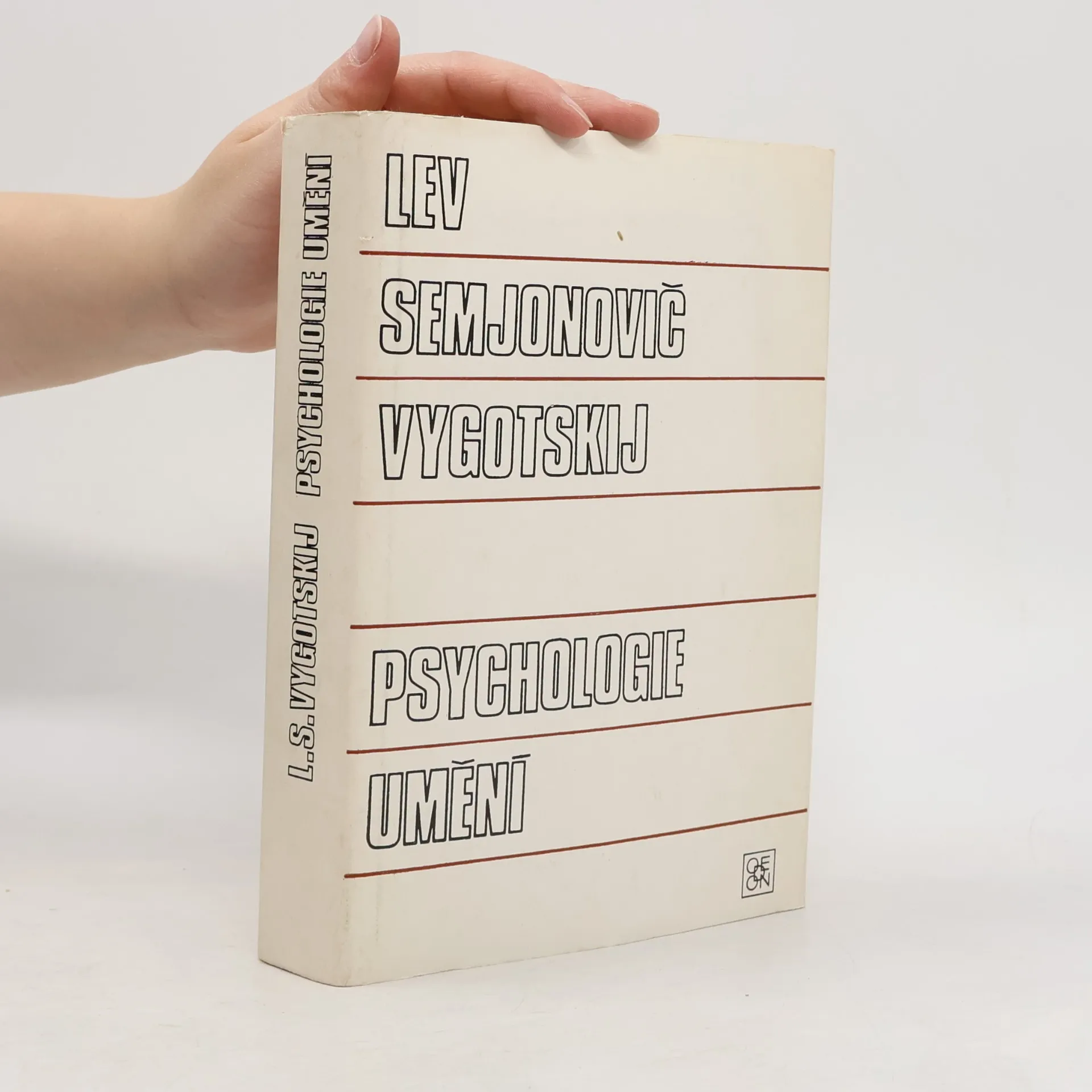
    Lew Semjonowitsch Wygotski
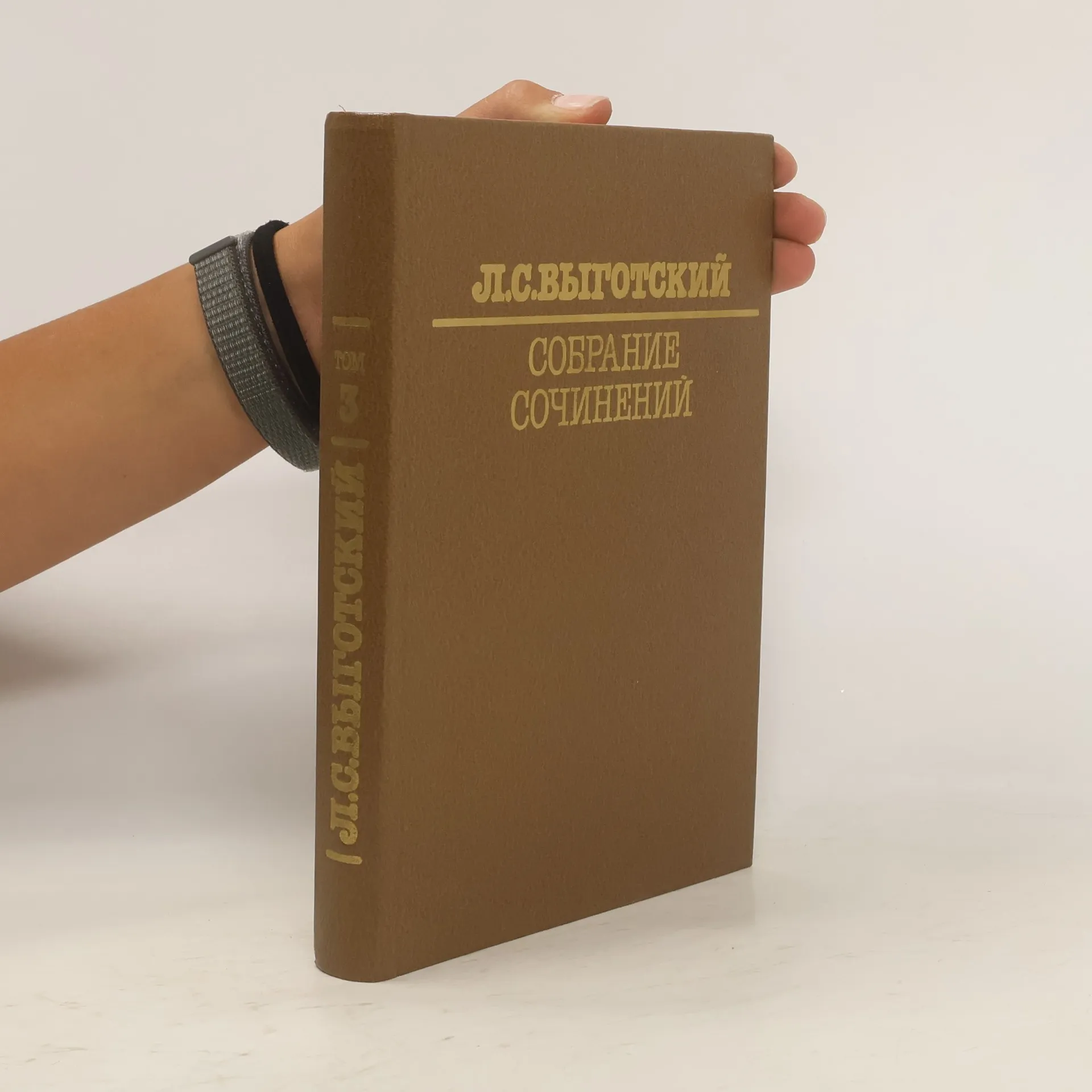
    Собрание Сочинений 3
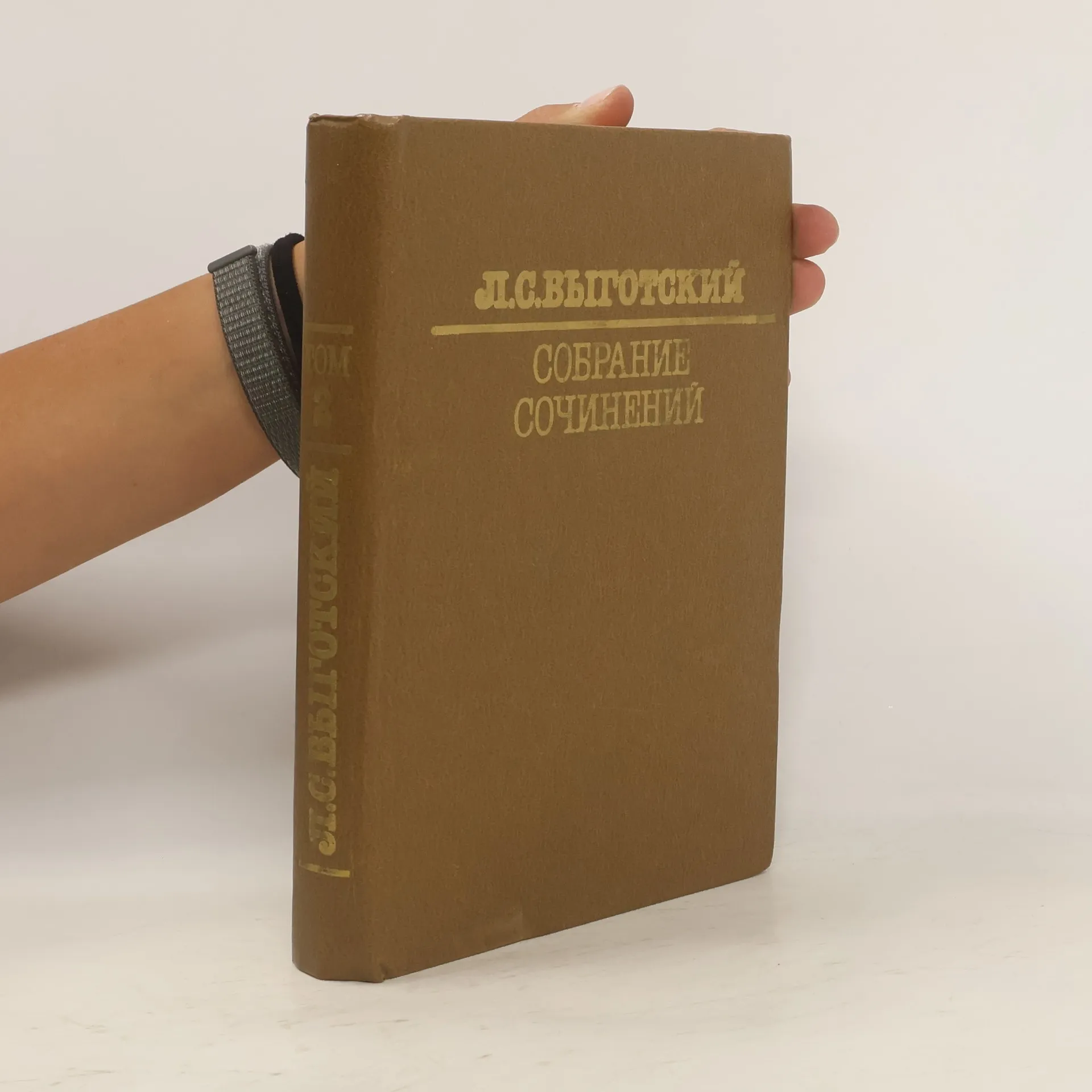
    Собрание сочинений
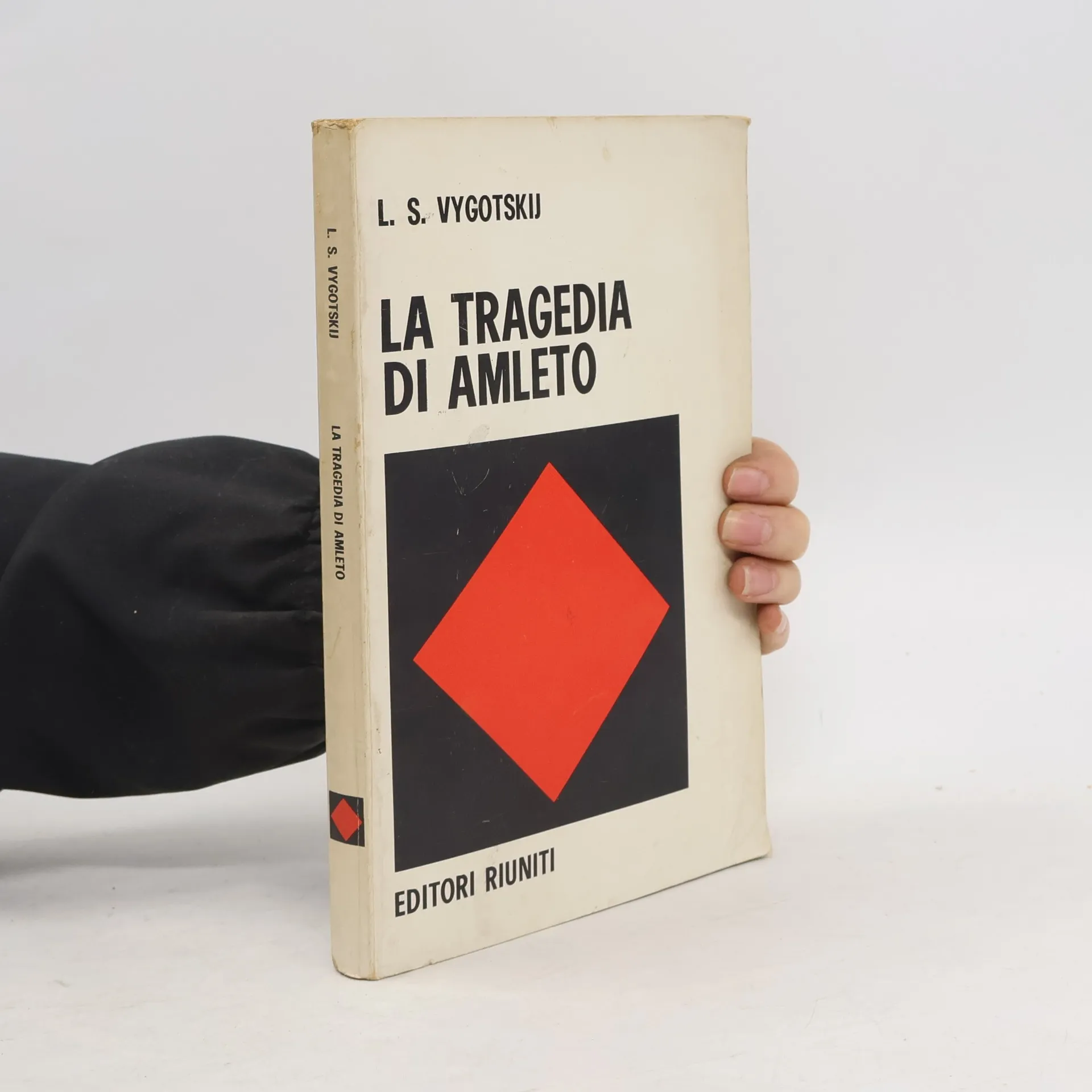
    La tragedia di Amleto
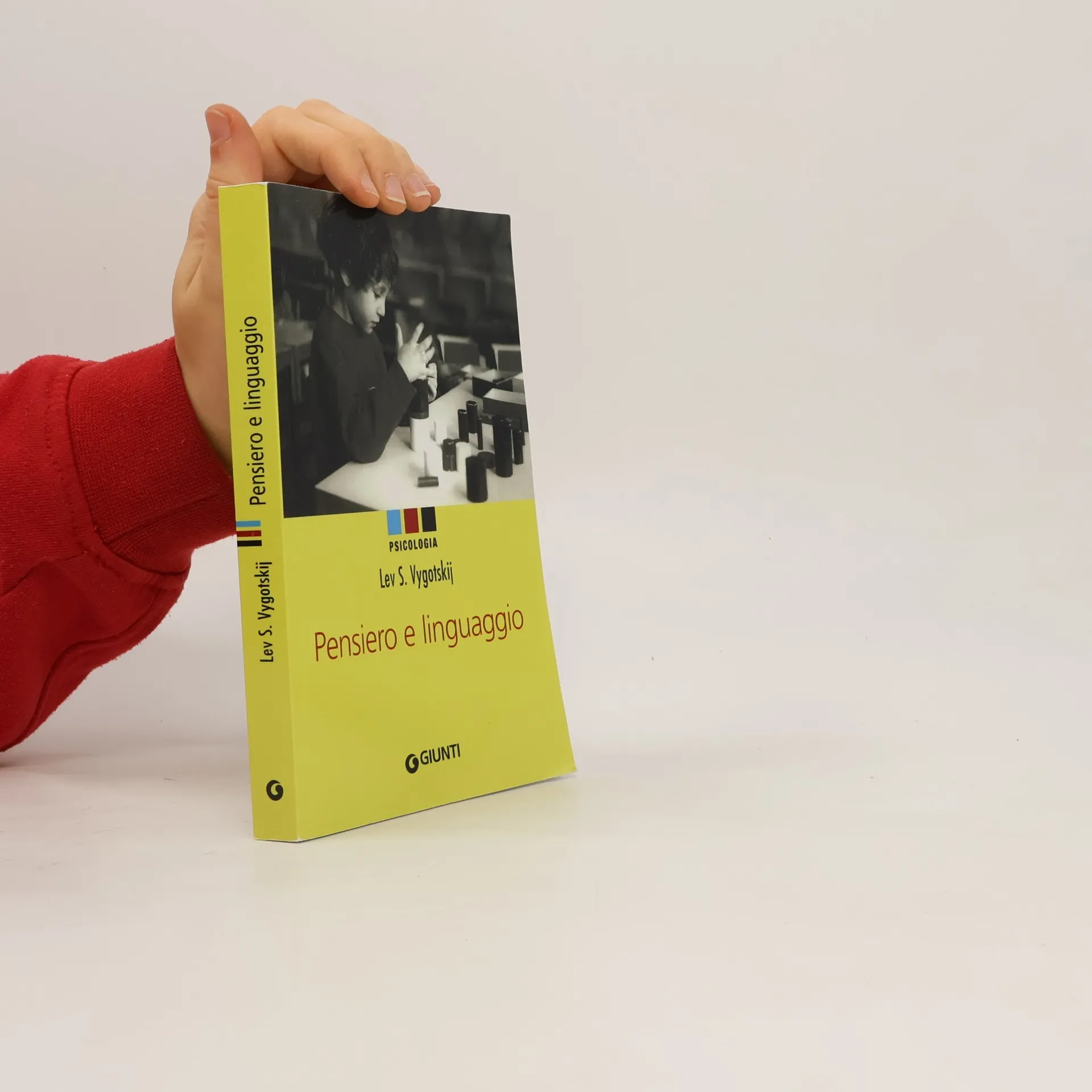
    Psicologia: Pensiero e linguaggio (Italian Edition)
    Ausgewählte Schriften
    Thought and language
    • Thought and language

      • 192 pages
      • 7 hours of reading

      2012 Reprint of 1962 Edition. Exact facsimile of the original edition, not reproduced with Optical Recognition Software. Vygotsky's closely reasoned, highly readable analysis of the nature of verbal thought as based on word meaning marks a significant step forward in the growing effort to understand cognitive processes. Speech is, he argues, social in origins. Speech is learned from others and, at first used entirely for affective and social functions. Only with time does it come to have self-directive properties that eventually result in internalized verbal thought. A classic work.

      Thought and language
      3.2
    • Ausgewählte Schriften

      Arbeiten zur Entwicklung der Persönlichkeit

      • 696 pages
      • 25 hours of reading

      Die Arbeiten von Lev Semjonovic Vygotskij zu entwicklungspsychologischen Problemen, insbesondere zum Kindes- und Jugendalter, nehmen einen breiten Raum in seinem Schaffen ein. Viele Ideen und Begriffe haben schon lange Eingang in die psychologische Literatur gefunden, man denke etwa an die psychischen Neubildungen, an die inneren Widersprüche als Triebkräfte der psychischen Entwicklung, an die Zonen der aktuellen Leistung und der nächsten Entwicklung, an die Transformation sozialer Beziehungen in psychische Funktionen, an den vermittelten Charakter der höheren psychischen Funktionen, an führende oder dominierende Tätigkeiten, an die Wechselbeziehungen zwischen Unterricht und geistiger Entwicklung, an die kausalgenetische Methode. Sie im Kontext von Vygotskijs eigenen Werken zu lesen, gab es aber sehr wenig Möglichkeiten. Dies wird durch die hier vorgelegte Auswahl zumindest teilweise möglich.

      Ausgewählte Schriften
    • Pensiero e linguaggio viene pubblicato per la prima volta in Russia nel 1934. Nel 1936 è di fatto messo al bando a causa di un decreto governativo che proibisce la diffusione e l’applicazione in campo pedagogico delle teorie di Vygotskij. L’opera ricompare nel 1956; l’edizione americana del 1962, su cui si basa in parte la presente edizione, fa conoscere Vygotskij in Occidente.Secondo l’autore le operazioni mentali superiori, specificamente umane, si sviluppano da funzioni “naturali”, organicamente determinate, a mano a mano che il fanciullo interiorizza gli “strumenti” culturali che mediano e guidano il suo pensiero.I principi teorici formulati in Pensiero e linguaggio sono basati sullo studio della formazione concettuale; in questo ambito l’autore si confronta con la teoria piagetiana del linguaggio egocentrico (in appendice è riportato un “Commento” di Piaget stesso alle osservazioni critiche di Vygotskij) e analizza temi come le interazioni fra sviluppo mentale e istruzione scolastica e il rapporto fra apprendimento dei concetti “scientifici” e sviluppo dei concetti “spontanei”.

      Psicologia: Pensiero e linguaggio (Italian Edition)