Carbide
- 250 pages
- 9 hours of reading
Carbide explores the underbelly of the Ukrainian smuggling industry in a merciless yet loving parody of Ukrainian nationalism.


David J. Vaughan is a celebrated author delving into the darker, more compelling aspects of history, focusing on themes of crime, madness, and violence. His work often plunges into the shadowy corners of Britain's past, unearthing less-examined narratives and presenting them to readers with a vivid and engaging style. Through a blend of historical rigor and masterful storytelling, Vaughan illuminates the complex human motivations and societal forces that shaped events across centuries. His writing appeals to those seeking a profound exploration of history's less-trodden paths.



Carbide explores the underbelly of the Ukrainian smuggling industry in a merciless yet loving parody of Ukrainian nationalism.
Antarctica, climate change and me: Foreword by Professor Emily Shuckburgh
The book explores Antarctica's breathtaking landscapes and diverse wildlife while delving into the stories of heroic explorers from the past. It highlights the continent's significance as a crucial component of the Earth's ecosystem, emphasizing its status as the last frontier and its vital role in sustaining life on our planet.
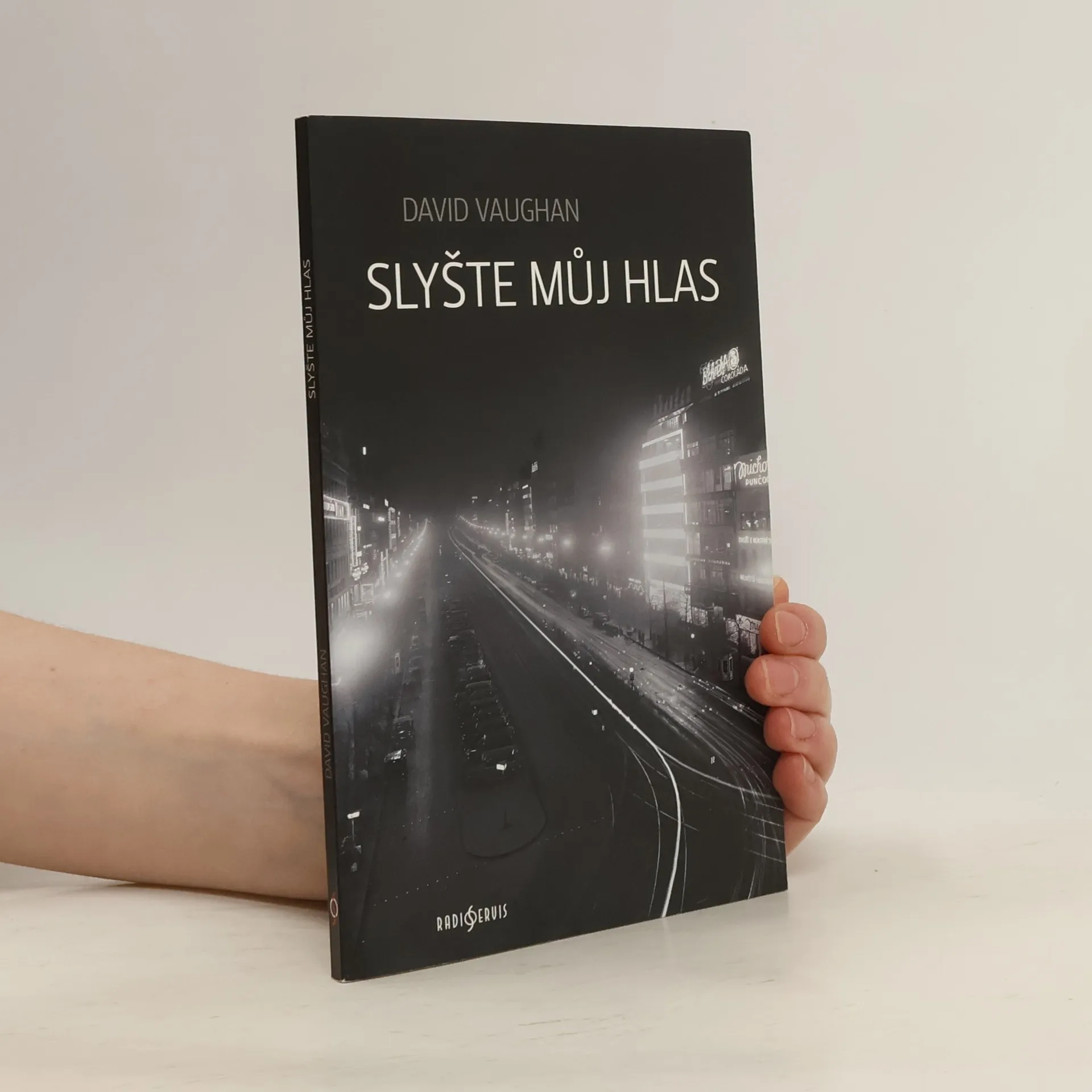
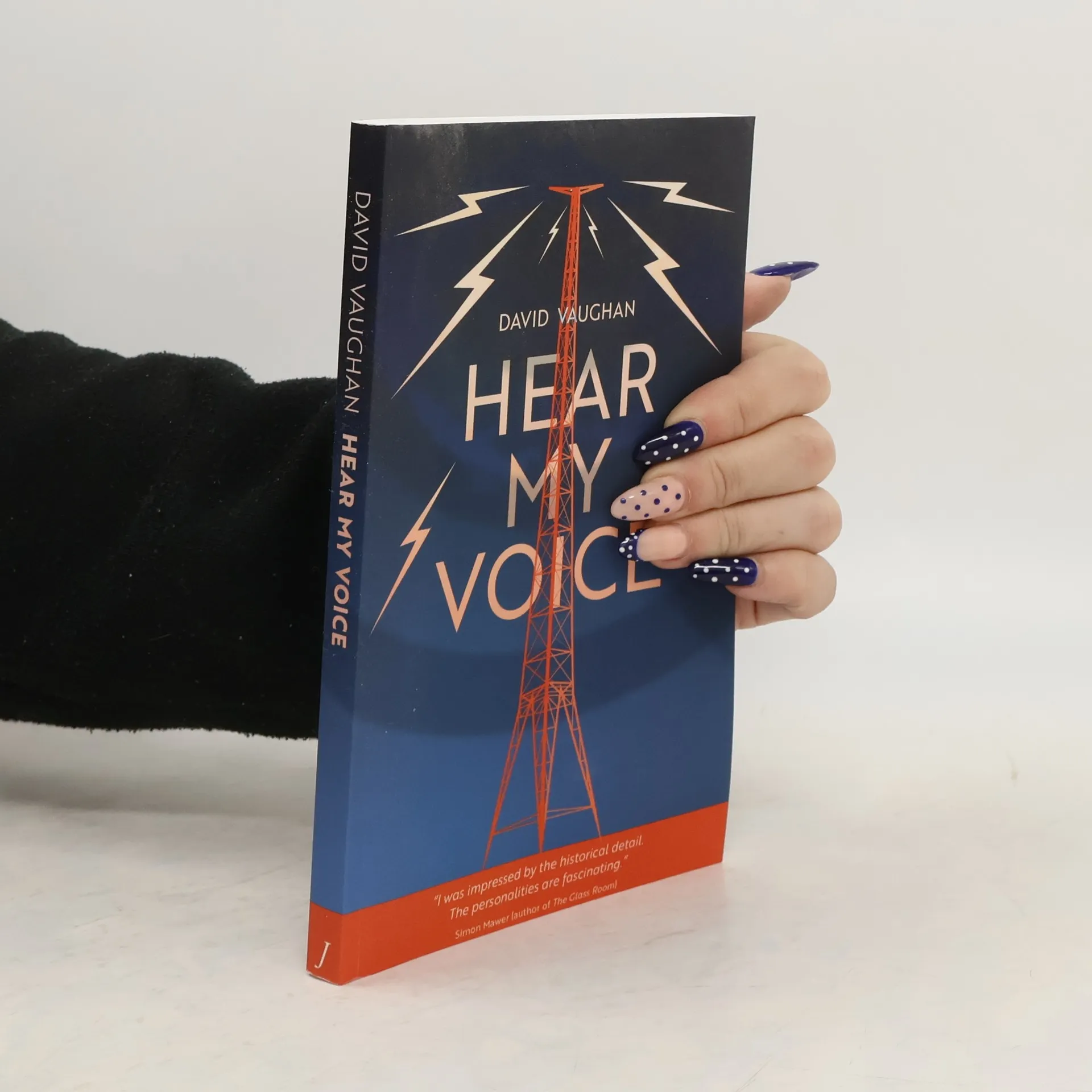
It is 1938 and Hitler is spreading his poison through Central Europe. With the world's press corps descending on Prague, a young man from London arrives in the city as an interpreter. His world is shaken as he witnesses dramatic and unsettling events.
Prag, Ende 1937: Ein junger Dolmetscher aus England gerät mitten hinein in die dramatischen Monate, die dem Münchner Abkommen vorausgehen. An der Seite von Radiojournalisten erlebt er hautnah, wie ein neues Medium – der Rundfunk – zum Schlachtfeld wird: Werkzeug der Aufklärung für die einen, Waffe des Hasses für die anderen. David Vaughan lässt reale Persönlichkeiten der Zeit – von Edvard Beneš über William Shirer bis Karel Čapek – lebendig werden und zeichnet das packende Porträt eines Jahres, in dem Manipulation zur Normalität wurde und die Welt lernte, den falschen Stimmen zu misstrauen – zu spät. Ein Roman über die Anfänge der Propaganda im Rundfunkzeitalter, der auf beklemmende Weise aktuell bleibt.
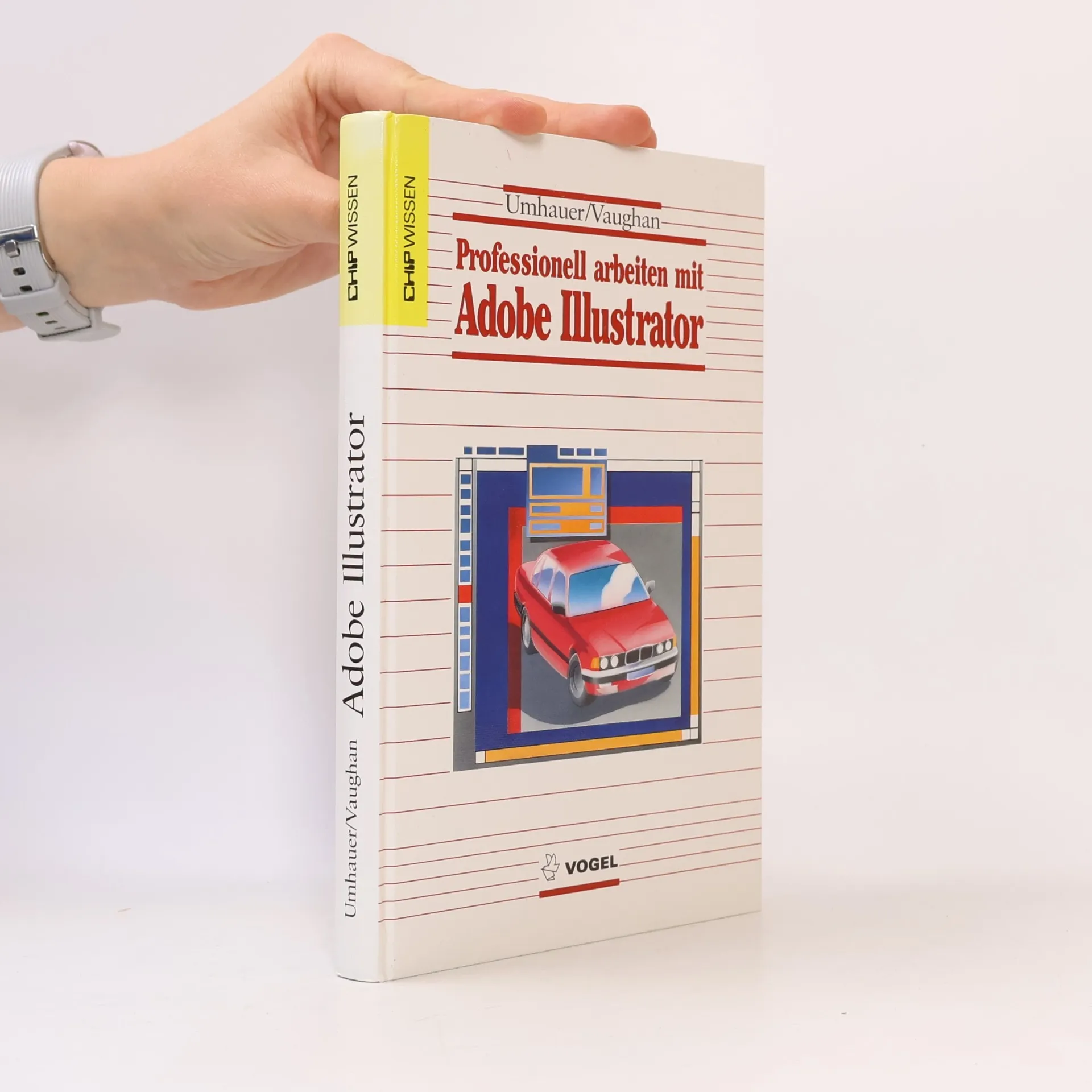
Auf Macintosh und MS-DOS-Rechnern unter Windows
Mladý Angličan, který díky rodinnému prostředí mluví česky, přijíždí na jaře 1938 do Prahy jako tlumočník. Přitahuje ho rozhlas jako nejmodernější sdělovací prostředek a brzy tu nachází přátele v nejmladší generaci redaktorů. Napětí mezi Čechy a henleinovskými sudetskými Němci eskaluje, Československo se přechodně stává středem zájmu světového tisku a bezejmenný vypravěč se jako tlumočník dostává i do míst vzrůstajícího konfliktu: do Karlových Varů, Liberce a na severočeský venkov. Lidé, s nimiž se potkává, jsou skutečnými historickými postavami.
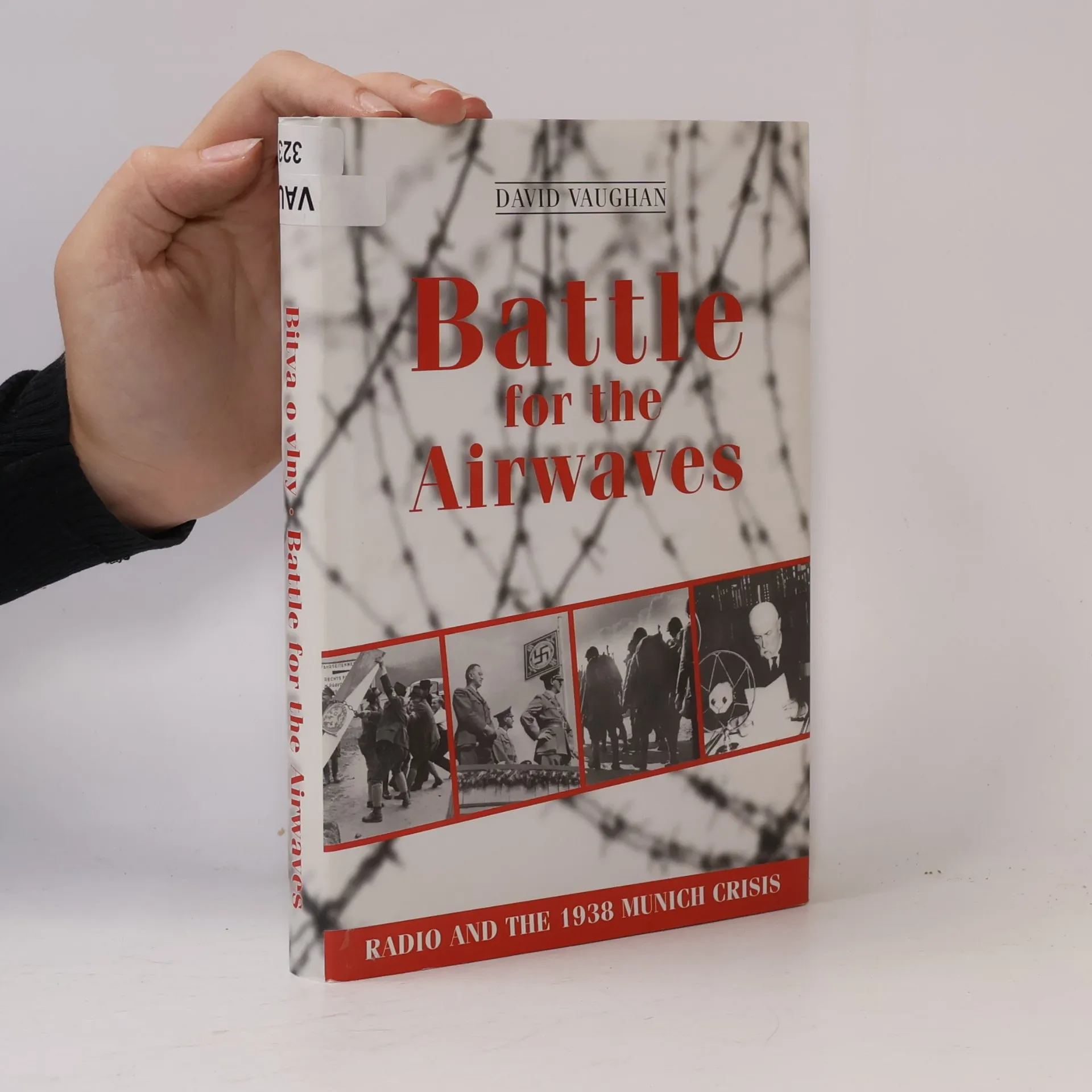
Podtitul: Rozhlas v mnichovské krizi. Rok 1938 byl přelomovým momentem jak v evropských dějinách, tak v historii médií. Když Hitler obsadil Rakousko a obrátil pozornost k Československu, byl rozhlas přímo v centru dění. Publikace Bitva o vlny sleduje, jak se mnichovská krize projevovala ve vysílání rozhlasových stanic v Československu, Německu, Británii a Spojených státech, a poukazuje na to, jak zásadní roli rádio sehrálo v době před podepsáním mnichovské dohody, ale i poté. Je to příběh propagandy a kontrapropagandy, cenzury a autocenzury, ale také odvahy a novátorství. Mnichov byl osudovým krokem na cestě ke druhé světové válce; ale se stal také počátkem věku moderních elektronických médií.